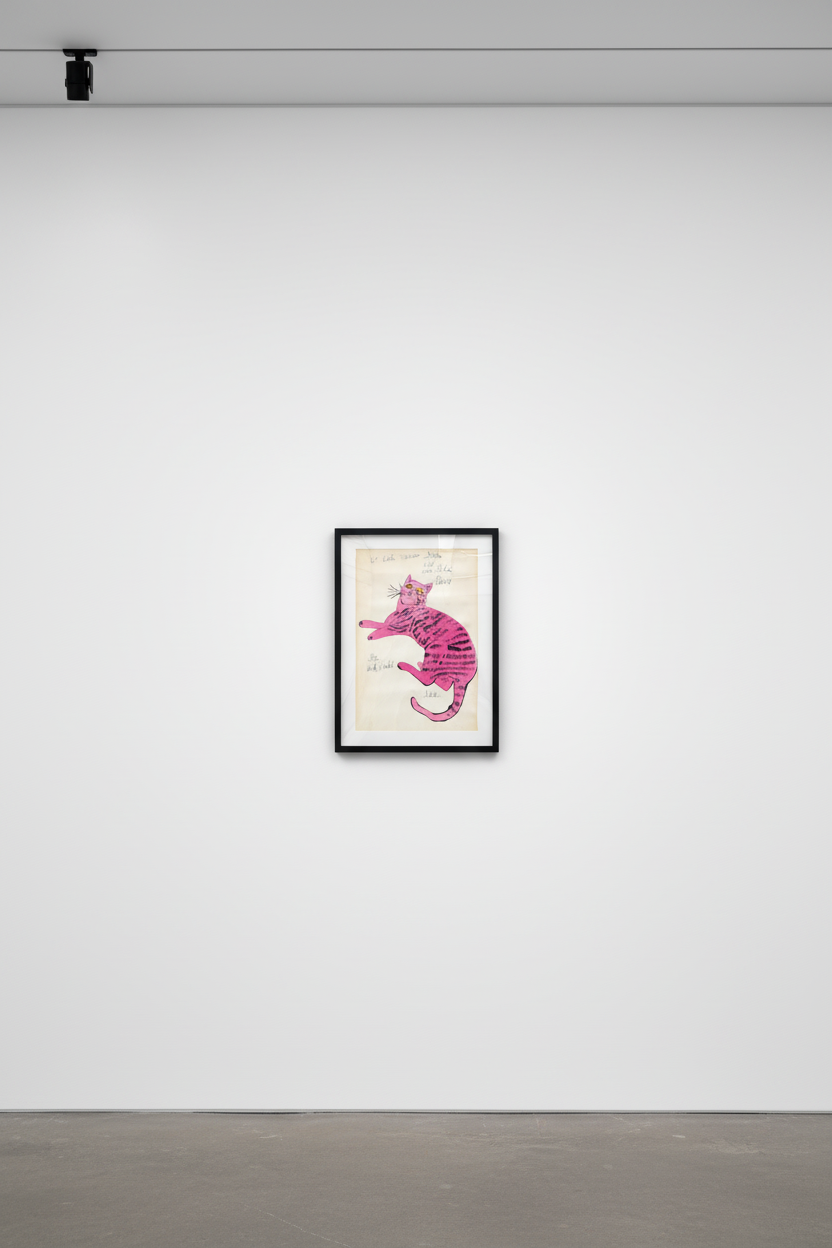
25 Cats Named Sam
20 works

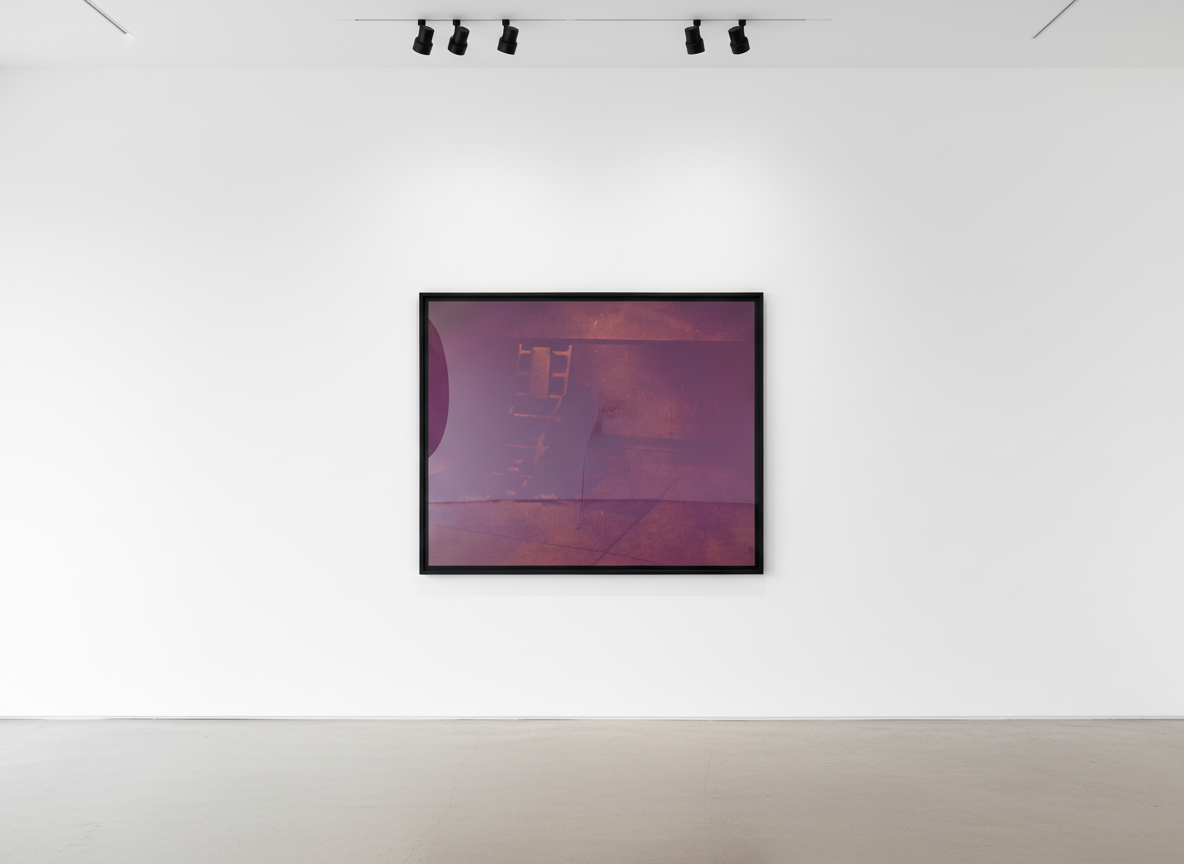
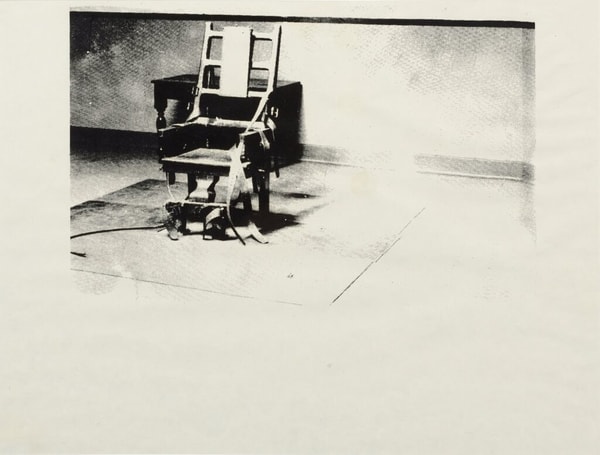
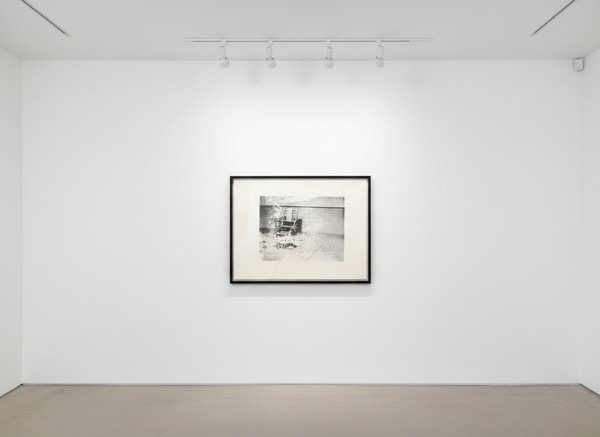
Electric Chair F.S. II 76, 1971
Screen print
35 x 48 in88.9 x 121.9 cm
Edition of 250 plus 50 AP
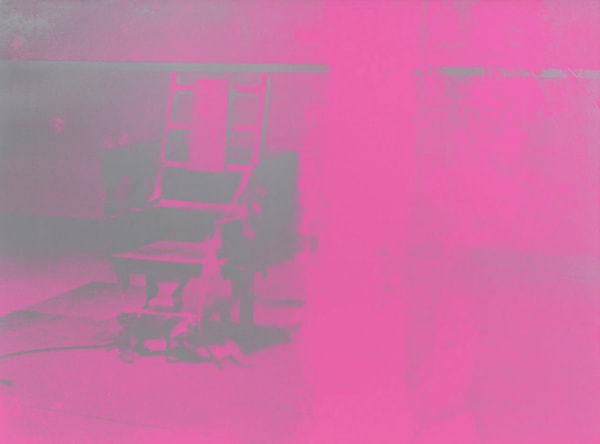
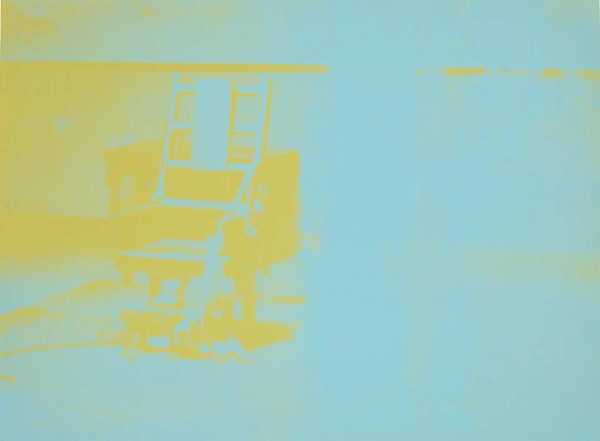
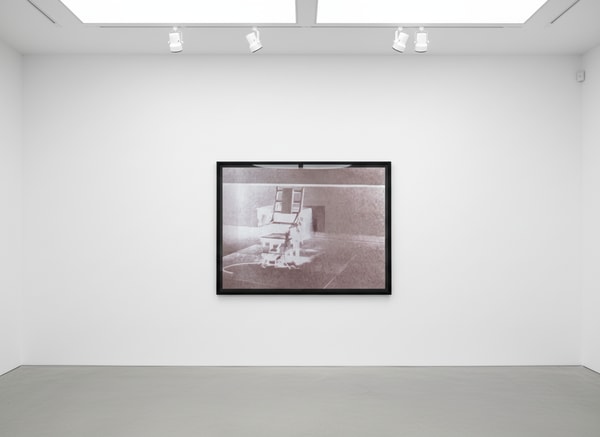
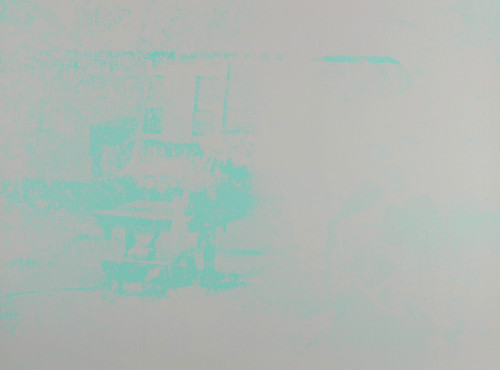
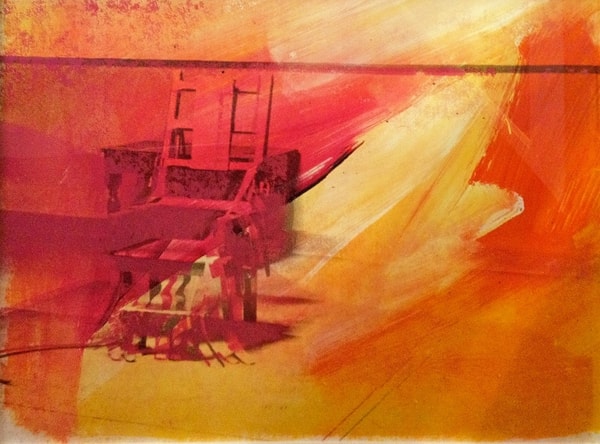
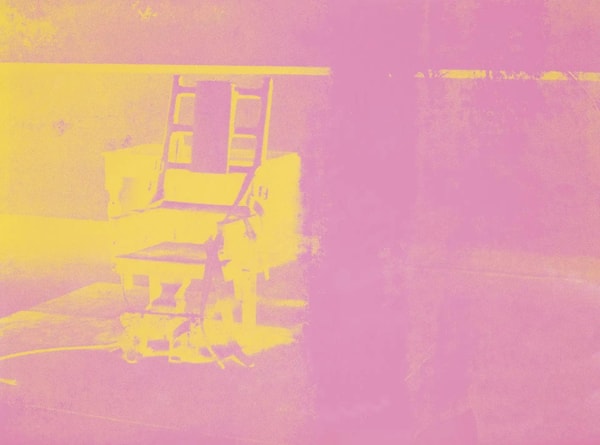
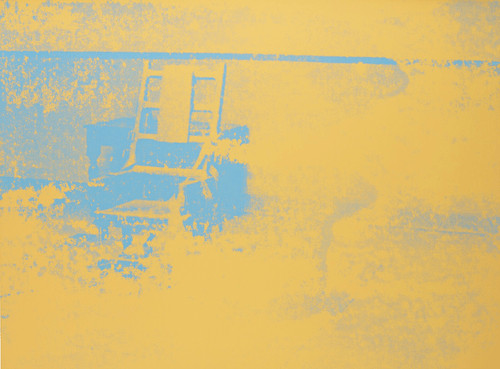
Andy Warhol's Electric Chair prints represent a haunting and provocative exploration of mortality, violence, and the intersection of art and society. Created in the early 1960s, this series of artworks features repeated images of an electric chair, a symbol of death and the judicial system, rendered in Warhol's signature pop art style.Warhol's fascination with the electric chair as subject matter stemmed from his broader interest in the darker aspects of American culture and the pervasive influence of mass media imagery. The electric chair, a potent symbol of capital punishment and state-sanctioned violence, held a particular resonance for Warhol, who saw it as a reflection of the sensationalism and voyeurism of contemporary society.In his Electric Chair series, Warhol employed his distinctive silk-screening technique to create multiple variations of the same image, each with subtle differences in color and composition. This repetition served to underscore the ubiquity of violence and death in modern life, while also challenging the viewer to confront their own complicity in the consumption of such imagery.Despite the grim subject matter, Warhol approached the Electric Chair prints with his characteristic detachment and irony, blurring the lines between art and reality and inviting viewers to reconsider their preconceptions about both. By presenting the electric chair as a familiar yet unsettling image, Warhol forced audiences to confront uncomfortable truths about the nature of power, justice, and the human condition.Warhol's Electric Chair prints also reflect his broader engagement with issues of celebrity and fame, as well as his fascination with the cult of personality and the allure of the macabre. By appropriating and recontextualizing images from mass media sources, Warhol sought to challenge traditional notions of authorship and originality, while also interrogating the ways in which images shape our understanding of the world around us.Today, Warhol's Electric Chair prints remain a powerful and thought-provoking commentary on the darker aspects of American society and the human condition. With their bold imagery, innovative techniques, and incisive social commentary, these artworks continue to captivate audiences and spark conversations about the role of art in confronting uncomfortable truths and challenging the status quo.
Price on Application

Electric Chair · Andy Warhol · Christie's · 1999-05 · $277,500
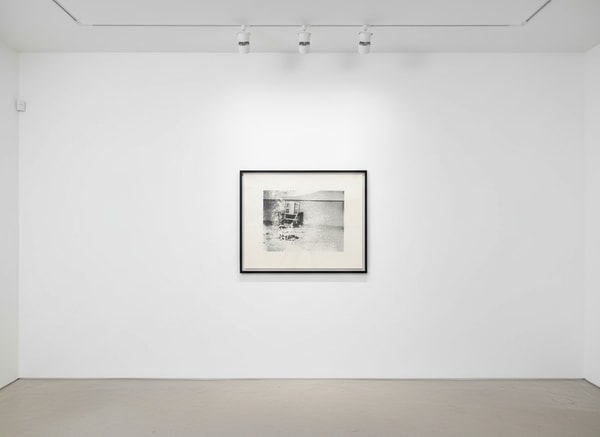
Andy Warhol
Electric Chair (Retrospective Series)
1978
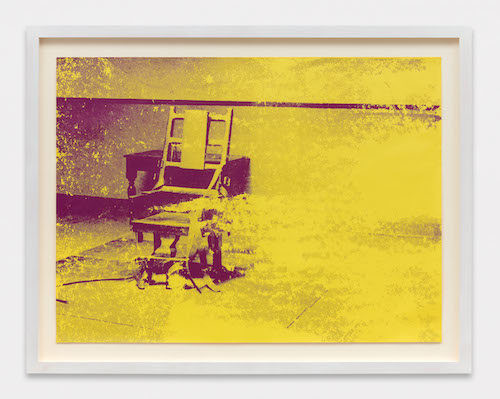
Andy Warhol
Electric Chair (Yellow)
1971
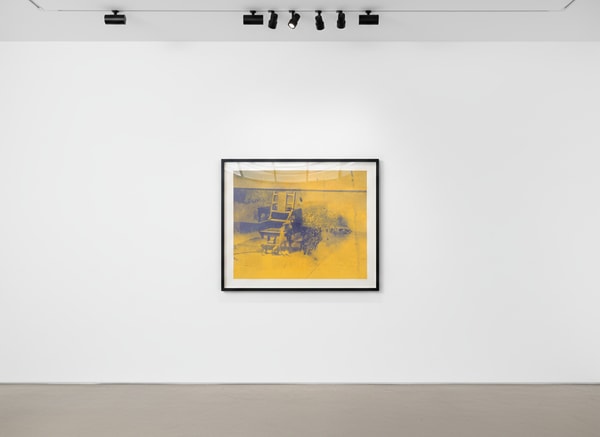
Andy Warhol
Electric Chair F.S. II 74
1971
Andy Warhol
Electric Chair F.S. II 75
1971
Andy Warhol
Electric Chair F.S. II 77
1971
Andy Warhol
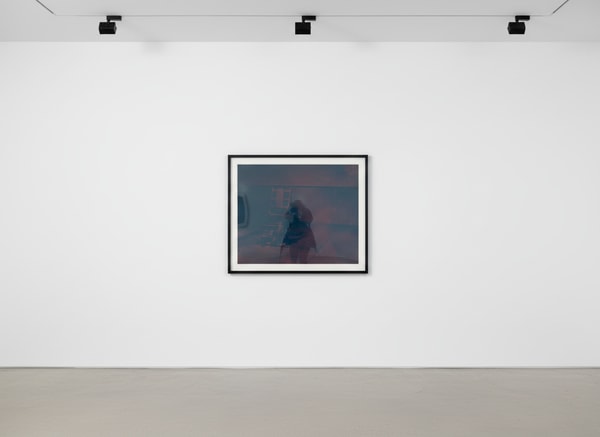
Electric Chair F.S. II 78
1971
Andy Warhol
Electric Chair F.S. II 79
1971
Andy Warhol
Electric Chair F.S. II 80
1971
Andy Warhol
Electric Chair F.S. II 81
1971
Andy Warhol
Electric Chair F.S. II 82
1971
Andy Warhol
Electric Chair F.S. II 83
1971
Andy Warhol
Electric Chair F.S. IIIA 4 (A)
1978
Andy Warhol
Electric Chair F.S. IIIA 4 (B)
1978
Andy Warhol's Electric Chair
Andy Warhol: Prophet and Visionary
Andy Warhol Facts: 25 Things You Need to Know
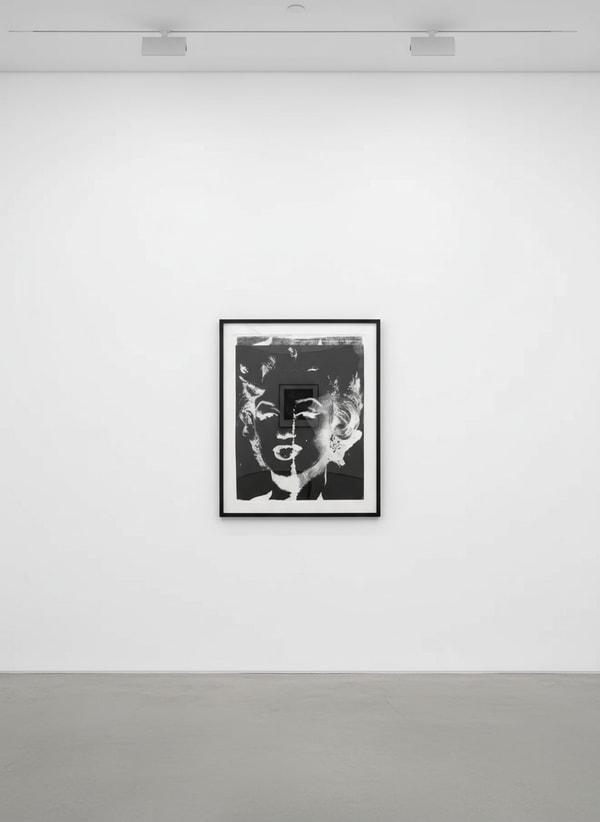
Andy Warhol
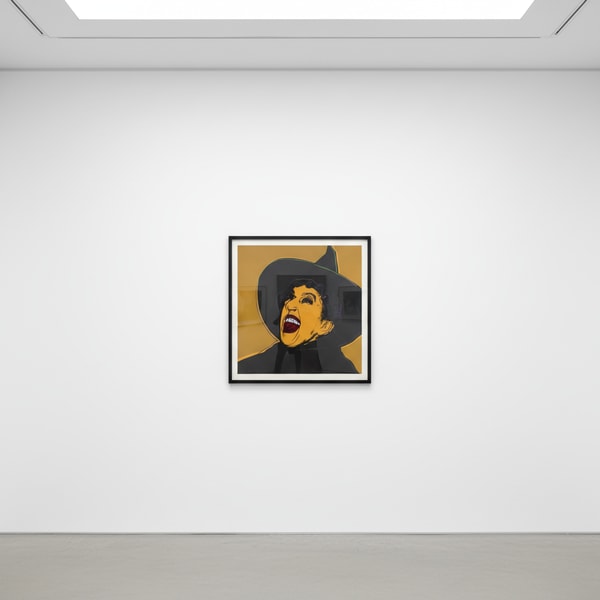
Sotheby's: March Print Auction Top Lots
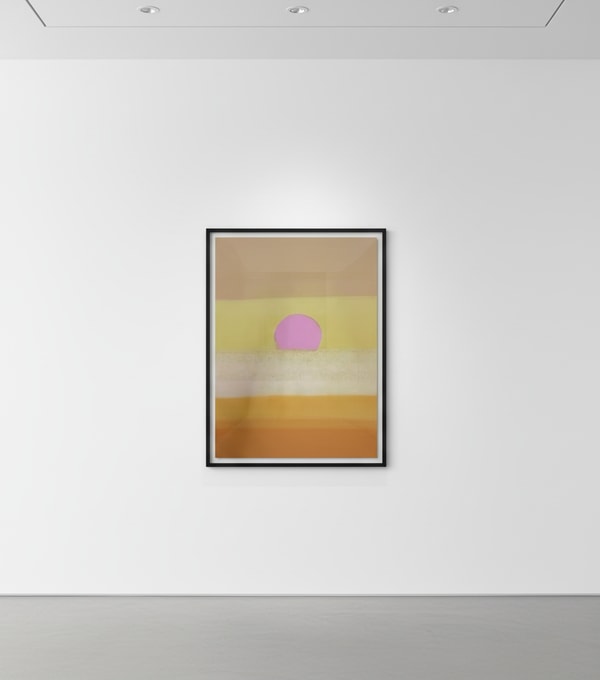
Andy Warhol Sunset Prints
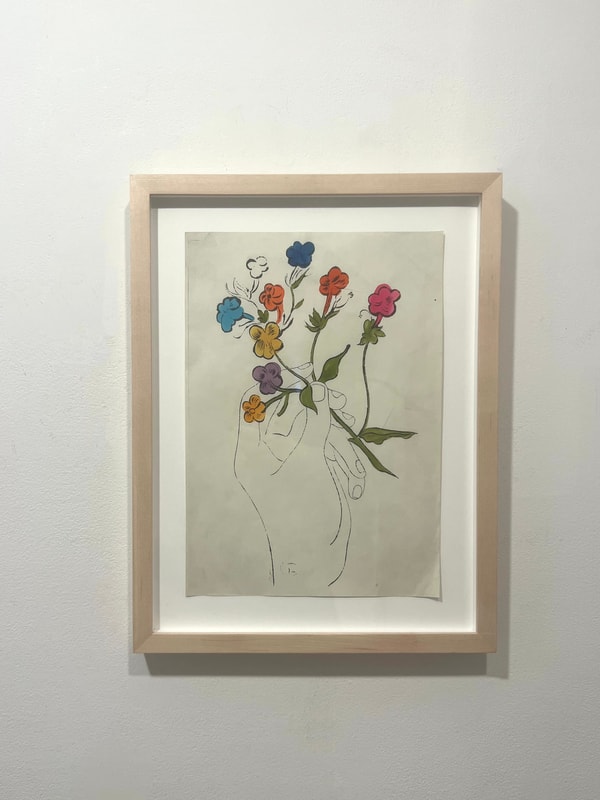
From Vision to Reality
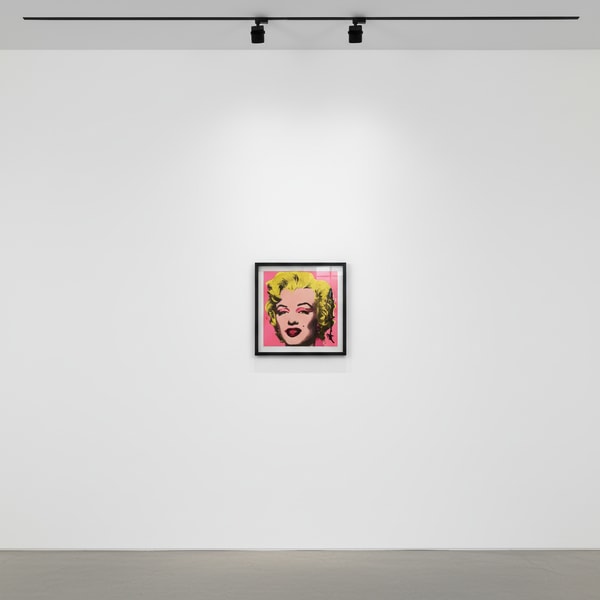
Andy Warhol Marilyn Monroe

The 5 Most Famous Warhol Works
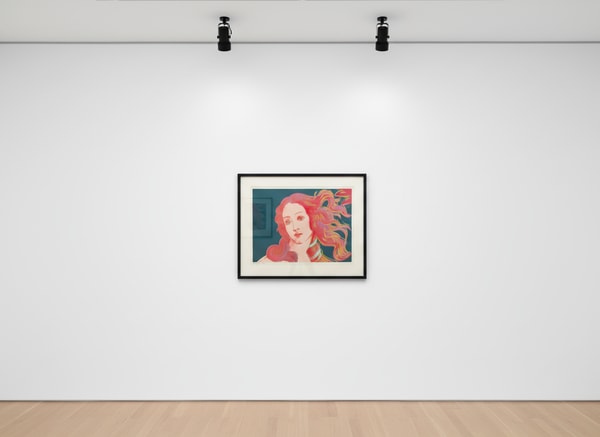
Andy Warhol: Highest Selling Paintings at Auction
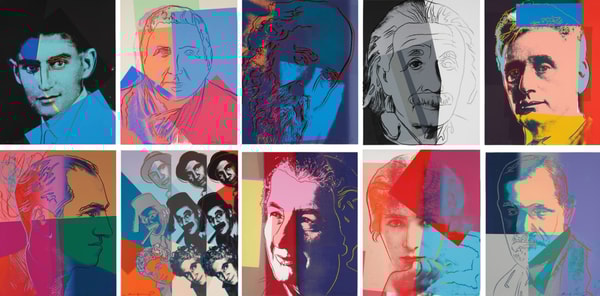
Andy Warhol Celebrity Portraits
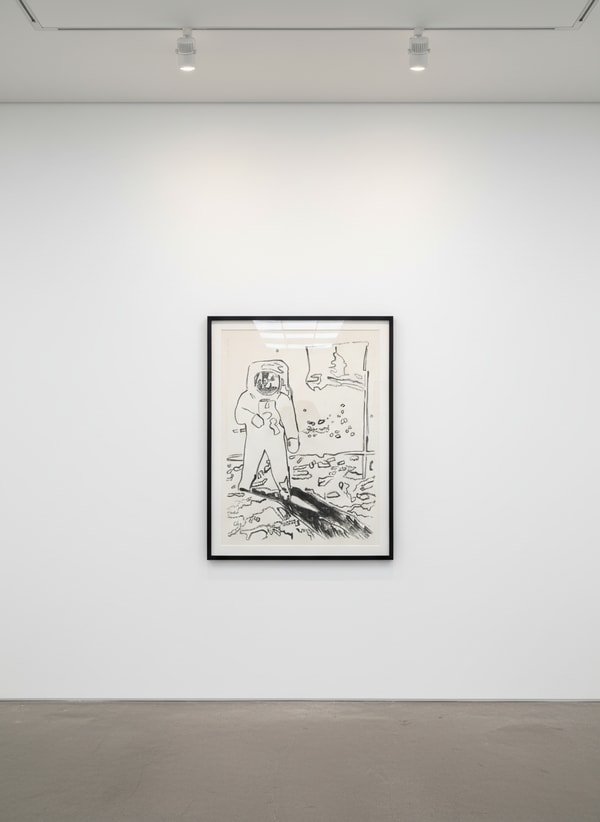
Andy Warhol Moonwalk Print: History, Edition Specifications, and Collector's Guide
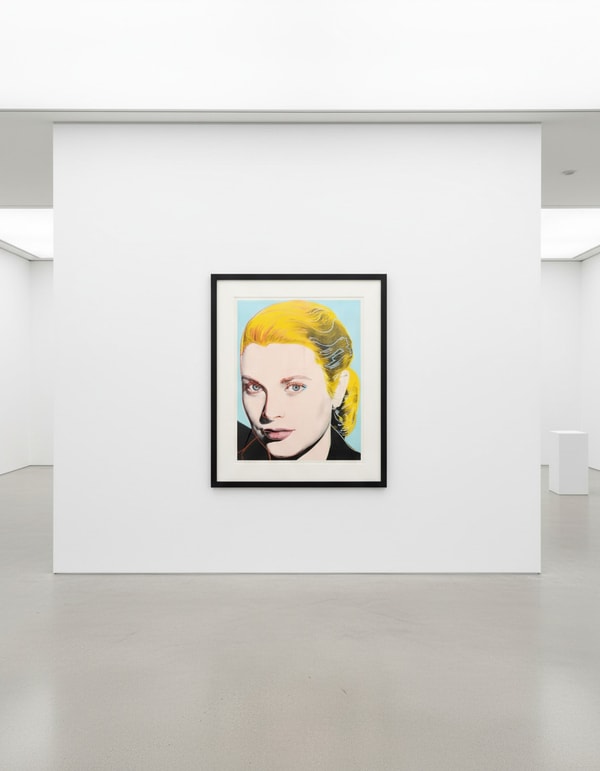
Andy Warhol Grace Kelly
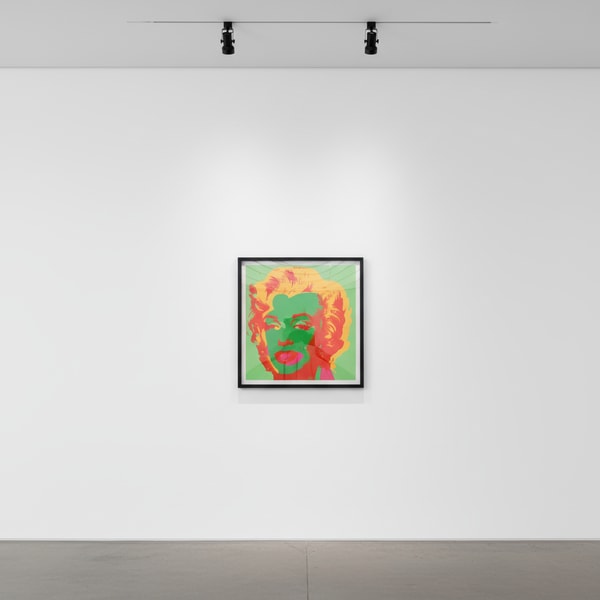
How Much Does An Andy Warhol Cost?

Andy Warhol Flowers
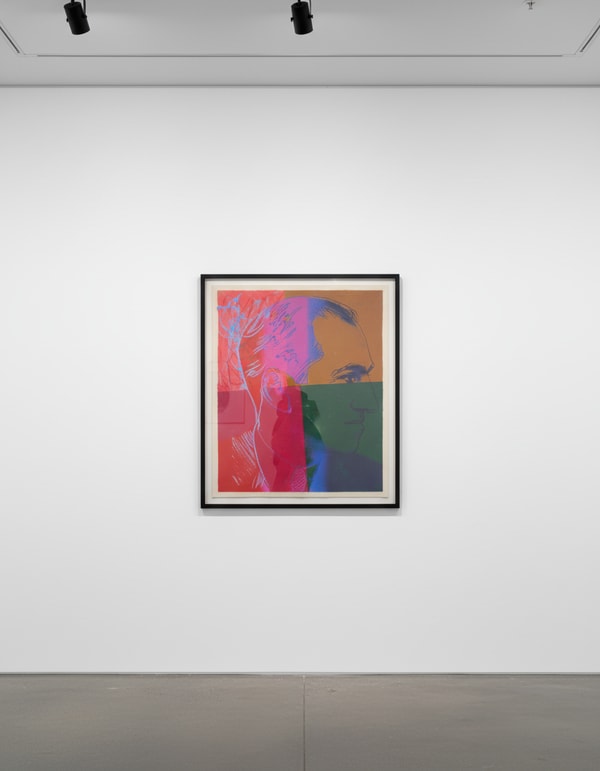
Andy Warhol and the Iconography of the 20th Century
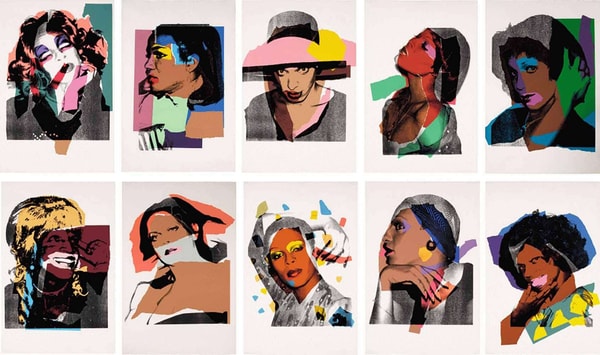
Andy Warhol Ladies and Gentlemen
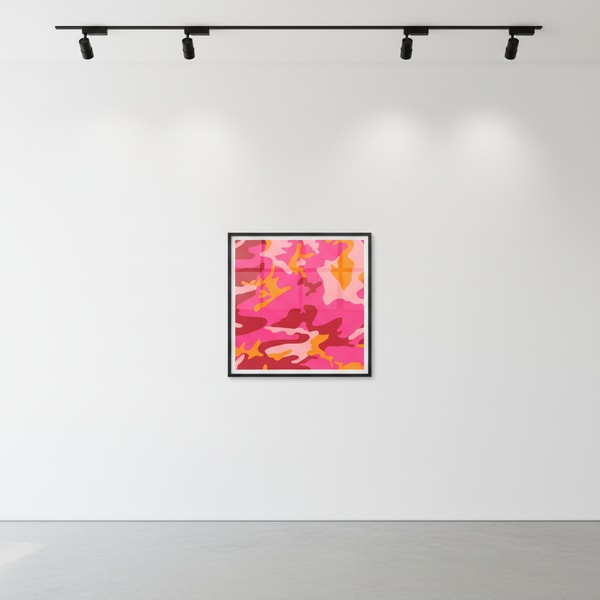
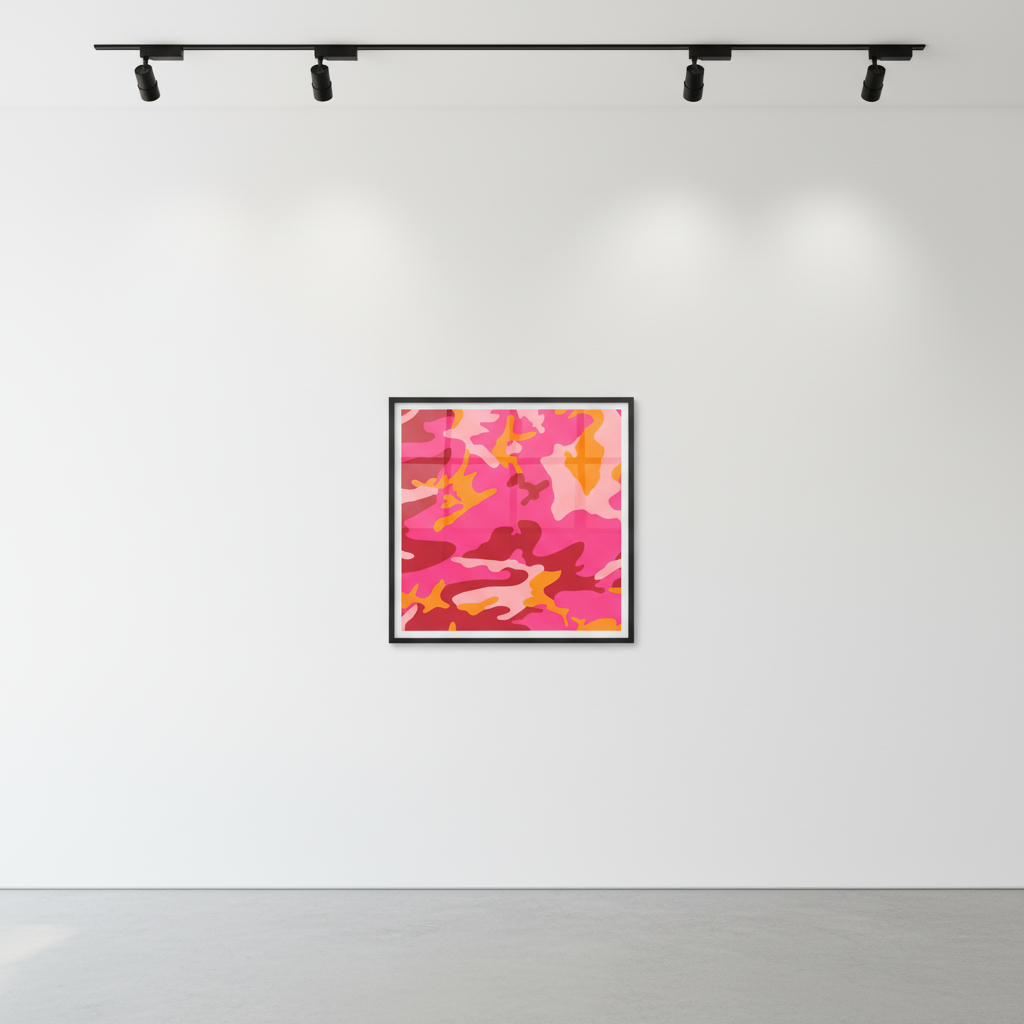
Andy Warhol Camouflage
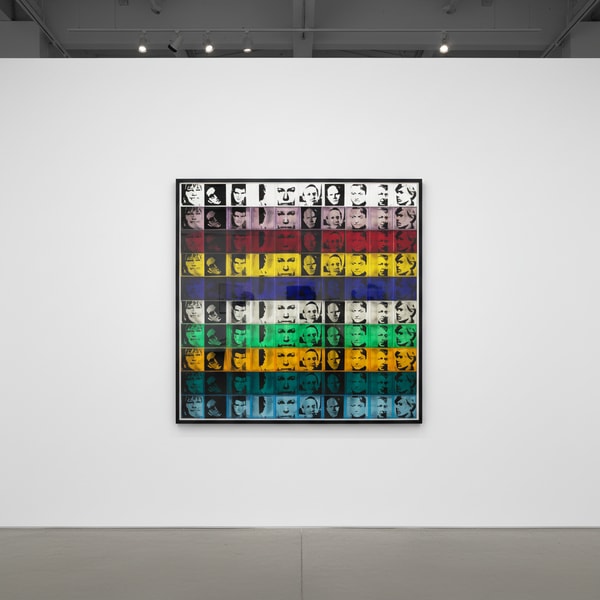
2024 Artist Market Predictions
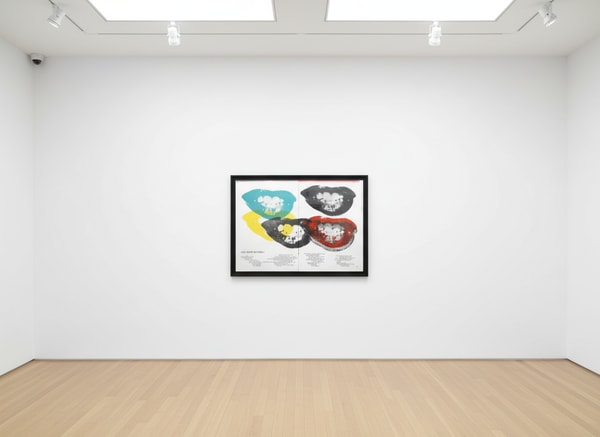
Andy Warhol 2024 Half Time Report
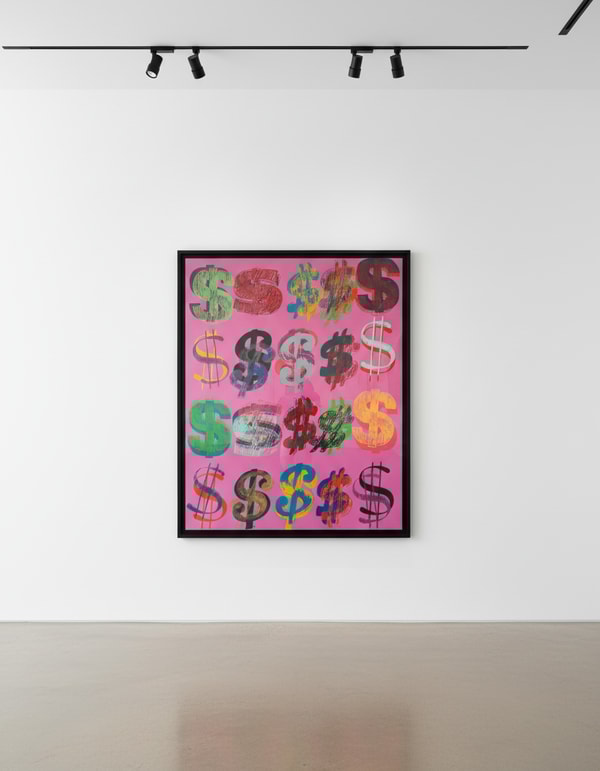
Andy Warhol Dollar Signs

When Color Falls Away
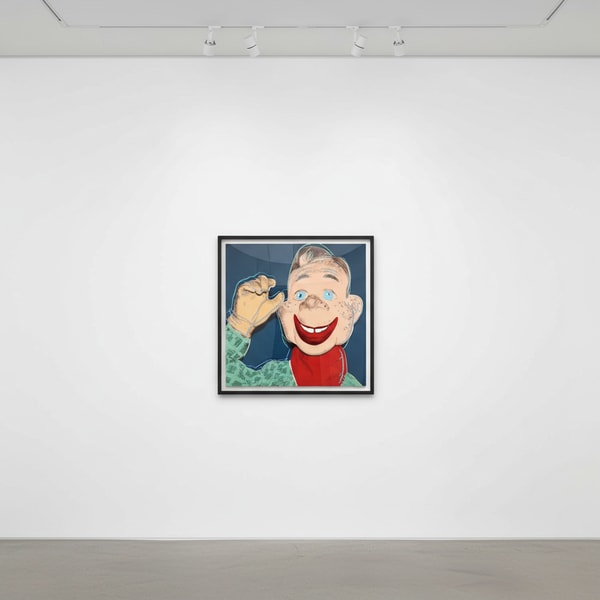
Andy Warhol Howdy Doody Trial Proof

Andy Warhol and the Art of Sport

Andy Warhol Books and Early Works
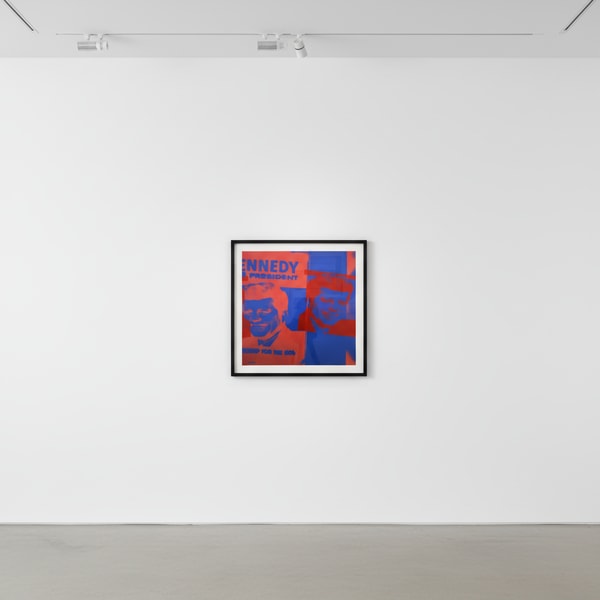
Andy Warhol Flash
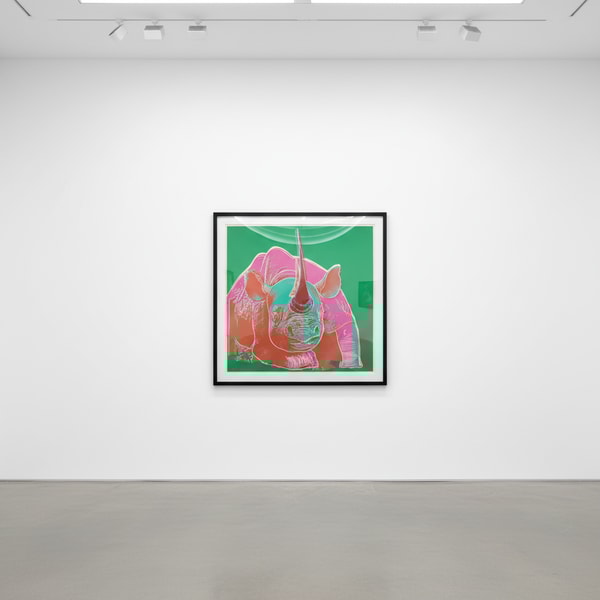
Andy Warhol's Endangered Species Print Portfolio
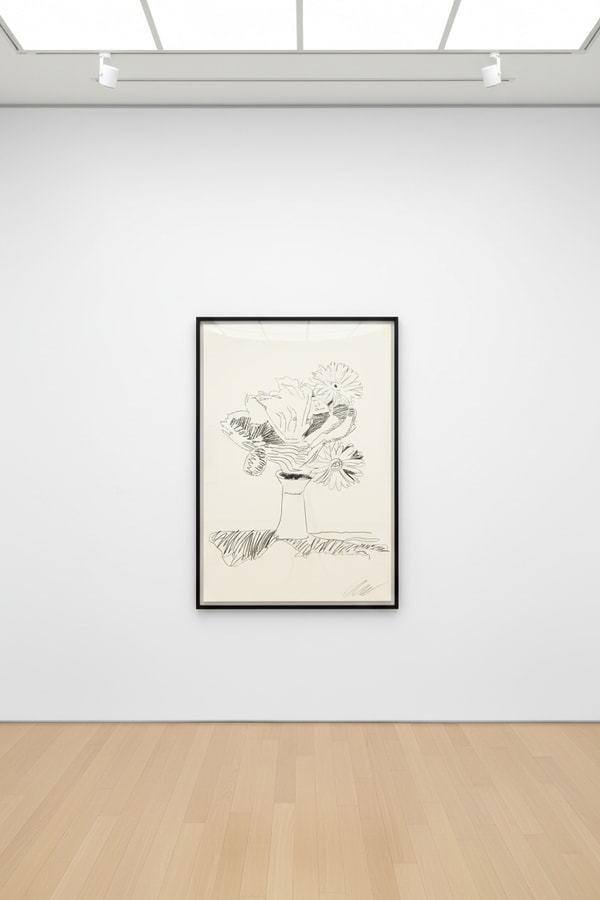
Reframing Pop
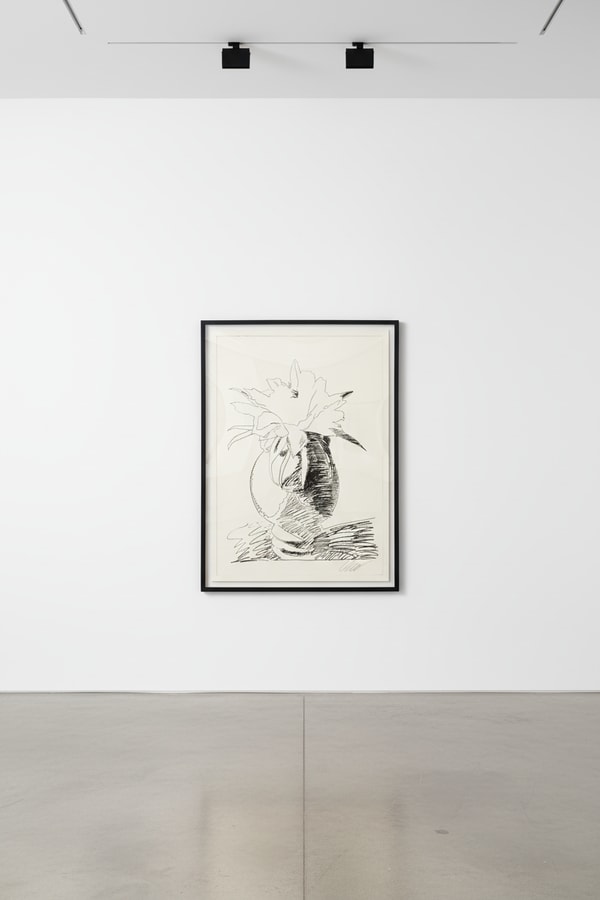
Andy Warhol Printmaking
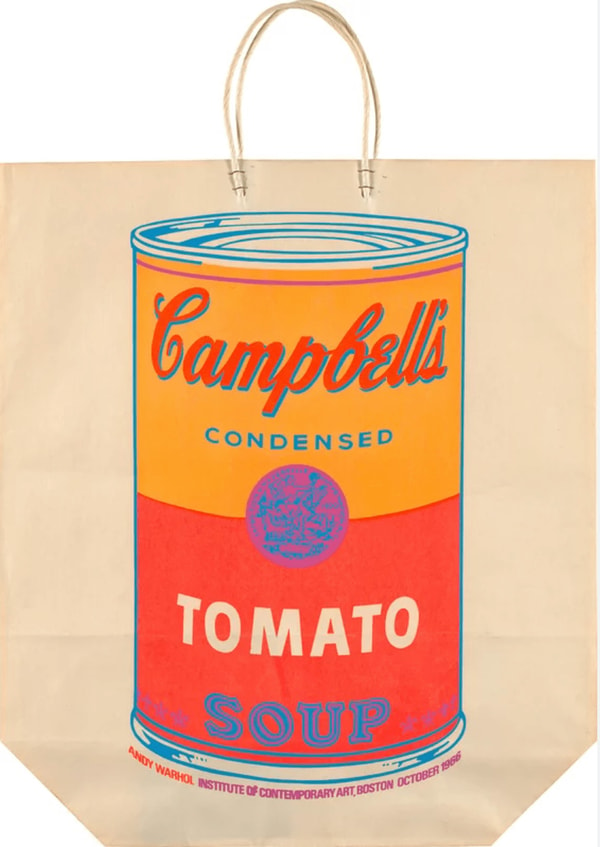
Andy Warhol's Soup Cans
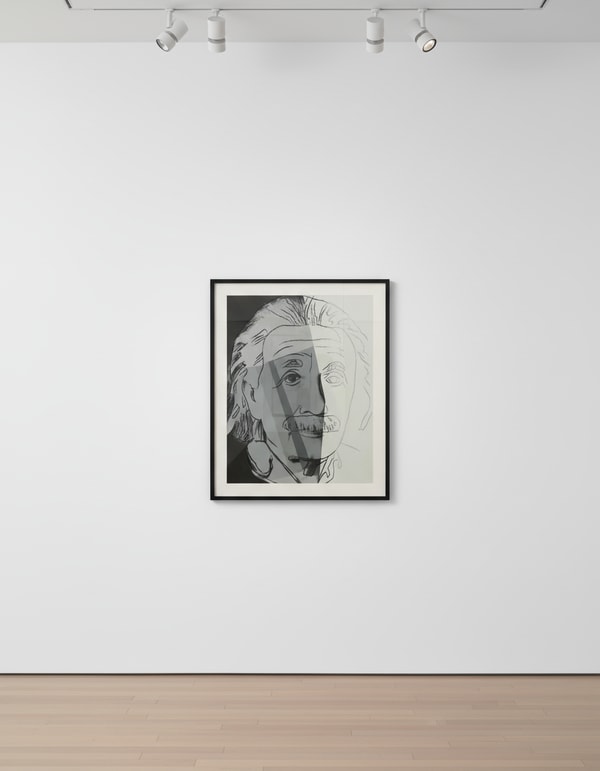
Andy Warhol Portraits
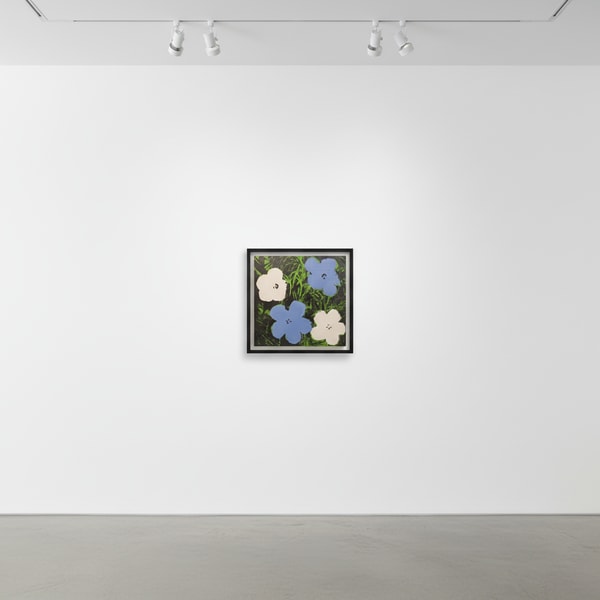
Market Report: March 21 2025
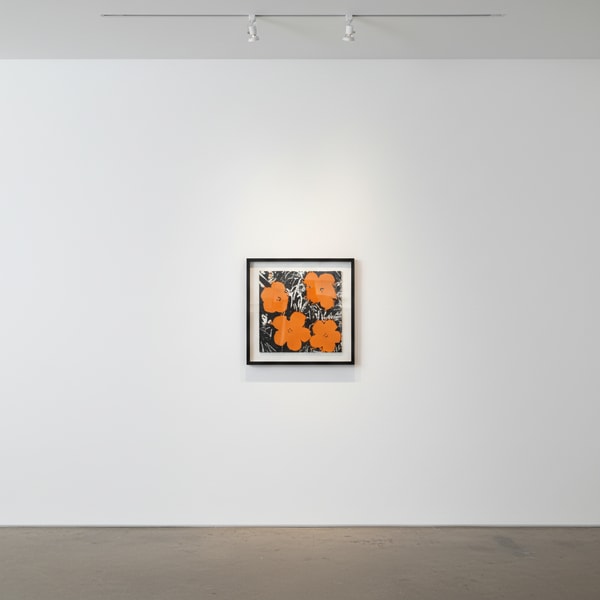
Lenny Kravitz' Vast Art Collection
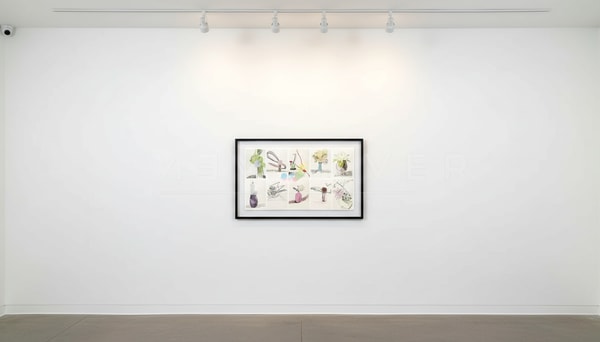
Andy Warhol Complete Mick Jagger Portfolio
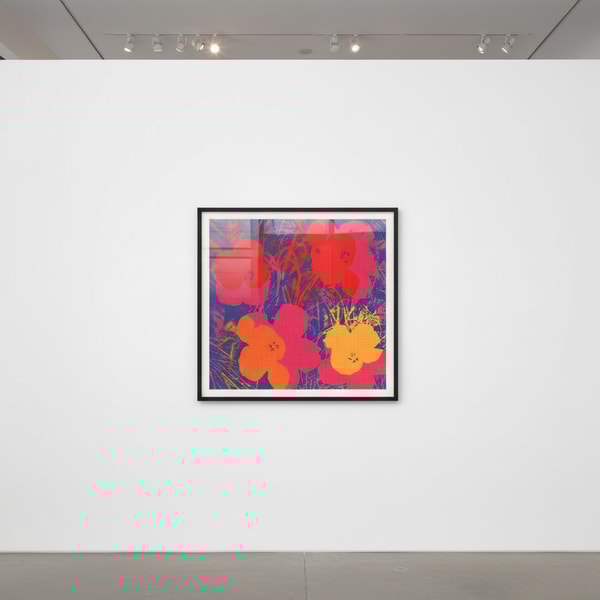
Andy Warhol Ads Portfolio
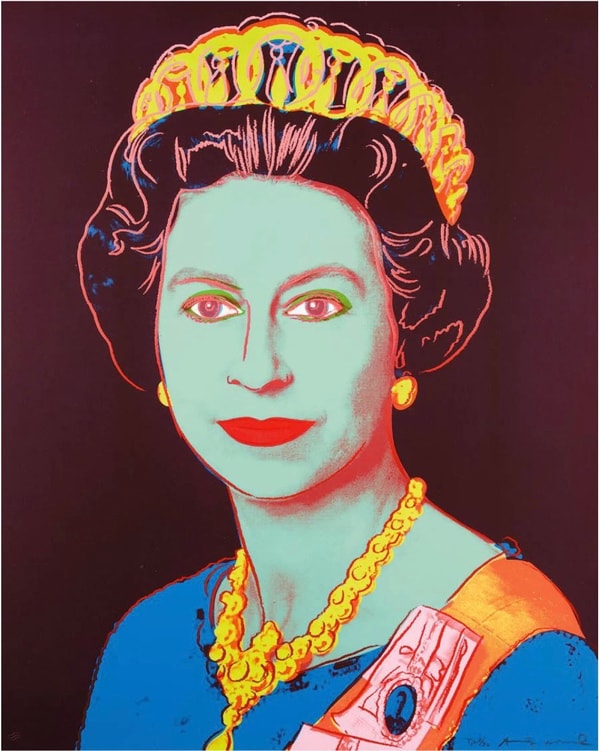
Andy Warhol Reigning Queens Queen Elizabeth II
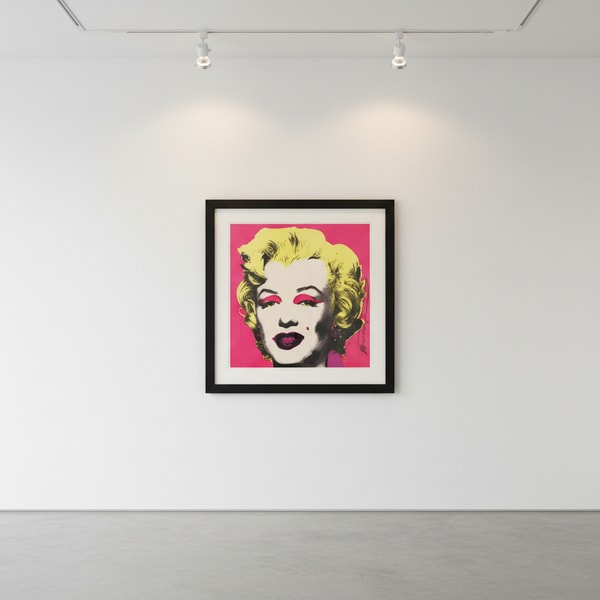
The Ultimate Guide to Buying Andy Warhol Art
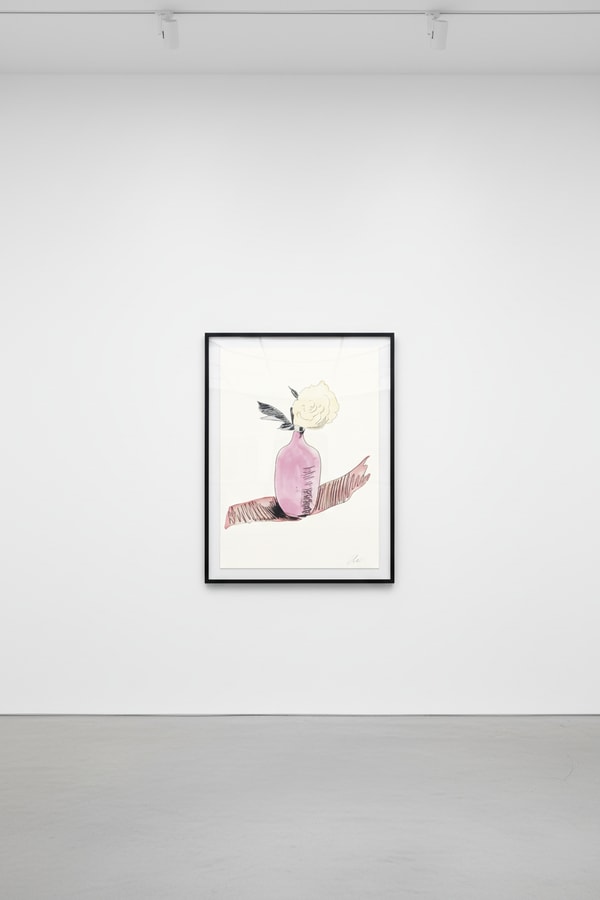
Andy Warhol Prints vs Originals
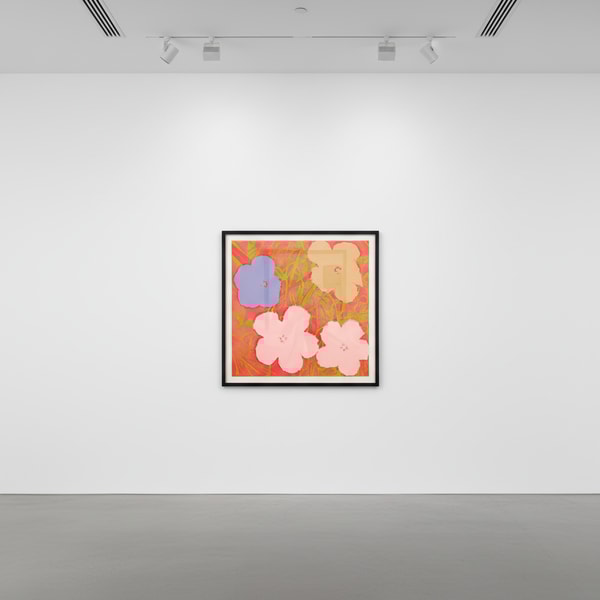
Christopher Makos: Photographing Legends

Andy Warhol Flowers
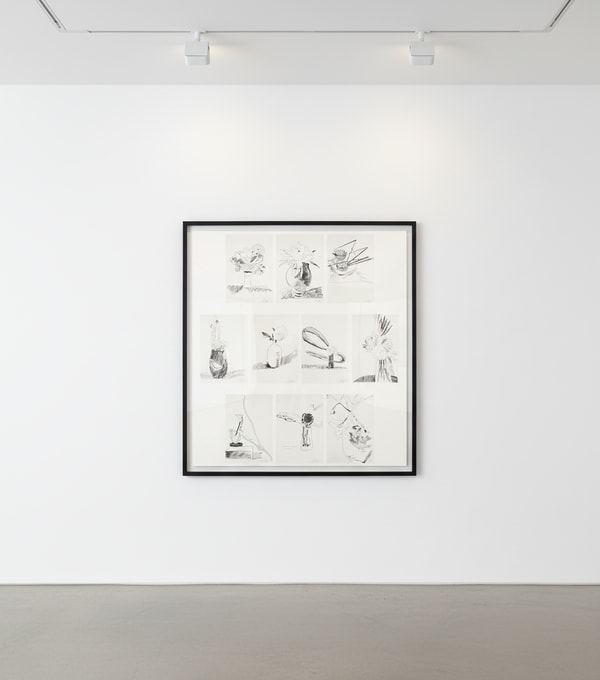
How To Collect Pop-Art
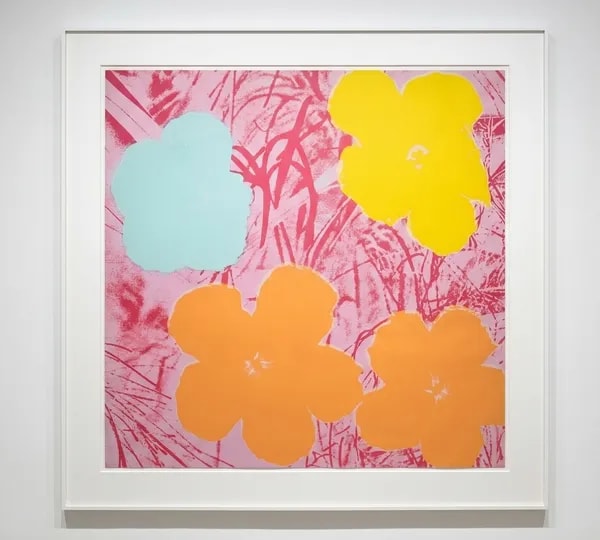
Andy Warhol Brillo Boxes

The Pop Market in 2025
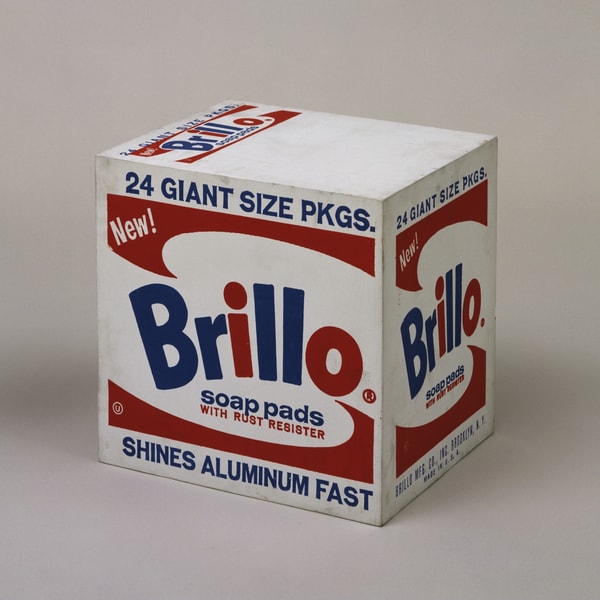
Andy Warhol’s Brillo Boxes
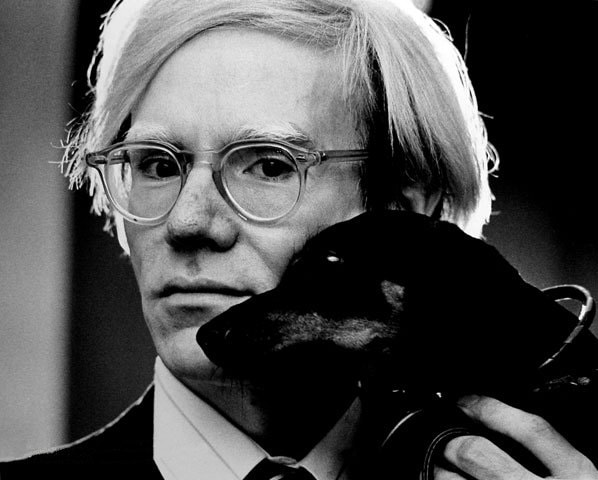
Andy Warhol Portraits: A Complete Guide

Why Andy Warhol’s Flowers Sold for $35 MILLION 🌸💰
Andy Warhol Ads Portfolio Countdown: Least to Most Valuable 💰
Who Really Controls the Andy Warhol Market? #andywarhol #artmarket #artinvestment #billionaire

If You Had $1,000,000 for Art…
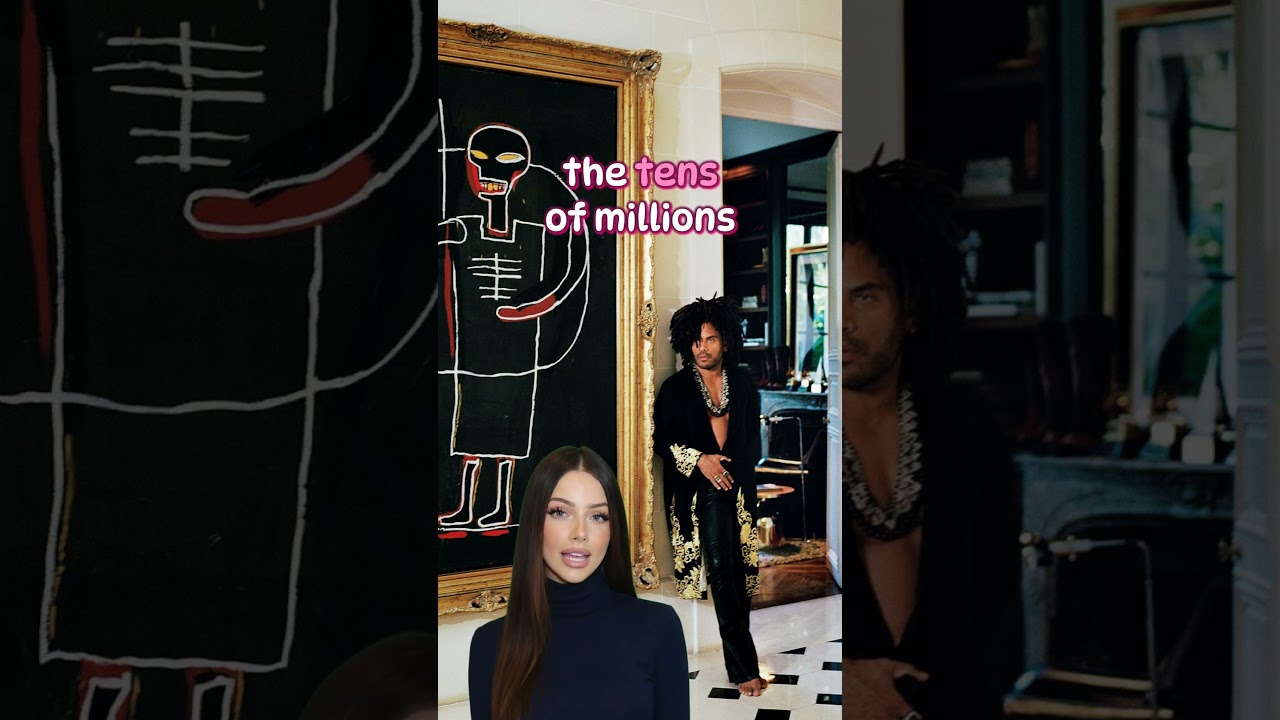
Inside Lenny Kravitz’s Paris home, art isn’t decoration — it’s a way of life #andywarhol #basquiat
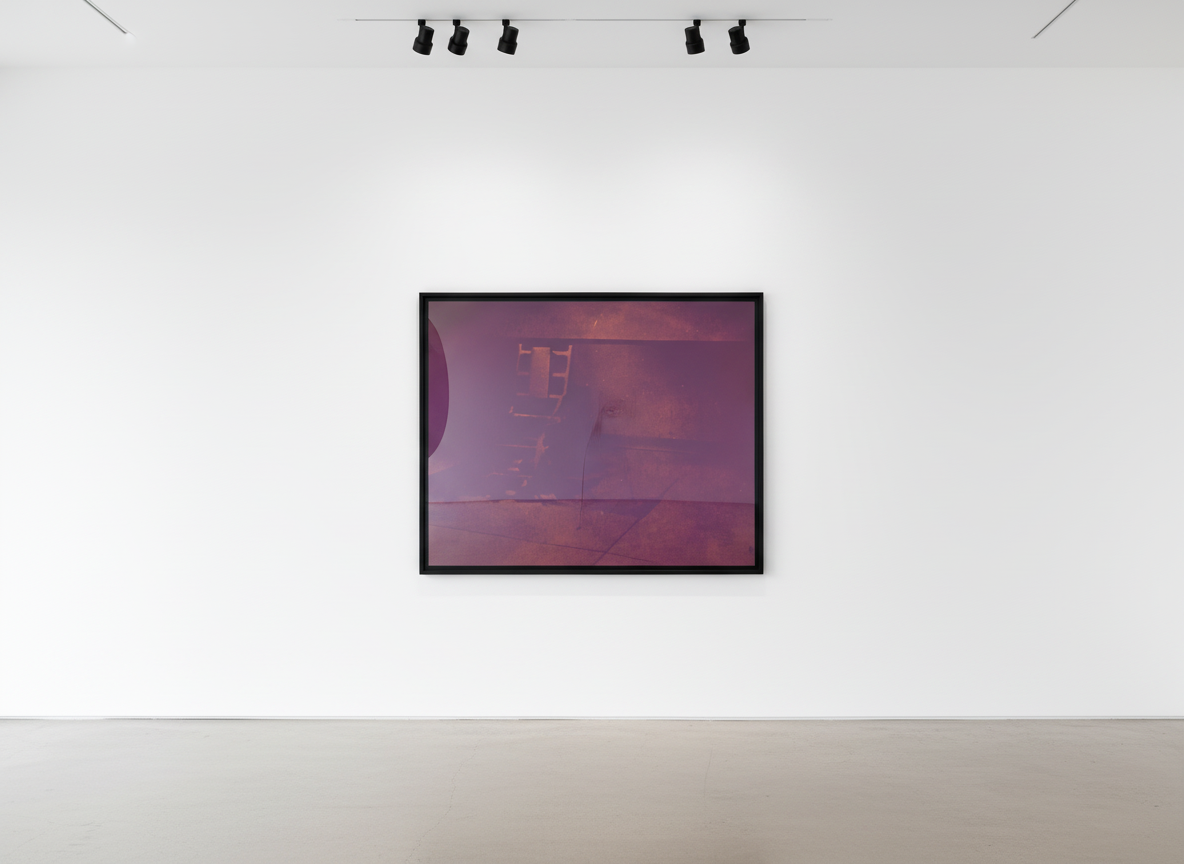
Andy Warhol prints for sale and Andy Warhol paintings for sale at Guy Hepner Gallery, New York. Our inventory spans screenprints, silkscreens, and unique works across his most collected series: Marilyn Monroe, Campbell's Soup, Mao, Flowers, Myths, Ads, Cowboys and Indians, Dollar Signs, Cars, and Reigning Queens — all with full provenance and Feldman & Schellmann catalogue raisonné references. We also acquire Warhol. Contact our team for a free valuation.
Andy Warhol (1928–1987) is the defining figure of American Pop Art and the most commercially traded artist of the twentieth century. Born Andrew Warhola in Pittsburgh to Slovak immigrant parents, he rose from commercial illustrator to the architect of a cultural movement that permanently dissolved the boundary between fine art and mass media. His Manhattan studio, The Factory, became the epicentre of New York art and celebrity culture from the early 1960s until his death in February 1987.
Andy Warhol art for sale spans an extraordinary range of subjects, media, and price points — from intimate drawings and unique canvas paintings to large signed editions. His signature subjects include Campbell's Soup Cans, Marilyn Monroe, Mao Zedong, Dollar Signs, Flowers, Reigning Queens, Cowboys and Indians, the Ads portfolio, and the late Cars and Endangered Species series. Each body of work reflects his obsessive engagement with repetition, celebrity, and commodity culture.
The market benchmark for Warhol was set in May 2022 when Shot Sage Blue Marilyn (1964) sold at Christie's New York for $195 million — the highest price ever achieved at auction for an American artwork. Recent print sales confirm sustained institutional demand: Mao editions achieved $4,648,000 each at Christie's in May 2025; Flowers editions achieved $4,076,000 and $3,832,000 at Sotheby's in the same season.
Andy Warhol paintings for sale — unique acrylics and silkscreens on canvas — represent the rarest and most valuable tier of his output. Subjects produced in multiple unique variations include Flowers, Skulls, Shadows, Dollar Signs, and the late Oxidation Paintings. The Rorschach series (1984) and Camouflage works appeal strongly to institutional collectors. Abstract Expressionism paintings from the late 1970s and early 1980s remain undervalued relative to his iconic print series and represent a compelling collecting opportunity.
Andy Warhol paintings require substantial documentation: exhibition history, gallery receipts, and provenance tracing to The Factory or first-generation dealers. Prices range from mid-five figures for works on paper to eight figures for major canvas paintings. Our team can advise on current pricing and condition assessment across all painting categories.
Warhol's screenprints represent the most accessible and widely collected segment of his output. Andy Warhol prints for sale range from early unsigned offset lithographs to hand-signed, numbered editions produced with Castelli Graphics, Factory Editions, and Ronald Feldman Fine Arts. Signed, numbered editions from key series — Marilyn Monroe (1967), Flowers (1970), Mao (1972), Ads (1985), Endangered Species (1983), Cowboys and Indians (1986), and Reigning Queens (1985) — command the strongest collector demand and the deepest secondary market liquidity.
Condition, provenance, and edition size are the critical variables. Works printed on Lenox Museum Board or high-grade rag paper with consistent registration and original colouration are the most desirable. Fading, foxing, or retouching materially affects value.
The Cars portfolio (F.S. II.356–362), produced in 1985 as a commission from Mercedes-Benz to mark the centenary of the automobile, stands among the most refined of Warhol's late print series. Ten screenprints on Lenox Museum Board render historic Mercedes-Benz models in Warhol's characteristic flat colour and photographic silkscreen technique — his iconic commercial sensibility applied to the history of industrial design. Signed and numbered in editions of 100, with separate artist's proofs, the Cars series regularly achieves $25,000–$75,000 per impression and commands significant premiums when offered as complete portfolios.
Warhol's production in the final decade of his life — broadly 1978 to 1987 — encompasses some of his most conceptually ambitious work. The Knives series (1981–82), Guns series (1981–82), and Crosses (1981–82) form a trilogy of loaded American objects rendered in the same neutral Pop vocabulary he had applied to Soup Cans twenty years earlier. The Boots and Dollar Bills paintings sit alongside late unique canvases from the Camouflage series (1986–87) and the haunting Last Supper paintings completed weeks before his death. Works from this period are systematically underrepresented in collector awareness relative to their importance to the broader catalogue and represent genuine long-term collecting opportunities.
Andy Warhol self portrait prints are among the most sought-after works in his catalogue — a subject he returned to from 1966 to 1986. The most collected examples include:
Self portrait prices range from $18,000 for early unsigned screenprints to $400,000+ for the 1978 and 1986 signed works in excellent condition. Authentication requires reference to the Feldman & Schellmann catalogue raisonné and, where applicable, a former Andy Warhol Art Authentication Board certificate.
Guy Hepner actively acquires Andy Warhol prints, paintings, and unique works from private collections. If you are looking to sell Warhol prints or seeking a current market valuation, contact our New York gallery for a confidential, no-obligation assessment. We handle all series including Marilyn, Mao, Flowers, Ads, Cowboys and Indians, Myths, Reigning Queens, and late works. Our team can advise on the most appropriate route to market and current secondary market pricing.
Interested in adding Andy Warhol to your collection? Contact our team to discuss available inventory, provenance documentation, and pricing guidance tailored to your collecting goals.