Marilyn

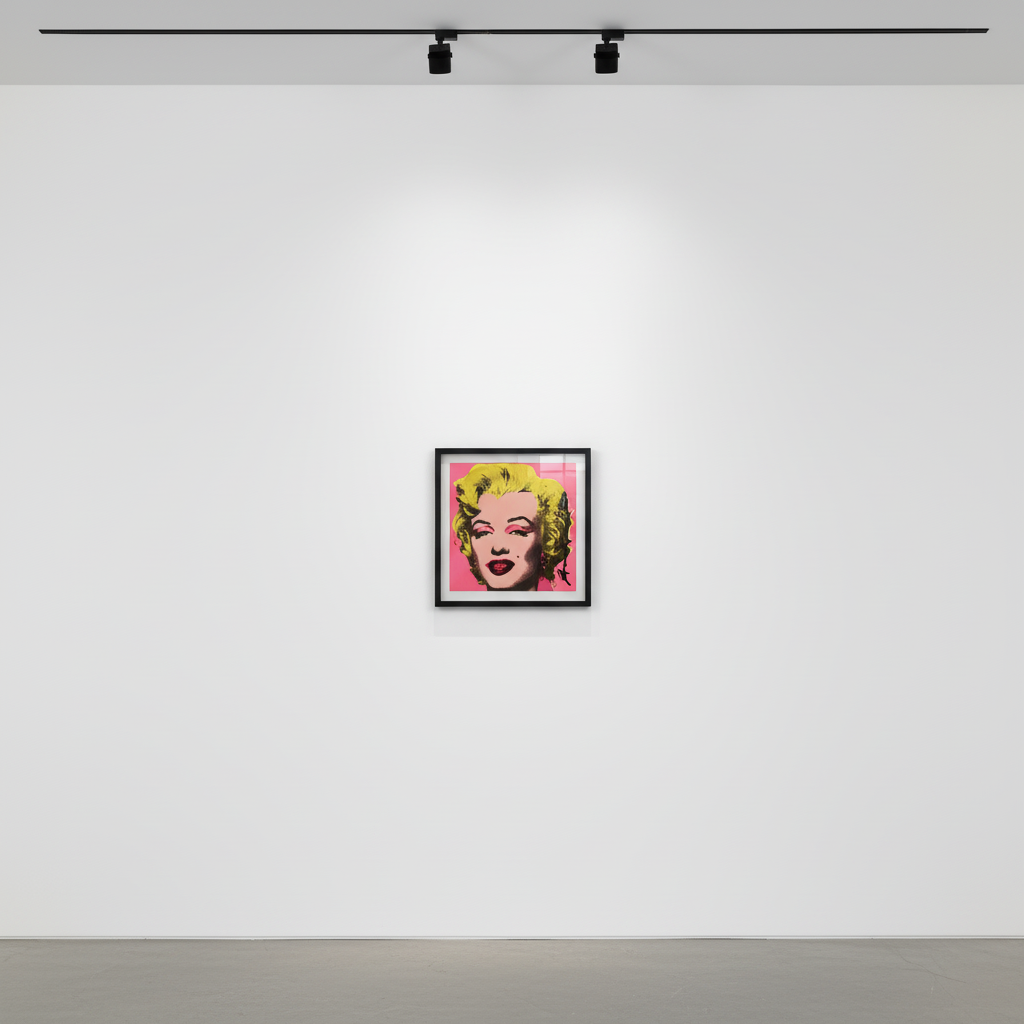
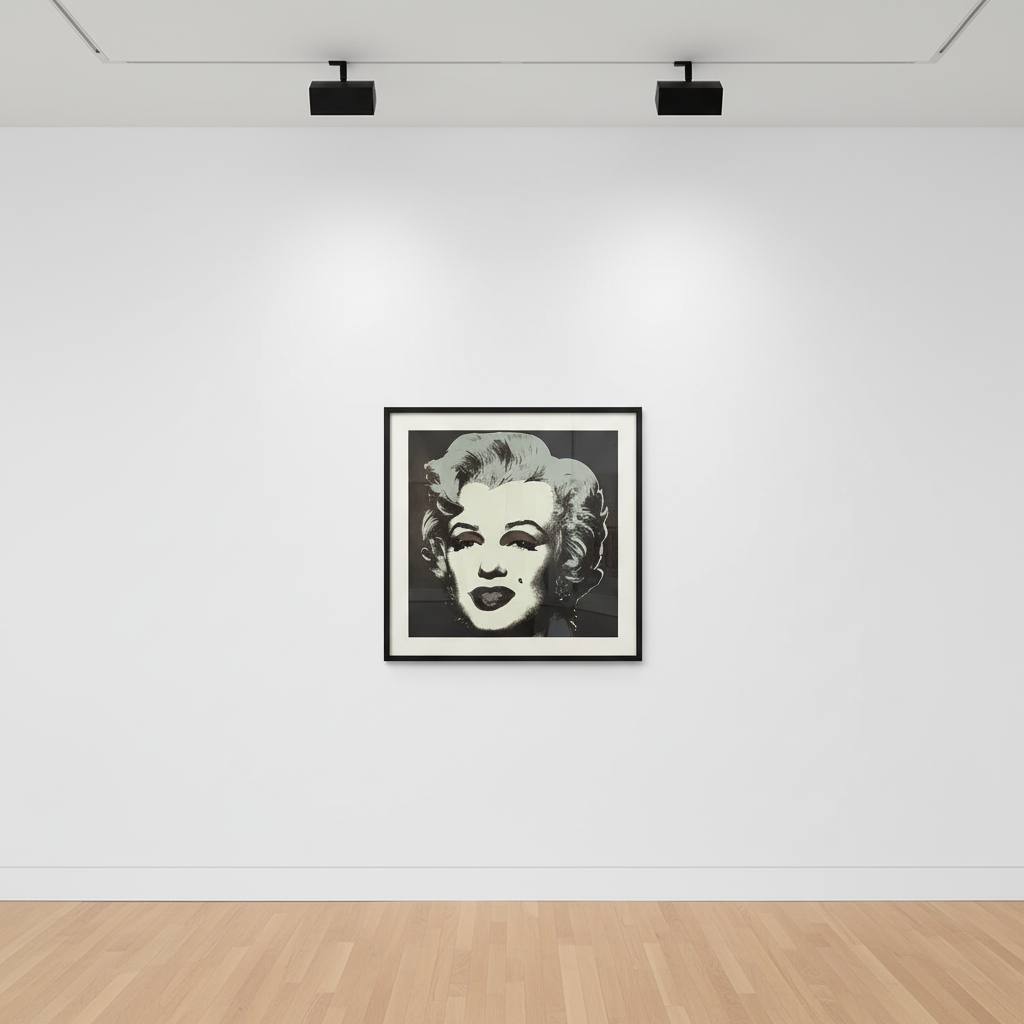
Andy Warhol's Marilyn Monroe series stands as one of the most recognizable and influential bodies of work in contemporary art history. Created in 1967, these iconic screen prints transformed a Hollywood starlet into an eternal symbol of American pop culture, celebrity worship, and the commodification of beauty. The portfolio represents not merely a tribute to a beloved actress but a profound meditation on fame, mortality, and the mechanical reproduction of imagery that would come to define our visual landscape for generations to come.
The relationship between Andy Warhol and Marilyn Monroe as a subject began in the immediate aftermath of tragedy. When the actress died in August 1962 under circumstances that remain shrouded in mystery, Warhol recognized an opportunity to explore themes that would become central to his artistic philosophy. He initially depicted Monroe in the seminal silkscreen painting Marilyn Diptych, created just weeks after her passing. This monumental work contains fifty images of the actress, all derived from a publicity photograph taken for the 1953 film Niagara.
Warhol's selection of this particular image was deliberate and masterful. The photograph captured Monroe at the height of her beauty and fame - lips parted, eyes luminous, hair perfectly coiffed - presenting the commodified version of femininity that Hollywood manufactured and audiences consumed. By reproducing this single image repeatedly, Warhol commented on the way mass media transforms individuals into products, endlessly replicated and distributed for public consumption.
The artist himself explained his technical evolution during this period: "In August 62 I started doing silkscreens. I wanted something stronger that gave more of an assembly line effect. With silkscreening you pick a photograph, blow it up, transfer it in glue onto silk, and then roll ink across it so the ink goes through the silk but not through the glue. That way you get the same image, slightly different each time." This deliberate embrace of mechanical reproduction and inherent variation became the cornerstone of Warhol's revolutionary approach to printmaking.
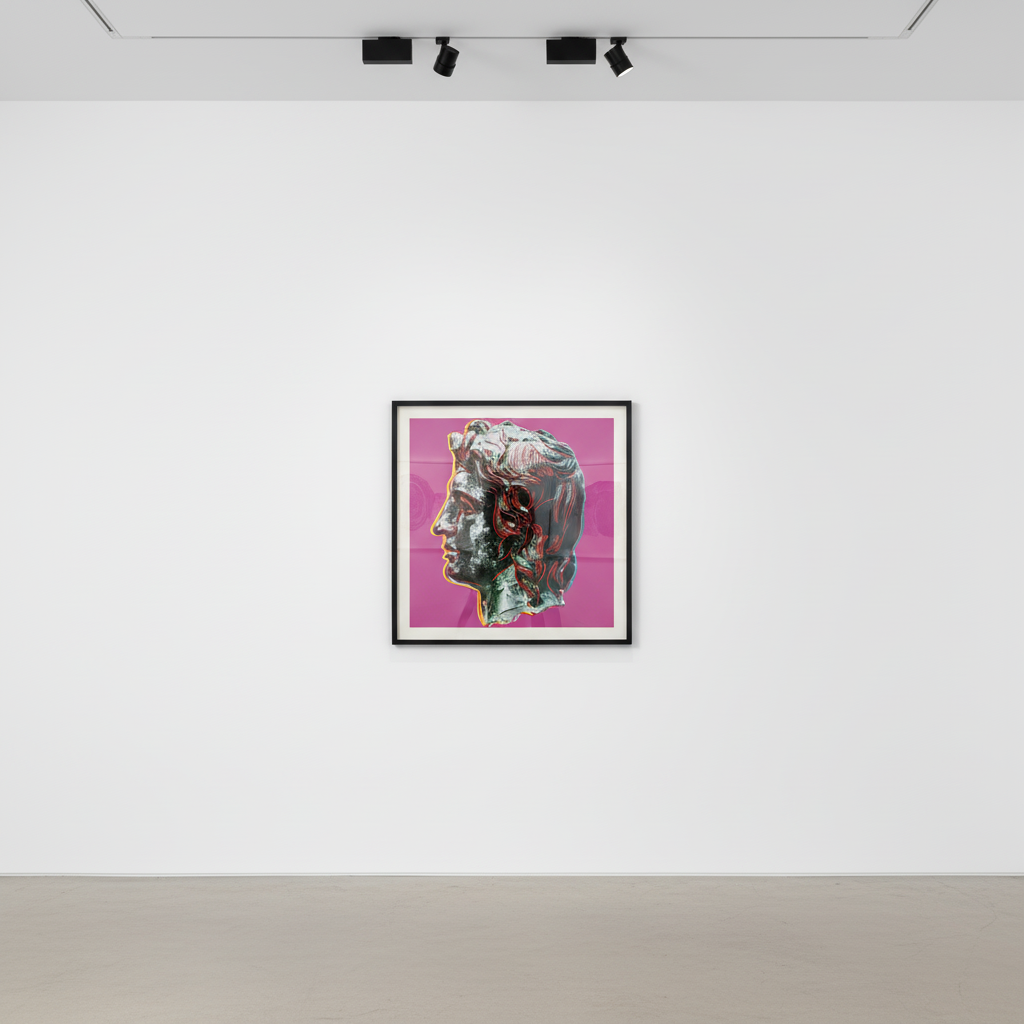
Ladies and Gentlemen (Wilhelmina Ross) — Andy Warhol. Available at Guy Hepner, New York.
Five years after the Marilyn Diptych, Warhol returned to his most celebrated subject with renewed purpose. In 1967, he created three Andy Warhol Marilyn Monroe screen print portfolios, establishing a commercial model that would influence the art market for decades. The portfolio of ten screen prints was among the first prints Warhol produced and distributed through Factory Additions, New York - a publishing venture whose name directly referenced his legendary studio known as "The Factory."
Each print in the series presents Monroe's face in dramatically different color combinations, ranging from vibrant hot pinks and electric blues to more subdued compositions. These chromatic variations served multiple purposes: they demonstrated the infinite possibilities of mechanical reproduction, commented on the artificial nature of Hollywood glamour, and created distinct collectible objects that could appeal to diverse aesthetic preferences. The bold, saturated colors that define these works have become synonymous with Pop Art itself.
The technical execution of the Andy Warhol Marilyn Monroe prints reveals the artist's sophisticated understanding of his medium. Working with master printers, Warhol achieved remarkable consistency while allowing for the subtle variations that give each impression its unique character. The registration of colors, the density of ink application, and the interaction between overlapping hues all contribute to works that reward close examination despite their apparent simplicity.
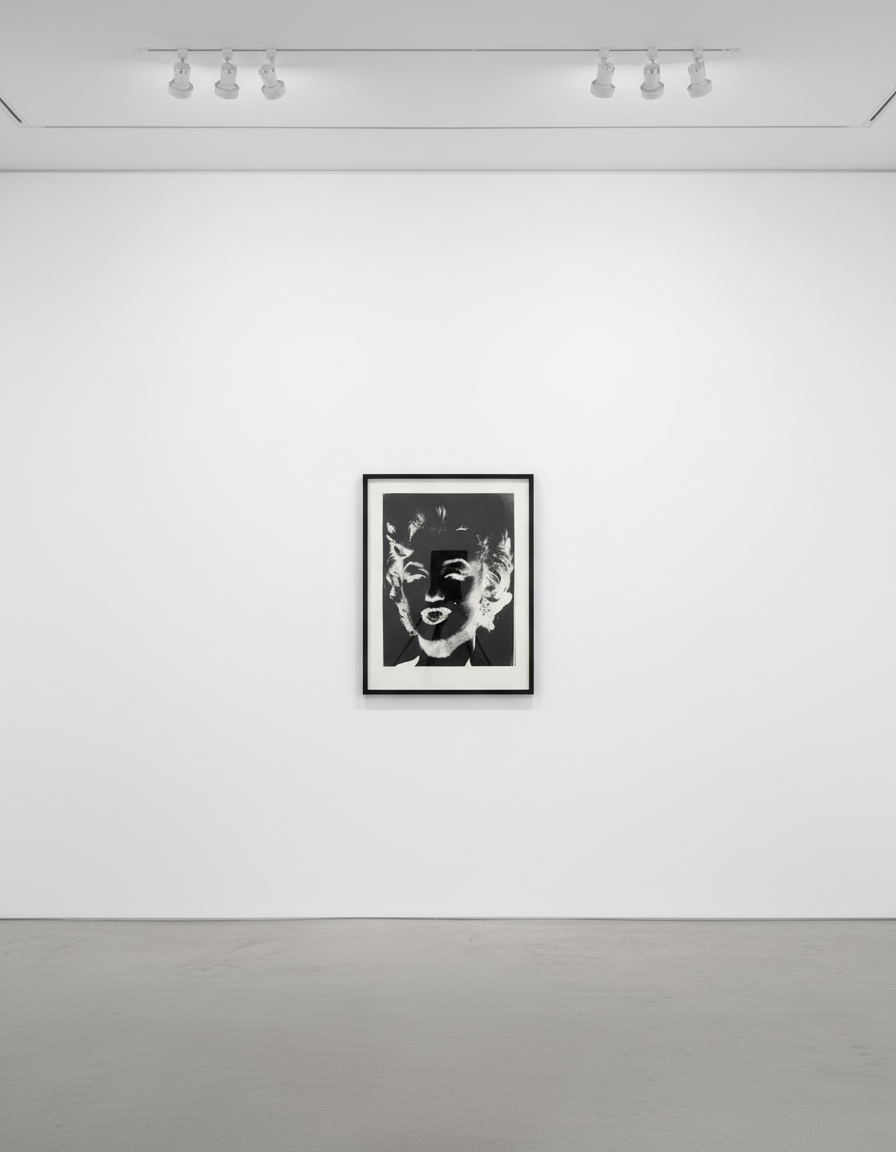
Self - Portrait F.S. IIIA 10 — Andy Warhol. Available at Guy Hepner, New York.
The Andy Warhol Marilyn Monroe series has achieved extraordinary status within the secondary market, consistently establishing new benchmarks for post-war and contemporary prints. According to data from Christie's and Sotheby's, individual prints from the 1967 portfolio regularly achieve results in the hundreds of thousands of dollars, with exceptional examples and rare color variants commanding significantly higher prices. The Art Basel and UBS Global Art Market Report has repeatedly identified Warhol as the highest-grossing artist at auction, with his Marilyn works among the most sought-after lots.
This sustained market performance reflects both the art historical importance of these works and their enduring visual appeal. For collectors, the Andy Warhol Marilyn Monroe prints offer entry into the artist's most celebrated imagery at various price points, depending on edition, condition, and provenance. The portfolio format that Warhol pioneered through Factory Additions created a template for artist multiples that galleries and publishers continue to follow today.
The investment potential of Warhol's Marilyn works has been demonstrated repeatedly at major auction houses. Complete portfolios in excellent condition have become increasingly rare as individual prints have been separated and dispersed into private collections worldwide. This scarcity, combined with the iconic status of the imagery, suggests continued appreciation potential for serious collectors and institutions alike.
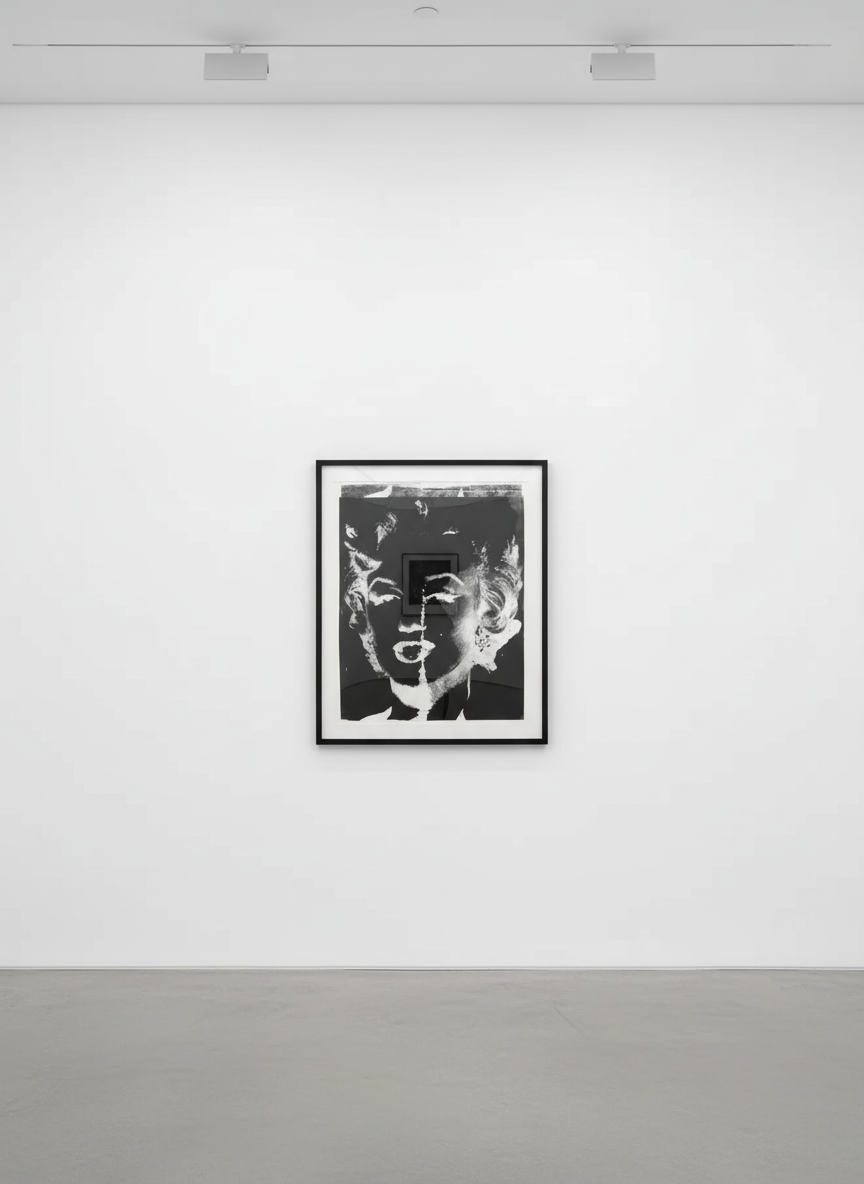
Camouflage Trial Proof TP 4/84 — Andy Warhol. Available at Guy Hepner, New York.
Beyond their market success, the Andy Warhol Marilyn Monroe prints have profoundly influenced visual culture. The flattened, posterized treatment of Monroe's features - reducing her to essential graphic elements of lips, eyes, and hair - anticipated the aesthetic of digital imagery by decades. Contemporary artists, designers, and advertisers continue to reference Warhol's approach when depicting celebrity and feminine beauty.
The series also raises enduring questions about the nature of artistic authorship and originality. By using a found photograph, employing mechanical reproduction techniques, and creating multiple variations, Warhol challenged traditional notions of the unique art object. These conceptual innovations proved as influential as the visual impact of the works themselves, establishing frameworks that subsequent generations of artists have explored and expanded.
The connection between Monroe's tragic biography and her eternal presence in Warhol's art adds layers of meaning that continue to resonate with audiences. The Marilyn Diptych, with its half-colorless composition, explicitly references her death, while the vibrant 1967 prints seem to assert the immortality that art can confer. This tension between mortality and permanence, between the real woman and her manufactured image, gives the Andy Warhol Marilyn Monroe series its enduring emotional power.
Guy Hepner maintains an exceptional collection of works by Andy Warhol, including prints from his most celebrated series and rare unique pieces that demonstrate the full range of his artistic achievement. Our gallery specialists possess deep expertise in authenticating, contextualizing, and advising on acquisitions of Warhol's work. Whether you are a seasoned collector seeking a specific print or new to collecting and drawn to Warhol's iconic imagery, we offer personalized guidance throughout the acquisition process. Contact Guy Hepner to discuss available Andy Warhol works and discover how these masterpieces of Pop Art can enhance your collection.
--- **Browse Andy Warhol prints** at Guy Hepner: [Andy Warhol art for sale](/andy-warhol) | [Sell your Warhol](/sell/andy-warhol)Explore Andy Warhol prints for sale at Guy Hepner: Marilyn, 25 Cats Named Sam, A Gold Book, A La Recherche Du Shoe Perdu, Alexander the Great.
Related Series