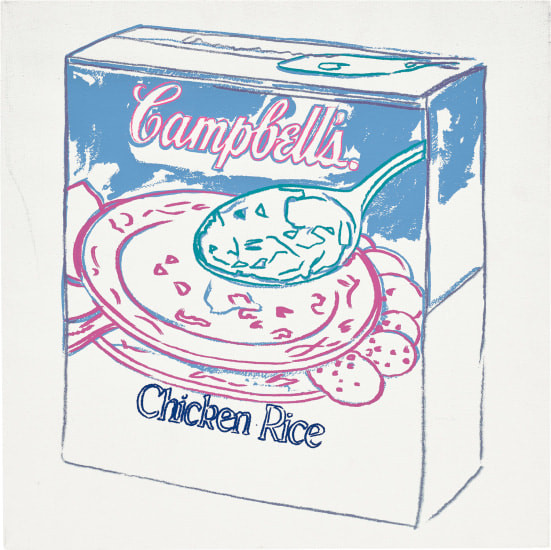
Campbell's Soup Box

May 23, 2026
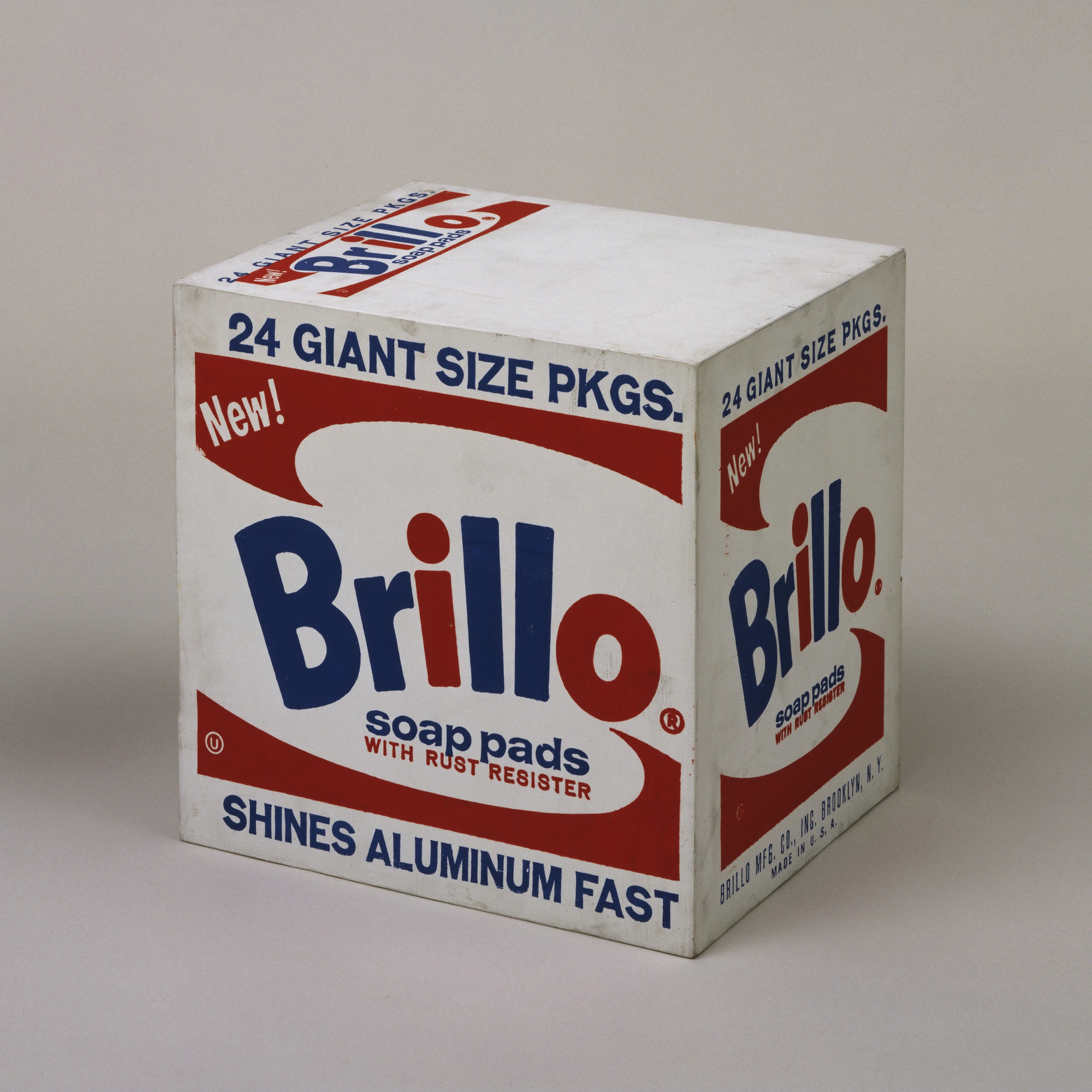
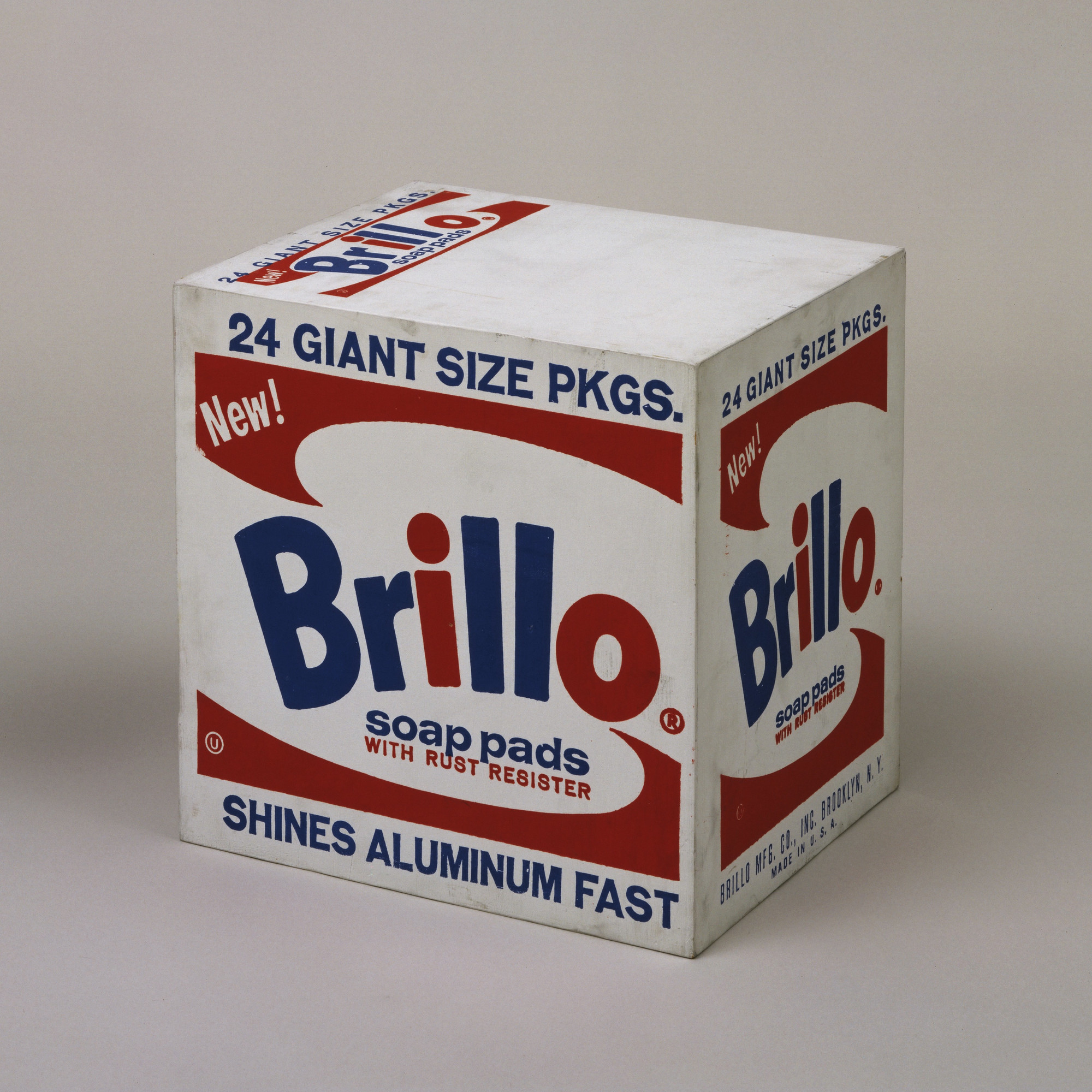
Few works in 20th-century art have provoked as much debate, fascination, and philosophical inquiry as Andy Warhol's Brillo Boxes. First exhibited in 1964 at New York's Stable Gallery, these wooden replicas of commercial soap-pad packaging transformed an everyday supermarket product into one of the most discussed objects in the history of modern art. The Brillo Boxes mark the culmination of Warhol's exploration of consumer culture, mass production, and the blurred line between the art object and the commodity. They also prefigure much of what would later define conceptual art - the idea that the concept behind a work could be more important than its physical form.
Warhol's Brillo Boxes stand as a key turning point not only in his own career but also in the trajectory of postwar art. To understand their impact, it is necessary to trace how they emerged from Warhol's fascination with commercial imagery, how they connected to his earlier series like the Campbell's Soup Cans, and how their presentation - in the form of a simulated supermarket installation - questioned the very definition of what art could be.
By 1964, Andy Warhol had already established himself as a leading figure in the burgeoning Pop Art movement. His Campbell's Soup Cans of 1962 had announced his radical premise - that the imagery of American consumer culture was worthy of artistic attention - and his silkscreen portraits of Marilyn Monroe and Elizabeth Taylor had demonstrated his ability to transform celebrity into something approaching religious iconography. Yet Warhol was restless to push further, to collapse entirely the distinction between commercial object and fine art.
The Brillo Boxes emerged from this ambition. Working from his legendary Silver Factory studio in Manhattan, Warhol directed assistants to construct plywood boxes painted and silkscreened to replicate the packaging designed by commercial artist James Harvey for Brillo soap pads. The result was uncanny - objects that appeared virtually identical to their supermarket counterparts yet existed within the rarefied context of the art gallery. When displayed at the Stable Gallery, stacked in rows that mimicked warehouse storage, they created a disorienting environment that challenged visitors to reconsider what separated art from everyday commerce.
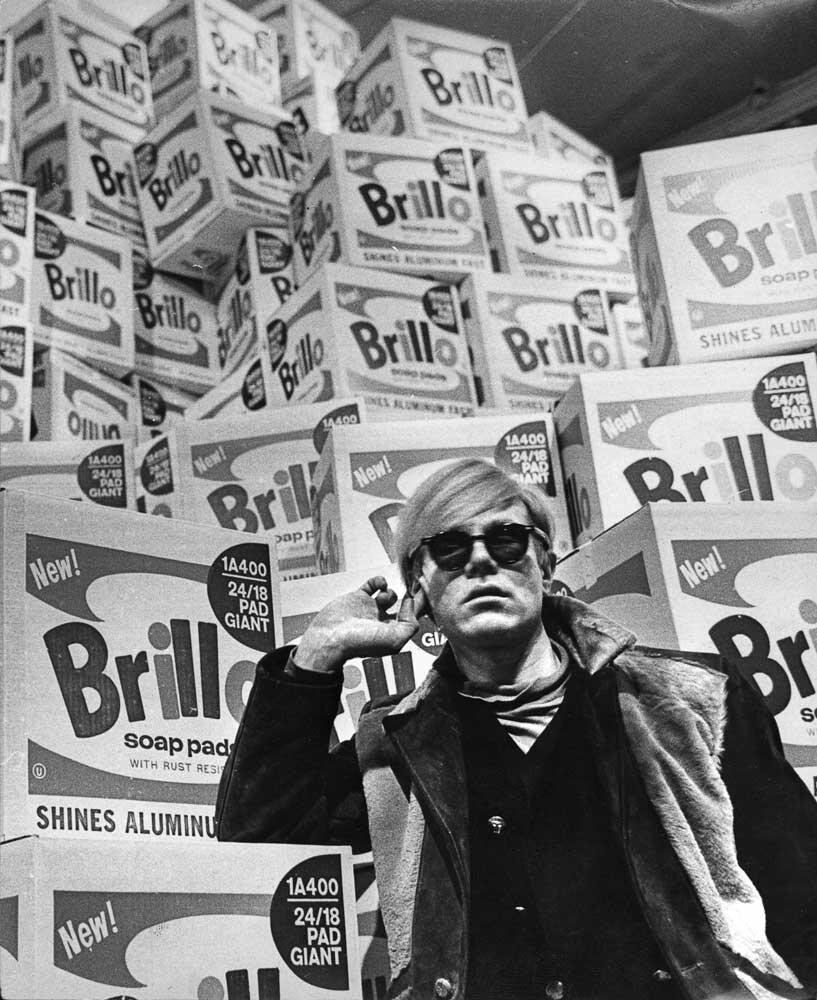The philosophical implications were immediate and profound. Art critic and philosopher Arthur Danto famously credited his encounter with Warhol's Brillo Boxes as the catalyst for his influential theory of the "artworld" - the idea that what makes something art is not any perceptible quality but rather a theoretical atmosphere and institutional framework. For Danto, Warhol had posed the essential question of contemporary aesthetics - if two objects appear identical, yet one is art and one is not, what constitutes the difference?
Andy Warhol's Brillo Boxes represent far more than a clever appropriation of commercial design. They constitute a fundamental challenge to centuries of assumptions about artistic creation, originality, and value. In reproducing an object designed for mass production - and doing so through methods that themselves mimicked industrial processes - Warhol interrogated the romantic notion of the artist as singular genius. The hand of the artist, traditionally the guarantor of authenticity and worth, became deliberately obscured.
This strategy connected deeply to Warhol's broader artistic practice. Throughout his career, he embraced mechanical reproduction, delegated labor, and serial imagery to question what made art valuable. His portraits of Mao Zedong applied the same silkscreen techniques to political iconography that he had used for Campbell's Soup, treating communist propaganda and American consumerism as parallel systems of image production. His late career explorations - including the Beethoven series and his striking Camouflage works - continued this investigation of how images circulate, repeat, and accumulate meaning through reproduction.
The Brillo Boxes also anticipated developments in conceptual and installation art that would dominate the following decades. Artists from Jeff Koons to Damien Hirst have acknowledged Warhol's influence, building on his insight that context, presentation, and institutional validation play crucial roles in determining artistic significance. The boxes demonstrated that art could be about ideas rather than technical virtuosity - a premise that remains central to contemporary practice.
The market for Andy Warhol's Brillo Boxes reflects their canonical status within postwar art history. According to data from Christie's and Sotheby's, original 1964 Brillo Boxes have achieved prices exceeding several million dollars at auction, while later authorized editions from 1968 and 1969 command substantial six-figure sums. The Art Basel and UBS Global Art Market Report consistently identifies Warhol as among the most traded artists at auction, with demand remaining robust across categories from prints to sculpture.
For collectors, the Brillo Boxes offer rare opportunity to acquire a work that fundamentally altered the course of art history. Unlike many Warhol editions, which exist in relatively large numbers, the original Brillo Boxes are extremely scarce - most reside in major museum collections including the Museum of Modern Art and the Andy Warhol Museum. This scarcity, combined with their art-historical importance, positions them among the most sought-after objects in the Warhol market.
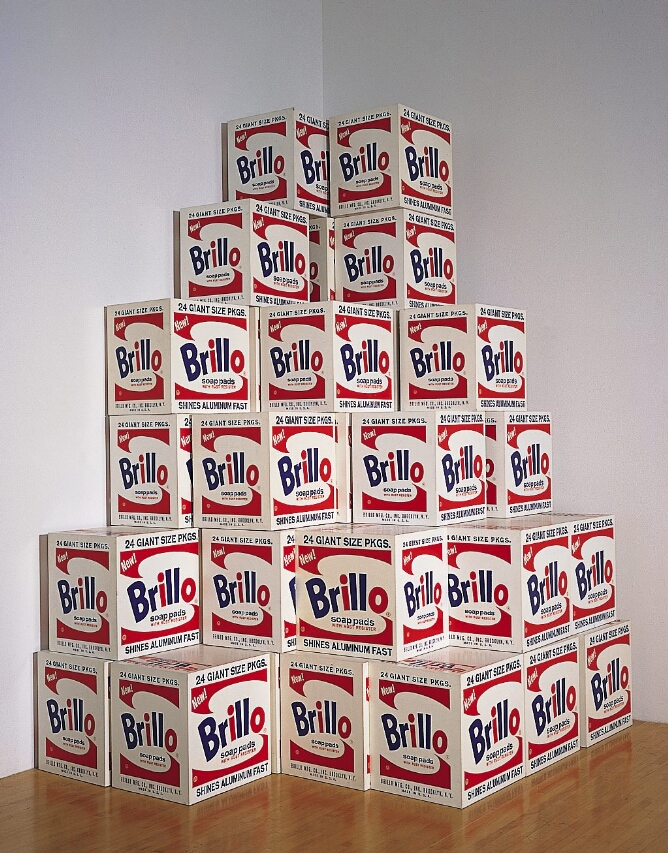Beyond their investment potential, the Brillo Boxes appeal to collectors drawn to works with intellectual depth and cultural resonance. They represent a moment when an artist decisively expanded the boundaries of what art could encompass - an achievement that continues to resonate in an era when questions of authenticity, reproduction, and value remain urgently relevant.
Guy Hepner is proud to offer an exceptional selection of works by Andy Warhol, including prints, unique pieces, and editions spanning his remarkable career. As specialists in contemporary and Pop Art, we provide collectors with expert guidance on building meaningful collections that include foundational artists like Warhol. Whether you are seeking iconic imagery or lesser-known series, our team offers personalized service and access to museum-quality works. To inquire about available pieces by Andy Warhol or to discuss adding his work to your collection, please contact Guy Hepner directly.
--- **Browse Andy Warhol prints** at Guy Hepner: [Andy Warhol art for sale](/andy-warhol) | [Sell your Warhol](/sell/andy-warhol)Explore Andy Warhol prints for sale at Guy Hepner: Campbell's Soup Box, 25 Cats Named Sam, A Gold Book, A La Recherche Du Shoe Perdu, Alexander the Great.
Related Series