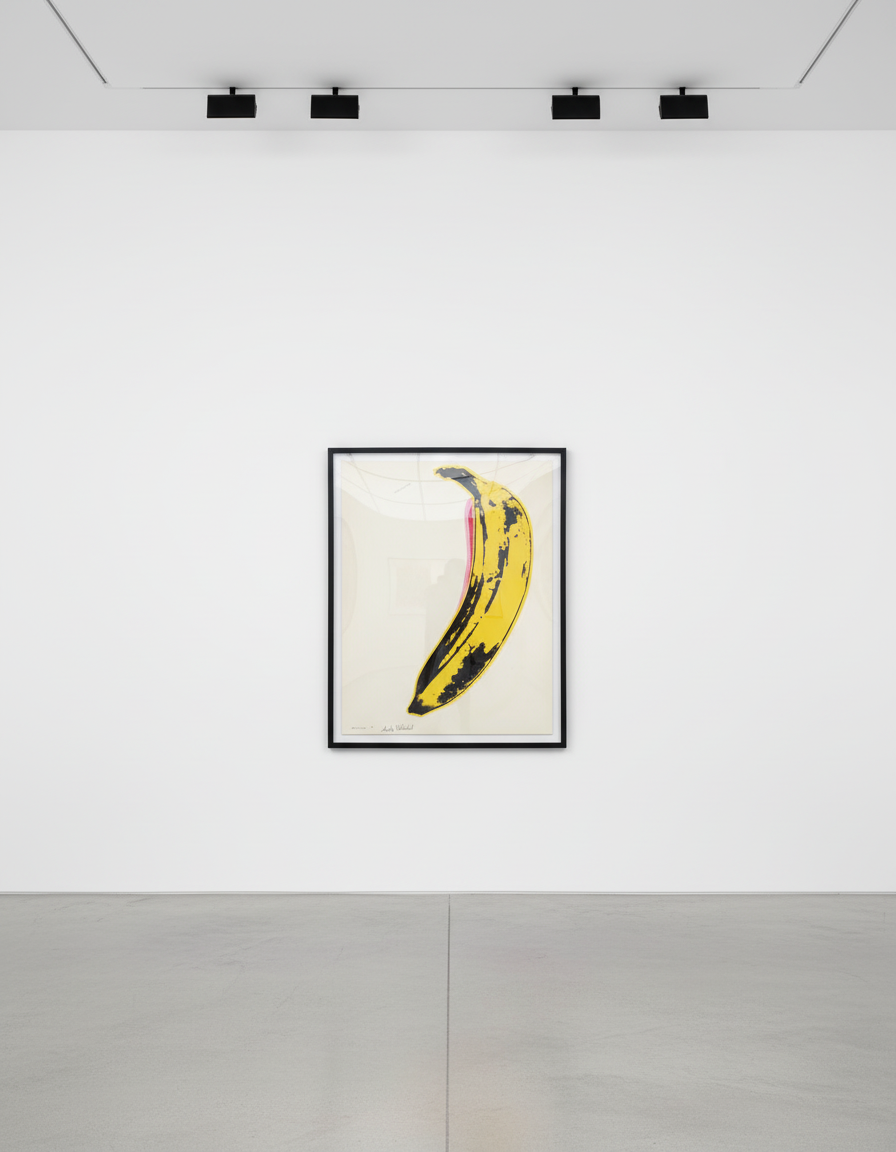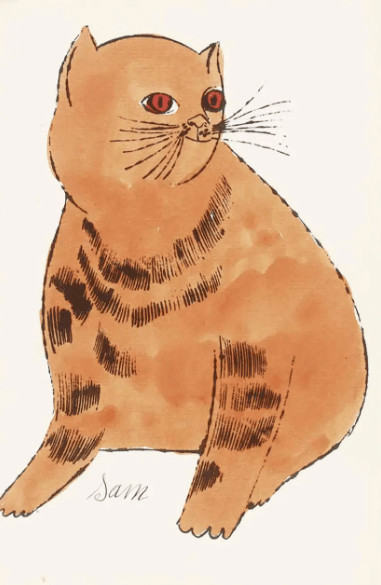
25 Cats Named Sam

When it comes to twentieth-century art, few names shine brighter than Andy Warhol. Known as the king of Pop Art, Warhol transformed the way we see celebrity, consumer culture, and even what qualifies as art. His life story is as fascinating as his work, and this deep dive into Andy Warhol facts blends well-known details with surprising insights you may not find everywhere. Whether you are a Pop Art enthusiast or simply curious about the man behind the Campbell's Soup cans, these interesting facts about Andy Warhol will demonstrate why his influence remains omnipresent today.
Born Andrew Warhola in 1928 in Pittsburgh, Pennsylvania, Warhol grew up the son of Slovakian immigrants in a working-class neighborhood. His father worked as a construction laborer, and the family lived modestly in a small row house. Childhood illness - specifically a nervous system condition known as Sydenham's chorea - kept young Andy confined to bed for extended periods. During these formative months of isolation, he drew endlessly, collected celebrity photographs from magazines, and became obsessed with Hollywood glamour. This unique combination of solitude and imagination planted the seeds for the Pop Art empire he would later construct.
His early life represents one of the most compelling Andy Warhol life facts because it reveals how profoundly his art was shaped by circumstance. The boy who once traced coloring books in his bedroom would eventually redefine American visual culture. After graduating from the Carnegie Institute of Technology with a degree in pictorial design, Warhol set his sights on New York City - a move that would alter the trajectory of contemporary art forever.
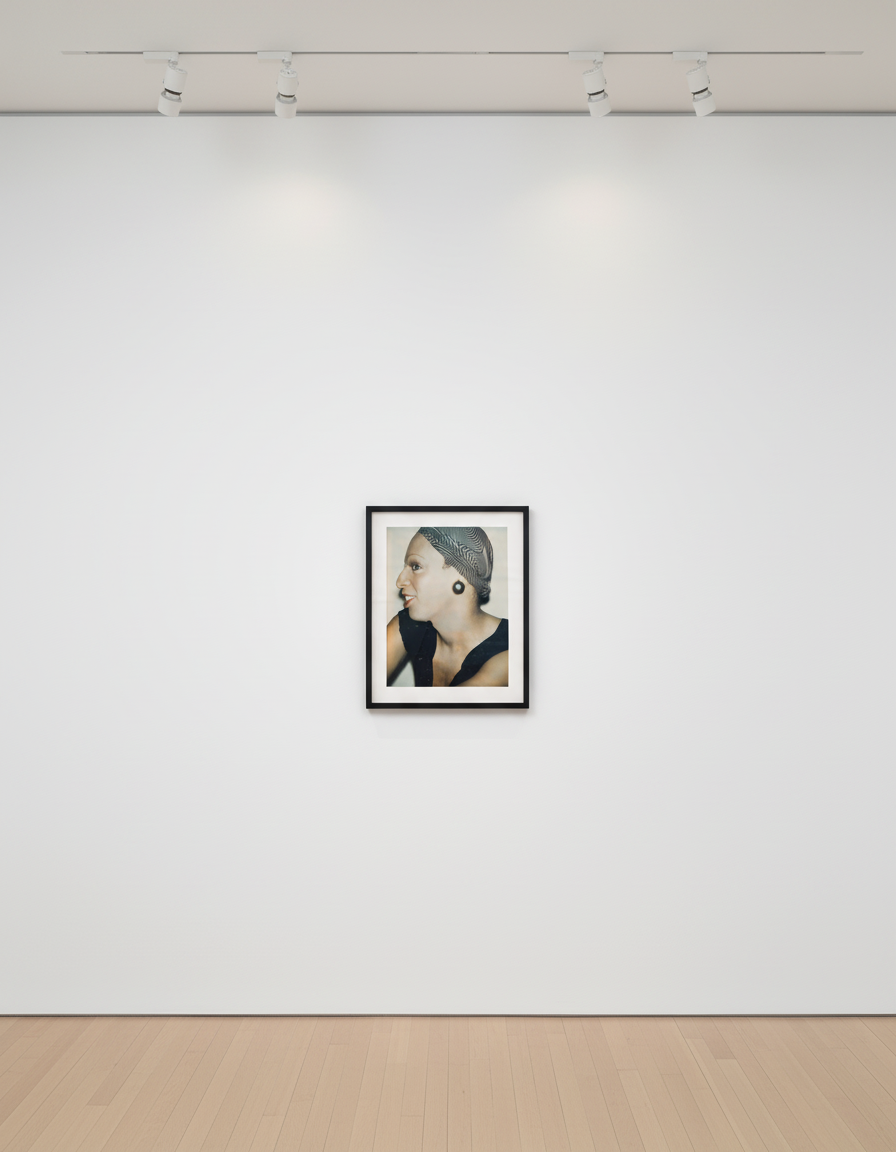
Ladies and Gentlemen (Wilhelmina Ross) — Andy Warhol. Available at Guy Hepner, New York.
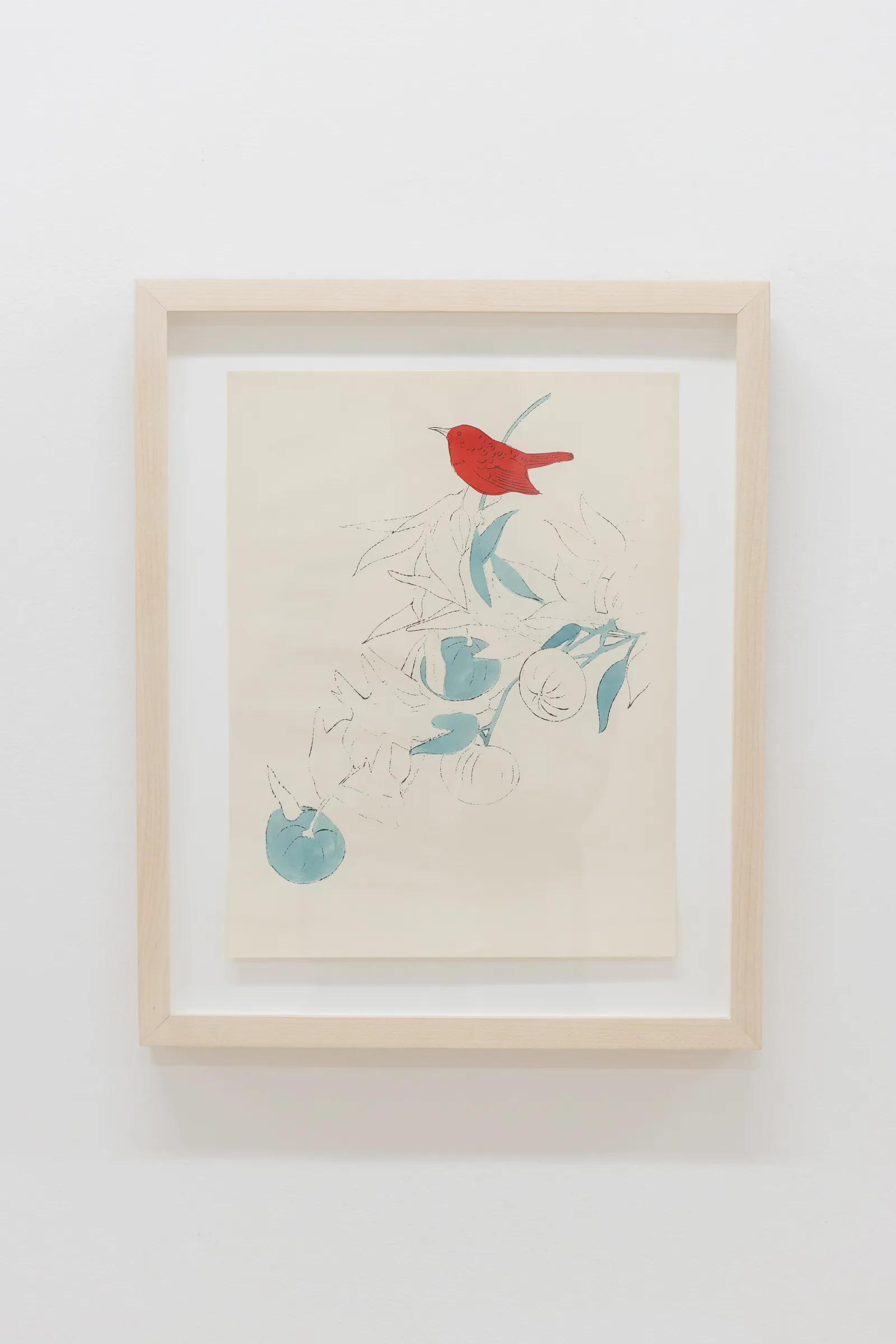
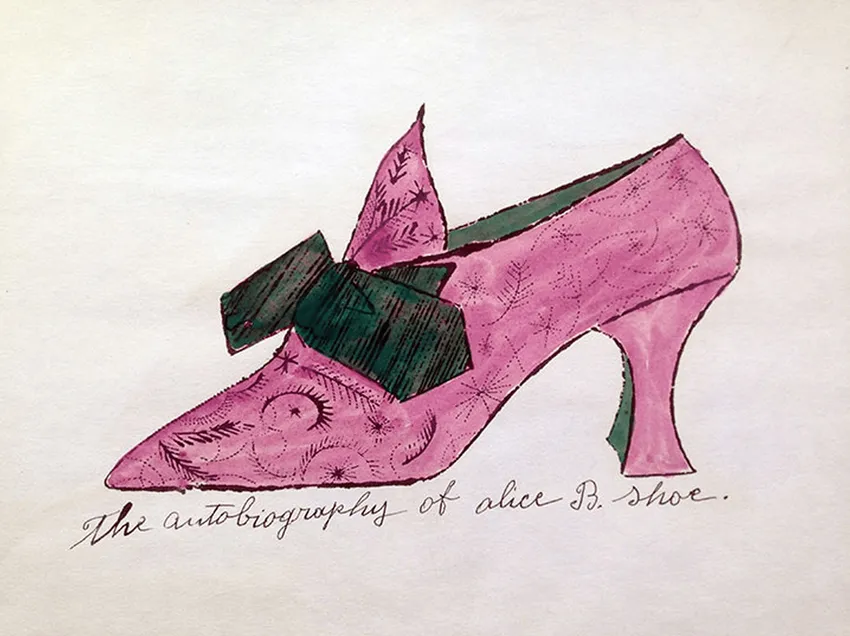
In 1949, Warhol arrived in Manhattan with little more than talent and ambition. He quickly established himself as one of the most sought-after commercial illustrators of the 1950s, creating whimsical drawings for prestigious clients including Glamour magazine, Tiffany and Co., and Columbia Records. His distinctive blotted-line technique - created by pressing inked drawings onto paper before the ink dried - earned him recognition and numerous Art Directors Club awards. This commercial success is among the lesser-known Andy Warhol facts, as many associate him exclusively with fine art.
However, Warhol harbored greater aspirations. By the early 1960s, he began experimenting with imagery drawn directly from American consumer culture. Campbell's Soup cans, Coca-Cola bottles, and dollar bills became his subjects - a radical departure from the abstract expressionism dominating the art world. Critics initially dismissed his work as derivative and superficial, but Warhol understood something profound about postwar America: mass production and mass media had fundamentally changed how people experienced reality.
The establishment of The Factory in 1964 marked a turning point. This legendary studio space on East 47th Street became a creative hub where artists, musicians, filmmakers, and socialites converged. Warhol produced not only paintings but also experimental films, managing the rock band The Velvet Underground and cultivating an entourage of collaborators he called his Superstars. The Factory embodied Warhol's belief that art should be democratic, accessible, and perpetually evolving.
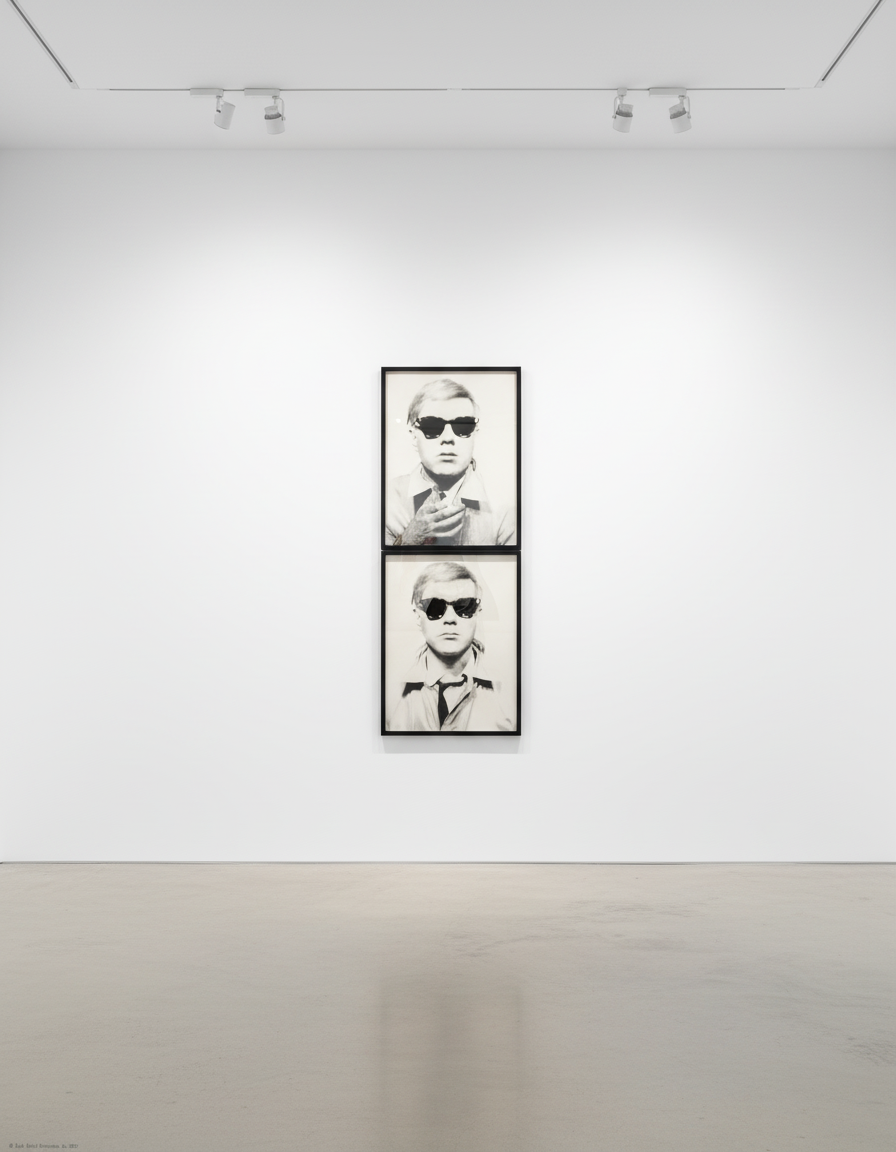
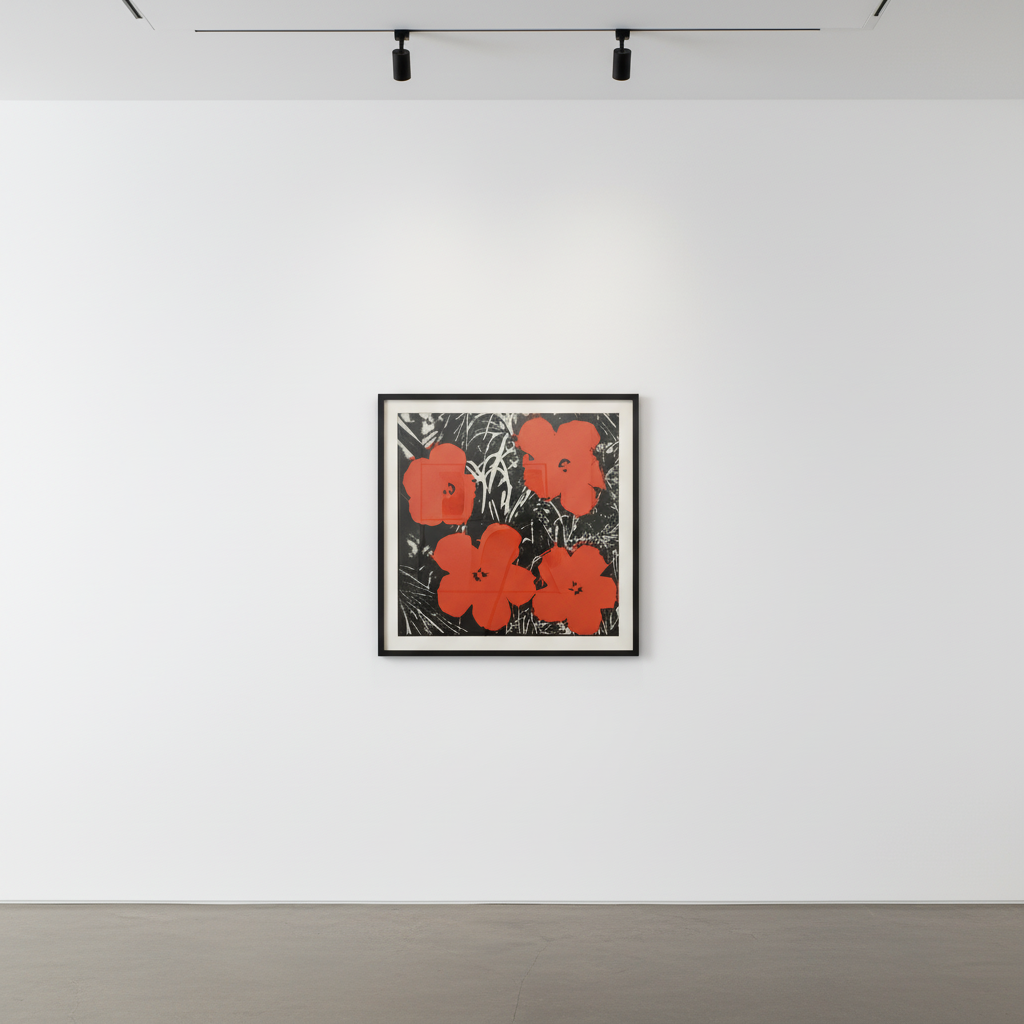
Self - Portrait F.S. IIIA 10 — Andy Warhol. Available at Guy Hepner, New York.
Among the most important Andy Warhol facts for collectors is his extraordinary market performance. According to data compiled by Art Basel and UBS in their annual art market reports, Warhol consistently ranks among the top-selling artists at auction globally. His works have achieved remarkable prices at both Christie's and Sotheby's, with pieces from his most celebrated series commanding figures in the hundreds of millions. In 2022, Christie's sold his Shot Sage Blue Marilyn for $195 million, establishing a new record for any American artwork sold at auction.
What drives this sustained demand? Several factors converge. Warhol's output was prolific yet carefully documented, providing collectors with confidence in authenticity - a critical concern in today's market. His subject matter - from Marilyn Monroe to Mao Zedong, from Flowers to electric chairs - offers remarkable diversity while maintaining unmistakable visual coherence. Furthermore, his exploration of celebrity culture and media saturation feels increasingly relevant in our digital age, ensuring continued scholarly and popular interest.
The artist's exploration of identity politics also deserves attention. His Ladies and Gentlemen series from 1975, featuring portraits of drag queens and transgender women of color, demonstrated remarkable prescience regarding conversations about gender and representation that would intensify decades later. Similarly, his Mao paintings transformed political iconography into commentary on power, image, and propaganda - themes that resonate powerfully with contemporary collectors.
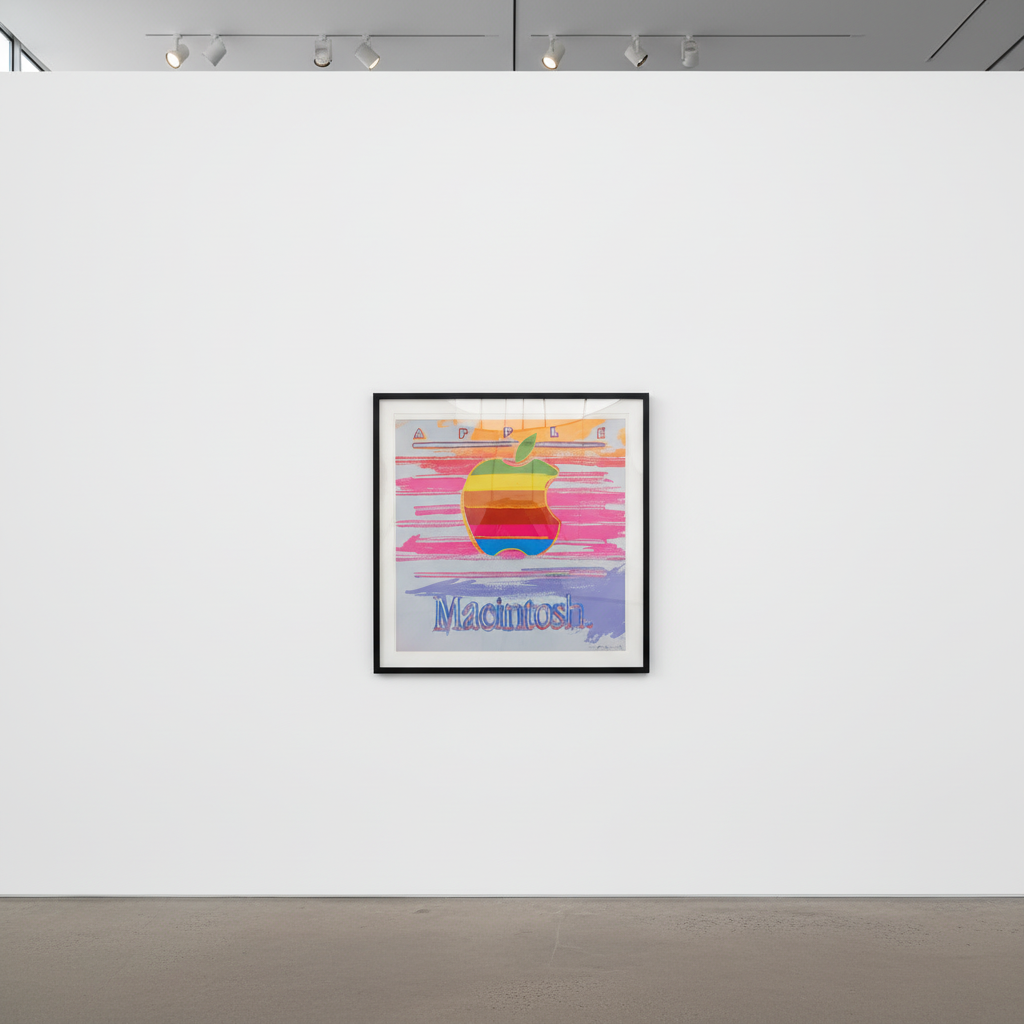
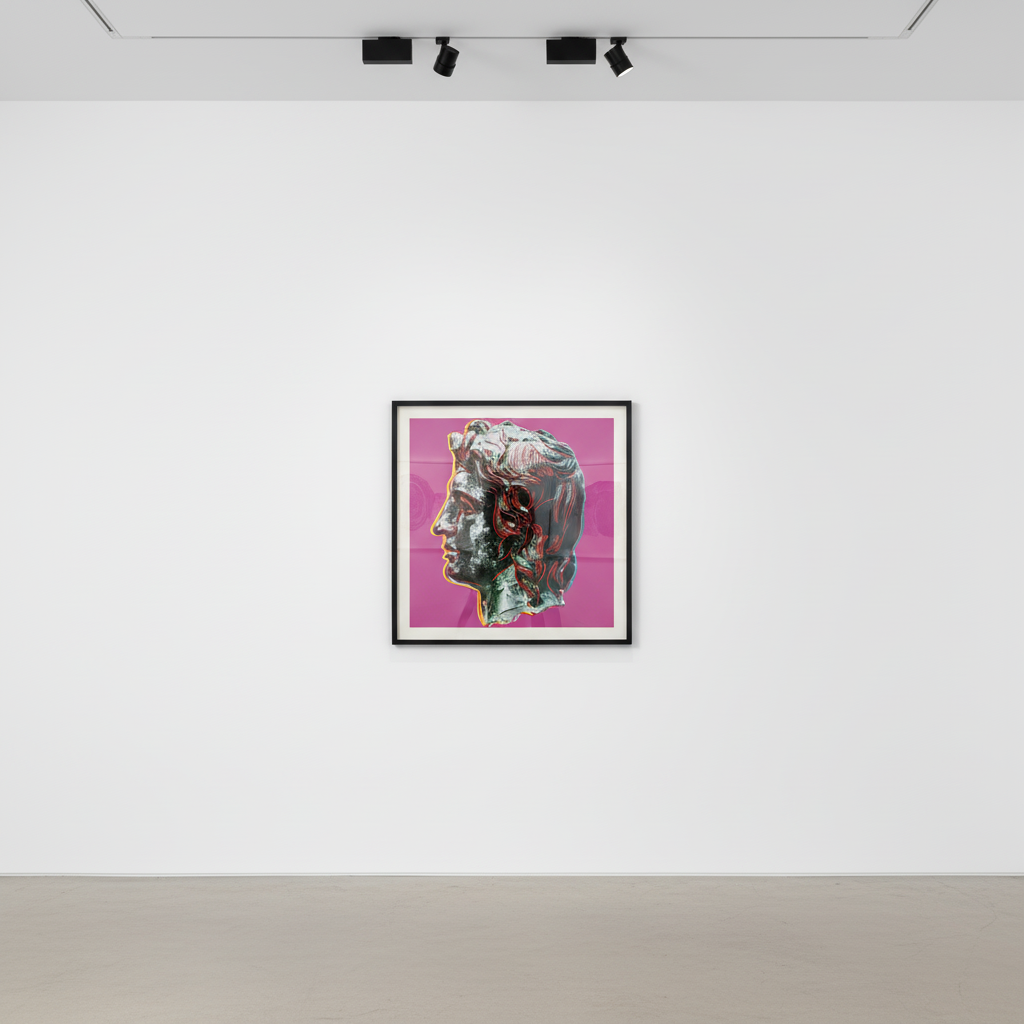
Warhol's print editions offer particular appeal for those entering the market. His silkscreen technique allowed for multiple variations of single images, creating authenticated editions that provide accessibility without sacrificing artistic significance. These works frequently appear at Sotheby's and Christie's contemporary sales, consistently achieving strong results that reflect enduring collector confidence.
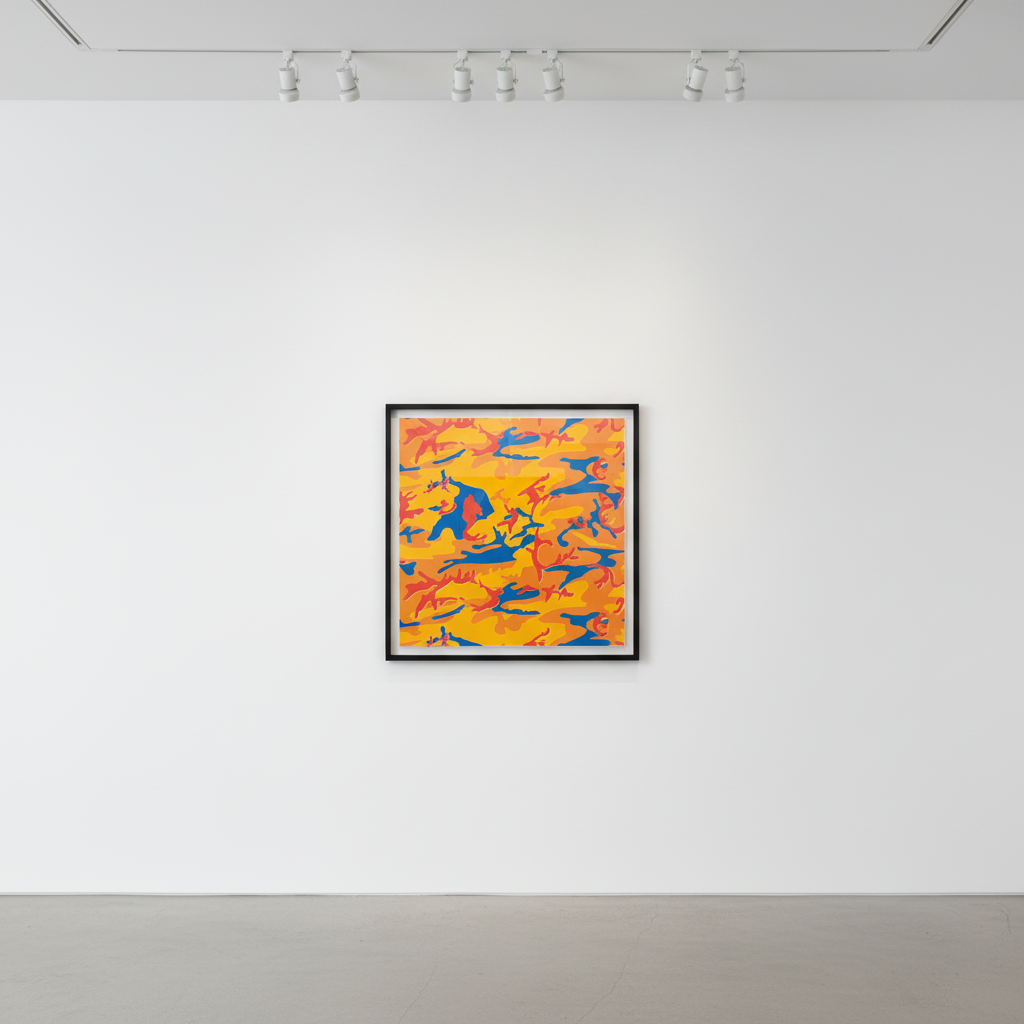
Camouflage Trial Proof TP 4/84 — Andy Warhol. Available at Guy Hepner, New York.
Understanding Andy Warhol facts extends beyond biography into recognizing his fundamental transformation of what art could be and mean. He challenged hierarchies between high culture and commercial design, between original and reproduction, between artist and brand. His influence permeates contemporary practice - from Jeff Koons to Takashi Murakami, from Damien Hirst to countless emerging artists exploring celebrity, consumerism, and mass media.
For collectors, Warhol represents both historical importance and contemporary relevance. His works function as cultural artifacts documenting twentieth-century America while simultaneously speaking to current conditions. The Camouflage series, the Beethoven portraits, the iconic self-portraits - each body of work offers distinct entry points into his vast creative universe.
Perhaps the most enduring Andy Warhol fact is simply this: he understood before almost anyone else that in the modern world, image is everything. That insight - rendered in vibrant color and serial repetition - continues to captivate audiences and drive collector interest decades after his death in 1987.
Guy Hepner maintains an exceptional collection of Andy Warhol original works and authenticated editions, including pieces from his most significant series. Our specialists possess deep expertise in Warhol's market and can guide collectors at every level toward acquisitions that align with their vision and investment objectives. Contact Guy Hepner today to discuss available Andy Warhol works and discover how his revolutionary vision might enhance your collection.
--- **Browse Andy Warhol prints and editions** at Guy Hepner: [Andy Warhol art for sale](/andy-warhol) **Thinking of selling your Warhol?** [Get a free valuation](/sell/andy-warhol) ## Andy Warhol Art For Sale at Guy Hepner Guy Hepner Gallery, New York, holds one of the most extensive inventories of authenticated Andy Warhol prints and original works available on the secondary market. From early offset lithographs to signed screen print suites — Marilyn Monroe, Flowers, Mao, Cowboys and Indians, Ads, Reigning Queens — our specialists can guide collectors at every level. [Browse Andy Warhol prints for sale →](/andy-warhol) | [Sell your Andy Warhol →](/sell/andy-warhol)Explore Andy Warhol prints for sale at Guy Hepner: 25 Cats Named Sam, A Gold Book, A La Recherche Du Shoe Perdu, Alexander the Great, Banana.
Related Series