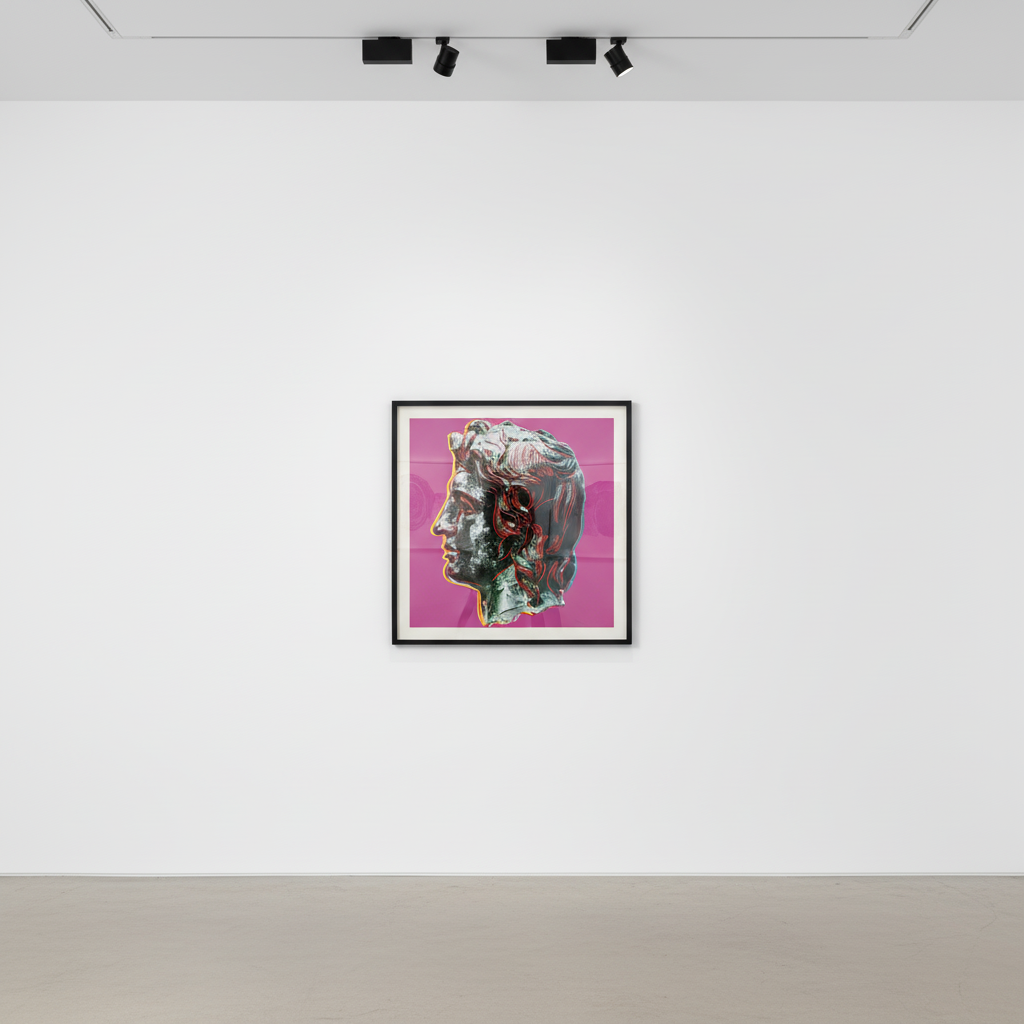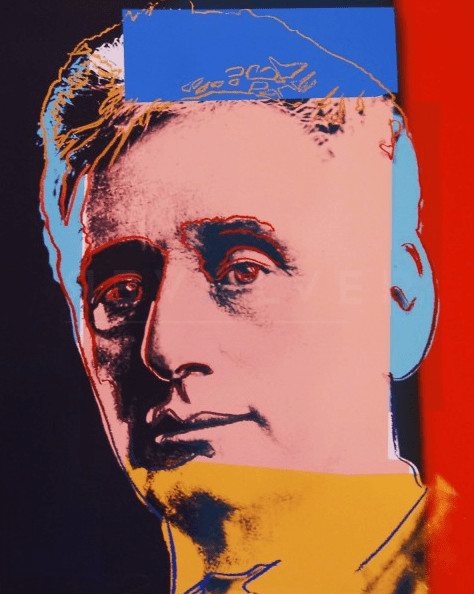
Ten Portraits of Jews of the Twentieth Century

Andy Warhol stands among the most influential artists of the 20th century, not merely for what he depicted but for how he transformed the mundane into the iconic. His radical reimagining of ordinary cultural objects and mass-media imagery into profound artistic statements has secured his position as one of the most important artists of our time. Through his distinctive lens, everyday objects such as dollar bills, soup cans, and media stills were elevated to symbols of greater aesthetic and cultural weight. In doing so, Warhol invited us to reconsider the boundaries between art and commerce, fame and anonymity, representation and reality. His work continues to resonate with collectors and institutions worldwide, commanding extraordinary prices at auction and remaining central to any serious conversation about contemporary art.
Warhol challenged the traditional hierarchy of art subjects by selecting commonplace imagery - currency, celebrity portraits, newspaper excerpts - and presenting them as worthy of artistic attention. In his drawings and silkscreens, the dollar bill becomes not just a symbol of economic value but also an object of visual fascination and critical inquiry. Through repetition and bold color, Warhol surfaced the aesthetic potential of everyday life and commerce. His powerful gesture lay in elevating the banal, bringing the ordinarily overlooked into the spotlight and forcing viewers to confront their assumptions about what constitutes art.
This democratization of subject matter proved revolutionary. Warhol understood that in post-war America, consumer culture had become the dominant visual language. Rather than resist this reality, he embraced it, creating works that simultaneously celebrated and critiqued the commodification of American life. His Campbell's Soup Cans and Brillo Boxes questioned why certain objects were deemed worthy of artistic representation while others were dismissed. This inquiry remains profoundly relevant today, as contemporary artists continue to grapple with questions of value, authenticity, and cultural meaning that Warhol first articulated decades ago.
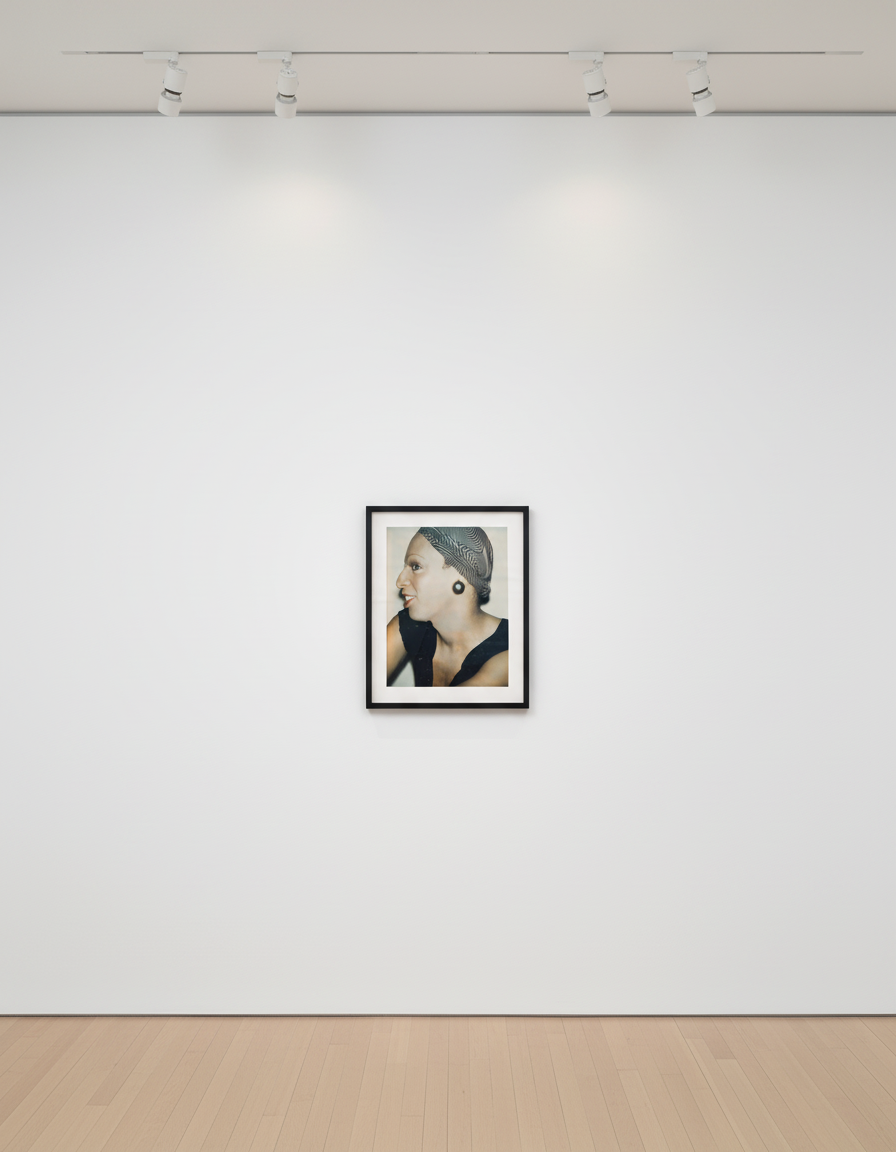
Ladies and Gentlemen (Wilhelmina Ross) — Andy Warhol. Available at Guy Hepner, New York.
Beyond consumer goods, Warhol demonstrated an extraordinary capacity to capture and construct celebrity. His portrait works represent some of the most recognizable images in art history, transforming photographs into vibrant, often unsettling meditations on fame and identity. Warhol's portraits of Marilyn Monroe, Elvis Presley, and Elizabeth Taylor did more than document celebrity - they created an entirely new visual vocabulary for understanding public figures in the age of mass media.
His Ladies and Gentlemen series, featuring portraits of drag queens and transgender performers from New York's underground scene, exemplifies Warhol's ability to confer iconic status upon his subjects. These works, including the striking portrait of Wilhelmina Ross, demonstrate Warhol's commitment to expanding the boundaries of portraiture beyond traditional power structures. By applying the same visual treatment to underground performers that he gave to Hollywood stars, Warhol made a profound statement about visibility, identity, and the nature of celebrity itself.
Equally significant are Warhol's political portraits, most notably his Mao series. These works took the most reproduced image in human history - the official portrait of Chairman Mao Zedong - and subjected it to Warhol's signature treatment of repetition and chromatic variation. The result was a complex commentary on propaganda, power, and the circulation of images across political systems. Warhol revealed that whether capitalist or communist, modern societies relied on the same mechanisms of image production and dissemination.
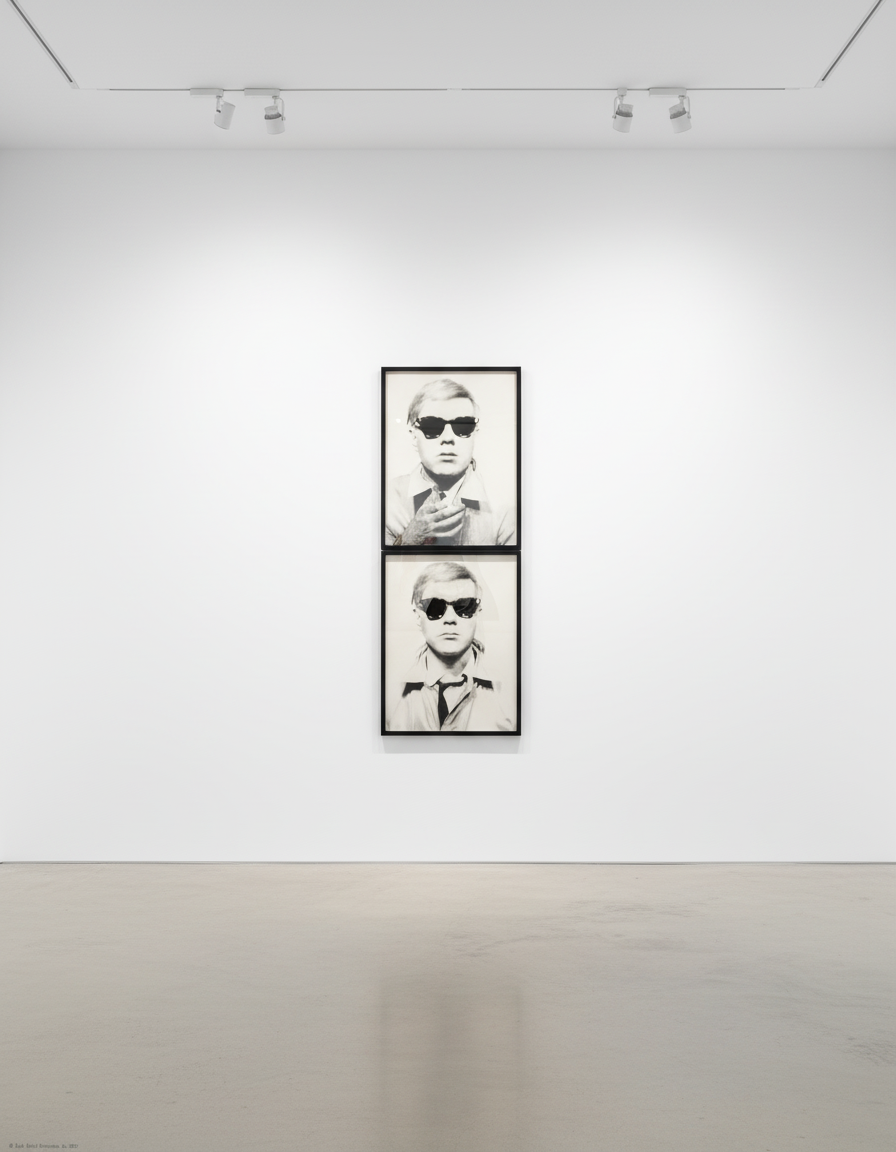
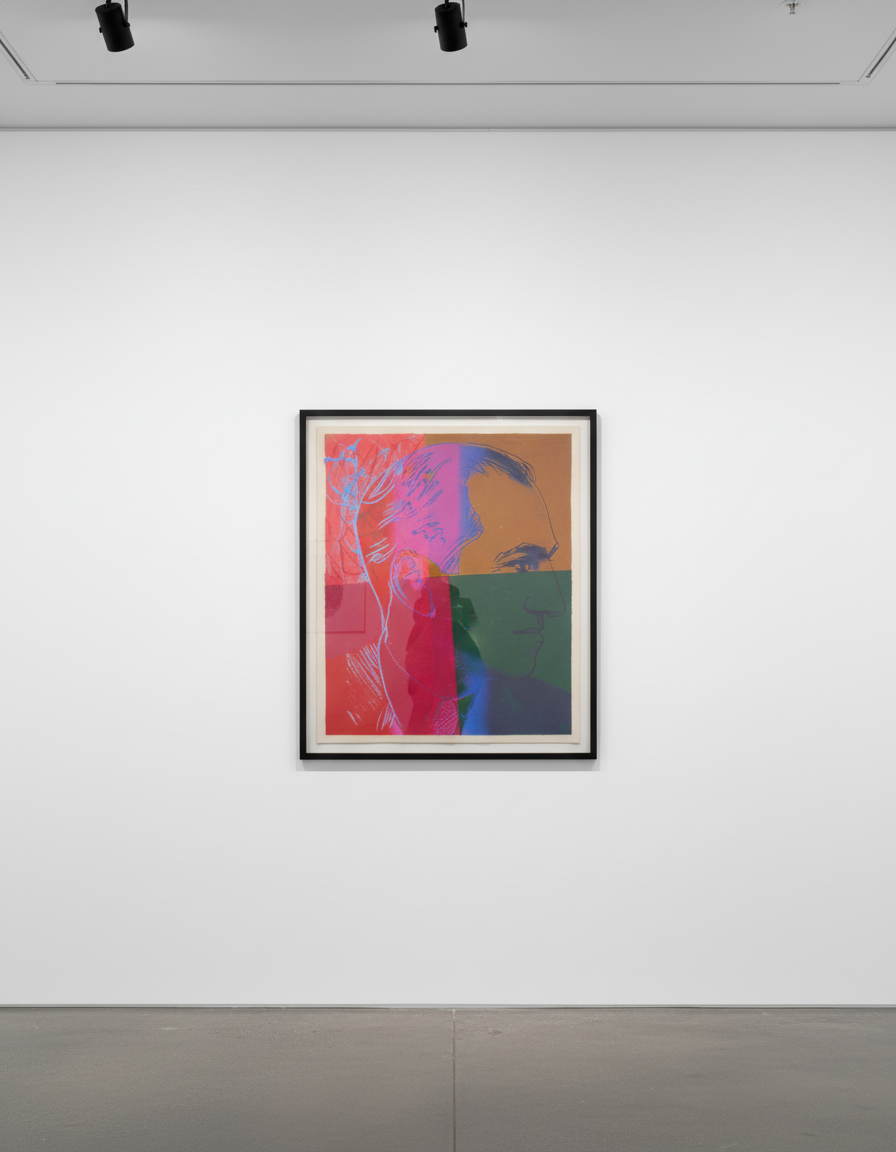
Self - Portrait F.S. IIIA 10 — Andy Warhol. Available at Guy Hepner, New York.
Warhol's self-portraits constitute another crucial dimension of his iconographic project. Throughout his career, he returned repeatedly to his own image, exploring themes of identity, mortality, and artistic persona. These works reveal an artist acutely aware of his own status as a cultural phenomenon, simultaneously constructing and deconstructing the myth of Andy Warhol. His self-portraits evolved from early explorations of his commercial artist identity to later, more contemplative works that confronted aging and death with unflinching directness.
In his final years, Warhol continued to innovate and surprise. His Camouflage series applied military patterns to canvases in ways that abstracted and complicated their original function. Meanwhile, his Beethoven portraits demonstrated that his iconic treatment could extend beyond contemporary celebrity to historical figures, creating unexpected dialogues between past and present. These late works reveal an artist who never ceased experimenting, constantly finding new subjects and approaches that expanded his visual language.
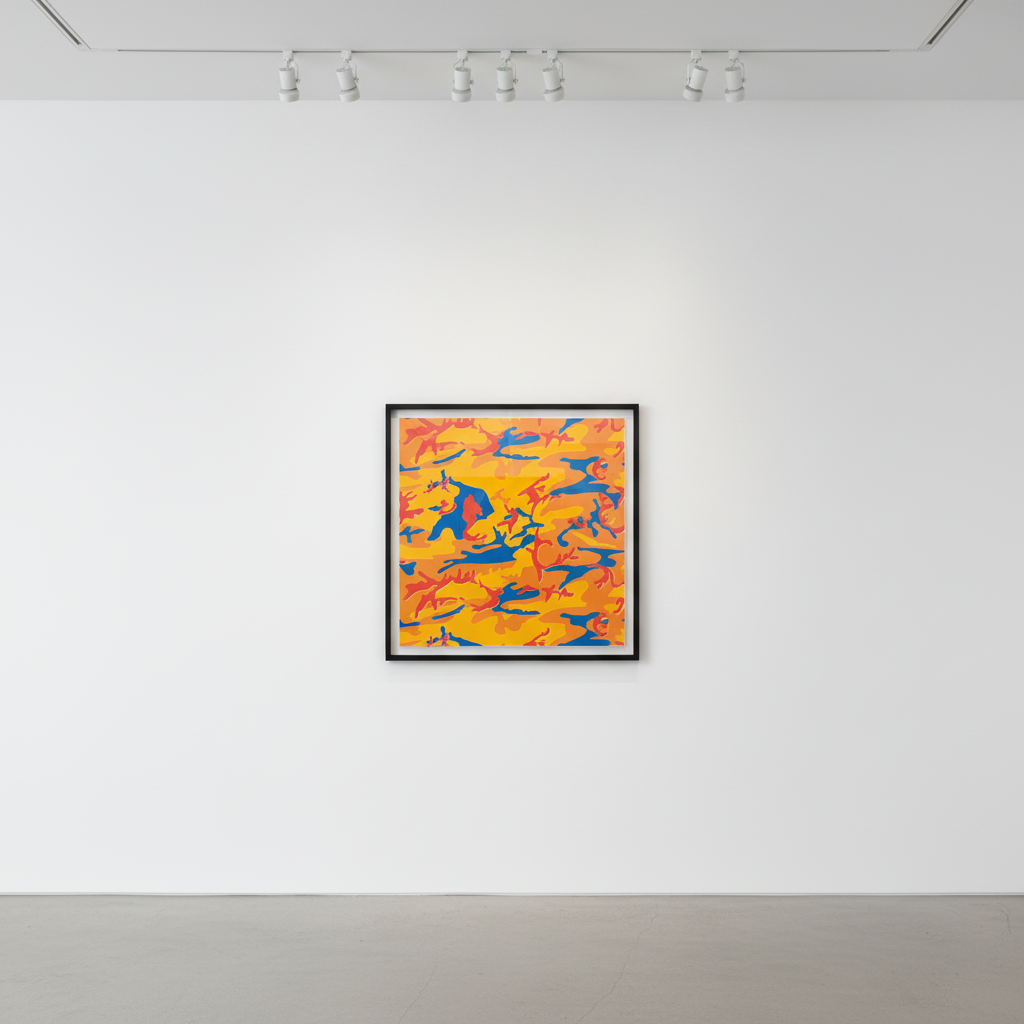
Camouflage Trial Proof TP 4/84 — Andy Warhol. Available at Guy Hepner, New York.
The Art Basel and UBS Global Art Market Report consistently identifies Warhol as one of the most actively traded artists at auction, with his works achieving remarkable prices across all categories. Christie's and Sotheby's regularly feature Warhol in their premier evening sales, where major works command eight and nine-figure sums. His Shot Sage Blue Marilyn achieved $195 million at Christie's in 2022, becoming the most expensive American artwork ever sold at auction. This sustained market performance reflects not merely speculative interest but deep institutional and collector recognition of Warhol's historical significance.
For collectors, Warhol represents both a cornerstone acquisition and an ongoing opportunity. His prolific output across multiple media - painting, printmaking, photography, film - offers numerous entry points at various price levels. Yet regardless of scale or medium, authentic Warhol works carry the weight of his revolutionary vision. Collectors value his pieces not only for their aesthetic impact but for their cultural resonance and art-historical importance. A Warhol acquisition signals sophisticated understanding of 20th-century art history while providing enduring visual pleasure and proven investment value.
Guy Hepner is proud to offer an exceptional selection of works by Andy Warhol, including significant pieces from his most celebrated series. Our gallery provides collectors with access to authenticated works accompanied by comprehensive provenance documentation and expert guidance. Whether you are building a foundational collection or seeking a specific masterwork, our team offers personalized consultation to match discerning collectors with works that align with their vision and objectives. Contact Guy Hepner to inquire about current availability and discover how Warhol's iconic imagery can become part of your collection.
--- **Browse Andy Warhol prints** at Guy Hepner: [Andy Warhol art for sale](/andy-warhol) | [Sell your Warhol](/sell/andy-warhol)Explore Andy Warhol prints for sale at Guy Hepner: Ten Portraits of Jews of the Twentieth Century, 25 Cats Named Sam, A Gold Book, A La Recherche Du Shoe Perdu, Alexander the Great.
Related Series