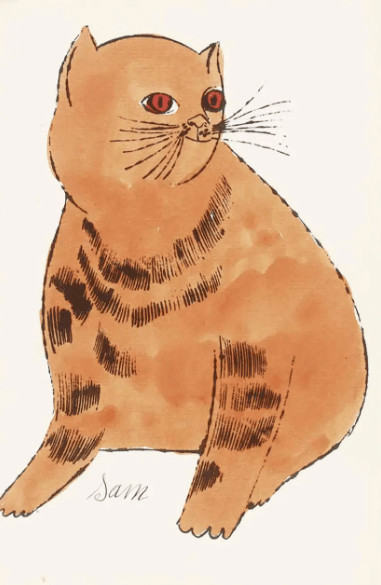
25 Cats Named Sam

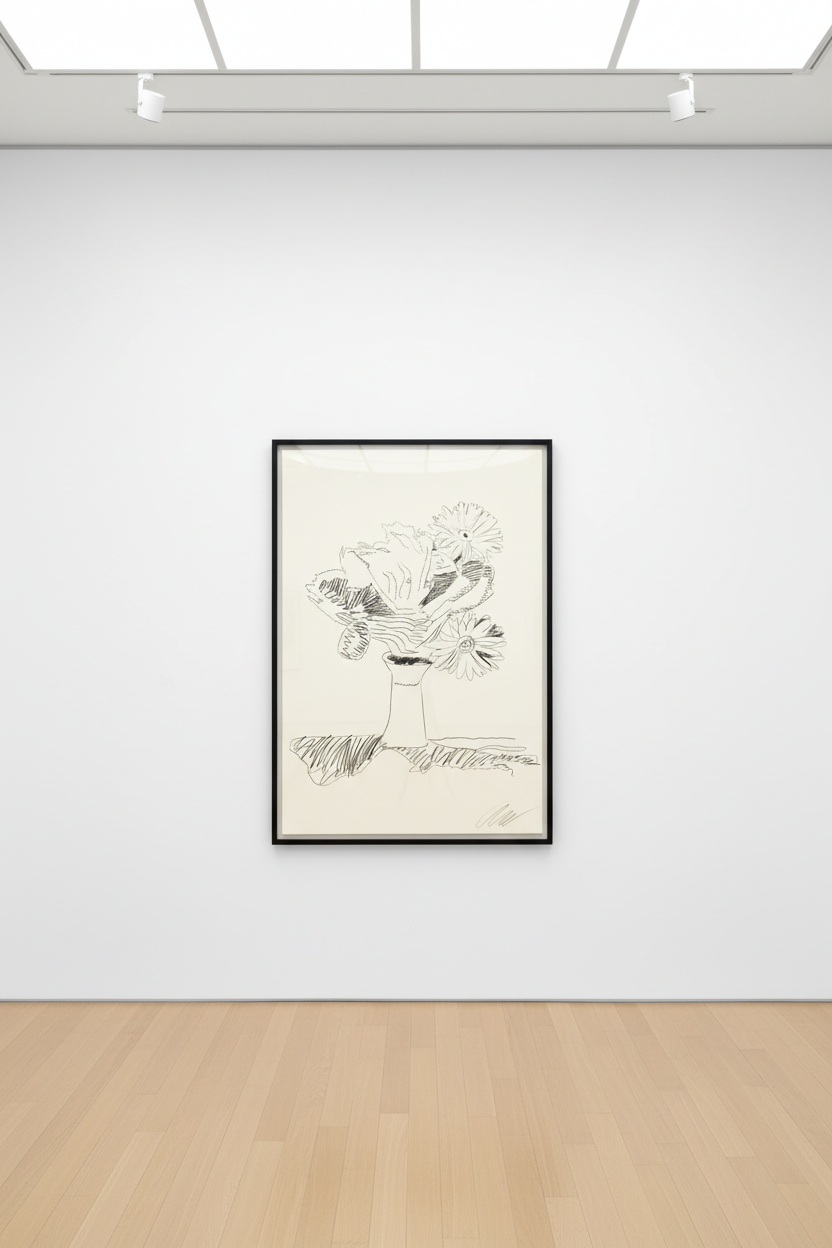
Andy Warhol remains the most consequential artist of the twentieth century, his influence reverberating through every corner of contemporary visual culture. From his revolutionary Campbell's Soup Cans to his penetrating celebrity portraits, Warhol fundamentally altered how we understand the relationship between art, commerce, and mass media. Yet his legacy extends far beyond his own prolific output - it encompasses the generations of artists who have engaged with, appropriated, and reframed his iconic imagery. Among these practitioners, Richard Pettibone stands as a particularly compelling figure, whose meticulous recreations of Warhol's seminal works offer a sophisticated meditation on originality, reproduction, and the nature of artistic value itself.
In the intricate landscape of contemporary art, Richard Pettibone emerges as a pivotal figure whose appropriation practice fascinatingly intertwines with Andy Warhol's iconic works. Beginning in the 1960s - remarkably, while Warhol himself was still producing his most celebrated pieces - Pettibone began creating diminutive, hand-painted replicas of works by Warhol and other Pop luminaries. His oeuvre, particularly his renditions of Warhol's Campbell's Soup, Elvis, and Marilyn series, offers a nuanced dialogue with the themes of mass production, celebrity culture, and the nature of art itself.
Warhol's Campbell's Soup Cans are emblematic of the Pop Art movement, transforming ordinary consumer goods into subjects of high art and critiquing the pervasive consumer culture of the 1960s. Pettibone, in his appropriation of these works, miniaturizes Warhol's original thirty-two canvases, inviting a closer, more intimate inspection. Through this act of replication and scale alteration, Pettibone underscores the notion of art as a consumable product, simultaneously questioning and celebrating the commodification process inherent in both commercial culture and the art market itself.
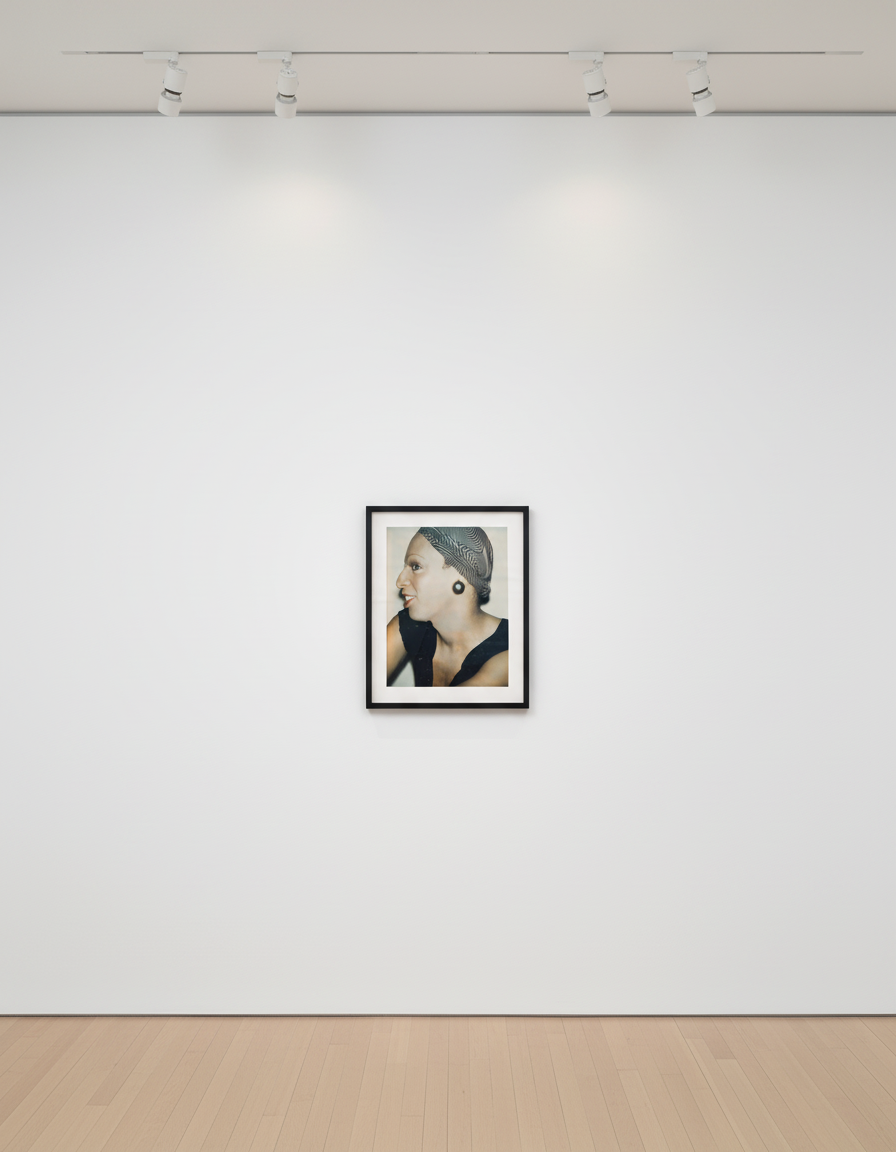
Ladies and Gentlemen (Wilhelmina Ross) — Andy Warhol. Available at Guy Hepner, New York.
What distinguishes Pettibone's practice from mere copying is his methodological precision and conceptual rigor. Each miniature reproduction is painstakingly hand-crafted, requiring extraordinary technical skill to capture the essence of Warhol's silkscreen aesthetic at dramatically reduced dimensions. This labor-intensive process creates an intentional paradox - using artisanal methods to recreate works that originally celebrated mechanical reproduction. The result is a sophisticated commentary that operates on multiple levels, addressing questions of authenticity, authorship, and artistic hierarchy that remain central to contemporary discourse.
To fully appreciate the significance of artistic engagements with Warhol's imagery, one must understand the revolutionary nature of his original contribution. When Warhol established The Factory in 1962, he deliberately challenged romantic notions of artistic genius and individual expression. His adoption of commercial silkscreen techniques, his collaborative production methods, and his embrace of repetition all represented radical departures from Abstract Expressionism's emphasis on personal gesture and emotional authenticity.
Warhol's portraits of Marilyn Monroe, created in the weeks following her death in August 1962, exemplify his transformative approach to image-making. By appropriating a publicity still from the 1953 film Niagara, Warhol converted a private tragedy into public spectacle, examining how mass media simultaneously creates and consumes celebrity. The repetitive format of these works - multiplying Marilyn's face across canvas after canvas - speaks to the numbing effect of media saturation while paradoxically intensifying the viewer's emotional response.
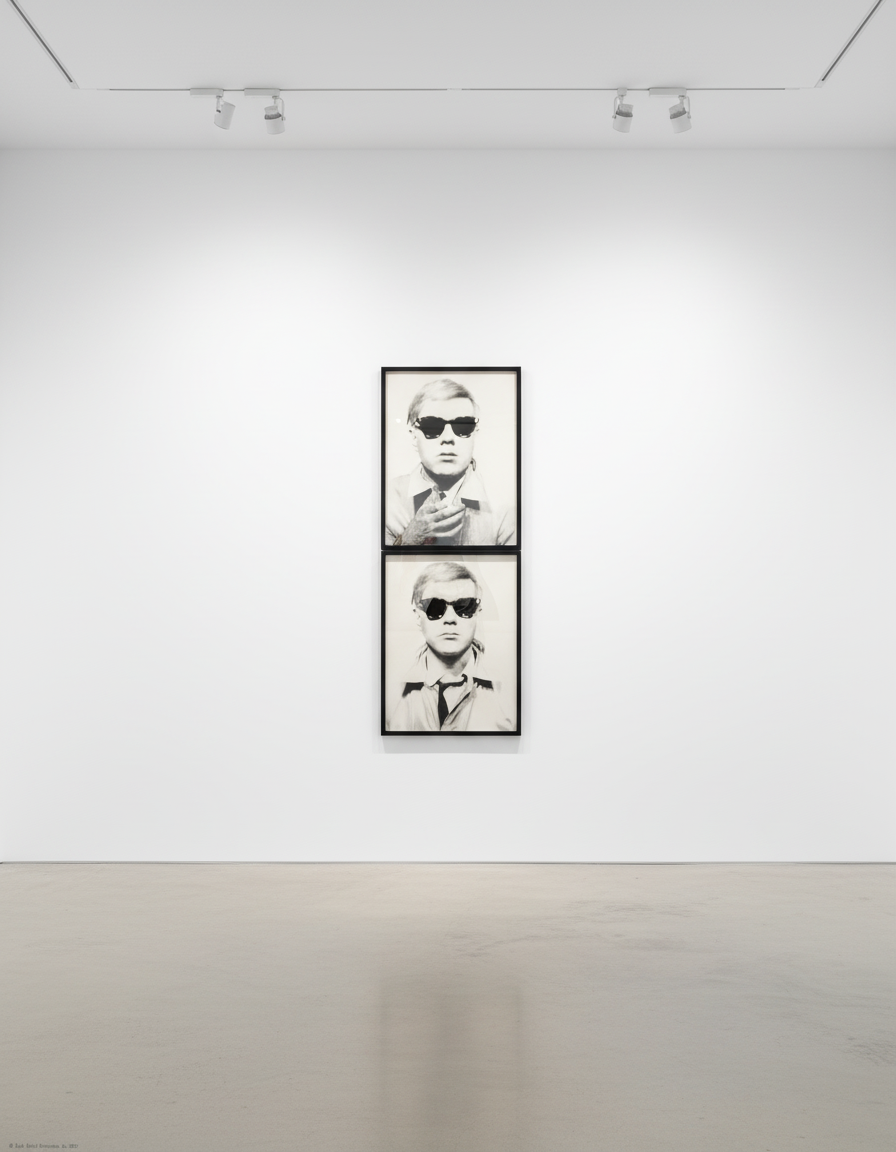
Self - Portrait F.S. IIIA 10 — Andy Warhol. Available at Guy Hepner, New York.
His engagement with political imagery proved equally provocative. The Hammer and Sickle series, produced during the mid-1970s, demonstrates Warhol's continued ability to transform charged symbols into aesthetic objects that resist simple interpretation. Similarly, his Mao portraits took the most reproduced image in human history and subjected it to Pop Art's leveling gaze, placing the Chinese leader alongside Marilyn and Elvis in Warhol's pantheon of modern icons.
According to the Art Basel and UBS Global Art Market Report, Warhol has consistently ranked among the top three highest-grossing artists at auction for over two decades. Christie's and Sotheby's regularly feature his works as flagship lots in their contemporary evening sales, with major pieces commanding prices that reflect his unassailable position in the art historical canon. This sustained market performance underscores the enduring collector appetite for Warhol's vision.
The relationship between artistic significance and market value finds perhaps its purest expression in the ongoing demand for Warhol's work. His pieces appear with remarkable consistency in the most prestigious auction rooms worldwide, with Christie's achieving landmark results for works spanning his entire career - from early commercial illustrations to the monumental paintings of his final years. Sotheby's has similarly positioned Warhol as a cornerstone of their contemporary art offerings, recognizing that collector interest extends across all periods and media of his production.
For discerning collectors, Warhol's graphic works represent particularly compelling acquisition opportunities. His print portfolios - including the Marilyn series, the Mao editions, and the powerful Hammer and Sickle suite - offer access to museum-quality imagery at accessible price points relative to unique canvases. These editions, produced under Warhol's direct supervision at his studio, carry the full conceptual weight of his artistic project while allowing broader participation in collecting his legacy.
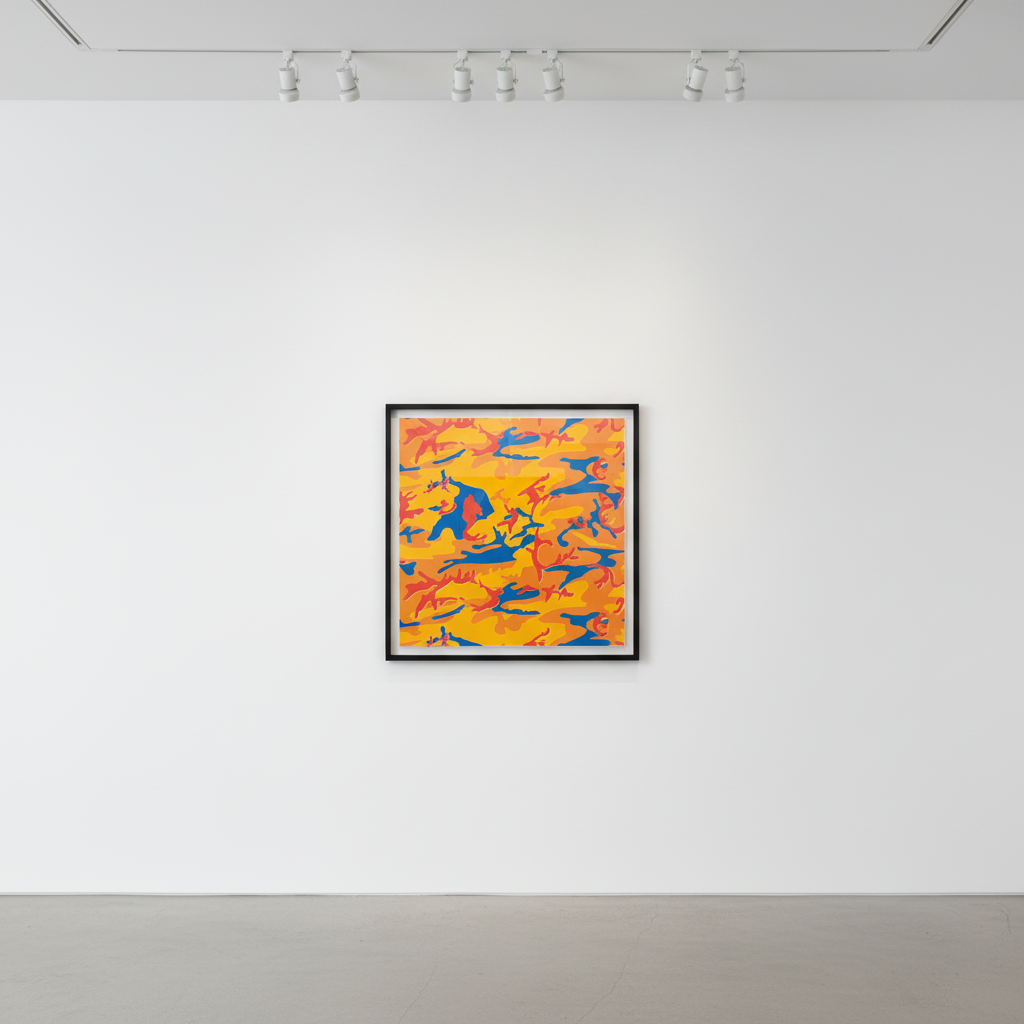
Camouflage Trial Proof TP 4/84 — Andy Warhol. Available at Guy Hepner, New York.
The Ladies and Gentlemen series, featuring portraits of drag queens and transgender performers from New York's underground club scene, has attracted increasing scholarly and collector attention in recent years. These works demonstrate Warhol's commitment to documenting marginalized communities while applying the same formal strategies he used for society portraits and celebrity commissions. The series represents an important and historically significant chapter in Warhol's oeuvre that speaks directly to contemporary conversations about identity and representation.
Guy Hepner maintains an exceptional selection of works by Andy Warhol, ranging from iconic print editions to unique works on paper. Our curatorial team possesses deep expertise in Warhol's market and can guide collectors through the nuances of edition variations, provenance considerations, and condition assessment. Whether you are building a focused Pop Art collection or seeking a singular statement piece, Guy Hepner offers the knowledge, discretion, and global network to facilitate your acquisition. We invite collectors to contact our New York gallery to discuss available works and explore how Warhol's revolutionary vision might enhance your collection.
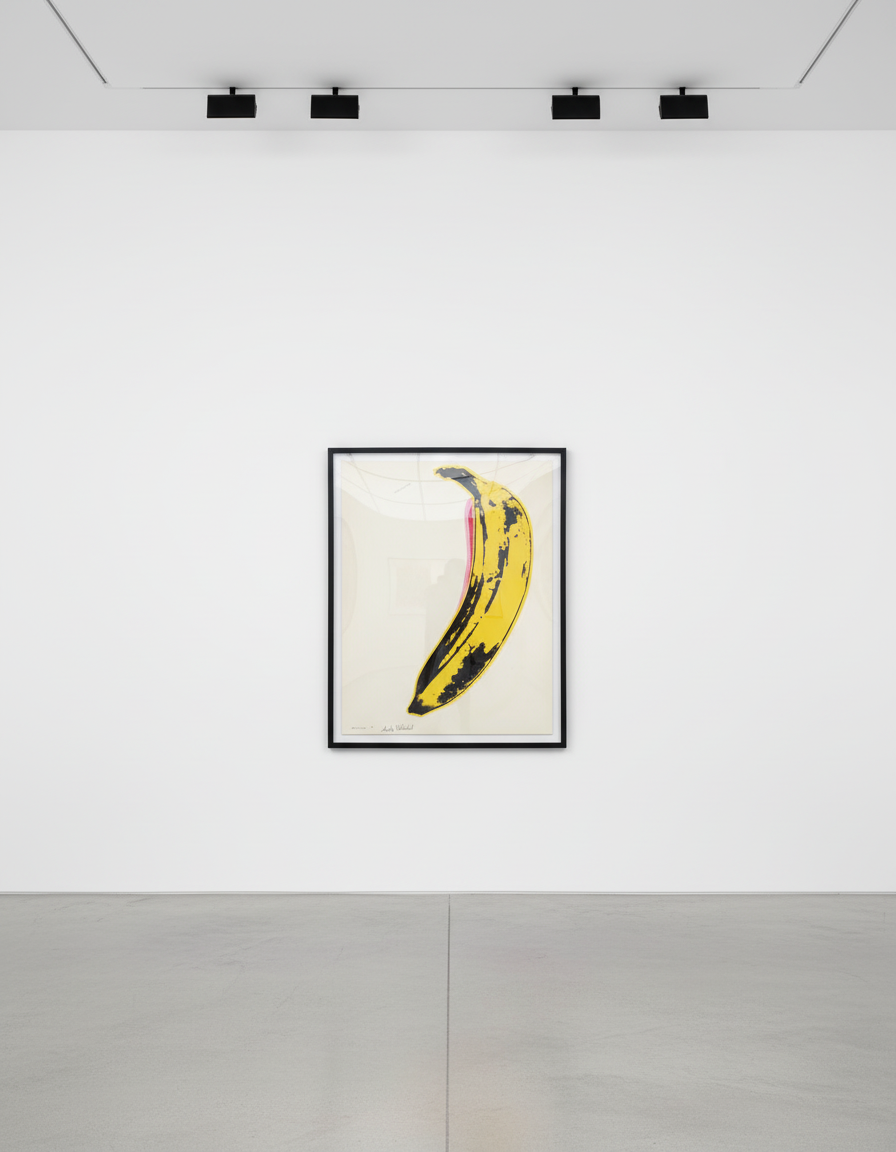
--- **Browse Andy Warhol prints** at Guy Hepner: [Andy Warhol art for sale](/andy-warhol) | [Sell your Warhol](/sell/andy-warhol)Explore Andy Warhol prints for sale at Guy Hepner: 25 Cats Named Sam, A Gold Book, A La Recherche Du Shoe Perdu, Alexander the Great, Banana.
Related Series