Endangered Species

Andy Warhol remains one of the most influential and commercially significant artists of the twentieth century, a visionary who fundamentally transformed our understanding of art, commerce, and cultural iconography. As the leading figure of the Pop Art movement, Warhol possessed an unparalleled ability to elevate everyday subjects into profound artistic statements. Among his extensive body of work, the Endangered Species print portfolio, created in 1983, represents a compelling departure from his typical subject matter - a striking fusion of artistic innovation and environmental consciousness that continues to captivate collectors and institutions alike.
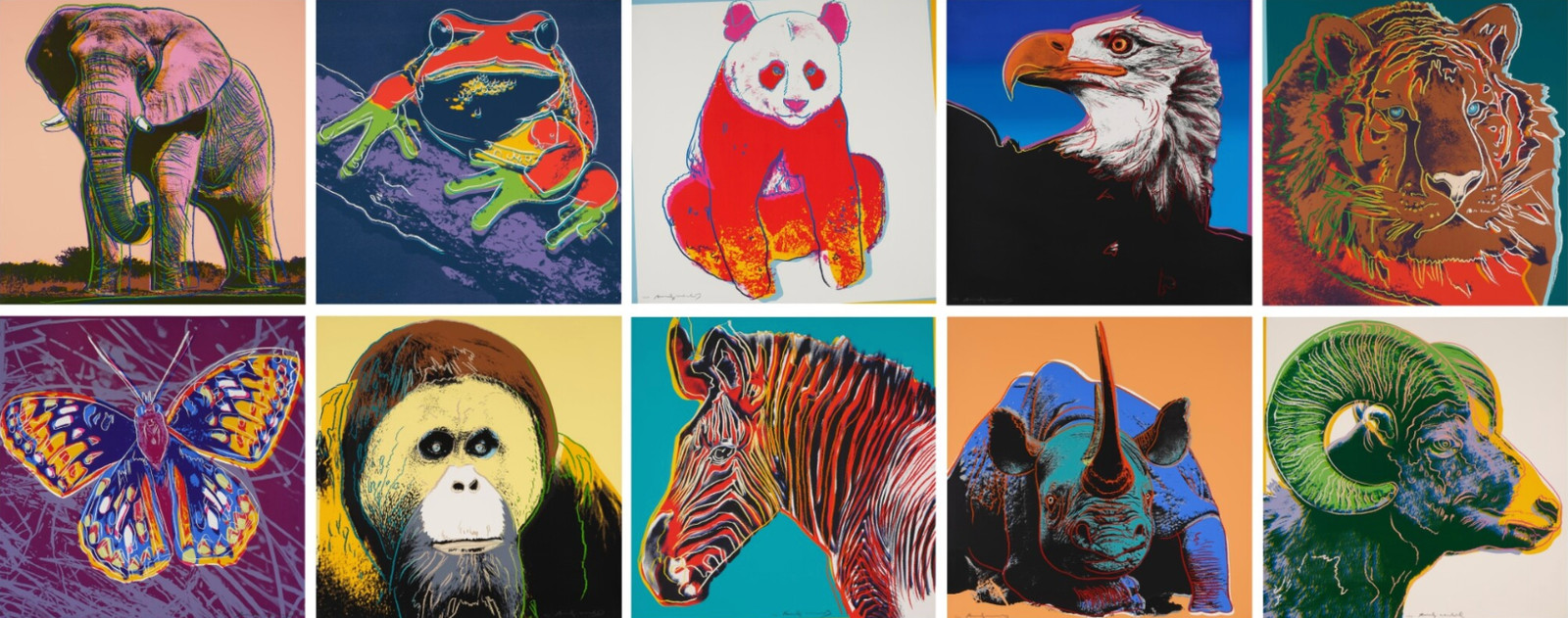
In the early 1980s, Andy Warhol was approached by Ronald and Frayda Feldman, prominent environmental activists and gallerists, with a proposal that would result in one of his most socially conscious bodies of work. The collaboration gave birth to the Endangered Species portfolio, consisting of ten magnificent color screen prints that brought Warhol's signature aesthetic to bear on a cause of global importance. Each print in the series features an endangered animal - including the Bald Eagle, Giant Panda, Siberian Tiger, and African Elephant - rendered in Warhol's iconic pop art style with vibrant colors, dramatic contrasts, and an unmistakable visual urgency.
This series marked a significant evolution in Warhol's artistic practice. While he had built his reputation immortalizing consumer products and celebrity culture, the Endangered Species portfolio demonstrated his capacity to harness his considerable influence for advocacy. The works retain all the hallmarks of Warhol's technical mastery - the bold color fields, the photographic source imagery transformed through screen printing, the repetitive yet distinctive compositions - while simultaneously delivering a powerful message about conservation and humanity's responsibility to protect vulnerable species.
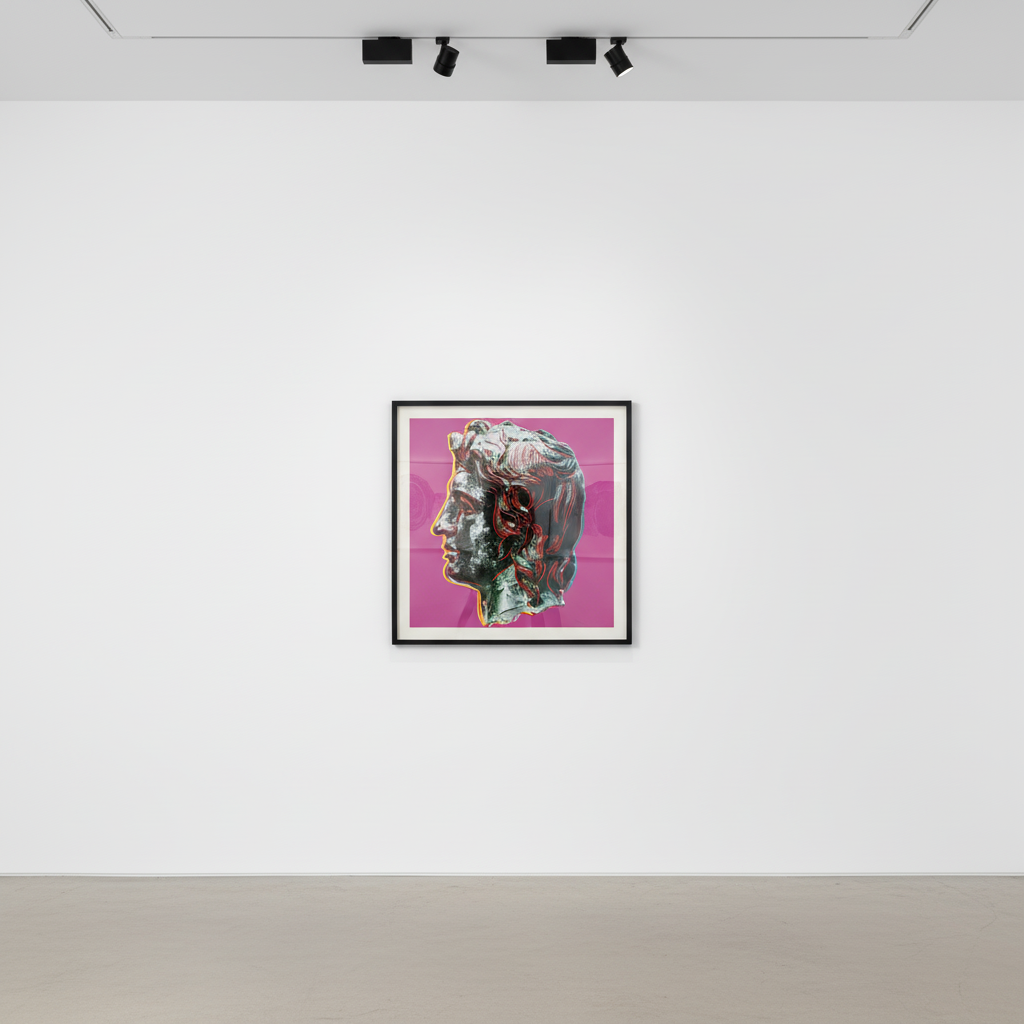
Shadows V (Red and Blue) ` — Andy Warhol. Available at Guy Hepner, New York.
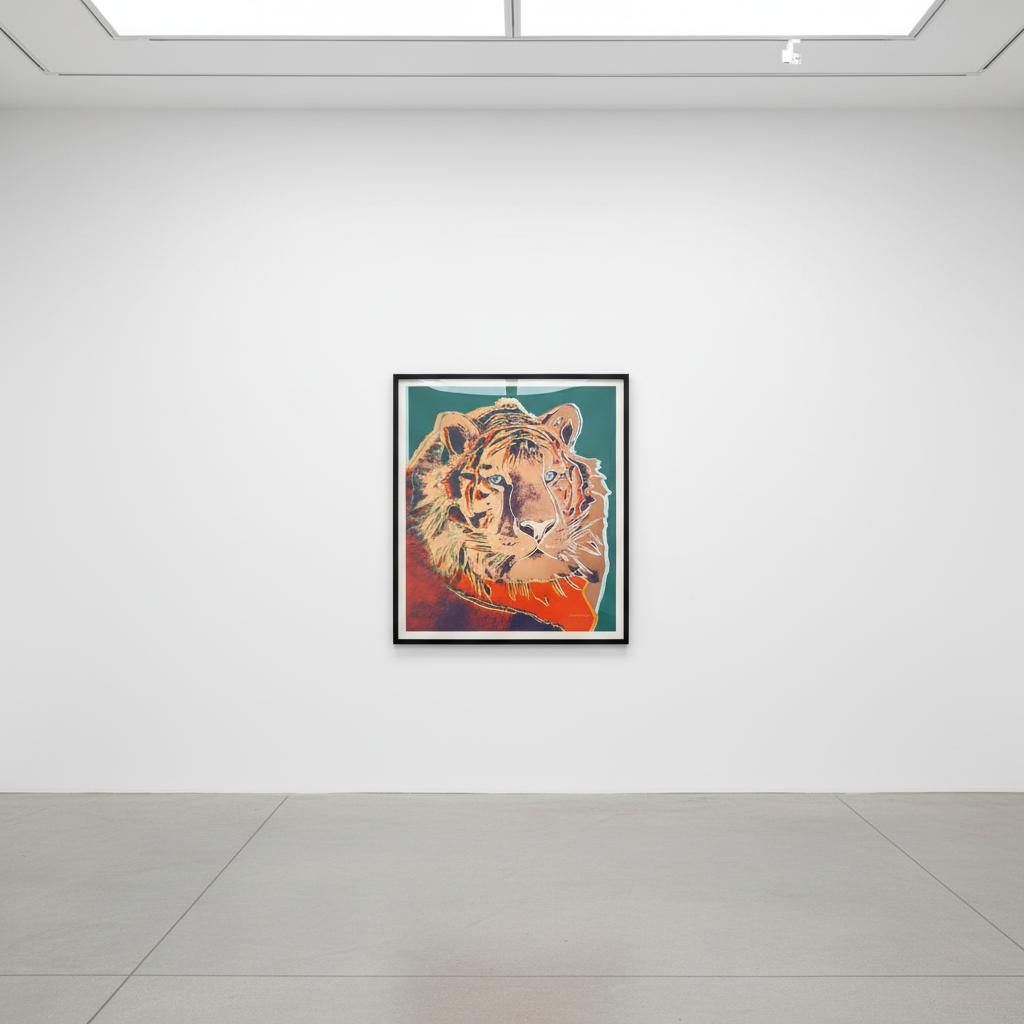
The portfolio was produced in an edition of 150, with each print measuring approximately 38 x 38 inches. Warhol employed his sophisticated screen printing techniques to create layers of intense, sometimes jarring color combinations that demanded attention. The Siberian Tiger, for instance, features striking orange and black contrasts that seem to leap from the surface, while the San Francisco Silverspot butterfly demonstrates remarkable delicacy within the bold pop aesthetic. This tension between the fragility of the subjects and the assertiveness of Warhol's style creates an emotional resonance that transcends mere decoration.
The Endangered Species portfolio occupies a unique position within Warhol's oeuvre, bridging his commercial sensibilities with genuine artistic and social purpose. Critics have noted that these works represent Warhol at his most sincere - a departure from the ironic detachment that characterized much of his celebrity portraiture. The series demonstrates that even an artist so closely associated with superficiality and consumer culture could create deeply meaningful work that engaged with pressing global concerns.
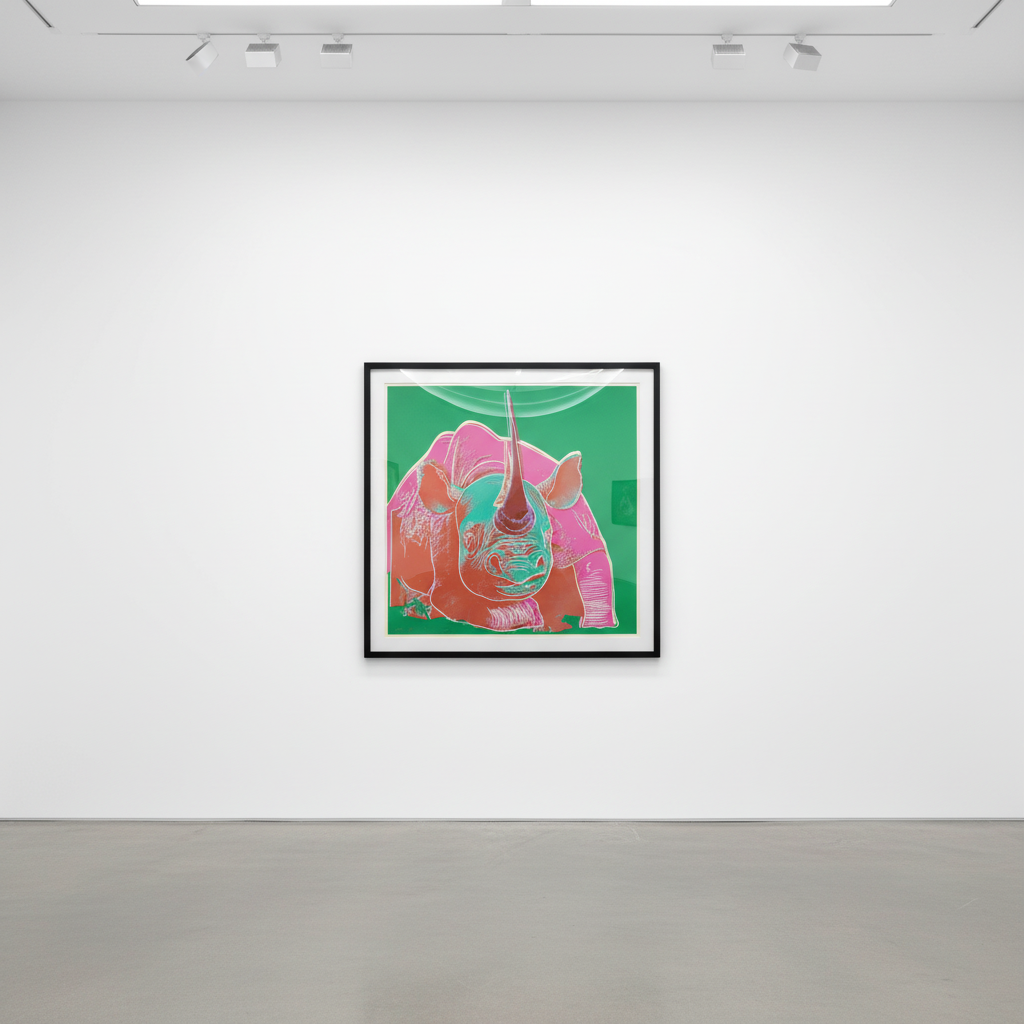
From a technical standpoint, the Endangered Species prints showcase Warhol's masterful command of the screen printing medium. The layering of colors, the precise registration, and the transformation of photographic sources into stylized compositions reflect decades of refinement in his studio practice. Each animal is presented in a manner that emphasizes both its beauty and its vulnerability - the Black Rhinoceros appears monumentally powerful yet isolated, while the Pine Barrens Tree Frog seems almost luminescent against its contrasting background.
Goethe F.S. II 272 — Andy Warhol. Available at Guy Hepner, New York.
Art historians have drawn connections between the Endangered Species portfolio and Warhol's earlier Death and Disaster series, noting a shared preoccupation with mortality and loss. However, while the earlier works confronted death in stark, often disturbing terms, the Endangered Species prints approach the subject with a different emotional register - one of elegiac beauty and urgent appeal. This evolution in Warhol's treatment of serious themes demonstrates the continued development of an artist who, by 1983, had already secured his place in art history but remained committed to expanding his creative boundaries.
The market for Andy Warhol's Endangered Species prints has demonstrated remarkable strength and consistency over the past two decades. According to data from Christie's and Sotheby's, individual prints from the series regularly achieve prices well above their estimates at auction, reflecting sustained collector interest in this particular body of work. The combination of Warhol's blue-chip status, the accessible subject matter, and the relatively contained edition size has created a highly desirable collecting category.
The Art Basel and UBS Global Art Market Report has consistently identified Warhol as among the top-selling artists at auction globally, and the Endangered Species prints benefit from this broader market enthusiasm. Complete portfolios are particularly prized, though individual prints featuring the most iconic animals - notably the Bald Eagle and Giant Panda - command premium prices. The series appeals to a diverse range of collectors, from established Warhol enthusiasts seeking to expand their holdings to new collectors drawn to the environmental message and visual accessibility of these works.
Sunset F.S. II 85 - 88 — Andy Warhol. Available at Guy Hepner, New York.
What distinguishes the Endangered Species portfolio in the current market is its dual appeal to aesthetic and ethical sensibilities. As awareness of environmental issues has intensified in recent years, these works have taken on renewed relevance. Collectors increasingly value art that engages with meaningful subjects, and Warhol's prescient attention to endangered species positions these prints at the intersection of artistic excellence and contemporary concern. This convergence of factors suggests continued strong demand and appreciation potential for the series.
Guy Hepner is proud to offer exceptional examples from Andy Warhol's Endangered Species portfolio, providing collectors with the opportunity to acquire these historically significant and visually stunning works. Our expertise in the secondary market for blue-chip contemporary art ensures that each piece we present meets the highest standards of condition and provenance. Whether you are seeking a specific print from the series or exploring the possibility of acquiring a complete portfolio, our dedicated team offers personalized guidance throughout the acquisition process. We invite you to contact Guy Hepner to discuss available works from this remarkable series and discover how these iconic prints might enhance your collection.
--- **Browse Andy Warhol prints** at Guy Hepner: [Andy Warhol art for sale](/andy-warhol) | [Sell your Warhol](/sell/andy-warhol)Explore Andy Warhol prints for sale at Guy Hepner: Endangered Species, 25 Cats Named Sam, A Gold Book, A La Recherche Du Shoe Perdu, Alexander the Great.
Related Series