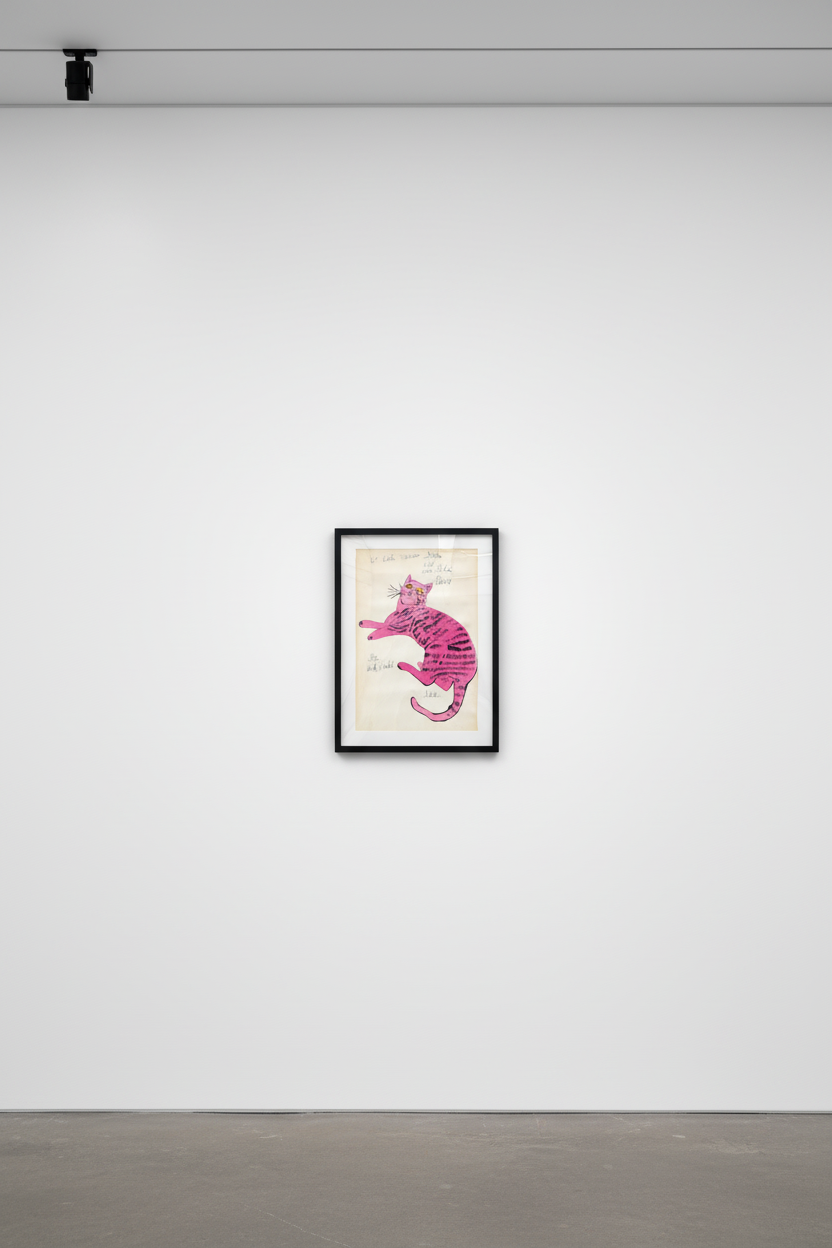
25 Cats Named Sam
20 works

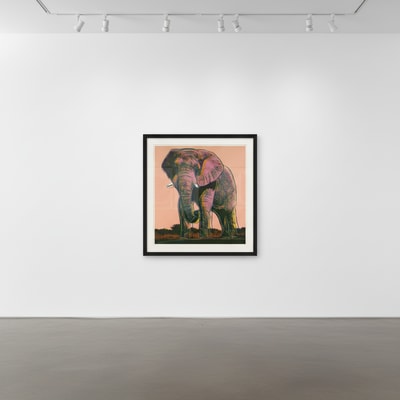
Andy Warhol's Endangered Species is his most explicitly environmental body of work — a 1983 portfolio of ten screenprints on Lenox Museum Board, published in an edition of 150 and printed by Rupert Jasen Smith. The project was born out of conversations between Warhol and New York art dealers Ronald and Frayda Feldman about ecological issues, including beach erosion affecting Warhol's own Long Island property; those discussions led the Feldmans to commission a series drawing attention to species then facing extinction.
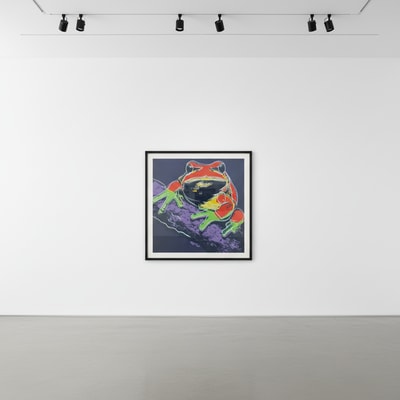
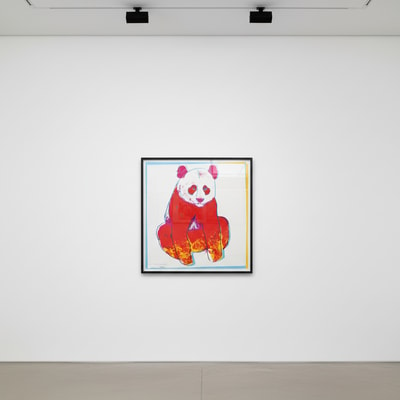
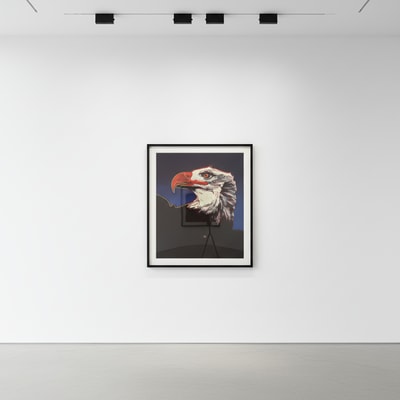
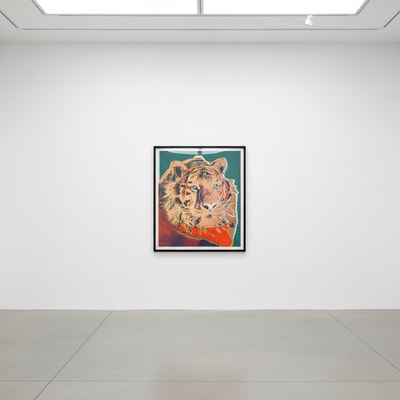
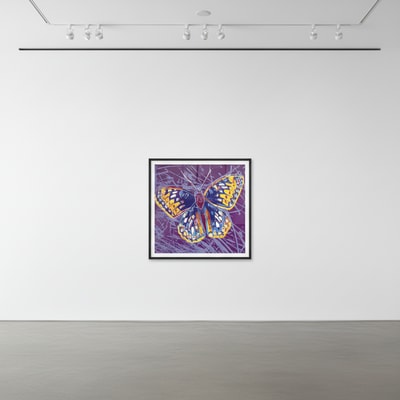
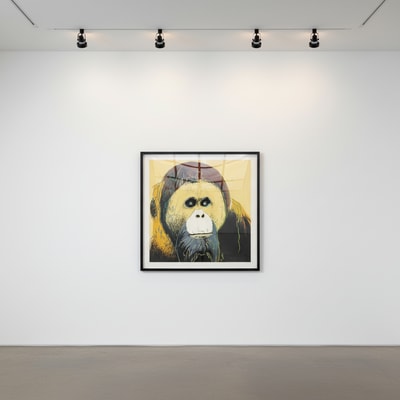
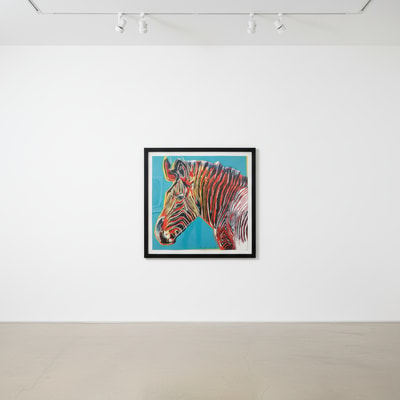
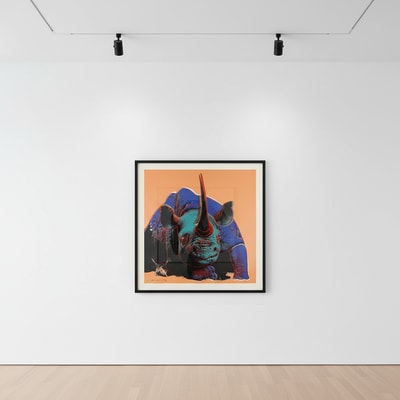
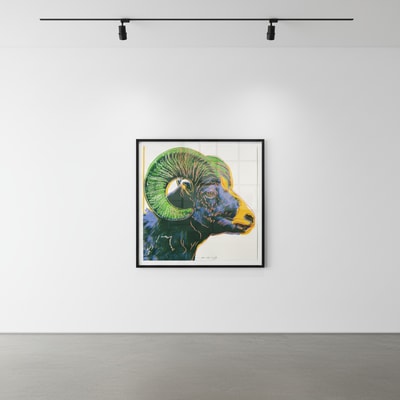
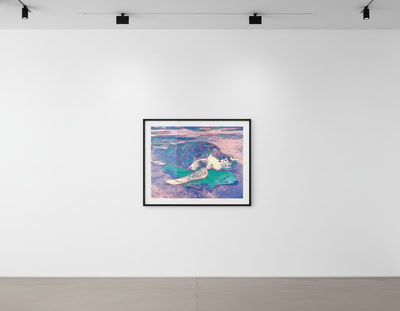
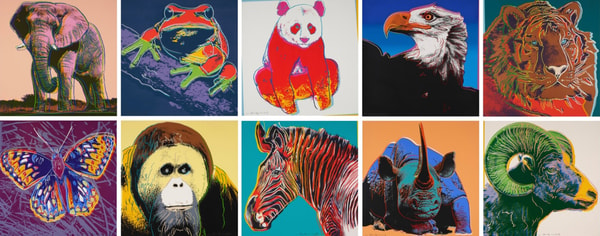
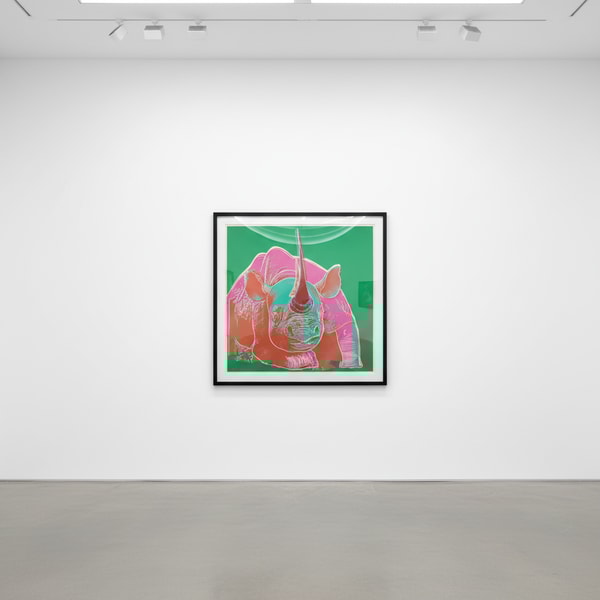
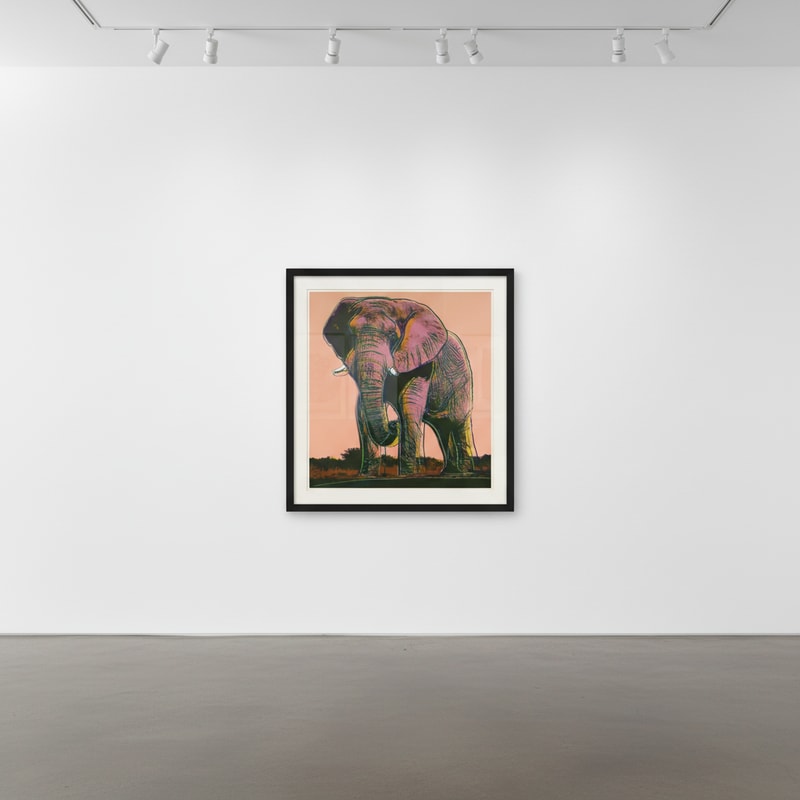
The ten animals depicted are the African elephant, bald eagle, black rhinoceros, bighorn ram, giant panda, Grévy's zebra, orangutan, Pine Barrens tree frog, San Francisco silverspot butterfly and Siberian tiger, each rendered in Warhol's characteristic vivid, non-naturalistic colours. Of his approach, Warhol later remarked, "There's no reason I painted a panda red or an elephant pink. I just used colors I liked." The portfolio was first exhibited in "Animals: Species at Risk" at the American Museum of Natural History in New York in April 1983, and Warhol donated ten complete portfolios to wildlife and conservation organisations.
Combining Warhol's signature screenprint technique with a subject drawn directly from contemporary conservation concerns, Endangered Species stands apart in his output as a body of work with an explicit ecological purpose, bridging Pop art spectacle and environmental advocacy.
Guy Hepner offers both individual prints and complete portfolio sets, each presented with full authentication.
13 works available
The Colourways
Commissioned in 1983 by dealers Ronald and Frayda Feldman after conversations about ecological issues, this portfolio renders ten threatened animals, from the Siberian tiger to the African elephant, in Warhol's flattened Pop style.
Other Endangered Species Works
Five Facts About Andy Warhol Endangered Species
Endangered Species is a 1983 portfolio of ten screenprints on Lenox Museum Board, issued in an edition of 150 and printed by Rupert Jasen Smith.
It was published by Ronald Feldman Fine Arts in New York, following conversations between Warhol and the Feldmans about wildlife conservation issues.
The ten animals depicted are the African elephant, bald eagle, black rhinoceros, bighorn ram, giant panda, Grevy's zebra, orangutan, Pine Barrens tree frog, San Francisco silverspot butterfly, and Siberian tiger.
Warhol rendered the animals in vivid, non-naturalistic colours, later explaining, 'There's no reason I painted a panda red or an elephant pink. I just used colors I liked.'
The series was first exhibited in 'Animals: Species at Risk' at the American Museum of Natural History in New York in April 1983, and Warhol donated ten complete portfolios to wildlife and conservation organizations.
Market Data
See real auction history, estimate ranges and price benchmarks for individual Endangered Species prints, sourced from Christie's, Sotheby's and other major auction houses.
Frequently Asked Questions
Andy Warhol Endangered Species prints for sale are available at Guy Hepner Gallery, 177 Tenth Avenue, New York. We offer authenticated editions with full provenance documentation sourced from the secondary market and directly from publishers.
Andy Warhol Endangered Species works — 13 available — are typically produced as limited editions, individually signed and numbered by the artist. Contact Guy Hepner Gallery for edition details on specific works.
Pricing for Andy Warhol Endangered Species prints varies by edition size, date, and condition. Contact Guy Hepner Gallery for current market pricing and availability.
From the Journal
More Andy Warhol Series
View all Andy Warhol works →