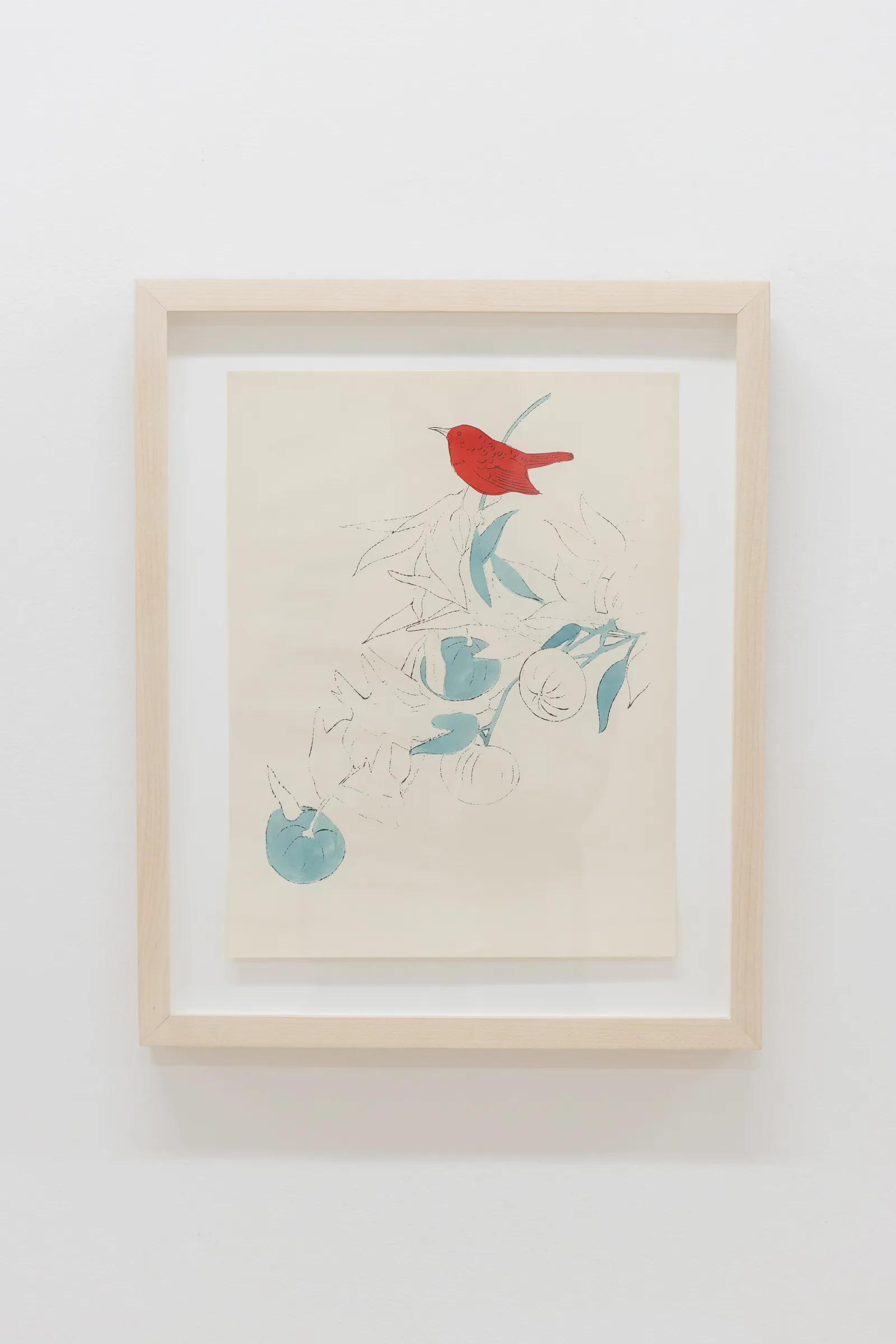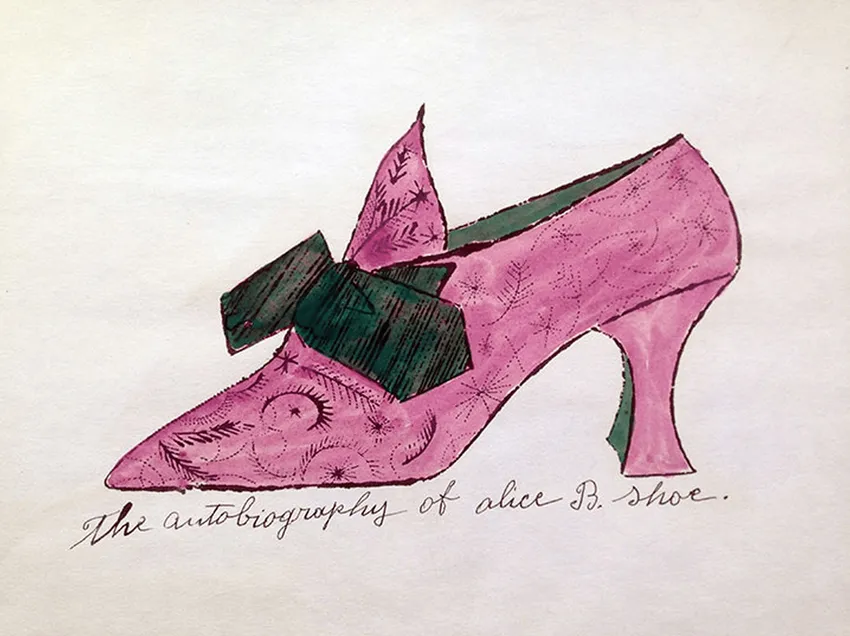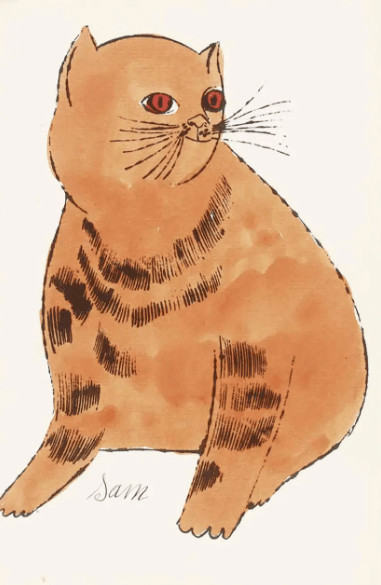
25 Cats Named Sam

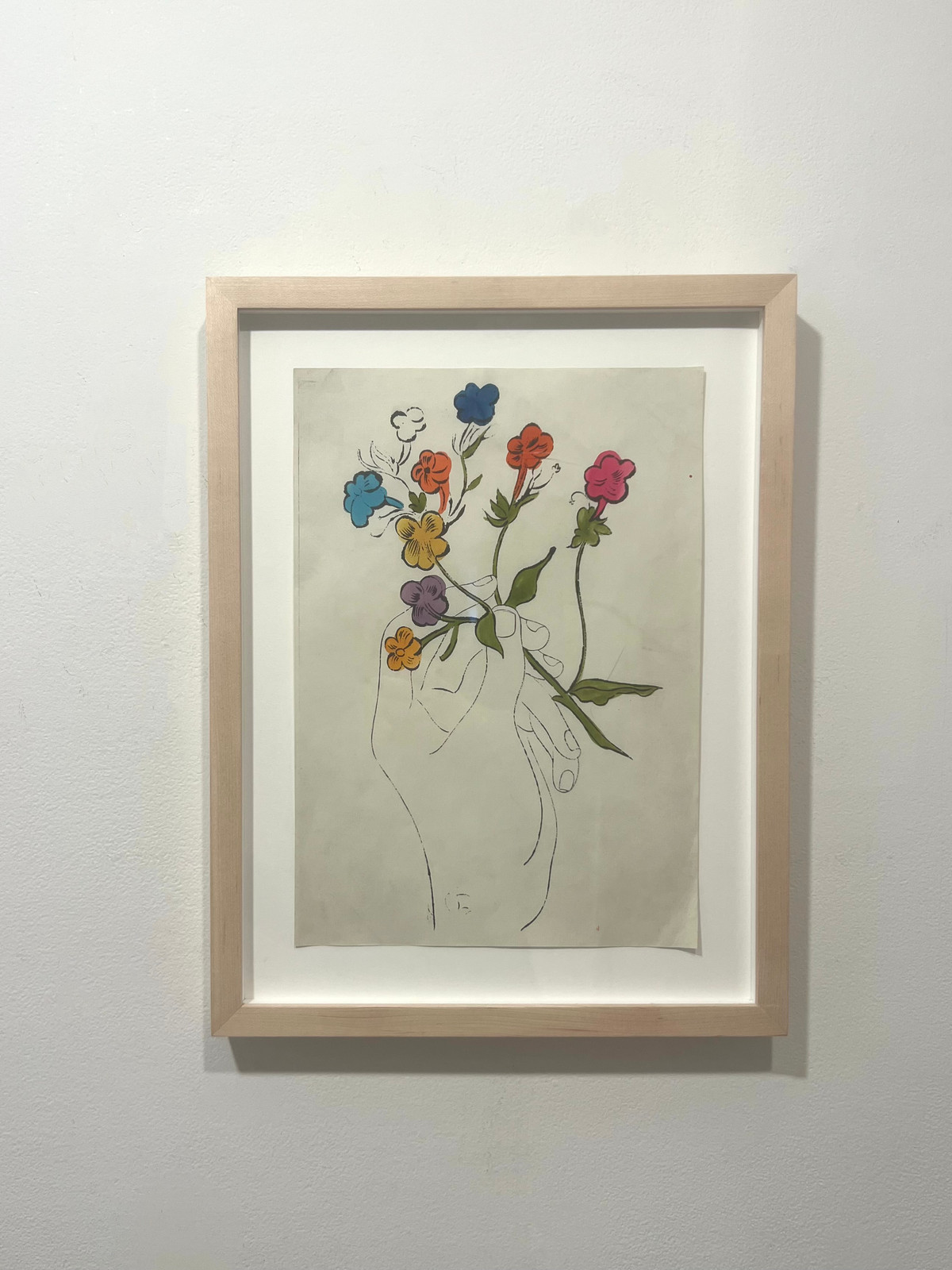
Andy Warhol remains one of the most consequential figures in twentieth-century art, an artist whose ability to transform abstract concepts into tangible visual statements revolutionized contemporary culture. His unique capacity to move from vision to reality - taking fleeting ideas and crystallizing them into powerful artistic statements - defines his enduring legacy. At Guy Hepner, we recognize Warhol's exceptional talent for translating conceptual frameworks into works that resonate across generations, making his pieces essential acquisitions for serious collectors seeking both cultural significance and enduring value.
Warhol possessed an extraordinary gift for perceiving the visual potential in subjects others overlooked. His creative process began not with traditional artistic training but with an innate understanding of how imagery communicates meaning in modern society. From his early days collecting magazines and absorbing visual culture, Warhol developed an intuitive grasp of what captures attention and sustains interest. This foundation would prove invaluable as he later transformed commercial illustration techniques into fine art methodology.
The transition from concept to completed artwork in Warhol's practice involved meticulous consideration of subject matter, technique, and presentation. Unlike artists who worked spontaneously, Warhol approached creation with strategic precision. His Factory studio became a laboratory where ideas underwent systematic development, moving through stages of refinement until achieving their final form. This methodical approach ensured that each work carried intentionality in every element - from color selection to compositional arrangement.
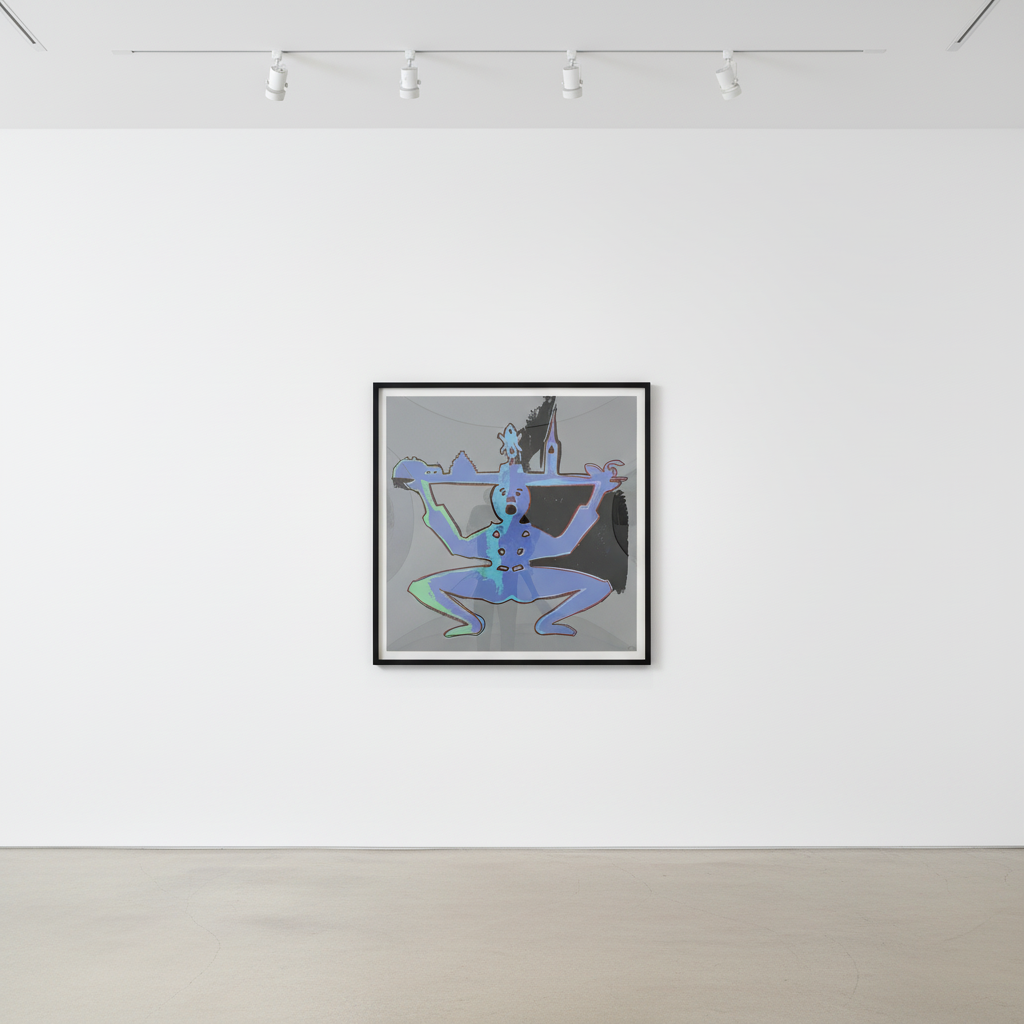
Hans Christian Andersen (F&S.II 396) — Andy Warhol. Available at Guy Hepner, New York.
Warhol's screen-printing technique exemplified his vision-to-reality philosophy. By adopting mechanical reproduction methods, he could realize images exactly as he conceived them, maintaining complete control over the final result. This technical mastery allowed him to build elaborate visual statements from fundamental concepts, constructing meaning through layered imagery and calculated repetition.
The Hammer and Sickle series represents one of Warhol's most provocative explorations of ideological imagery, demonstrating his remarkable ability to transform politically charged symbols into compelling artistic statements. Created during the mid-1970s, these works emerged from Warhol's fascination with how visual symbols accumulate and transmit meaning across cultures. Rather than sourcing imagery from Soviet propaganda, Warhol purchased actual tools from a hardware store and photographed them himself - a characteristically subversive approach that stripped the communist emblem of its official gravitas while simultaneously examining its power as pure visual form.
The series captures Warhol at his most conceptually sophisticated, taking an internationally recognized symbol and reconstructing it through his distinctive artistic lens. The resulting works operate on multiple levels - functioning as political commentary, formal exploration, and meditation on the nature of symbolism itself. Christie's and Sotheby's have consistently recognized the series' importance, with examples achieving significant results at auction that reflect both historical significance and contemporary relevance.
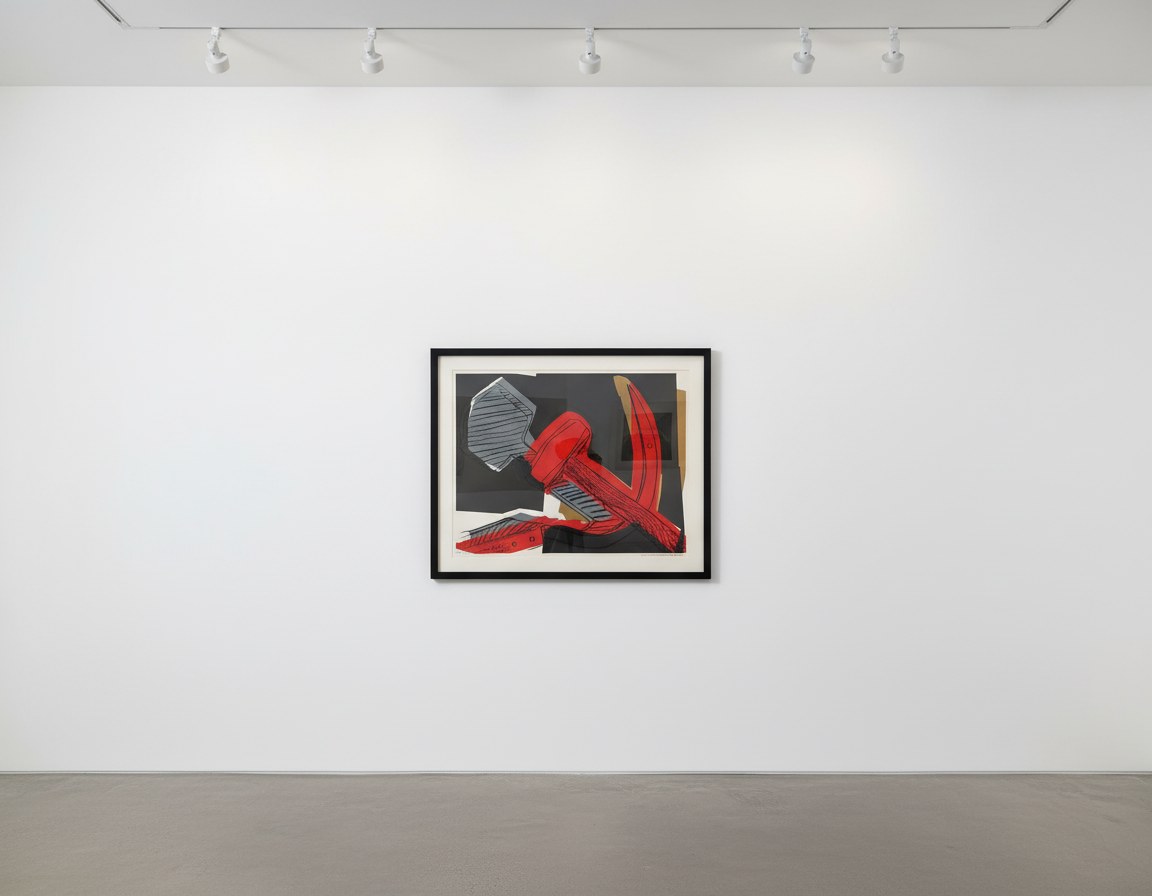
Hammer And Sickle (F & S. II 164) — Andy Warhol. Available at Guy Hepner, New York.
These works demonstrate Warhol's understanding that powerful art emerges from the tension between familiar imagery and unexpected presentation. By rendering political symbols through his pop art methodology, he invited viewers to reconsider assumptions about ideology, representation, and artistic purpose. The Hammer and Sickle portfolio remains highly sought by collectors who appreciate Warhol's ability to generate meaning through strategic recontextualization.
The Hans Christian Andersen portfolio showcases another dimension of Warhol's vision-to-reality capabilities, revealing his sophisticated approach to commemorative portraiture. Commissioned to honor the beloved Danish storyteller, these works demonstrate how Warhol could absorb a subject's essence and translate it into his signature visual language. The series moves beyond conventional portraiture, capturing not merely Andersen's likeness but the imaginative spirit that animated his literary contributions.
Warhol's treatment of Andersen reflects his broader interest in mythology and celebrity - themes that preoccupied him throughout his career. By applying his distinctive techniques to this literary figure, Warhol connected nineteenth-century storytelling traditions with twentieth-century visual culture, creating works that honor their subject while remaining unmistakably contemporary. The portfolio exemplifies how Warhol could take an established cultural figure and reimagine them through his transformative artistic vision.
The Art Basel and UBS Global Art Market Report consistently identifies Warhol as among the most actively traded artists globally, with portrait works and thematic series commanding particular collector interest. The Hans Christian Andersen portfolio benefits from both Warhol's market prominence and the universal appeal of its subject matter, making these works valuable additions to collections focused on cultural significance.
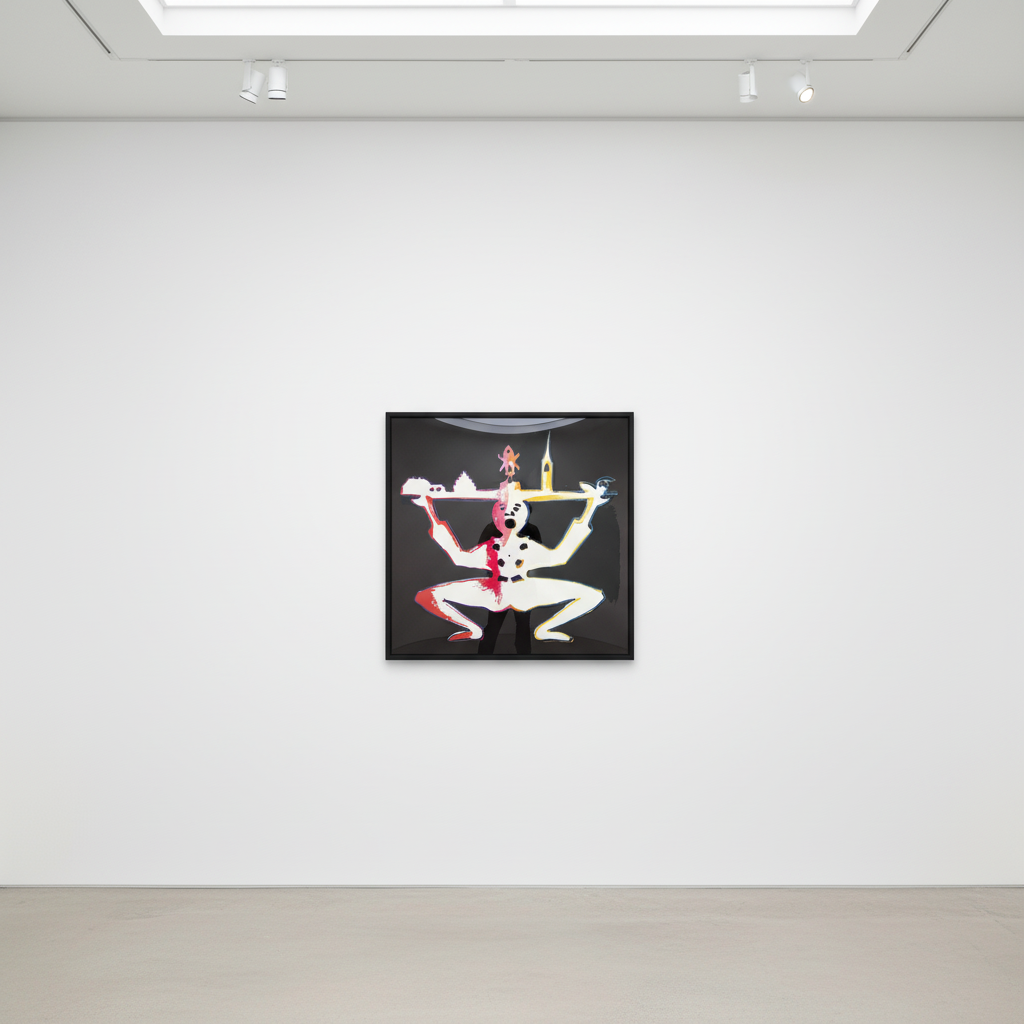
Hans Christian Andersen (F&S.II 400) — Andy Warhol. Available at Guy Hepner, New York.
Contemporary collectors increasingly recognize that Warhol's importance extends beyond his celebrity status to encompass genuine artistic innovation. His ability to conceive ambitious projects and execute them with technical precision established methodologies that continue influencing artists today. According to data from major auction houses including Sotheby's and Christie's, Warhol consistently ranks among the highest-grossing artists at auction, with demand remaining robust across market conditions.
The works available through Guy Hepner represent exceptional opportunities to acquire significant Warhol pieces with established provenance and condition. Both the Hammer and Sickle series and the Hans Christian Andersen portfolio demonstrate Warhol at the height of his powers - conceptually ambitious, technically accomplished, and culturally prescient. These qualities ensure continued collector interest and long-term value appreciation.
Guy Hepner gallery offers collectors privileged access to authenticated Andy Warhol works, including exceptional examples from the Hammer and Sickle and Hans Christian Andersen portfolios. Our specialists provide comprehensive guidance on acquisition, authentication, and collection development, ensuring that each purchase meets the highest standards of quality and provenance. Contact our New York gallery to explore available Warhol works and discover how these masterpieces might enhance your collection.
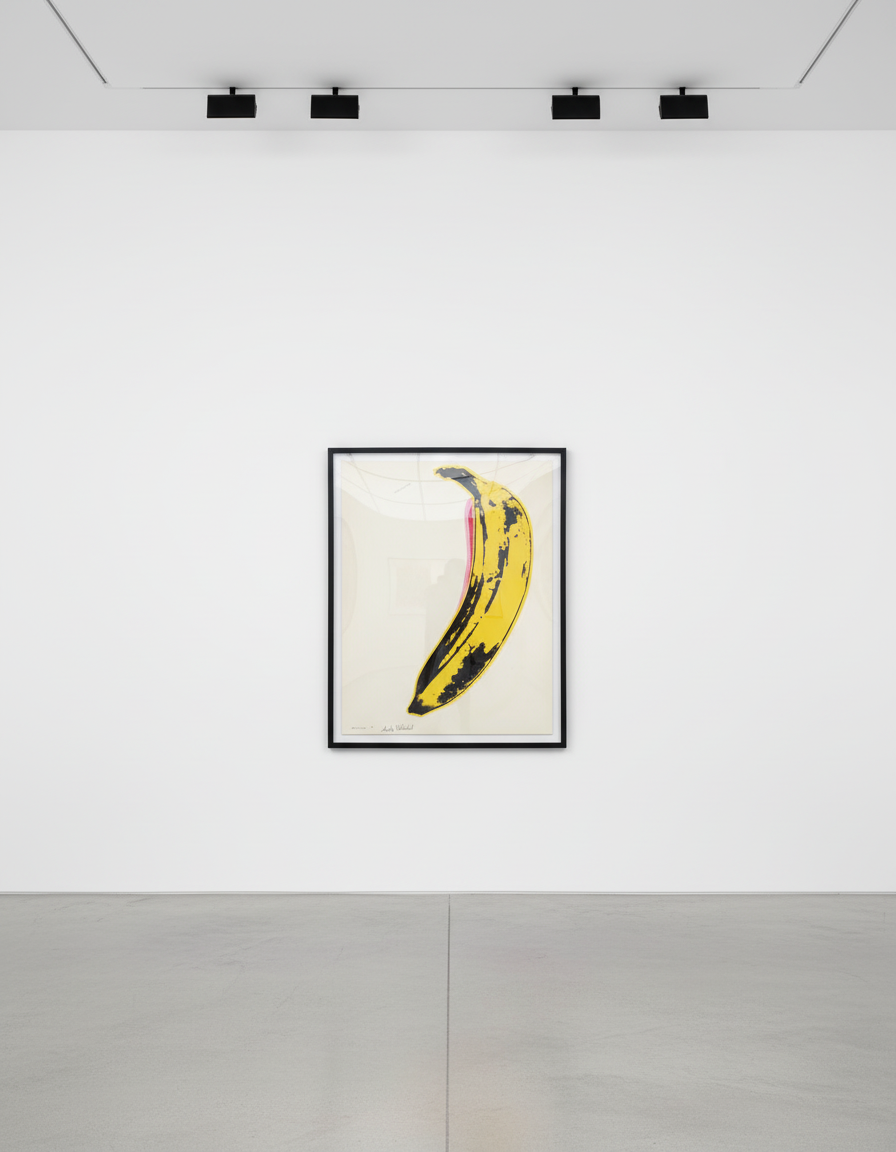
--- **Browse Andy Warhol prints** at Guy Hepner: [Andy Warhol art for sale](/andy-warhol) | [Sell your Warhol](/sell/andy-warhol)Explore Andy Warhol prints for sale at Guy Hepner: 25 Cats Named Sam, A Gold Book, A La Recherche Du Shoe Perdu, Alexander the Great, Banana.
Related Series