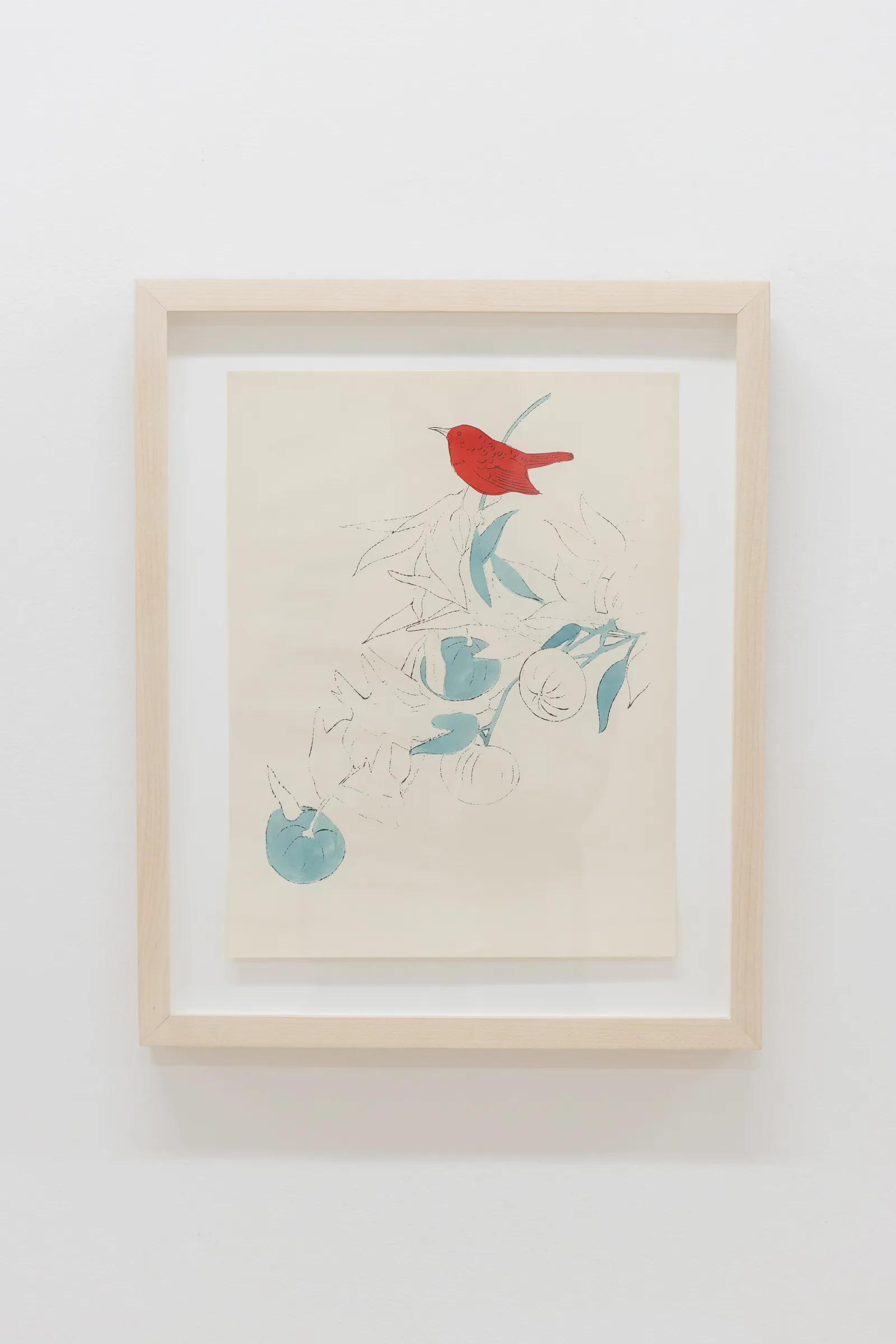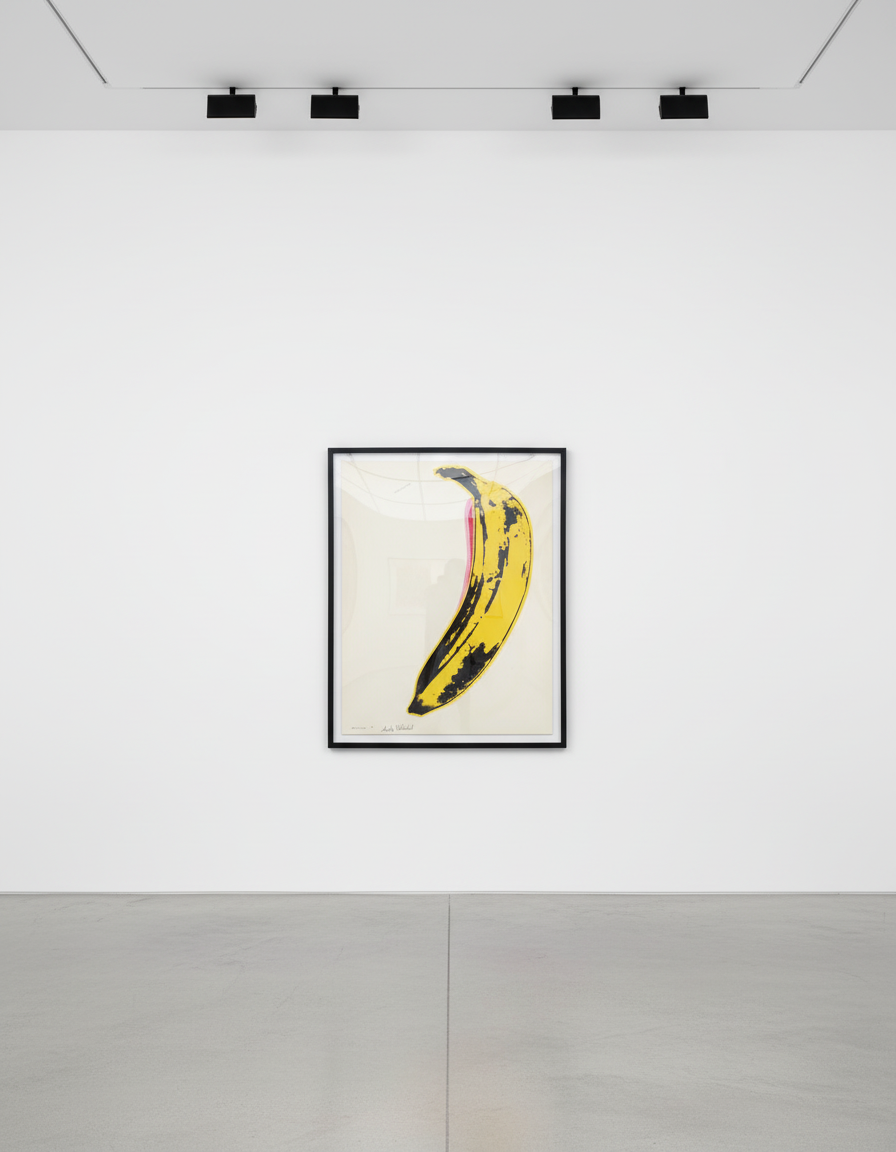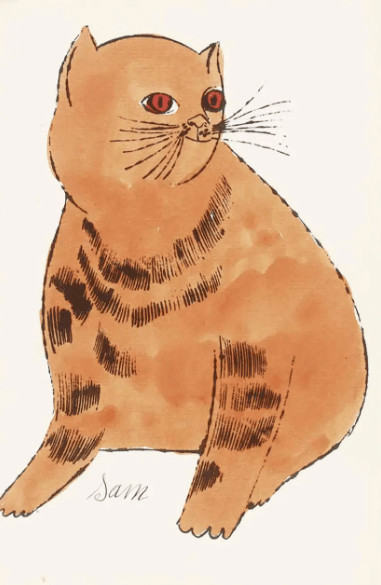
25 Cats Named Sam

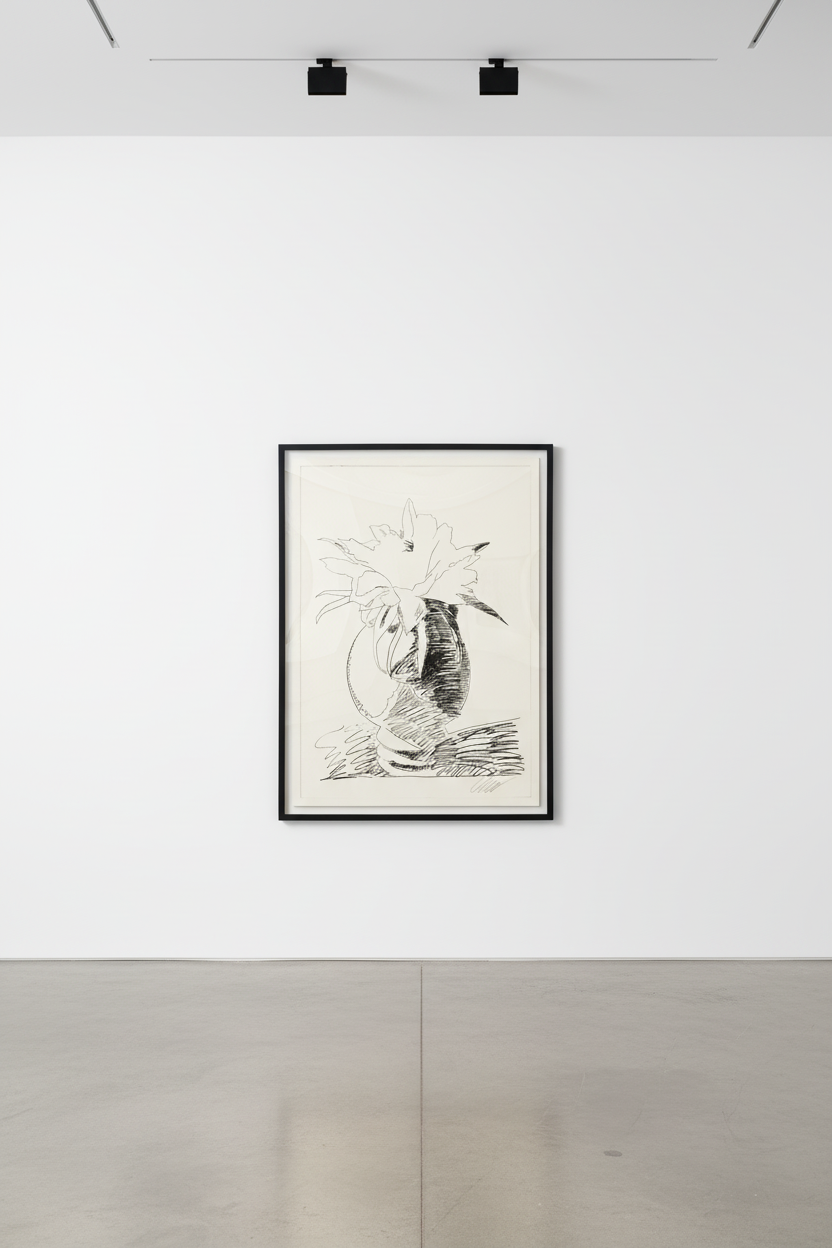
Andy Warhol stands as one of the most transformative figures in twentieth-century art, and his contributions to printmaking fundamentally altered the medium's trajectory and cultural significance. As the leading force behind the Pop Art movement, Warhol revolutionized how artists approached image-making, celebrity, and the intersection of fine art with commercial production. His printmaking practice, which spanned over three decades, remains central to understanding both his artistic vision and the broader evolution of contemporary art. Today, Andy Warhol prints represent some of the most sought-after works in the secondary market, commanding significant attention at major auction houses and attracting collectors who recognize their enduring cultural and financial value.
Before Warhol embraced screen printing - also known as serigraphy - the technique was primarily associated with commercial applications such as advertising and textile production. Warhol's genius lay in recognizing the aesthetic and conceptual possibilities of this mechanical process, elevating it to the realm of fine art while simultaneously commenting on the nature of mass production and consumer culture. His adoption of screen printing in the early 1960s allowed him to merge the worlds of high art and commercial imagery in unprecedented ways.
Warhol's screen printing technique involved transferring photographic images onto silk screens, through which ink was then pressed onto canvas or paper. This process enabled him to reproduce images with remarkable consistency while also introducing deliberate variations in color, registration, and saturation. The resulting works occupied a fascinating space between mechanical reproduction and handcrafted artistry. Each print in an edition might share the same source image, yet subtle differences in ink application and color choices rendered every piece unique - a paradox that Warhol exploited to profound effect.
The artist's printmaking practice also democratized art collecting in meaningful ways. By producing works in editions, Warhol made his imagery accessible to a broader audience than traditional one-of-a-kind paintings would allow. This approach aligned perfectly with his philosophical stance on art and commerce, famously declaring that being good in business was the most fascinating kind of art.
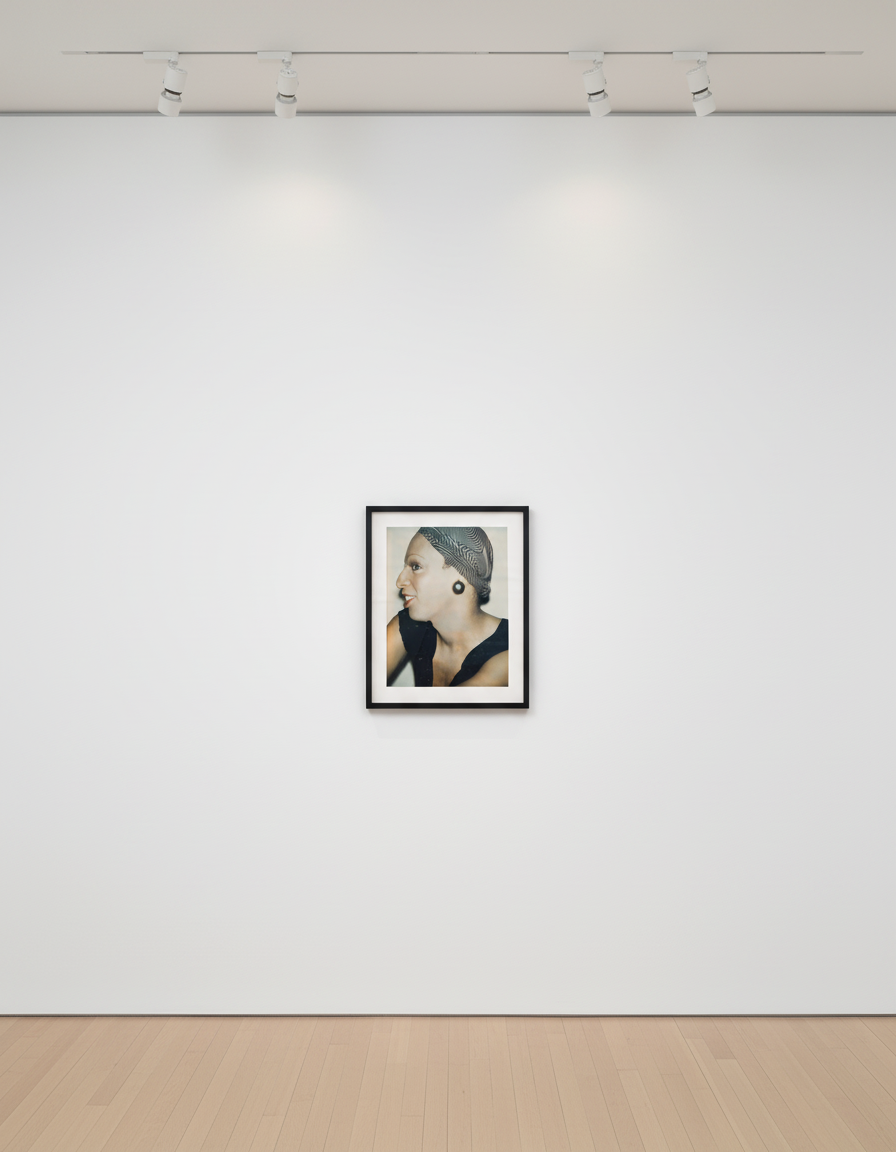
Ladies and Gentlemen (Wilhelmina Ross) — Andy Warhol. Available at Guy Hepner, New York.
Warhol's obsession with celebrity culture found its most powerful expression through his portrait prints. His iconic depictions of Marilyn Monroe, created shortly after her death in 1962, established the template for his exploration of fame, mortality, and media saturation. The vivid colors and layered screen printing effects in these works simultaneously celebrate and critique the machinery of celebrity - the endless reproduction of a single image until it becomes both ubiquitous and emptied of meaning.
Beyond Hollywood glamour, Warhol extended his printmaking practice to encompass political figures, cultural icons, and commissioned portraits. His Mao series, initiated in 1972 following President Nixon's historic visit to China, demonstrates the artist's ability to transform political imagery into Pop Art commentary. By rendering the Chinese leader in garish colors and repetitive formats, Warhol drew parallels between communist propaganda and Western advertising - both systems relying on the power of repeated images to shape public consciousness.
The Ladies and Gentlemen series from 1975 represents another significant chapter in Warhol's portrait printmaking. This body of work featured drag queens and transgender performers from New York's underground scene, including the celebrated Wilhelmina Ross. These prints challenged conventional notions of identity and beauty while extending Warhol's investigation of portraiture beyond traditional celebrity subjects. The series remains particularly relevant today, reflecting Warhol's prescient understanding of gender fluidity and performance.
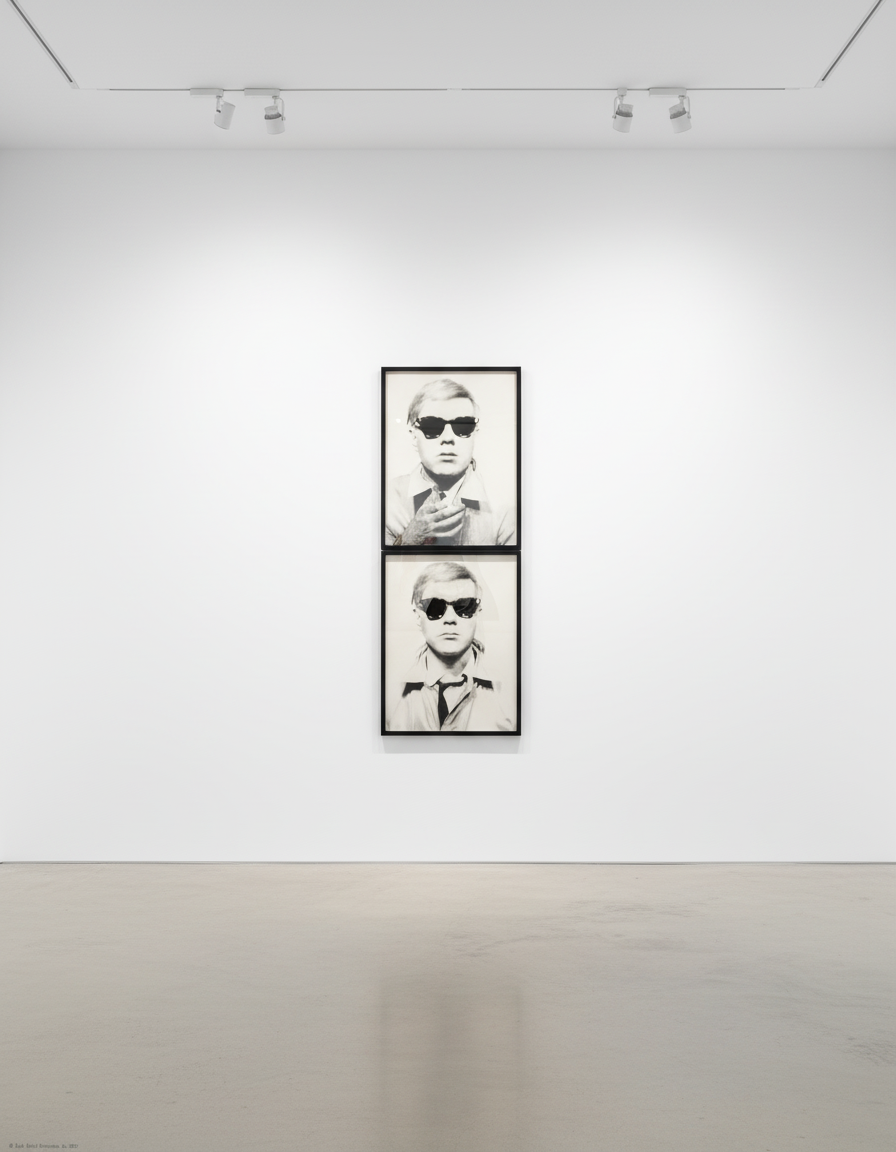
Self - Portrait F.S. IIIA 10 — Andy Warhol. Available at Guy Hepner, New York.
The market for Andy Warhol printmaking has demonstrated remarkable resilience and growth over the past several decades. According to data from Christie's and Sotheby's, Warhol consistently ranks among the top-selling artists at auction, with his prints representing accessible entry points for new collectors while also achieving substantial prices for rare examples and unique variants. The Art Basel and UBS Global Art Market Report has repeatedly highlighted Warhol's dominant position in the contemporary art market, underscoring the sustained institutional and private interest in his printed works.
Several factors contribute to the enduring collector appeal of Warhol prints. First, the works encapsulate a pivotal moment in art history when the boundaries between fine art, commercial design, and popular culture were irrevocably blurred. Second, the edition format provides relative accessibility compared to unique paintings, allowing collectors at various levels to acquire authenticated works by one of the twentieth century's most influential artists. Third, Warhol's subject matter - from consumer products to political figures to explorations of mortality - continues to resonate with contemporary audiences navigating an increasingly image-saturated world.
Collectors particularly value prints from Warhol's most celebrated portfolios, including the Marilyn Monroe series, Campbell's Soup Cans, and the Flowers editions. However, works such as the Beethoven portfolio from 1987 and the Camouflage series demonstrate the breadth of Warhol's late printmaking experimentation, offering collectors opportunities to acquire works that showcase his continued innovation until his death.
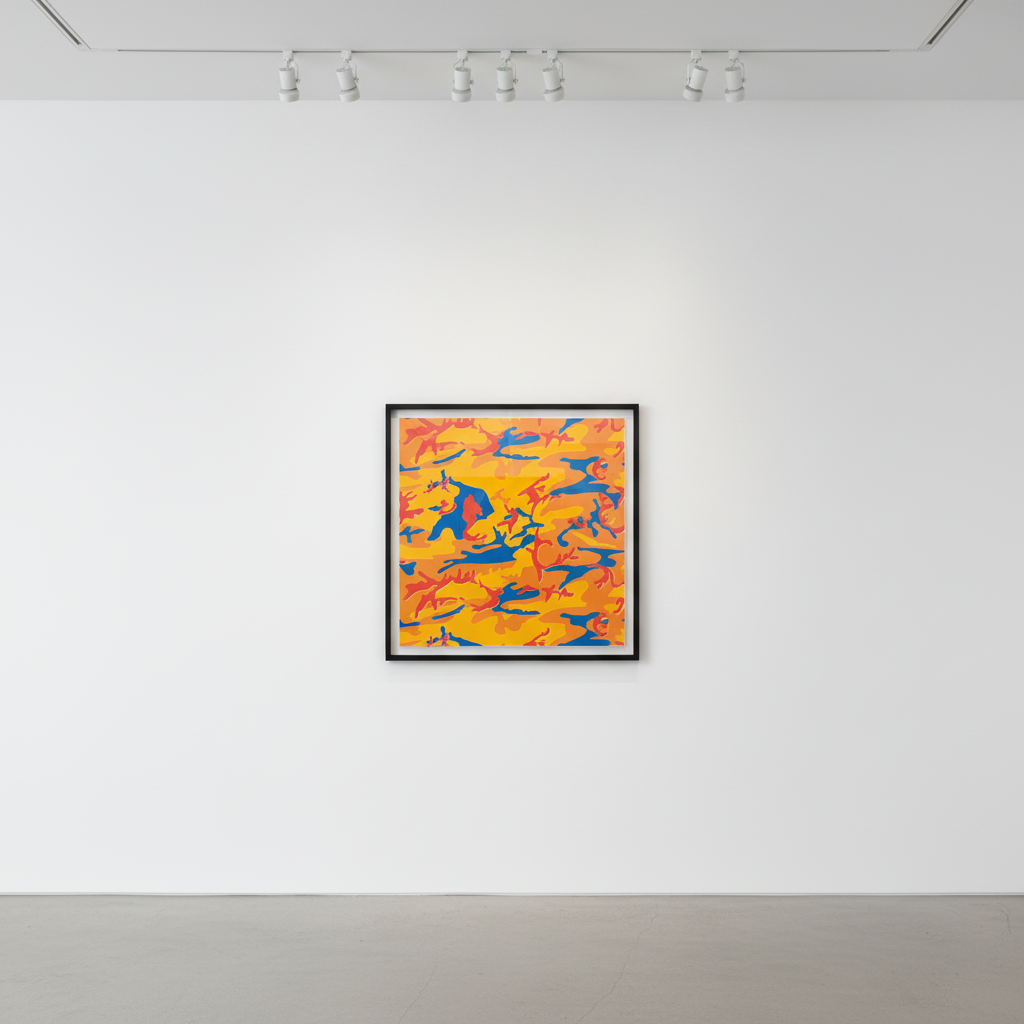
Camouflage Trial Proof TP 4/84 — Andy Warhol. Available at Guy Hepner, New York.
Andy Warhol's printmaking legacy extends far beyond the monetary value of individual works. His approach to image-making anticipated the digital age's endless reproduction and circulation of imagery. The questions he raised about authenticity, originality, and the nature of artistic creation remain central to contemporary art discourse. His influence can be traced through subsequent generations of artists who continue to grapple with celebrity culture, mass media, and the commodification of art.
The self-portraits Warhol produced throughout his career offer intimate glimpses into the artist's own relationship with fame and image construction. These works, rendered through the same screen printing techniques he applied to celebrities and consumer goods, suggest that Warhol understood himself as both creator and product - an insight that feels increasingly relevant in our era of personal branding and social media self-presentation.
Guy Hepner is proud to offer collectors exceptional examples of Andy Warhol printmaking, including works from his most celebrated series and rare trial proofs that demonstrate his experimental process. Our gallery provides comprehensive provenance documentation, condition reports, and expert guidance to collectors seeking to acquire these historically significant works. Whether you are building a focused Warhol collection or acquiring your first Pop Art print, our team offers personalized consultation to match exceptional works with discerning collectors. Contact Guy Hepner today to inquire about available Andy Warhol prints and explore the possibilities for your collection.
--- **Browse Andy Warhol prints** at Guy Hepner: [Andy Warhol art for sale](/andy-warhol) | [Sell your Warhol](/sell/andy-warhol)Explore Andy Warhol prints for sale at Guy Hepner: 25 Cats Named Sam, A Gold Book, A La Recherche Du Shoe Perdu, Alexander the Great, Banana.
Related Series