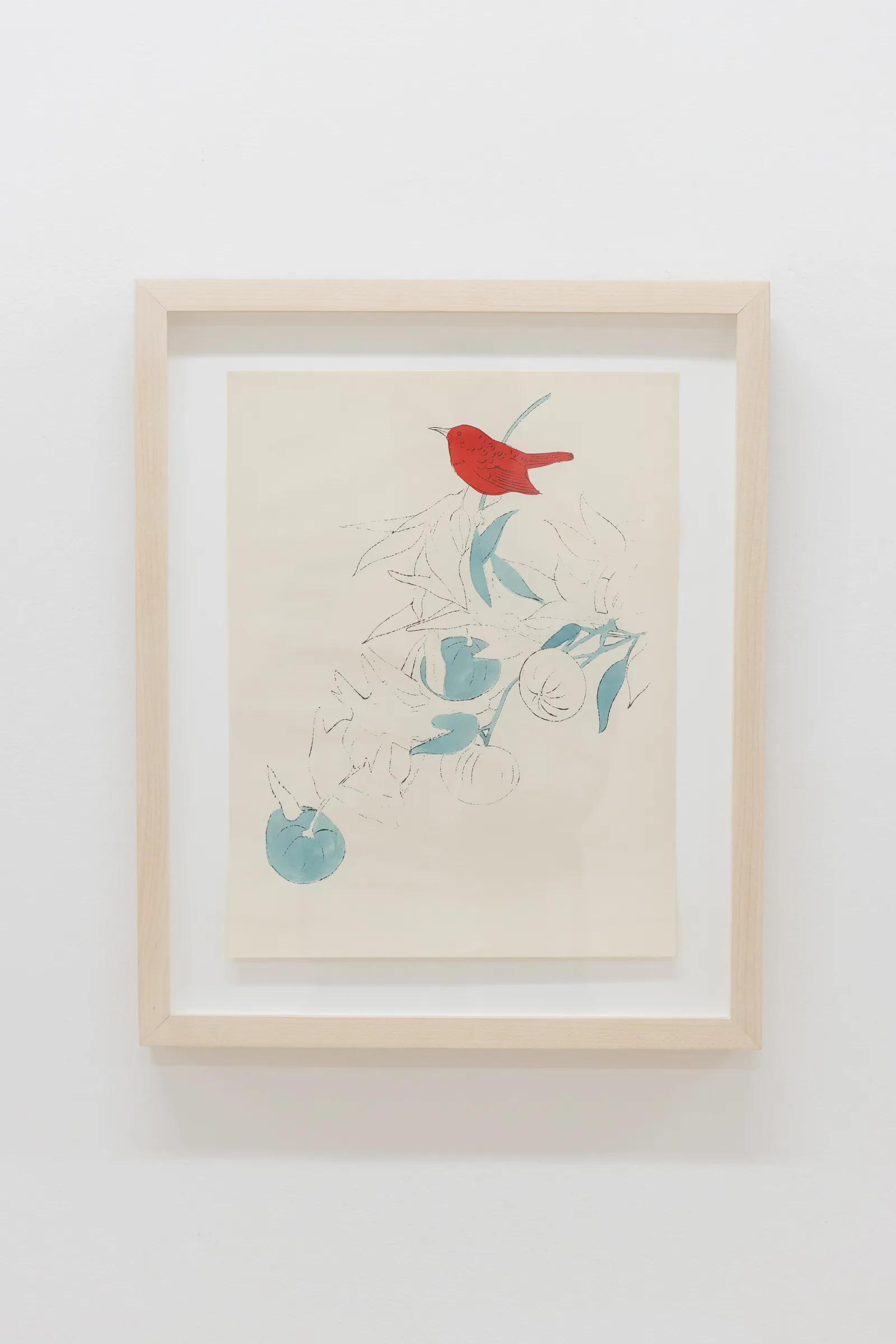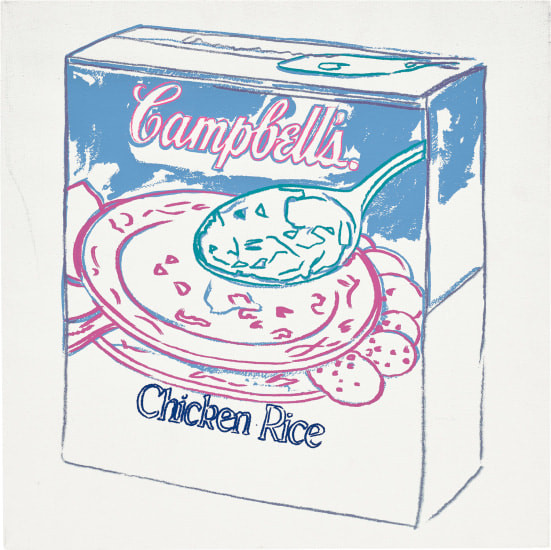
Campbell's Soup Box

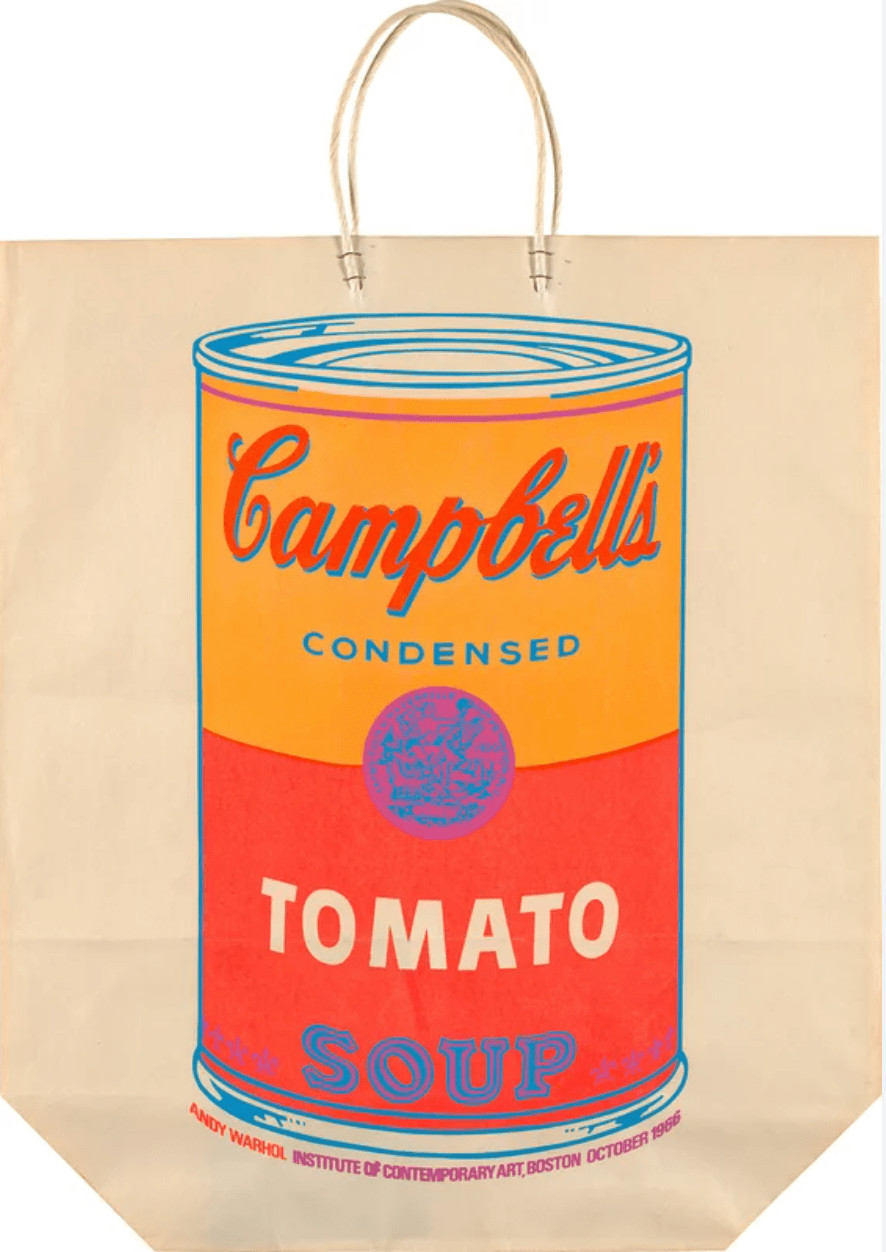
Andy Warhol's Soup Cans series stands as one of the most transformative bodies of work in twentieth-century art, fundamentally redefining the boundaries between commercial imagery and fine art. First exhibited in 1962 at the Ferus Gallery in Los Angeles, the Campbell's Soup Cans paintings announced the arrival of Pop Art as a dominant force in the contemporary art world. By presenting thirty-two canvases - one for each variety of Campbell's condensed soup available at the time - Warhol challenged established hierarchies of artistic subject matter and forced viewers to confront the visual language of consumer culture that surrounded them daily. Today, these works remain essential touchstones for understanding both Warhol's genius and the broader trajectory of American art in the post-war era.
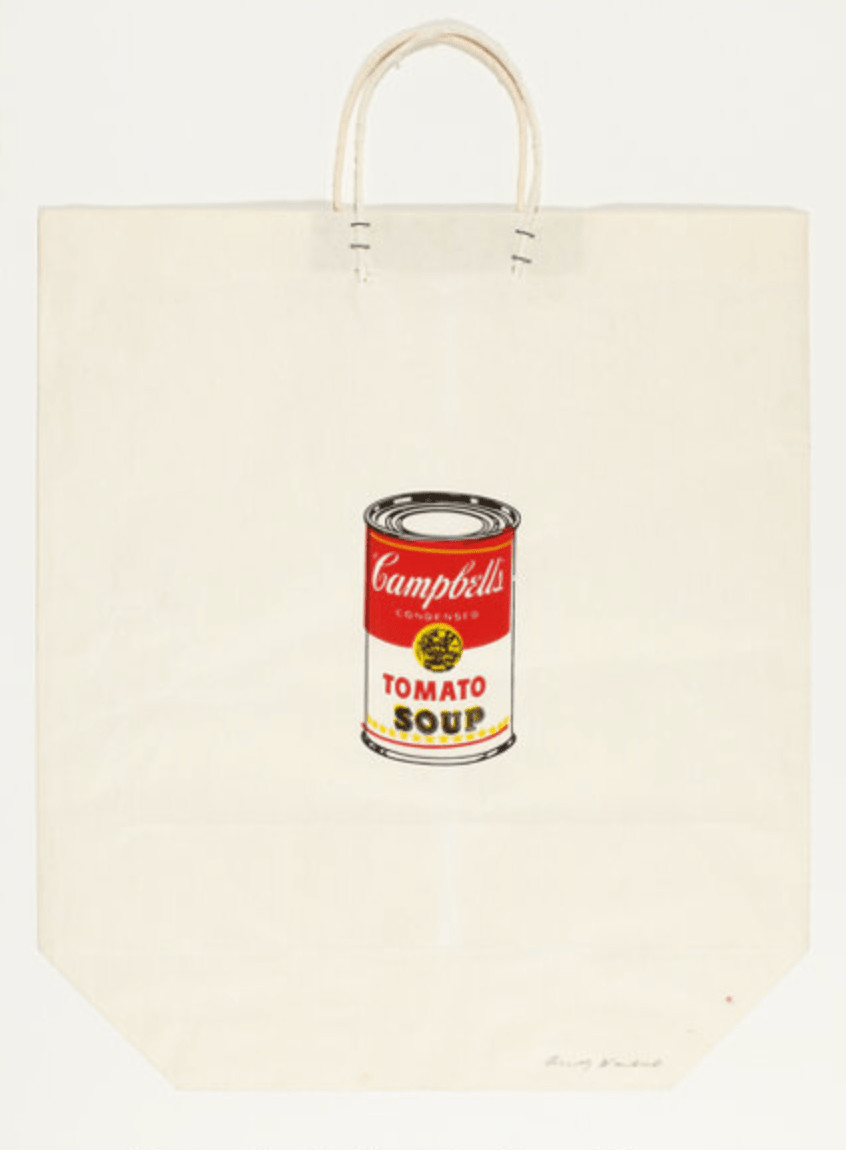
Andy Warhol's decision to paint Campbell's soup cans was neither arbitrary nor purely conceptual - it emerged from genuine personal connection combined with acute cultural observation. Warhol frequently acknowledged that Campbell's Tomato Soup had been a dietary staple throughout his life, a simple comfort food that connected him to his working-class Pittsburgh upbringing. This autobiographical element lends the Soup Cans series an unexpected intimacy beneath their cool, mechanical surfaces. The Tomato Soup can in particular resonates with viewers through its universal recognition and associations with warmth, domesticity, and nostalgia.
Yet Warhol's vision extended far beyond personal sentiment. By elevating mass-produced consumer goods to the status of fine art, he captured the essence of a post-war America increasingly defined by abundance, convenience, and the democratization of material comfort. The Campbell's soup can became a perfect emblem of this new reality - affordable, reliable, and omnipresent in American pantries regardless of social class. Warhol recognized that these humble objects carried profound cultural significance, reflecting both the promises and the homogenizing effects of consumer capitalism.
Shadows V (Red and Blue) ` — Andy Warhol. Available at Guy Hepner, New York.
The technical execution of the Soup Cans series further reinforced Warhol's conceptual framework. His adoption of commercial printing techniques and his embrace of repetition deliberately blurred the distinction between unique artistic creation and mechanical reproduction. This approach would define his practice throughout his career, from the celebrity portraits to the Death and Disaster series, establishing a visual vocabulary that continues to influence contemporary artists worldwide.
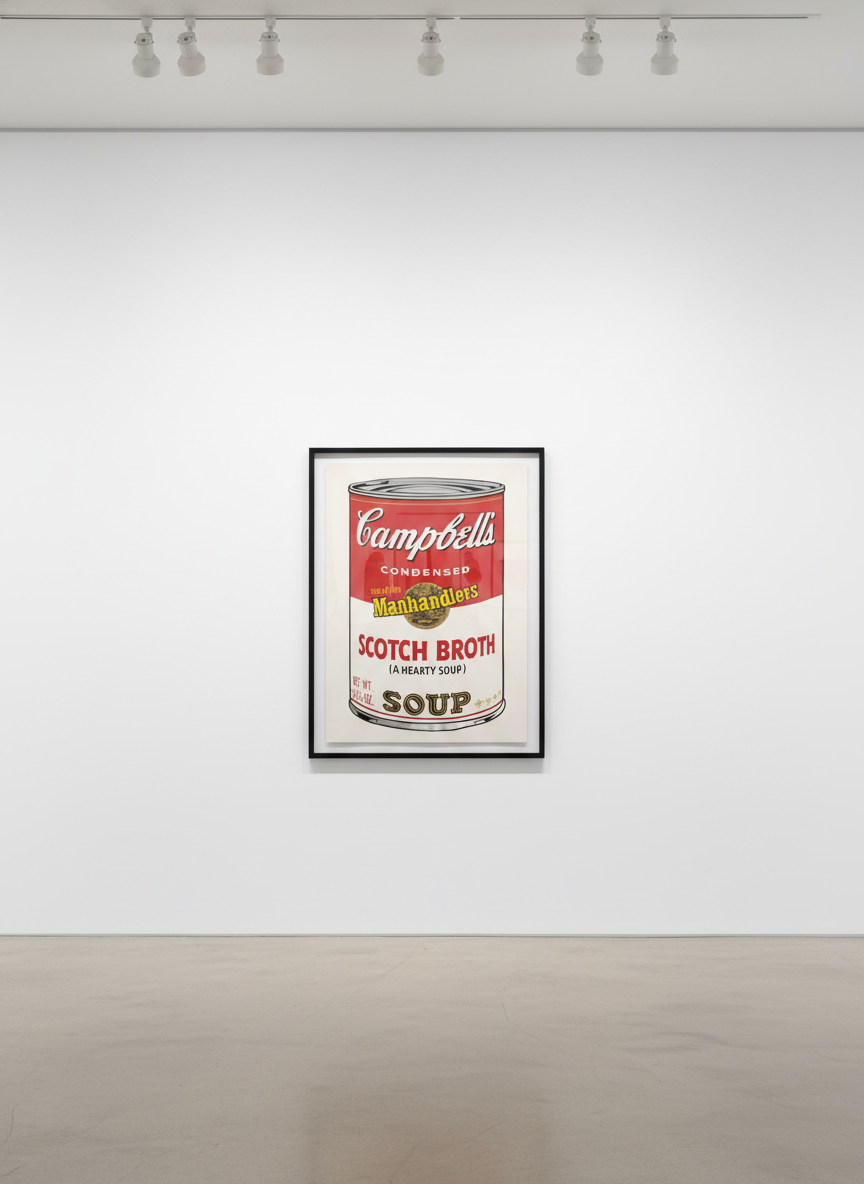
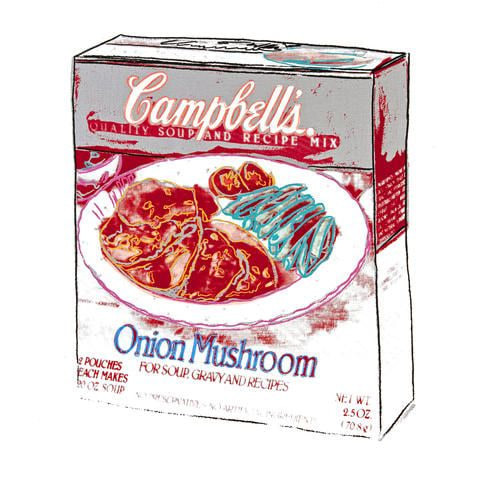
While Tomato Soup remains the quintessential Warhol image, the complete Soup Cans series encompasses remarkable variety that rewards close examination. Less common varieties such as Onion Soup and Scotch Broth Soup showcase Warhol's commitment to comprehensive documentation of the Campbell's product line. These lesser-known canvases often prove particularly compelling to collectors, offering distinctive color combinations and a sense of discovery that complements the more immediately recognizable varieties.
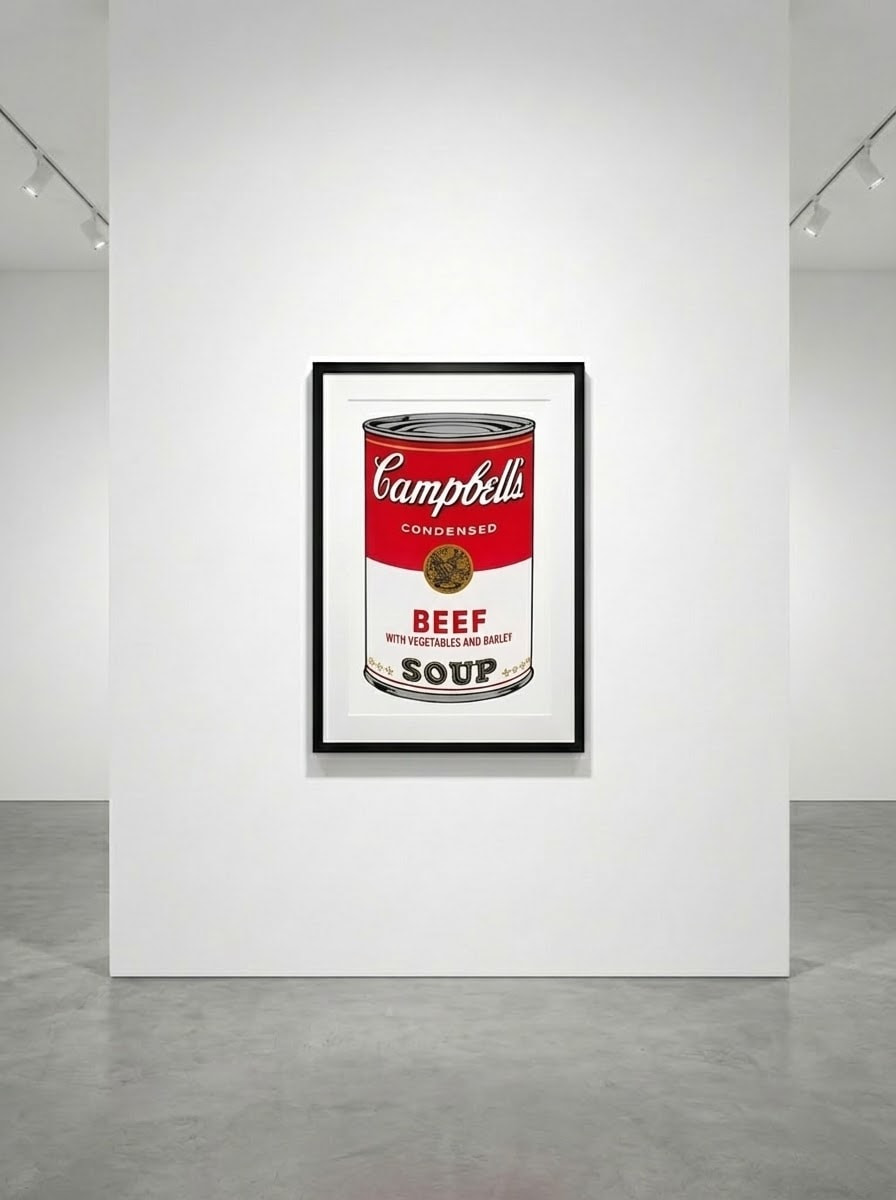
Each soup can painting presents subtle variations in typography, color palette, and compositional emphasis that distinguish individual works while maintaining the cohesive seriality that defines the project. Cream of Mushroom, Beef Noodle, and Pepper Pot each carry their own visual character, demonstrating Warhol's attention to the specific design language of commercial packaging. This meticulous approach transformed what might have been a simple repetitive exercise into a nuanced exploration of American visual culture.
Goethe F.S. II 272 — Andy Warhol. Available at Guy Hepner, New York.
The Soup Cans also established conceptual foundations that Warhol would develop throughout his subsequent work. The serial format, the embrace of commercial imagery, and the tension between mechanical reproduction and artistic authorship all find their genesis in these paintings. Understanding the Soup Cans is therefore essential for appreciating Warhol's later achievements, from the Marilyn Monroe portraits to the shadow paintings that occupied his final years.
Andy Warhol's Soup Cans occupy an unassailable position in the contemporary art market, consistently achieving exceptional results at major auction houses. According to data from Christie's and Sotheby's, works from this series have established benchmark prices that reflect both their art-historical importance and their enduring appeal to collectors across generations. The Art Basel and UBS Global Art Market Report has repeatedly identified Warhol as among the most sought-after artists in the secondary market, with his iconic Pop imagery driving sustained collector demand.
The investment potential of Warhol's Soup Cans extends beyond their current market valuations. As foundational works of Pop Art - a movement that fundamentally reshaped the art world - they represent stable long-term holdings with proven appreciation trajectories. Institutional collections worldwide continue to seek Warhol's soup can imagery, while private collectors recognize these works as cornerstones of any serious contemporary art collection.
Sunset F.S. II 85 - 88 — Andy Warhol. Available at Guy Hepner, New York.
For discerning collectors, acquiring works connected to Warhol's Campbell's legacy offers entry into one of the most significant artistic narratives of the twentieth century. Whether seeking original paintings, authorized prints, or works that engage with the themes Warhol established, collectors find in the Soup Cans a combination of visual impact, cultural relevance, and market confidence that few other bodies of work can match.
Guy Hepner is proud to offer exceptional works by Andy Warhol to collectors seeking museum-quality acquisitions. Our gallery maintains access to carefully vetted Warhol pieces spanning his celebrated career, from prints and unique works to rare editions that capture his revolutionary vision. With deep expertise in the Pop Art market and established relationships with leading collectors and estates, Guy Hepner provides the guidance and discretion that acquiring major Warhol works demands. We invite collectors to contact our gallery to discuss available Andy Warhol works and explore how these iconic pieces might enhance distinguished collections.
--- **Browse Andy Warhol prints** at Guy Hepner: [Andy Warhol art for sale](/andy-warhol) | [Sell your Warhol](/sell/andy-warhol)Explore Andy Warhol prints for sale at Guy Hepner: Campbell's Soup Box, Campbell's Soup Can on a Shopping Bag, Campbell's Soup I, Campbell’s Soup Ii, 25 Cats Named Sam.
Related Series