
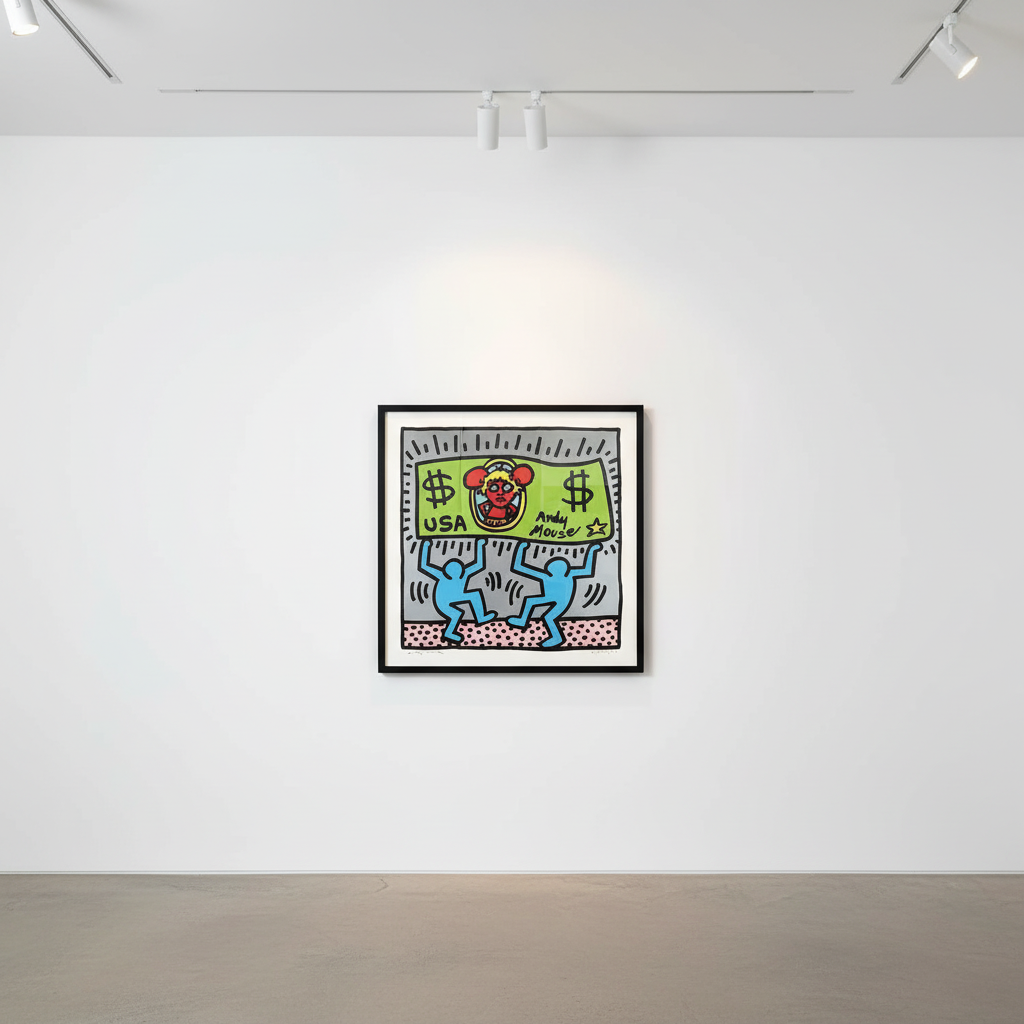
Andy Mouse
5 works

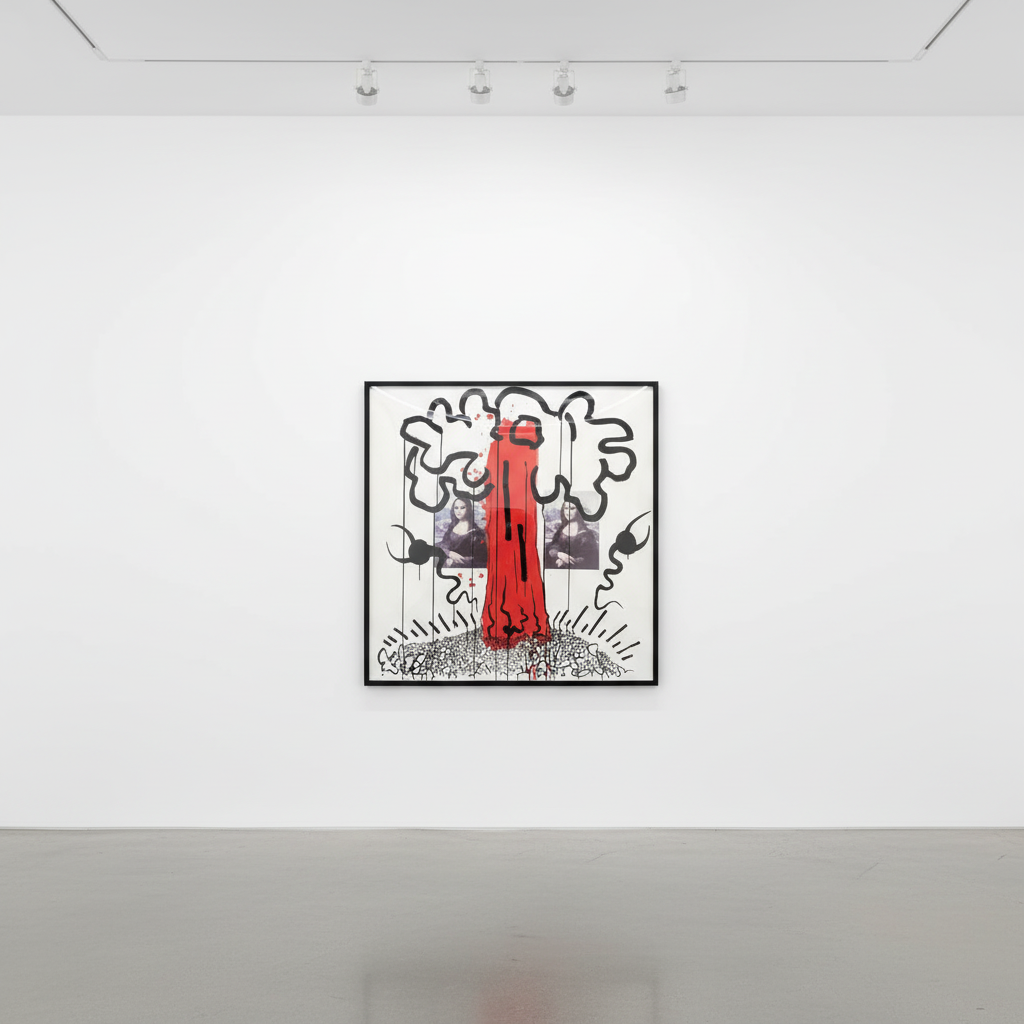
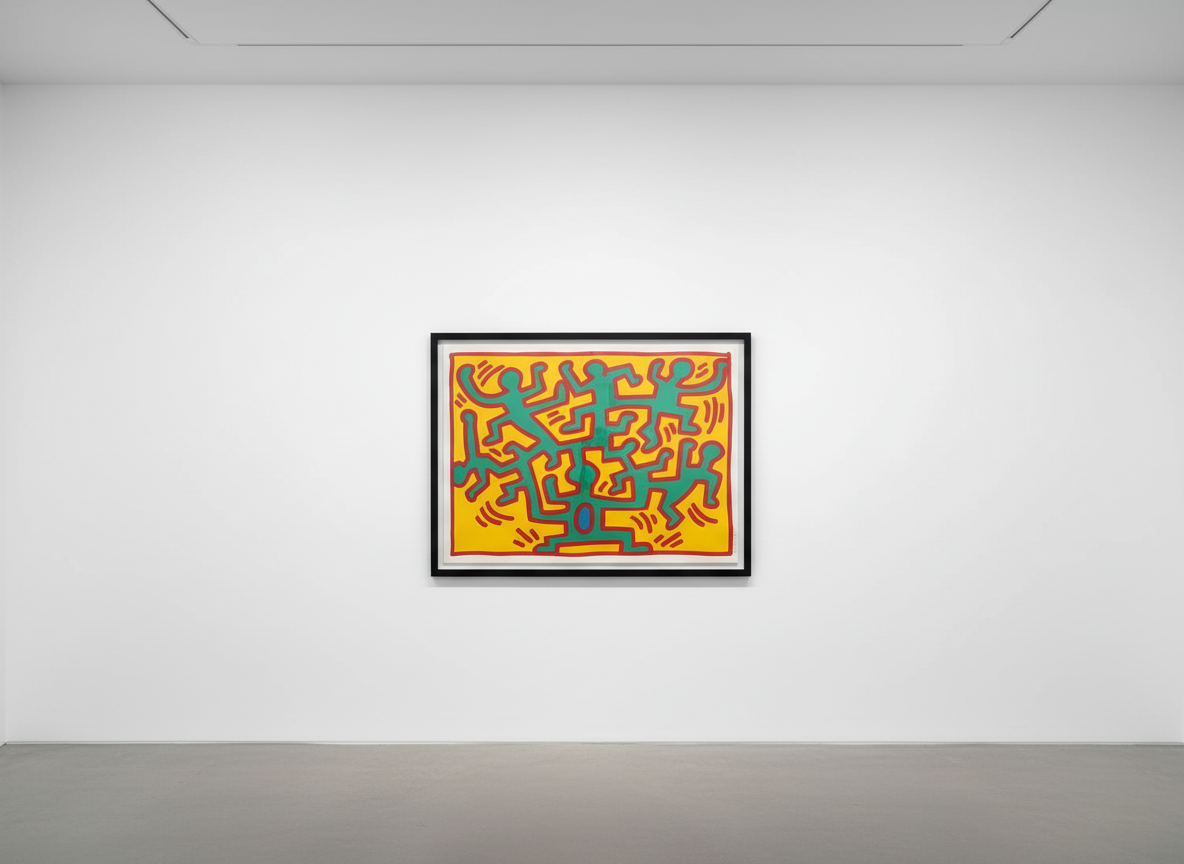
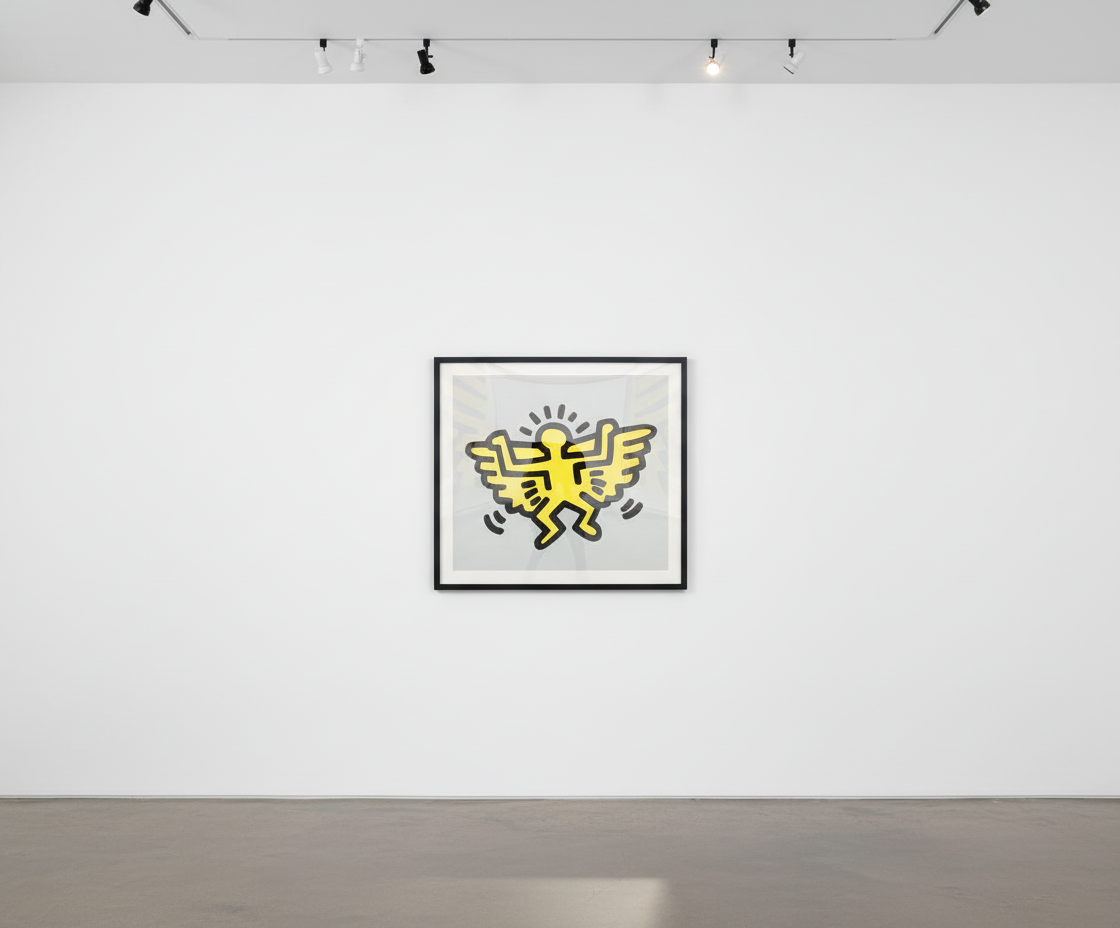
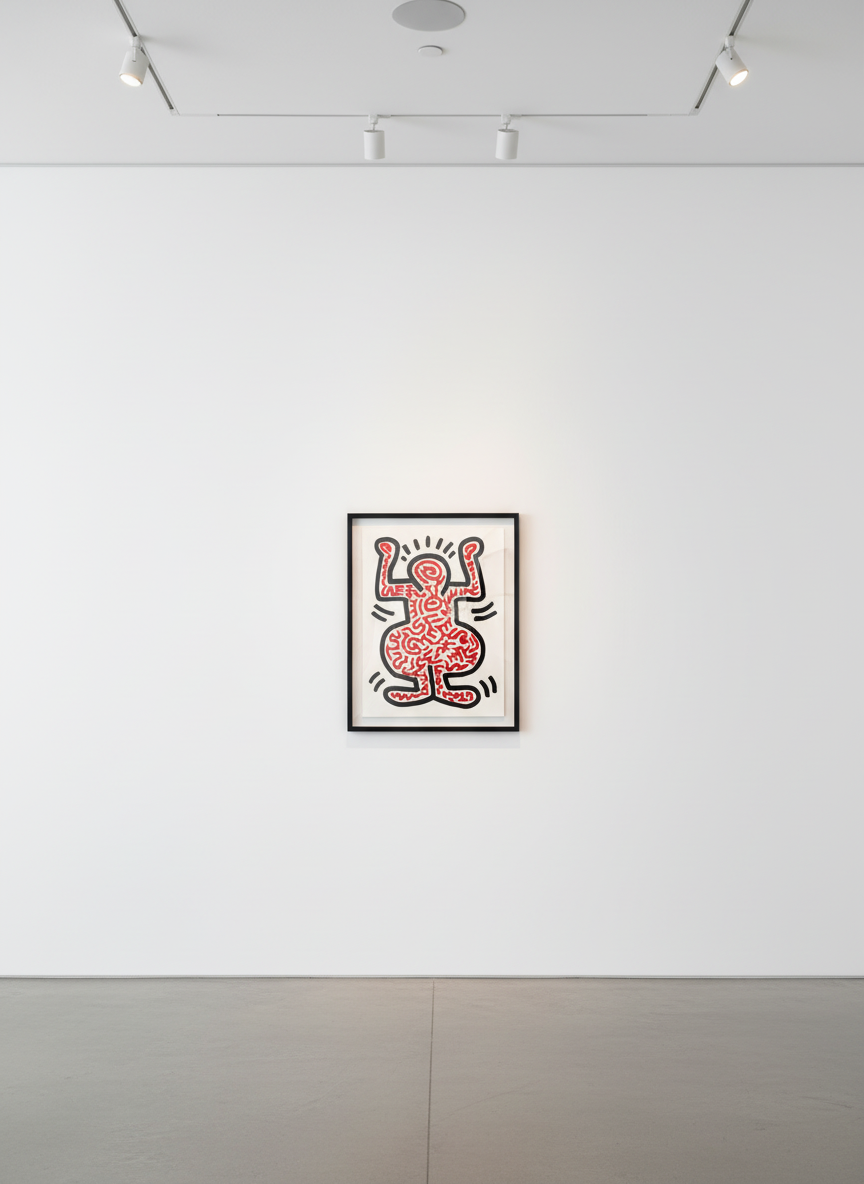
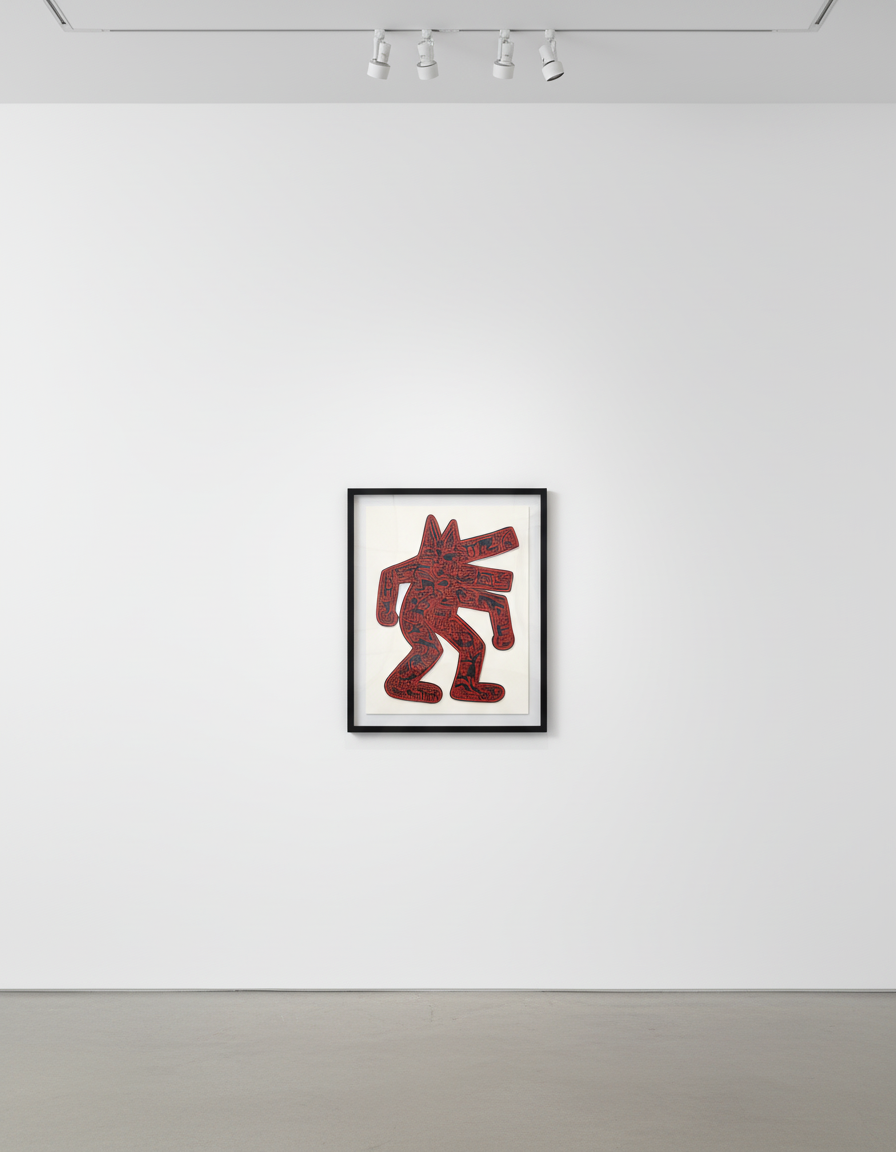
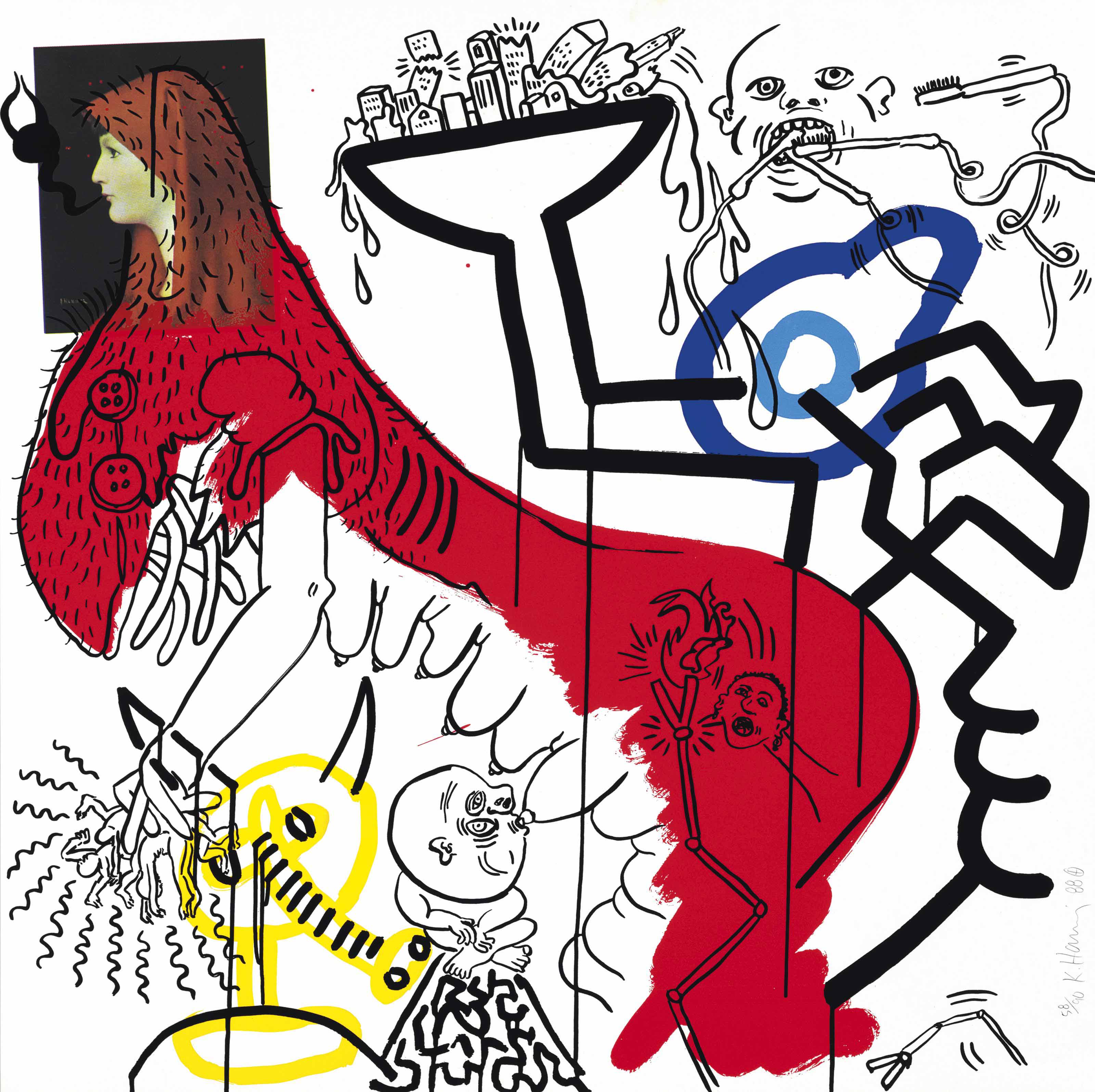
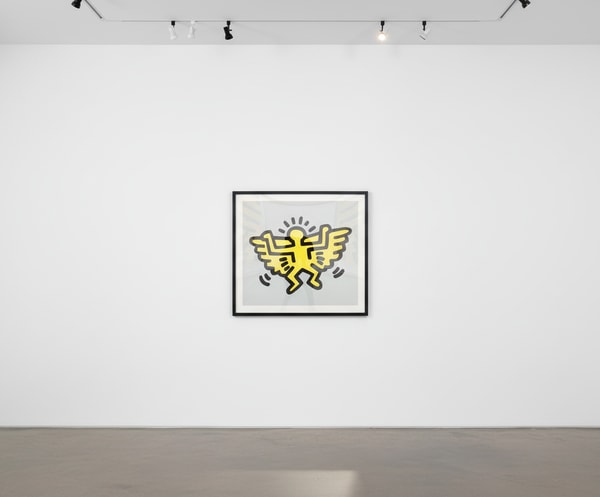
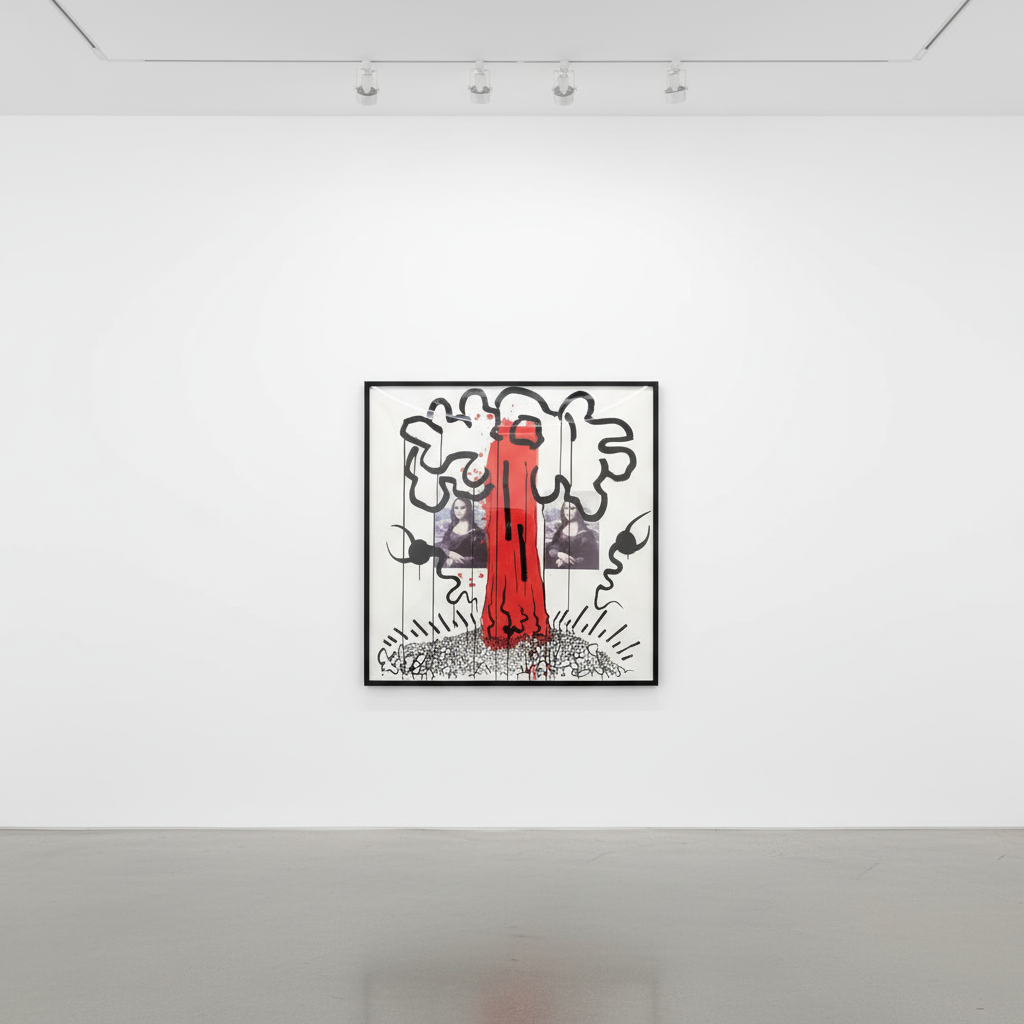
Apocalypse 1 (Littmann PP. 101), 1988
Silkscreen
38 x 38 in 96.5 x 96.5 cm
Edition of 90
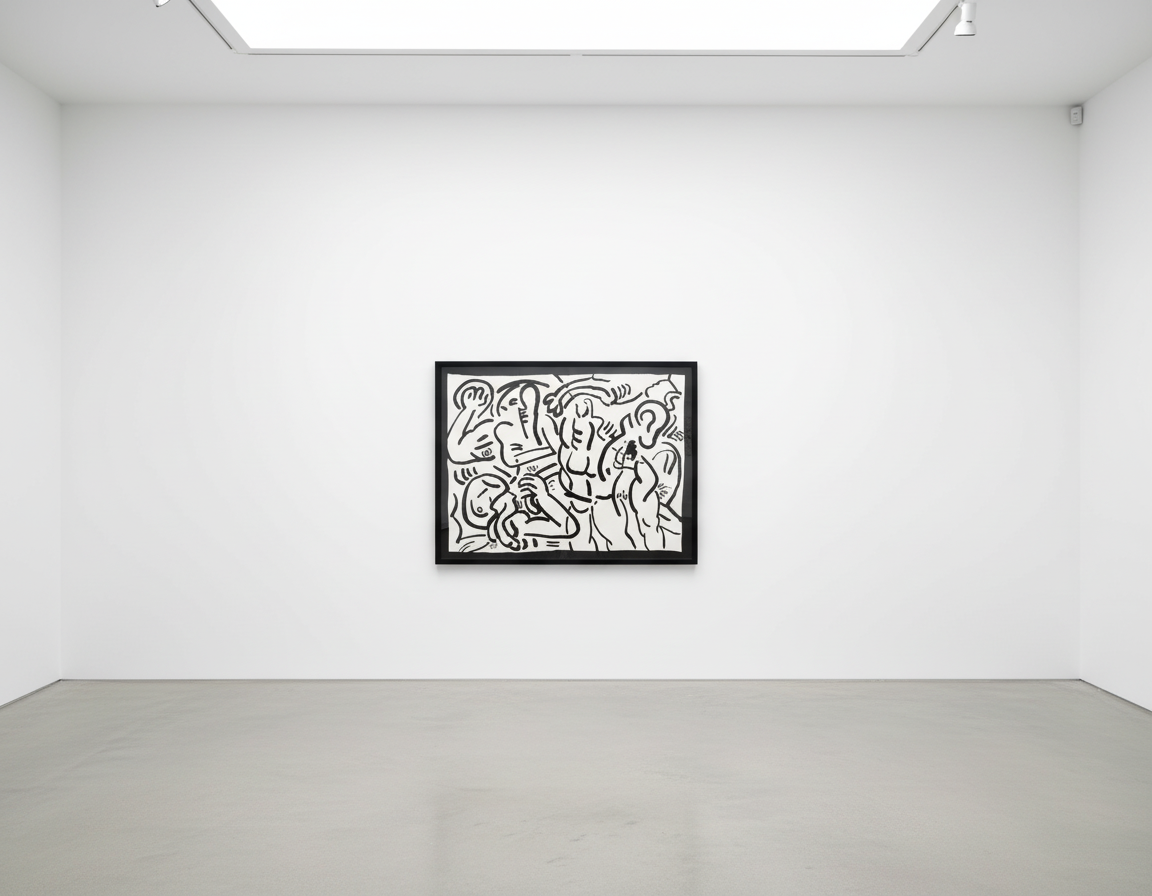
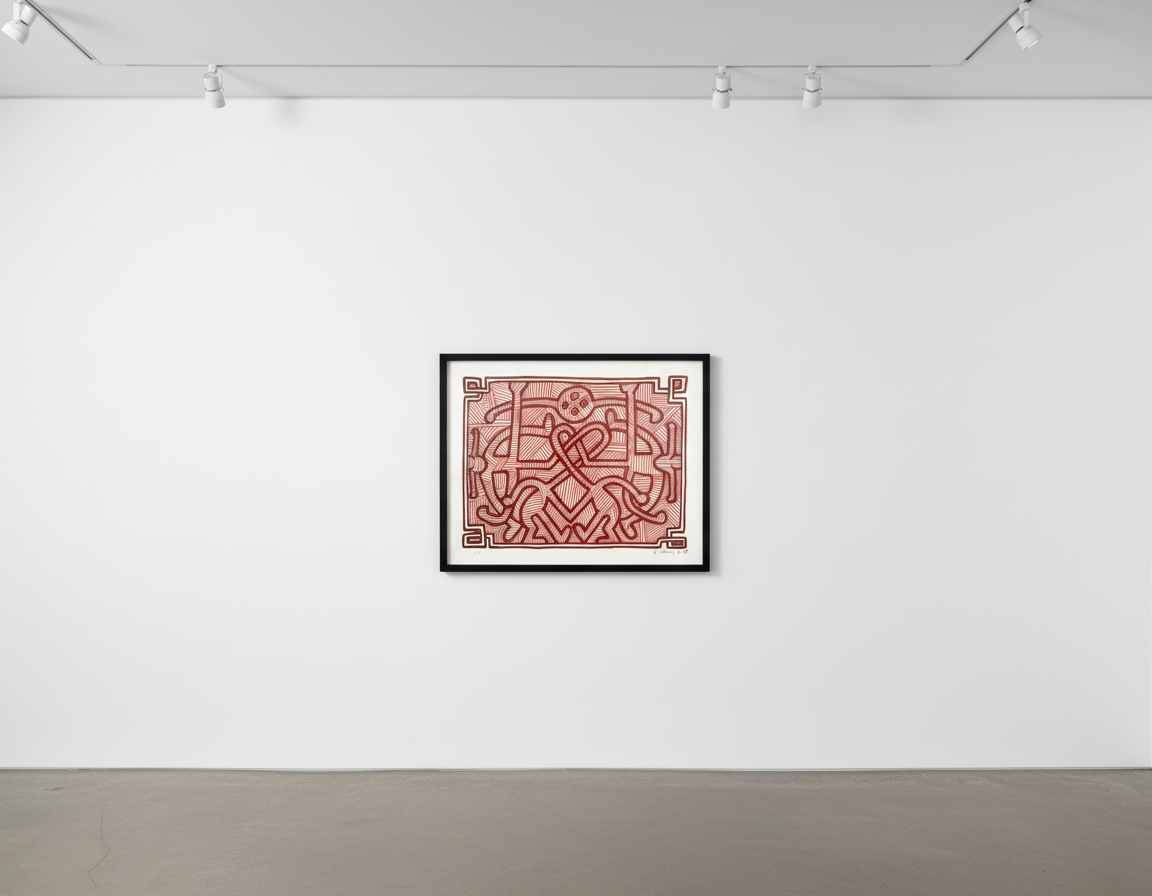
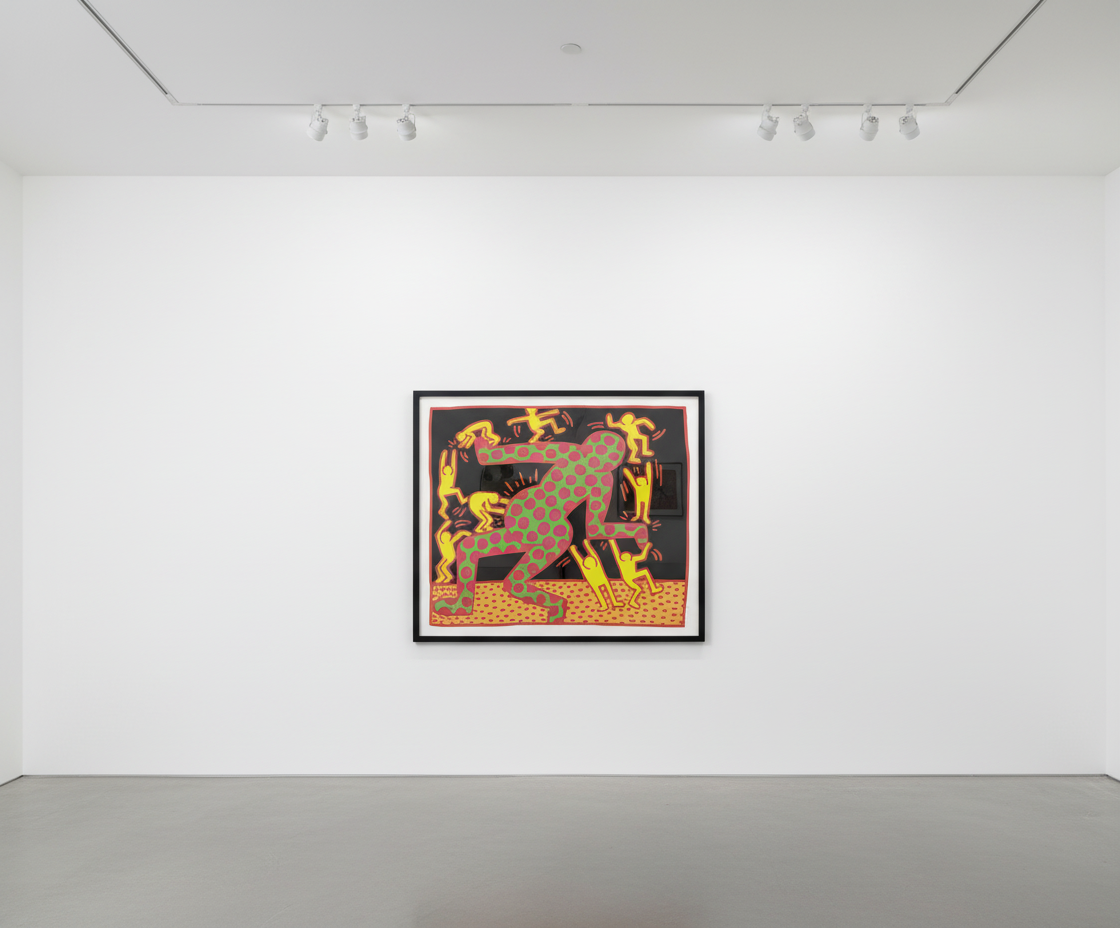
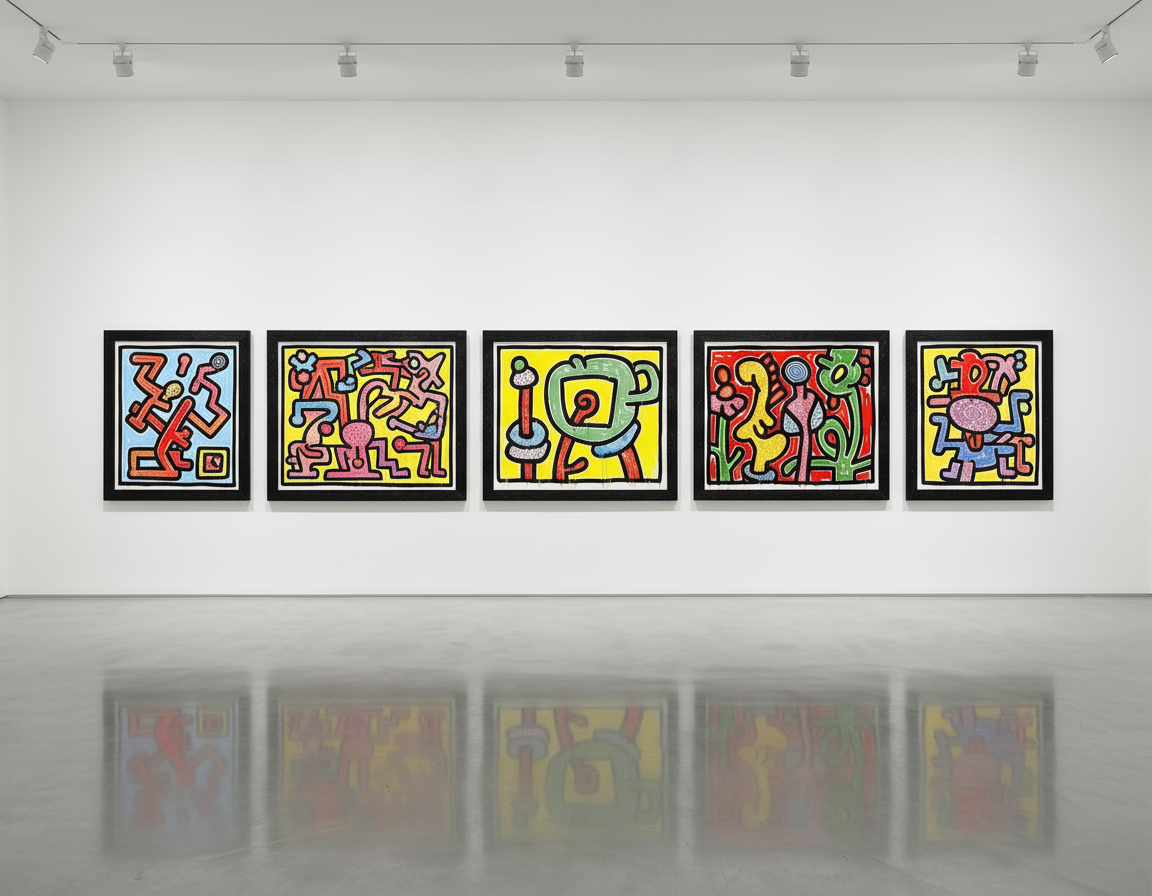
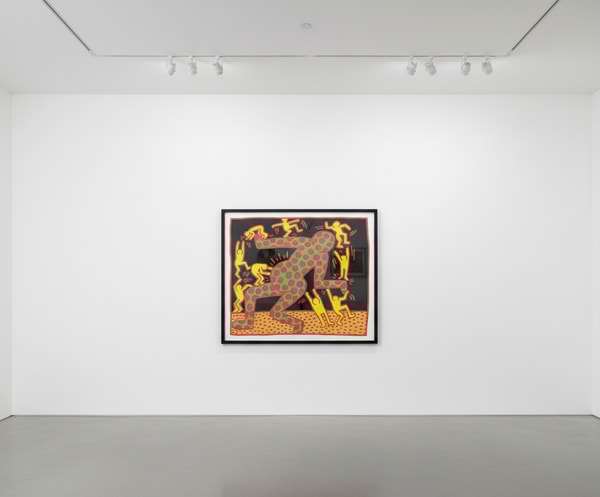
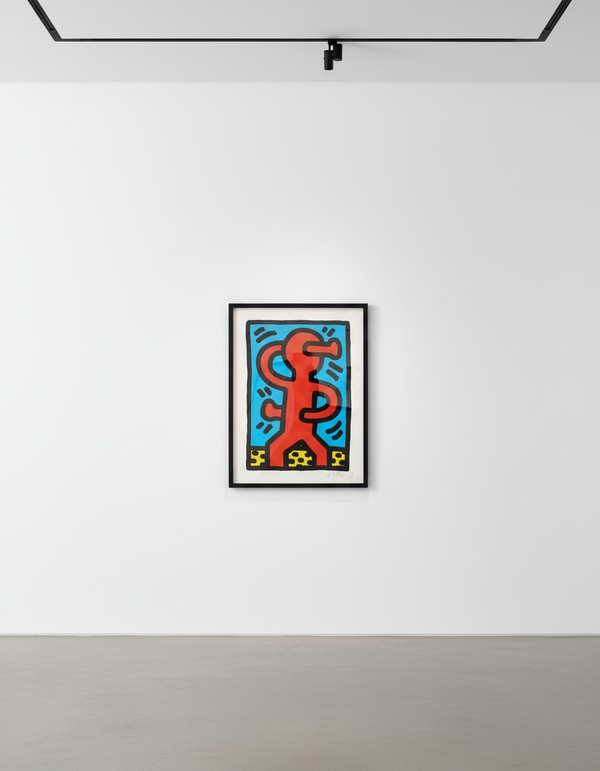
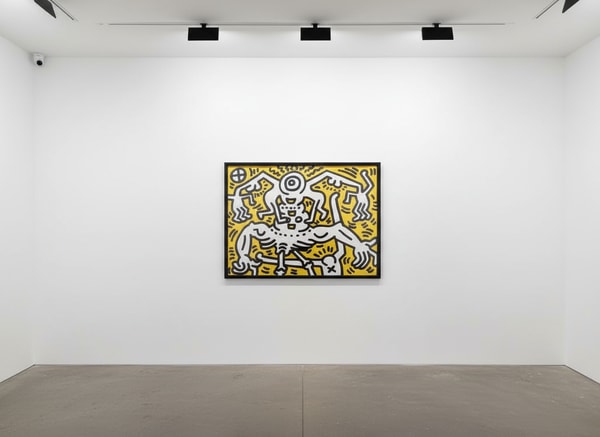
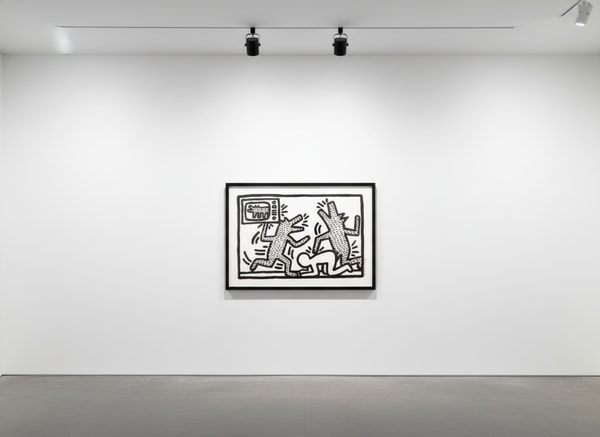
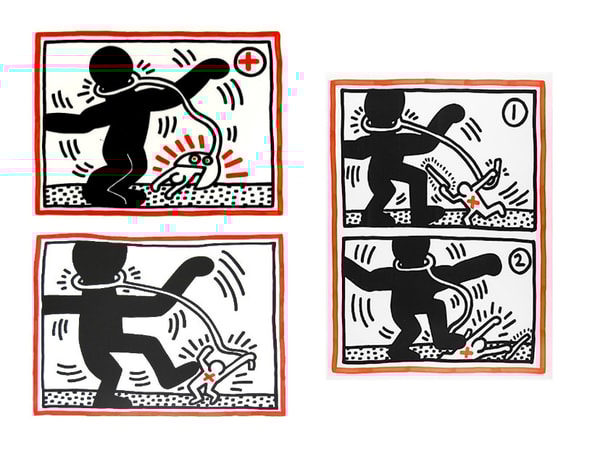
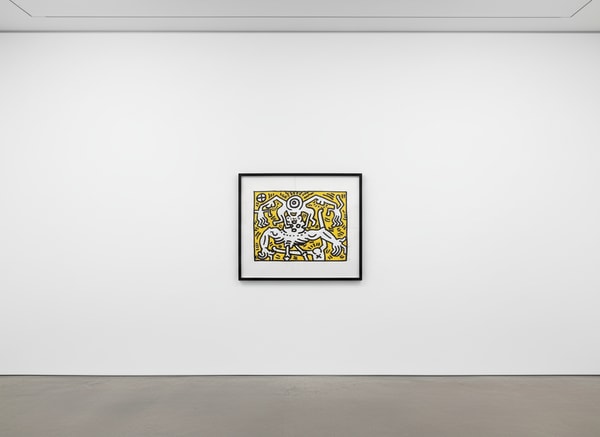
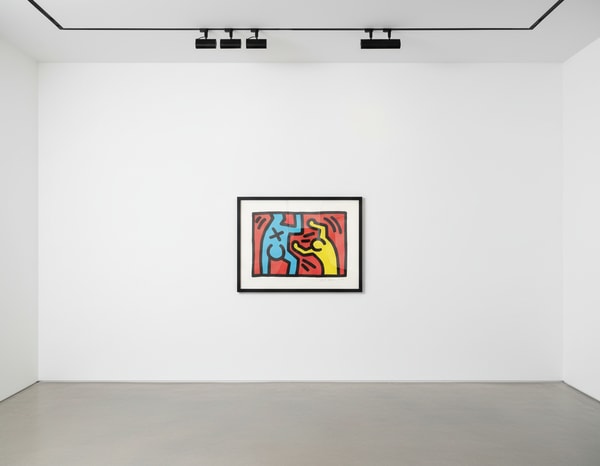
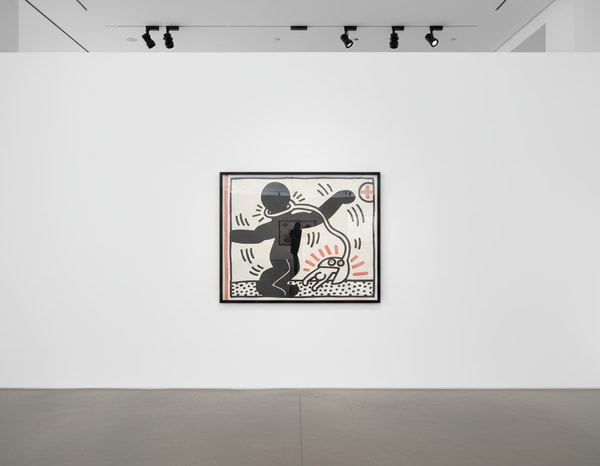
Keith Haring's Apocalypse series is a significant body of work that reflects the artist's response to the social and political climate of the 1980s. Created between 1988 and 1989, this series was one of Haring's final artistic endeavors before his untimely death due to AIDS-related complications in 1990.The Apocalypse series comprises a collection of artworks that express Haring's concerns about various global issues, including the AIDS crisis, nuclear war, environmental degradation, and societal turmoil. These works showcase Haring's characteristic bold lines, vibrant colors, and iconic figures, but with a darker and more introspective tone compared to some of his earlier, more celebratory pieces.In these artworks, Haring employs his signature visual vocabulary of radiant babies, crawling figures, and anthropomorphic characters engaged in symbolic and often apocalyptic scenes. The series embodies a sense of urgency and serves as a visual commentary on the pressing issues of the time, highlighting the looming fears and anxieties prevalent during the late 1980s.Throughout the Apocalypse series, Haring explores themes of mortality, the fragility of life, and the devastating impact of the AIDS epidemic on individuals and society. The artworks convey a sense of foreboding and reflection, depicting a world grappling with existential concerns and existential threats.Despite the somber and forewarning nature of the series, Haring's art maintains a sense of hope and resilience. His use of bold, dynamic lines and vibrant colors within the "Apocalypse" series evokes a sense of vitality and determination amid adversity, reflecting Haring's belief in the power of art to raise awareness and provoke contemplation about pressing societal issues.The Apocalypse series stands as a poignant and introspective chapter in Keith Haring's artistic legacy, demonstrating his ability to use art as a means of social commentary and activism, even in the face of profound personal challenges. These artworks continue to resonate with audiences, serving as a reminder of Haring's dedication to using his art as a platform to address critical issues and advocate for positive change in the world.
Price on Application
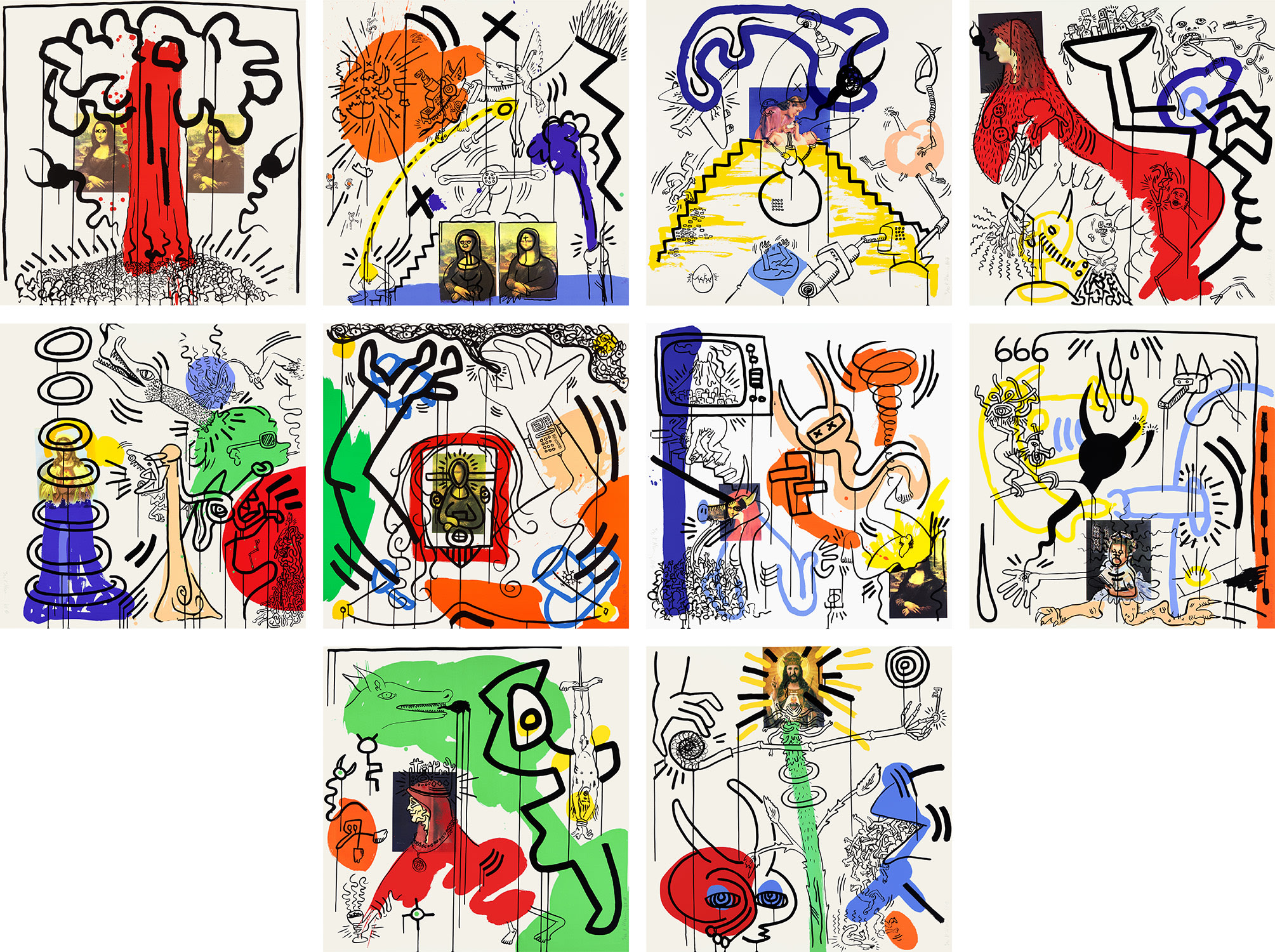
Apocalypse Suite (L. pp. 98-109) · Keith Haring · Phillips · 2022-04 · $151,200
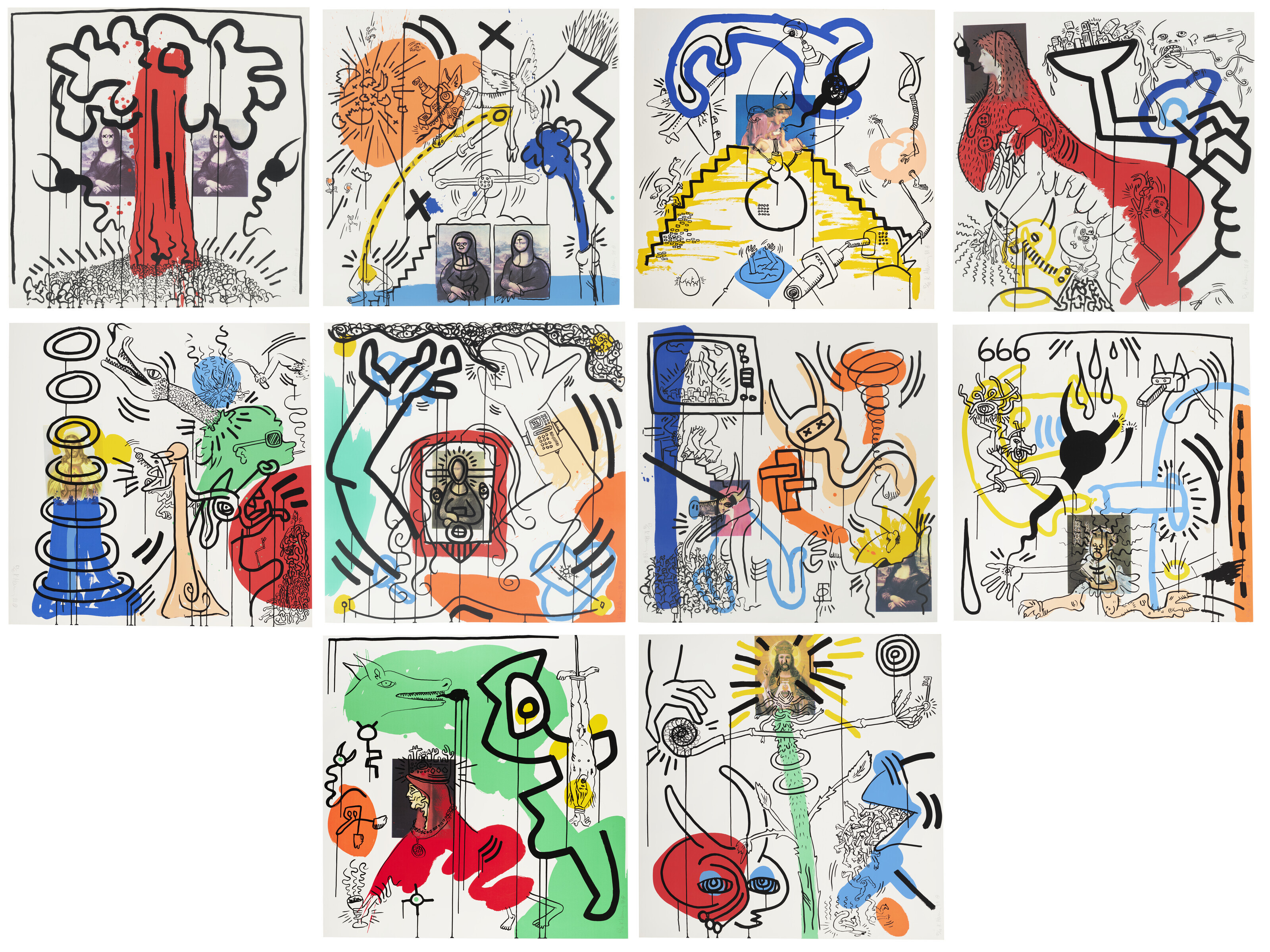
William S. Burroughs, Apocalypse · Keith Haring · Christie's · 2024-03 · $113,212
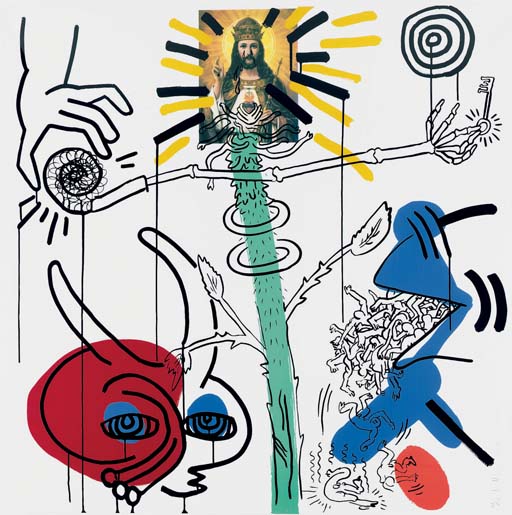
William S. Burroughs, Apocalypse · Keith Haring · Christie's · 2007-03 · $43,609
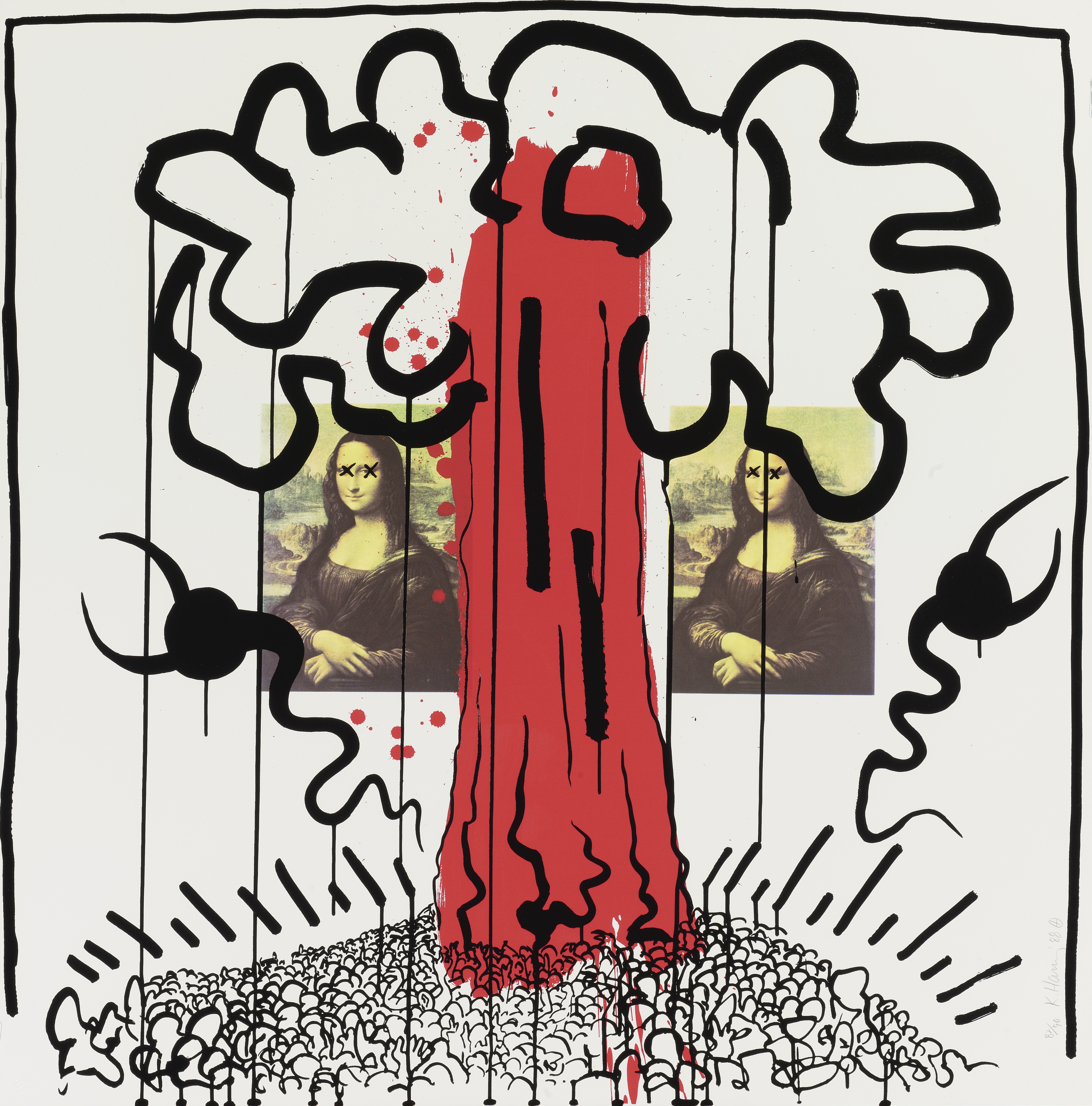
Apocalypse · Keith Haring · Sotheby's · 2012-04 · $40,625
Apocalypse · Keith Haring · Christie's · 2014-10 · $37,500
Keith Haring
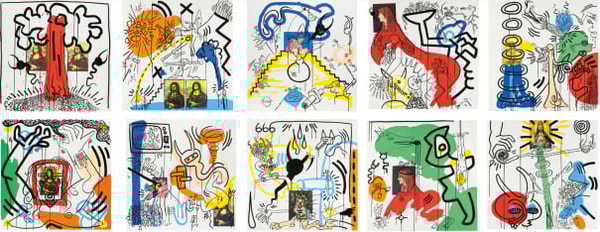
Apocalypse (Littmann PP. 98-109)
1988
Keith Haring
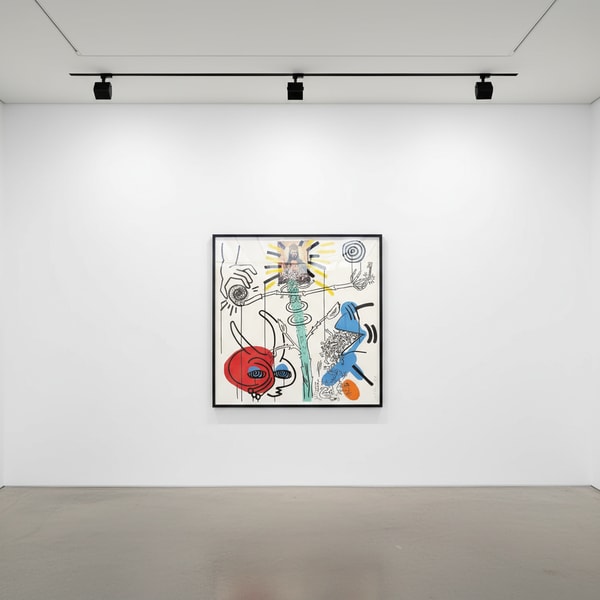
Apocalypse 10 (Littmann PP. 109)
1988
Keith Haring
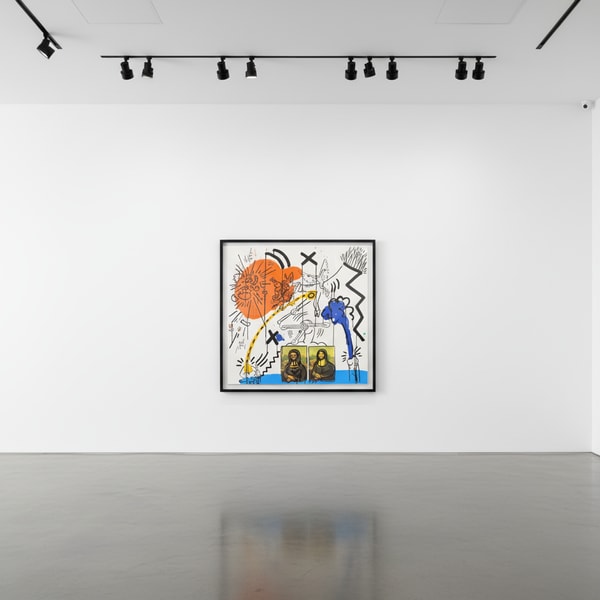
Apocalypse 2 (Littmann PP. 101)
1988
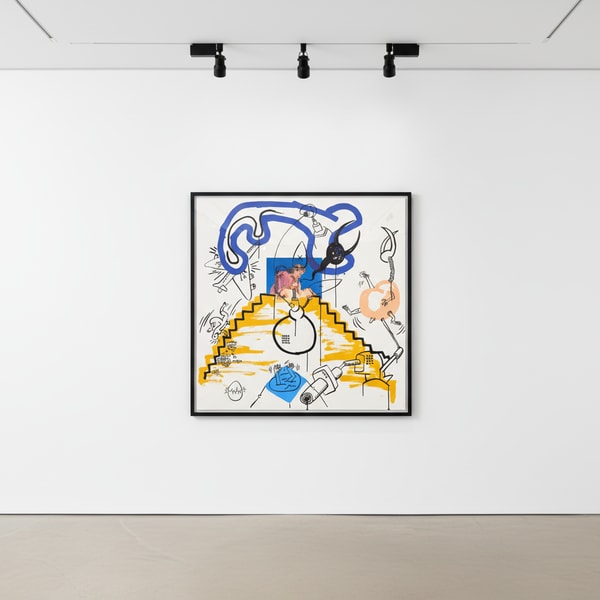
Keith Haring
Apocalypse 3 (Littmann PP. 102)
1988
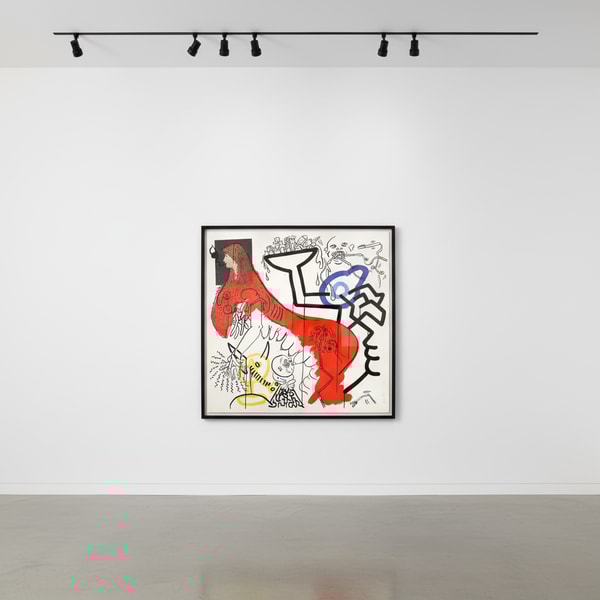
Keith Haring
Apocalypse 4 (Littmann PP. 102)
1988
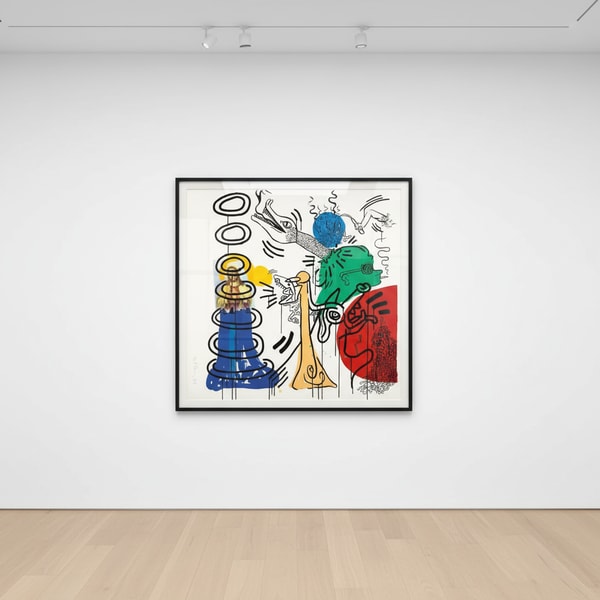
Keith Haring
Apocalypse 5 (Littmann PP. 105)
1988
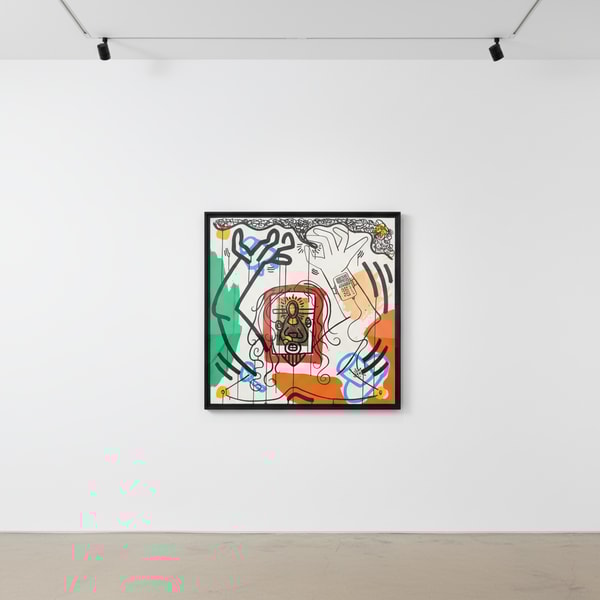
Keith Haring
Apocalypse 6 (Littmann PP. 105)
1988
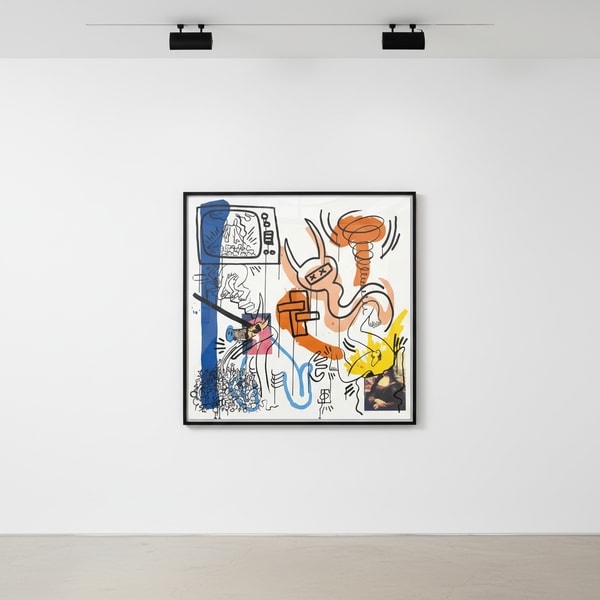
Keith Haring
Apocalypse 7 (Littmann PP. 106)
1988
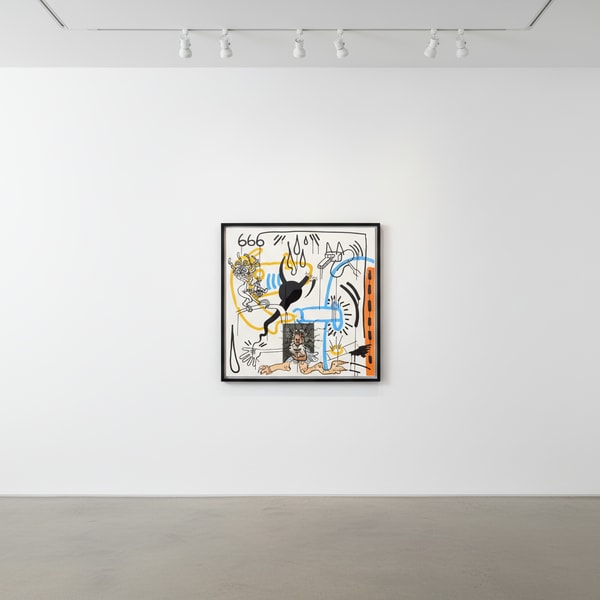
Keith Haring
Apocalypse 8 (Littmann PP. 106)
1988
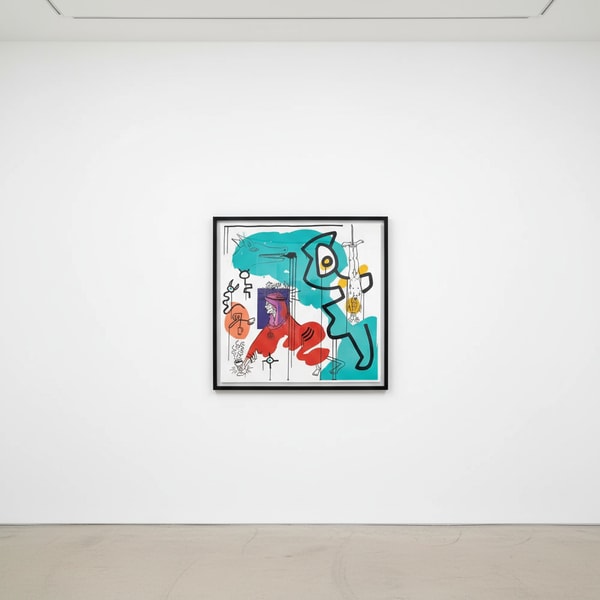
Keith Haring
Apocalypse 9 (Littmann PP. 109)
1988
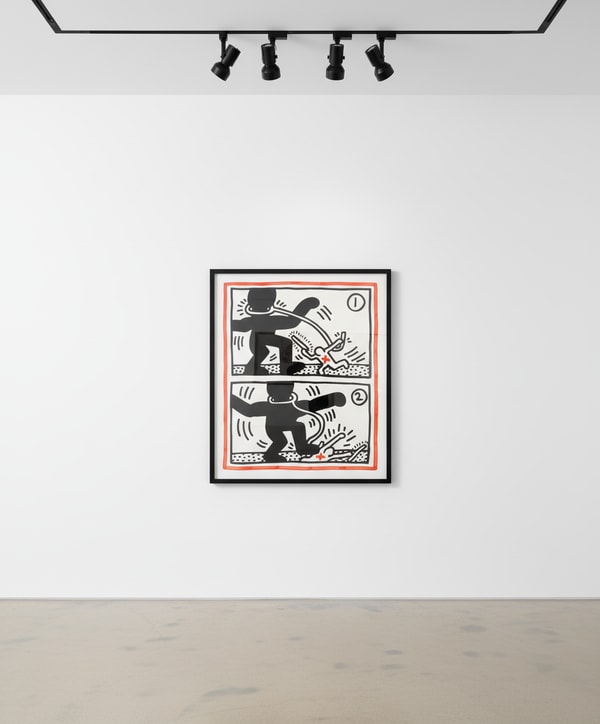
Keith Haring: Subway Drawings, Activism and Legacy
INSIGHTS: Building and Upgrading a Keith Haring Collection
The 5 Most Popular Keith Haring Works
Keith Haring: Visual Language, Symbolism and Social Commentary

Keith Haring's Pyramid Series: Form, Symbolism and Collector Value
Keith Haring Prints for Sale: Edition Guide
Keith Haring: Life, Work and Legacy — The Complete Guide
Keith Haring Prints: The Complete Collector's Guide
Haring & Basquiat. Friends. Collaborators.
Christopher Martin: A Rising Voice in Contemporary Art
Keith Haring: Art for Everyone – From Street Walls to Global Brands
The Legacy of Keith Haring
Keith Haring Pop Shops: The Ultimate Guide
The Political Art of Keith Haring
The Semiotics of Keith Haring
Five Essential Facts About Keith Haring
Why Collect Keith Haring?
The Most Expensive Keith Haring Paintings
Keith Haring Graffiti 80s
Keith Haring's Death
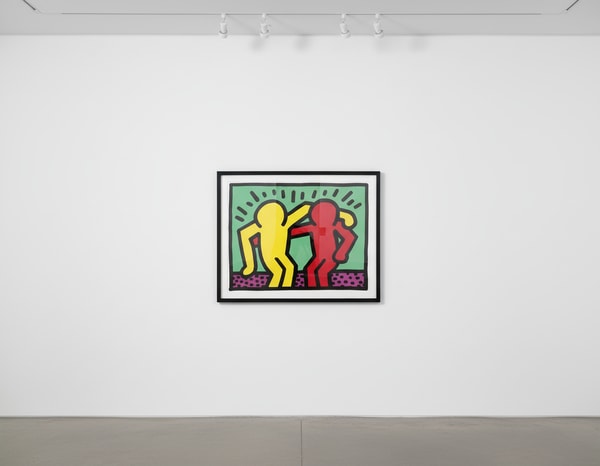
Keith Haring: A Pop Shop Journey
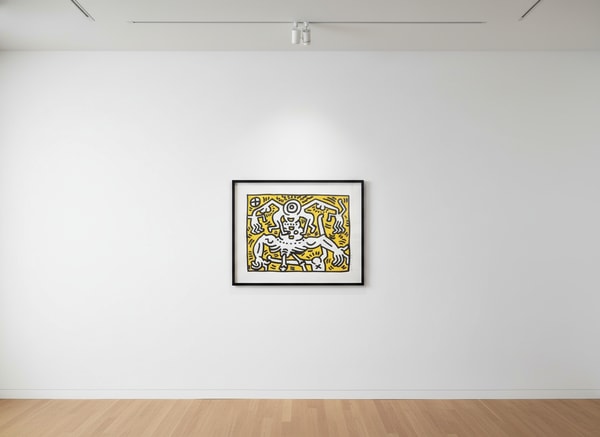
What Is the Keith Haring Foundation?
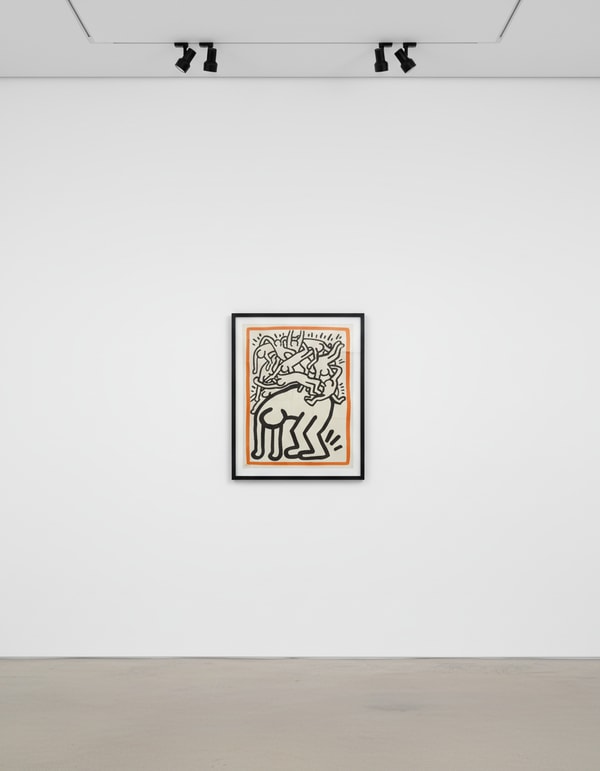
Now On View
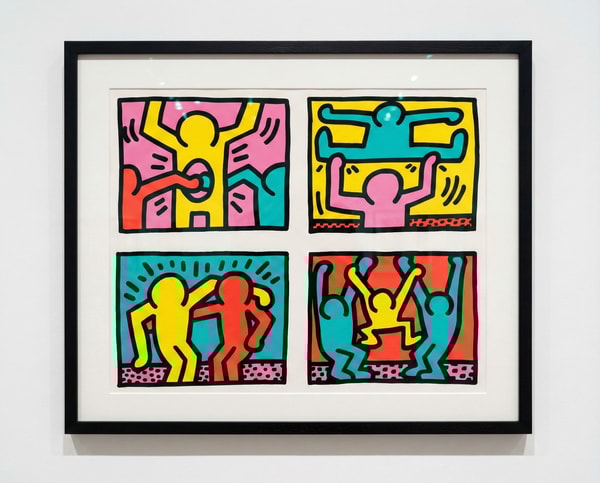
Keith Haring's Pop Shop Quads
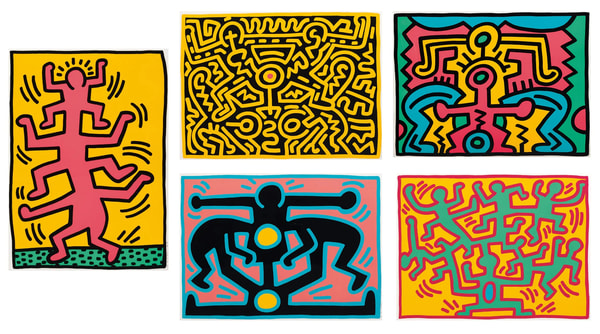
Keith Haring Growing Together
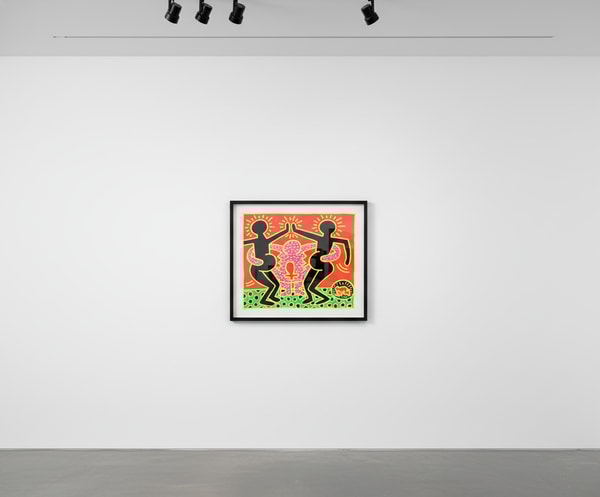
Keith Haring's Fertility Series
Keith Haring's New York
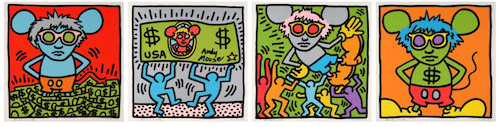
Keith Haring Andy Mouse
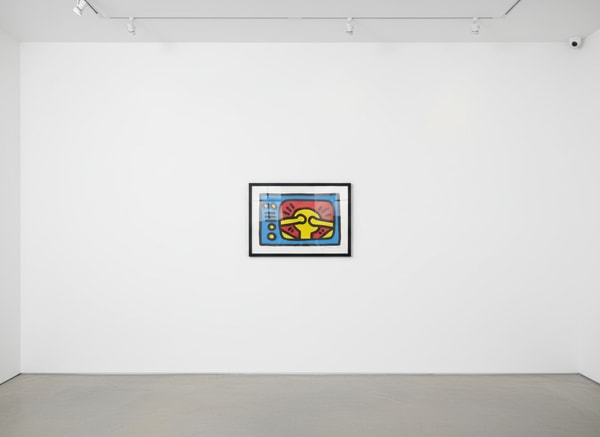
Top Keith Haring Auction Results of 2025
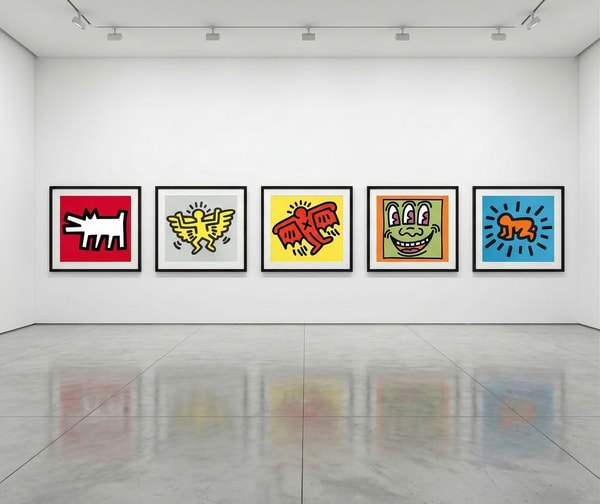
Keith Haring Icons
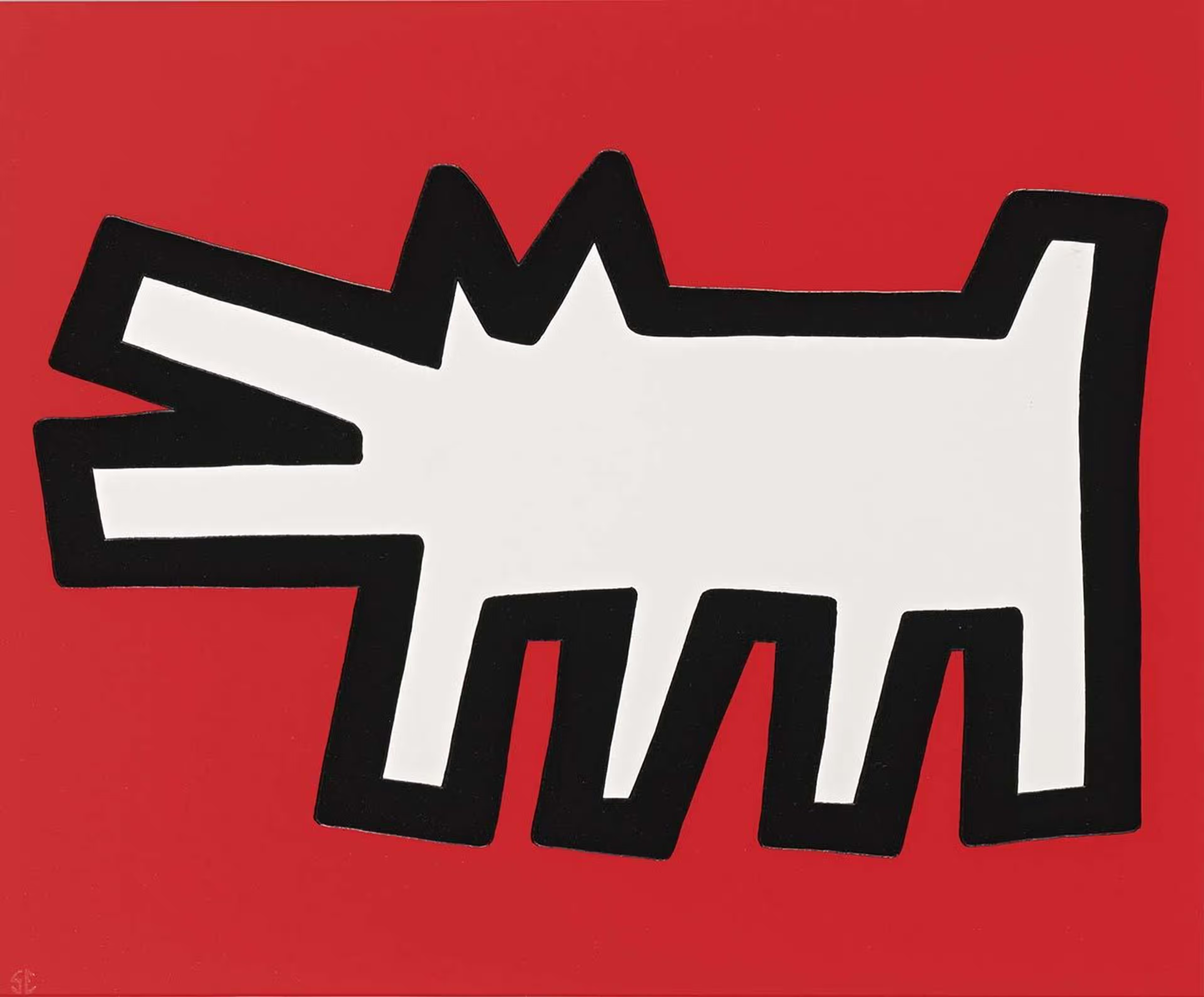
Keith Haring's Dog: The Barking Dog in His Art and Prints
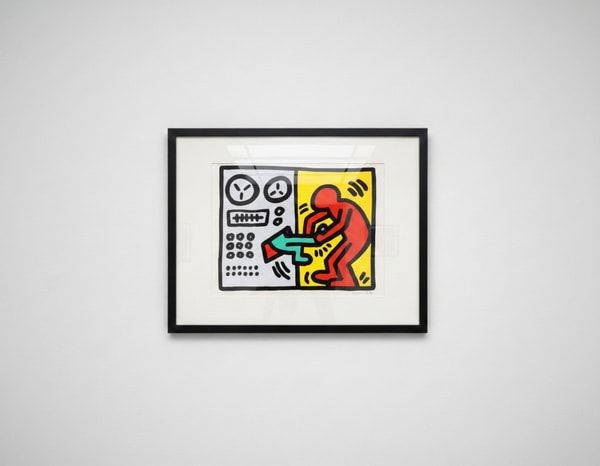
How to Check if a Keith Haring Work is Real
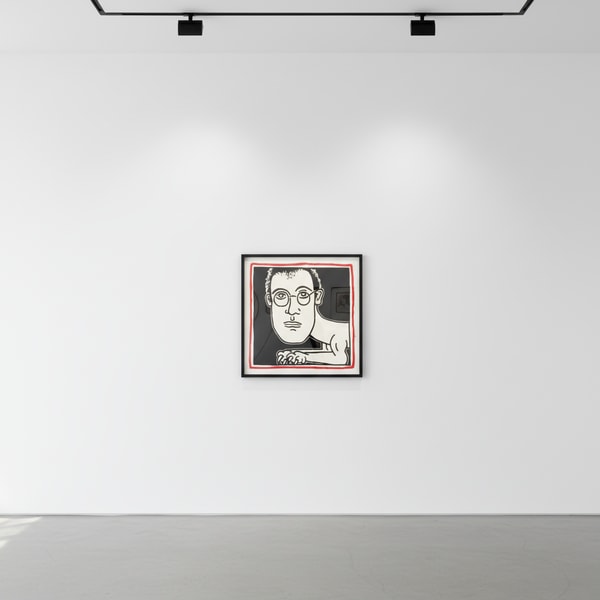
Angel Vasquez on Keith Haring
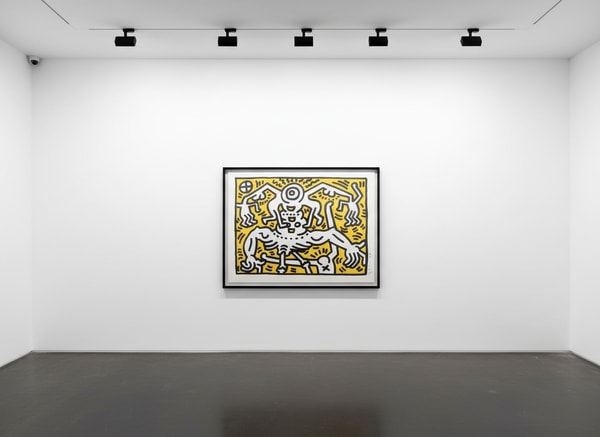
Keith Haring's Apocalypse series stands as one of the artist's most profound and politically charged bodies of work, created in 1988 during a period of intense creative output and personal reckoning. Comprising ten screenprints that correspond to passages from the biblical Book of Revelation, this suite represents Haring's departure from his characteristically optimistic visual language into darker, more contemplative territory. Created just two years before his untimely death, the series confronts themes of mortality, nuclear anxiety, environmental destruction, and the AIDS crisis with unflinching directness. These works showcase Haring's extraordinary ability to distill complex apocalyptic imagery into his signature bold lines and dynamic compositions, demonstrating why he remains one of the most significant artists to emerge from the 1980s downtown New York scene.
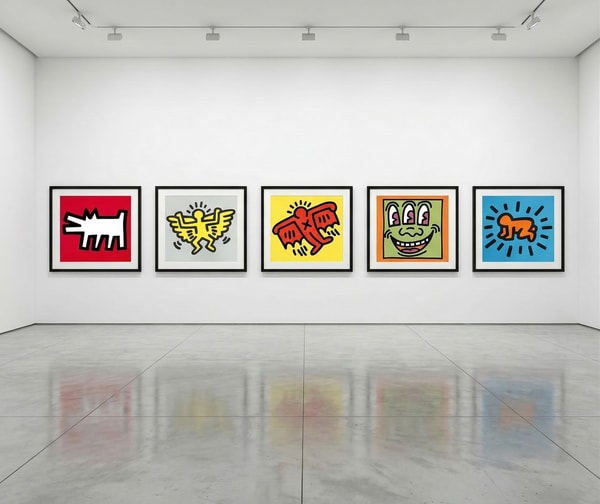
Technically, the Apocalypse portfolio exemplifies Haring's mastery of the screenprint medium. Each work features his iconic graphic vocabulary—radiant babies, barking dogs, flying saucers, and writhing figures—rendered in striking black against white or employing dramatic color contrasts. The prints, catalogued as Littmann PP. 98-109, were produced in collaboration with master printmaker George C. Miller and published by George Mulder Fine Arts. The edition showcases Haring's sophisticated understanding of how to translate the immediacy of his street art and subway drawings into fine art prints without sacrificing their raw energy and accessibility.
From a market perspective, the Apocalypse series has demonstrated exceptional strength and consistent appreciation among discerning collectors. As one of Haring's major thematic suites, these works represent museum-quality examples of his mature period and are increasingly scarce in the secondary market. The series' historical significance—addressing the social and political anxieties of the late Cold War era while presaging contemporary concerns—ensures its enduring relevance. Individual prints from the suite, as well as complete portfolios, are highly sought after by institutions and private collectors alike, commanding premium prices that reflect Haring's firmly established position in the contemporary art canon.
Keith Haring prints for sale at Guy Hepner include works from the most sought-after series in his catalogue: the Blueprint Drawings, Retrospect, Lucky Strike, Andy Mouse, and the Pop Shop editions. Keith Haring paintings for sale and Keith Haring original art for sale through our New York gallery are sourced from authenticated secondary market collections with full provenance.
Keith Haring (1958–1990) transformed the walls of the New York City subway into a gallery before taking his visual language to the world's most prestigious museums. Born in Kutztown, Pennsylvania, he arrived in New York in 1978 and developed the bold, energetic vocabulary — radiant babies, barking dogs, crawling figures — that would define his legacy. His career was cut short when he died of AIDS-related complications in 1990 at thirty-one, having compressed a lifetime's output into a decade of extraordinary productivity.
Keith Haring paintings for sale represent some of the most sought-after works on the contemporary secondary market. His paintings — executed in acrylic on canvas, tarpaulin, or found materials — carry his full signature vocabulary: interlocking figures, radiating lines, and the symbolic shorthand developed across thousands of public works and private commissions. Major series include the Blueprint Drawings, Icons, and monumental canvases that translate his street aesthetic into gallery-scale statements.
Haring's auction record reflects his enduring market strength. Works from his most productive period (1982–1989) consistently achieve seven-figure results at Christie's, Sotheby's, and Phillips. Paintings from the White Icons series — stark works on black backgrounds — are among his most instantly recognisable and command exceptional premiums. At Guy Hepner Gallery, we source Keith Haring paintings for sale from authenticated secondary market collections with full provenance documentation.
Keith Haring prints for sale encompass a rich body of editions produced throughout the 1980s. His screenprint series are particularly prized: Andy Mouse, Lucky Strike, Retrospect (1989), and the Pop Shop editions produced through his own retail venture on Lafayette Street. Signed and numbered editions from these series are the most actively traded and form the foundation of many Haring collections.
Beyond prints, Haring produced drawings, sculptures, and unique works on paper. His Blueprint Drawings — executed with ink on blueprint paper — offer collectors an intimate window into his process and are increasingly sought after. When acquiring Keith Haring original art for sale, prioritise works with clear exhibition history and provenance from dealers who worked with Haring during his lifetime. Signed prints from identified series with documented edition details offer the strongest combination of accessibility and long-term value.
Buy Keith Haring art at Guy Hepner Gallery, 177 Tenth Avenue, New York.