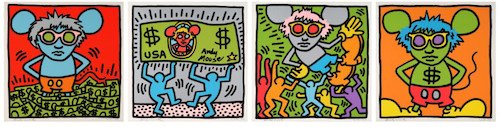
Andy Mouse

September 27, 2023
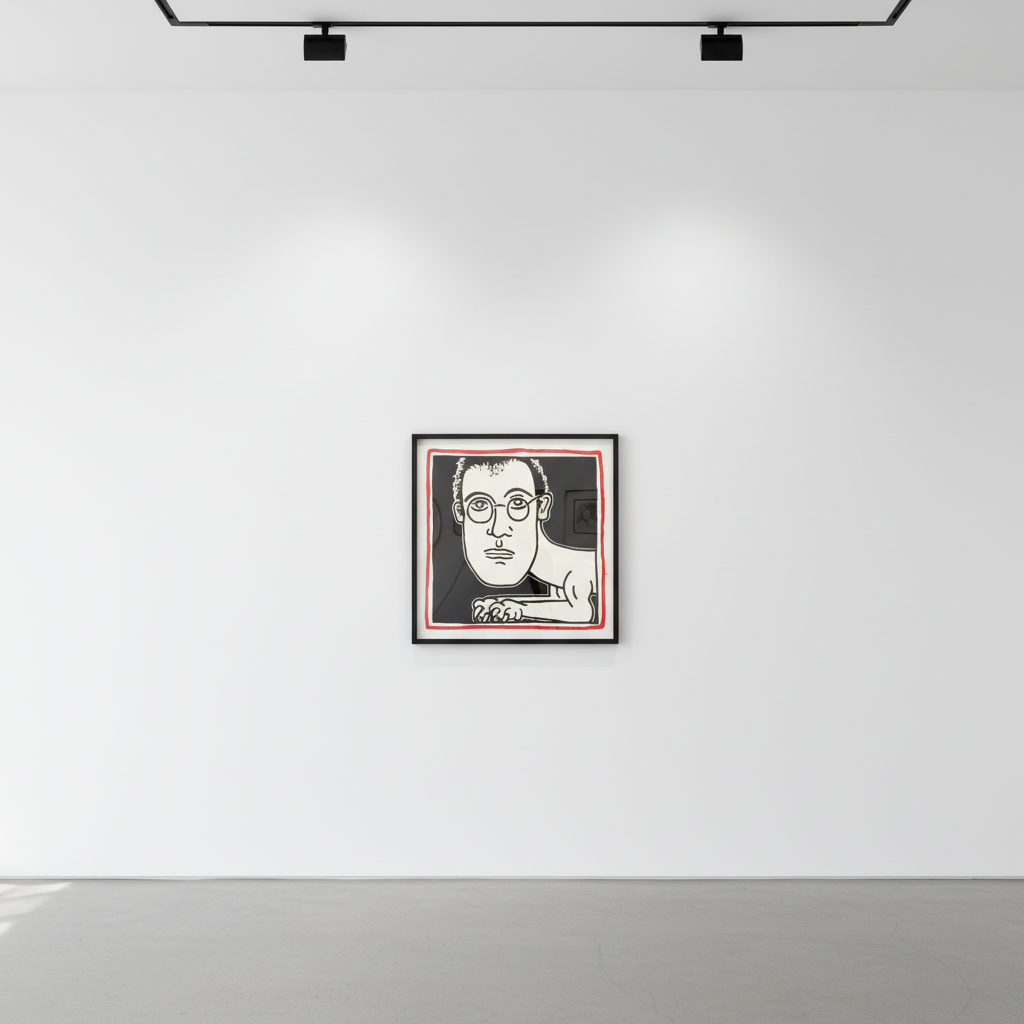
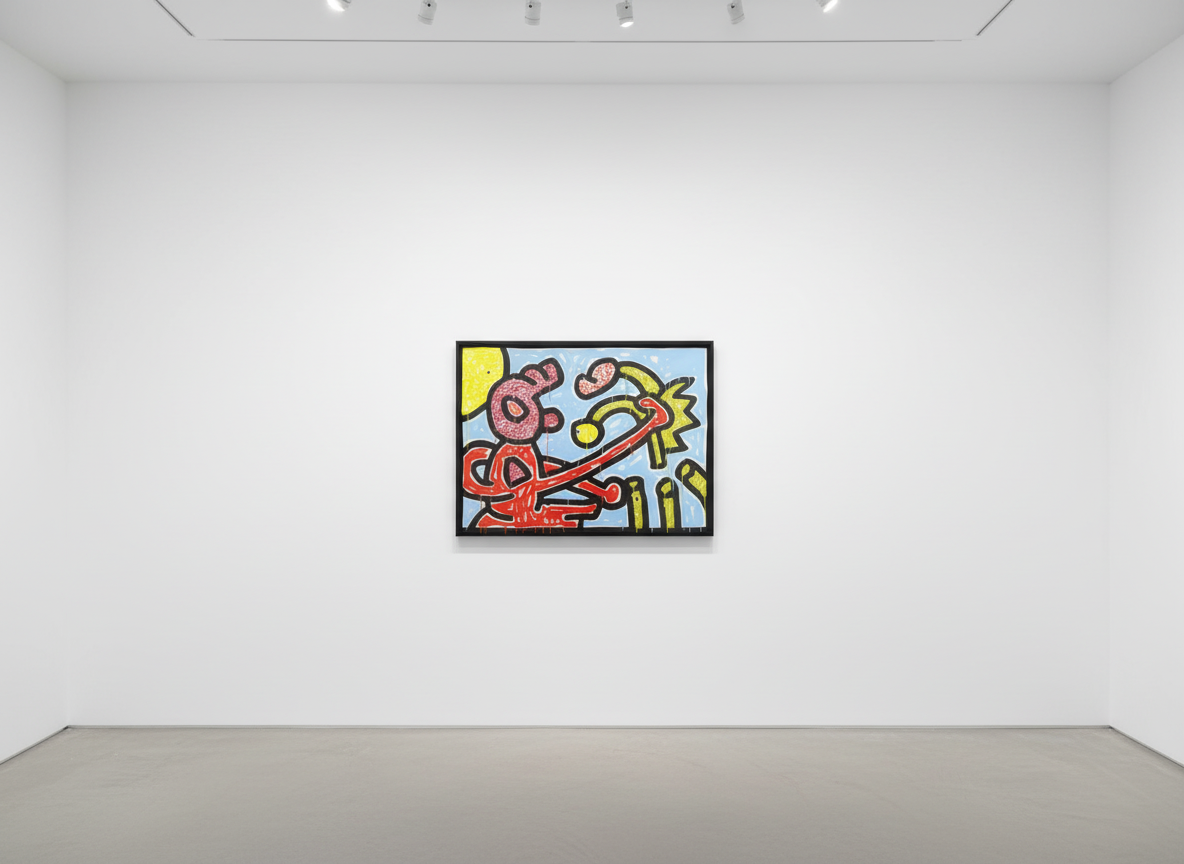
Keith Haring remains one of the most influential American artists of the twentieth century, his bold lines and radiant figures instantly recognizable across the globe. In collaboration with Keith Haring's Universal Language exhibit, Guy Hepner Gallery hosted Angel Vasquez - a former employee of Haring's - to speak on his experiences working at the legendary Pop Shop. This intimate conversation offered rare insight into the working methods, philosophy, and enduring vision of an artist whose impact on contemporary art and culture continues to resonate nearly four decades after his untimely passing.
The Pop Shop was a retail space owned by Keith Haring that first opened in New York City in 1986. Far from a conventional merchandise outlet, the store sold t-shirts, badges, magnets, and other accessible items bearing Haring's iconic imagery. Haring viewed the Pop Shop as an extension of his artistic practice - a democratic experiment in making art available to as many people as possible, regardless of economic status. This philosophy of accessibility would become central to understanding both Haring's artistic mission and his lasting significance in the contemporary art market.
Angel Vasquez's firsthand accounts reveal an artist of extraordinary dedication and seemingly boundless energy. According to Vasquez, Haring was constantly refining his work, regularly touching up the artwork displayed throughout the Pop Shop and maintaining an almost obsessive attention to detail. This commitment to craft extended beyond the gallery walls and into every aspect of his creative output - from monumental public murals to the smallest pin sold at the shop counter.
Haring's work ethic was legendary among those who knew him. He approached each project - whether a major commission or a spontaneous subway drawing - with the same intensity and focus. Vasquez recalls the artist's ability to work quickly without sacrificing quality, a skill honed through years of creating ephemeral chalk drawings in New York's subway stations. This rapid yet deliberate approach allowed Haring to produce an remarkably prolific body of work during his short career, establishing a visual vocabulary that would influence generations of artists to come.
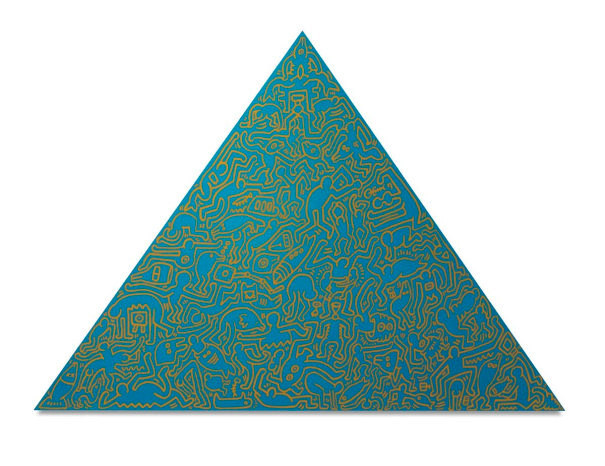
Pyramid Teal — Keith Haring. Available at Guy Hepner, New York.
The atmosphere within the Pop Shop itself reflected Haring's personality and values. Vasquez describes an environment that was simultaneously professional and welcoming, where the boundaries between commerce and community dissolved. Customers were not merely consumers but participants in Haring's broader social project. The shop became a gathering place for artists, activists, and admirers - a physical manifestation of Haring's belief that art should be integrated into everyday life rather than sequestered within elite institutions.
No discussion of Keith Haring can be complete without acknowledging his profound connection to New York City. The city served as both canvas and muse, its energy infusing his work with an urgency and vitality that continues to captivate viewers. Vasquez speaks to this relationship with particular insight, having witnessed firsthand how Haring drew inspiration from the urban landscape and its diverse inhabitants.
Haring arrived in New York in 1978 to study at the School of Visual Arts, and the city immediately became central to his artistic identity. The subway system - with its rushing crowds and blank advertising panels - provided his first major exhibition space. These chalk drawings, created quickly and often erased within hours, established Haring's reputation and demonstrated his commitment to public engagement. The crawling babies, barking dogs, and radiant figures that emerged from these sessions would become some of the most recognizable images in contemporary art.
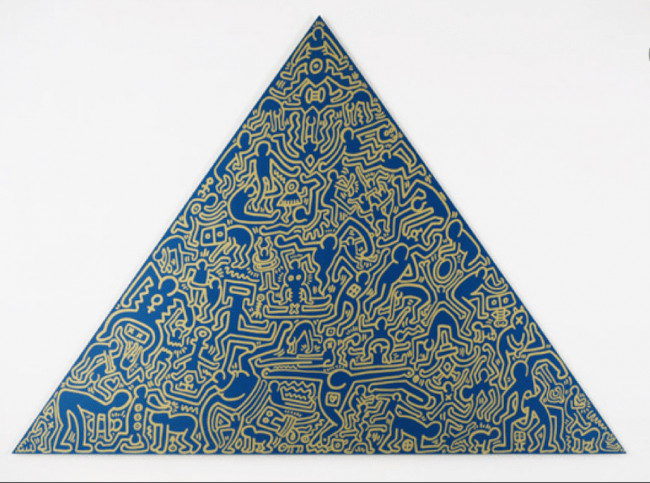
Pyramid Blue — Keith Haring. Available at Guy Hepner, New York.
The transformation of Haring's work from accessible Pop Shop merchandise to blue-chip gallery acquisitions represents a fascinating evolution in both artistic perception and market dynamics. According to the Art Basel and UBS Global Art Market Report, works by post-war and contemporary American artists have shown consistent strength, with figures like Haring commanding particular attention from institutional and private collectors alike. Christie's and Sotheby's have recorded significant results for major Haring works, with his paintings and sculptures achieving prices that reflect his canonical status within the Pop Art tradition.
The contemporary art market has increasingly recognized Keith Haring's importance not merely as a commercial phenomenon but as a serious artistic voice addressing themes of social justice, sexuality, capitalism, and human connection. His work anticipated many concerns that dominate current cultural discourse - making his pieces feel remarkably prescient and relevant to today's collectors.
Vasquez's reflections illuminate why Haring's work resonates so powerfully with contemporary audiences. The artist's messages of understanding, empathy, and respect - communicated through his distinctive visual language - transcend temporal and cultural boundaries. His activism around AIDS awareness, apartheid, and nuclear disarmament positioned him as an artist engaged with the pressing issues of his time while creating imagery universal enough to speak to future generations.
For collectors, Haring represents an intersection of art historical significance, cultural relevance, and market stability. His works appear regularly at major auction houses, with Christie's and Sotheby's featuring his pieces in both contemporary and post-war sales. The artist's relatively short career - he passed away in 1990 at age thirty-one - means that authenticated works are finite in number, adding scarcity value to pieces that enter the secondary market.
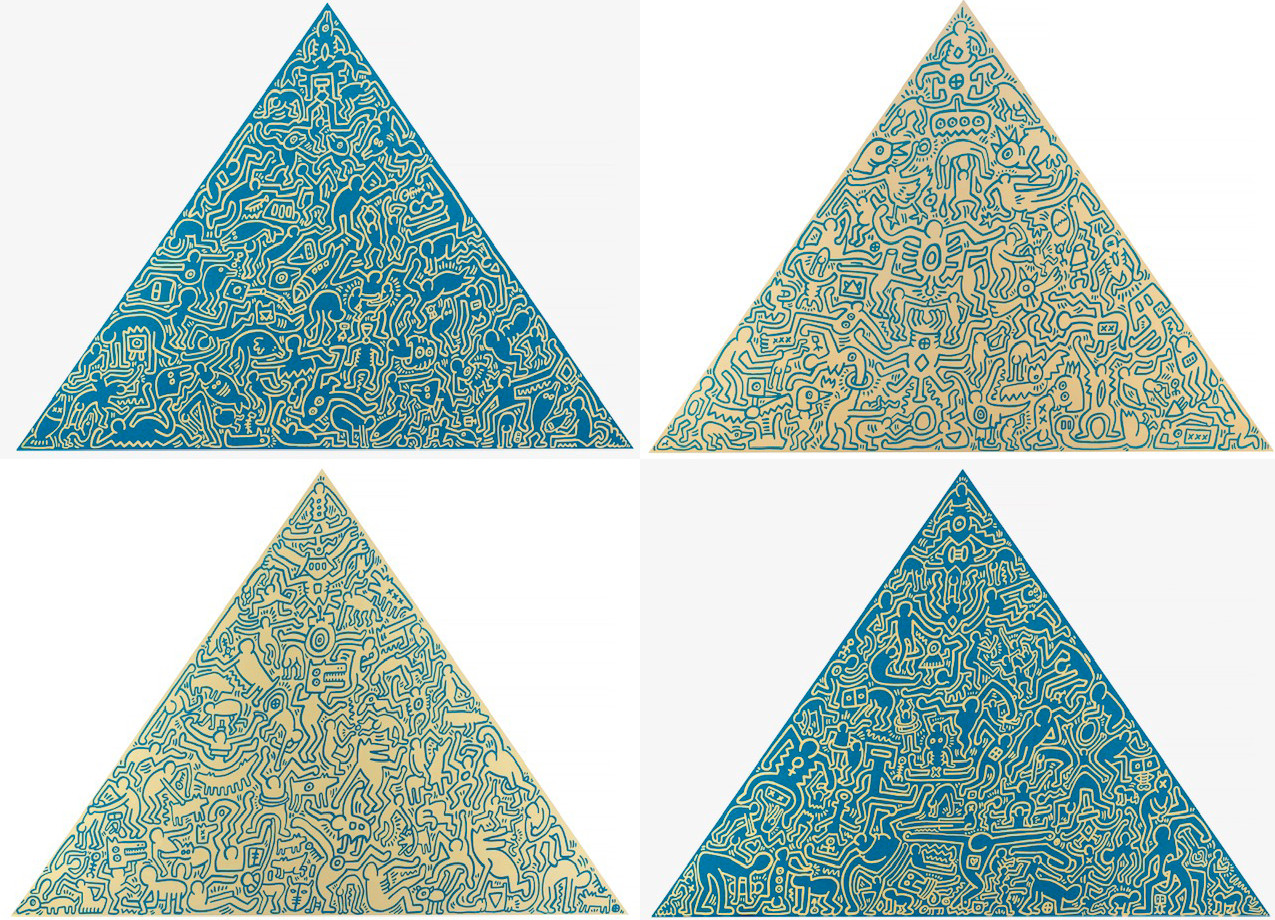
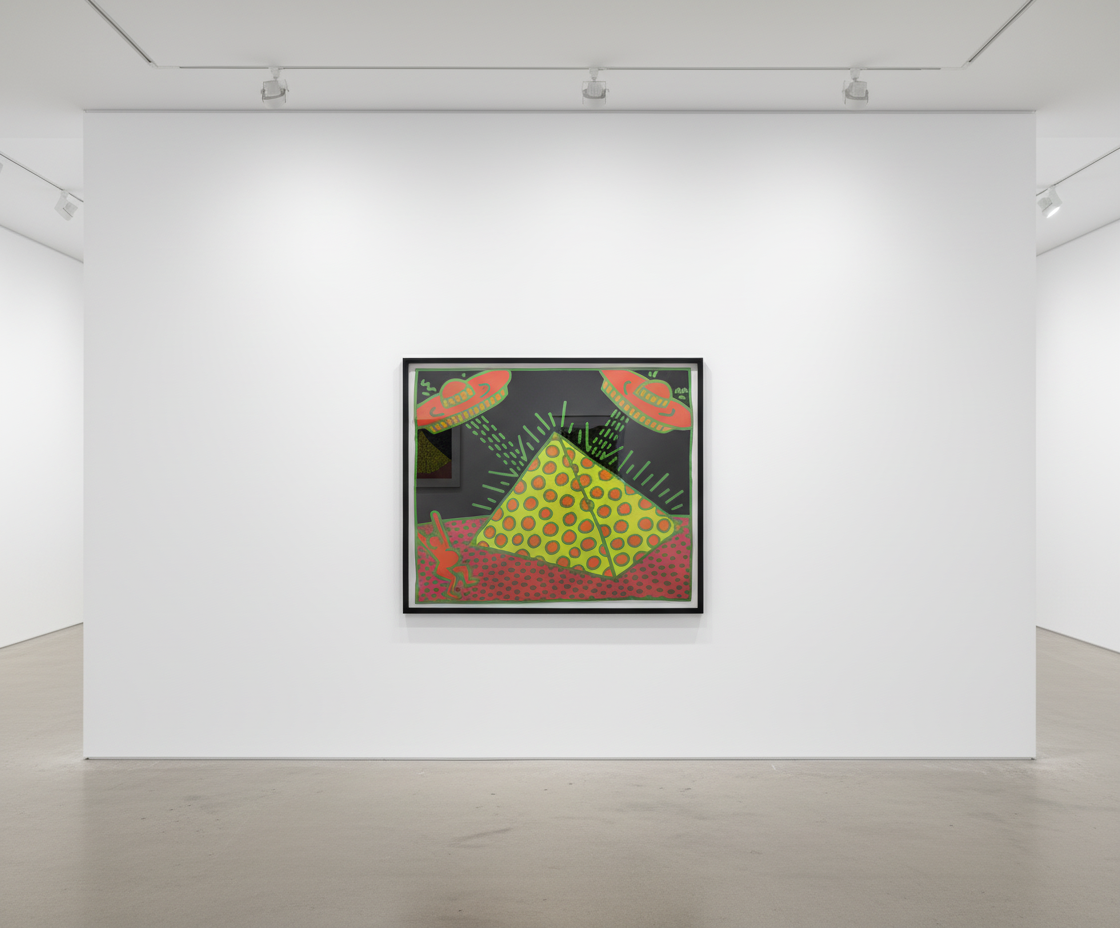
Pyramids — Keith Haring. Available at Guy Hepner, New York.
The lasting legacy of Keith Haring extends far beyond auction records and museum retrospectives. His influence can be traced through street art movements, graphic design, fashion collaborations, and public art initiatives worldwide. The Pop Shop model - bringing original artistic vision to accessible price points - anticipated contemporary debates about democratizing art collecting and challenging traditional gallery structures.
Guy Hepner is proud to offer an exceptional selection of Keith Haring works, including the striking Pyramid series that exemplifies the artist's bold aesthetic vision and enduring appeal. These pieces demonstrate the graphic power and symbolic depth that have made Haring a cornerstone of contemporary collections worldwide. Our gallery specialists possess deep expertise in Haring's oeuvre and are available to guide collectors through the acquisition process - from authentication and provenance research to installation and collection management. We invite collectors to inquire about current availability and to explore how Keith Haring's transformative vision might enhance their holdings. Contact Guy Hepner today to discuss these exceptional works and discover the perfect addition to your collection.
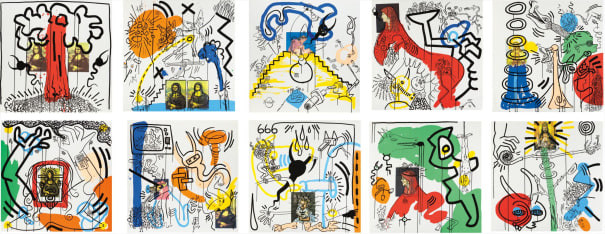
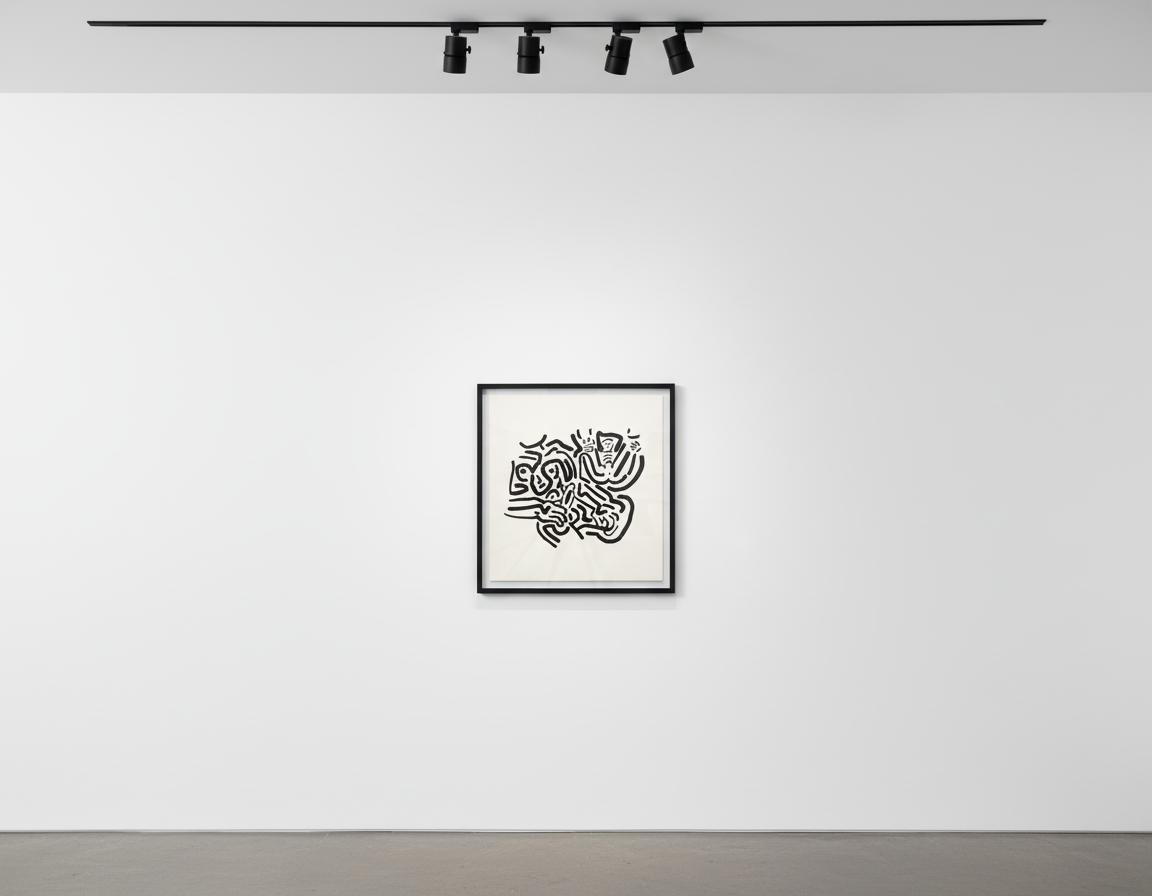
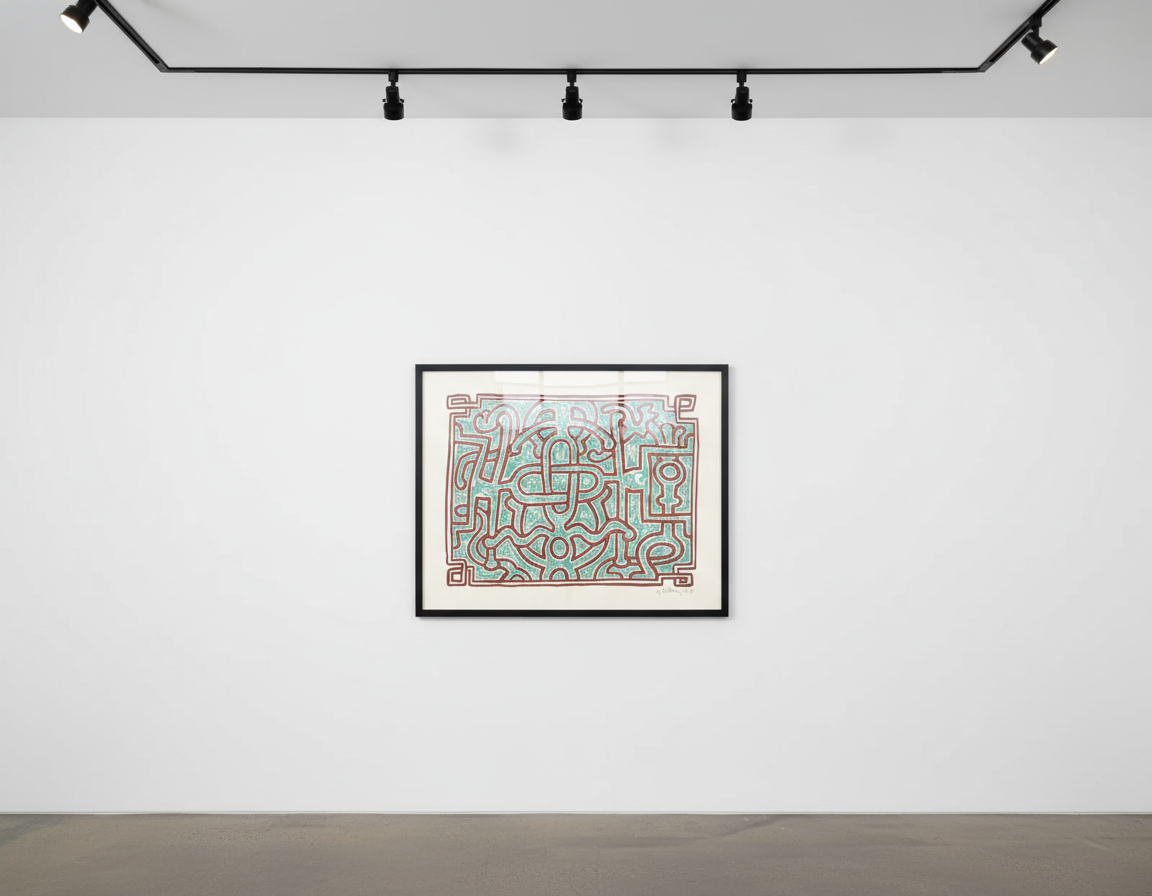
Explore Keith Haring prints for sale at Guy Hepner: Andy Mouse, Apocalypse, Bad Boys, Chocolate Buddha, Fertility.
Related Series