Andy Mouse

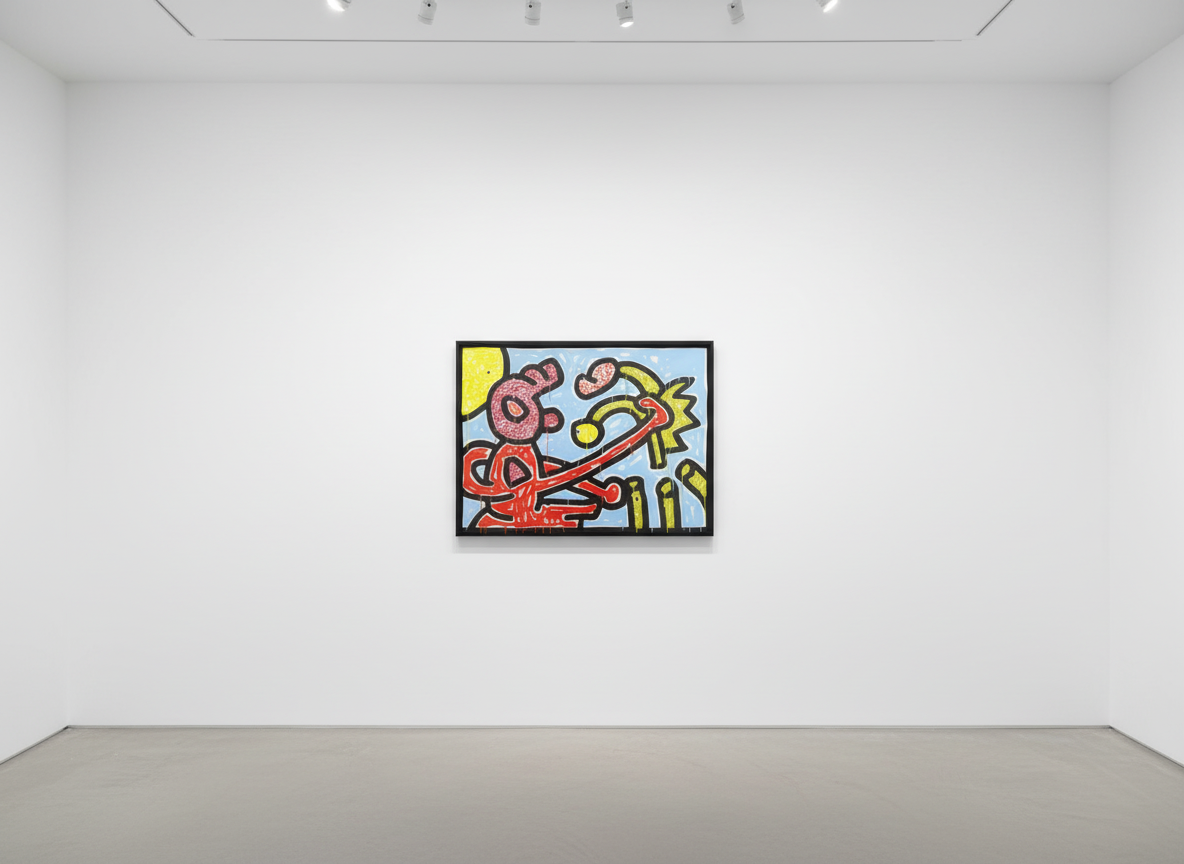
Keith Haring remains one of the most influential and recognizable artists to emerge from the vibrant New York art scene of the 1980s. His bold lines, dynamic figures, and socially conscious imagery transformed public spaces into galleries and brought contemporary art to mass audiences in ways previously unimagined. Today, Haring's works command significant attention at major auction houses including Christie's and Sotheby's, with collectors worldwide seeking pieces that capture the energy, activism, and pure visual power that defined his brief but extraordinary career. Understanding the most popular Keith Haring works offers insight into why this artist continues to resonate with both seasoned collectors and new enthusiasts entering the market.
One of Keith Haring's most recognizable and celebrated images is Radiant Baby. This simple yet powerful motif features a crawling infant surrounded by radiating lines, symbolizing energy, life, and purity. Haring frequently used this image in his graffiti art across New York City, and it later became a defining symbol of his entire artistic practice. The artist once stated that Radiant Baby represented the ultimate symbol of innocence and potential, embodying hope for the future in an era marked by social upheaval and uncertainty.
The image appeared in multiple variations throughout Haring's career, including prints, paintings, and large-scale public murals. Its universal appeal and uplifting message have made it one of the most enduring symbols of Haring's legacy, transcending cultural and generational boundaries. The Radiant Baby speaks to fundamental human experiences - birth, potential, and the promise inherent in new beginnings - themes that remain perpetually relevant. Today, Radiant Baby continues to be a favorite among collectors and remains one of the most sought-after Keith Haring prints at auction, with exceptional examples regularly appearing in major sales at Christie's and Sotheby's.
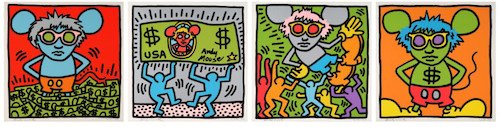
Andy Mouse Portfolio — Keith Haring. Available at Guy Hepner, New York.
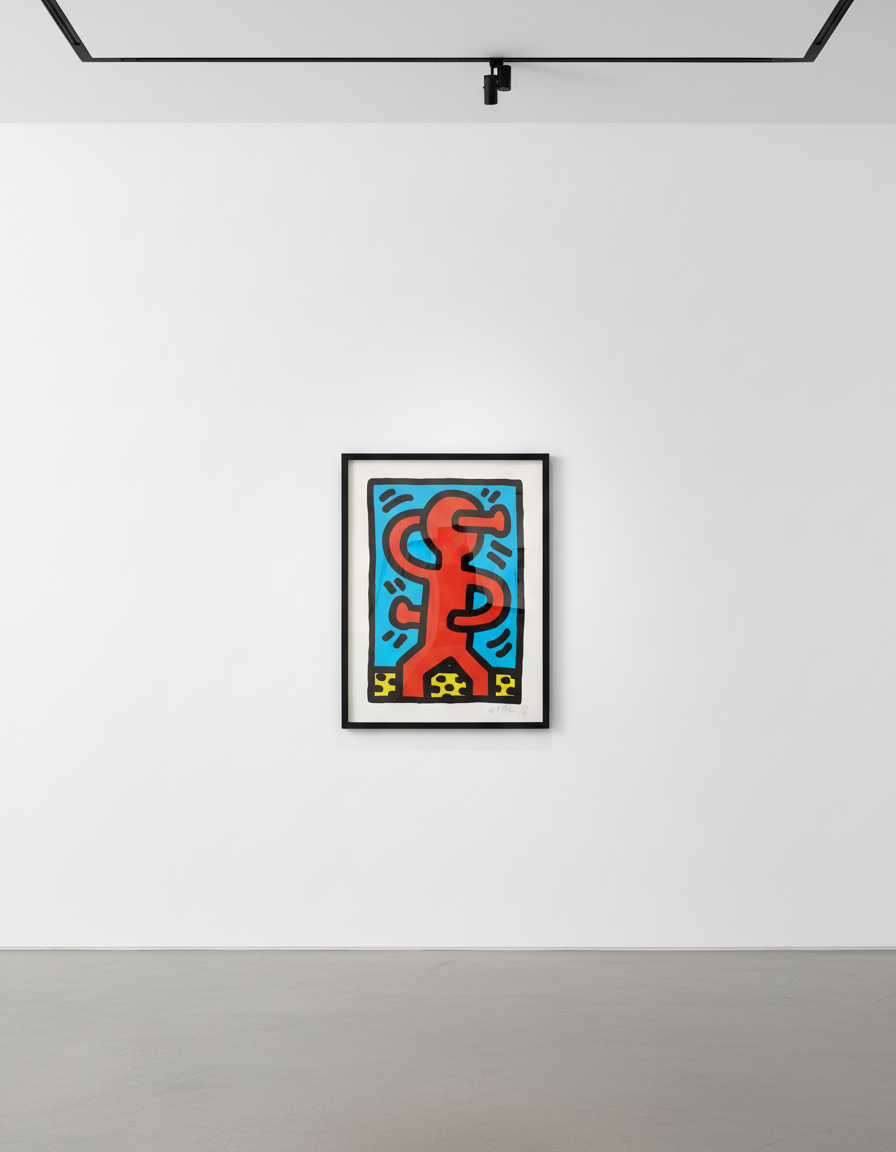
The Growing Series from 1988 is another widely acclaimed collection of prints that encapsulates Haring's fascination with movement and transformation. The series consists of five silkscreen prints, each depicting a humanoid figure in different stages of growth and evolution. The figures appear to be expanding and reaching upward, suggesting themes of personal development, spiritual awakening, and the continuous process of human becoming. Haring created these works during a particularly prolific period, and they demonstrate his masterful ability to convey complex philosophical concepts through deceptively simple visual language.
What makes the Growing Series particularly compelling for collectors is its cohesive narrative structure. Unlike standalone pieces, these works function both individually and as a complete set, offering flexibility in display while maintaining thematic unity. The series reflects Haring's belief in art as a transformative force - not merely decorative but actively engaged in promoting positive change. According to data from the Art Basel and UBS Global Art Market Report, complete print series from established artists consistently demonstrate strong market performance, and Haring's Growing Series exemplifies this trend with sustained collector interest.
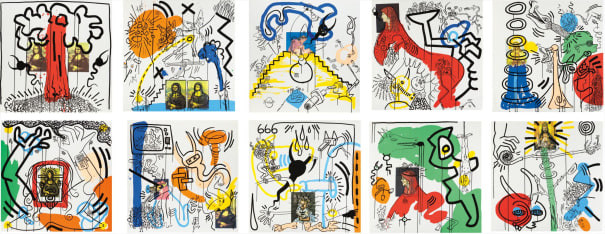
Perhaps no work better illustrates Keith Haring's unique position at the intersection of street art, pop culture, and fine art than the Andy Mouse Portfolio. Created in 1986, this extraordinary series merges the iconic imagery of Mickey Mouse with the unmistakable features of Andy Warhol, Haring's friend and mentor. The result is a fascinating commentary on American consumer culture, celebrity, and the commercialization of art itself. Haring's decision to combine these two powerful symbols - one representing corporate entertainment and the other embodying avant-garde art world celebrity - created works that are simultaneously playful and deeply subversive.
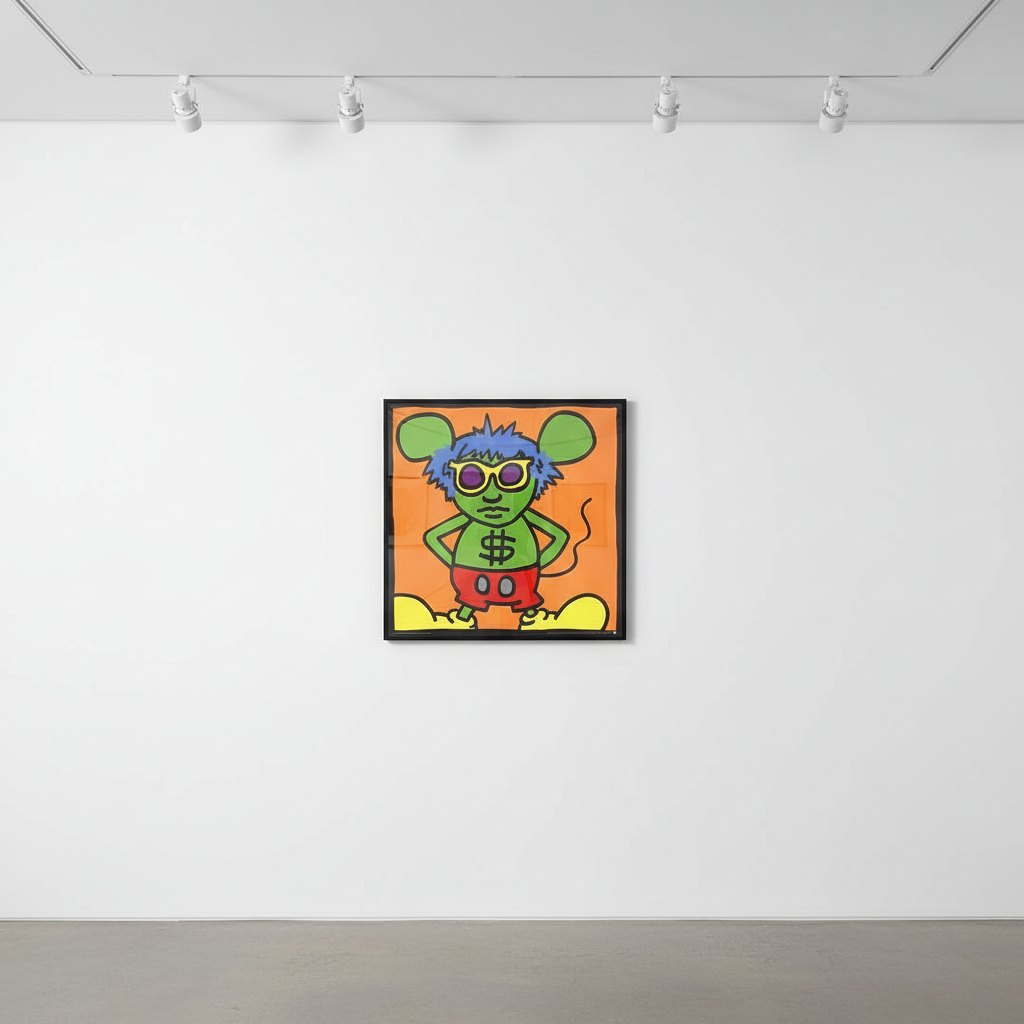
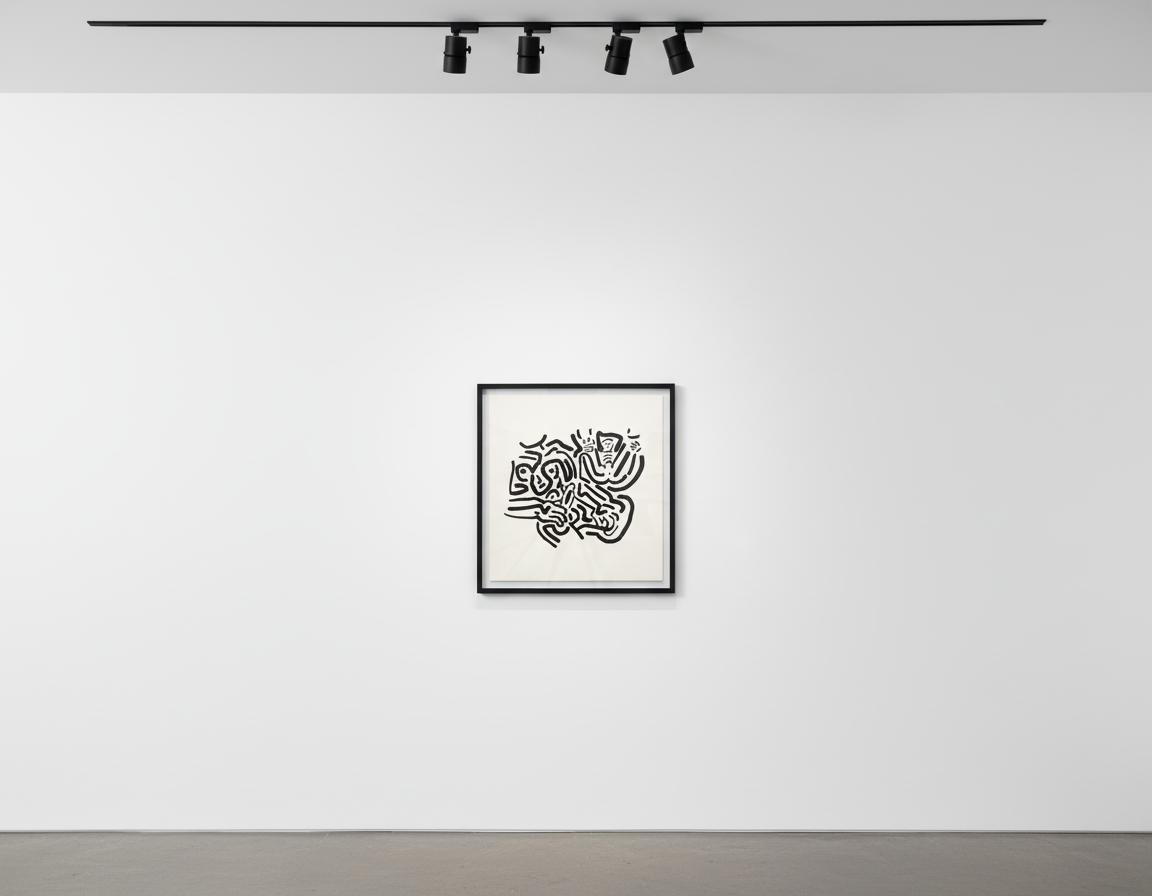
Andy Mouse 4 — Keith Haring. Available at Guy Hepner, New York.
The Andy Mouse prints showcase Haring's sophisticated understanding of semiotics and his ability to communicate layered meanings through accessible imagery. Each work in the portfolio presents variations on the hybrid character, sometimes incorporating dollar signs and other symbols associated with Warhol's own artistic vocabulary. The series represents a genuine artistic dialogue between two generations of Pop artists, with Haring paying homage to Warhol while asserting his own distinct voice. These works have become highly desirable among collectors who appreciate their art historical significance and their representation of a pivotal moment in contemporary art history.
The market for Andy Mouse prints has remained exceptionally strong, with Christie's and Sotheby's regularly featuring these works in their contemporary art sales. Collectors recognize the portfolio's importance as a document of the collaborative spirit that characterized the downtown New York art scene, where boundaries between high art and popular culture were deliberately and joyfully dissolved.
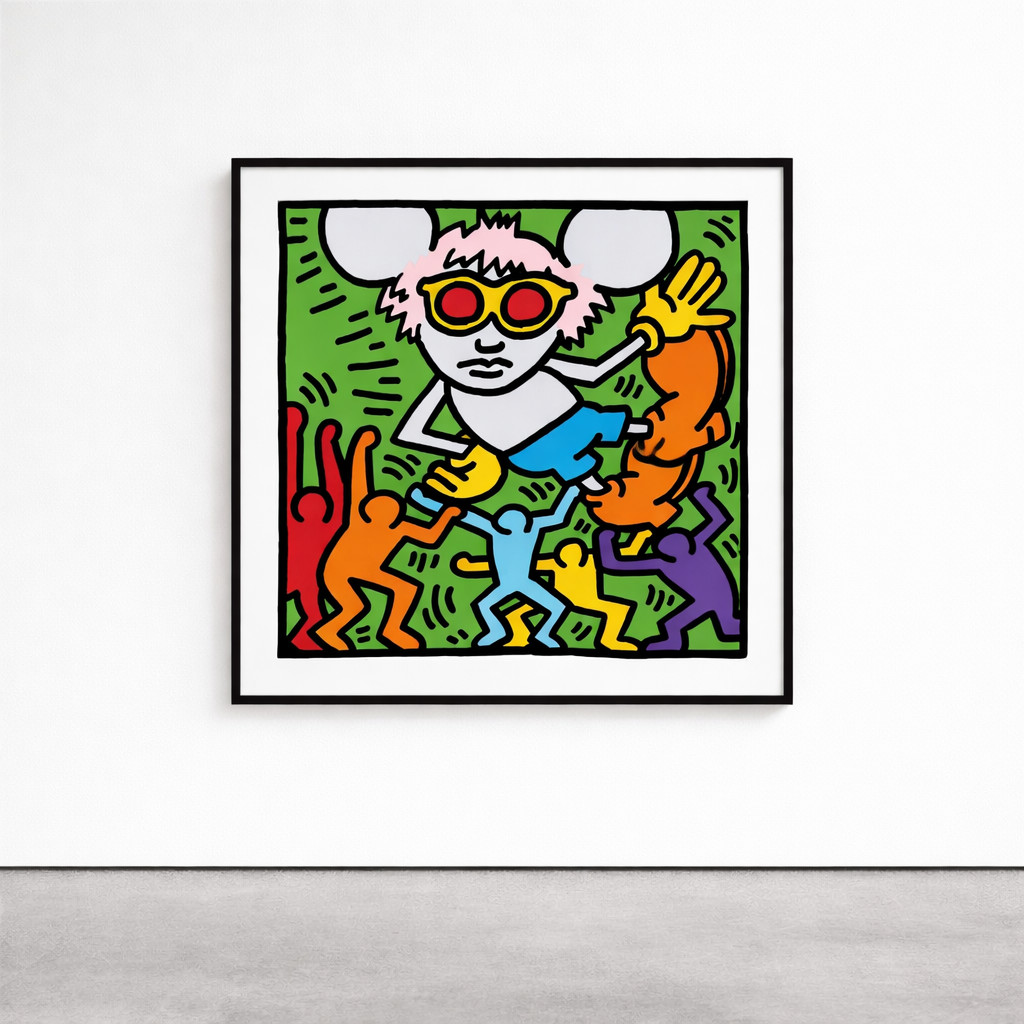
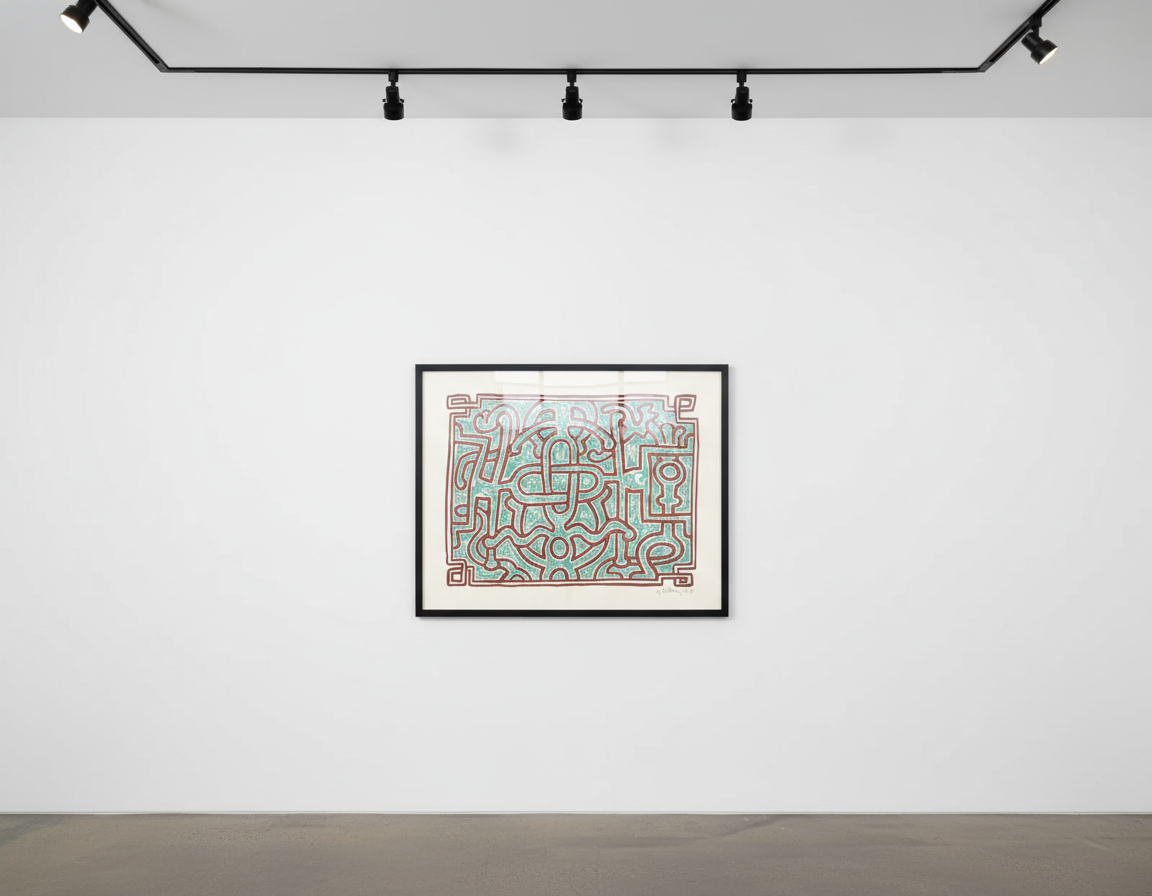
Andy Mouse 2 — Keith Haring. Available at Guy Hepner, New York.
Haring's Barking Dog motif represents another cornerstone of his visual vocabulary, appearing across numerous prints, paintings, and public works. The aggressive yet cartoonish canine, often depicted with lines emanating from its mouth to indicate barking or energy, served multiple symbolic functions in Haring's work. It could represent authority, danger, or the aggressive aspects of contemporary society, yet its simplified form maintained the accessibility that characterized all of Haring's imagery.
Similarly, Haring's Dancing Figures have achieved iconic status, capturing the kinetic energy of bodies in motion. These interconnected, gyrating forms reflect the artist's deep connection to New York's club scene and his belief in dance as a universal human expression. The figures often appear in his most celebrated prints, their dynamic poses conveying joy, community, and the vital energy of human connection.
Keith Haring's position in the contemporary art market reflects both his historical importance and the enduring appeal of his visual language. The Art Basel and UBS Global Art Market Report consistently identifies strong demand for works by artists who bridged street art and institutional recognition, a category Haring essentially pioneered. His prints offer collectors entry points at various levels while maintaining the potential for significant appreciation.
For serious collectors, acquiring Keith Haring works represents an investment in art history itself. His pieces document a transformative moment in American culture while addressing timeless themes of humanity, hope, and social justice. The accessibility of his imagery belies its conceptual depth, ensuring continued relevance for future generations.
Guy Hepner is proud to offer exceptional examples of Keith Haring's most celebrated works, including pieces from the Andy Mouse Portfolio and other significant prints. Our expertise in contemporary masters allows us to guide collectors toward acquisitions that satisfy both aesthetic appreciation and investment considerations. Contact Guy Hepner today to discuss available Keith Haring works and begin or expand your collection with pieces by this essential American artist.
--- **Browse Keith Haring prints and editions** at Guy Hepner: [Keith Haring art for sale](/keith-haring) | [Sell your Keith Haring](/sell/keith-haring)Explore Keith Haring prints for sale at Guy Hepner: Andy Mouse, Apocalypse, Bad Boys, Chocolate Buddha, Fertility.
Related Series