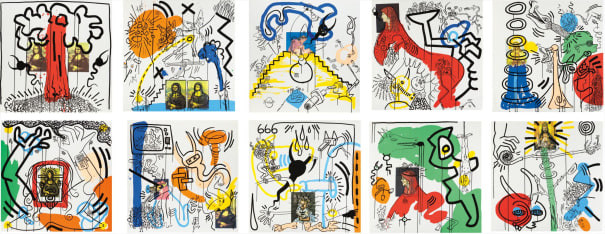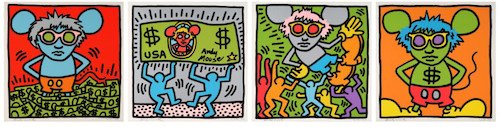
Andy Mouse

The friendship between Keith Haring and Jean-Michel Basquiat represents one of the most compelling and culturally significant chapters in contemporary art history. Both artists exploded onto the New York art scene in the early 1980s, embodying a raw, streetwise energy that forever altered the direction of modern art. Their bond was rooted in mutual respect, shared cultural interests, and a desire to challenge the establishment through vibrant, unapologetic expression. Though their lives were tragically cut short - Basquiat at twenty-seven and Haring at thirty-one - their friendship and collaborative spirit remain symbolic of a generation that dared to blur the boundaries between art, music, activism, and identity. Today, their work commands extraordinary attention at auction houses including Christie's and Sotheby's, while collectors worldwide seek pieces that capture the revolutionary essence of their creative partnership.
Haring and Basquiat emerged from the same crucible of urban creativity that defined downtown New York in the late 1970s and early 1980s. The East Village was fertile ground for artists, musicians, dancers, and punks - those on the margins of the mainstream, yearning to make noise and reshape cultural consciousness. Keith Haring, originally from Pennsylvania, studied at the School of Visual Arts and gained widespread attention through his spontaneous chalk drawings in subway stations. These bold, accessible works featuring radiant babies, barking dogs, and dancing figures transformed public spaces into galleries and brought contemporary art directly to the people.
Basquiat, a Brooklyn native of Haitian and Puerto Rican descent, had started as a graffiti artist under the tag SAMO, scrawling cryptic, poetic phrases across the walls of Lower Manhattan. His trajectory from street poet to gallery sensation mirrored Haring's own meteoric rise, and the two quickly recognized kindred spirits in one another. They frequented the same clubs - most notably the legendary Mudd Club and Club 57 - where the boundaries between visual art, performance, and music dissolved entirely. Their friendship was forged in late nights filled with creative exchange, philosophical debate, and a shared commitment to making art that spoke to their generation's anxieties and aspirations.
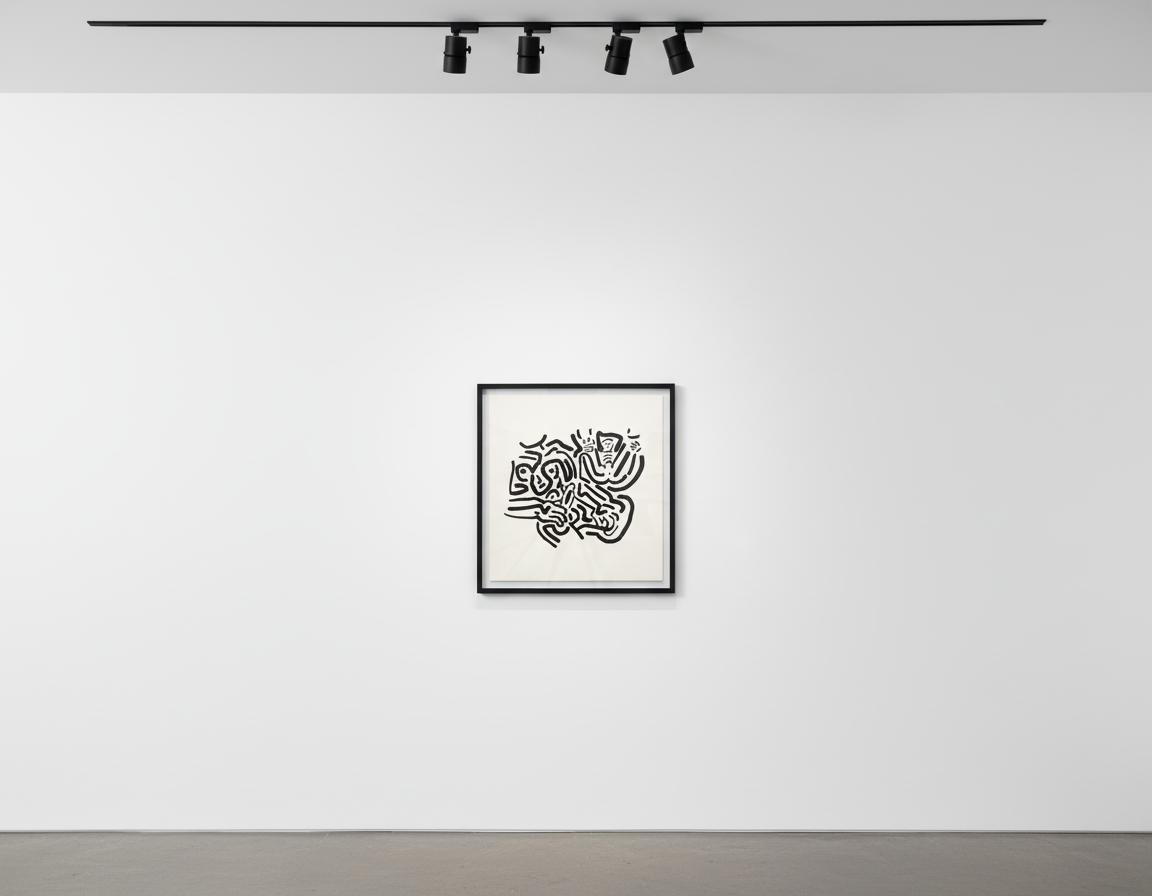
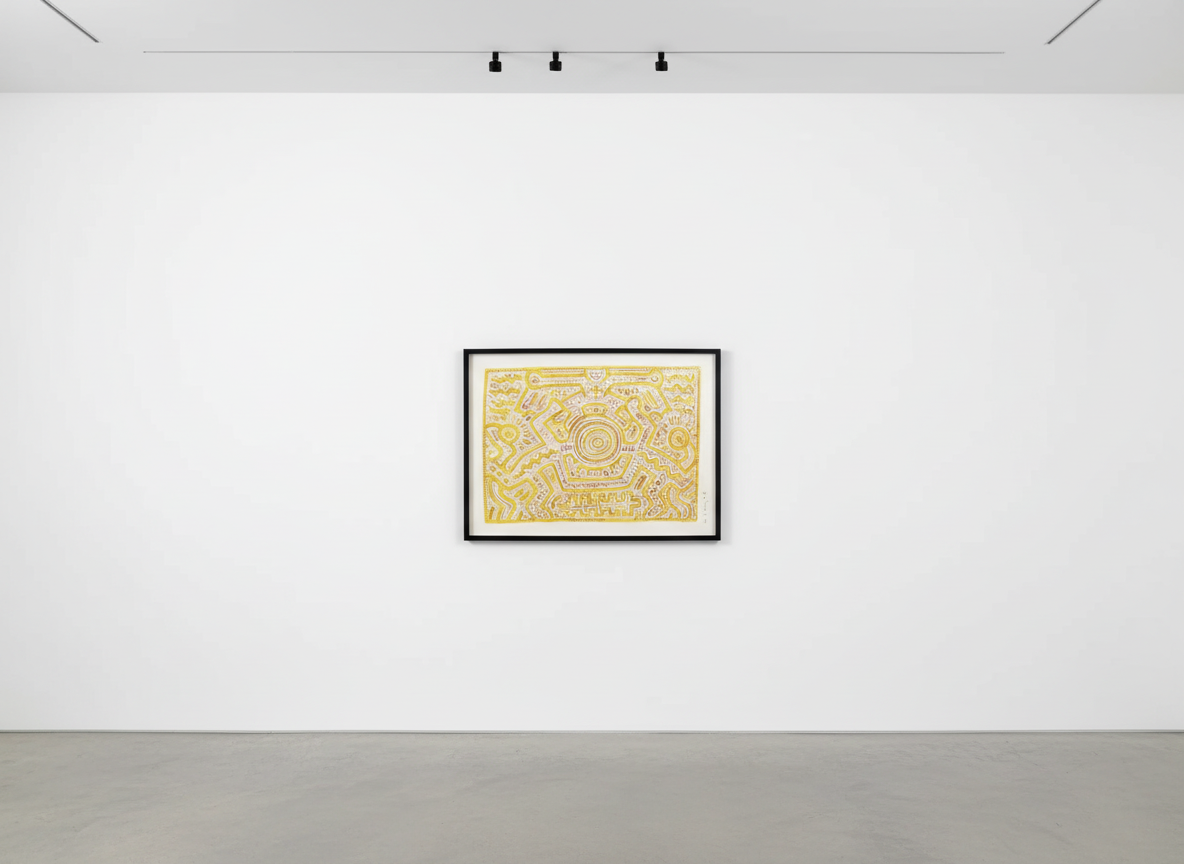
Untitled III (Littmann PP. 20) — Keith Haring. Available at Guy Hepner, New York.
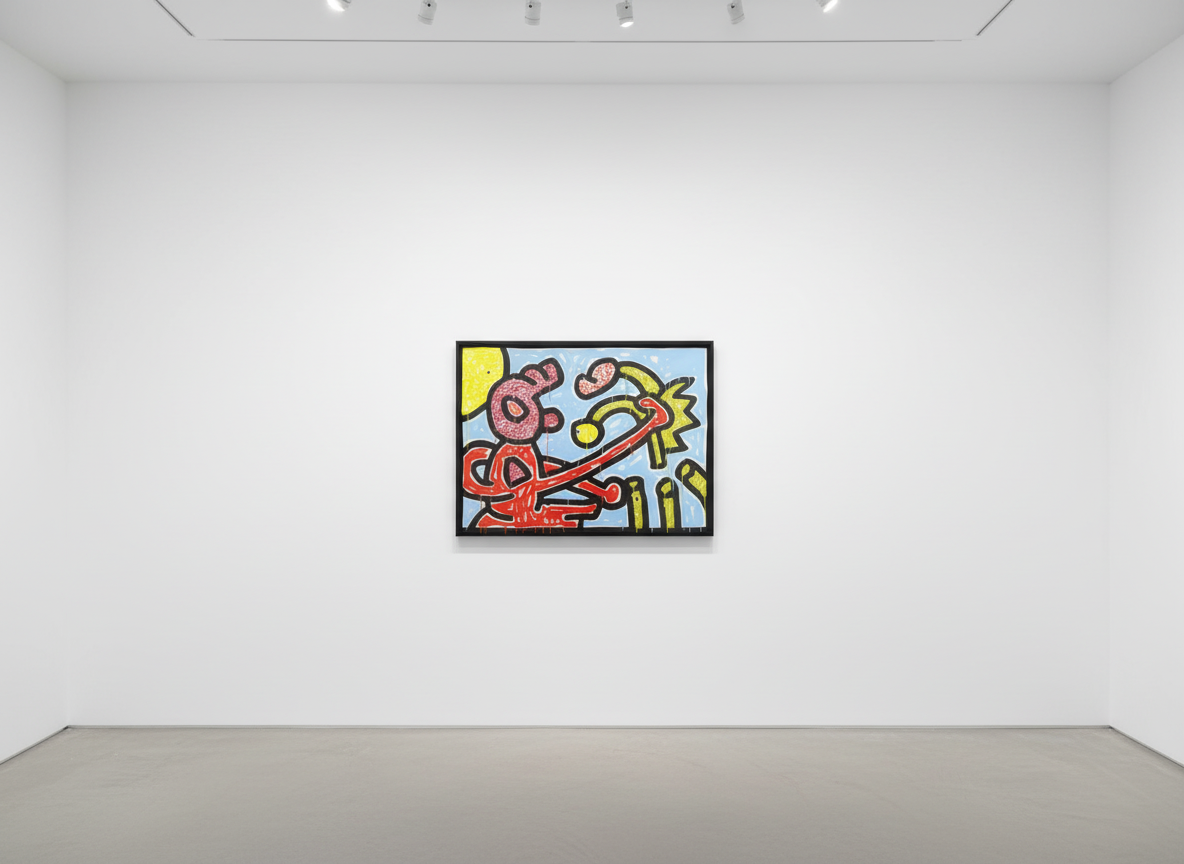
While Haring and Basquiat maintained distinct artistic vocabularies, their work shared fundamental concerns with urban life, social justice, and the democratization of art. Haring's iconic visual language - characterized by thick black outlines, kinetic figures, and symbols that communicated across linguistic barriers - complemented Basquiat's densely layered canvases filled with anatomical drawings, crowns, and fragmented text. Both artists drew from the visual culture surrounding them, incorporating elements of advertising, television, comic books, and street signage into sophisticated compositions that challenged traditional hierarchies between high and low culture.
Their collaborative energy extended beyond formal partnerships into a constant dialogue that informed their individual practices. They appeared together in photographs, attended exhibitions as a unified front representing the new wave of American art, and supported each other through the rapid commercial success that both celebrated and complicated their careers. The Art Basel and UBS Global Art Market Report has consistently highlighted how artists from this period, particularly those associated with the Neo-Expressionist and street art movements, continue to shape collecting trends and market valuations decades after their initial emergence.
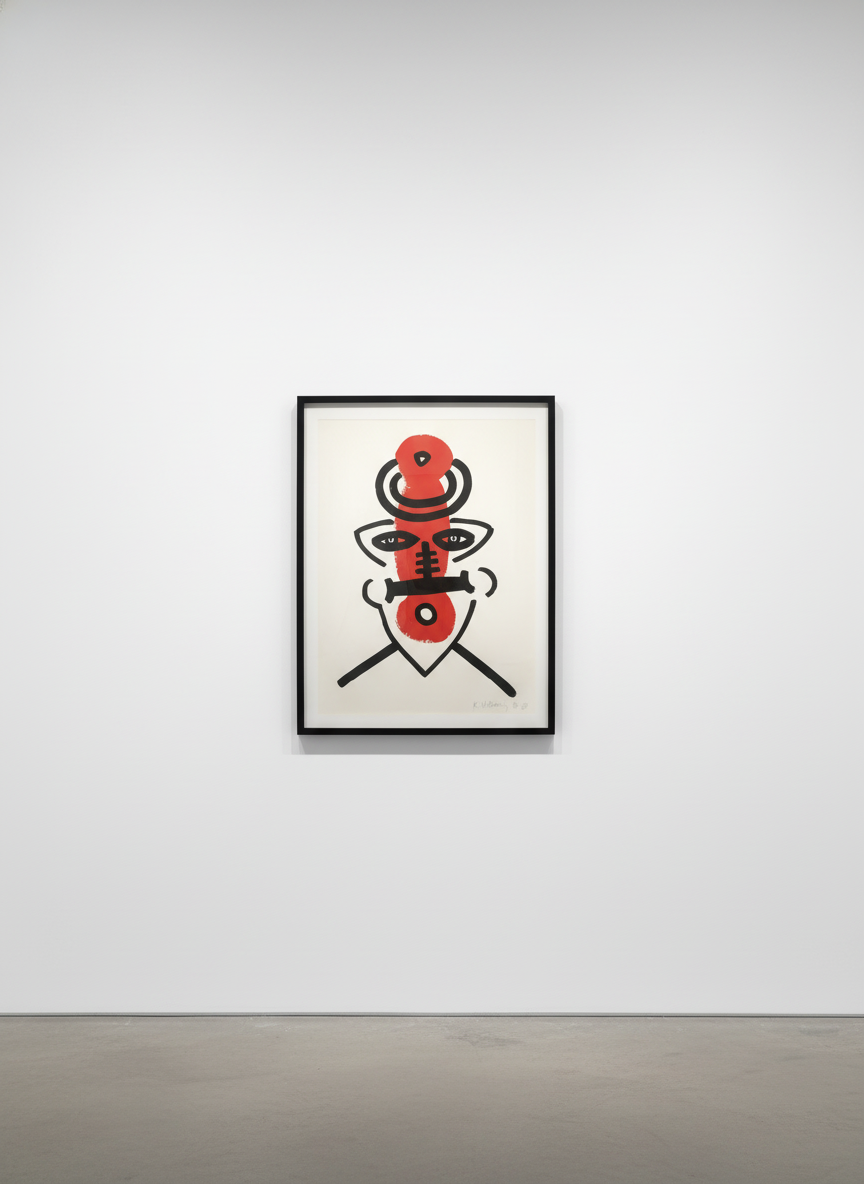
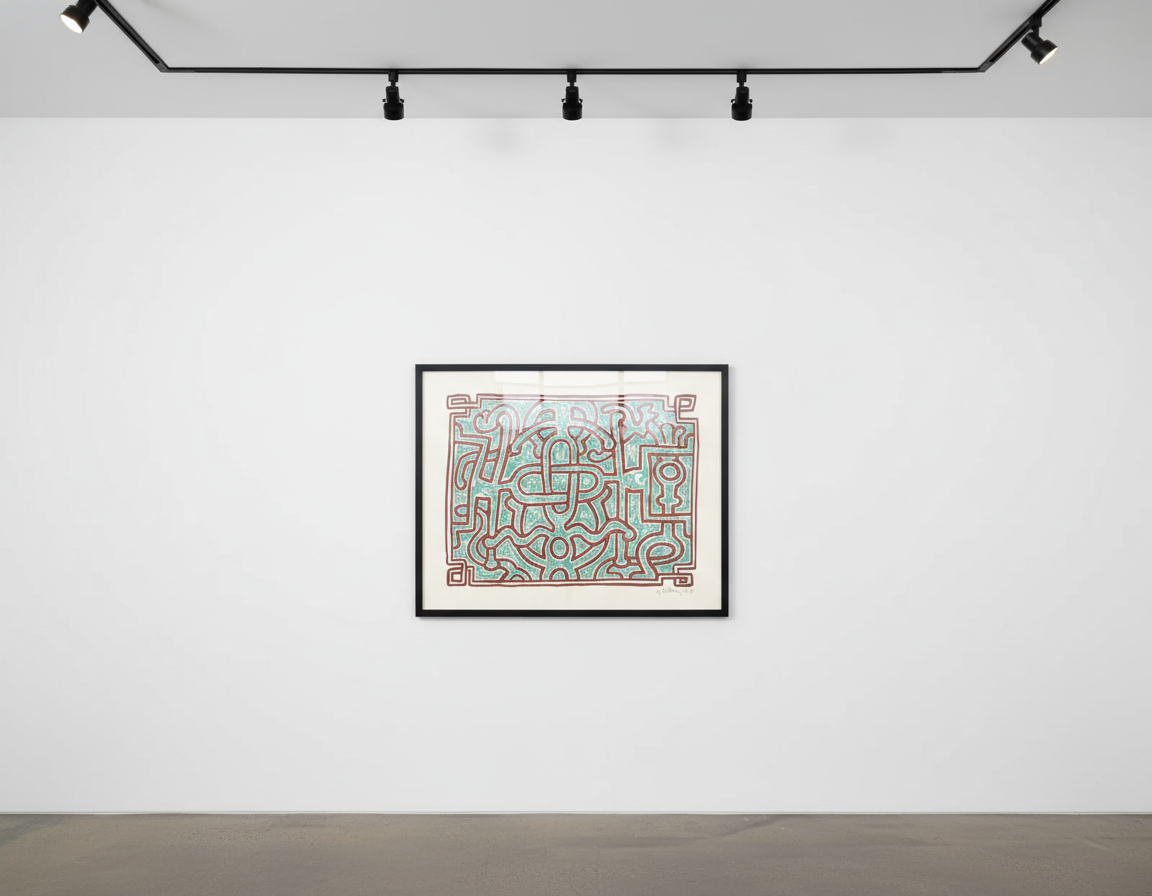
The Story of Red and Blue 9 (Littmann PP. 131) — Keith Haring. Available at Guy Hepner, New York.
Keith Haring's commitment to accessibility found expression through projects like his Pop Shop, which opened in 1986 and offered affordable merchandise featuring his signature imagery. This democratic approach to art distribution aligned with his belief that creative expression should not be confined to elite institutions. Works such as his Pop Shop series and the vibrant Growing compositions demonstrate Haring's ability to balance commercial accessibility with artistic integrity - a tension that defined much of his career and continues to resonate with contemporary audiences navigating similar questions about art, commerce, and social impact.
The auction market for both Haring and Basquiat has demonstrated remarkable strength and sustained growth over the past two decades. Christie's and Sotheby's regularly feature major works by both artists in their contemporary evening sales, with record-breaking results that underscore their enduring relevance. Basquiat's paintings have achieved prices exceeding one hundred million dollars, while Haring's works - particularly his paintings, sculptures, and significant print editions - continue to attract serious collectors seeking pieces that embody the creative ferment of 1980s New York.
For collectors, the appeal extends beyond aesthetic considerations to encompass the historical significance these artists represent. Acquiring work by Keith Haring means possessing a piece of cultural history - a tangible connection to a moment when art, activism, and popular culture intersected with unprecedented intensity. Haring's prints and editions offer particularly compelling entry points for collectors, combining museum-quality imagery with relative accessibility compared to unique works. The artist's meticulous approach to printmaking ensured that editions maintained the visual impact and energy of his original compositions.
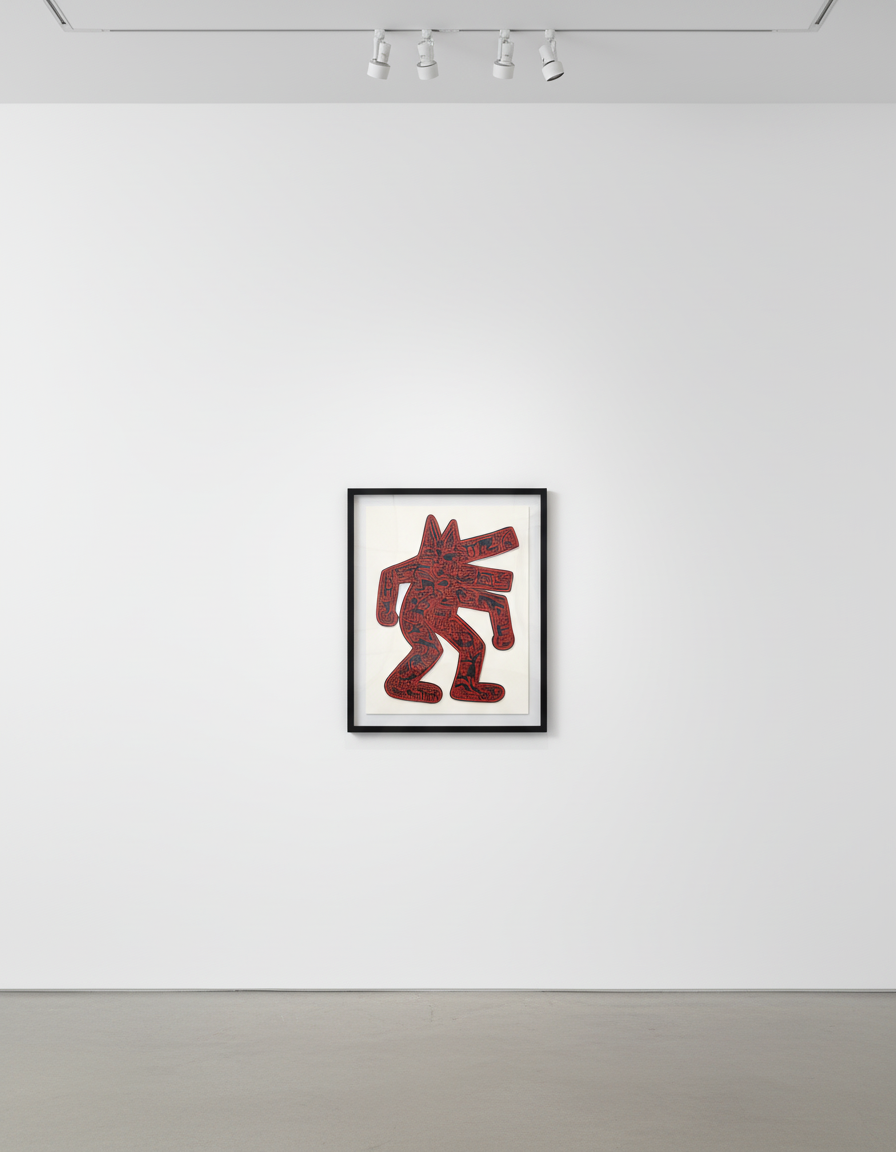
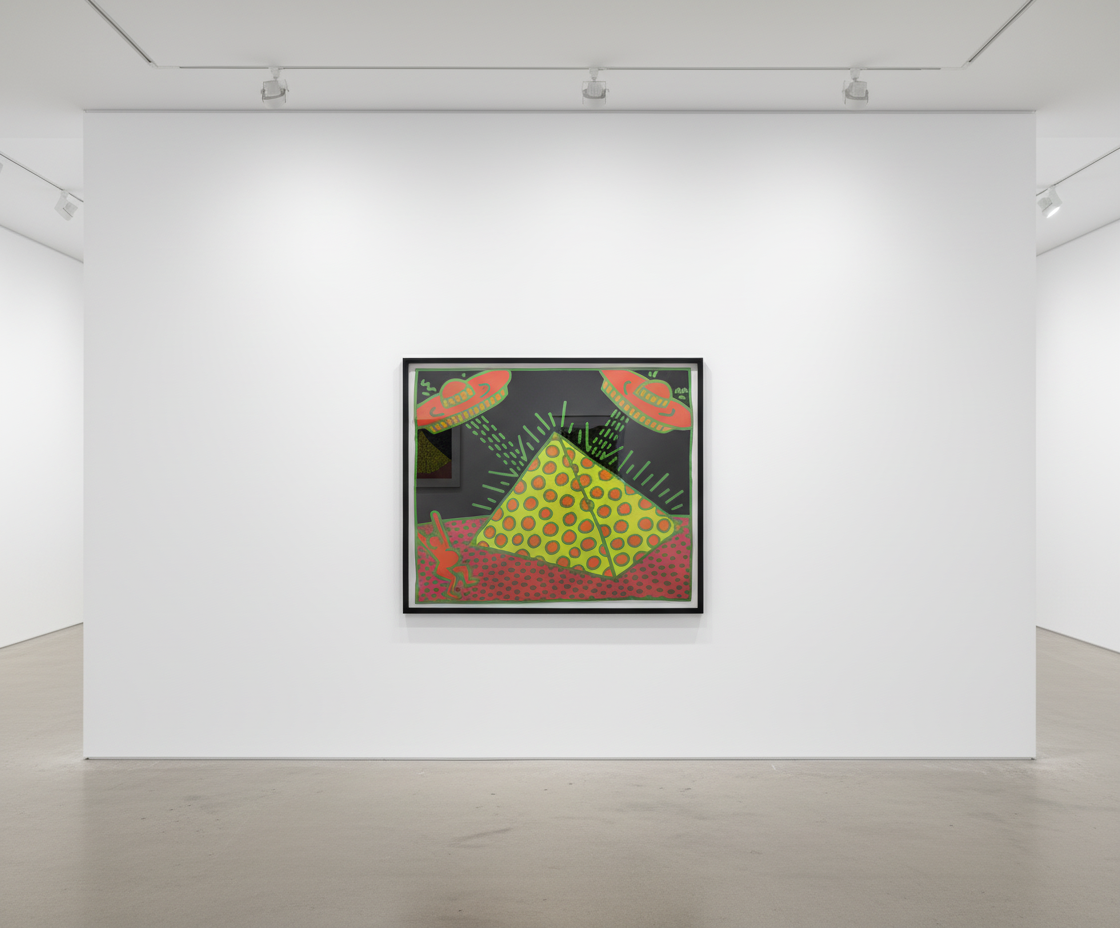
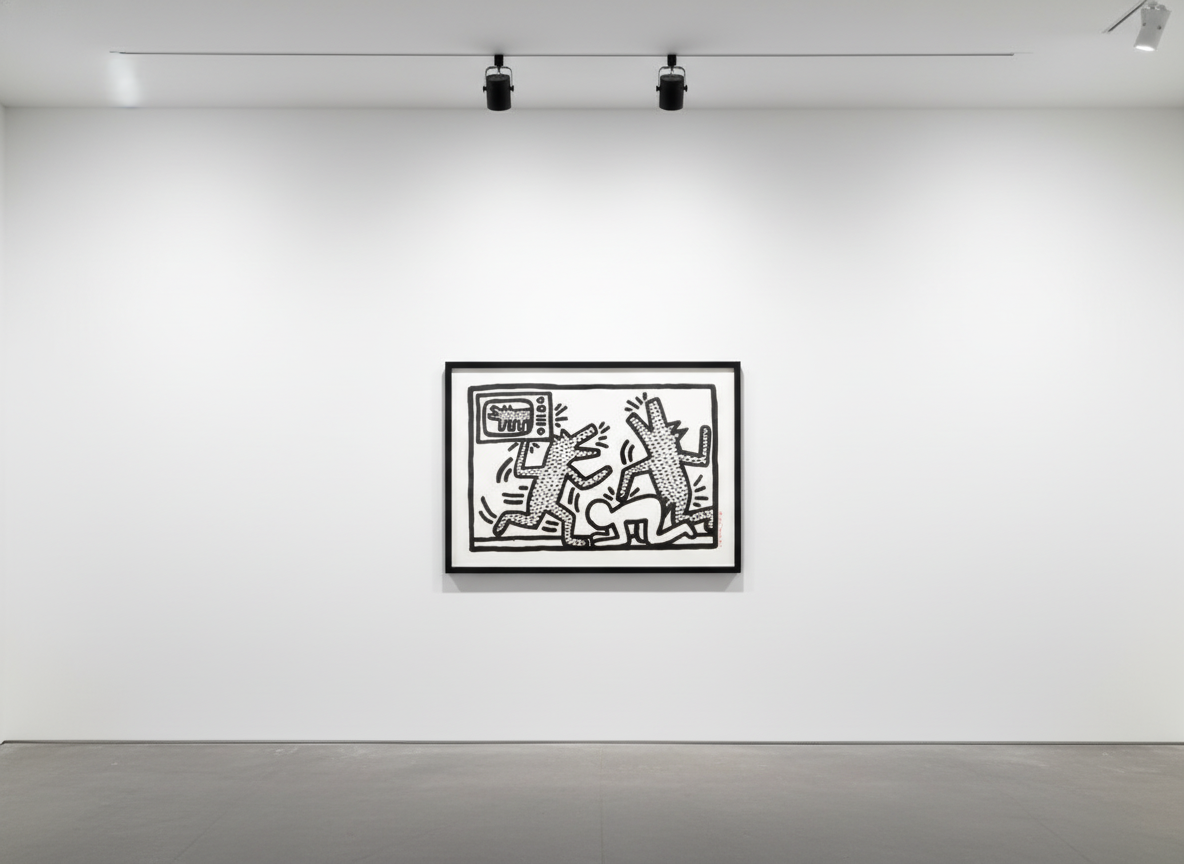
Dog — Keith Haring. Available at Guy Hepner, New York.
The friendship between Haring and Basquiat also carries symbolic weight that enhances collector interest. Their bond represented a cross-cultural creative alliance that challenged the art world's existing power structures and opened doors for subsequent generations of artists working outside traditional academic pathways. Owning work by either artist connects collectors to this legacy of innovation and resistance.
Guy Hepner is proud to offer an exceptional selection of works by Keith Haring, including significant prints and editions that showcase the artist's iconic visual vocabulary. Our gallery specializes in sourcing museum-quality pieces for discerning collectors who recognize the historical importance and enduring market strength of Haring's oeuvre. Whether you are building a collection focused on 1980s New York or seeking a singular work that captures the energy of this transformative period, our team provides expert guidance and access to carefully vetted inventory. Contact Guy Hepner today to inquire about available Keith Haring works and begin your acquisition journey.
--- **Browse Keith Haring prints and editions** at Guy Hepner: [Keith Haring art for sale](/keith-haring) | [Sell your Keith Haring](/sell/keith-haring)Explore Keith Haring prints for sale at Guy Hepner: Andy Mouse, Apocalypse, Bad Boys, Chocolate Buddha, Fertility.
Related Series