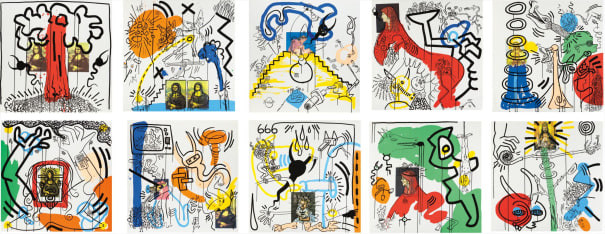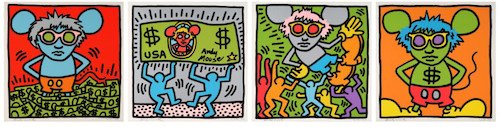
Andy Mouse

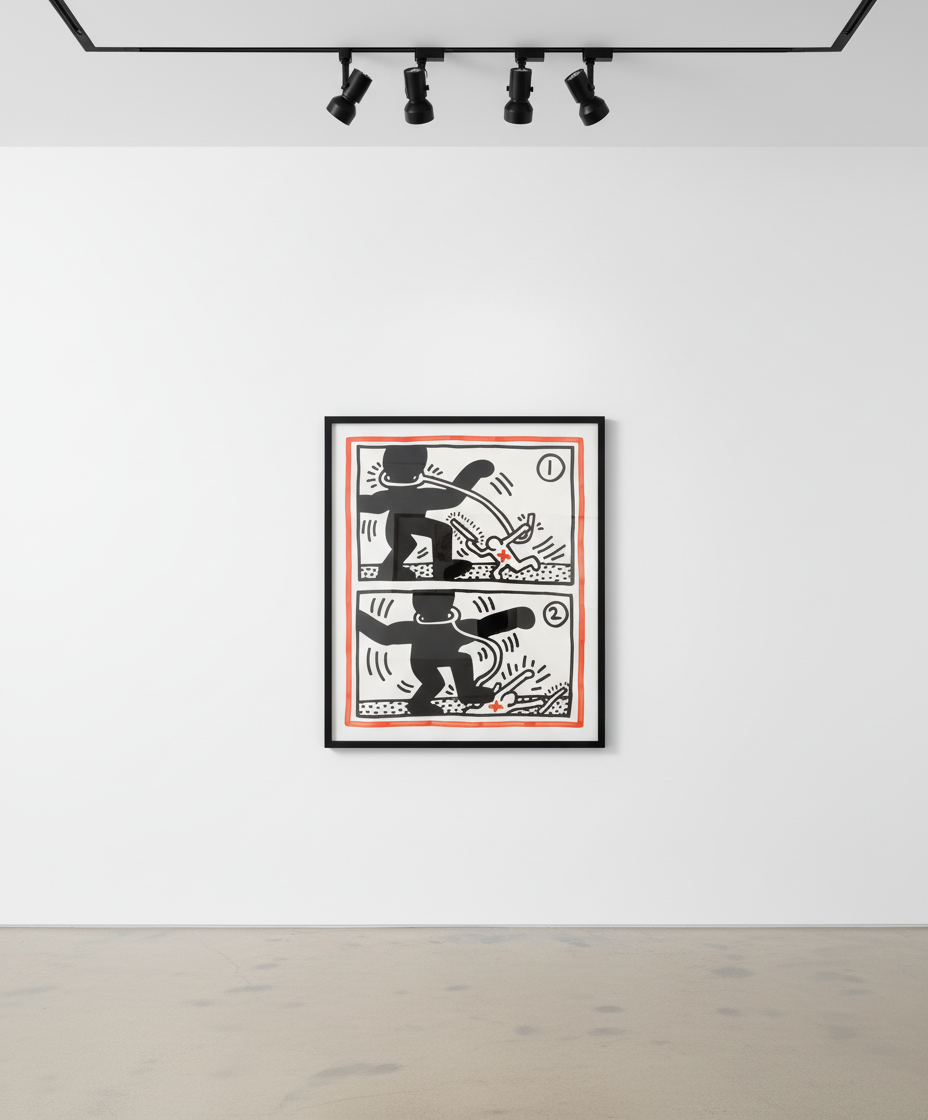
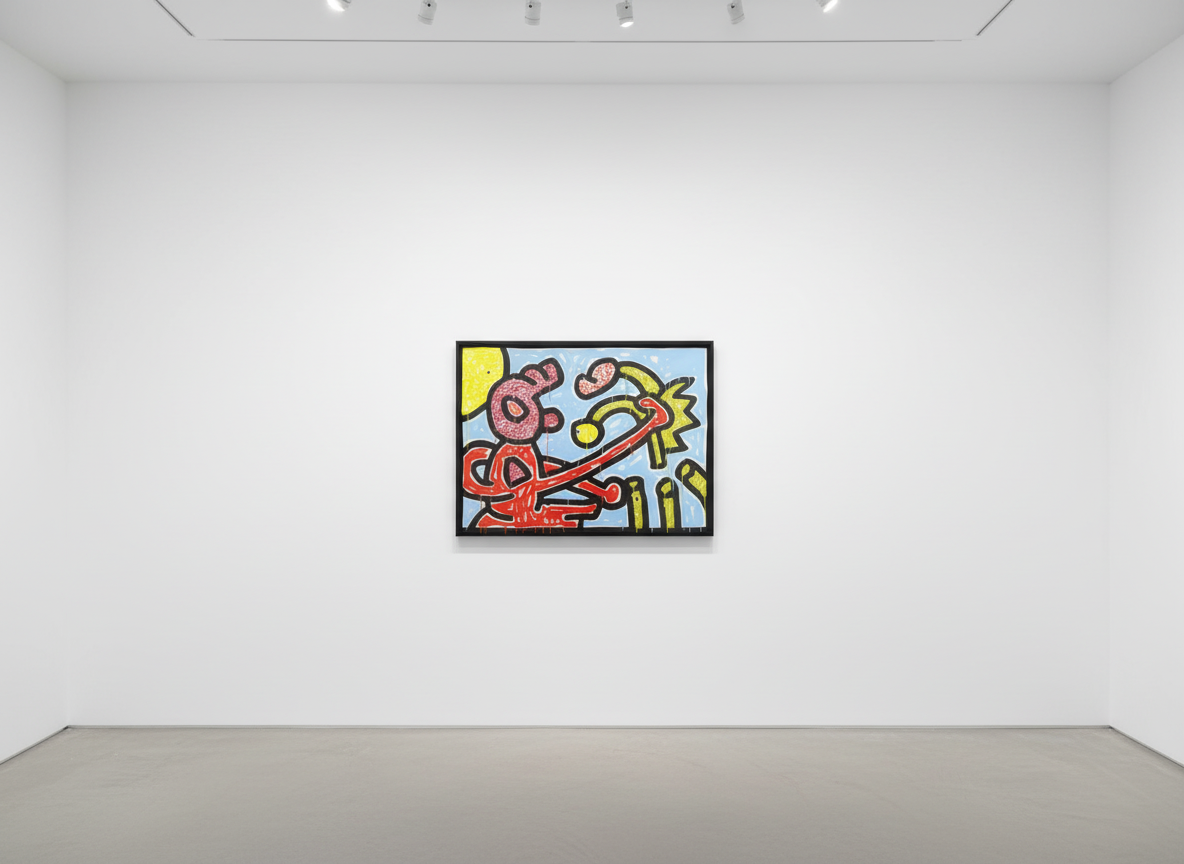
Keith Haring remains one of the most influential and instantly recognizable artists of the twentieth century. Best known for his simple, single-line designs featuring radiant babies, barking dogs, dancing figures, and otherworldly creatures, Haring created a visual language that transcended the traditional boundaries of the art world. Even viewers unfamiliar with the details of his remarkable life immediately recognize his iconic imagery - bold black outlines pulsing with energy and movement against vibrant backgrounds. Yet beyond this immediate visual recognition lies the story of an incredibly daring artist who fundamentally transformed the relationship between fine art, popular culture, and social activism. His work continues to move audiences decades after its creation, speaking to contemporary issues with an urgency that feels startlingly present.
Keith Haring was born in 1958 in Reading, Pennsylvania, and grew up in nearby Kutztown, where his father - a cartoonist - first introduced him to drawing. This early exposure to the power of line and graphic communication would prove foundational to everything that followed. In 1978, Haring moved to New York City to study at the School of Visual Arts, arriving at a moment of extraordinary creative ferment. The city was raw, dangerous, and alive with possibility. The downtown scene brought together graffiti writers, punk musicians, performance artists, and young painters in an unprecedented cross-pollination of creative energy.
Although Haring enrolled in studio art courses, his most profound education came from the streets themselves. Hip-hop culture, with its emphasis on spontaneity, rhythm, and public expression, captivated him entirely. He became fascinated by graffiti artists who transformed subway cars and urban walls into moving galleries, challenging every assumption about where art belonged and who it was for. Haring wanted to dismantle the elitism he perceived in the traditional art world, creating work that could speak directly to everyone - not just those who frequented galleries and museums.
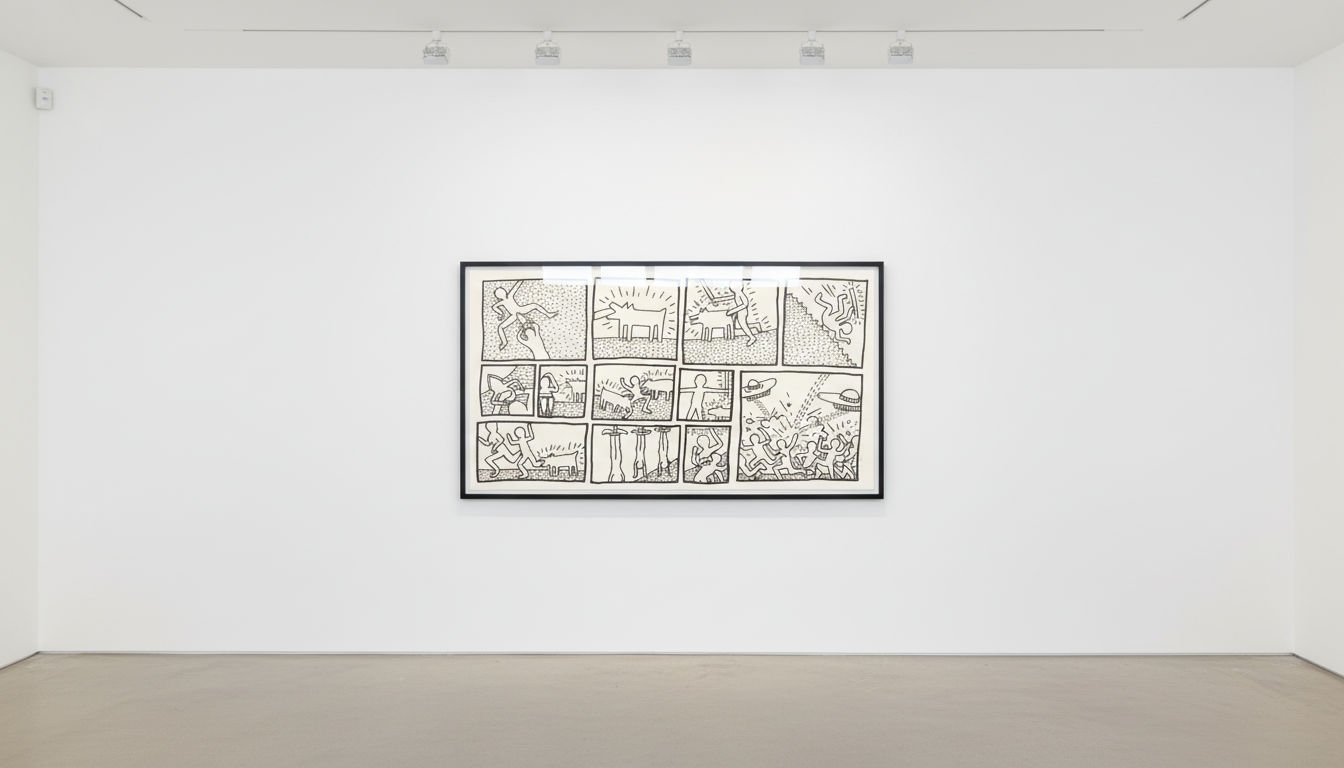
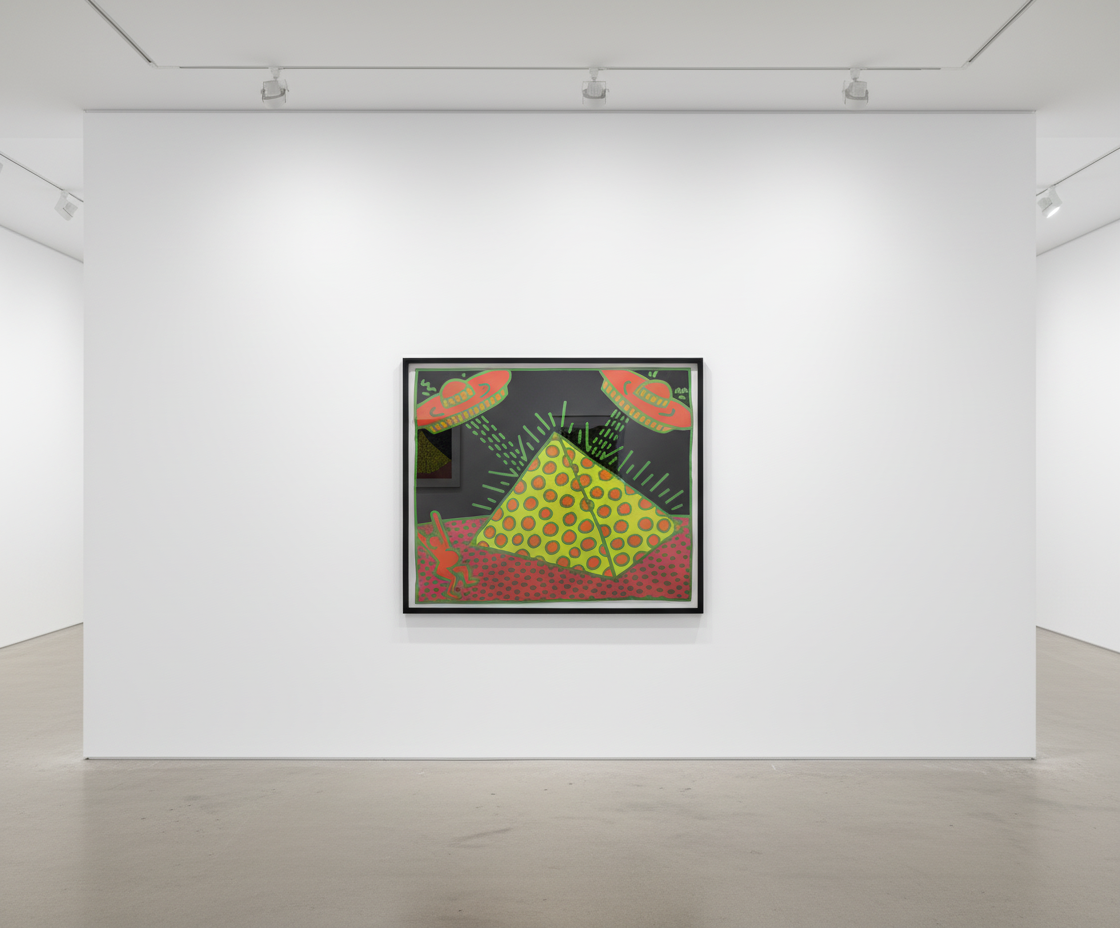
Pyramid Teal — Keith Haring. Available at Guy Hepner, New York.
Beginning in 1980, Haring discovered his signature medium in the most unlikely of places: the black paper panels covering expired advertisements in New York subway stations. Armed with white chalk, he began creating drawings in these public spaces - sometimes producing forty works in a single day. These subway drawings became a form of democratic art distribution, encountered by millions of commuters who watched as Haring's visual vocabulary emerged and evolved. Dancing figures, pyramid compositions, flying saucers, and his famous radiant baby appeared throughout the transit system, turning the daily commute into an impromptu gallery experience.
The pyramid motif holds particular significance within Haring's iconography. These geometric forms - appearing throughout his career in works such as his celebrated Pyramid series - connect his contemporary visual language to ancient symbols of power, spirituality, and human achievement. The pyramid represents both the monumental accomplishments of civilization and the hierarchical structures that Haring simultaneously critiqued and celebrated. In pieces like Pyramid Teal, Pyramid Blue, and Pyramid Gold, we see Haring distilling this timeless form through his characteristic line work, creating images that vibrate between the ancient and the immediate.
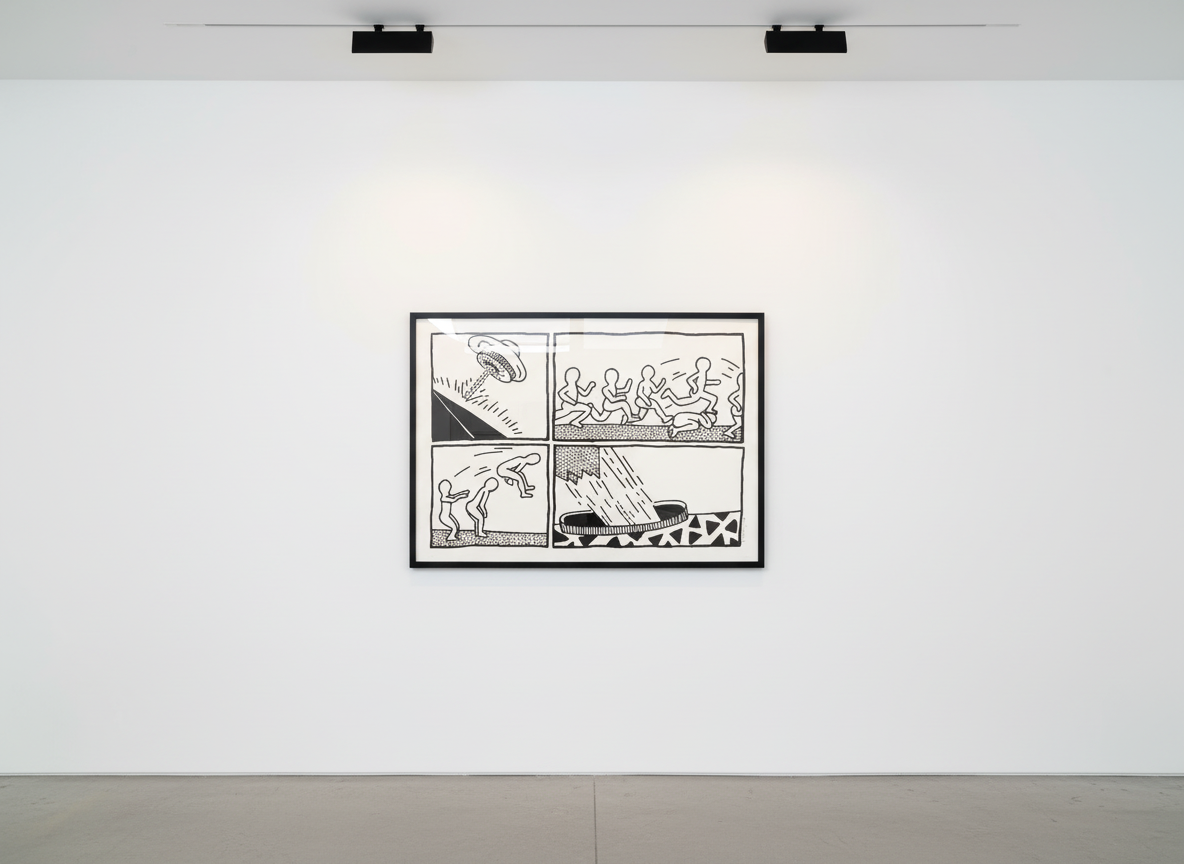
Pyramid Blue — Keith Haring. Available at Guy Hepner, New York.
By the mid-1980s, Haring had achieved international recognition. He created murals across the globe, collaborated with artists including Andy Warhol and Jean-Michel Basquiat, and opened the Pop Shop in SoHo - a retail space selling affordable merchandise featuring his designs. Far from compromising his artistic integrity, Haring viewed the Pop Shop as an extension of his democratic principles, making his work accessible to those who could never afford original pieces.
Keith Haring's art was never merely decorative. His imagery addressed the most pressing social issues of his era: the AIDS crisis, apartheid, nuclear proliferation, environmental destruction, and the crack cocaine epidemic devastating urban communities. Following his HIV diagnosis in 1988, Haring channeled his remaining energy into works addressing AIDS awareness and established the Keith Haring Foundation to support children's programs and organizations dedicated to AIDS education and research. He passed away in 1990 at just thirty-one years old, leaving behind a body of work remarkable for both its volume and its enduring power.
The market for Keith Haring's work has demonstrated exceptional strength and consistent growth. According to data compiled by Art Basel and UBS in their annual art market reports, post-war and contemporary American artists with strong brand recognition continue to attract significant collector interest across all price points. Major auction houses including Christie's and Sotheby's regularly feature Haring's work in their contemporary art sales, with important pieces achieving results that reflect his canonical status. His edition works, in particular, offer collectors meaningful entry points into the artist's practice while maintaining strong secondary market performance.
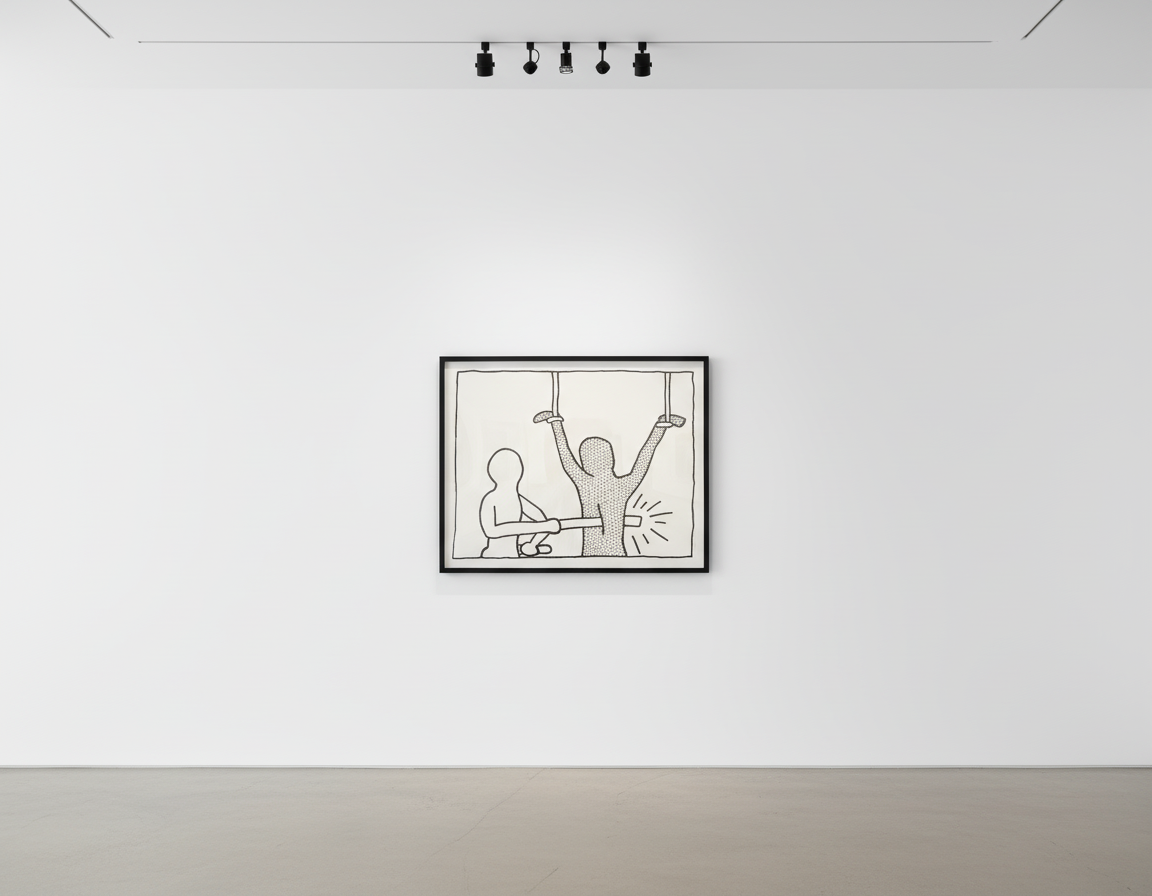
Pyramids — Keith Haring. Available at Guy Hepner, New York.
Collectors are drawn to Haring for reasons that extend beyond market considerations. His work represents a pivotal moment in art history when the boundaries between street culture and fine art dissolved permanently. Each piece carries the energy of 1980s New York while addressing themes - social justice, human rights, the celebration of life in the face of mortality - that resonate powerfully with contemporary audiences. The graphic clarity of his imagery translates seamlessly across media and scale, from intimate works on paper to monumental public installations.
Guy Hepner is proud to offer exceptional works by Keith Haring, including significant pieces from his iconic Pyramid series. Our gallery maintains access to authenticated editions, unique works on paper, and sculptural pieces that represent the full scope of Haring's creative vision. Our expert team provides comprehensive guidance to collectors at every level, from those acquiring their first Haring work to established collectors seeking museum-quality pieces. We invite you to explore our current Keith Haring inventory and contact Guy Hepner directly to discuss acquisition opportunities, authentication documentation, and the enduring value of adding this essential artist to your collection.
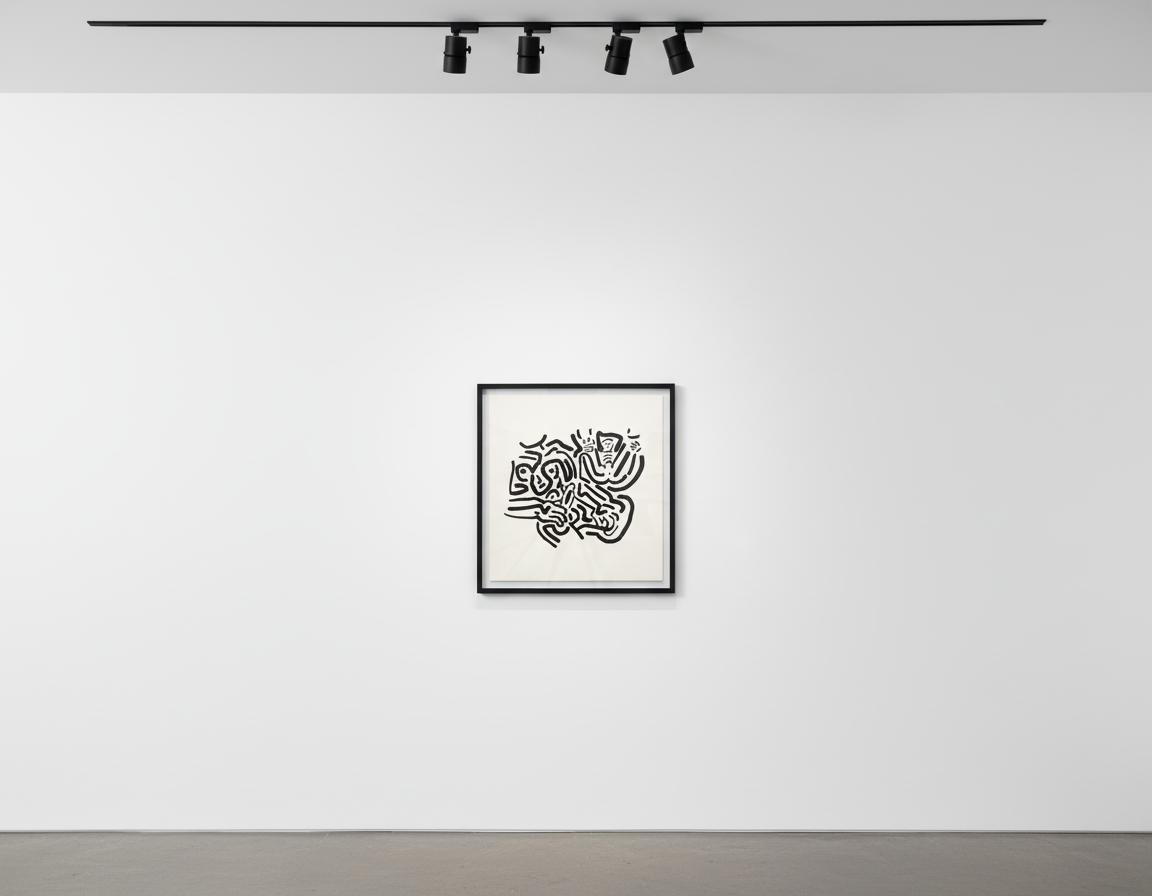
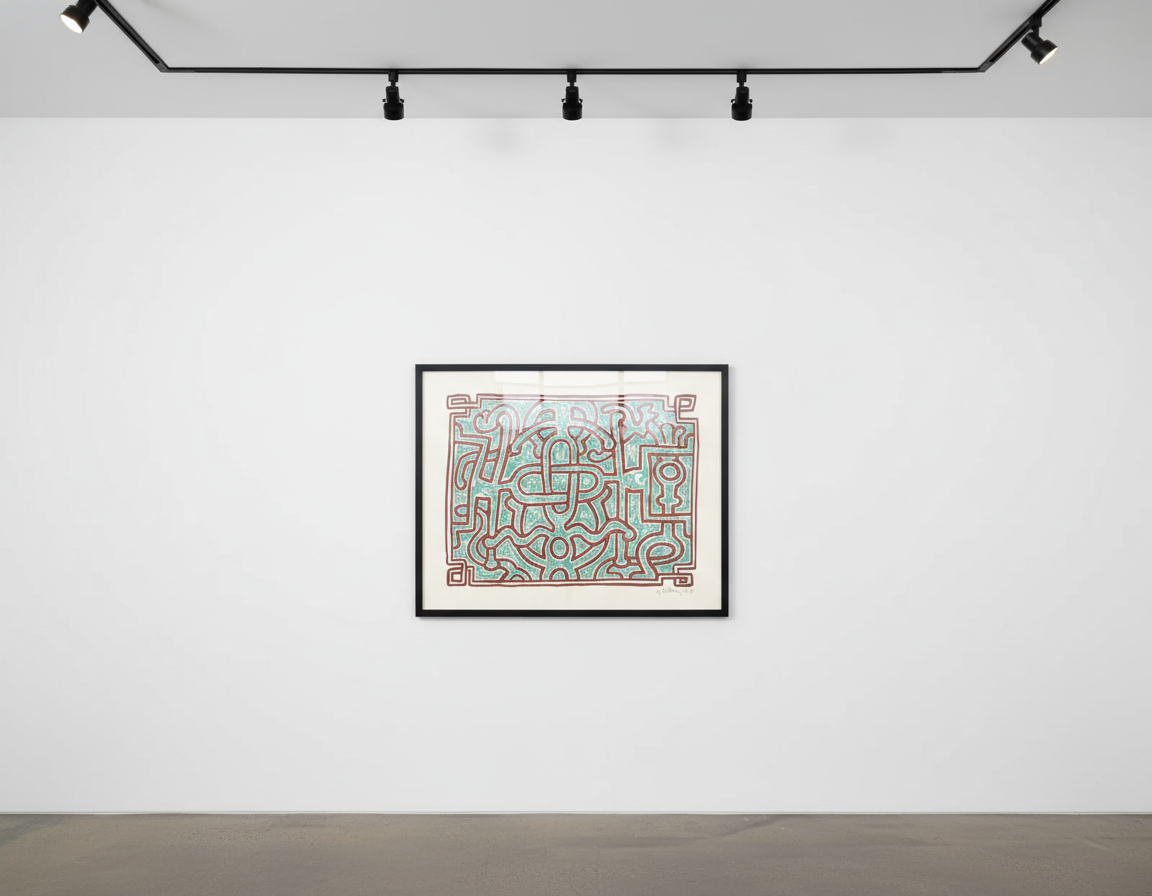
Explore Keith Haring prints for sale at Guy Hepner: Andy Mouse, Apocalypse, Bad Boys, Chocolate Buddha, Fertility.
Related Series