Andy Mouse
5 works

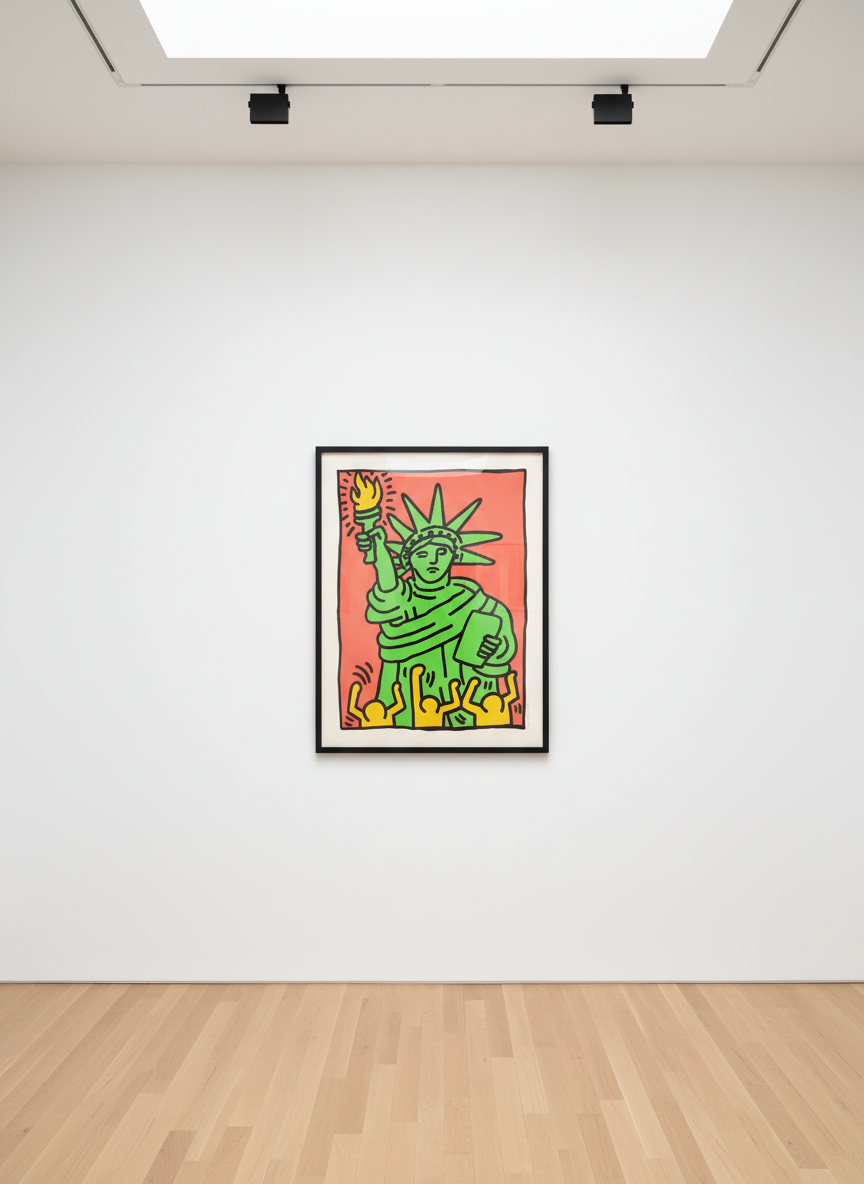
Statue of Liberty (Littmann PP. 63), 1986
Silkscreen
37 1/2 x 28 1/4 in 95.3 x 71.8 cm
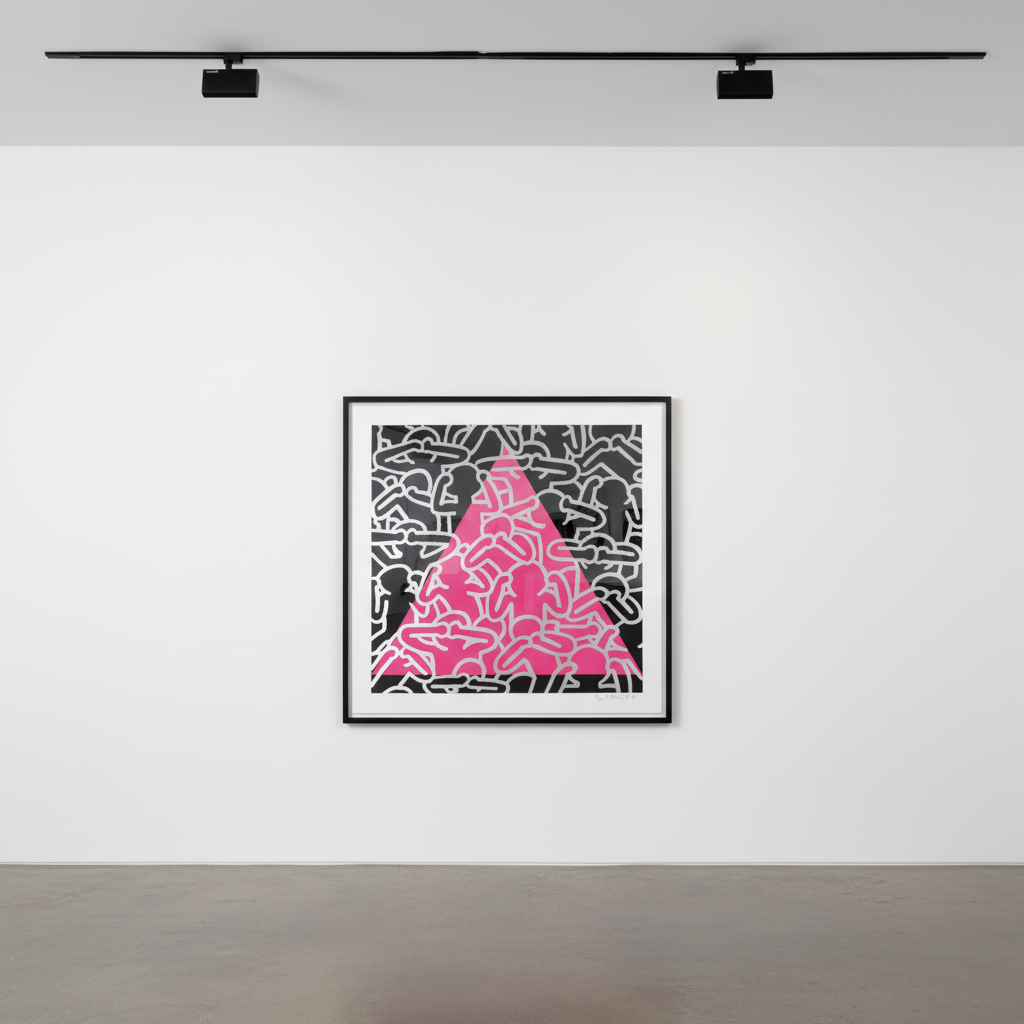
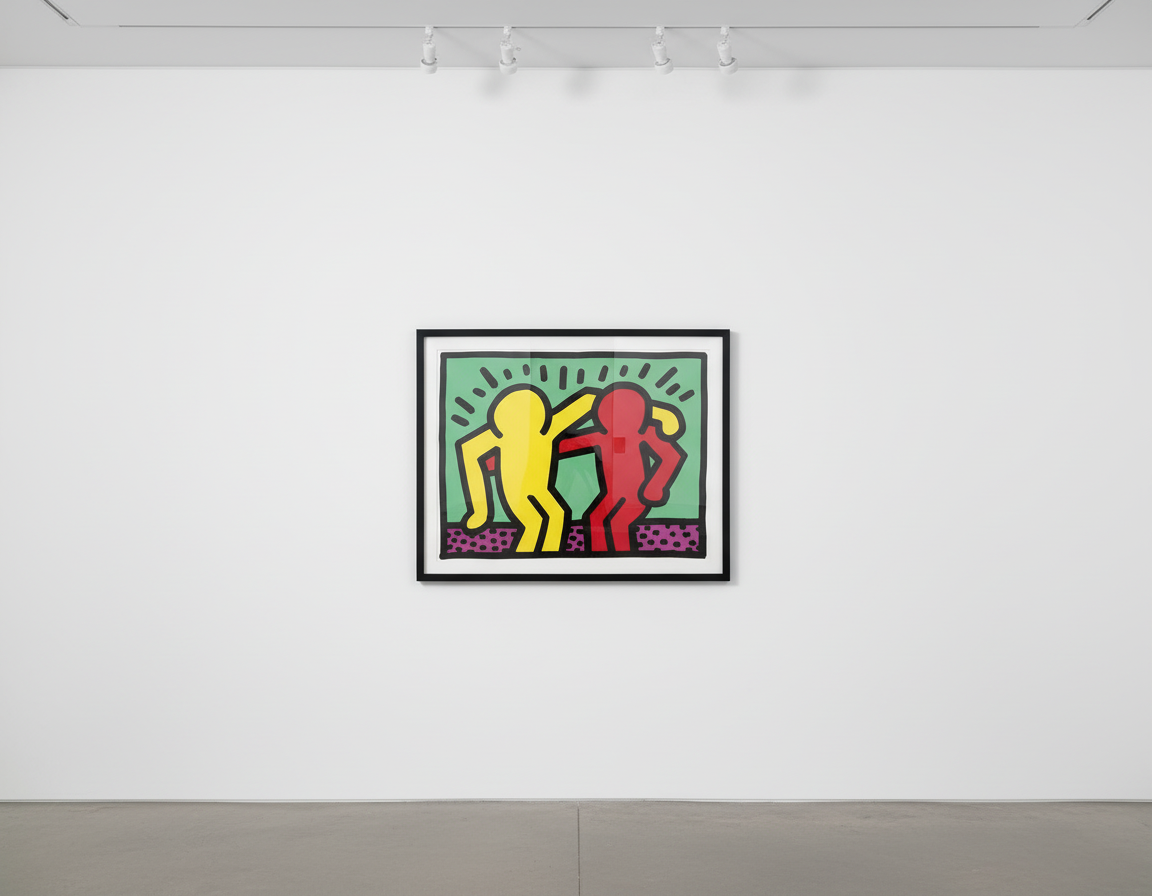
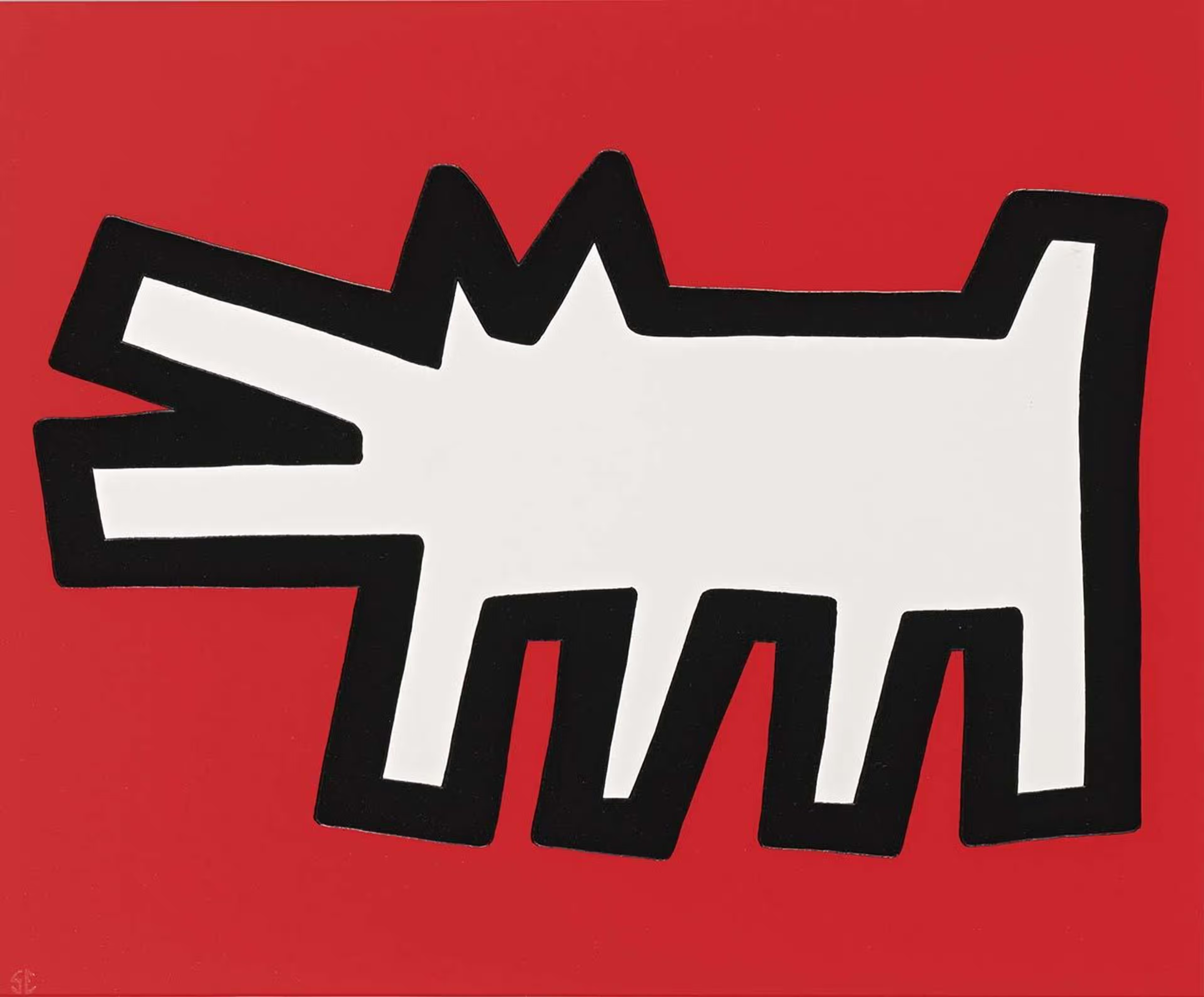
Keith Haring’s Dog motif, featuring canines with their mouths open mid-yap, is one of the street artist’s most universally recognizable symbols, and remains a testament to his dedication to accessible art. “Art is nothing if you don’t reach every segment of the people,” he once said. The dog’s simple, cartoonish shape references Haring’s interest in Egyptian hieroglyphics, an example of how humans communicate their experiences through universal shapes and signs. Keith Haring's 1986 rendition of the Statue of Liberty pays a heartfelt homage to this cherished and powerful symbol, which holds profound significance for multitudes. The artwork, vividly bathed in striking green hues, portrays the stately Lady Liberty—a guiding light for weary travelers. Her posture is poignant, one arm clasping the tabula ansata, bearing the adoption date of the Declaration of Independence, “JULY IV MDCCLXXVI,” symbolizing law and principles. In her raised hand, she proudly holds a torch, its simplistic yet commanding flame signifying liberty's illumination and the onward march of progress. At the artwork's base, three of Haring's distinctive caricatures dance and exuberantly wave their arms overhead. The fluid lines surrounding their hands imply movement, a symbolic representation of our perpetual pursuit and celebration of the joys of liberty. This artwork commemorates the centennial anniversary of the Statue of Liberty's arrival as a gift from France, serving as a symbol that warmly welcomes millions while embodying hope and promise for those seeking a new life in America.Retrospect stands as a remarkable testament to the artist's creative brilliance. This silkscreen print bursts with iconic elements drawn from his most renowned works. Aptly named Retrospect, the print showcases references to Haring’s most identifiable motifs, including barking dogs, angels, radiant babies, and dancing figures—symbols recurrent in the artist’s extensive career. Comprising twenty-four rectangular boxes, the composition unveils intensely vivid and colorful scenes. Within each scene, Haring's iconic black line figures portray various forms of movement and interaction. The collective artwork amalgamates these twenty-four smaller compositions, offering viewers a comprehensive overview of Haring’s artistic repertoire. Retrospect vividly demonstrates Haring's adeptness in manipulating color and line to craft compelling designs that addressed significant societal issues related to race, sexuality, and violence.Keith Haring's Silence Equals Death, created in 1989 during the concluding years of the artist’s life, stands as a remarkable testament. It's an adaptation of the influential political poster created for the Silence=Death Project, an activist collective from which the artwork derives its title. The original poster, displaying a vibrant pink triangle against a solid black background, served as a pivotal symbol in the group’s advocacy against the AIDS epidemic. The pink triangle, initially used by Nazi Germany to identify gay men and transgender women, has been reclaimed by the LGBTQ community as an emblem of pride.Haring’s rendition prominently features a sizable pink triangle that dominates most of the composition, set against a solid black backdrop. Silver ink renderings of numerous figures, symbolizing the adage “hear no evil, see no evil, speak no evil,” overlay the entire artwork. This creation articulates profound dissatisfaction with the Reagan administration’s silence and suppression regarding discussions on the AIDS crisis, which resulted in numerous deaths within the queer community. Notably, Haring completed this work one year following his devastating AIDS diagnosis, mere months before his untimely passing in 1990.Keith Haring’s Best Buddies, created in 1990, stands as one of the most instantly recognizable symbols worldwide. The artwork features two simple figures locked in an embrace at the center, enveloped by rays emanating from their shared hug—a truly heartening image. The background remains uncomplicated, portraying a sky and a dotted ground, purposefully directing attention to the foreground where the two figures and their serene bond take center stage. Engaging in an embrace while seemingly facing each other, they share a moment steeped in mutual compassion. Rendered in various colors, Haring’s trademark outlined figures, devoid of distinct facial features or gender markers, serve as universal representations of humanity, underscoring the significance of fostering inclusivity and embracing differences. This open-endedness invites viewers to project themselves onto this embrace, making it a potent symbol of friendship and love with a far-reaching impact. The intertwined arms of the figures in "Best Buddies" exude hopefulness, symbolizing the very best of human connection.
Haring & Basquiat. Friends. Collaborators.
INSIGHTS: Building and Upgrading a Keith Haring Collection
The 5 Most Popular Keith Haring Works
Keith Haring: Visual Language, Symbolism and Social Commentary
Keith Haring: Subway Drawings, Activism and Legacy
Christopher Martin: A Rising Voice in Contemporary Art
Keith Haring: Art for Everyone – From Street Walls to Global Brands
The Legacy of Keith Haring
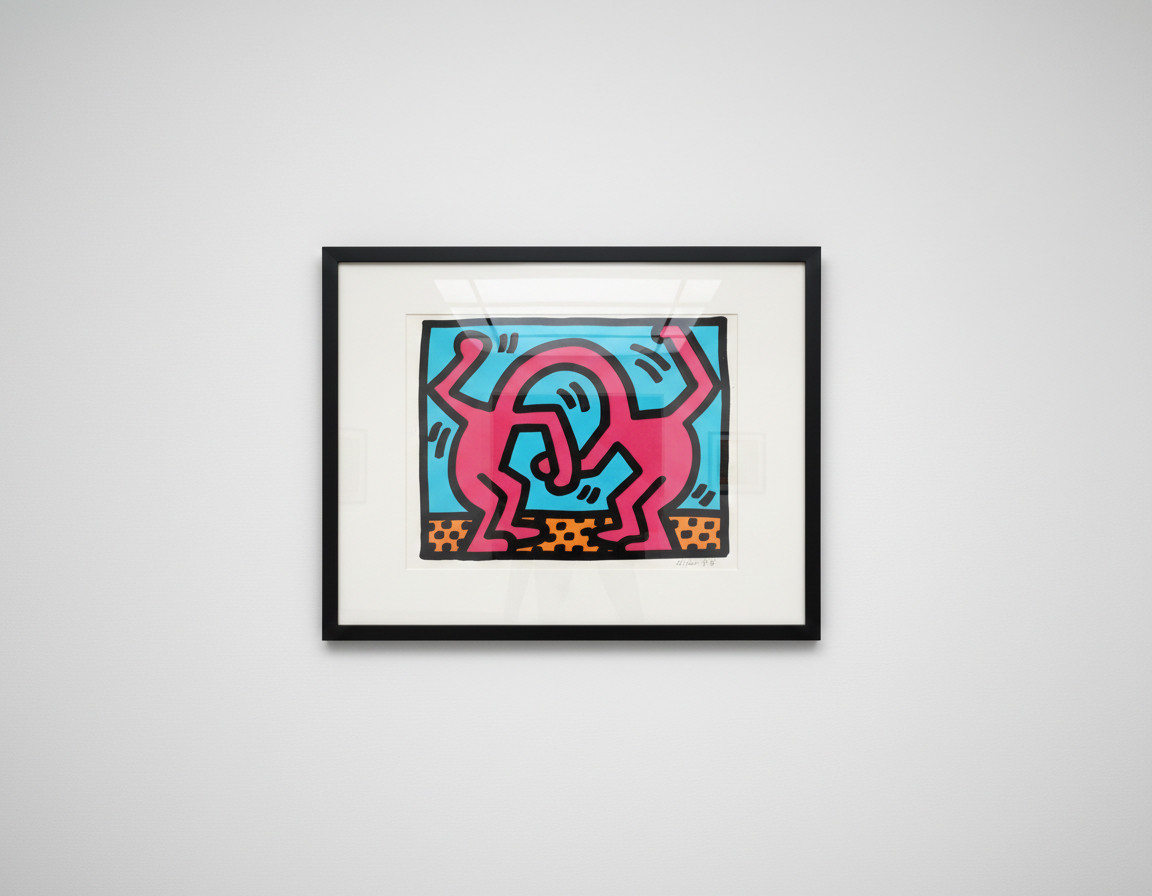
Keith Haring Pop Shops: The Ultimate Guide
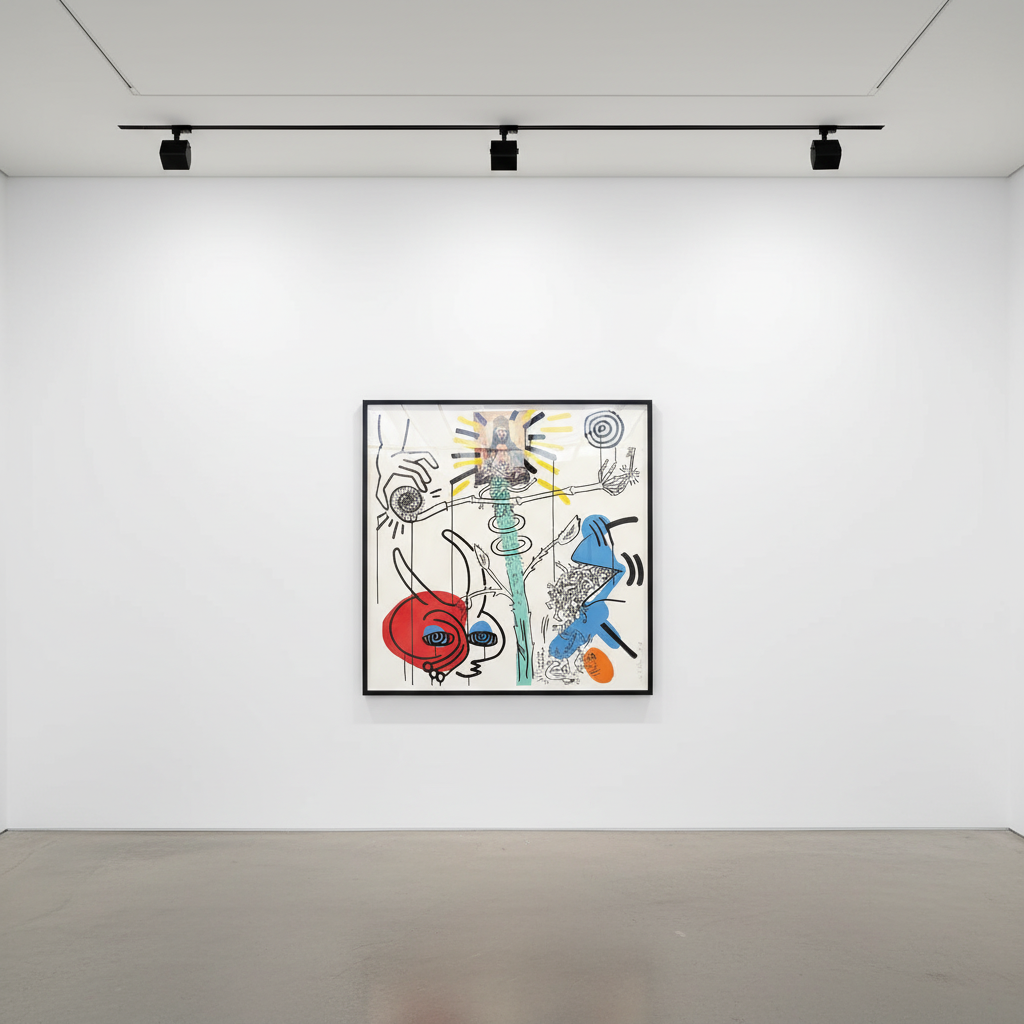
The Political Art of Keith Haring
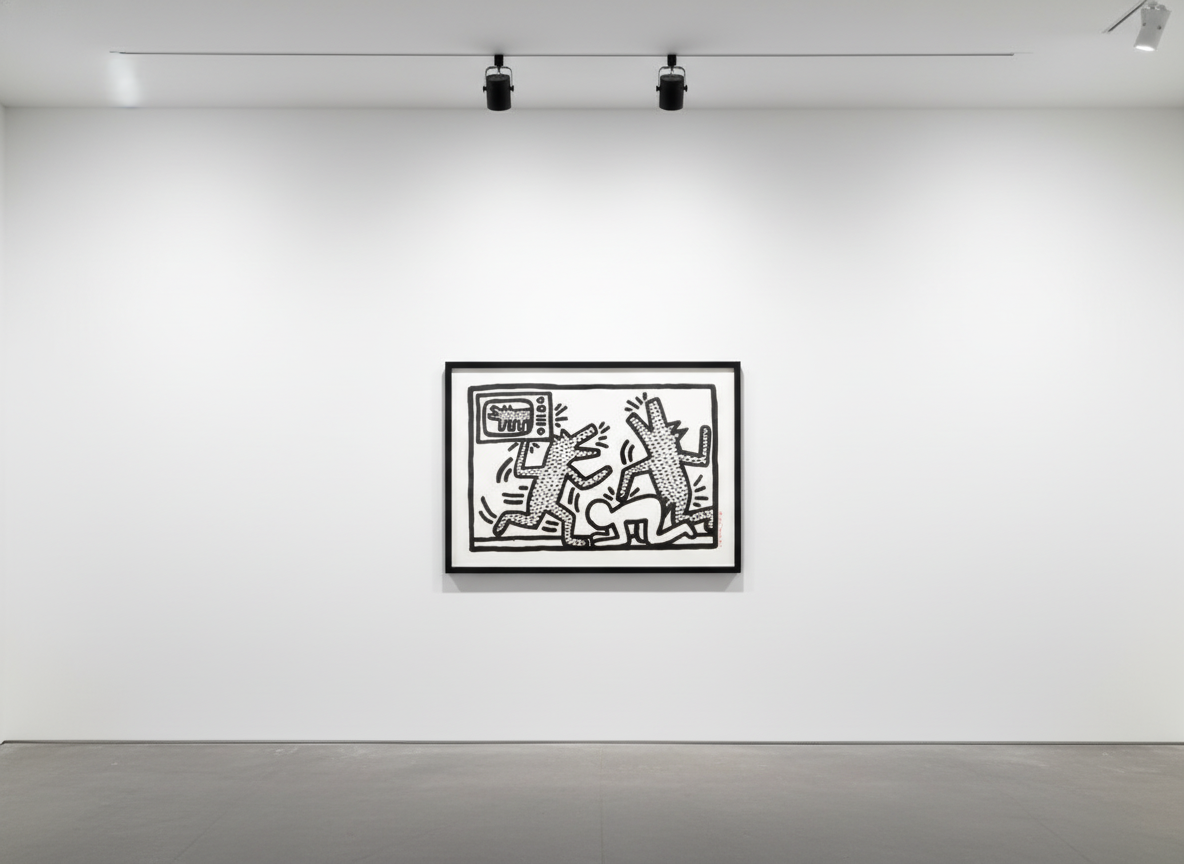
The Semiotics of Keith Haring
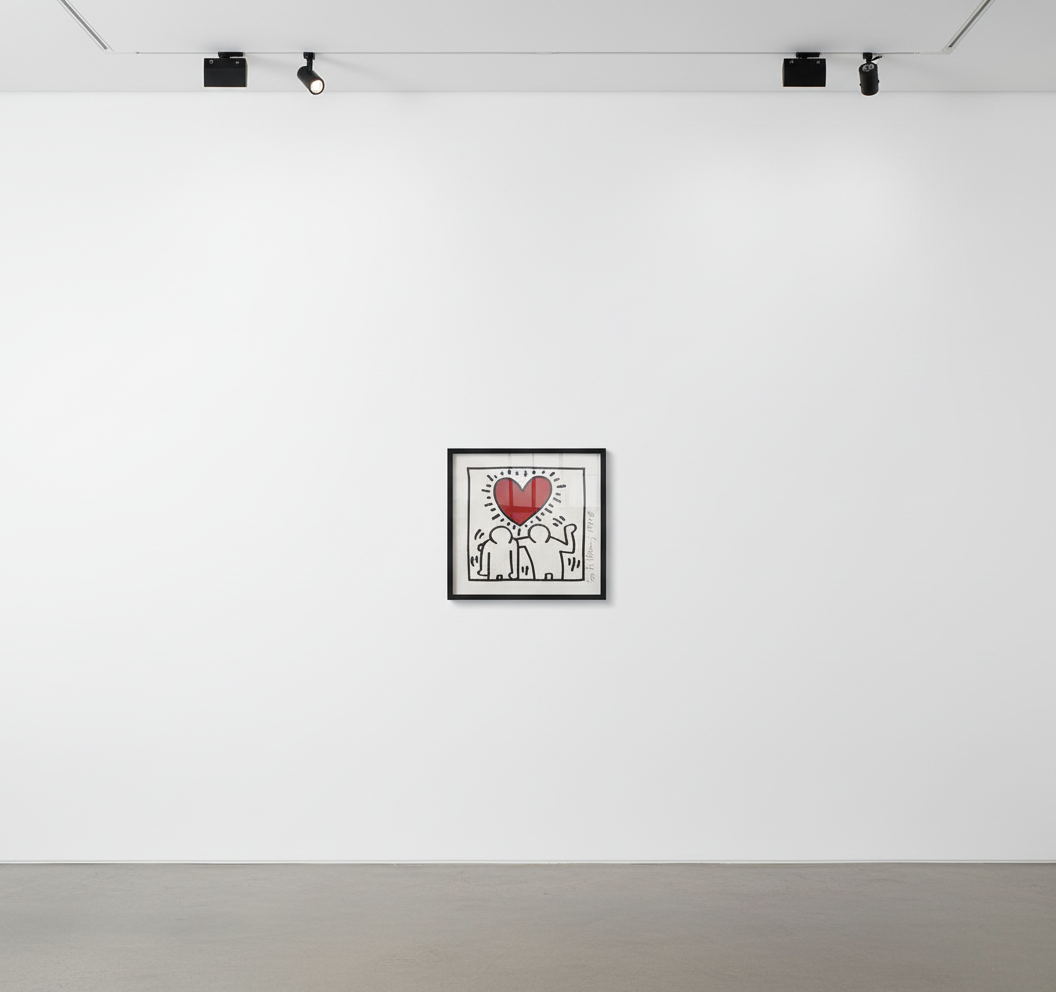
Five Essential Facts About Keith Haring
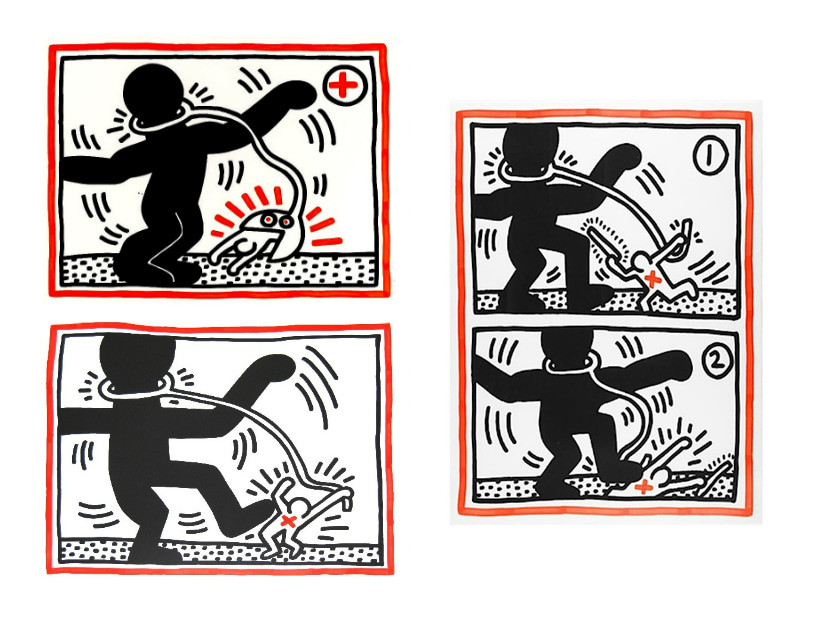
Why Collect Keith Haring?
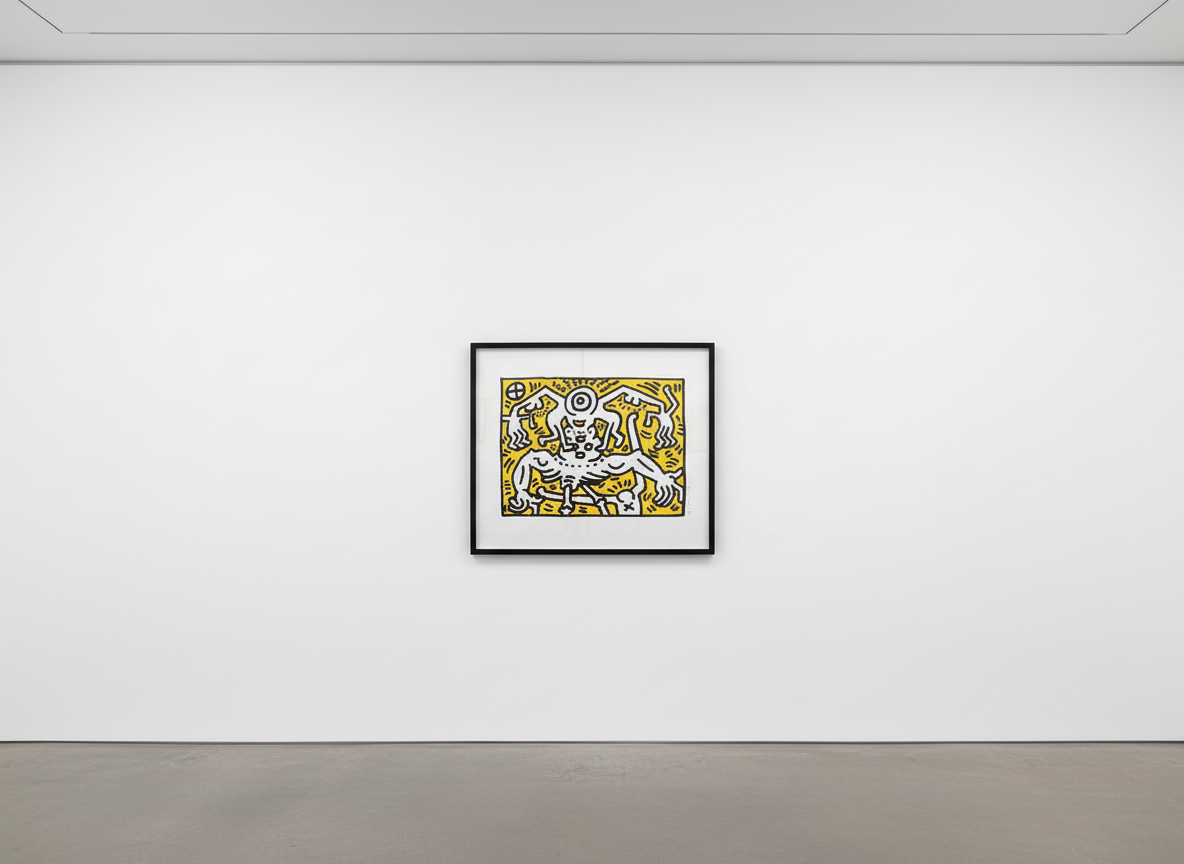
The Most Expensive Keith Haring Paintings
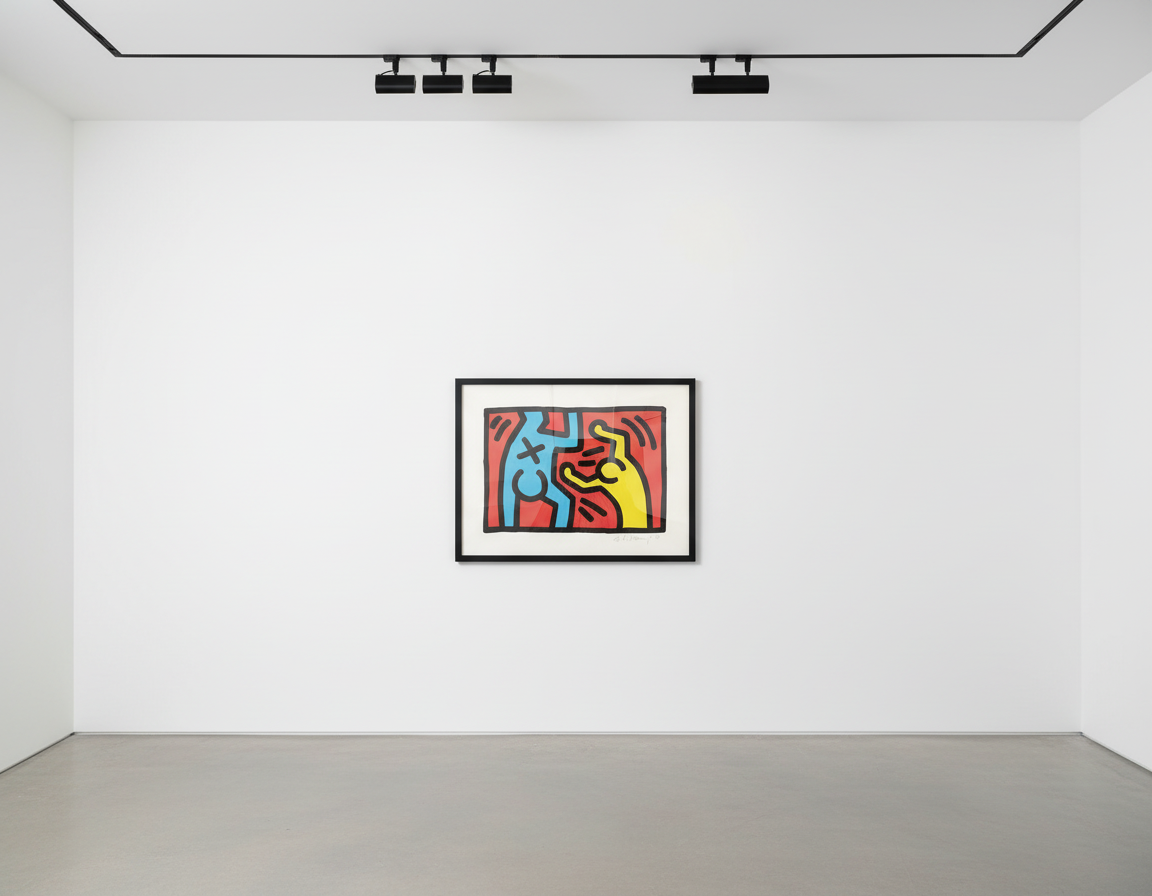
Keith Haring Graffiti 80s
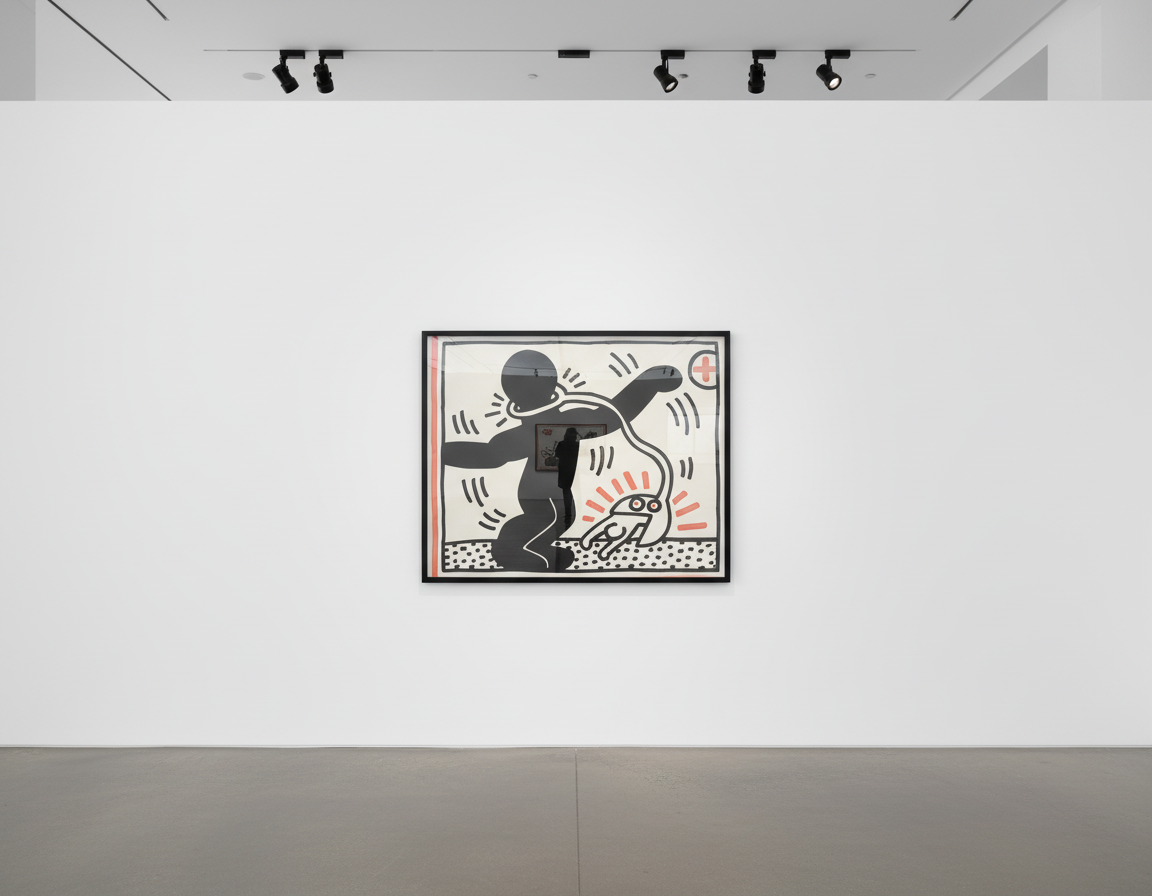
Keith Haring's Death
Keith Haring: A Pop Shop Journey
What Is the Keith Haring Foundation?
Now On View
Keith Haring's Pop Shop Quads
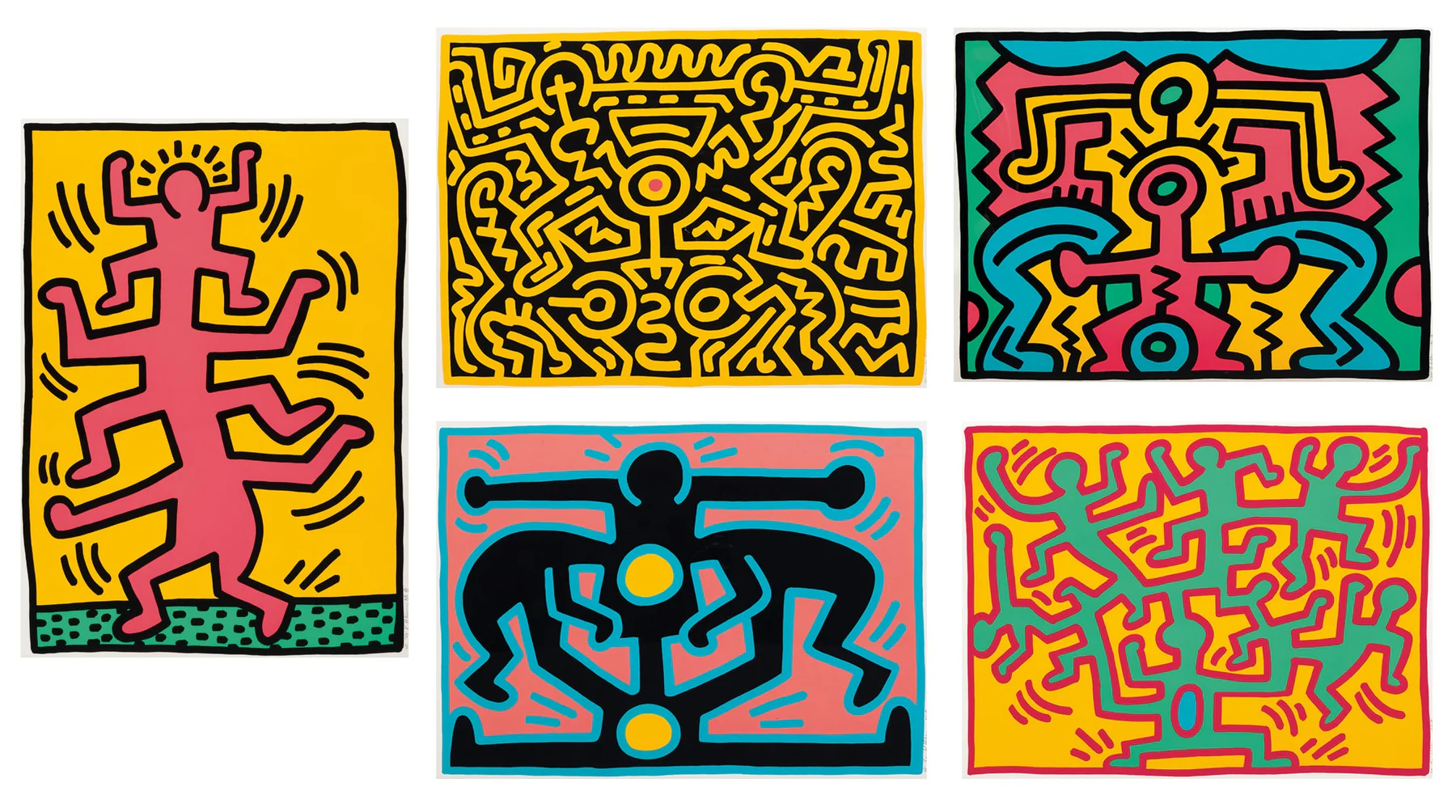
Keith Haring Growing Together
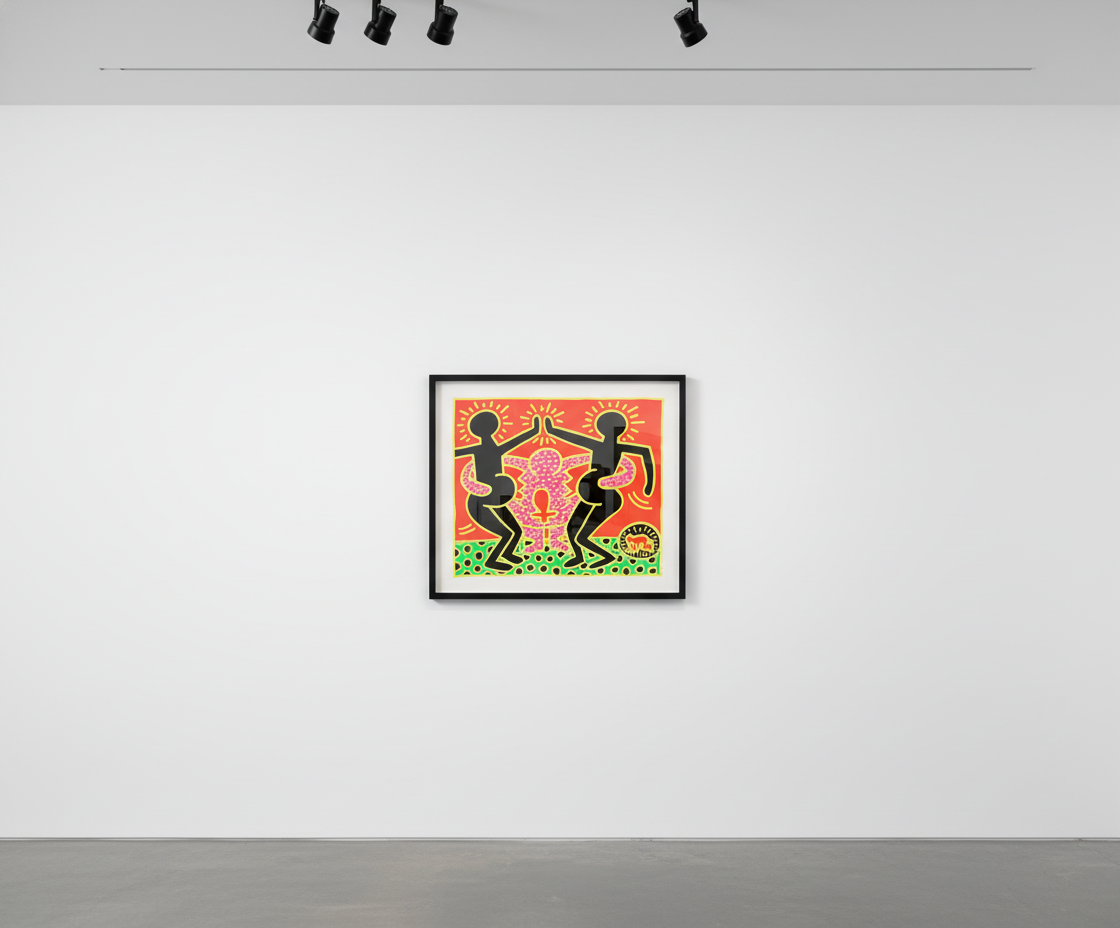
Keith Haring's Fertility Series
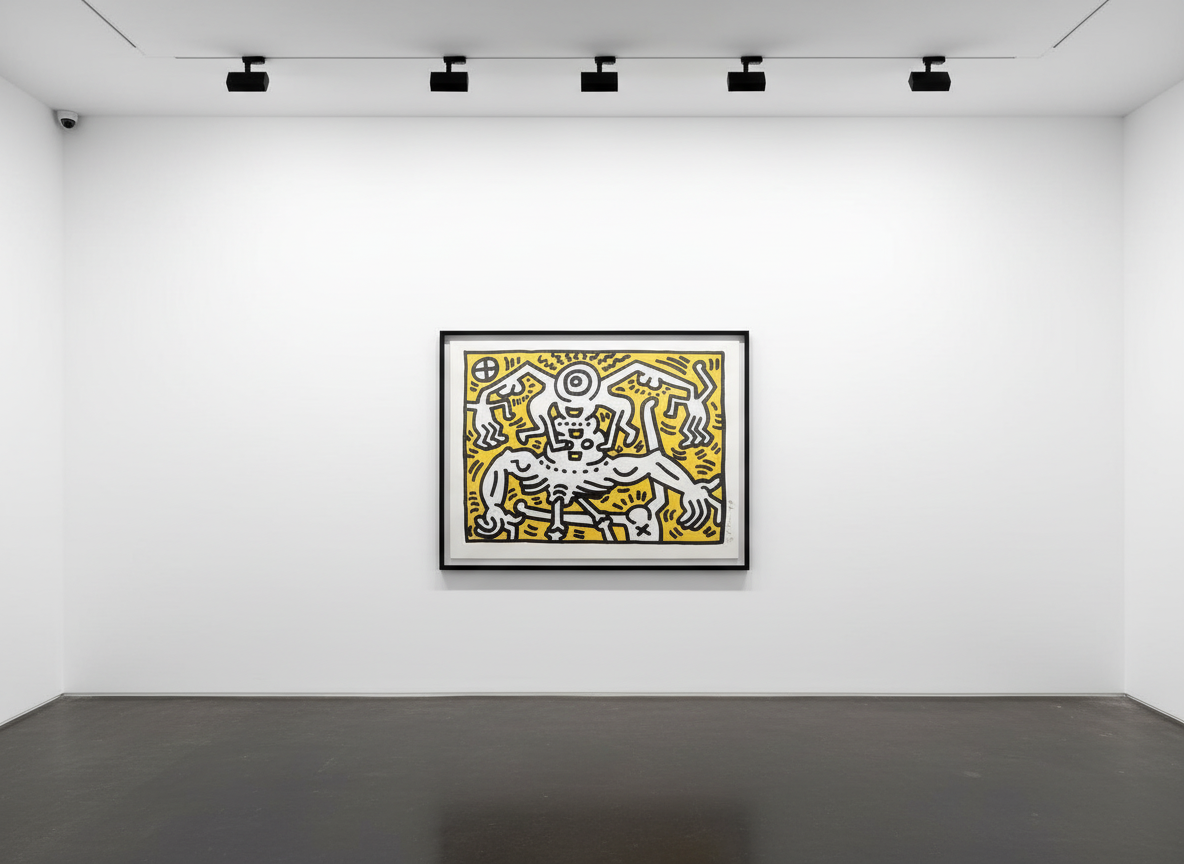
Keith Haring's New York
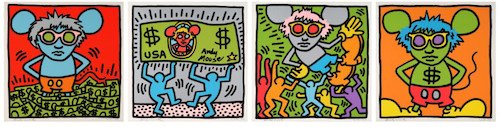
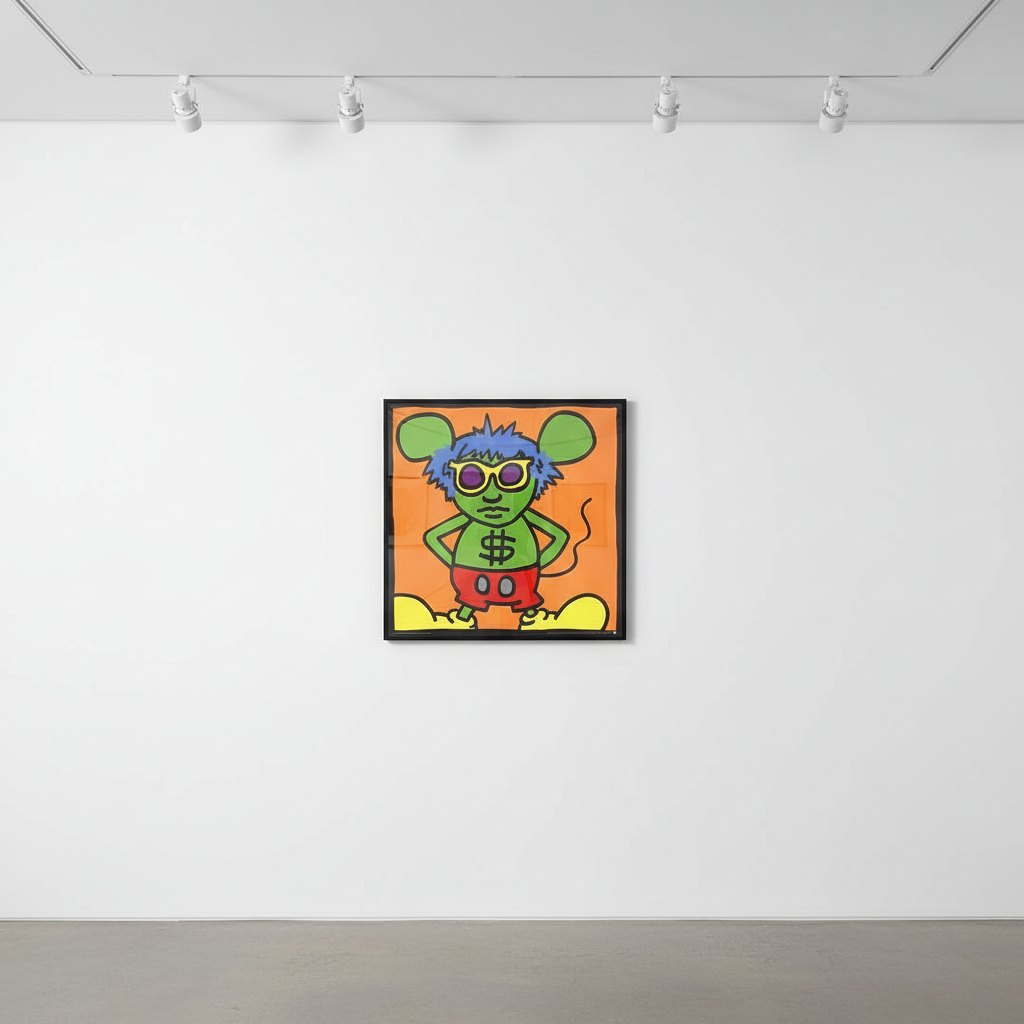
Keith Haring Andy Mouse
Top Keith Haring Auction Results of 2025
Keith Haring Icons
Keith Haring: Life, Work and Legacy — The Complete Guide
Keith Haring's Dog: The Barking Dog in His Art and Prints
How to Check if a Keith Haring Work is Real
Angel Vasquez on Keith Haring
Keith Haring prints for sale at Guy Hepner include works from the most sought-after series in his catalogue: the Blueprint Drawings, Retrospect, Lucky Strike, Andy Mouse, and the Pop Shop editions. Keith Haring paintings for sale and Keith Haring original art for sale through our New York gallery are sourced from authenticated secondary market collections with full provenance.
Keith Haring (1958–1990) transformed the walls of the New York City subway into a gallery before taking his visual language to the world's most prestigious museums. Born in Kutztown, Pennsylvania, he arrived in New York in 1978 and developed the bold, energetic vocabulary — radiant babies, barking dogs, crawling figures — that would define his legacy. His career was cut short when he died of AIDS-related complications in 1990 at thirty-one, having compressed a lifetime's output into a decade of extraordinary productivity.
Keith Haring paintings for sale represent some of the most sought-after works on the contemporary secondary market. His paintings — executed in acrylic on canvas, tarpaulin, or found materials — carry his full signature vocabulary: interlocking figures, radiating lines, and the symbolic shorthand developed across thousands of public works and private commissions. Major series include the Blueprint Drawings, Icons, and monumental canvases that translate his street aesthetic into gallery-scale statements.
Haring's auction record reflects his enduring market strength. Works from his most productive period (1982–1989) consistently achieve seven-figure results at Christie's, Sotheby's, and Phillips. Paintings from the White Icons series — stark works on black backgrounds — are among his most instantly recognisable and command exceptional premiums. At Guy Hepner Gallery, we source Keith Haring paintings for sale from authenticated secondary market collections with full provenance documentation.
Keith Haring prints for sale encompass a rich body of editions produced throughout the 1980s. His screenprint series are particularly prized: Andy Mouse, Lucky Strike, Retrospect (1989), and the Pop Shop editions produced through his own retail venture on Lafayette Street. Signed and numbered editions from these series are the most actively traded and form the foundation of many Haring collections.
Beyond prints, Haring produced drawings, sculptures, and unique works on paper. His Blueprint Drawings — executed with ink on blueprint paper — offer collectors an intimate window into his process and are increasingly sought after. When acquiring Keith Haring original art for sale, prioritise works with clear exhibition history and provenance from dealers who worked with Haring during his lifetime. Signed prints from identified series with documented edition details offer the strongest combination of accessibility and long-term value.
Buy Keith Haring art at Guy Hepner Gallery, 177 Tenth Avenue, New York.