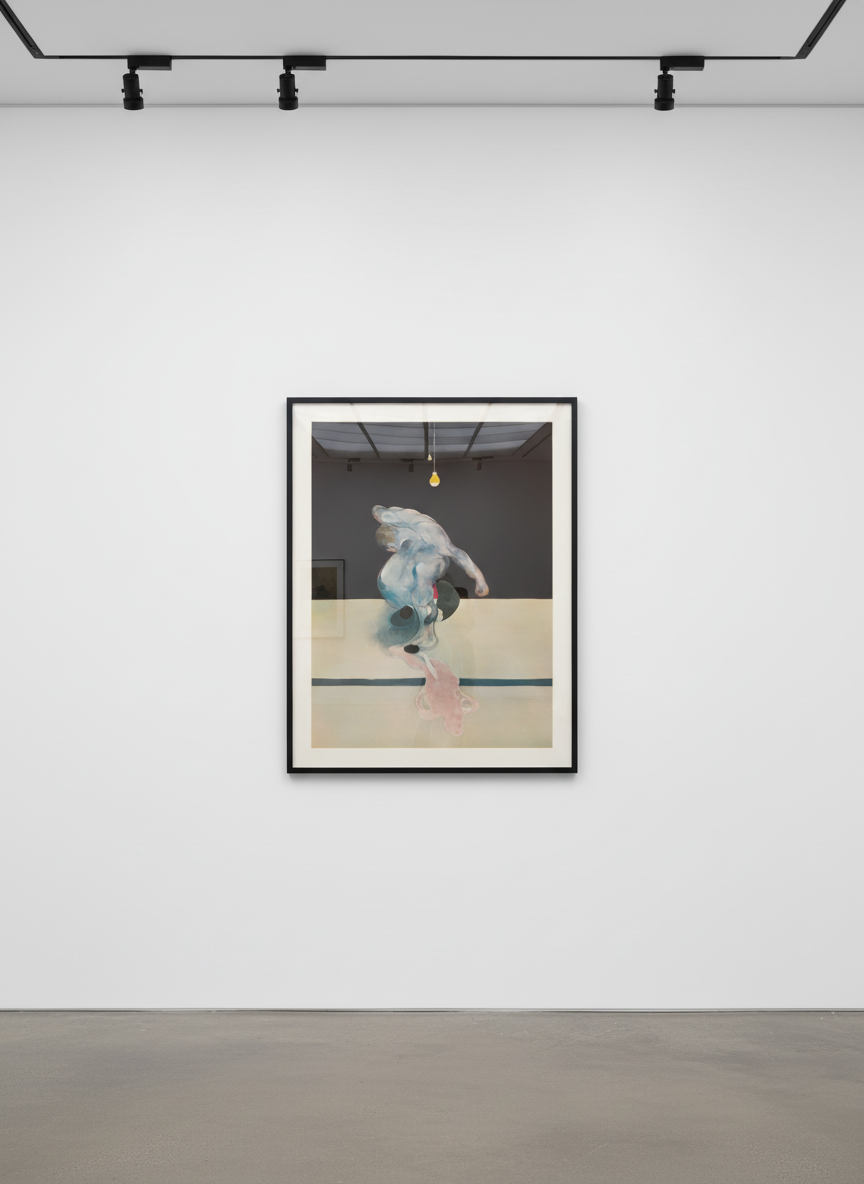
Edition of 150
1 work

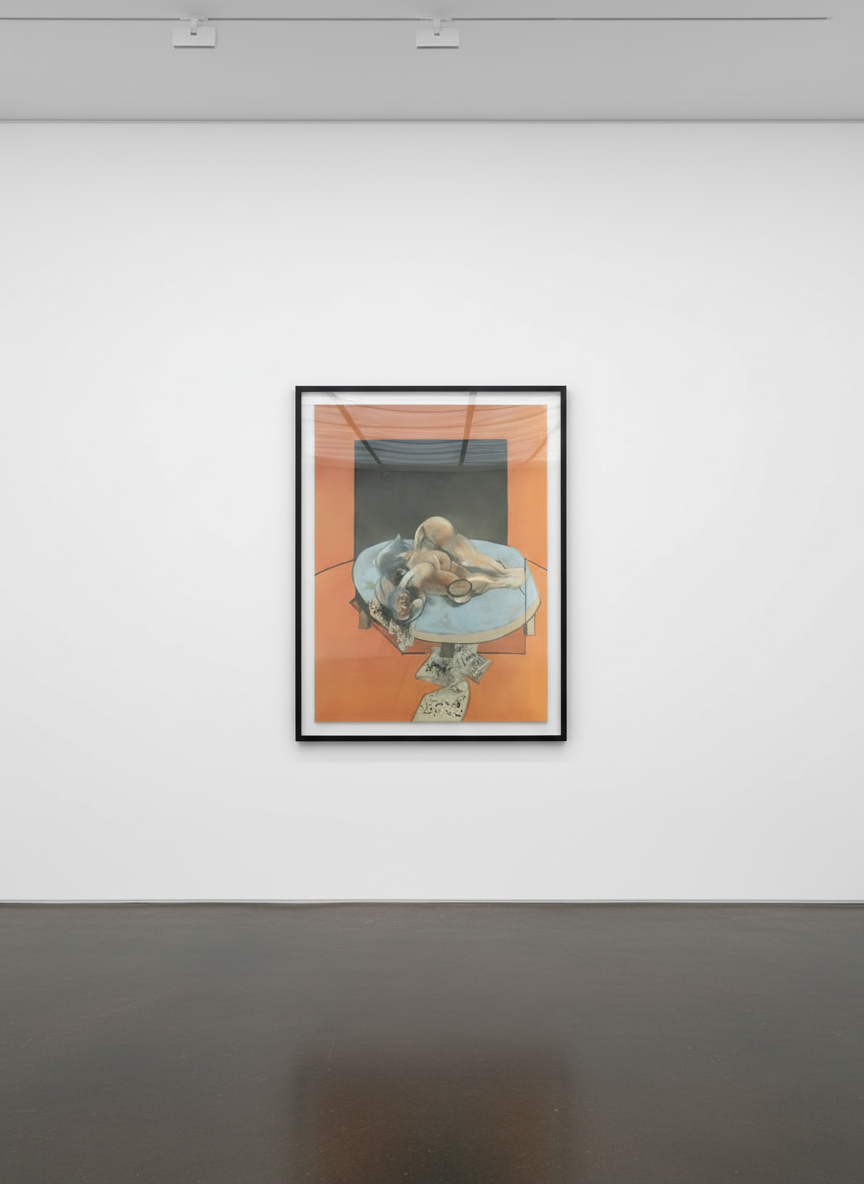
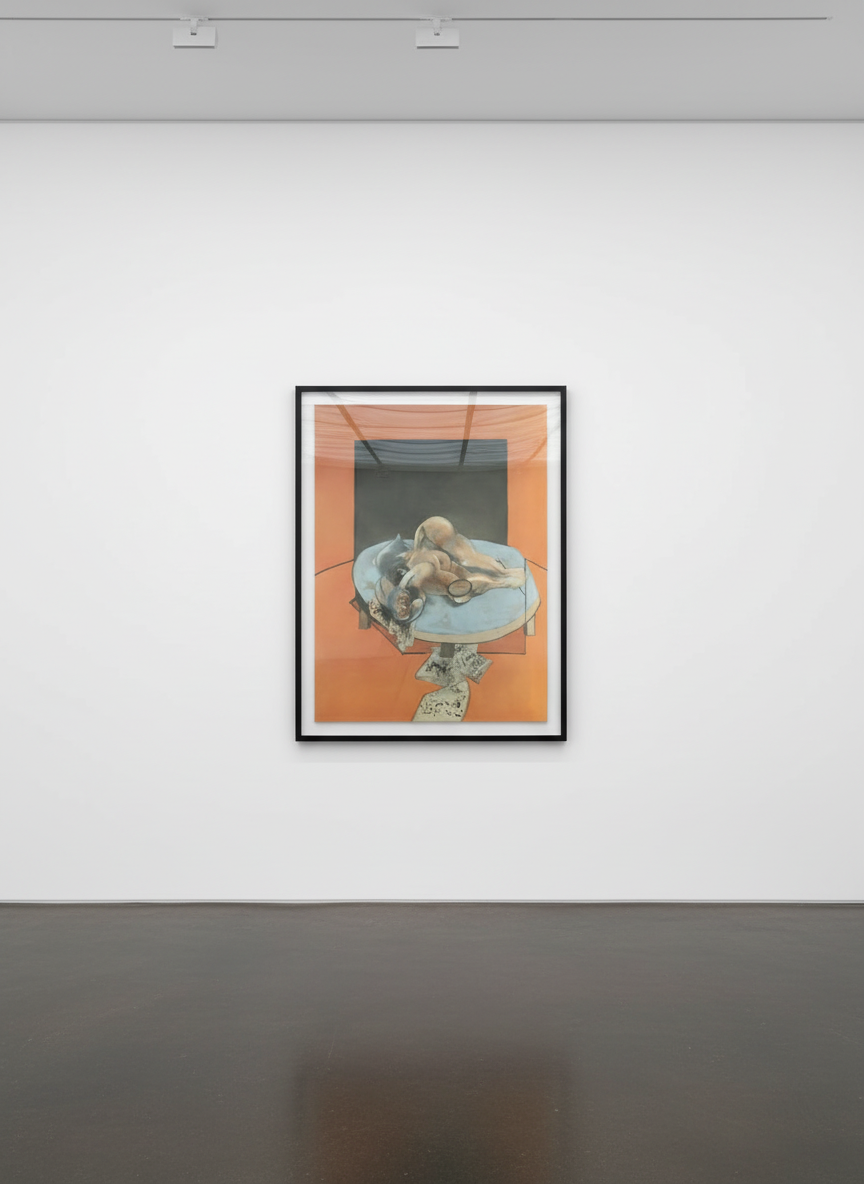
Studies of the Human Body , after the Central Panel of the Triptych Studies of the Human Body 1979, 1980
Offset lithograph on Arches paper
40 x 26 in 101.5 x 66 cm
Edition of 250
Studies of the Human Body , after the Central Panel of the Triptych Studies of the Human Body 1979, 1980 by Francis Bacon offers a deeply introspective and haunting vision of the self, continuing a powerful trajectory of self-portraiture that became a central focus of his later career—particularly throughout the 1970s and 1980s. During this period, Bacon increasingly turned inward, grappling with themes of ageing, mortality, and psychological isolation. This work exemplifies that shift, presenting a fragmented, emotionally charged reflection of the artist’s inner world rather than a traditional likeness.Bacon’s figure is seated in an unnaturally twisted pose, embodying both physical discomfort and emotional strain. The head—distorted, deformed, and partly disintegrated—appears to collapse in on itself, dissolving the boundaries between flesh and space. This manipulation of anatomy, a signature of Bacon’s visual language, conveys not only the vulnerability of the human body but also the instability of identity itself. The face is not rendered for recognition; rather, it is constructed as a psychological battleground, where anguish, memory, and self-doubt converge.The surrounding environment reinforces this emotional isolation. The figure is set against a stark, minimalist backdrop of pale blue and sandy beige, tones that evoke both calm and clinical detachment. The emptiness of the space accentuates the solitude of the figure, stripping away any contextual markers that might suggest comfort or connection. Instead, the sparse setting heightens the sense of psychological exposure. A single diagonal line cuts across the composition, dividing floor from wall with surgical precision. This sharp geometric intrusion adds to the disorienting atmosphere, reinforcing a feeling of confinement, as if the figure exists in a space between dimensions—neither fully grounded nor entirely free.Bacon’s palette is subdued yet calculated. The soft, cool hues of the background are contrasted with the dark, bruised tones of the figure’s body. This juxtaposition underscores one of the key tensions in the work: the contrast between outward composure and inner turmoil. The placid setting might suggest stillness or peace, but the distorted form disrupts any sense of serenity. This interplay between external calm and internal chaos is a recurring motif in Bacon’s self-portraits, capturing the psychological contradictions that define human existence.By the 1980s, Bacon was acutely aware of his own mortality. Many close friends and lovers, including George Dyer—whose suicide in 1971 deeply scarred Bacon—had died, leaving the artist increasingly isolated. This emotional solitude echoes throughout After Study for Self-Portrait, not only in its formal composition but in its existential tone. The work does not seek to immortalize the artist through idealization; rather, it confronts the decay and fragility of the self with brutal honesty. The figure appears not as a coherent whole but as a fragmented, fading presence—a body and identity under siege.More than a self-portrait, this piece functions as a psychological excavation. Bacon uses the language of distortion, abstraction, and isolation to articulate profound human fears: the fear of ageing, the fear of death, and the fear of dissolving into irrelevance. There is no vanity here, no search for legacy—only the raw confrontation with impermanence. In doing so, Bacon turns the act of self-portraiture into a theatre of existential reckoning.Ultimately, After Study for Self-Portrait stands as a poignant reflection on the artist’s late style: a culmination of decades spent dissecting the body, emotion, and identity. It captures not only Bacon’s unique visual language but also his enduring preoccupation with the unstable nature of selfhood. This work, like others in his later self-portraits, transcends biographical specificity to become a universal meditation on what it means to exist—to endure the erosion of time, to confront oneself in isolation, and to find meaning in the fractured mirror of the human condition.For more information on Francis Bacon’s Studies of the Human Body , after the Central Panel of the Triptych Studies of the Human Body 1979, 1980 or to buy Francis Bacon’s Studies of the Human Body , after the Central Panel of the Triptych Studies of the Human Body 1979, 1980 contact our galleries using the form below.
Price on Application
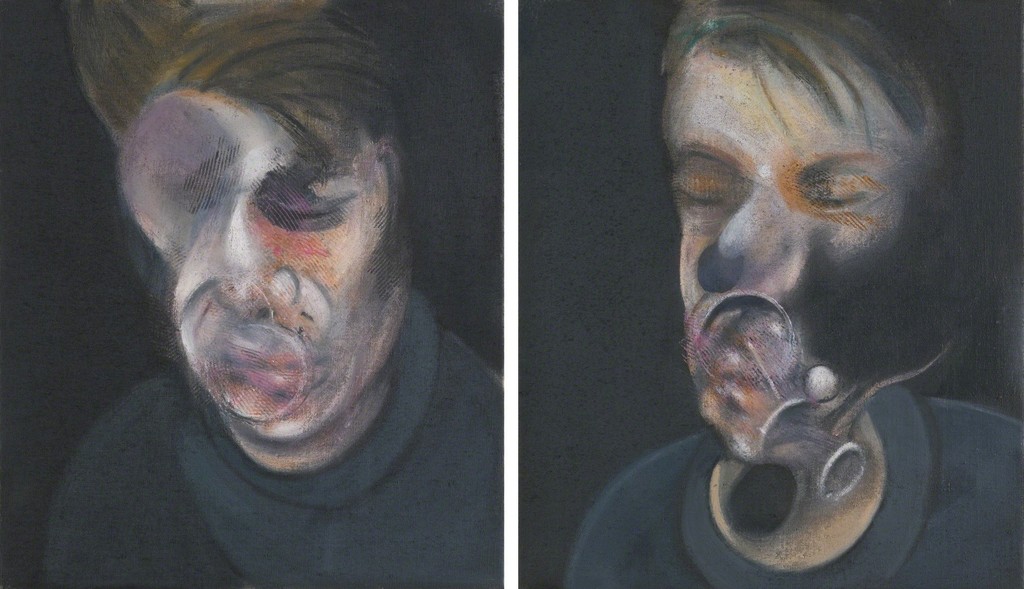
· Francis Bacon · Sotheby's · 2015-02 · $30,177,359
Francis Bacon
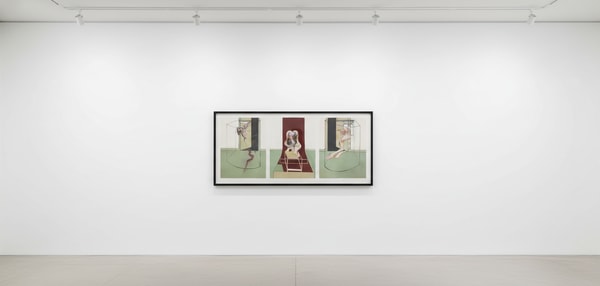
after Triptych (1981) inspired by the Oresteia of Aeschylus, 1981
1981
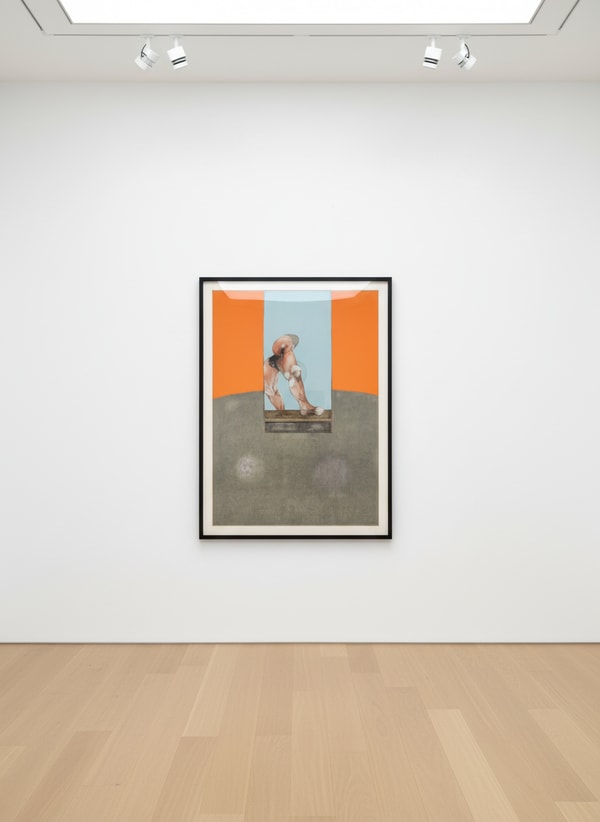
Francis Bacon
Etude de Tauromachie
1987
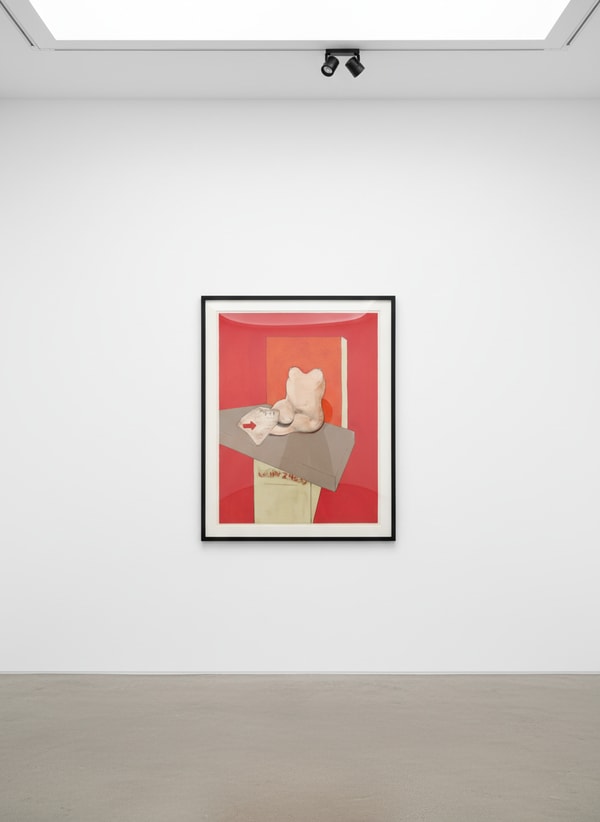
Francis Bacon
Ètude du Corps Humain d'après Ingres , afterStudy of a Human Body after Ingres 1982
1984

Francis Bacon
Hommage à Van Gogh , after Hommage à Van Gogh 1985
1989
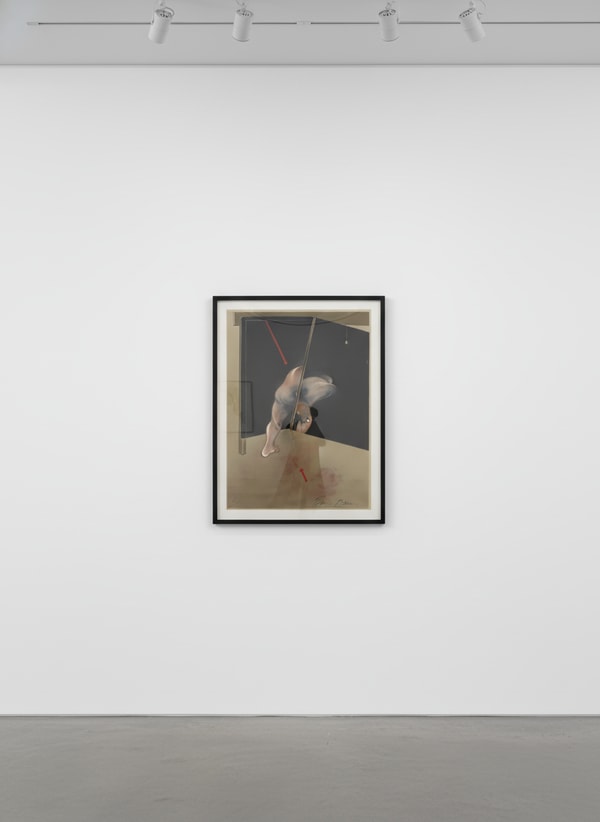
Francis Bacon
Logique de la sensation , after Study from the Human Body 1981
1981
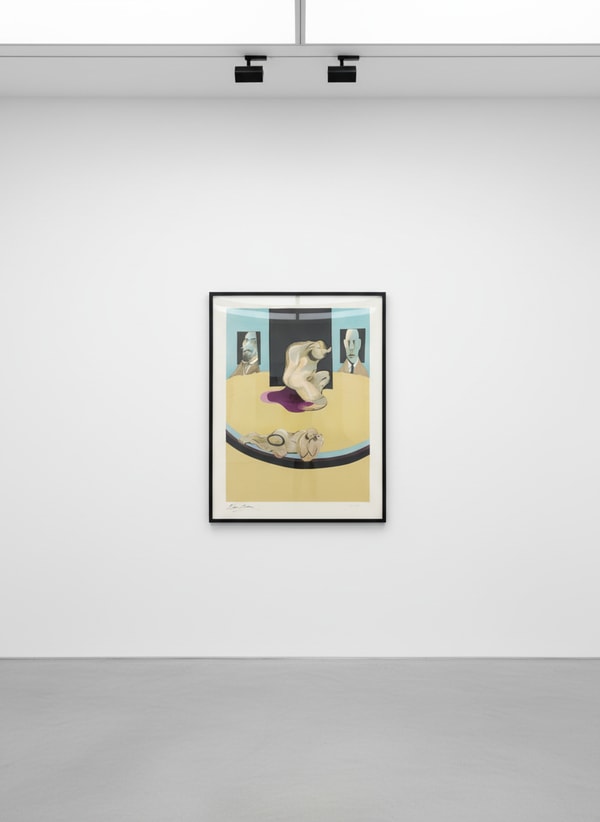
Francis Bacon
Metropolitan Museum of Art
1975
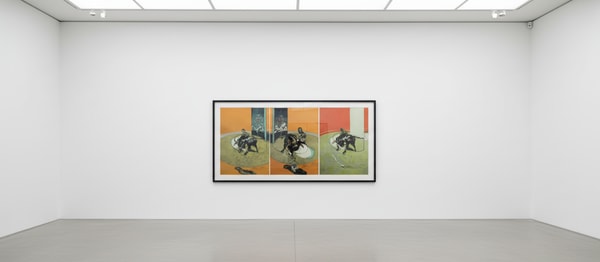
Francis Bacon
Mirroir de la Tauromachie
1990
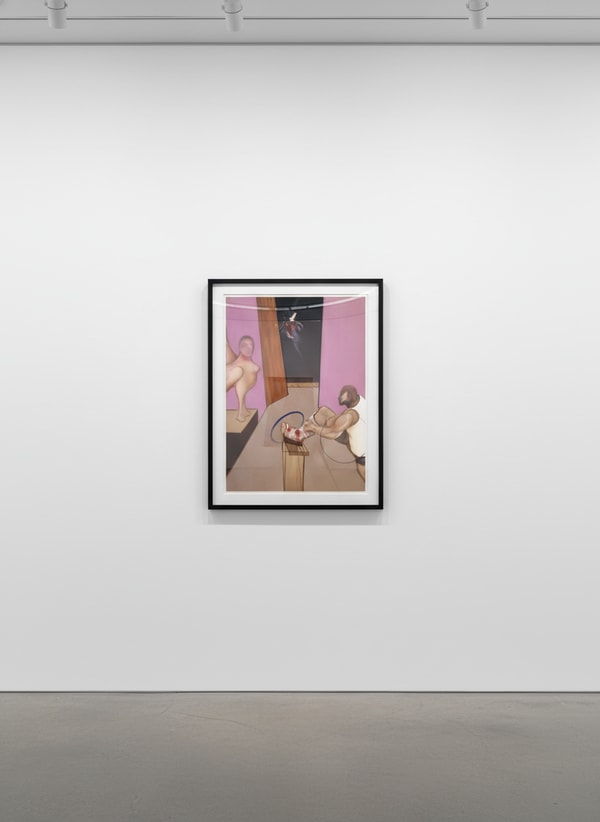
Francis Bacon
Oedipe et Le Sphinx d'après Ingres , after Oedipus and the Sphinx after Ingres 1983
1984
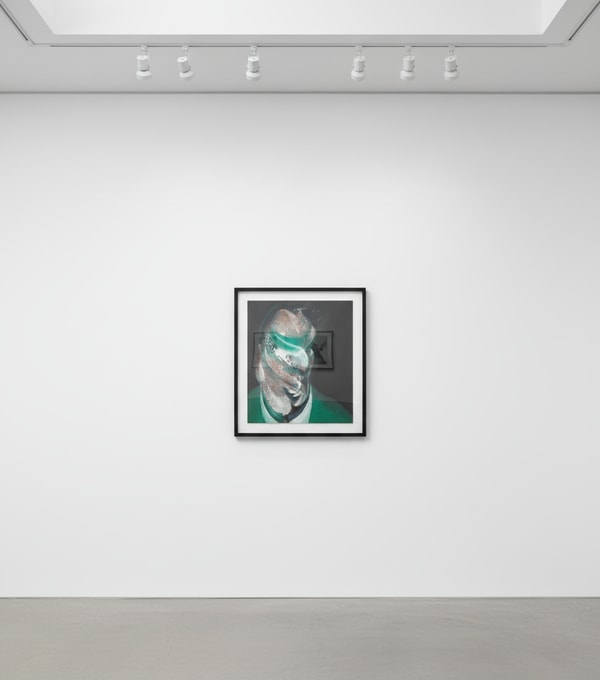
Francis Bacon
Portrait of Freud
1967
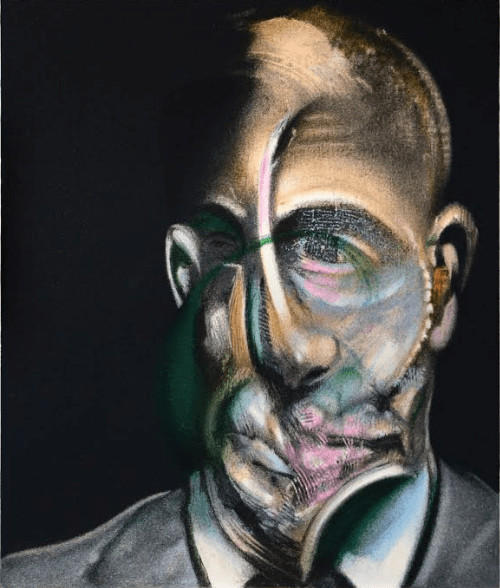
Francis Bacon
Portrait of Michel Leiris from Miroir de la Tauromachie
1990
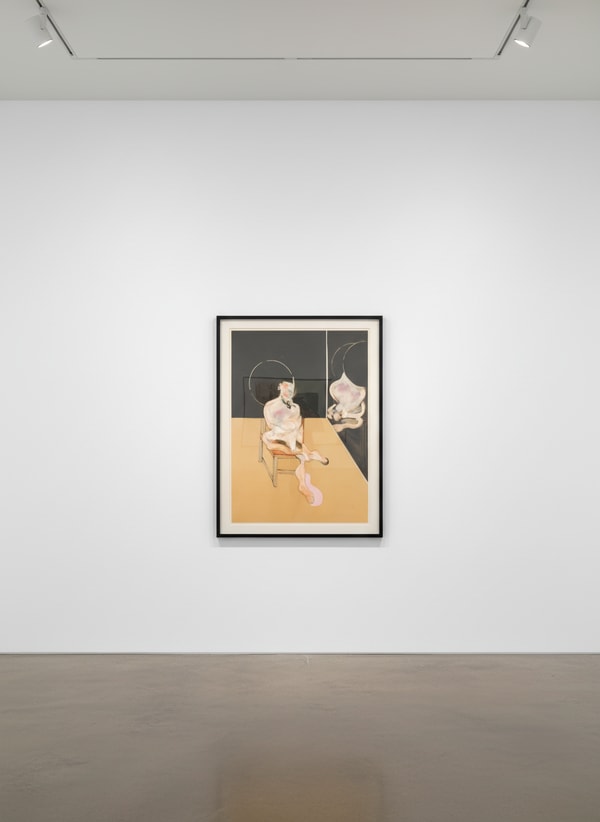
Francis Bacon
Seated Figure
1983
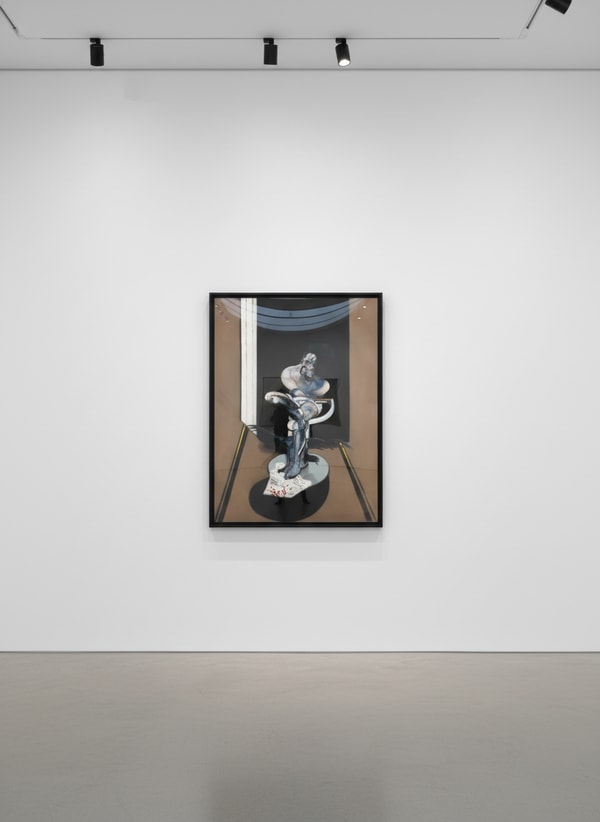
Francis Bacon
Seated Figure , after Seated Figure 1977
1992
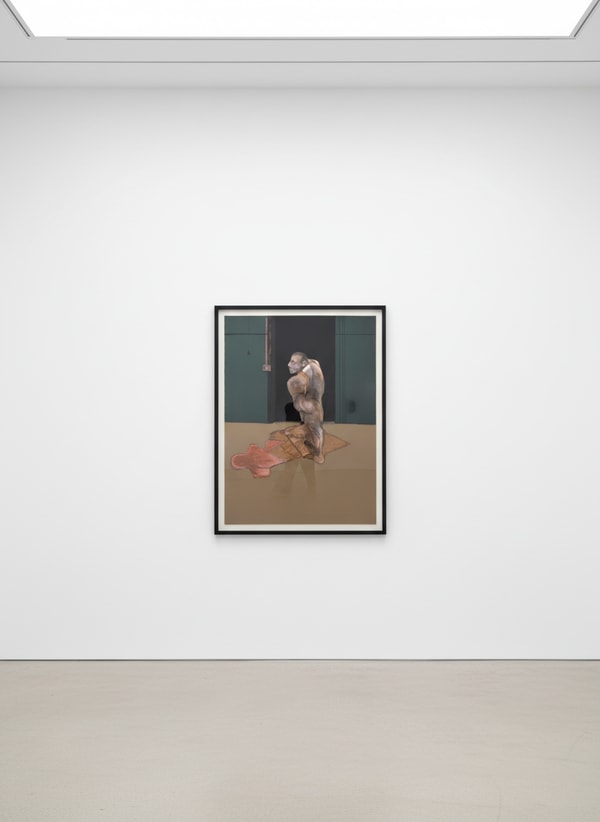
Francis Bacon
Study For A Portrait of John Edwards
1987
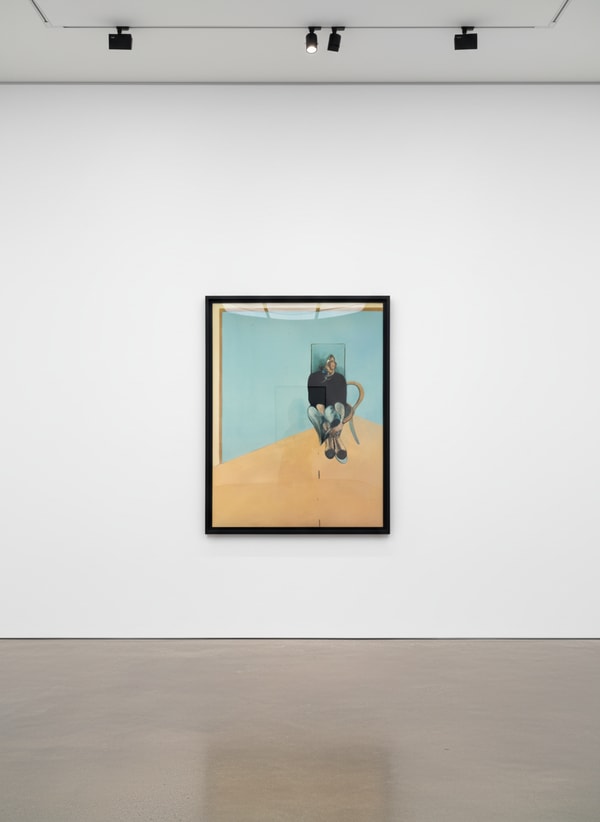
Francis Bacon
Study for Self Portrait , after Study for Self Portrait 1982
1984
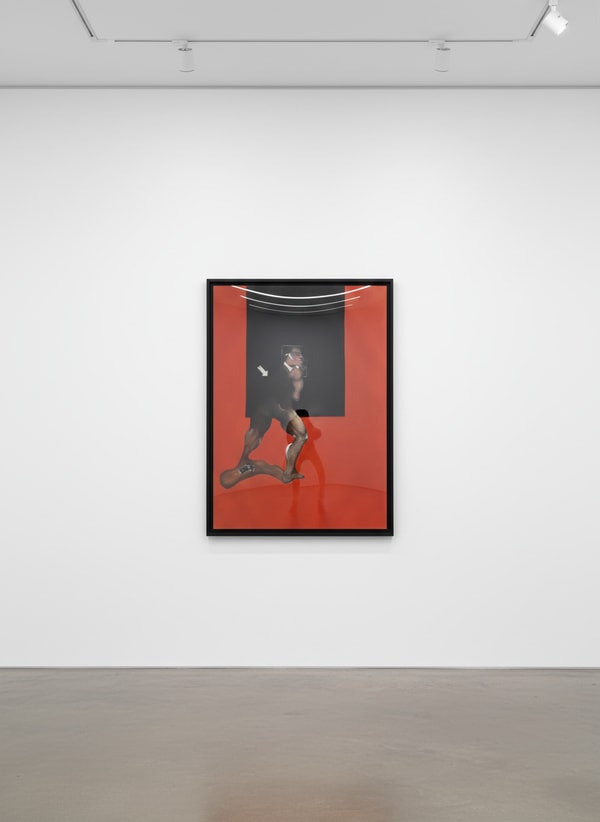
Francis Bacon
Study from Human Body , after Study from Human Body 1987
1992
Francis Bacon
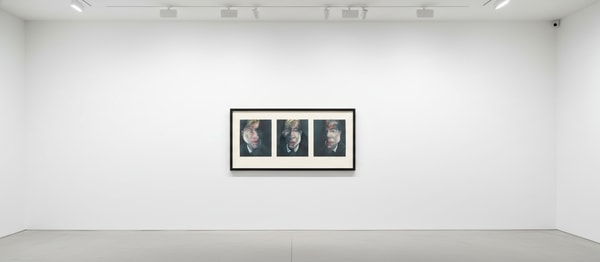
Three Studies For A Self Portrait
1983-1990
Francis Bacon (1909–1992) is among the most important figurative painters of the twentieth century, an artist whose raw, visceral canvases locate the human body in conditions of extreme psychological tension and transform painterly convention into a vehicle for existential confrontation. Born in Dublin to English parents, Bacon was largely self-taught — he received no formal art education and came to painting in his late twenties after years of drifting through London and Europe. His breakthrough came with the 1944 triptych Three Studies for Figures at the Base of a Crucifixion, which shocked a wartime London audience with its images of distorted, screaming hybrid creatures and established his reputation as an artist of unsettling and uncompromising vision.
Bacon's mature practice was built around a small number of recurrent subjects and formal devices. His Screaming Popes — a long series of works derived from Velázquez's portrait of Pope Innocent X — dissolve the authority of the Renaissance original into images of anguish and constraint, the figure screaming behind glass or pinned within a geometric cage. His portraits of his intimate circle — Lucian Freud, George Dyer, Isabel Rawsthorne, Peter Lacy — are among the most psychologically penetrating likenesses in the history of art, the faces smeared and turned and displaced in ways that feel both violently distorted and deeply faithful to the sitter's interior life. His self-portraits are equally compulsive: self-scrutiny carried to the point of self-laceration. Through all these works runs a consistent formal vocabulary: figures isolated in shallow, airless spaces; geometric frameworks of lines and bars that imprison or frame; meat-like surfaces of dragged and flung paint; glass and velvet chosen as ground materials to intensify the sense of both exposure and entrapment.
Bacon's market stands among the highest of any twentieth-century figurative artist. Three Studies of Lucian Freud (1969) achieved $142,400,000 at Christie's New York in 2013 — the world auction record at the time — while Triptych, 1976 reached $86,000,000 at Sotheby's New York in 2014, and Triptych Inspired by the Oresteia of Aeschylus (1981) achieved $84,600,000 at Sotheby's in 2020. Works on paper, prints, lithographs, and screenprints derived from his iconic paintings represent more accessible entry points to his market and are actively sought by collectors worldwide.
Bacon's work is held at Tate Modern, the Museum of Modern Art, the Metropolitan Museum of Art, the Solomon R. Guggenheim Museum, the Art Institute of Chicago, the Centre Pompidou, the Museo Nacional del Prado, and Museum Ludwig, among other major institutions globally.
Guy Hepner offers expert guidance on Francis Bacon prints, editions, and works on paper from our gallery at 177 Tenth Avenue, New York. Given the seriousness of the Bacon market and the importance of authentication, we approach every transaction with the utmost rigour. We offer free, confidential valuations for works in private collections and connections to qualified buyers worldwide.