Edition of 150
1 work

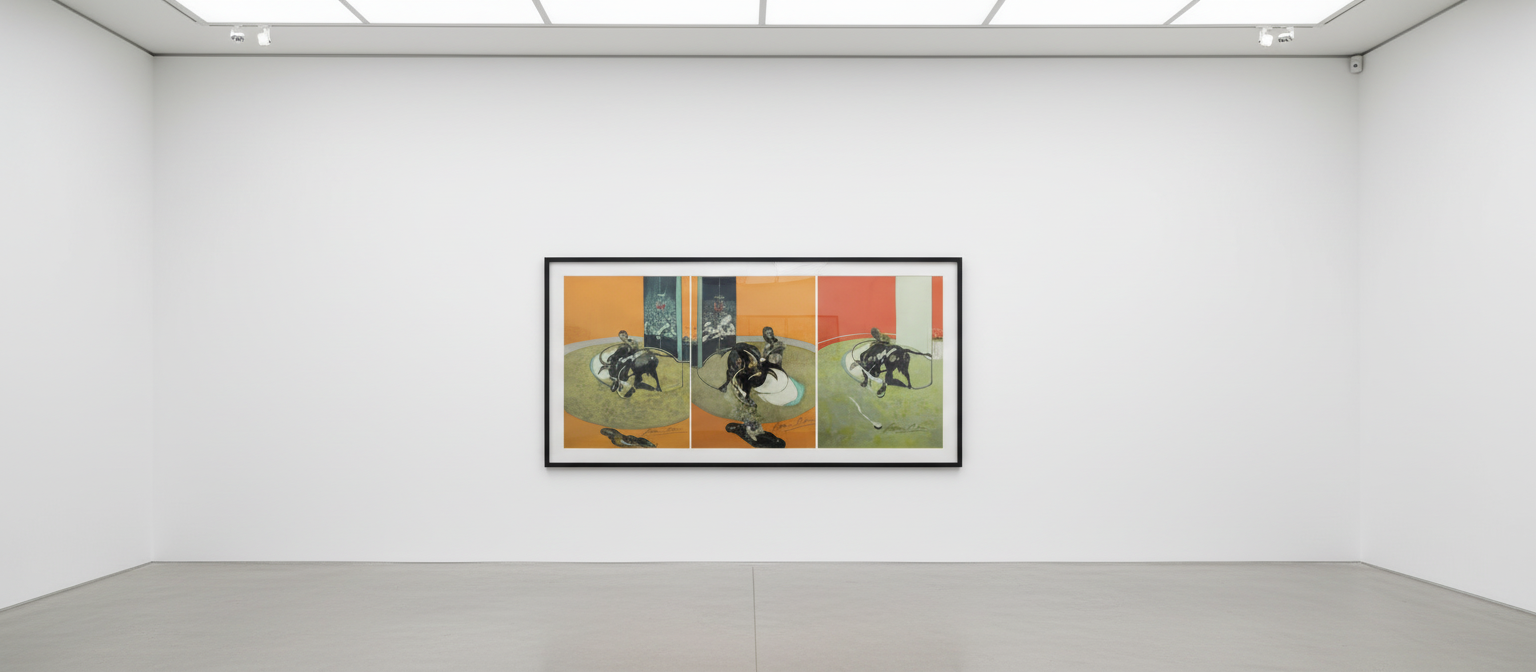
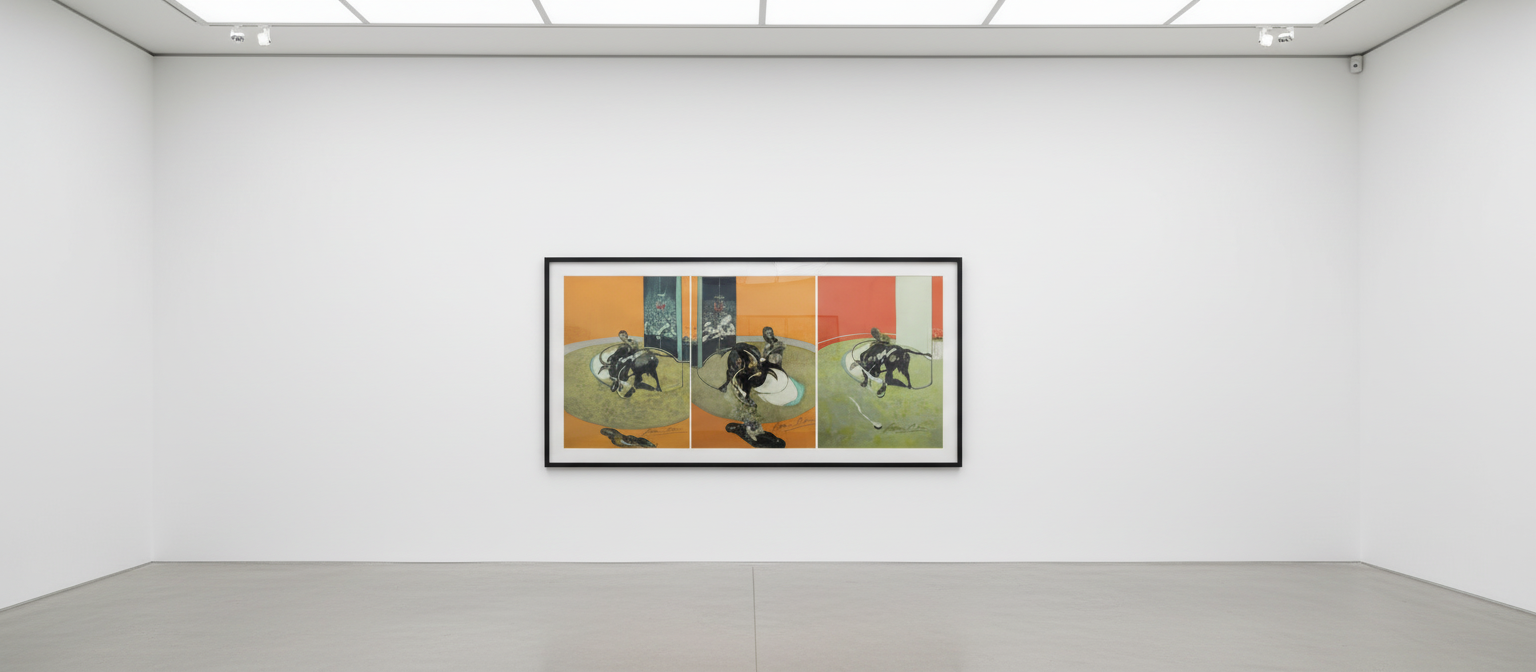
Mirroir de la Tauromachie, 1990
Lithograph on Arches Paper
20 x 15 in each 50.8 x 38.1 cm each
Edition of 150
Francis Bacon’s Miroir de la Tauromachie (1990) is a striking triptych lithograph that encapsulates the artist’s enduring fascination with violence, spectacle, and the raw physicality of the human—and animal—condition. Based on the ritualistic intensity of the bullfight, a theme Bacon returned to throughout his career, this work transforms the traditional spectacle of tauromachia into a psychological and aesthetic battlefield. Executed in his final years, the triptych reveals Bacon’s undiminished ability to fuse brutality with beauty, abstraction with immediacy.Printed in Paris by the renowned Mourlot studio and published by Galerie Lelong, Miroir de la Tauromachie was produced as a limited edition of 150 sets, each composed of three separate lithographic sheets printed on fine Arches paper. Each sheet is hand-signed in pencil by Bacon, underscoring the importance of the edition as a collector’s piece and a key work in the artist’s late printmaking oeuvre. Individually, the sheets measure 48 × 36 cm; when framed as a triptych, the total dimensions extend to 151 × 78 cm. The work is documented in major catalogue references, including Alexandre Tacou (no. 37) and Bruno Sabatier (nos. 29–30), confirming its significance within the canon of Bacon’s prints.Visually, the composition is arresting. Across the three panels, Bacon conjures a chaotic ballet of muscular bulls and abstracted human forms, locked in ambiguous confrontation. Their twisted bodies—half-formed, half-dissolved—are rendered in deep blacks and earthy reds, placed against saturated fields of vivid orange, electric yellow, and moody blue. These backgrounds heighten the drama of the scene, creating a jarring contrast between the intensity of the forms and the purity of the surrounding colour. The result is a visual rhythm that suggests both motion and stasis, energy and obliteration.As in many of Bacon’s works, the figures are at once figurative and abstract. Limbs, horns, and torsos blend into one another, often indistinguishable from the background, giving the impression of movement frozen at the edge of collapse. Bacon avoids literal representation, opting instead for psychological suggestion. The contorted forms evoke the violence and elegance of the bullfight, not as a literal event but as an existential metaphor—an arena where instincts, suffering, and survival intersect.Bacon had long been drawn to the symbolic intensity of bullfighting. Its ritualistic choreography and stark confrontation between life and death mirrored many of the tensions that defined his practice. In Miroir de la Tauromachie, the matador and the bull become interchangeable—both participants in a violent dance, both condemned to suffer. The absence of clear narrative or identifiable figures deepens the sense of disorientation, echoing Bacon’s broader interest in distortion as a means of expressing psychological truth.The title, which translates as “Mirror of the Bullfight,” invites reflection—both literal and metaphorical. Rather than presenting a documentary image, Bacon offers a mirror in which the viewer sees not the bullring but themselves. The arena becomes a symbolic stage for the drama of existence itself: power, pain, defiance, and demise, rendered through Bacon’s unique visual vocabulary.The triptych format, one of Bacon’s most favored structures, further enhances the theatricality and narrative fragmentation of the piece. Each panel can be viewed as a scene in a tragic play or a frame in an unfolding psychological sequence. Yet there is no linear story, no resolution—only a confrontation with primal forces rendered in paint and paper.Ultimately, Miroir de la Tauromachie is a masterful example of Bacon’s ability to compress the most extreme aspects of human and animal experience into a unified, dynamic visual statement. At once elegant and grotesque, formal and chaotic, it serves as both a late-career triumph and a summation of the artist’s thematic obsessions. Through distorted anatomy, vibrant colour fields, and a charged sense of space, Bacon renders tauromachia not as cultural tradition, but as existential spectacle—an image of life suspended on the edge of annihilation.For more information on Francis Bacon’s Miroir de la Tauromachie or to buy Francis Bacon’s Miroir de la Tauromachie contact our galleries using the form below.
Price on Application
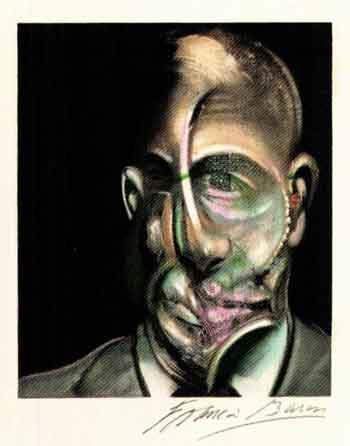
Michel Leris, mirroir de la tauromachie, portrait of Michel Leiris · Francis Bacon · Sotheby's · 2004-07 · $9,289
Francis Bacon
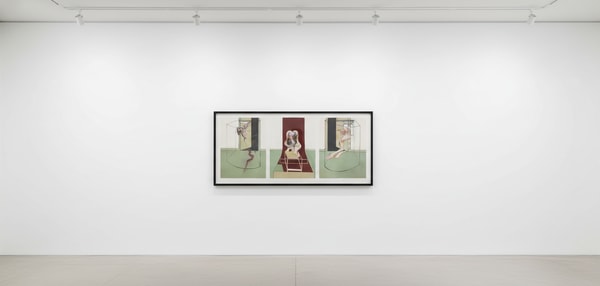
after Triptych (1981) inspired by the Oresteia of Aeschylus, 1981
1981
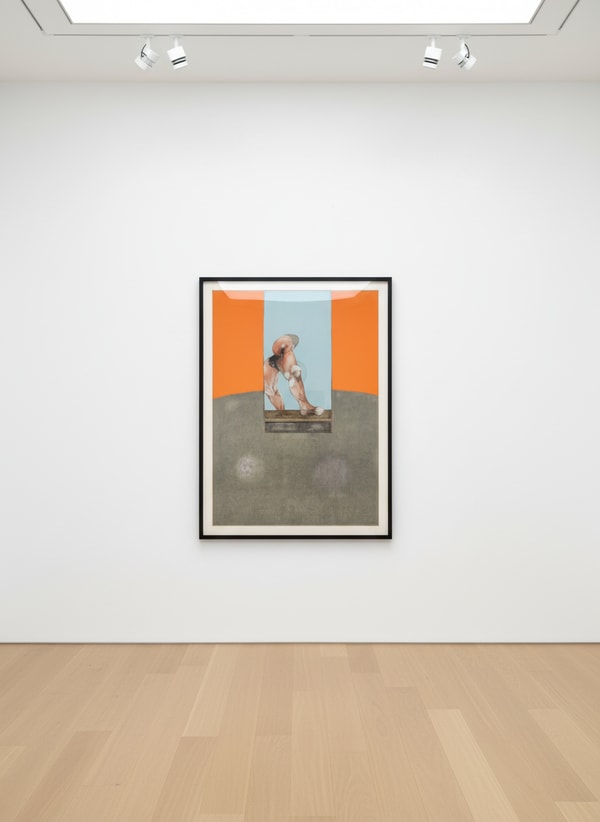
Francis Bacon
Etude de Tauromachie
1987
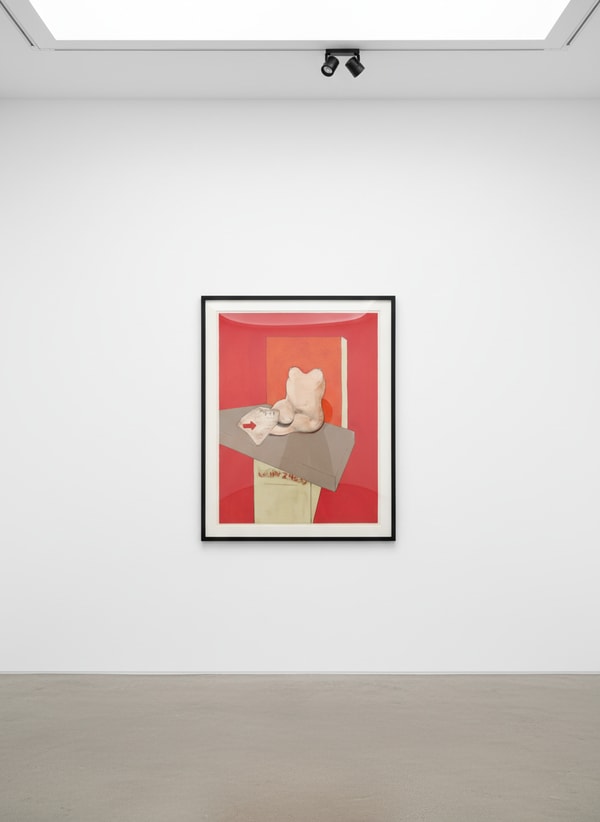
Francis Bacon
Ètude du Corps Humain d'après Ingres , afterStudy of a Human Body after Ingres 1982
1984

Francis Bacon
Hommage à Van Gogh , after Hommage à Van Gogh 1985
1989
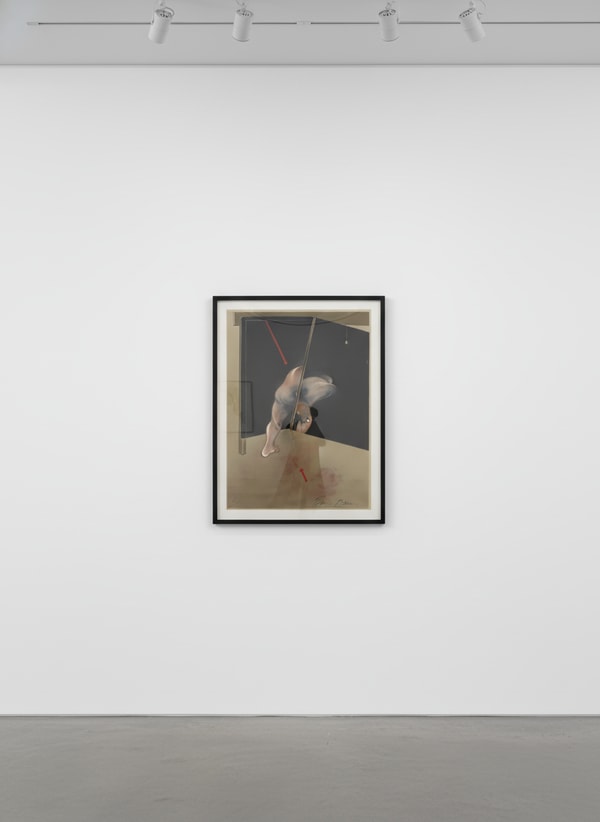
Francis Bacon
Logique de la sensation , after Study from the Human Body 1981
1981
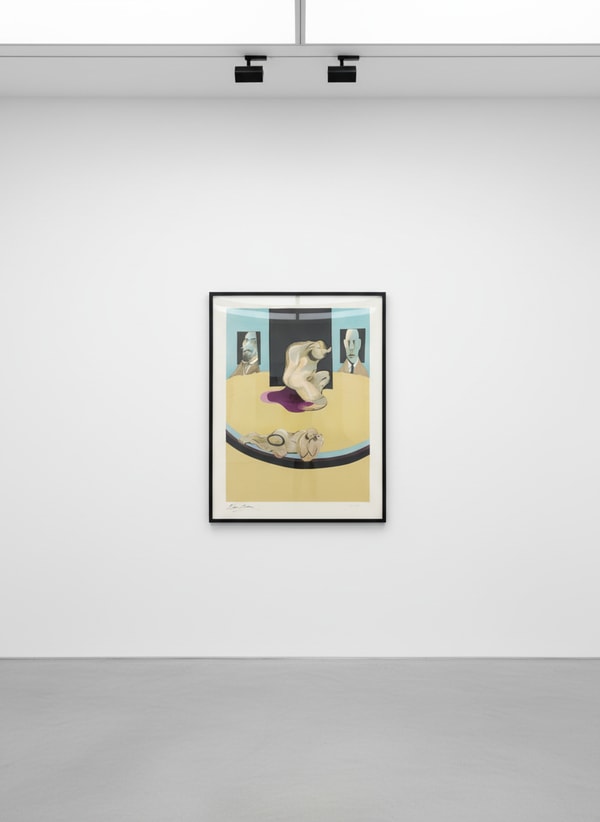
Francis Bacon
Metropolitan Museum of Art
1975
Francis Bacon
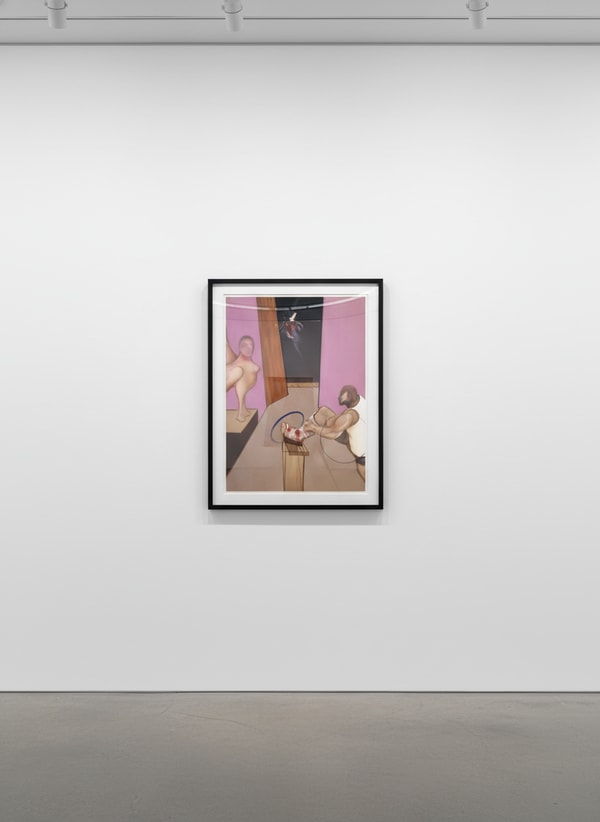
Oedipe et Le Sphinx d'après Ingres , after Oedipus and the Sphinx after Ingres 1983
1984
Francis Bacon
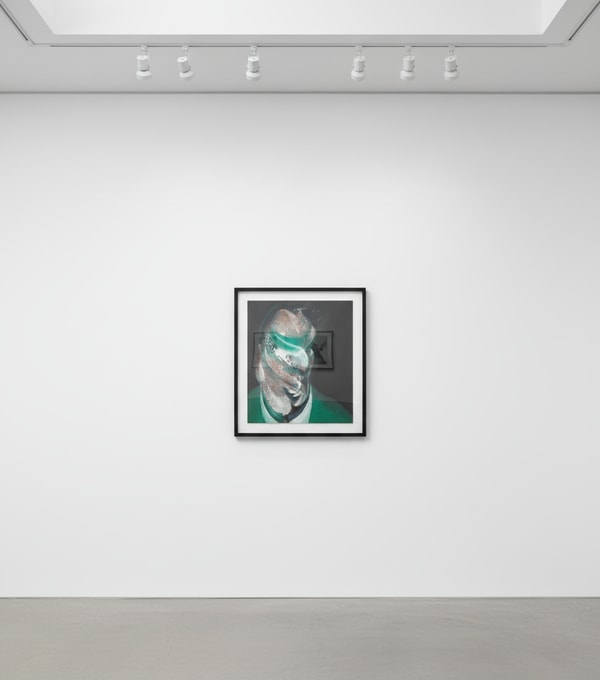
Portrait of Freud
1967
Francis Bacon
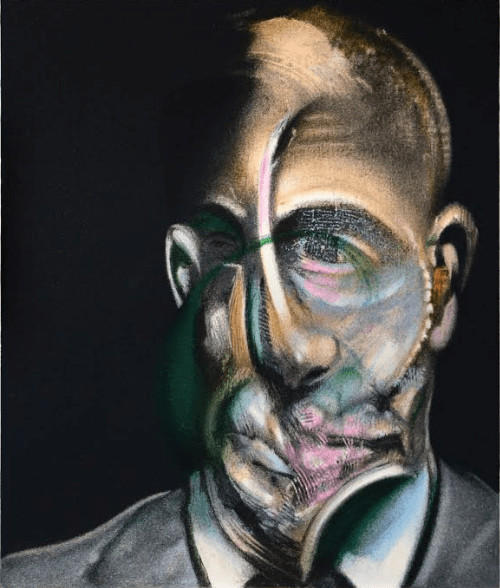
Portrait of Michel Leiris from Miroir de la Tauromachie
1990
Francis Bacon
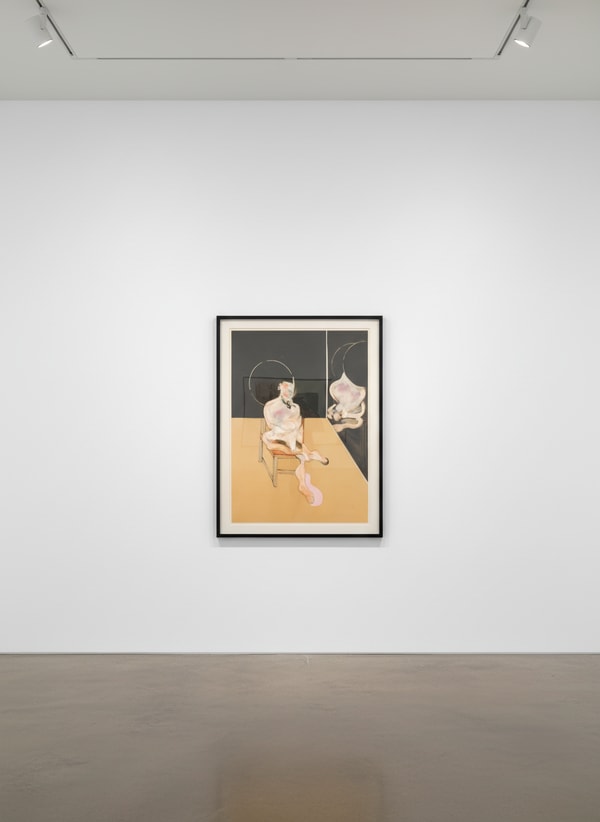
Seated Figure
1983
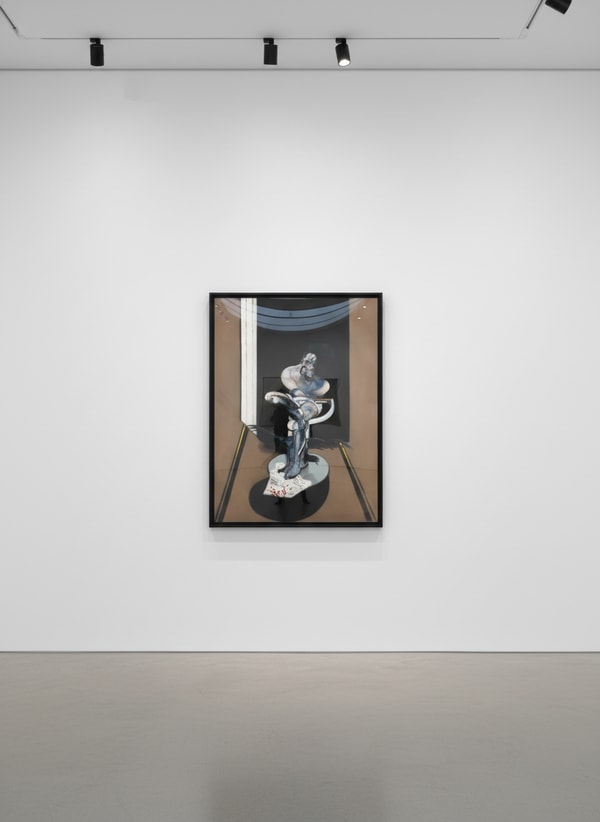
Francis Bacon
Seated Figure , after Seated Figure 1977
1992
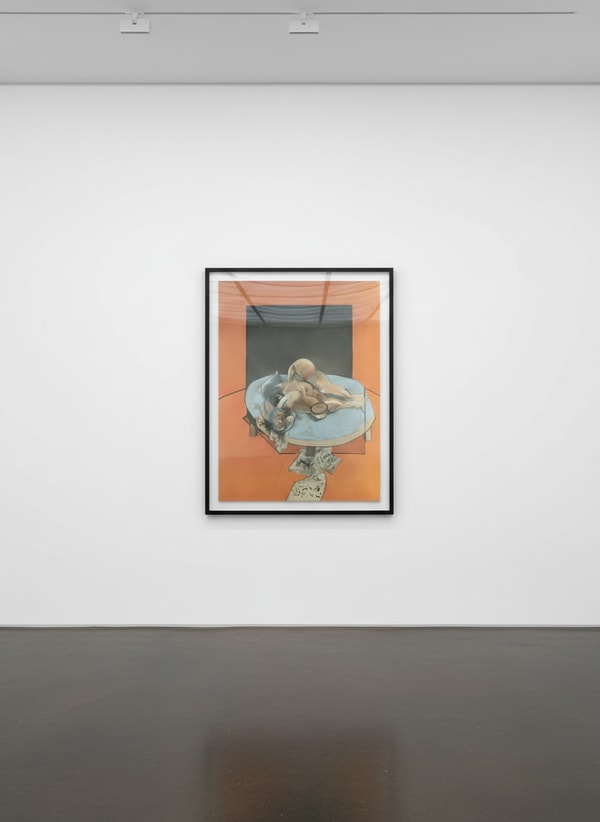
Francis Bacon
Studies of the Human Body , after the Central Panel of the Triptych Studies of the Human Body 1979
1980
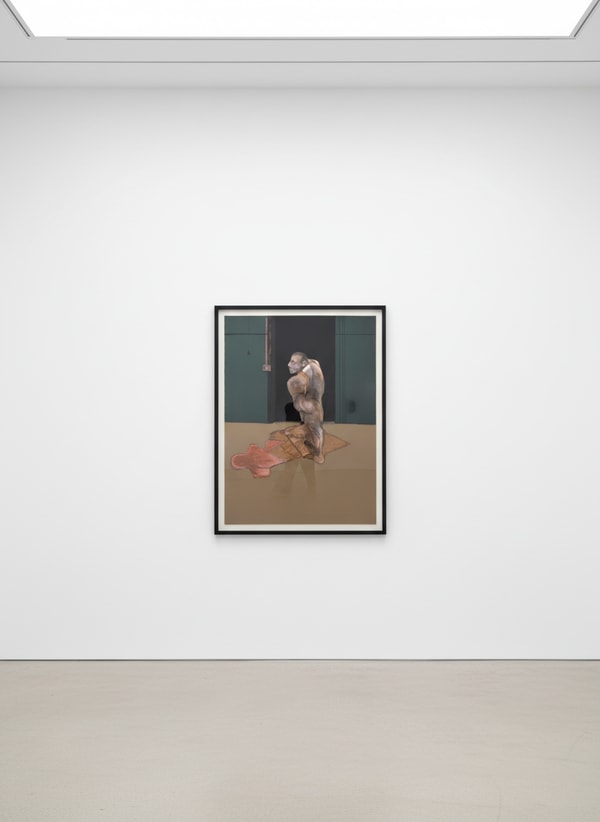
Francis Bacon
Study For A Portrait of John Edwards
1987
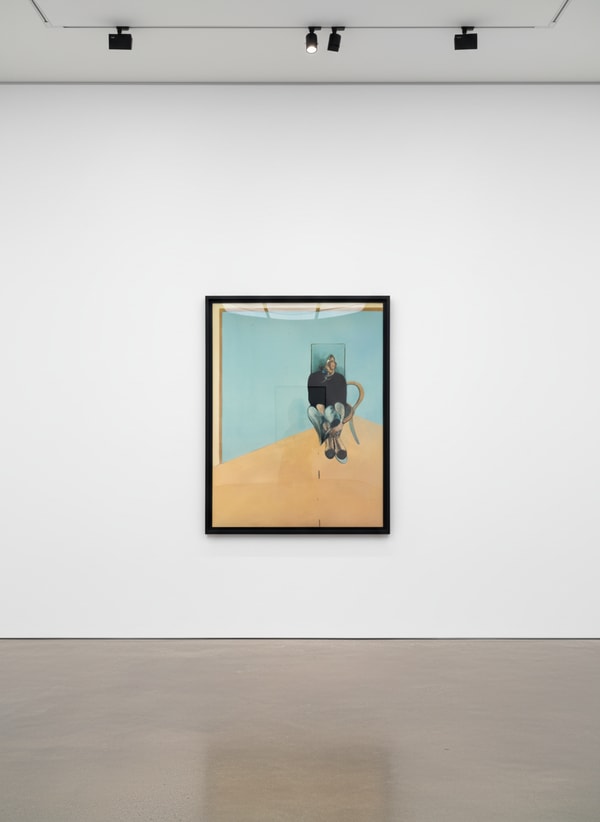
Francis Bacon
Study for Self Portrait , after Study for Self Portrait 1982
1984
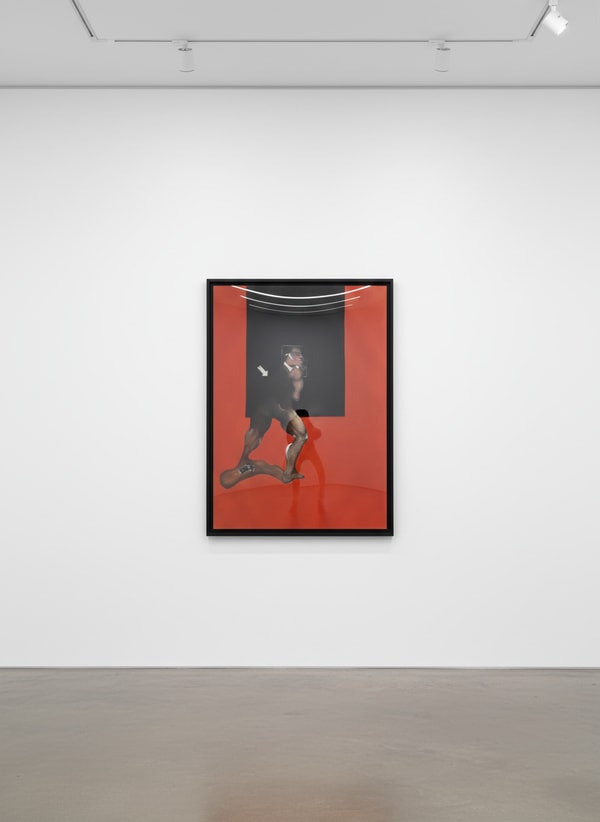
Francis Bacon
Study from Human Body , after Study from Human Body 1987
1992
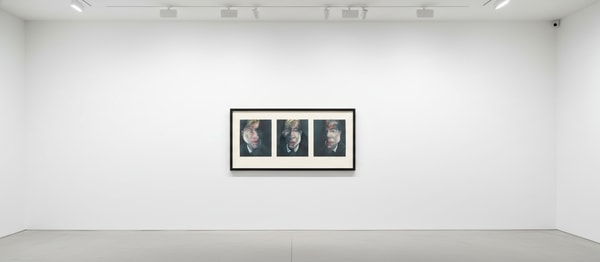
Francis Bacon
Three Studies For A Self Portrait
1983-1990
Francis Bacon (1909–1992) is among the most important figurative painters of the twentieth century, an artist whose raw, visceral canvases locate the human body in conditions of extreme psychological tension and transform painterly convention into a vehicle for existential confrontation. Born in Dublin to English parents, Bacon was largely self-taught — he received no formal art education and came to painting in his late twenties after years of drifting through London and Europe. His breakthrough came with the 1944 triptych Three Studies for Figures at the Base of a Crucifixion, which shocked a wartime London audience with its images of distorted, screaming hybrid creatures and established his reputation as an artist of unsettling and uncompromising vision.
Bacon's mature practice was built around a small number of recurrent subjects and formal devices. His Screaming Popes — a long series of works derived from Velázquez's portrait of Pope Innocent X — dissolve the authority of the Renaissance original into images of anguish and constraint, the figure screaming behind glass or pinned within a geometric cage. His portraits of his intimate circle — Lucian Freud, George Dyer, Isabel Rawsthorne, Peter Lacy — are among the most psychologically penetrating likenesses in the history of art, the faces smeared and turned and displaced in ways that feel both violently distorted and deeply faithful to the sitter's interior life. His self-portraits are equally compulsive: self-scrutiny carried to the point of self-laceration. Through all these works runs a consistent formal vocabulary: figures isolated in shallow, airless spaces; geometric frameworks of lines and bars that imprison or frame; meat-like surfaces of dragged and flung paint; glass and velvet chosen as ground materials to intensify the sense of both exposure and entrapment.
Bacon's market stands among the highest of any twentieth-century figurative artist. Three Studies of Lucian Freud (1969) achieved $142,400,000 at Christie's New York in 2013 — the world auction record at the time — while Triptych, 1976 reached $86,000,000 at Sotheby's New York in 2014, and Triptych Inspired by the Oresteia of Aeschylus (1981) achieved $84,600,000 at Sotheby's in 2020. Works on paper, prints, lithographs, and screenprints derived from his iconic paintings represent more accessible entry points to his market and are actively sought by collectors worldwide.
Bacon's work is held at Tate Modern, the Museum of Modern Art, the Metropolitan Museum of Art, the Solomon R. Guggenheim Museum, the Art Institute of Chicago, the Centre Pompidou, the Museo Nacional del Prado, and Museum Ludwig, among other major institutions globally.
Guy Hepner offers expert guidance on Francis Bacon prints, editions, and works on paper from our gallery at 177 Tenth Avenue, New York. Given the seriousness of the Bacon market and the importance of authentication, we approach every transaction with the utmost rigour. We offer free, confidential valuations for works in private collections and connections to qualified buyers worldwide.