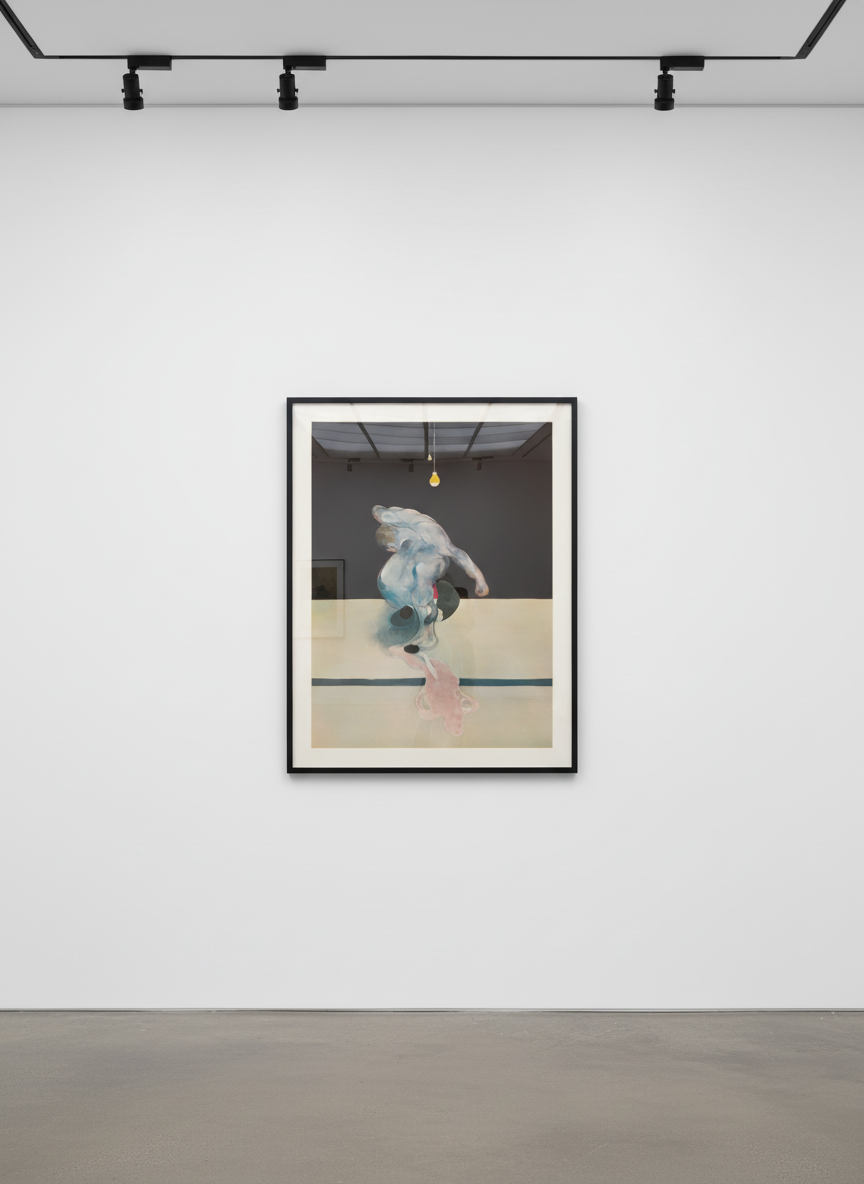
Edition of 150
1 work

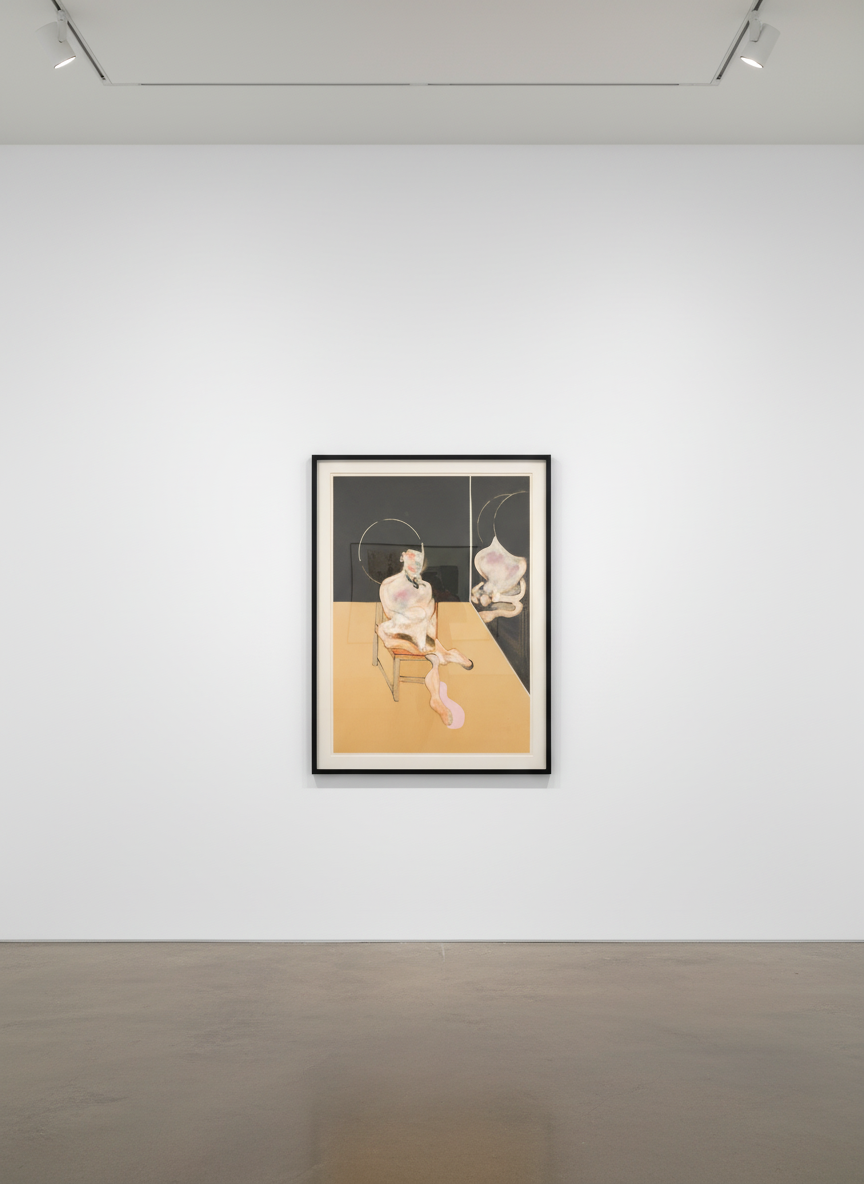
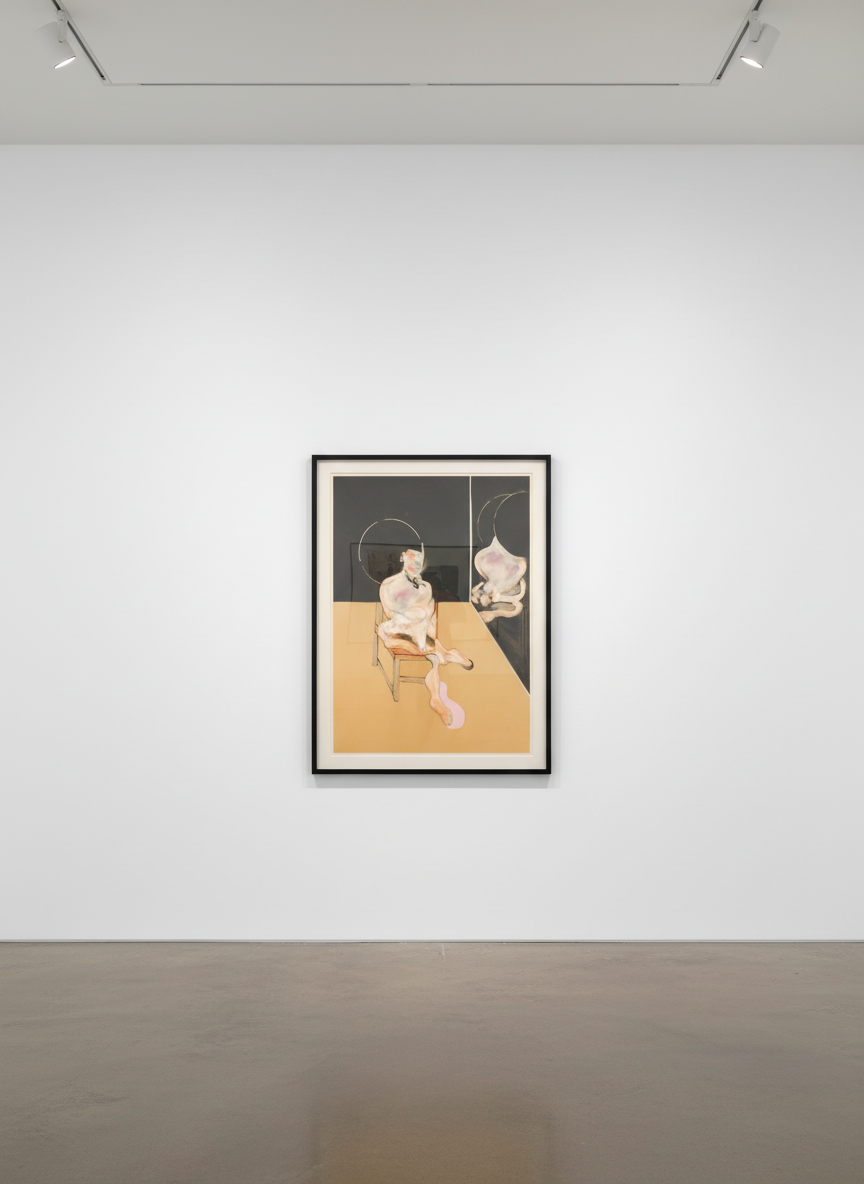
Seated Figure, 1983
Lithograph
40 1/8 x 27 1/2 in 102 x 70 cm
Edition of 99
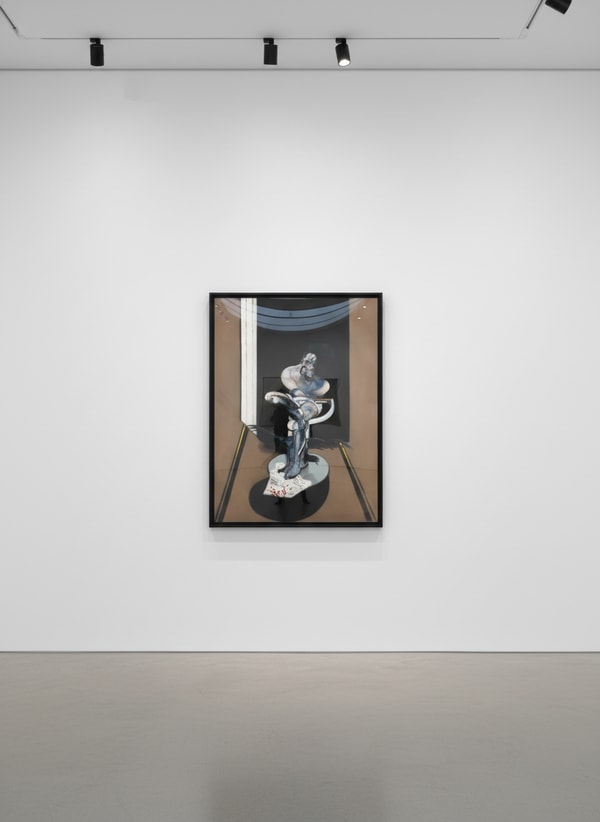
Francis Bacon’s After Seated Figure – from Study for a Portrait (1981) is a visceral meditation on the instability of identity, the fragility of the human body, and the psychological tension of existence. Continuing his lifelong preoccupation with distortion, isolation, and the inner workings of the psyche, this work exemplifies Bacon’s ability to convey profound existential anxiety through his manipulation of form, space, and symbolism. The image is not merely a portrait, but an evocation of the emotional and corporeal uncertainties that define the human condition.The seated figure is positioned within a narrow, almost claustrophobic enclosure, composed of sharply defined, geometric boundaries. Bacon constructs this spatial architecture using angular planes and contrasting textures—a flat, dark panel on one side and a luminous, mirror-like surface on the other. The latter reflects not a faithful image, but a fragmented, ghostly echo of the figure itself. This interplay of reality and reflection suggests a duality of self, underscoring Bacon’s recurring theme of fractured identity. The mirror does not affirm the figure’s presence; instead, it splinters it, as if even the act of seeing oneself yields distortion and uncertainty.The composition’s structural elements—the rigid lines of the floor, the verticality of the walls, the sparse furnishing—serve as a cold counterpoint to the organic, almost liquified rendering of the figure’s flesh. The figure, slumped in a chair, appears to be simultaneously dissolving and solidifying, caught in a state of becoming and undoing. Bacon’s rendering of the form is deliberately imprecise: limbs blur into the background, facial features smear across the surface, and boundaries between body and space collapse. This technique speaks to a broader existential idea—that identity is never fixed, and that the body is both a site of presence and a symbol of impermanence.A circular arc floats behind the figure’s head, faintly reminiscent of a halo, but broken and incomplete. This symbolic gesture may reference religious iconography, yet in Bacon’s universe, it is stripped of divinity. Instead, it suggests ambiguity, absence, or even failure—a failed transcendence. Combined with the chair’s strict geometry, this partial circle generates a visual tension between the sacred and the secular, the idealized and the abject. It draws attention to the head, yet what occupies this space is not a traditional portrait but a near-erasure. The figure’s face is heavily distorted—blurred, smudged, and obscured to the point of near-anonymity.This obliteration of facial identity is central to Bacon’s practice. For him, the face was not a stable marker of the individual but a mutable, vulnerable surface that betrayed the deeper conflicts of the self. In After Seated Figure, the absence of a legible face transforms the subject into a universal stand-in for human suffering, confusion, and fragmentation. The mirrored reflection further complicates this reading, suggesting that even in solitude, we remain unknowable—even to ourselves.The background’s stark minimalism throws the flesh of the figure into sharp relief. There is no narrative setting, no environment that might provide emotional grounding or symbolic context. What remains is a body alone in space—vulnerable, exposed, and disintegrating. The fleshy, malleable quality of the figure recalls Bacon’s interest in medical imagery and anatomical photography, which he often used to reference the body not as a site of beauty, but as a subject of scientific scrutiny and existential reflection. In this print, flesh becomes a medium of meaning: bruised, contorted, and on the verge of collapse, it communicates the impermanence of life and the inevitability of decay.This work resonates strongly with the existentialist undercurrents that flow throughout Bacon’s oeuvre. Influenced by thinkers such as Nietzsche, Sartre, and Beckett, Bacon rejected comforting notions of order or transcendence. Instead, he embraced the absurdity, anguish, and ambiguity of existence. His figures often appear caught between states—between presence and absence, coherence and dissolution, solitude and scrutiny. In After Seated Figure, this liminality is embodied in the reflective surface, the contorted pose, and the figure’s ambiguous form, all of which resist easy interpretation.Ultimately, After Seated Figure – from Study for a Portrait is not a portrait in the traditional sense. It does not seek to represent a person in space or time but rather explores the dissolution of selfhood under psychological and existential pressure. Bacon’s manipulation of space, distortion of anatomy, and symbolic use of light and geometry construct a scene that is as much internal as external. The figure becomes a vessel of existential inquiry—a haunting reminder of the body’s vulnerability and the mind’s fragmented reflections.This print, like much of Bacon’s later work, distills decades of philosophical engagement and personal trauma into a single, searing image. It is a study in being and unbeing, presence and absence, coherence and collapse. Through this confrontation with the figure, Bacon invites the viewer to witness the fragility of identity—not as something broken, but as something always on the verge of breaking.For more information on Francis Bacon’s After Seated Figure – from Study for a Portrait or to buy After Seated Figure – from Study for a Portrait contact our galleries using the form below.
Price on Application
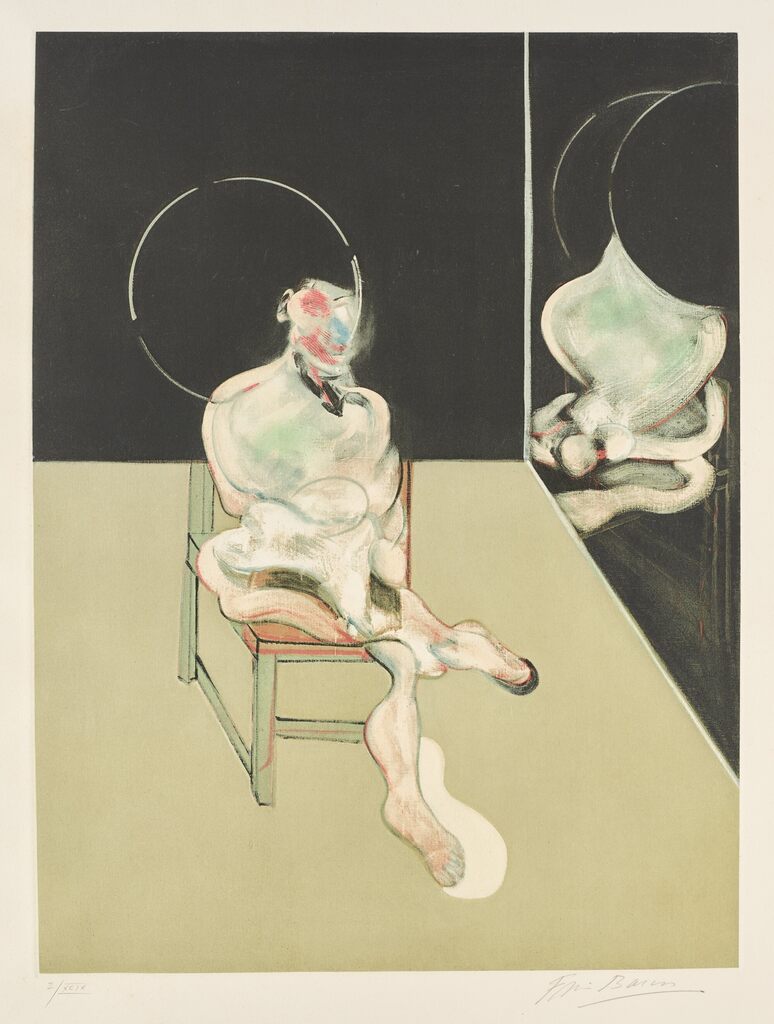
Seated Figure (after, Study for a Portrait 1981) (S. 5, T. 15) · Francis Bacon · Phillips · 2026-01 · $17,755
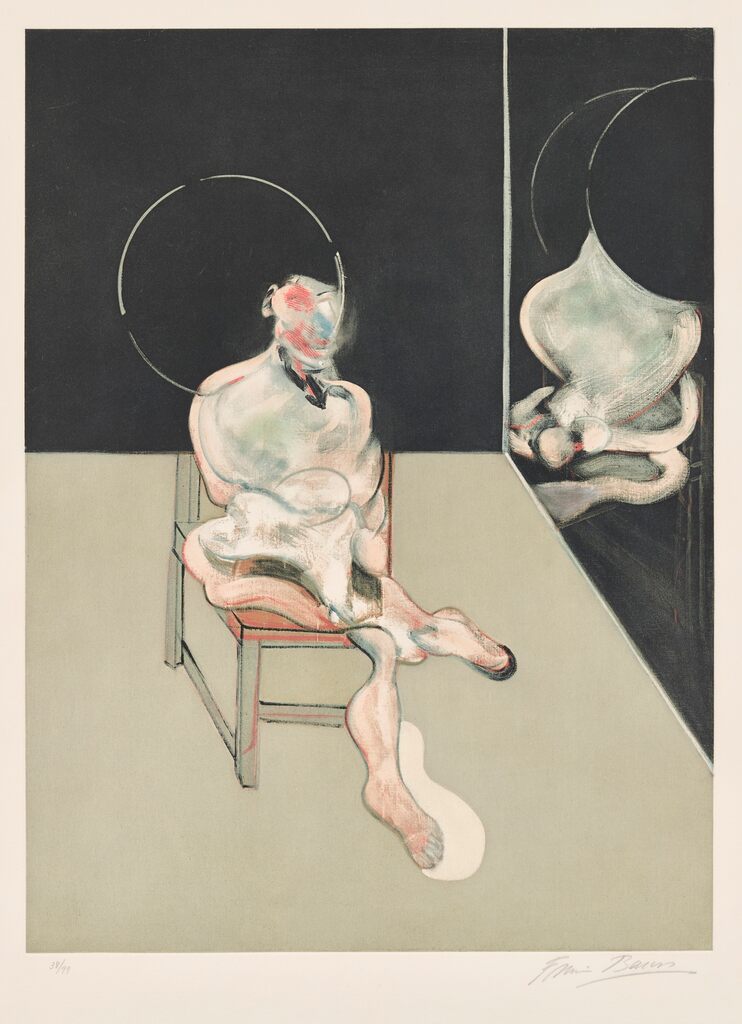
Seated Figure (S. 5) · Francis Bacon · Phillips · 2025-10 · $9,030
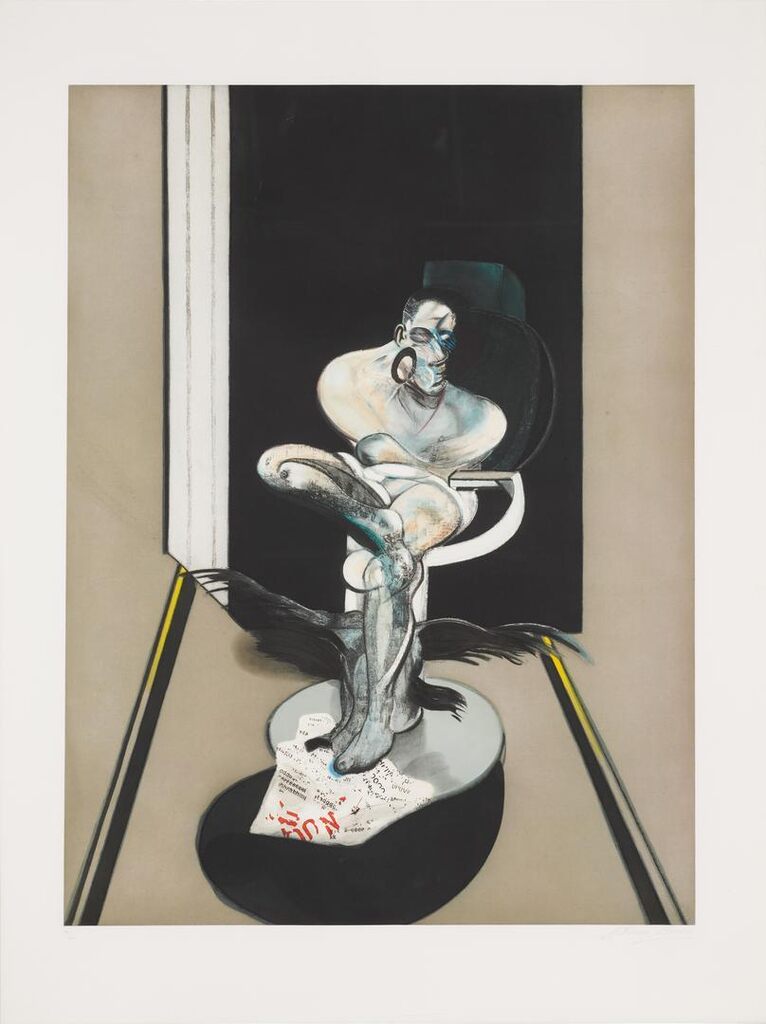
Seated Figure · Francis Bacon · Sotheby's · 2024-09 · $47,644
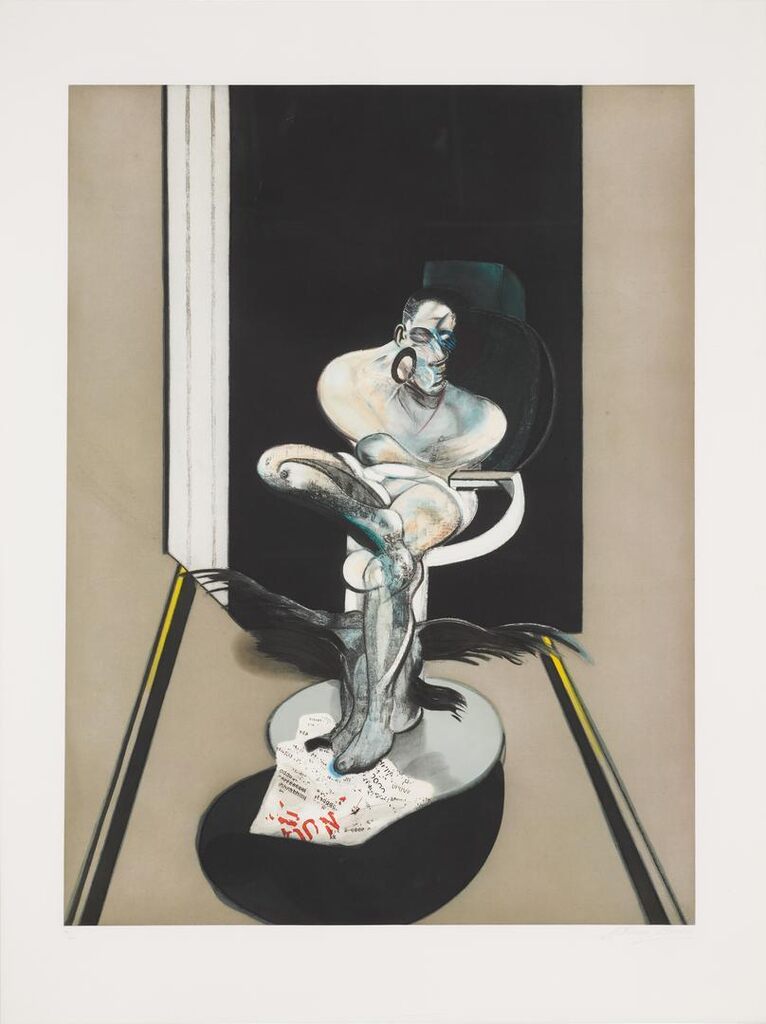
Seated Figure · Francis Bacon · Sotheby's · 2024-03 · $0
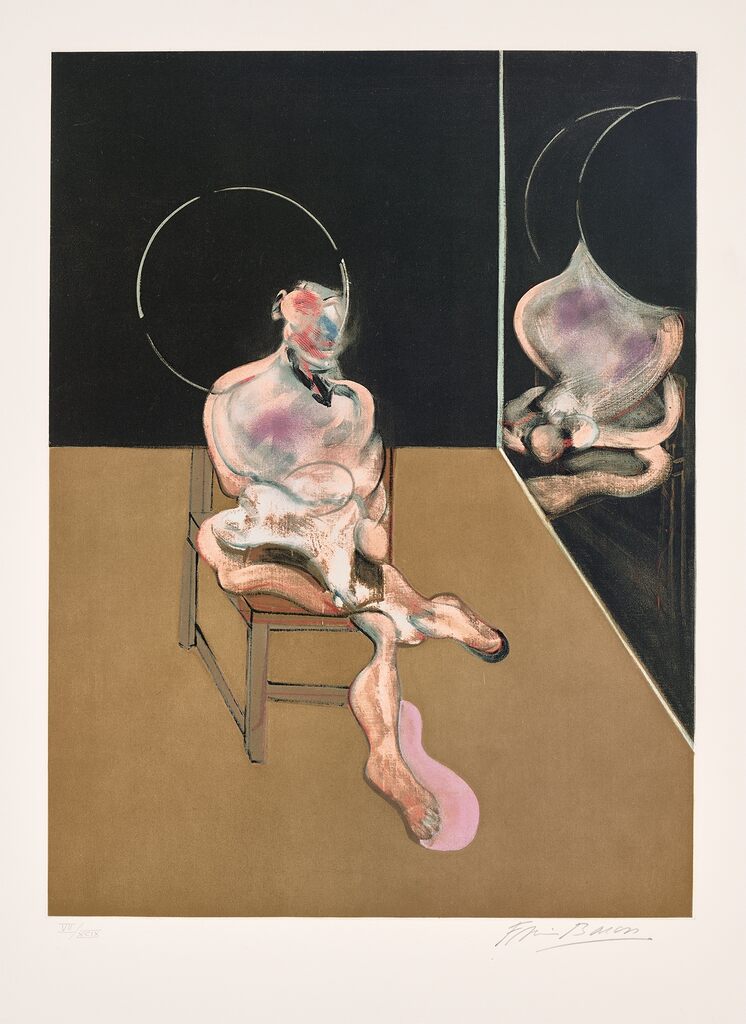
Seated Figure (after, Study for a Portrait 1981) (S. 5, T. 15) · Francis Bacon · Phillips · 2024-01 · $26,056
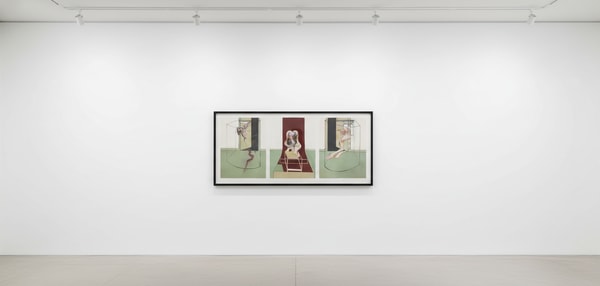
Francis Bacon
after Triptych (1981) inspired by the Oresteia of Aeschylus, 1981
1981
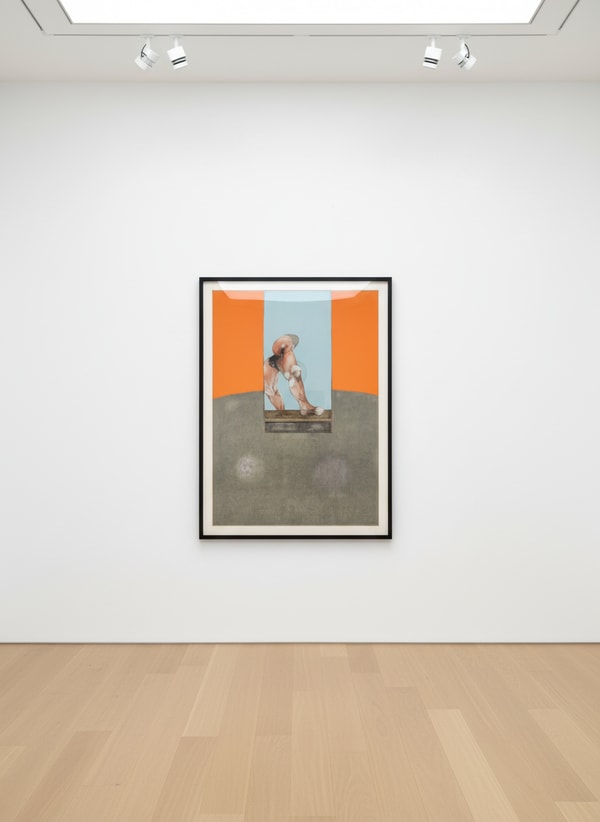
Francis Bacon
Etude de Tauromachie
1987
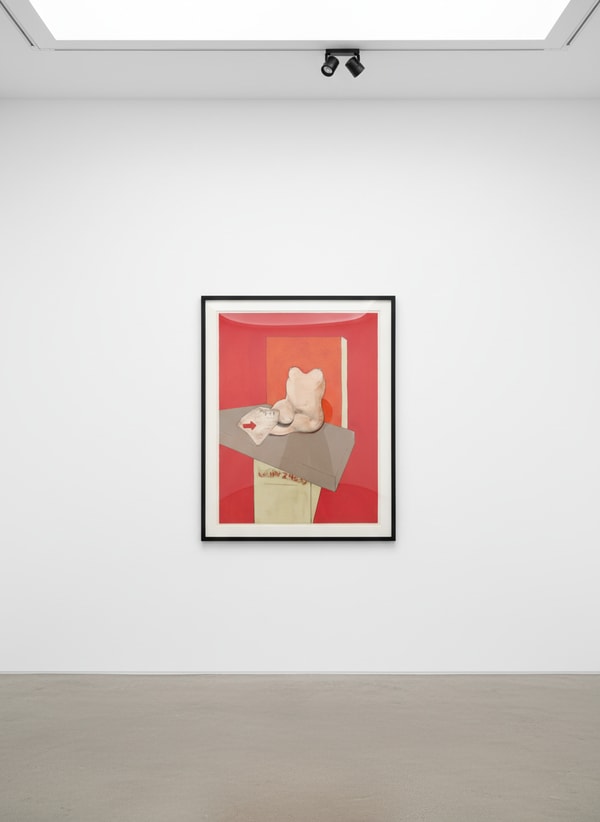
Francis Bacon
Ètude du Corps Humain d'après Ingres , afterStudy of a Human Body after Ingres 1982
1984

Francis Bacon
Hommage à Van Gogh , after Hommage à Van Gogh 1985
1989
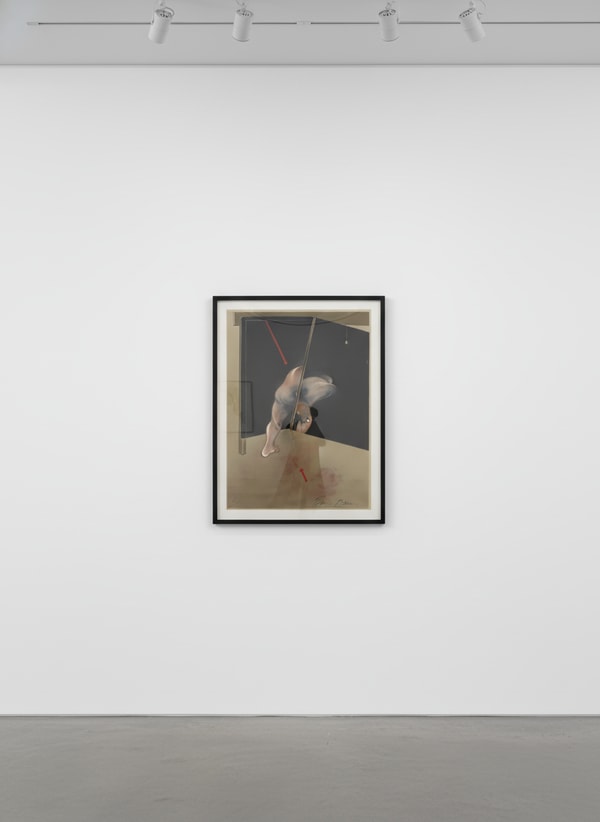
Francis Bacon
Logique de la sensation , after Study from the Human Body 1981
1981
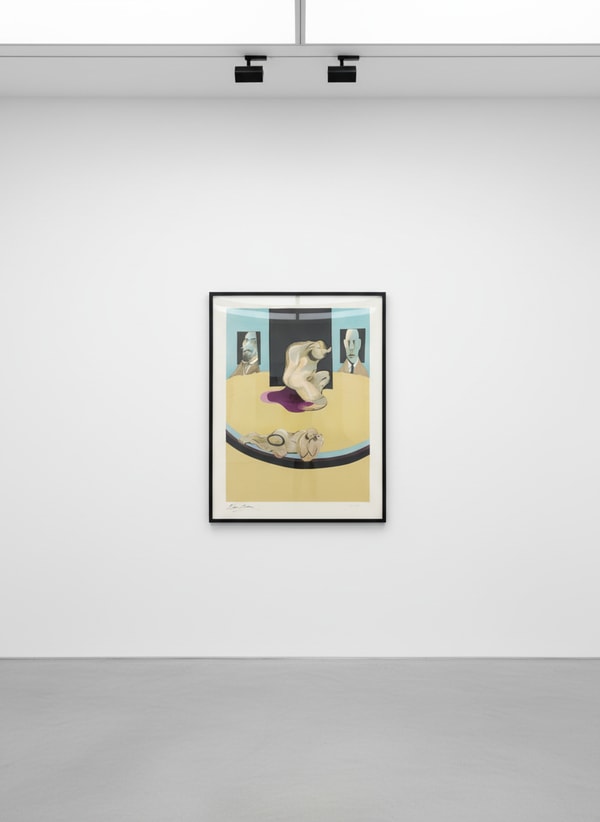
Francis Bacon
Metropolitan Museum of Art
1975
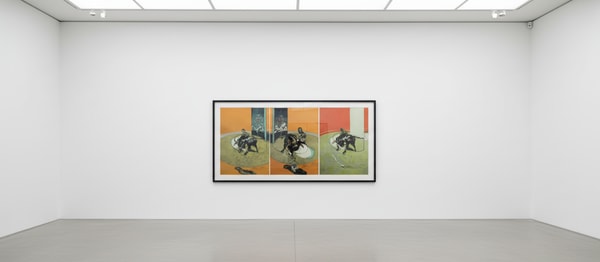
Francis Bacon
Mirroir de la Tauromachie
1990
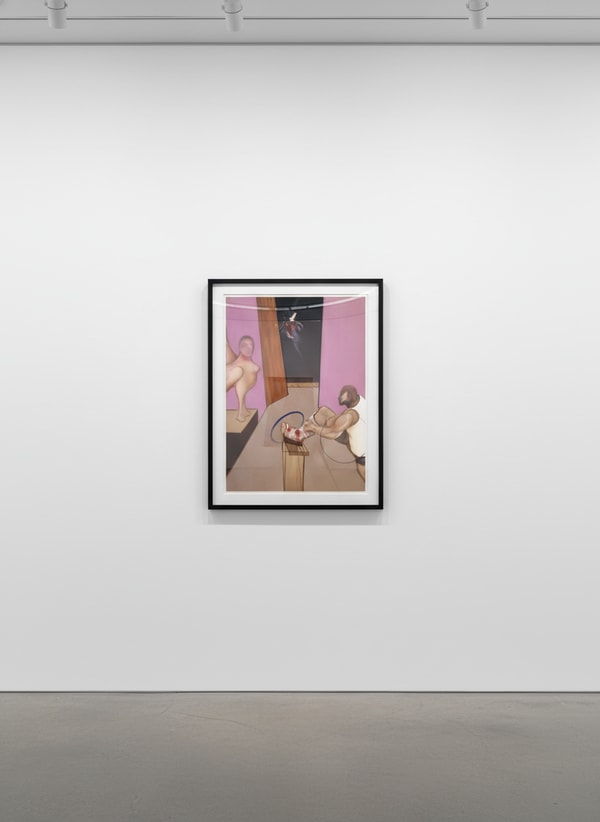
Francis Bacon
Oedipe et Le Sphinx d'après Ingres , after Oedipus and the Sphinx after Ingres 1983
1984
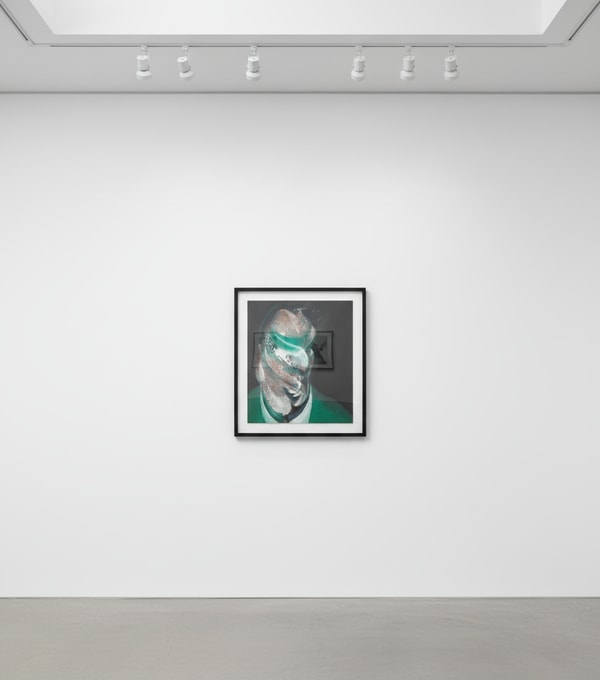
Francis Bacon
Portrait of Freud
1967
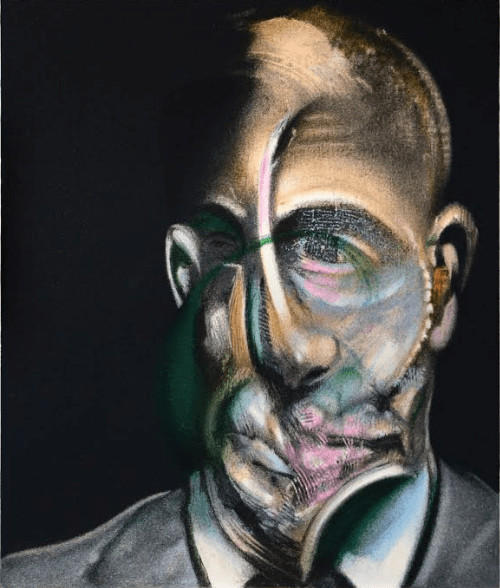
Francis Bacon
Portrait of Michel Leiris from Miroir de la Tauromachie
1990
Francis Bacon
Seated Figure , after Seated Figure 1977
1992
Francis Bacon
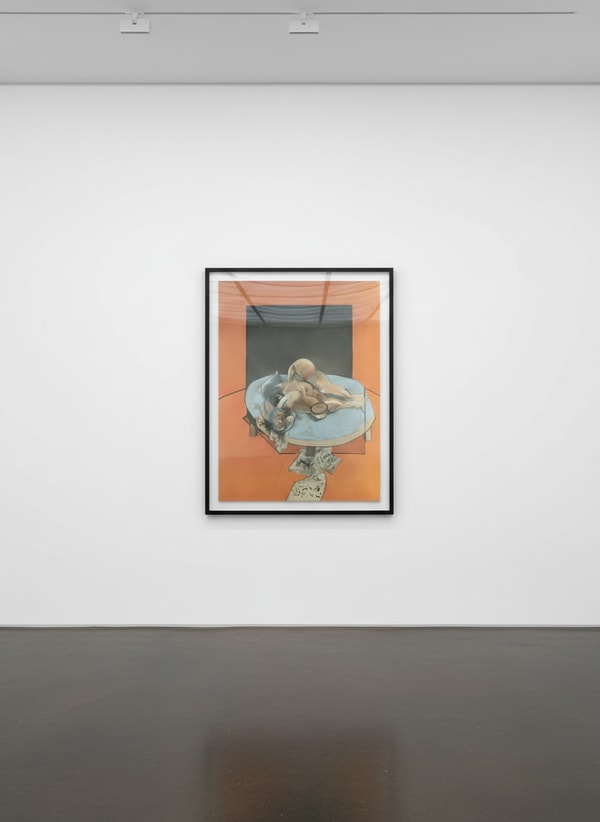
Studies of the Human Body , after the Central Panel of the Triptych Studies of the Human Body 1979
1980
Francis Bacon
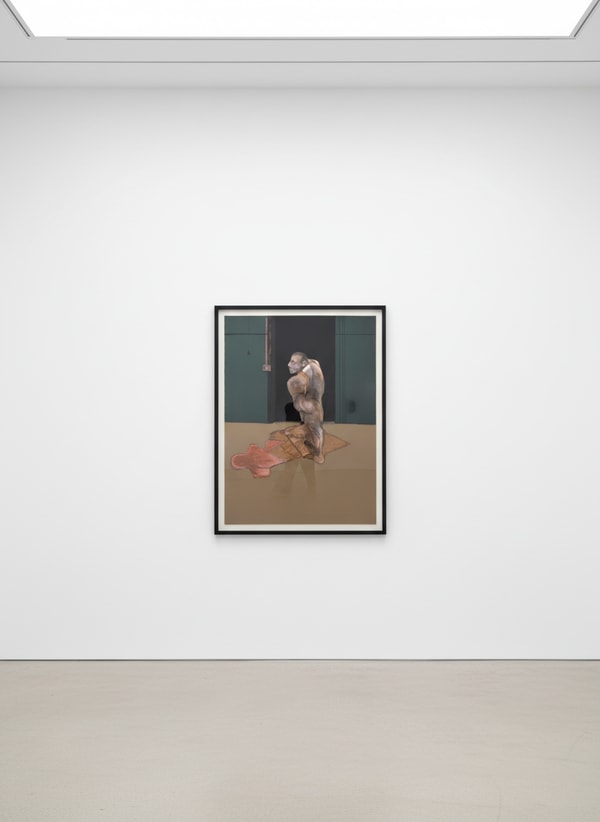
Study For A Portrait of John Edwards
1987
Francis Bacon
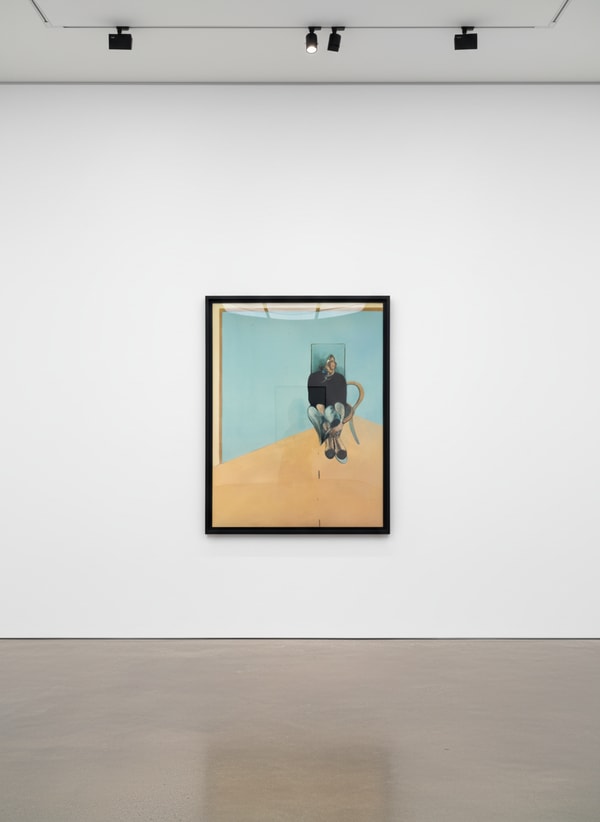
Study for Self Portrait , after Study for Self Portrait 1982
1984
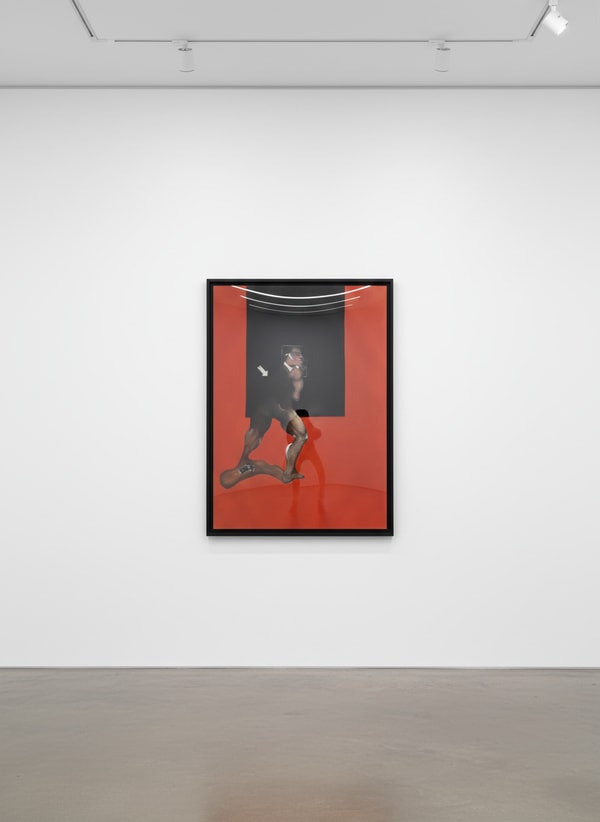
Francis Bacon
Study from Human Body , after Study from Human Body 1987
1992
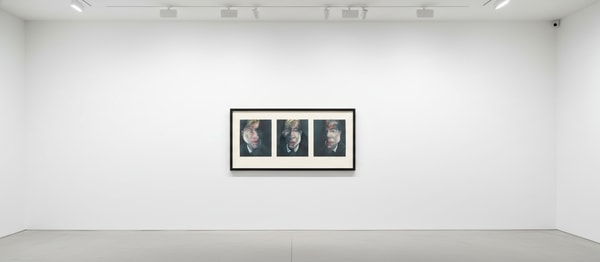
Francis Bacon
Three Studies For A Self Portrait
1983-1990
Francis Bacon (1909–1992) is among the most important figurative painters of the twentieth century, an artist whose raw, visceral canvases locate the human body in conditions of extreme psychological tension and transform painterly convention into a vehicle for existential confrontation. Born in Dublin to English parents, Bacon was largely self-taught — he received no formal art education and came to painting in his late twenties after years of drifting through London and Europe. His breakthrough came with the 1944 triptych Three Studies for Figures at the Base of a Crucifixion, which shocked a wartime London audience with its images of distorted, screaming hybrid creatures and established his reputation as an artist of unsettling and uncompromising vision.
Bacon's mature practice was built around a small number of recurrent subjects and formal devices. His Screaming Popes — a long series of works derived from Velázquez's portrait of Pope Innocent X — dissolve the authority of the Renaissance original into images of anguish and constraint, the figure screaming behind glass or pinned within a geometric cage. His portraits of his intimate circle — Lucian Freud, George Dyer, Isabel Rawsthorne, Peter Lacy — are among the most psychologically penetrating likenesses in the history of art, the faces smeared and turned and displaced in ways that feel both violently distorted and deeply faithful to the sitter's interior life. His self-portraits are equally compulsive: self-scrutiny carried to the point of self-laceration. Through all these works runs a consistent formal vocabulary: figures isolated in shallow, airless spaces; geometric frameworks of lines and bars that imprison or frame; meat-like surfaces of dragged and flung paint; glass and velvet chosen as ground materials to intensify the sense of both exposure and entrapment.
Bacon's market stands among the highest of any twentieth-century figurative artist. Three Studies of Lucian Freud (1969) achieved $142,400,000 at Christie's New York in 2013 — the world auction record at the time — while Triptych, 1976 reached $86,000,000 at Sotheby's New York in 2014, and Triptych Inspired by the Oresteia of Aeschylus (1981) achieved $84,600,000 at Sotheby's in 2020. Works on paper, prints, lithographs, and screenprints derived from his iconic paintings represent more accessible entry points to his market and are actively sought by collectors worldwide.
Bacon's work is held at Tate Modern, the Museum of Modern Art, the Metropolitan Museum of Art, the Solomon R. Guggenheim Museum, the Art Institute of Chicago, the Centre Pompidou, the Museo Nacional del Prado, and Museum Ludwig, among other major institutions globally.
Guy Hepner offers expert guidance on Francis Bacon prints, editions, and works on paper from our gallery at 177 Tenth Avenue, New York. Given the seriousness of the Bacon market and the importance of authentication, we approach every transaction with the utmost rigour. We offer free, confidential valuations for works in private collections and connections to qualified buyers worldwide.