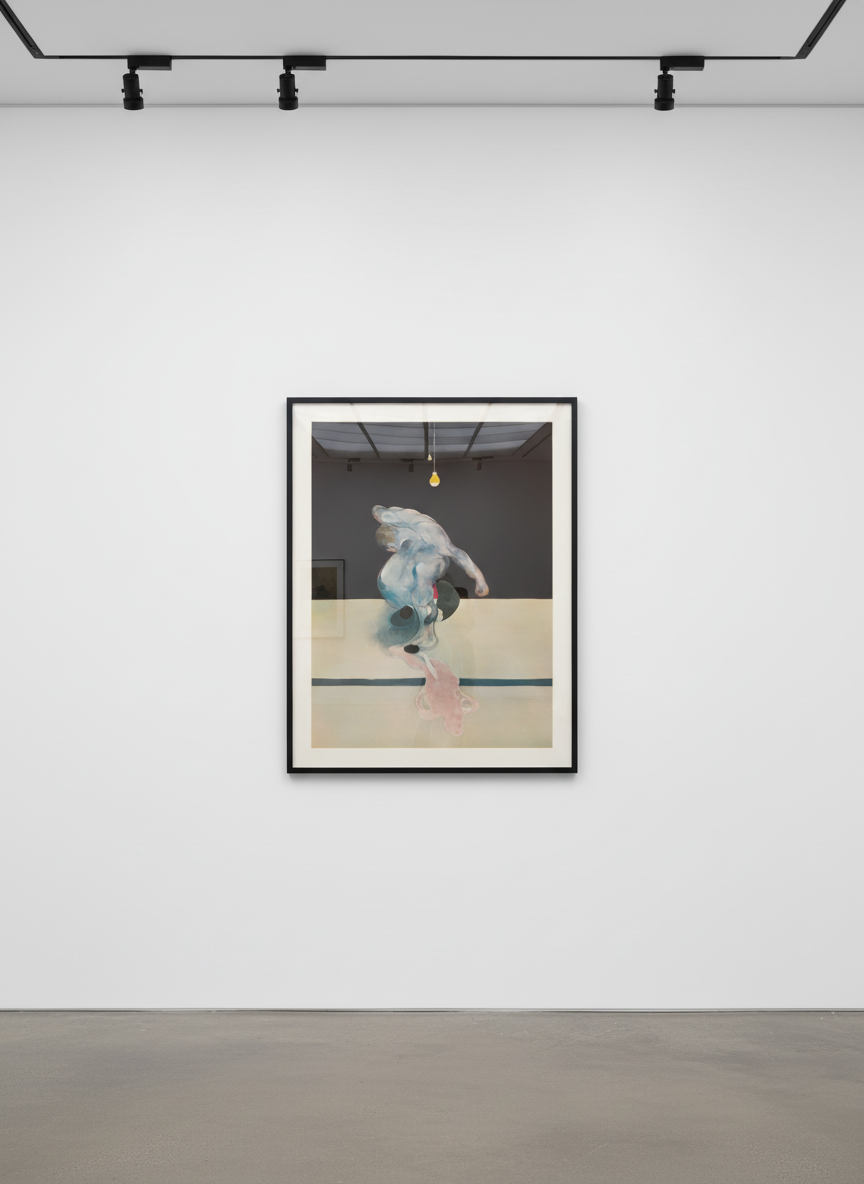
Edition of 150
1 work

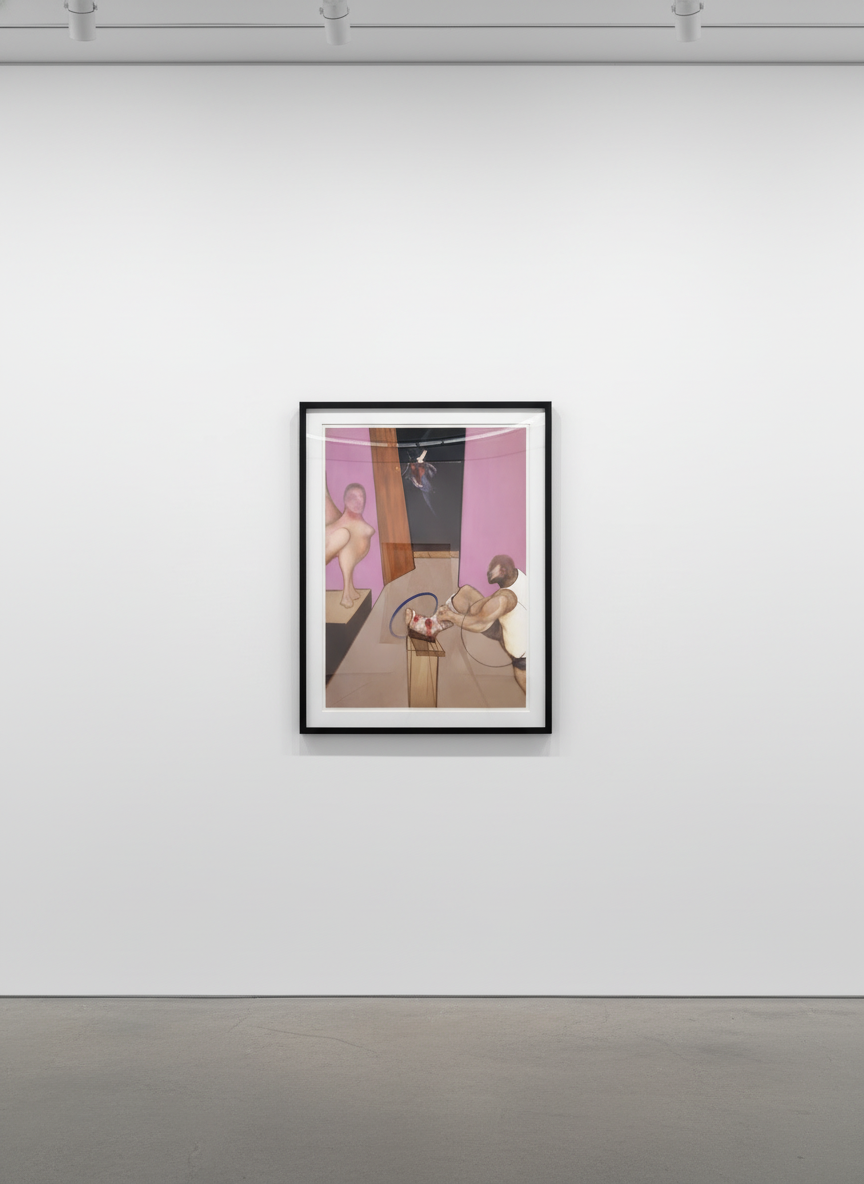
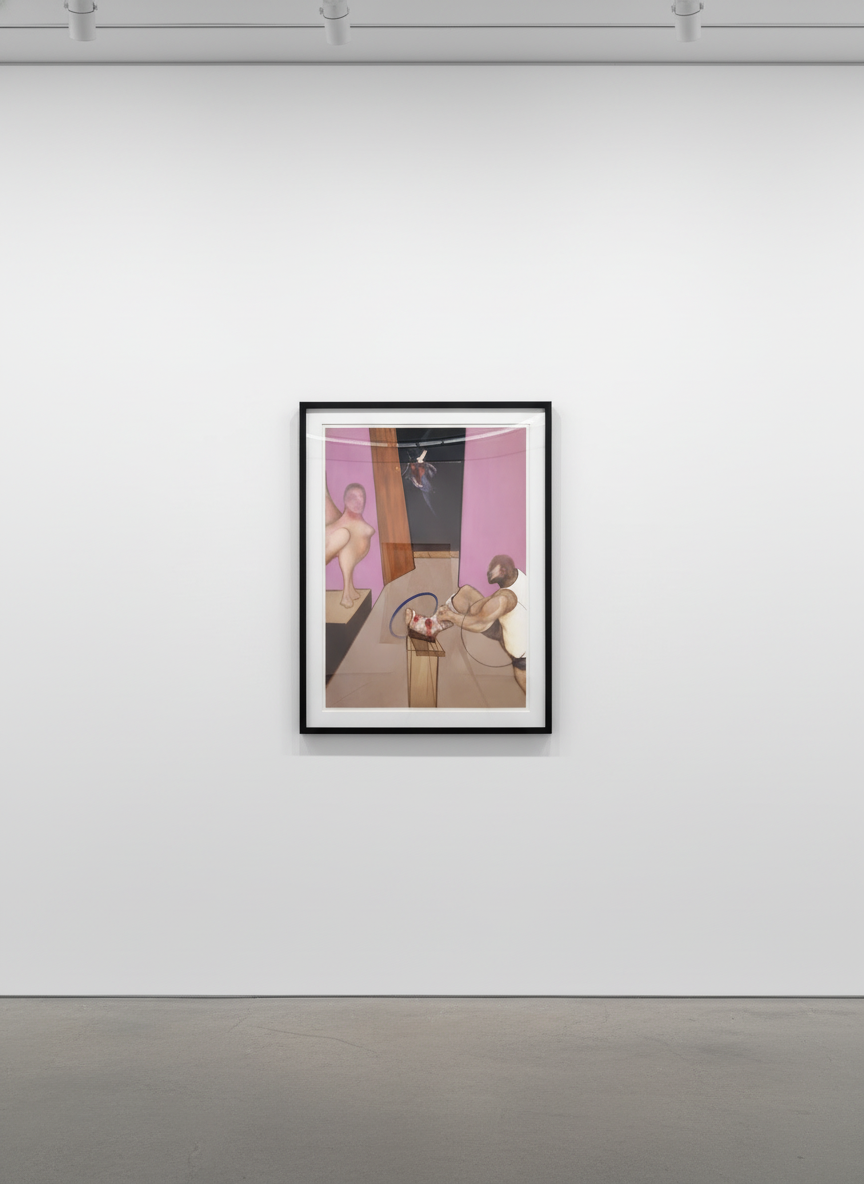
Oedipe et Le Sphinx d'après Ingres , after Oedipus and the Sphinx after Ingres 1983, 1984
Lithograph on Arches paper
50 x 35 in 127 x 88.9 cm
Edition of 150
Francis Bacon’s Oedipus and the Sphinx After Ingres (1983) is a bold and unsettling reimagining of classical myth, refracted through the fractured lens of modern existentialism and psychological abstraction. Based on Jean-Auguste-Dominique Ingres’ neoclassical interpretation of the same mythological encounter, Bacon’s version discards idealized form in favour of visceral tension, emotional disfigurement, and a profound sense of metaphysical disquiet. What results is not merely a reinterpretation of a historical image, but a powerful commentary on the enduring anxieties of the human condition.Ingres’ original depiction of Oedipus confronting the Sphinx is composed with clarity, balance, and anatomical precision—a serene moment of intellectual victory, steeped in classical ideals of rationality and composure. Bacon, by contrast, transforms this encounter into something darker and more chaotic. His Oedipus is not a poised hero solving a riddle, but a distorted, anguished figure caught in the throes of uncertainty and existential dread. The body, stretched and fragmented, is rendered with Bacon’s signature brutality, emphasizing its vulnerability and fragility rather than its heroic potential.The Sphinx in Bacon’s version is no longer a clearly defined creature, but a haunting, ambiguous form—more suggestion than presence. Its menace is less physical and more psychological, embodying the inscrutable forces of fate, mortality, and suffering that haunt much of Bacon’s work. In place of mythic clarity, Bacon introduces ambiguity and dread, making the myth a cipher for the absurdity and unpredictability of existence itself.The palette is characteristically restrained yet emotionally charged. Bacon employs pale, fleshy pinks, sickly beige, and muted earth tones, creating an atmosphere of physical exposure and unease. Contrasting accents of black and shimmering metallic grey slice through the canvas like wounds or ruptures, evoking armor, surgical instruments, or industrial remnants—reminders of the mechanized brutality of the modern world. These metallic intrusions reinforce a sense of dehumanization, as if the body were subject not only to metaphysical despair but also to cold, impersonal forces beyond its control.The surrounding environment is sparse, almost barren, with faint architectural outlines that nod toward classical structures but ultimately offer no comfort or coherence. There is no setting of mythic grandeur or narrative triumph—only a dreamlike void, a space suspended between time periods and realities. This ambiguous spatial treatment heightens the sense of alienation and rootlessness, leaving Oedipus stranded in a psychological landscape where answers are elusive and suffering is inescapable.Bacon’s departure from narrative clarity in favor of expressive abstraction is deliberate. His goal is not to retell the Oedipus myth but to deconstruct its symbolic power and reveal the raw emotional core beneath it. Where Ingres portrayed Oedipus as a rational, victorious figure, Bacon presents him as a man undone—physically and mentally—by forces that exceed reason. In this way, the image becomes a meditation on suffering, identity, and the futility of knowledge in the face of inevitable mortality.Central to the work is the human body, rendered not as a harmonious whole but as a volatile battleground. Bacon’s figures are often reduced to fleshy fragments, distorted into grotesque configurations that blur the line between being and disintegration. In Oedipus and the Sphinx After Ingres, the body becomes a site of internal conflict, where psychological trauma manifests in violent anatomical disruption. This emphasis on corporeal distortion underscores the existential themes running through Bacon’s oeuvre—identity as unstable, the self as unknowable, and the body as the ultimate, decaying testament to human experience.By referencing Ingres in the title, Bacon initiates a dialogue across centuries, confronting the classical ideal of perfection with the shattered reality of modern life. He takes the visual grammar of academic painting—clarity, proportion, ideal beauty—and explodes it into a visceral, contemporary language of ambiguity, anxiety, and fragmentation. The classical myth becomes a vessel for Bacon’s personal and philosophical concerns: loss, desire, death, and the impossibility of coherence in a disordered world.In the end, Oedipus and the Sphinx After Ingres is not just a reinterpretation of a well-known image; it is a philosophical statement rendered in paint. It strips away the veneers of classicism to expose the raw nerves of the human psyche. Through distorted form, stark space, and emotionally loaded colour, Bacon compels the viewer to confront the darker truths of existence—our solitude, our suffering, and the fragile limits of our understanding.For more information on Francis Bacon’s Oedipus and the Sphinx After Ingres or to buy Oedipus and the Sphinx After Ingres contact our galleries using the form below.
Price on Application
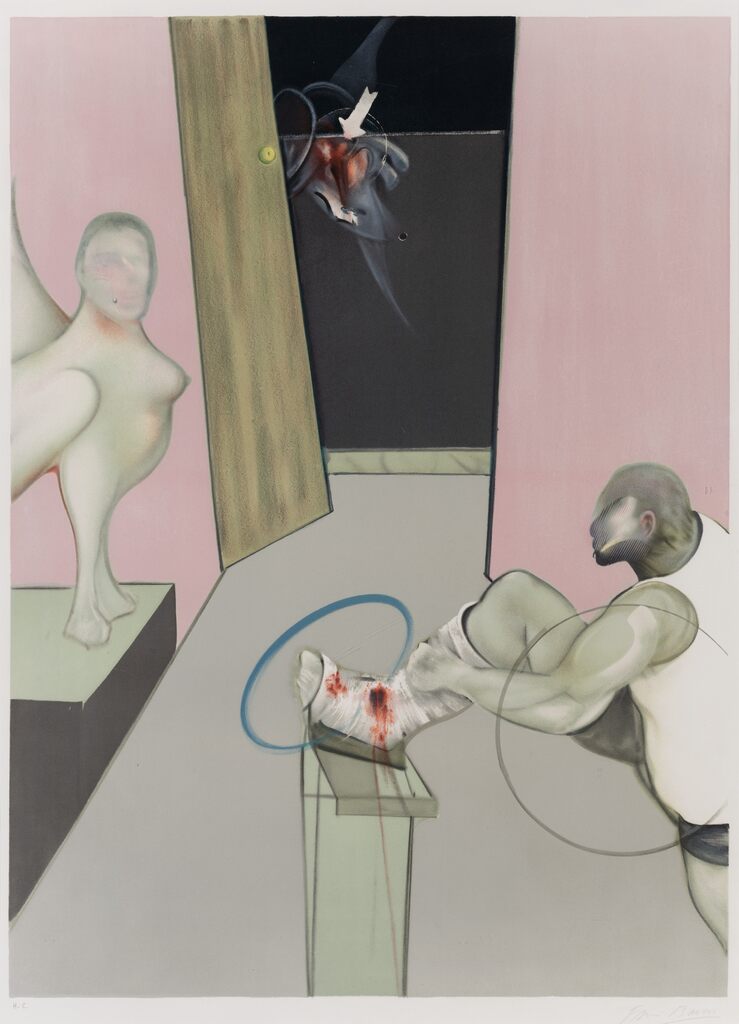
Œdipe et le Sphinx d'après Ingres (after, Œdipus and the Sphinx after Ingres, 1983) (S. 18, T. 17) · Francis Bacon · Phillips · 2025-11 · $0
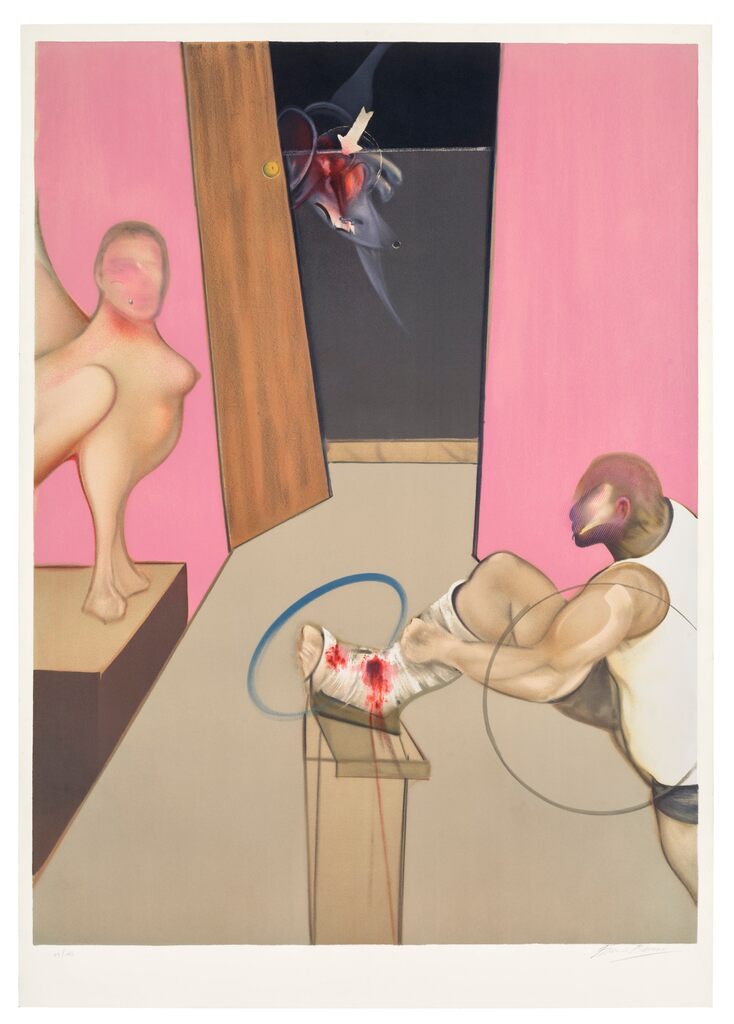
Œdipe et le Sphinx d'après Ingres (after, Œdipus and the Sphinx after Ingres, 1983) (S. 18, T. 17) · Francis Bacon · Phillips · 2025-06 · $9,705
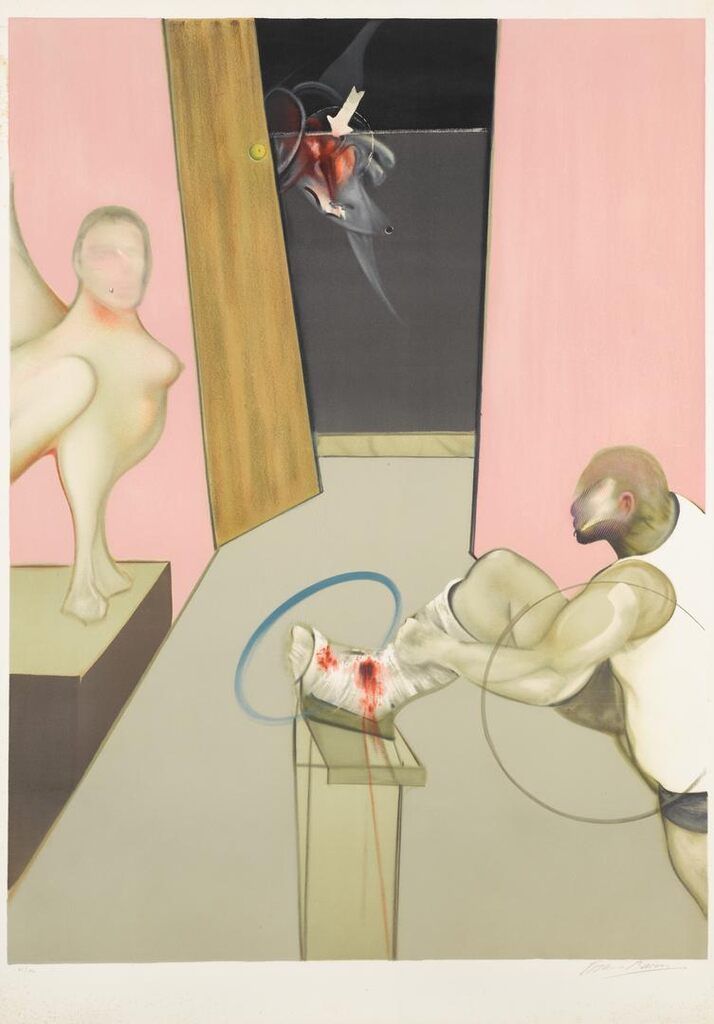
Oedipe et le Sphinx d'après Ingres · Francis Bacon · Sotheby's · 2024-07 · $12,448
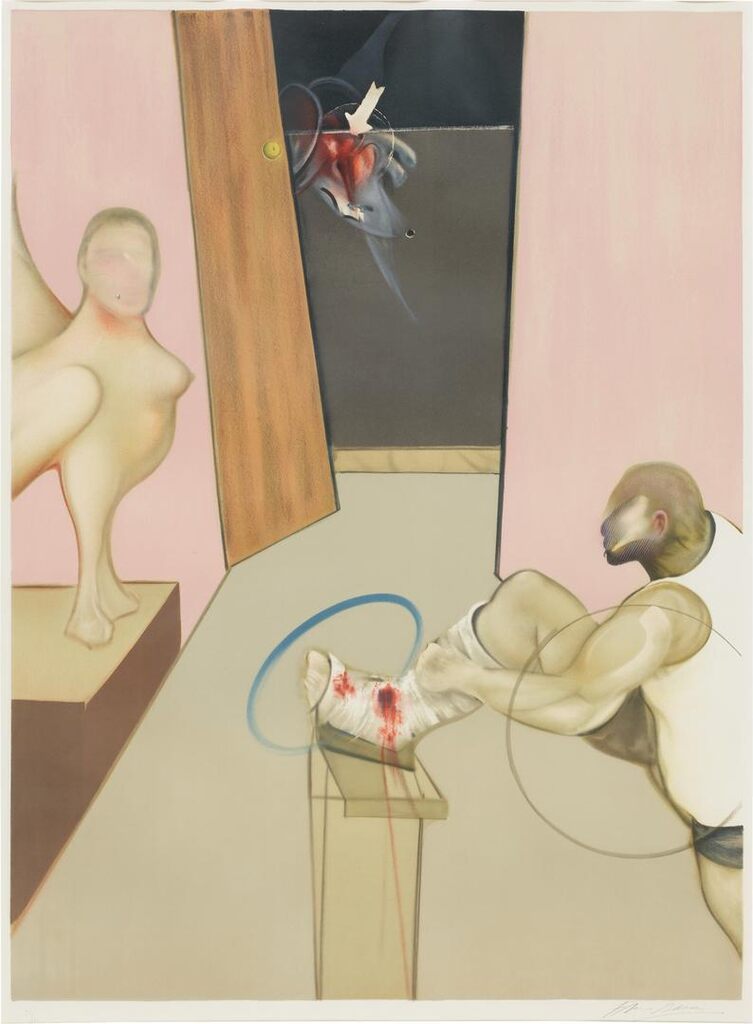
Oedipe et le Sphinx d'après Ingres · Francis Bacon · Sotheby's · 2024-06 · $0
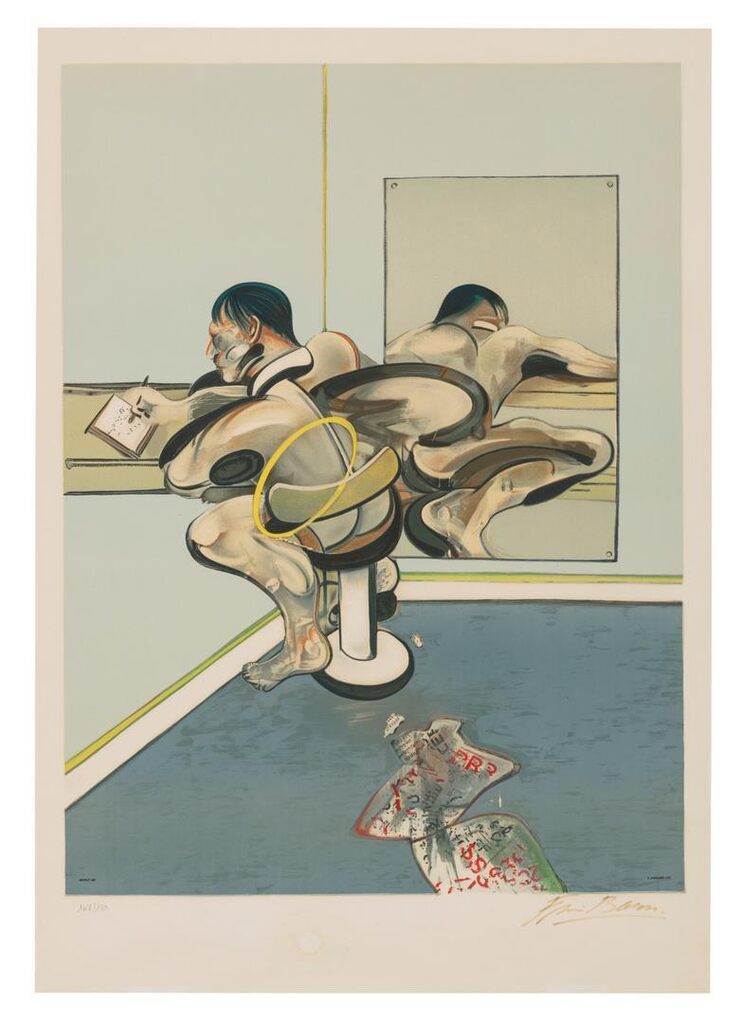
Figure Writing Reflected in a Mirror · Francis Bacon · Christie's · 2025-09 · $16,080
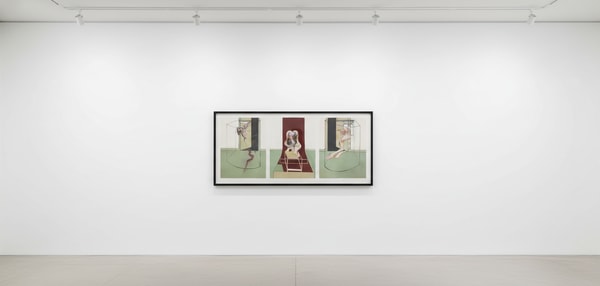
Francis Bacon
after Triptych (1981) inspired by the Oresteia of Aeschylus, 1981
1981
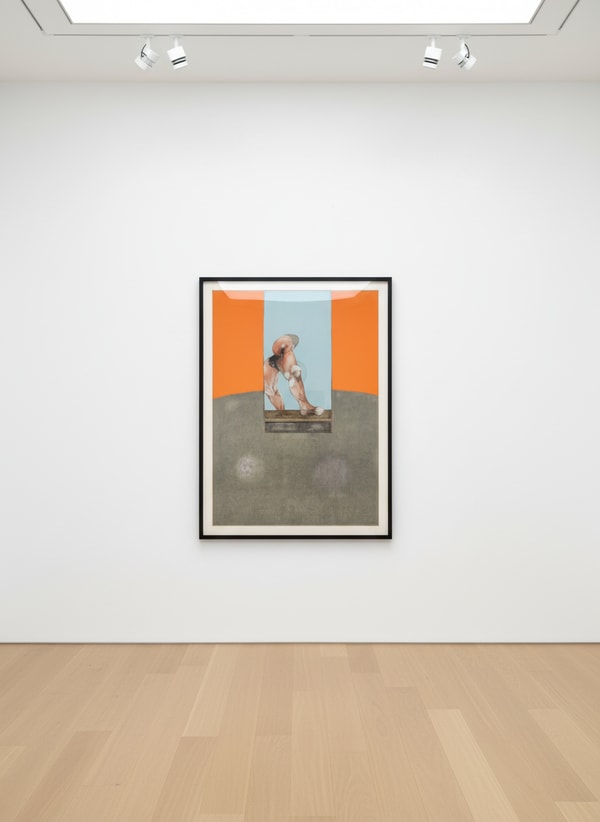
Francis Bacon
Etude de Tauromachie
1987
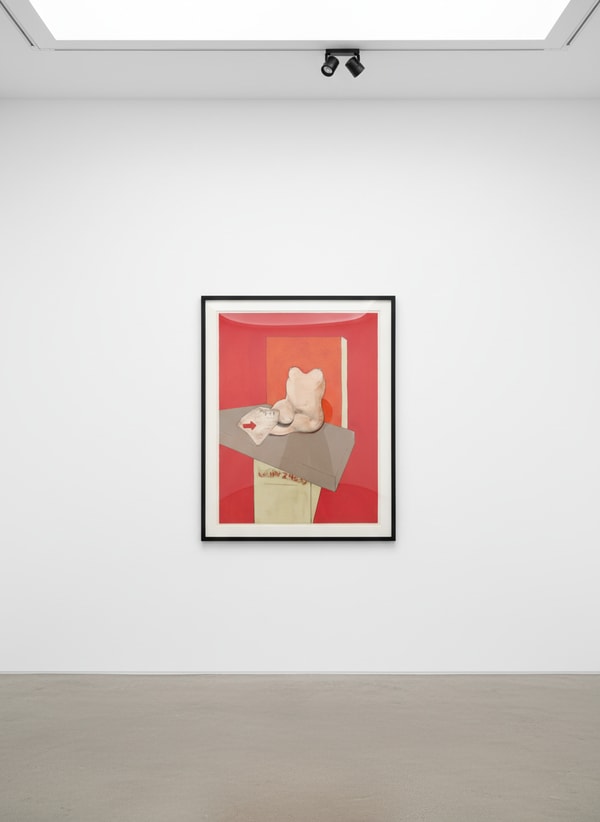
Francis Bacon
Ètude du Corps Humain d'après Ingres , afterStudy of a Human Body after Ingres 1982
1984

Francis Bacon
Hommage à Van Gogh , after Hommage à Van Gogh 1985
1989
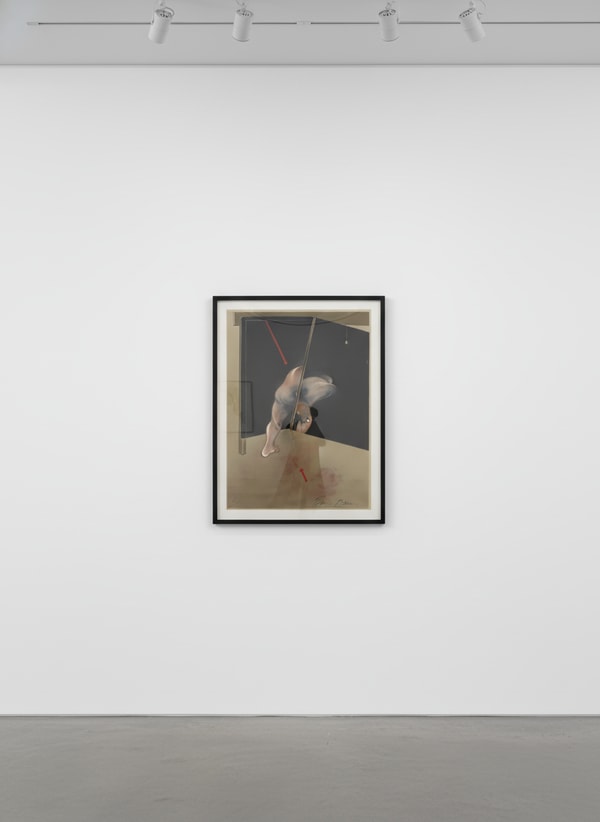
Francis Bacon
Logique de la sensation , after Study from the Human Body 1981
1981
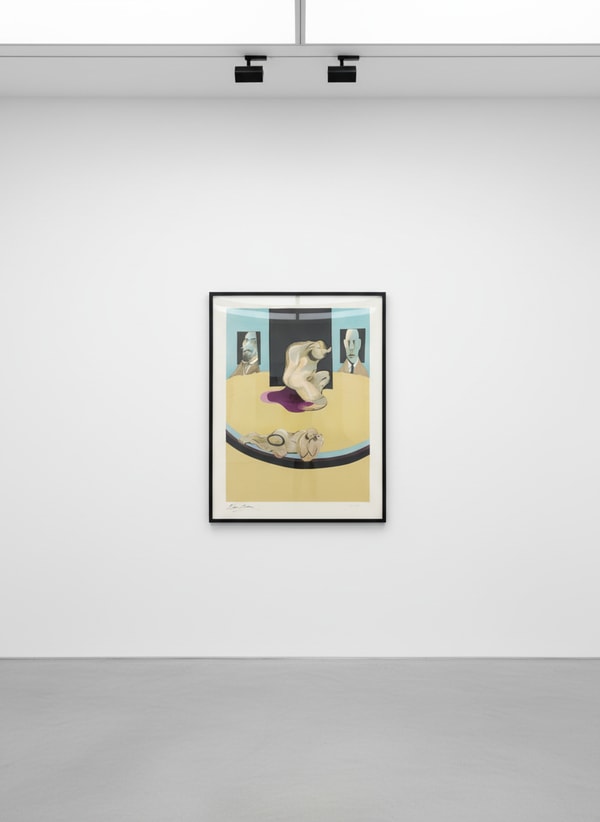
Francis Bacon
Metropolitan Museum of Art
1975
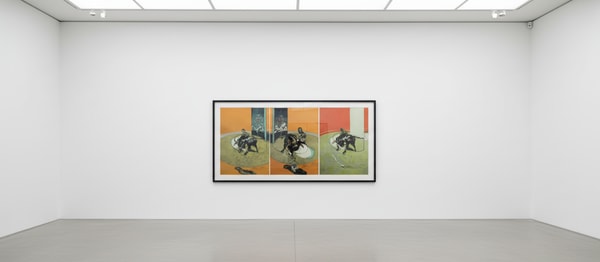
Francis Bacon
Mirroir de la Tauromachie
1990
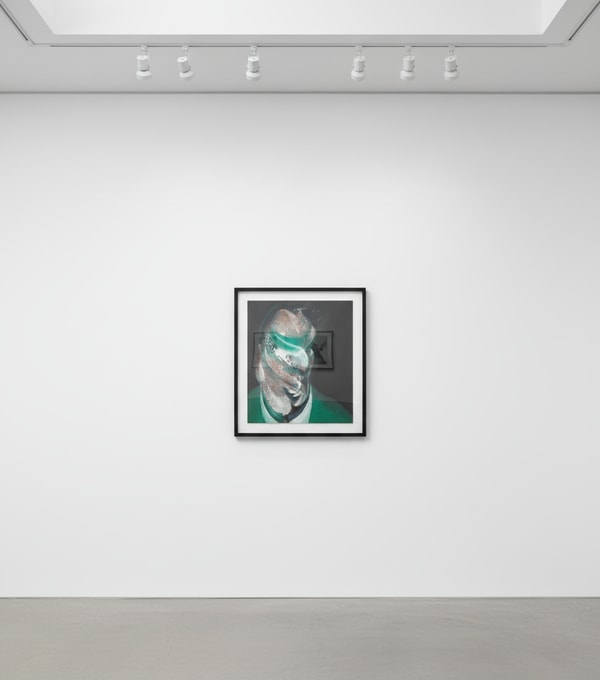
Francis Bacon
Portrait of Freud
1967
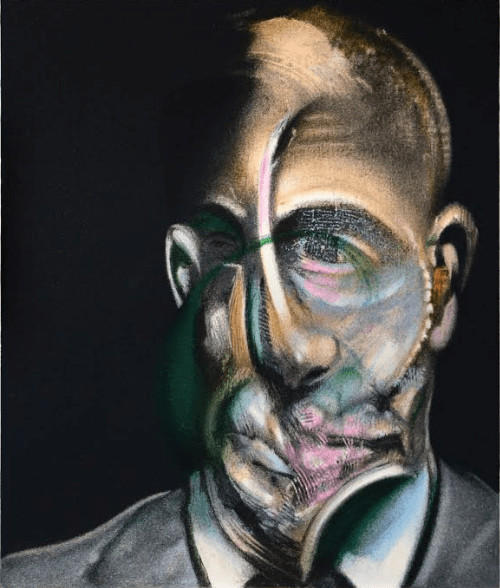
Francis Bacon
Portrait of Michel Leiris from Miroir de la Tauromachie
1990
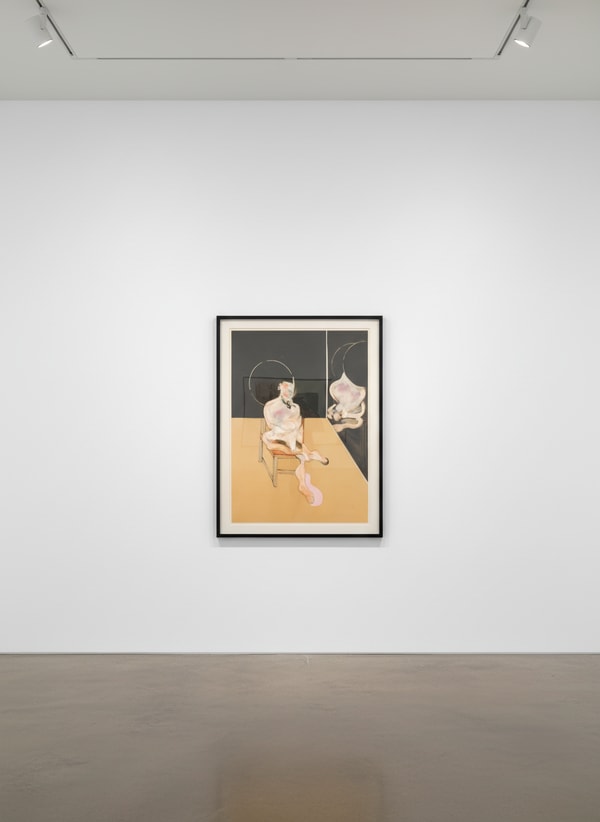
Francis Bacon
Seated Figure
1983
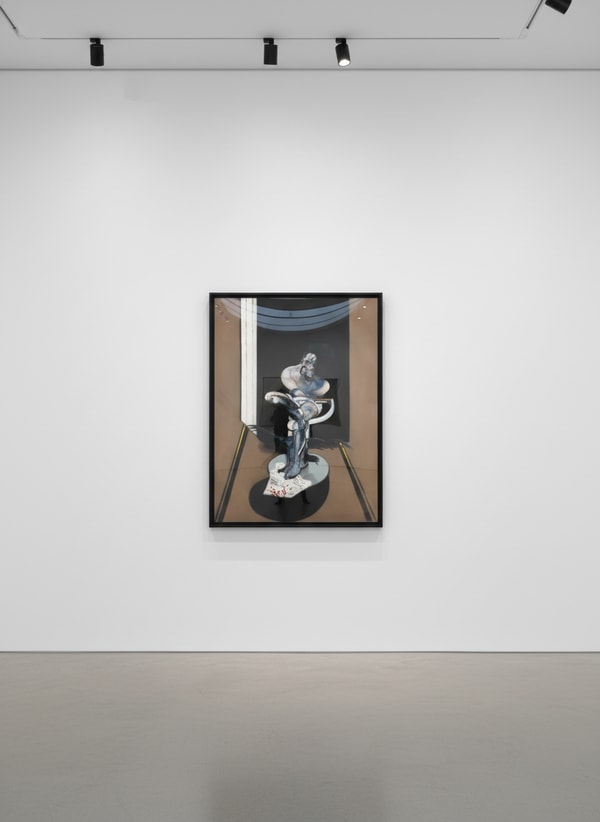
Francis Bacon
Seated Figure , after Seated Figure 1977
1992
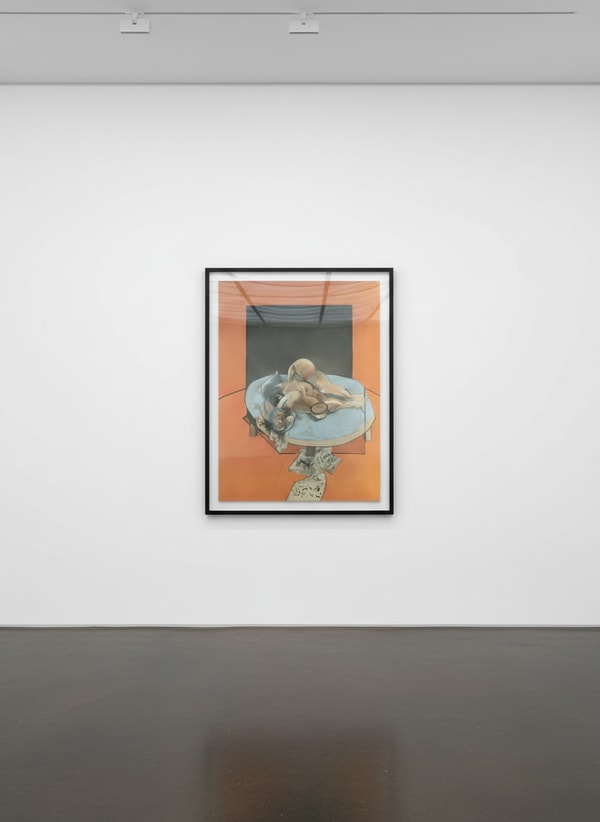
Francis Bacon
Studies of the Human Body , after the Central Panel of the Triptych Studies of the Human Body 1979
1980
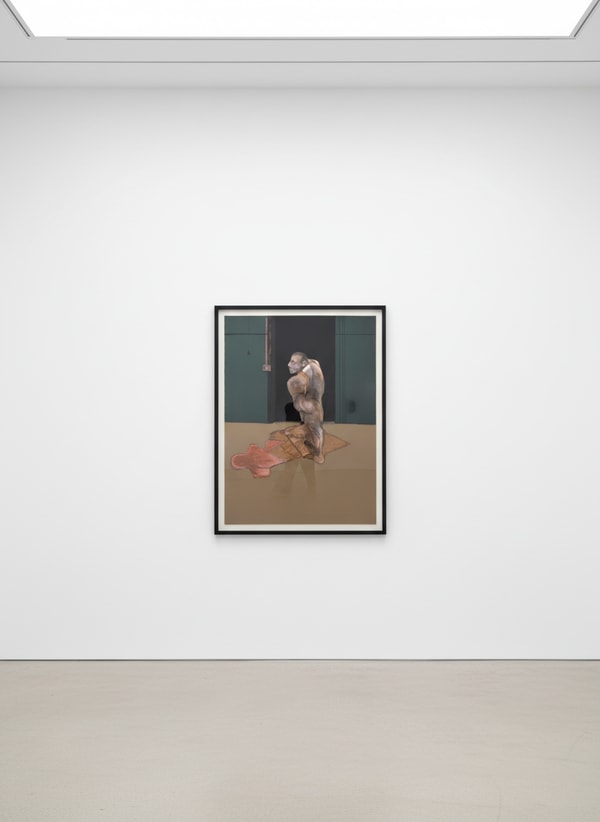
Francis Bacon
Study For A Portrait of John Edwards
1987
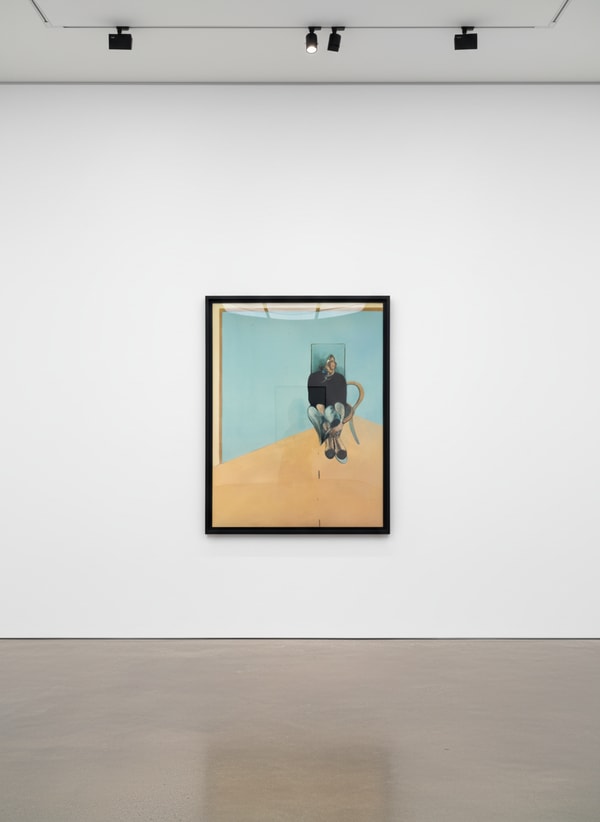
Francis Bacon
Study for Self Portrait , after Study for Self Portrait 1982
1984
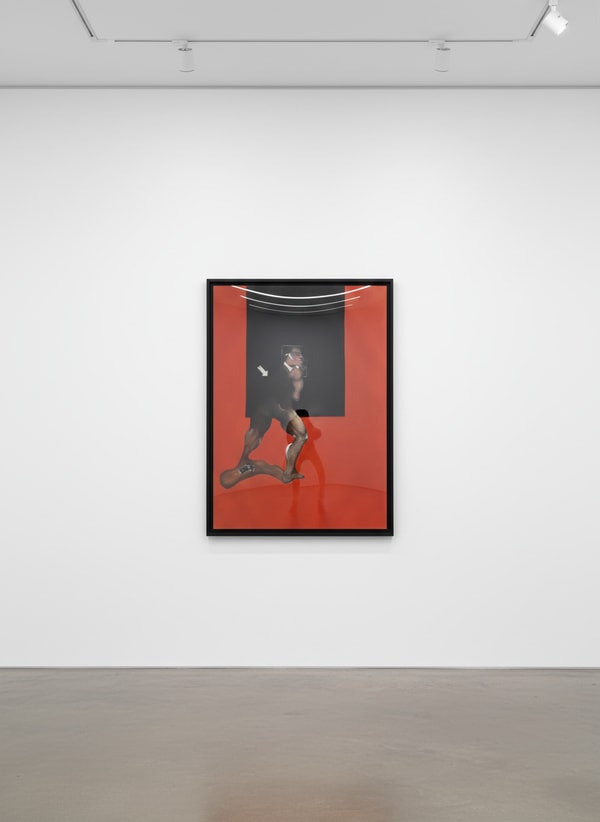
Francis Bacon
Study from Human Body , after Study from Human Body 1987
1992
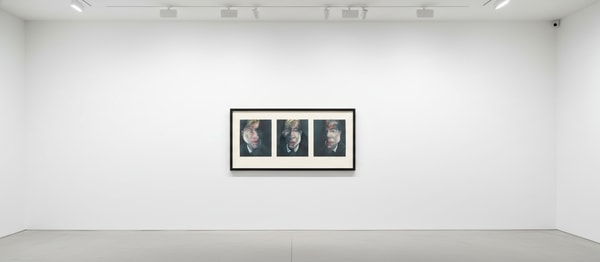
Francis Bacon
Three Studies For A Self Portrait
1983-1990
Francis Bacon (1909–1992) is among the most important figurative painters of the twentieth century, an artist whose raw, visceral canvases locate the human body in conditions of extreme psychological tension and transform painterly convention into a vehicle for existential confrontation. Born in Dublin to English parents, Bacon was largely self-taught — he received no formal art education and came to painting in his late twenties after years of drifting through London and Europe. His breakthrough came with the 1944 triptych Three Studies for Figures at the Base of a Crucifixion, which shocked a wartime London audience with its images of distorted, screaming hybrid creatures and established his reputation as an artist of unsettling and uncompromising vision.
Bacon's mature practice was built around a small number of recurrent subjects and formal devices. His Screaming Popes — a long series of works derived from Velázquez's portrait of Pope Innocent X — dissolve the authority of the Renaissance original into images of anguish and constraint, the figure screaming behind glass or pinned within a geometric cage. His portraits of his intimate circle — Lucian Freud, George Dyer, Isabel Rawsthorne, Peter Lacy — are among the most psychologically penetrating likenesses in the history of art, the faces smeared and turned and displaced in ways that feel both violently distorted and deeply faithful to the sitter's interior life. His self-portraits are equally compulsive: self-scrutiny carried to the point of self-laceration. Through all these works runs a consistent formal vocabulary: figures isolated in shallow, airless spaces; geometric frameworks of lines and bars that imprison or frame; meat-like surfaces of dragged and flung paint; glass and velvet chosen as ground materials to intensify the sense of both exposure and entrapment.
Bacon's market stands among the highest of any twentieth-century figurative artist. Three Studies of Lucian Freud (1969) achieved $142,400,000 at Christie's New York in 2013 — the world auction record at the time — while Triptych, 1976 reached $86,000,000 at Sotheby's New York in 2014, and Triptych Inspired by the Oresteia of Aeschylus (1981) achieved $84,600,000 at Sotheby's in 2020. Works on paper, prints, lithographs, and screenprints derived from his iconic paintings represent more accessible entry points to his market and are actively sought by collectors worldwide.
Bacon's work is held at Tate Modern, the Museum of Modern Art, the Metropolitan Museum of Art, the Solomon R. Guggenheim Museum, the Art Institute of Chicago, the Centre Pompidou, the Museo Nacional del Prado, and Museum Ludwig, among other major institutions globally.
Guy Hepner offers expert guidance on Francis Bacon prints, editions, and works on paper from our gallery at 177 Tenth Avenue, New York. Given the seriousness of the Bacon market and the importance of authentication, we approach every transaction with the utmost rigour. We offer free, confidential valuations for works in private collections and connections to qualified buyers worldwide.