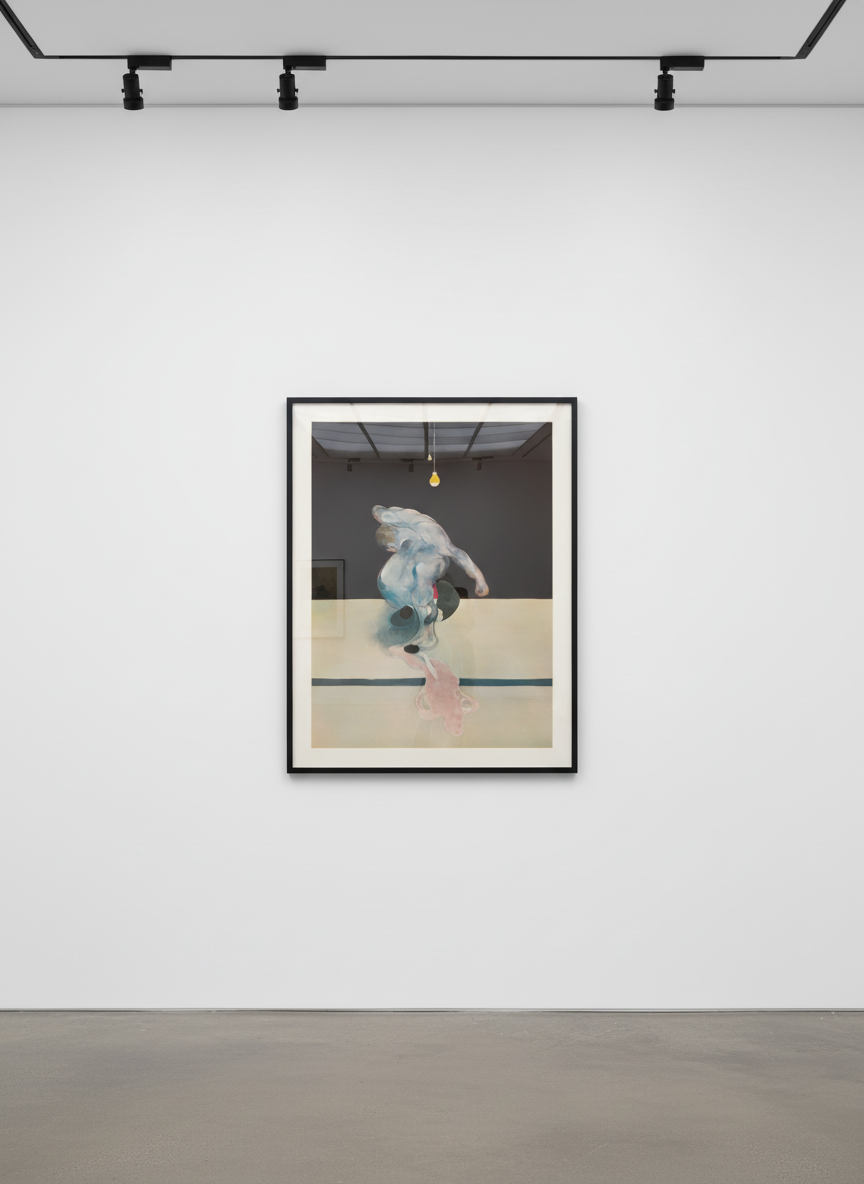
Edition of 150
1 work

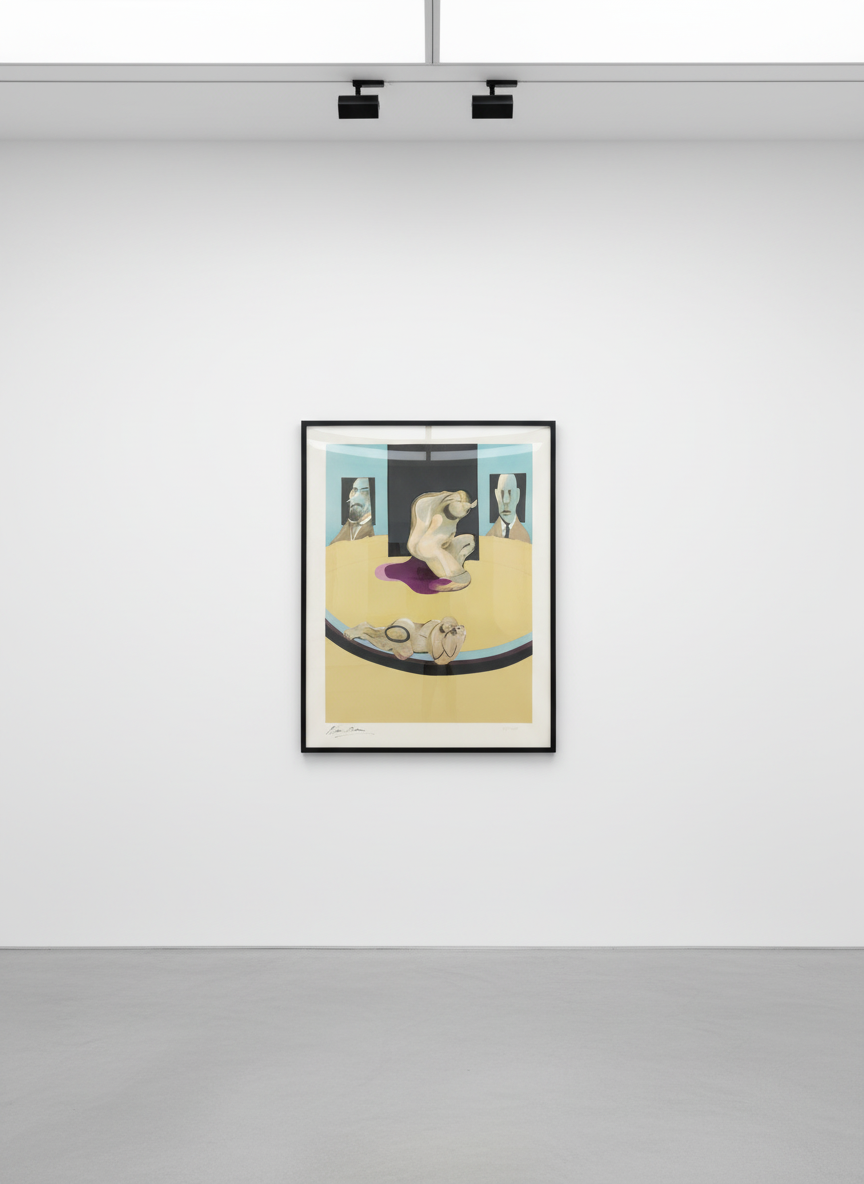
Metropolitan Museum of Art, 1975
Lithograph in colors on arches paper
45 1/2 x 33 1/2 in 115.6 x 85.1 cm
Edition of 200
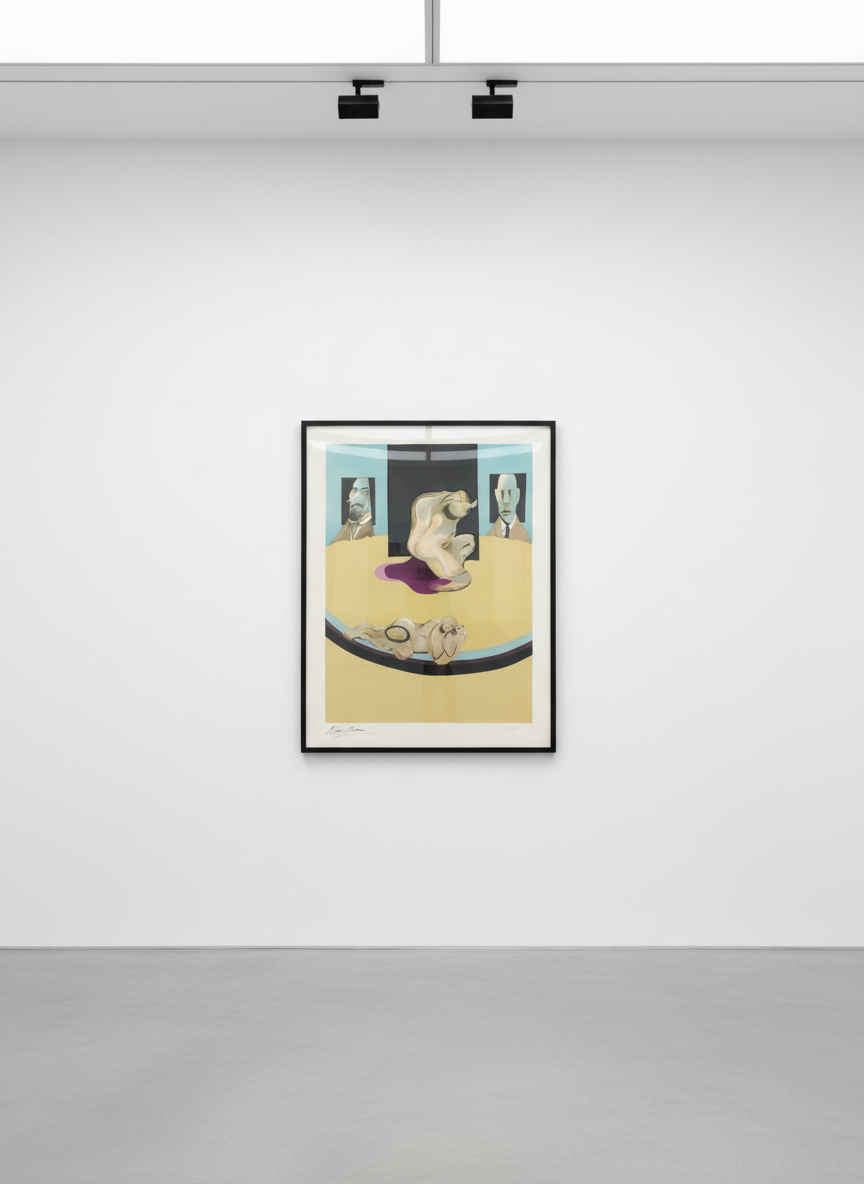
Francis Bacon’s Metropolitan Museum of Art (1975) lithograph encapsulates many of the defining themes and stylistic traits of his psychologically charged and viscerally unsettling body of work. Through a masterful juxtaposition of distorted human forms, abstracted environments, and haunting portraiture, Bacon constructs a scene steeped in ambiguity and emotional intensity. The tension in the composition stems from the interplay between fragmented, organic figures and a stark, geometric setting—an arena that feels simultaneously theatrical and claustrophobic.The central space is dominated by a circular, stage-like platform that tilts precariously toward the viewer—a spatial distortion Bacon often employed to evoke psychological discomfort. This confined stage isolates the figures from any discernible natural context, emphasizing their entrapment in an existential void. The environment itself feels artificial and alienating, intensifying the sense of internal exile and emotional fragmentation that pervades the scene.At its core, Metropolitan Museum of Art is a meditation on suffering, alienation, and the fractured human psyche. Bacon’s signature use of distortion and bodily disintegration reflects his belief in the instability of identity and the inherent chaos of the human condition. The contorted poses of the figures suggest a brutal physical and emotional struggle, capturing the body not as a unified whole but as a battlefield for invisible forces—trauma, violence, and existential dread.The background is divided into three distinct zones: a central, pitch-black void flanked by two pale, ghostly portraits of men in suits. These figures, with their caricatured and elongated features, appear detached and spectral—more observers than participants. Their placement and expressionless gazes contribute to a sense of surveillance, as if they are judging or bearing silent witness to the central figures' suffering. The contrast between their pale forms and the enveloping darkness enhances the scene’s disquieting atmosphere.Bacon amplifies the sense of theatricality through both composition and lighting. The stage-like platform, spotlighted against a shadowy backdrop, frames the central figures much like specimens or actors. This spectacle invites the viewer into a voyeuristic relationship with the scene, intensifying the feeling of exposure and estrangement. As with much of Bacon’s work, we are not merely observers but implicated witnesses to a spectacle of human vulnerability and distortion.At the heart of the composition lies a kneeling, fleshy figure rendered with grotesque physicality. Its musculature is exaggerated, its form twisted and ambiguous, evoking both pain and exertion. The head hangs downward, and the limbs are so contorted that it becomes difficult to decipher the body’s orientation or intent. This ambiguity contributes to the overall psychological unease of the piece, as the figure hovers between motion and paralysis, torment and submission.Bacon’s reduction of the body to a hybrid of raw flesh and abstract form is fully realized here. The figure is simultaneously hyper-physical and dehumanized—less a person than a shell or vessel caught in a moment of existential crisis. Its fragmentation underscores Bacon’s persistent concern with the fragility and impermanence of the human form, presenting the body as a site of both presence and disintegration.In the foreground, a second figure lies sprawled at the edge of the stage. More amorphous and less distinctly human, this form appears almost animalistic, with a face resembling a melted mask or featureless blob. In contrast to the kneeling figure’s tense energy, this prone body seems inert, resigned, or even defeated. Yet there is a haunting connection between the two—perhaps a suggestion of duality, conflict, or co-dependence—hinting at an unresolved narrative of submission and struggle.The flanking portraits reinforce the sense of exposure and judgment. Though their expressions are unreadable, their gaze appears to pierce through the composition, amplifying the painting’s themes of voyeurism and vulnerability. The viewer, too, becomes a participant in this unsettling exchange, cast in the role of a spectator complicit in the figures’ suffering. Bacon often played with this dynamic—his figures placed in psychologically charged spaces, observed and exposed, their pain both private and performative.Ultimately, Metropolitan Museum of Art (1975) stands as a stark, haunting allegory of the human condition. Through spatial distortion, fragmented bodies, and ambiguous spectators, Bacon constructs a vision of psychological entrapment and corporeal anguish. It is a world of isolated figures under observation, their suffering laid bare—echoing Bacon’s enduring preoccupation with mortality, identity, and the brutal theatre of existence.For more information on Francis Bacon’s Metropolitan Museum of Art or to buy Francis Bacon’s Metropolitan Museum of Art contact our galleries using the form below.
Price on Application
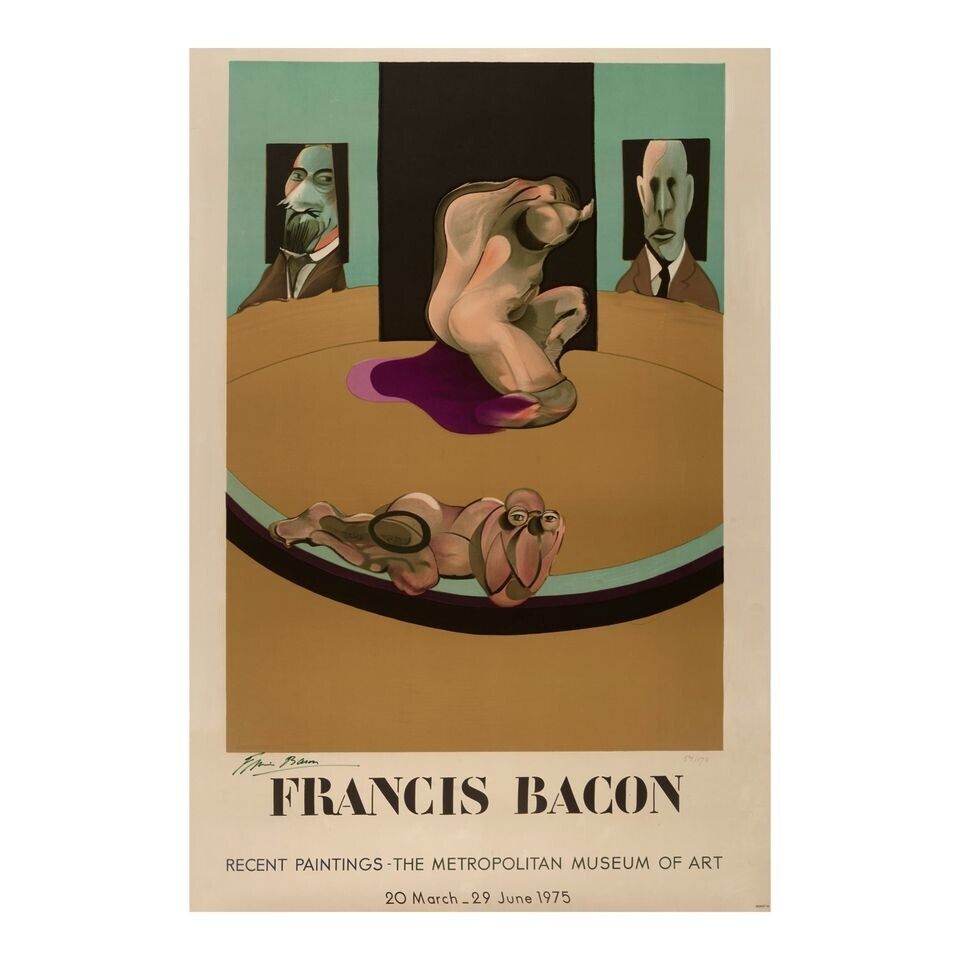
Metropolitan Museum of Art (Sabatier 11) · Francis Bacon · Bonhams · 2025-11 · $0
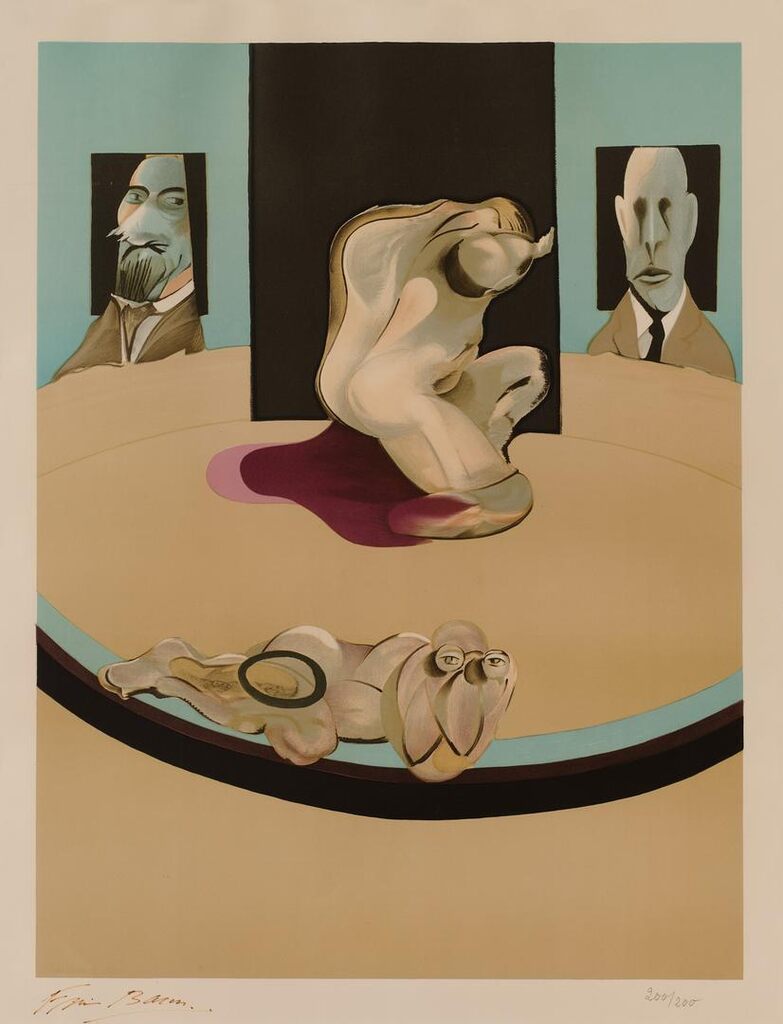
Metropolitan Museum of Art (Sabatier 11) · Francis Bacon · Sotheby's · 2025-04 · $13,970
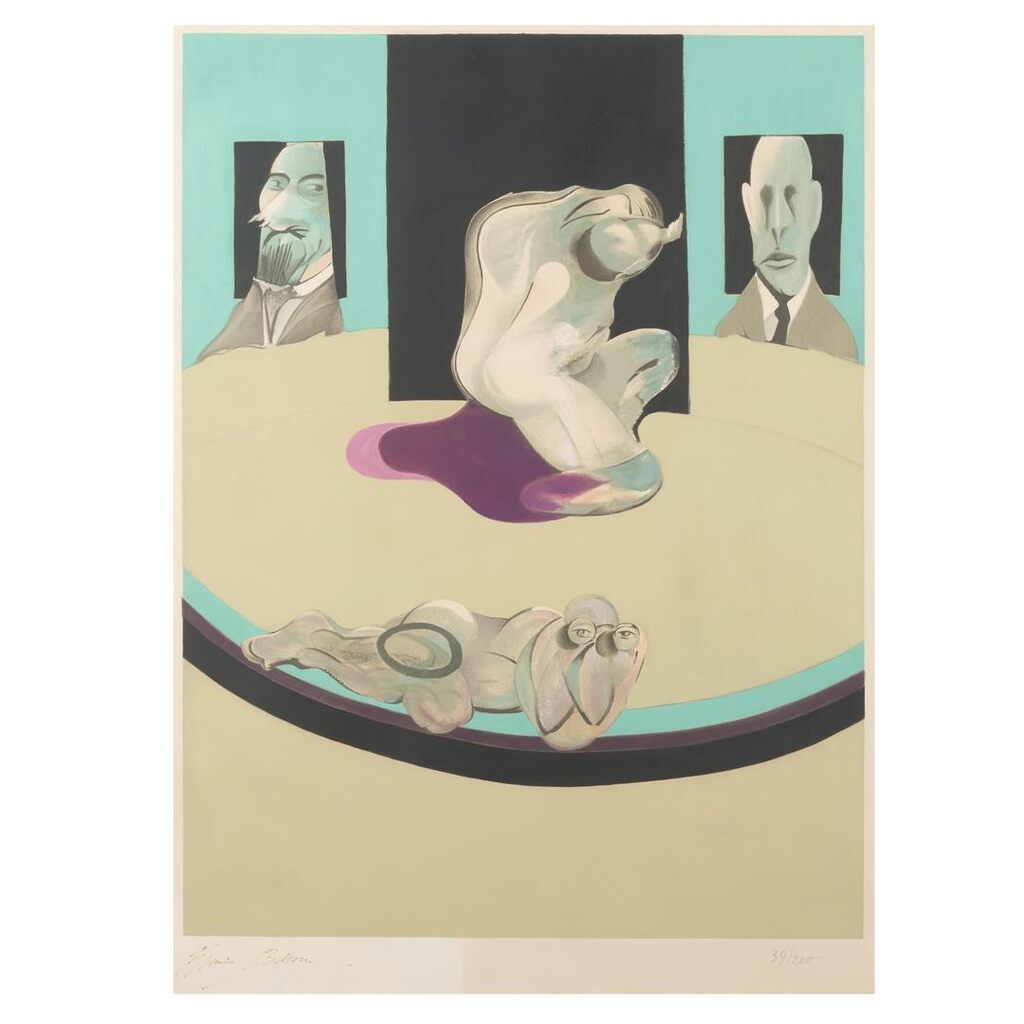
Metropolitan Museum of Art (Sabatier 11) · Francis Bacon · Bonhams · 2025-04 · $5,120
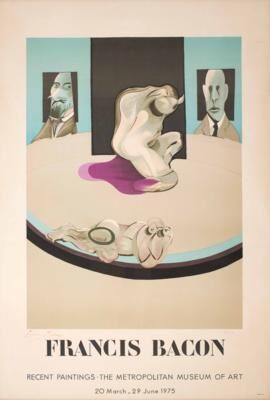
Metropolitan Museum of Art - exhibition poster · Francis Bacon · Dorotheum · 2024-06 · $3,262
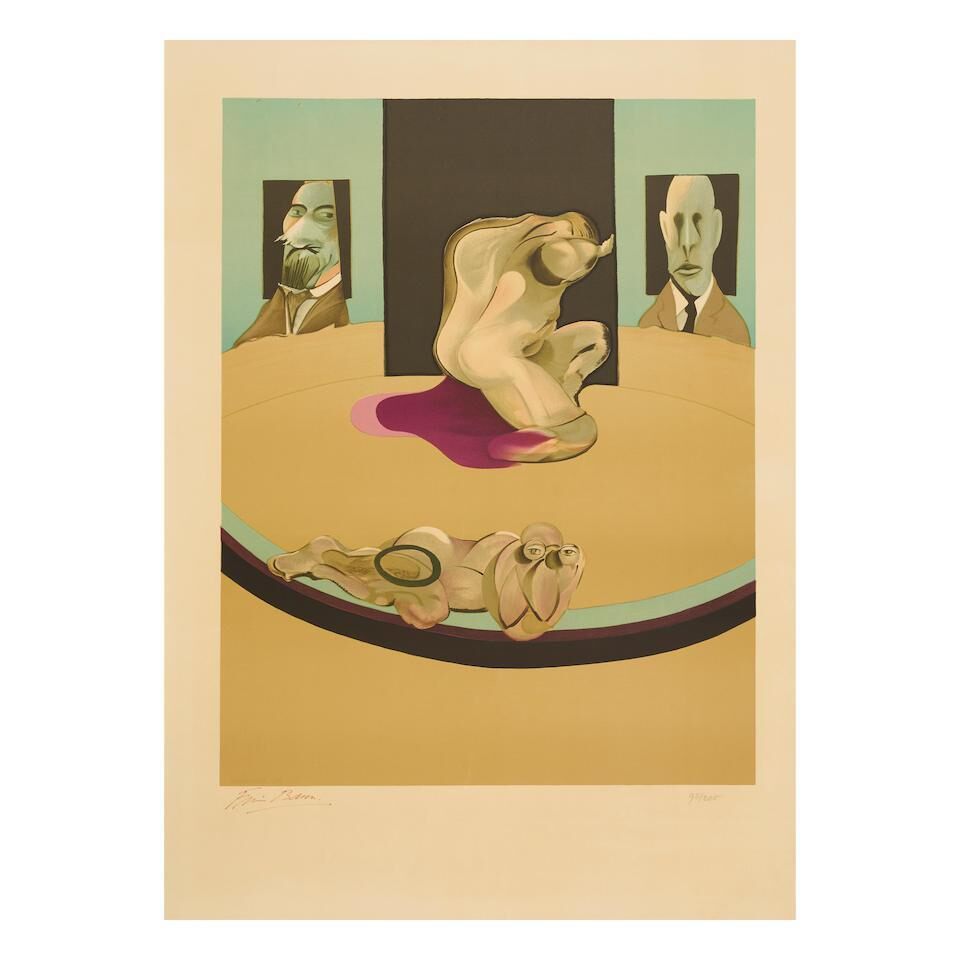
Metropolitan Museum of Art (Sabatier 11) · Francis Bacon · Bonhams · 2024-03 · $9,600
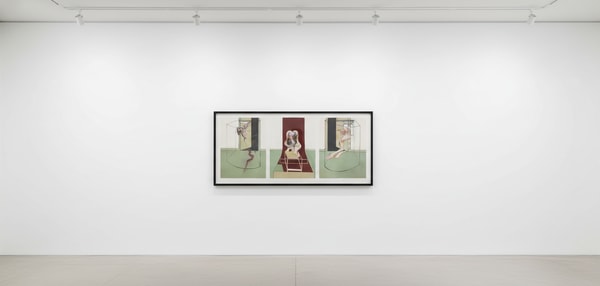
Francis Bacon
after Triptych (1981) inspired by the Oresteia of Aeschylus, 1981
1981
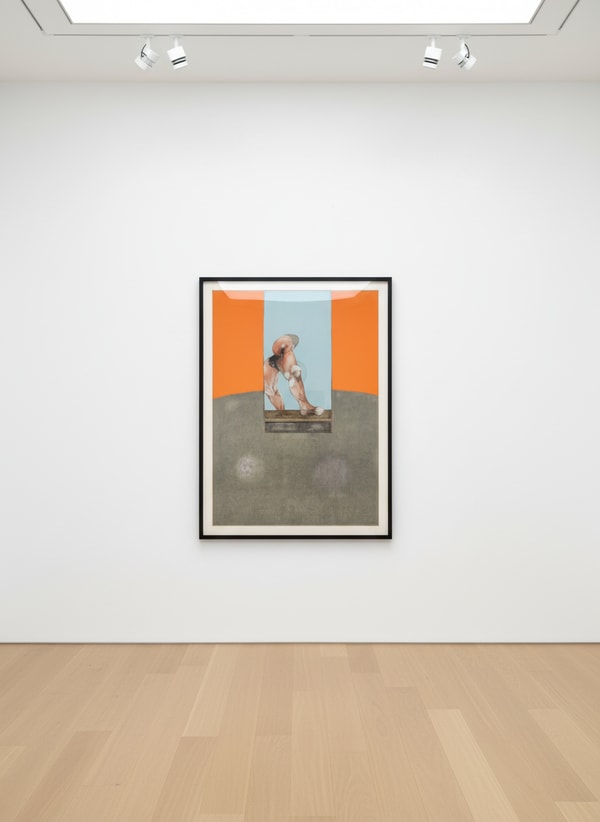
Francis Bacon
Etude de Tauromachie
1987
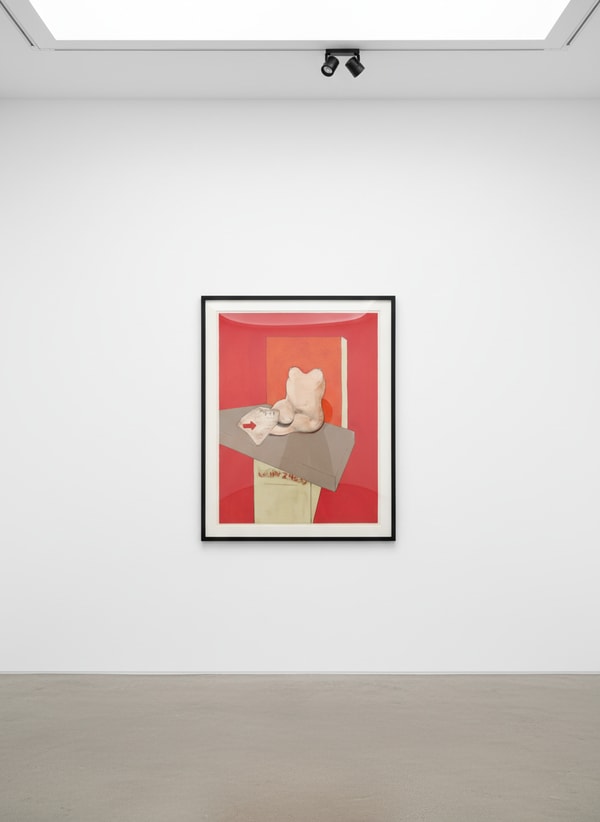
Francis Bacon
Ètude du Corps Humain d'après Ingres , afterStudy of a Human Body after Ingres 1982
1984

Francis Bacon
Hommage à Van Gogh , after Hommage à Van Gogh 1985
1989
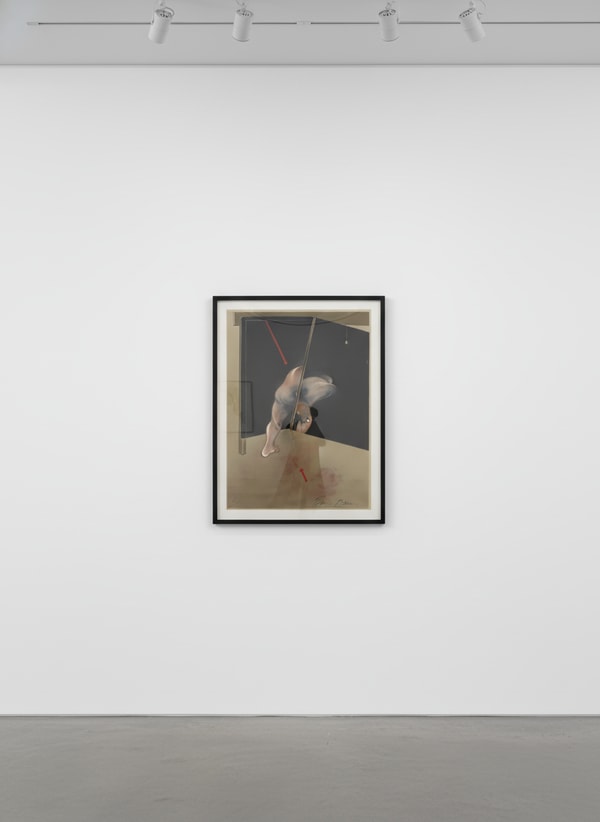
Francis Bacon
Logique de la sensation , after Study from the Human Body 1981
1981
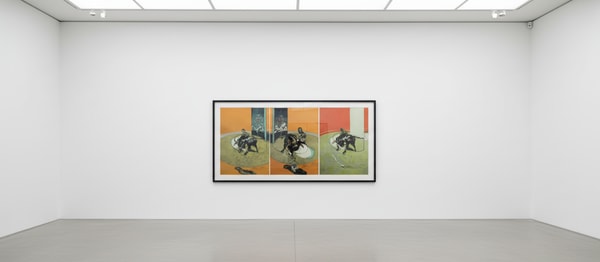
Francis Bacon
Mirroir de la Tauromachie
1990
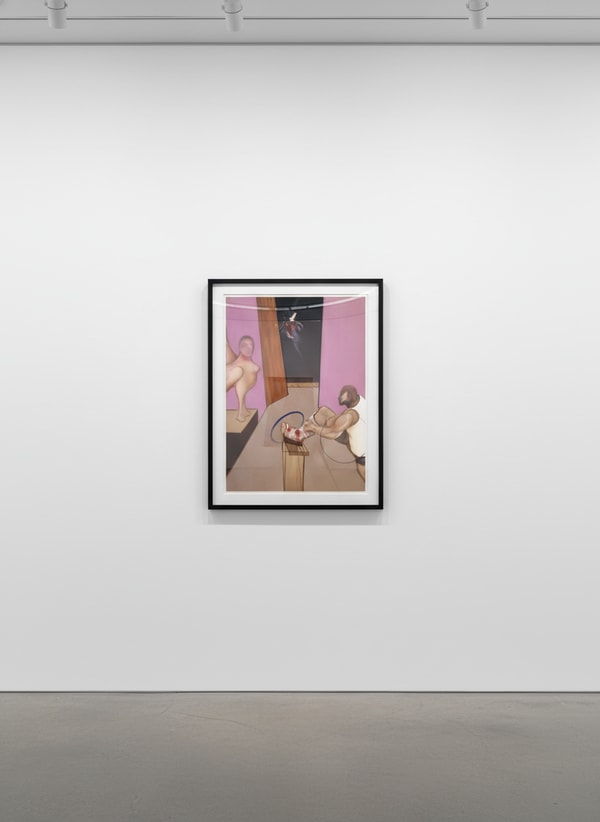
Francis Bacon
Oedipe et Le Sphinx d'après Ingres , after Oedipus and the Sphinx after Ingres 1983
1984
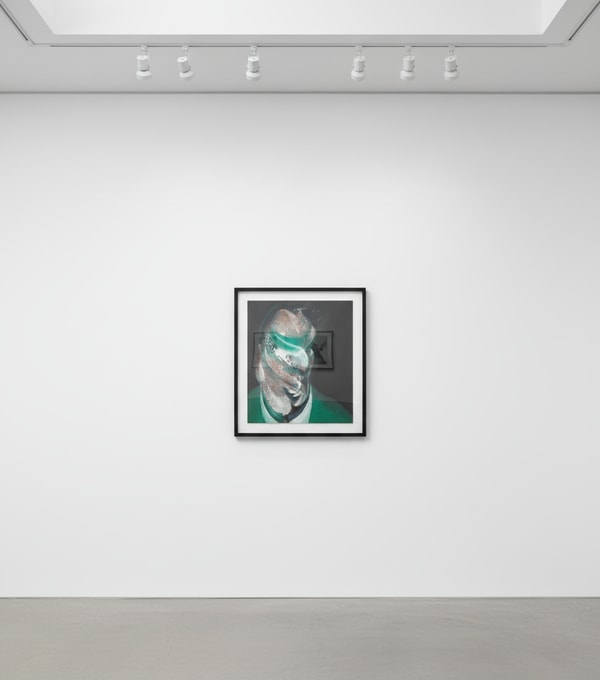
Francis Bacon
Portrait of Freud
1967
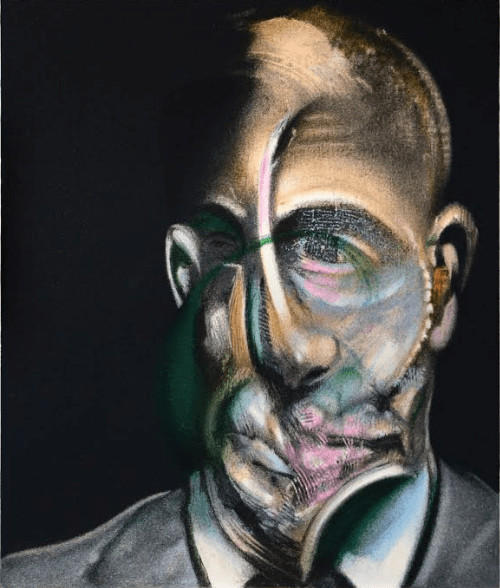
Francis Bacon
Portrait of Michel Leiris from Miroir de la Tauromachie
1990
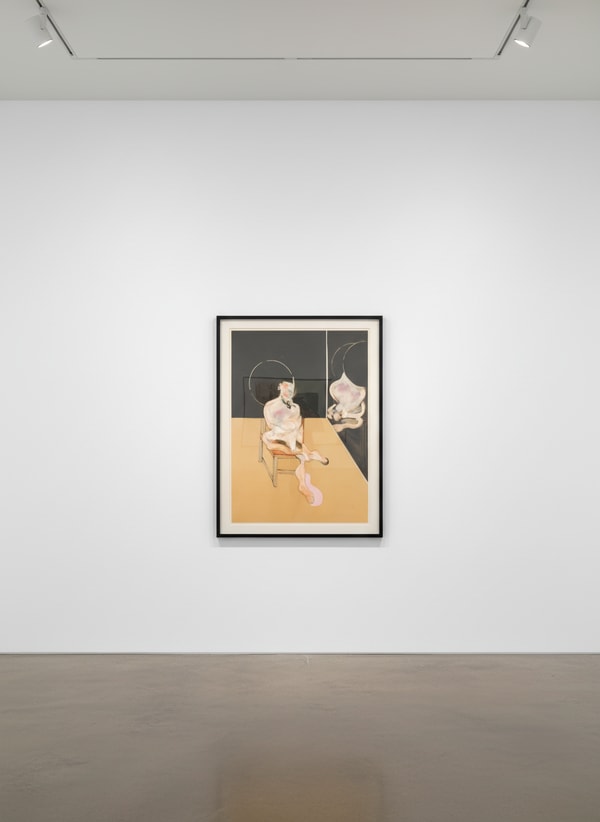
Francis Bacon
Seated Figure
1983
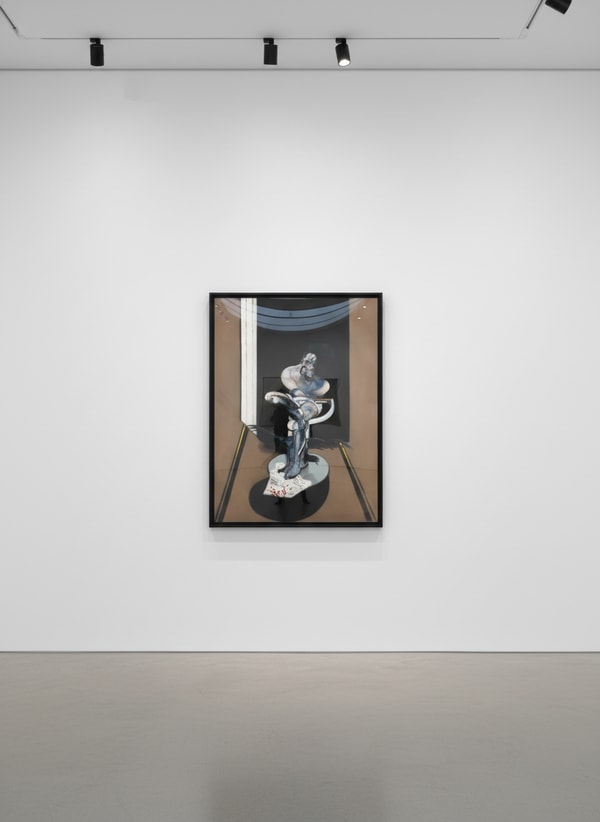
Francis Bacon
Seated Figure , after Seated Figure 1977
1992
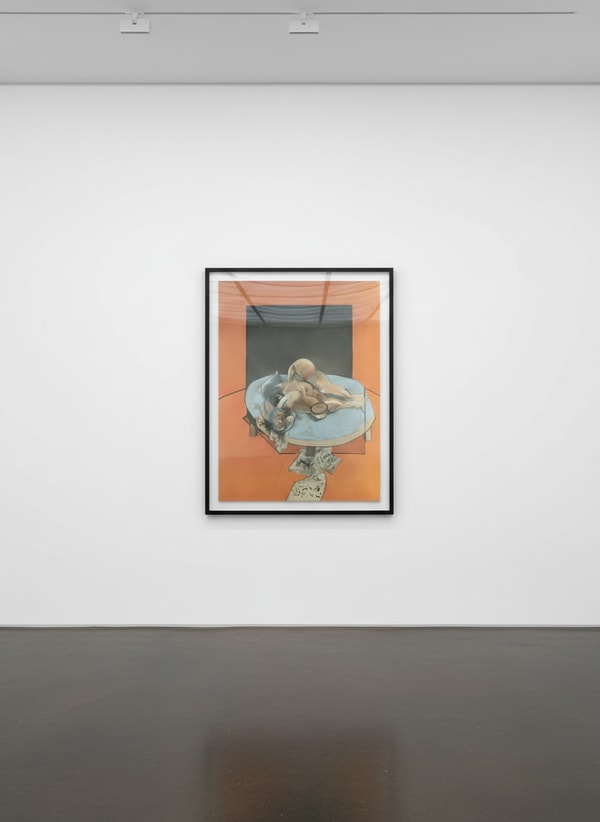
Francis Bacon
Studies of the Human Body , after the Central Panel of the Triptych Studies of the Human Body 1979
1980
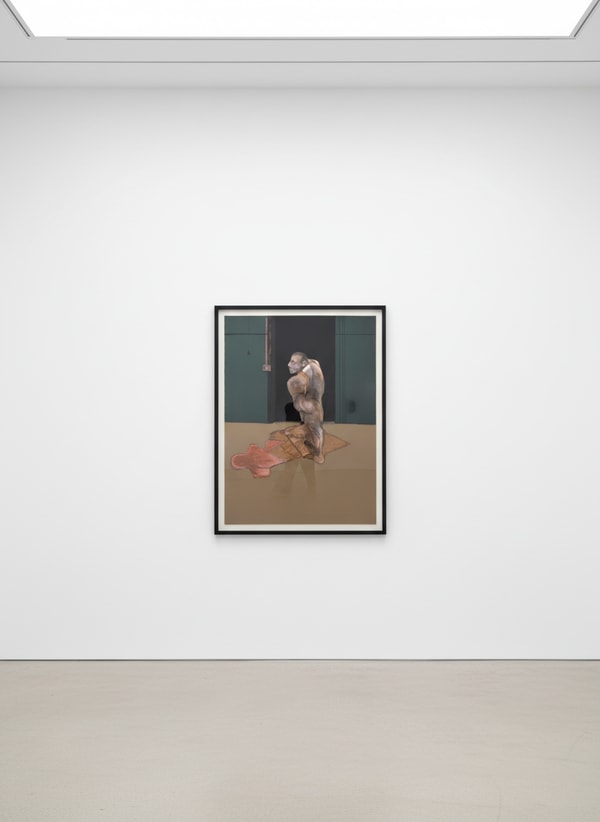
Francis Bacon
Study For A Portrait of John Edwards
1987
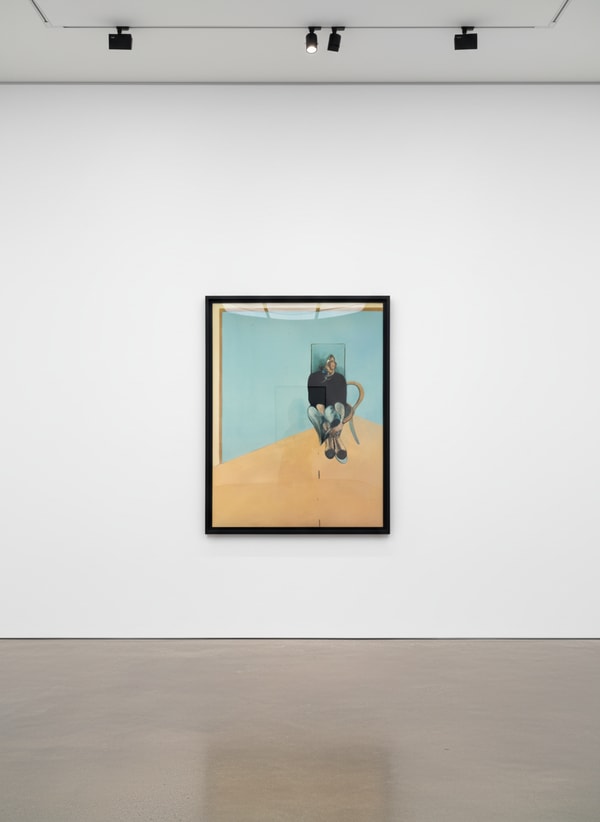
Francis Bacon
Study for Self Portrait , after Study for Self Portrait 1982
1984
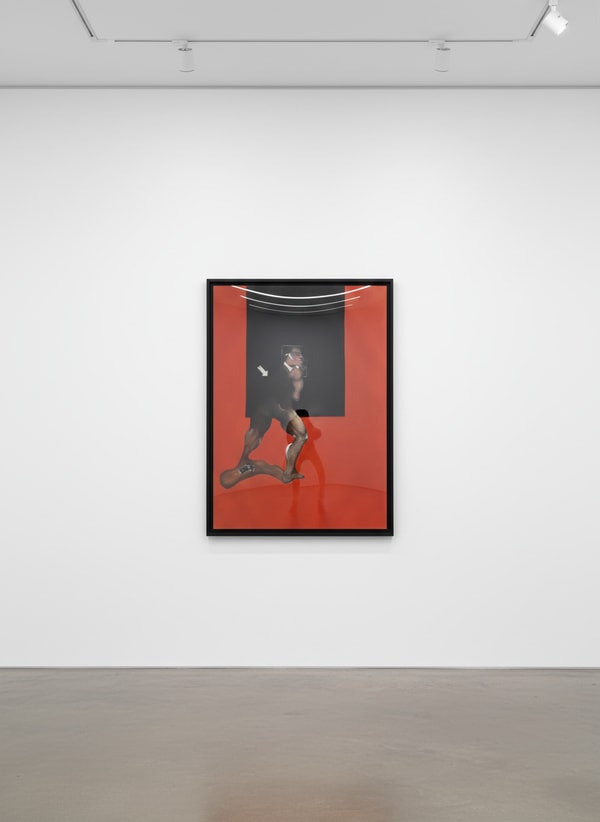
Francis Bacon
Study from Human Body , after Study from Human Body 1987
1992
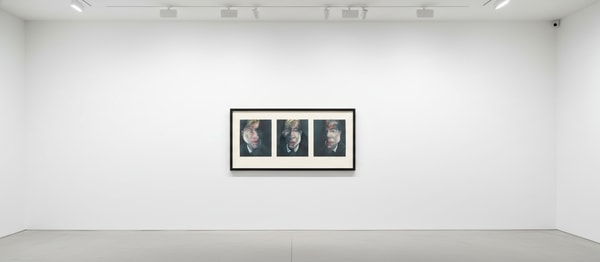
Francis Bacon
Three Studies For A Self Portrait
1983-1990
Francis Bacon (1909–1992) is among the most important figurative painters of the twentieth century, an artist whose raw, visceral canvases locate the human body in conditions of extreme psychological tension and transform painterly convention into a vehicle for existential confrontation. Born in Dublin to English parents, Bacon was largely self-taught — he received no formal art education and came to painting in his late twenties after years of drifting through London and Europe. His breakthrough came with the 1944 triptych Three Studies for Figures at the Base of a Crucifixion, which shocked a wartime London audience with its images of distorted, screaming hybrid creatures and established his reputation as an artist of unsettling and uncompromising vision.
Bacon's mature practice was built around a small number of recurrent subjects and formal devices. His Screaming Popes — a long series of works derived from Velázquez's portrait of Pope Innocent X — dissolve the authority of the Renaissance original into images of anguish and constraint, the figure screaming behind glass or pinned within a geometric cage. His portraits of his intimate circle — Lucian Freud, George Dyer, Isabel Rawsthorne, Peter Lacy — are among the most psychologically penetrating likenesses in the history of art, the faces smeared and turned and displaced in ways that feel both violently distorted and deeply faithful to the sitter's interior life. His self-portraits are equally compulsive: self-scrutiny carried to the point of self-laceration. Through all these works runs a consistent formal vocabulary: figures isolated in shallow, airless spaces; geometric frameworks of lines and bars that imprison or frame; meat-like surfaces of dragged and flung paint; glass and velvet chosen as ground materials to intensify the sense of both exposure and entrapment.
Bacon's market stands among the highest of any twentieth-century figurative artist. Three Studies of Lucian Freud (1969) achieved $142,400,000 at Christie's New York in 2013 — the world auction record at the time — while Triptych, 1976 reached $86,000,000 at Sotheby's New York in 2014, and Triptych Inspired by the Oresteia of Aeschylus (1981) achieved $84,600,000 at Sotheby's in 2020. Works on paper, prints, lithographs, and screenprints derived from his iconic paintings represent more accessible entry points to his market and are actively sought by collectors worldwide.
Bacon's work is held at Tate Modern, the Museum of Modern Art, the Metropolitan Museum of Art, the Solomon R. Guggenheim Museum, the Art Institute of Chicago, the Centre Pompidou, the Museo Nacional del Prado, and Museum Ludwig, among other major institutions globally.
Guy Hepner offers expert guidance on Francis Bacon prints, editions, and works on paper from our gallery at 177 Tenth Avenue, New York. Given the seriousness of the Bacon market and the importance of authentication, we approach every transaction with the utmost rigour. We offer free, confidential valuations for works in private collections and connections to qualified buyers worldwide.