727
3 works

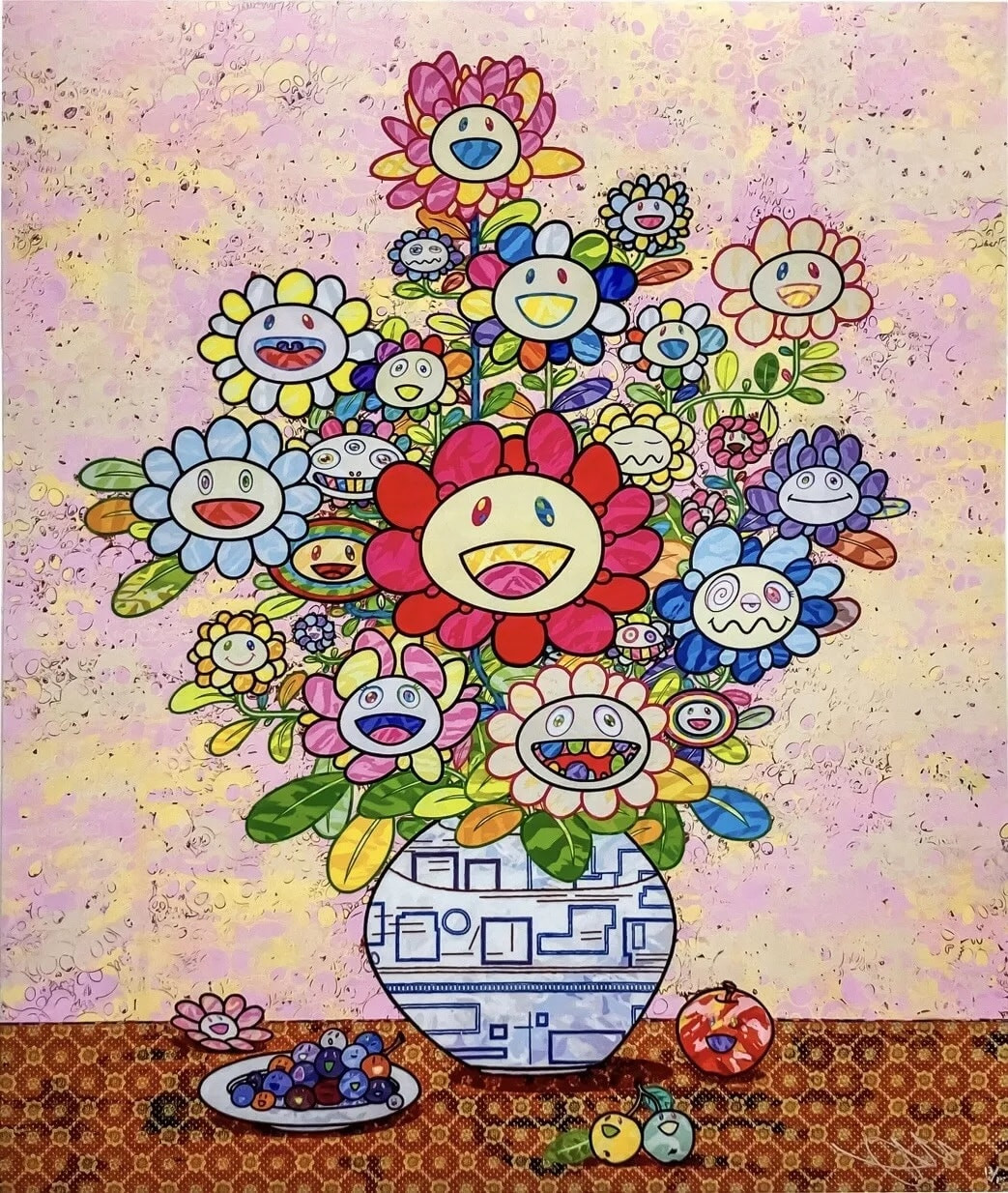
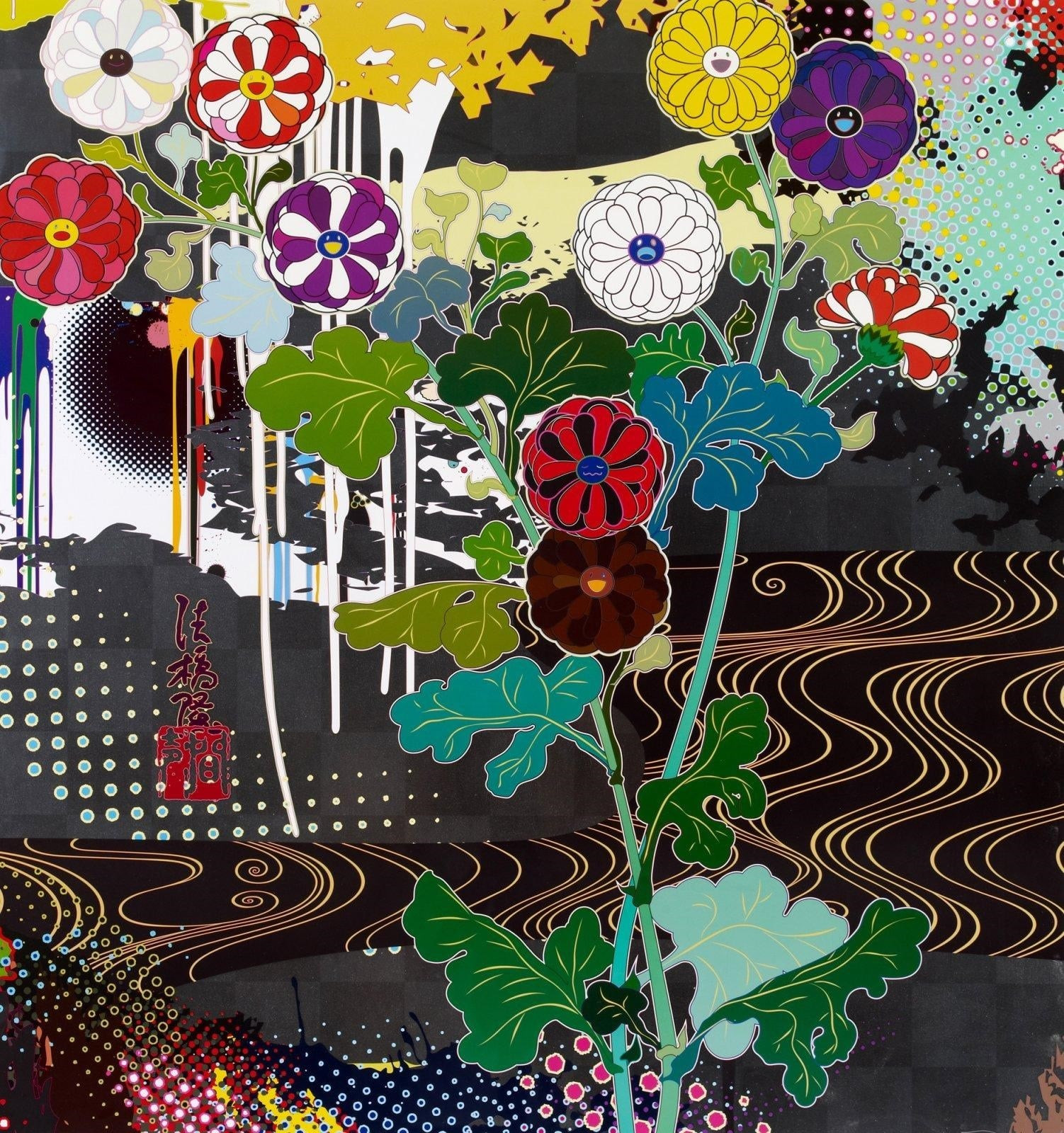
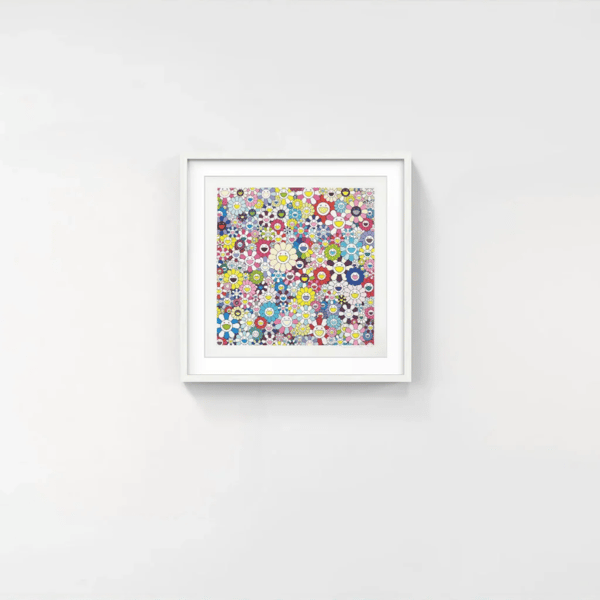
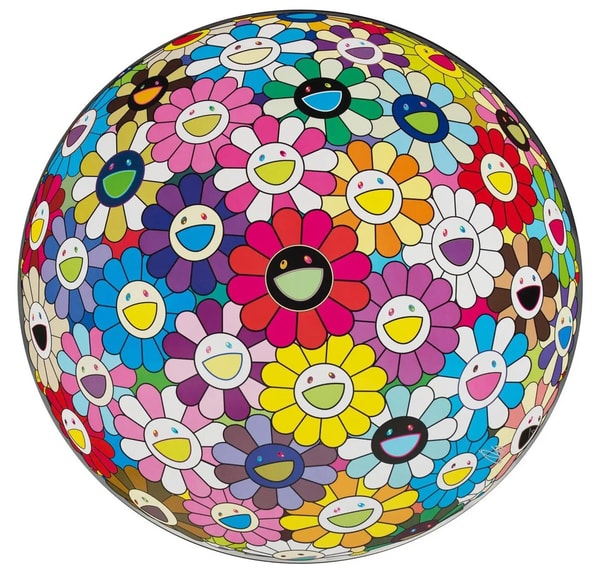
Longing for Zao Wou-Ki's Flower Painting, 2024
Offset printing 4 colors + special silver + coater varnish
25 3/5 × 21 2/5 in | 65 × 54.4 cm
Edition of 300
Takashi Murakami Longing for Zao Wou-Ki's Flower Painting, 2024 Offset printing 4 colors + special silver + coater varnish 25 3/5 × 21 2/5 in | 65 × 54.4 cm Edition of 300
Guide Price: $3,982 – $3,982
See full auction history, price trends, and comparable sales for this work.
View Market Report →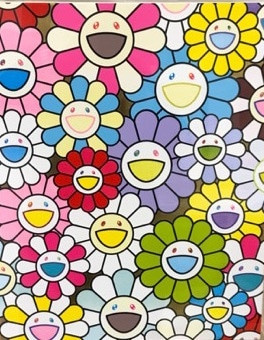
Takashi Murakami
A Little Flower Painting : Yellow, White and Purple Flowers
2017
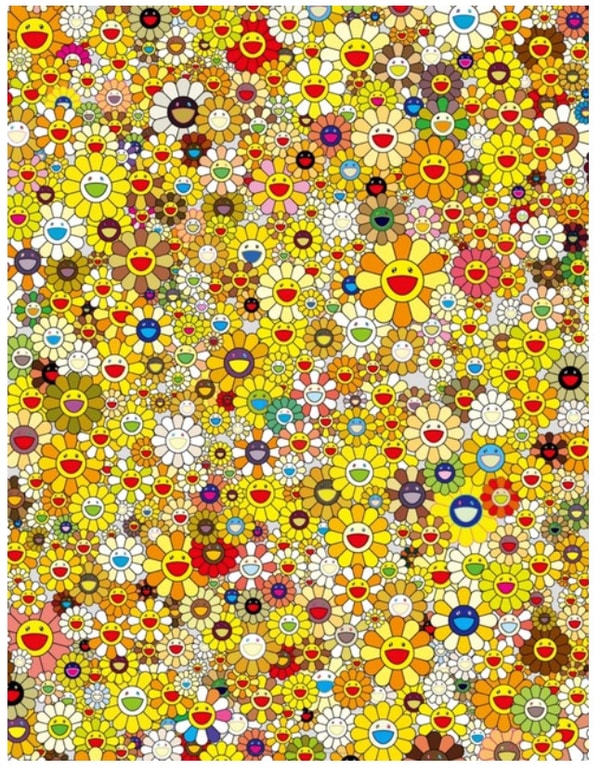
Takashi Murakami
An Homage to IKB , 1957 , E
2020
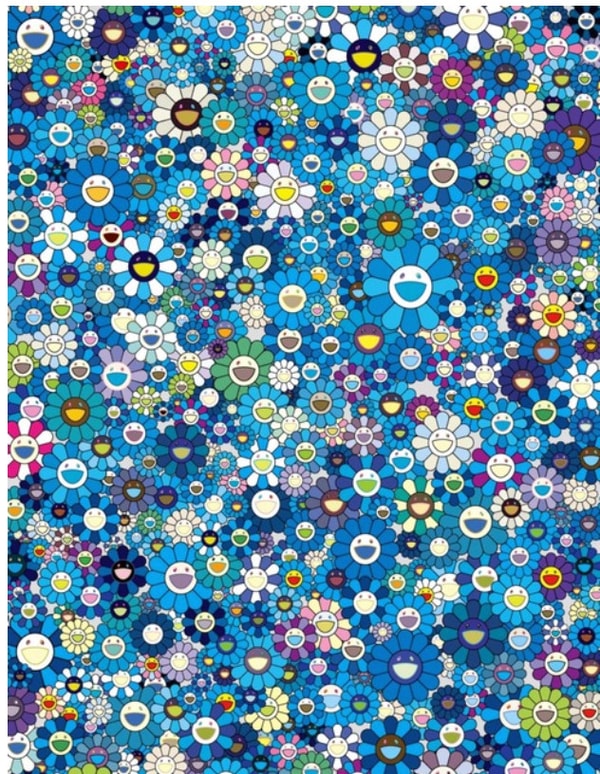
Takashi Murakami
An Homage to IKB , 1957 , F
2020
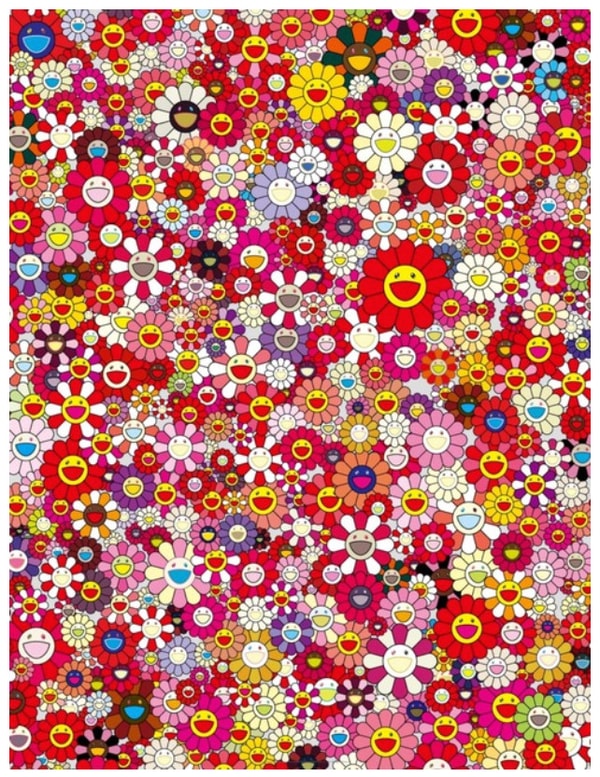
Takashi Murakami
An Homage to Monopink , 1960 , E
2020
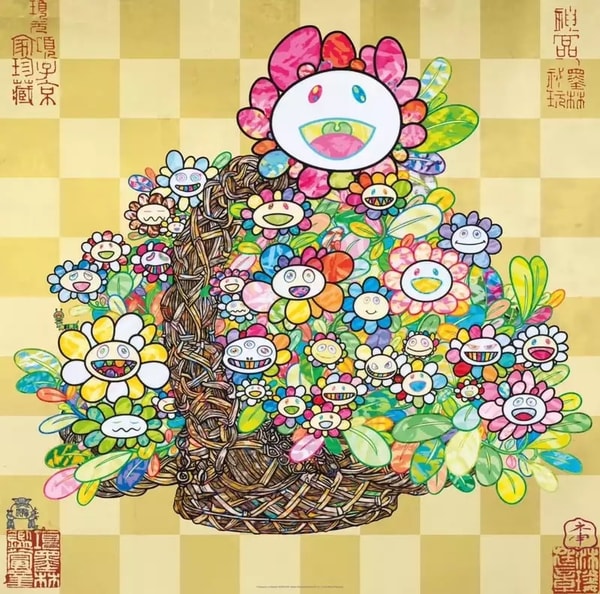
Takashi Murakami
Bouquet in a Basket
2020
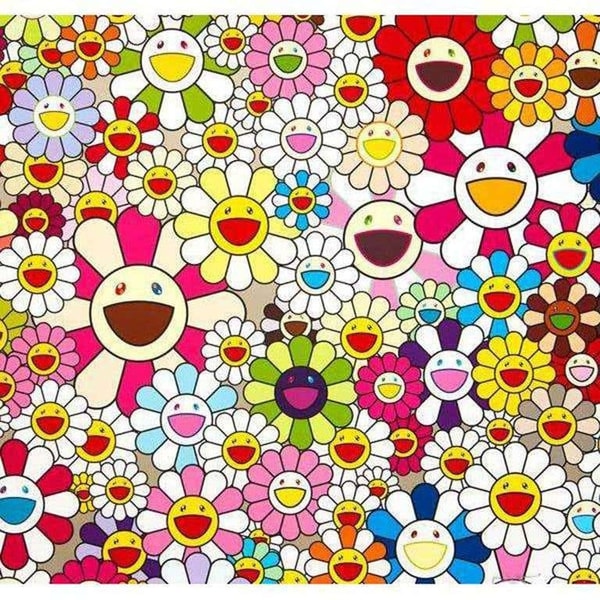
Takashi Murakami
Flowers Blooming in this World and the Land of Nirvana
2013
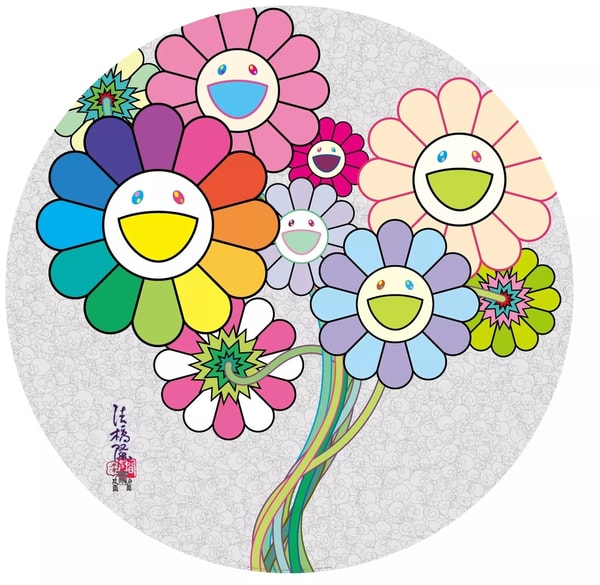
Takashi Murakami
Flowers For Algernon
2025
Takashi Murakami
Heaven's Gate
2022
Takashi Murakami
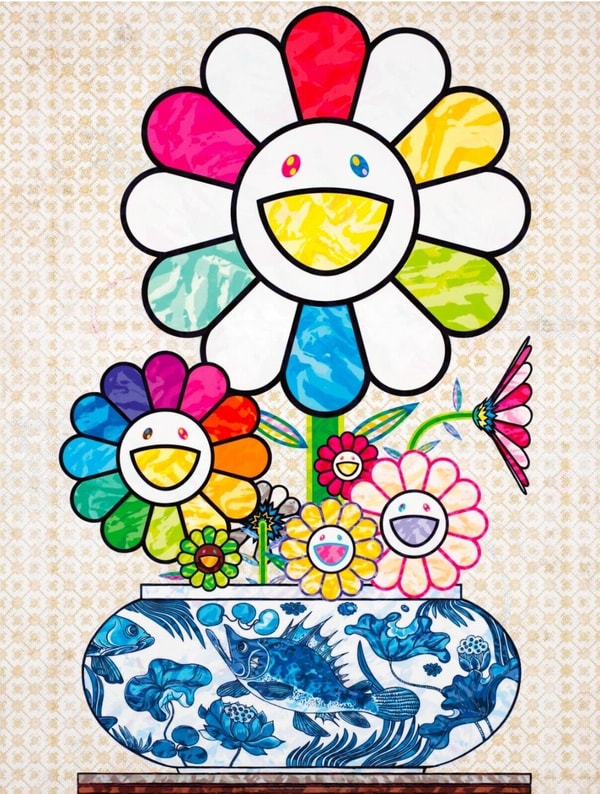
Murakami Flowers in a Qinghua Vase
2024
Takashi Murakami
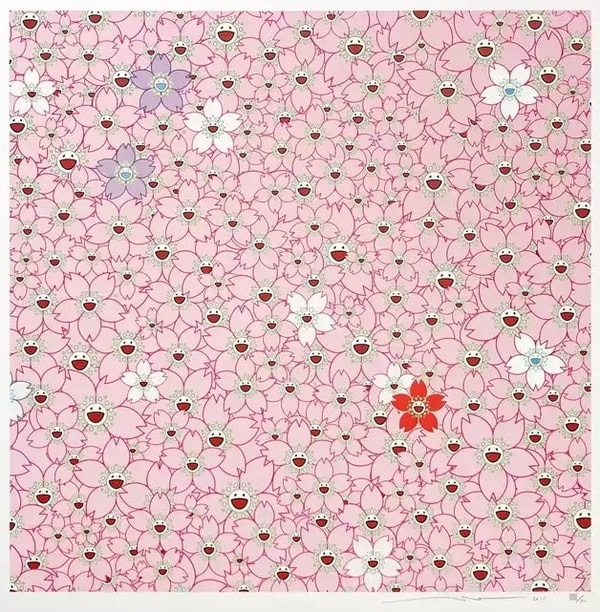
Sakura
2025
Takashi Murakami
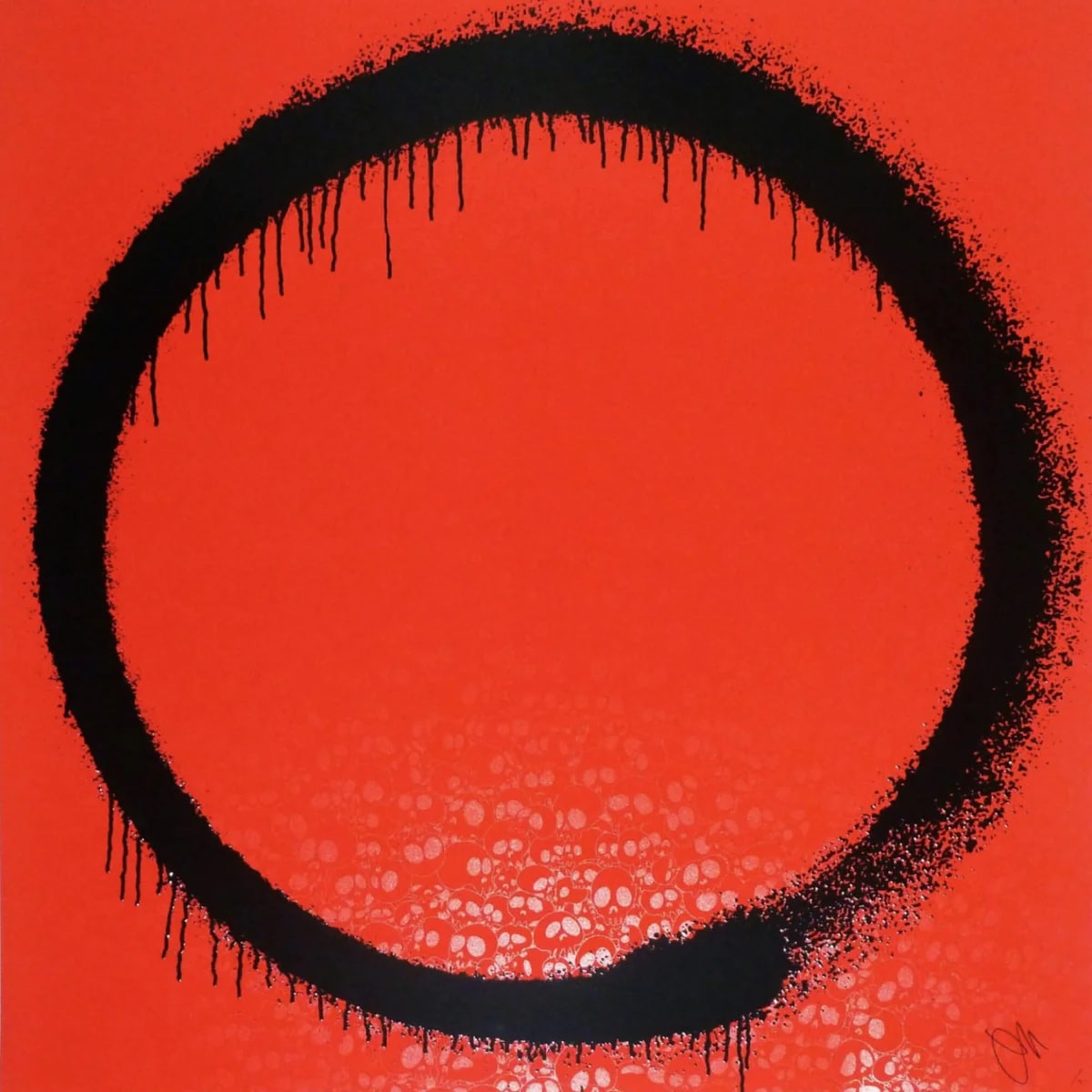
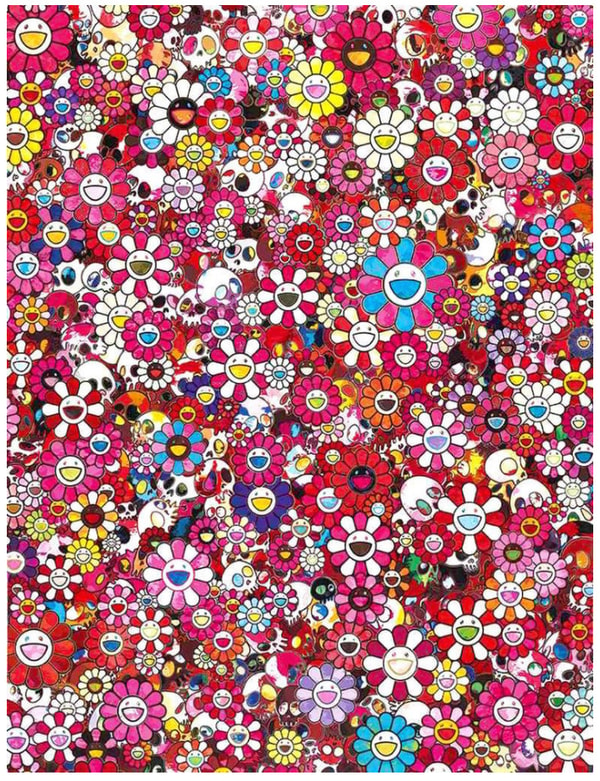
Skulls & Flowers Red
2013
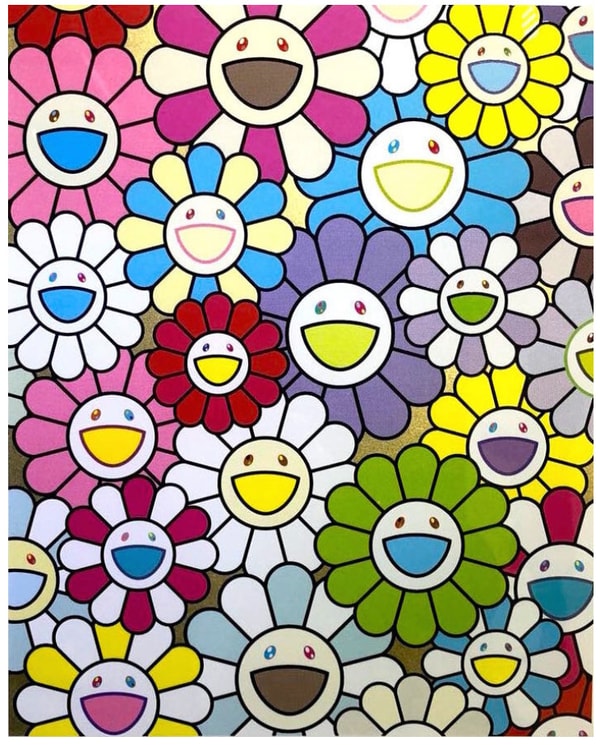
Takashi Murakami
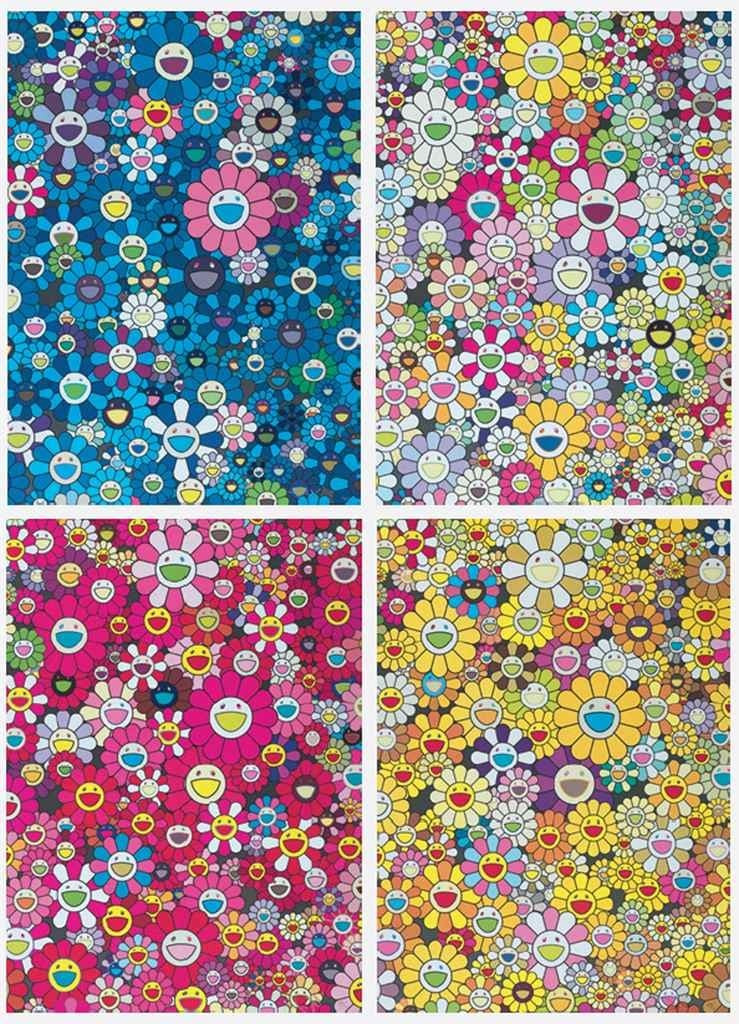
Small Flowers Painting : Yellow , White and Purple Flowers
2019
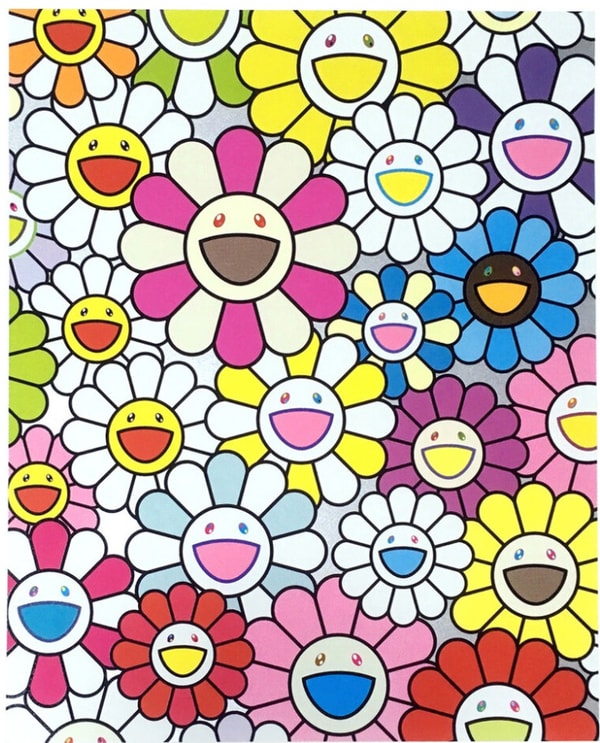
Takashi Murakami
Small Flowers Painting: Pink , Purple and Many Other Colors
2019
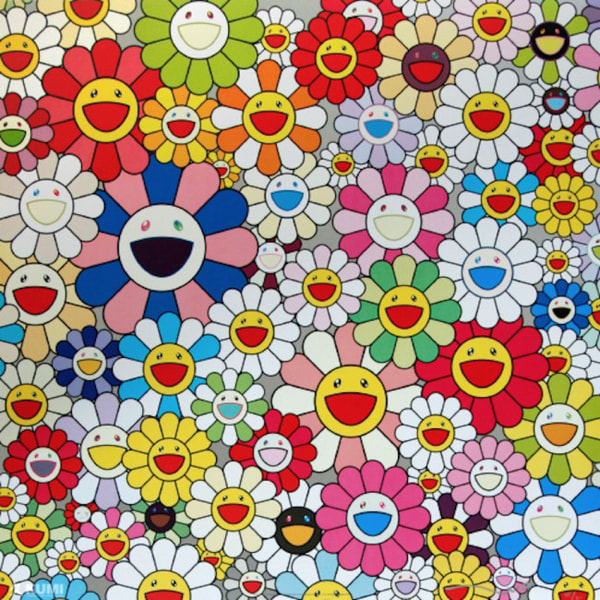
Takashi Murakami
Such Cute Flowers
2010
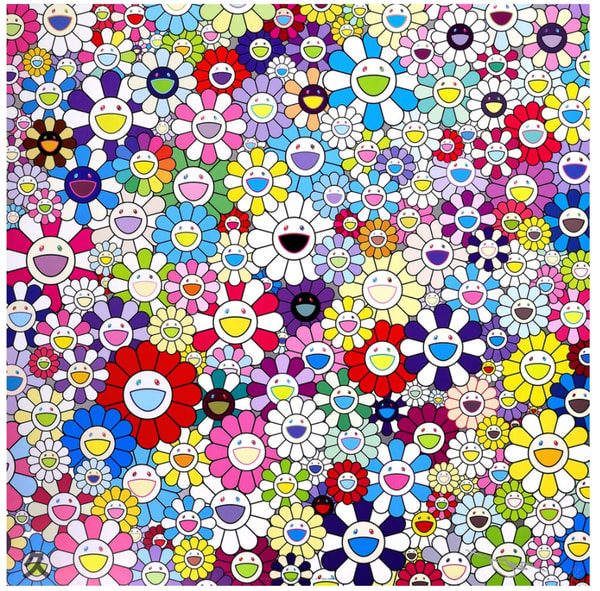
Takashi Murakami
The Nether World
2020
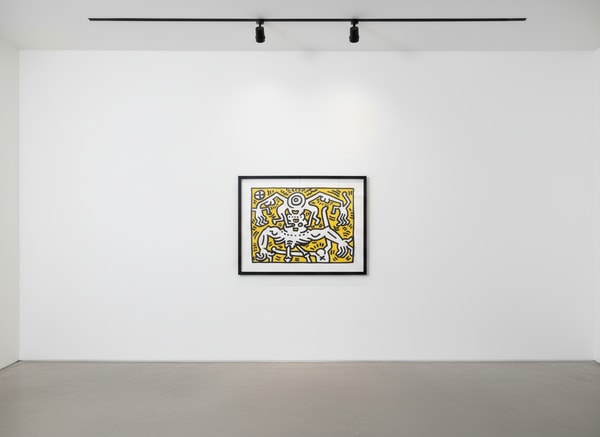
Keith Haring and the Pop Shop: Art for Everyone
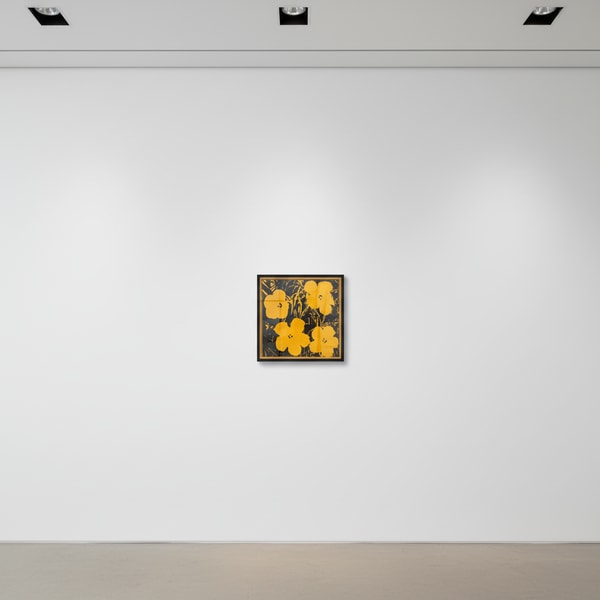
Richard Pettibone
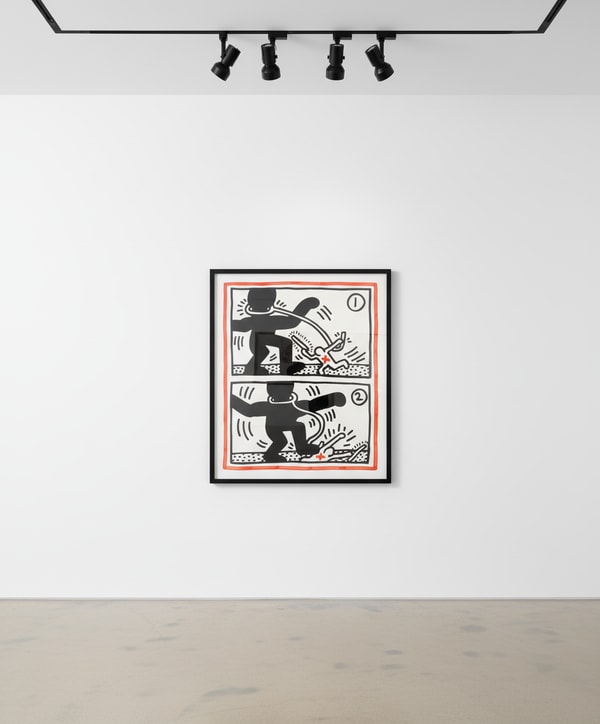
Keith Haring: Subway Drawings, Activism and Legacy
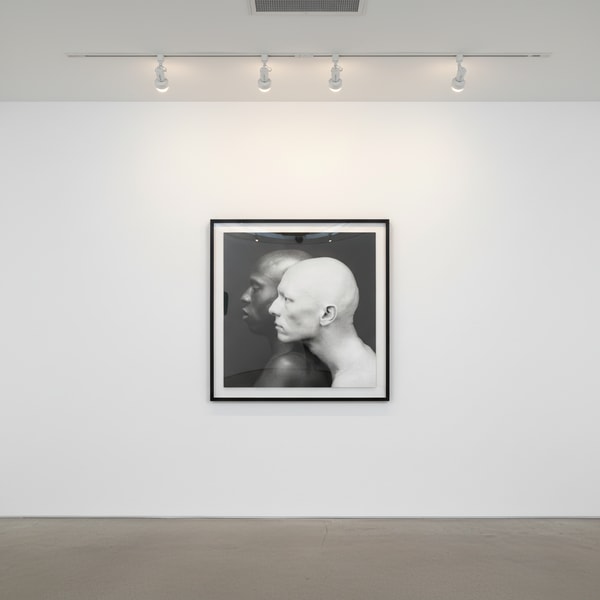
Robert Mapplethorpe: A Visionary of Intimacy, Beauty, and Provocation
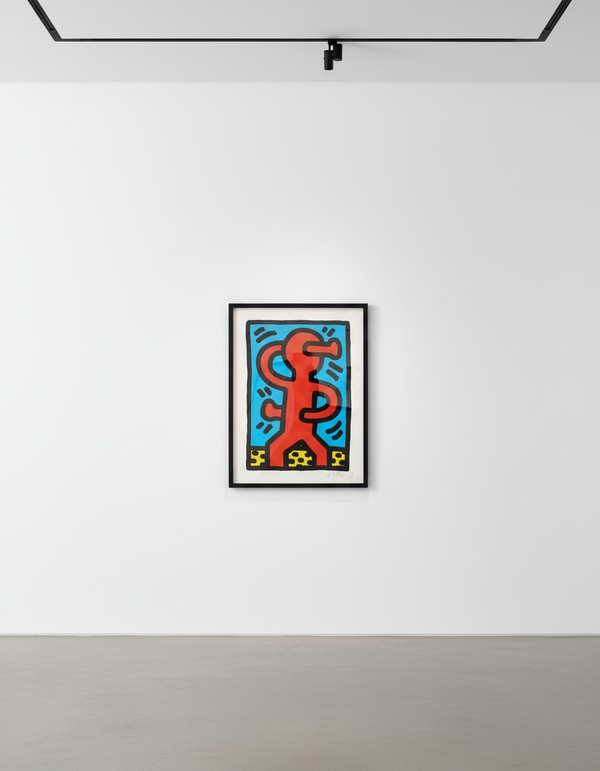
The 5 Most Popular Keith Haring Works
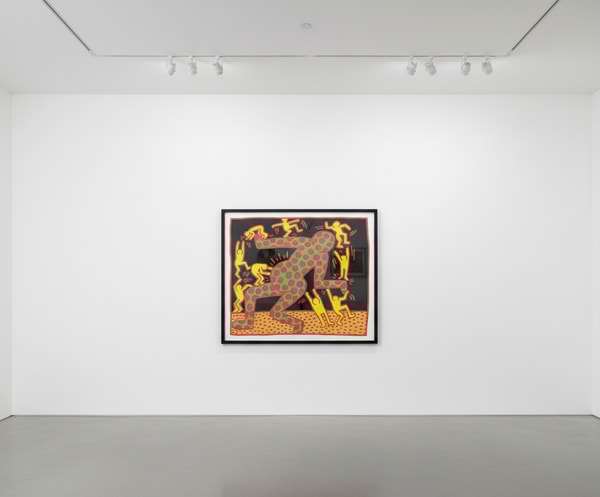
INSIGHTS: Building and Upgrading a Keith Haring Collection
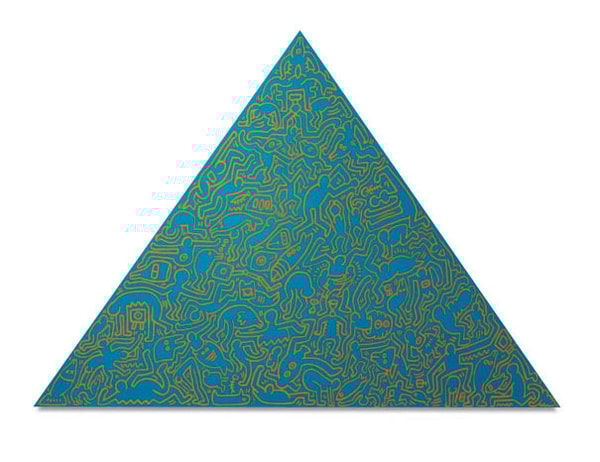
Keith Haring's Pyramid Series: Form, Symbolism and Collector Value
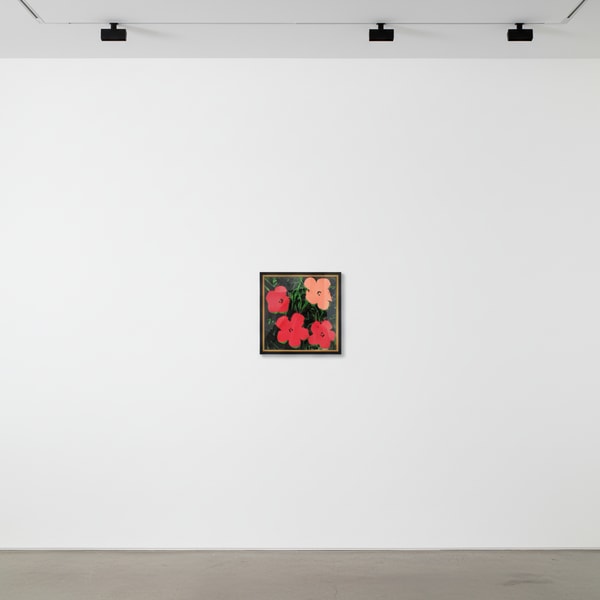
Richard Pettibone: Pop Miniatures
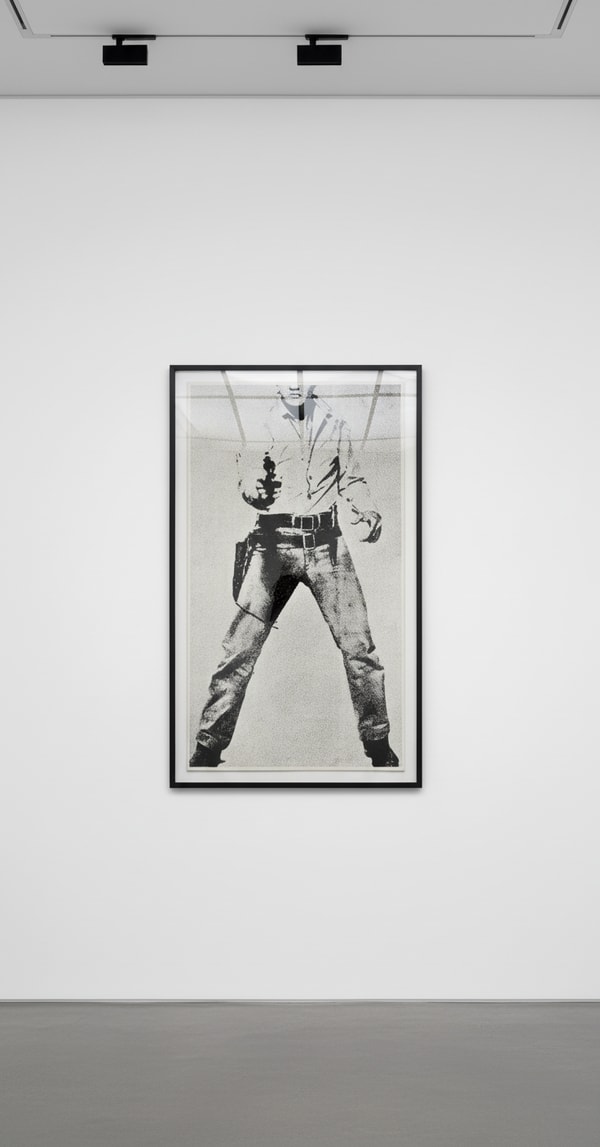
Richard Pettibone BIG Statements
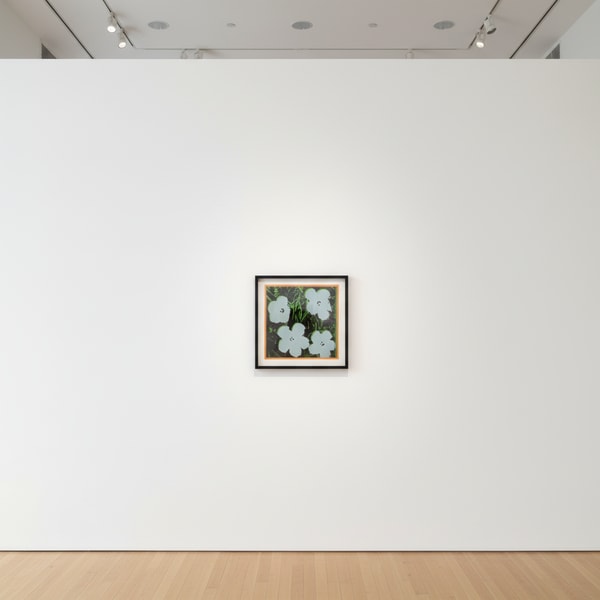
Richard Pettibone
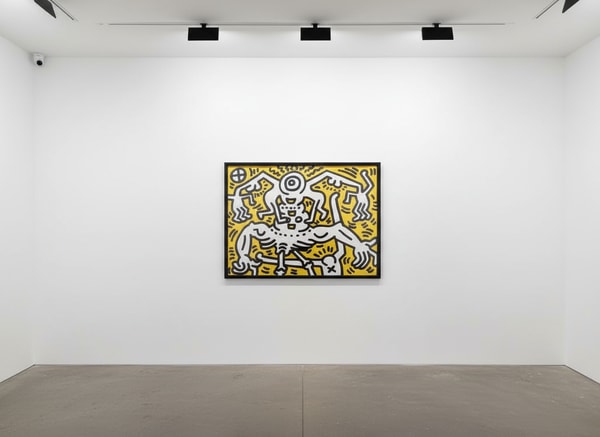
Keith Haring: Visual Language, Symbolism and Social Commentary
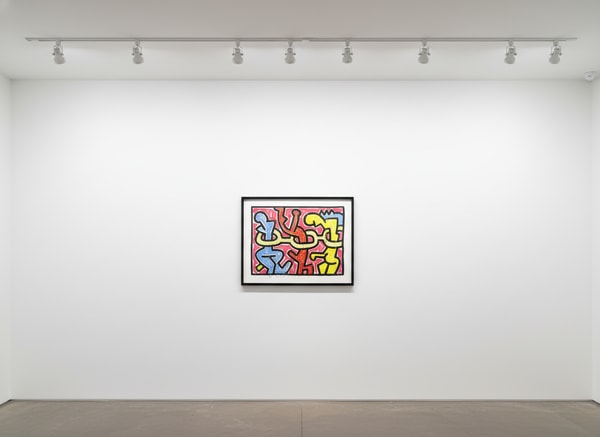
Keith Haring’s *Flowers* Portfolio: Blooming Symbols of Life, Death, and Rebirth
Keith Haring Prints for Sale: Edition Guide
Takashi Murakami Flower Prints: Edition Guide and Market Value
Keith Haring: Life, Work and Legacy — The Complete Guide
Keith Haring Prints: The Complete Collector's Guide
The Enduring Legacy of Robert Mapplethorpe
Louis Vuitton x Takashi Murakami
How To Collect Yoshitomo Nara
A Collector's Guide to Takashi Murakami Prints
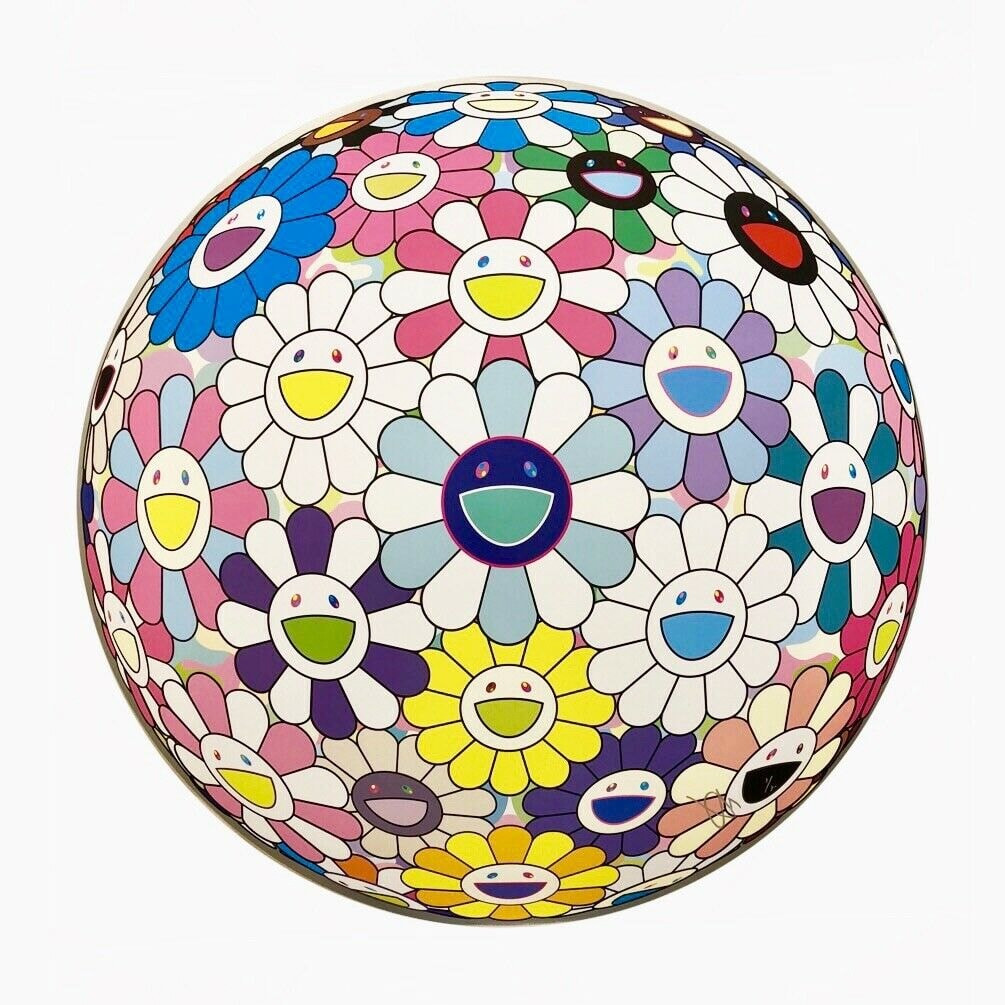
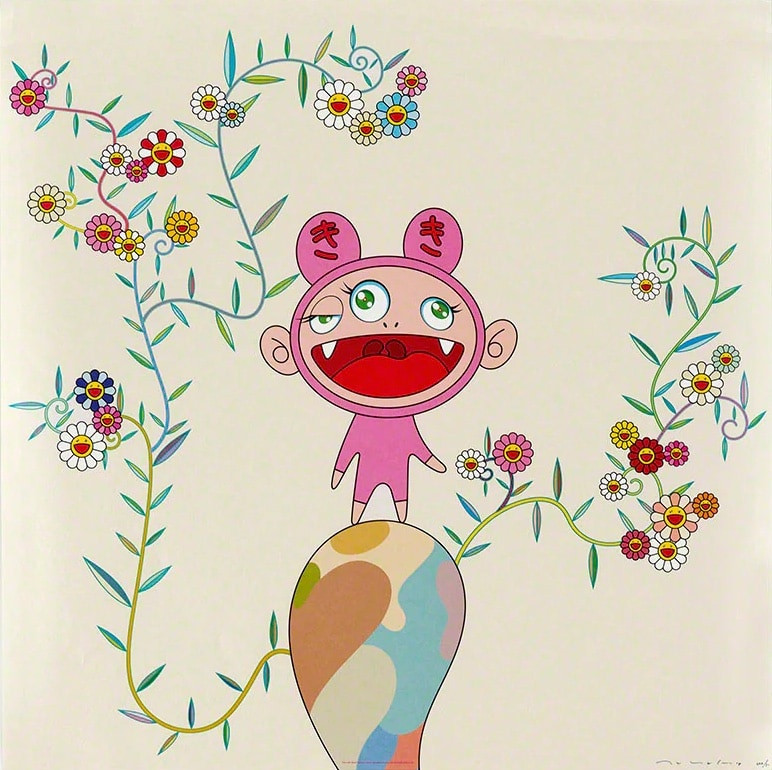
Takashi Murakami's smiling Flowers are among the most recognisable images in contemporary art — a motif that has appeared across paintings, sculptures, prints, and a highly publicised collaboration with Louis Vuitton since its emergence around 2000–2001.
The flower motif grew directly out of Murakami's "Superflat" theory, which draws a line from centuries of Japanese visual flatness — ukiyo-e woodblock prints, traditional decorative painting — through to contemporary anime, manga, and advertising graphics. The flowers themselves combine an exaggerated, cartoonish cheerfulness with an unsettling uniformity: rows of identical grinning faces that critics have read as commentary on conformity and consumer culture in postwar Japan, while remaining instantly appealing as pure, bright decoration.
Murakami produces his work through Kaikai Kiki, the studio and production company he founded (evolving from the earlier Hiropon Factory), employing a large team of assistants in a process closer to an industrial workshop than a solitary studio practice — a deliberate echo of Andy Warhol's Factory model, whose commercial and reproducible approach to image-making Murakami has cited as a direct influence.
The Flowers motif has appeared across an extraordinary range of formats and price points, from museum-scale paintings and public sculpture to editioned offset prints — the format most widely available to collectors. Murakami has described the flowers as deliberately ambiguous: reading as pure kawaii cuteness at a glance, while carrying an undercurrent of vacancy or even menace on closer looking.
Guy Hepner offers works from Takashi Murakami's Flowers series across a range of formats and price points. Contact our New York team to discuss current availability, condition, and provenance documentation.
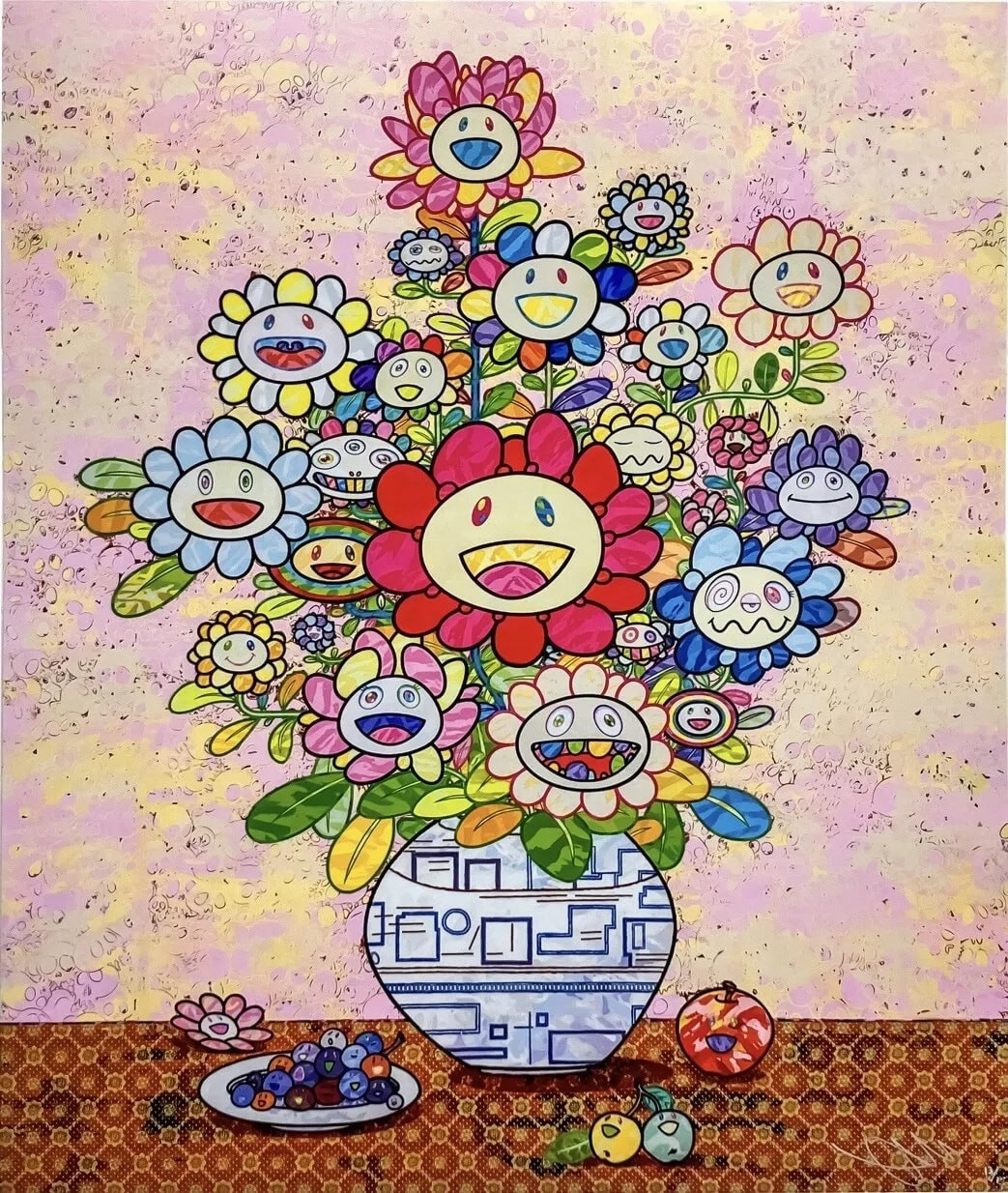
Takashi Murakami prints for sale at Guy Hepner Gallery in New York span the full range of his edition output: Superflat flower prints, skull series, Mr. DOB works, Kaikai Kiki editions, and collaborative works that have made Murakami one of the most actively traded artists in the contemporary print market. For collectors seeking Takashi Murakami art for sale — whether an iconic flower screenprint, a limited-edition sculpture multiple, or a major canvas — Guy Hepner at 177 Tenth Avenue, New York offers expert guidance, full provenance documentation, and access to authenticated works across all his major series.
Takashi Murakami (b. 1962, Tokyo) is the defining figure of contemporary Japanese art on the international stage — an artist, theorist, entrepreneur, and studio director whose Superflat theory and the enormously productive practice it generated have permanently altered the conversation about the relationship between high art and popular culture, between Western postwar painting and East Asian visual tradition, and between the studio and the factory. Murakami received his BA, MA, and PhD from the Tokyo University of the Arts in Nihonga — traditional Japanese painting — a rigorous formation that gives his apparently anarchic pop sensibility its underlying structural discipline.
The Superflat manifesto, which Murakami developed and articulated in the early 2000s, proposed that the flattened pictorial space of traditional Japanese painting and the surface-oriented aesthetics of anime and manga were not merely parallel phenomena but expressions of the same deep cultural logic — a logic that Western art history had misread as naivety but which Murakami identified as a sophisticated and distinctive mode of representation.
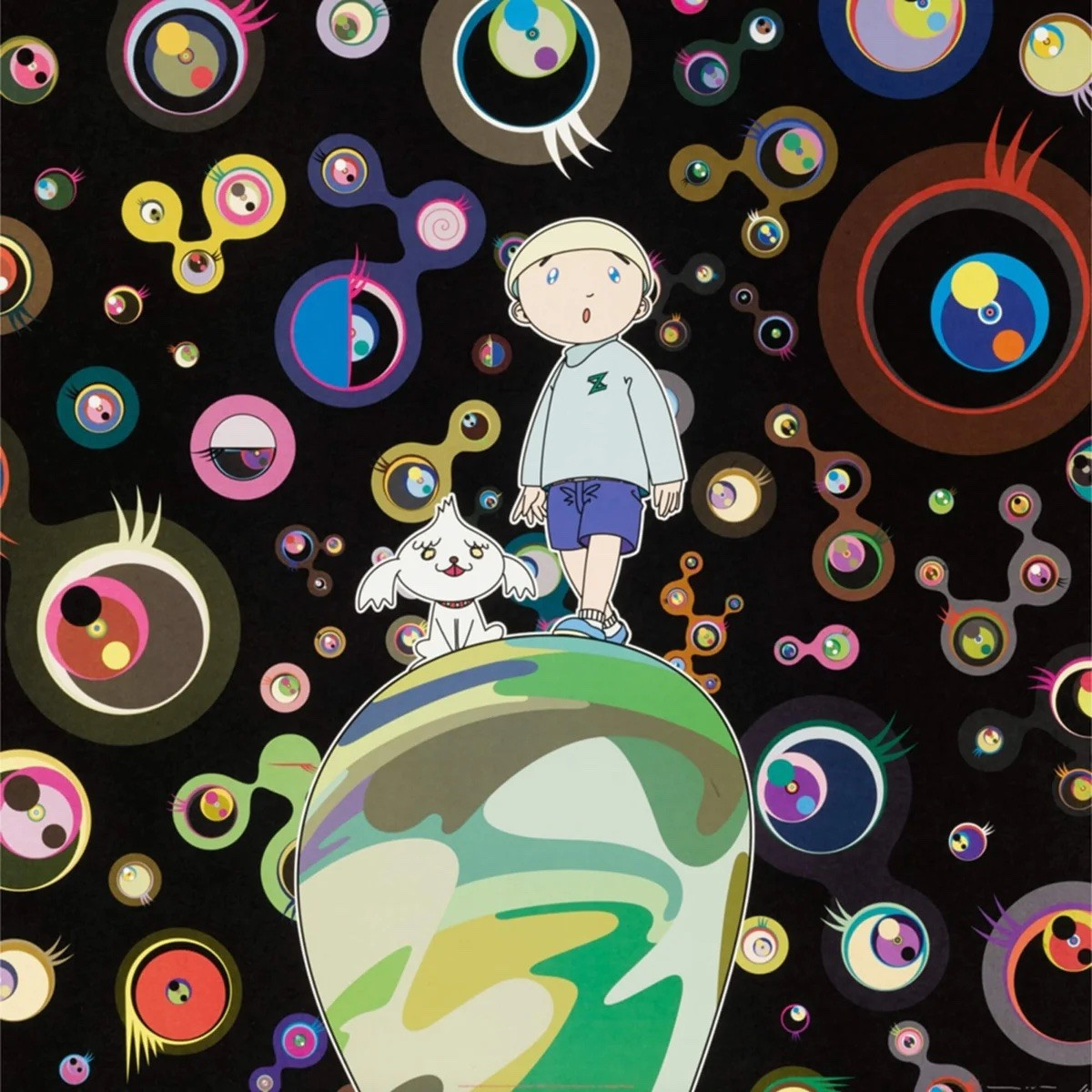
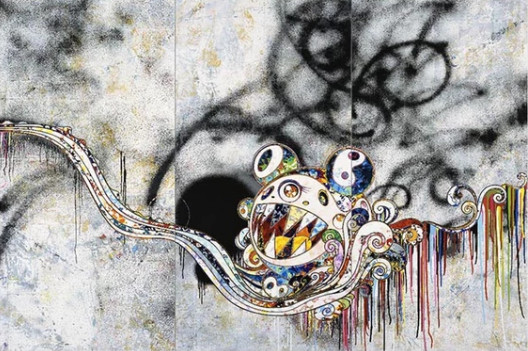
Through his practice, Murakami has built a visual universe populated by recurring characters and motifs:
Murakami's Kaikai Kiki studio and production company — employing dozens of assistants in an explicit homage to both the Japanese craft workshop and Warhol's Factory — produces paintings, sculptures, editions, merchandise, and cultural events with equal seriousness and commercial intent. This model, in which studio production, cultural criticism, and commercial output are deliberately merged, is central to understanding Murakami's practice and the edition market that surrounds it.
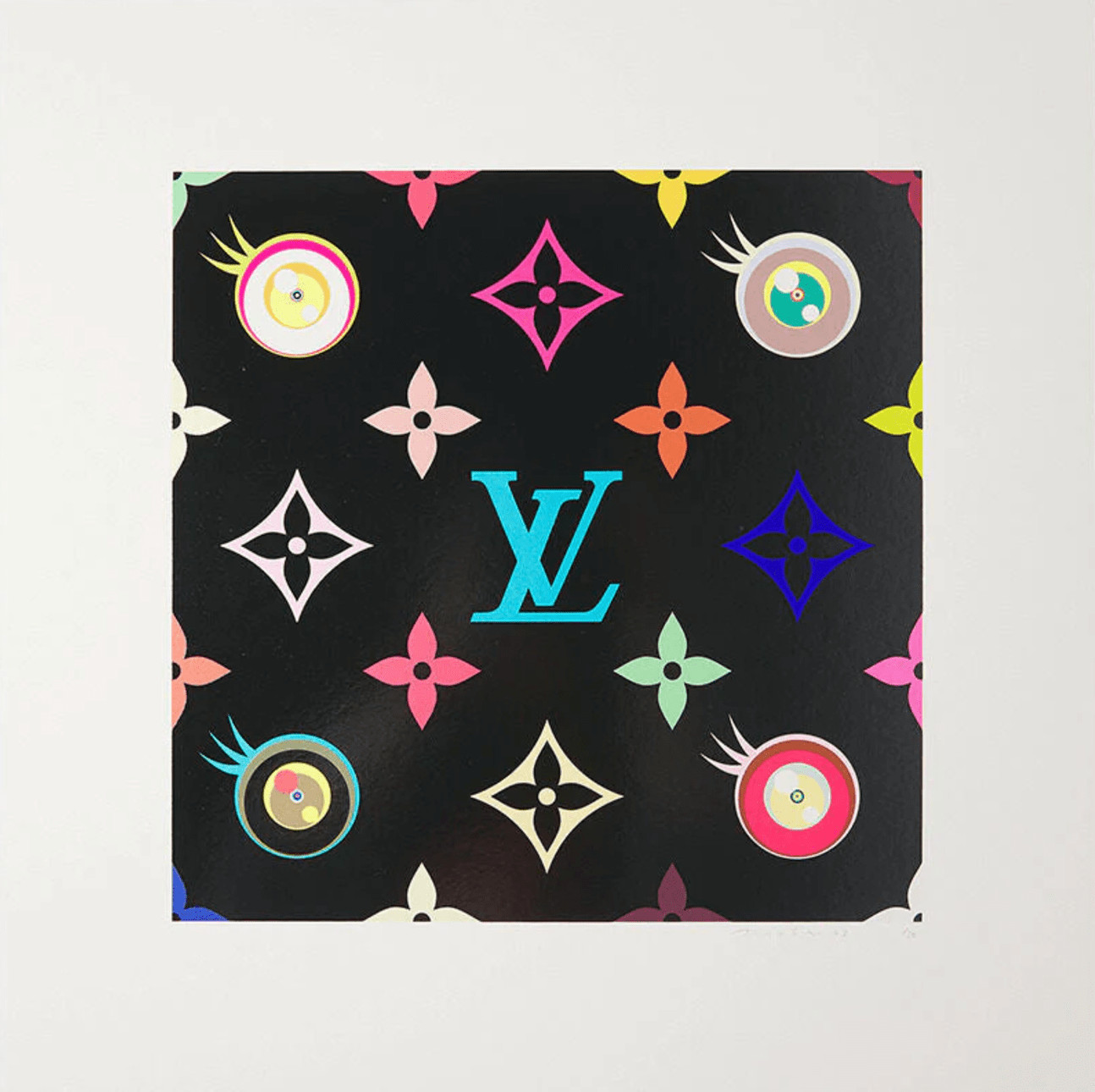
Murakami's major collaborations have extended his work into fashion, music, and popular culture on a global scale. His partnership with Louis Vuitton produced some of the most successful fashion-art collaborations of the 2000s. His album artwork for Kanye West's Graduation brought his visual language to audiences that had no prior engagement with contemporary art. His collaborations with Supreme and other streetwear brands have ensured that his work circulates across youth culture as readily as it does in museum collections.
These collaborations have expanded the collector base for his fine art editions significantly: many collectors who first encountered Murakami through fashion or music have subsequently acquired prints and multiples, creating sustained demand across a wider demographic than most contemporary artists command.
Murakami's auction record stands at $15,200,000 for My Lonesome Cowboy (1998) at Sotheby's New York in 2008, and major paintings continue to command seven-figure results. His edition prints and multiples — flower series, skulls, Mr. DOB, Kaikai Kiki — are among the most actively traded in the contemporary edition market globally. Print prices range from $3,000–$5,000 for smaller open editions through $50,000–$200,000+ for rare signed limited editions and artist proofs in high demand colourways.
Murakami's work is held in permanent collections at MoMA, MOCA Los Angeles, the Asian Art Museum San Francisco, Tate Modern, the Guggenheim Museum Bilbao, the Centre Pompidou, the Rubell Museum, and the Mori Art Museum Tokyo.
Edition size: Murakami produces both open-edition merchandise-style prints and tightly limited fine art editions. The latter — often numbered to 50 or fewer, with hand signature and certificate of authenticity from Kaikai Kiki — carry the strongest value and market liquidity.
Motif and colourway: Flower works in rare colourways, skull editions, and Mr. DOB prints consistently outperform peripheral motifs. Rainbow colourways and gold/metallic editions typically carry premium over standard colourways.
Authentication: All fine art editions should come with Kaikai Kiki certificates of authenticity and, for works sold through Perrotin or other authorised galleries, original gallery documentation.
Condition: Murakami's prints are typically produced on archival substrates, but condition remains important — works stored and framed correctly hold value most reliably.
Guy Hepner offers a curated selection of Takashi Murakami prints for sale and edition multiples across all his major series from our gallery at 177 Tenth Avenue, New York. We bring expert knowledge of the Murakami edition market and offer free, confidential valuations for collectors looking to sell or appraise their holdings. Whether you are seeking an iconic flower print, a skull series multiple, or a rare signed limited edition, Guy Hepner provides the market expertise, authentication assurance, and collector access to support every acquisition.