Auction Results
11 works

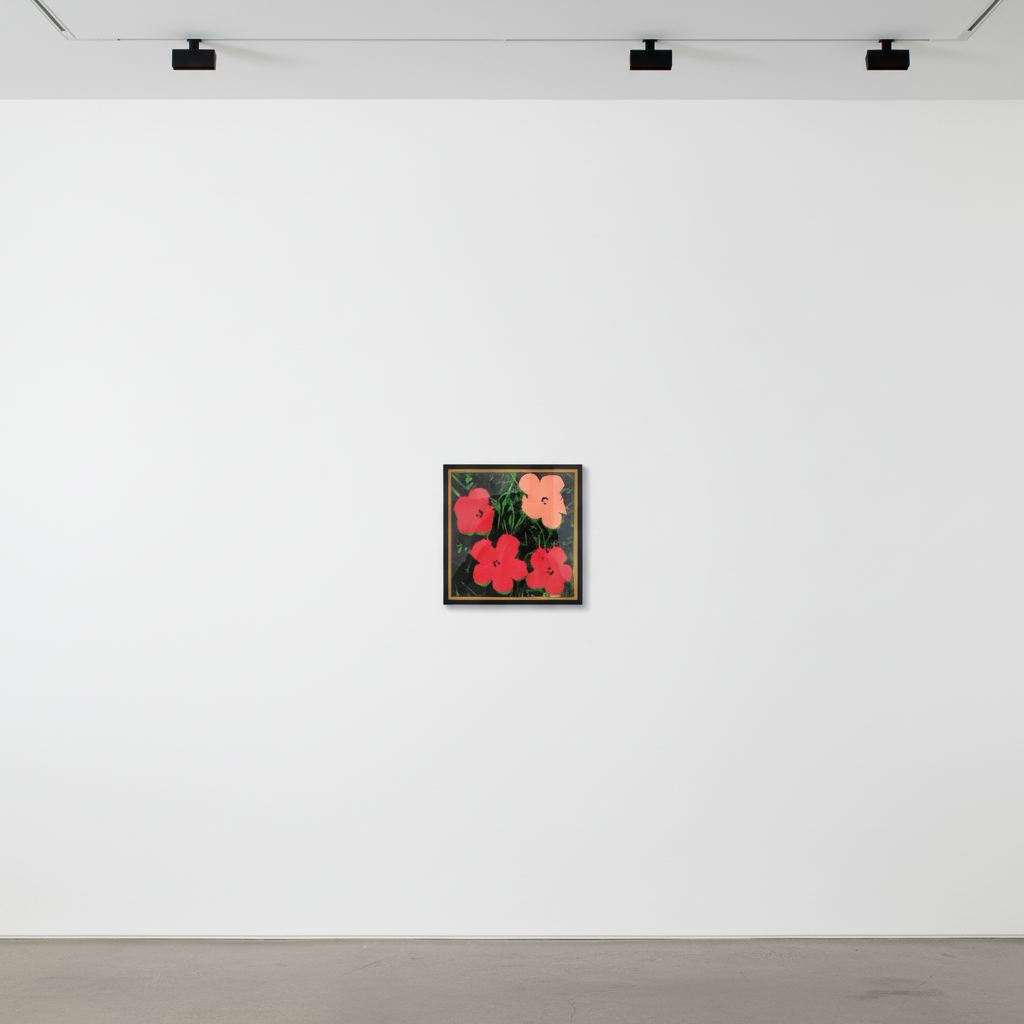
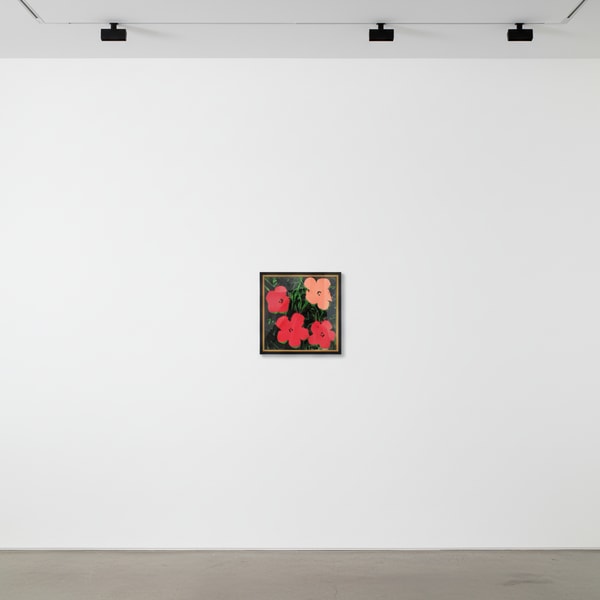
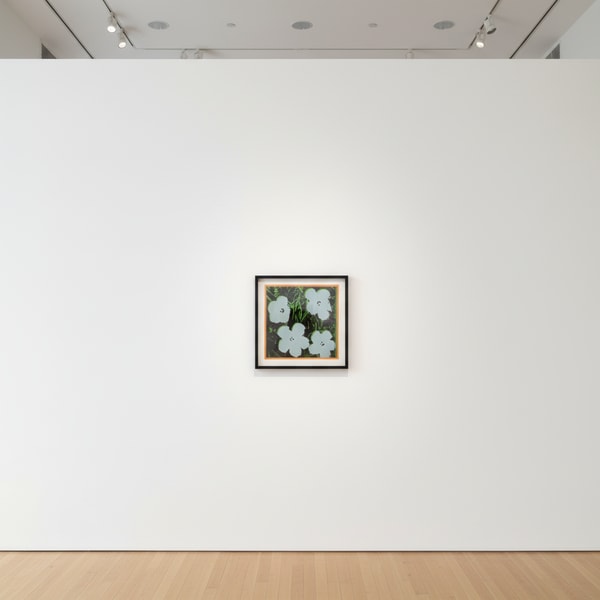
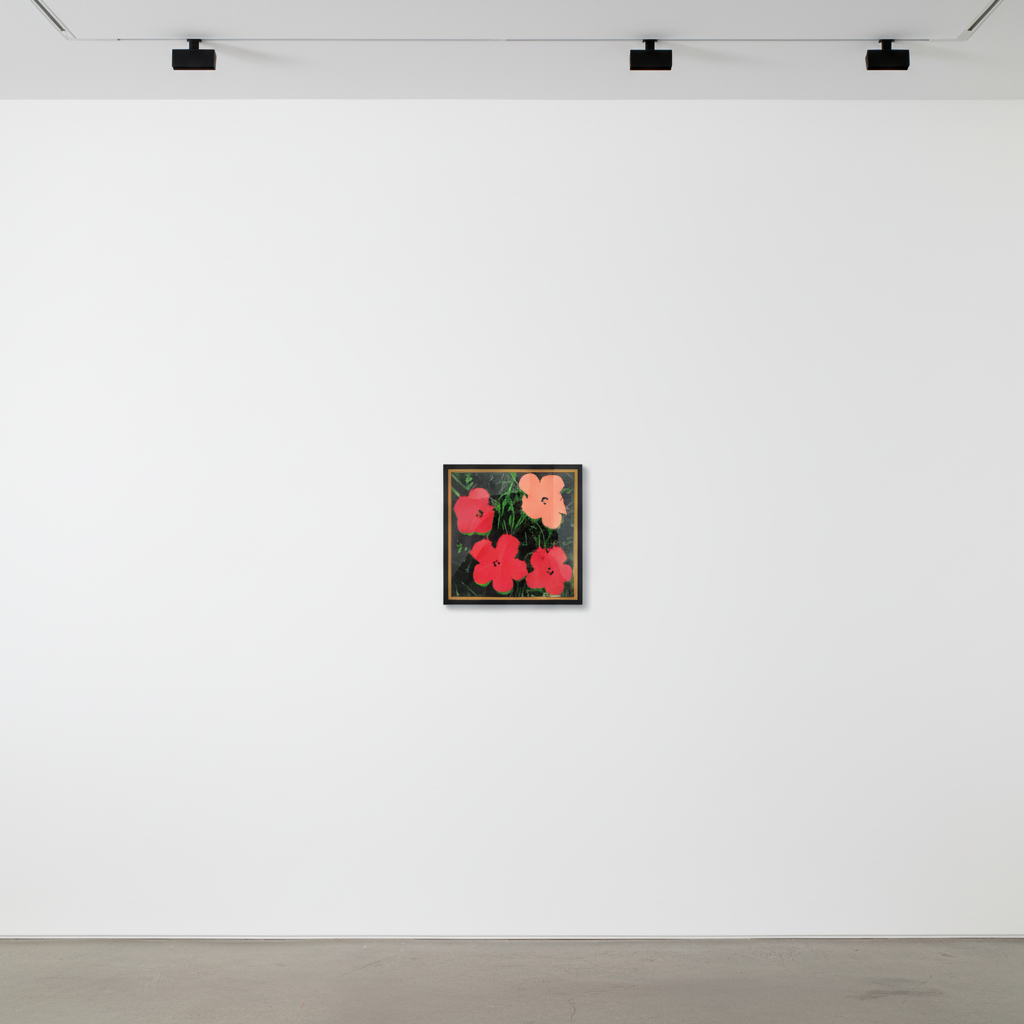
Warhol Flowers 1964 (Pink), 1970
Silkscreen and oil/acrylic on canvas in artist´s frame
3 x 3 in 7.6 x 7.6 cm
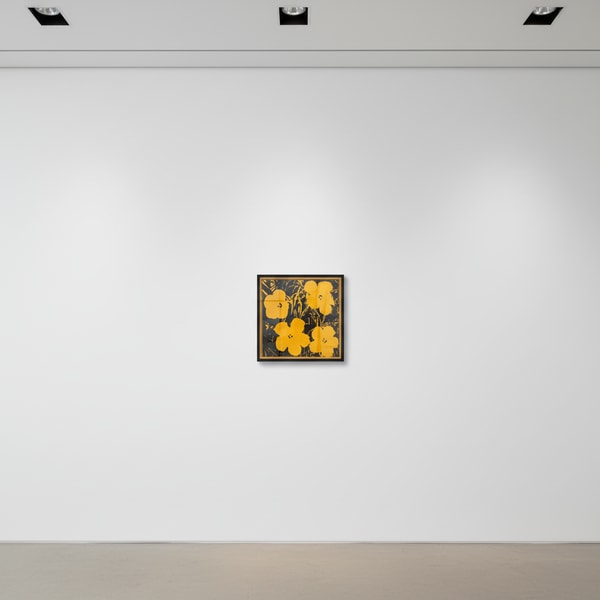
Richard Pettibone, a prominent figure in the Pop Art movement, gained recognition for his meticulous reproductions of works by iconic artists like Andy Warhol. Pettibone's flower paintings, created after Warhol's renowned flower series, stand as both homage and reinterpretation of Warhol's original works. In the wake of Warhol's groundbreaking exploration of consumer culture and mass production, Pettibone emerged as an artist deeply influenced by Warhol's aesthetic and conceptual approach. Pettibone's flower paintings, executed in the 1960s and beyond, reflect his fascination with Warhol's appropriation of commercial imagery and his keen interest in the intersection of art and popular culture. Pettibone's flower paintings meticulously replicate Warhol's floral compositions, often on a smaller scale, employing techniques such as silk-screening and stencil application. By faithfully reproducing Warhol's imagery, Pettibone raises questions about authorship, authenticity, and the commodification of art. His works blur the boundaries between originality and reproduction, challenging conventional notions of artistic creation and value. However, Pettibone's flower paintings are more than mere replicas; they represent a sophisticated engagement with Warhol's legacy and a nuanced exploration of the nature of art in the age of mechanical reproduction. By appropriating Warhol's imagery and techniques, Pettibone offers a commentary on the pervasive influence of mass media and consumerism on contemporary society. Furthermore, Pettibone's flower paintings serve as a form of artistic dialogue with Warhol, reflecting on themes of appropriation, imitation, and artistic identity. Through his meticulous re-creations of Warhol's flowers, Pettibone acknowledges Warhol's impact on the trajectory of contemporary art while asserting his own creative voice within the context of Pop Art. In essence, Richard Pettibone's flower paintings after Andy Warhol offer a compelling exploration of the complexities inherent in the relationship between art, commerce, and culture. By paying homage to Warhol's iconic imagery while simultaneously interrogating its significance, Pettibone underscores the enduring relevance of Pop Art as a critical lens through which to examine the world around us.
Price on Application
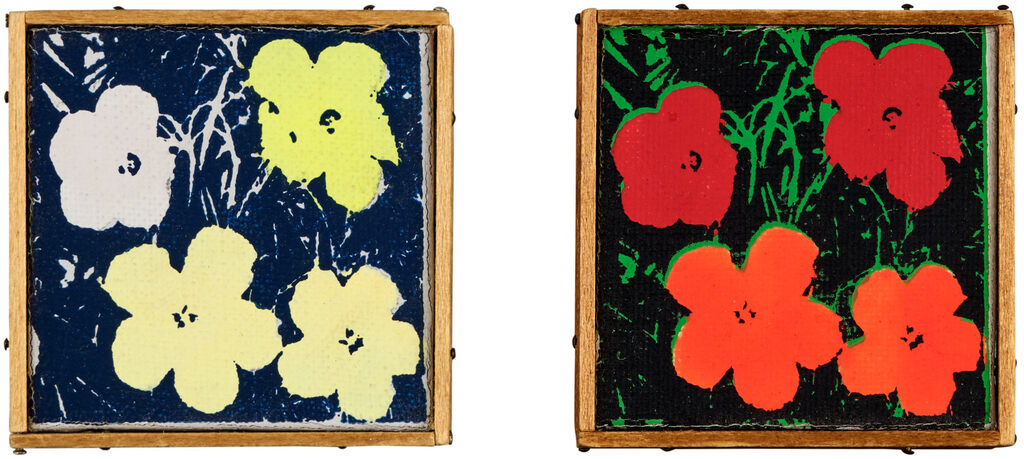
Two works: (i) Andy Warhol, "Flowers", 1964; (ii) Andy Warhol, "Flowers", 1964 · Richard Pettibone · Phillips · 2025-09 · $2,541
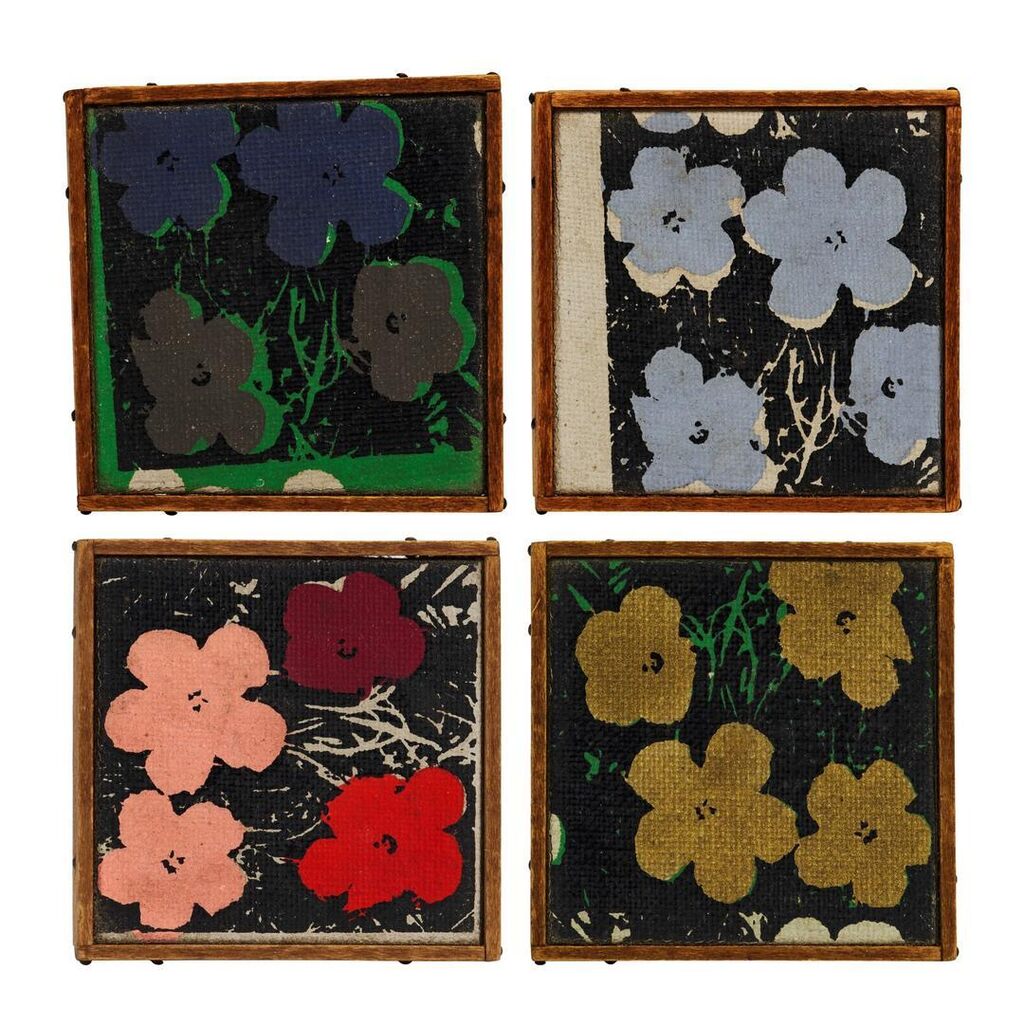
Andy Warhol, 'Flowers', 1964 · Richard Pettibone · Christie's · 2024-12 · $0
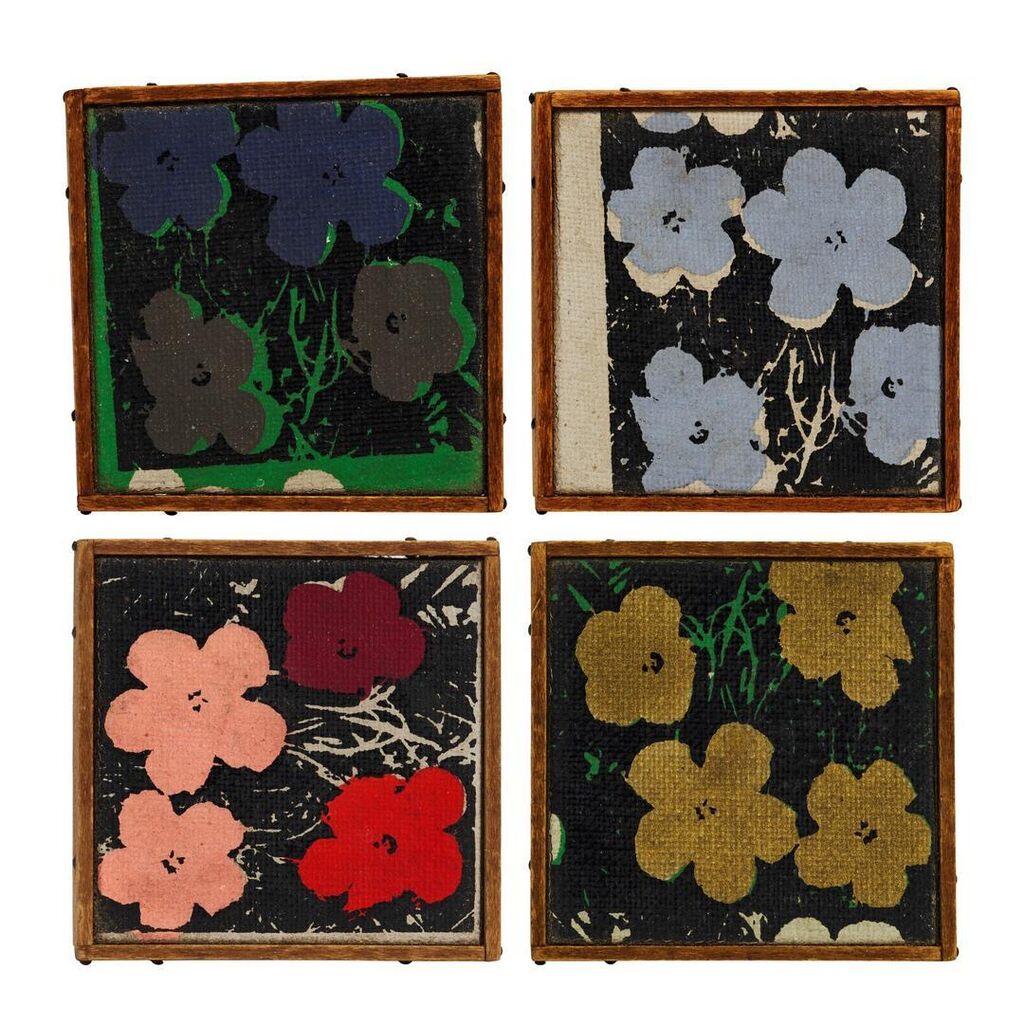
Andy Warhol, 'Flowers', 1964 · Richard Pettibone · Christie's · 2024-03 · $0
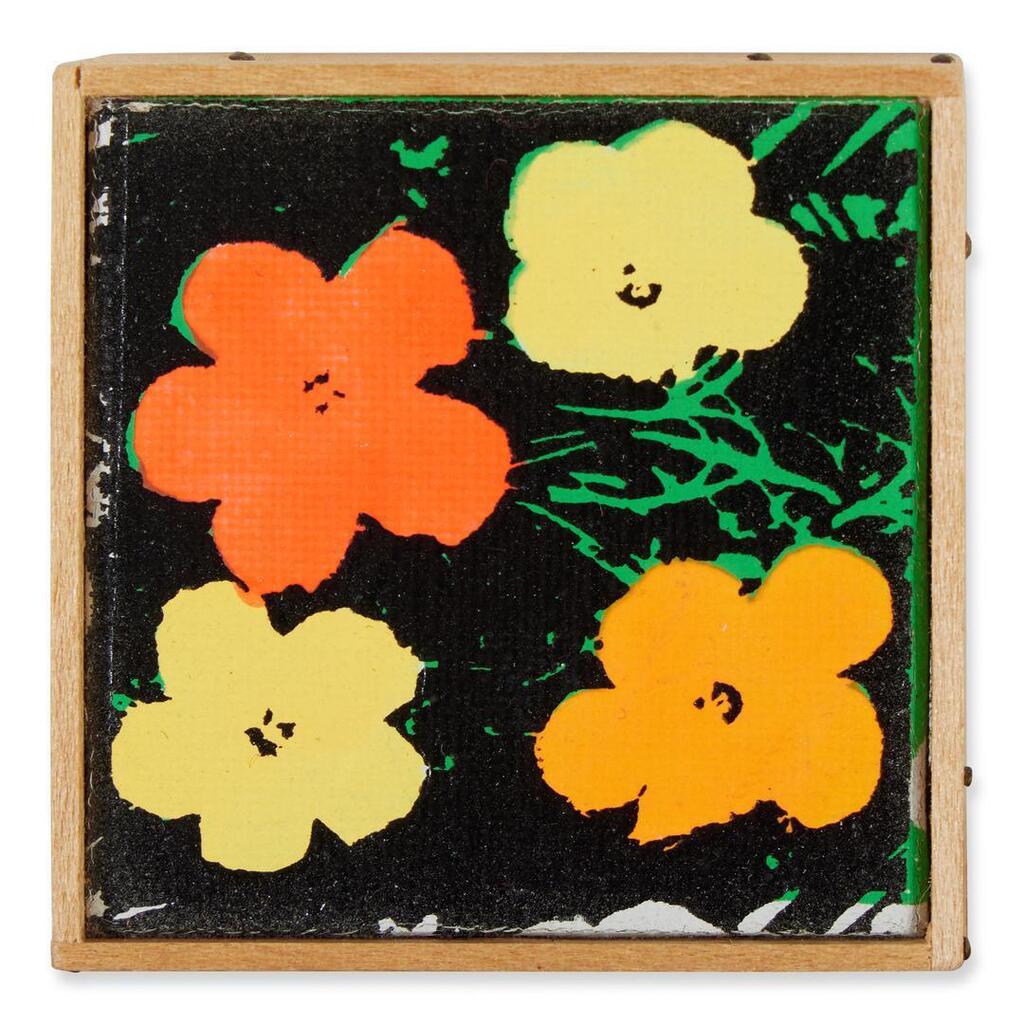
Andy Warhol, 'Flowers,' 1964 · Richard Pettibone · Sotheby's · 2022-07 · $15,120
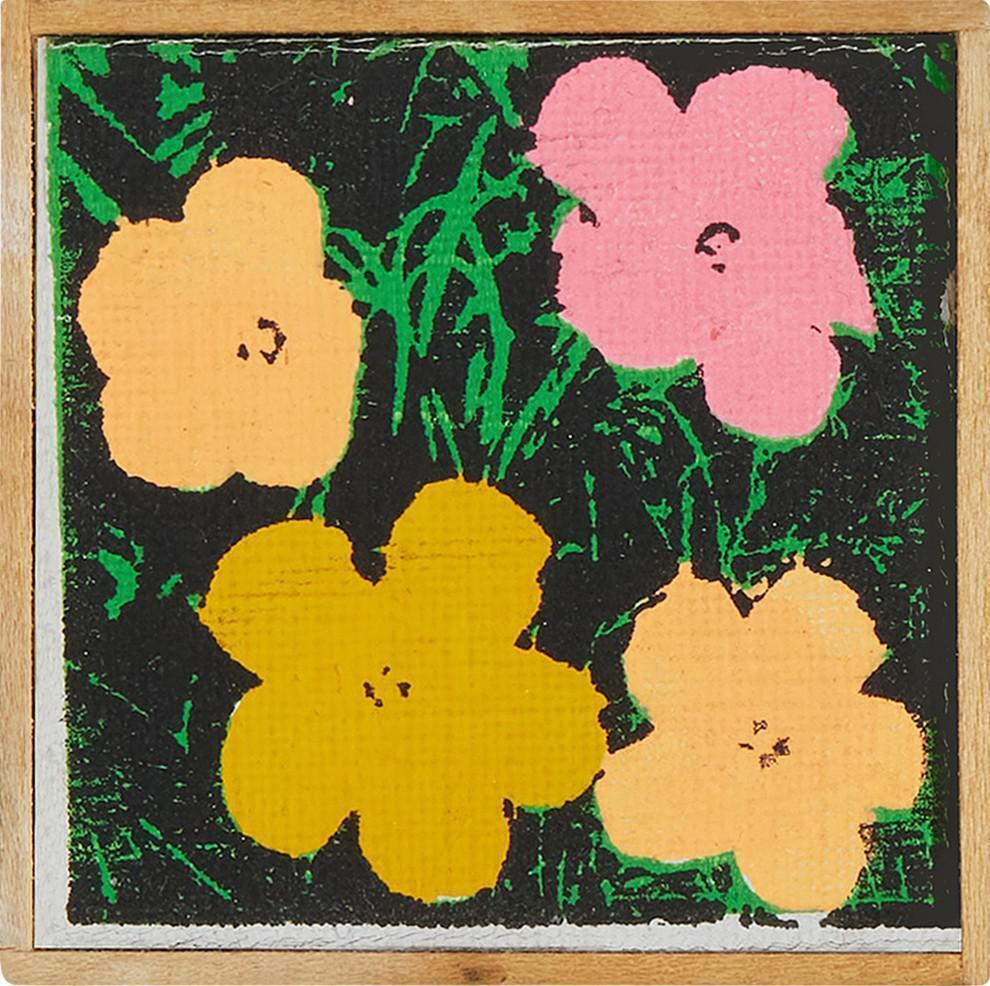
Andy Warhol, Flowers, 1964 · Richard Pettibone · Sotheby's · 2022-05 · $20,160
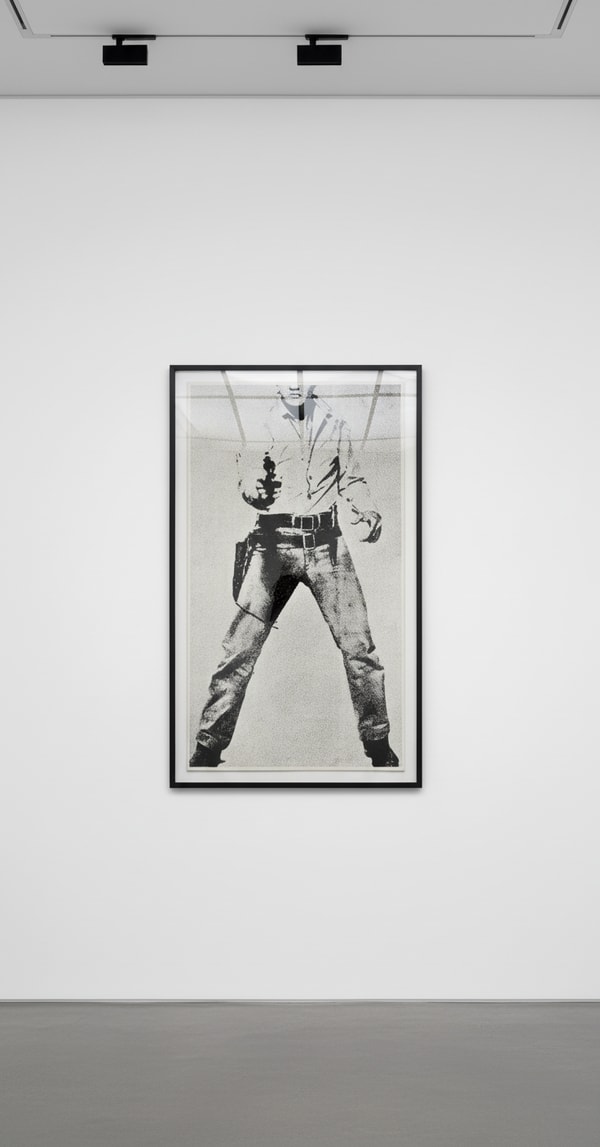
Richard Pettibone BIG Statements
Richard Pettibone: Pop Miniatures
INSIGHTS: Building and Upgrading a Keith Haring Collection
The 5 Most Popular Keith Haring Works
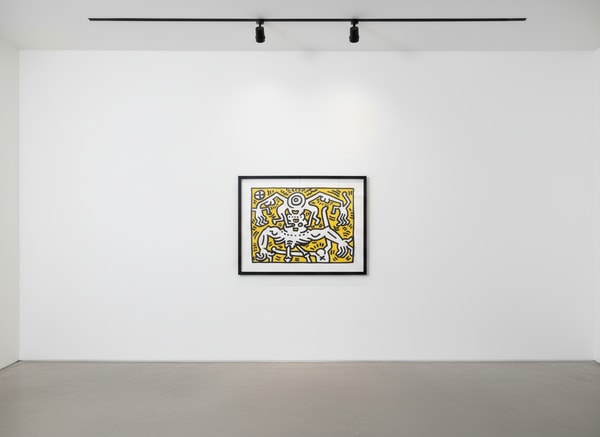
Keith Haring and the Pop Shop: Art for Everyone
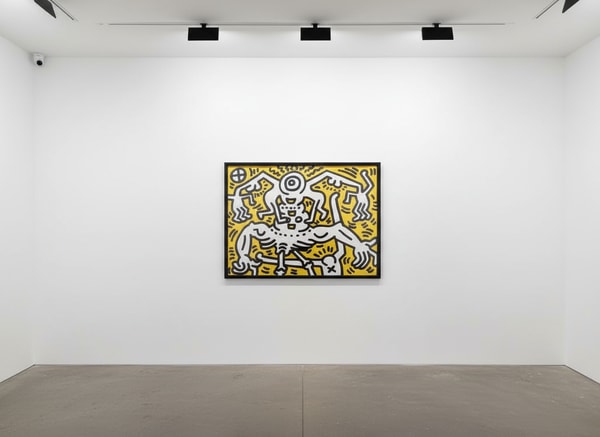
Keith Haring: Visual Language, Symbolism and Social Commentary
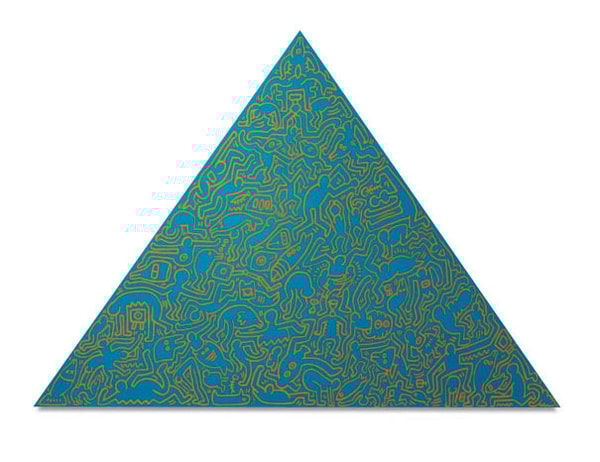
Keith Haring's Pyramid Series: Form, Symbolism and Collector Value
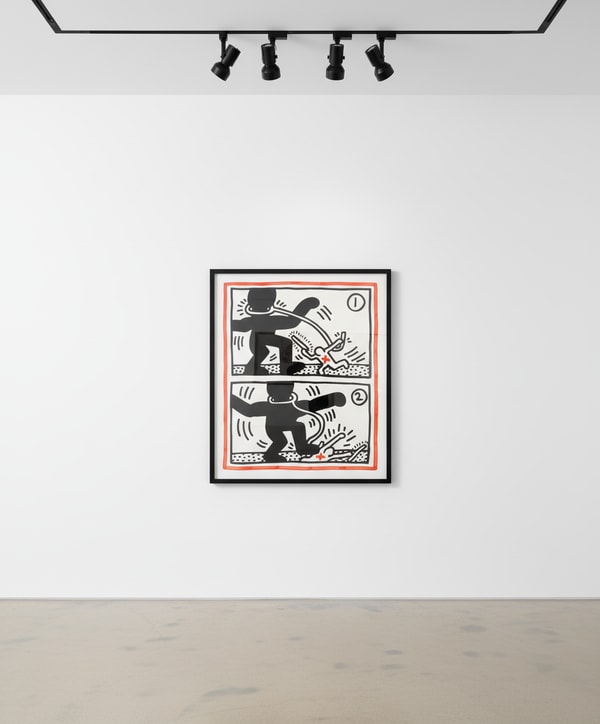
Keith Haring: Subway Drawings, Activism and Legacy
Richard Pettibone
Richard Pettibone
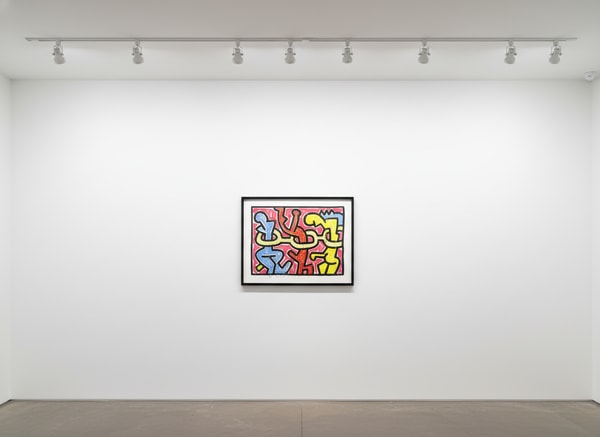
Keith Haring’s *Flowers* Portfolio: Blooming Symbols of Life, Death, and Rebirth
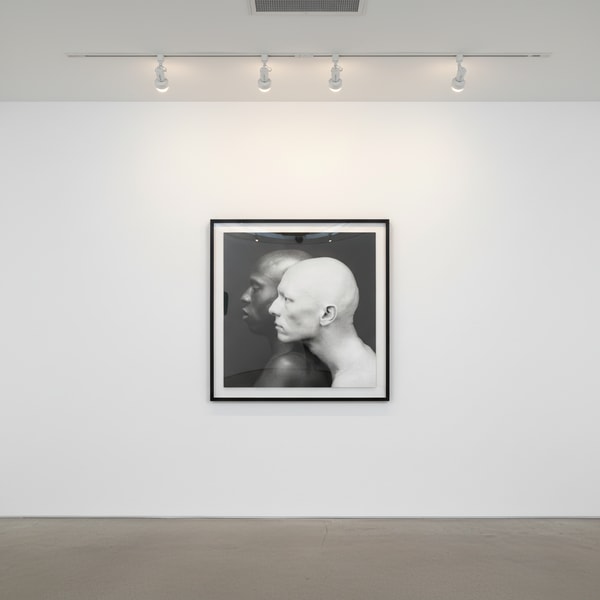
Robert Mapplethorpe: A Visionary of Intimacy, Beauty, and Provocation
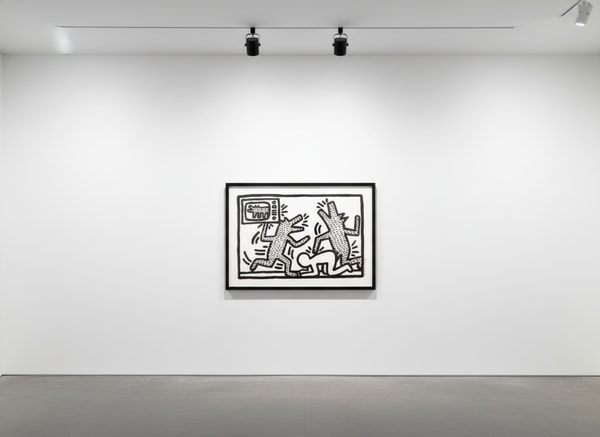
Keith Haring Prints for Sale: Edition Guide
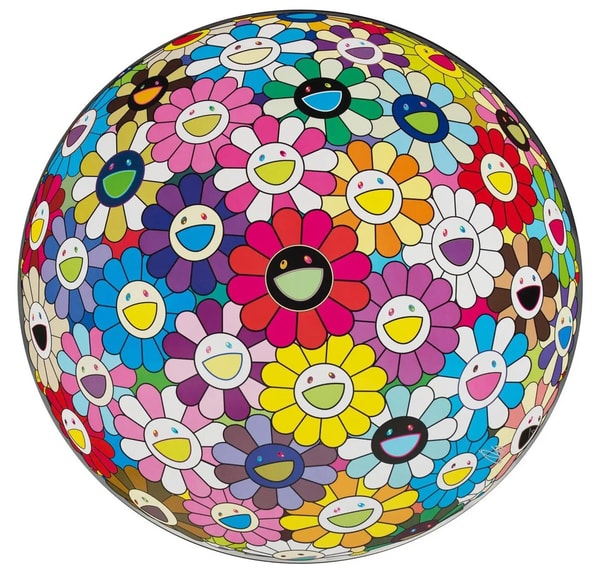
Takashi Murakami Flower Prints: Edition Guide and Market Value
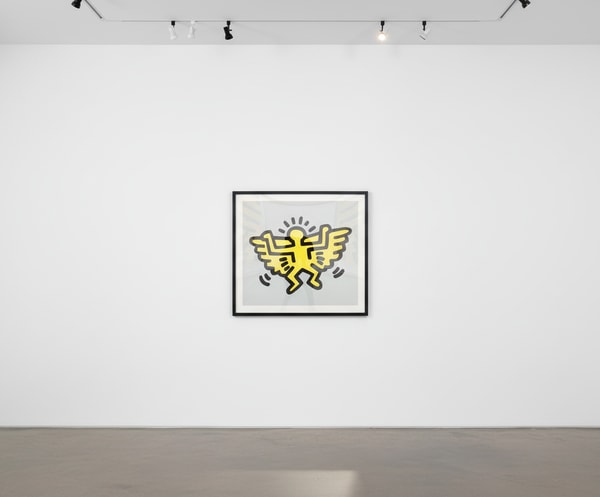
Keith Haring: Life, Work and Legacy — The Complete Guide
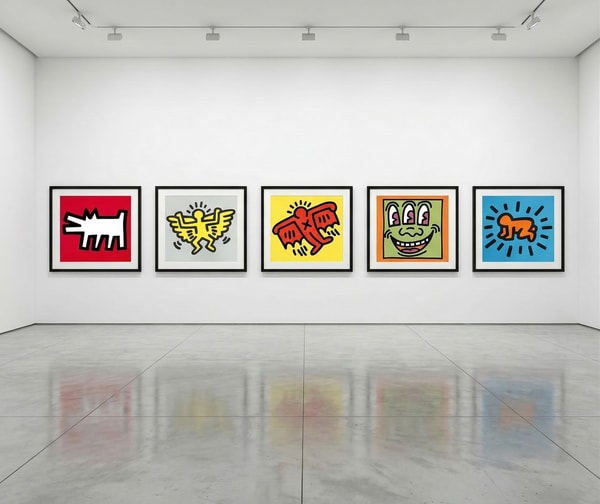
Keith Haring Prints: The Complete Collector's Guide
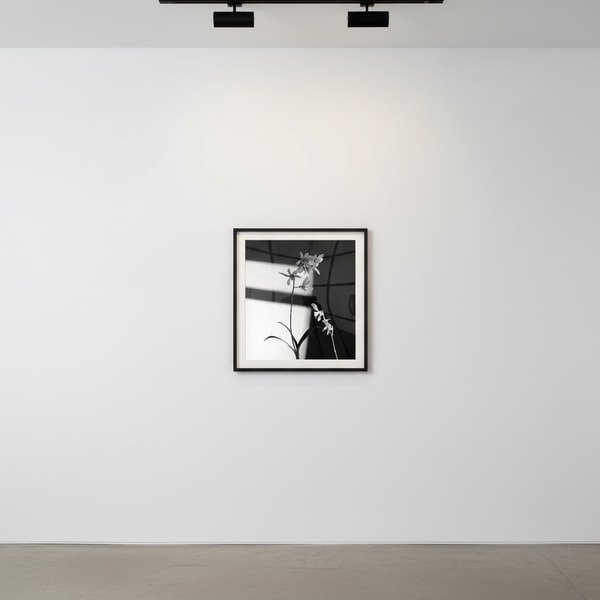
The Enduring Legacy of Robert Mapplethorpe
Richard Pettibone (b. 1938) is an American artist celebrated as a pioneer of appropriation art, producing meticulous miniature reproductions of works by Warhol, Lichtenstein, Duchamp, and other twentieth-century masters. His precise, jewel-like paintings challenge notions of authorship and originality and are held by major collections including the Museum of Modern Art in New York.