
Portraits
8 works

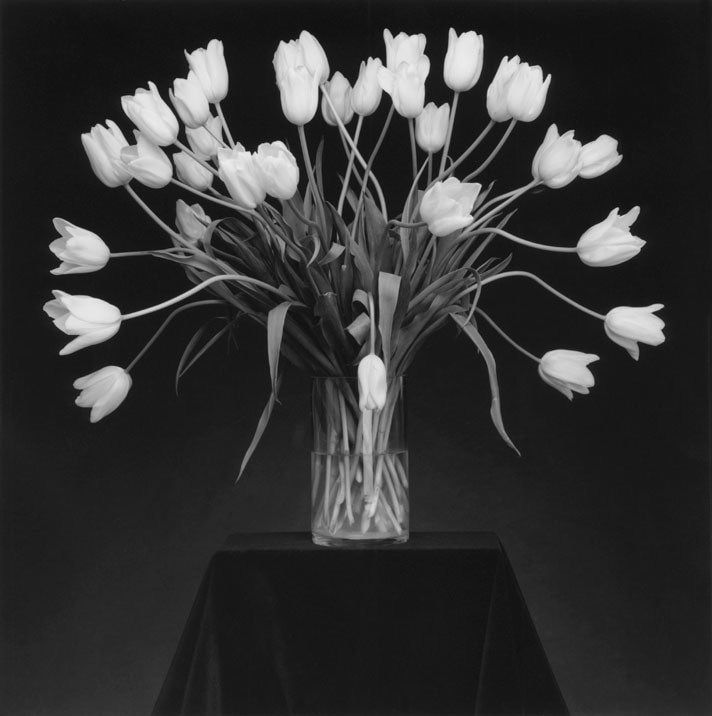
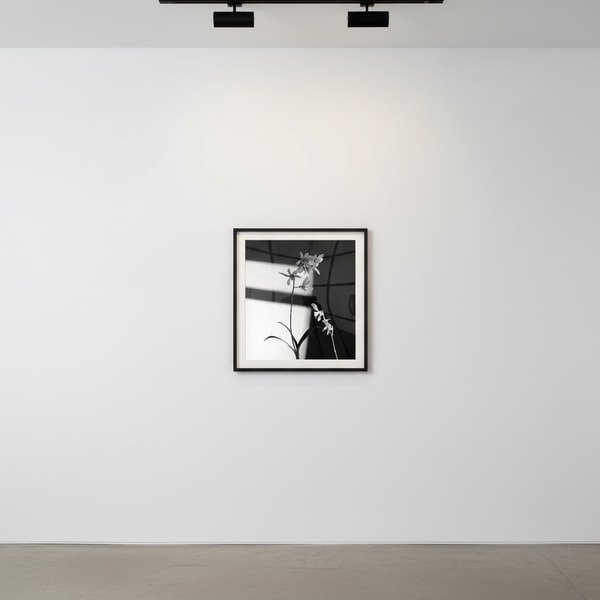
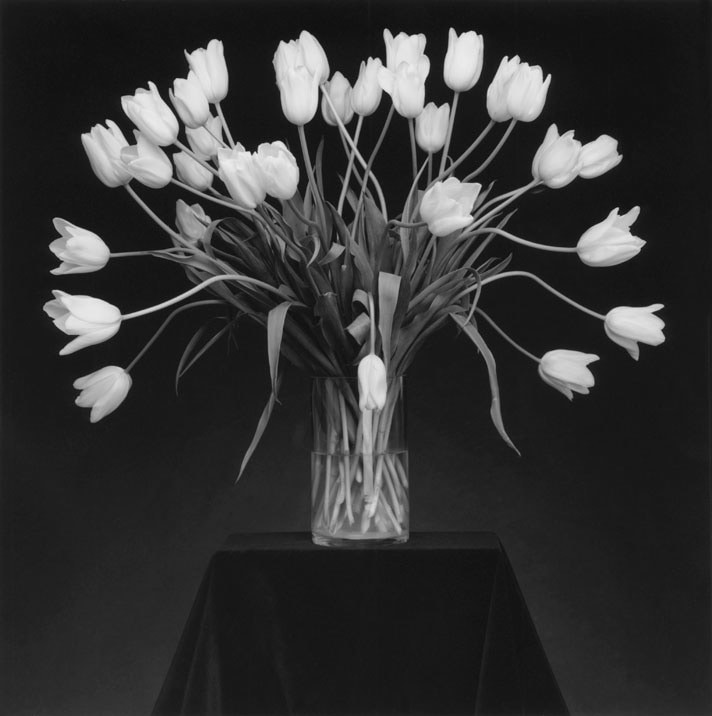
Tulips, 1988
Silver gelatin print
20 x 24 in
Edition of 10
Robert Mapplethorpe, renowned for his controversial and boundary-pushing photography, also explored the serene and delicate world of flowers through his lens. While he may be more widely recognized for his provocative portraits and explicit imagery, his botanical works are equally striking and reveal another facet of his artistic vision.Mapplethorpe's approach to photographing flowers was characterized by meticulous attention to detail and composition. He utilized controlled lighting and precise framing to capture the essence of each bloom, showcasing their intricate forms, textures, and colors with remarkable clarity.In his flower photographs, Mapplethorpe often employed a stark black-and-white aesthetic, stripping away distractions and focusing the viewer's attention solely on the floral subject. This minimalist approach imbued his images with a sense of timeless elegance and purity, transcending the ephemeral nature of the flowers themselves.Despite the absence of color, Mapplethorpe's flower photographs exude a sense of vibrancy and vitality. Each petal, stem, and leaf is rendered with such precision and depth that the viewer can almost feel the softness of the petals or the delicate weight of a drooping blossom.Moreover, Mapplethorpe's flower photographs evoke a sense of sensuality and eroticism, characteristic of much of his work. Through his lens, even the most innocent and unassuming blooms take on a provocative allure, inviting viewers to contemplate the inherent beauty and erotic potential of nature itself.Beyond their aesthetic appeal, Mapplethorpe's flower photographs also serve as a testament to his mastery of the medium. By elevating the ordinary into the realm of the extraordinary, he challenges viewers to see the world around them with fresh eyes and appreciate the inherent beauty that surrounds us, even in the most unexpected places.
Price on Application
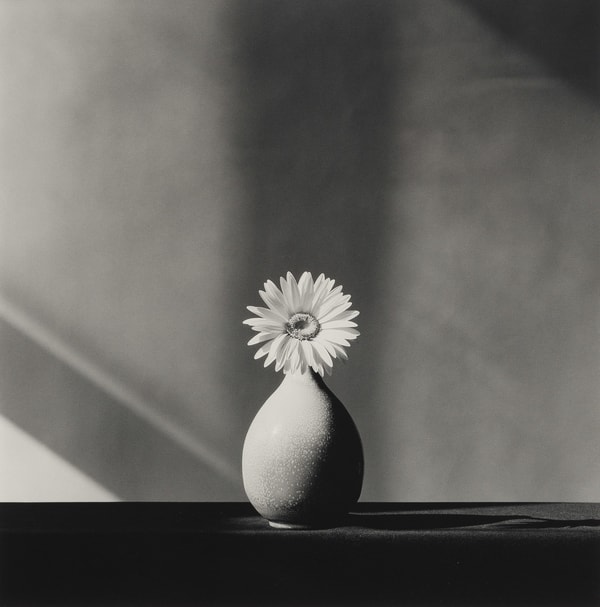
Robert Mapplethorpe
African Daisy
1982
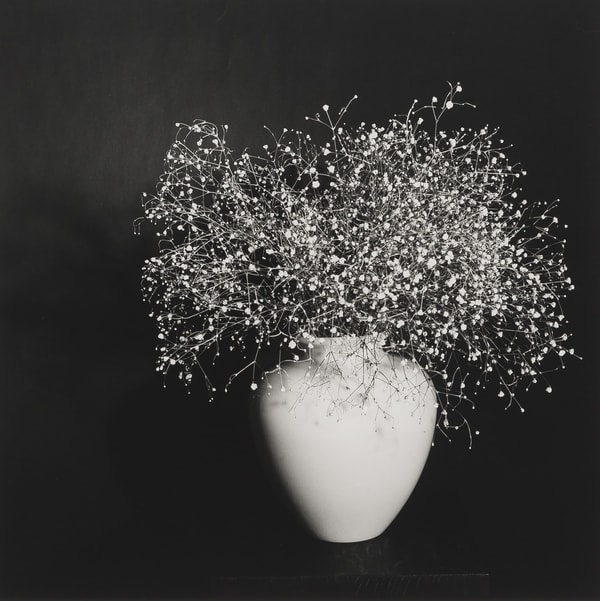
Robert Mapplethorpe
Baby's Breath
1978
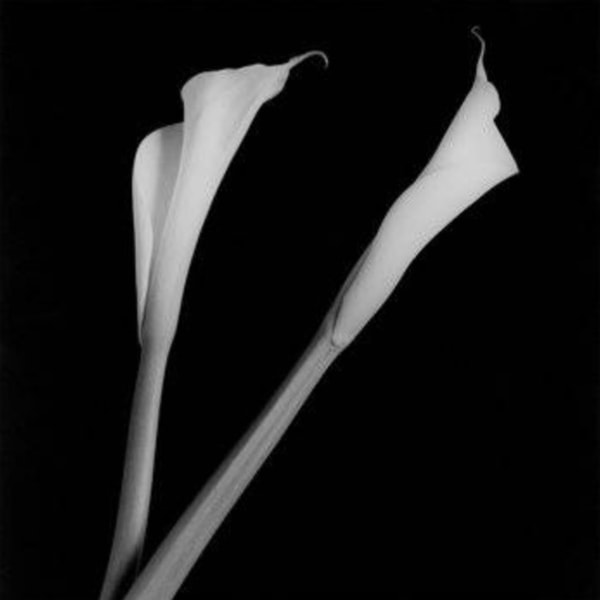
Robert Mapplethorpe
Calla Lilies
1985
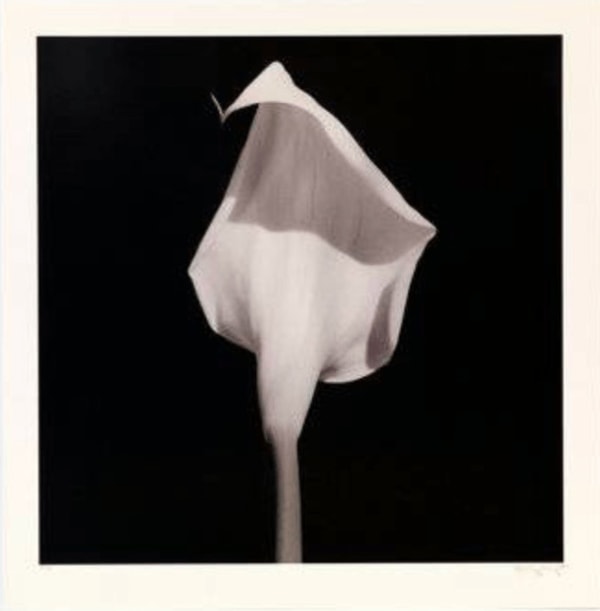
Robert Mapplethorpe
Calla Lily
1987
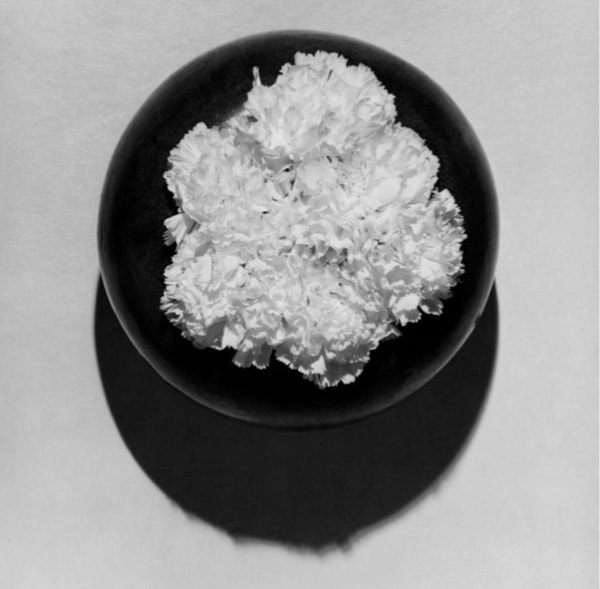
Robert Mapplethorpe
Carnations
1978
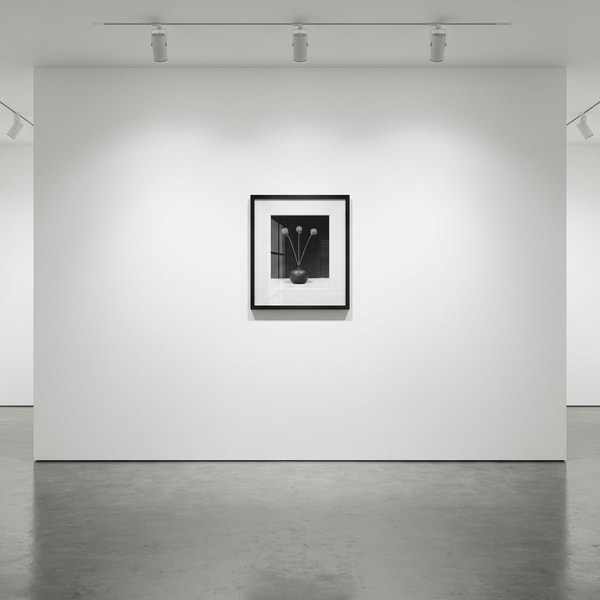
Robert Mapplethorpe
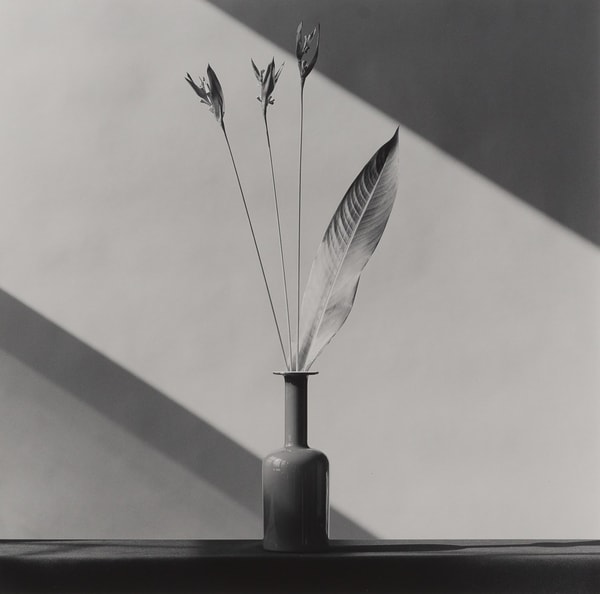
Flower
1983
Robert Mapplethorpe
Flower
1982
Robert Mapplethorpe
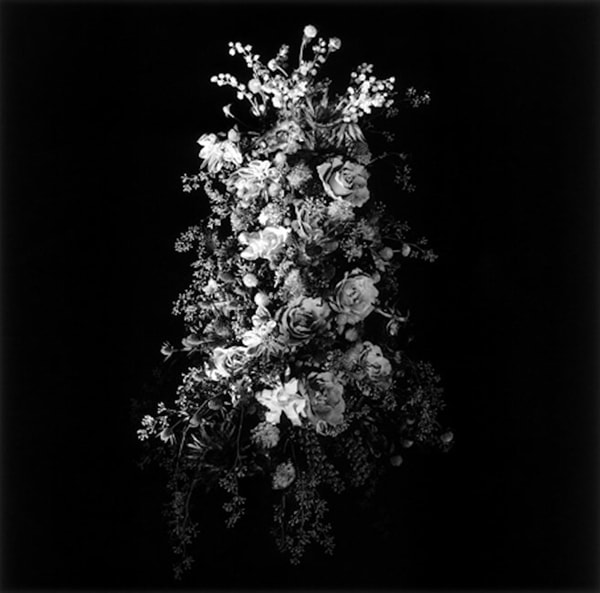
Flower Arrangement
1984
Robert Mapplethorpe
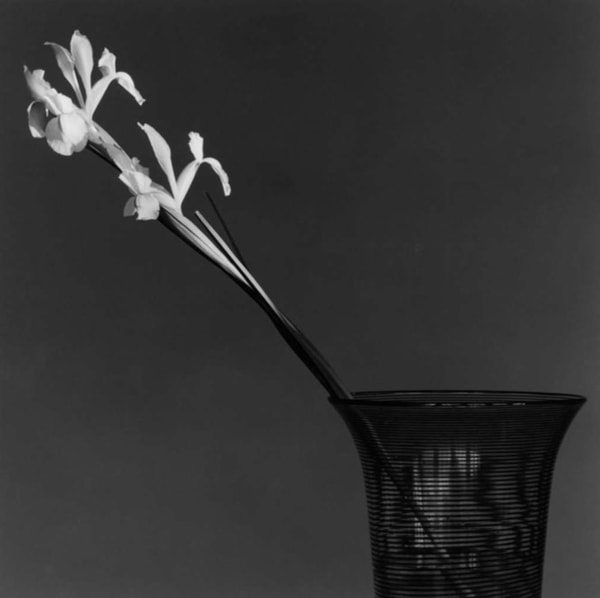
Iris
1982
Robert Mapplethorpe
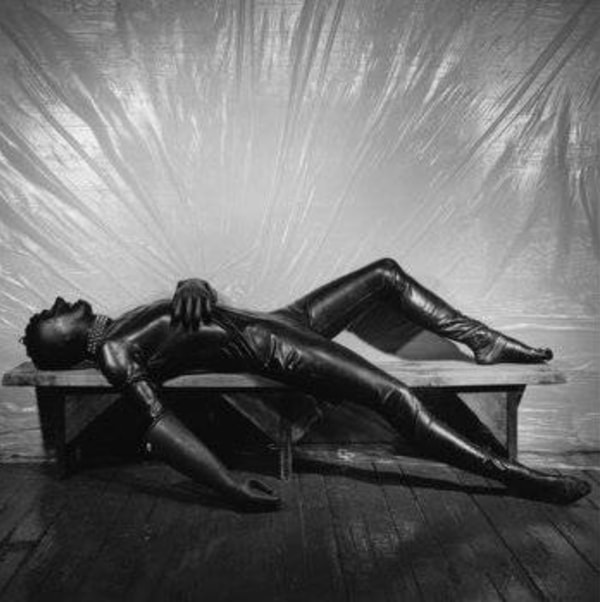
Joe / Rubberman
1978
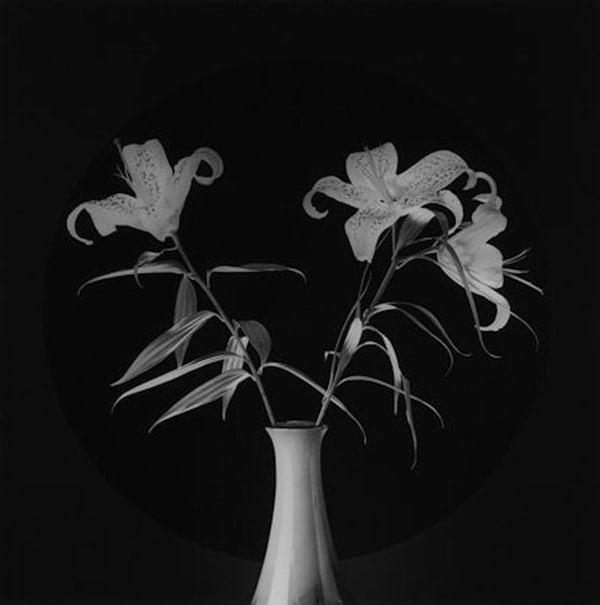
Robert Mapplethorpe
Lilies
1984
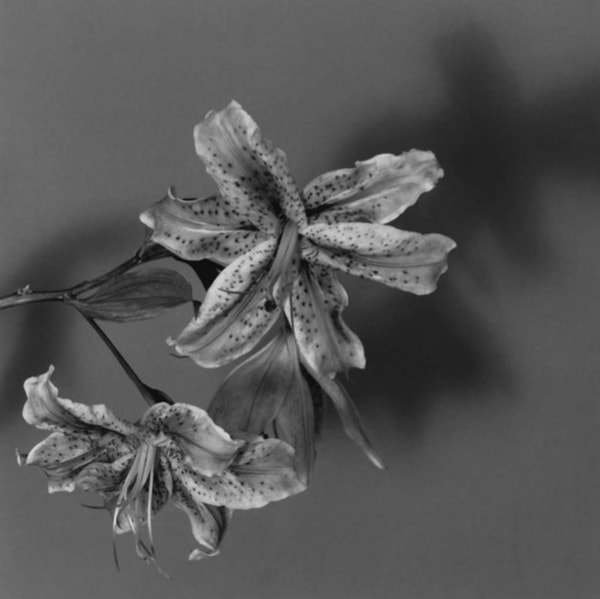
Robert Mapplethorpe
Lily
1979

Robert Mapplethorpe
Milton White
1983
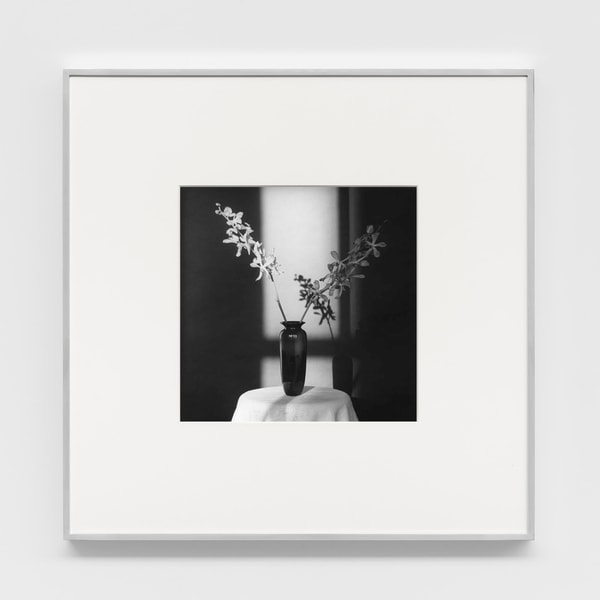
Robert Mapplethorpe
Orchid
1980
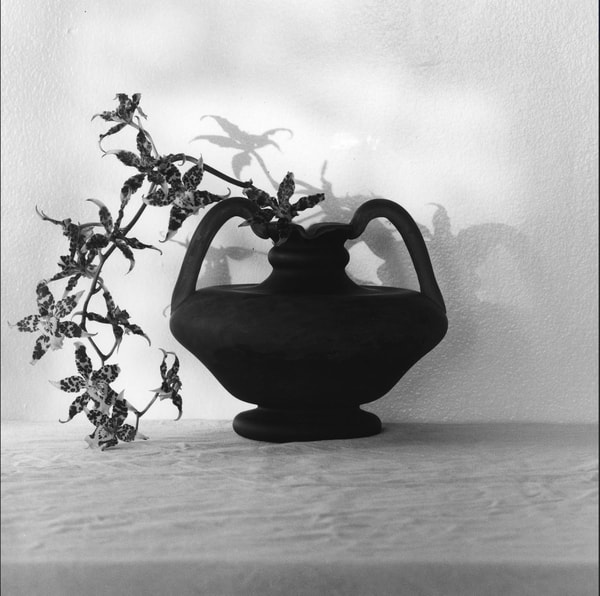
Robert Mapplethorpe
Orchids
1983
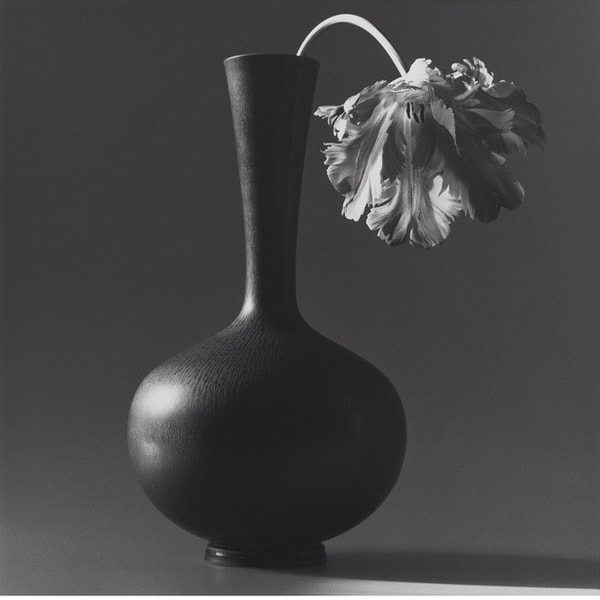
Robert Mapplethorpe
Parrot Tulip in Black Vase
1985
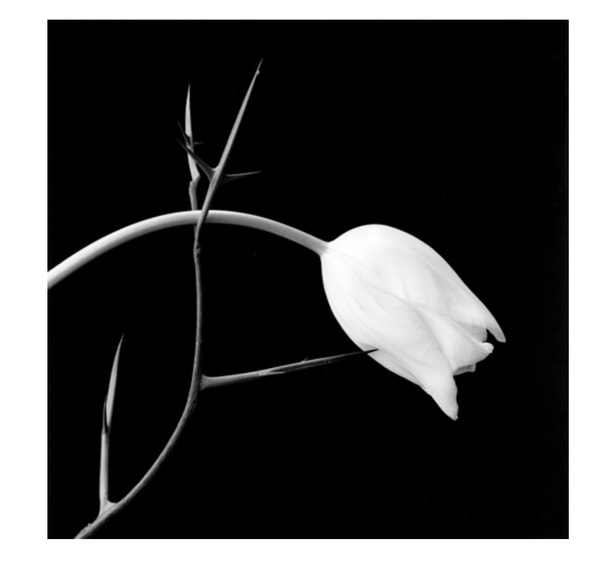
Robert Mapplethorpe
Tulip and Thorn
1985
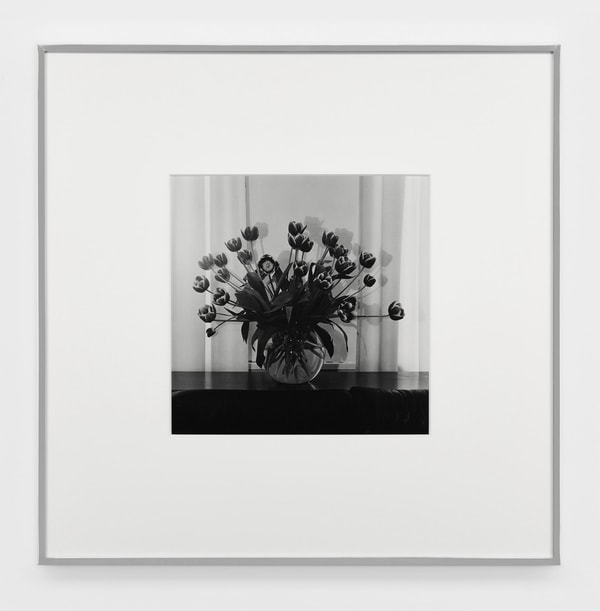
Robert Mapplethorpe
Tulips
1979
Keith Haring and the Pop Shop: Art for Everyone
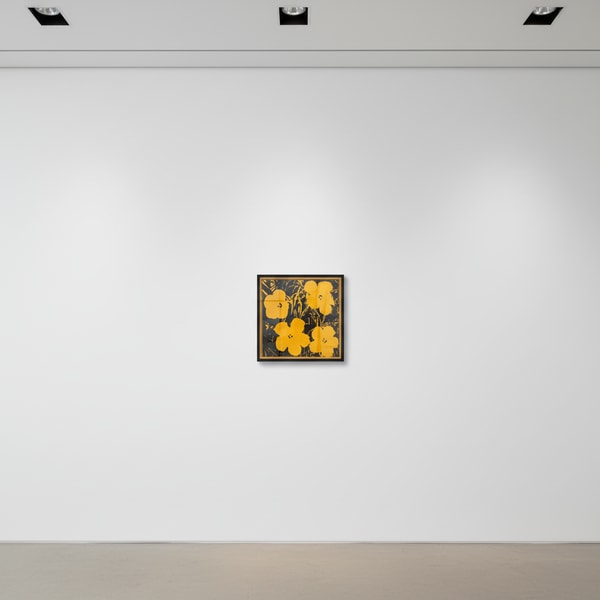
Richard Pettibone
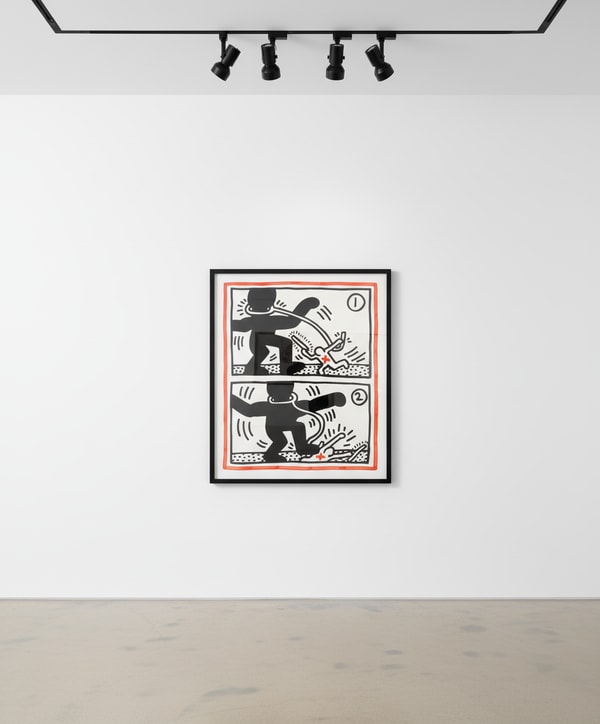
Keith Haring: Subway Drawings, Activism and Legacy
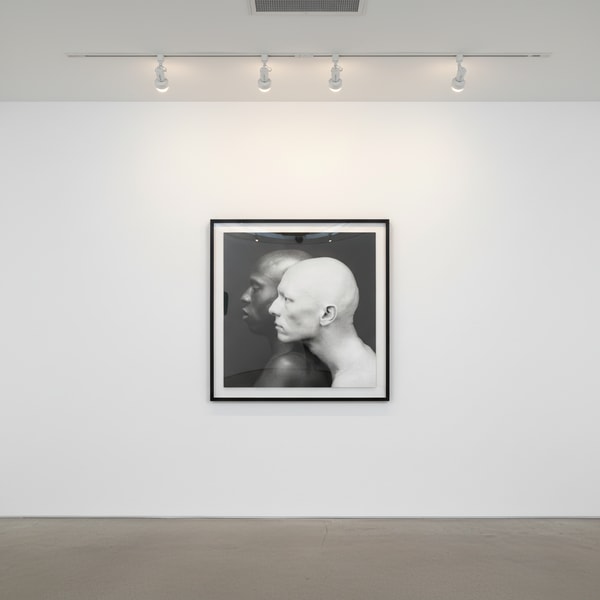
Robert Mapplethorpe: A Visionary of Intimacy, Beauty, and Provocation
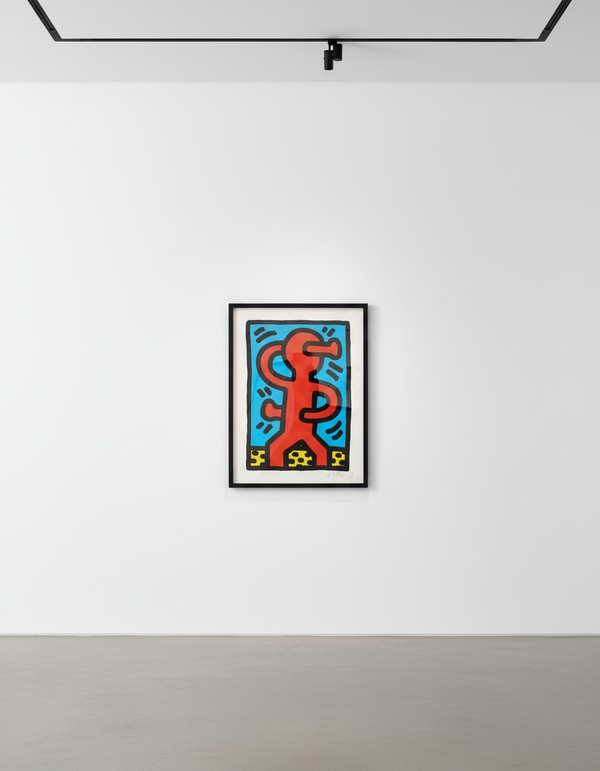
The 5 Most Popular Keith Haring Works
INSIGHTS: Building and Upgrading a Keith Haring Collection
Keith Haring's Pyramid Series: Form, Symbolism and Collector Value
Richard Pettibone: Pop Miniatures
Richard Pettibone BIG Statements
Richard Pettibone
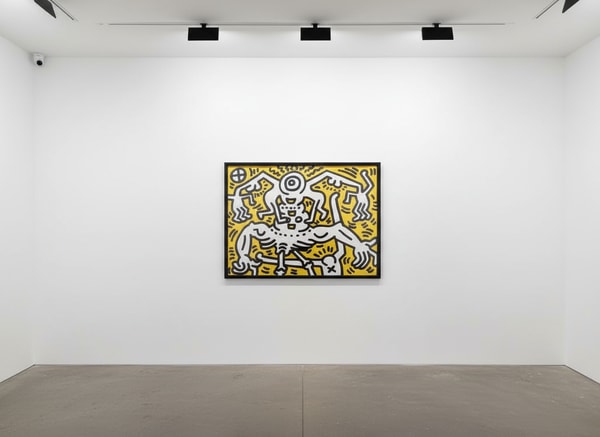
Keith Haring: Visual Language, Symbolism and Social Commentary
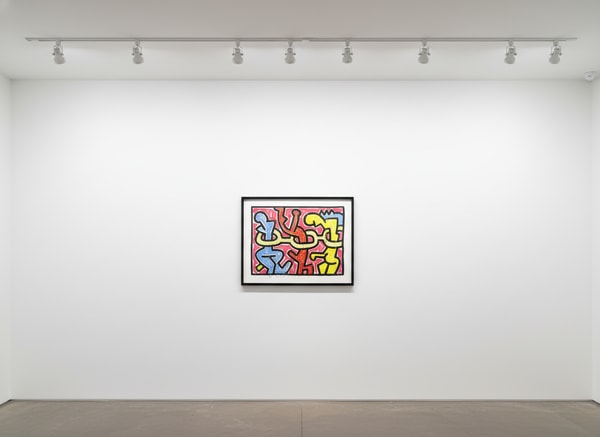
Keith Haring’s *Flowers* Portfolio: Blooming Symbols of Life, Death, and Rebirth
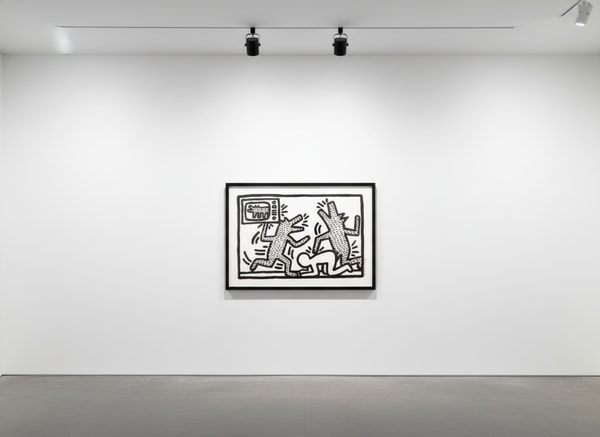
Keith Haring Prints for Sale: Edition Guide
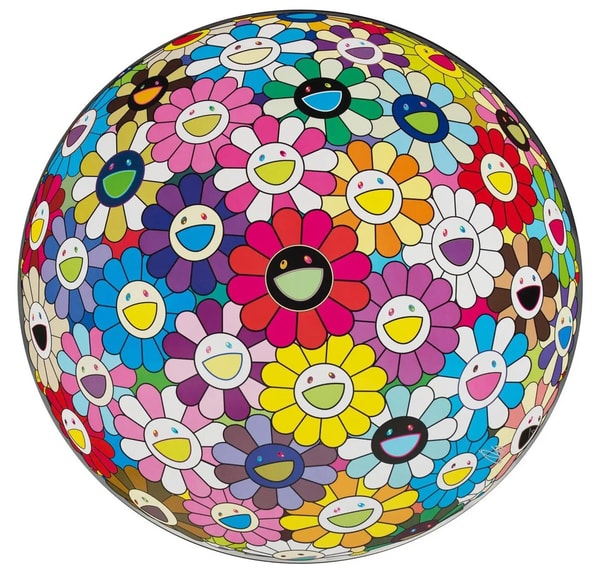
Takashi Murakami Flower Prints: Edition Guide and Market Value
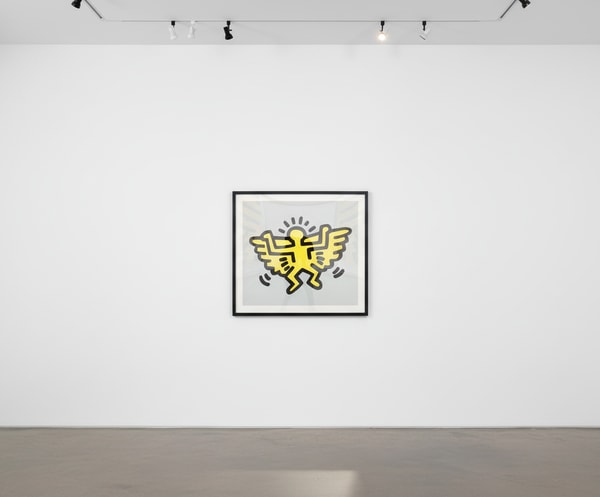
Keith Haring: Life, Work and Legacy — The Complete Guide
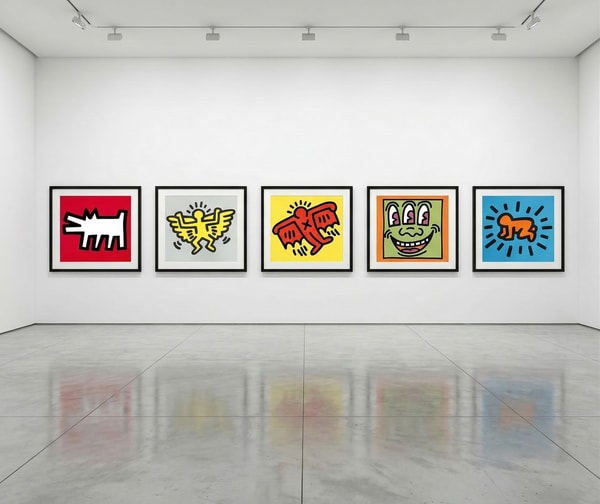
Keith Haring Prints: The Complete Collector's Guide
The Enduring Legacy of Robert Mapplethorpe
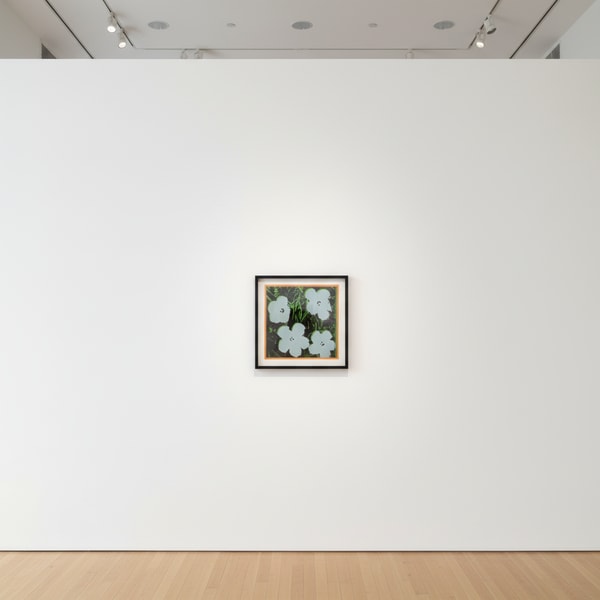
Andy Warhol's Flowers stand among the most recognisable and widely collected images in twentieth-century printmaking. 64–73) published by Factory Additions.
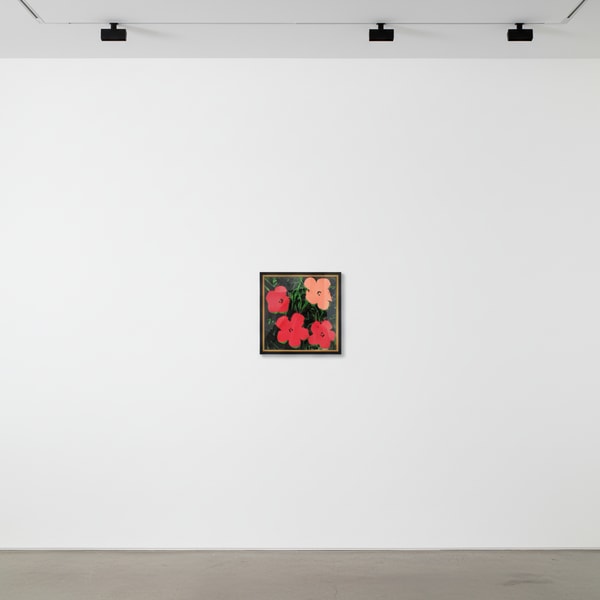
The composition is deceptively simple: four flat hibiscus blooms hovering against a densely abstracted ground of grass. Warhol stripped the image of depth and naturalism, rendering the petals as bold, poster-flat shapes that float between the decorative and the abstract.
The source image was a photograph of hibiscus flowers by Patricia Caulfield, originally published in a 1964 photography magazine.
The 1970 portfolio comprises ten screenprints on Arches 88 paper, each measuring approximately 36 × 36 inches. The edition consists of 250 signed and numbered impressions plus 26 artist's proofs, published by Factory Additions, New York.
The Flowers prints occupy a stable and liquid corner of the Warhol market. Individual screenprints from the 1970 edition typically trade between $25,000 and $80,000 at auction, with price determined by colourway, condition, freshness to market and provenance.
Part of the series' enduring market resilience lies in its decorative versatility — the images sit comfortably in both rigorous Pop collections and contemporary interiors — combined with deep institutional validation.
Given the image's popularity, careful authentication is essential. 64–73) and should display the correct paper (Arches 88), dimensions, signature and stamped numbering. Provenance documentation and condition reporting — with attention to light exposure, paper tone and any restoration — are central to valuation.
Guy Hepner regularly handles Flowers prints across the full range of colourways and price points, from accessible entry examples to the most coveted variants. Whether you are acquiring your first Warhol or refining an established collection, our specialists can advise on availability, condition and current market value.
Robert Mapplethorpe’s photography commands a robust and consistently strong presence in the global auction market, reflecting his indelible impact on 20th-century art and culture. His works are highly sought after by private collectors and institutions alike, demonstrating enduring investment value.