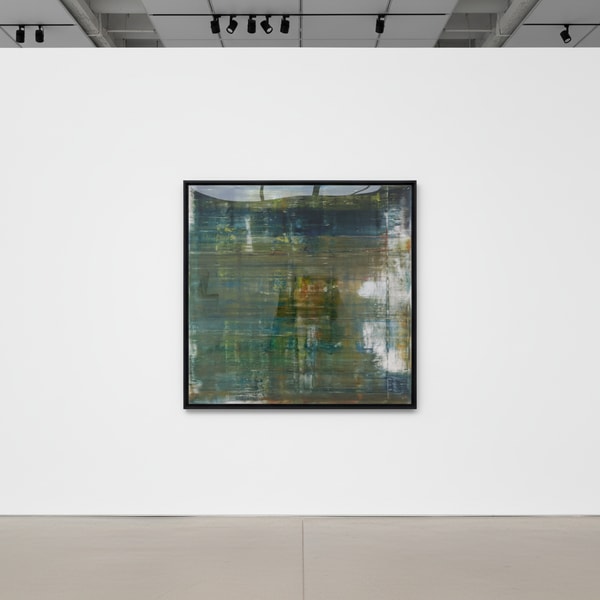
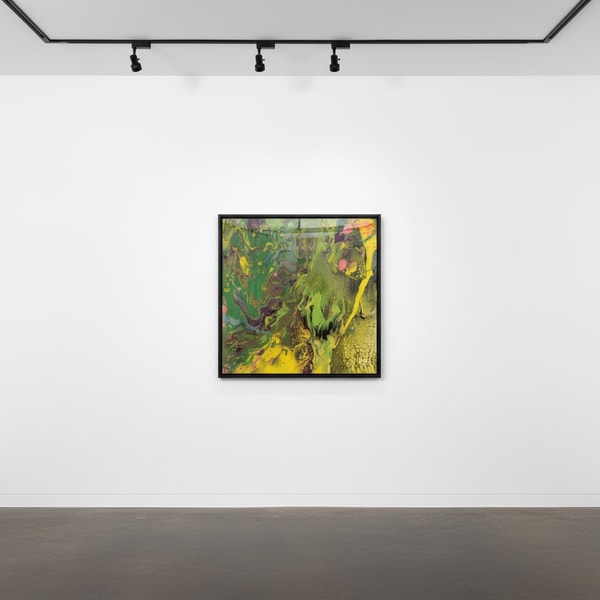
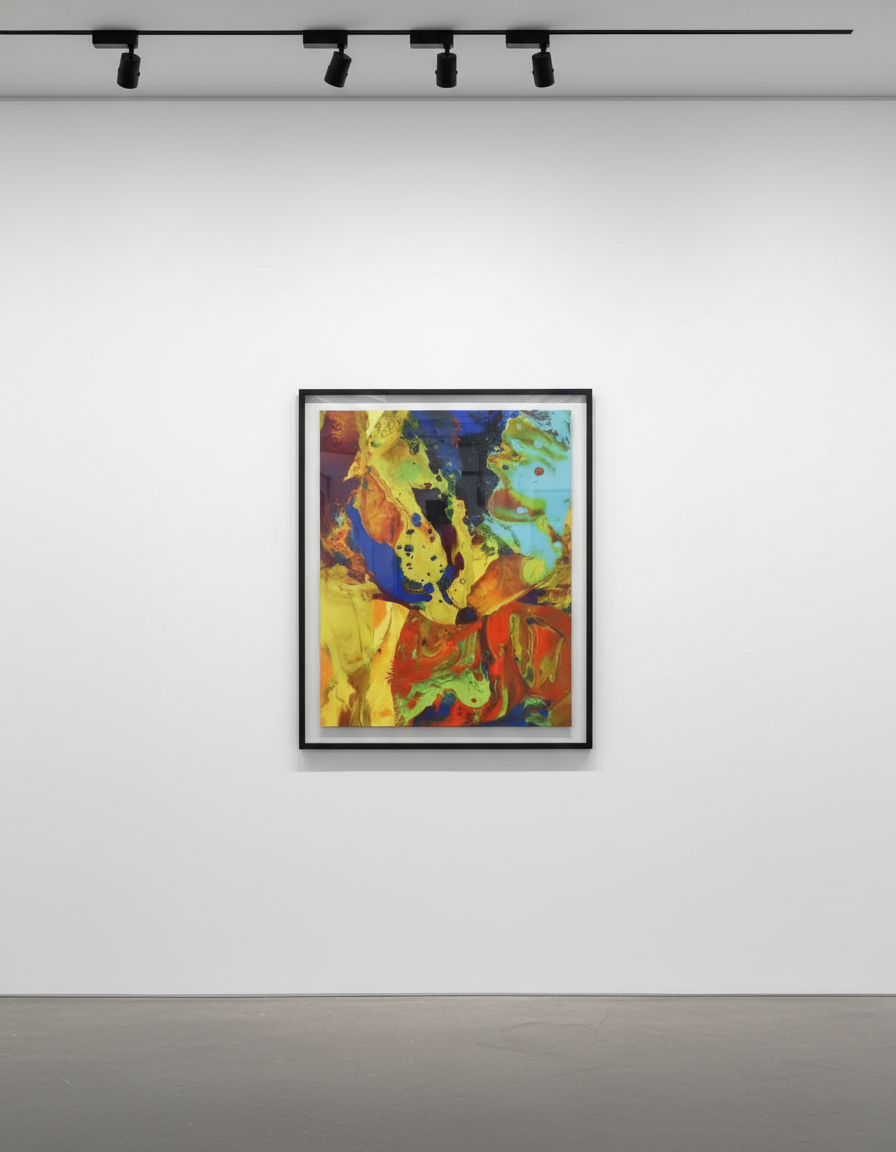
Bagdad
4 works

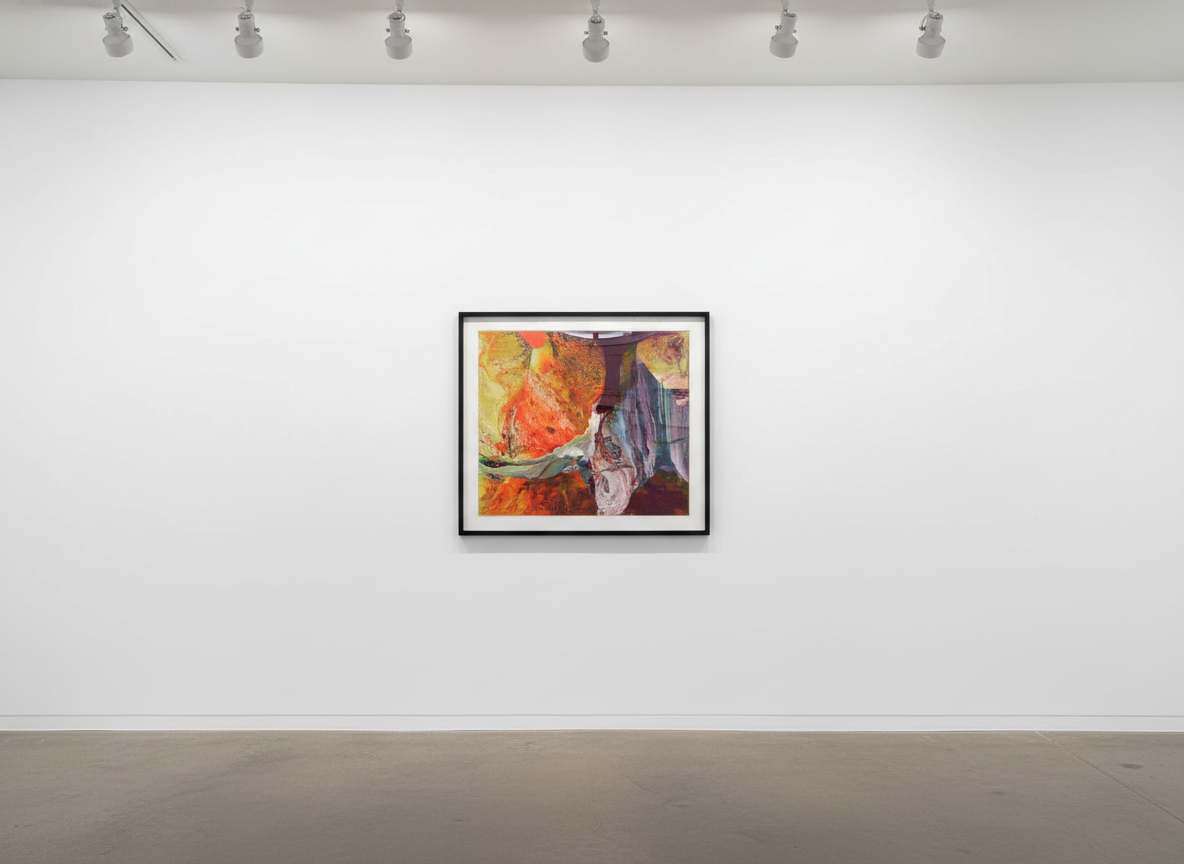
Ifrit P8, 2014
Diasec mounted chromogenic print on aluminium
13 x 17 3/8 in 33 x 44 cm
Edition of 500
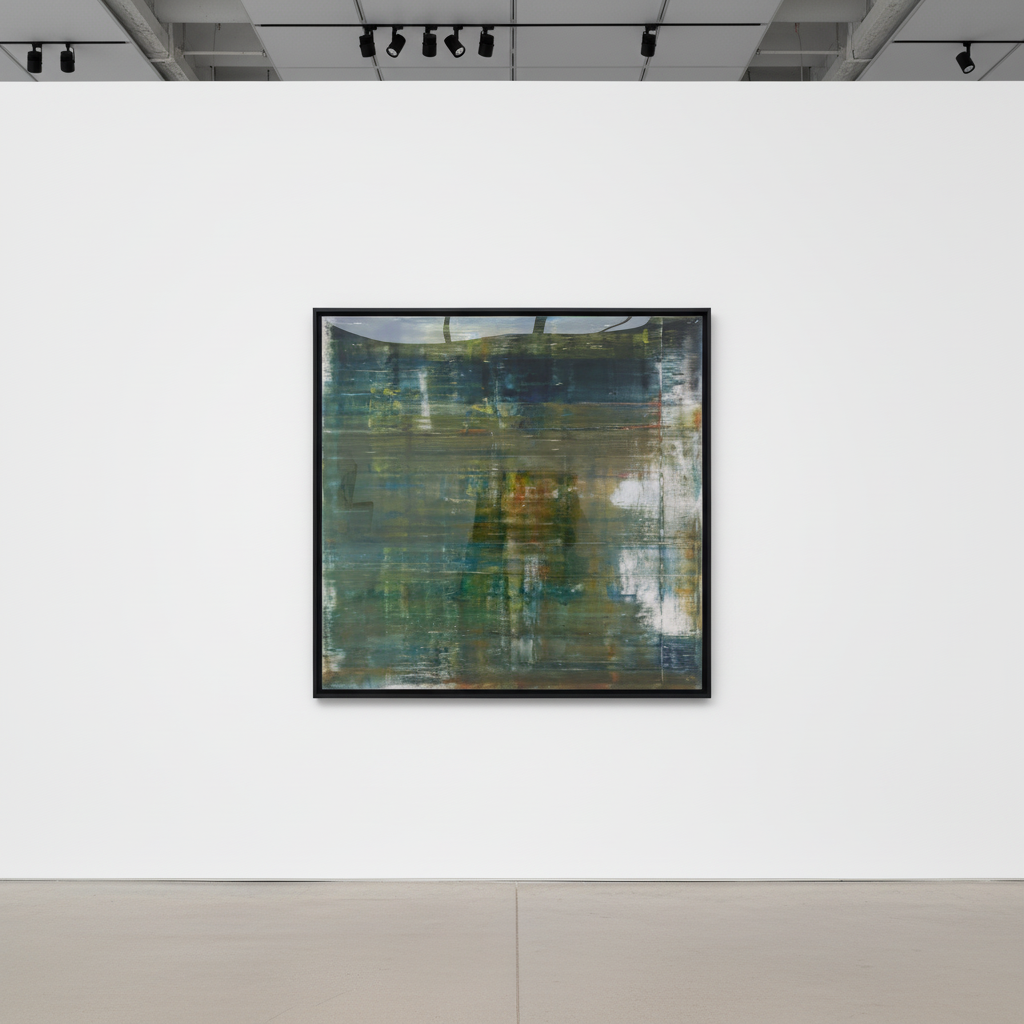
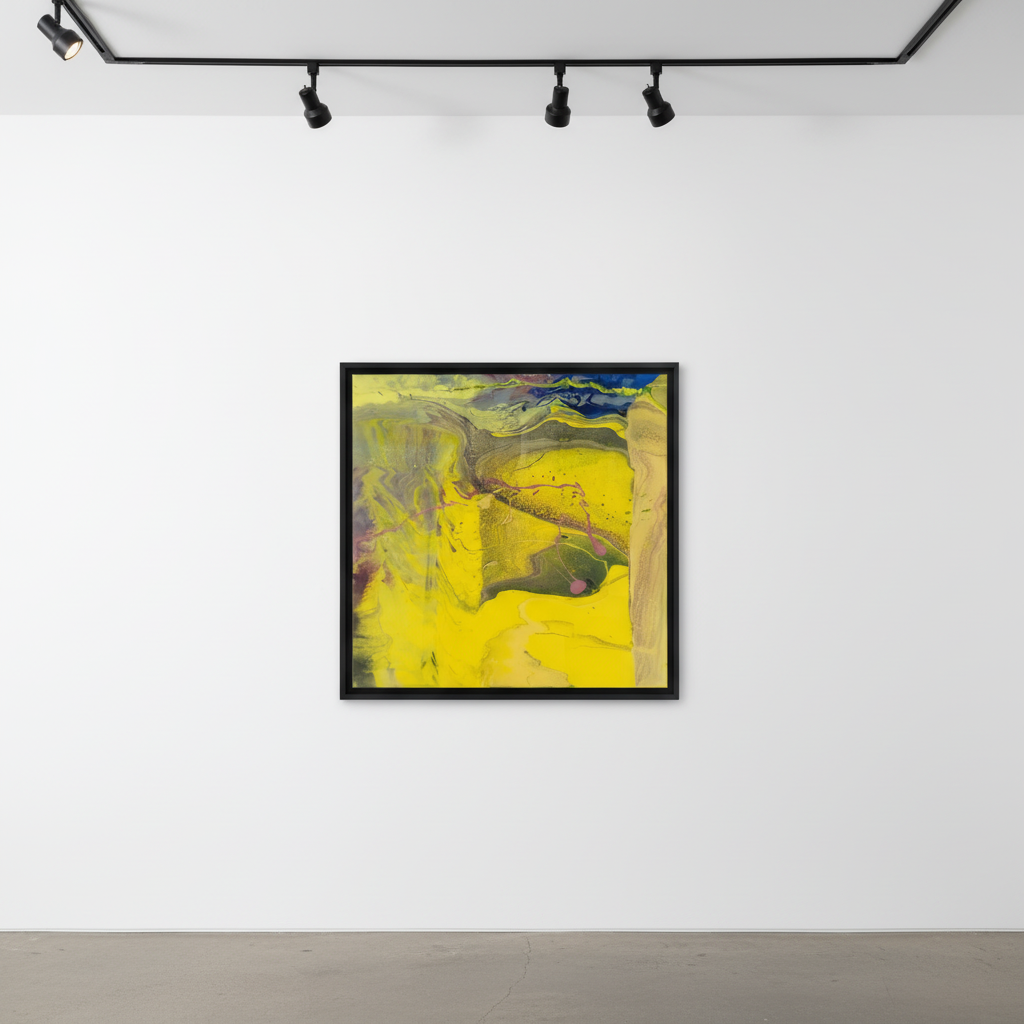
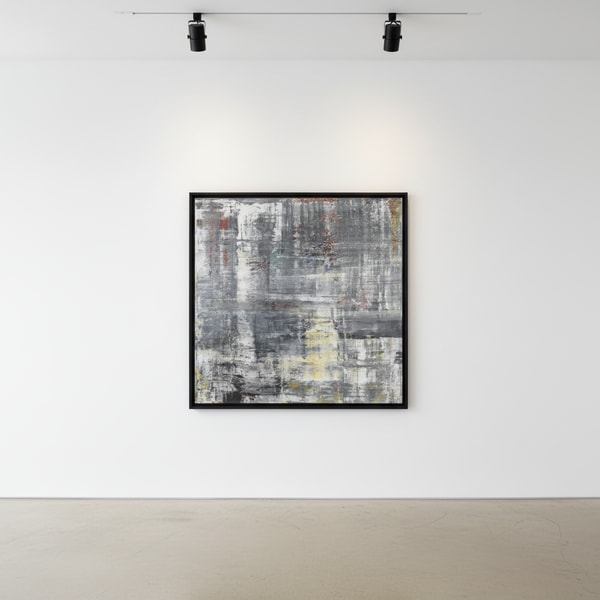
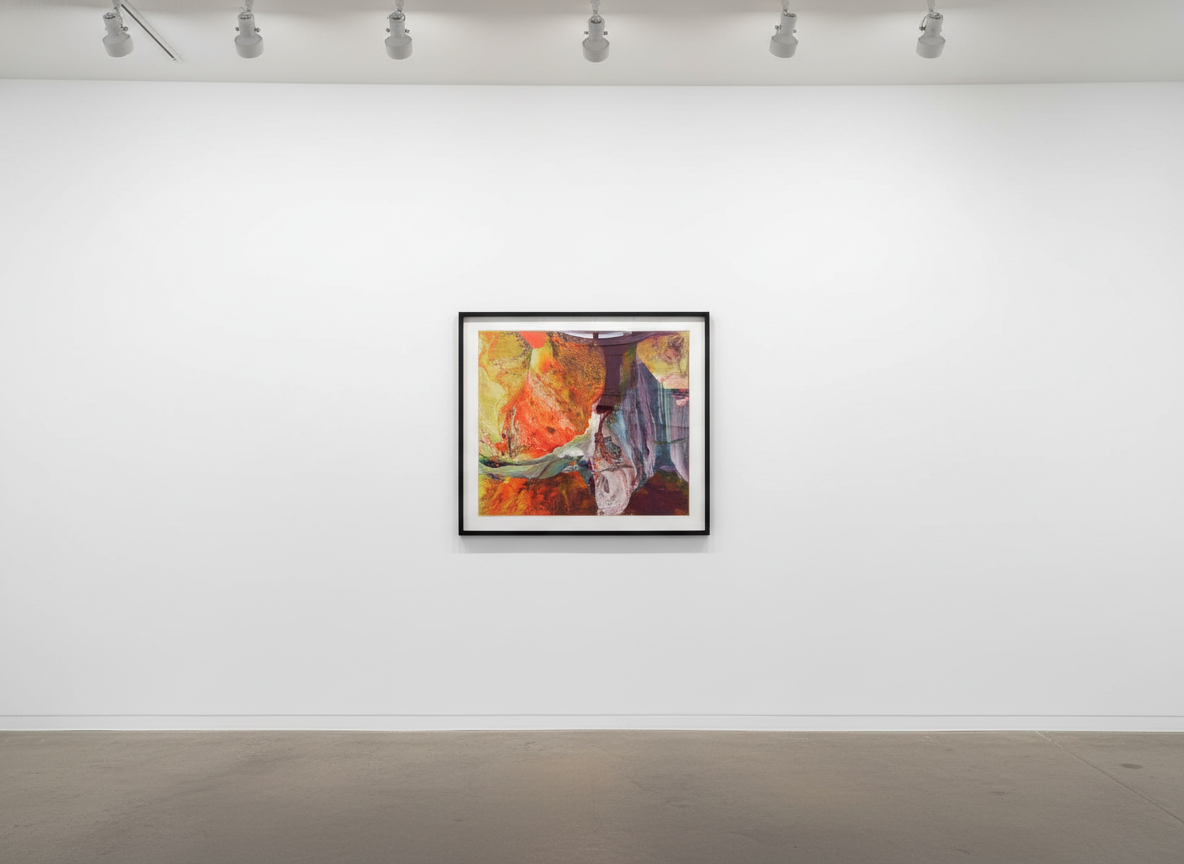
Ifrit P8 is a Diasec-mounted chromogenic print on aluminium, produced in 2014 and issued in an edition of 500. Measuring 33 × 44 cm, the work takes its title from the ifrīt—a powerful class of supernatural beings in Islamic tradition, associated in the literature of the One Thousand and One Nights with fire, great strength, and the liminal zone between the visible and invisible worlds. The choice of this title, alongside companion works such as Aladin and Bagdad in Richter's edition programme of this period, suggests a sustained engagement with the cultures and imaginative traditions of the Arab and Islamic world. The horizontal format of Ifrit P8 creates a compact but spatially generous composition, well-suited to close encounter with the imagery presented through the chromogenic print and Diasec surface. As with all the works in the 2014 Heni Editions programme, the technical standards of production are exceptionally high: the Diasec process bonds the chromogenic print to aluminium under acrylic glass, achieving a surface of extraordinary optical clarity and ensuring archival stability over the long term. The work's visual content—whether literal, abstract, or somewhere between—is presented in conditions that honour its complexity fully. Ifrit P8 occupies an intriguing position within Richter's edition programme, its title invoking a rich tradition of storytelling and supernatural imagery that stands in productive contrast to the cool precision of the Diasec print. This tension between subject and medium—between the fiery, transformative figure of the ifrīt and the measured technology of the chromogenic process—gives the work a conceptual dimension that rewards reflection. For collectors interested in the full range of Richter's thematic interests, Ifrit P8 is a compelling and distinctive choice.
Price on Application
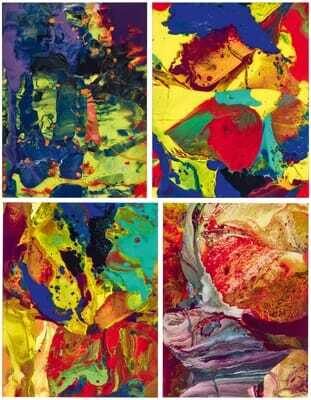
“Aladin, “Bagdad”, “Bagdad”, “Ifrit” (P 8–11) · Gerhard Richter · Dorotheum · 2025-12 · $14,170
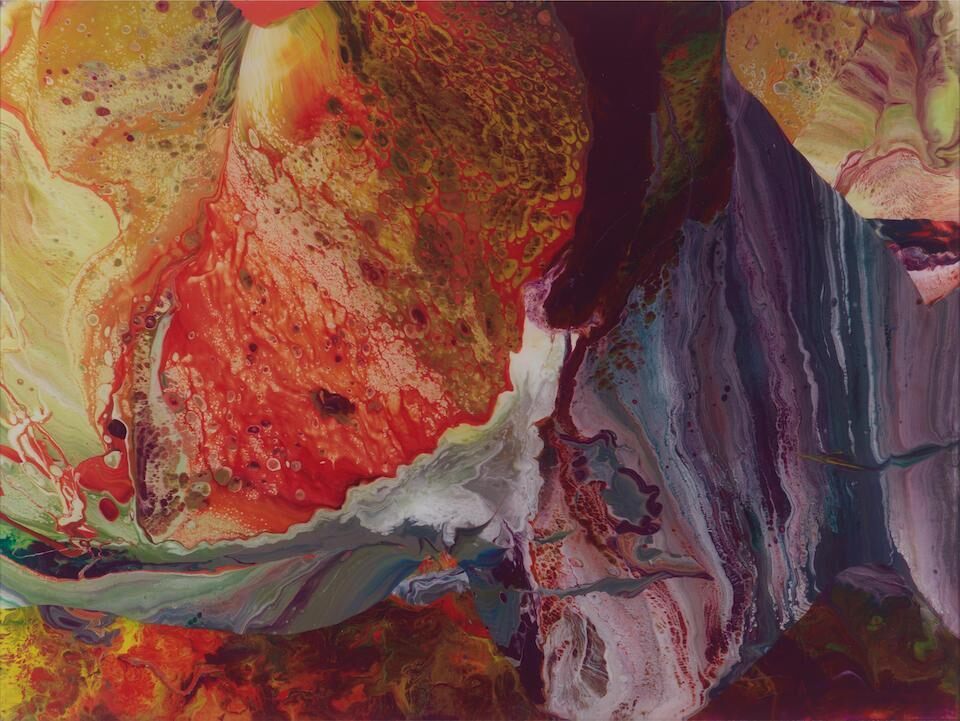
Ifrit (P8) · Gerhard Richter · Bonhams · 2025-06 · $0
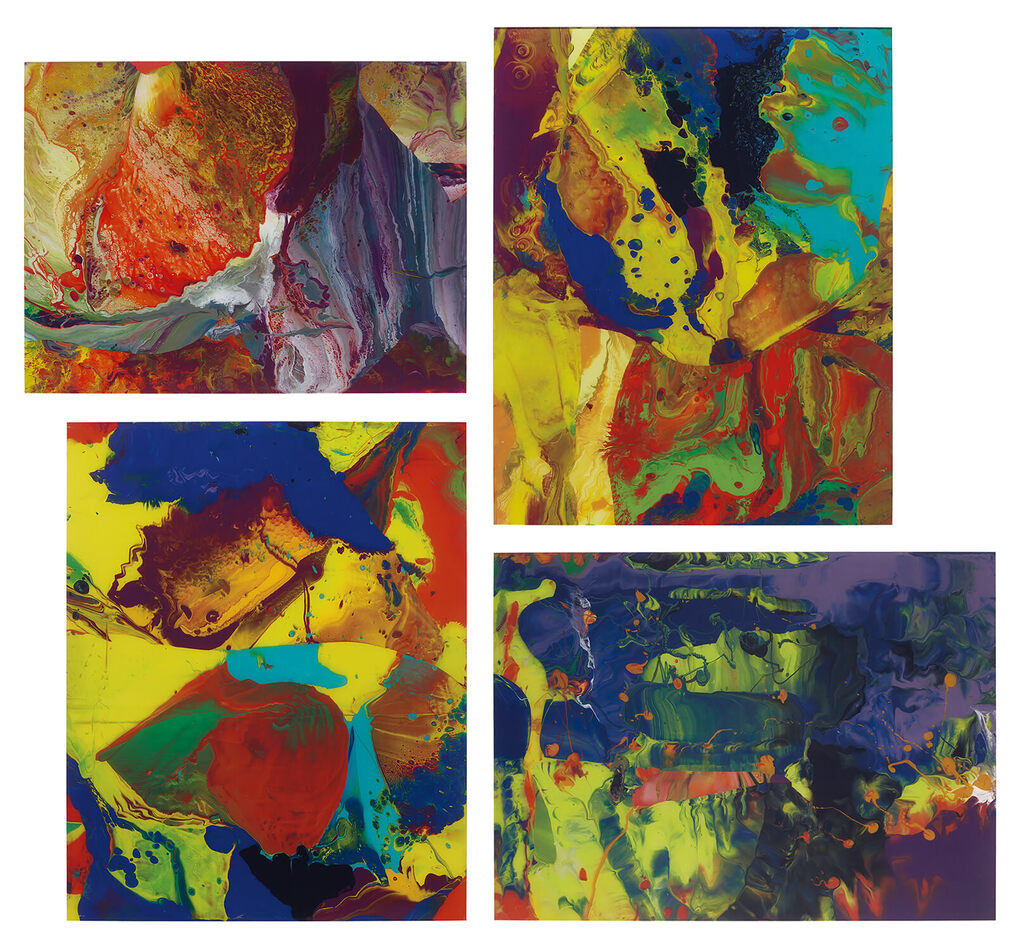
Ifrit; Bagdad; Bagdad; and Aladin (P8-P11) · Gerhard Richter · Phillips · 2025-01 · $20,250
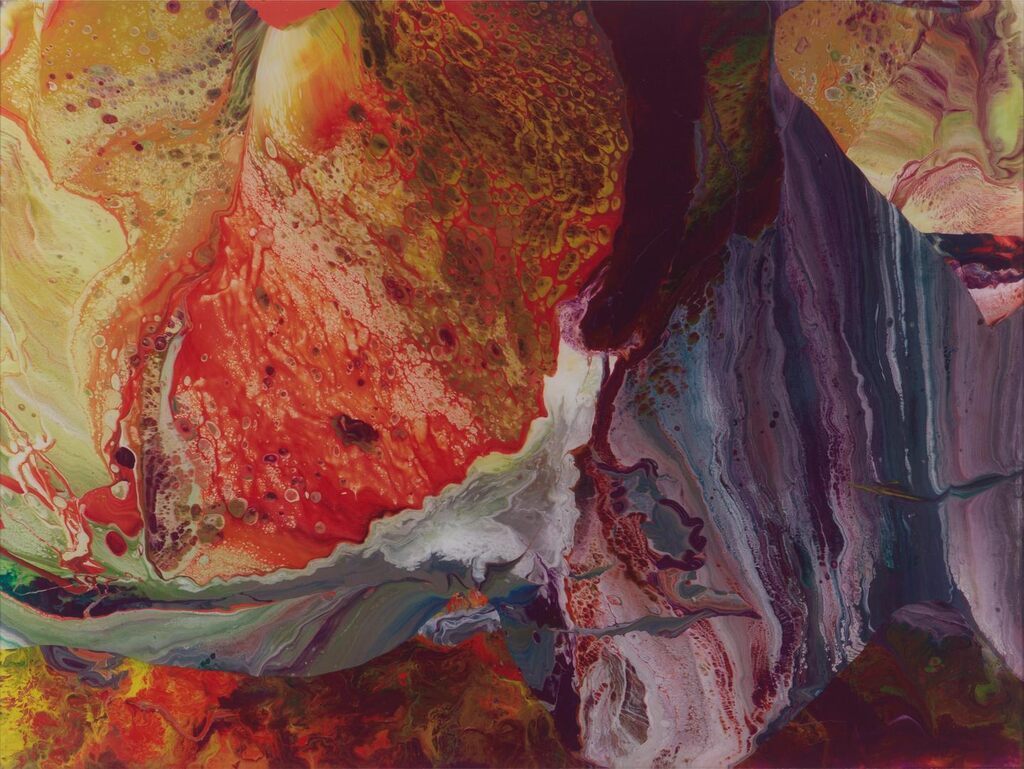
Ifrit (P8) · Gerhard Richter · Bonhams · 2024-09 · $0
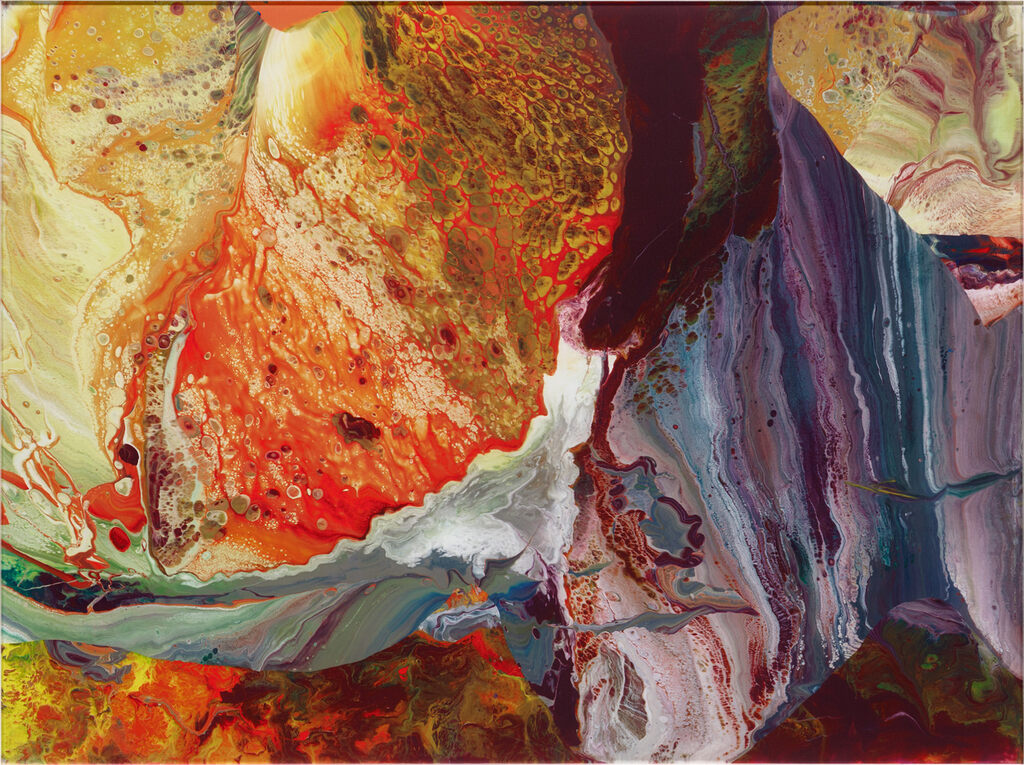
Ifrit (P8) · Gerhard Richter · Phillips · 2024-09 · $4,445
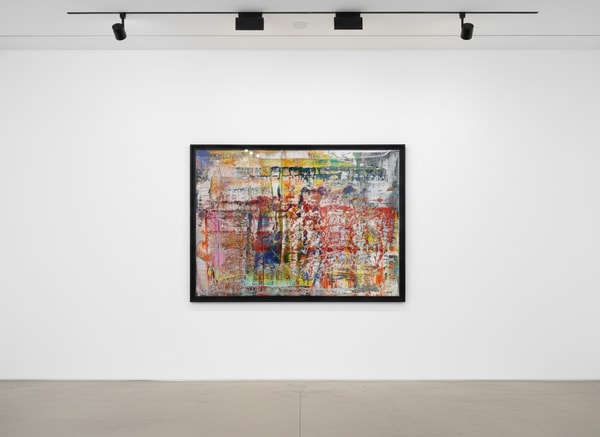
Gerhard Richter
Abstraktes Bild P1
2014
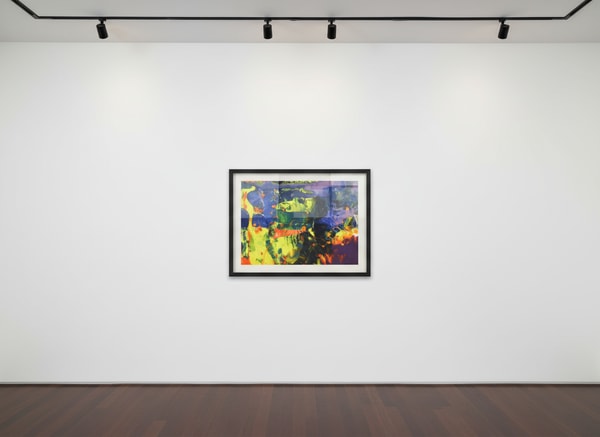
Gerhard Richter
Aladin P11
2014
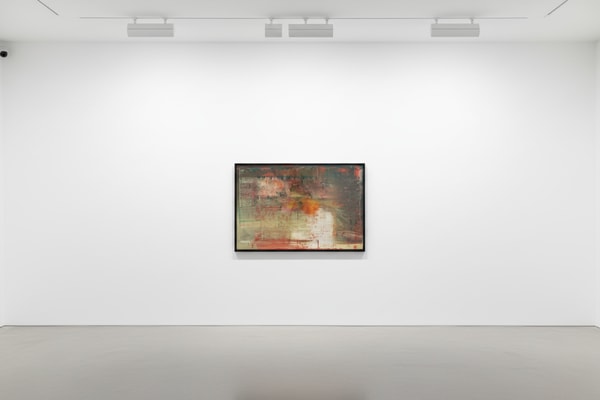
Gerhard Richter
Bouquet P3
2024
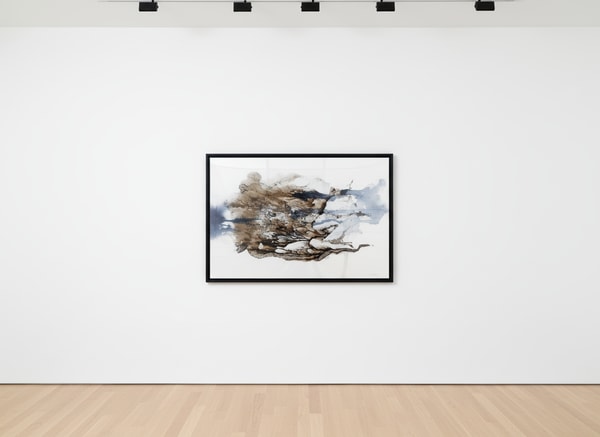
Gerhard Richter
December 2020 C
2020
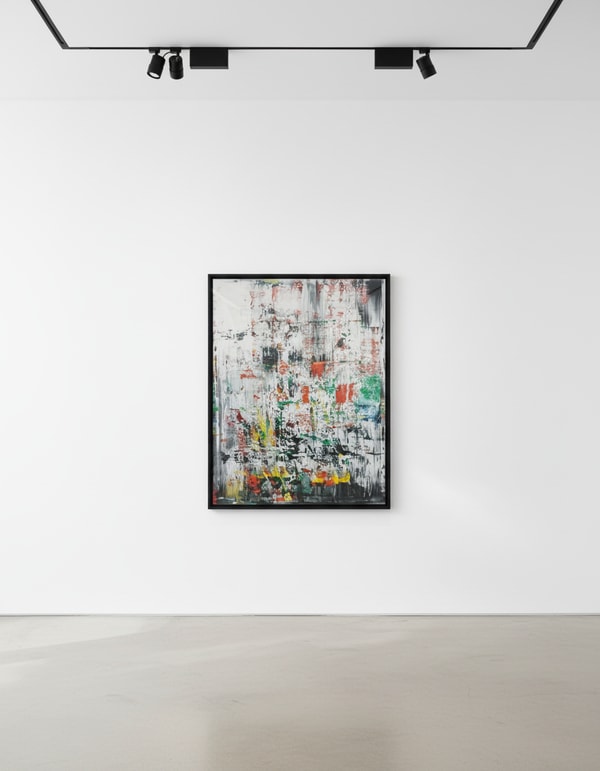
Gerhard Richter
Eis 2 (Ice 2)
2003
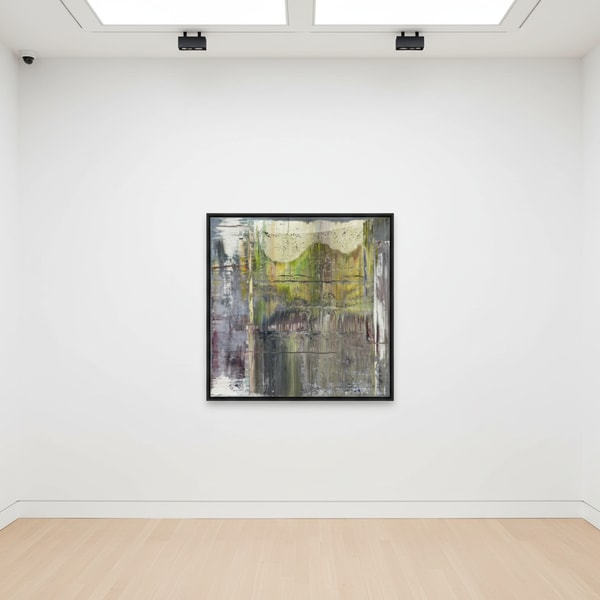
Gerhard Richter
Haggadah P2
2014
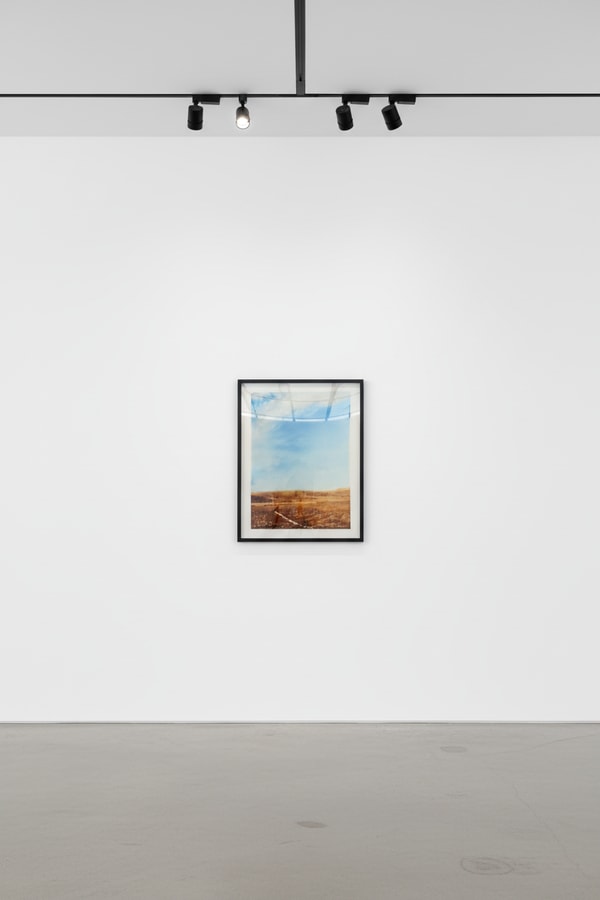
Gerhard Richter
Landscape 1
1971
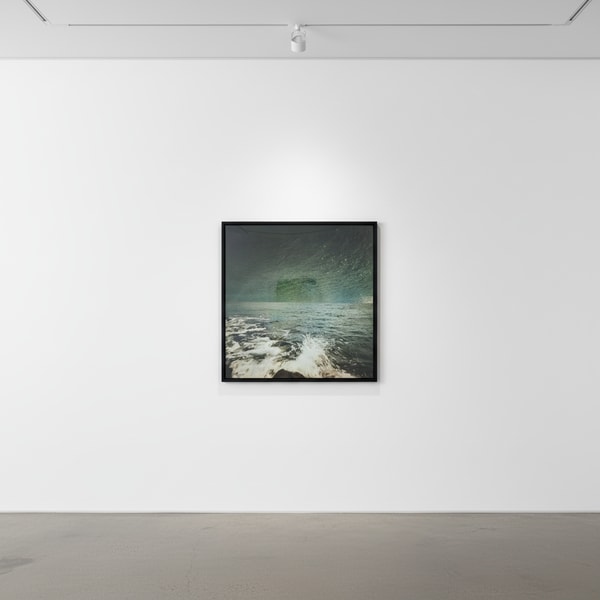
Gerhard Richter
Sea
1972
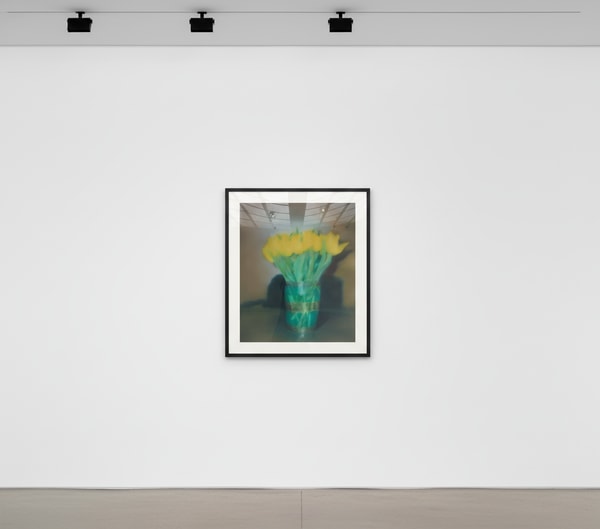
Gerhard Richter
Tulpen P17
2017
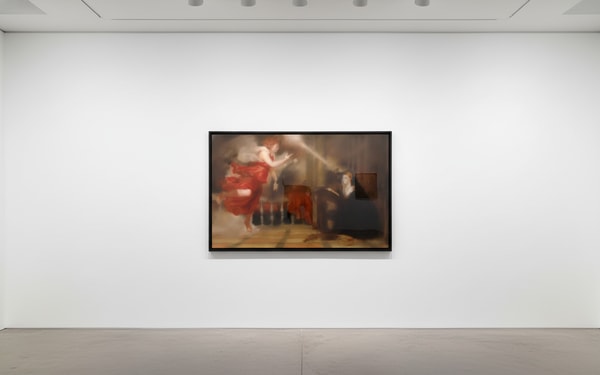
Gerhard Richter
Verkündigung Nach Rizian P12
2015
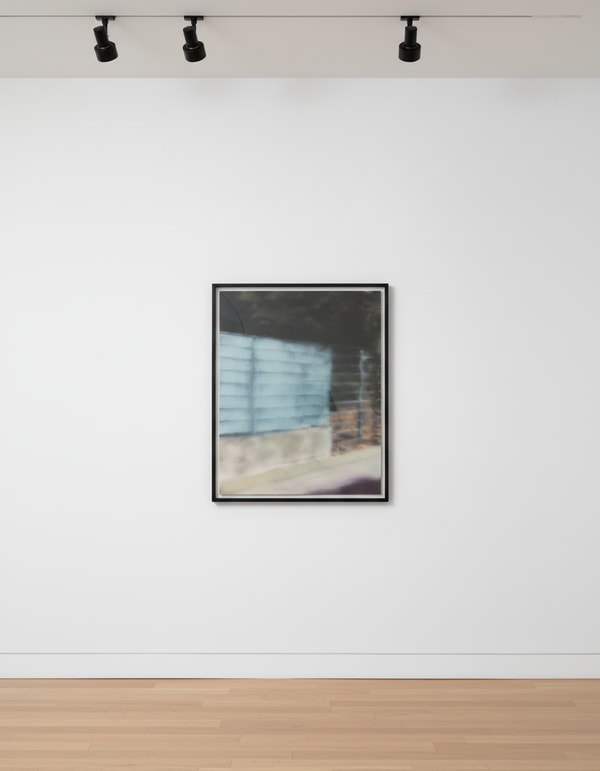
Gerhard Richter
Zaun P13
2015
Gerhard Richter (b. 1932, Dresden, Germany) is widely regarded as the most significant living European painter and one of the defining artistic figures of the postwar era. Born in Dresden under National Socialism, trained at the Dresden Art Academy under the constraints of Socialist Realism, Richter defected to West Germany in 1961 — just before the Berlin Wall closed — and enrolled at the Düsseldorf Art Academy, where contact with Joseph Beuys and the energies of the West German avant-garde precipitated a radical reassessment of everything he had been taught. Out of that collision came a practice of extraordinary ambition and range: not one aesthetic position but two simultaneous and apparently irreconcilable ones, pursued in parallel across more than sixty years.
On one side are the photo paintings — works derived from found and personal photographs, rendered in oil with subtle blurring that dissolves photographic clarity into something resembling memory, loss, and the instability of the visual record. His Atlas (begun 1962) — thousands of photographs, newspaper clippings, and sketches organised into panels — functions as both source material and artwork in its own right, a vast and obsessive archive. On the other side are the Abstrakte Bilder: large paintings made by dragging a squeegee across layers of wet paint, creating eruptions of colour, complex layered surfaces, and atmospheric veils that have no precise precedent in the history of abstract painting. Developed from the late 1970s onward, these works have achieved the highest prices of his career and remain among the most sought-after objects on the global art market.
Between these two poles, Richter has also produced Colour Charts, Grey Paintings, overpainted photographs, and a vast body of prints and editions that together constitute one of the most comprehensive and intellectually serious careers in contemporary art. His print output — spanning hundreds of works including P11, Bagdad, and Sils Maria — is actively traded at Christie's, Sotheby's, and Phillips. His auction record stands at £37,200,000 for Domplatz, Mailand at Sotheby's London in 2013, with Abstraktes Bild (599) achieving £30,400,000 at Sotheby's London in 2015. These are prices that reflect both the rarity of major works and the depth of global institutional and collector demand.
Richter's work is held at the Museum of Modern Art, Tate Modern, the Centre Pompidou, Museum Ludwig Cologne, the Whitney Museum of American Art, the Art Institute of Chicago, SFMOMA, the Staatsgalerie Stuttgart, and the Albertina Vienna, among dozens of other major institutions. He is the subject of an extensive critical literature and remains one of the few living artists whose work commands sustained scholarly attention alongside the highest commercial interest.
Guy Hepner has significant expertise in the Gerhard Richter market, working with collectors across his prints, editions, and works on paper. Our gallery at 177 Tenth Avenue, New York offers expert guidance on acquisition and collection strategy. For those looking to sell Richter works or seeking a free, confidential valuation, we offer access to a global network of qualified buyers and deep knowledge of the current market for his work.