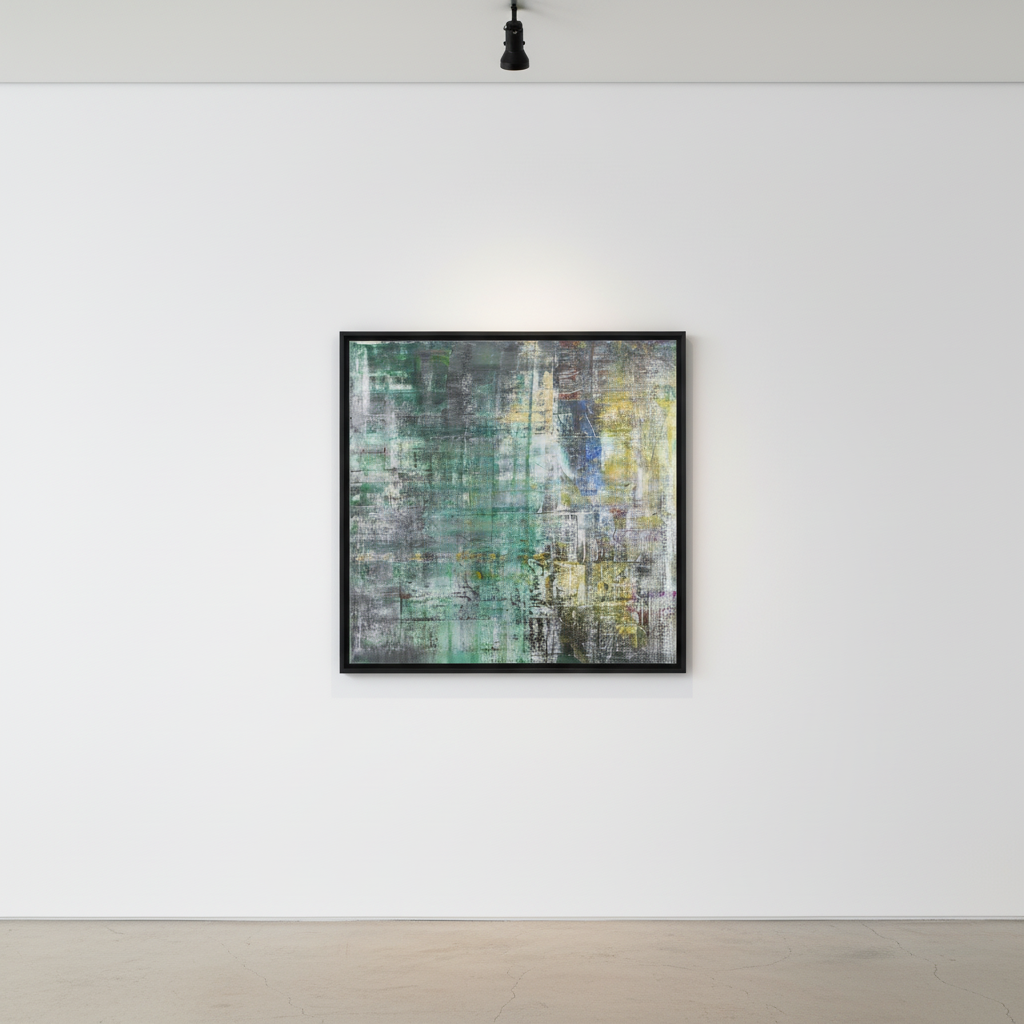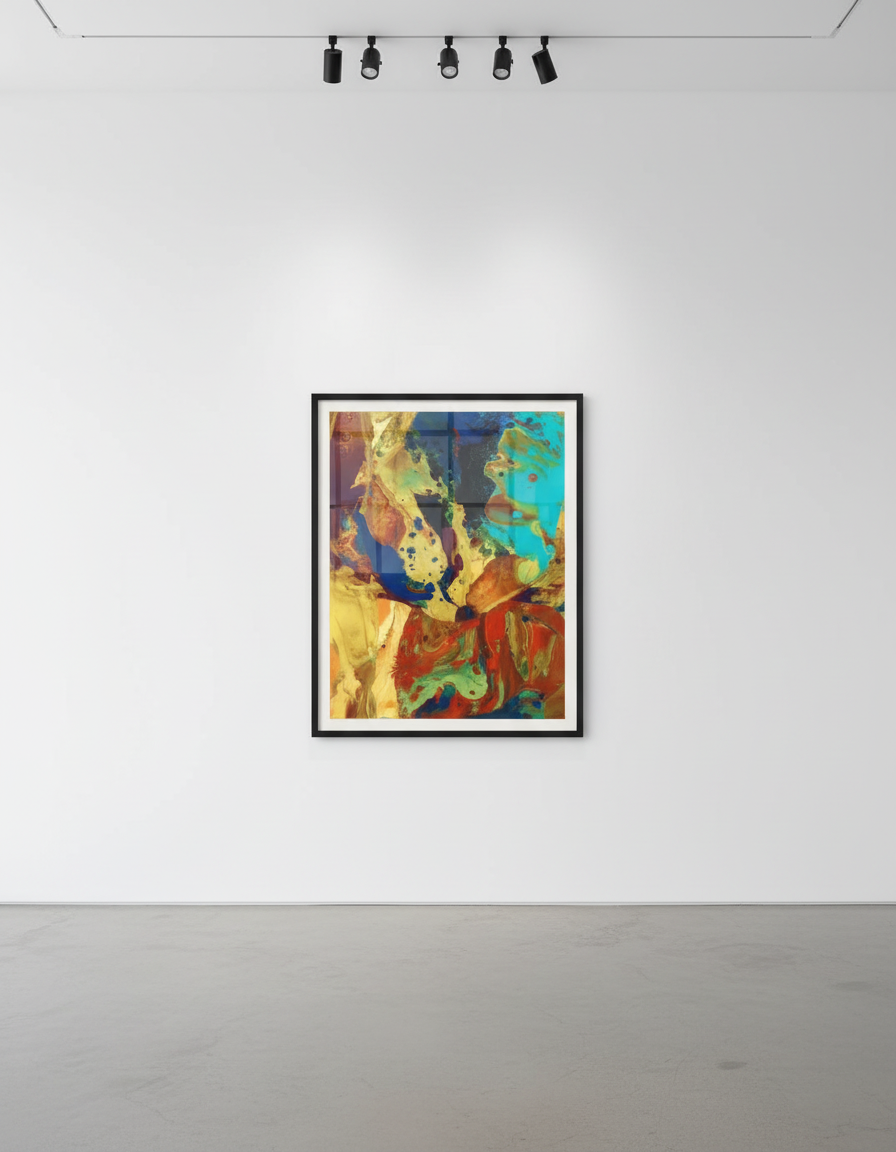
Other Editions
12 works

Gerhard Richter (b. 1932, Dresden, Germany) is widely regarded as the most significant living European painter and one of the defining artistic figures of the postwar era. Born in Dresden under National Socialism, trained at the Dresden Art Academy under the constraints of Socialist Realism, Richter defected to West Germany in 1961 — just before the Berlin Wall closed — and enrolled at the Düsseldorf Art Academy, where contact with Joseph Beuys and the energies of the West German avant-garde
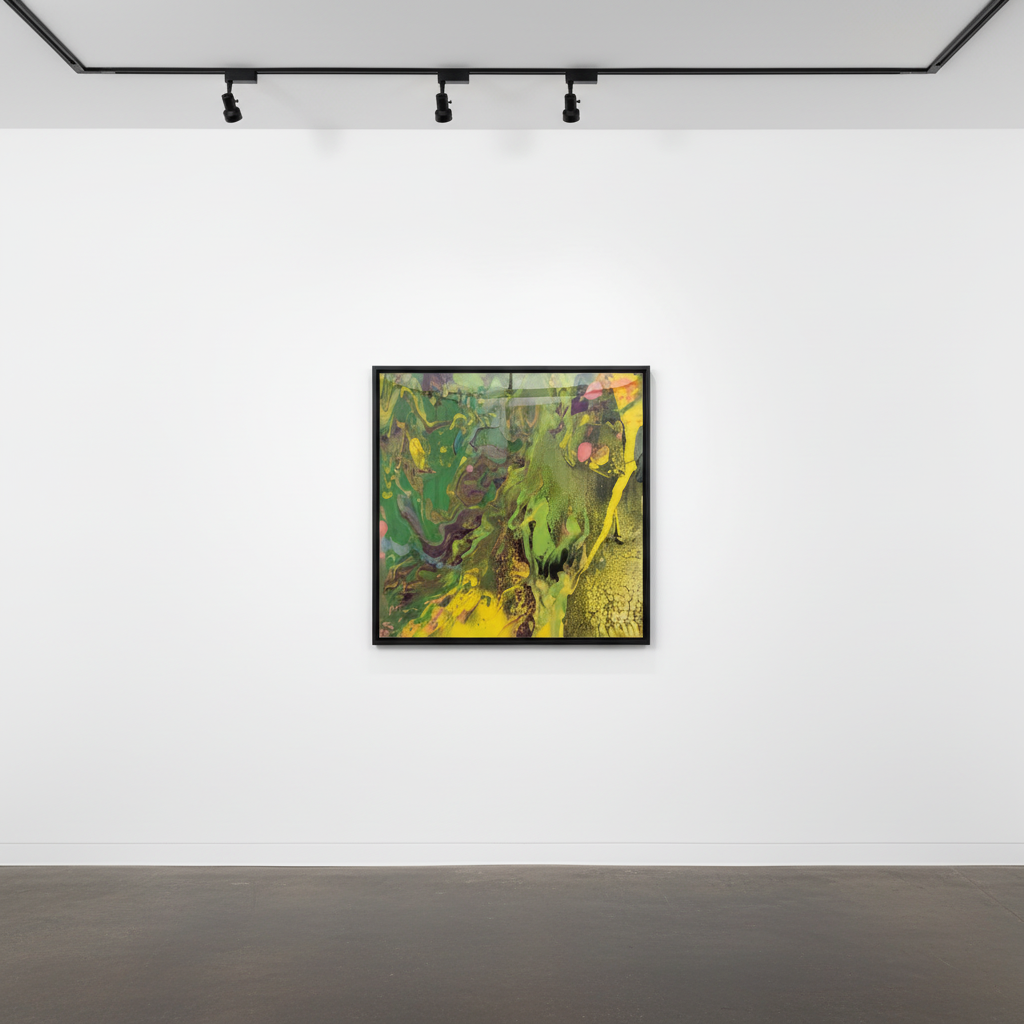
4 series total
Untitled
Sotheby's ·
$40,870,166
DOMPLATZ, MAILAND [CATHEDRAL SQUARE, MILAN]
Sotheby's ·
$37,125,000
Abstraktes Bild
Christie's · 1994
$36,500,000
Abstraktes Bild (636)
Phillips · 1987
$34,800,000
ABSTRAKTES BILD
Sotheby's ·
$28,674,949
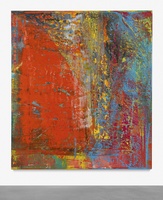
Untitled
Sotheby's ·
$33,987,500
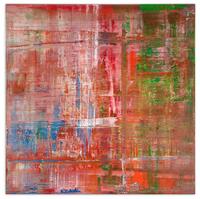
Abstraktes Bild
Sotheby's · 1993
$33,010,500
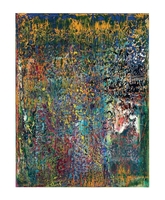
Abstraktes Bild
Christie's · 1989
$26,320,365
ABSTRAKTES BILD
Sotheby's ·
$32,000,000
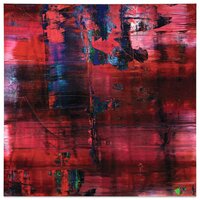
Abstraktes Bild
Sotheby's · 1997
$31,932,000
Source: Public auction records. Prices include buyer's premium.
25+
Years in the Market
NY & LDN
Gallery Locations
Global
Collector Network
Guy Hepner Gallery specialises in buying and selling Gerhard Richter paintings, prints and editions. We offer complimentary, confidential valuations for collectors looking to sell or consign Gerhard Richter artwork, drawing on 25 years of experience in the post-war and contemporary market.
Gerhard Richter is widely regarded as the world's greatest living painter. His Abstraktes Bilder have set extraordinary auction records, with his top result reaching £30,389,000 at Sotheby's, and his prints command consistent demand globally.
Whether you own an abstract painting, a photo-painting or a print, Guy Hepner can provide an accurate current market valuation based on recent auction results, private sales data, condition and provenance.
Richter's Abstraktes Bilder and large-scale photo-paintings command the highest prices in his market. His Squeegee paintings, Overpainted Photographs and editioned prints are actively traded, with value driven by size, palette and series.
Our gallery has maintained relationships with leading Gerhard Richter collectors for over two decades. We have sold works across every major series and use our deep market knowledge to achieve the best possible results for consignors through private sale and our global collector network.
Sell / Appraisal
Gerhard Richter stands as one of the most significant and sought-after artists of the post-war era, consistently commanding formidable prices on the global auction market. His works are considered blue-chip assets, representing a robust and reliable investment for discerning collectors. Richter’s diverse oeuvre, spanning abstract paintings, photo paintings, and editions, enjoys strong demand across all tiers of the market. Unique monumental abstract works and iconic photo paintings frequently set multi-million-dollar records, with key pieces exceeding $20 million and even $40 million at major sales conducted by auction houses such as Sotheby's, Christie's, and Phillips. For example, his Abstraktes Bild (599) sold for £30.4 million ($46.3 million) at Sotheby's London in 2015, whilst Domplatz, Mailand (Cathedral Square, Milan) achieved a staggering £37.2 million ($46.3 million) at Sotheby's in 2013, highlighting the peak of demand for his seminal canvases.
The consistent appreciation in value for Richter’s work is driven by his unparalleled critical acclaim, extensive museum presence, and his profound influence on contemporary art discourse. Beyond his top-tier unique paintings, his extensive body of prints, editions, and works on paper also demonstrates remarkable market strength and consistent growth. These offer a more accessible entry point for collectors seeking to acquire an authentic Richter, without compromising on quality or investment potential. The depth and breadth of his printmaking output, often reproducing his most iconic imagery or presenting unique compositions, ensures a dynamic and liquid secondary market.
Collector demand for Richter is truly global, with active participation from institutions and private buyers across North America, Europe, and Asia. His market resilience and sustained high prices underscore his status as a titan of contemporary art, whose contributions continue to shape artistic dialogue and whose works are central to any serious collection. The investment value of a Richter, whether a major canvas or a rare edition, remains exceptionally strong, buoyed by his enduring legacy and finite availability of his authenticated works.
Born in Dresden, East Germany, in 1932, Gerhard Richter's artistic journey is deeply intertwined with the tumultuous socio-political landscape of 20th-century Europe. His early education at the Dresden Art Academy (1951-1956) was under the restrictive dogma of Socialist Realism. However, a pivotal moment arrived in 1961 when he defected to West Germany, enrolling at the Düsseldorf Art Academy. This transition marked a radical shift in his artistic approach, as he began to critically engage with Western art movements, particularly Pop Art, yet ultimately forging a path uniquely his own, one that continuously questioned the very nature of painting and representation.
Richter's career is characterised by a deliberate refusal to adhere to a singular style, instead embracing a fluid, almost dialectical, exploration of painting's possibilities. His signature "photo paintings," which emerged in the early 1960s, involve projecting photographic images onto canvas and then meticulously blurring the painted surface, challenging the perceived objectivity of both photography and painting. This technique, often referred to as "blurred realism," underscores themes of memory, the unreliability of visual information, and the mediation of reality through images. Concurrently, Richter embarked on conceptual projects such as his "Colour Charts" and "Grey Paintings," which systematically explored colour theory and the expressive potential of neutrality, respectively.
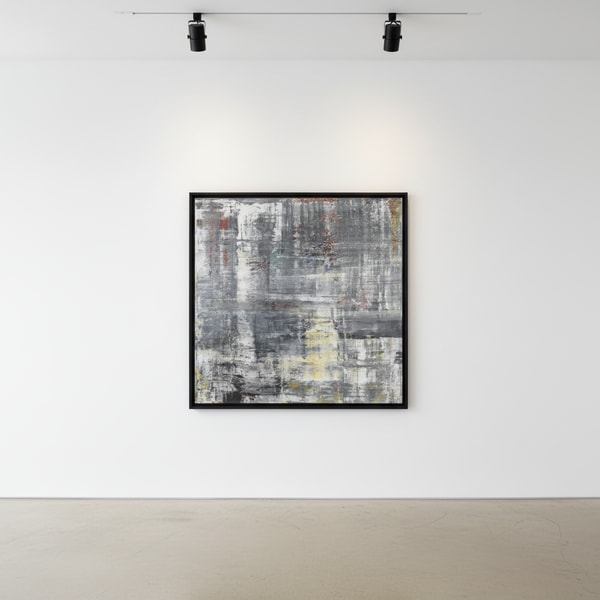
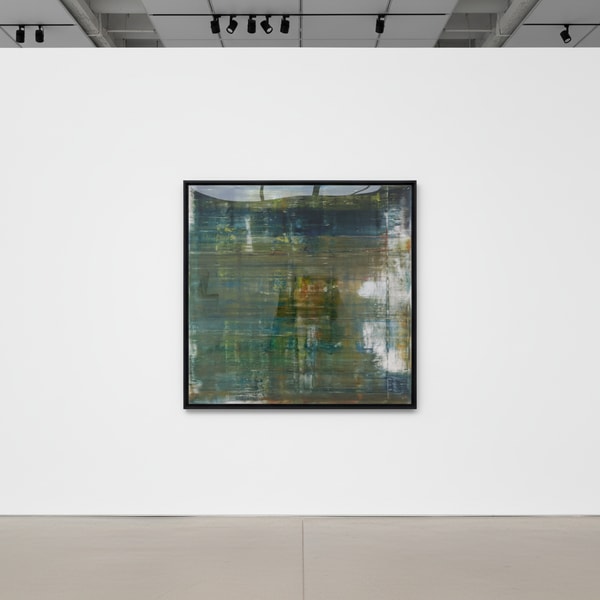
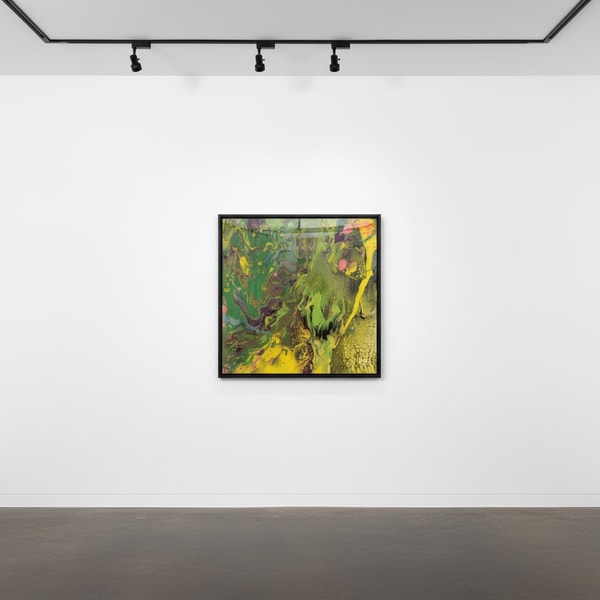
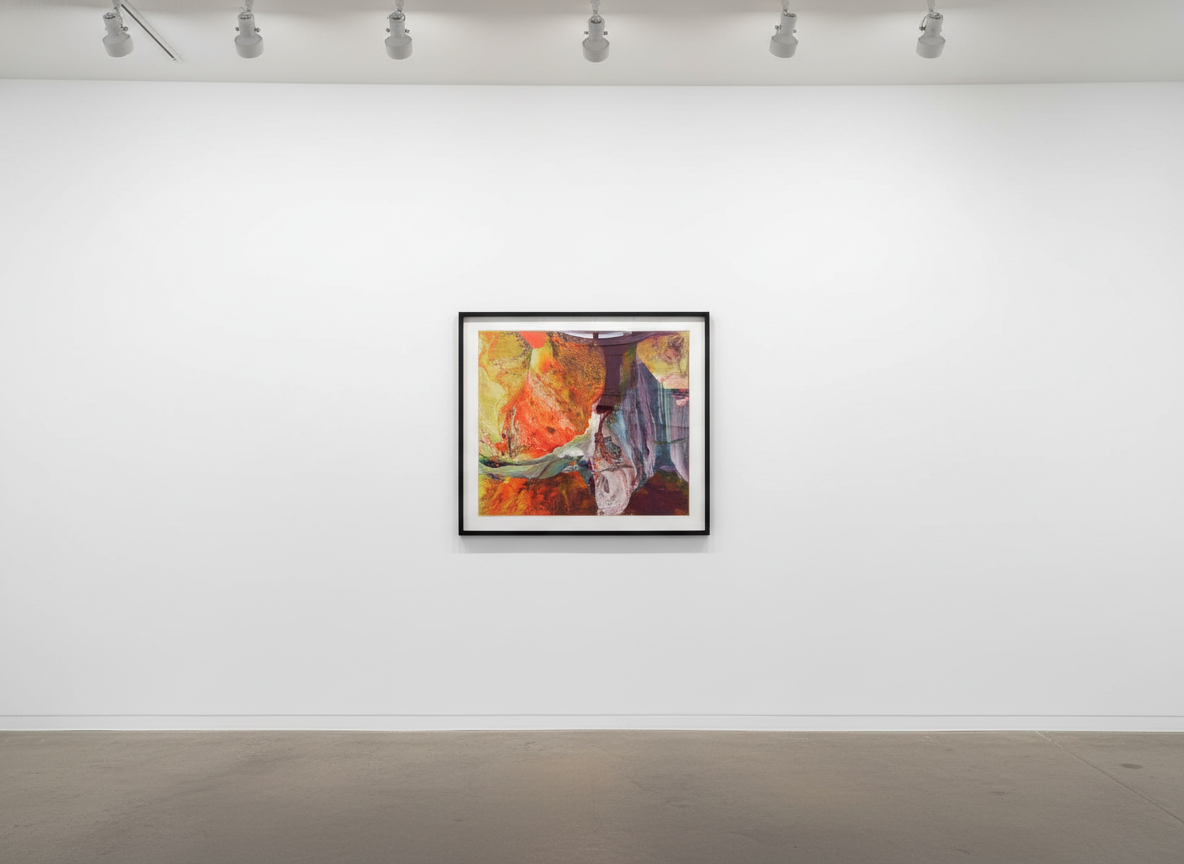
The late 1970s and early 1980s witnessed the full emergence of his monumental abstract paintings, known as Abstrakte Bilder. These are executed using a distinctive squeegee technique, where layers of wet paint are applied and scraped across the canvas, creating complex, often vibrant, and profoundly textured surfaces. This process-driven approach allows for a degree of chance and unpredictability, yet the final compositions are meticulously resolved, embodying a profound engagement with spontaneity and control. Throughout his practice, Richter has consistently challenged ideological certainties, instead favouring an open-ended inquiry into perception, truth, and the enduring relevance of painting in a world saturated with images. His artistic philosophy pivots on the idea that painting is not merely a descriptive tool but an autonomous medium capable of probing the ineffable and the unsayable.
Gerhard Richter's oeuvre is celebrated for its remarkable breadth, encompassing several distinct yet interconnected series that have each left an indelible mark on art history and hold immense collectibility. His early "Photo Paintings" form a cornerstone of his practice, ranging from intimate portraits and still lifes to landscapes and historical subjects. These works, often rendered in muted tones and characterised by their signature blurred surfaces, deconstruct the photographic image and question the nature of objective reality. Collectors are drawn to their unique blend of figuration and abstraction, their intellectual depth, and their critical commentary on media representation. Iconic works like the Candle series or his portraits of family members exemplify the poignant power of these paintings.
In stark contrast, but conceptually intertwined, are Richter's celebrated "Abstract Paintings" or Abstrakte Bilder. Beginning in the late 1970s, these large-scale canvases are created through a highly physical and spontaneous process, utilising a large squeegee to drag and blend layers of paint, revealing fragmented colours and textures beneath. The resulting compositions are vibrant, dynamic, and deeply expressive, inviting viewers into an immersive visual experience. These works are among his most sought-after, representing a pinnacle of abstract expression in contemporary art. Their sheer visual impact and the intricate dance between control and chance in their creation make them highly prized by collectors worldwide.
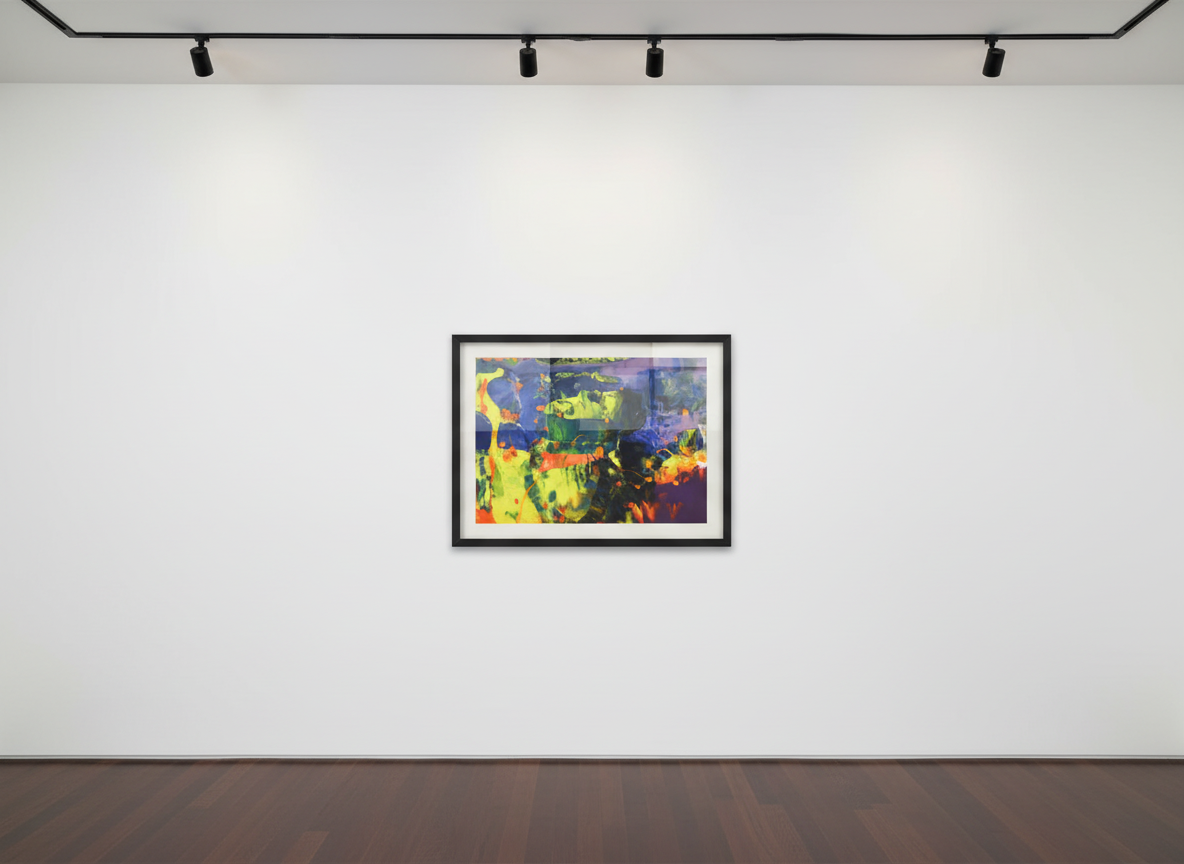
Beyond these unique paintings, Richter’s prolific output of prints and editions constitutes a significant and highly collectible facet of his practice. His "Editions" catalogue raisonné spans hundreds of works, often reproducing key photographic images from his paintings, or presenting unique compositions in mediums such as silkscreen, offset print, and photography. These editions offer collectors a crucial entry point into Richter’s diverse visual language, allowing for ownership of iconic imagery that mirrors his unique works. Series such as his P11, Bagdad, or Sils Maria prints are particularly notable for their distinctive aesthetics and demonstrate the artist’s continuous exploration of his themes across various media, making them highly desirable for both seasoned and emerging collectors.
Gerhard Richter's unparalleled influence on contemporary art is reflected in the extensive presence of his works in the most prestigious museum collections globally. His art is a cornerstone of any comprehensive survey of post-war and contemporary art. Notable institutions holding significant bodies of his work include the Museum of Modern Art (MoMA) in New York, the Tate Modern in London, the Centre Pompidou in Paris, and the Museum Ludwig in Cologne.
Further key institutions that have acquired and exhibit Richter’s masterpieces include the Whitney Museum of American Art in New York, the Art Institute of Chicago, the San Francisco Museum of Modern Art, the Staatsgalerie Stuttgart, and the Albertina in Vienna. His paintings and editions are frequently featured in major international exhibitions and retrospectives, underscoring his enduring relevance and the profound impact of his artistic legacy on global art history.
Guy Hepner Gallery serves as a trusted authority for collectors seeking to acquire or divest works by Gerhard Richter, particularly focusing on his exceptional prints, editions, and works on paper. Our discerning clients benefit from Guy Hepner’s extensive expertise in the secondary market for Richter, offering unparalleled guidance whether one is looking to enhance an existing collection or make a prudent investment in a blue-chip artist. We understand the nuances of Richter's expansive print oeuvre, from his iconic Abstraktes Bild series editions to his seminal photo-based prints.
Our gallery maintains a meticulously curated inventory and possesses an extensive network within the art world, providing access to highly sought-after Richter editions and unique works on paper that may not be publicly available. For those looking to sell, Guy Hepner offers a discreet and professional consignment service, ensuring your work reaches the most appropriate global audience and secures optimal market value. With our deep market insight and commitment to authenticity, Guy Hepner empowers collectors to make informed decisions, facilitating a seamless and confidential process for both buying and selling works by this titan of contemporary art.
Frequently Asked Questions
Gerhard Richter prints and original works for sale are available at Guy Hepner Gallery, 529 West 20th Street, New York (by appointment). Our gallery specialises in authenticated Gerhard Richter editions with full provenance documentation sourced from the secondary market.
Gerhard Richter artwork prices vary significantly by medium, edition size, date, and condition. Signed and numbered prints from key series are the most accessible entry point. Contact Guy Hepner Gallery for a free valuation and current market pricing on specific works.
Authenticating Gerhard Richter art requires catalogue raisonné references, provenance documentation, and where applicable, foundation authentication records. Guy Hepner Gallery provides full provenance for every work we offer for sale.