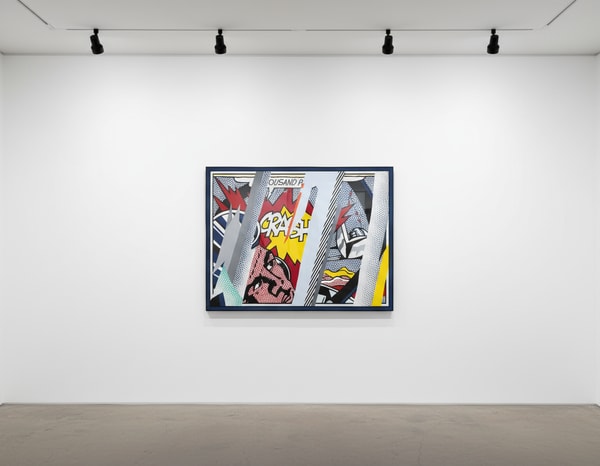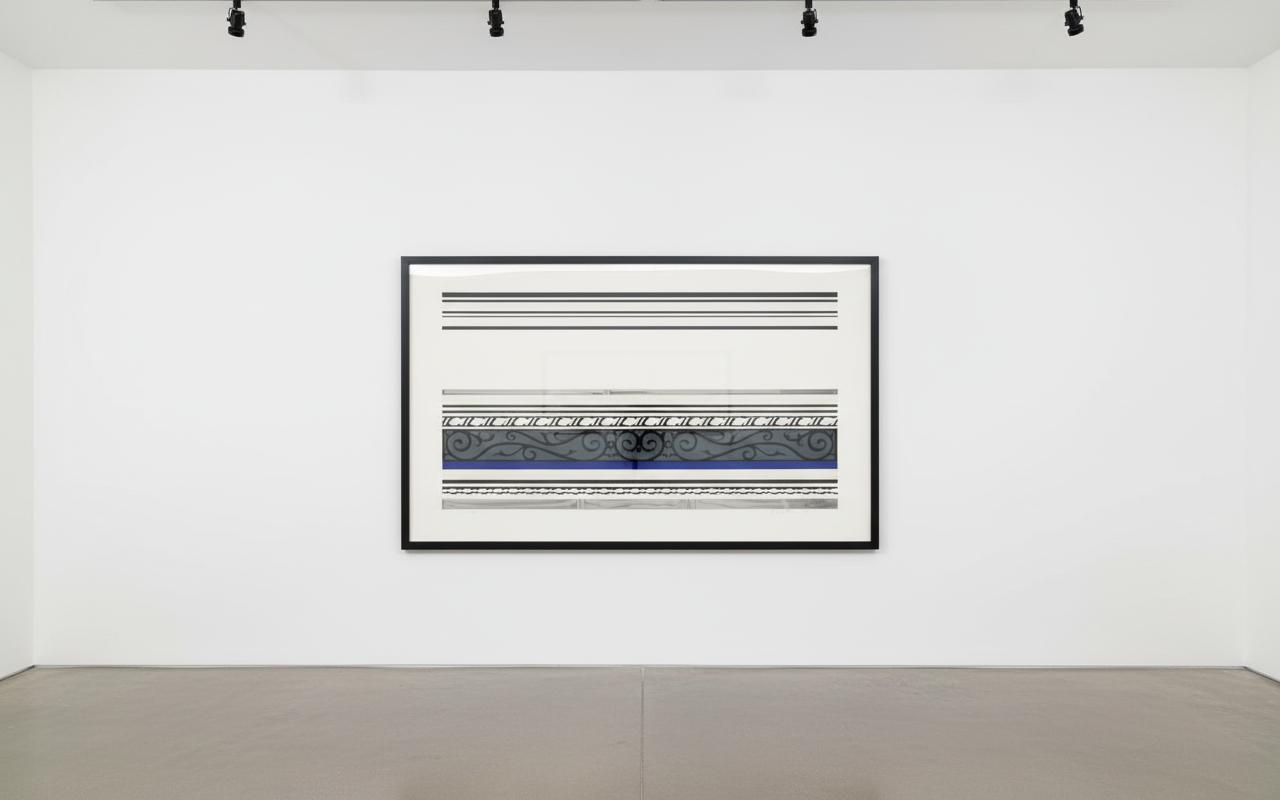
Entablature
11 works
Roy Lichtenstein prints for sale and Roy Lichtenstein paintings for sale at Guy Hepner Gallery, New York. Our inventory spans lithographs, screenprints, and unique works from his most collected series: Brushstrokes, Reflections, Nudes, Interiors, Haystacks, Cathedral, Entablature, and American Indian Theme — all with full provenance and Corlett catalogue raisonné references. We also acquire Lichtenstein. Free valuations available.
Roy Lichtenstein (1923–1997) is
32 series total
Roy Lichtenstein
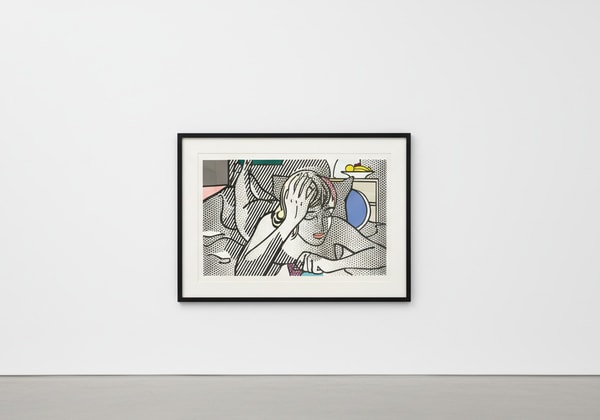
Thinking Nude (C. 289)
1994
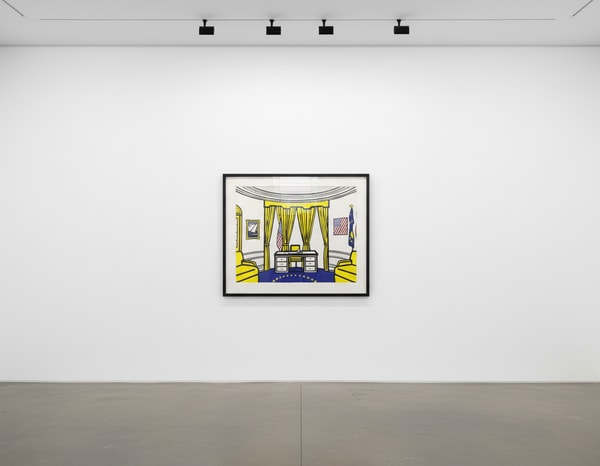
Roy Lichtenstein
Oval Office (C. 277)
1992
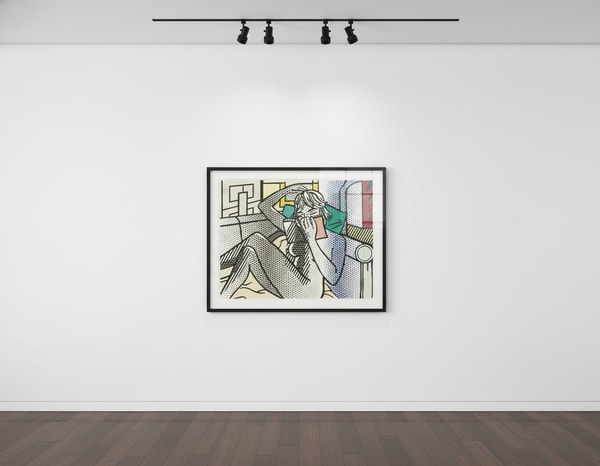
Roy Lichtenstein
Nude Reading (C. 288)
1994
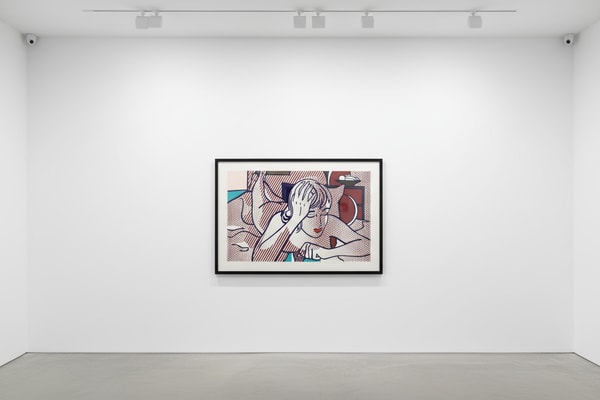
Roy Lichtenstein
Thinking Nude State I (C. 290)
1994
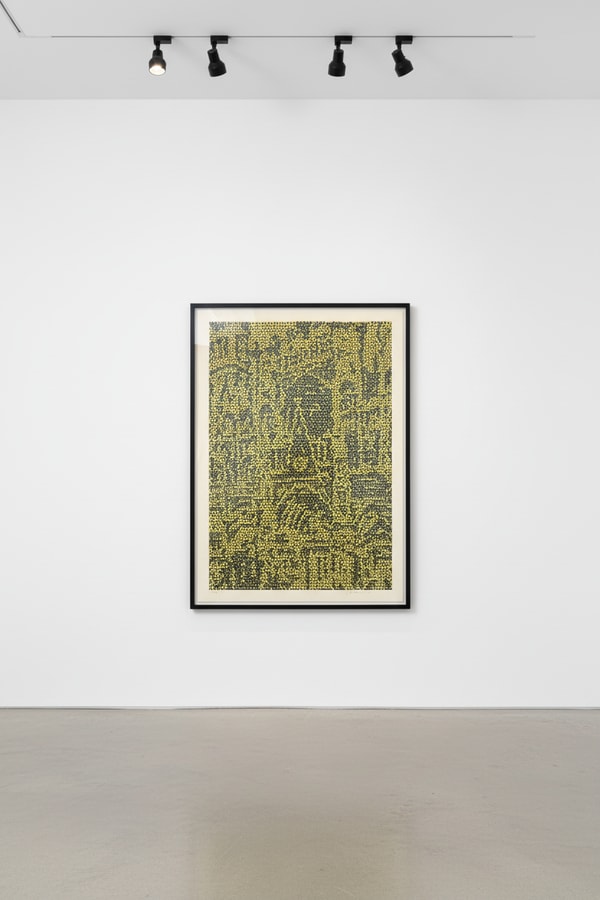
Roy Lichtenstein
Cathedral V (C. 79)
1969
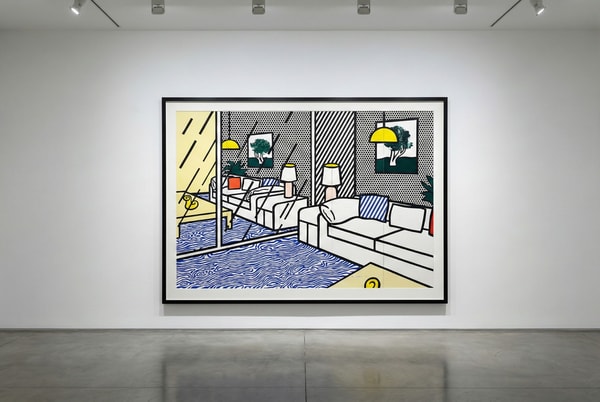
Roy Lichtenstein
Wallpaper with Blue Floor Interior
1992
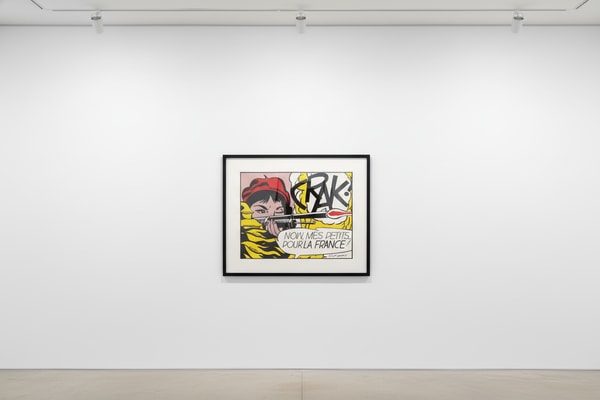
Roy Lichtenstein
Crak! C. II 2
1963
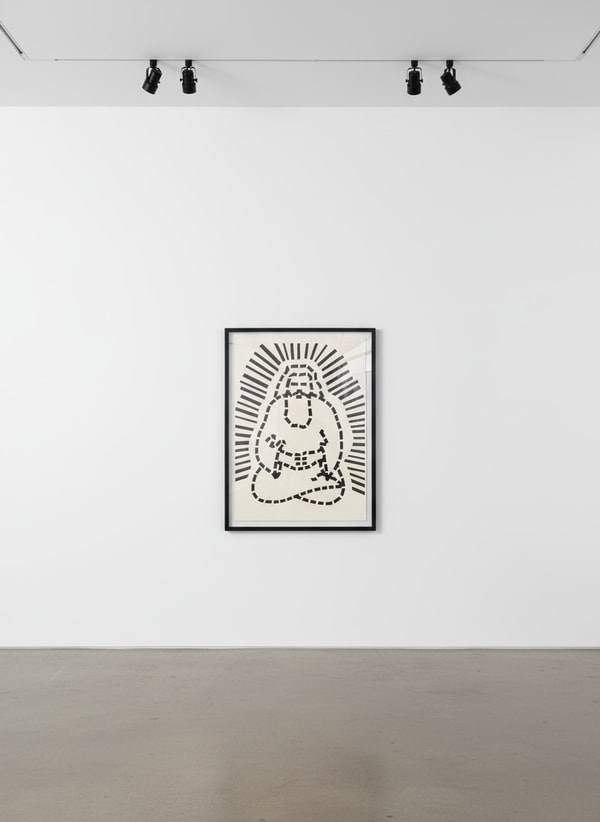
Roy Lichtenstein
Illustration for Passage du Nord-Ouest
1992
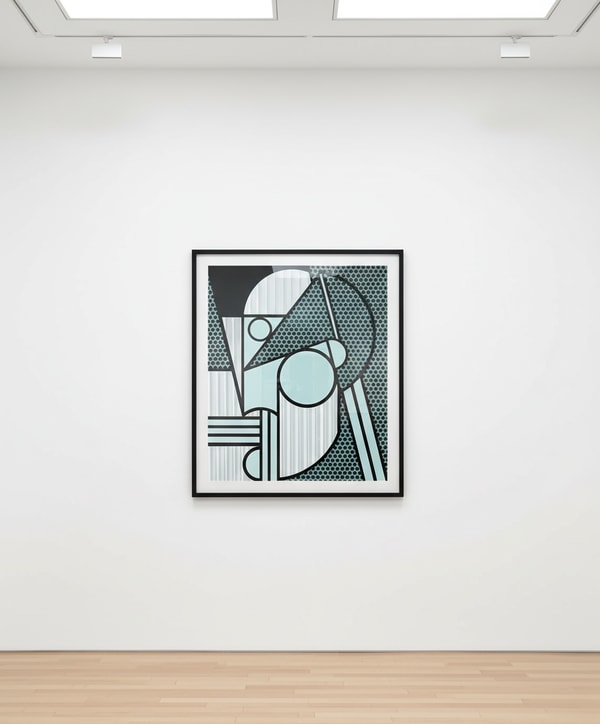
Roy Lichtenstein
Modern Head #4 (C.94)
1970
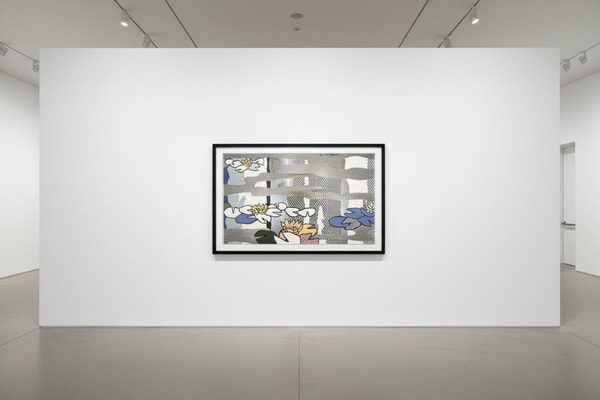
Roy Lichtenstein
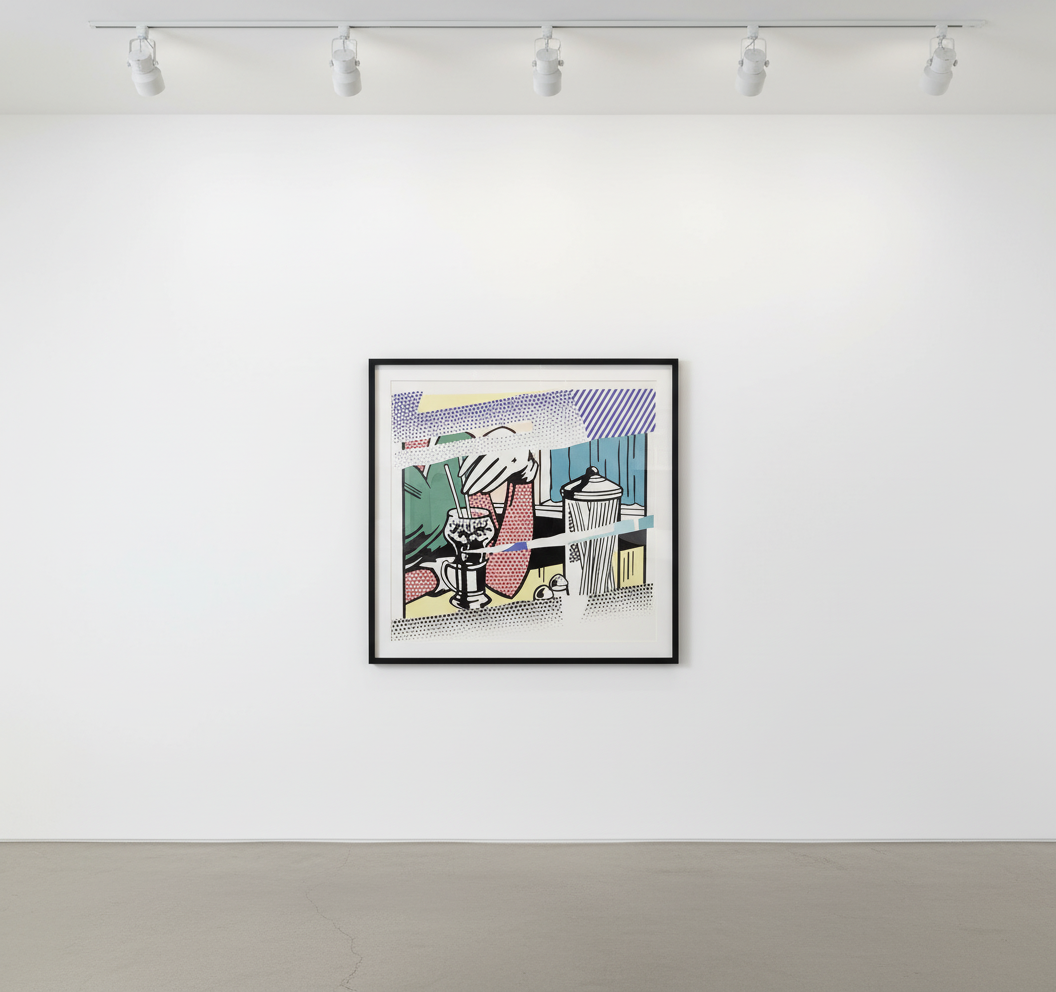
Water Lily Pond with Reflections (C.264)
1992
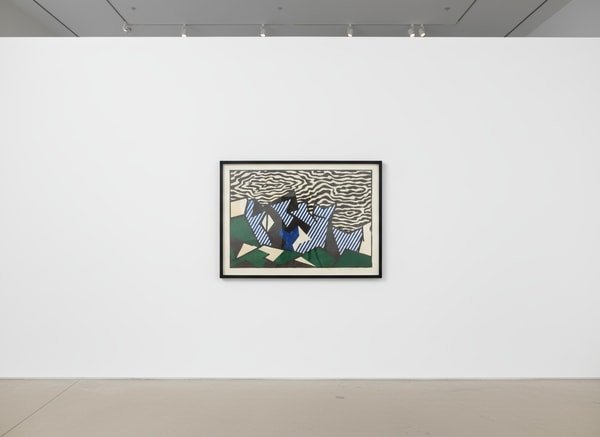
Roy Lichtenstein
Morton A Mort (C. 178), from Expressionist Woodcut Series
1989
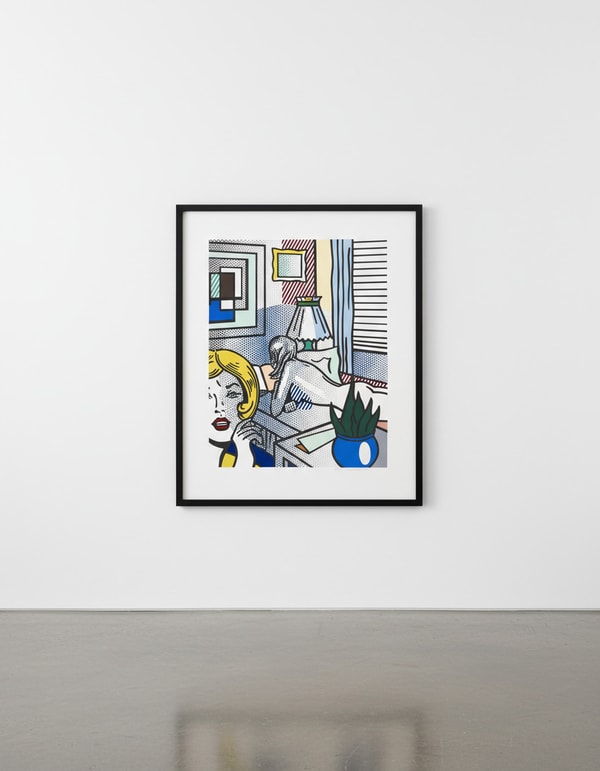
Roy Lichtenstein
Roommates
1994
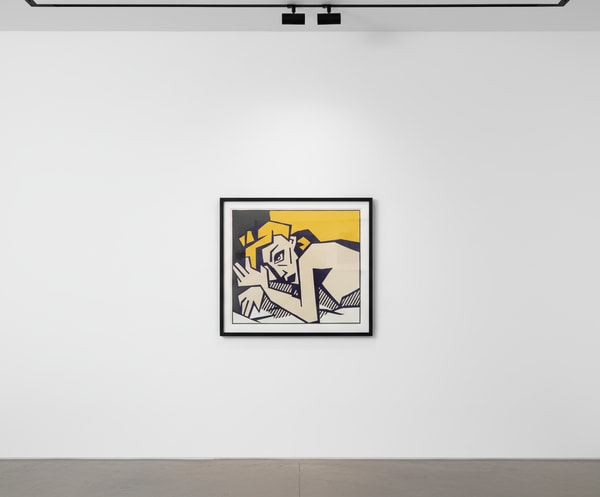
Roy Lichtenstein
Reclining Nude (C. 172), from Expressionist Woodcut Series
1980
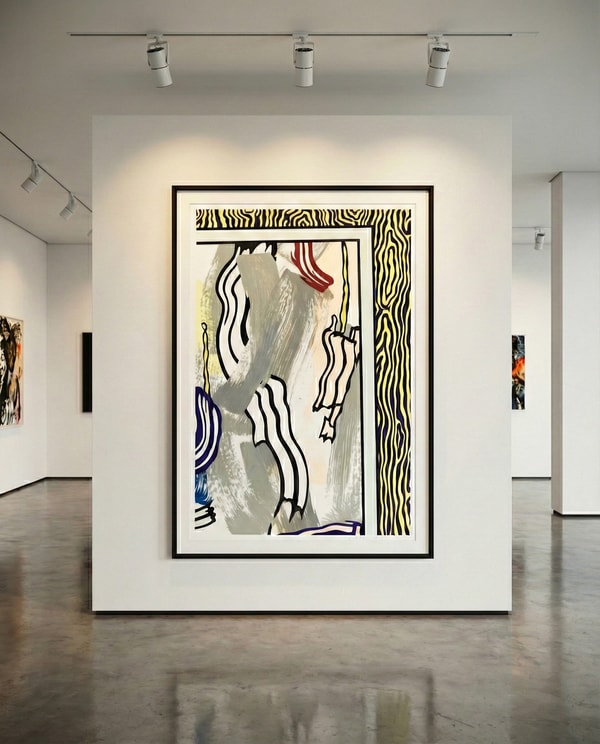
Roy Lichtenstein
Painting On Blue and Yellow Wall (C. 208)
1984
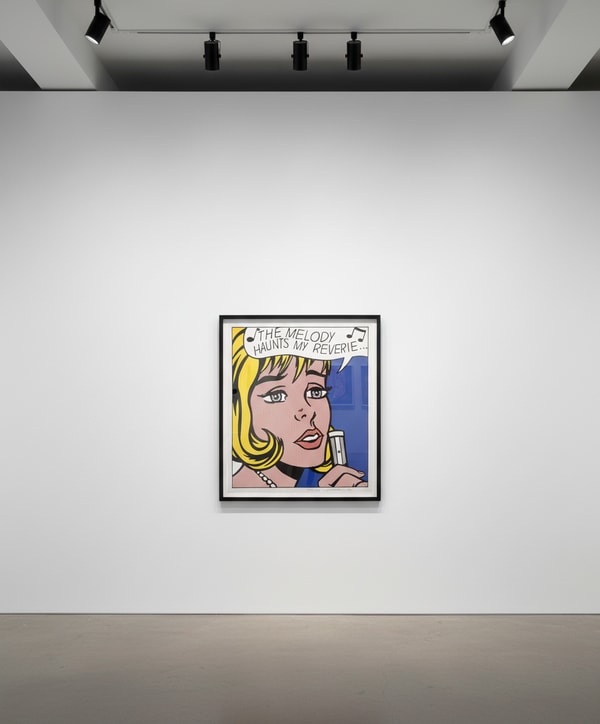
Roy Lichtenstein
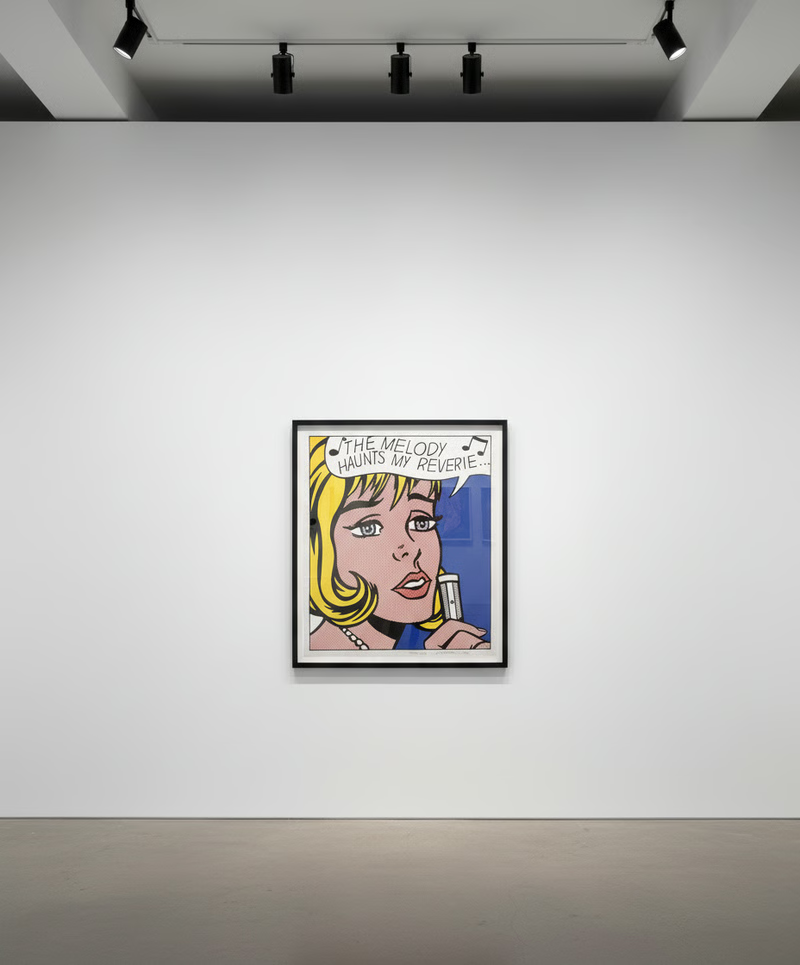
Reverie (C. 38)
1965
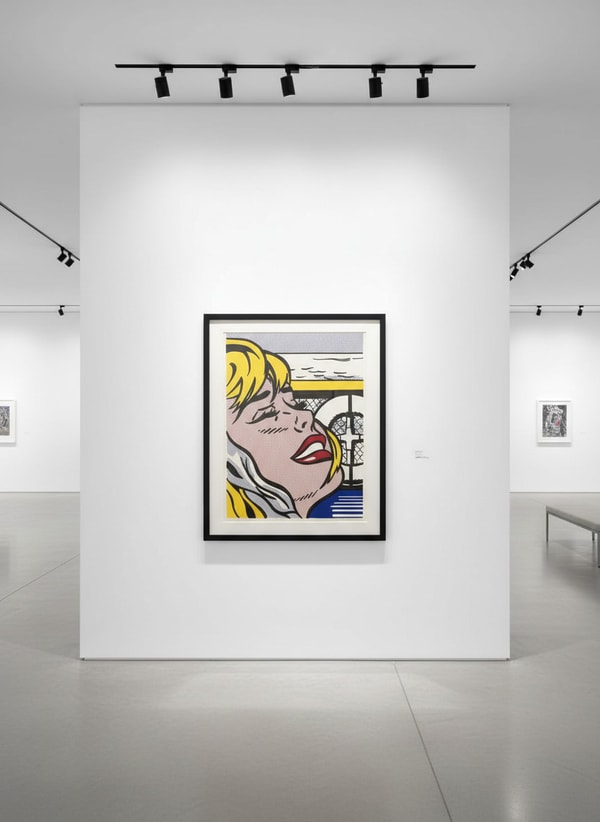
Roy Lichtenstein
Shipboard Girl (C. II 6)
1965
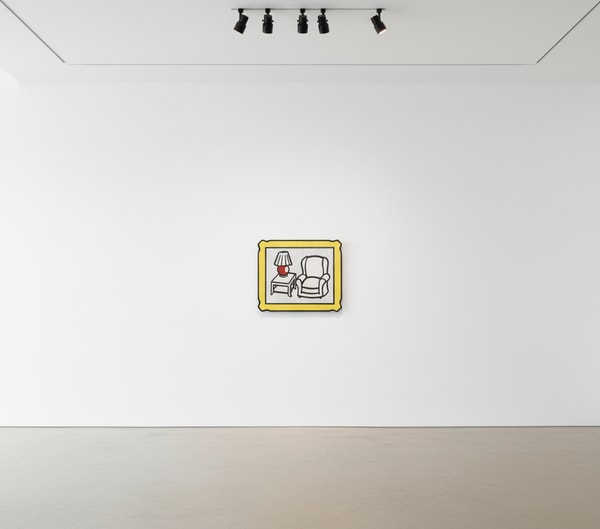
Roy Lichtenstein
Red Lamp (C. 279)
1992
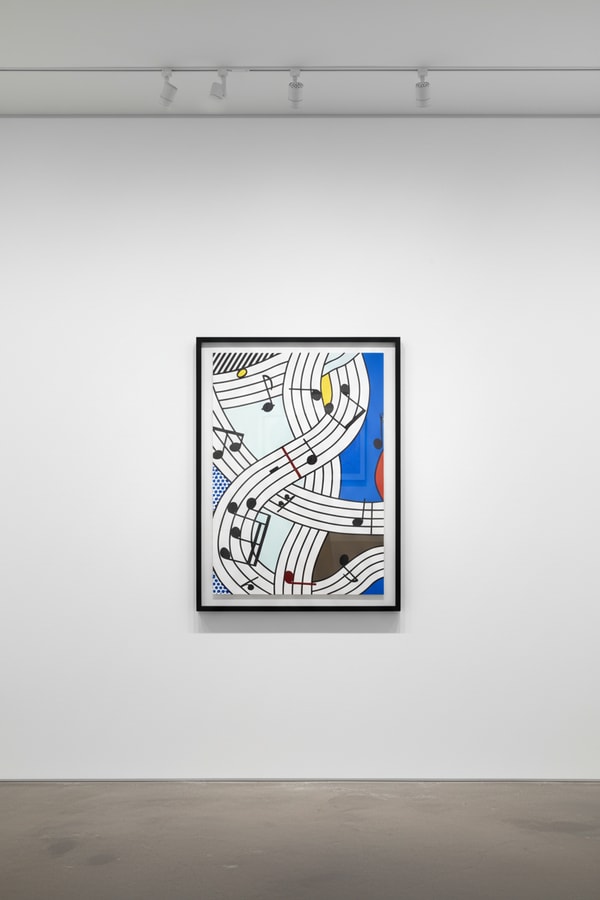
Roy Lichtenstein
Composition I (C. 297)
1996
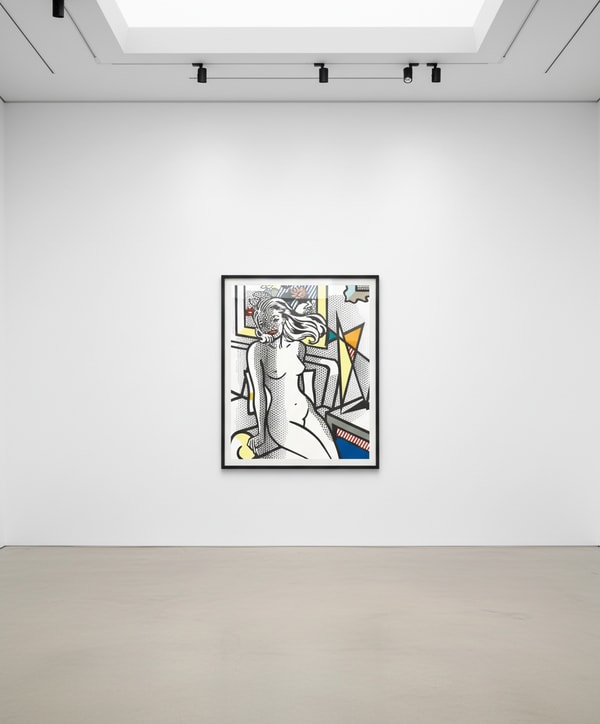
Roy Lichtenstein
Nude With Yellow Pillow (C. 283) , from Nudes Series
1994
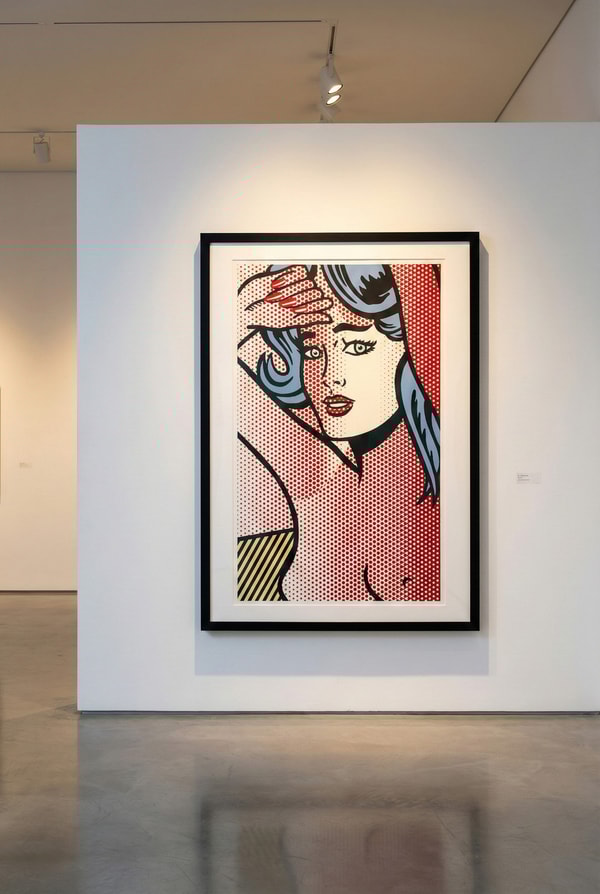
Roy Lichtenstein
Nude With Blue Hair (C.286)
1994
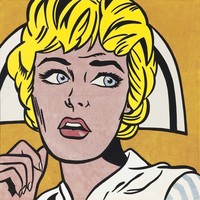
Nurse
Christie's · Nov 2015
$95,365,000
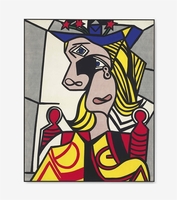
Woman with Flowered Hat
Christie's · May 2013
$56,123,750
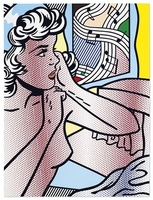
Nude with Joyous Painting
Christie's · Jul 2020
$46,242,500
Sleeping Girl
Sotheby's · May 2012
$44,882,500
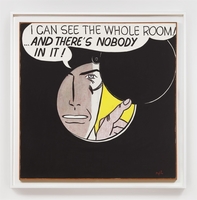
I Can See the Whole Room!...and There's Nobody in it!
Christie's · Nov 2011
$43,202,500
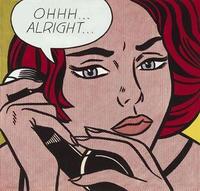
Ohhh...Alright..
Christie's · Nov 2010
$42,642,500
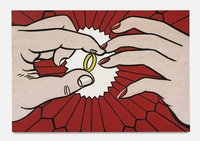
Untitled
Sotheby's · May 2015
$41,690,000
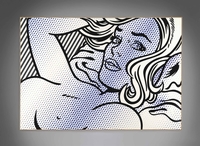
Seductive Girl
Christie's · Nov 2013
$31,525,000
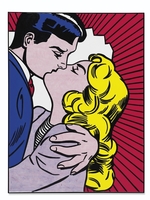
Kiss III
Christie's · May 2019
$31,135,000
Untitled
Sotheby's · May 2015
$41,690,000
Source: Public auction records. Prices include buyer's premium.
25+
Years in the Market
NY & LDN
Gallery Locations
Global
Collector Network
Guy Hepner Gallery has been buying and selling Roy Lichtenstein prints, paintings and sculptures since 2000. We offer free confidential valuations and a proven record of achieving strong prices for Lichtenstein works across all mediums.
Roy Lichtenstein is among the most valuable post-war American artists at auction. His record stands at $95,365,000 for Nurse at Christie's New York in 2015. His prints — including the Mirrors, Entablatures, Bull Profile Series and Brushstrokes — remain actively traded and highly collectible.
Whether you own a signed screenprint, lithograph, original painting or sculpture, Guy Hepner can provide an accurate current market valuation and connect your work with our global collector network.
Roy Lichtenstein print values vary by subject, series and edition size. Major prints from the Mirrors and Entablatures series typically achieve $100,000–$500,000. Bull Profile Series and Brushstroke prints command $50,000–$300,000. Works with Gemini G.E.L. or Castelli Graphics provenance achieve premiums. We provide comprehensive valuations based on current auction records and private sale data.
Our gallery has maintained relationships with leading Lichtenstein collectors for over two decades. We have sold works across every major series and use our deep market knowledge to achieve the best possible prices for consignors through auction, private sale and our collector network.
Sell / Appraisal
Roy Lichtenstein art for sale at Guy Hepner includes prints, paintings, and unique works across his full published catalogue. Our New York gallery specialises in Roy Lichtenstein prints for sale with Corlett catalogue raisonné references, Roy Lichtenstein paintings for sale from authenticated secondary market sources, and expert advisory on Roy Lichtenstein artwork prices across all series and periods.
Roy Lichtenstein (1923–1997) is one of the defining figures of twentieth-century American art and a perennial cornerstone of serious post-war and contemporary collections. His bold graphic paintings and prints — instantly recognisable for their Ben-Day dots, black outlines, and primary colour palettes drawn from comic books and advertising — remain among the most actively traded works in the secondary market and are represented in every major art institution in the world.
Born in New York City in 1923, Lichtenstein studied at Ohio State University and the Art Students League before moving through early Cubist and Expressionist phases. The pivot that defined his career came in 1961 when he began making large paintings based on comic book and advertising imagery — Look Mickey (1961) and the subsequent Whaam! (1963) and Drowning Girl (1963) established him, alongside Andy Warhol, as the central figure of American Pop Art. Exhibited by Leo Castelli Gallery from 1962, his work attracted immediate critical attention and institutional acquisition.
Lichtenstein's practice was characterised by rigorous formal control beneath its surface accessibility. Where his source imagery was casual and commercial, his paintings were carefully composed — precise manipulation of scale, colour, and graphic elements. His career-long investigation of art history, through the Brushstroke series (which satirised Abstract Expressionism), the Art Deco works, Entablatures, Reflections, and Interiors, demonstrated the analytical intelligence underlying his apparently simple vocabulary. He worked until his death in New York on 29 September 1997.
The auction benchmark for Lichtenstein was set in a 2017 private transaction: Masterpiece (1962) sold for $165 million — the highest price ever paid for his work. At public auction, Nurse (1964) achieved $95.4 million at Christie's New York in November 2015. His print market has been consistently robust: Brushstroke screenprints regularly achieve $200,000–$800,000 at major houses; Reflections and Nudes prints from the late career achieve $50,000–$500,000 depending on edition, subject, and condition.
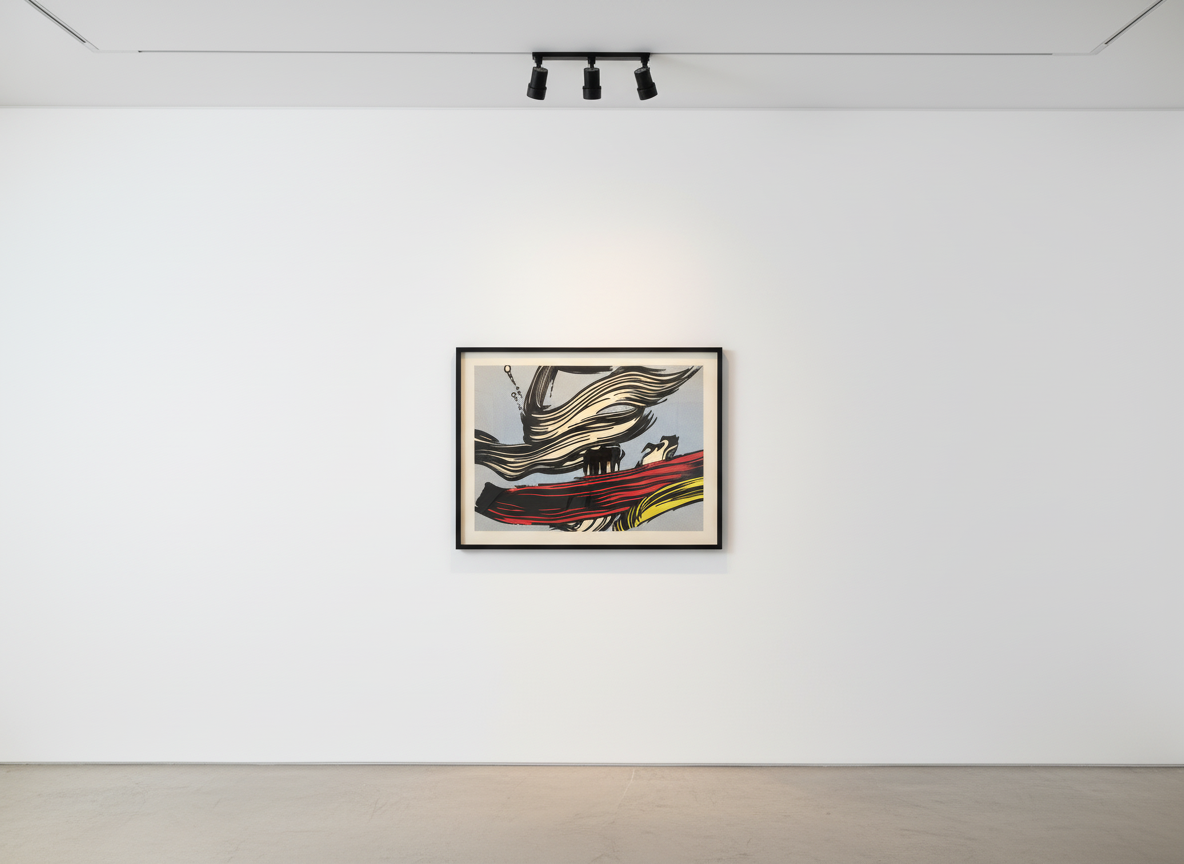
Brushstrokes (1965–66). The most conceptually celebrated series in his career. Pop satire of Abstract Expressionist gesture — the loaded, spontaneous mark of Kline and de Kooning rendered flat, precise, and mechanically reproducible. Screenprints and lithographs from this series are among his most sought-after print works, with signed examples achieving $200,000–$1 million at auction.
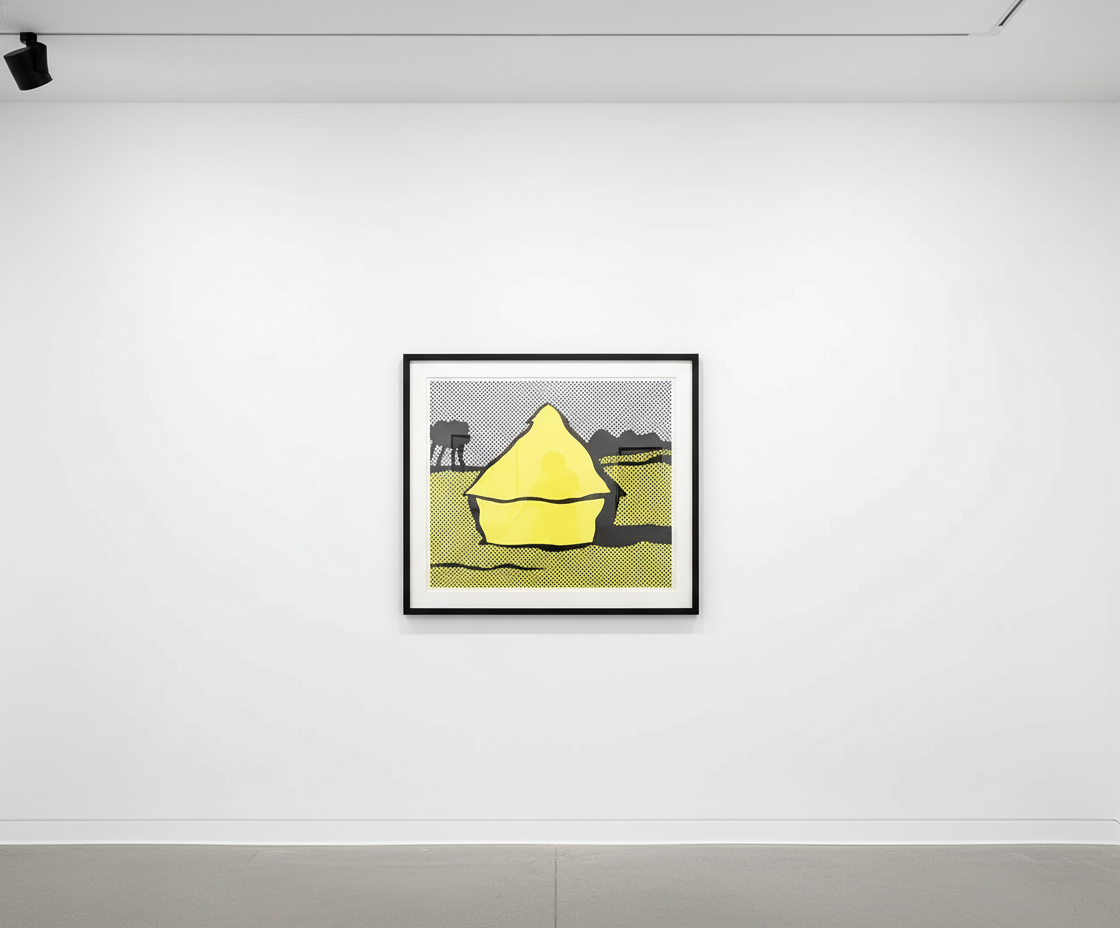
Haystacks (1969). A deliberate dialogue with Monet, converting Impressionist surface into flat Ben-Day dot fields and primary palette blocks. Among his most decorative print subjects with sustained institutional demand and reliable secondary market liquidity.
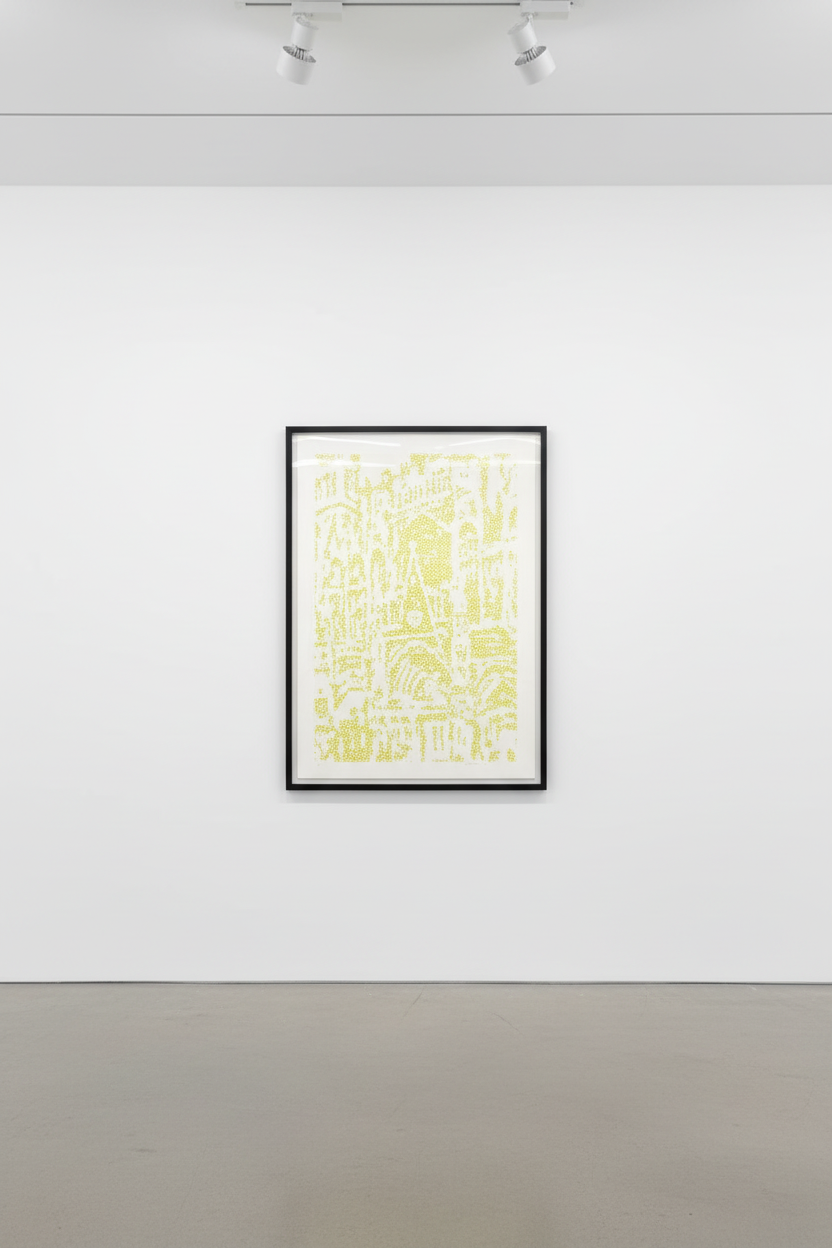
Cathedral. Reworking of Rouen Cathedral through his commercial-art graphic language — sharp contour, flat colour, halftone simulation of light and shade. Among his strongest pure-print series.
American Indian Theme (1980). A landmark suite exploring Indigenous American visual motifs through Lichtenstein's Pop graphic vocabulary. Culturally significant and increasingly collected by institutions focused on his engagement with American iconography.
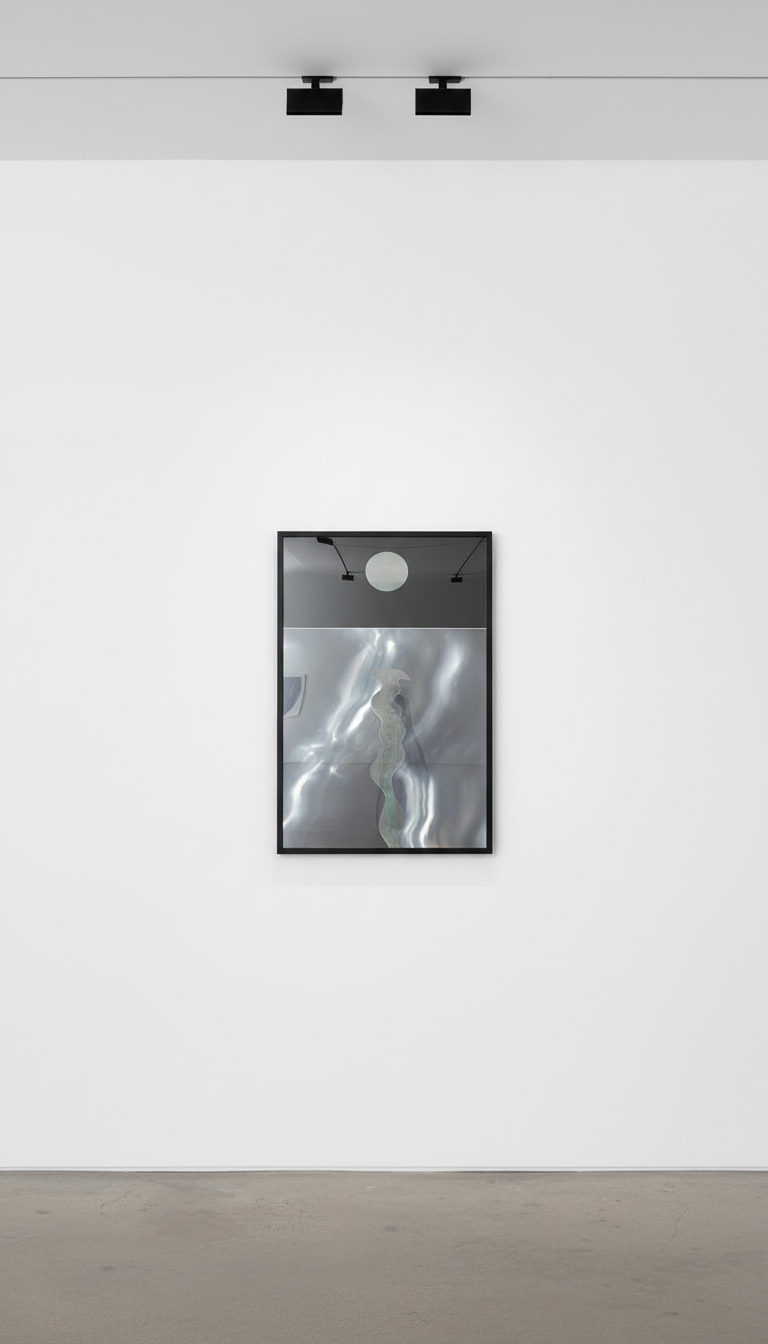
Reflections (1988–94). His late-career masterwork in print: canvases-within-canvases, in which his own signature imagery is depicted hanging on imaginary walls with the reflected light of the gallery space. His most technically intricate screenprints and among the strongest performers in the late-career secondary market.
Nudes (1994–97). His final major print series — figurative works that synthesise his full graphic vocabulary. Among the last works completed before his death and increasingly valued as a summation of his life's practice.
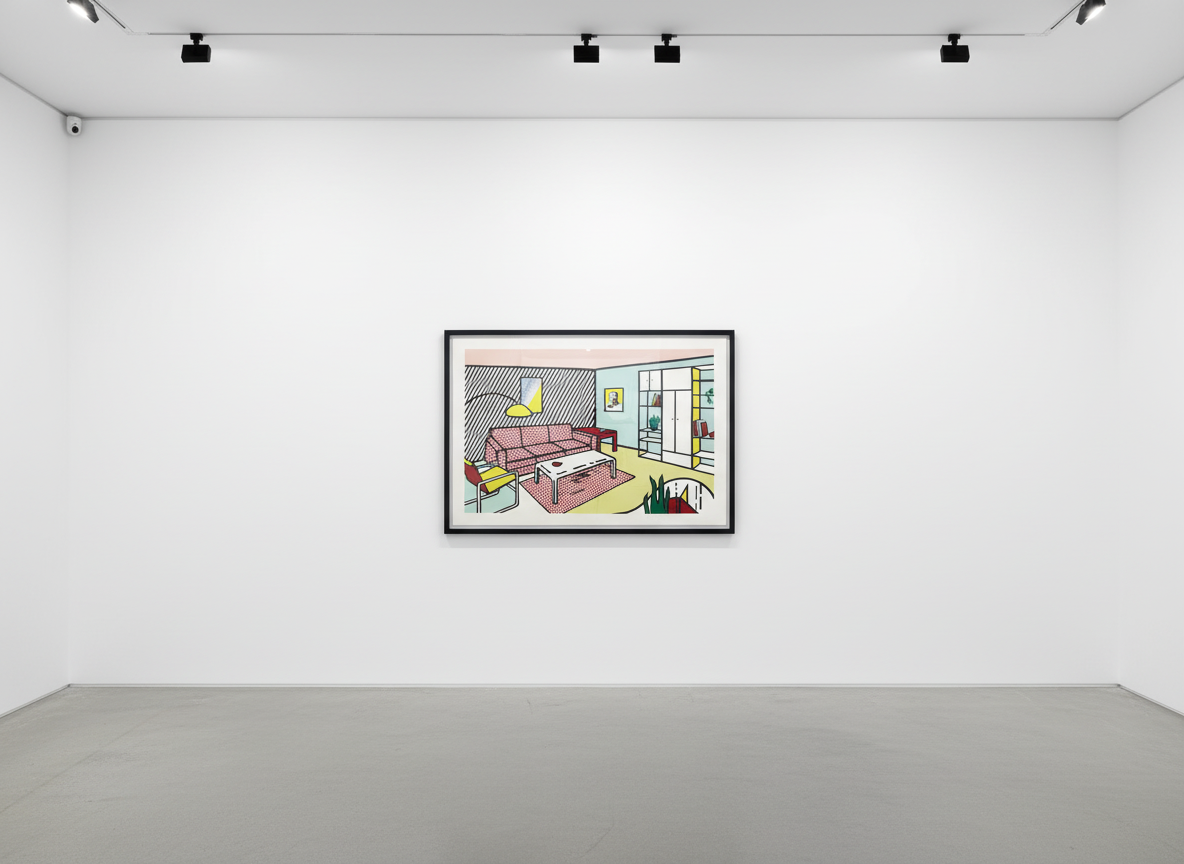
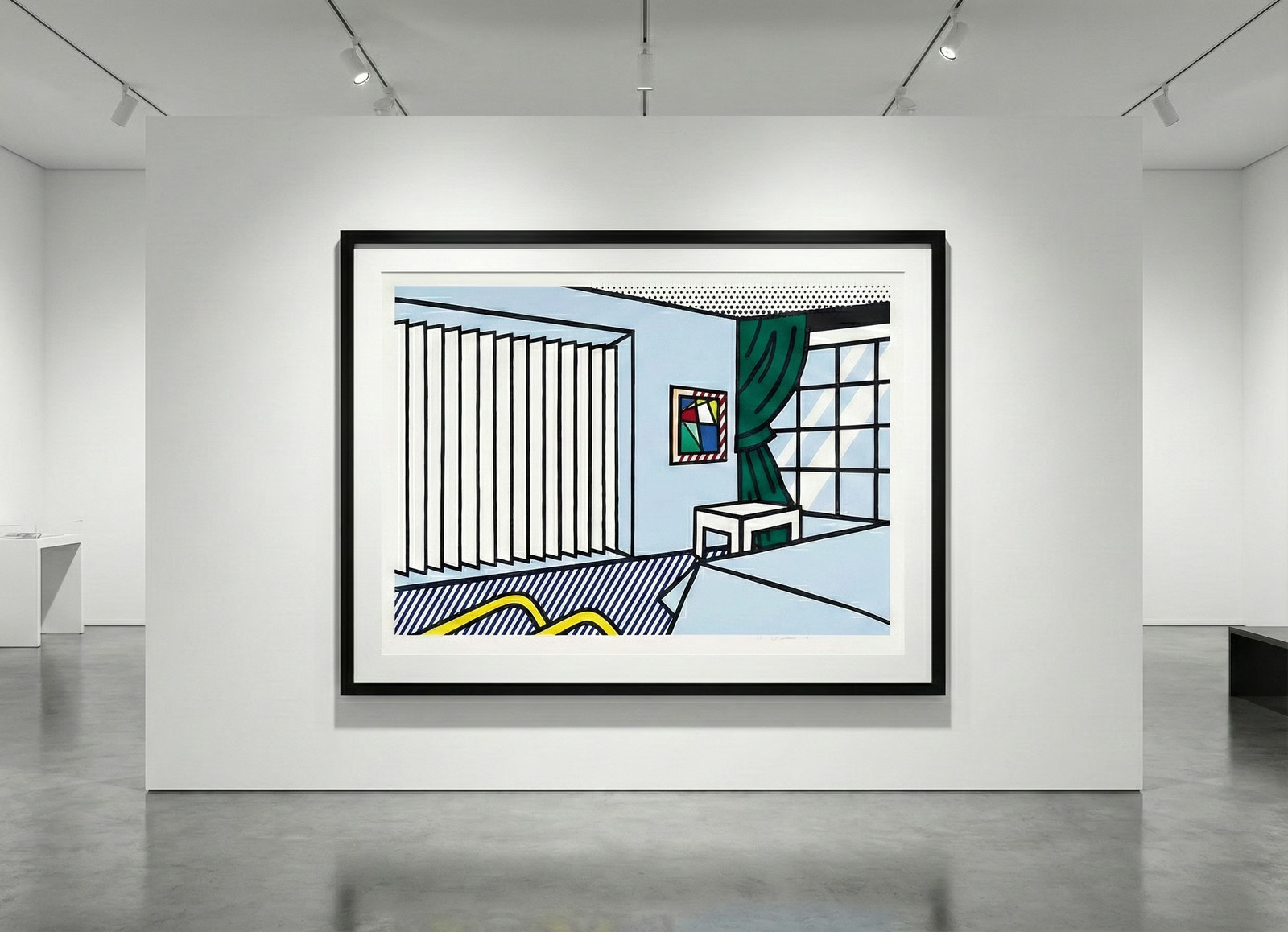
Interiors (1990s). Works drawn from furniture advertising and home decoration catalogues, extending his investigation of American consumer culture into domestic space. A distinctly underrated body of work with growing collector attention.
Peace Through Chemistry. Science and Technology series prints — bold, graphic, and widely held by institutions and serious private collectors.
The Roy Lichtenstein Foundation publishes the definitive catalogue raisonné of his prints and works on paper. Collectors should verify works against Foundation records, confirm edition numbers within documented parameters, and ensure a full provenance chain. For significant works, a condition report from an independent specialist is advisable. Signed impressions are verified against known examples; Lichtenstein's signature in pencil on the sheet was consistent throughout his later career and is well documented.
Lichtenstein is represented at the Museum of Modern Art, the Guggenheim Museum, and the Whitney in New York; the Art Institute of Chicago; Tate Modern in London; the Stedelijk Museum in Amsterdam; the National Gallery of Art in Washington DC; and virtually every other major art institution globally. His work has been the subject of retrospectives at the Guggenheim (1994) and Tate Modern (2012).
Guy Hepner provides expert access to Roy Lichtenstein prints and works on paper for collectors across all levels of the market. Our New York gallery at 177 Tenth Avenue specialises in presenting carefully vetted works with full documentation. Contact us to discuss current inventory, condition reports, and acquisition guidance.
Browse Roy Lichtenstein art for sale → | Sell your Lichtenstein →
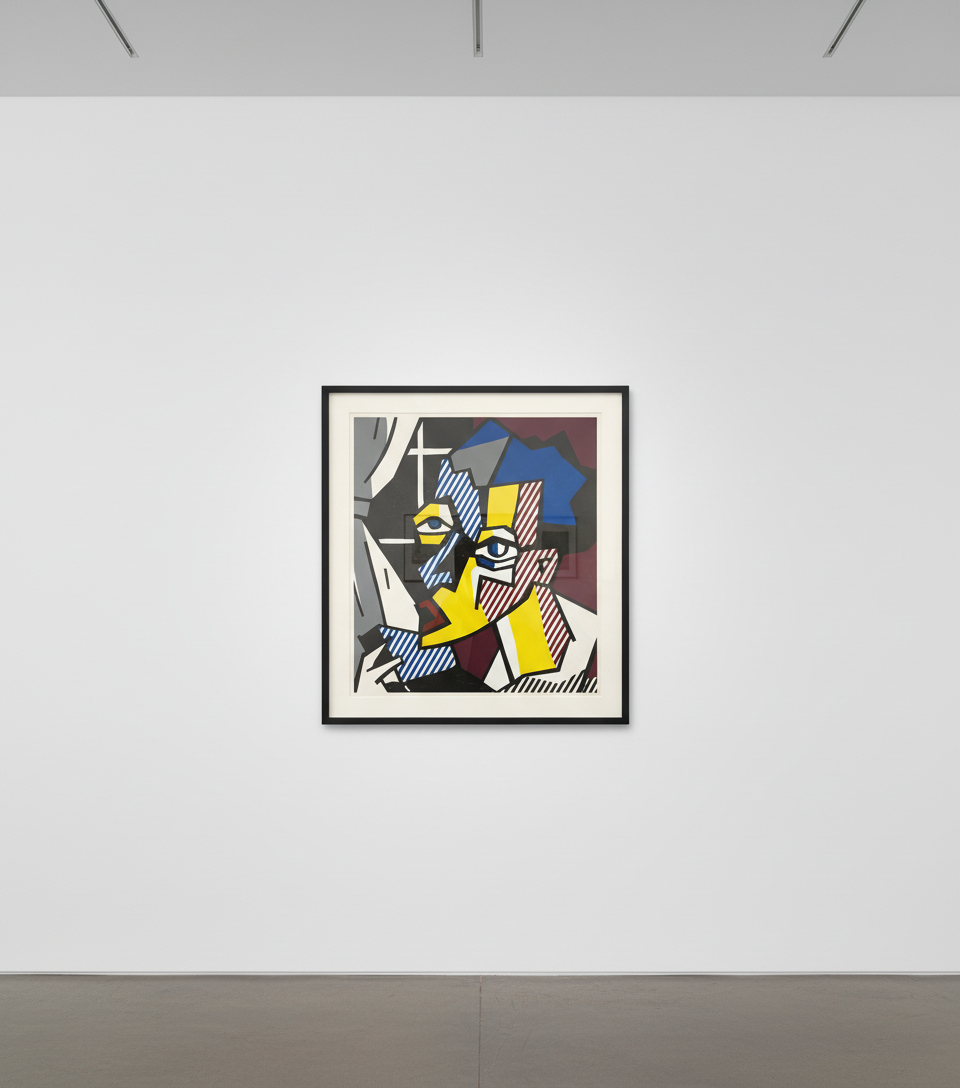
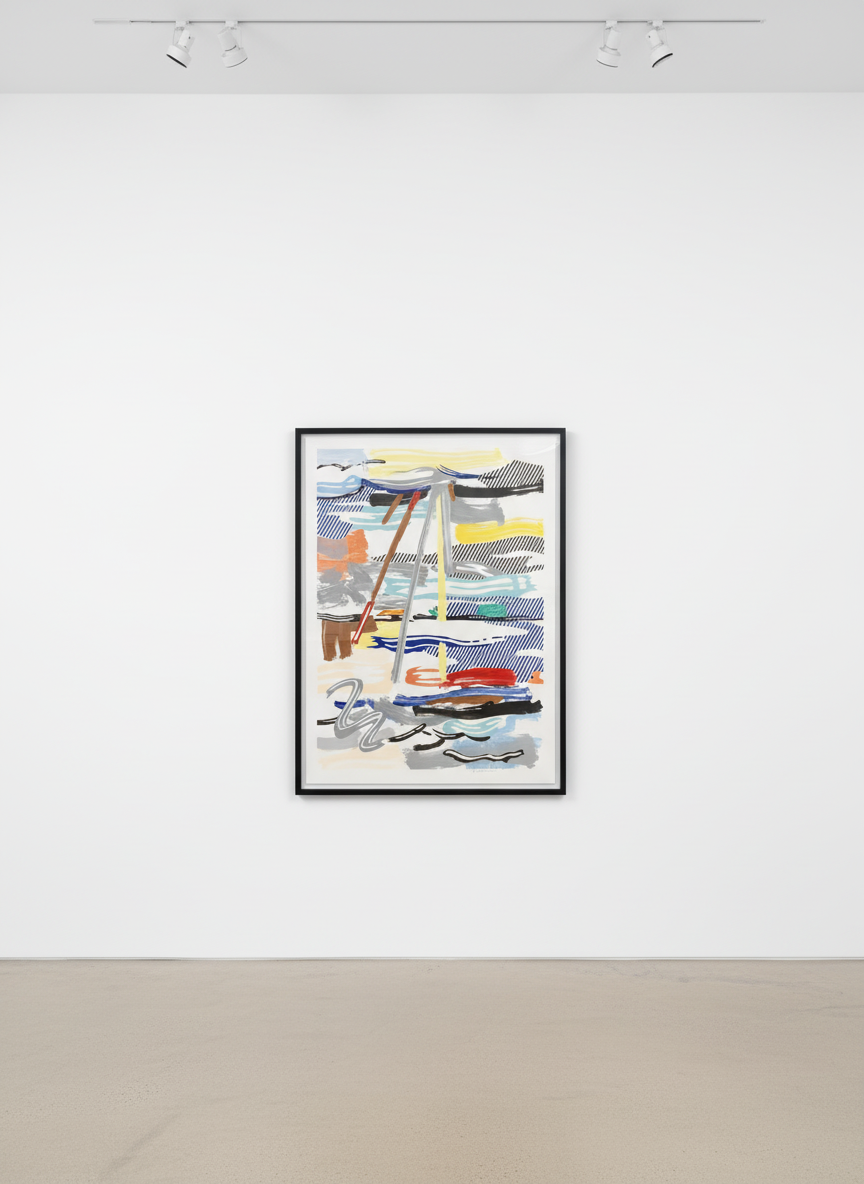
Roy Lichtenstein's prints are foundational documents of American Pop Art and among the most institutionally significant multiples of the post-war period. His engagement with printmaking — across silkscreen, woodcut, lithography, and relief — produced a body of work that is both art-historically essential and commercially robust. For collectors, the Lichtenstein print market offers meaningful access to one of the most important visual languages of the twentieth century across a wide range of series, price points, and edition sizes.
Edition types. Signed and numbered impressions from the Corlett-catalogued series represent the primary tier of collector demand. Artist's proofs (designated A.P.) and trial proofs (T.P.) typically command premiums of 20–40% over standard numbered impressions. Unsigned editions from the same print runs offer entry-level access to the imagery at substantially lower prices.
Series hierarchy. Not all series trade equally. The early Brushstrokes (1965–66) prints are the most historically significant and command the highest prices per impression. Reflections and Nudes — his late-career masterworks in printmaking — have appreciated strongly over the past decade. Haystacks and Cathedral offer the best balance of decorative appeal, art-historical significance, and secondary market liquidity. Interiors and American Indian Theme are increasingly collected by institutions and represent compelling long-term acquisitions.
Condition. Lichtenstein prints are highly sensitive to UV exposure, which causes visible fading in the flat colour fields and dot areas that define his graphic language. Works should be displayed behind UV-protective glazing and stored in archival conditions. A condition report from an independent specialist is advisable for any acquisition above $30,000. Surface abrasions, handling marks, and hinge residue all affect value; pristine, unhandled impressions command meaningful premiums.
Authentication. The Roy Lichtenstein Foundation is the authoritative body for authentication and catalogue raisonné records. Collectors should always request a Corlett reference for print acquisitions and verify the edition number, sheet dimensions, and paper type against published parameters. Publisher's certificates from Gemini G.E.L., Petersburg Press, and Castelli Graphics add significant provenance confidence.
Price guidance for Roy Lichtenstein art for sale:
Selling Roy Lichtenstein prints. If you own a Roy Lichtenstein print and are considering selling, Guy Hepner provides free, confidential valuations and guidance on the most appropriate route to market. We advise on private sale, consignment, and direct acquisition across all series. Contact our New York team to arrange an assessment.
Frequently Asked Questions
Roy Lichtenstein prints and original works for sale are available at Guy Hepner Gallery, 529 West 20th Street, New York (by appointment). Our gallery specialises in authenticated Roy Lichtenstein editions with full provenance documentation sourced from the secondary market.
Roy Lichtenstein artwork prices vary significantly by medium, edition size, date, and condition. Signed and numbered prints from key series are the most accessible entry point. Contact Guy Hepner Gallery for a free valuation and current market pricing on specific works.
Authenticating Roy Lichtenstein art requires catalogue raisonné references, provenance documentation, and where applicable, foundation authentication records. Guy Hepner Gallery provides full provenance for every work we offer for sale.