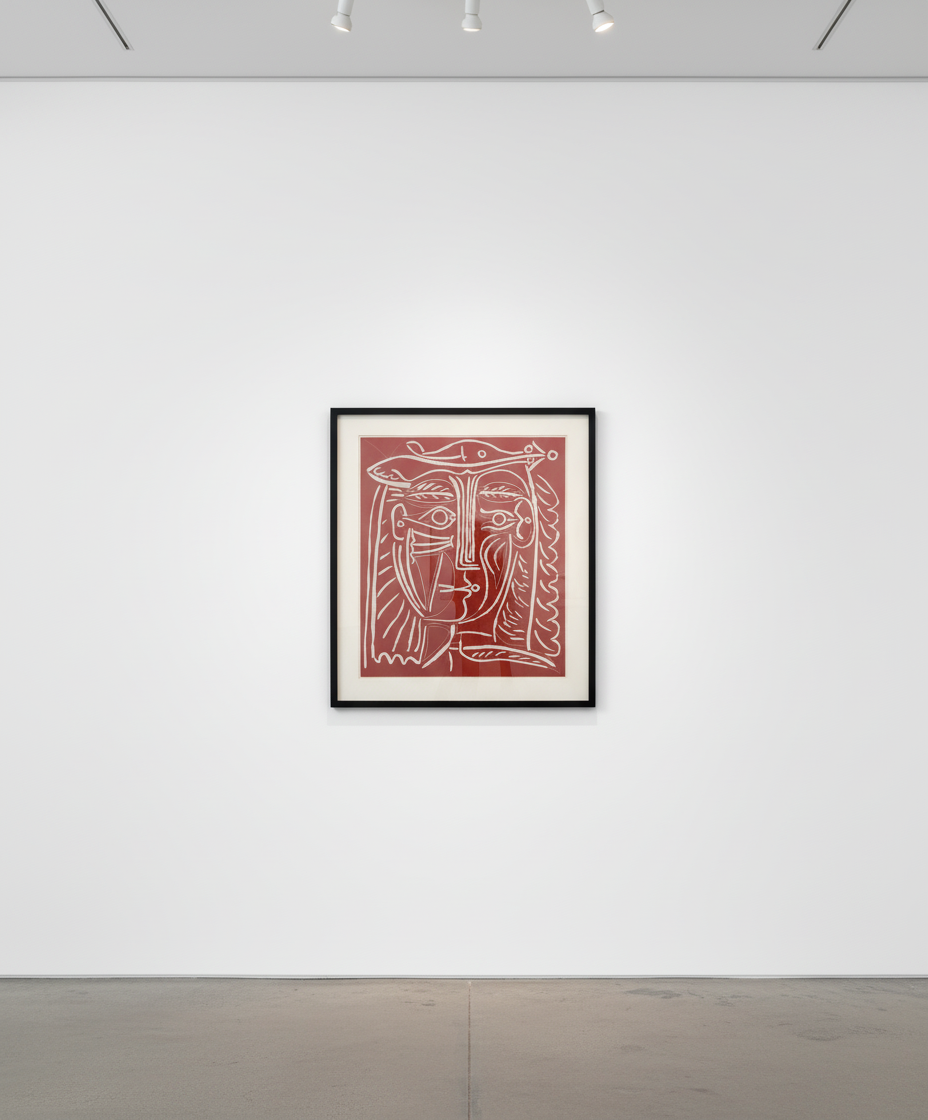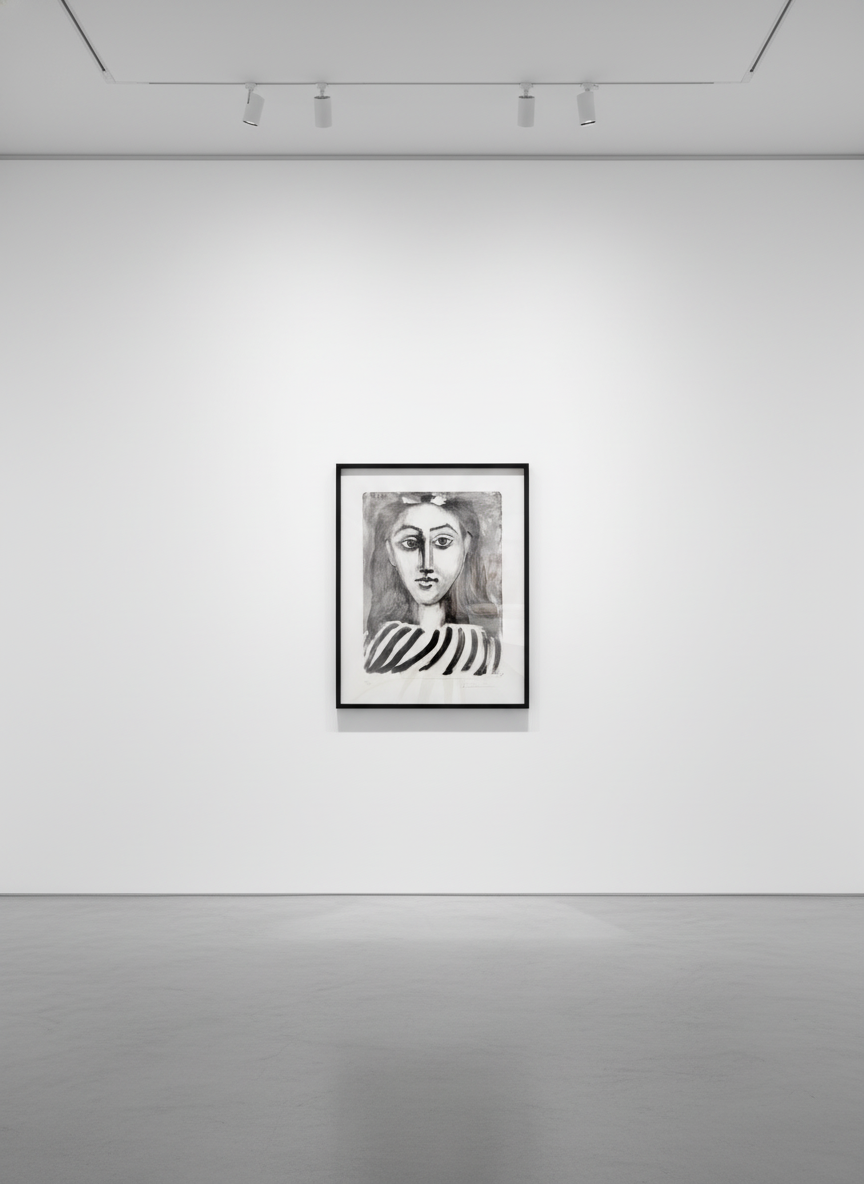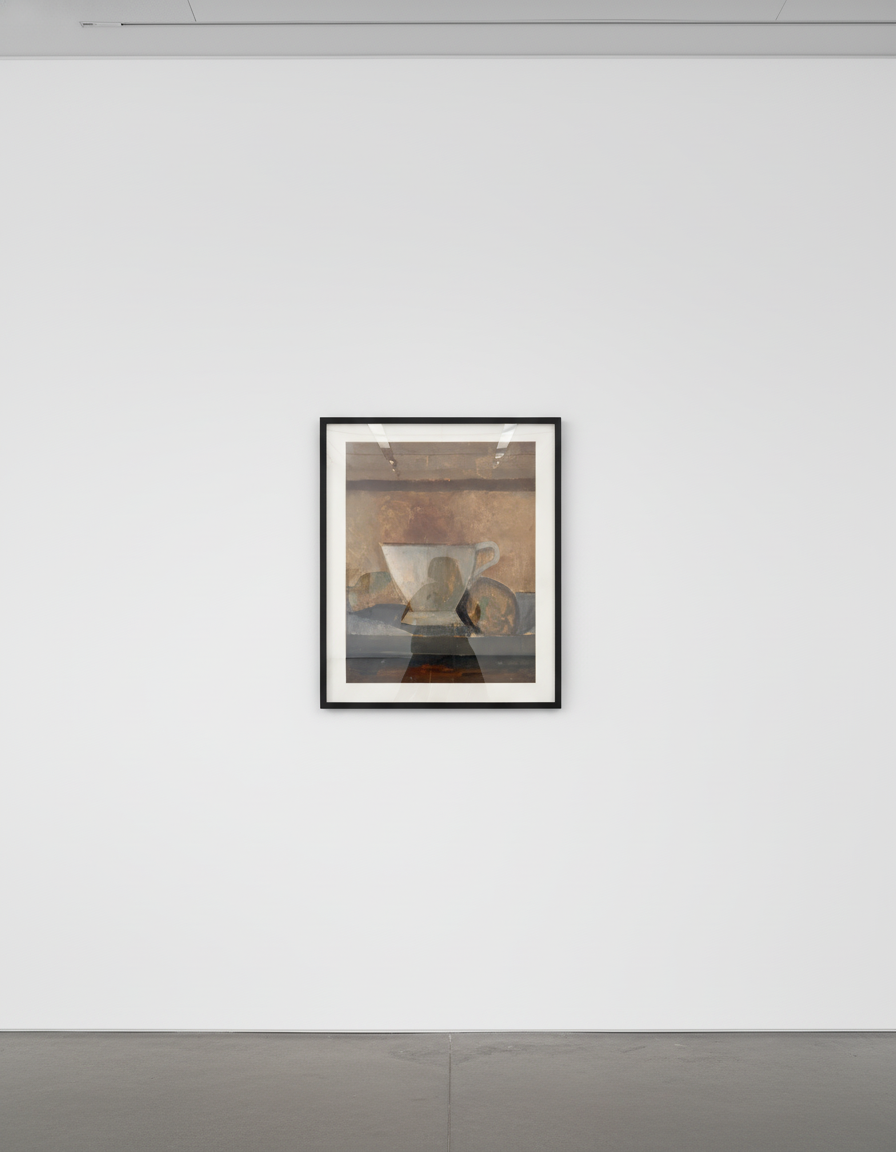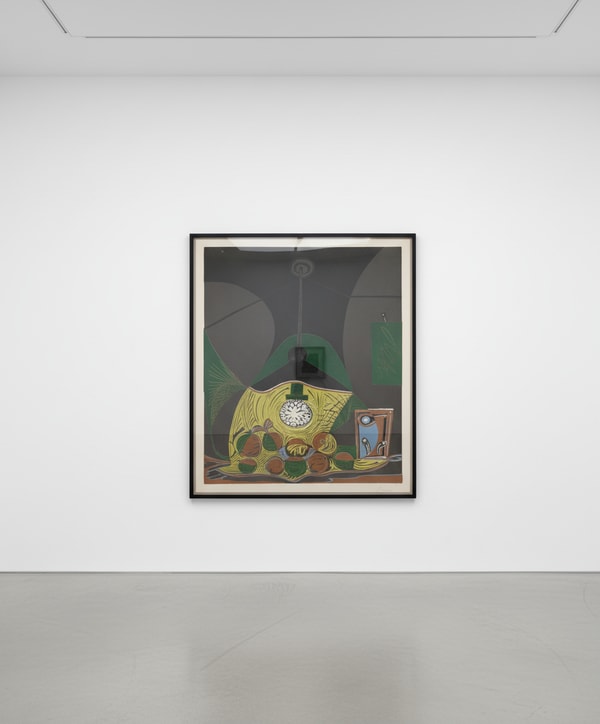

Aquatint
13 works

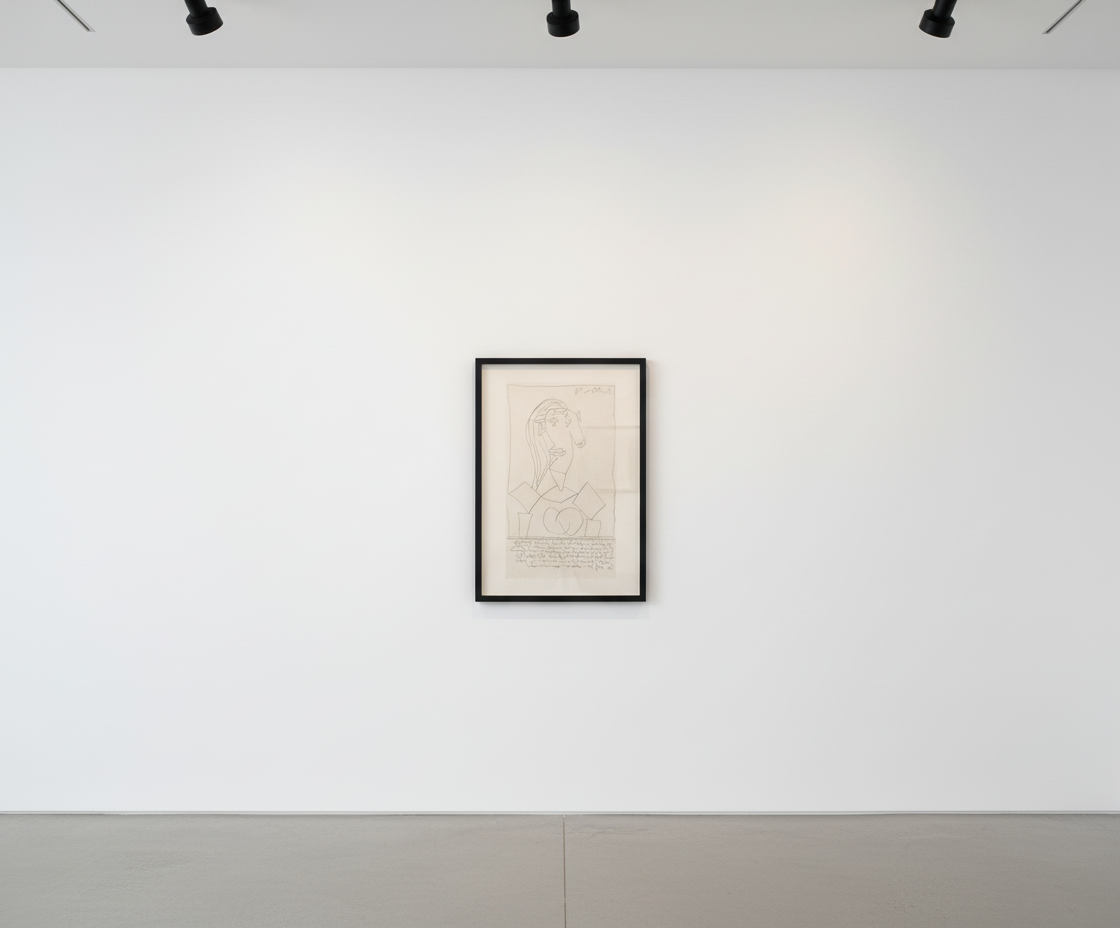
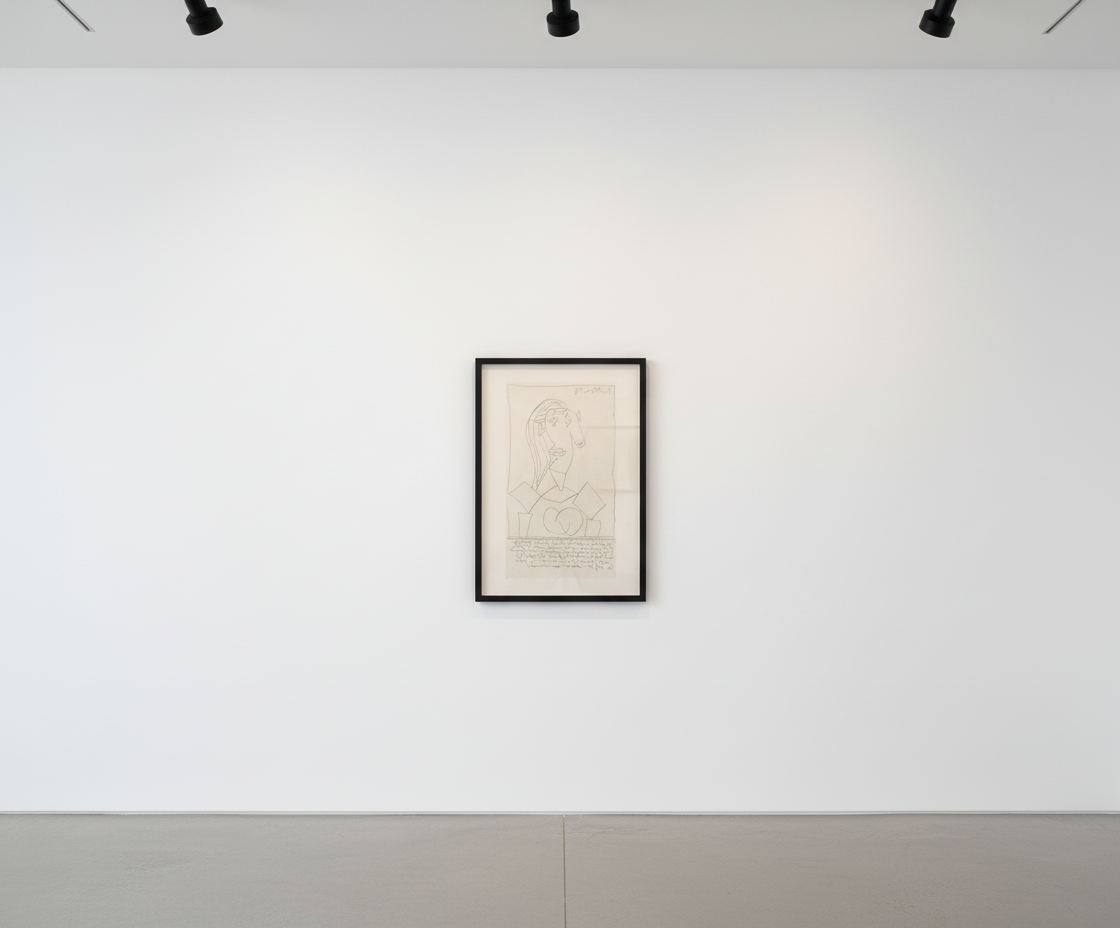
Dora Maar, 1938
Bloch 308 State I: etching on copper; State IX: etching, aquatint, scraper and engraving
13 3/8 x 8 3/4 inches each 33.8 x 22.2 cm each
Proofs outside of the regular edition
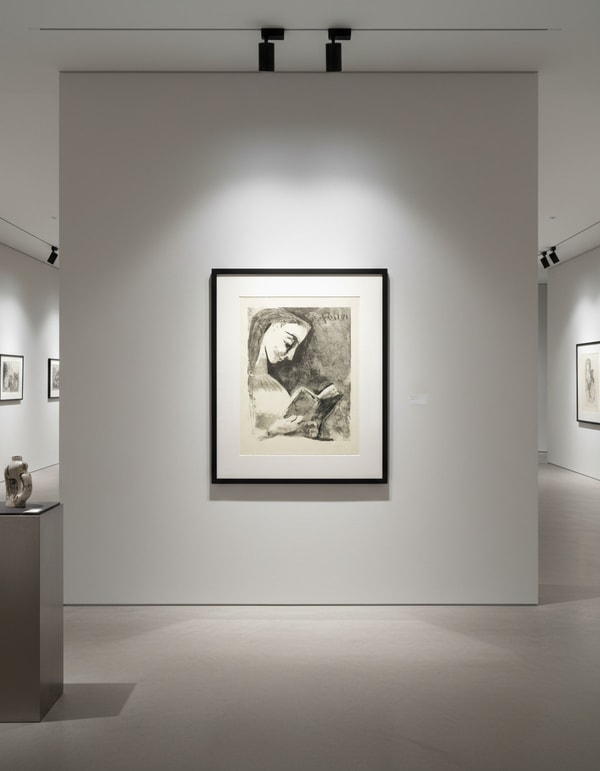
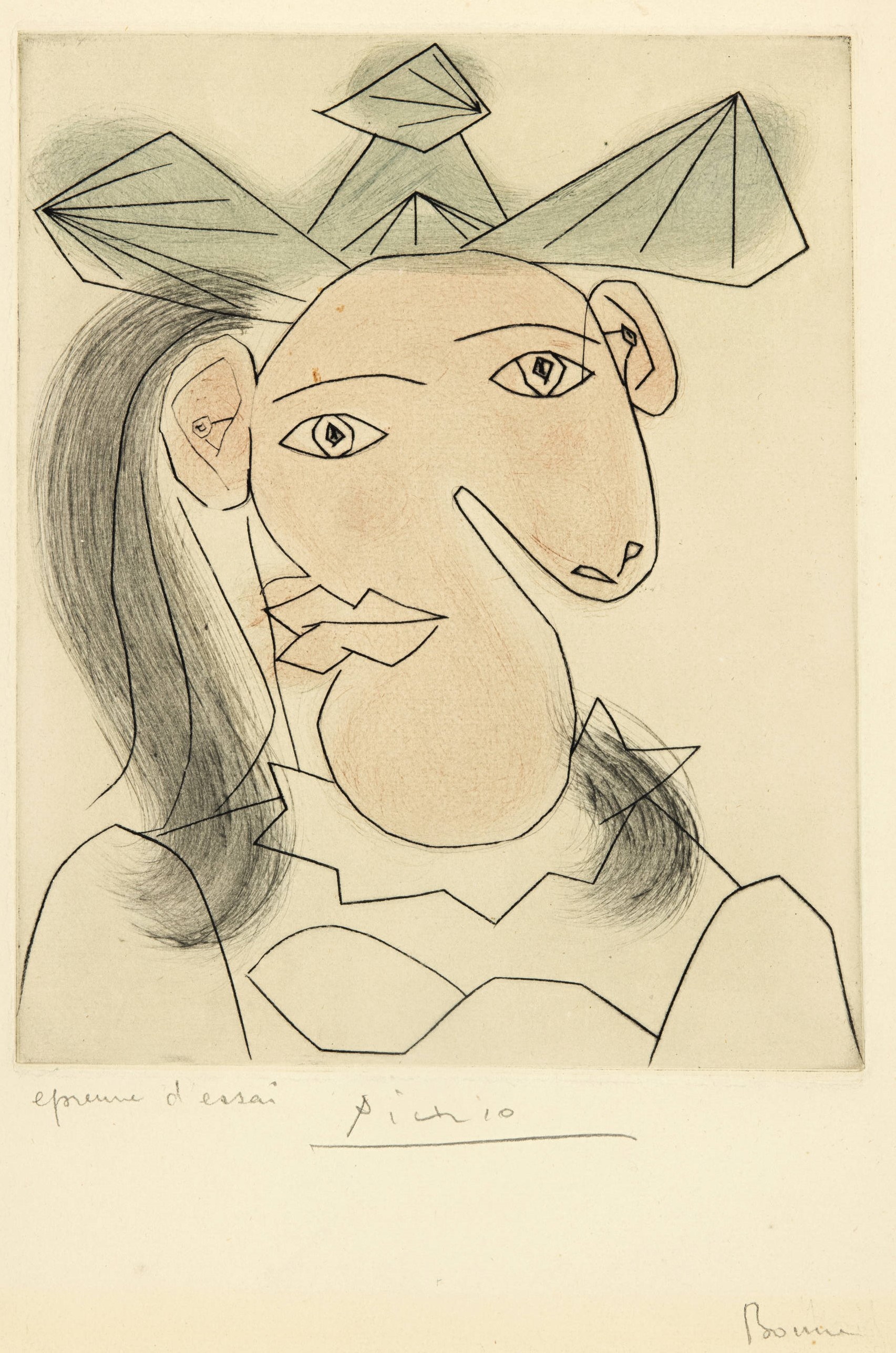
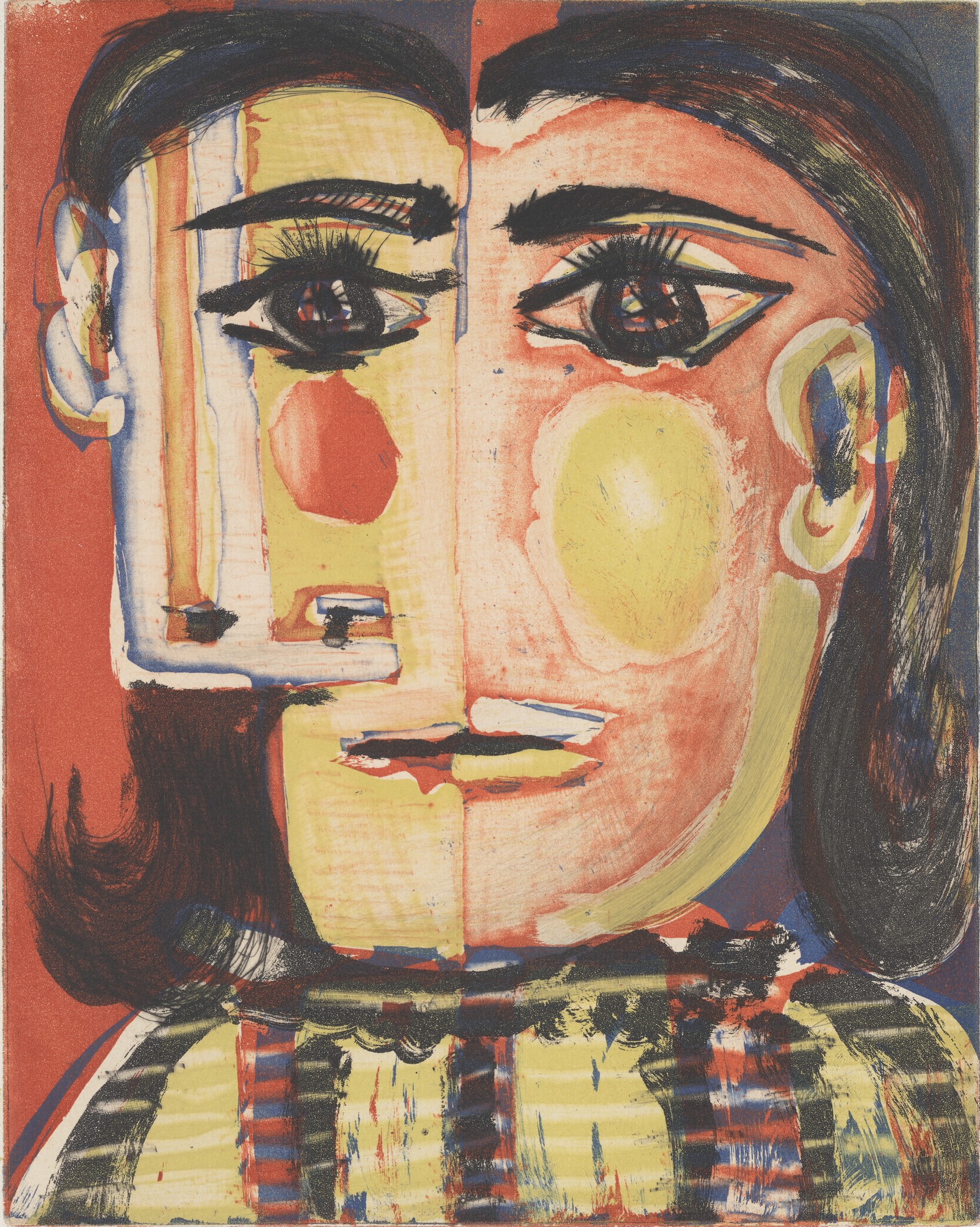
This pair of prints, Dora Maar (1938, Bloch 308), demonstrates Pablo Picasso’s extraordinary skill in intaglio printmaking and his ability to transform an image through successive states of etching. Shown here in State I (pure etching on copper) and State IX (etching enriched with aquatint, scraper, and engraving), the evolution of the portrait reveals both his technical brilliance and his relentless search for psychological depth in his portrayal of Dora Maar. In the earliest version of the plate, State I, the portrait is composed almost entirely of etched line. Dora’s form is reduced to sharp, linear contours with little shading or tonal development. The emphasis here is on structure—her elongated face, mask-like features, and stylized hair all outlined with confident precision. The economy of means underscores Picasso’s ability to capture character with minimal marks, much like his drawings. By contrast, in State IX, Picasso had reworked the plate extensively, introducing aquatint for tonal richness, scraper to soften areas, and engraving to deepen and sharpen specific lines. The background is now heavily darkened, the garment is filled with dense textures, and Dora’s face carries more volume and intensity. The progression from spare line to textured density dramatizes the psychological presence of the sitter, shifting the portrait from schematic abstraction to a brooding, almost sculptural form. In both states, Dora Maar is depicted with Picasso’s characteristic distortions of the late 1930s: her features fractured and exaggerated into angular planes, her elongated neck and tilted head conveying elegance tinged with unease. In State I, the effect is brittle, linear, and mask-like—Dora is presented almost as a cipher, a symbolic form rather than a fleshed-out individual. In State IX, however, the portrait acquires weight and depth. Her hair falls in darker masses, her dress is covered with rich textural marks, and her eyes seem to gleam with intensity. The surrounding darkness enhances the drama, turning the figure into a brooding presence. Beneath both images is Picasso’s etched inscription, inverted in the plate, blending image and text into a hybrid form that suggests diary or commentary. This unusual integration of writing into the image reinforces the work’s intimate, experimental quality. The progression from State I to State IX demonstrates Picasso’s unparalleled mastery of etching and his use of the medium as a process of discovery. Unlike many printmakers who treated states as mere technical adjustments, Picasso embraced each state as a new stage in artistic development. His reworking of plates allowed him to test variations of line, texture, and mood—effectively “painting” with intaglio tools. The combination of etching, aquatint, scraper, and engraving in State IX reveals his command of the full intaglio vocabulary. He uses aquatint to create tonal depth, scraper to achieve subtle highlights, and engraving to emphasize certain contours, layering techniques to construct an image of psychological and visual density. This approach places him in the lineage of masters like Rembrandt and Goya, who also used printmaking to explore variations of mood and meaning. Dora Maar, Picasso’s lover and collaborator in the late 1930s, was a Surrealist photographer and intellectual whose relationship with Picasso coincided with one of his most politically and artistically charged periods, including the creation of Guernica (1937). Dora appears in Picasso’s work both as muse and as symbol, often depicted with fractured, intense features that reflect both her complex personality and the turmoil of the era. In Dora Maar (Bloch 308), Picasso reduces her to abstracted geometry in State I, then reconstructs her in State IX as a darker, more emotionally charged figure. This evolution reflects not only his technical process but also his exploration of Dora’s layered identity—enigmatic, intellectual, and psychologically complex. Dora Maar (1938, Bloch 308) in its successive states is a remarkable demonstration of Picasso’s printmaking genius. The transformation from the sparse linearity of State I to the dense tonal richness of State IX exemplifies his use of etching as an evolving medium of invention rather than fixed reproduction. The portrait of Dora shifts from schematic abstraction to psychological intensity, reflecting both his technical mastery and his deep engagement with his subject. This pairing affirms Picasso’s position as one of the greatest etchers of the 20th century, rivaling historical masters in his ability to use printmaking not only to reproduce but to create, revise, and reinvent.
Price on Application
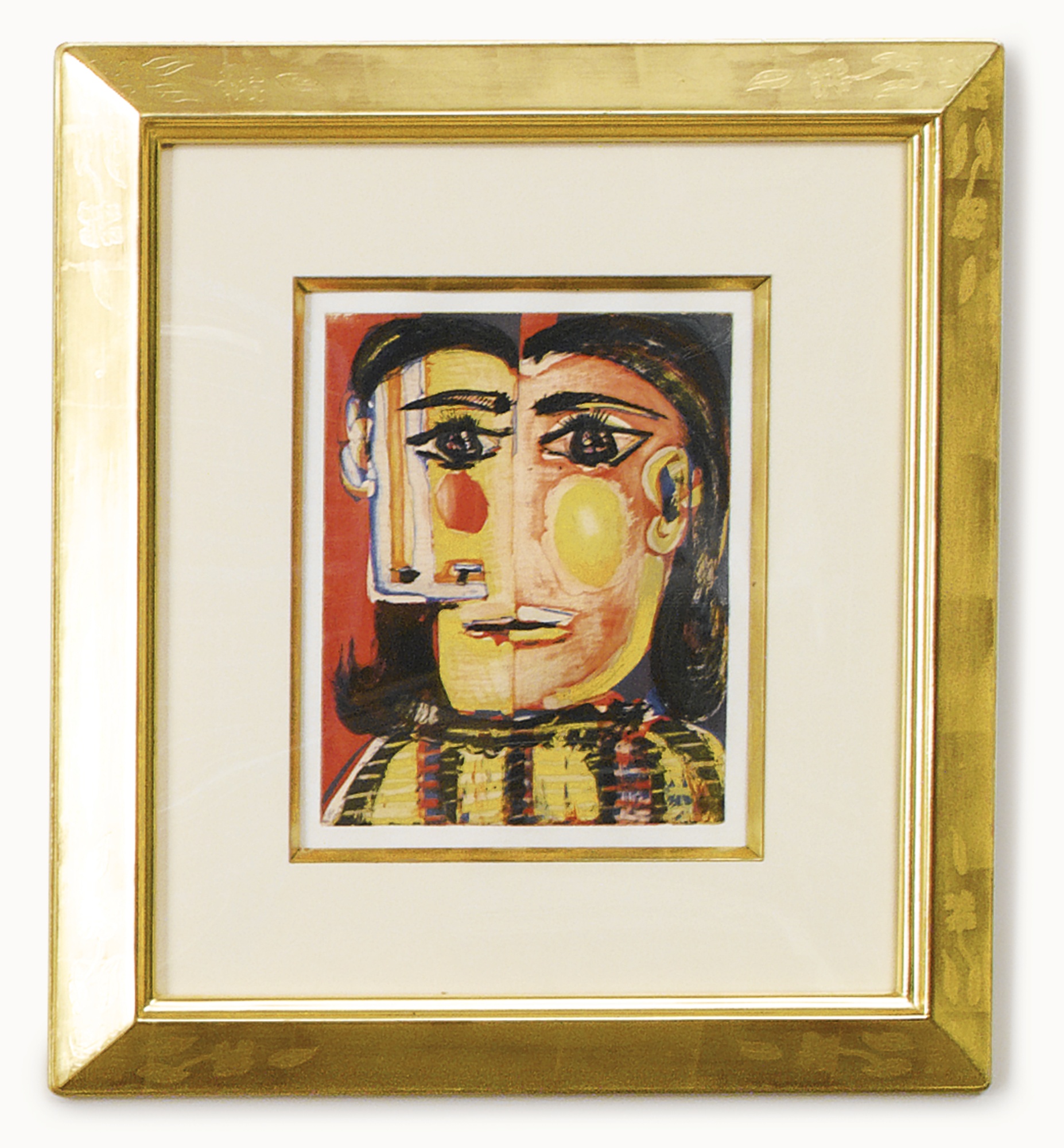
TETE DE FEMME N0 5. PORTRAIT DE DORA MAAR · Pablo Picasso · Sotheby's · 2014-11 · $87,500
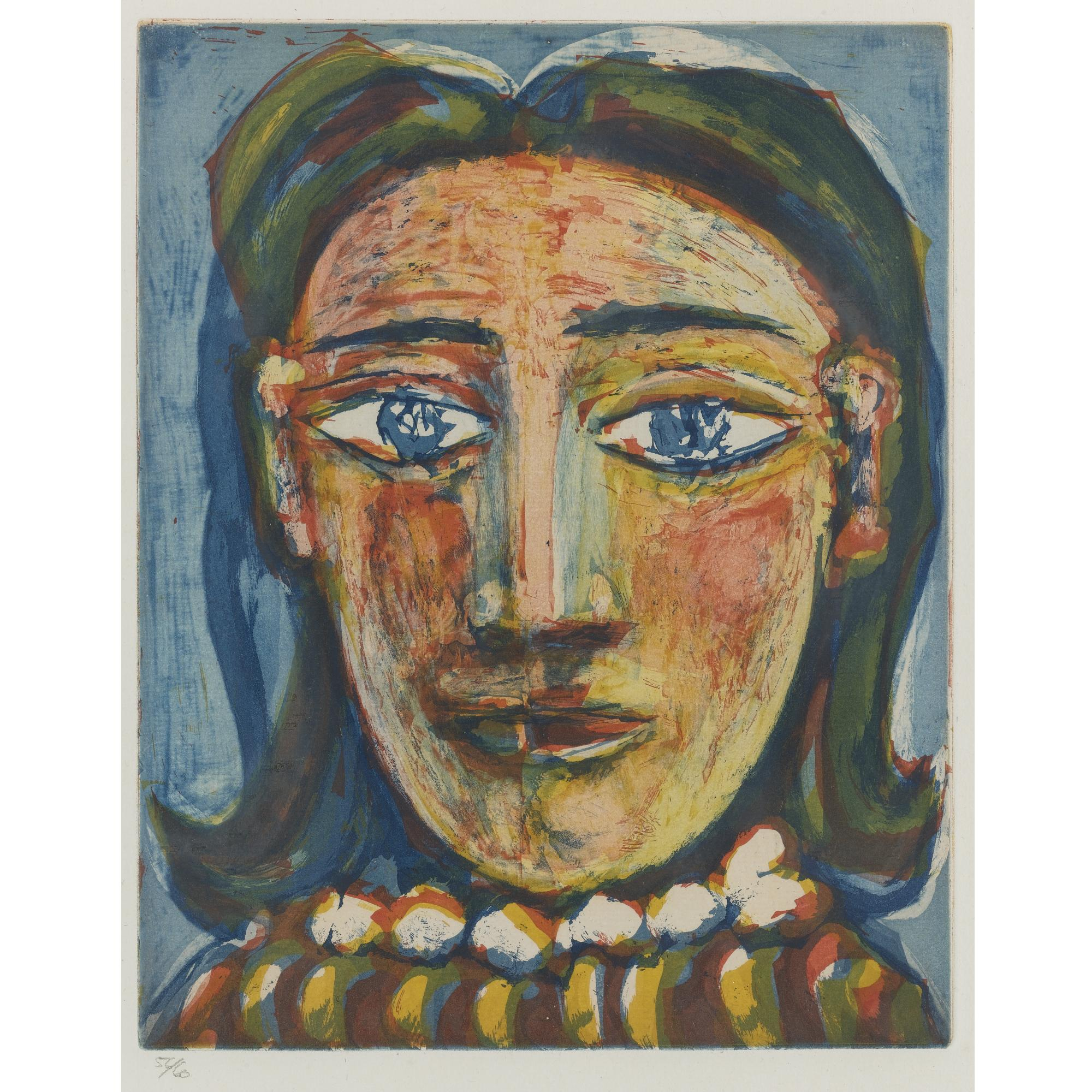
Tête de Femme No 1, Portrait de Dora Maar · Pablo Picasso · Sotheby's · 2009-10 · $68,500
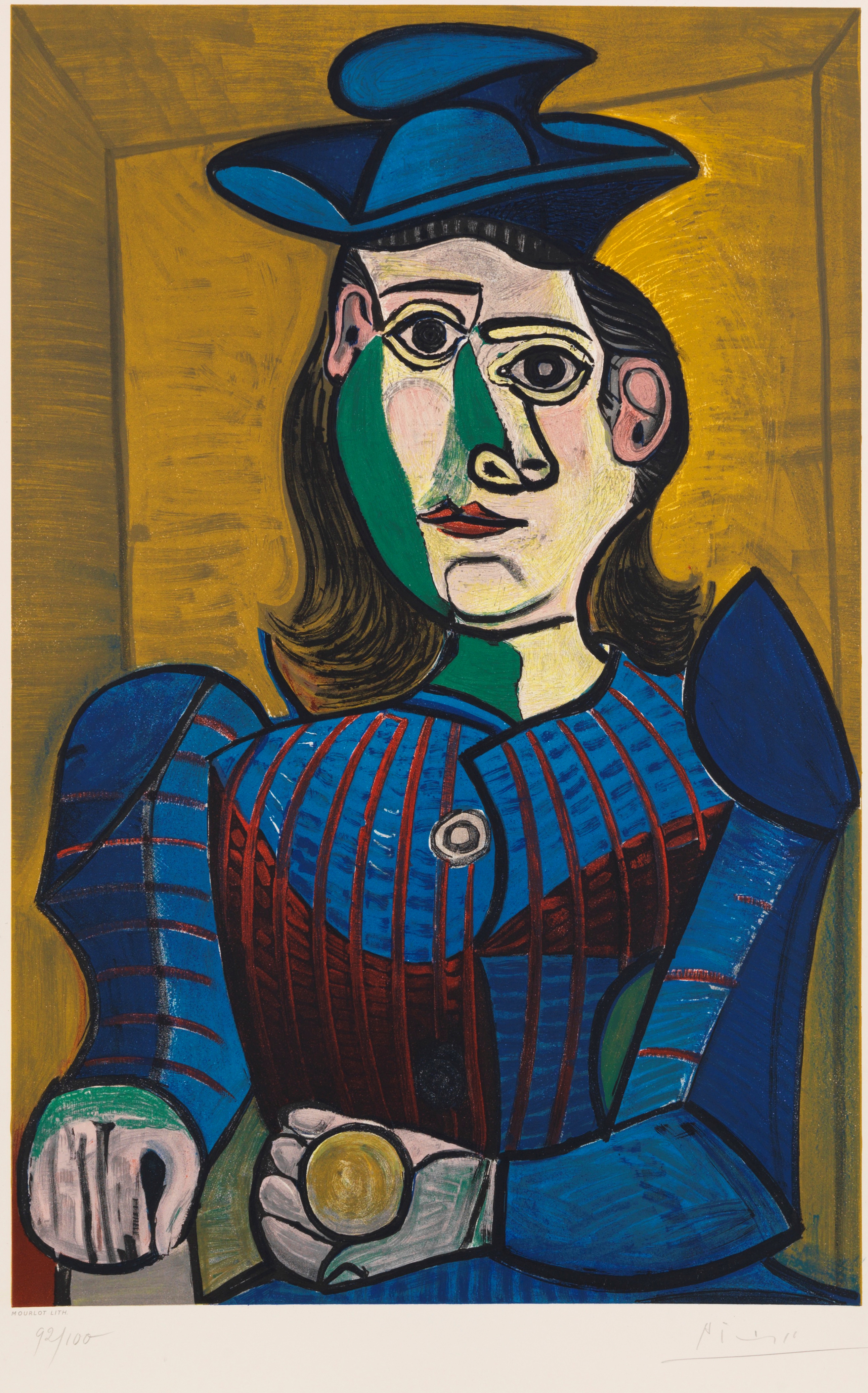
Femme assise (Dora Maar) · Pablo Picasso · Ketterer · 2022-06 · $66,113
Tête de femme N° 7 - Portrait Dora Maar · Pablo Picasso · Kornfeld · 2023-06 · $62,990
Tête de Femme No. 5 (Portrait de Dora Maar) · Pablo Picasso · Christie's · 2023-03 · $53,204
Pablo Picasso
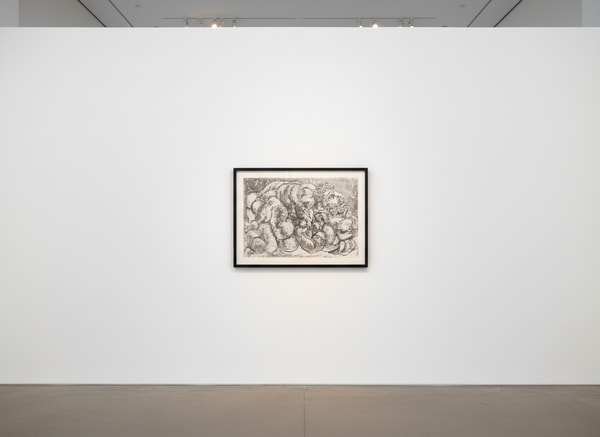
Accouplement I
1933
Pablo Picasso
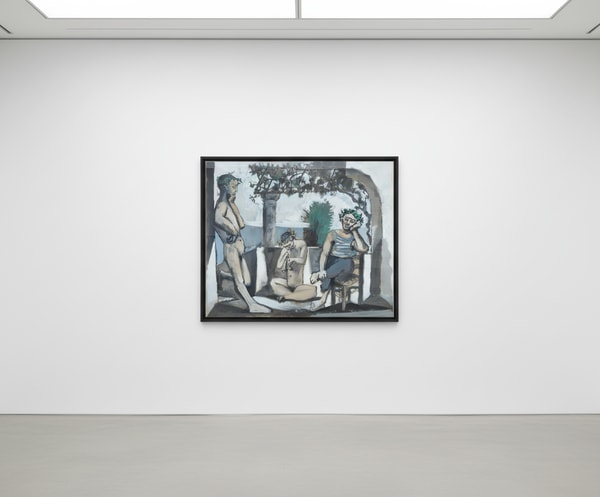
Bacchanale
1960
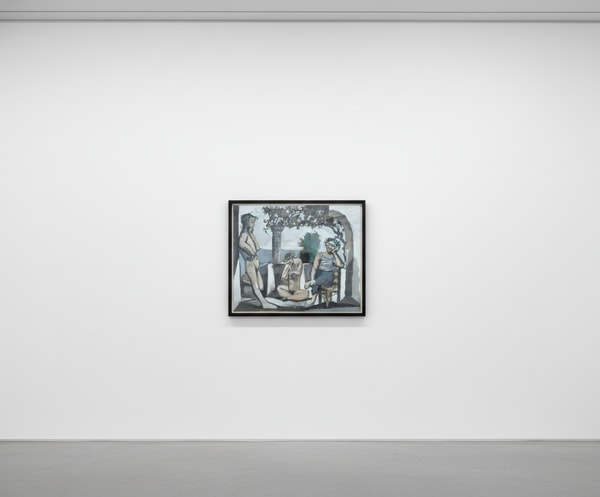
Pablo Picasso
Bacchanale (Bloch 927)
1959
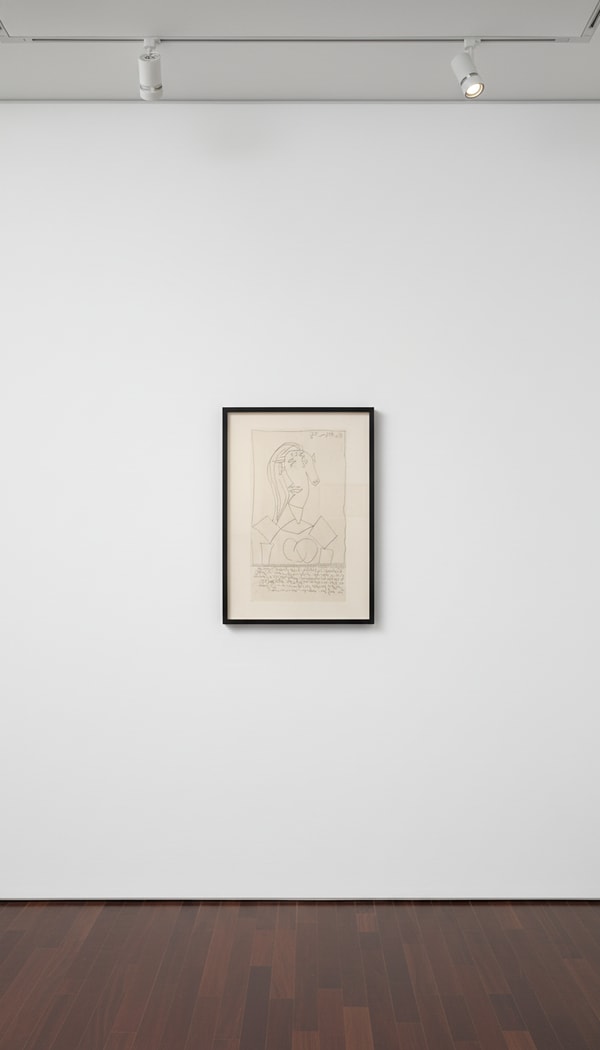
Pablo Picasso
Buste de Femme (Dora Maar) State I (Bloch 308)
1938
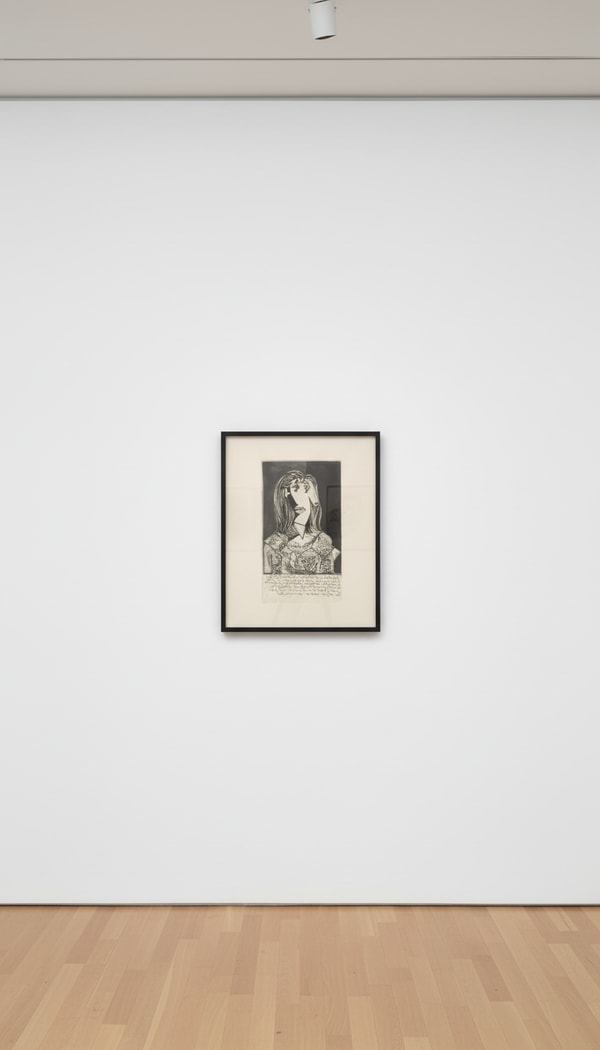
Pablo Picasso
Buste de Femme (Dora Maar) State IX (Bloch 308)
1938
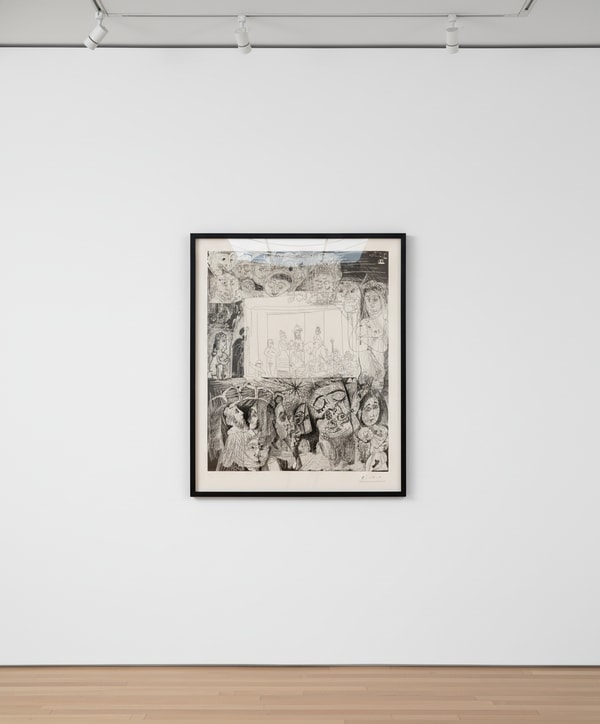
Pablo Picasso
Ecce Homo, d’Après Rembrandt
1970
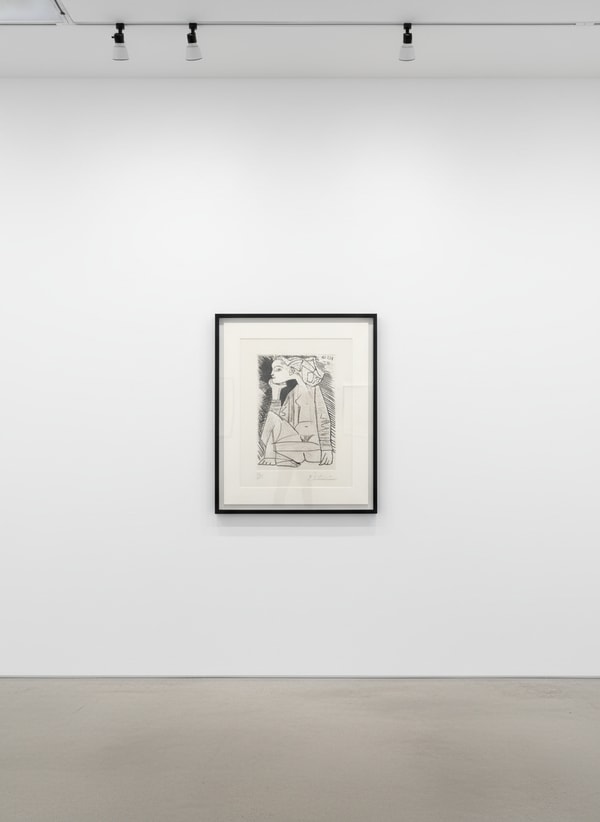
Pablo Picasso
Femme Assise en Tailleur
1951
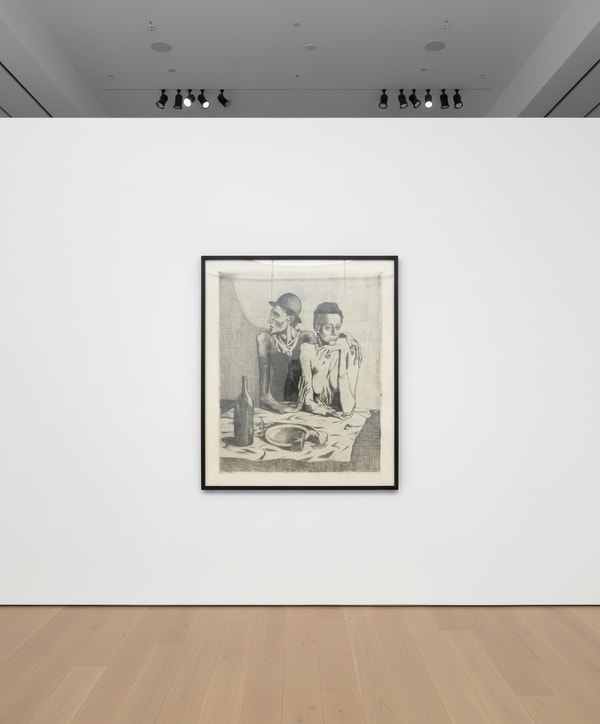
Pablo Picasso
Le Repas Frugal
1904
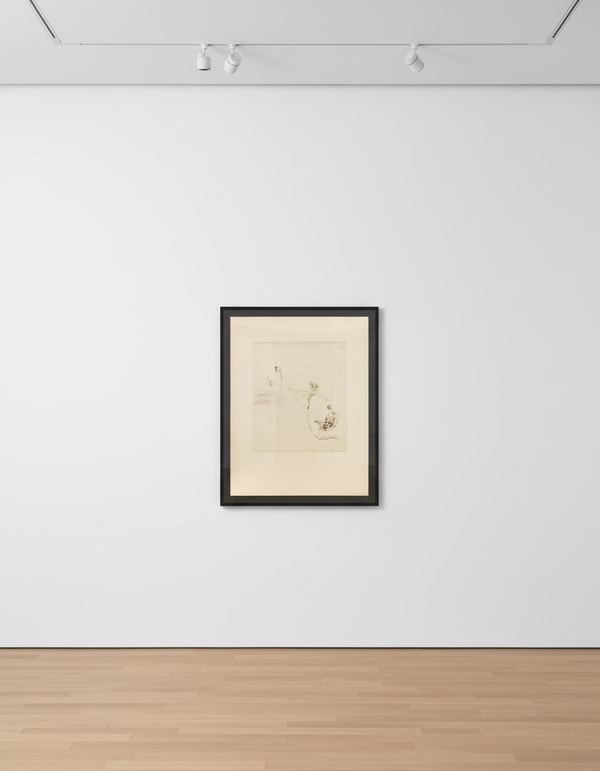
Pablo Picasso
Salomé
1905
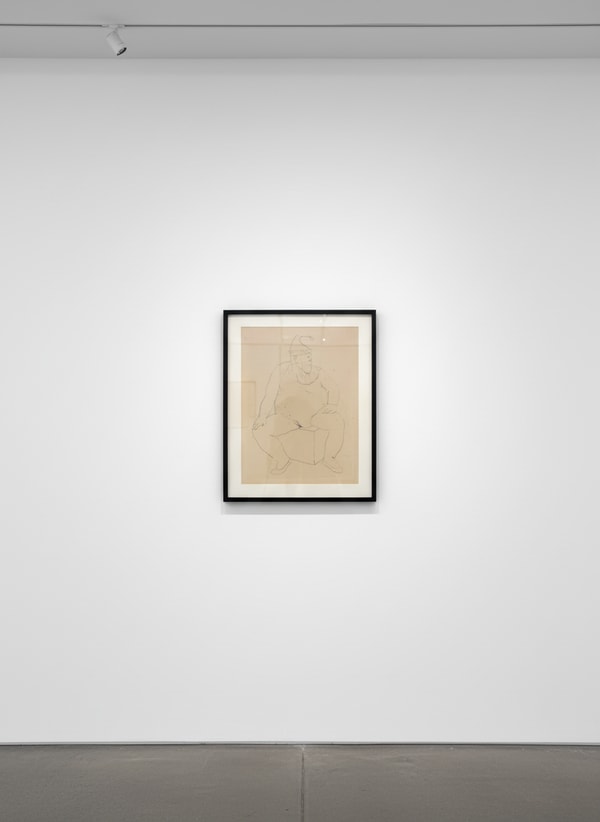
Pablo Picasso
Saltimbanque au Repos (Bloch 10)
1905
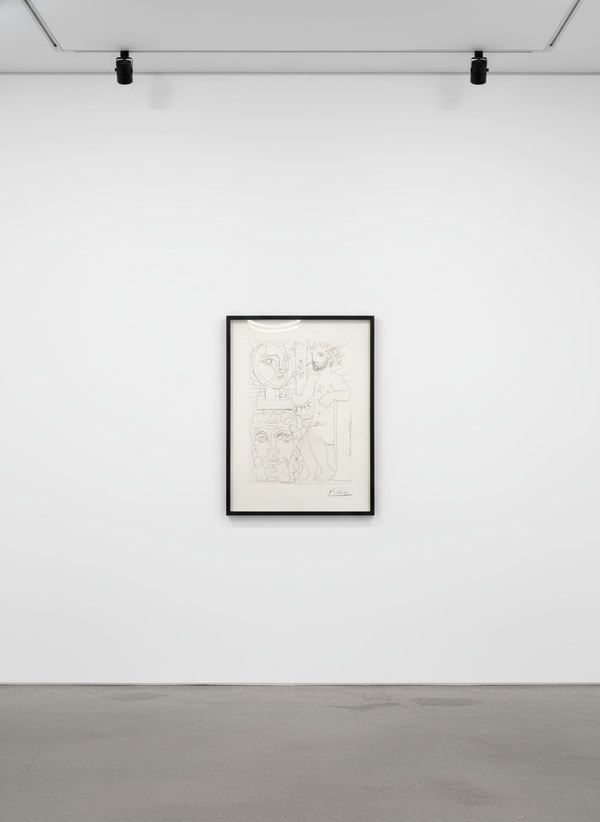
Pablo Picasso
Sculpteur et Deux Têtes sculptées (La Suite Vollard)
1939
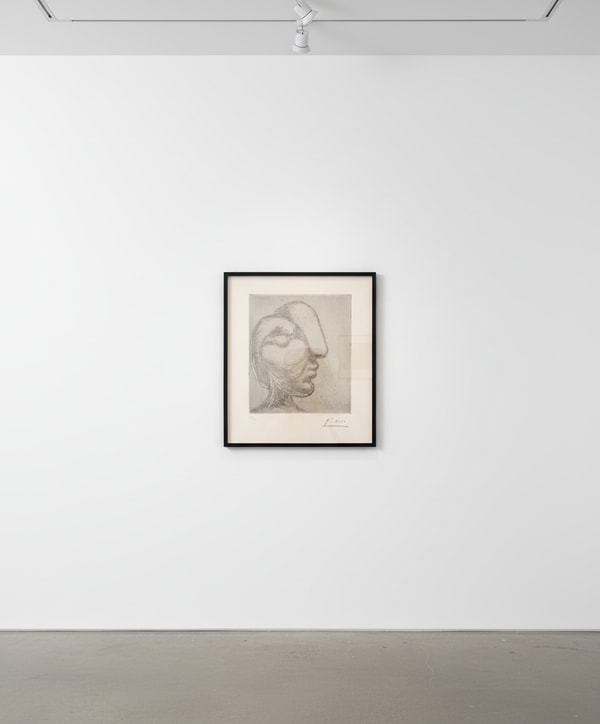
Pablo Picasso
Tete de Femme
1933
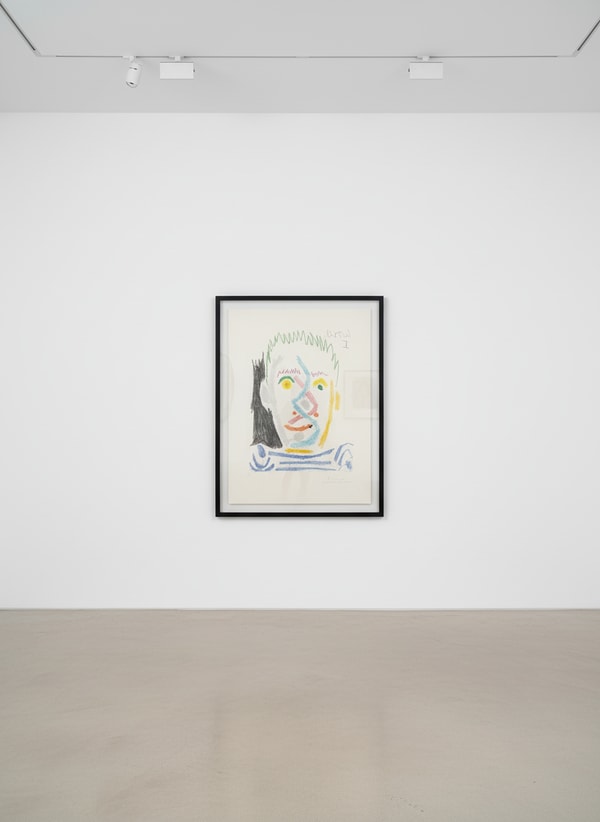
Pablo Picasso
Tête Homme au Maillot Rayé
1964
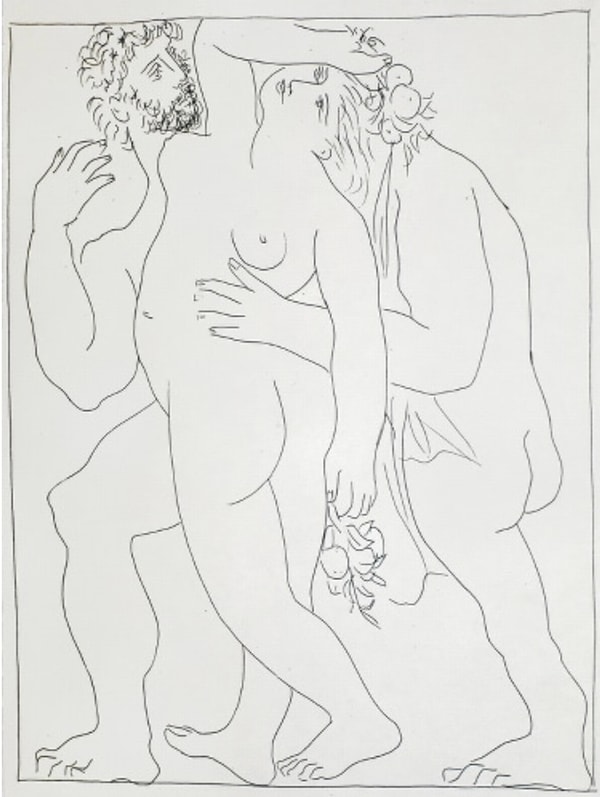
Pablo Picasso
Vertumne Poursuit Pomone de son Amour
1930
Pablo Picasso (1881–1973, born Málaga, Spain) is the most productive and formally transformative artist in the history of Western art — a figure whose influence on twentieth-century painting, sculpture, printmaking, and ceramics is so pervasive that it remains, more than fifty years after his death, genuinely difficult to assess. Born in Málaga to an art teacher father who recognised and encouraged his prodigious talent, Picasso studied in Barcelona and Madrid before arriving in Paris in the early years of the twentieth century, where the encounter with Cézanne, African art, and his own restless intelligence produced Cubism — perhaps the most radical rupture in the history of representation since the Renaissance.
Pablo Picasso prints for sale at Guy Hepner represent one of the most significant collecting opportunities in the modern art market. Our gallery offers original Picasso lithographs, linocuts, etchings, and aquatints — each accompanied by full provenance documentation and catalogue raisonné references. Whether you are seeking a signed Mourlot lithograph, a Vollard Suite etching, a Vallauris linocut, or a late aquatint, Guy Hepner has the expertise and inventory to assist collectors at every level.
Picasso's print output is among the richest and most varied in art history, spanning etchings, lithographs, linocuts, and aquatints produced across seven decades. Understanding the categories is essential to collecting intelligently.
Lithographs were produced primarily through Fernand Mourlot's atelier in Paris, where Picasso worked from 1945 onwards. Mourlot documented over 400 lithographs bearing Picasso's hand, ranging from abstract heads and Cubist still lifes to the monumental Toros y Toreros bull-fighting series. Editions typically run from 50 to 275 copies. Unsigned Mourlot lithographs trade between $3,000 and $40,000; signed examples command $15,000 to $150,000 or more depending on subject and condition.
Linocuts, produced primarily at Vallauris between 1958 and 1963 using Picasso's own colour-reduction technique, are among the most technically revolutionary of all his prints. By cutting progressively deeper into a single block, Picasso achieved complex colour sequences impossible by conventional means. Edition sizes are small — typically 50 copies — and signed linocuts frequently exceed $80,000 at auction.
Etchings span Picasso's entire career, from his earliest Parisian years through to the late suites of the 1960s and early 1970s. The medium suited his restless line perfectly, and his etched output includes some of the finest prints of the twentieth century. Edition sizes vary widely, from the 50 impressions of the Vollard Suite to smaller later editions. Prices range from $5,000 for minor early works to well over $500,000 for Vollard Suite masterpieces.
Aquatints combine etching's linear precision with tonal washes of extraordinary subtlety. Picasso's aquatint work, often produced in collaboration with master printer Roger Lacourière, includes some of his most formally sophisticated printed images. These prints are rarer than his lithographs and command significant premiums accordingly.
Authentication for all Picasso prints relies on the Bloch catalogue raisonné — the definitive scholarly record of his print output — supplemented by Mourlot's lithograph catalogue where applicable.
Picasso's paintings represent the summit of the twentieth-century market. Understanding his periods is essential for collectors.
The Blue Period (1901–1904) produced austere, emotionally charged paintings on themes of poverty, isolation, and melancholy — elongated figures rendered in blue-grey tones that echo El Greco and carry an extraordinary psychological weight. Works from this period are among the most sought-after in the history of art.
The Rose Period (1904–1906) brought warmer hues and more tender subjects — circus performers, saltimbanques, and acrobats rendered with a new formal assurance. The transitional works that followed, leading to Les Demoiselles d'Avignon (1907), represent the hinge on which the entire history of modern painting pivots.
The Cubist period (1907–1921), co-developed with Georges Braque, produced the most intellectually radical body of painting in the twentieth century. Analytic Cubism (1909–1912) fragmented forms into near-monochromatic facets; Synthetic Cubism (from 1912) introduced collage, typography, and bolder colour. Major Cubist paintings are virtually never available on the primary market; they appear at auction rarely and achieve extraordinary prices.
Picasso's auction record stands at $179,365,000 — achieved at Christie's New York in May 2015 for Les Femmes d'Alger (Version O), a 1955 work from his series responding to Delacroix. Nude, Green Leaves and Bust (1932) reached $106,482,500 at Christie's in May 2010. These are benchmark figures for a career that produced well over 16,000 works catalogued by Zervos.
The most desirable areas of the Picasso print market for serious collectors are well-defined.
The Vollard Suite (1930–1937): ninety-seven etchings (and three aquatints with Roger Lacourière) commissioned by dealer Ambroise Vollard. The suite is considered Picasso's greatest print achievement — 100 plates encompassing the Sculptor's Studio sequence, the Minotaur series, and intimate portraits of Marie-Thérèse Walter. Published posthumously by Vollard's estate, the complete suite is extraordinarily rare. Individual plates now trade from $80,000 to over $500,000.
Suite 347 (1968): three hundred and forty-seven etchings completed in seven months when Picasso was eighty-six years old — an astonishing demonstration of creative energy in extreme old age. Themes include Degas's brothel scenes, Spanish picadors, Rembrandt, and Ingres. Published by Galerie Louise Leiris. These prints represent exceptional value relative to their historical importance.
Mourlot lithographs: Fernando Mourlot's catalogue documents Picasso's lithographic output with scholarly precision. The Bloch numbers (B.1 through B.2042 for the complete print oeuvre) and Mourlot numbers together form the authentication framework used by every major auction house.
Crommelynck etchings: Piero and Aldo Crommelynck's Paris workshop produced Picasso's late etchings with extraordinary technical refinement. The 347 Suite plates were printed here, as were the 156 Series etchings (1970–1972) — Picasso's final major print campaign.
Condition criteria for print collecting: look for clean, wide margins with no trimming; avoid foxing (rust-coloured spots from paper acidity) or tide lines; fading affects lithographs most severely — examine under strong light. Impressions on Japan paper or with remarques command significant premiums.
Authentication for Picasso works operates through established institutional channels.
For prints: the Bloch catalogue raisonné (Picasso: His Graphic Work, Volumes I–IV) provides reference numbers for all known prints. Mourlot's catalogue covers lithographs specifically. The Succession Picasso estate stamp appears on many posthumously published editions. Any print without clear catalogue raisonné reference and provenance chain should be examined by a specialist before purchase.
For paintings and works on paper: the Comité Picasso (now dissolved) was the primary authentication body; the Succession Picasso now handles estate matters. The Zervos catalogue raisonné (33 volumes) is the authoritative scholarly record for paintings, drawings, and sculpture. Expert authentication by a recognised Picasso specialist is essential for any major purchase.
Guy Hepner Gallery, 177 Tenth Avenue, New York, offers full provenance verification and catalogue raisonné consultation for all Picasso works. We provide free, confidential valuations for collectors looking to sell, and access to a global network of qualified buyers. Our expertise spans ceramics, prints, linocuts, drawings, and paintings across all periods of the artist's work.