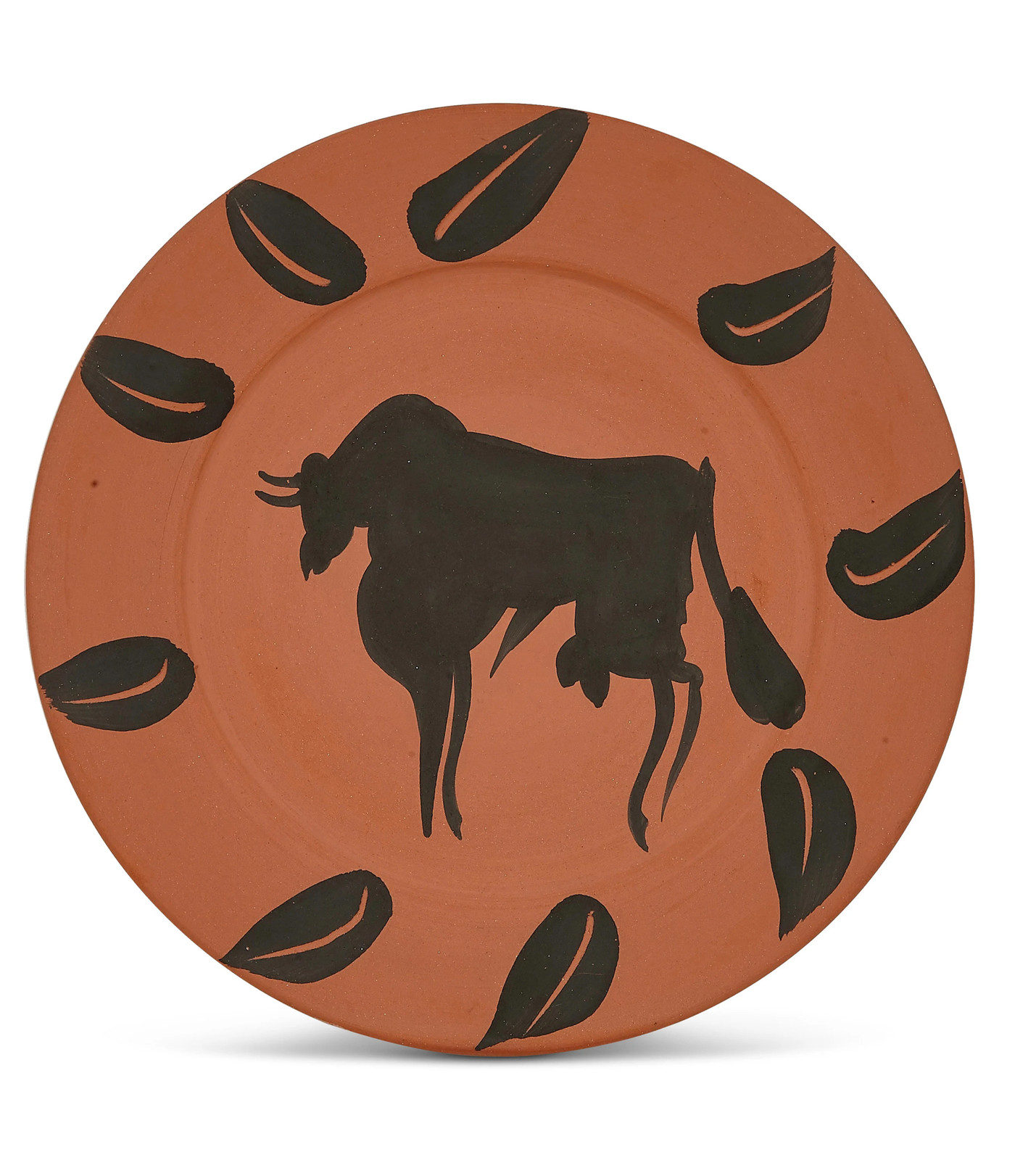
Ceramics

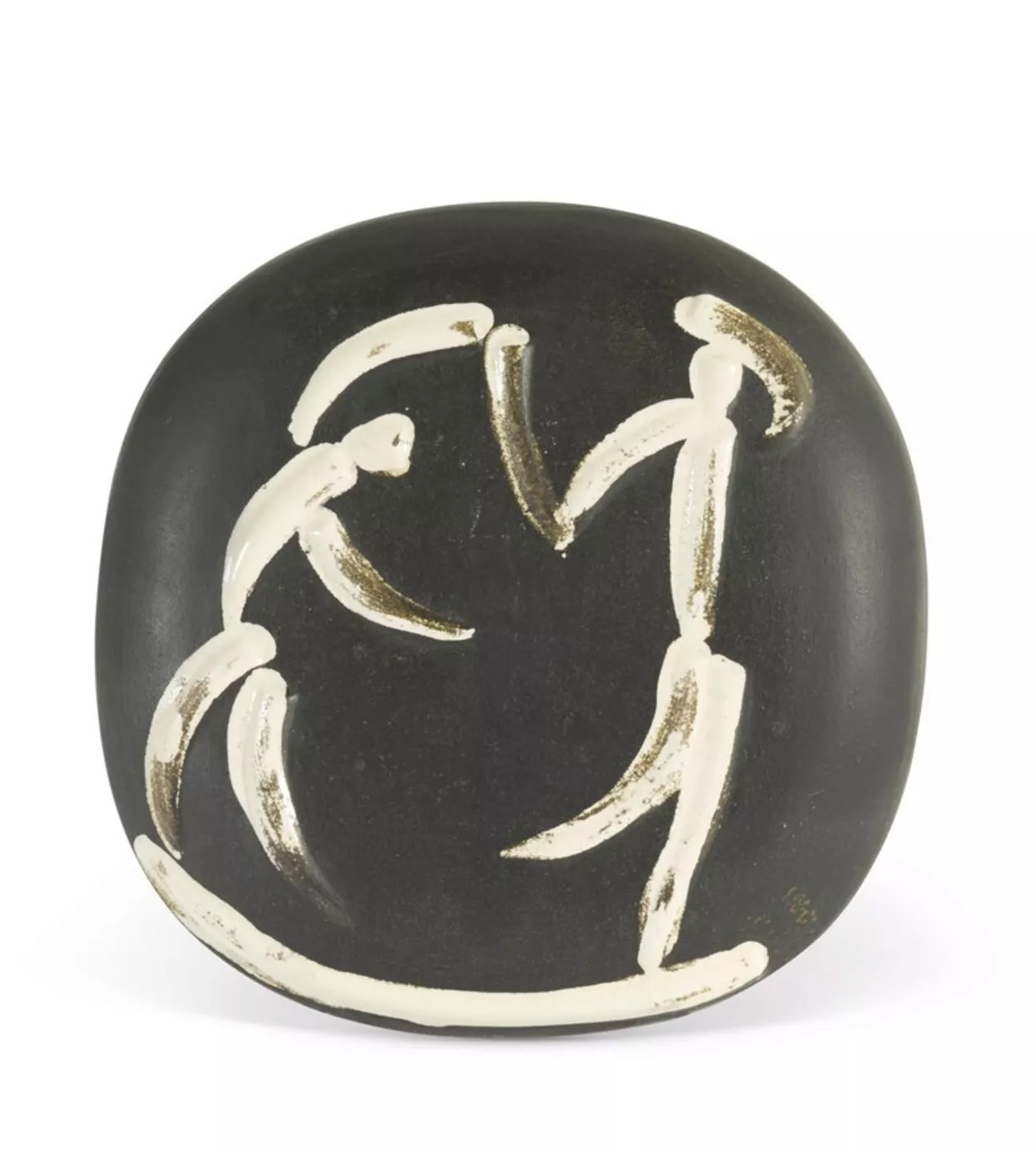
Pablo Picasso remains one of the most influential and sought-after artists in history, with his revolutionary contributions spanning Painting, sculpture, printmaking, and ceramics. While his canvases command headlines and record-breaking prices, his ceramic works have emerged as a compelling entry point for collectors seeking to own a piece of this master's extraordinary legacy. Collecting Picasso ceramics represents both an appreciation of artistic innovation and a strategic investment in a market segment that has demonstrated remarkable growth over the past two decades.
In 1946, during a visit to the annual pottery exhibition in Vallauris - a small town in the South of France renowned for its ceramic tradition - Pablo Picasso encountered the Madoura pottery studio operated by Georges and Suzanne Ramié. This chance meeting would ignite a creative passion that lasted until the artist's death in 1973. Fascinated by the sculptural possibilities of clay and the alchemical process of firing, Picasso immersed himself in this ancient medium with characteristic intensity and innovation.
Over the following twenty-five years, Picasso produced approximately 3,500 unique ceramic pieces and authorized around 633 different editioned works, creating a substantial body of work that extended his artistic vocabulary into three-dimensional form. The Madoura collaboration allowed Picasso to experiment freely, transforming utilitarian objects - plates, vases, pitchers, and tiles - into vehicles for his distinctive visual language. His ceramics feature the same bold imagery found throughout his oeuvre: mythological creatures, bullfighting scenes, owl motifs, female portraits, and abstracted faces rendered with spontaneous yet masterful brushwork.
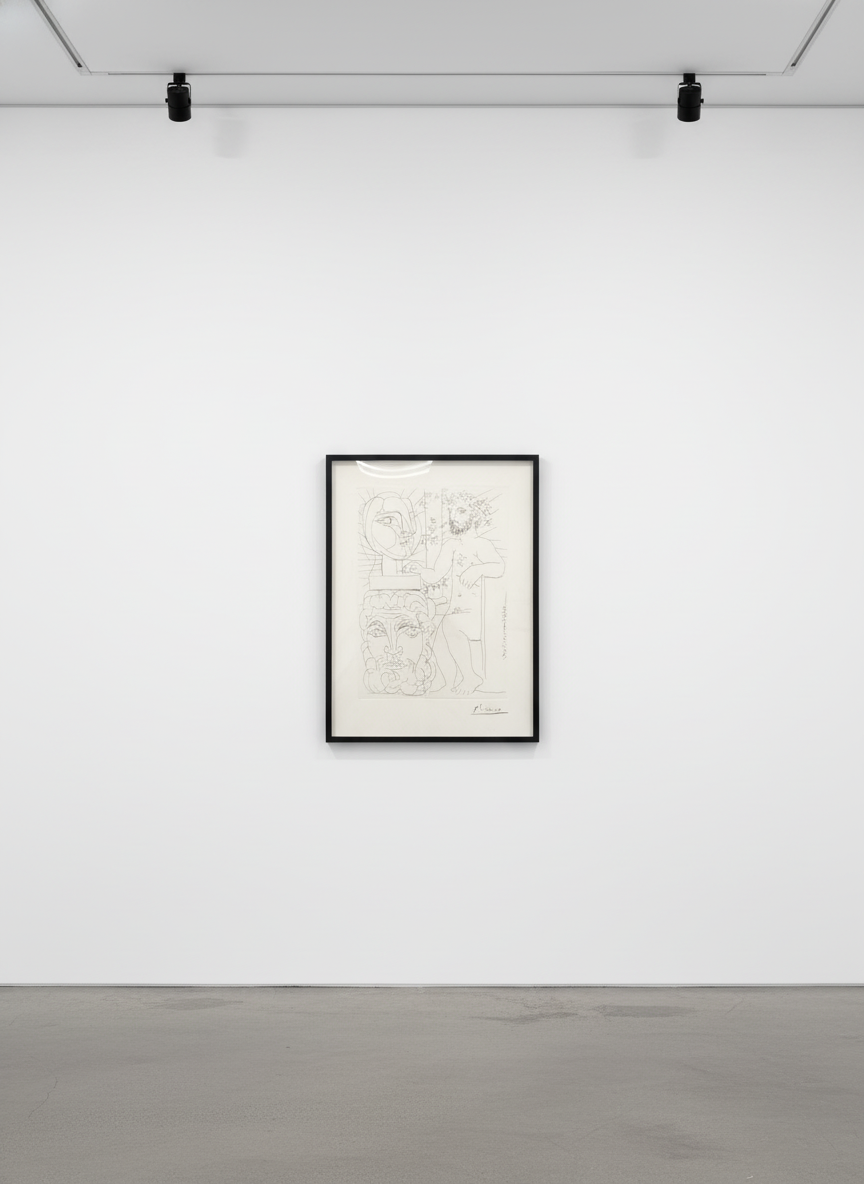
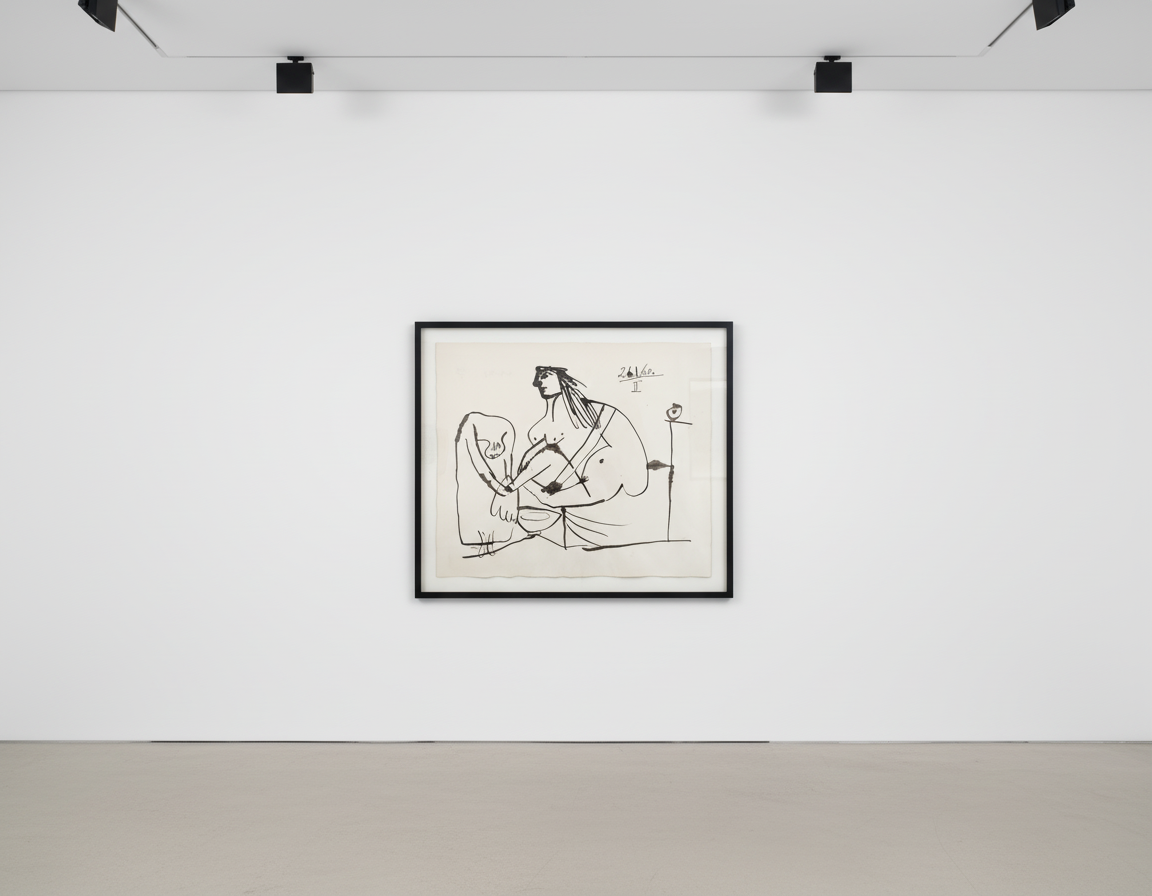
Sculpteur et Deux Têtes sculptées (La Suite Vollard) — Pablo Picasso. Available at Guy Hepner, New York.
What distinguishes Picasso's approach to ceramics is his refusal to treat the medium as mere decoration. He pushed technical boundaries, manipulating wet clay to create sculptural forms, incising surfaces with dynamic lines, and applying glazes in unprecedented ways. The artist viewed each piece as a genuine artwork rather than a craft object - a perspective that the market has increasingly embraced.
The market for Picasso ceramics has undergone a significant transformation since the early 2000s. Once considered a niche collecting category - sometimes dismissed as secondary to his paintings and works on paper - these pieces are now recognized as important artworks commanding serious attention at major auction houses. According to data from Christie's and Sotheby's, prices for Picasso ceramics span from several thousand dollars for editioned works to multi-million-dollar results for unique pieces and exceptional examples.
Several factors drive collector interest in this category. First, accessibility plays a crucial role. While original Picasso paintings regularly achieve figures in the tens or hundreds of millions, ceramics offer collectors the opportunity to acquire authenticated works by the twentieth century's most celebrated artist at comparatively approachable price points. Editioned pieces - produced under Picasso's supervision at Madoura in specified quantities - typically range from $5,000 to $50,000, depending on complexity, condition, and edition size. Unique works and rare examples can command significantly higher prices, with exceptional pieces achieving results well into seven figures.
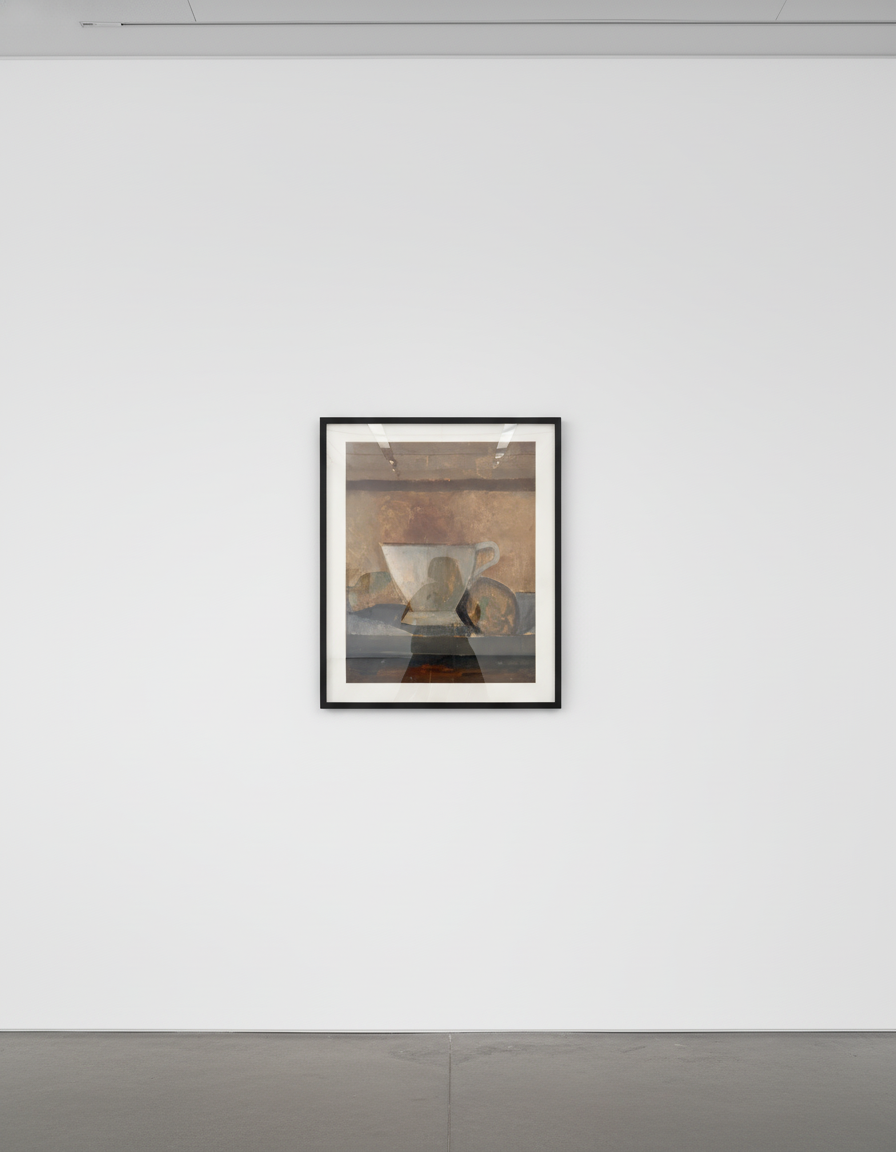
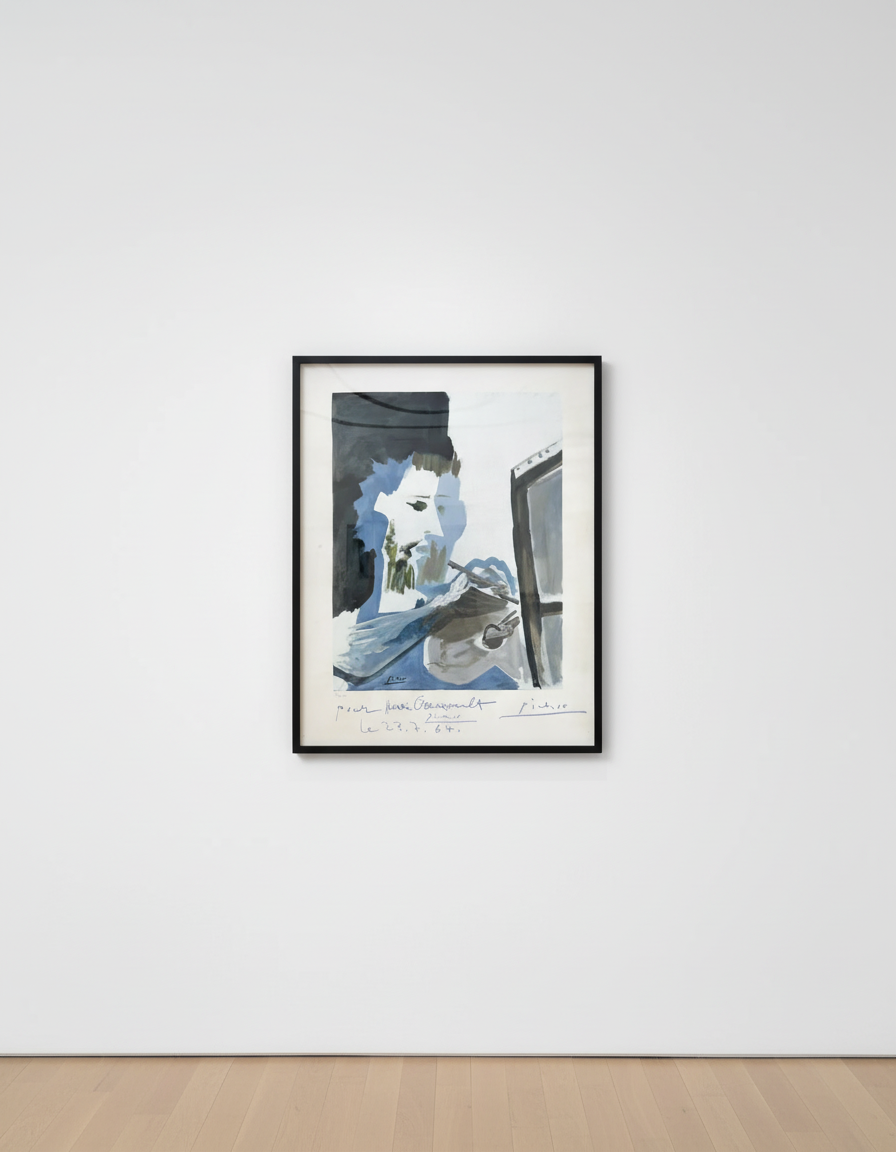
Tasse et bananes — Pablo Picasso. Available at Guy Hepner, New York.
Regional trends reveal a genuinely global appetite for Picasso ceramics. European collectors have historically dominated this market, particularly in France where the works were produced. However, the Art Basel and UBS Global Collecting Report has documented substantial growth in American and Asian markets, with collectors in the United States and Greater China showing increasing enthusiasm for this category. This geographic diversification has contributed to market stability and sustained demand.
Seasoned collectors and newcomers alike should evaluate several critical factors when acquiring Picasso ceramics. Authenticity remains paramount - all genuine pieces should bear the Madoura stamp and edition markings where applicable. The Alain Ramié catalogue raisonné serves as the definitive reference for verifying authenticity and edition information.
Condition significantly impacts value in this category. Given the inherent fragility of ceramics, pieces in excellent condition without chips, cracks, or restoration command premium prices. Collectors should request detailed condition reports and examine works carefully before acquisition.
Edition size directly correlates with market value - smaller editions and unique pieces naturally achieve higher prices than those produced in larger quantities. Works created entirely by Picasso's hand, as opposed to pieces decorated by studio assistants following his designs, represent the most desirable tier of collecting.
Subject matter also influences desirability. Certain themes - particularly owl imagery, faun faces, and bullfighting scenes - have demonstrated consistent collector appeal. Works featuring recognizable Picasso imagery or those connected to specific periods in his artistic development often generate heightened interest at auction.
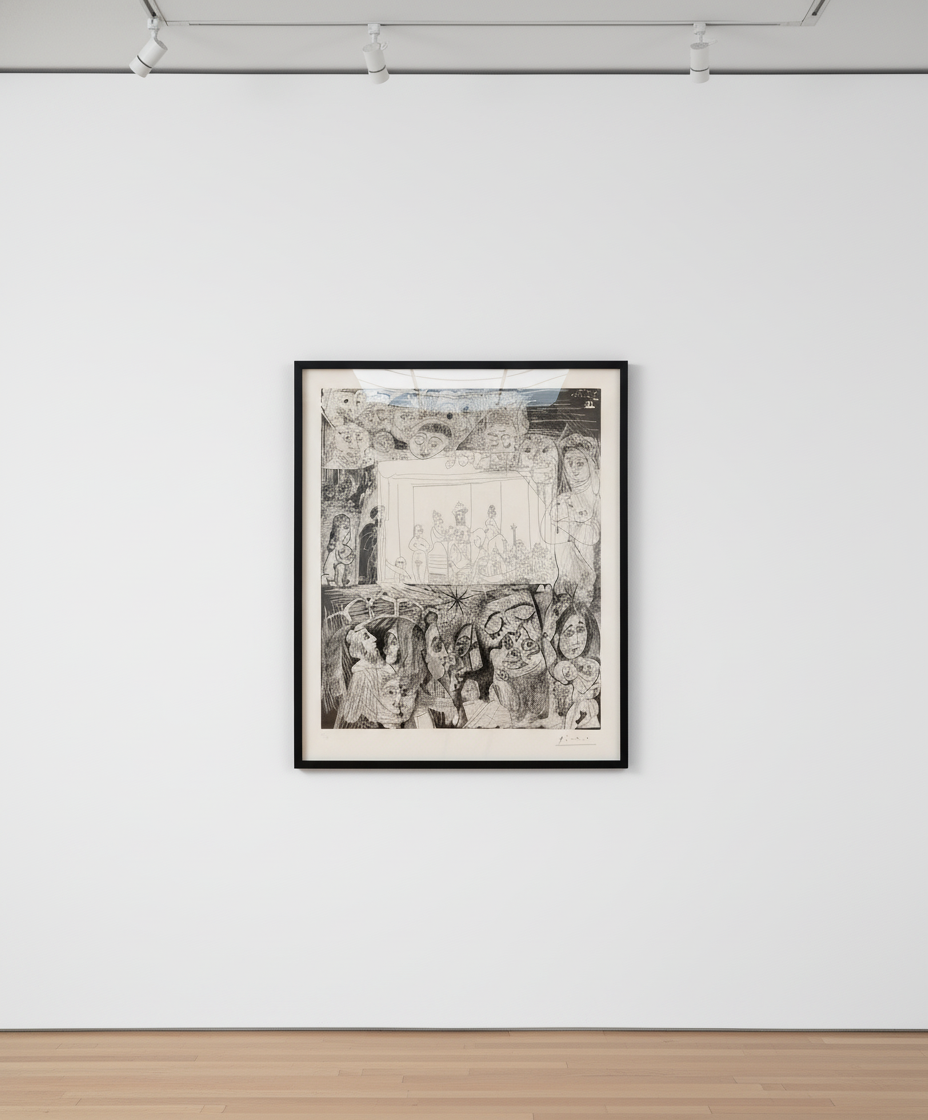
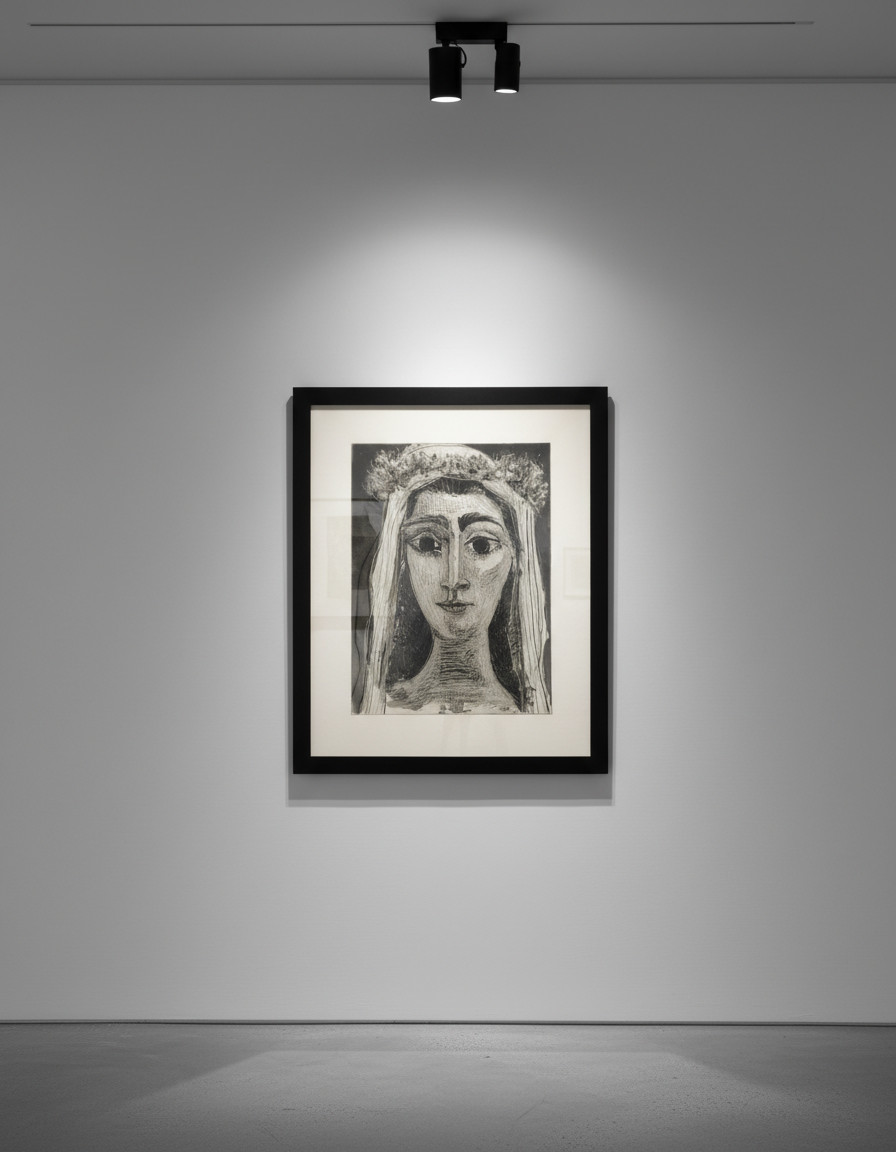
Ecce Homo, d’Après Rembrandt — Pablo Picasso. Available at Guy Hepner, New York.
The provenance and exhibition history of individual pieces can enhance both scholarly significance and market value. Works with documented ownership histories or those included in major museum exhibitions carry additional distinction.
The enduring appeal of Picasso ceramics lies in their unique position within the artist's oeuvre and the broader art market. These works embody the same creative genius evident in his paintings while offering a more tactile, dimensional experience. Each ceramic piece demonstrates Picasso's remarkable ability to transform everyday objects into extraordinary artistic statements.
From an investment perspective, the category has shown resilience and appreciation over time. Sotheby's and Christie's continue to feature Picasso ceramics in dedicated sales and within broader Modern art auctions, reflecting sustained institutional confidence in this market segment. As the supply of available works remains finite while global collector bases expand, market fundamentals suggest continued strength.
For collectors motivated by aesthetic pleasure rather than purely financial considerations, Picasso ceramics offer the rare opportunity to live with works that can be displayed and enjoyed as functional art - a dimension largely absent from traditional painting and sculpture collecting.
Guy Hepner gallery maintains a carefully curated selection of authenticated Picasso ceramics alongside works on paper and prints by the master. Our specialists provide comprehensive guidance for collectors at every level, from those acquiring their first Picasso to established collectors expanding significant holdings. With deep expertise in Modern masterworks and a commitment to transparency in provenance and condition documentation, Guy Hepner offers collectors a trusted resource for building meaningful collections that stand the test of time. Contact our New York team to explore current availability and discuss acquisition opportunities in this enduring category.
Explore Pablo Picasso prints for sale at Guy Hepner: Ceramics, Aquatint, Collotype, Drawing, Etching.
Related Series