Aquatint
13 works

Pablo Picasso's ceramics represent one of the most compelling intersections of artistic mastery and accessible collecting within the modern art market.
The ceramics created between 1947 and 1971 at the Madoura pottery workshop in Vallauris comprise approximately 3,500 original pieces, each representing Picasso's direct engagement with clay as a living medium. Unlike prints or multiples, these works bear the physical evidence of the artist's hand—incisions, glazing decisions, and compositional choices that make each piece fundamentally unique despite edition structures. The thirty-three volume Zervos catalogue raisonné, the definitive scholarly record of Picasso's output, contextualizes these ceramics within his broader practice, confirming their integral position in understanding the artist's relentless experimentation across media.
Picasso's arrival at the Madoura workshop in 1947 initiated one of the most productive collaborations in twentieth-century decorative arts. Under the guidance of Suzanne and Georges Ramié, the workshop's proprietors, Picasso discovered in ceramic production a medium uniquely suited to his improvisational genius. The artist worked intensively in Vallauris until 1971, two years before his death in 1973, producing works that synthesized his Cubist innovations with ancient Mediterranean pottery traditions.
The Madoura ceramics encompass plates, vessels, plaques, and sculptural forms that revisit the iconography defining Picasso's painted oeuvre—bullfighting scenes, classical figures, faces, and the women who populated his personal mythology. What distinguishes these works is their dimensional complexity: Picasso treated the curved surfaces of plates and the three-dimensional forms of vessels as challenges rather than constraints, developing compositions that exploit rather than merely accommodate their physical substrates.
Born in Málaga in 1881, Picasso brought to ceramics the same revolutionary sensibility that had co-founded Cubism decades earlier. The Vallauris works represent not a departure from his painterly concerns but their translation into a medium carrying millennia of cultural weight—connecting his modernist innovations to the amphoras and vessels of ancient Greece and the Iberian Peninsula.
The ceramics available through Guy Hepner demonstrate the full range of Picasso's technical experimentation at Madoura. The artist employed white earthenware clay as his primary substrate, manipulating its surface through engobe decoration, knife engraving, and sophisticated glazing techniques that produced effects impossible in any other medium.
Profil de Jacqueline (1956) exemplifies Picasso's approach to the convex wall plaque form. Executed in white earthenware with engraving accentuated by glaze against a black patinated ground, the work renders his final muse in ivory and brown tones that emerge from the clay's natural warmth. The convex surface creates subtle shifts in how light activates the engraved lines, producing a portrait that changes with viewing angle.
Service visage noir (1948) represents Picasso's earliest intensive period at Madoura, a round dish combining engobe decoration with knife engraving under glaze. The palette—red, green, and white against a bright black ground—demonstrates his immediate confidence in the medium's chromatic possibilities. The "visage noir" (black face) motif connects to Picasso's sustained engagement with African art, a dialogue that had catalyzed Cubism four decades earlier.
The oxidized paraffin technique appears prominently across multiple works, including Taureau sous l'arbre (1952), Bouquet à la pomme (1956), and Picador (1952). This method involves applying paraffin to resist glaze penetration, creating tonal variations that could not be achieved through direct painting alone. In Taureau sous l'arbre, executed on a turned round plate of terre de faience, the oxidized paraffin decoration produces atmospheric effects suggesting the dappled light beneath the tree sheltering the bull.
The works comprising this collection span Picasso's primary thematic concerns. Picador (1952) and Taureau, marli aux feuilles (1957) engage the bullfighting imagery central to Picasso's Spanish identity. The 1952 plate presents the mounted picador in white enamel and black oxidized paraffin against the natural clay ground, while the 1957 work employs red earthenware painted in black and engraved to render the bull within a leaf-decorated border.
Danseurs (1956) connects to the classical figuration that occupied Picasso throughout his career, with dancers rendered through engraving accentuated with glaze against a black patinated ground. Visage gravé (1948), with its engobe decoration engraved under yellow glaze in blue against a straw-coloured ground, demonstrates the chromatic range achievable in ceramic that distinguishes it from Picasso's linocuts of 1958-1963.
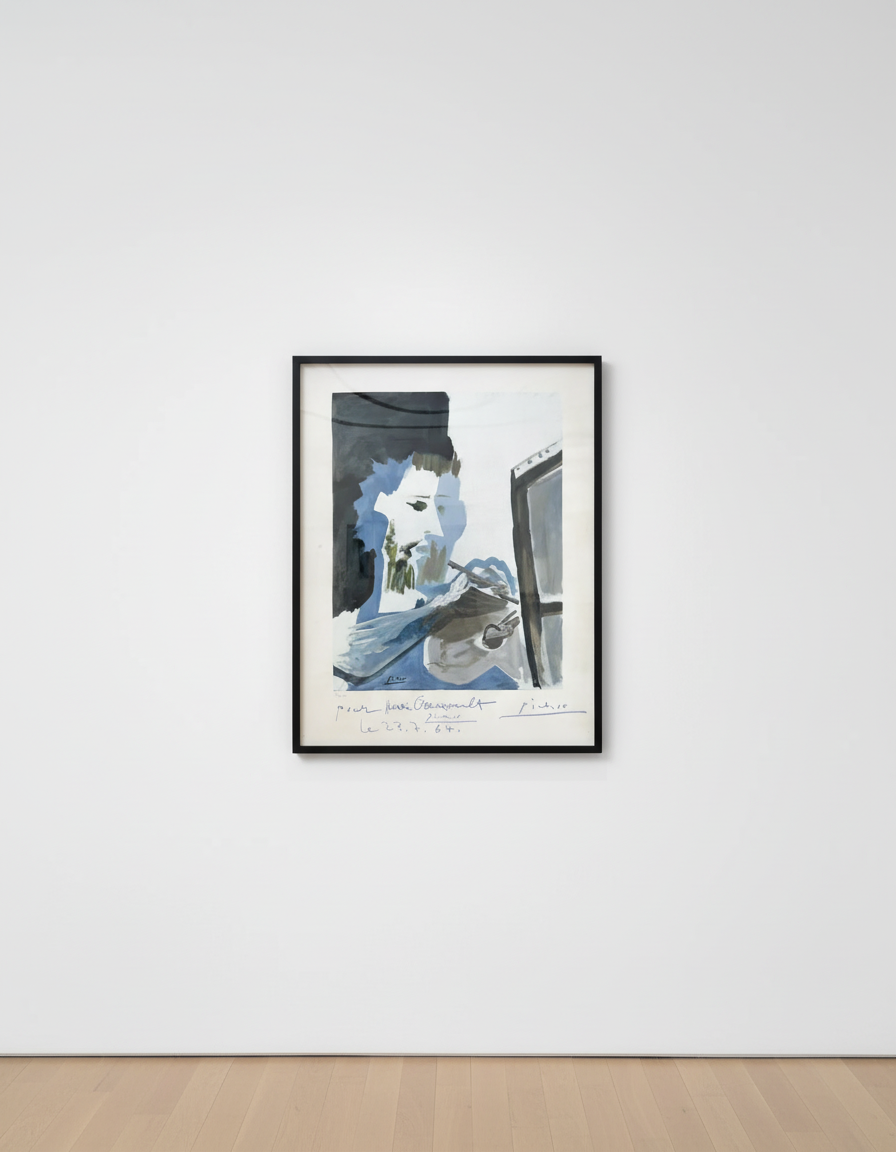
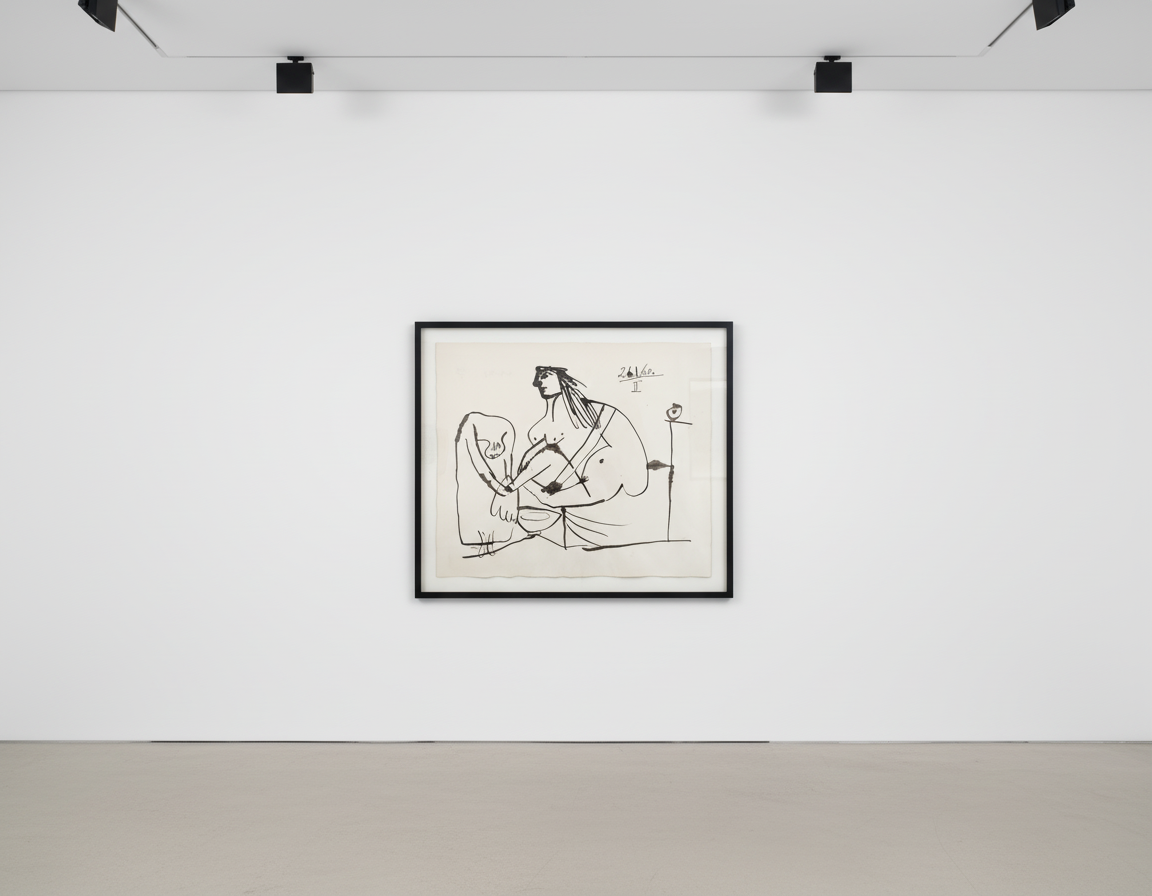
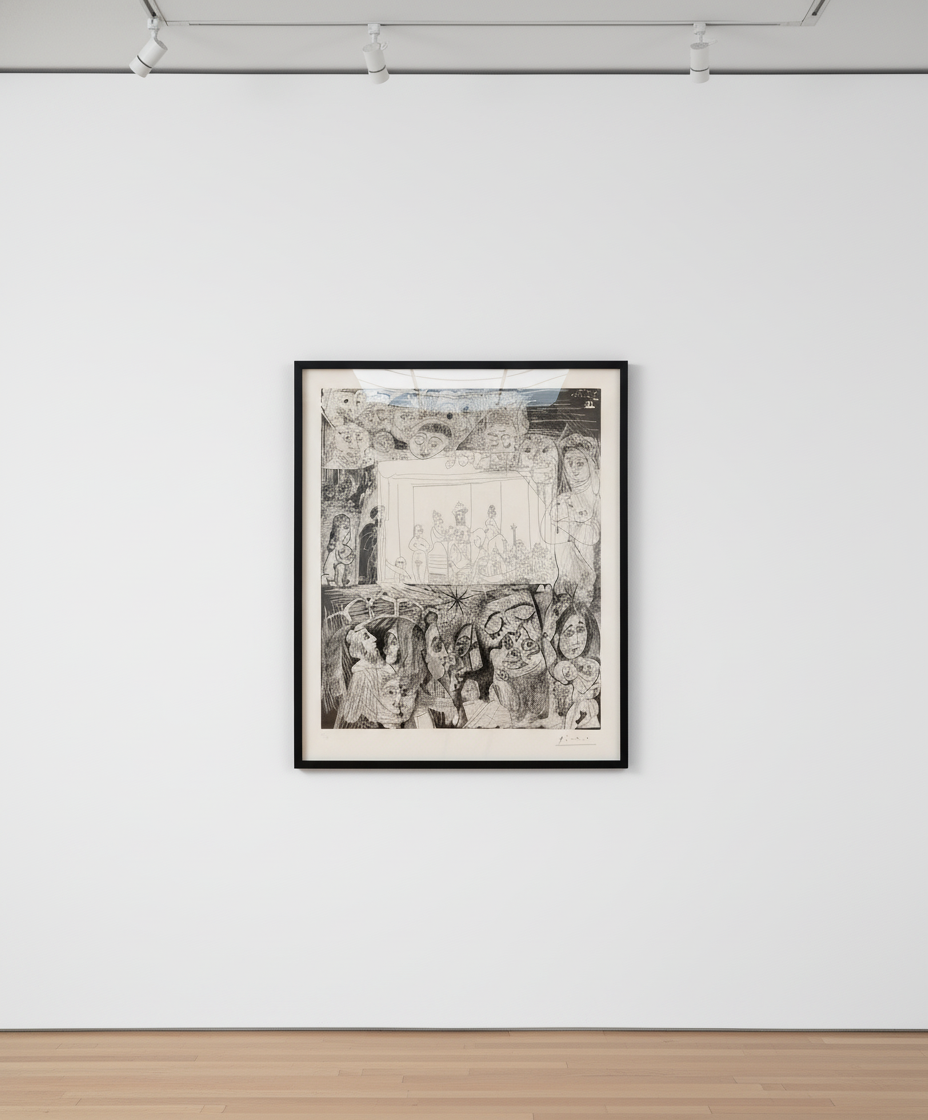
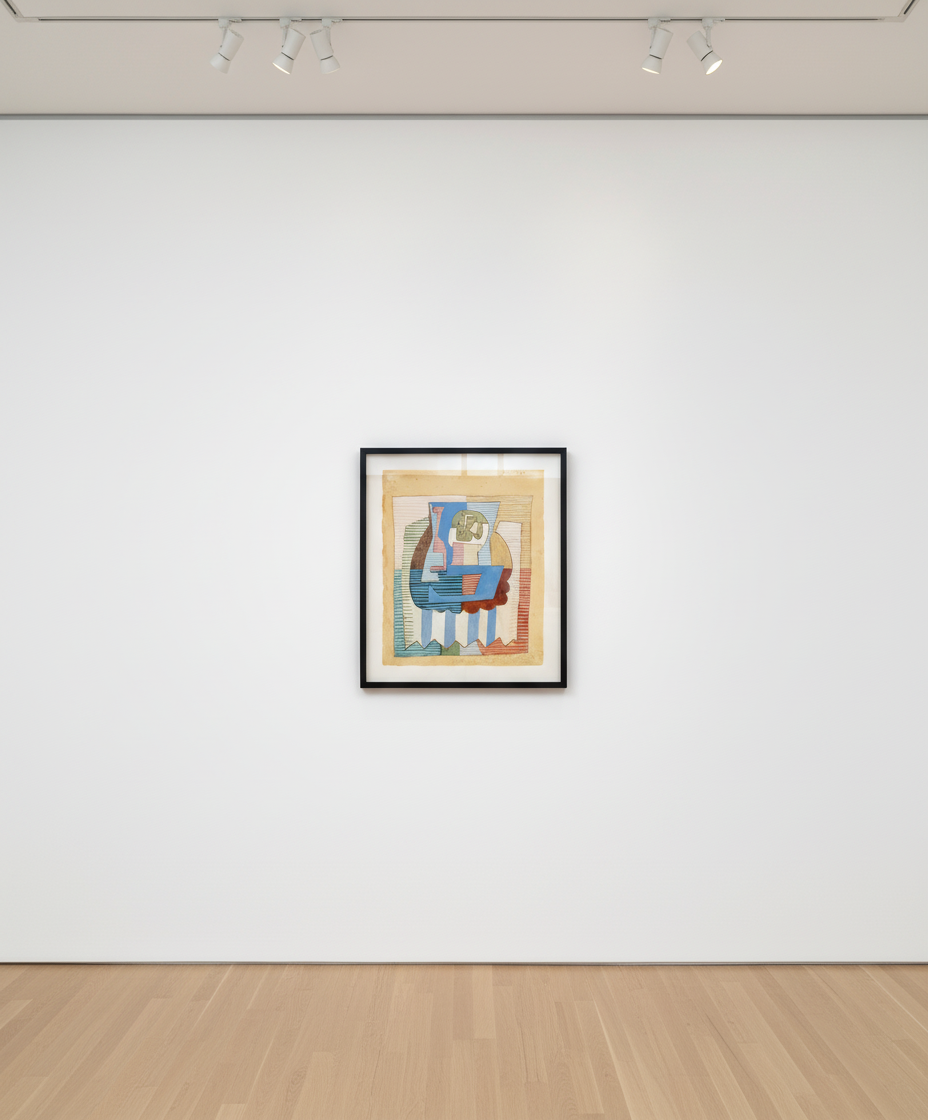
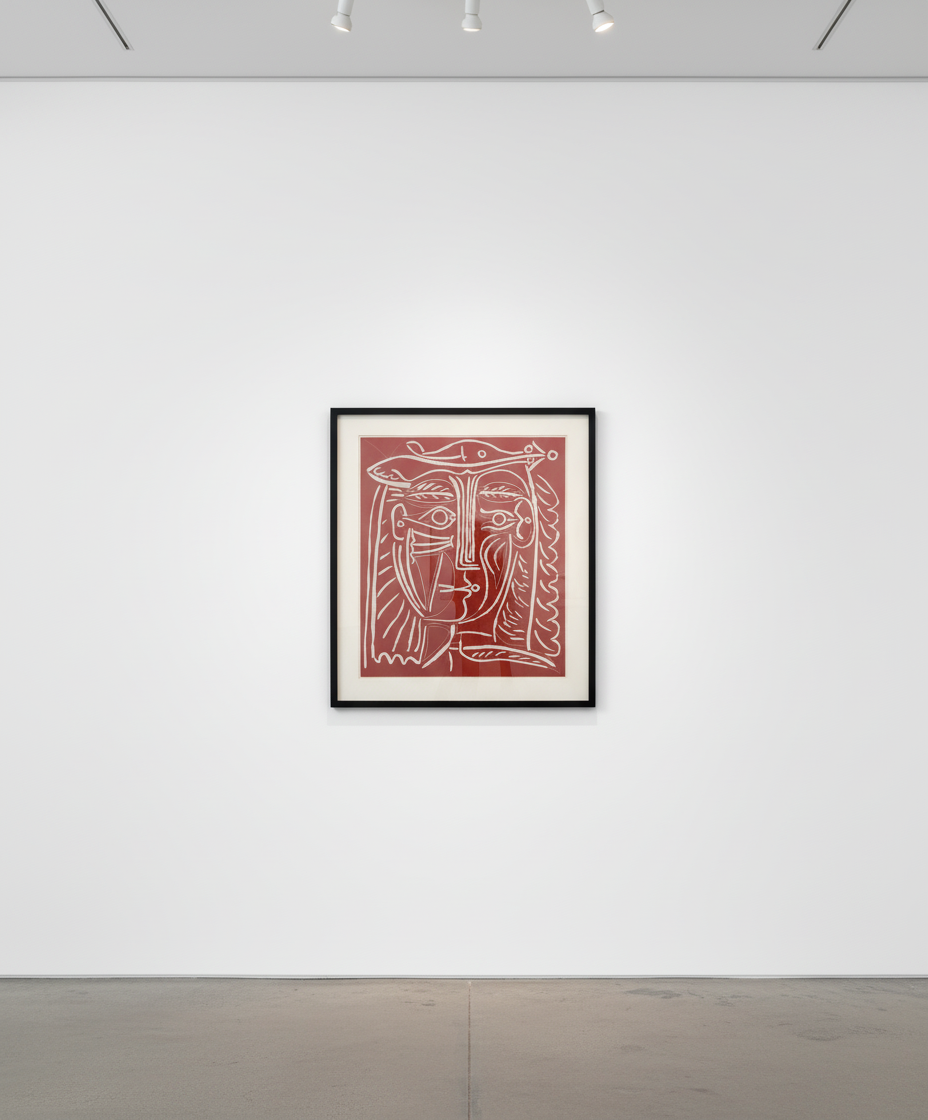
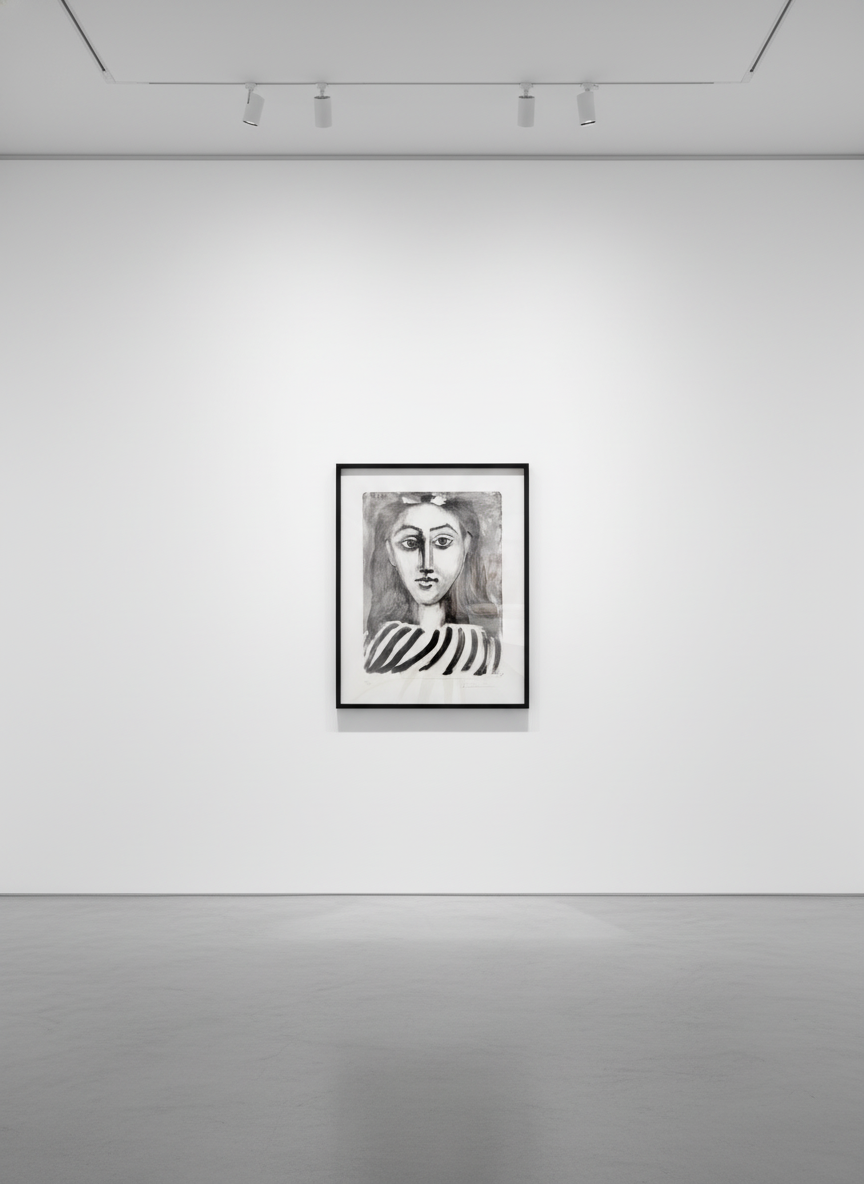
Pablo Picasso produced an extraordinarily large body of prints across his career, working continuously in etching, aquatint, linocut, lithography, and drawing alongside his painting and sculpture. His print output — spanning from his early Blue Period through his final decades of prolific late work — represents one of the most sustained and technically varied printmaking practices of any twentieth-century artist, and remains central to scholarly understanding of his overall development.
Picasso's paintings and prints are held in the permanent collections of virtually every major museum with a modern art department worldwide, and his position as one of the most significant and influential artists of the twentieth century continues to inform critical and market interest across every medium in which he worked, including his extensive print editions.
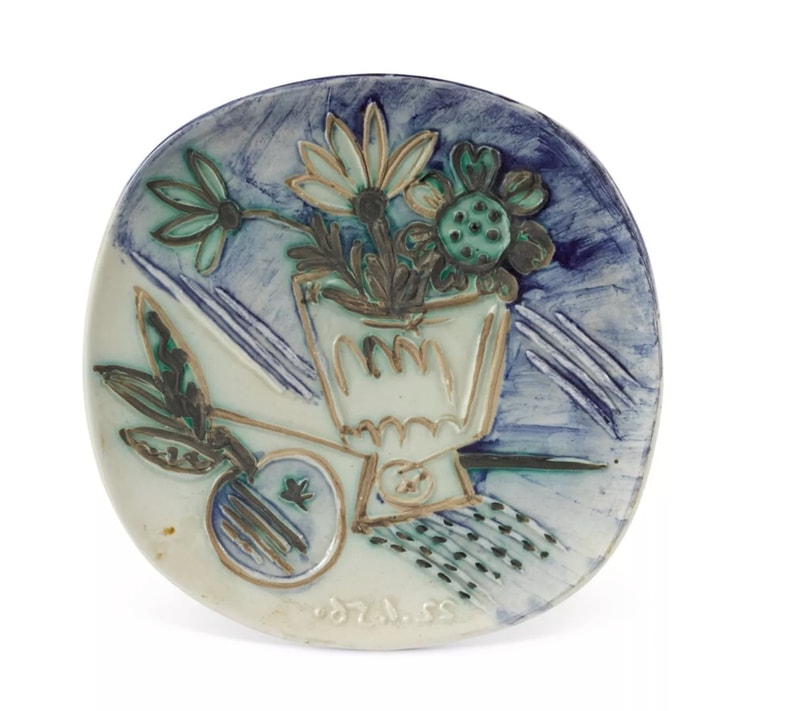
20 works available
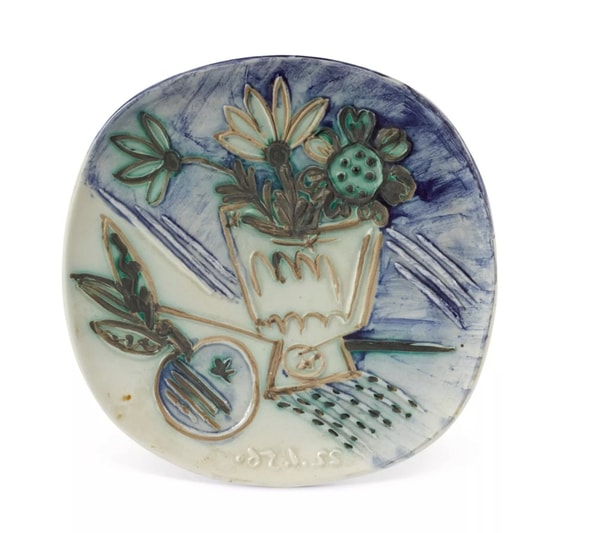
Pablo Picasso
Bouquet à la pomme
1956
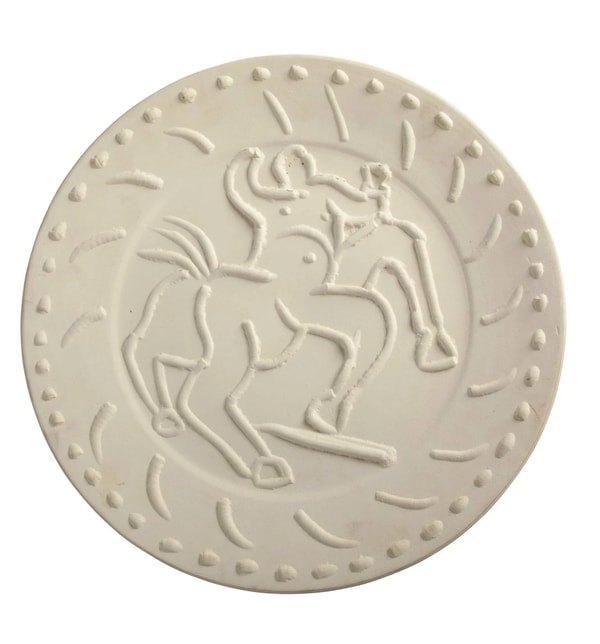
Pablo Picasso
Centaure
1956
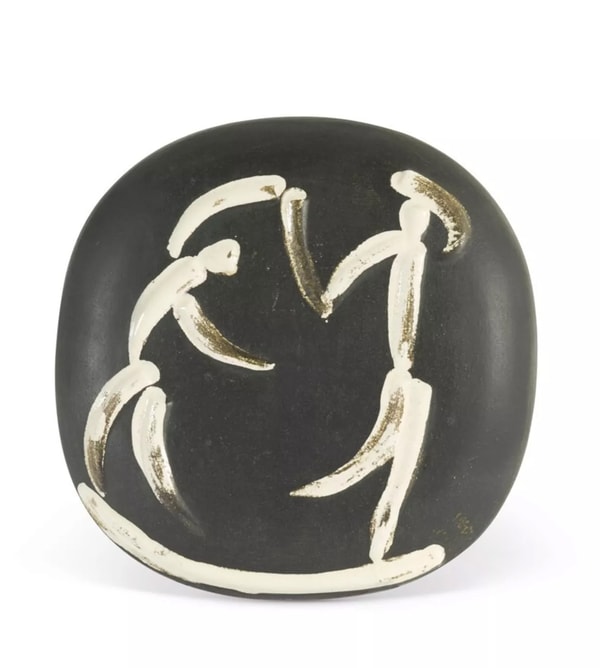
Pablo Picasso
Danseurs
1956
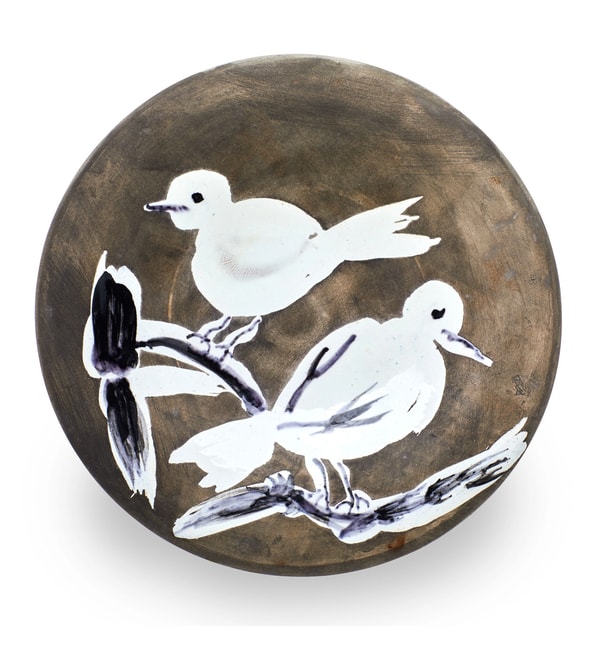
Pablo Picasso
Deux Oiseaux
1963
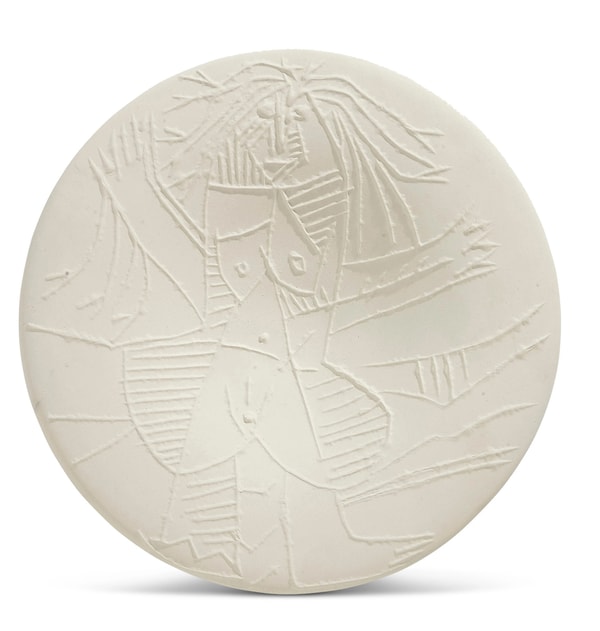
Pablo Picasso
Femme échevelée
1963
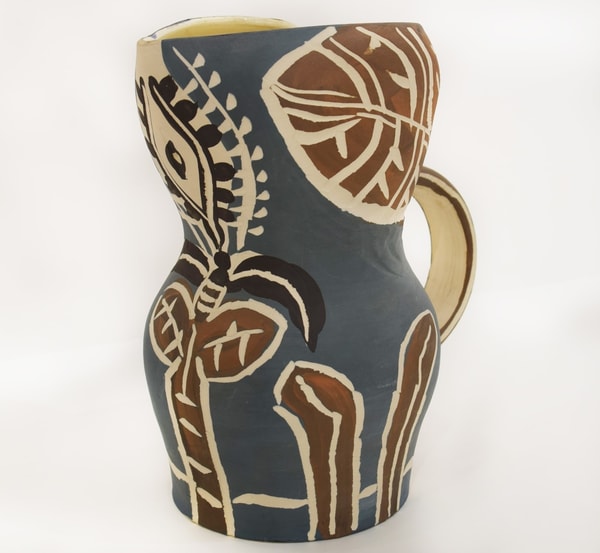
Pablo Picasso
Gothic Pitcher with Leaves | Pichet gothique aux feuilles
1952
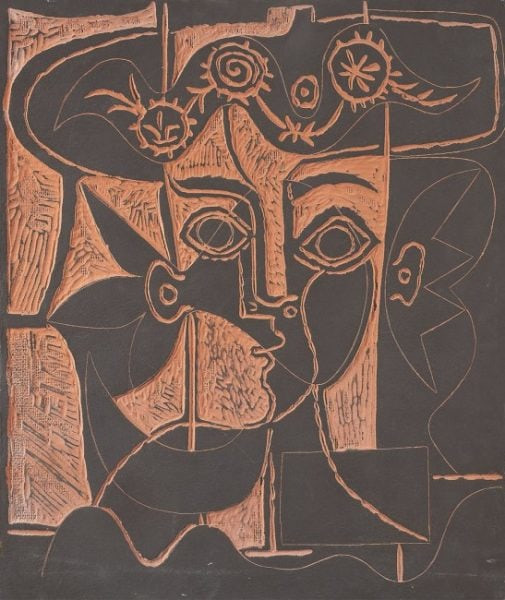
Pablo Picasso
Grand Tête de Femme au Chapeau Orné (Ramié 518)
1964
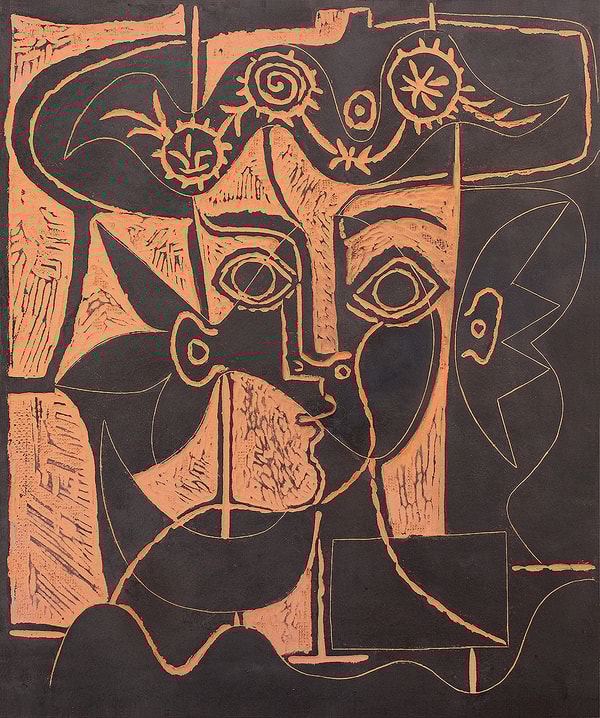
Pablo Picasso
Grande Tête De Femme Au Chapeau Orné
1964
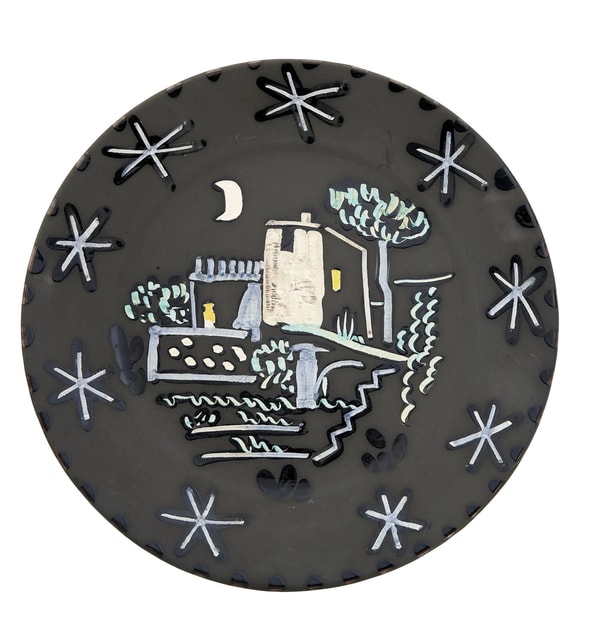
Pablo Picasso
Paysage
1953
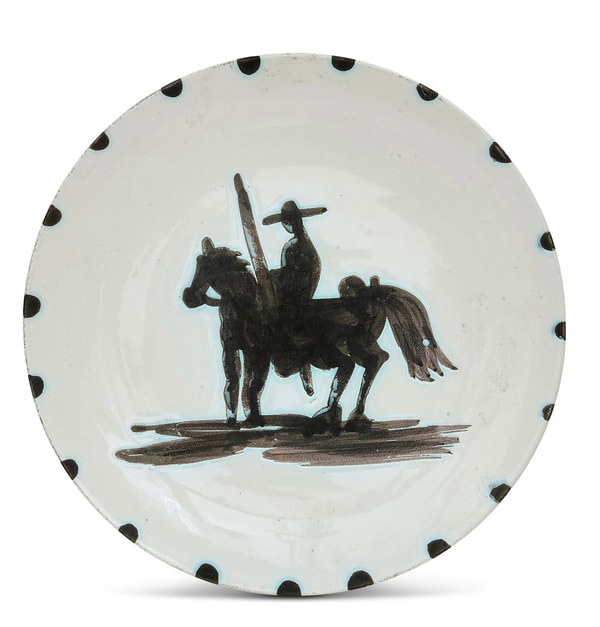
Pablo Picasso
Picador
1952
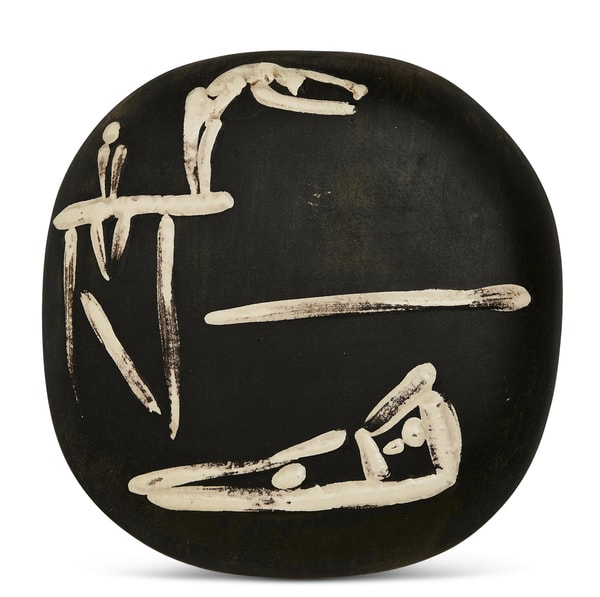
Pablo Picasso
Plongeurs
1956
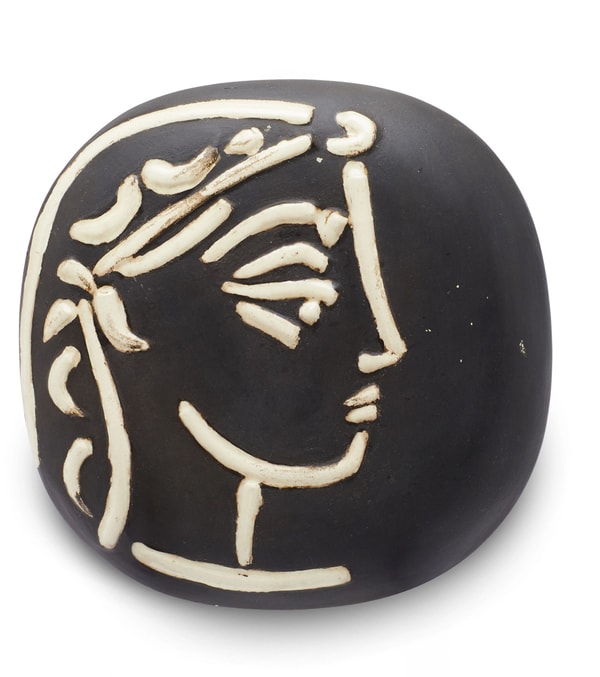
Pablo Picasso
Profil de Jacqueline
1956
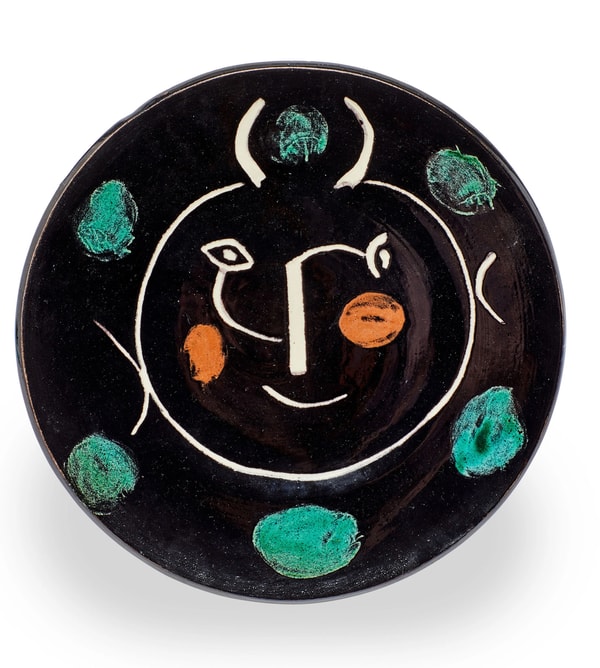
Pablo Picasso
Service visage noir
1948
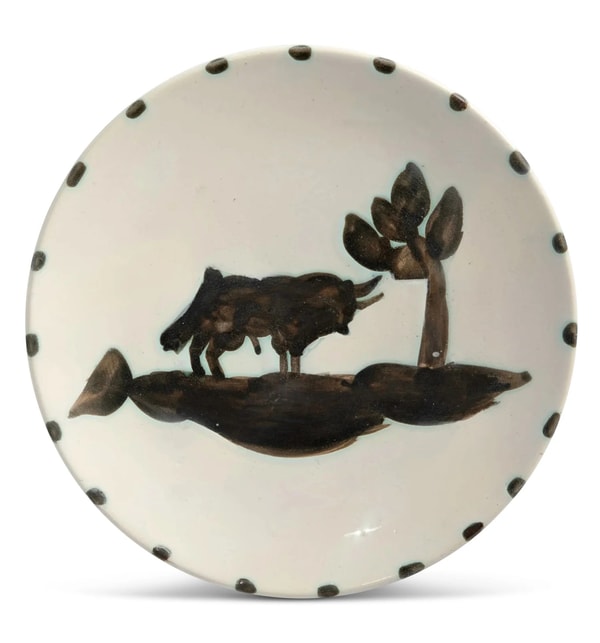
Pablo Picasso
Taureau sous l'arbre
1952
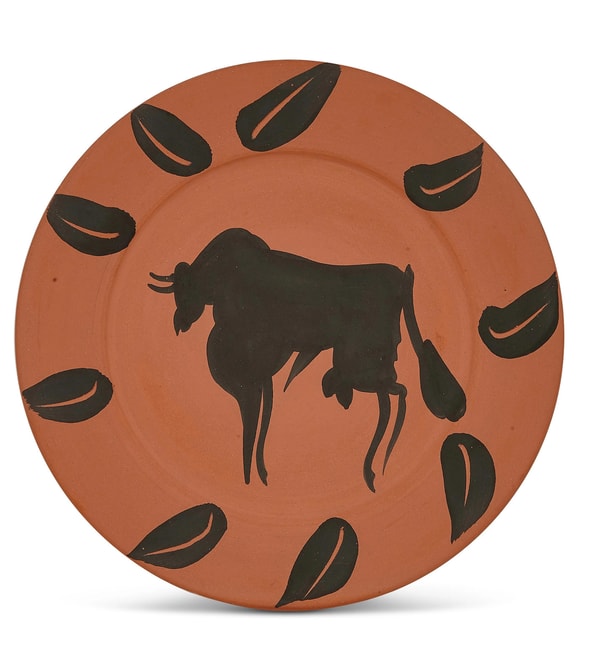
Pablo Picasso
Taureau, marli aux feuilles
1957
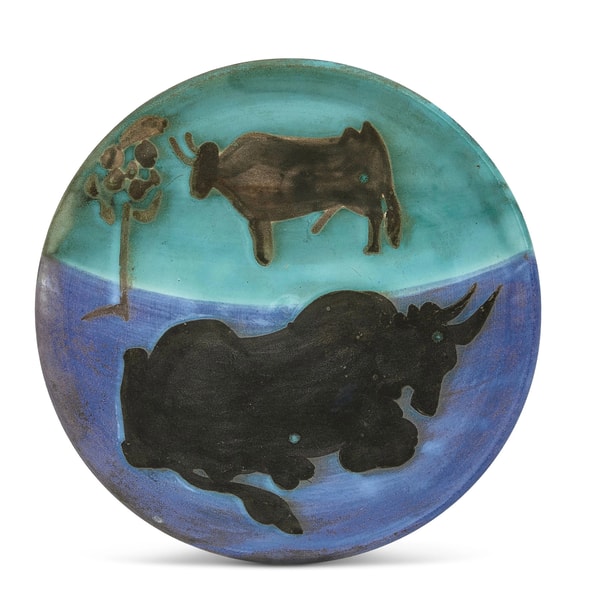
Pablo Picasso
Toros
1952
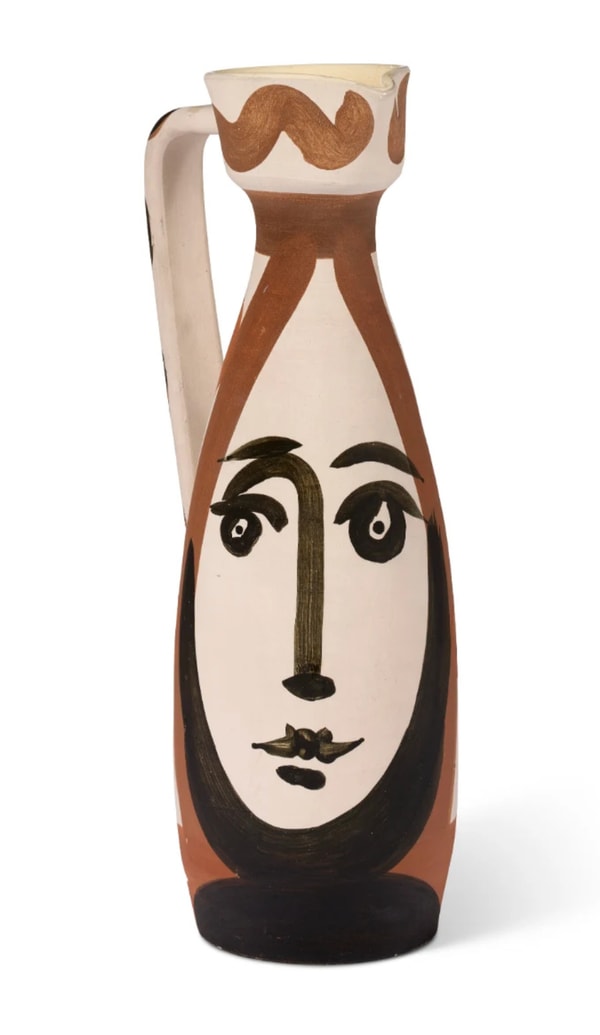
Pablo Picasso
Visage
1955
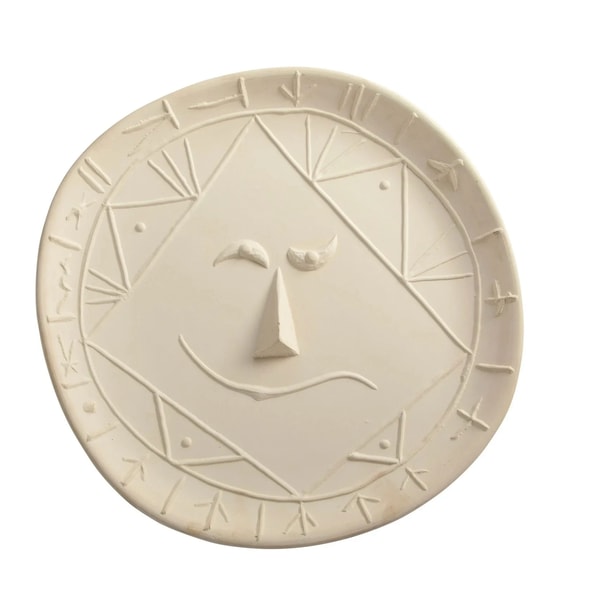
Pablo Picasso
Visage géométrique
1956
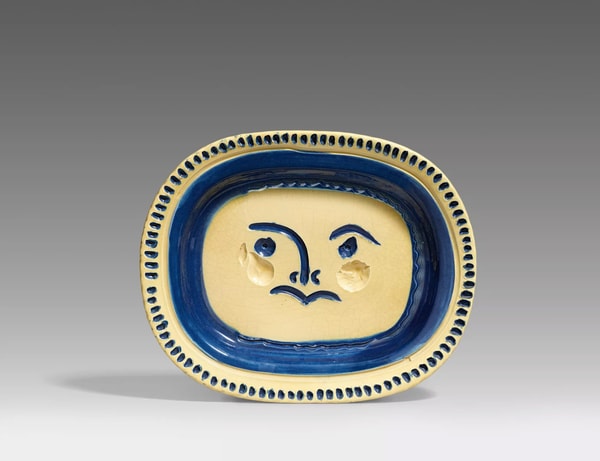
Pablo Picasso
Visage gravé
1948
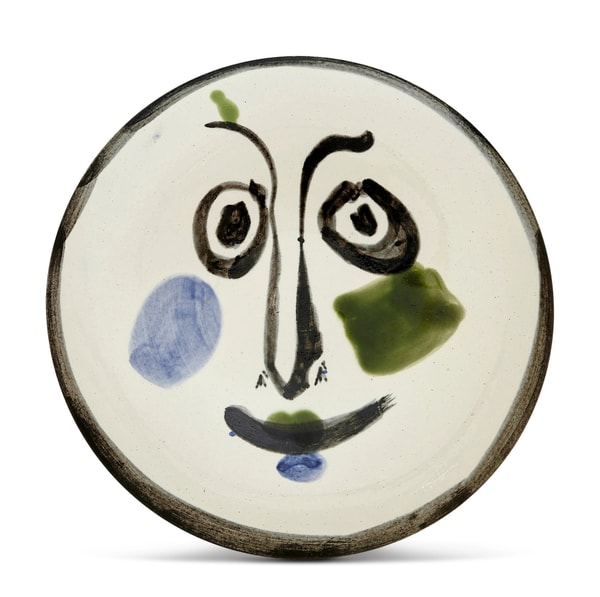
Pablo Picasso
Visage no. 197
1963
Five Facts About Pablo Picasso Ceramics
Picasso began working in ceramics after visiting the annual pottery exhibition in Vallauris in 1946, where he met Suzanne and Georges Ramié, owners of the Madoura workshop.
He worked at Madoura in Vallauris from 1947 until his death in 1973, a 24-year collaboration.
Over that period, Picasso created approximately 3,500 unique ceramic objects.
He authorized the Ramiés to produce more than 633 different numbered ceramic editions between 1947 and 1971.
Editions made using Picasso's hand-decorated originals as templates carried the mark 'Empreinte Originale de Picasso' to denote authorized reproductions.
Market Data
See real auction history, estimate ranges and price benchmarks for individual Ceramics prints, sourced from Christie's, Sotheby's and other major auction houses.
Frequently Asked Questions
Pablo Picasso Ceramics prints for sale are available at Guy Hepner Gallery, 529 West 20th Street, New York (by appointment). We offer authenticated editions with full provenance documentation sourced from the secondary market and directly from publishers.
Pablo Picasso Ceramics works — 20 available — are typically produced as limited editions, individually signed and numbered by the artist. Contact Guy Hepner Gallery for edition details on specific works.
Pricing for Pablo Picasso Ceramics prints varies by edition size, date, and condition. Contact Guy Hepner Gallery for current market pricing and availability.
From the Journal
More Pablo Picasso Series
View all Pablo Picasso works →