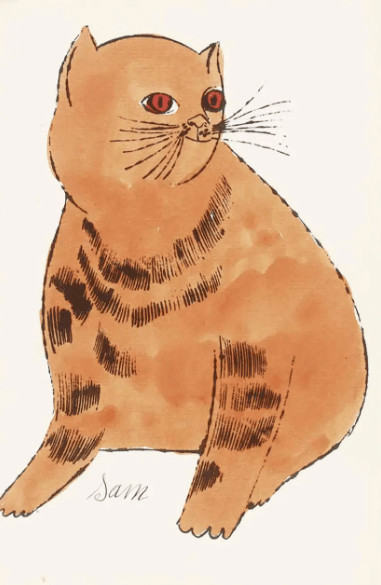
25 Cats Named Sam

July 20, 2026
For collectors seeking to acquire Andy Warhol paintings for sale, the market presents both extraordinary opportunity and considerable complexity. Warhol's unique works and original paintings represent the apex of post-war American art, commanding prices that reflect his unmatched influence on contemporary visual culture. Understanding how to navigate this market—from authentication protocols to condition assessment to pricing dynamics—separates informed collectors from those who risk costly missteps. This guide provides the essential knowledge for acquiring Warhol originals for sale through established channels, with particular attention to the hand-painted works and one-of-a-kind pieces that define his most significant artistic achievements.
Andy Warhol fundamentally altered how we understand authorship, originality, and artistic value. His embrace of commercial techniques, particularly silkscreen printing, challenged the romantic notion of the artist's hand while paradoxically creating some of the most coveted hand-touched objects in art history. For collectors, this tension makes Warhol originals uniquely compelling: each painting exists within a conceptual framework that questioned uniqueness while simultaneously being irreplaceable as a physical artifact. The market has responded accordingly, with Warhol consistently ranking among the most traded artists globally and original paintings achieving results that place them among the most valuable artworks ever sold.
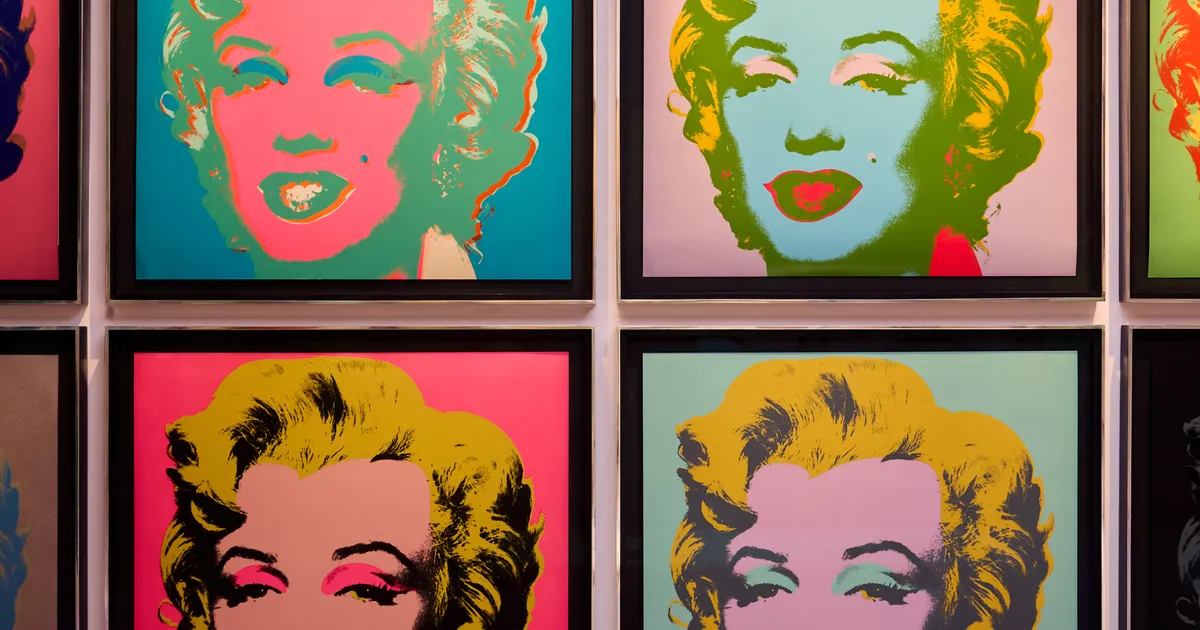
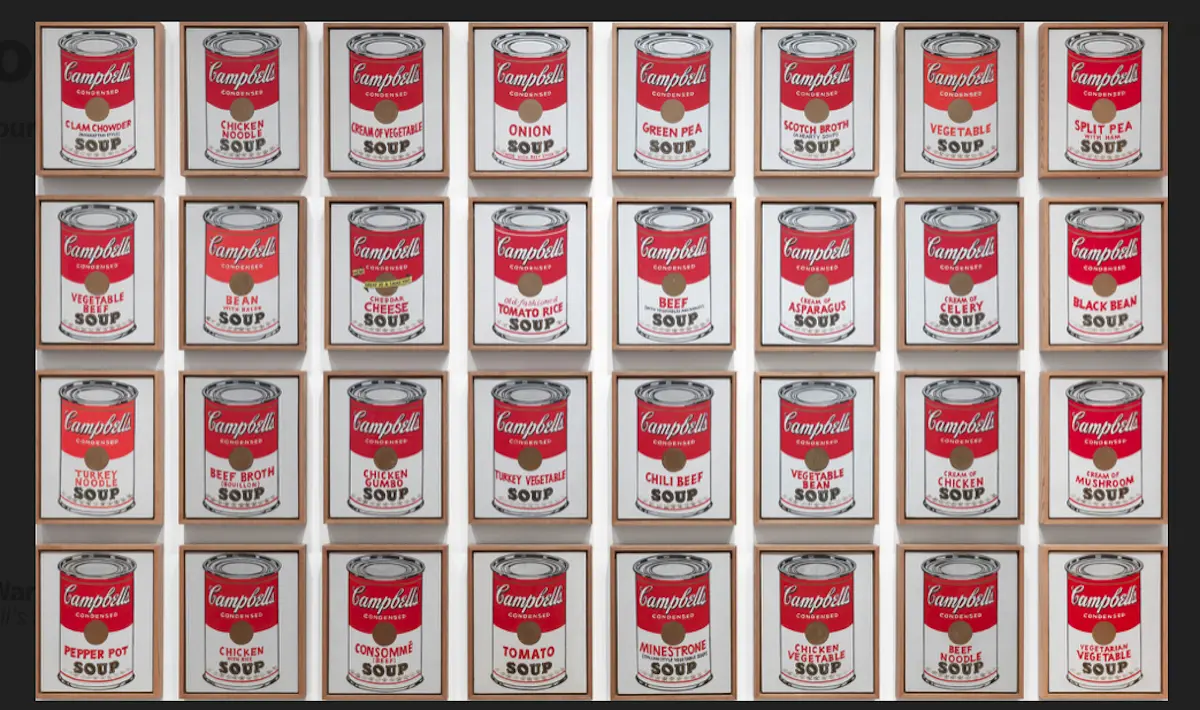
Andy Warhol emerged from the commercial illustration world of 1950s New York to become the defining figure of the Pop Art movement. His background in advertising informed his understanding of repetition, branding, and the power of familiar imagery—insights he weaponized to revolutionary effect in his fine art practice. The Campbell's Soup Cans of 1962 announced his arrival, but it was the silkscreen paintings that followed, particularly the Marilyn series begun after the actress's death that same year, that established the visual vocabulary for which he became famous. These works transformed appropriated images into meditation on fame, mortality, and the mechanical reproduction of desire.
The market for Warhol paintings has matured into one of the most liquid and well-documented sectors of the art world. According to major auction house data and Art Basel market reports, Warhol routinely ranks among the top three selling artists globally, with his works representing a substantial portion of post-war and contemporary art transactions annually. This market depth provides collectors with meaningful price transparency and established value benchmarks, advantages not available with many other artists at comparable levels. The Shot Sage Blue Marilyn's sale at Christie's in 2022 for approximately $195 million demonstrated the extraordinary heights these works can reach, while simultaneously confirming the continued institutional appetite for museum-quality Warhol originals.
What distinguishes Warhol's market position is the combination of historical significance and sustained collector demand across multiple price points. Blue-chip paintings from his most celebrated series command eight and nine-figure sums, while works from less famous but equally authentic bodies of work offer acquisition opportunities at more accessible levels. This stratification allows collectors at various stages to participate meaningfully in the Warhol market, building holdings that can appreciate as understanding of his broader practice deepens among curators and scholars.
Andy Warhol, Marilyn Invitation (Castelli Graphics), 1981, Silkscreen. Available at Guy Hepner, New York.
Warhol's painting practice encompassed numerous distinct series, each with its own conceptual framework, visual characteristics, and market positioning. For collectors considering Warhol unique works, understanding these categories is essential to identifying opportunities that align with both aesthetic preferences and investment objectives. The hierarchy of value is not arbitrary but reflects art historical consensus, rarity, and sustained institutional interest.
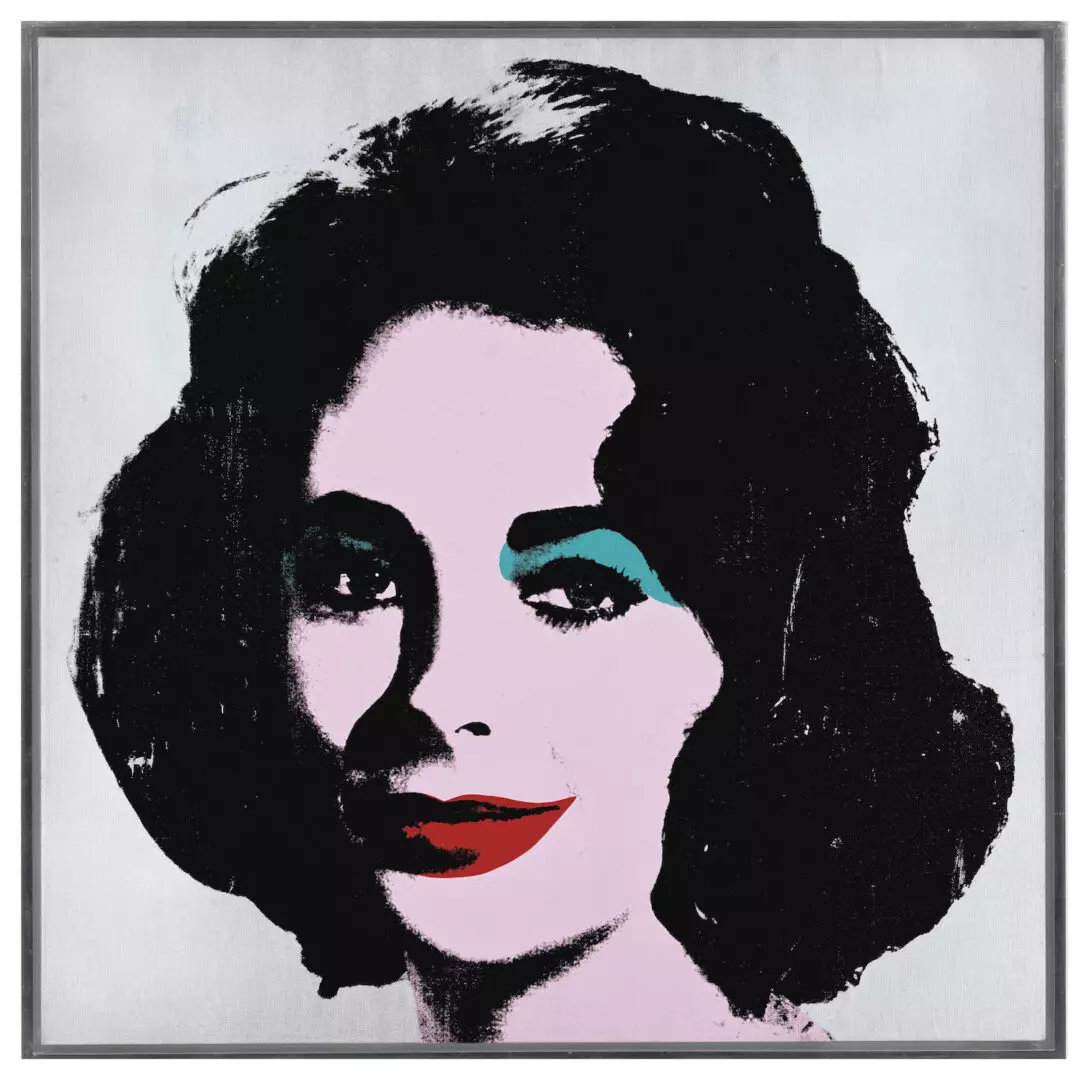
The Marilyn paintings remain Warhol's most iconic and valuable series, their repeated imagery of Monroe's face becoming synonymous with Pop Art itself. These works combine silkscreen photographic imagery with hand-applied acrylic paint, creating surfaces that vary significantly from example to example despite their mechanical origins. The Mao paintings, begun in 1972, represent Warhol's engagement with political imagery on a monumental scale, with canvases sometimes exceeding fifteen feet in height. The Ladies and Gentlemen series from 1975, depicting drag queens and transgender performers, has gained considerable scholarly attention in recent years, with prices reflecting this reassessment of Warhol's engagement with marginalized communities.
Self-portraits constitute another significant category, with examples spanning from the 1960s through Warhol's final years. These works are particularly prized for their direct connection to the artist himself, offering psychological insight that his celebrity portraits deliberately obscured. The Camouflage self-portraits from 1986, painted the year before his death, rank among his most sought-after paintings, combining the anxiety of mortality with his characteristic aesthetic distance.
The Shadow paintings, begun in 1978, represent Warhol's most sustained engagement with abstraction and remain undervalued relative to the figurative work. Originally conceived as a single installation of over one hundred canvases for the Dia Art Foundation, individual Shadow paintings have increasingly attracted collector attention as institutions have acquired major groupings. These works demonstrate Warhol's continued experimentation and his willingness to challenge expectations even at the height of his commercial success.
The Oxidation paintings, created between 1977 and 1978, stand as perhaps Warhol's most radical body of work. Produced by urinating on canvases coated with metallic paint, these works are genuinely unique—no two could possibly be identical—and represent a deliberate provocation aimed at the art market's fetishization of the artist's hand. Collectors who recognize the conceptual sophistication of these works have been rewarded as museums increasingly seek examples for their collections. The Dollar Sign paintings, created in 1981, offer more direct commentary on Warhol's relationship with commerce, their bold graphic quality and explicit subject matter making them favorites among collectors attuned to Warhol's self-aware engagement with money and value.
The Skulls series from 1976 provides meditation on mortality rendered in Warhol's characteristic palette of commercial color. These paintings are notable for their unusually personal subject matter—Warhol kept a human Skull in his studio as a memento mori—while maintaining the cool distance of his celebrity work. The Gems series, produced in 1978, depicts precious stones with the same detachment applied to soup cans and celebrities, elevating commodity objects while simultaneously questioning what makes anything precious.
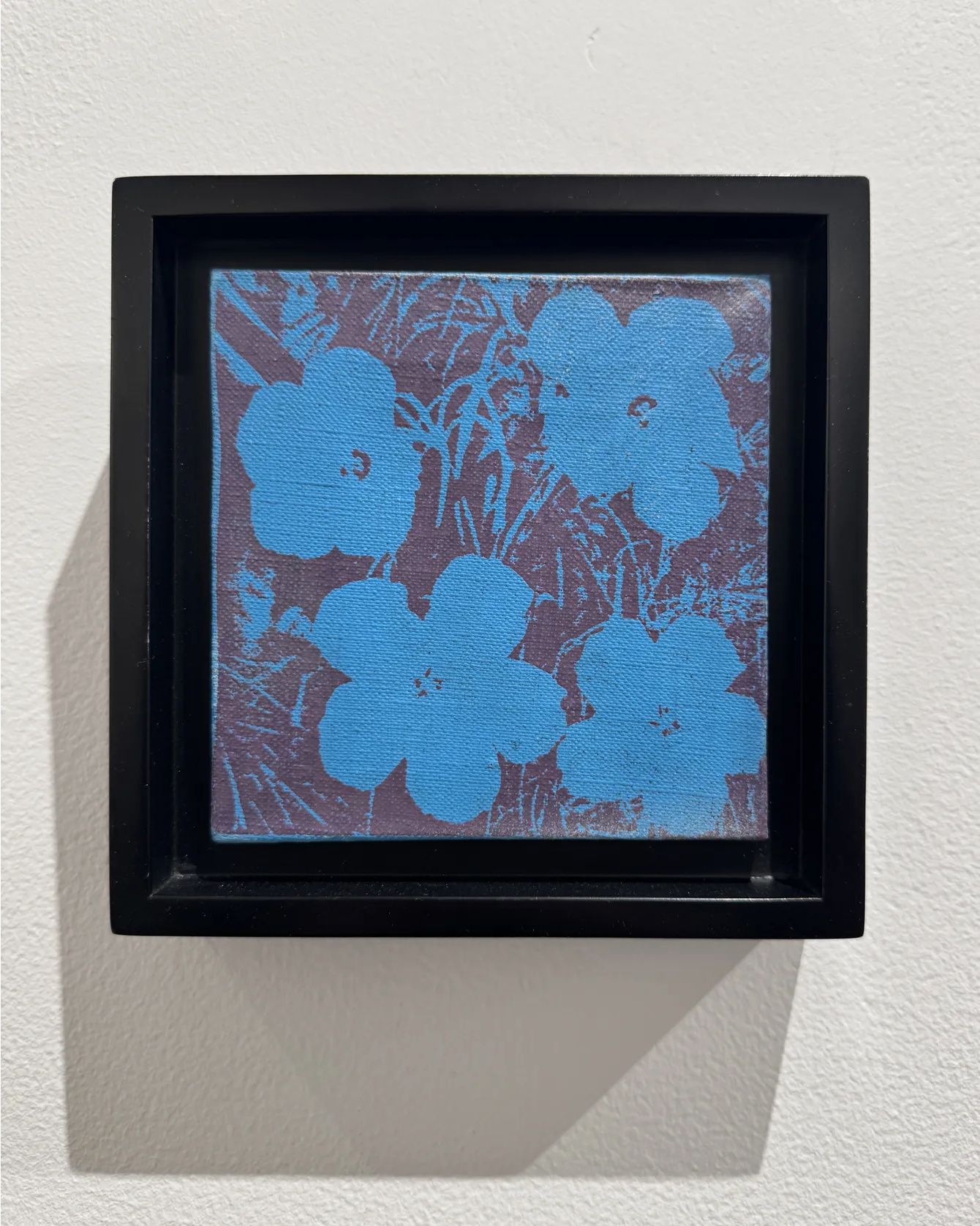
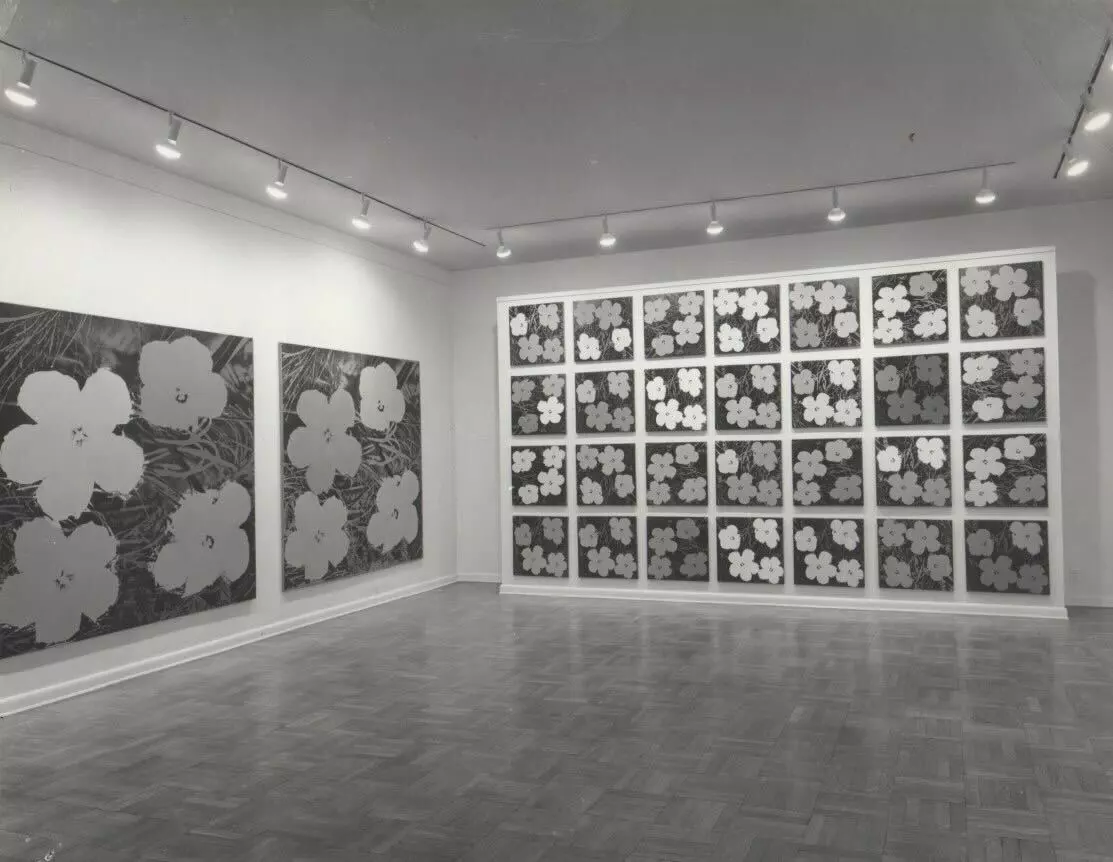
The Flowers paintings, begun in 1964, remain among Warhol's most accessible and visually appealing works. Based on a photograph from a popular photography magazine, these paintings transform a generic floral image into something simultaneously decorative and unsettling. The contrast between their pleasant subject matter and the lurid artificial coloring Warhol applied creates productive tension that has kept them relevant across decades of changing taste.
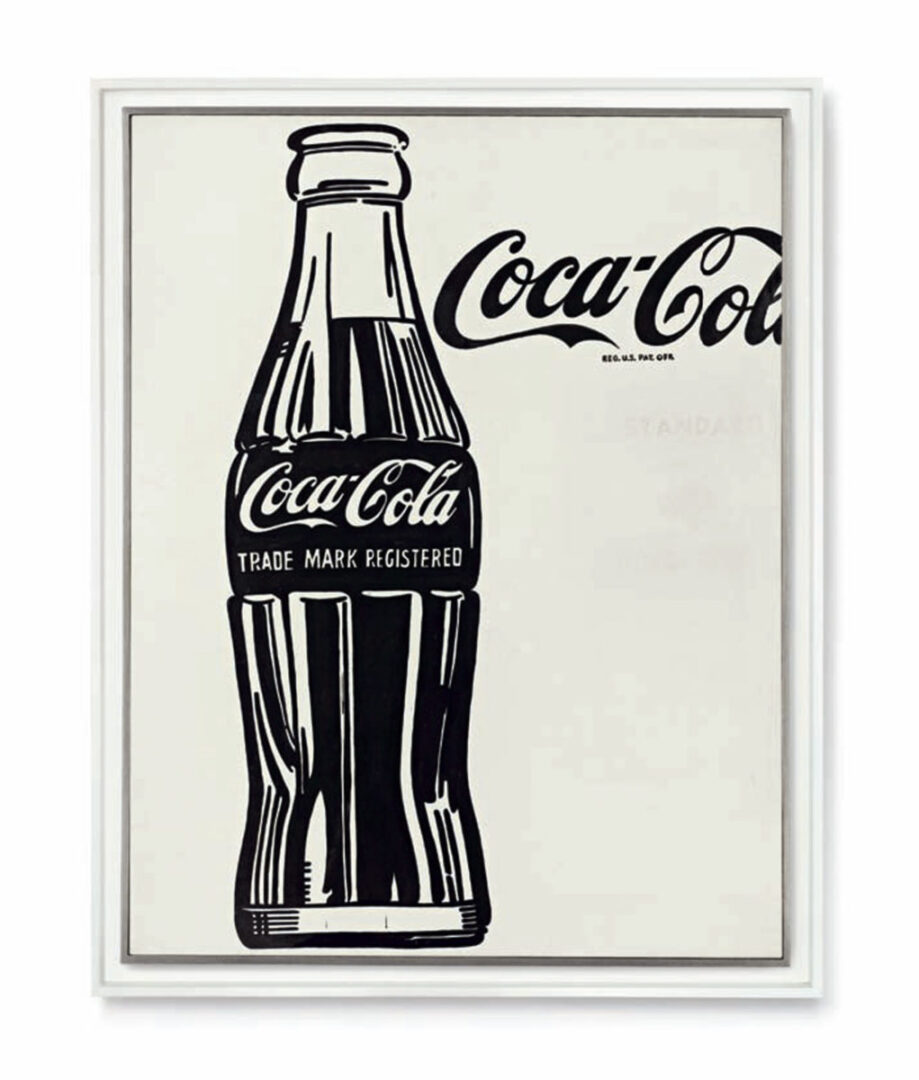
Andy Warhol, Uncle Sam (F&S II.259) from Myths, 1981, Silkscreen. Available at Guy Hepner, New York.
Not all Warhol paintings are created equal, and discerning collectors must develop criteria for evaluating quality within his market. Because Warhol deliberately challenged notions of the artist's hand, traditional metrics of artistic quality require adjustment when applied to his work. Instead, collectors should focus on factors that determine significance within Warhol's own framework of production.
When assessing Warhol hand-painted works and silkscreen paintings, consider the following evaluation criteria:
The condition of any Warhol painting requires careful assessment, ideally under appropriate lighting conditions and with professional consultation. Collectors should request condition reports from qualified conservators and understand that restoration history can significantly affect value. Works that have been over-cleaned, improperly varnished, or subjected to invasive repairs may never fully recover their market standing regardless of subsequent treatment.
Authentication represents perhaps the most critical consideration when buying Andy Warhol paintings. The complexity of Warhol's studio practice—which involved numerous assistants and deliberate ambiguity about authorship—combined with the high values his works command has created significant authentication challenges. The Andy Warhol Foundation for the Visual Arts maintained an authentication board until 2011, and works that received its approval carry considerable weight in the market. Since the board's dissolution, provenance documentation has become even more essential.
Collectors should insist on the following authentication and provenance documentation:
Andy Warhol, Beethoven (F&S II.392), 1987, Silkscreen. Available at Guy Hepner, New York.
Working with established dealers who specialize in Warhol significantly reduces authentication risk. Reputable art dealers in New York with demonstrated expertise maintain relationships with scholars, conservators, and the broader Warhol community that enable them to identify problematic works before acquisition. The modest premium paid for gallery representation often proves economical compared to the costs of remediation if authentication issues emerge post-purchase.
Understanding how Warhol's unique paintings relate to his editioned prints is essential for collectors. While this guide focuses on Warhol one-of-a-kind paintings, the relationship between these formats illuminates important aspects of his practice and market. Warhol often developed imagery across both media, creating unique paintings and editioned prints from the same source material. In some cases, paintings served as prototypes for print editions; in others, successful print imagery inspired subsequent unique variations.
Warhol's paintings fall into several categories that affect both interpretation and value:
The mediums Warhol employed in his paintings include acrylic, silkscreen ink on canvas, and polymer paint, often combined in a single work. This mixing of commercial and fine art materials was central to his conceptual project and distinguishes his paintings from those of earlier generations. Collectors should understand that these materials have specific conservation requirements and may require specialized care.
The market for Andy Warhol original paintings spans from approximately $50,000 to well over $5,000,000, with exceptional works from major series potentially commanding significantly more. Understanding where specific works fall within this range requires assessment of series importance, work quality, condition, provenance strength, and current market dynamics. The following price tiers provide general guidance for collectors evaluating opportunities.
Blue-chip paintings in NYC and other major art centers benefit from robust dealer networks that provide both acquisition opportunities and eventual exit strategies. Collectors should consider liquidity as part of their acquisition strategy, recognizing that works from well-documented series with established collector bases will typically prove easier to place than idiosyncratic examples, however interesting.
Andy Warhol, Life Savers (F&S II.353) from Ads, 1985, Silkscreen. Available at Guy Hepner, New York.
Warhol investment has proven remarkably stable over decades, with his print and painting markets operating as a mature, self-sustaining asset class. Market data from 2021 through 2026 demonstrates resilience to economic fluctuations, with total sales value movements reflecting changes in what comes to market rather than fundamental shifts in collector demand. This stability positions Warhol as a benchmark for blue-chip art investment, offering predictability that more volatile contemporary artists cannot match.
Several factors support continued strength in the Warhol painting market. Institutional demand remains robust, with major museums worldwide continuing to acquire examples for their permanent collections. The finite supply of quality works, combined with attrition as important examples enter museum collections permanently, creates ongoing pressure on available inventory. Warhol's cultural relevance shows no signs of diminishing; if anything, his prescient commentary on celebrity, media, and commodity culture appears more resonant with each passing year.
Collectors should nonetheless approach Warhol acquisition with eyes open to market realities. Not all series perform equally, and works acquired at market peaks during speculative periods may take years to recover their purchase prices. The most successful Warhol collectors typically build holdings over time, acquiring works that meet stringent quality and provenance criteria rather than chasing market momentum. Working with established Chelsea art gallery specialists who understand both the art historical and commercial dimensions of the market significantly improves outcomes.
Developing a coherent acquisition strategy helps collectors build meaningful Warhol holdings rather than accumulating disconnected works. Several approaches have proven effective for different collector profiles and objectives.
Collectors might consider the following strategies when building a Warhol collection:
Regardless of strategy, maintaining discipline around authentication and condition proves essential. The temptation to acquire problematic works at attractive prices should be resisted; such acquisitions almost invariably prove false economies when resale is attempted.
Andy Warhol, A Gold Book (F&S IV.114), circa 1957, Blotted ink and gold leaf. Available at Guy Hepner, New York.
Guy Hepner has established a significant position in the market for Andy Warhol art for sale, maintaining inventory across multiple series and price points while providing the authentication support and advisory services serious collectors require. Located at 177 Tenth Avenue in New York's Chelsea gallery district, Guy Hepner offers access to Warhol originals for sale with the provenance documentation and condition transparency that informed acquisition demands.
The gallery's approach emphasizes education alongside transaction, ensuring that collectors understand not only what they are acquiring but why specific works merit acquisition. This advisory model reflects the complexity of the Warhol market, where seemingly similar works can carry vastly different values based on factors that require specialist knowledge to assess. For collectors seeking to buy Andy Warhol paintings with confidence, working with a gallery that combines market access with scholarly understanding proves invaluable.
Collectors interested in exploring available Warhol works or discussing acquisition strategies are encouraged to contact Guy Hepner directly. Whether seeking entry-level opportunities or museum-quality masterworks, the gallery can facilitate informed acquisition while providing the discretion and professional handling that significant transactions require. Building a Warhol collection represents both aesthetic commitment and financial consideration; working with specialists who understand both dimensions ensures that collectors achieve their objectives while avoiding the pitfalls that await the uninformed.
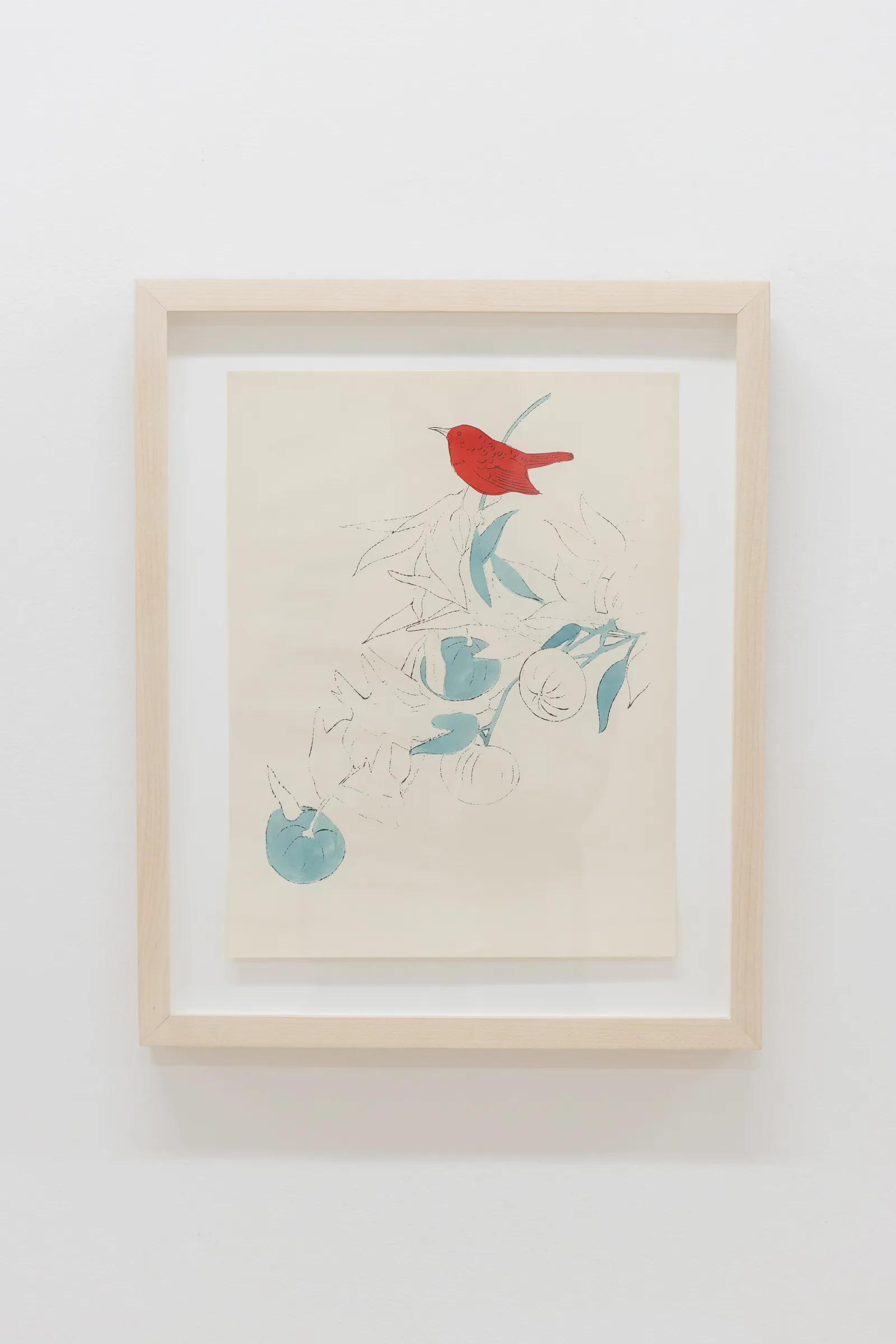
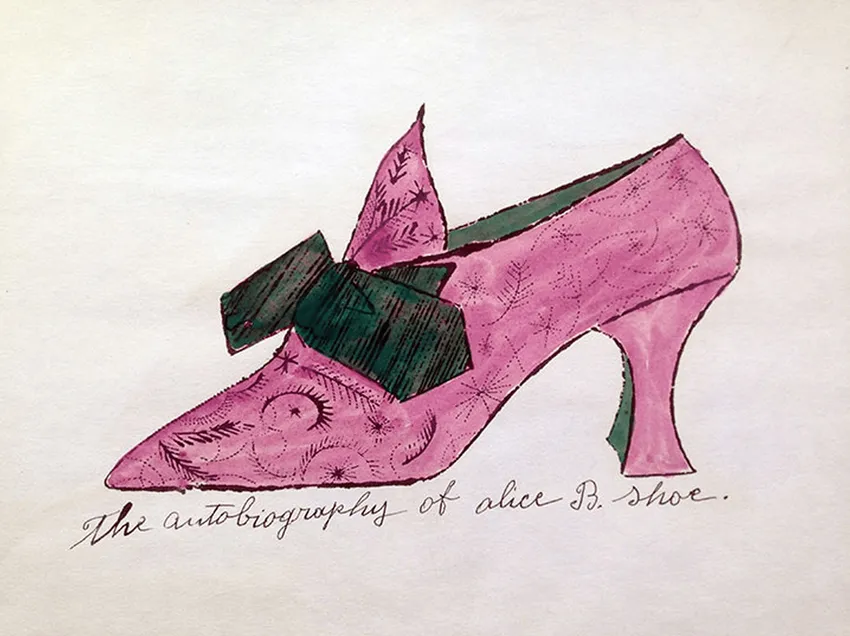
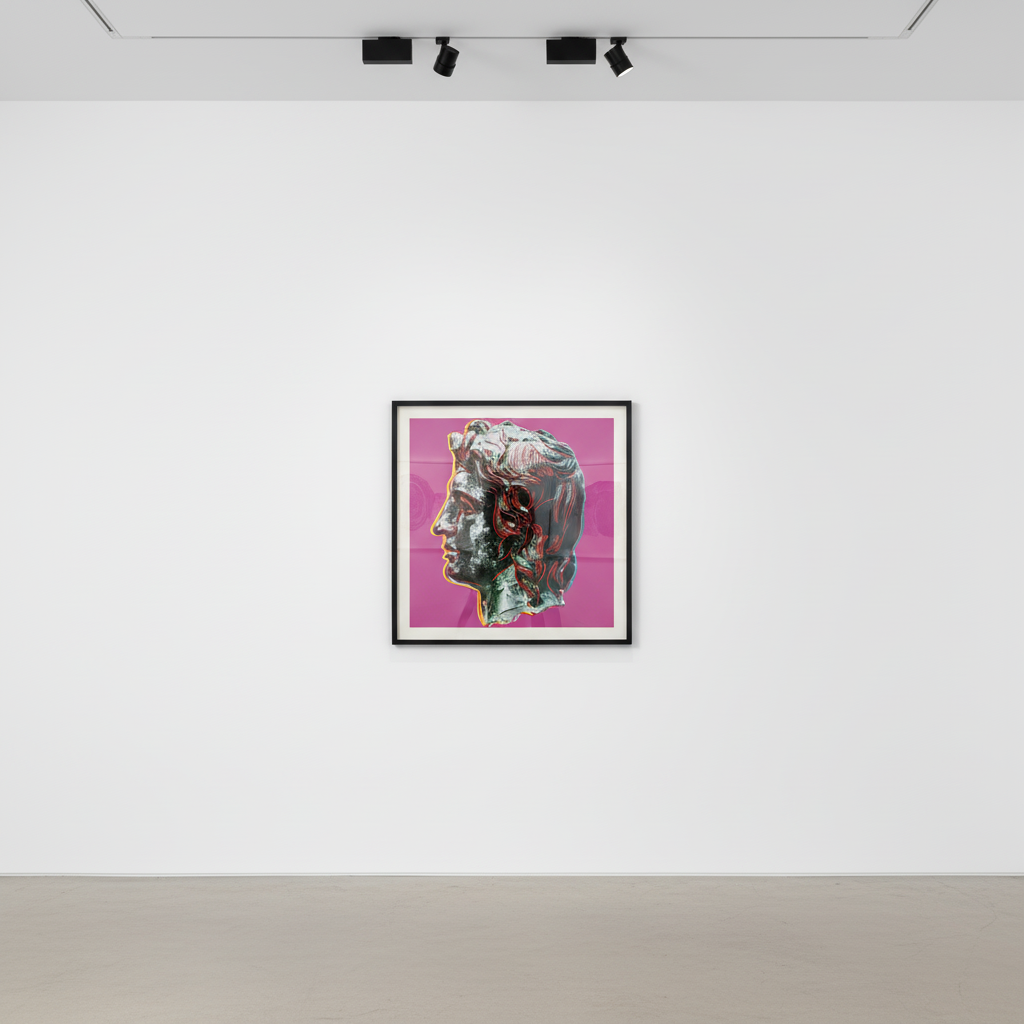
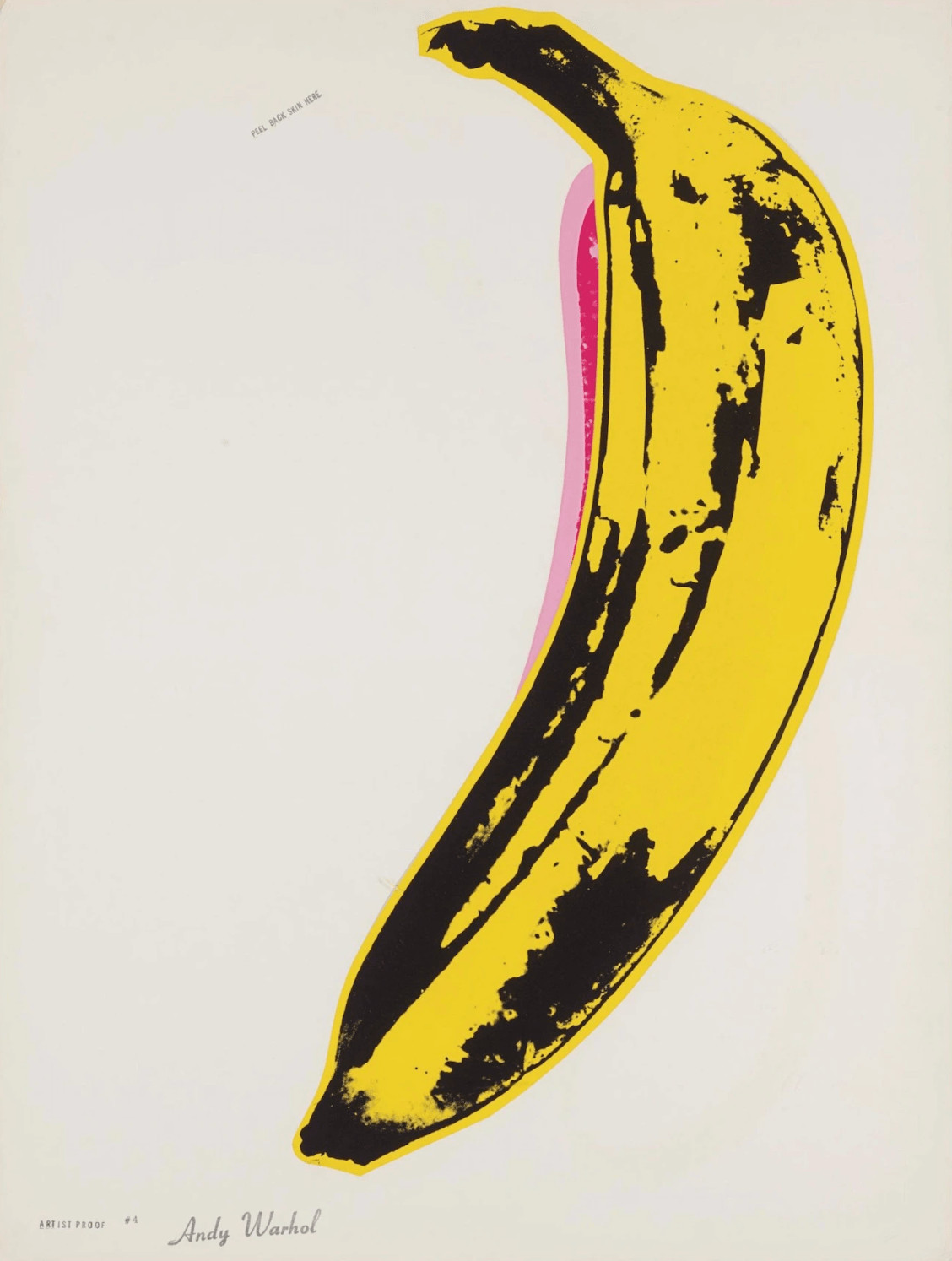
Explore Andy Warhol prints for sale at Guy Hepner: 25 Cats Named Sam, A Gold Book, A La Recherche Du Shoe Perdu, Alexander the Great, Banana.
Related Series