
Christopher Makos: Photographing Legends
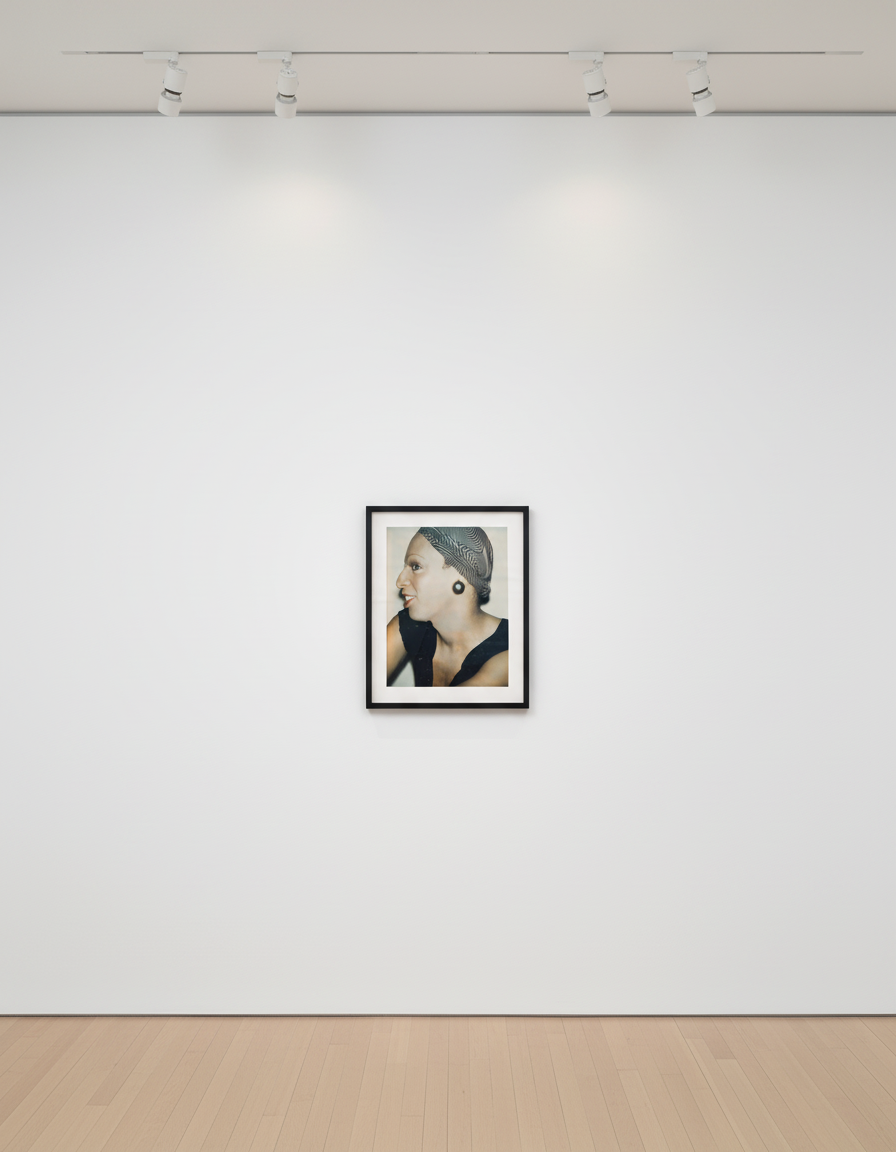
Christopher Makos: Photographing Legends
Christopher Makos stands as one of the most influential photographers to emerge from New York's explosive downtown scene of the 1970s and 1980s. His camera lens captured an era when art, fashion, celebrity, and counterculture collided with unprecedented creative energy, producing images that continue to define our visual understanding of that transformative period. More than a documentarian, Makos brought a distinctively modern sensibility to portraiture - one that balanced raw photojournalistic instinct with conceptual sophistication about how identity is constructed and performed through images. His work offers collectors not merely photographs but portals into a vanished world of creative ferment, preserved with startling intimacy and aesthetic precision.
The Making of a Visual Revolutionary
Christopher Makos' artistic foundation was shaped by two powerful and seemingly divergent influences that would ultimately fuse into his signature approach. The first was his early exposure to European avant-gardism, most significantly through his mentorship under Man Ray during time spent in Paris. This connection to Surrealism's grand master instilled in Makos a deep respect for photography as a medium capable of transcending mere documentation - an art form that could reveal hidden truths, challenge perception, and transform the ordinary into the extraordinary. Man Ray's experimental techniques and philosophical approach to image-making left an indelible mark on the young American photographer.
The second defining influence was Makos' immersion in New York's downtown scene, where he became an integral figure in the social and artistic circles surrounding Andy Warhol. Their friendship, which lasted until Warhol's death in 1987, proved mutually enriching. Warhol famously declared Makos "the most modern photographer in America" - a designation that spoke to his subject's ability to synthesize classical photographic discipline with contemporary cultural awareness. Through his access to the Factory and its extended universe, Makos developed an unparalleled portfolio of portraits capturing artists, musicians, writers, designers, and celebrities at moments of unguarded authenticity.
What distinguished Makos from other photographers working in similar circles was his capacity to reveal personality without exploitation. His portraits of figures ranging from John Lennon to Elizabeth Taylor, from Jean-Michel Basquiat to Salvador Dalí, demonstrate a consistent ability to penetrate public facades while maintaining the dignity and complexity of his subjects. This balance between intimacy and respect has ensured the enduring power of his images long after the specific cultural moments they documented have passed into history.
Warhol, the Factory, and the Art of Documentation
No discussion of Christopher Makos can proceed without addressing his extensive documentation of Andy Warhol - work that constitutes both a major artistic achievement and an invaluable historical record. Makos served as Warhol's exclusive photographer during crucial years, traveling with him internationally and capturing the Pop master in contexts ranging from formal portraits to candid moments of daily life. The resulting archive presents Warhol with a depth and dimensionality that complemented the artist's own carefully constructed public persona.
Among the most celebrated outcomes of this collaboration is the "Altered Images" series, in which Makos photographed Warhol in drag, wearing makeup and wigs that transformed him into various feminine personas. These images, created in 1981, prefigured Warhol's own "Self-Portrait in Drag" works and demonstrated Makos' conceptual engagement with questions of gender, identity, and performance that would become central to subsequent decades of artistic discourse. The series reveals both photographers' shared interest in the malleability of identity and the role of surface in constructing meaning.
Makos' connection to Warhol also facilitated his documentation of the broader Factory ecosystem and its intersections with the worlds of fashion, music, and high society. His images capture the creative ferment of an era when boundaries between artistic disciplines were dissolving and new forms of celebrity were emerging. Works depicting figures from Warhol's "Ladies and Gentlemen" series, including the iconic Wilhelmina Ross, demonstrate Makos' sensitivity to the marginalized communities that found visibility and validation within the Factory's inclusive environment. These photographs carry particular historical significance as records of transgender visibility in fine art contexts during a period of limited mainstream recognition.
Market Position and Collector Significance
The market for Christopher Makos' photography has demonstrated consistent strength, reflecting both the historical importance of his archive and the enduring aesthetic appeal of his compositions. According to market analysis from Sotheby's, photographs documenting the Warhol circle have shown particular resilience, with collectors recognizing these works as essential documents of a pivotal moment in American cultural history. The Art Basel and UBS Global Art Market Report has identified photography from this period as an area of sustained collector interest, particularly among buyers seeking works that combine artistic merit with historical significance.
Christie's has noted the growing institutional recognition of Makos' contributions, with major museums acquiring his prints for permanent collections. This museum validation has reinforced collector confidence in the long-term value proposition of his work. The relative accessibility of photography as a medium - compared to unique paintings or sculptures - has enabled collectors at various levels to participate in acquiring historically significant images, while rare vintage prints and artist proofs command premium positioning at auction.
For contemporary collectors, Makos' photographs offer multiple points of entry and appreciation. Those drawn to portraiture find technically accomplished and psychologically penetrating images. Collectors interested in cultural history acquire direct access to a transformative era. Those focused on questions of identity, gender, and performance discover prescient explorations of themes that dominate current discourse. And collectors building comprehensive holdings around Warhol and his circle recognize Makos' work as essential context for understanding the broader creative environment from which Pop Art emerged into its mature phase.
Acquiring Christopher Makos Photography at Guy Hepner
Guy Hepner is pleased to offer collectors access to important works by Christopher Makos, including photographs spanning his most significant periods and subjects. Our inventory encompasses iconic Warhol portraits, celebrity documentation, and examples of his experimental collage works - each authenticated and presented with full provenance documentation. Our advisory team provides comprehensive guidance on building coherent collections around Makos' oeuvre, whether clients seek single statement acquisitions or wish to develop deeper holdings in photography from this essential period. We invite collectors to contact Guy Hepner directly to discuss available works, commission possibilities, and acquisition strategies tailored to individual collecting goals.