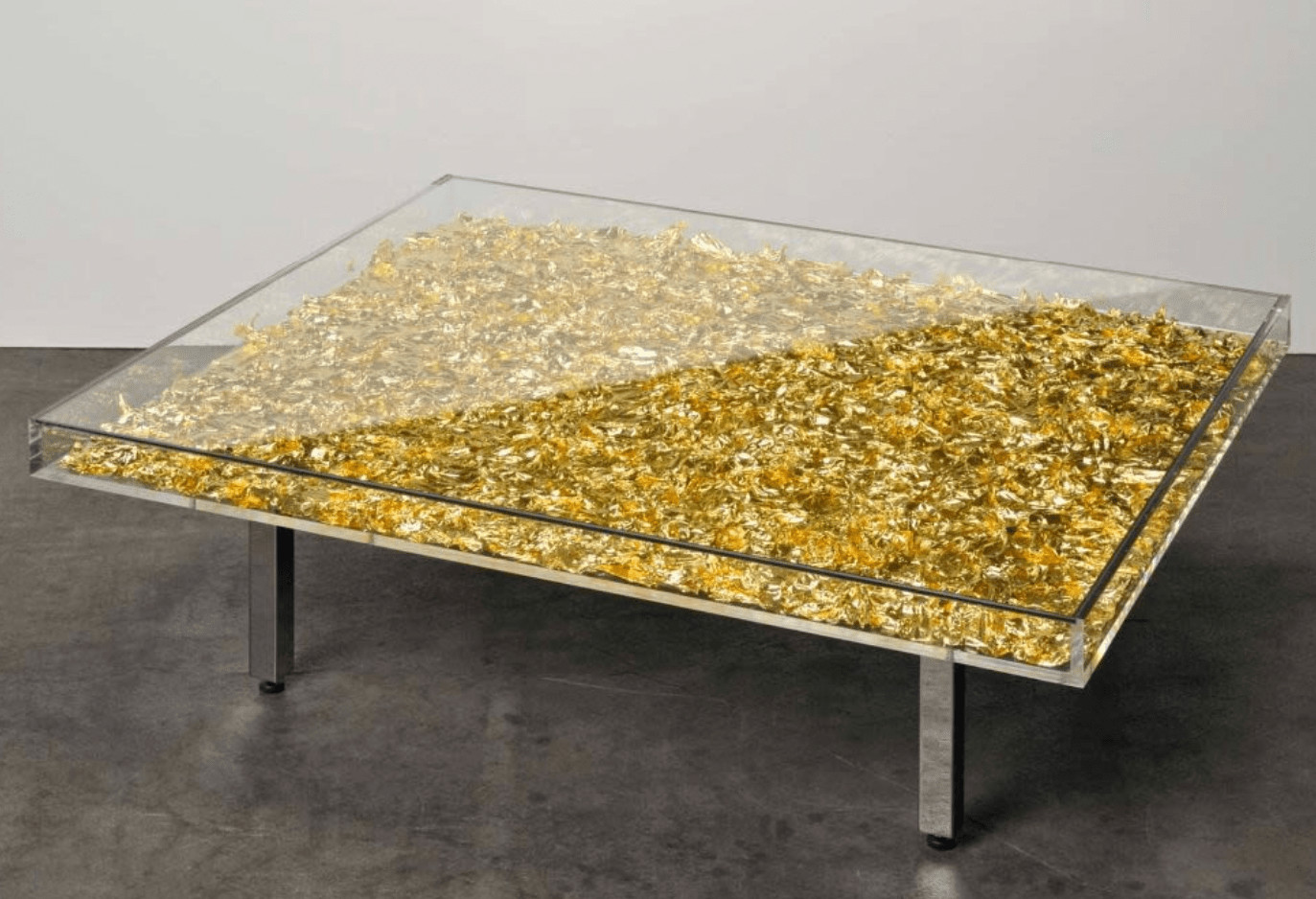
Tables
1 work

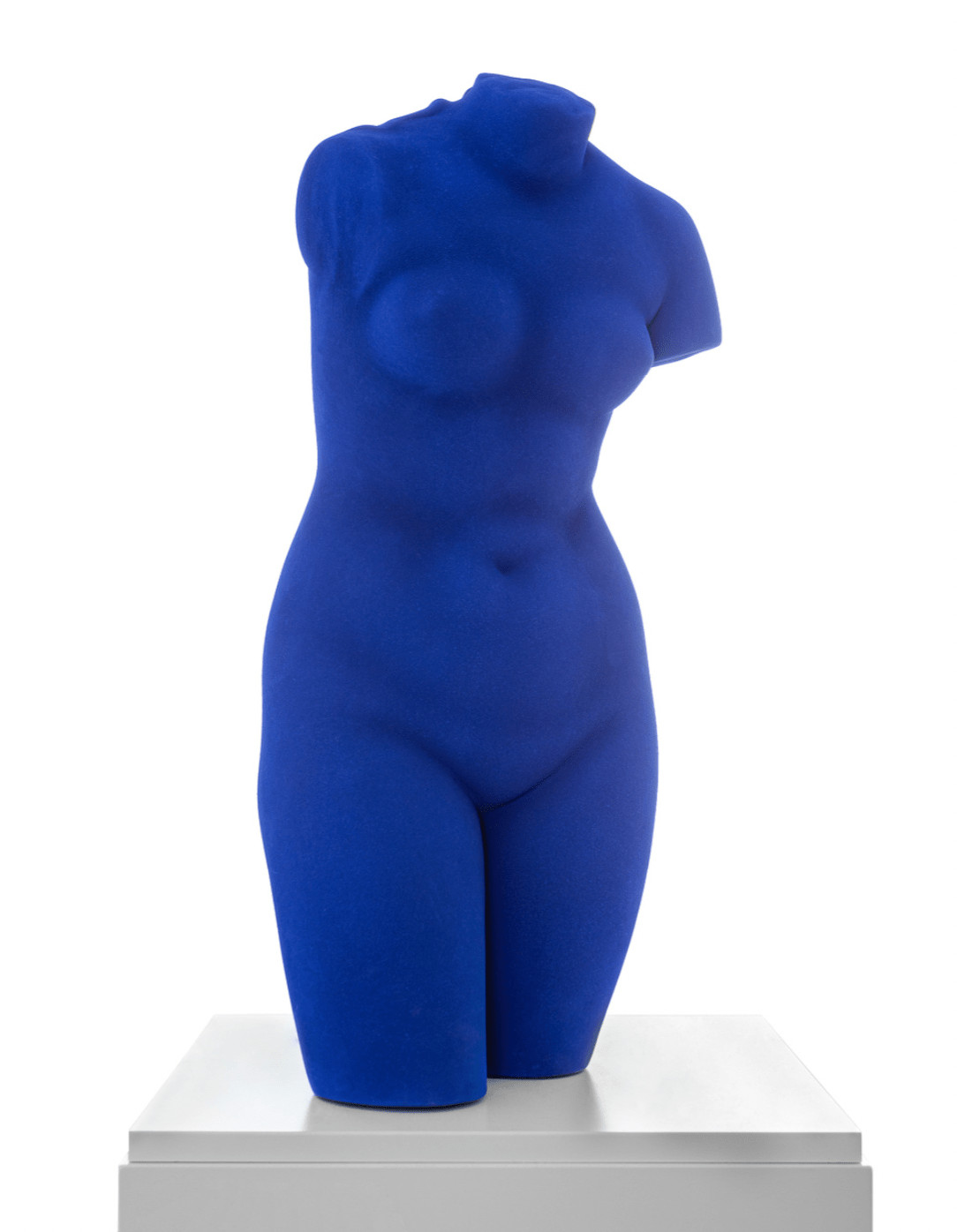
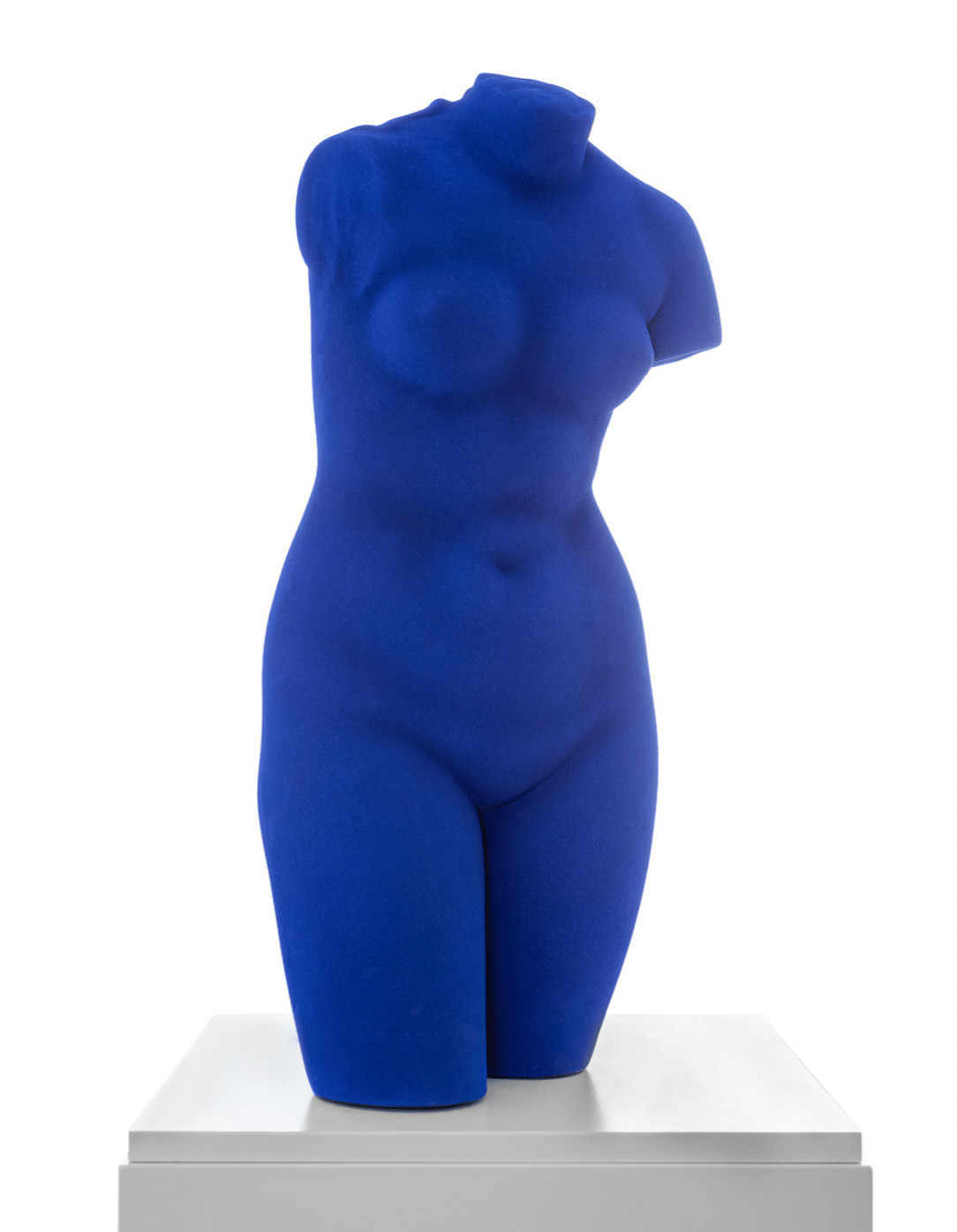
Venus d'Alexandrie, 1962
Painted plaster cast
27 3/8 x 11 3/4 x 11 3/4 in 69.5 x 30 x 30 cm
Edition of 300
Yves Klein's Venus d'Alexandrie is a striking reinterpretation of the classical Venus figure, infused with Klein's signature artistic approach and his renowned International Klein Blue (IKB). This artwork features a plaster cast of the ancient Venus statue, which Klein enveloped entirely in his deep, luminous blue pigment. The choice of IKB, a color Klein developed and patented, transforms the traditional white statue into a vivid, almost otherworldly object, challenging the viewer's perception of the classical form. The Venus d'Alexandrie in Klein's vision is no longer just a representation of the Roman goddess of love and beauty; it becomes a symbol of the artist's exploration of immateriality and the sublime. By applying his monochromatic blue, Klein strips the statue of its historical and cultural context, inviting the audience to engage with it on a purely sensory and emotional level. The intense, uniform color serves to highlight the contours and elegance of the form, while simultaneously suggesting a boundless and infinite space that transcends the physicality of the sculpture. Klein's use of blue on the Venus d'Alexandrie also reflects his fascination with the concept of the void and the immaterial. The rich, dense blue is meant to evoke a sense of depth and infinity, drawing the viewer into a meditative experience that transcends the mere visual. This transformation aligns with Klein's broader artistic philosophy, where color becomes a vehicle for expressing the inexpressible, creating a direct, almost spiritual connection between the artwork and its audience. Yves Klein's Venus d'Alexandrie is a powerful example of his ability to merge classical forms with modernist ideas. By reimagining the Venus in his iconic blue, Klein not only pays homage to the timeless beauty of ancient sculpture but also infuses it with a contemporary sensibility that explores new dimensions of artistic expression. This piece stands as a testament to Klein's innovative spirit and his enduring impact on the world of art.
Price on Application
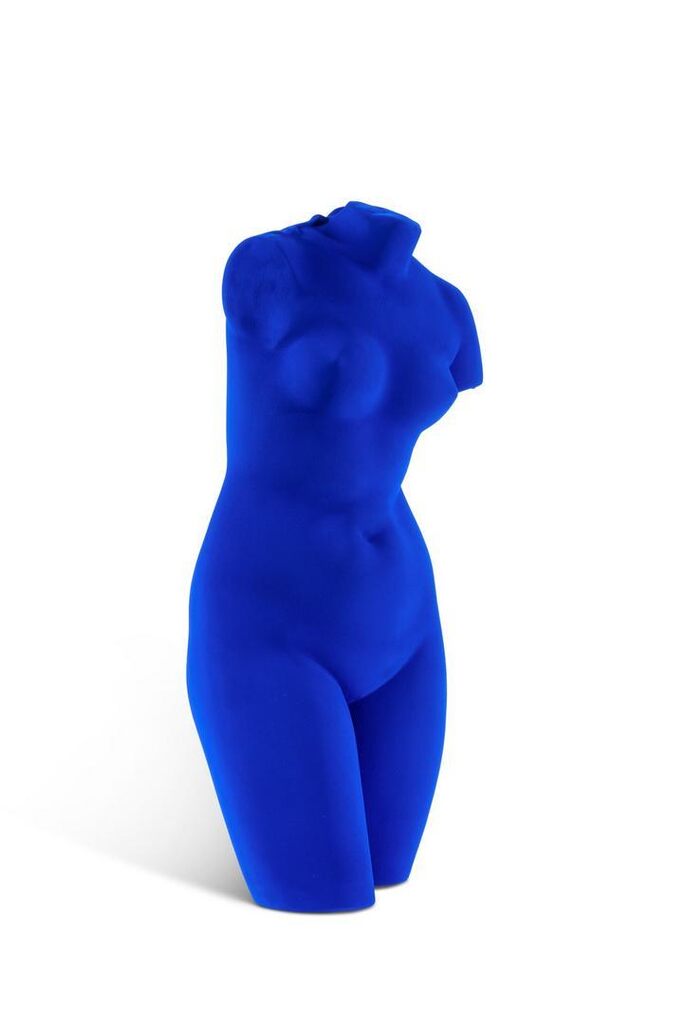
La Vénus d’Alexandrie (Vénus Bleue, S 41) (The Venus of Alexandria (Blue Venus, S 41)) · Yves Klein · Christie's · 2025-06 · $298,520
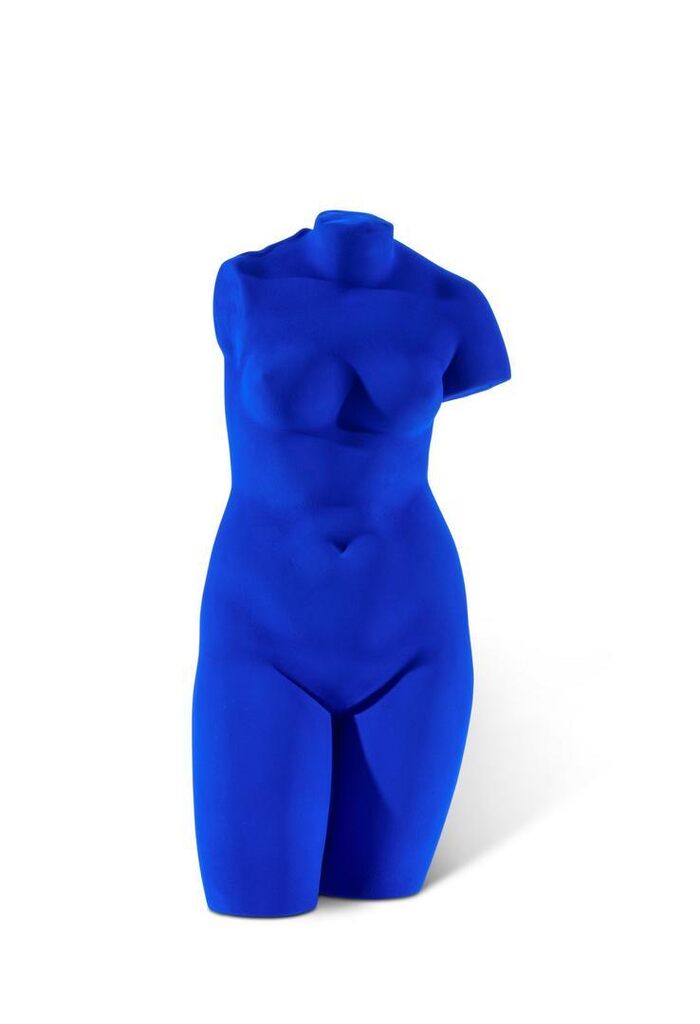
Venus d'Alexandrie (S 41) · Yves Klein · Christie's · 2024-06 · $111,687
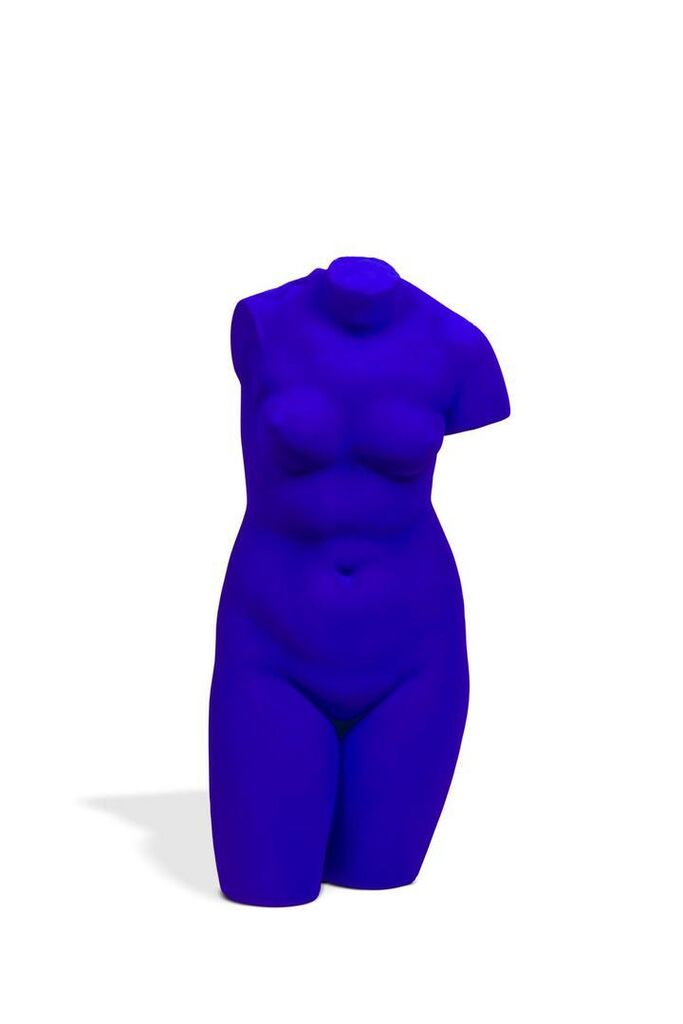
La Venus d'Alexandrie (S 41) · Yves Klein · Christie's · 2023-12 · $135,056
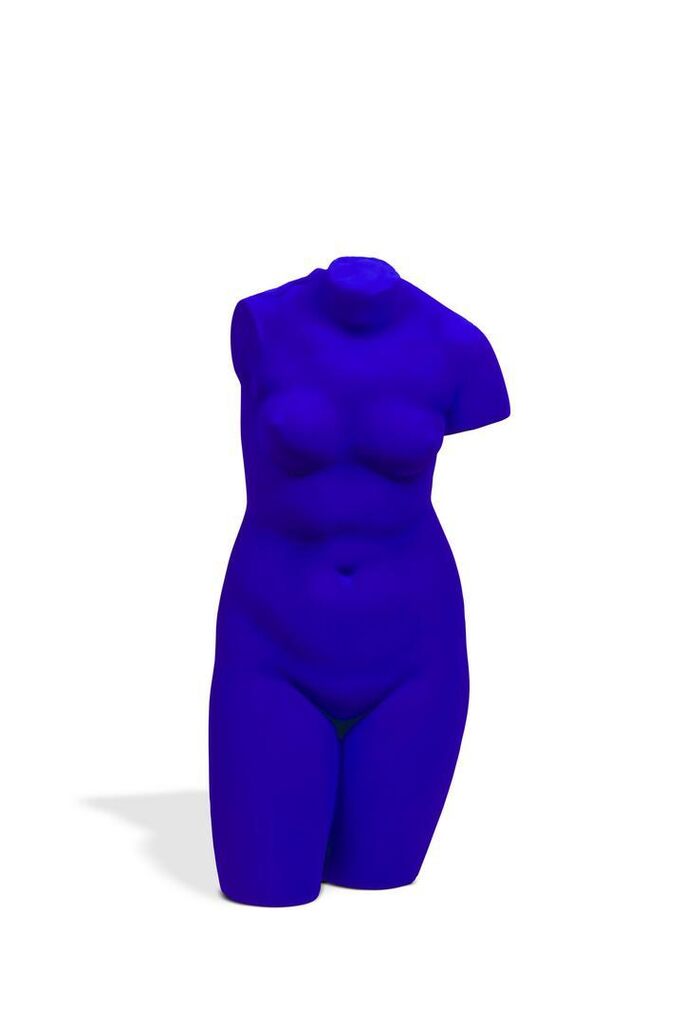
Venus D'Alexandrie (S 41) · Yves Klein · Christie's · 2023-06 · $134,363
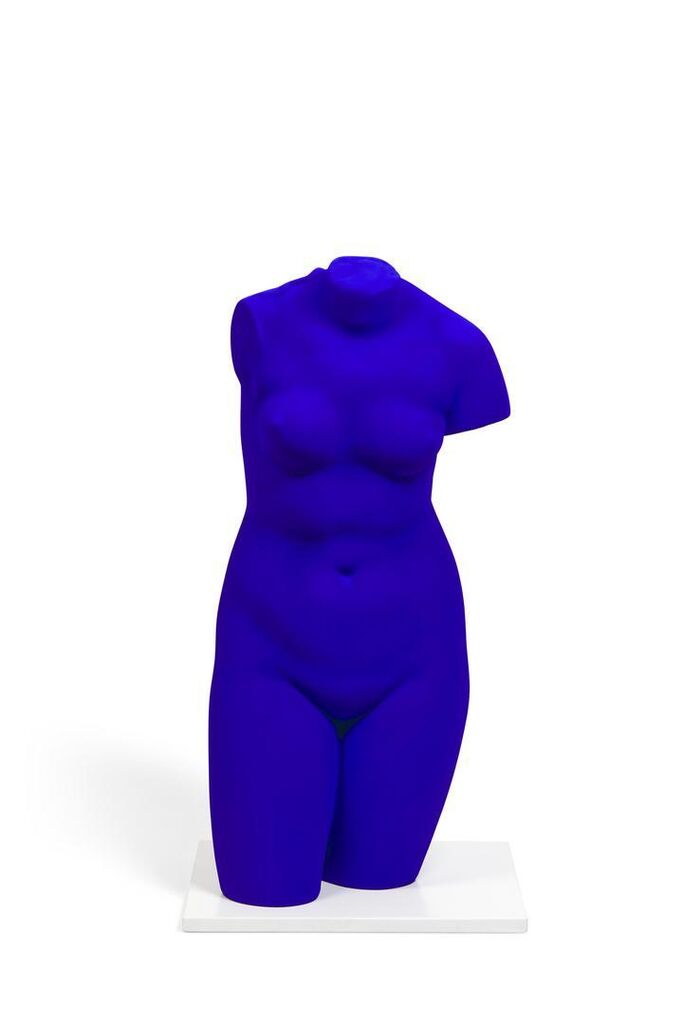
La Venus d'Alexandrie (S 41) · Yves Klein · Christie's · 2023-05 · $130,730

Connor Gottfried: Playable Memories
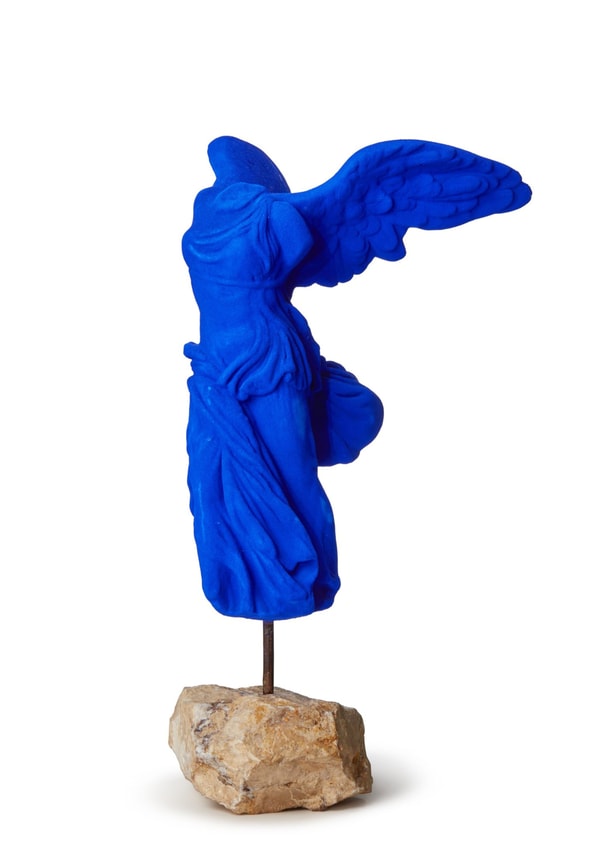
Top Ten Highlights
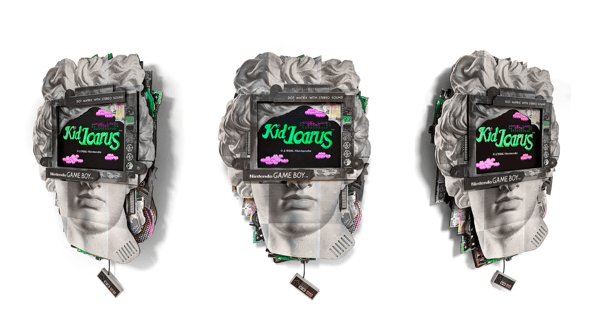
Retro Revival: Connor Gottfried, Arlo Sinclair and Dylan Martinez
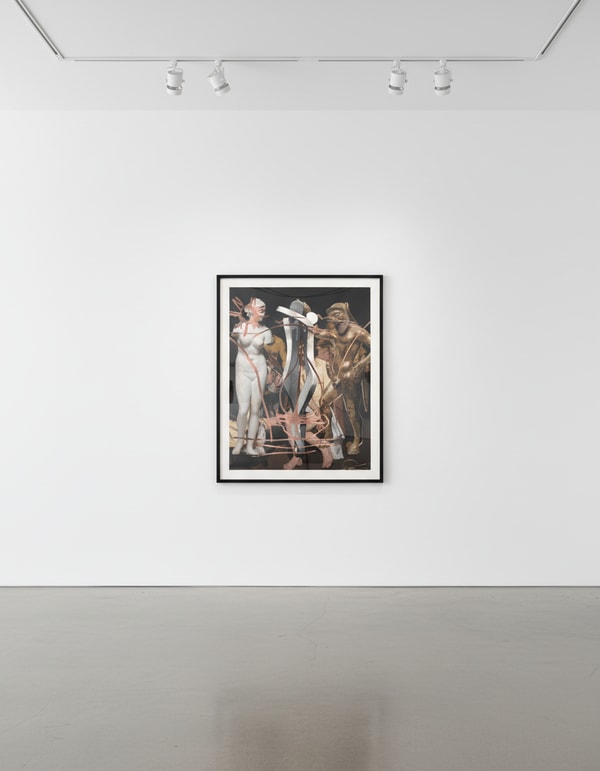
Jeff Koons
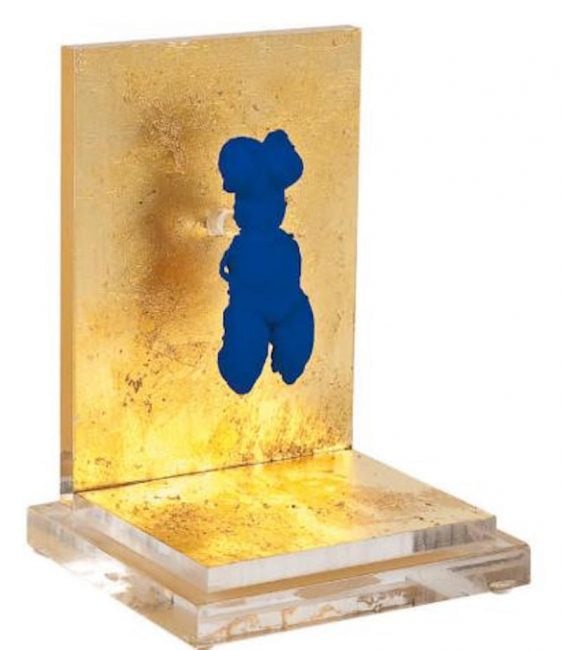
Yves Klein
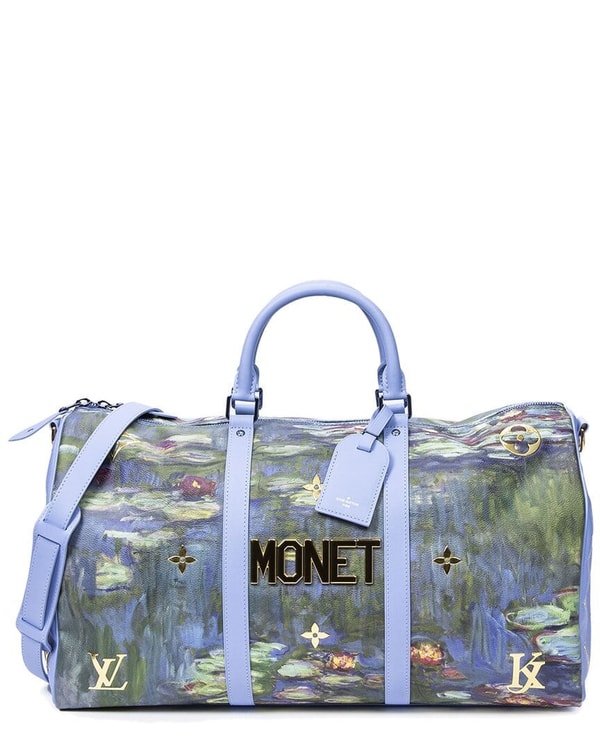
Jeff Koons: The Intersection Of Art and Luxury Fashion
Damien Hirst Editions: A Complete Collector's Guide
Takashi Murakami Explained: Beyond Superflat
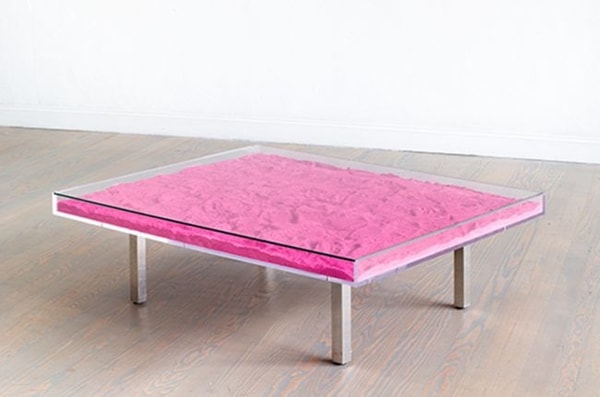
Yves Klein's Tables
Yves Klein (1928–1962, Nice, France) was one of the most radically inventive and philosophically ambitious artists of the postwar era, a figure who in fewer than a dozen active years transformed the possibilities of painting, performance, sculpture, and conceptual art with an urgency and totality that has only grown in significance since his death at the age of thirty-four. The son of two painters, Klein grew up in an artistic household in Nice before his life was redirected, unexpectedly, by judo: he spent years studying in Japan, achieving a fourth-dan black belt, an experience that introduced him to Zen philosophy and a concept of presence, emptiness, and discipline that would run through all of his subsequent art.
Klein's most famous achievement was the development of International Klein Blue — IKB — a specific ultramarine pigment suspended in a synthetic resin binder that he developed in collaboration with a Parisian chemist and registered as his own. The colour, which possesses an extraordinary matte depth quite unlike standard artist's ultramarine, became the medium of his most significant works. His Monochromes — paintings of a single, unbroken IKB surface — proposed colour as the subject of painting rather than its vehicle, removing composition, form, and gesture in favour of pure chromatic experience. The works invite the viewer into something close to meditation, and their apparent simplicity conceals a philosophical position of genuine radicalism. His Anthropométries, made between 1960 and 1962, used the bodies of nude female models coated in IKB as living brushes, dragged or pressed against canvases before an audience in formal dress — works that anticipated performance art while producing objects of extraordinary physical beauty. His Sponge Sculptures — natural sea sponges saturated in IKB and mounted on metal — transformed found organic matter into objects of meditative concentration. His Fire Paintings, made by directing gas flames across treated cardboard, and his Cosmogonies, produced by exposing canvases to wind and rain, extended his investigation of elemental forces as artistic agents.
Klein's auction record stands at $36,700,000 for Le Rose du bleu (IKB 1957) at Sotheby's New York in 2012. Archisculpture achieved £12,700,000 at Christie's London in 2008, and Monochrome M 82 reached £5,800,000 at Sotheby's London in 2010. His influence on Conceptual Art, Minimalism, and performance art is incalculable; few artists who died so young have left a legacy of such sustained importance.
Klein's work is held at the Museum of Modern Art, the Solomon R. Guggenheim Museum, the Metropolitan Museum of Art, Tate Modern, the Centre Pompidou, Museum Ludwig Cologne, the National Gallery of Art Washington, and the Hirshhorn Museum, among many others.
Guy Hepner offers expert guidance on Yves Klein prints and editions from our gallery at 177 Tenth Avenue, New York. Given the importance and market sensitivity of works by Klein, we bring rigorous attention to authentication and provenance with every transaction. We offer free, confidential valuations for collectors holding Klein works and connections to serious buyers worldwide.