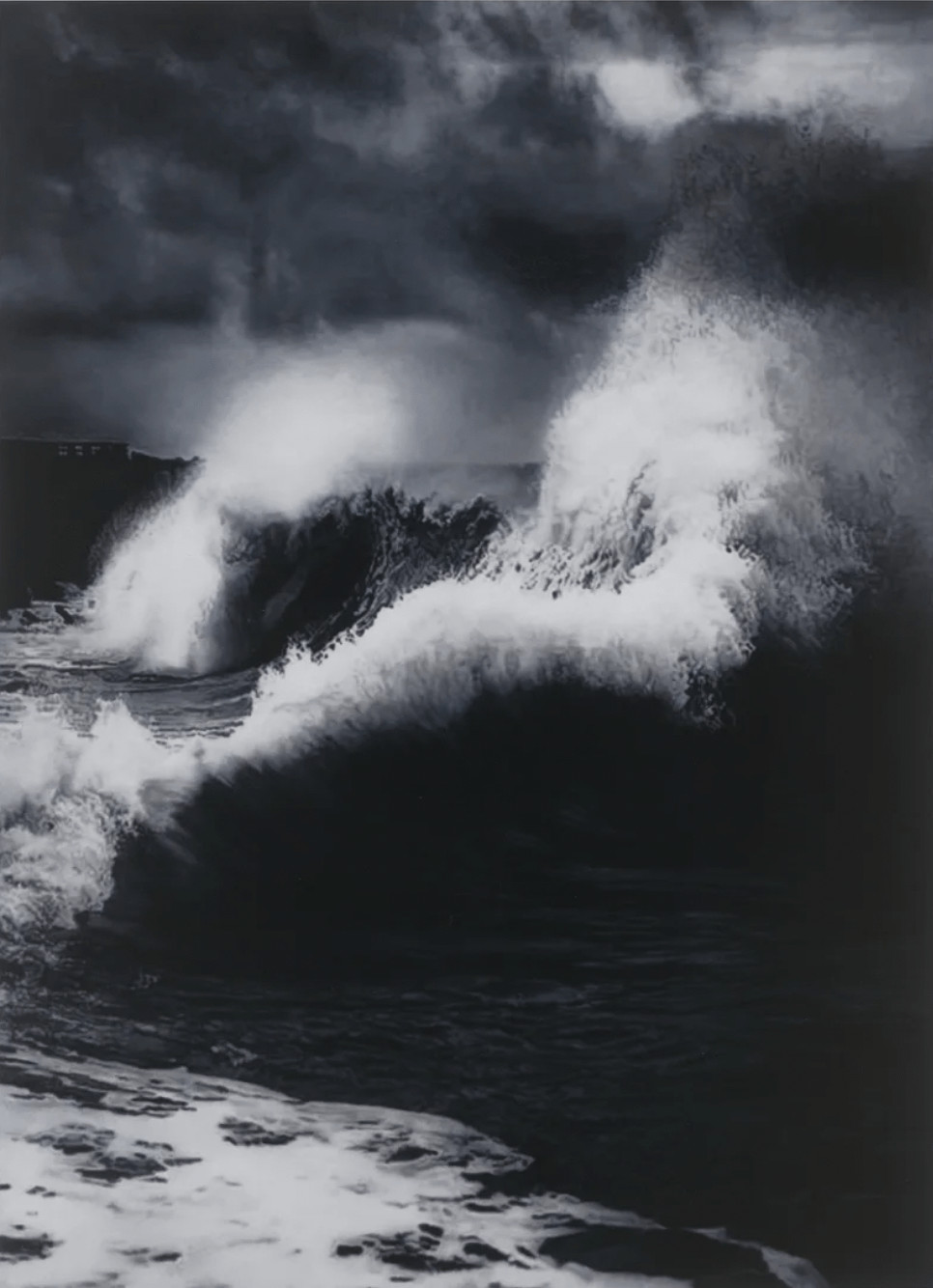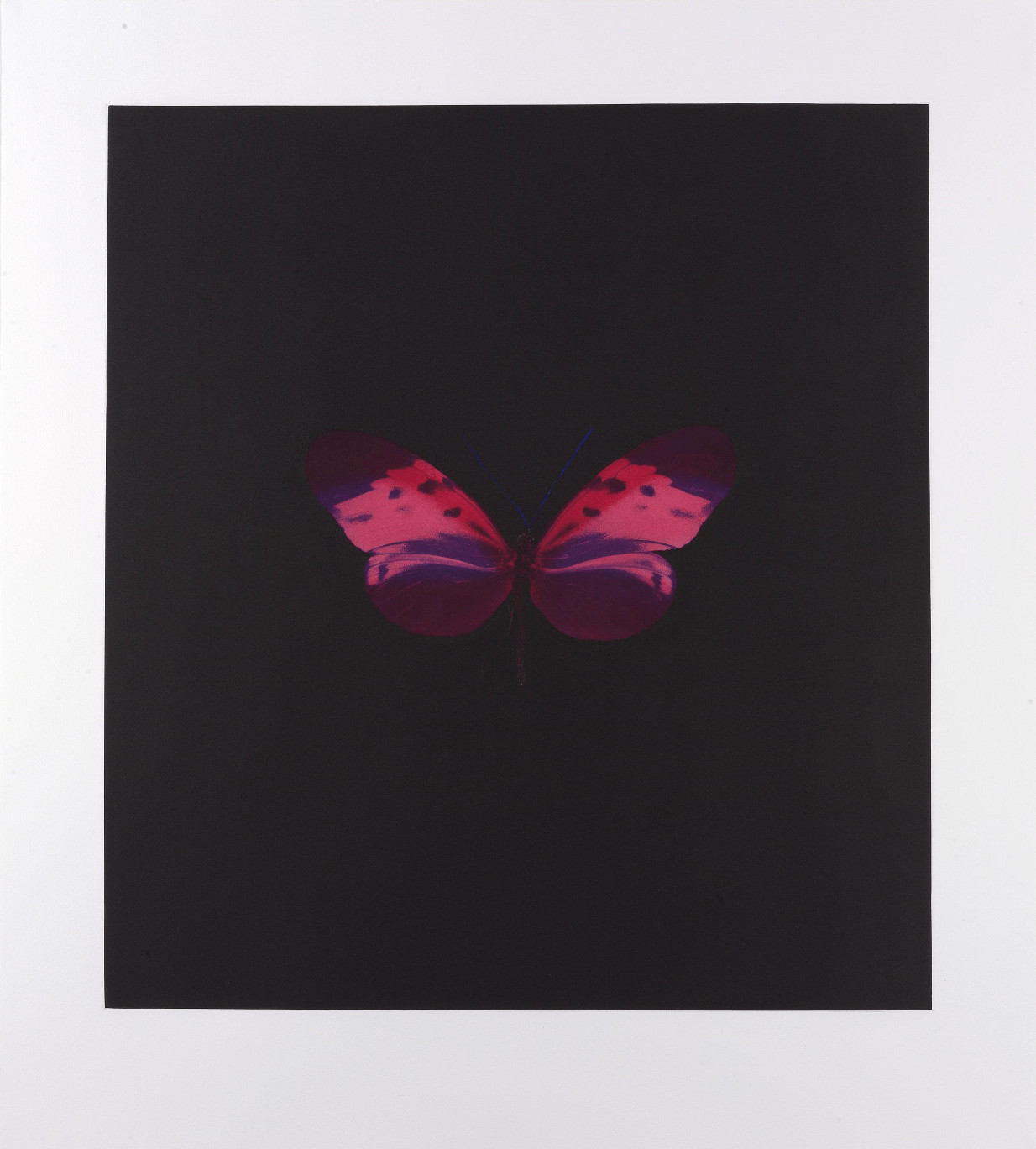
Blossoms

August 7, 2026
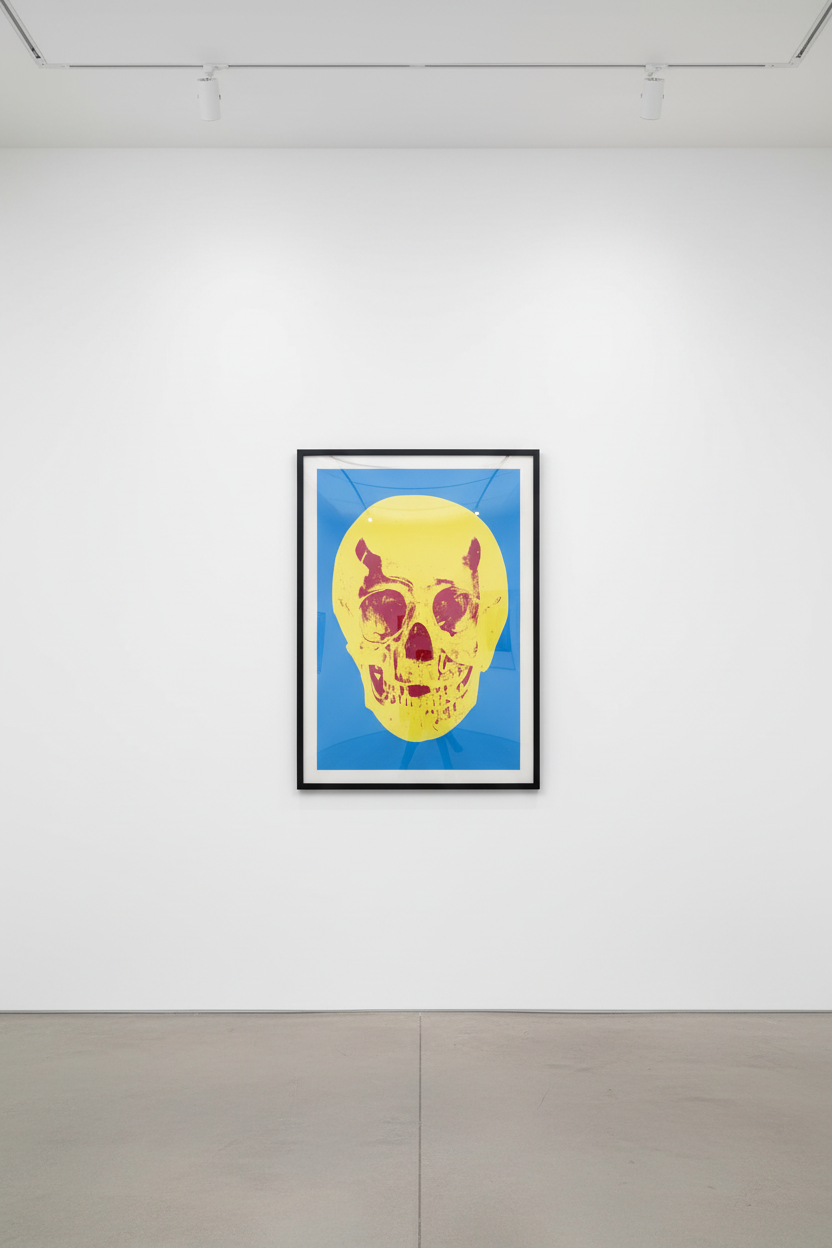
Love him or loathe him, Damien Hirst has fundamentally reshaped how we think about art, commerce, and the edition. From the pharmaceutical precision of his Spot Prints to the memento mori of diamond-encrusted Skulls, Damien Hirst editions represent one of the most extensive and varied bodies of print work produced by any living artist. For collectors who know where to look, this output offers surprisingly accessible entry points into the practice of the Young British Artists movement's most commercially successful and conceptually provocative figure. The sheer scale of Hirst's edition practice can initially overwhelm even experienced collectors, with series numbering in the dozens and individual works in the thousands.
This guide provides a comprehensive overview of Hirst's major print series, the techniques employed across different bodies of work, what distinguishes exceptional impressions from ordinary ones, and the practical considerations around authentication, condition, and market pricing. Whether you are considering your first Hirst acquisition or adding to an established collection, understanding the nuances of his edition practice will help you make informed decisions in a market where quality, provenance, and series significance vary considerably.
Damien Hirst's trajectory from Goldsmiths College student to auction-house phenomenon is well documented, but understanding his print practice requires appreciating how editions fit within his broader conceptual framework. Born in Bristol in 1965 and raised in Leeds, Hirst organised the landmark Freeze exhibition in 1988 while still a student, an entrepreneurial gesture that announced both his arrival and the emergence of the YBAs as a cultural force. His subsequent work with formaldehyde-preserved animals, pharmaceutical cabinets, and spin paintings established him as an artist centrally concerned with mortality, medicine, and the systems through which society assigns value to objects and ideas.
The print editions emerged not as an afterthought but as an integral extension of these concerns. Hirst recognised early that the edition format—with its tension between uniqueness and reproducibility, rarity and accessibility—mirrored the pharmaceutical industry's own logic of mass production for individual consumption. His first Spot Painting dates to 1986, two years before Freeze, and the transition of these works into print form was a natural development of their conceptual underpinnings. The spots, with their clinical precision and pharmaceutical titling, were always about systems of production as much as individual expression.
Hirst's market position solidified dramatically with the 2008 Beautiful Inside My Head Forever sale at Sotheby's London, where he consigned 223 works directly to auction—bypassing gallery representation entirely—and generated approximately £111 million over two days. This event, occurring on the very eve of the global financial crisis, demonstrated both extraordinary collector demand and Hirst's willingness to challenge art world conventions. For the print market specifically, it established precedent for significant secondary market activity and reinforced the importance of edition works as entry points for collectors priced out of unique pieces.
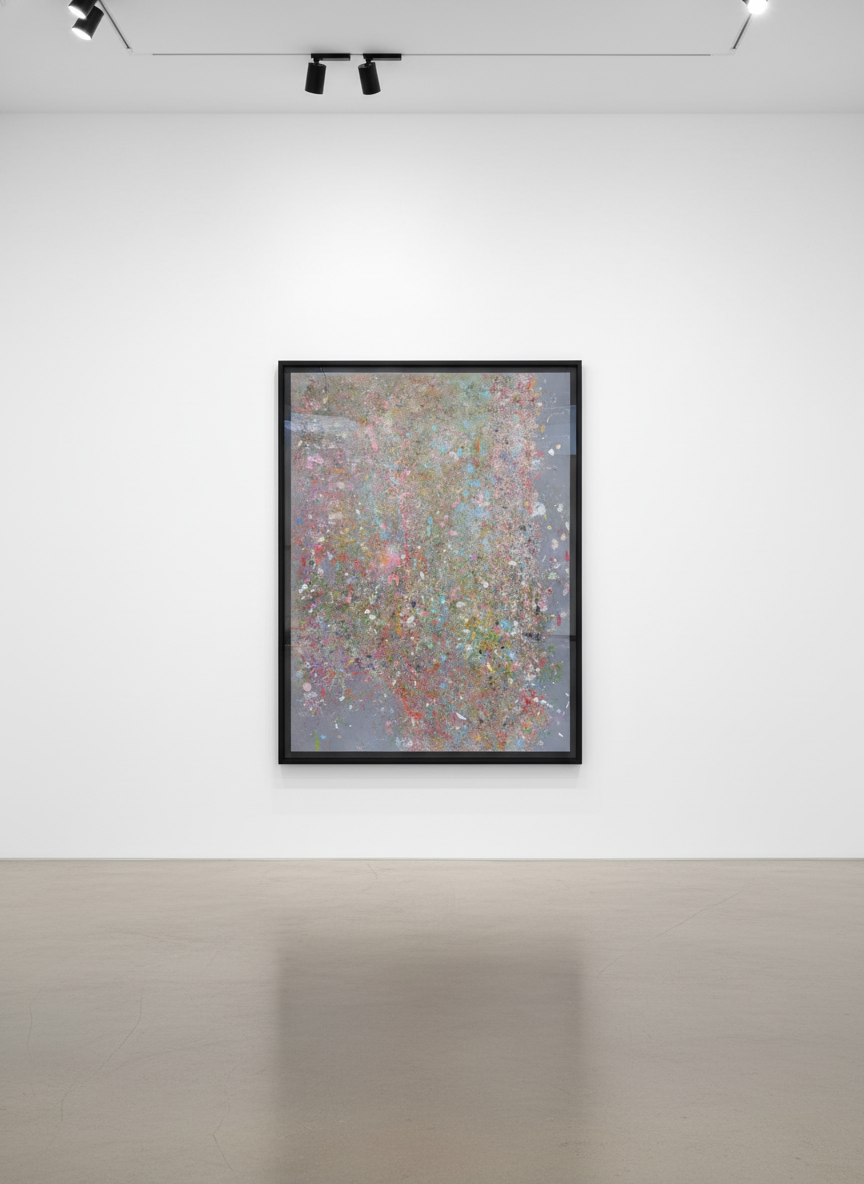
Damien Hirst, Deadman's Cove (H13-1), 2023, Laminated Giclée on Aluminium. Available at Guy Hepner, New York.
The Spot series remains Hirst's most recognised and extensively produced body of print work. These deceptively simple grids of coloured circles have become one of contemporary art's defining visual signatures, commanding walls in major museums, corporate collections, and private homes worldwide. Each spot painting takes its title from a pharmaceutical compound—Opium, Valium, Methylamine, Cinchonidine—transforming the language of chemistry into artistic nomenclature that reinforces the conceptual foundations of the work.
Within the broader Spot category, collectors should distinguish between several distinct subseries. The original Spot Prints are screenprints that translate Hirst's painted works into edition format, typically in editions of 55 or larger. The H4 Veil Spots introduce an additional layer of complexity through overlapping transparent circles that create interference patterns and secondary colours where spots intersect. The H5 Colour Space Spots push this further still, with densely packed arrangements that explore colour theory through pharmaceutical aesthetics. Each subseries commands different market positions, with the Veil and Colour Space works generally achieving higher prices due to their technical complexity and smaller editions.
No living artist has done more to place the butterfly at the centre of contemporary art discourse than Damien Hirst. Over more than three decades, the butterfly has served as his most sustained and formally rich motif, appearing across multiple series and formats. The Psalm series represents perhaps the most formally ambitious of these bodies of work: screenprints with diamond dust, each titled after a Latin psalm, arranging butterfly wings into mandala compositions that draw parallels between the symmetry of natural forms and the structure of religious thought. Works like Psalm: Ad Te, Domine, Levavi and Psalm: Confitebor Tibi are among the most technically complex prints Hirst has produced.
The H7 Heart and Rainbow Butterflies series presents individual specimens against vibrant colour fields, while the H8 Fruitful and Forever series produces concentrated butterfly wing compositions arranged into circular mandala-like forms. The Souls series, featuring iridescent foil-blocked butterflies, offers a more accessible price point while maintaining the conceptual richness of the butterfly motif. These works explore the tension between fragility and permanence that runs through Hirst's entire practice—the butterfly, with its brief lifespan and extraordinary beauty, serves as a natural symbol for the mortality concerns that animate his broader output.
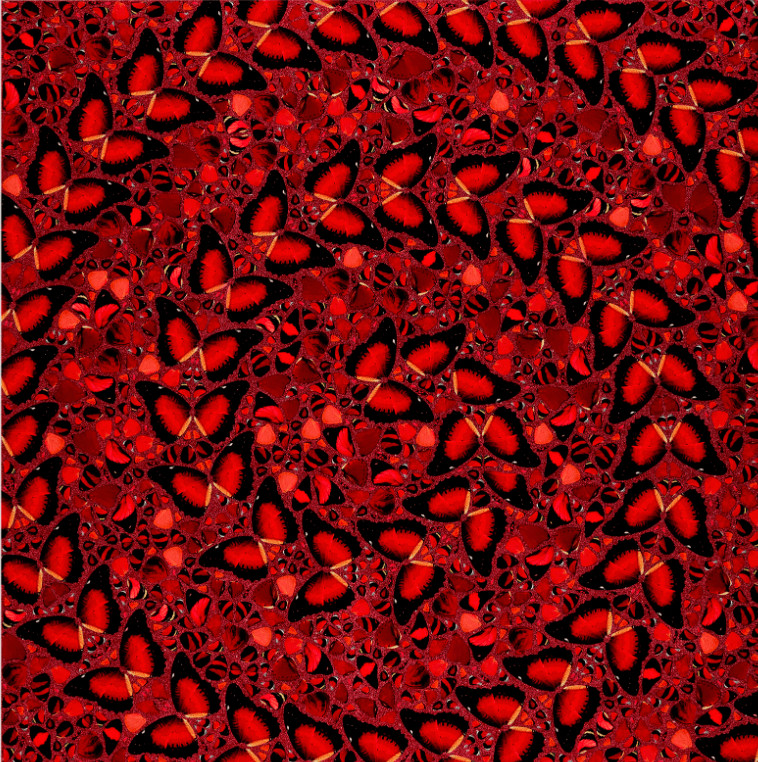
The H9 Virtues series extends the butterfly wing mandala format into explicitly ethical territory. Eight laminated giclée prints on aluminium—each titled after a quality including Justice, Courage, Mercy, Politeness, Honesty, Honour, Loyalty, and Control—use butterfly wing arrangements to construct compositions whose chromatic density suggests the complexity and fragility of the qualities they name. The H10 Empresses series names its five works after historical female rulers: Wu Zetian, Nūr Jahān, Theodora, Suiko, and Taytu Betul. These laminated giclée prints are screen-printed with glitter over the base butterfly wing image, adding a ceremonial quality appropriate to their imperial subjects.
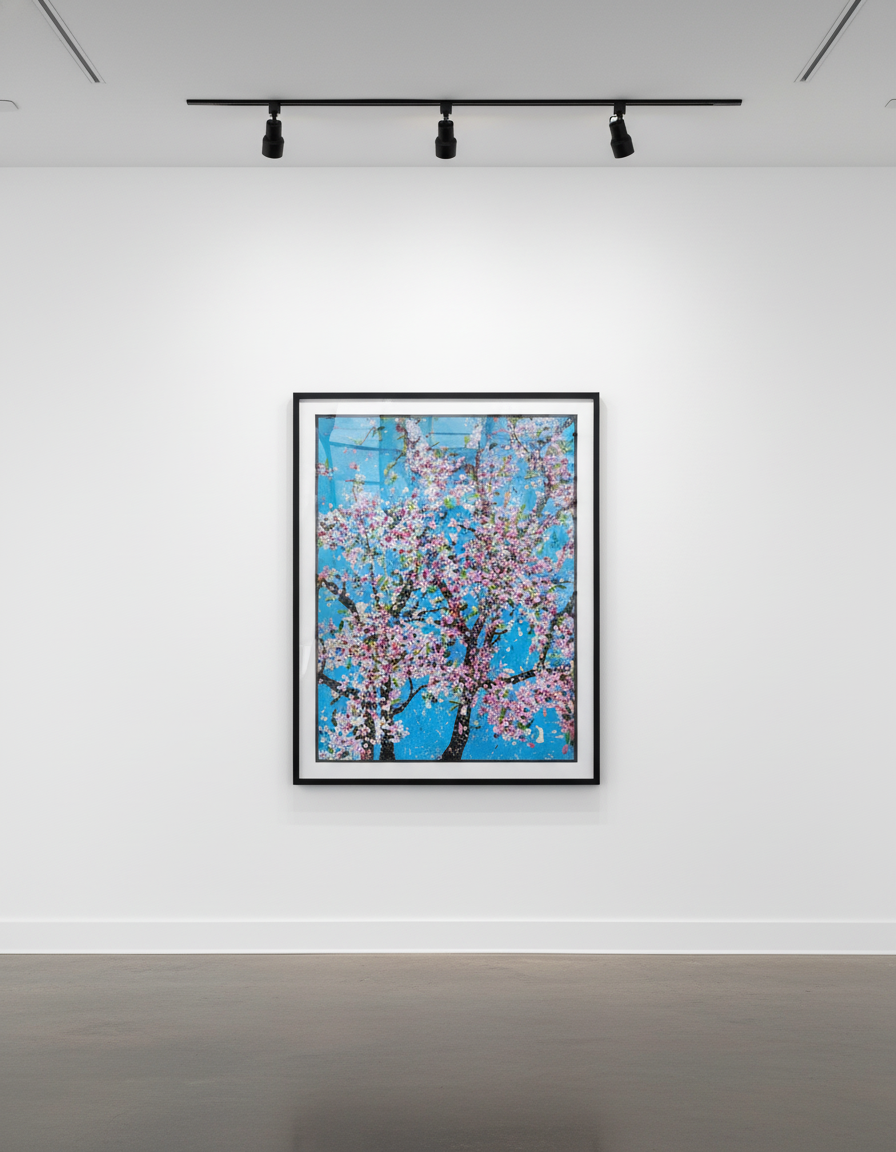
Damien Hirst, The Virtues: Politeness (H9-4), 2021, Laminated Giclée on Aluminium. Available at Guy Hepner, New York.
The Blossom series represents Hirst's most recent major body of painted work, and the edition translations have proven enormously popular with collectors. These prints capture the gestural energy and chromatic intensity of the original canvases—dense accumulations of cherry blossom against vivid sky backgrounds that reference both Impressionist landscape traditions and the Japanese aesthetic of mono no aware, the awareness of impermanence. The series marked a significant shift in Hirst's practice, with the artist returning to direct painting after years of conceptual and fabricated work.
Available primarily as giclée prints on various substrates, the Blossom editions offer collectors access to this acclaimed body of work at price points considerably below the unique paintings, which have commanded seven-figure sums at auction. The prints successfully capture the textural complexity of the originals, with colour fidelity that reproduces the subtle gradations between individual blossom marks.
Hirst's skull imagery—most famously realised in For the Love of God, the platinum cast encrusted with 8,601 diamonds—has translated into some of his most striking edition work. The skull prints range from screenprints depicting the diamond skull against colour fields to the Till Death Do Us Part series, which pairs skulls with geometric colour blocking in compositions that balance decorative appeal with memento mori gravity. These works connect directly to art historical traditions stretching back to Hans Holbein while maintaining Hirst's contemporary edge.
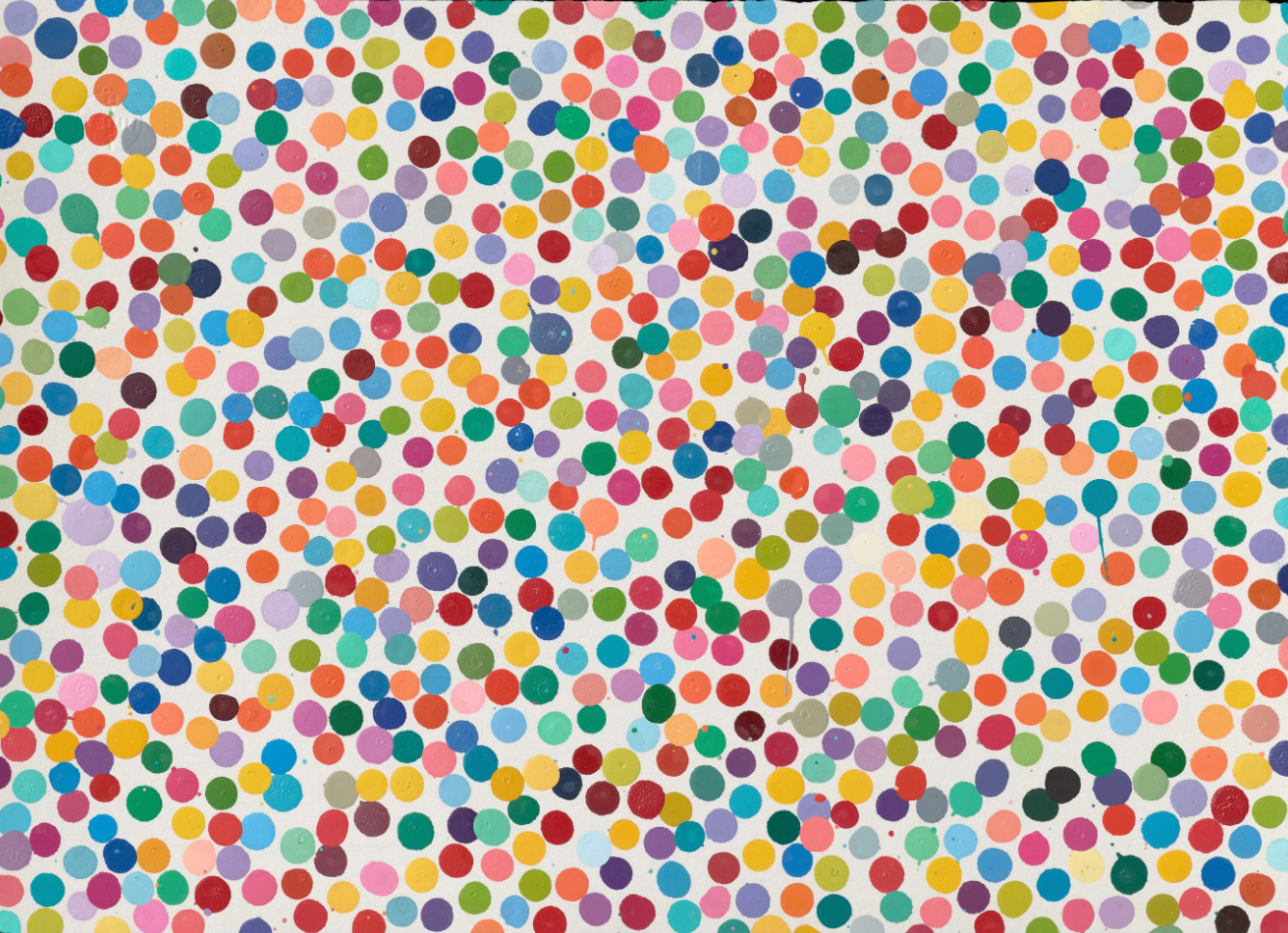
The H11 Currency series warrants special mention as one of the most conceptually ambitious edition projects any contemporary artist has undertaken. In 2021, Hirst produced 10,000 unique works on paper—each featuring his characteristic spot patterns—and offered them for sale with a twist: buyers had to choose whether to keep the physical artwork or exchange it for an NFT version, with the unchosen format being destroyed. This experiment in value, authenticity, and ownership generated international media coverage and sparked debates about the nature of art in the digital age. The surviving physical works and their NFT counterparts now trade on both traditional and blockchain marketplaces.
Not all impressions within an edition are created equal, and discerning collectors should understand the factors that distinguish exceptional examples from ordinary ones. The technical complexity of Hirst's print practice means that quality can vary even within a single series.
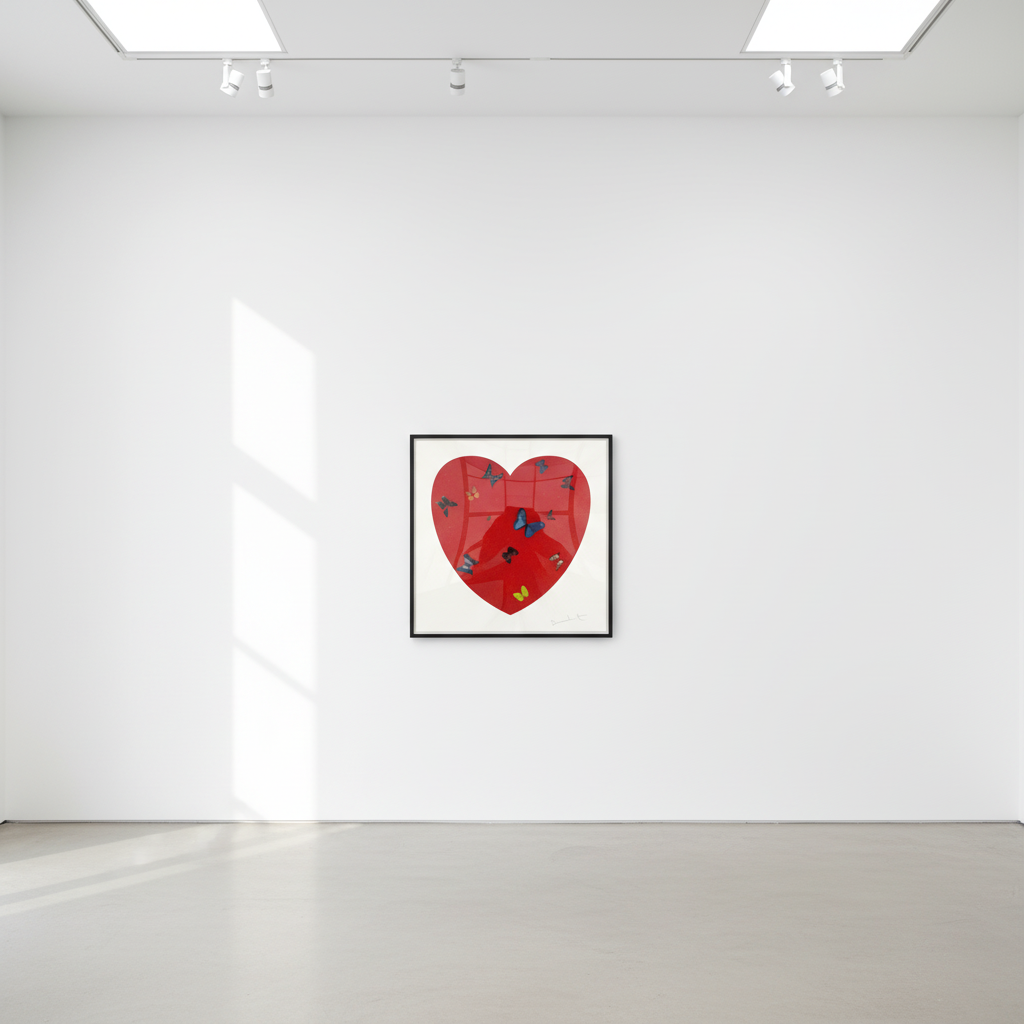
Damien Hirst, All You Need Is Love, Love, Love (Diamond Dust), 2009, Screenprint with Diamond Dust. Available at Guy Hepner, New York.
The robust secondary market for Damien Hirst prints has inevitably attracted forgeries, making authentication a critical concern for collectors. Legitimate Hirst editions are published through established channels—primarily Other Criteria (Hirst's own publishing arm), Paragon Press, and various institutional partners for museum editions—and come with documentation tracing their origin.
Every authentic Hirst print should include a certificate of authenticity issued by the publisher, typically featuring the artist's printed or stamped signature, the edition number, and publisher details. The work itself will bear a pencil signature from Hirst and an edition number in the format XX/YY (e.g., 45/150). Some works also include blindstamps from the publisher or printer embossed into the paper margin.
For significant acquisitions, provenance documentation becomes essential. This includes:
When purchasing from the secondary market, reputable dealers like Guy Hepner provide full provenance documentation and guarantee authenticity. For auction purchases, review the lot essay carefully for provenance information and don't hesitate to request condition reports and additional documentation from the auction house's specialist department.
The Hirst studio maintains records of authentic editions and will, in some cases, provide authentication services for works with unclear provenance. However, this process can be time-consuming, and purchasing from established dealers with guarantees remains the most straightforward approach for most collectors.
Hirst's edition structures vary considerably across series and over time. Understanding these distinctions helps collectors assess relative rarity and make informed comparisons.
Edition sizes for Hirst prints span a considerable range. Early Spot prints from the 1990s were often produced in editions of 100-150, while more recent series like The Currency involved thousands of unique works. Generally speaking, smaller editions command higher individual prices, though the cultural significance of a particular series or image often matters more than edition size alone.
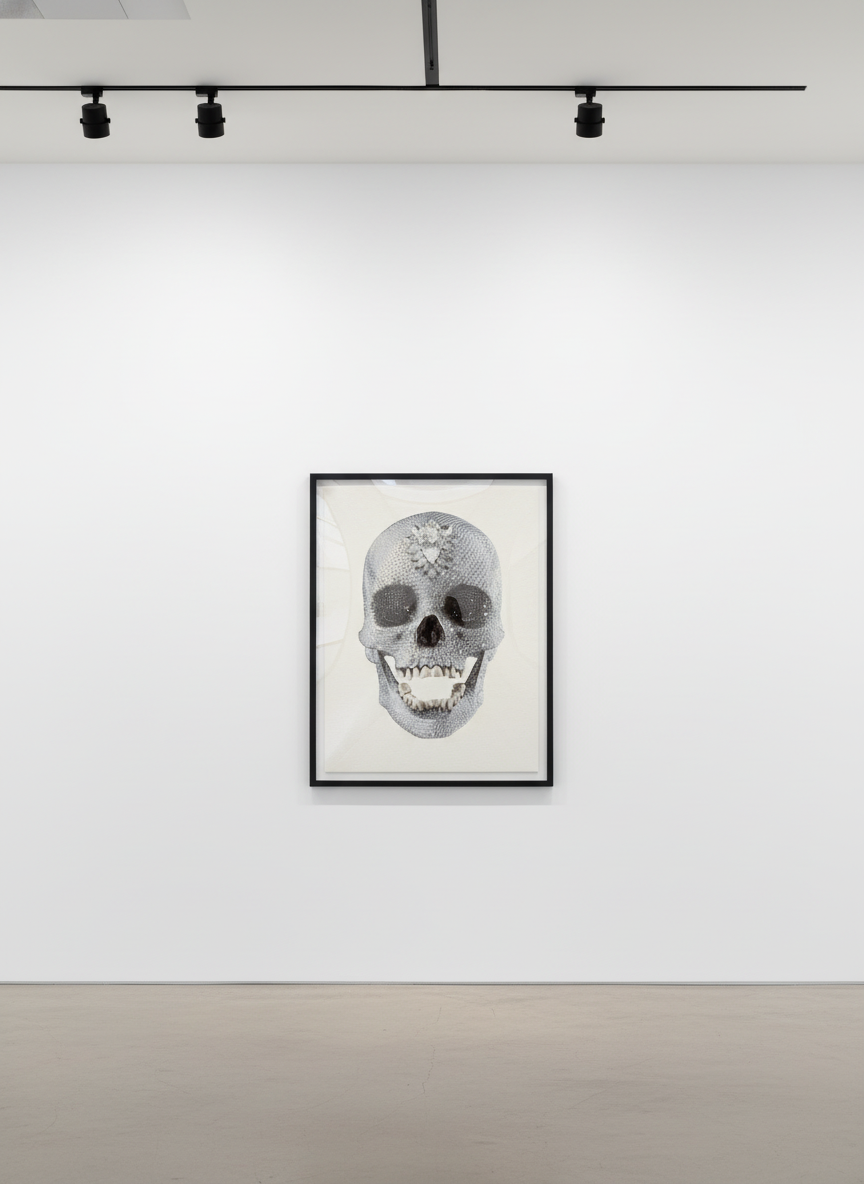
Damien Hirst, For the Love of God (White), 2007, Silkscreen Print with Diamond Dust. Available at Guy Hepner, New York.
Collectors considering Damien Hirst prints should approach pricing with realistic expectations. While far more accessible than unique works—which regularly achieve six and seven figures—Hirst editions represent a range of price points that reflect series significance, edition size, format, and condition.
At the entry level, smaller format works from larger editions—including certain Spot prints, Souls butterflies, and some pharmaceutical-themed prints—can be acquired in the low four-figure range, typically between $2,000 and $8,000. These works offer genuine Hirst ownership at accessible price points, though collectors should ensure they are purchasing from reputable sources with proper documentation.
The mid-market tier, ranging from approximately $10,000 to $50,000, encompasses the majority of significant Hirst editions. This includes strong examples from the Spot series, cherry blossom prints, butterfly compositions from the Psalm and Virtues series, and smaller format skull works. Within this range, condition, edition number, and provenance begin to meaningfully impact pricing.
Museum-quality examples from historically significant series, large-format works, and pieces with exceptional provenance command prices from $50,000 into six figures. The most sought-after Hirst prints—including early Spot prints from the 1990s, major diamond dust works, and significant examples from limited series—can approach or exceed $100,000 at auction.
Pricing fluctuates with broader art market conditions, and Hirst's market has shown both significant peaks and corrections over the past two decades. Collectors should acquire works they genuinely wish to live with rather than treating editions purely as investment vehicles, though Hirst's position in art history suggests long-term value for significant examples.
Hirst's print practice encompasses multiple techniques, each with distinct characteristics and implications for collectors.
Screenprinting (Silkscreen): The predominant technique for Hirst editions, screenprinting pushes ink through a mesh screen onto paper or other substrates. This method produces the flat, saturated colour fields characteristic of the Spot series and allows for precise colour matching across large editions. Multi-colour works require separate screens for each colour layer.
Giclée Printing: High-resolution digital printing used extensively for the Blossom series and butterfly compositions. Modern giclée technology achieves remarkable colour fidelity and detail reproduction, making it ideal for translating painterly works into edition format. Hirst's giclée editions are often laminated and mounted on aluminium for durability and presentation.
Diamond Dust Application: Many Hirst editions incorporate industrial diamond dust—crushed synthetic diamonds—applied as a final layer over screenprinted images. This technique adds a reflective, glittering quality that shifts with viewing angle and light conditions, transforming two-dimensional prints into quasi-sculptural objects.
Photogravure: A traditional etching technique occasionally employed for Hirst's butterfly works, producing images with subtle tonal gradations and a distinctive surface quality different from screenprints.
Foil Blocking: Used primarily in the Souls series, this technique applies metallic or iridescent foil to create shimmering butterfly images against coloured grounds.
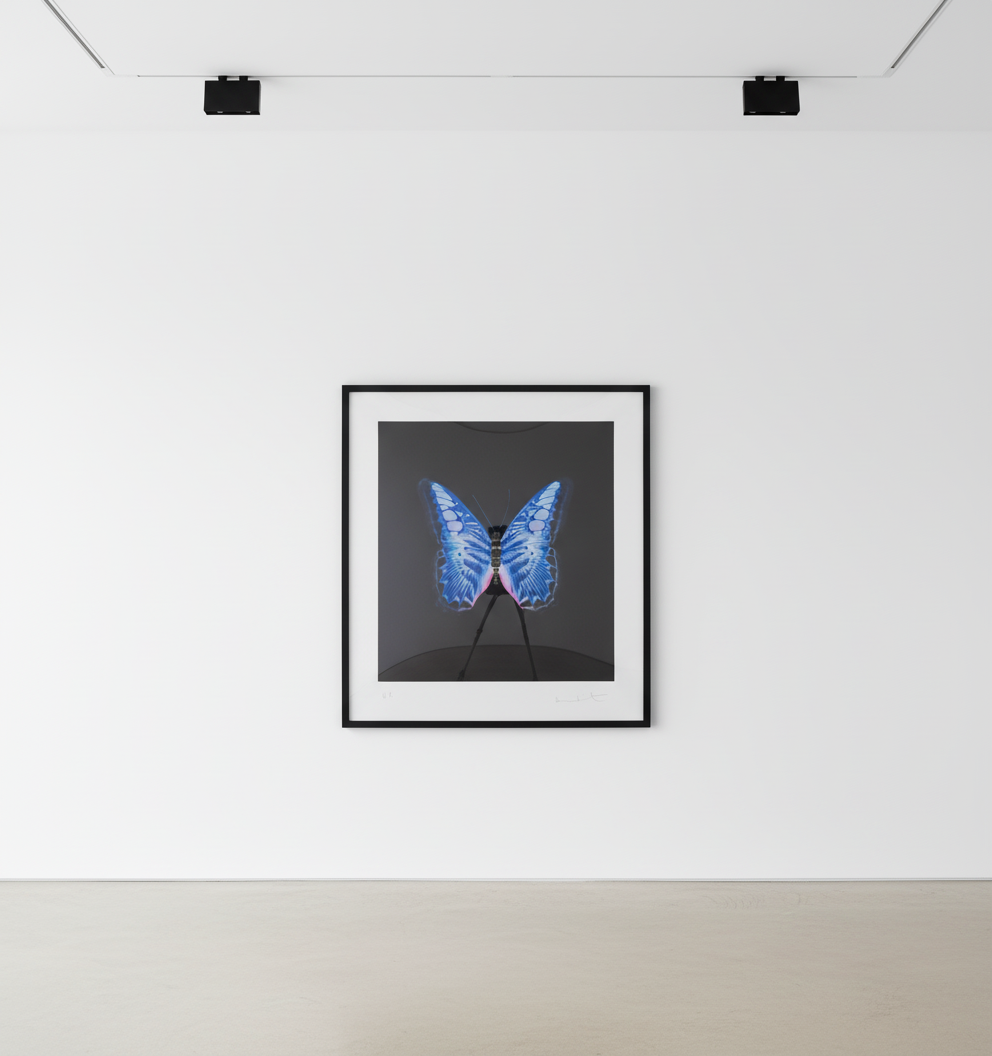
Damien Hirst, The Souls on Jacob's Ladder (Up), 2007, Foil Block on Paper. Available at Guy Hepner, New York.
For collectors approaching Hirst's extensive edition practice, several strategies can guide acquisition decisions and build collections of lasting significance.
Focus on a Single Series: Rather than acquiring scattered works across multiple series, consider building depth within one area that particularly resonates with your interests. A focused collection of Spot prints, for instance, allows you to explore variations in colour, scale, and period while developing genuine expertise in a specific body of work.
Prioritise Condition: In any edition, condition dramatically impacts both aesthetic experience and long-term value. Acquiring fewer works in excellent condition typically proves wiser than accumulating more pieces with condition issues. Ask for detailed condition reports and high-resolution images before committing to any purchase.
Consider Scale: Hirst's editions are often available in multiple sizes. Larger formats generally command higher prices but also make stronger visual statements in collection contexts. Assess your available wall space and consider how different scales will function in your home or office environment.
Balance Entry Points with Significant Works: A thoughtful Hirst collection might combine accessible entry-level pieces with one or two more substantial acquisitions. This approach provides breadth while ensuring the collection includes works of genuine art historical weight.
Acquire from Established Dealers: The secondary market for Hirst prints includes both reputable dealers and less scrupulous sellers. Purchasing from galleries with established track records, authentication guarantees, and professional expertise protects your investment and ensures you receive proper documentation.
Collectors frequently ask whether Damien Hirst editions represent sound financial investments. The honest answer is nuanced: Hirst's market position is established but not immune to fluctuation, and individual series have performed differently over time.
Historically, significant Hirst editions have appreciated considerably from their original issue prices. Early Spot prints acquired in the 1990s for a few hundred pounds have achieved five figures at auction. The diamond dust skull prints, the Psalm butterfly series, and strong examples from limited editions have shown consistent demand on the secondary market.
However, the art market does not move uniformly upward, and Hirst's market specifically has experienced corrections. Following the 2008 Sotheby's sale, some critics predicted sustained decline, though subsequent years proved this pessimism premature. The Currency project generated both enthusiasm and scepticism, with prices for those works fluctuating considerably since initial release.
For collectors, the wisest approach treats potential appreciation as a bonus rather than a primary motivation. Acquire works you genuinely wish to own and live with—pieces that reward sustained looking and connect meaningfully to your broader collecting interests. Hirst's position in contemporary art history is secure; whether specific editions appreciate significantly depends on factors including condition, rarity, series significance, and broader market dynamics that no one can predict with certainty.
Guy Hepner Gallery maintains one of the most comprehensive inventories of Damien Hirst editions in the United States. Our collection spans the major series discussed in this guide—Spot prints, butterfly works, skull imagery, cherry Blossoms, The Currency, and beyond—with works available at multiple price points for collectors at every level.
Every work we offer comes with full authentication documentation, including certificates of authenticity and provenance records. Our specialists have handled hundreds of Hirst transactions and can provide expert guidance on condition assessment, series significance, and market positioning. We offer approval periods for serious collectors and can facilitate viewing appointments at our Tenth Avenue location in New York.
Whether you are acquiring your first Hirst print or seeking a museum-quality example to anchor an established collection, we invite you to contact our team. We are committed to helping collectors make informed acquisitions and build collections of lasting value.
Visit us at 177 Tenth Avenue, New York, or contact our advisory team to discuss available works and begin your acquisition.
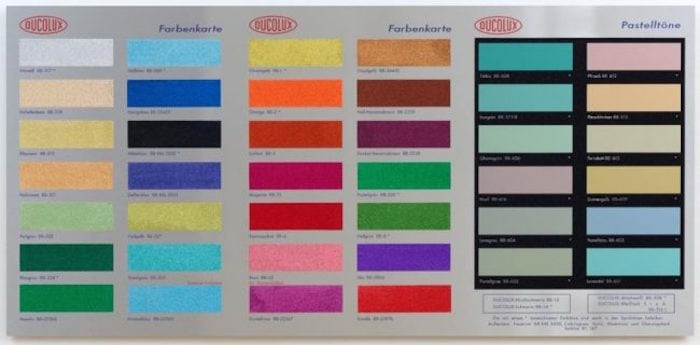
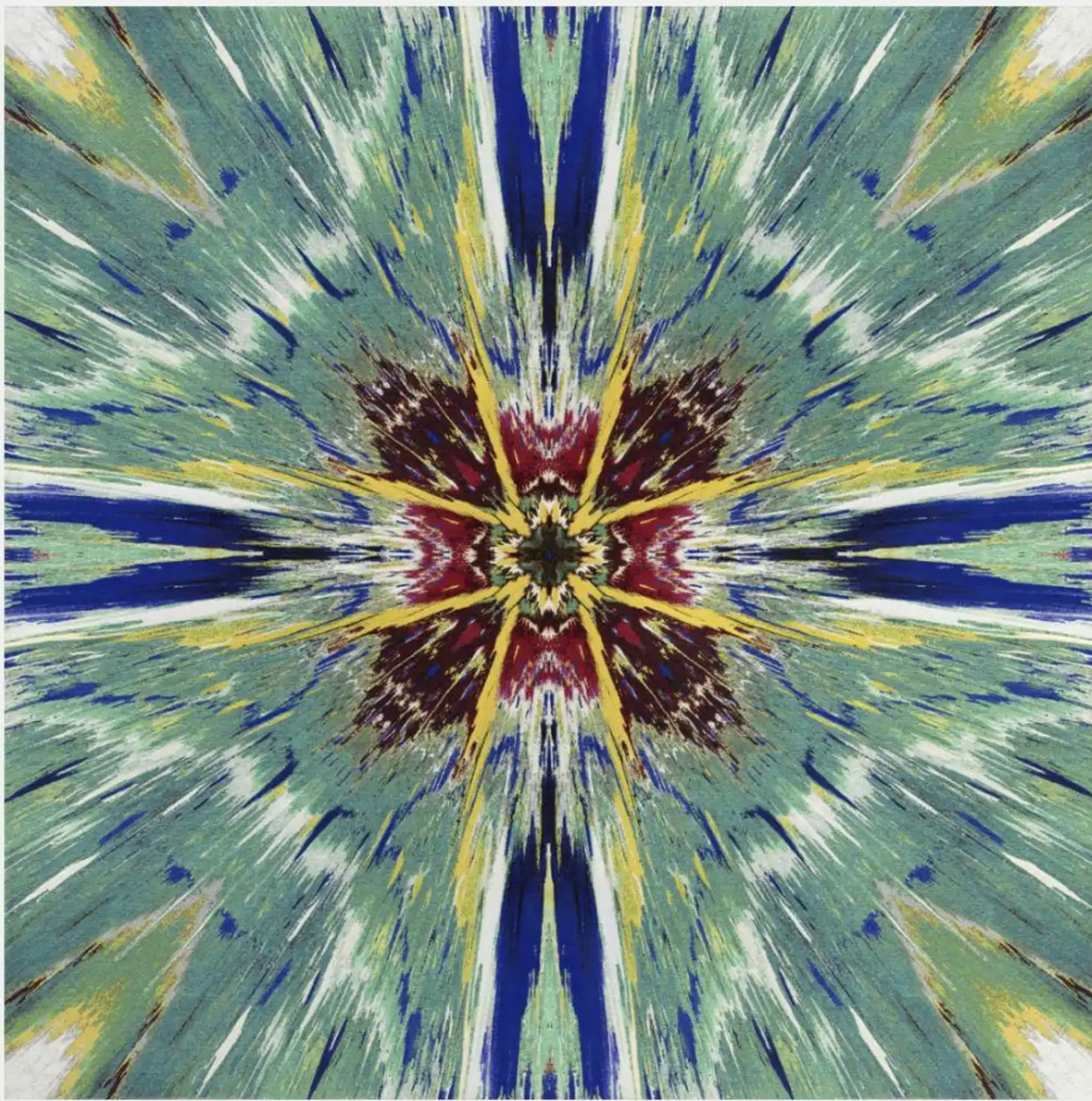
Explore Damien Hirst prints for sale at Guy Hepner: Blossoms, Colour Chart, H1 - Enter the Infinite, H10 - the Empresses, H11 - the Currency.
Related Series