Early Works
11 works

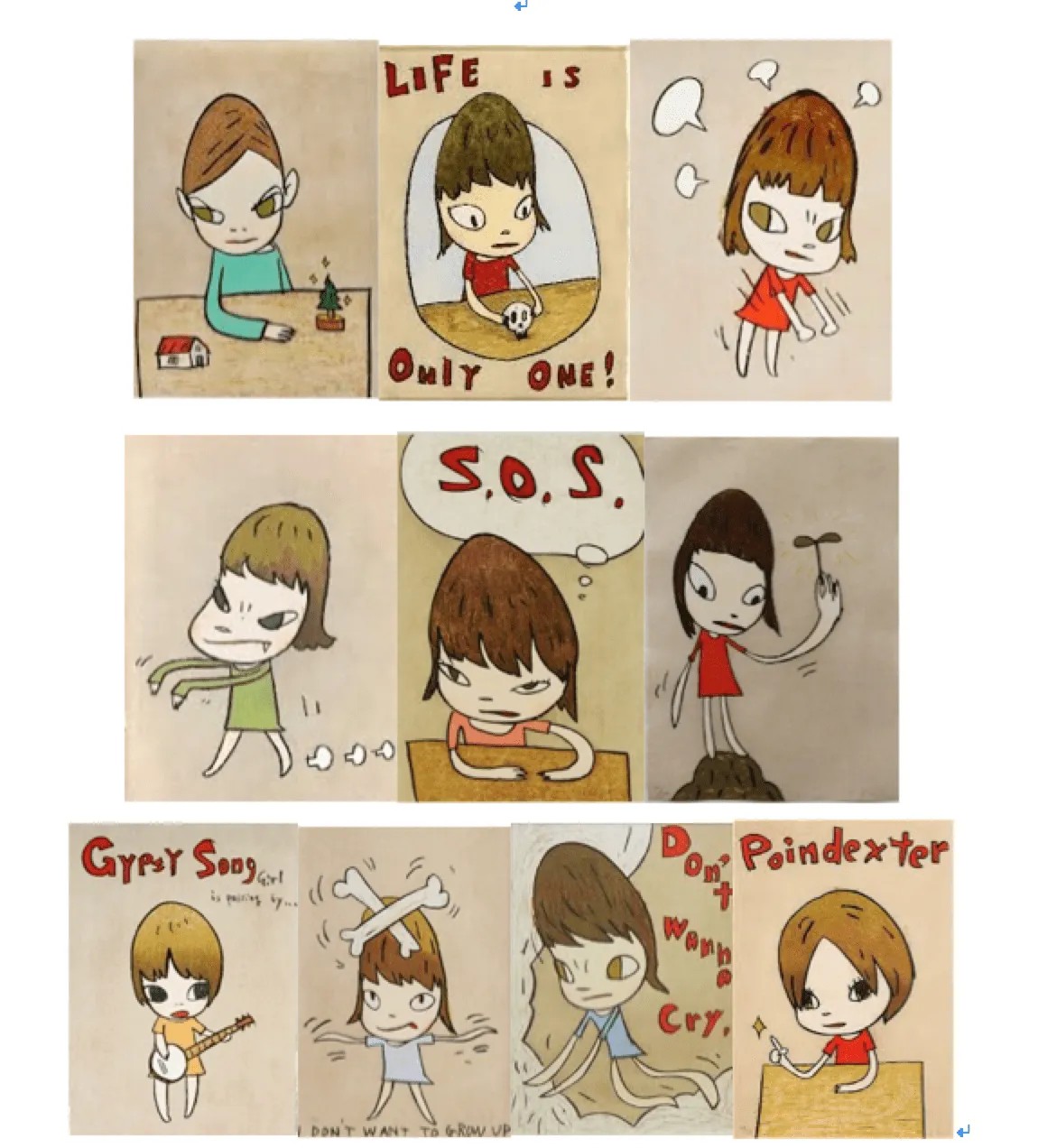
10 Woodcut Prints Set, 2010
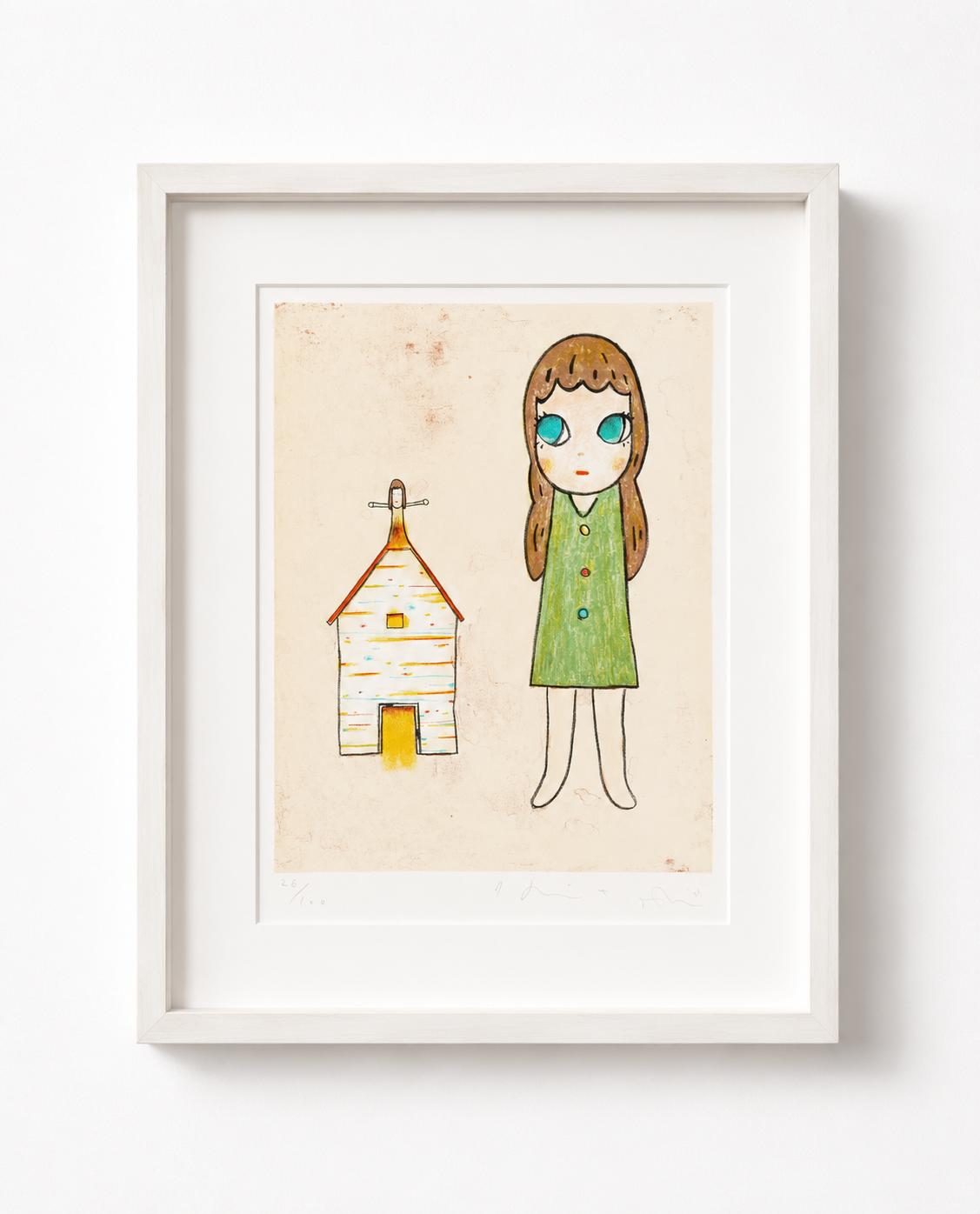
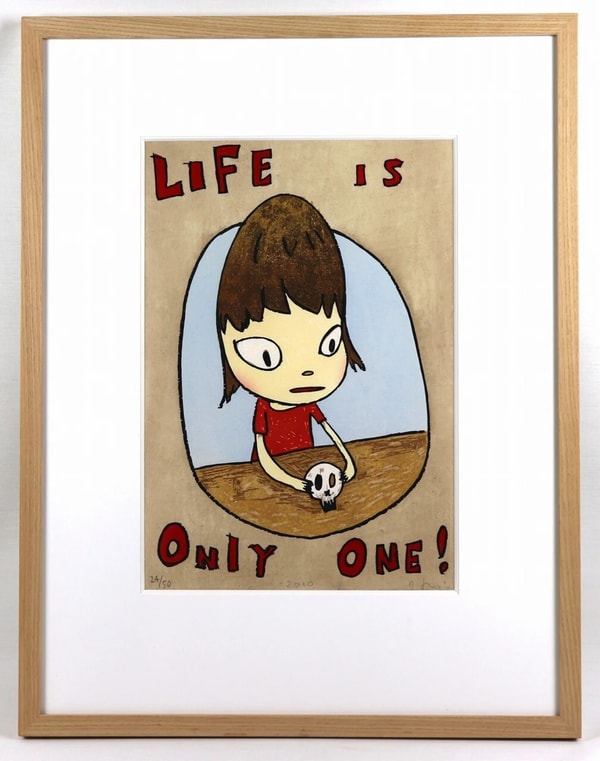
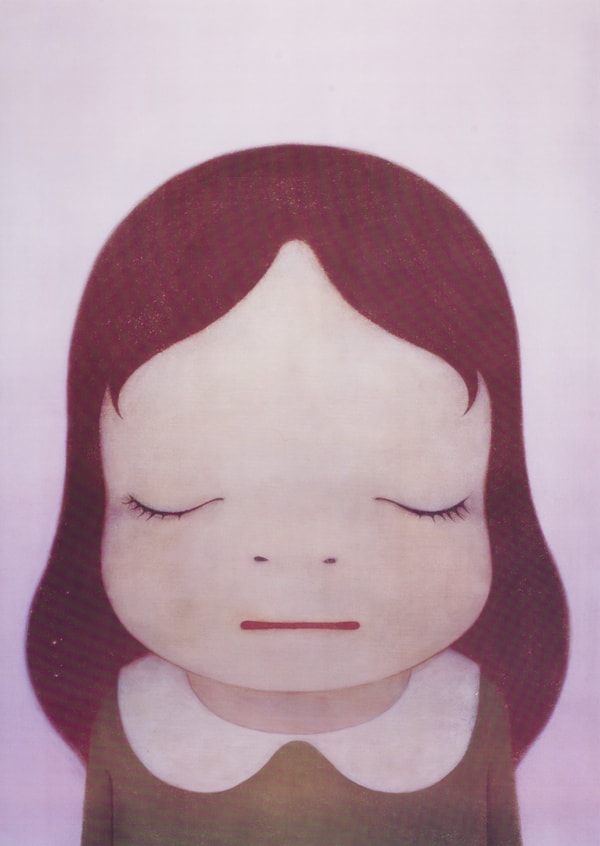
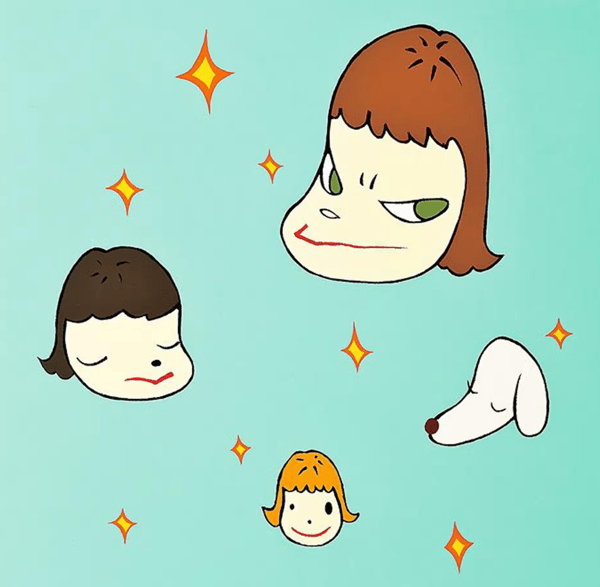
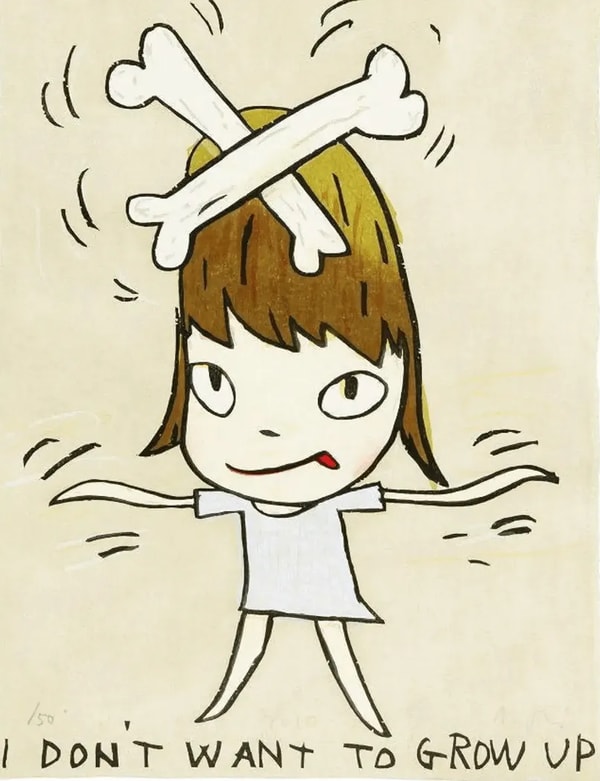
Yoshitomo Nara's 10 Woodcut Prints Set from 2010 represents a significant moment in the artist's engagement with traditional printmaking techniques, demonstrating his ability to translate his distinctive visual language into the rich, textured medium of woodcut. This complete portfolio showcases Nara's celebrated cast of characters—solitary children with oversized heads and penetrating eyes that convey simultaneous innocence and quiet rebellion. The woodcut process lends these figures a raw, graphic quality that amplifies their emotional intensity, with the natural grain of the wood adding depth and warmth absent from his paintings and drawings. Emerging from Japan's Neo-Pop movement, Nara draws equally from manga aesthetics and Western punk rock culture, creating subjects that appear both endearing and subtly confrontational. The children in these prints embody a universal defiance, their expressions hovering between melancholy and mischief, vulnerability and strength. This duality has resonated deeply with collectors worldwide, establishing Nara as one of the most sought-after contemporary artists of his generation. As a complete set, this portfolio holds particular appeal for serious collectors, offering a comprehensive survey of Nara's imagery in a cohesive, museum-quality presentation. The limited nature of such woodcut editions, combined with sustained international demand for the artist's work, positions this set as a compelling addition to any significant contemporary collection. For acquisition inquiries, please contact Guy Hepner, New York.
Price on Application
Yoshitomo Nara's woodblock prints bring his instantly recognisable cast of wide-eyed children into dialogue with one of Japan's oldest artistic traditions. Where the paintings and drawings channel punk energy and raw emotion, the woodblocks filter that same sensibility through the disciplined language of ukiyo-e — the "pictures of the floating world" that defined Japanese printmaking for centuries. The result is a body of work that feels at once ancient and defiantly contemporary. Guy Hepner offers woodblock prints from across Nara's career at our New York gallery.
Traditional Japanese woodblock printing is a painstaking relief process: a design is transferred to a block, usually of cherry wood, and a carver chisels away everything that will not print, leaving the image raised in relief. Ink is applied to that raised surface and the sheet is pressed by hand, one colour and one block at a time. Nara embraces this labour-intensive craft, allowing the grain of the wood and the slight irregularities of hand-pressing to become part of the image rather than something to be hidden.
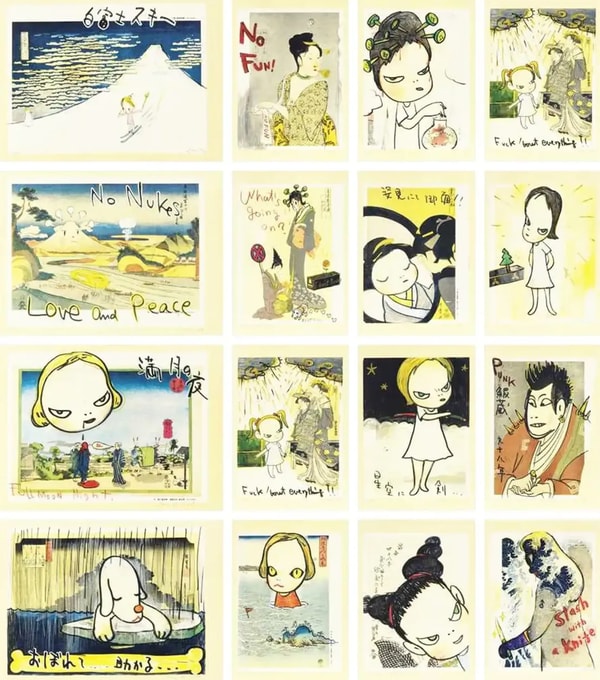
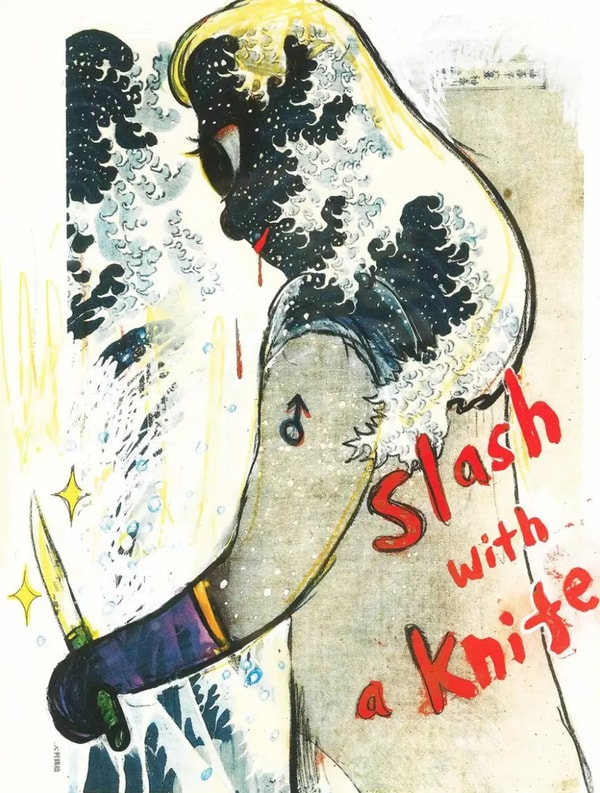
That embrace of tradition is also a form of subversion. In his celebrated In the Floating World project (1998–1999), Nara took famous historical ukiyo-e compositions — the courtesans and kabuki actors of masters such as Utamaro — and reworked them, inserting his own scowling, solitary figures into the genre's revered templates. It is an act of affectionate vandalism: honouring the tradition while running wild through it.
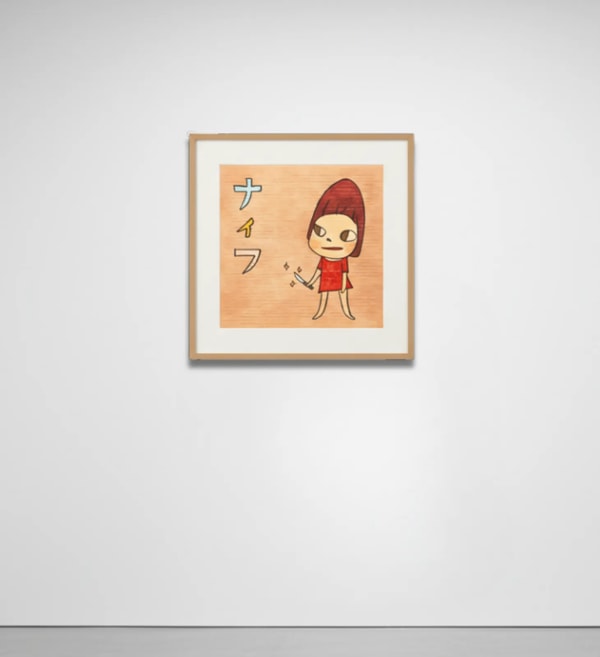
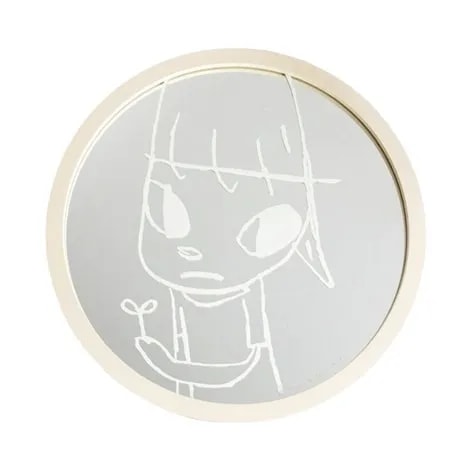
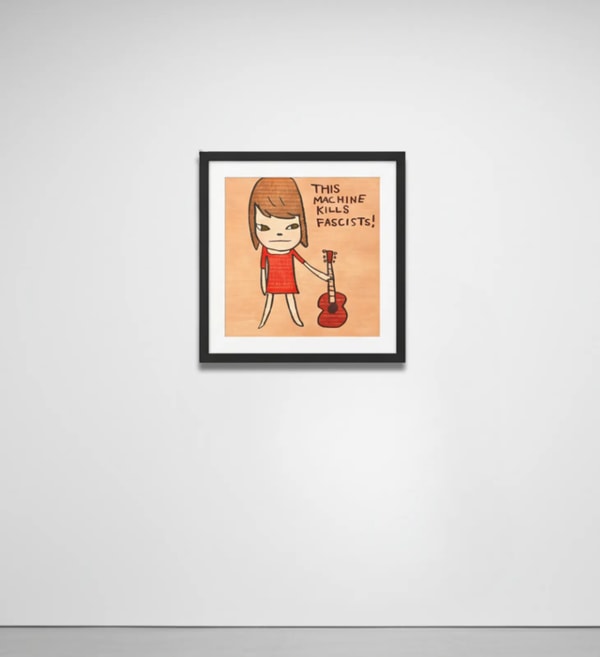
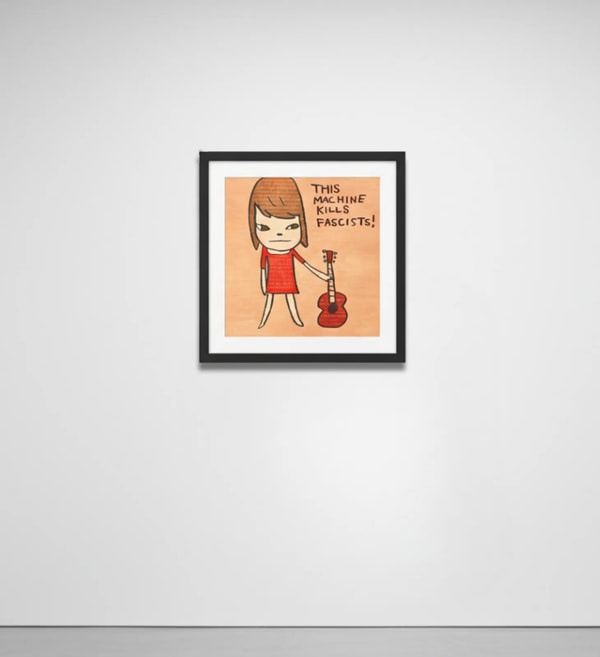
, and on to recent works such as Knife, Sprout In The Hand Mirror and This Machine Kills Fascists*. Across these pieces the recurring motifs are unmistakable — the confrontational stare, the small figure alone against an empty ground, the flashes of text and object that hint at music, protest and childhood defiance.
Issued in limited editions, these prints are among Nara's most collectible multiples, prized for the way they translate the emotional charge of his painting into the deliberate, tactile medium of the carved block.
Nara's woodblocks appeal to collectors drawn to the meeting point of contemporary art and traditional craft, and they sit naturally alongside his lithographs, editions and works on paper. Guy Hepner Gallery presents authenticated woodblock prints with full provenance documentation. Contact our New York team to discuss current availability and acquisition.
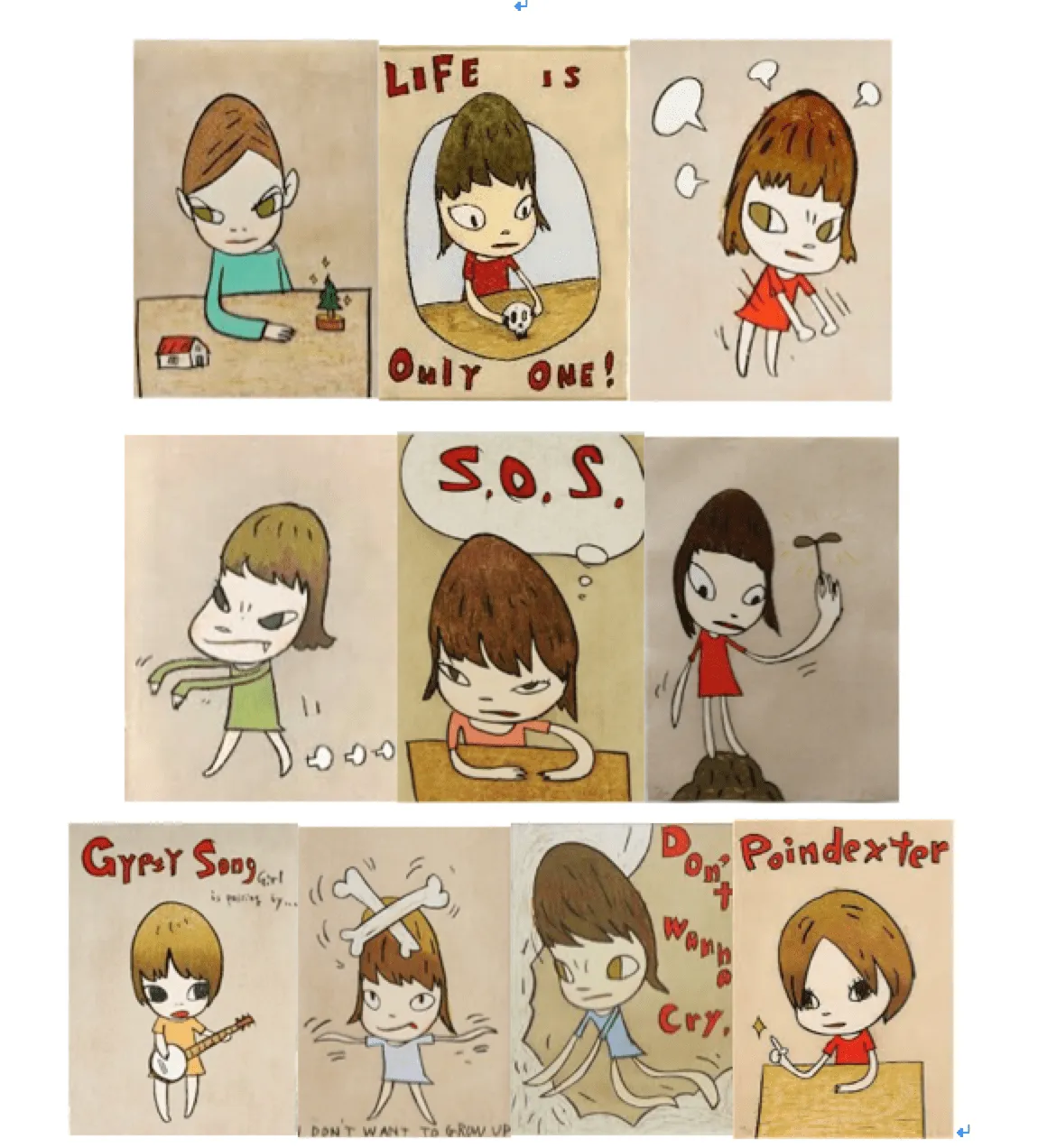
Yoshitomo Nara
Yoshitomo Nara (b. 1959, Hirosaki, Japan) stands as one of the most influential figures in contemporary Japanese art, whose deceptively simple portraits of wide-eyed children—at once innocent and subversively defiant—have become icons of the Neo-Pop movement. Trained in Düsseldorf and deeply influenced by punk rock and anime culture, Nara creates works that resonate across cultural boundaries, commanding an international collector base and record-breaking auction results. His paintings, drawings, and sculptures are held in major museum collections worldwide, cementing his position as a defining voice in 21st-century art.