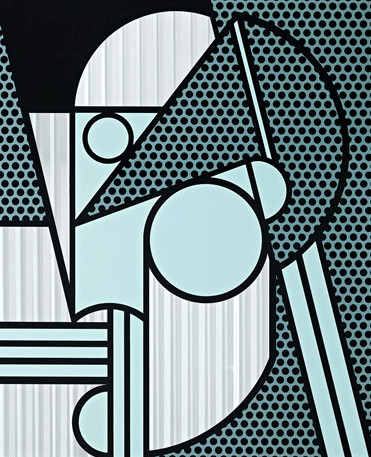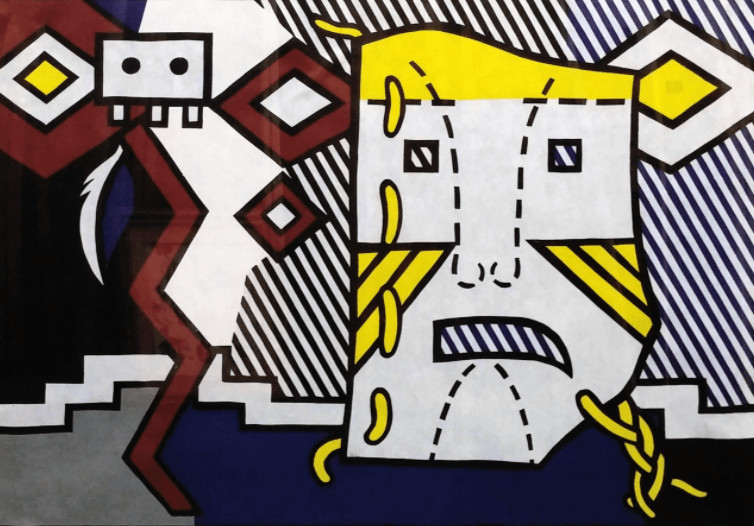
American Indian Theme

July 20, 2026
For collectors seeking to acquire Roy Lichtenstein prints, New York remains the definitive marketplace. The city that shaped Lichtenstein's career—where he exhibited his breakthrough comic-derived paintings at Leo Castelli Gallery in 1962, where he lived and worked for decades, and where the major auction houses continue to move his finest editions—offers unparalleled access to his print market. Understanding how to navigate that market, from edition structures to authentication protocols to pricing dynamics, separates informed acquisitions from costly mistakes.
Lichtenstein's prints are not reproductions of paintings. They are original works conceived specifically for the print medium, often exploring ideas that existed only in graphic form or that developed simultaneously with his canvas work. The Brushstroke series, the Reflections suite, the Surrealist explorations—these exist as prints because Lichtenstein understood that screenprint, lithograph, and woodcut each offered possibilities unavailable in paint. For collectors, this means acquiring works of genuine artistic ambition at price points that range from approximately $15,000 for accessible editions to well over $150,000 for the most sought-after compositions.
Roy Lichtenstein occupies a rare position in the contemporary art market: his work is both genuinely canonical and genuinely liquid. The canonical status ensures that institutional demand and scholarly attention remain structurally sustained; museums continue acquiring, retrospectives continue mounting, and art historical discourse continues engaging with his contributions to Pop Art and beyond. The liquidity means that secondary market transactions occur with predictable regularity, providing collectors with confidence that acquisitions can be monetized when circumstances require.
This combination of cultural permanence and market activity makes Lichtenstein prints a serious collecting proposition rather than speculative gamble. His auction results demonstrate remarkable consistency over decades, with blue-chip series maintaining value through market cycles that have devastated less established artists. When collectors speak of building wealth through art acquisition, Lichtenstein represents exactly the kind of artist whose market behavior rewards long-term commitment.
The print medium specifically offers collectors several advantages over the painting market. Lichtenstein's paintings are among the most contested objects in contemporary art—his 1964 canvas Masterpiece sold for $165 million in 2017, and fewer than 500 major paintings exist, with most residing in museum collections. Prints, by contrast, exist in editions typically ranging from 30 to 150 impressions, providing genuine acquisition opportunities while still maintaining the scarcity that supports value. A collector can own an original Lichtenstein Composition, complete with the Ben-Day dots and bold outlines that define his visual language, at a fraction of the painting market's entry point.
Roy Lichtenstein emerged in the early 1960s as one of the defining figures of American Pop Art, alongside Andy Warhol, James Rosenquist, and Claes Oldenburg. His appropriation of comic strip imagery—the melodramatic women, the explosive action scenes, the deadpan commercial aesthetic—challenged prevailing assumptions about what constituted legitimate artistic subject matter. Where Abstract Expressionism had emphasized individual gesture and emotional authenticity, Lichtenstein offered something deliberately impersonal: hand-painted reproductions of mass-produced images, executed with such precision that they interrogated the very notion of artistic originality.
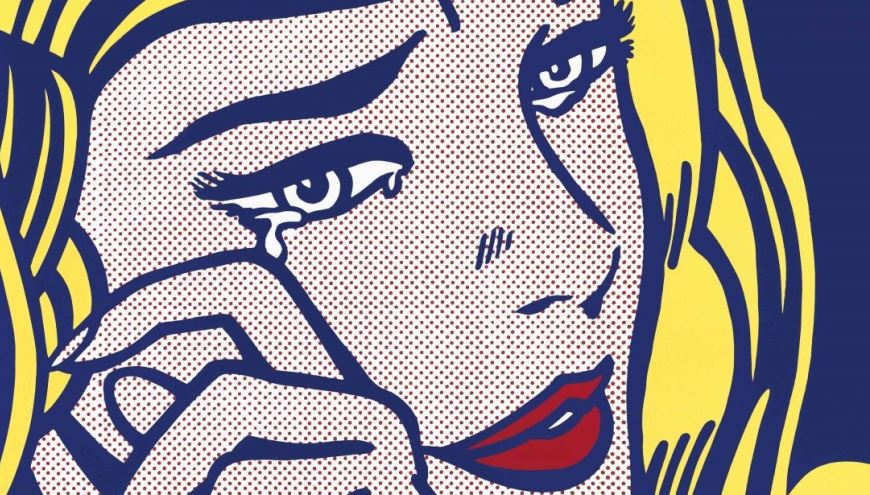
The Ben-Day dots that became his signature emerged from this conceptual framework. In commercial printing, Ben-Day dots were a purely mechanical solution to reproducing tonal gradations; Lichtenstein painted them by hand, laboriously recreating what machines produced automatically. This tension between the handmade and the mechanical, between fine art traditions and commercial printing techniques, gave his work its particular charge. The dots simultaneously reference their industrial origin and announce their transformation into something deliberately artistic.
Throughout his career, Lichtenstein expanded far beyond comic strips while maintaining his distinctive formal vocabulary. He appropriated art historical sources—Picasso's Cubism, Monet's Haystacks, German Expressionist woodcuts—running them through his Pop Art filter to create works that commented on both the source material and the process of artistic quotation. His late career saw increasingly sophisticated explorations of reflection, interior space, and the nature of pictorial representation itself. The Reflections series, which overlaid his earlier compositions with abstract patterns suggesting glass surfaces, represents perhaps his most conceptually ambitious print achievement.
For collectors, this art historical significance translates into sustained institutional interest. Museums continue mounting major Lichtenstein exhibitions; scholars continue publishing serious studies of his work; and the art market continues treating his prints as blue-chip holdings rather than speculative propositions. This scholarly infrastructure supports authentication, provenance research, and long-term value in ways that benefit serious collectors.
Lichtenstein's print output spans from the early 1960s through his death in 1997, encompassing screenprints, lithographs, woodcuts, and experimental combinations of techniques. Understanding the major series helps collectors identify acquisition opportunities that align with their interests and budgets.
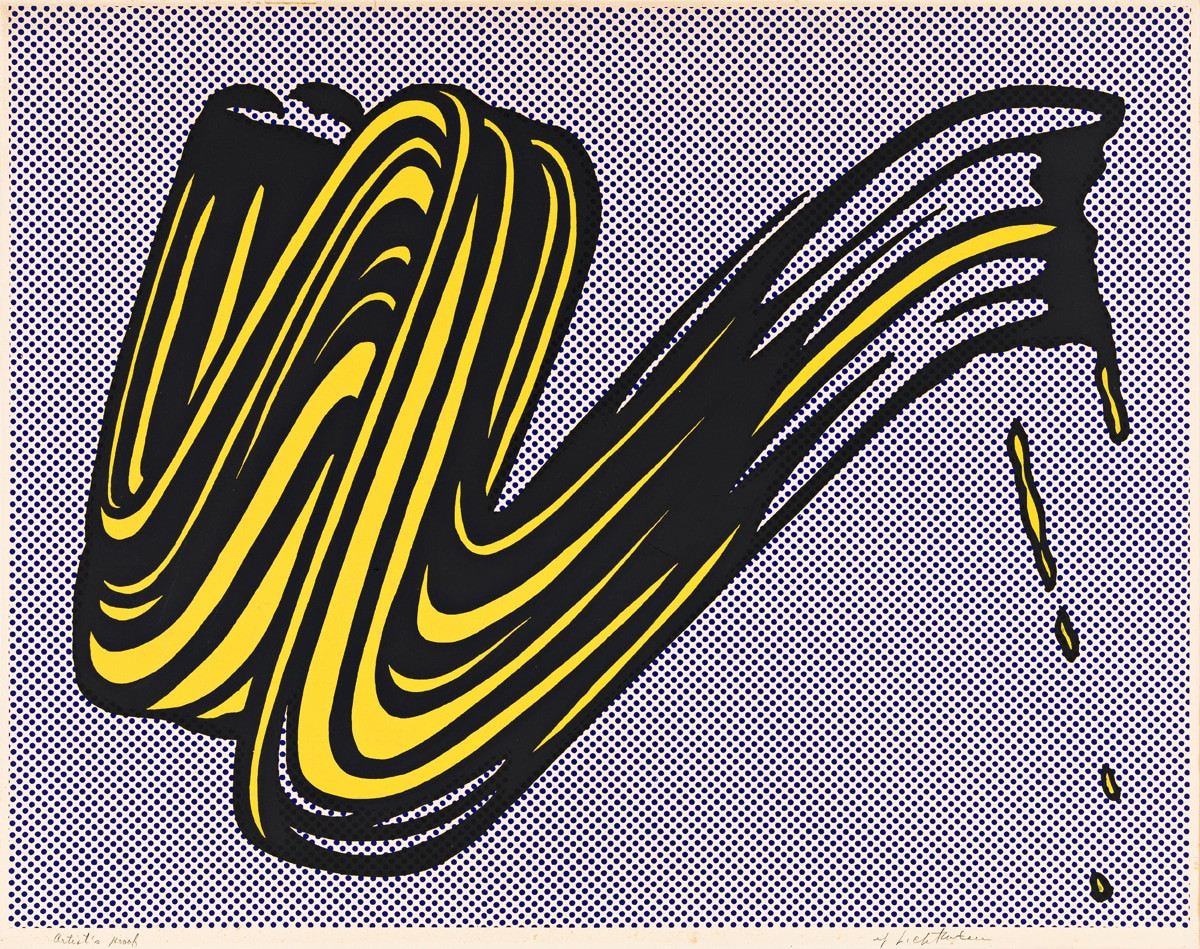
The Brushstrokes represent one of Lichtenstein's most significant conceptual achievements. Beginning in the mid-1960s, he depicted the very symbol of Abstract Expressionist authenticity—the gestural brushstroke—using his mechanical, impersonal Pop Art technique. The irony was layered: hand-painting an image of a brushstroke, complete with Ben-Day dots and hard outlines, transformed the spontaneous gesture into something deliberate and reproducible. These works comment on artistic authenticity while simultaneously demonstrating Lichtenstein's technical mastery of the print medium.
The Brushstroke prints attract collectors interested in Lichtenstein's dialogue with art history and his critique of Abstract Expressionism's claims to emotional directness. They represent some of his most intellectually satisfying work while remaining visually accessible—bold, colorful, immediately recognizable. Market prices for Brushstroke editions typically range from the mid-five figures to low six figures, depending on edition size, condition, and specific composition.
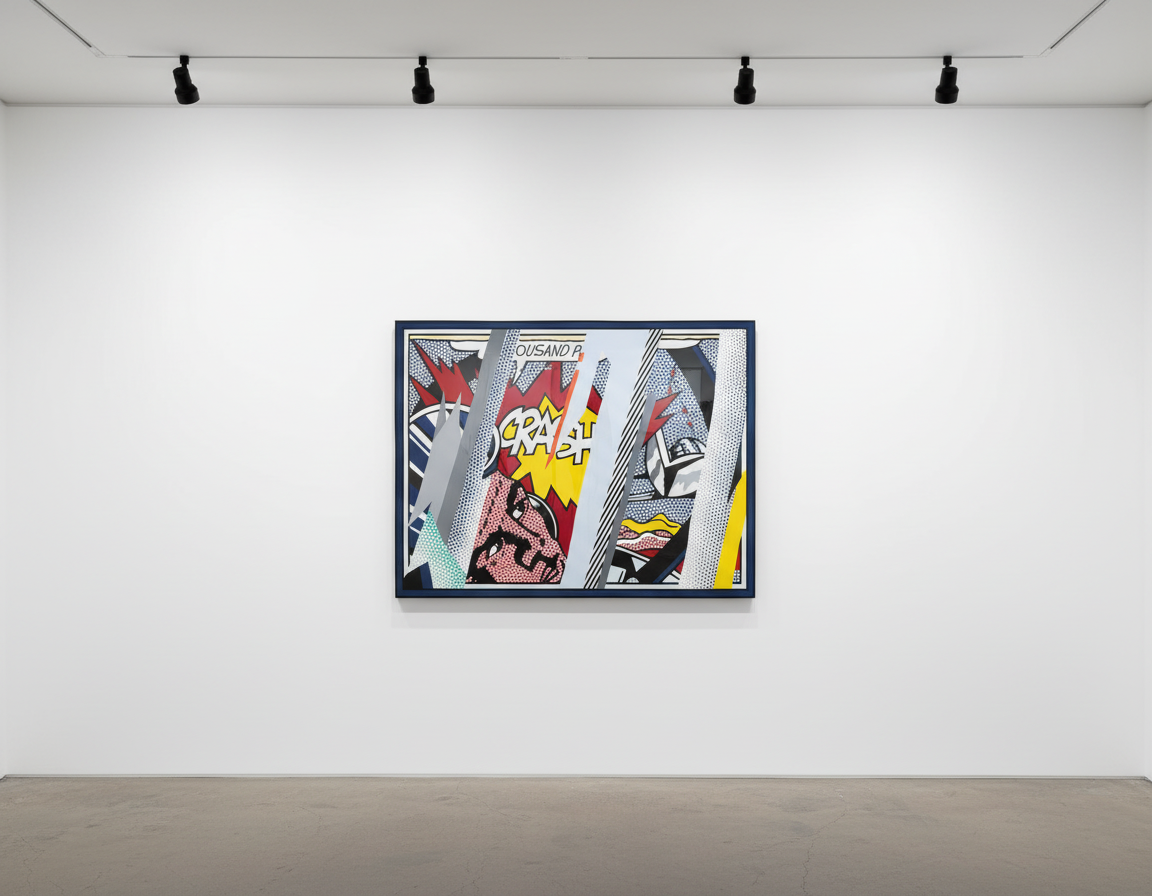
The Reflections series, produced in the late 1980s and early 1990s, represents Lichtenstein's most complex print achievement. These works overlay earlier compositions—often his own paintings from the 1960s—with abstract patterns suggesting glass surfaces and reflected light. The effect is doubly referential: the prints quote Lichtenstein's earlier work while simultaneously commenting on the nature of artistic reproduction and the viewing experience itself.
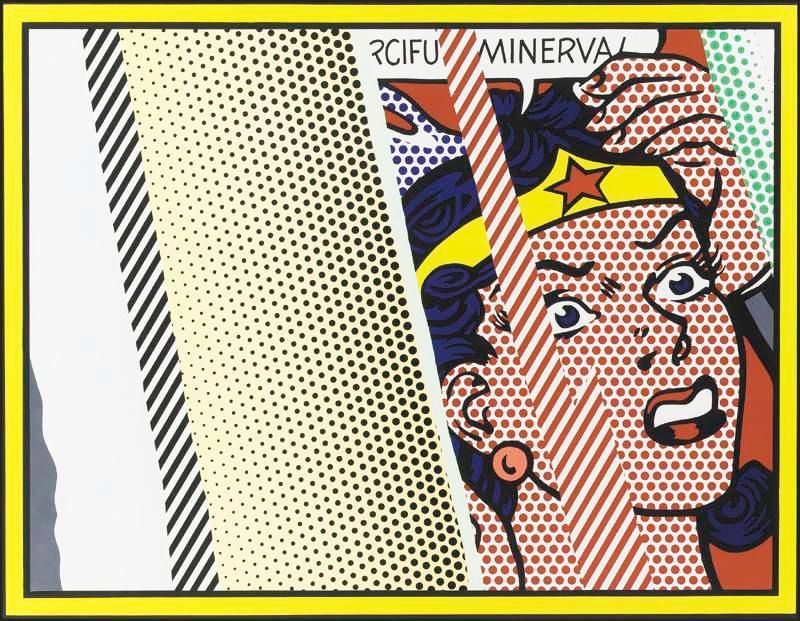
For sophisticated collectors, the Reflections offer some of the most rewarding material in Lichtenstein's print catalogue. They demonstrate his late-career conceptual ambition and technical virtuosity while engaging directly with questions about originality, reproduction, and the mediated nature of visual experience. Prices for Reflections prints typically command premiums over comparable earlier works, reflecting both their complexity and their status as mature achievements.
Lichtenstein's engagement with Surrealism produced some of his most visually striking prints. These works appropriate and transform Surrealist imagery—the biomorphic forms, the dreamlike juxtapositions, the psychological intensity—filtering it through his Pop Art vocabulary of dots, outlines, and primary colors. The results are simultaneously homage and critique, acknowledging Surrealism's visual power while subjecting it to Lichtenstein's characteristic ironic distance.
The Surrealist series appeals to collectors interested in Lichtenstein's art historical dialogues and his ability to transform borrowed imagery into something distinctively his own. These prints often feature particularly complex compositions and bold color relationships, making them strong decorative choices while maintaining serious conceptual content.
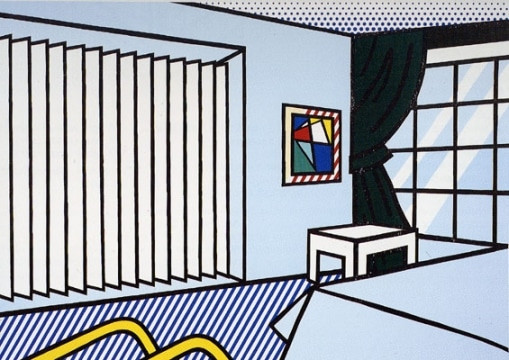
The Interiors represent Lichtenstein's exploration of domestic space and the visual languages of mass-market furniture advertising. These prints depict generic modern interiors—sofas, tables, artworks on walls—rendered in his signature style. The effect is both familiar and strange: the spaces look simultaneously like real rooms and like illustrations from design catalogues, occupying an uncanny middle ground between representation and commercial imagery.
For collectors, the Interiors offer distinctive compositional qualities and often larger formats that make strong visual statements. They connect to broader themes in Lichtenstein's work—the relationship between fine art and commercial imagery, the nature of domestic space in consumer culture—while providing accessible entry points to his print market.
Informed collectors approach Lichtenstein prints with specific evaluation criteria that separate excellent impressions from problematic ones. Understanding what to examine helps ensure acquisitions meet appropriate quality standards.
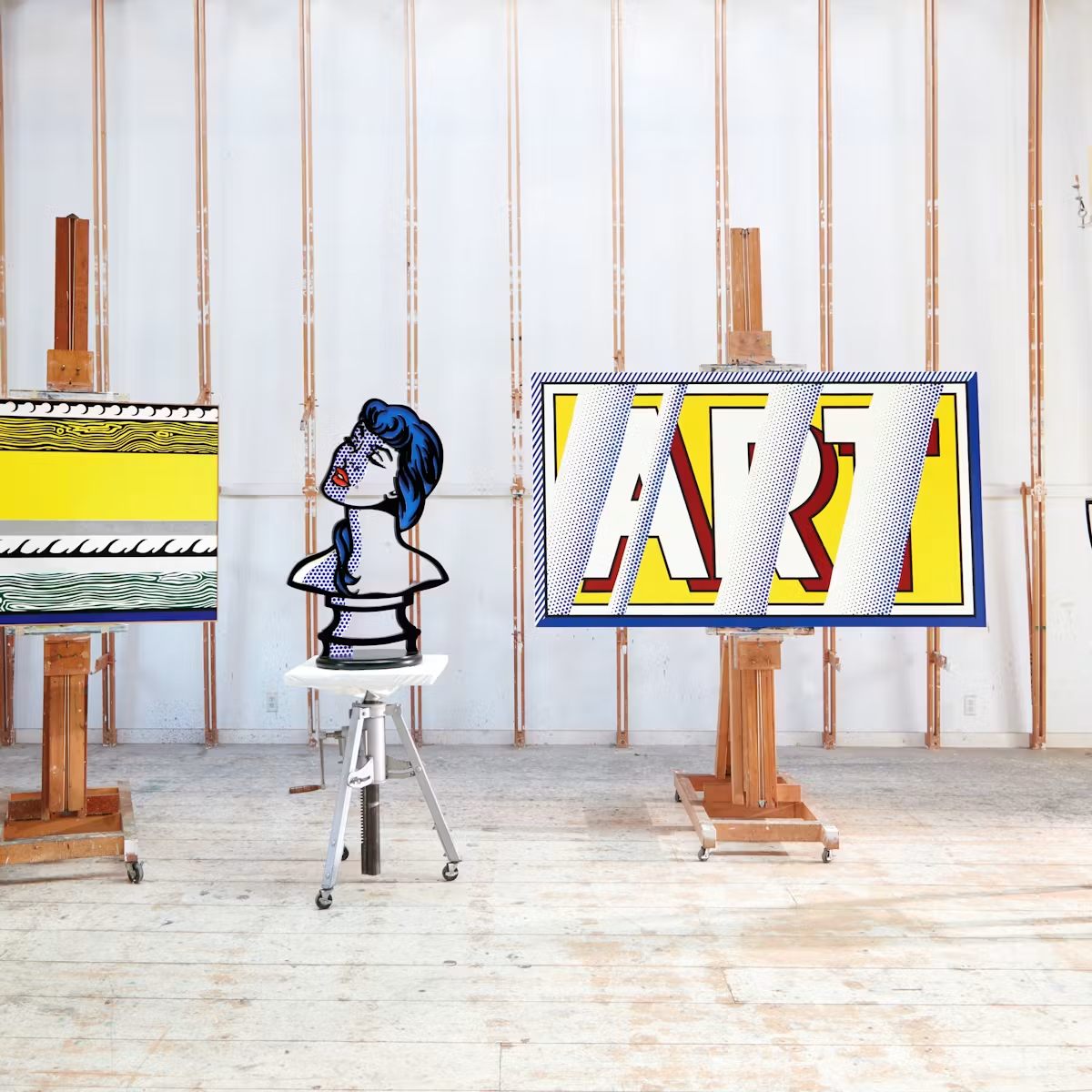
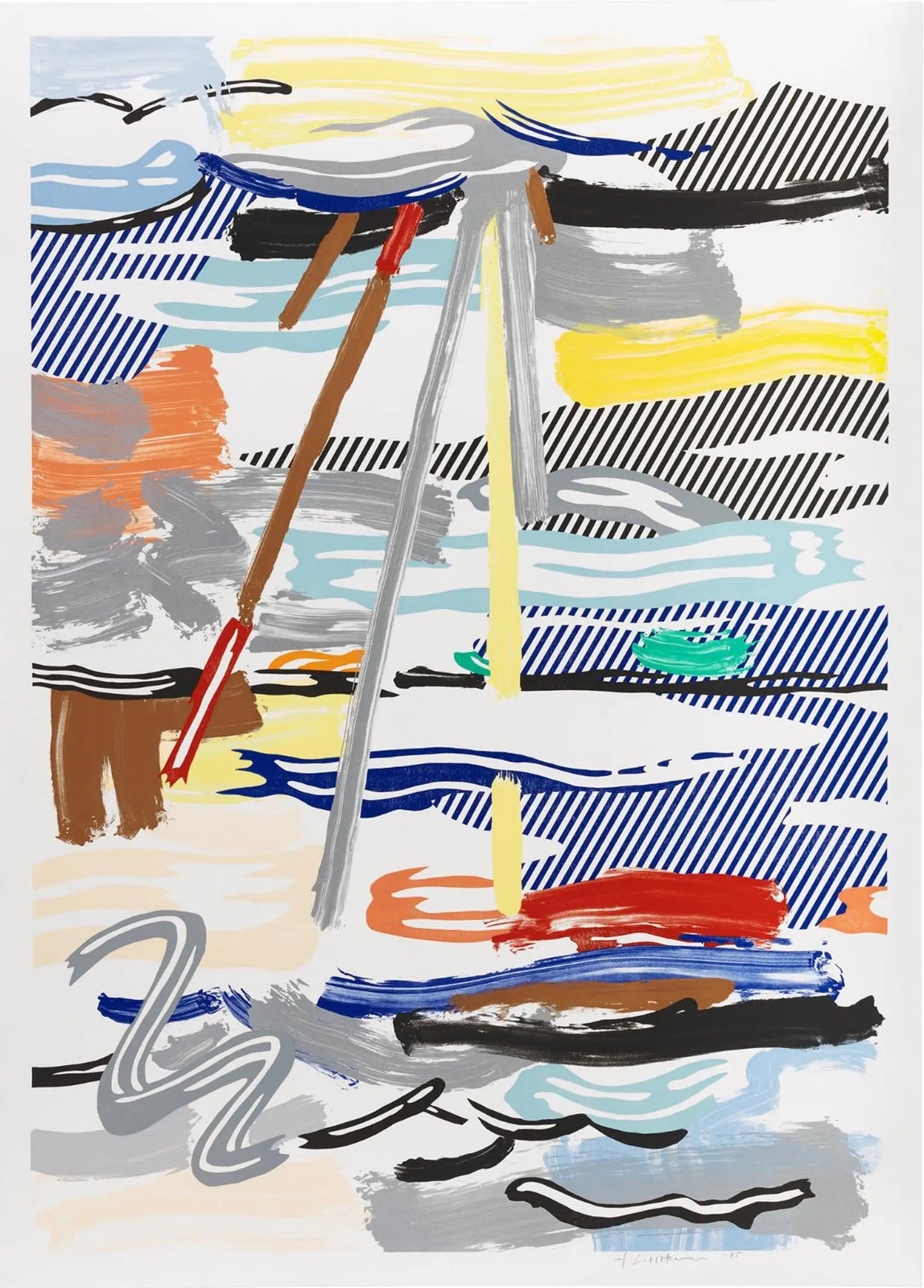
Roy Lichtenstein, At the Beach, from the Surrealist Series, Screenprint. Available at Guy Hepner, New York.
Authentication represents one of the most critical considerations when acquiring Lichtenstein prints. The artist's market prominence has inevitably attracted forgeries and misattributions, making proper due diligence essential for collectors.
The Roy Lichtenstein Foundation, established after the artist's death, maintained authentication services for many years and compiled extensive records of genuine works. While the Foundation has ceased issuing new authentication opinions, its archive remains an important resource, and works that received Foundation authentication carry enhanced market confidence. The Foundation's records document virtually every legitimate edition, providing a comprehensive basis for verification.
Mary Lee Corlett's catalogue raisonné, The Prints of Roy Lichtenstein, provides the definitive scholarly documentation of his print output. Every legitimate Lichtenstein print carries a Corlett number that references its entry in this catalogue, documenting edition size, printing technique, publisher, and other essential information. When evaluating potential acquisitions, confirming the Corlett reference should be standard practice.
Reputable dealers and auction houses perform authentication due diligence before offering works for sale. At Guy Hepner, every Lichtenstein print undergoes thorough verification against catalogue raisonné documentation and provenance records before reaching collectors. This dealer-level authentication provides an important layer of protection beyond what individual collectors can typically accomplish independently.
Lichtenstein prints exist in several edition categories, each with distinct market characteristics that collectors should understand before acquiring.
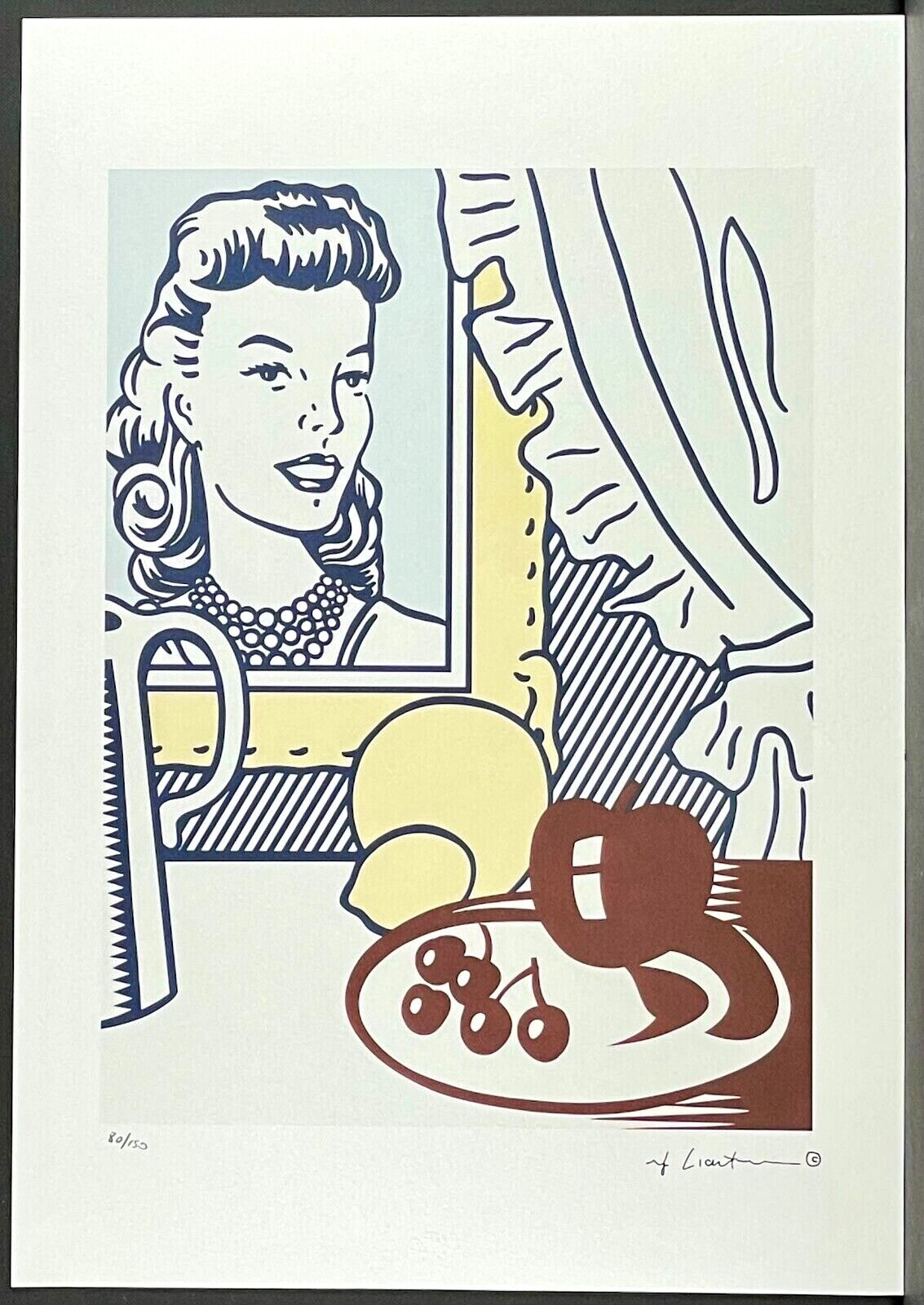
Roy Lichtenstein, Two Paintings: Dagwood, Lithograph. Available at Guy Hepner, New York.
The Lichtenstein print market spans a wide price range, accommodating collectors at various budget levels while maintaining consistent quality standards. Understanding where different series and editions fall within this range helps collectors identify appropriate acquisition targets.
Entry-level Lichtenstein prints typically begin around $15,000 to $25,000 for smaller editions, later works, or prints from less prominent series. These acquisitions offer genuine Lichtenstein ownership—original works with full authentication and provenance—at accessible price points. Collectors building initial positions in the artist's market often begin here before moving to more significant works as budgets and expertise develop.
Mid-range acquisitions, typically $30,000 to $75,000, access stronger compositions from major series. Works from the Brushstrokes, Interiors, and Landscapes appear regularly at this level, offering serious collectors the opportunity to acquire significant examples of Lichtenstein's print achievement. These prints often demonstrate the technical virtuosity and conceptual sophistication that characterize his best graphic work.
Premium Lichtenstein prints—the most sought-after compositions from the Reflections, the iconic comic-derived images, the major Surrealist works—command prices from $100,000 well into six figures. Recent market results include Bedroom at approximately $100,000 and Sweet Dreams Baby at $118,000, demonstrating the sustained demand for blue-chip Lichtenstein editions. These acquisitions represent cornerstone holdings for serious collections, combining art historical significance with strong market fundamentals.
Condition significantly impacts both aesthetic experience and market value for Lichtenstein prints. Collectors should understand the condition factors that matter most and how to evaluate them properly.
Paper-based works present specific vulnerabilities that accumulate over time without proper care. Light exposure causes inks to fade and paper to tone; humidity fluctuations stress fibers and can promote foxing; improper framing allows acids from mat boards or backing materials to migrate into the paper. A well-preserved Lichtenstein print maintains crisp colors, bright paper, and clean margins—the visual qualities that make the work compelling.
Professional condition reports document the current state of works under consideration, noting any damage, restoration, or deviation from ideal condition. These reports use standardized terminology that allows comparison across different works and dealers. Collectors should request condition reports before committing to purchases and should understand what the terminology indicates about actual physical state.
Minor condition issues need not disqualify otherwise desirable acquisitions, but they should be reflected in pricing. A print with slight toning or minor margin handling might represent a value opportunity if priced appropriately; the same issues at full-market pricing suggest a dealer overreaching. Experienced collectors learn to distinguish between condition factors that genuinely compromise the work and those that fall within acceptable parameters for the age and medium.
New York's position as the global center for contemporary art translates into specific advantages for collectors seeking Lichtenstein prints. The city's density of galleries, auction houses, and private dealers creates a competitive marketplace that benefits informed buyers through access, transparency, and expertise.
Chelsea remains the heart of New York's gallery district, with Guy Hepner located at 529 West 20th Street amid the concentration of contemporary art specialists. This proximity to peer galleries and auction house viewing spaces allows collectors to compare offerings, assess relative quality, and develop the comparative eye that distinguishes serious collectors from casual buyers. Nothing substitutes for sustained looking when building visual literacy.
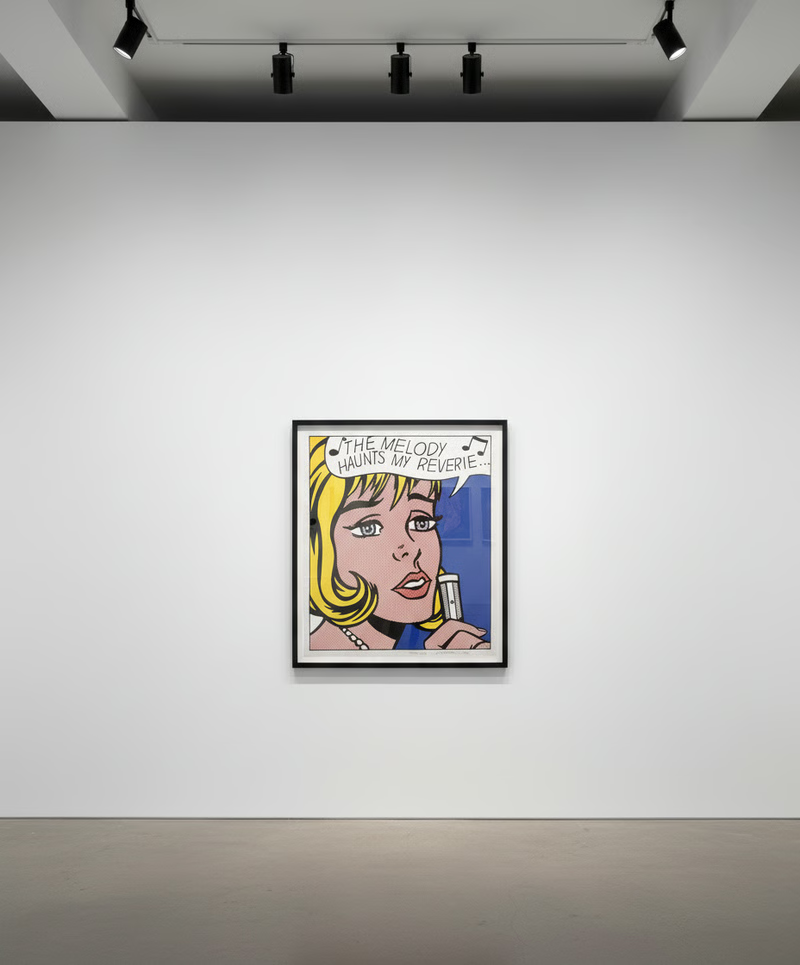
Roy Lichtenstein, Morton A. Mort, from the Expressionist Woodcut Series, Woodcut. Available at Guy Hepner, New York.
The New York market also provides access to expertise that may not exist elsewhere. Specialists in Pop Art prints, conservators familiar with Lichtenstein's specific materials and techniques, and scholars engaged with his historical position all concentrate in the city. This expertise translates into better authentication, more accurate condition assessment, and more informed pricing—all factors that benefit collectors making significant acquisitions.
For international collectors, New York offers logistical advantages including established shipping and customs procedures, professional art storage facilities, and legal frameworks that protect both buyers and sellers. The city's art market infrastructure has developed over decades to support transactions at every scale, from entry-level prints to museum-quality acquisitions.
Serious collectors approach Lichtenstein prints with strategic intent rather than opportunistic purchasing. Developing a coherent collection strategy helps ensure that individual acquisitions contribute to a larger whole while maintaining focus on quality and significance.
Some collectors build depth within specific series, acquiring multiple examples from the Brushstrokes or Reflections to create comprehensive representations of particular achievements. This approach allows sustained engagement with Lichtenstein's working methods and creative evolution within defined parameters. It also positions collectors as specialists whose holdings carry enhanced scholarly interest.
Other collectors pursue breadth across Lichtenstein's career, selecting representative works from different periods and series to survey his artistic development. This approach provides exposure to the range of his achievement—from the early comic-derived images through the art historical appropriations to the late conceptual works—creating collections that narrate his evolution as an artist.
Either approach benefits from patience and selectivity. Rushing to acquire available works without strategic consideration leads to collections that feel assembled rather than curated. The best Lichtenstein collections reflect deliberate choices about which works genuinely matter, acquired at appropriate prices from reputable sources with proper documentation.
The dealer relationship matters enormously for collectors building significant positions in artists like Lichtenstein. Galleries provide services that extend far beyond simple transactional access to inventory.
Expertise represents the most important value galleries offer. Specialists who focus on Pop Art and post-war prints develop knowledge that informs every aspect of collecting—which works matter most, which condition issues disqualify acquisitions, which prices represent fair value, which emerging opportunities deserve attention. This expertise protects collectors from costly mistakes while identifying acquisitions that might otherwise be missed.
Galleries also provide access that may not exist through other channels. Works consigned privately, pieces held by long-term collectors considering sales, and opportunities that never reach public auction all flow through gallery networks. Collectors who maintain relationships with appropriate dealers gain access to this inventory before it reaches broader markets.
At Guy Hepner, we guide collectors through every aspect of Lichtenstein acquisition—from identifying appropriate works within stated budgets to conducting thorough due diligence to facilitating transportation and installation. Our position in Chelsea places us at the center of New York's contemporary art market, with the relationships and expertise that serious Lichtenstein collecting requires. Whether you're acquiring your first print or adding to an established collection, we welcome the opportunity to discuss available works and develop an acquisition strategy aligned with your collecting goals.
For collectors ready to acquire Roy Lichtenstein prints in New York, the path forward involves engagement with knowledgeable specialists who can identify appropriate opportunities and guide transactions to successful completion. The market offers genuine quality at various price points, but navigating that market effectively requires the expertise that comes from sustained professional engagement.
Guy Hepner maintains an active inventory of authenticated Lichtenstein prints across major series, with works ranging from accessible entry points to significant blue-chip editions. Our specialists welcome inquiries from collectors at every level, providing the guidance and access that informed Lichtenstein acquisition requires. Visit us at 529 West 20th Street in Chelsea, or contact our team to discuss current availability and collecting opportunities.
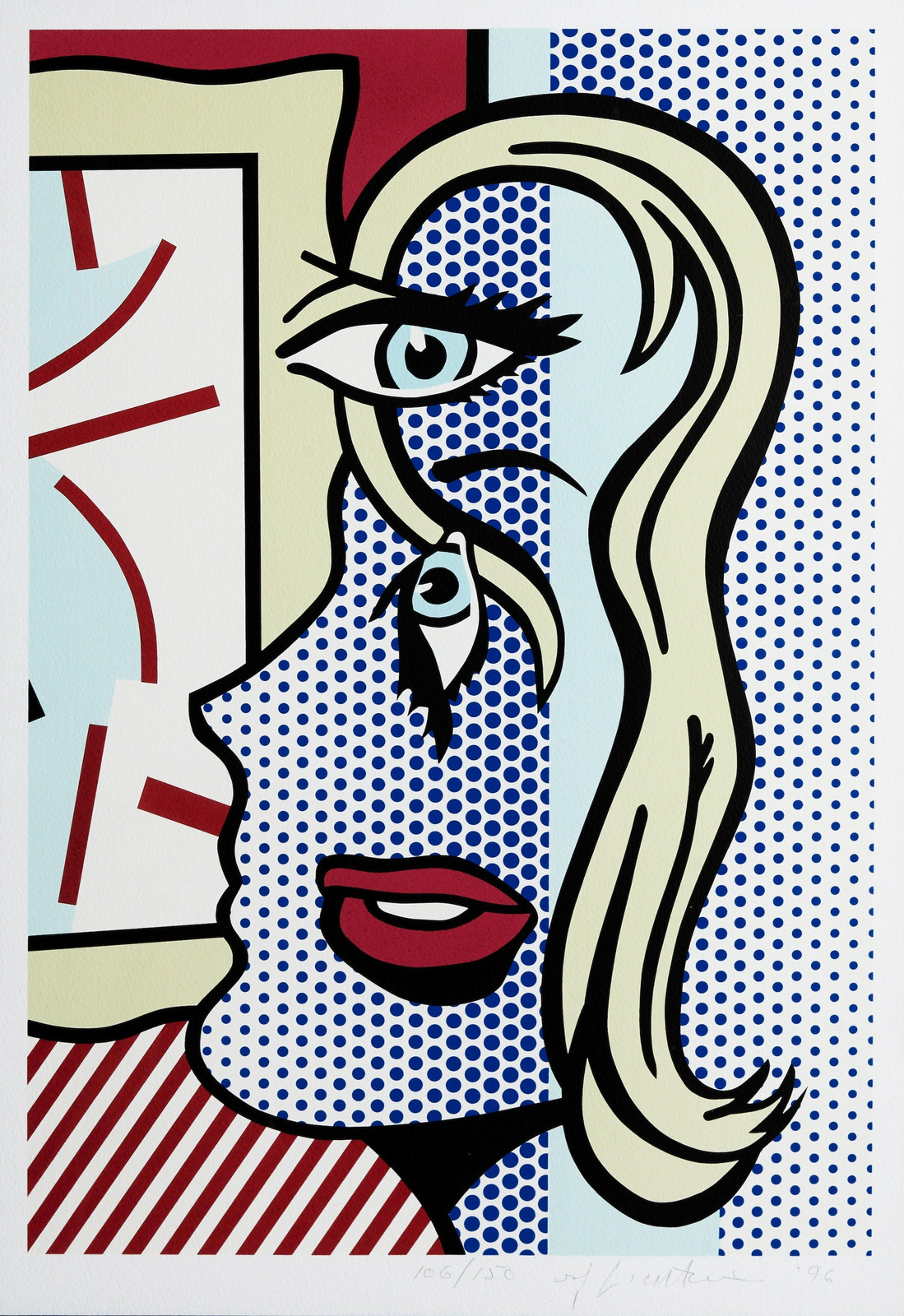
Explore Roy Lichtenstein prints for sale at Guy Hepner: American Indian Theme, Art Critic, Brushstrokes, Interiors, Landscapes.
Related Series