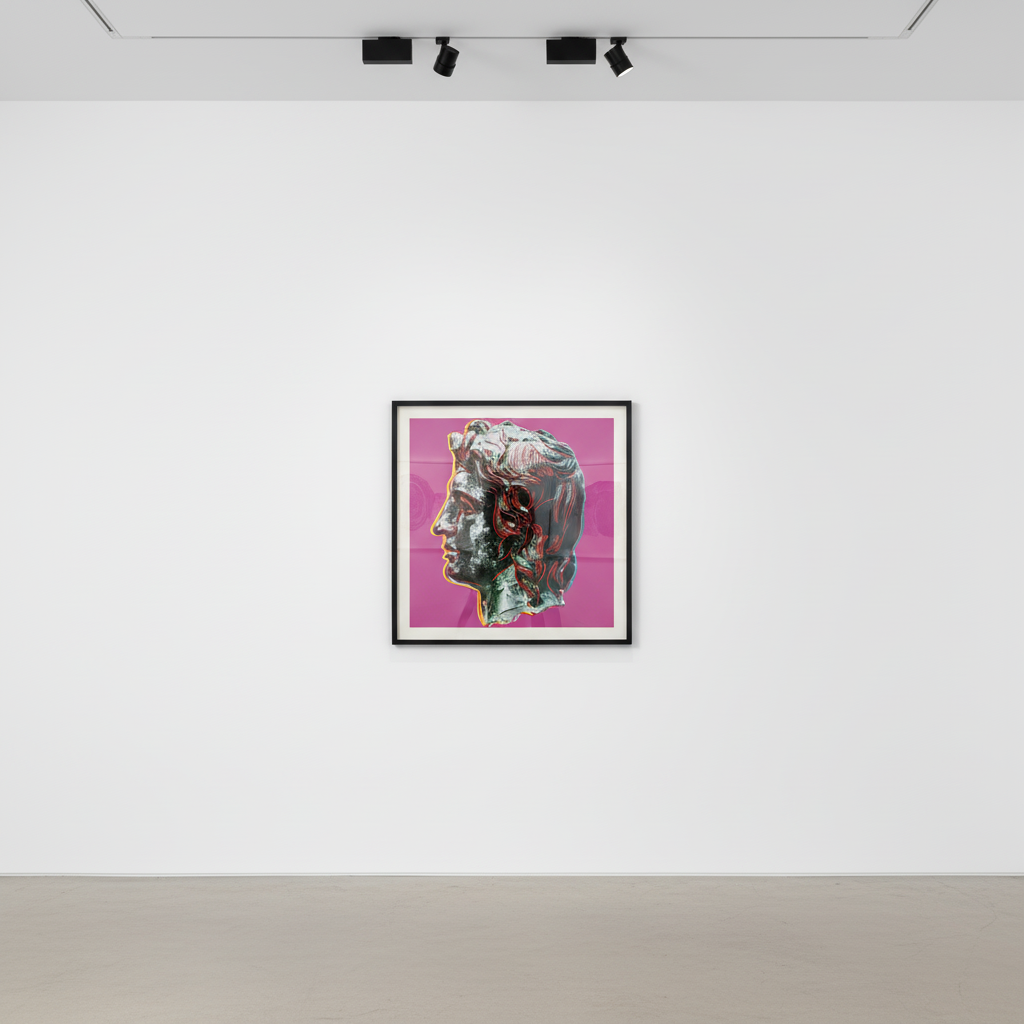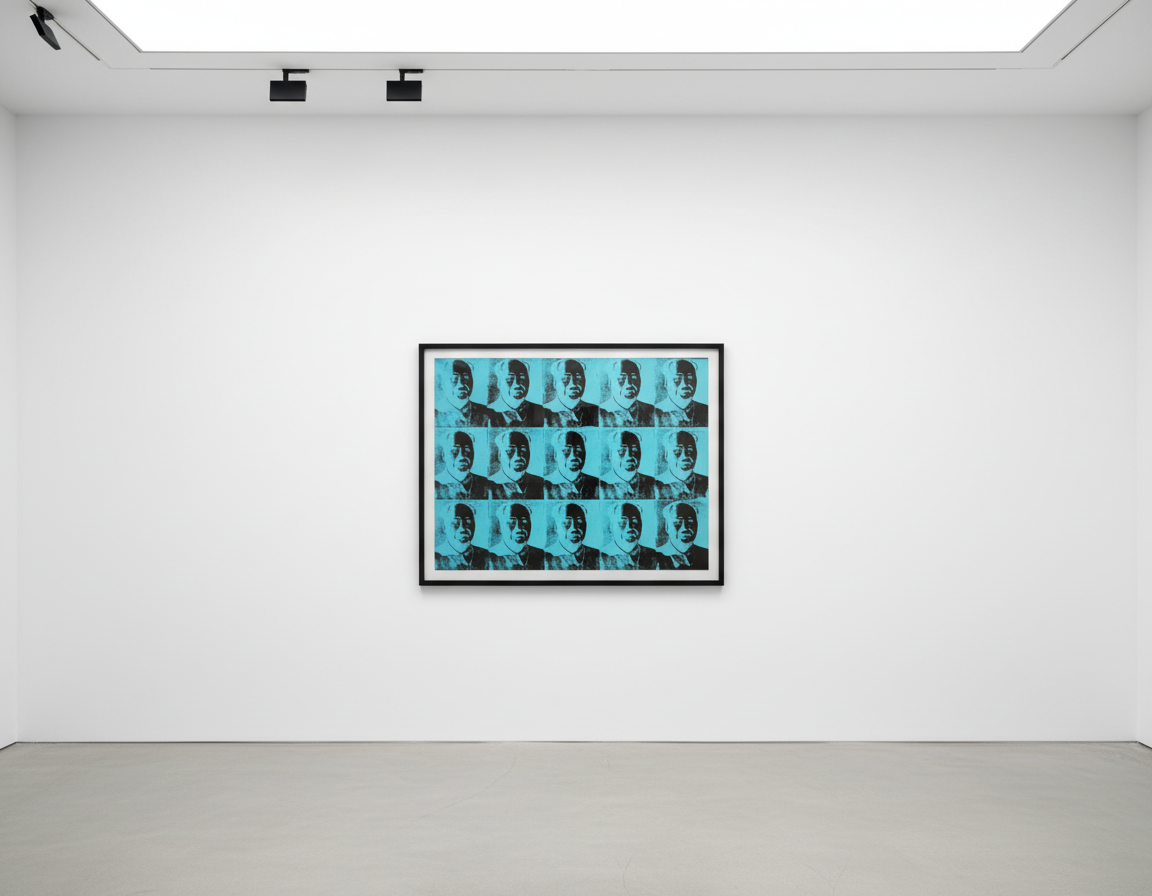
Mao

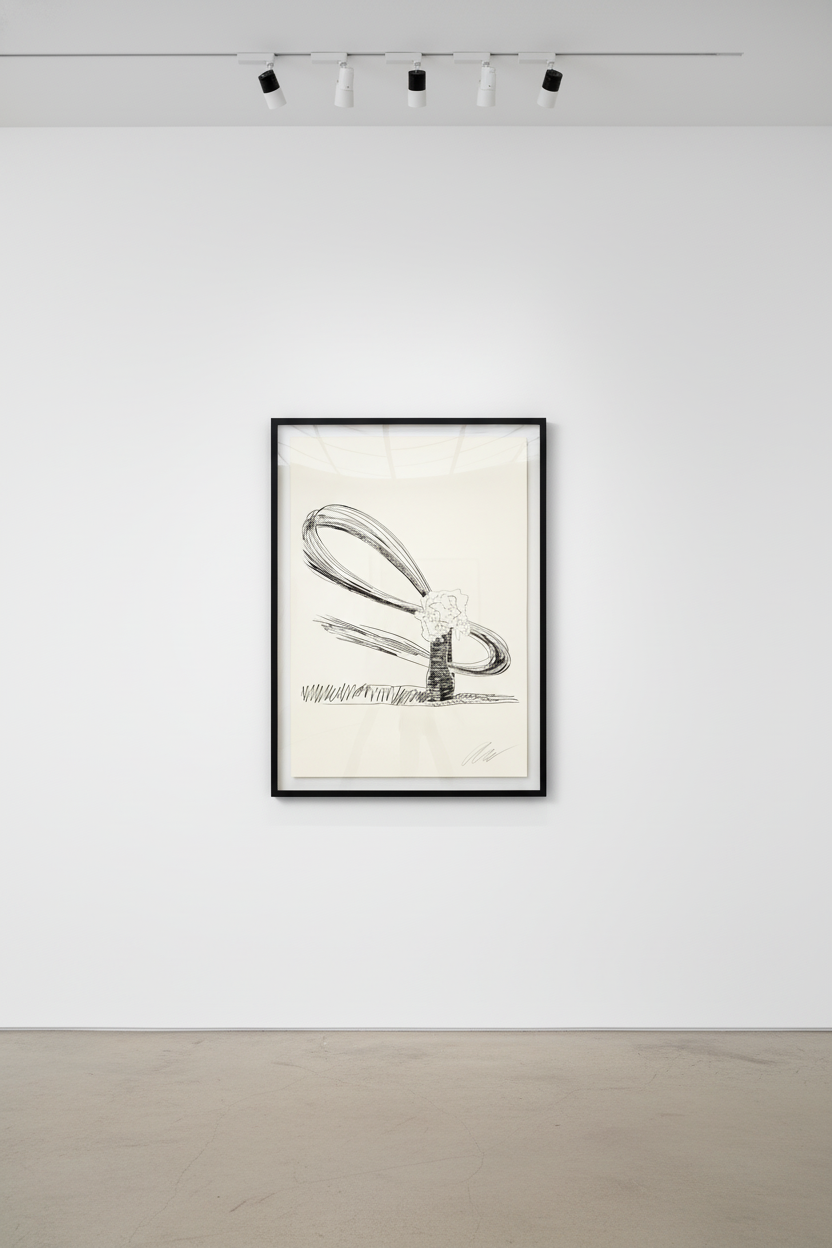
Andy Warhol's Mao print portfolio stands as one of the most audacious and historically significant bodies of work to emerge from the Pop Art movement. Created in 1972, this remarkable series of ten screen prints transformed the official portrait of Chinese Communist Party Chairman Mao Zedong into an icon of Western contemporary art. The portfolio represents a masterful convergence of political commentary, artistic innovation, and cultural provocation that continues to captivate collectors and institutions more than five decades after its creation. As one of Warhol's most recognizable and sought-after print series, the Mao portfolio occupies a unique position in both art history and the contemporary market, demonstrating the artist's unparalleled ability to distill complex geopolitical moments into visually arresting imagery.
The genesis of Warhol's Mao series can be traced directly to President Richard Nixon's groundbreaking visit to China in February 1972 - a diplomatic overture that fundamentally reshaped Cold War dynamics and captured the attention of the global media. Warhol, ever attuned to the pulse of popular culture and mass communication, recognized the profound visual impact of this moment. The image of Mao Zedong, omnipresent throughout China and reproduced in hundreds of millions of copies of the "Little Red Book," presented the perfect subject for Warhol's ongoing exploration of fame, power, and the reproduction of imagery.
Drawing from the official state portrait of Mao - itself one of the most widely disseminated images in human history - Warhol applied his signature screen printing techniques to create something entirely unprecedented. By subjecting the portrait of a communist revolutionary to the same treatment he had previously reserved for Campbell's Soup cans, Marilyn Monroe, and Elvis Presley, Warhol collapsed the distinctions between political propaganda, celebrity culture, and consumer commodities. The act was simultaneously irreverent and incisive, stripping Mao of his ideological gravitas while simultaneously amplifying his status as a global icon.
Shadows V (Red and Blue) ` — Andy Warhol. Available at Guy Hepner, New York.
The Mao portfolio comprises ten screen prints, each measuring 36 by 36 inches, rendered in Warhol's characteristically bold and often discordant color combinations. The artist employed vivid applications of pink, yellow, orange, and blue - hues that stand in stark contrast to the austere presentation of official Communist imagery. This chromatic subversion transforms the authoritarian portrait into something approaching fashion illustration or commercial advertising, highlighting Warhol's thesis that in the media age, all images ultimately serve similar functions regardless of their original intent.
The technical execution of the Mao prints demonstrates Warhol's complete mastery of the screen printing medium. Working with his team at The Factory, Warhol developed a layered approach that combined photographic reproduction with gestural, almost expressionistic mark-making. The series features bold brushstrokes applied over the mechanically reproduced portrait, creating a tension between the handmade and the manufactured that would influence generations of subsequent artists.
This hybrid technique represented an evolution in Warhol's practice, integrating painterly elements that some critics had previously claimed were absent from his work. The loose, energetic strokes that animate Mao's face - adding rouge to his cheeks, shadowing his features, embellishing his collar - introduce an element of artistic intervention that complicates simple readings of Warhol as a mere reproducer of existing images. The Mao series thus occupies a pivotal position in understanding the full scope of Warhol's technical capabilities and conceptual ambitions.
Goethe F.S. II 272 — Andy Warhol. Available at Guy Hepner, New York.
Beyond its formal innovations, the Mao portfolio carries substantial art historical weight as a document of Warhol's engagement with power structures and political imagery. Throughout his career, Warhol demonstrated a consistent fascination with figures who commanded mass attention - from movie stars to politicians to criminals. His portraits of Mao can be read alongside his depictions of other powerful figures, forming a cohesive body of work that interrogates how images construct and reinforce authority. This thematic thread connects the Mao prints to Warhol's broader investigations into celebrity, mortality, and the nature of representation itself.
The auction performance of Warhol's Mao prints has consistently demonstrated strong collector demand and robust market confidence. According to data from Christie's and Sotheby's, the Mao series regularly achieves prices that place it among Warhol's most valuable print editions. Individual prints from the portfolio have realized figures well into six figures at major evening sales, with complete portfolios commanding premium prices that reflect their rarity and historical importance. The Art Basel and UBS Global Art Market Report has repeatedly identified Warhol as one of the most actively traded artists at auction, with iconic series like Mao driving significant portions of this activity.
Several factors contribute to the sustained market strength of the Mao portfolio. The series benefits from immediate recognizability - a crucial attribute in a market that increasingly values works with strong visual presence and cultural resonance. Additionally, the historical circumstances surrounding the portfolio's creation provide compelling provenance narratives that enhance collector interest. The convergence of Cold War politics, Nixon's diplomatic breakthrough, and Warhol's artistic response creates a layered story that appeals to collectors seeking works with both aesthetic merit and historical significance.
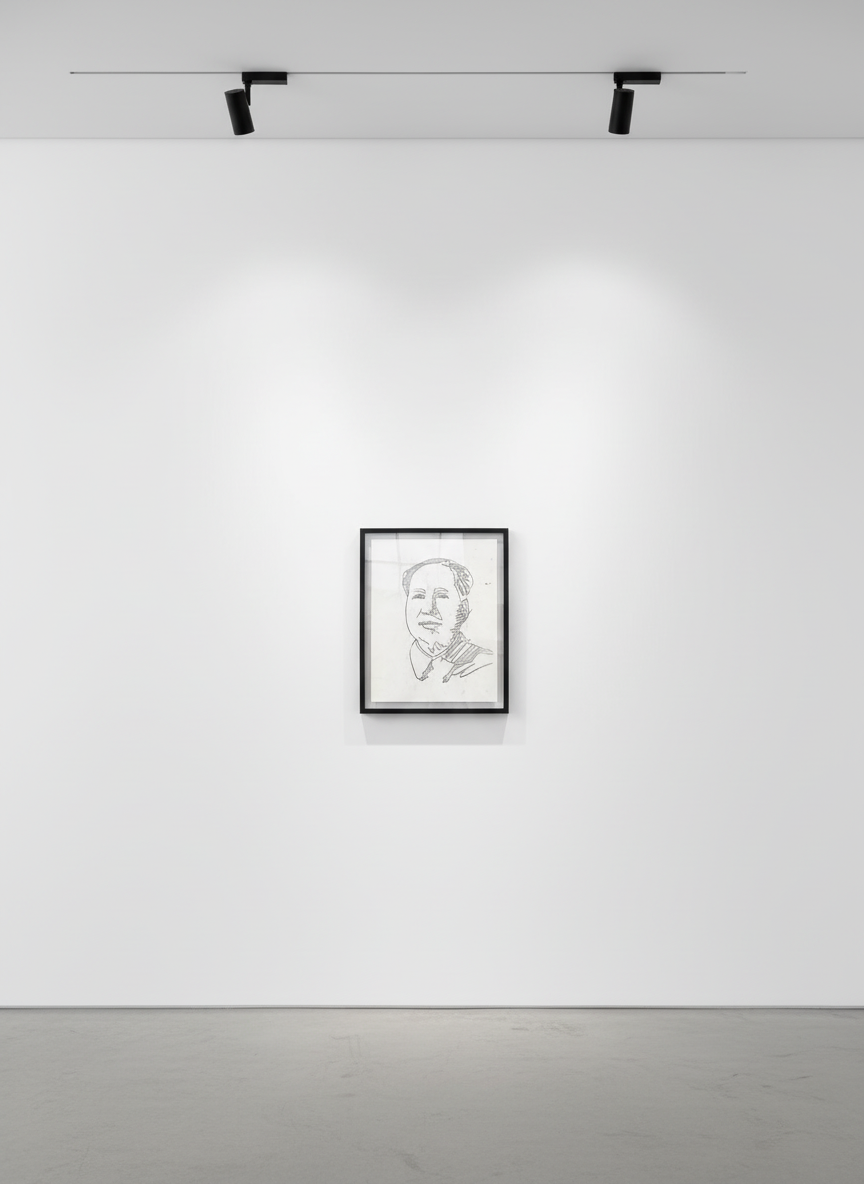
Sunset F.S. II 85 - 88 — Andy Warhol. Available at Guy Hepner, New York.
For discerning collectors, the Mao prints represent an opportunity to acquire a defining example of late twentieth-century art at a moment when Warhol's market position remains exceptionally strong. The series appeals equally to those building comprehensive Warhol collections and to collectors seeking singular, statement-making works that anchor broader contemporary art holdings. Institutional interest further supports market stability, as museums worldwide continue to acquire and exhibit the Mao portfolio as an essential component of their Pop Art presentations.
Guy Hepner maintains access to exceptional examples from Andy Warhol's Mao print portfolio, offering collectors the opportunity to acquire these historically significant works through a trusted source. Our gallery provides comprehensive guidance on condition assessment, provenance verification, and market positioning, ensuring that each acquisition meets the highest standards of quality and authenticity. Whether you are an established collector seeking to enhance your holdings or a new collector embarking on your first major acquisition, our team offers personalized consultation to match exceptional works with discerning collectors. Contact Guy Hepner to discuss available works from the Mao series and explore the possibilities for adding this landmark Warhol portfolio to your collection.
--- **Browse Andy Warhol prints** at Guy Hepner: [Andy Warhol art for sale](/andy-warhol) | [Sell your Warhol](/sell/andy-warhol)Explore Andy Warhol prints for sale at Guy Hepner: 25 Cats Named Sam, A Gold Book, A La Recherche Du Shoe Perdu, Alexander the Great, Banana.
Related Series