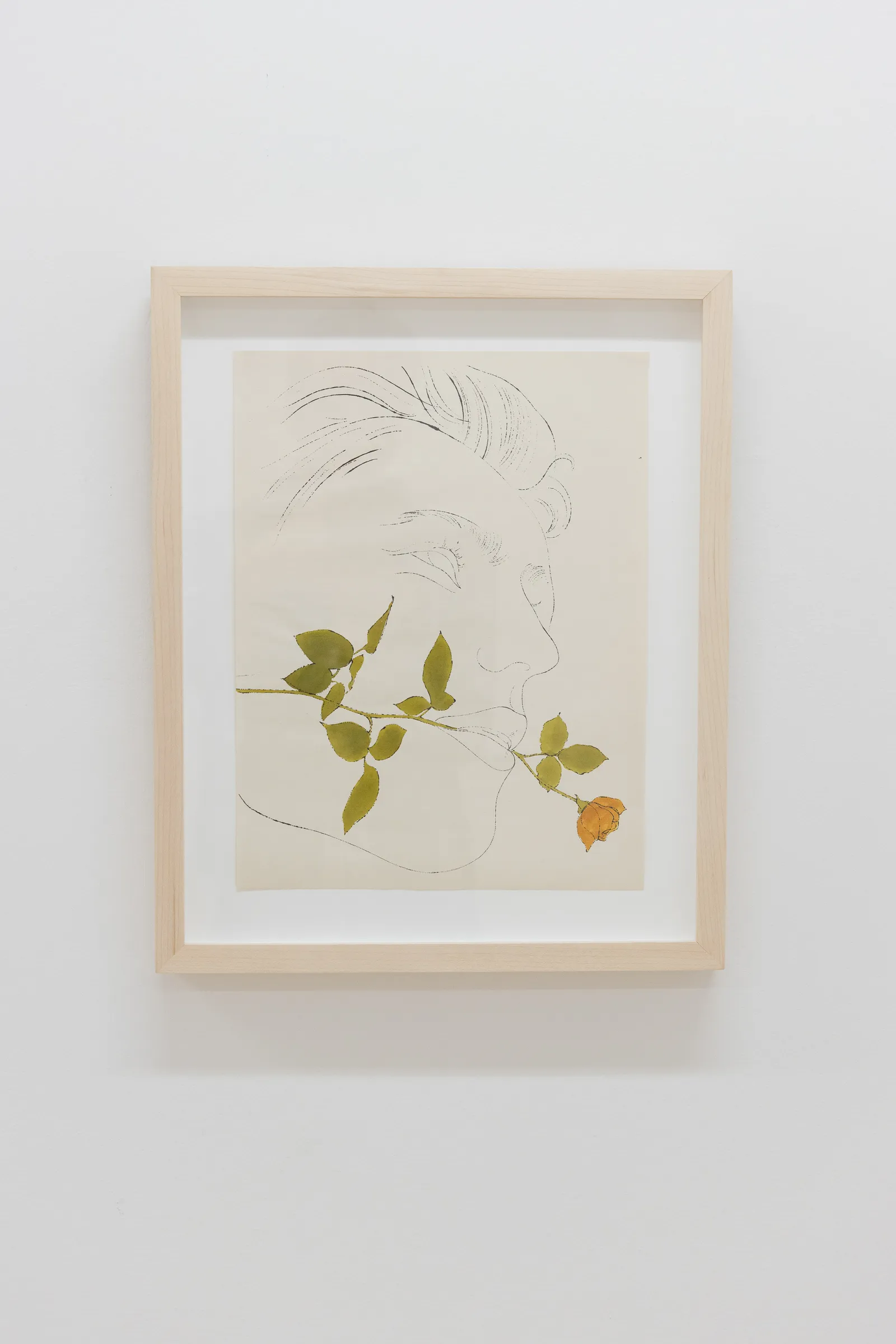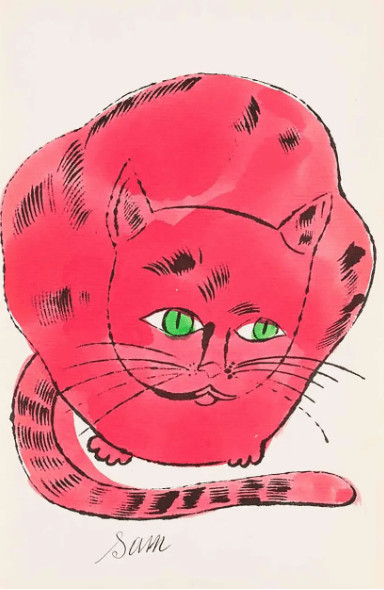
25 Cats Named Sam

Andy Warhol, born Andrew Warhola Jr. in Pittsburgh, Pennsylvania, on August 6, 1928, was a figure who seemed almost immortal — an artist who blurred the lines between life and art so completely that many came to see him as a living myth. His silver wigs, deadpan expression, and fascination with fame, glamour, and repetition all became a kind of armor against the outside world. Yet beneath that carefully crafted persona lay a fragile man, shaped by childhood illness, Catholic devotion, and a lifelong fear of hospitals. Understanding how Andy Warhol died requires examining not only the medical circumstances of his final days but also the vulnerabilities that defined his private existence — vulnerabilities that stood in stark contrast to the invincible image he projected throughout his extraordinary career.
By the mid-1980s, Andy Warhol remained one of the most recognizable and productive artists in the world. His Factory continued to generate portraits, prints, and collaborative projects at a remarkable pace, and his social calendar was as demanding as ever. However, those closest to him knew that his health was increasingly precarious. Warhol had long suffered from gallbladder problems, a condition that caused him significant discomfort and periodic episodes of acute pain. Despite the urging of friends and physicians, his deep-seated anxiety about medical procedures — rooted in childhood trauma and his near-fatal shooting by Valerie Solanas in 1968 — led him to delay surgery for years.
The 1968 assassination attempt had left Warhol with permanent physical and psychological scars. He wore a surgical corset for the rest of his life to support his damaged abdominal muscles, and he never fully recovered from the terror of that experience. Hospitals represented vulnerability and mortality — concepts that the artist spent his career attempting to transcend through his obsessive documentation of surfaces, celebrities, and consumer objects. This avoidance would ultimately prove fatal.
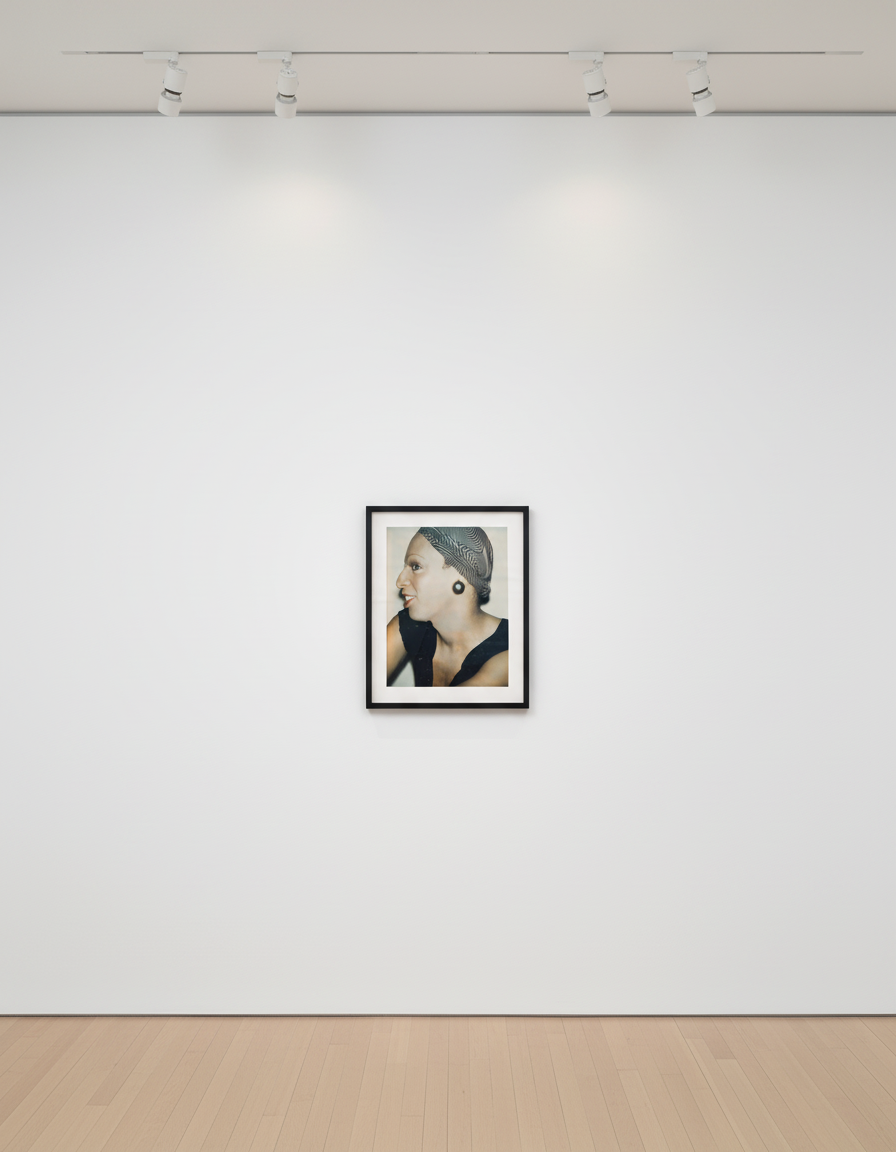
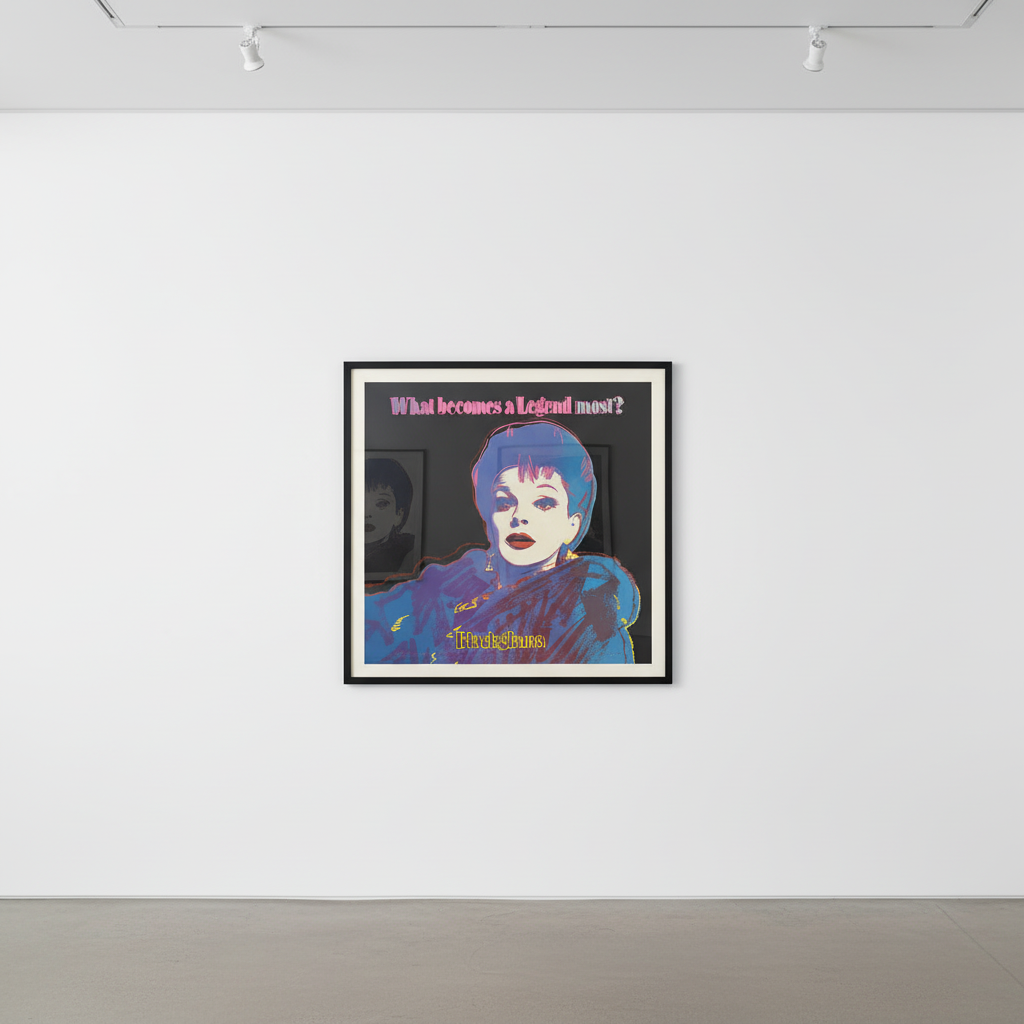
Ladies and Gentlemen (Wilhelmina Ross) — Andy Warhol. Available at Guy Hepner, New York.
In February 1987, after experiencing severe abdominal pain that could no longer be ignored, Andy Warhol was finally persuaded to undergo gallbladder surgery at New York Hospital. The operation, performed on February 20, was described as routine and successful. In the hours following the procedure, the artist appeared to be recovering well. He called friends, watched television, and discussed future projects with his characteristic mixture of enthusiasm and detachment. There seemed to be no immediate cause for concern.
However, in the early hours of February 22, 1987, Warhol's condition suddenly and catastrophically deteriorated. While recovering in his private room, he went into cardiac arrest. Despite efforts to revive him, Andy Warhol was pronounced dead at 6:31 a.m. He was only 58 years old. The official cause of death was listed as cardiac arrhythmia, though subsequent investigations revealed that his post-operative care had been inadequate. His family later filed a wrongful death lawsuit against the hospital, claiming that Warhol had not been properly monitored during his recovery and that warning signs of fluid overload had been ignored. The case was settled out of court, but questions about the preventability of his death have persisted for decades.
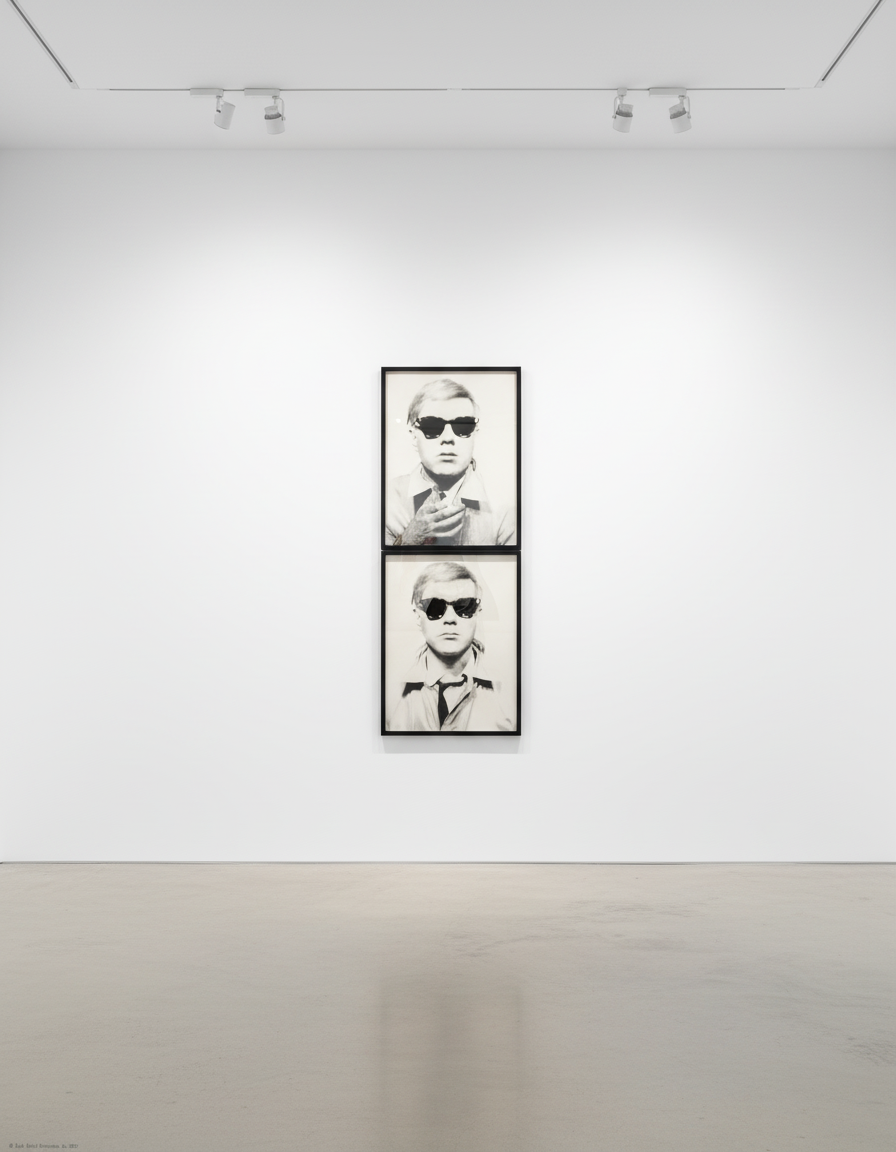
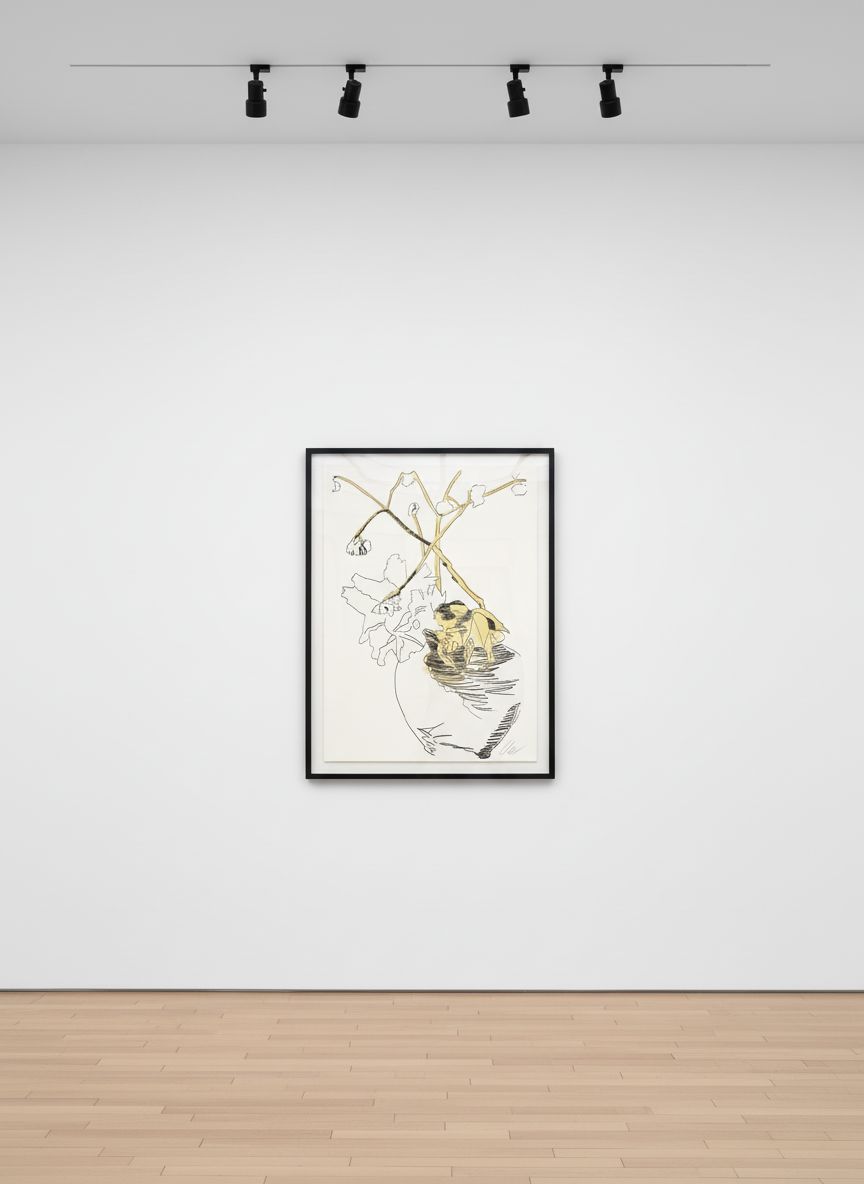
Self - Portrait F.S. IIIA 10 — Andy Warhol. Available at Guy Hepner, New York.
The death of Andy Warhol sent shockwaves through the art world and beyond. Here was an artist who had spent three decades interrogating American culture — its obsession with celebrity, consumption, and the mass-produced image — and who had, in the process, become the very embodiment of the fame he dissected. His passing marked the end of an era, yet it also initiated a profound reassessment of his contributions to contemporary art. What emerged in the years following his death was a more nuanced understanding of Warhol as not merely a provocateur or commercial illustrator but as one of the most significant artists of the twentieth century.
Warhol's influence extends far beyond the boundaries of Pop Art. His exploration of seriality and repetition anticipated the digital age's endless reproduction of images. His blurring of high and low culture prefigured contemporary art's embrace of fashion, design, and celebrity. His Factory model of collaborative production challenged romantic notions of artistic genius and laid the groundwork for artists like Jeff Koons and Damien Hirst. According to the Art Basel and UBS Global Art Market Report, works by Andy Warhol consistently rank among the highest-grossing at auction, demonstrating sustained collector demand across generations.
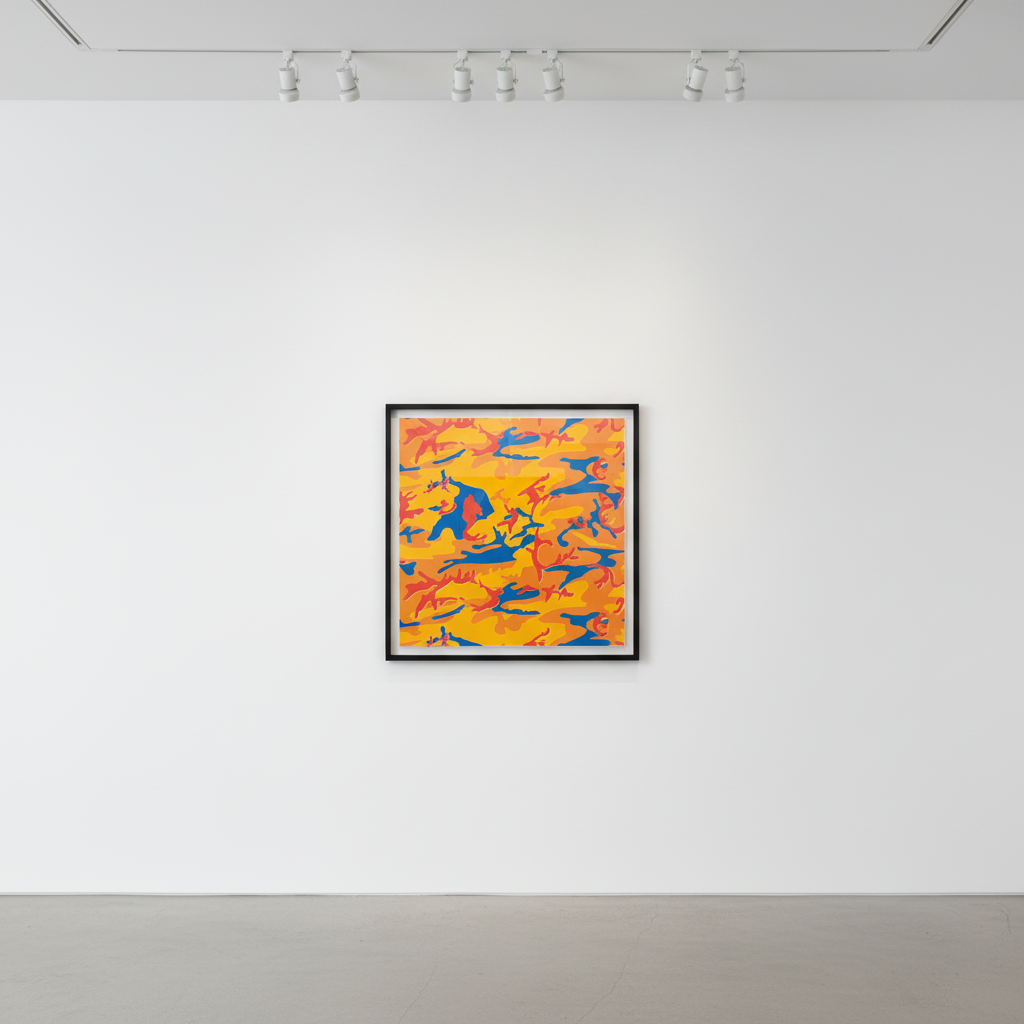
Camouflage Trial Proof TP 4/84 — Andy Warhol. Available at Guy Hepner, New York.
The market for Andy Warhol's work has only strengthened in the decades since his death. Major auction houses including Christie's and Sotheby's regularly feature his paintings, prints, and unique works in their most prestigious sales. In 2022, Sotheby's achieved a landmark result when Warhol's "Shot Sage Blue Marilyn" sold for $195 million, establishing a new record for any American artist at auction. This extraordinary price reflects not only the iconic status of his imagery but also the depth of institutional and private collector interest in acquiring museum-quality examples of his output.
For discerning collectors, Andy Warhol represents a unique intersection of art historical importance and market stability. His prints — produced in carefully documented editions during his lifetime — offer accessibility to his most celebrated subjects while maintaining clear provenance and authenticity. Works from series such as Mao, Ladies and Gentlemen, and his late Camouflage paintings demonstrate the breadth of his thematic concerns, from political power to identity to abstraction. These pieces continue to appreciate in value while serving as cornerstones of significant contemporary art collections worldwide.
Guy Hepner is proud to offer an exceptional selection of original works and authenticated prints by Andy Warhol. Our collection includes significant examples from his most sought-after series, each accompanied by comprehensive provenance documentation and condition reports. Whether you are building a foundational collection or seeking a specific work to complement existing holdings, our specialists provide personalized guidance throughout the acquisition process. We invite collectors to contact Guy Hepner to discuss available works by Andy Warhol and explore opportunities to acquire pieces by this defining figure of twentieth-century art.
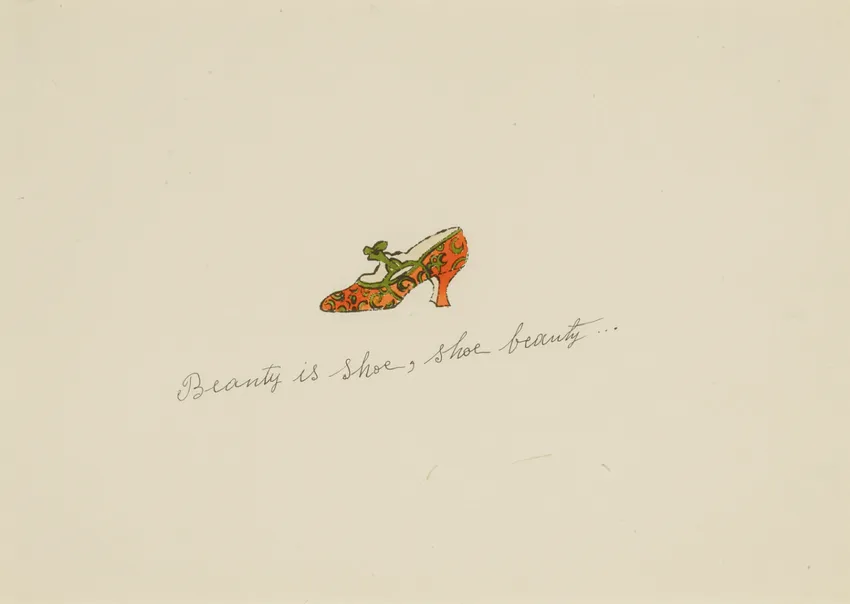
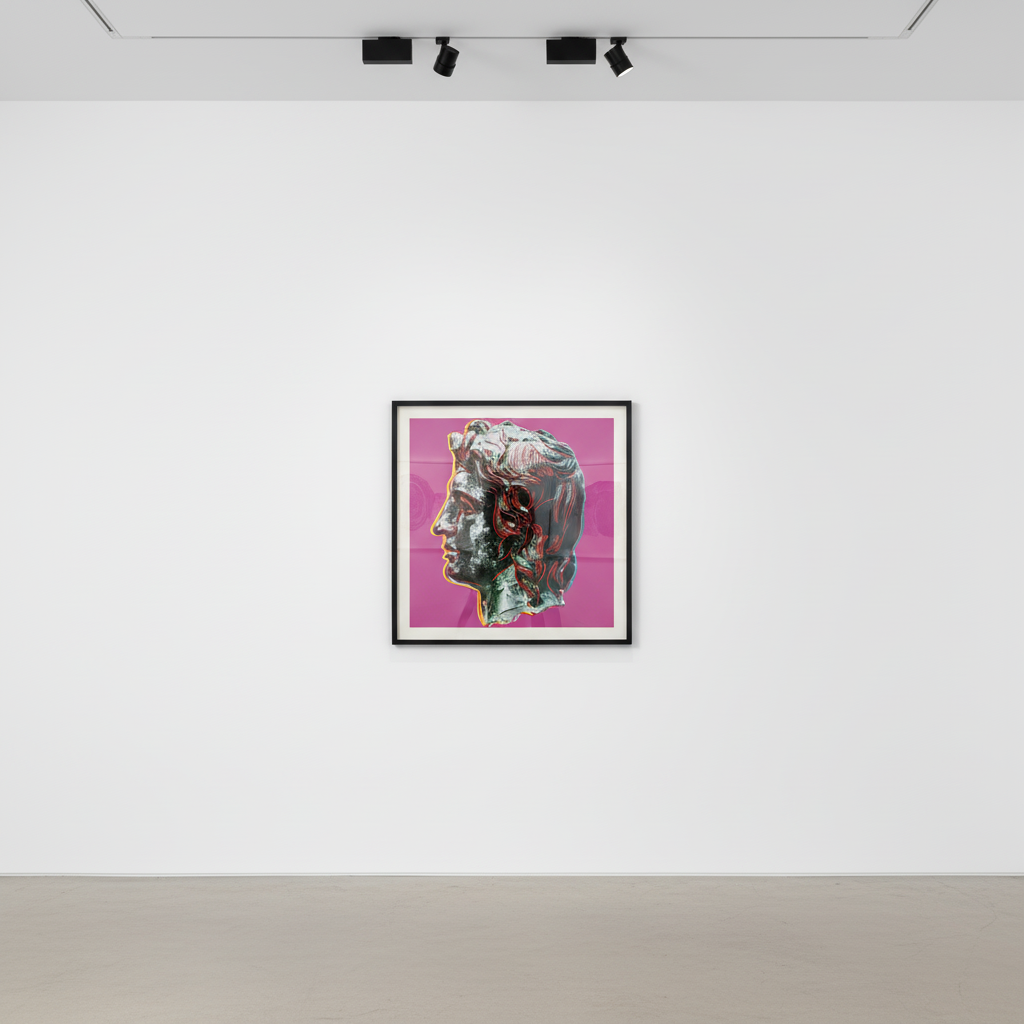
--- **Browse Andy Warhol prints** at Guy Hepner: [Andy Warhol art for sale](/andy-warhol) | [Sell your Warhol](/sell/andy-warhol)Explore Andy Warhol prints for sale at Guy Hepner: 25 Cats Named Sam, A Gold Book, A La Recherche Du Shoe Perdu, Alexander the Great, Banana.
Related Series