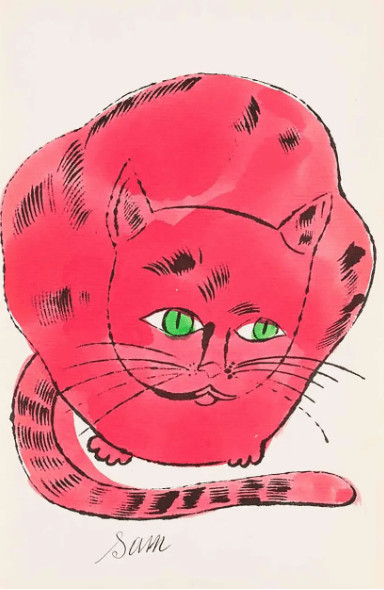
25 Cats Named Sam

May 23, 2026
Few artists have shaped the course of modern art as profoundly as Andy Warhol. As the undisputed leader of the Pop Art movement, Warhol transformed the landscape of contemporary culture by elevating the imagery of everyday life to the realm of high art. Central to his revolutionary approach was the concept of repetition - a technique that would become synonymous with his name and fundamentally alter how we understand art, commerce, and celebrity. Warhol's repeated imagery, whether depicting Campbell's soup cans, Marilyn Monroe, or Coca-Cola bottles, transcended mere aesthetic choice to become a radical commentary on consumer culture, fame, and the very nature of artistic production itself.
Before becoming the "Pope of Pop," Andy Warhol worked as a commercial illustrator in New York City throughout the 1950s. His early career in advertising instilled in him an acute awareness of the power of branding, mass production, and visual repetition. Products like Coca-Cola and Campbell's soup were not simply consumer goods - they were cultural icons, deeply embedded in the everyday lives of Americans through endless advertising campaigns and ubiquitous shelf displays. This commercial background provided Warhol with a unique perspective that would later distinguish his fine art practice from that of his contemporaries.
Warhol's transition from commercial illustration to fine art in the early 1960s marked a pivotal moment in art history. He recognised that the repetitive nature of advertising - the same image reproduced thousands of times across billboards, magazines, and television screens - had created a new visual language that traditional art had yet to address. By adopting the silkscreen printing technique in 1962, Warhol found the perfect medium to explore this phenomenon. The process allowed him to reproduce images mechanically, embracing rather than concealing the variations and imperfections that occurred with each successive print.
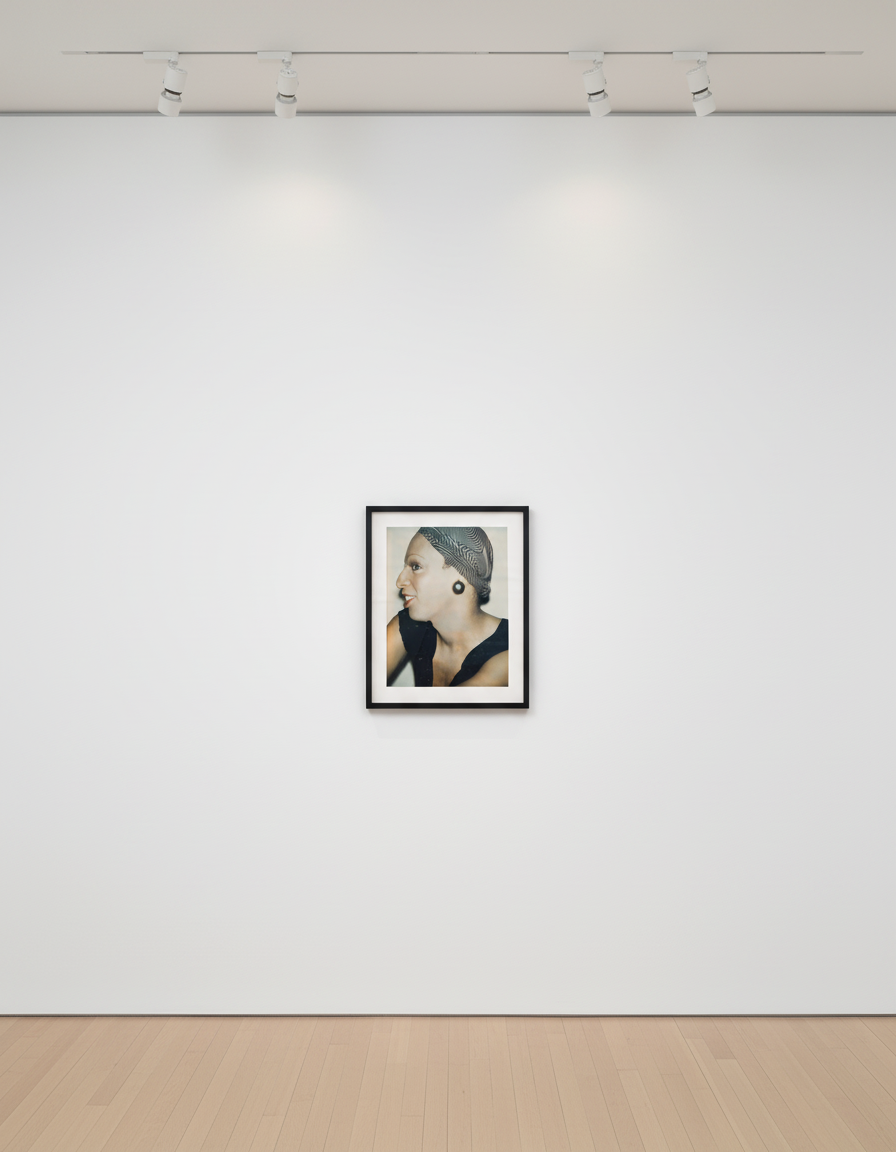
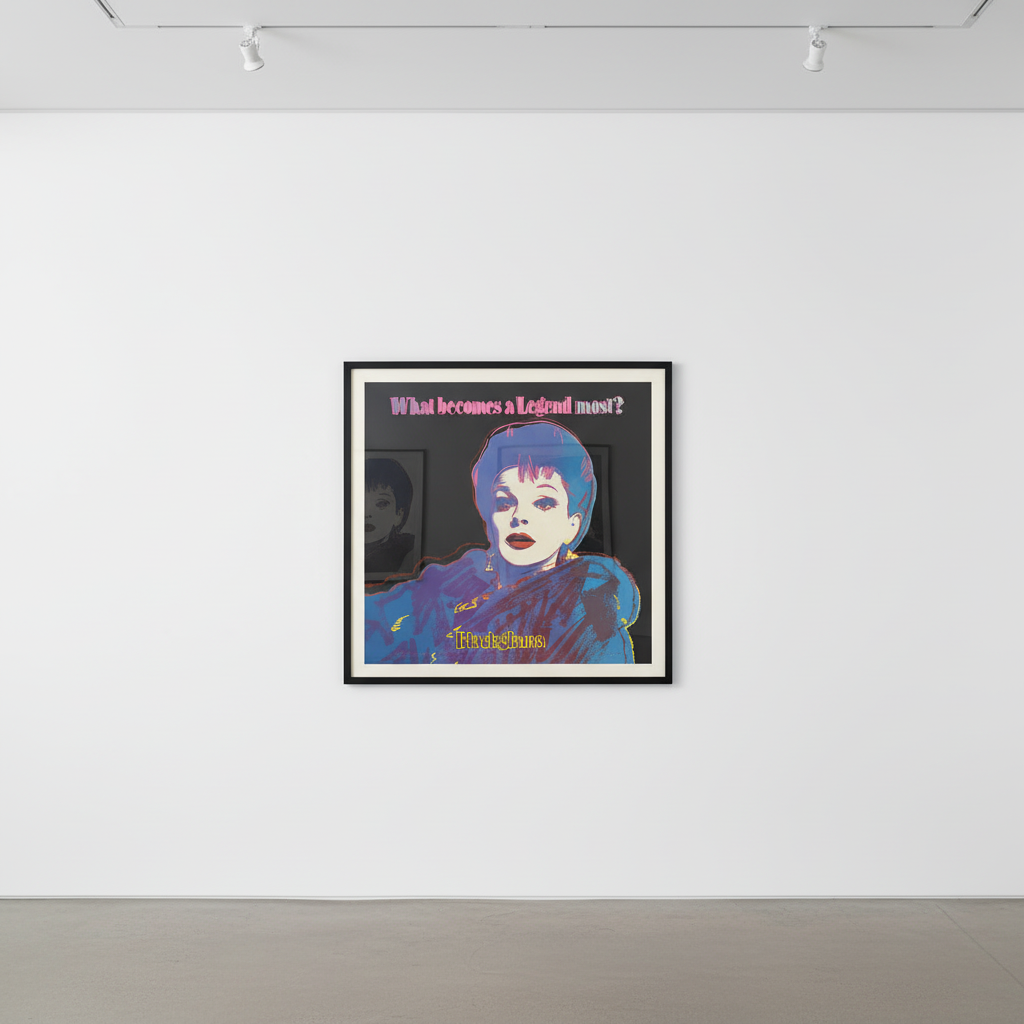
Ladies and Gentlemen (Wilhelmina Ross) — Andy Warhol. Available at Guy Hepner, New York.
Warhol's use of repetition was far more than a stylistic preference - it was a profound philosophical statement about modern existence. In his iconic series featuring Marilyn Monroe, Elvis Presley, and Elizabeth Taylor, Warhol demonstrated how celebrity images become commodified through endless reproduction. The more an image is repeated, the more it loses its original meaning while simultaneously gaining new cultural significance. This paradox lies at the heart of Warhol's genius.
The artist famously stated, "The more you look at the same exact thing, the more the meaning goes away, and the better and emptier you feel." This sentiment encapsulates his approach to subjects ranging from consumer products to portraits of cultural figures. His Mao series exemplifies this philosophy brilliantly, transforming the image of one of the twentieth century's most powerful political figures into a decorative commodity. By repeating Chairman Mao's official portrait in vibrant colours and varying compositions, Warhol stripped the image of its propagandistic power while commenting on the universal nature of image-making in both capitalist and communist societies.
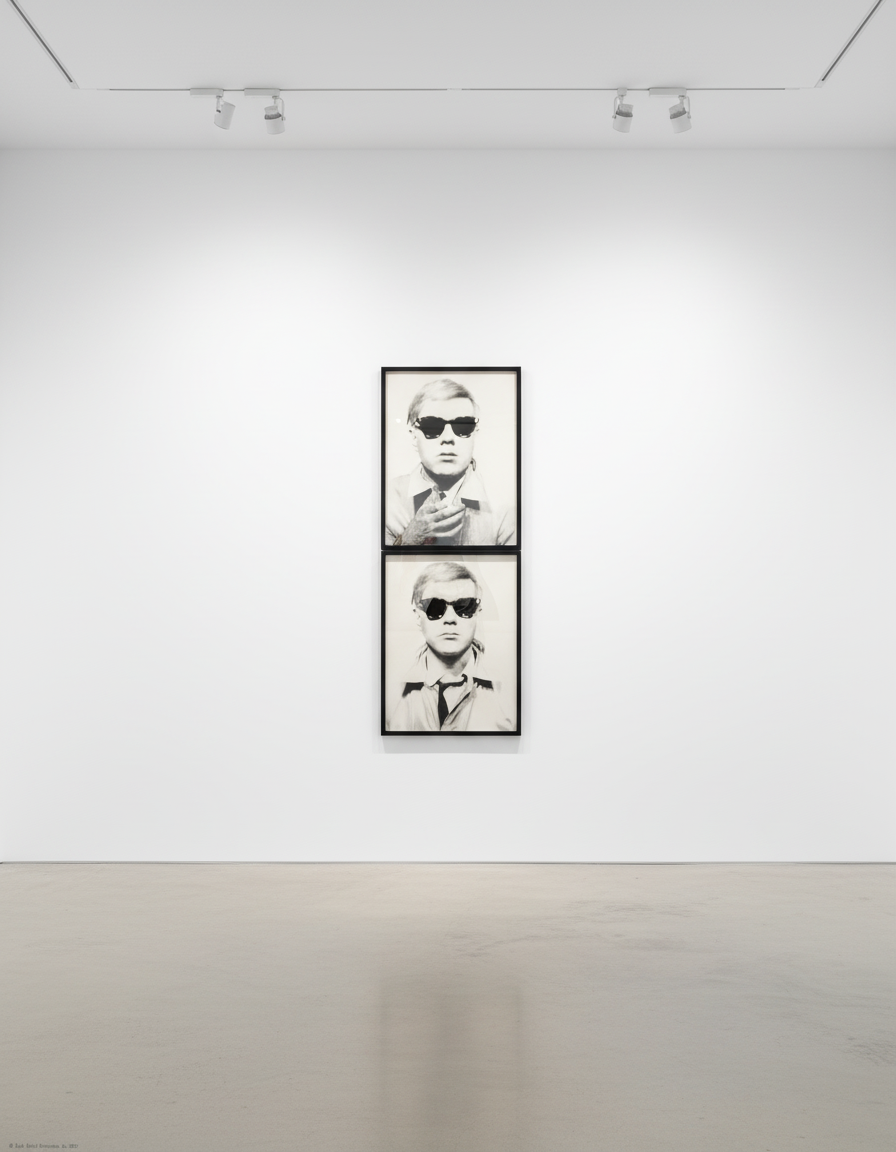
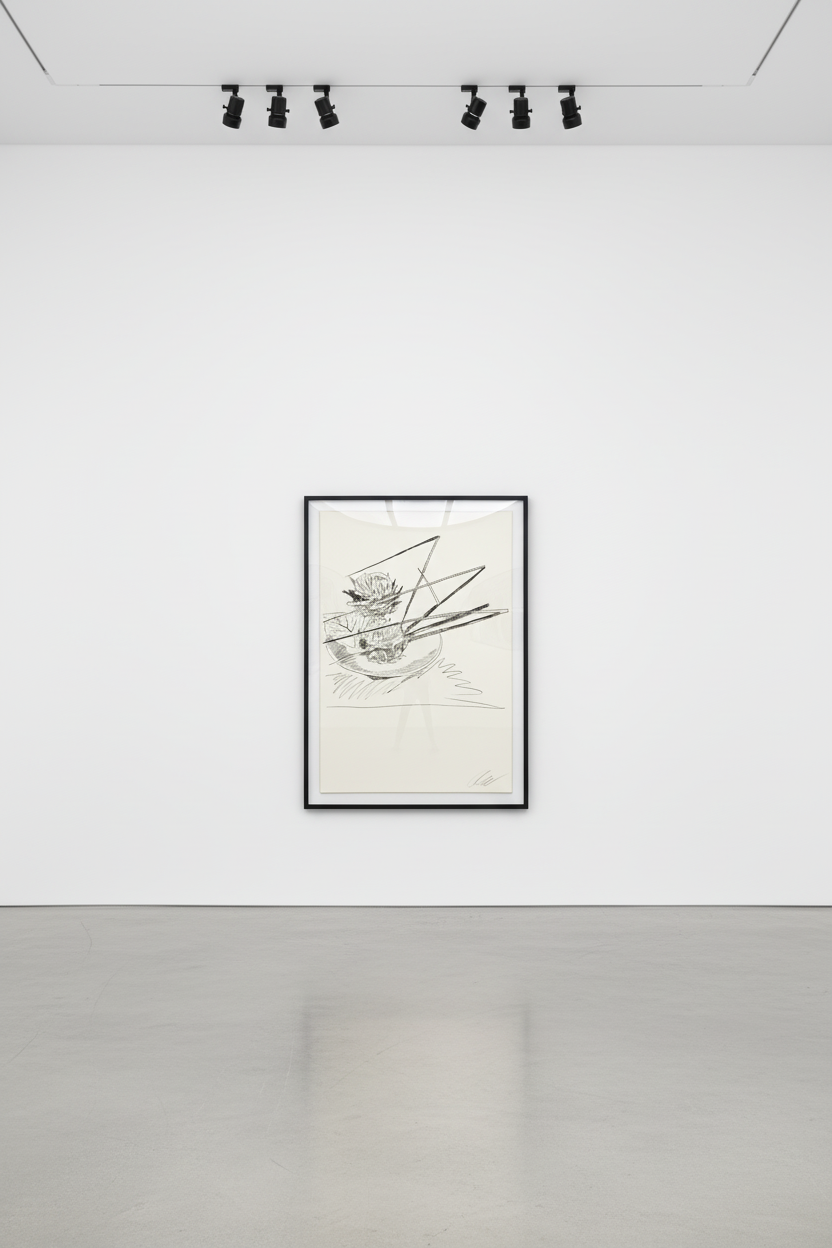
Self - Portrait F.S. IIIA 10 — Andy Warhol. Available at Guy Hepner, New York.
Warhol's exploration of repetition extended to his portraiture practice, which became a significant aspect of his commercial success. His Ladies and Gentlemen series from 1975 applied the same repetitive treatment to portraits of drag queens and transgender performers from New York's underground scene. Similarly, his commissioned portraits of socialites, celebrities, and business leaders utilised repetition to comment on how identity itself becomes a reproducible commodity in the age of mass media.
The auction market consistently validates Warhol's position as one of the most sought-after artists of the twentieth century. According to data from Christie's and Sotheby's, Warhol regularly ranks among the top-selling artists globally, with his works commanding prices that reflect his enduring cultural relevance. The Art Basel and UBS Global Art Market Report consistently identifies Warhol as a cornerstone of the post-war and contemporary art market, with collectors demonstrating sustained demand across all periods of his production.
What makes Warhol's repetition-based works particularly compelling to collectors is their immediate recognisability combined with their intellectual depth. Each piece functions simultaneously as a striking visual object and a commentary on the culture that produced it. His Beethoven series from 1987, created shortly before his death, demonstrates how Warhol applied his repetitive methodology to historical figures, connecting classical culture with contemporary visual language. These late works reveal an artist who continued to evolve while remaining true to his foundational principles.
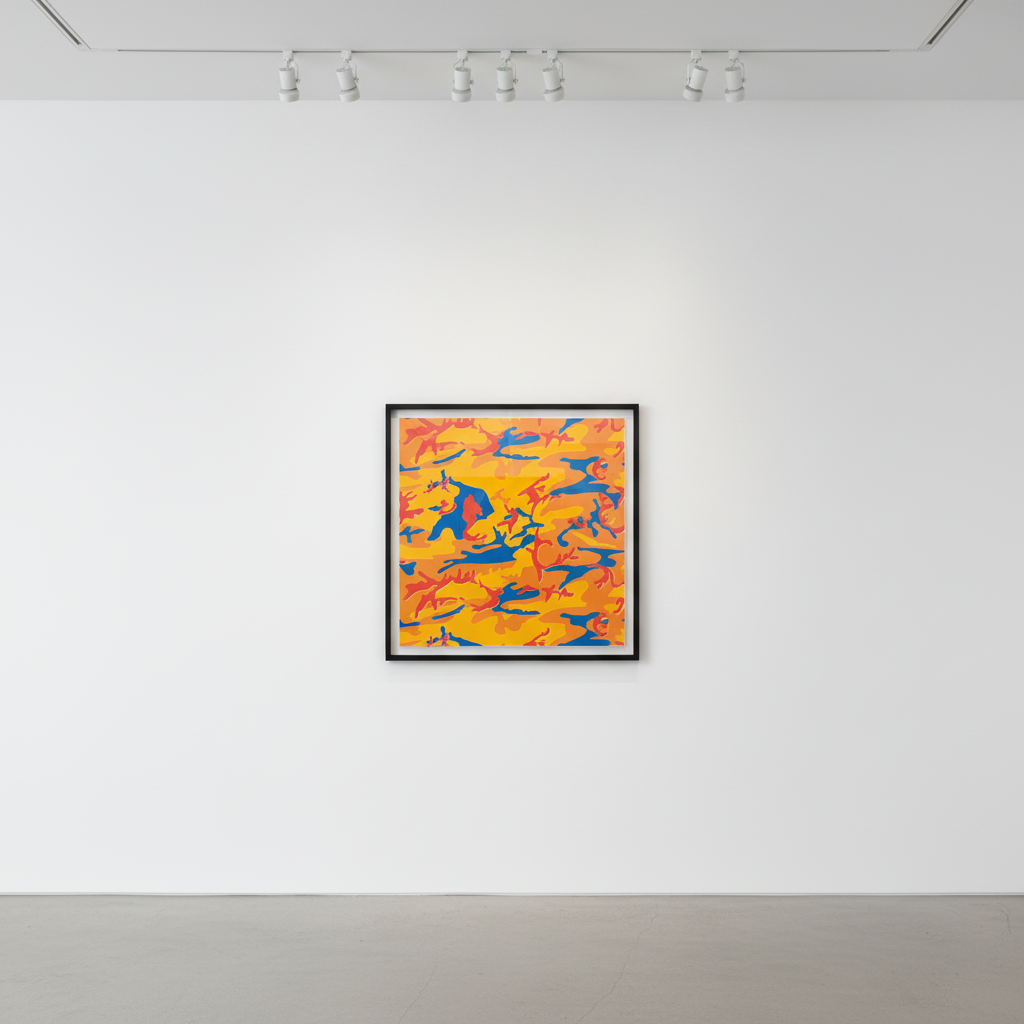
Camouflage Trial Proof TP 4/84 — Andy Warhol. Available at Guy Hepner, New York.
The investment potential of Warhol's work remains exceptionally strong, supported by institutional recognition, extensive scholarship, and a robust authentication process overseen by the Andy Warhol Foundation. Museums worldwide continue to acquire his pieces, while private collectors recognise that owning a Warhol means possessing a fragment of art history that fundamentally changed how we perceive images in the modern world.
Andy Warhol's influence on contemporary art cannot be overstated. His embrace of repetition paved the way for subsequent generations of artists who explore themes of reproduction, appropriation, and mass culture. From his early soup cans to his late camouflage paintings, Warhol demonstrated that repetition could be both a mirror reflecting society and a lens through which to examine it critically. His work anticipated our current digital age, where images circulate endlessly across screens and platforms, gaining and losing meaning with each iteration.
Guy Hepner is proud to offer exceptional works by Andy Warhol, including significant examples that showcase his masterful use of repetition. Our gallery provides collectors with access to authenticated pieces accompanied by comprehensive provenance documentation and expert guidance. Whether you are an established collector seeking museum-quality acquisitions or new to collecting Warhol's work, our team offers personalised consultation to help you acquire pieces that resonate with your collection goals. Contact Guy Hepner to enquire about available Andy Warhol works and discover how these iconic pieces can become part of your collection.
--- **Browse Andy Warhol prints** at Guy Hepner: [Andy Warhol art for sale](/andy-warhol) | [Sell your Warhol](/sell/andy-warhol)Explore Andy Warhol prints for sale at Guy Hepner: 25 Cats Named Sam, A Gold Book, A La Recherche Du Shoe Perdu, Alexander the Great, Banana.
Related Series