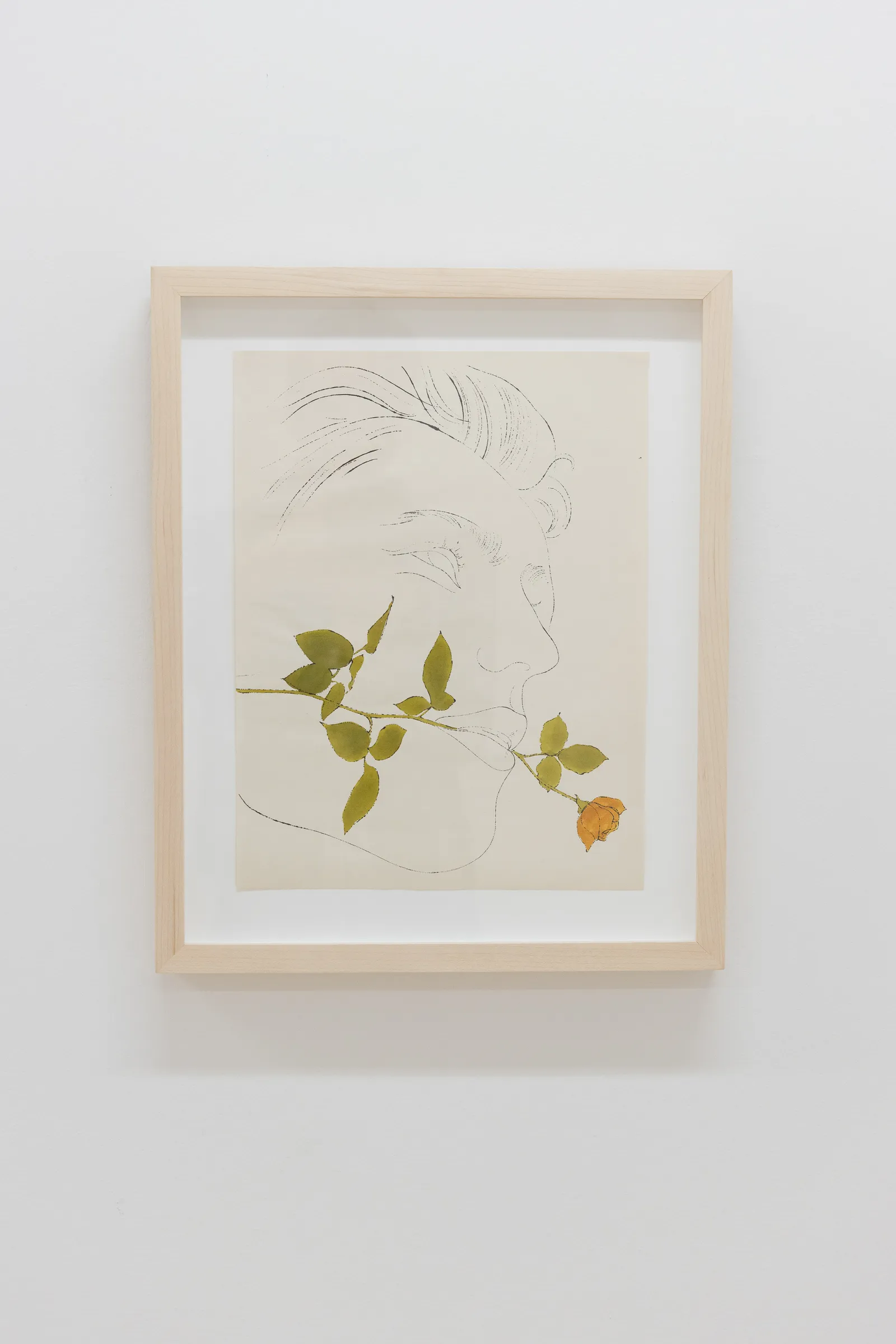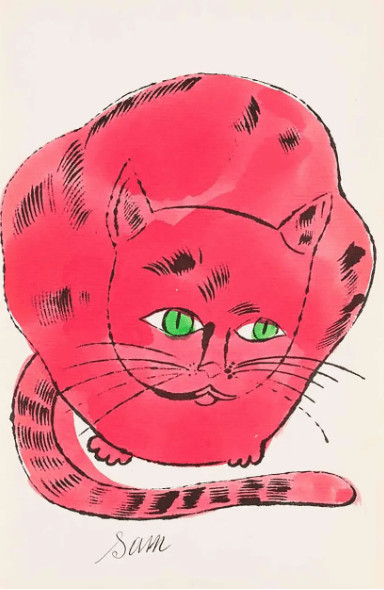
25 Cats Named Sam

In May 1971, the Whitney Museum of American Art in New York City mounted what would become one of the most consequential exhibitions in contemporary art history. Andy Warhol's first major museum retrospective in his adopted hometown represented far more than a career survey - it was a definitive coronation of Pop Art's most provocative figure and a watershed moment that permanently altered how institutions, collectors, and the public understood Warhol's revolutionary contributions to twentieth-century art.
Organized in collaboration with the Pasadena Art Museum, which had originated the exhibition, the Whitney presentation brought Warhol's complete artistic vision before New York audiences with unprecedented scope. For collectors and art historians alike, the 1971 Whitney retrospective remains a critical reference point - the moment when Warhol transitioned from controversial downtown provocateur to canonized museum artist whose works would eventually command record-breaking prices at auction houses including Christie's and Sotheby's.
By the time the Whitney retrospective opened its doors, Andy Warhol had spent nearly two decades transforming himself from a successful commercial illustrator into the most recognized artist of his generation. His early career in 1950s New York - producing elegant drawings for fashion magazines and advertisements - provided both the technical foundation and conceptual framework for his later explorations of consumer culture, celebrity, and mechanical reproduction.
The transition into fine art came with characteristic Warhol audacity. His 1962 exhibitions featuring Campbell's Soup Cans and Coca-Cola bottles announced a radical new aesthetic that embraced rather than rejected commercial imagery. The silkscreen portraits of Marilyn Monroe, Elvis Presley, and Elizabeth Taylor that followed cemented Warhol's reputation as an artist who understood that fame itself had become America's most compelling product.
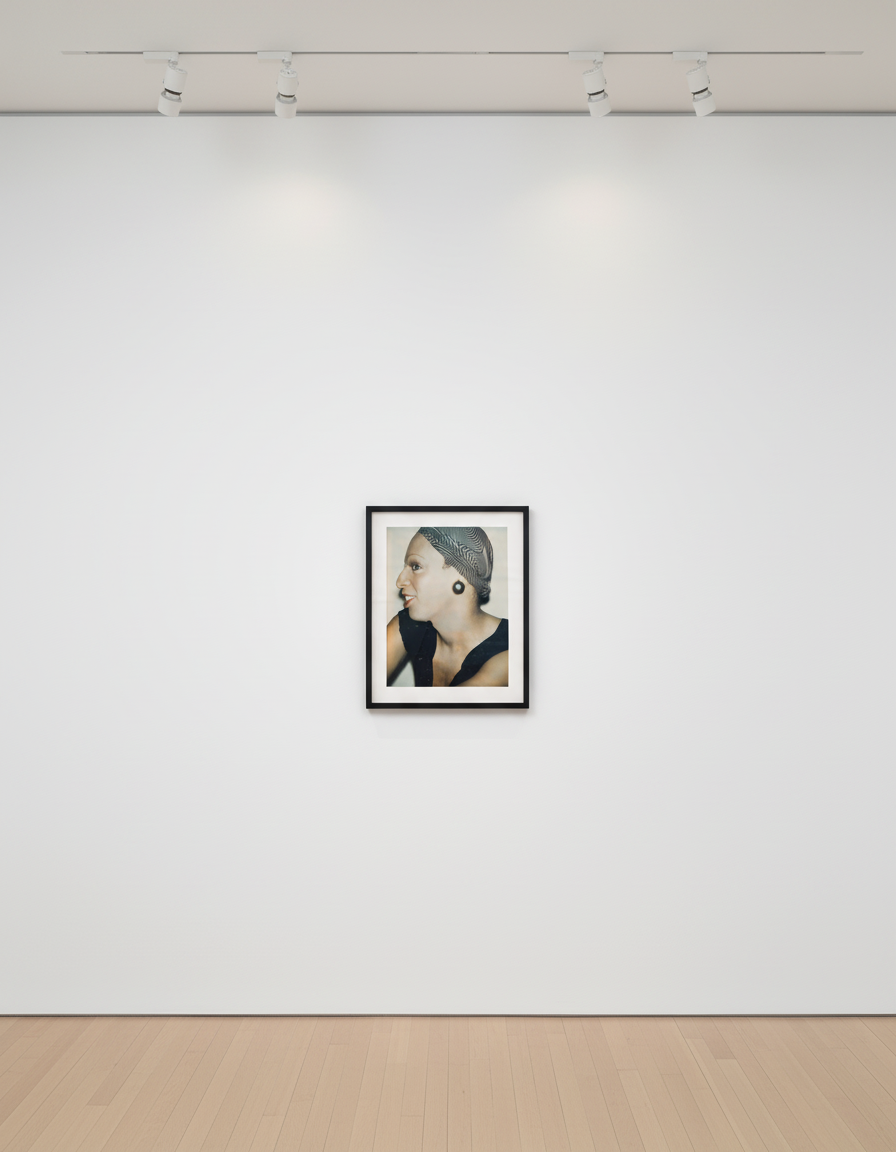
Ladies and Gentlemen (Wilhelmina Ross) — Andy Warhol. Available at Guy Hepner, New York.
The 1960s proved extraordinarily prolific for Warhol. The Factory - his legendary silver-walled studio on East 47th Street - became the epicenter of avant-garde New York, attracting artists, musicians, filmmakers, and socialites who participated in Warhol's expanding multimedia enterprise. His experimental films, including the durational works "Sleep" and "Empire," challenged conventional cinema while his management of The Velvet Underground positioned him at the intersection of visual art and rock music.
However, this period of frenetic creativity was violently interrupted in June 1968 when Valerie Solanas shot Warhol at the Factory. The near-fatal attack left him with permanent physical injuries and profound psychological trauma. The post-shooting Warhol emerged more guarded, more business-minded, and increasingly focused on commissioned portraits of wealthy patrons - a direction that would define much of his 1970s output and generate the financial success that continues to fuel his robust secondary market.
The 1971 Whitney exhibition offered visitors an unprecedented opportunity to assess Warhol's complete artistic trajectory within a single institutional framework. From the early commercial drawings through the iconic Pop paintings to the experimental films, the retrospective revealed the conceptual consistency underlying Warhol's seemingly disparate activities. Critical reception, while characteristically divided, acknowledged the exhibition's importance in establishing Warhol as a major American artist rather than merely a celebrity provocateur.
The institutional validation provided by the Whitney proved transformative for Warhol's market position. Museums that had previously hesitated to acquire his work began building significant Warhol holdings. Private collectors who had questioned whether Pop Art represented a lasting movement or passing fad increasingly recognized the investment potential of Warhol's most important pieces.
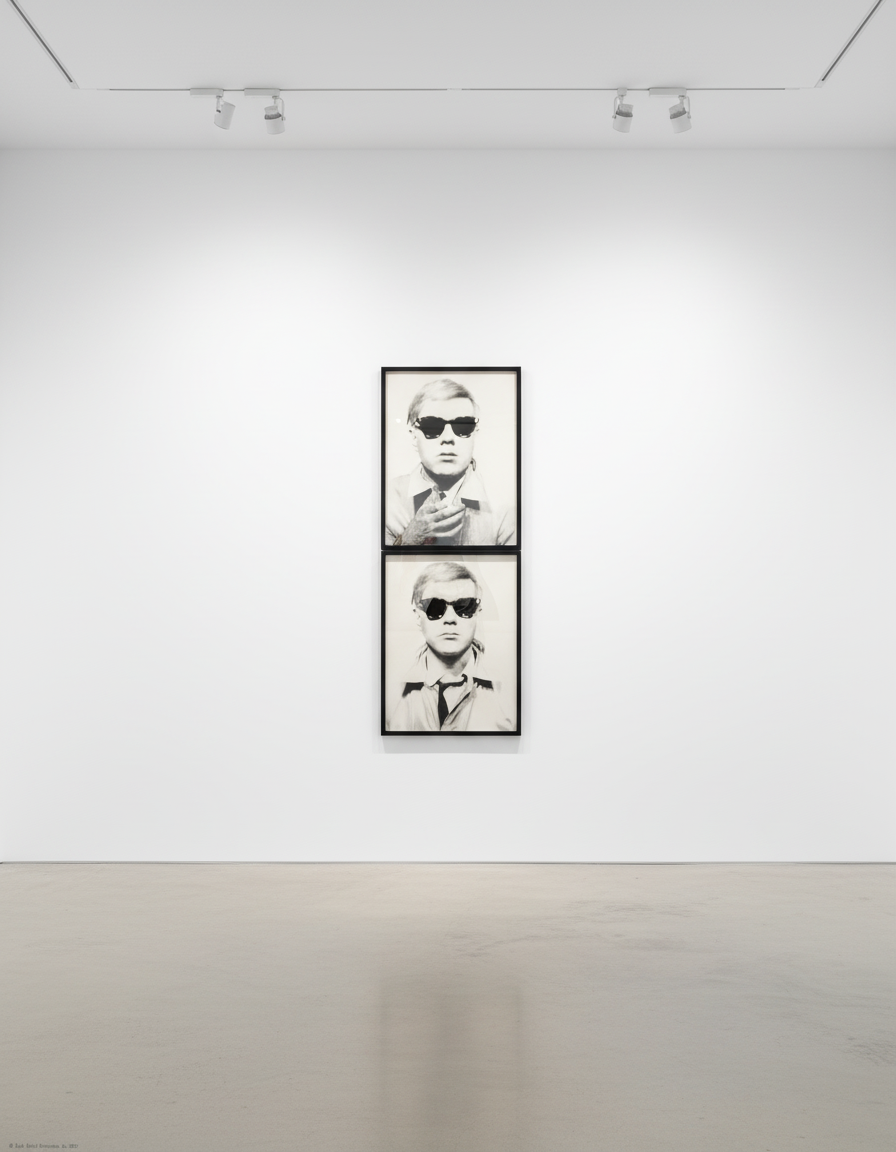
Self - Portrait F.S. IIIA 10 — Andy Warhol. Available at Guy Hepner, New York.
This legitimization process initiated at the Whitney has only accelerated in subsequent decades. According to the Art Basel and UBS Global Art Market Report, Warhol consistently ranks among the highest-grossing artists at auction globally. Christie's and Sotheby's regularly feature major Warhol works in their evening sales, with exceptional pieces achieving prices in the hundreds of millions of dollars. The 1971 retrospective effectively launched this trajectory by providing the art historical framework within which Warhol's achievement could be properly assessed and valued.
Following the Whitney retrospective, Warhol entered what scholars have termed his "Business Art" phase - a period characterized by commissioned society portraits, collaborations with younger artists, and the strategic cultivation of his public persona. Works from the 1970s and 1980s, including the powerful Mao series and the contemplative self-portraits, demonstrate Warhol's continued formal innovation even as his celebrity reached unprecedented heights.
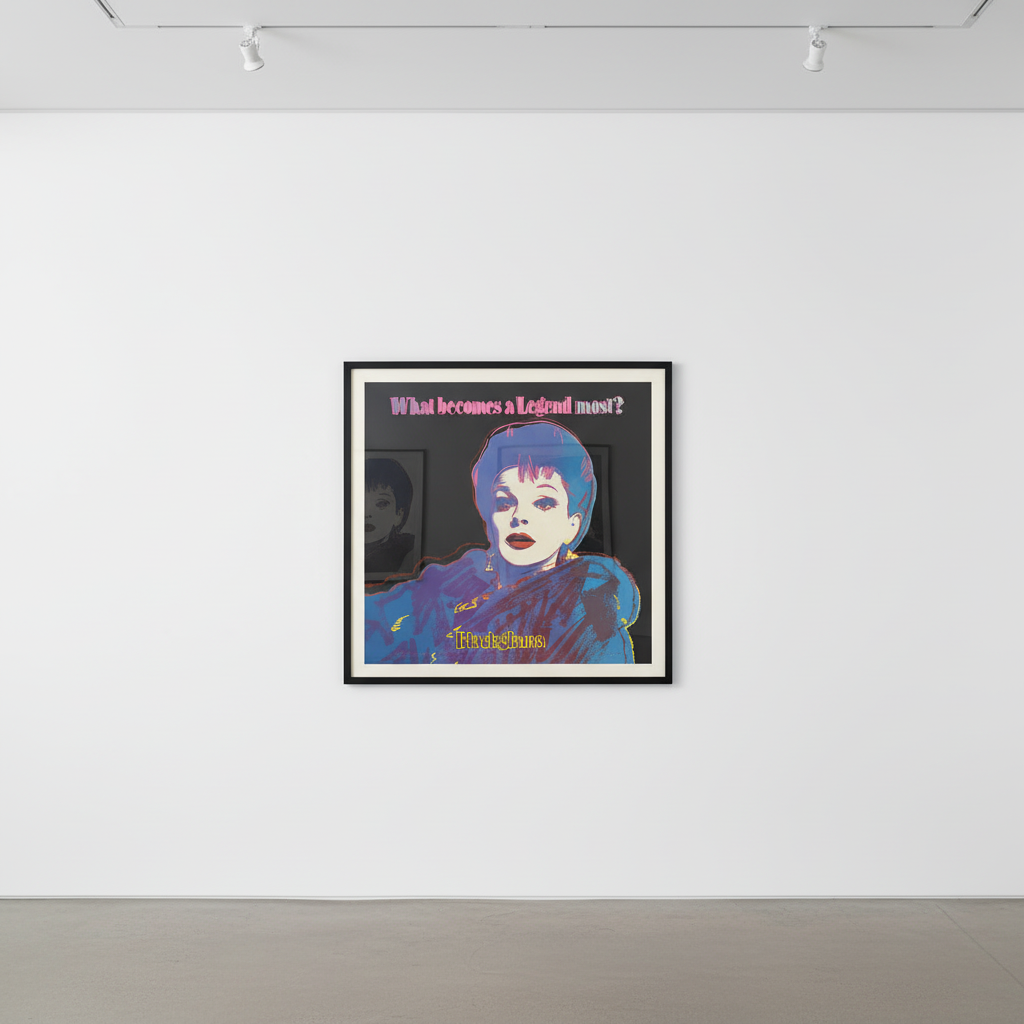
The Ladies and Gentlemen series from 1975, featuring drag performers and transgender women from New York's club scene, exemplifies Warhol's ongoing commitment to portraiture that challenged social conventions. These works, created just four years after the Whitney retrospective, reveal an artist expanding his subject matter while refining the silkscreen techniques that had become his signature.
Warhol's late career produced some of his most sought-after works, including the Beethoven portraits and the evocative Camouflage paintings that collectors and institutions prize for their synthesis of commercial technique and art historical reference. These final bodies of work command particular attention in today's market, where provenance, condition, and period increasingly determine value at the highest levels.
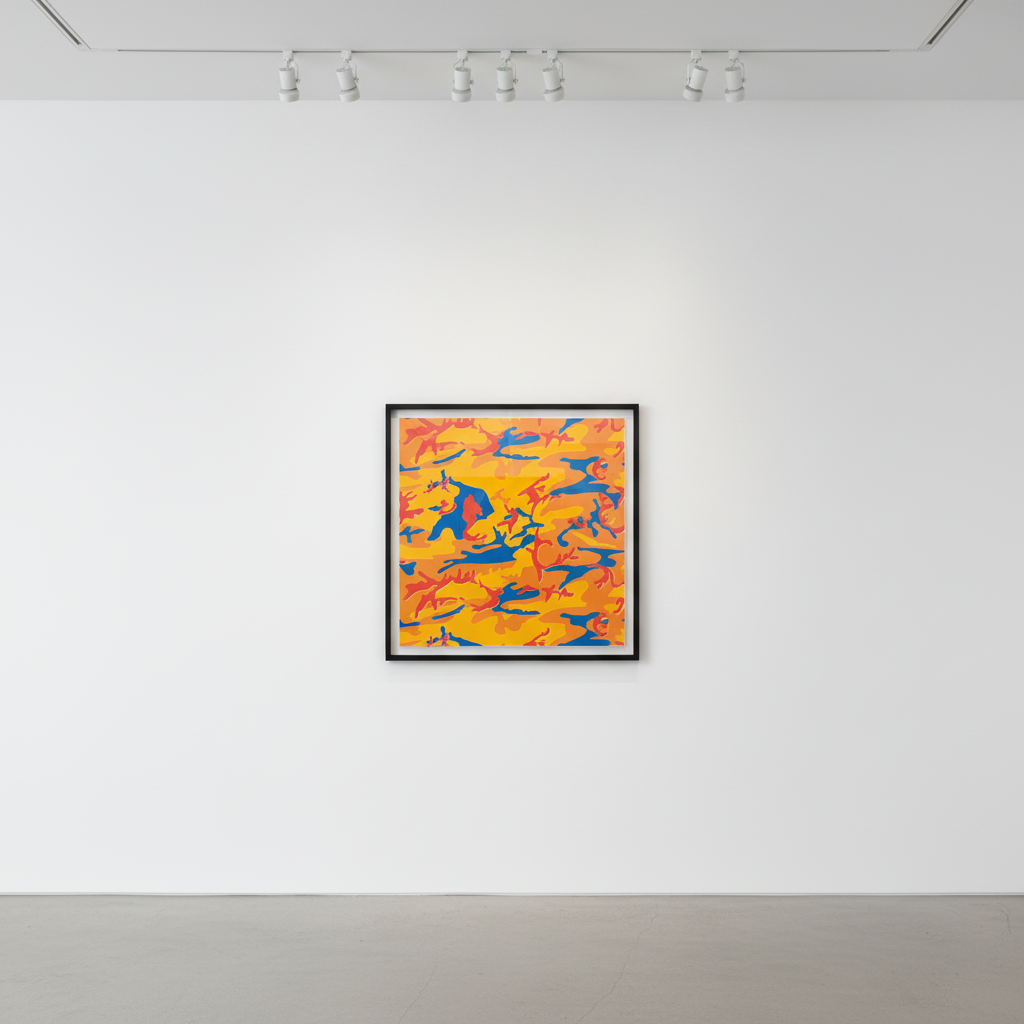
Camouflage Trial Proof TP 4/84 — Andy Warhol. Available at Guy Hepner, New York.
The 1971 Whitney retrospective established the interpretive framework through which we continue to understand Warhol's significance. By presenting his commercial and fine art production as continuous rather than contradictory, the exhibition anticipated the dissolution of high-low boundaries that has come to characterize contemporary art practice. Every subsequent Warhol exhibition - and there have been hundreds worldwide - owes a conceptual debt to this foundational presentation.
For contemporary collectors, works from the period immediately surrounding the Whitney retrospective carry particular historical weight. These pieces represent Warhol at the moment of institutional acceptance, when his technical mastery and conceptual ambition achieved their fullest expression. As both Christie's and Sotheby's have demonstrated through their continued dedication of major catalogue sections to Warhol material, this remains among the most liquid and desirable segments of the post-war art market.
Guy Hepner maintains an exceptional selection of Andy Warhol original works and authenticated prints spanning the artist's most celebrated periods. Our gallery's expertise in navigating the Warhol market - including authentication, provenance research, and condition assessment - ensures that collectors acquire works of unimpeachable quality. Whether you seek iconic imagery from Warhol's Pop Art breakthrough or distinguished examples from his later portrait and abstract series, our team provides the discretion and knowledge that discerning collectors require. Contact Guy Hepner to discuss current Warhol availability and begin building or enhancing your collection of this essential twentieth-century master.
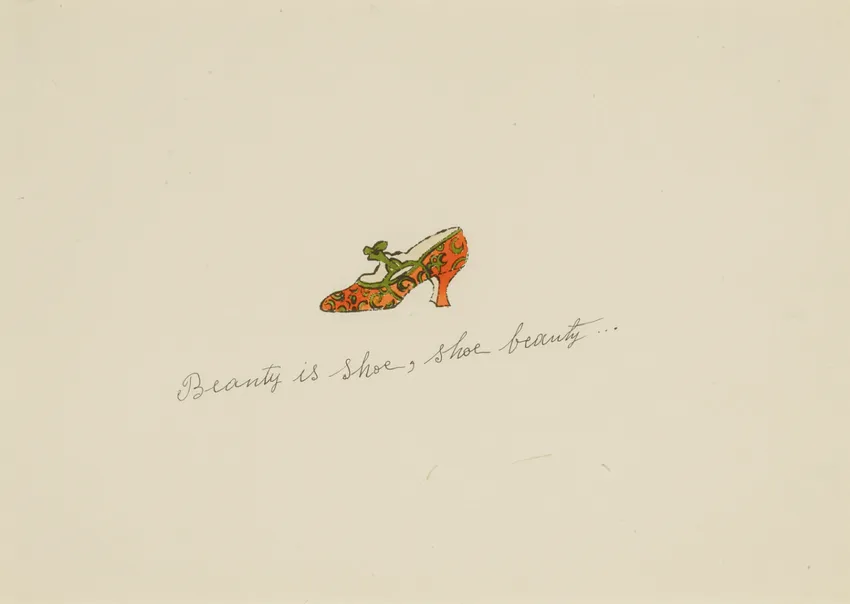
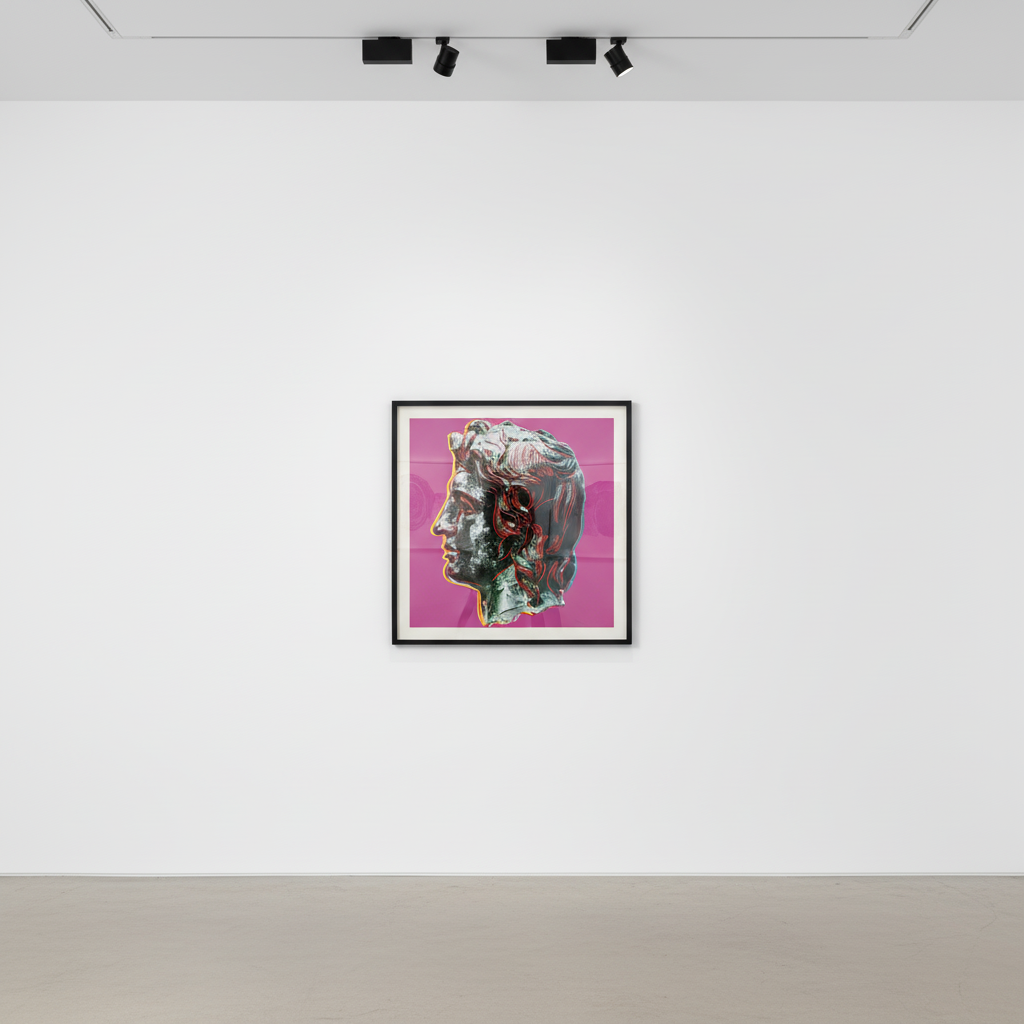
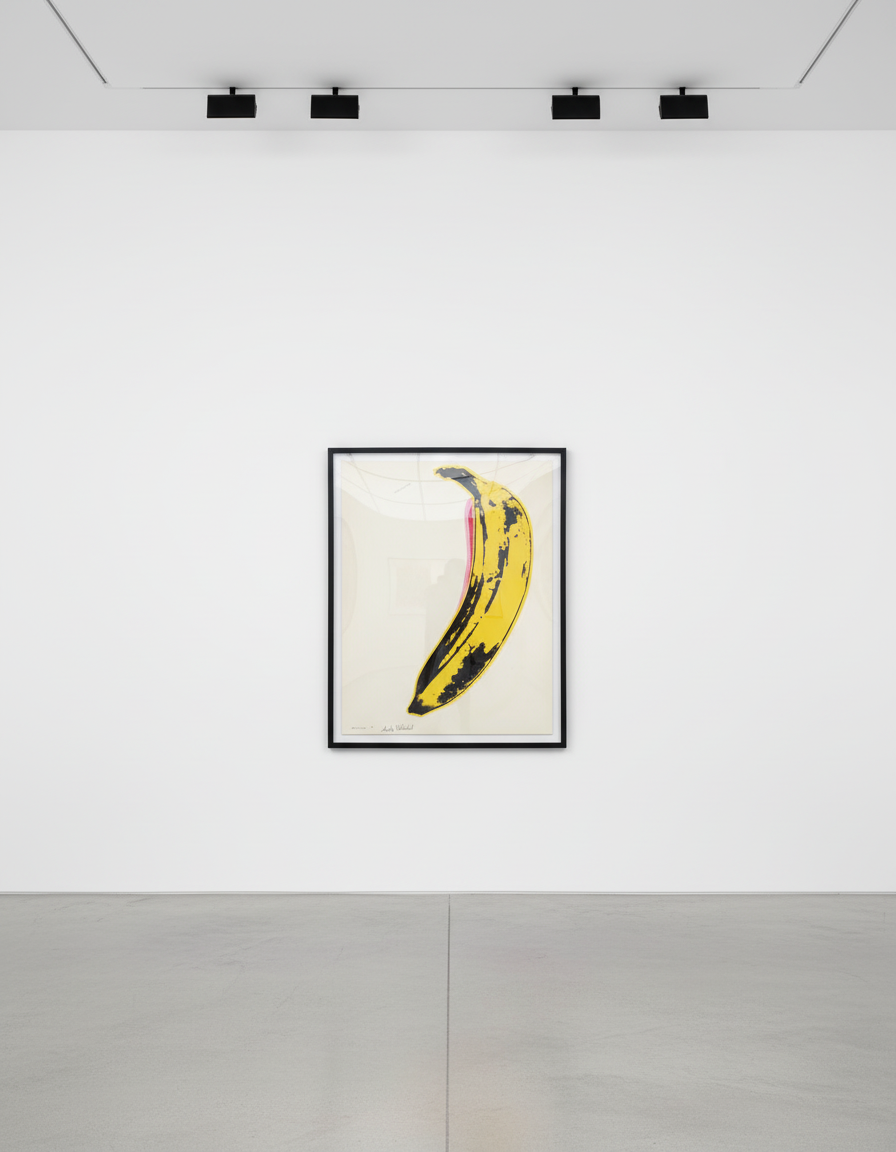
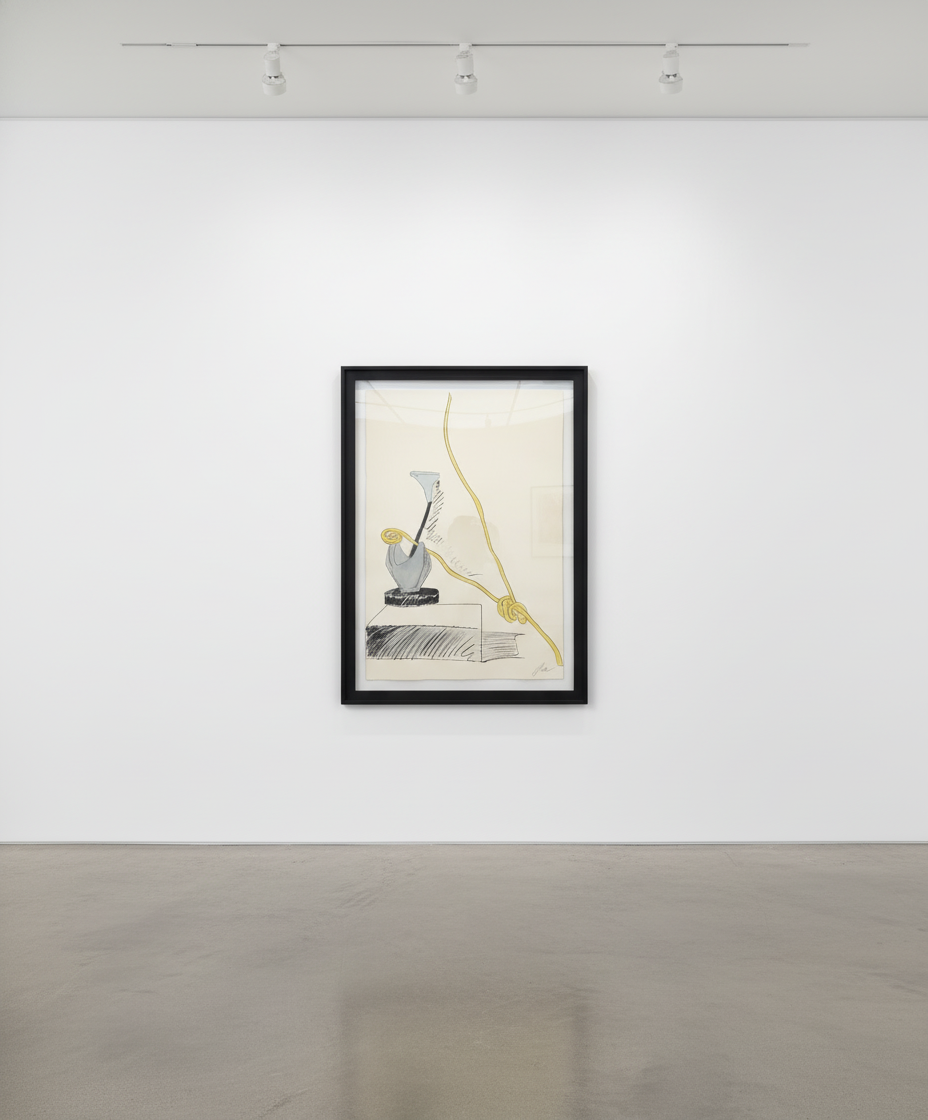
--- **Browse Andy Warhol prints** at Guy Hepner: [Andy Warhol art for sale](/andy-warhol) | [Sell your Warhol](/sell/andy-warhol)Explore Andy Warhol prints for sale at Guy Hepner: 25 Cats Named Sam, A Gold Book, A La Recherche Du Shoe Perdu, Alexander the Great, Banana.
Related Series