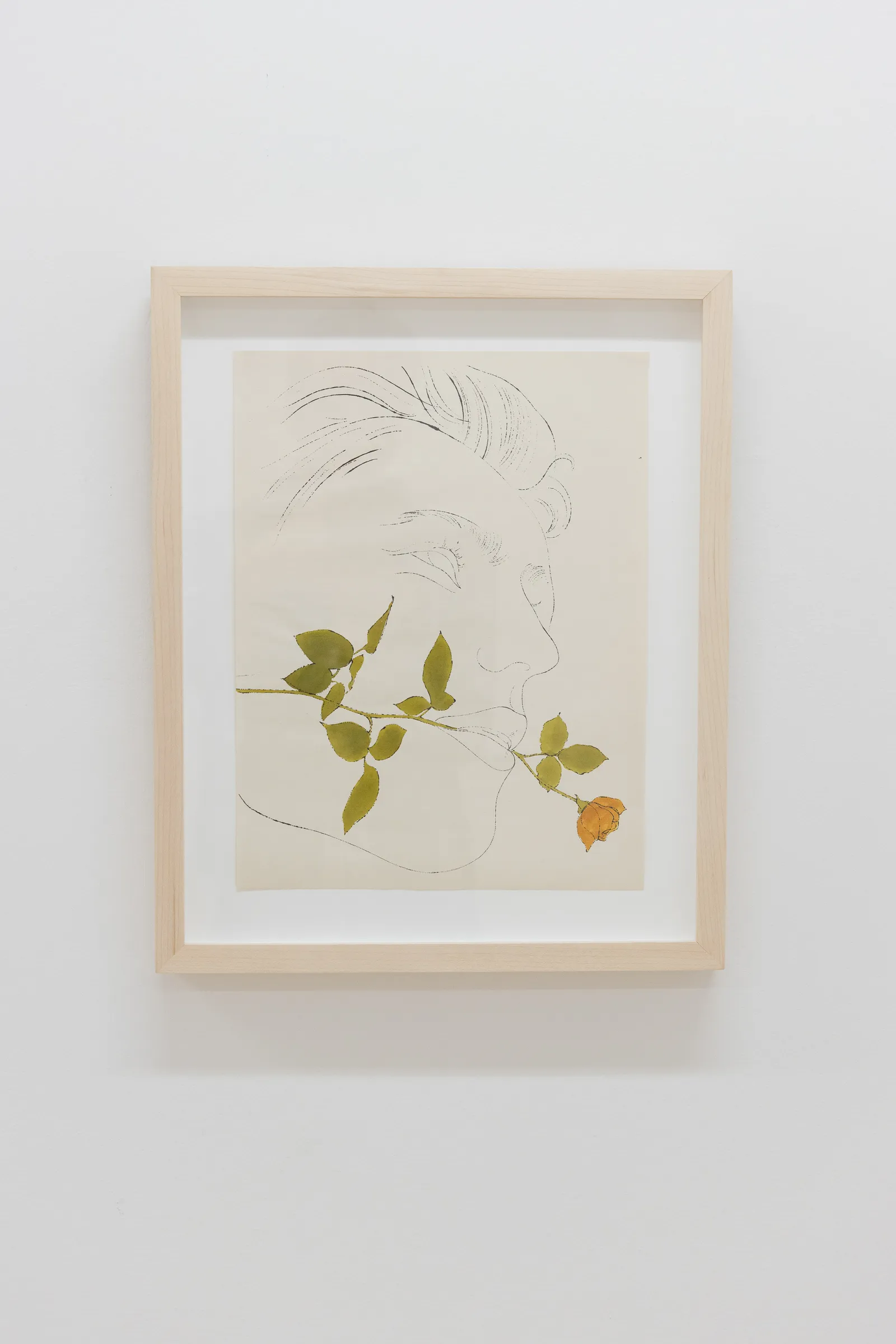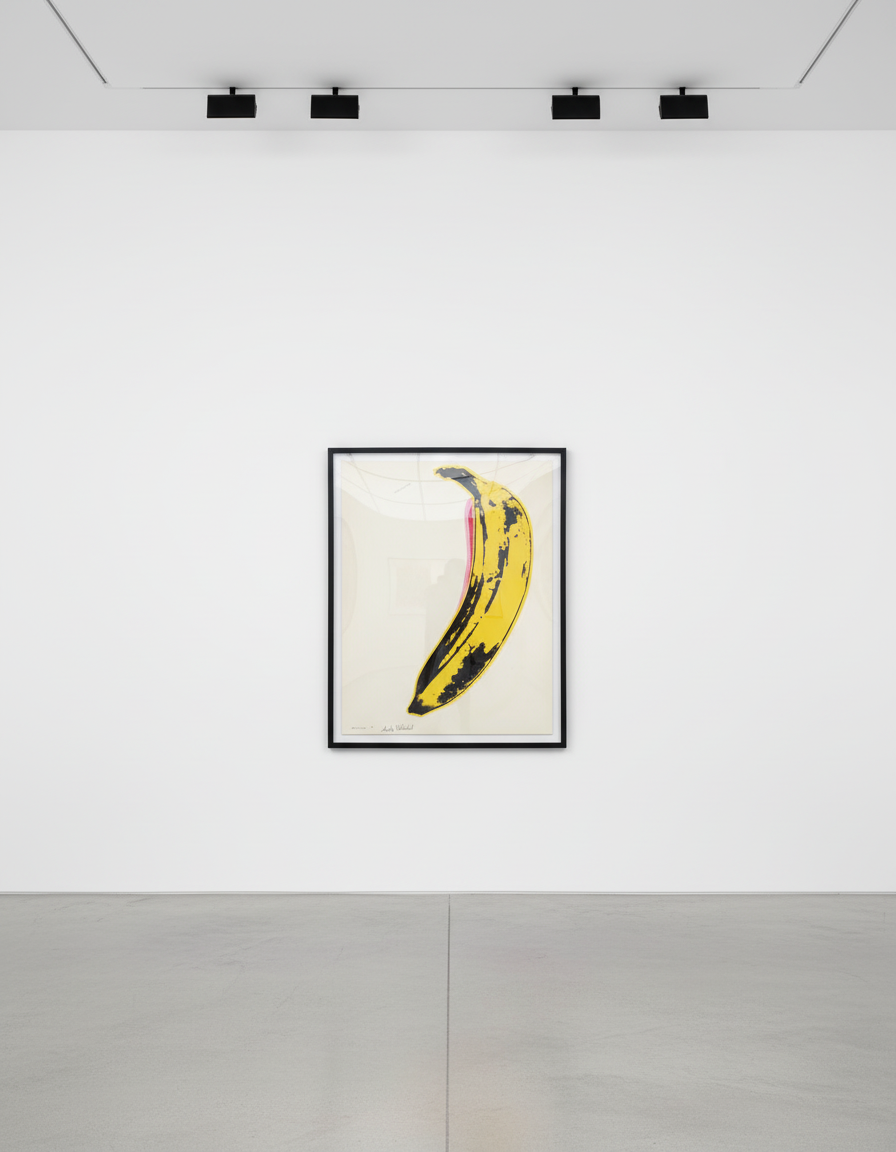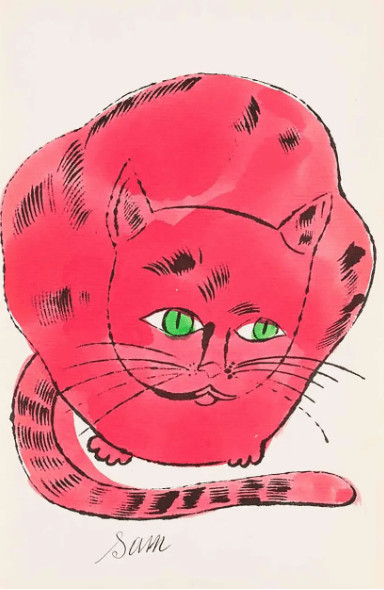
25 Cats Named Sam

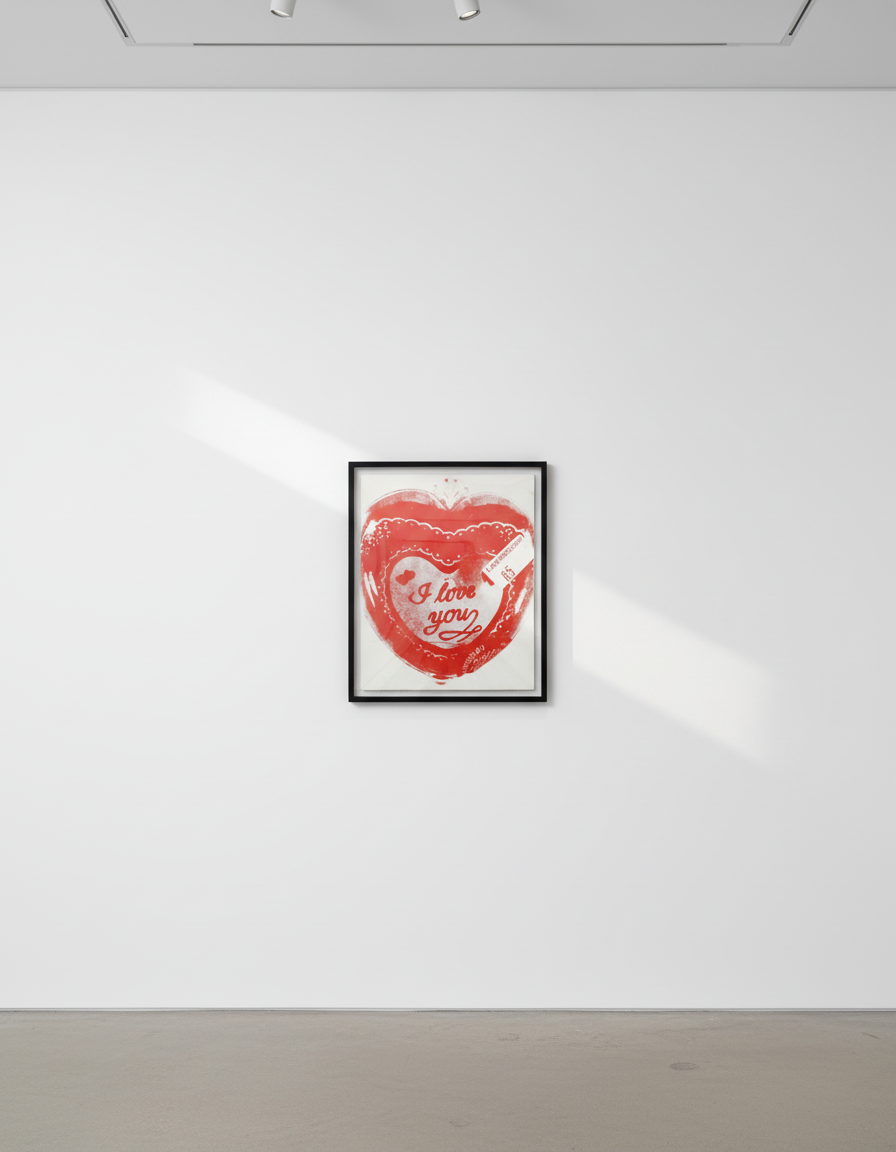
Few figures have left as lasting an imprint on the art world—and pop culture at large—as Andy Warhol. With his platinum hair, enigmatic persona, and instantly recognizable artworks, Warhol transcended the traditional role of the artist to become a cultural phenomenon. As the leading figure of the Pop Art movement, he systematically dismantled the boundaries between high and low culture, fine art and mass production, originality and replication. Decades after his death in 1987, Warhol's influence continues to shape how we understand art, celebrity, consumerism, and the creative process itself. His work remains among the most sought-after in the contemporary art market, with collectors worldwide recognizing the enduring significance of owning a piece of Pop Art history.
Born in 1928 in Pittsburgh, Pennsylvania, Andy Warhol began his career as a commercial illustrator in New York during the 1950s, creating advertisements for magazines and department stores. This formative period deeply informed his later artistic output, providing him with both technical expertise in reproduction techniques and an intimate understanding of consumer culture's visual language. When Warhol transitioned to fine art in the early 1960s, he brought with him an unprecedented perspective that would revolutionize contemporary art.
Warhol's breakthrough came with a series of works that elevated everyday objects to the status of high art. His Campbell's Soup Cans, Coca-Cola Bottles, and Brillo Boxes—all rendered with a mechanical, detached aesthetic that mimicked mass production—challenged fundamental assumptions about what constituted legitimate artistic subject matter. His genius lay in recognizing that consumer goods and advertising imagery had become the defining visual vocabulary of American life. By presenting these objects within gallery contexts, Warhol forced viewers to reconsider their relationship with the commercial world surrounding them.
The artist's adoption of silkscreen printing further cemented his revolutionary approach. This commercial technique allowed Warhol to produce multiple versions of the same image, deliberately undermining traditional notions of artistic uniqueness and the cult of the original. His Factory studio in Manhattan became a legendary hub of creativity, collaboration, and cultural experimentation—a space where artists, musicians, actors, and socialites mingled freely, blurring the lines between art-making and performance.
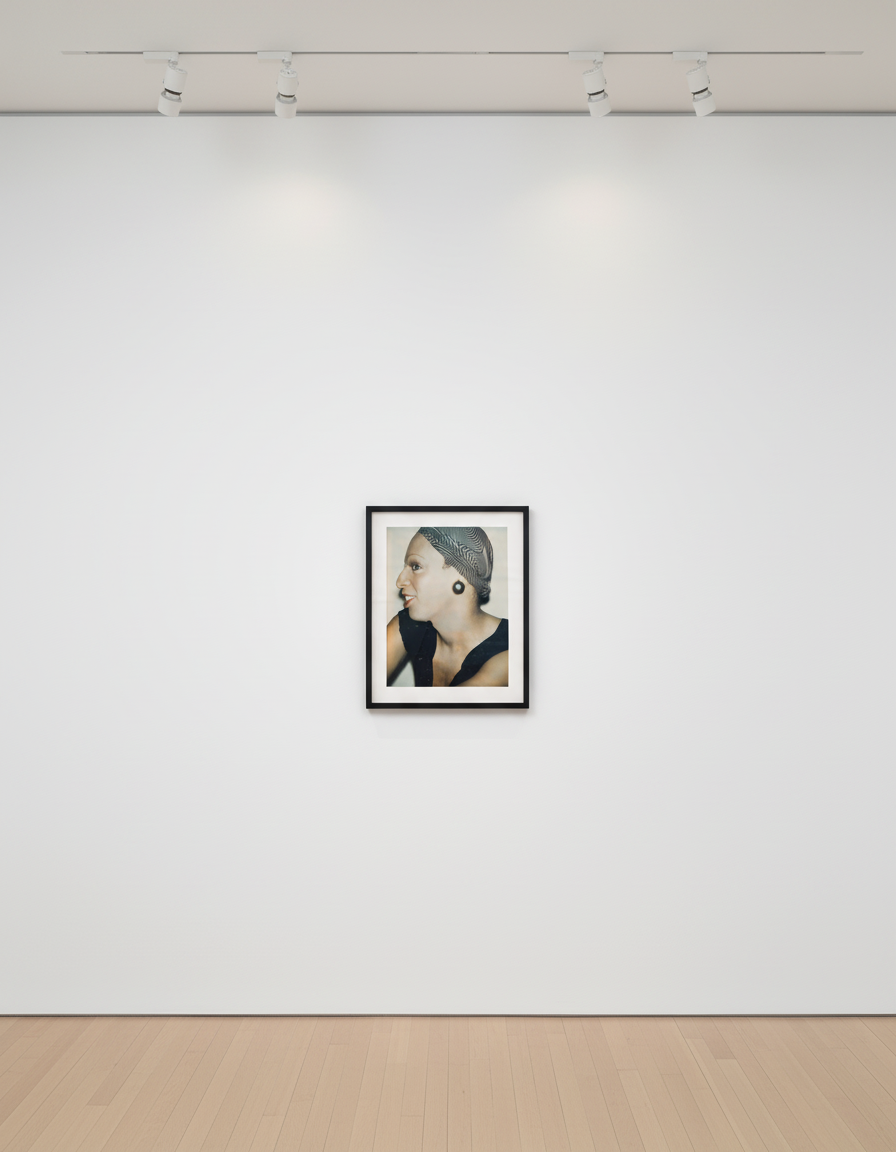
Ladies and Gentlemen (Wilhelmina Ross) — Andy Warhol. Available at Guy Hepner, New York.
Beyond consumer products, Warhol demonstrated an uncanny ability to capture the essence of celebrity and power through his distinctive portrait work. His iconic images of Marilyn Monroe, Elvis Presley, and Elizabeth Taylor transformed Hollywood stars into modern icons, simultaneously celebrating and critiquing the machinery of fame. Warhol understood that in the age of mass media, the image itself had become a form of currency—reproducible, commodifiable, and ultimately detached from the person it represented.
This fascination with power and image extended to Warhol's portraits of political figures. His Mao series, begun in 1972 following President Nixon's historic visit to China, represents one of the artist's most significant political statements. By subjecting Chairman Mao's official portrait to his signature Pop Art treatment—overlaying it with vivid colors and gestural brushstrokes—Warhol exposed the mechanics of propaganda while creating images that remain visually arresting and conceptually provocative decades later.
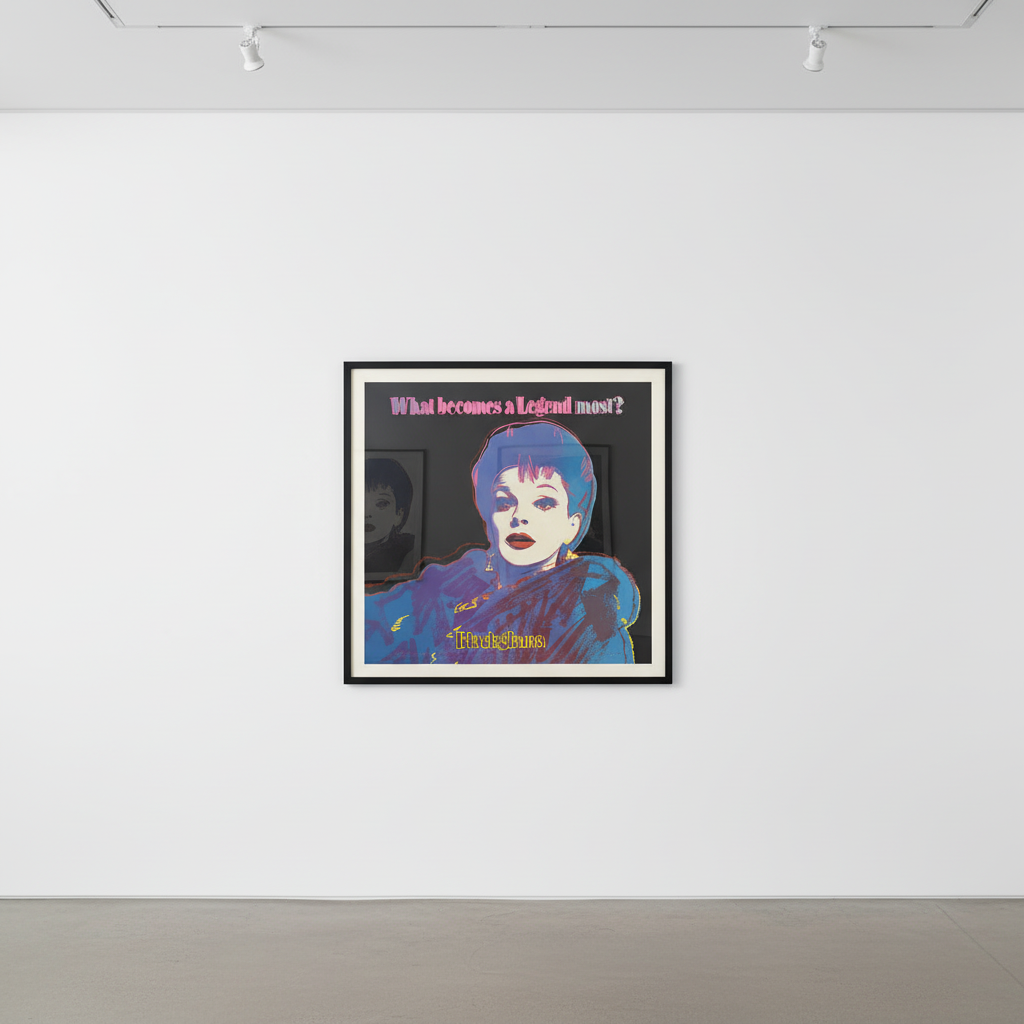
Warhol's portrait practice also encompassed subjects often marginalized by mainstream society. His Ladies and Gentlemen series from 1975 featured portraits of drag queens and transgender performers, including the legendary Wilhelmina Ross. These works demonstrated Warhol's commitment to expanding the boundaries of acceptable artistic subjects while celebrating individuals who existed outside conventional social norms. Today, the series is recognized as a pioneering exploration of gender identity and self-presentation.
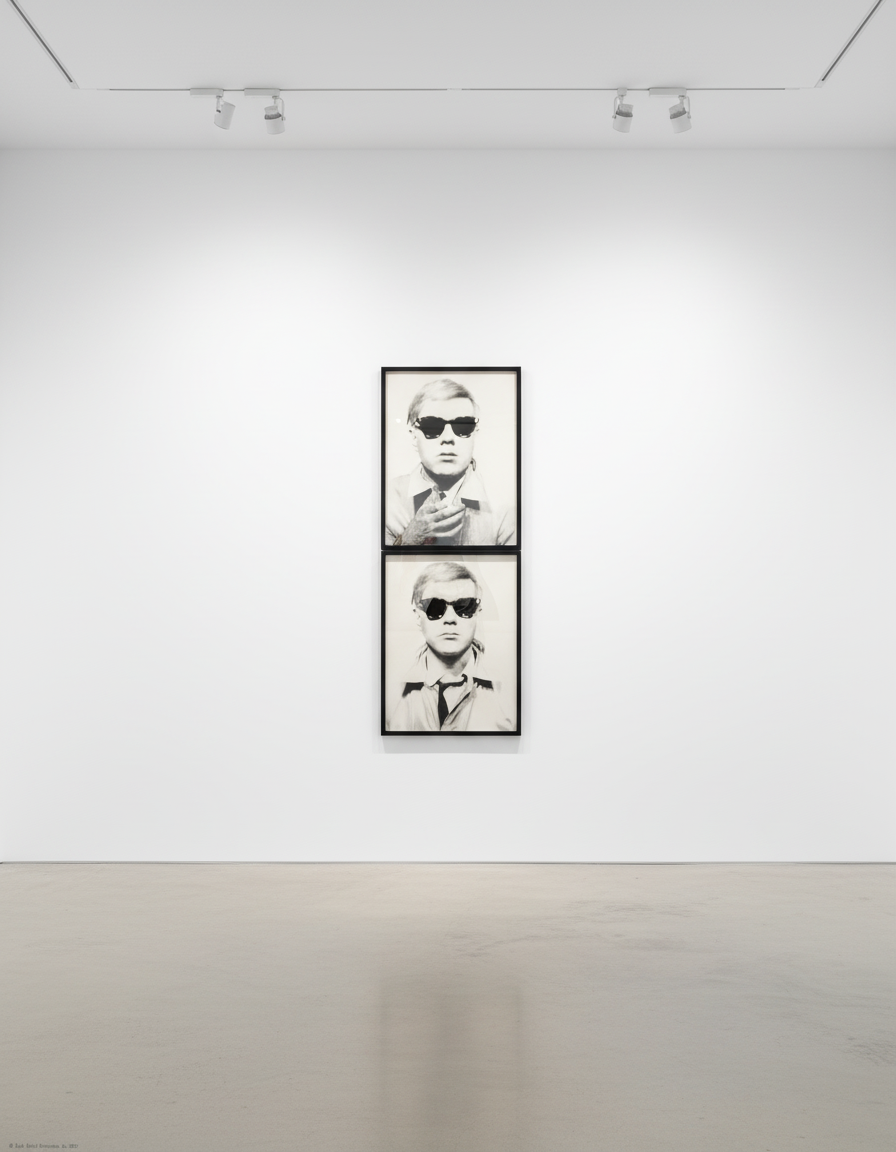
Self - Portrait F.S. IIIA 10 — Andy Warhol. Available at Guy Hepner, New York.
The contemporary art market consistently affirms Warhol's position as one of the most important and valuable artists of the twentieth century. According to data from Christie's and Sotheby's, Warhol regularly ranks among the top-selling artists at auction, with works spanning his entire career commanding extraordinary prices. The Art Basel and UBS Global Art Market Report consistently identifies Warhol as a cornerstone of the post-war and contemporary art market, with demand remaining robust across all collecting categories from major paintings to prints and unique works on paper.
What distinguishes Warhol in the secondary market is the remarkable breadth of his output. While trophy works such as the Marilyn portraits and disaster paintings achieve record-breaking prices at major evening sales, Warhol's extensive print editions offer collectors at various levels the opportunity to acquire museum-quality works by an undisputed master. His Beethoven portfolio, created in 1987 as part of his final series exploring great historical figures, demonstrates the artist's continued innovation in his later years. Similarly, his Camouflage series reveals Warhol's sophisticated engagement with abstraction and pattern, proving that his artistic vision extended far beyond the celebrity portraits for which he is most famous.
Collectors are drawn to Warhol not merely for market considerations but for the intellectual depth and cultural resonance his works embody. Each piece serves as a meditation on themes that have only grown more relevant in our digital age—the proliferation of images, the construction of identity, the relationship between authenticity and reproduction, and the intersection of art and commerce. Warhol's self-portraits, in particular, offer intimate glimpses into the artist's own engagement with these questions, presenting his carefully constructed public persona as both subject and critique.
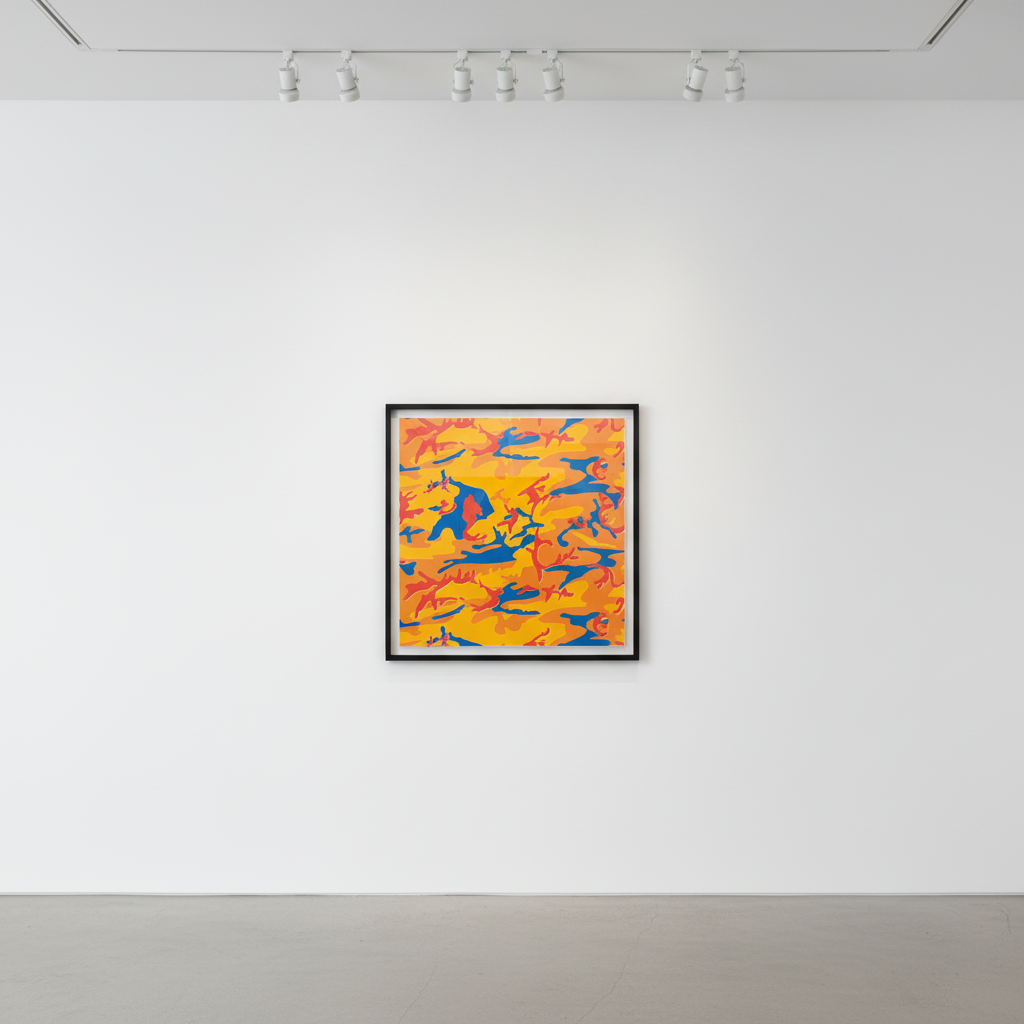
Camouflage Trial Proof TP 4/84 — Andy Warhol. Available at Guy Hepner, New York.
Guy Hepner is proud to offer exceptional works by Andy Warhol, providing collectors with the opportunity to acquire pieces by this transformative artist. Our gallery maintains an expertly curated selection of Warhol prints, unique works, and editions, each authenticated and presented with comprehensive provenance documentation. Whether you are an established collector seeking a significant addition to your holdings or a new collector beginning your journey with Pop Art, our team offers personalized guidance throughout the acquisition process. We invite you to explore our current Andy Warhol inventory and contact Guy Hepner to discuss available works and commission opportunities.
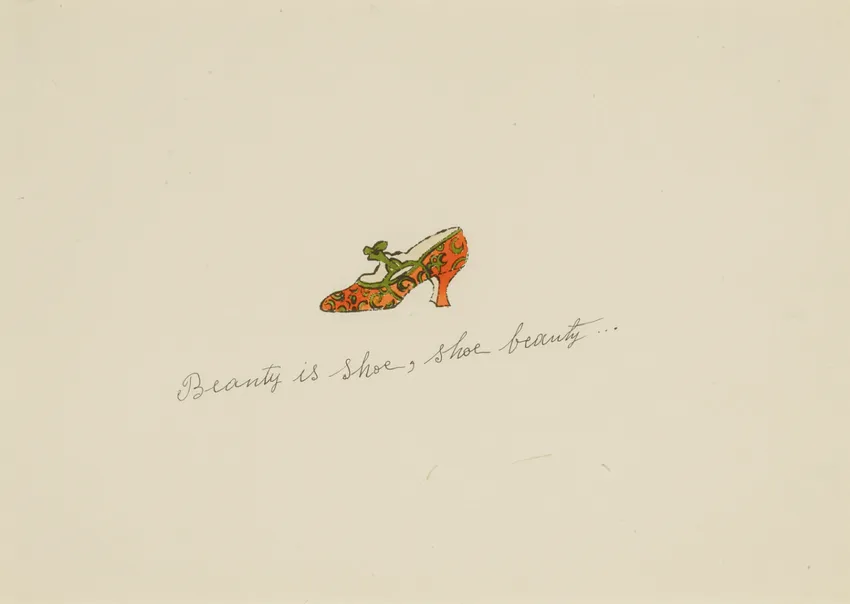
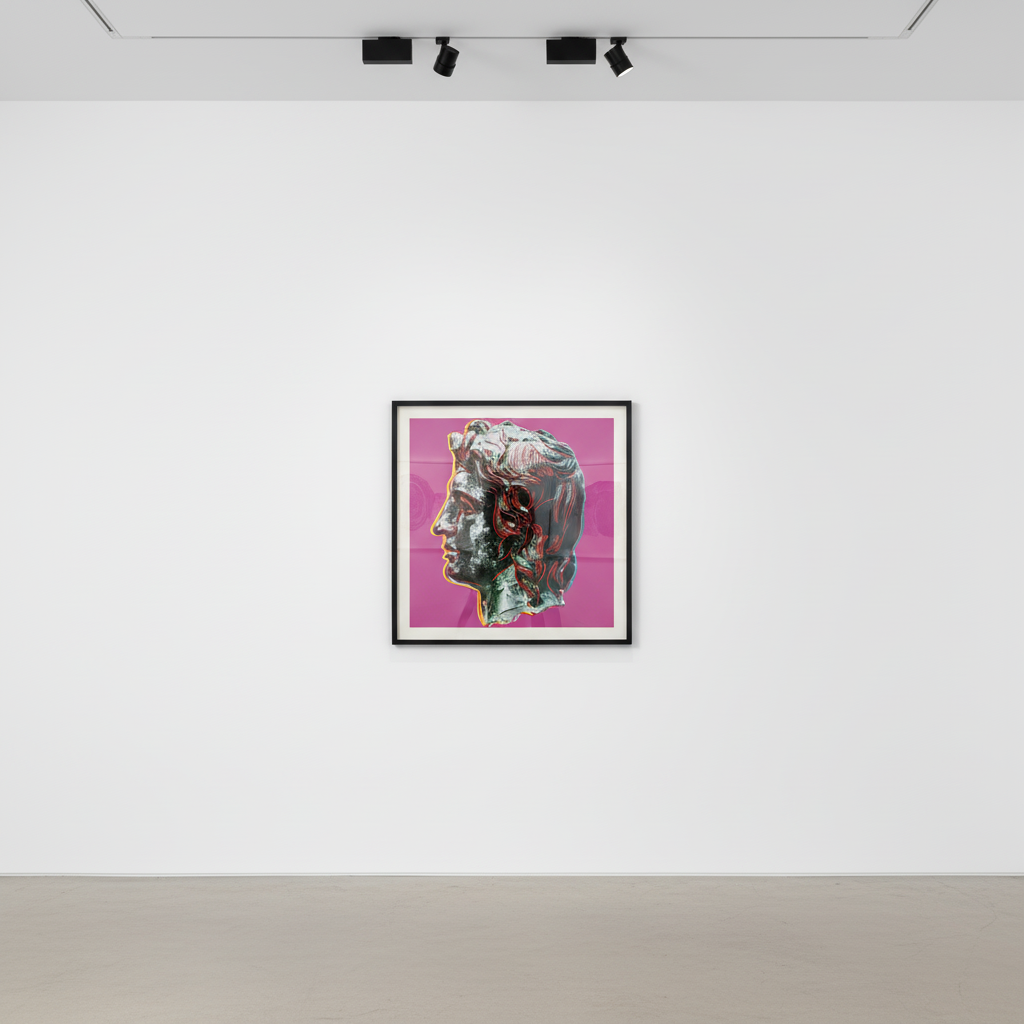
--- **Browse Andy Warhol prints** at Guy Hepner: [Andy Warhol art for sale](/andy-warhol) | [Sell your Warhol](/sell/andy-warhol)Explore Andy Warhol prints for sale at Guy Hepner: 25 Cats Named Sam, A Gold Book, A La Recherche Du Shoe Perdu, Alexander the Great, Banana.
Related Series