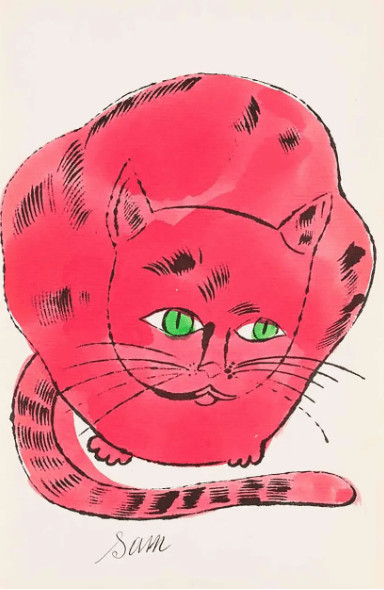
25 Cats Named Sam

Andy Warhol remains one of the most influential and commercially significant artists of the twentieth century, his legacy spanning far beyond the boundaries of the Pop Art movement he helped define. His ability to transform the mundane into the magnificent - capturing Campbell's Soup cans, Coca-Cola bottles, and celebrity portraits with equal reverence - fundamentally altered our understanding of what constitutes fine art. For collectors navigating the secondary market, authenticating Warhol art has become an essential skill, as the artist's enduring popularity and substantial market value have inevitably attracted forgeries and misattributed works. Understanding the nuances of Warhol authentication protects both investment and artistic integrity.
Andy Warhol's position in the art market is nothing short of extraordinary. According to data compiled by Art Basel and UBS in their annual art market reports, Warhol consistently ranks among the top-selling artists at auction globally, with his works regularly achieving prices in the tens of millions of dollars. Christie's and Sotheby's have both recorded landmark sales of Warhol pieces, with his Shot Sage Blue Marilyn achieving $195 million at Christie's in 2022 - cementing his status as one of the most valuable artists in history.
This remarkable market performance reflects Warhol's unique ability to speak to collectors across generations. His work captured the essence of post-war American culture - the rise of mass media, the cult of celebrity, and the commodification of everyday life. From his iconic Marilyn Monroe portraits to his provocative Chairman Mao series, Warhol demonstrated an uncanny ability to identify and immortalise the cultural touchstones of his era. His portraits of political figures, socialites, and cultural icons continue to resonate with contemporary audiences, making his works highly desirable acquisitions for serious collectors.
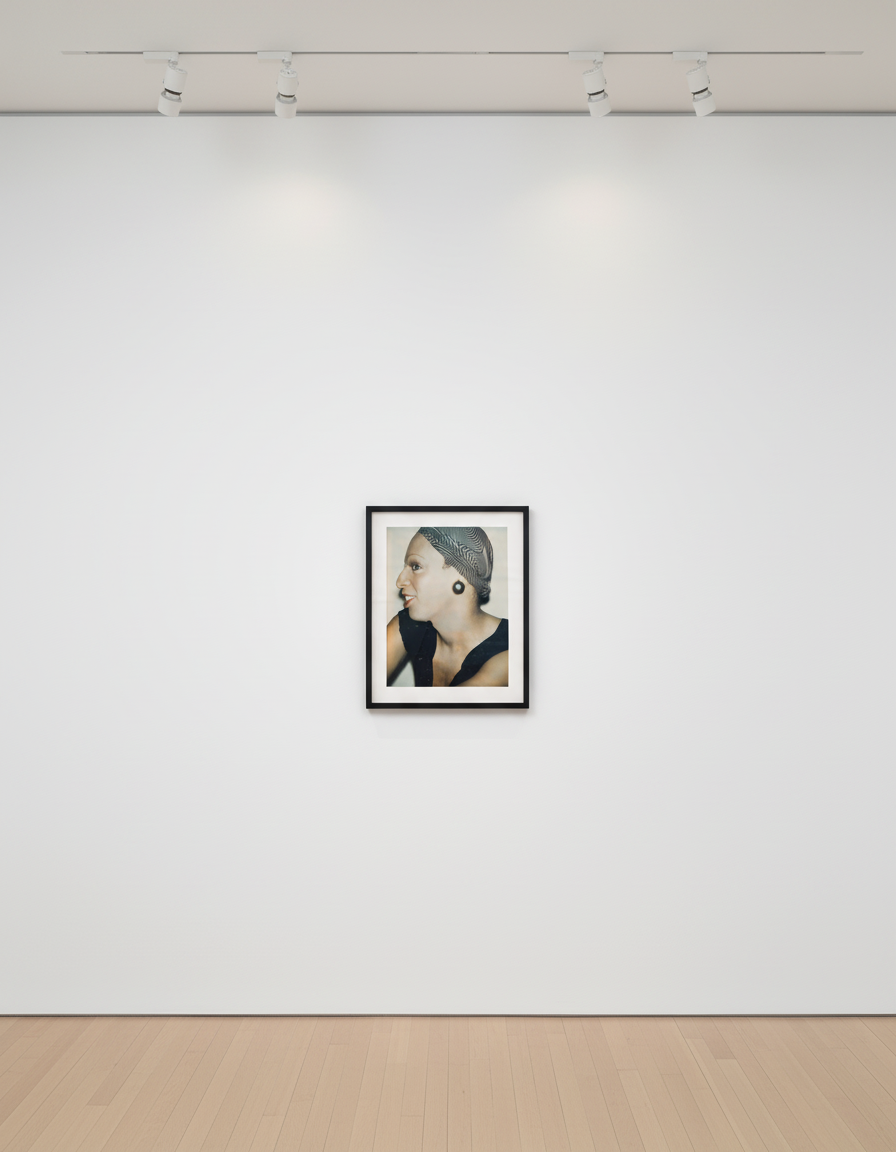
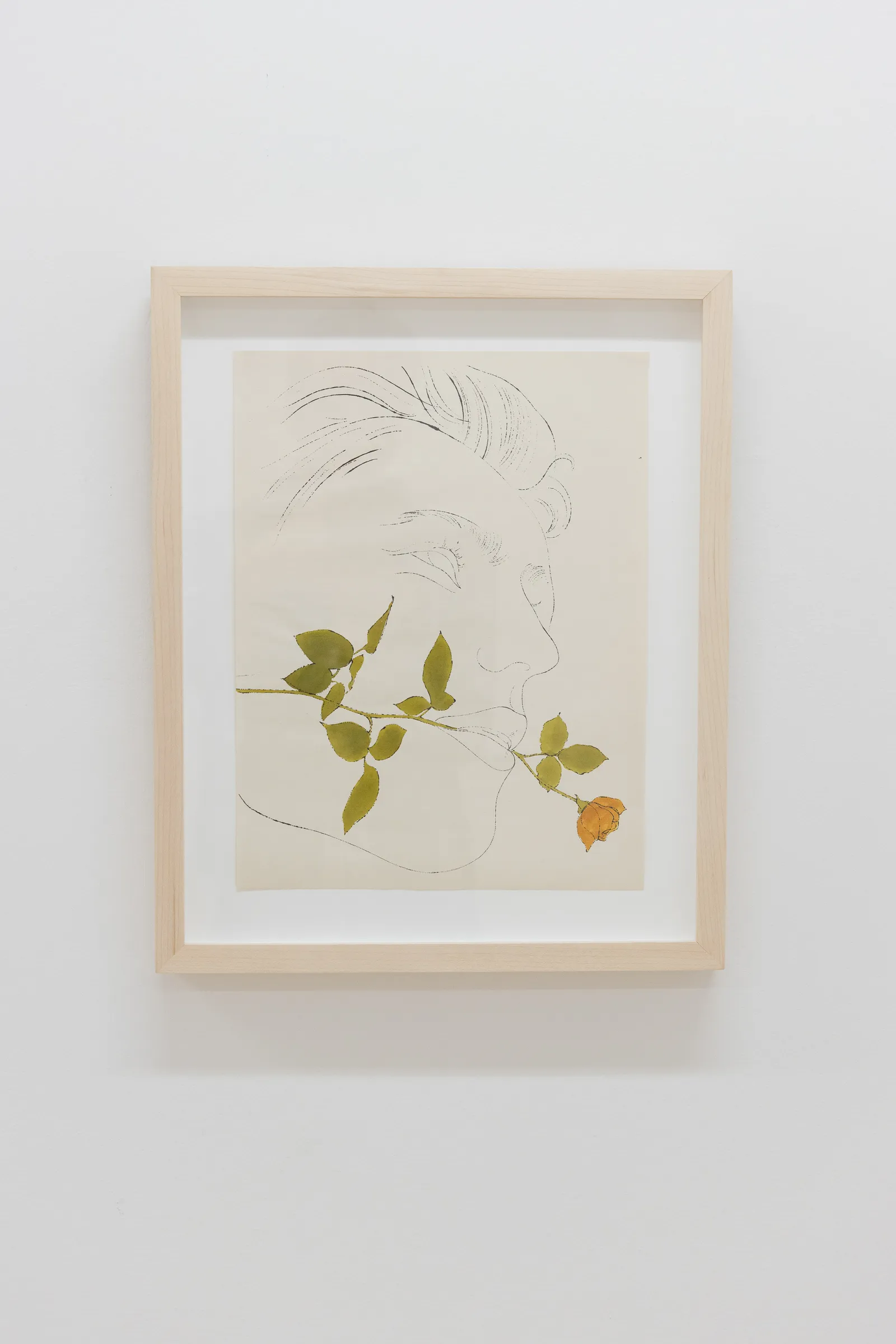
Ladies and Gentlemen (Wilhelmina Ross) — Andy Warhol. Available at Guy Hepner, New York.
To fully comprehend how to authenticate Warhol art, collectors must first familiarise themselves with the artist's various production methods. Warhol primarily employed the silkscreen printing technique to create his most celebrated works, including the Marilyn Monroe and Campbell's Soup Can series. This process involved transferring photographic images onto silk mesh screens, through which ink was then pushed onto canvas or paper. He frequently layered colours, embraced repetition as a conceptual tool, and employed assistants at his legendary Factory studio to produce multiple editions.
Warhol's approach to editioning was sophisticated and varied. When examining an artwork - whether in person or through condition reports and images - collectors will encounter different letters and numbers denoting the print's status within an edition. The most common designations include numbered editions (such as 45/250), artist's proofs marked "A.P." or "P.A.", printer's proofs designated "P.P.", and trial proofs marked "T.P." indicating experimental versions created during the printing process. Trial proofs are particularly significant for authentication purposes, as they often display unique colour variations or compositional experiments that distinguish them from standard edition prints.
Understanding these distinctions is crucial when authenticating Warhol prints. The artist was meticulous about documentation, and legitimate works typically have clear provenance trails linking them back to known editions. Sotheby's and Christie's maintain extensive databases of Warhol sales, providing valuable reference points for comparing edition information and establishing authenticity through historical records.
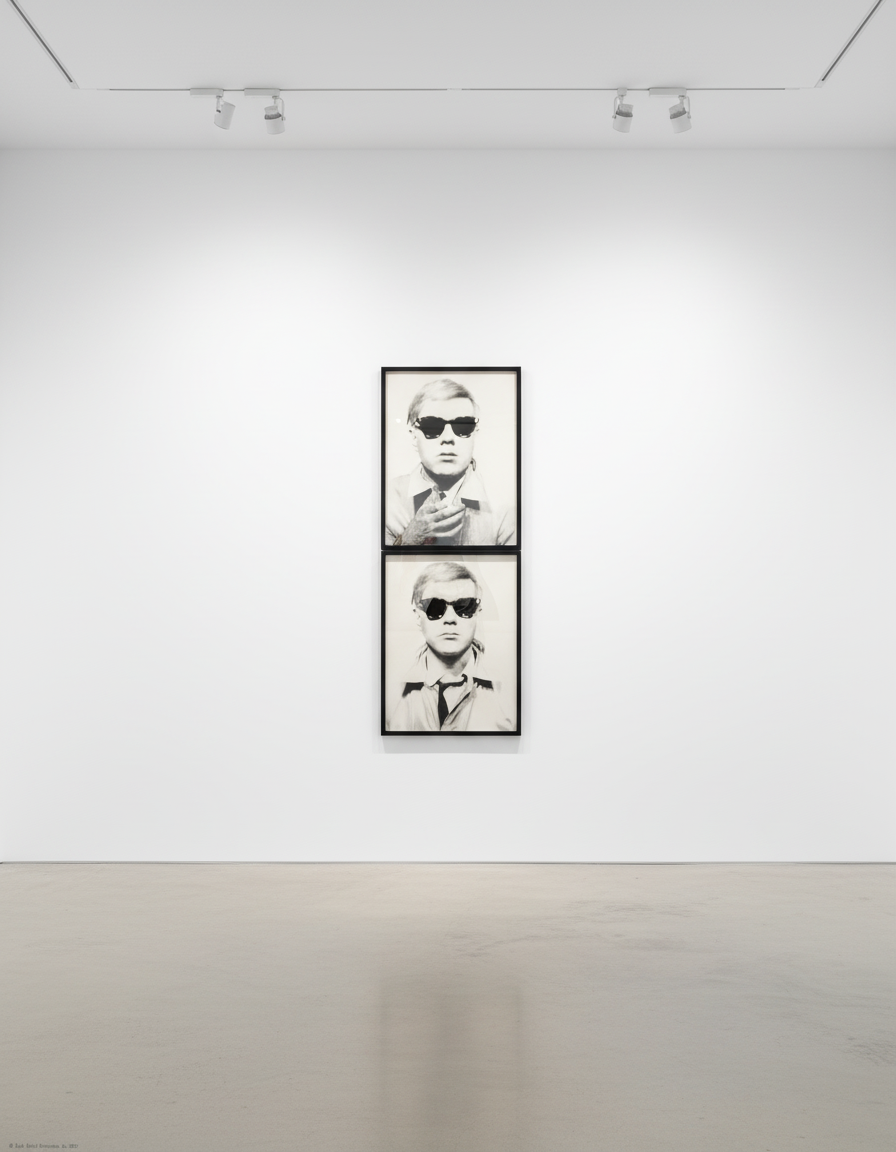
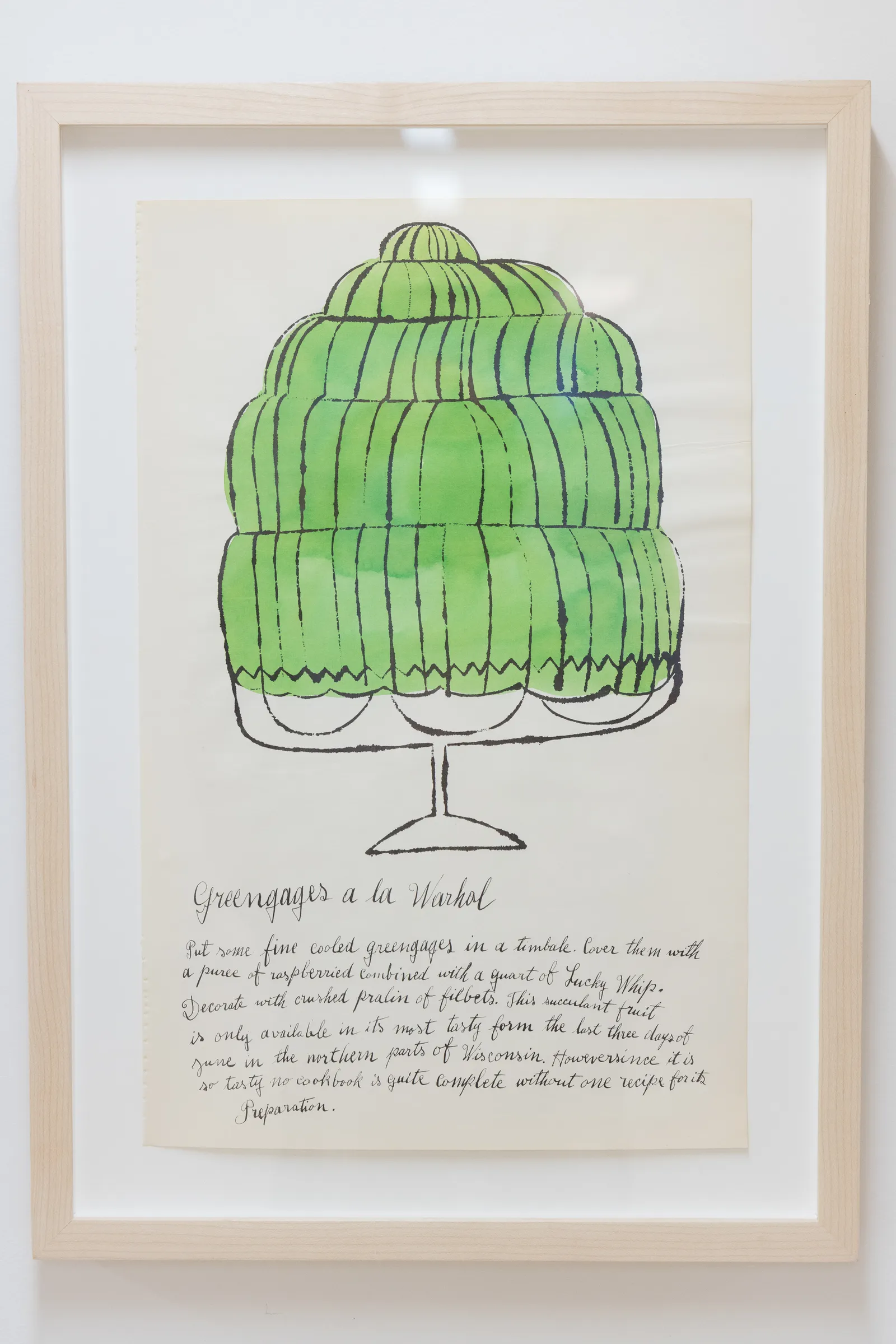
Self - Portrait F.S. IIIA 10 — Andy Warhol. Available at Guy Hepner, New York.
Authenticating Warhol art requires attention to multiple factors that, when considered together, build a comprehensive picture of a work's legitimacy. The first consideration is always provenance - the documented history of ownership from the artist's studio to the present day. Legitimate Warhol works typically have clear chains of custody, often originating from the Andy Warhol Foundation for the Visual Arts or documented sales through major auction houses.
Physical examination reveals equally important authentication markers. Warhol's silkscreen prints display characteristic qualities including slight registration variations where colours meet, distinctive ink textures, and specific paper stocks that the artist favoured during different periods. The paper itself often bears watermarks or stamps that can be verified against known authentic examples. Collectors should also examine the signature carefully - Warhol's autograph evolved throughout his career, and period-appropriate signatures are essential for establishing authenticity.
The quality of the printing offers additional clues. Authentic Warhol silkscreens exhibit a particular depth and vibrancy of colour that inferior reproductions struggle to replicate. The layering of inks creates subtle dimensional effects that are difficult to forge convincingly. Additionally, the physical condition of the work - including age-appropriate oxidation, paper tone, and ink characteristics - should align with the purported date of creation.
It is worth noting that the Andy Warhol Art Authentication Board, which operated until 2011, previously served as the definitive authority on Warhol attribution. Following its dissolution, authentication now relies more heavily on scholarly expertise, scientific analysis, and provenance research. Collectors should seek works that come with comprehensive documentation, ideally including exhibition history, publication references, and certificates from recognised authorities.
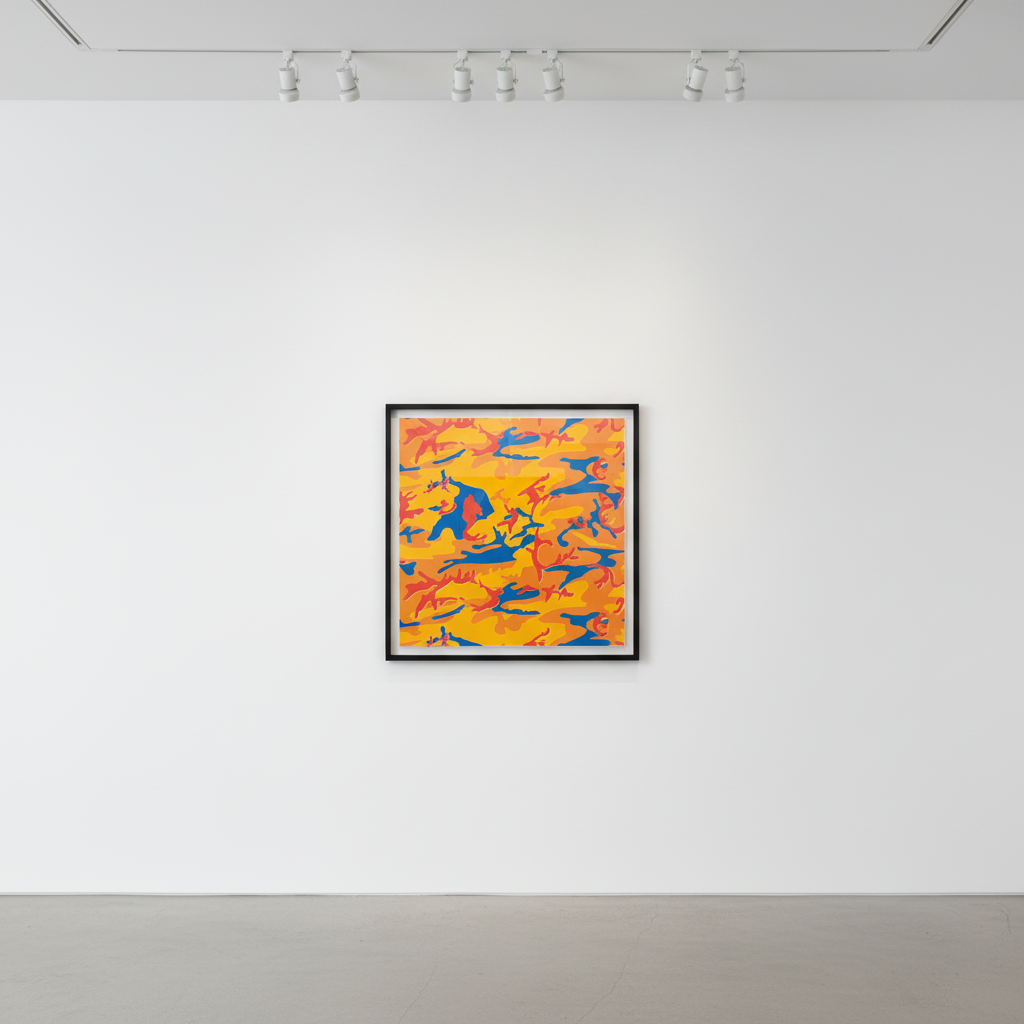
Camouflage Trial Proof TP 4/84 — Andy Warhol. Available at Guy Hepner, New York.
The robust market for Warhol art - documented extensively in reports by Art Basel and UBS - makes thorough authentication not merely advisable but essential. With prices for significant works regularly reaching seven and eight figures at Christie's and Sotheby's, the financial stakes of acquiring a misattributed piece are substantial. Beyond monetary concerns, collectors bear responsibility for preserving the integrity of Warhol's catalogue and the broader art historical record.
Professional collectors approach Warhol acquisitions with rigorous due diligence. This includes requesting comprehensive condition reports, verifying provenance documentation independently, and consulting with recognised Warhol scholars when appropriate. Scientific analysis - including ink composition testing, paper dating, and ultraviolet examination - can provide additional verification for works of significant value.
Guy Hepner is proud to offer an exceptional selection of authenticated Andy Warhol works, each accompanied by comprehensive provenance documentation and condition reporting. Our gallery maintains rigorous authentication standards, ensuring that every Warhol piece in our collection meets the highest criteria for legitimacy and quality. Whether you are seeking iconic Pop Art imagery or lesser-known works from the artist's diverse oeuvre, our team of specialists provides expert guidance throughout the acquisition process. For enquiries about available Warhol works or to discuss authentication concerns, we invite collectors to contact Guy Hepner directly.
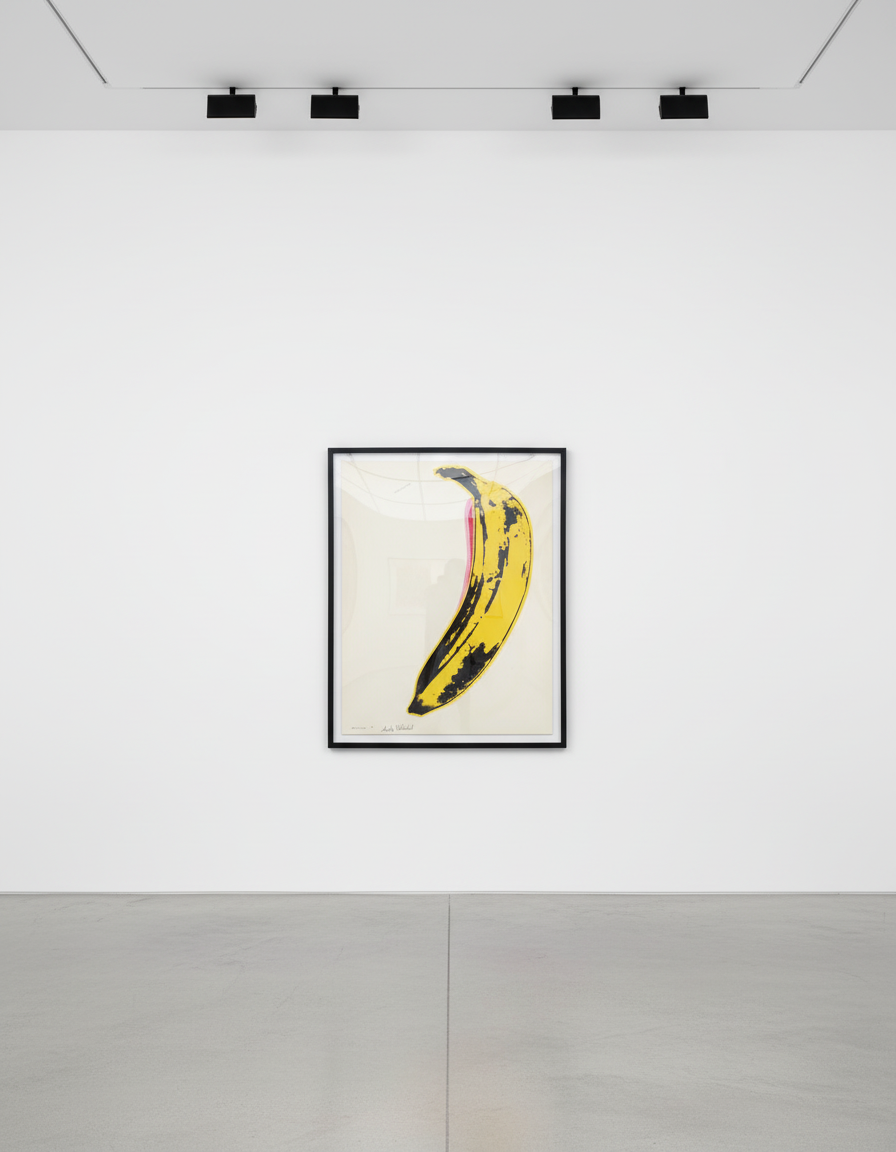
--- **Browse Andy Warhol prints** at Guy Hepner: [Andy Warhol art for sale](/andy-warhol) | [Sell your Warhol](/sell/andy-warhol)Explore Andy Warhol prints for sale at Guy Hepner: 25 Cats Named Sam, A Gold Book, A La Recherche Du Shoe Perdu, Alexander the Great, Banana.
Related Series