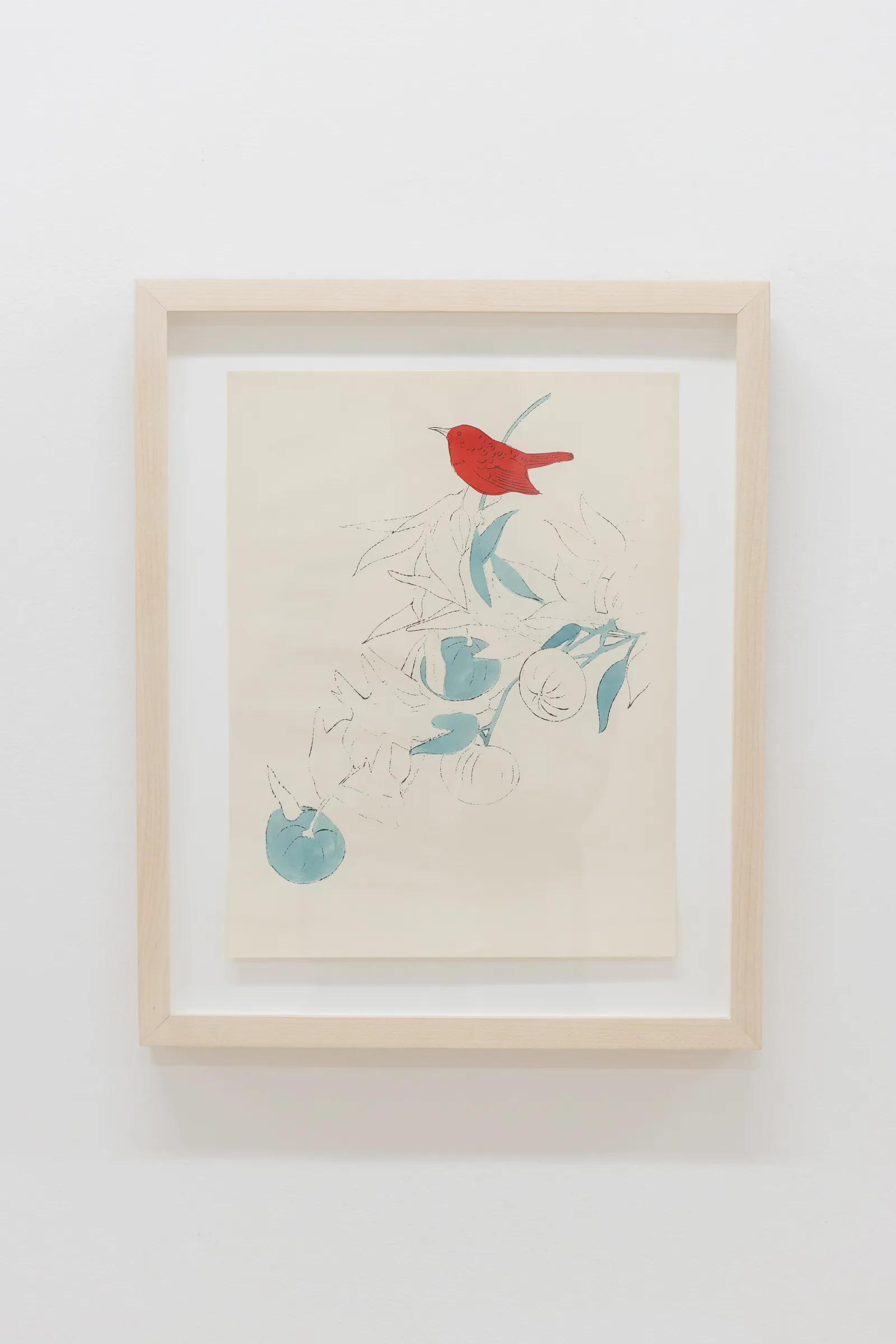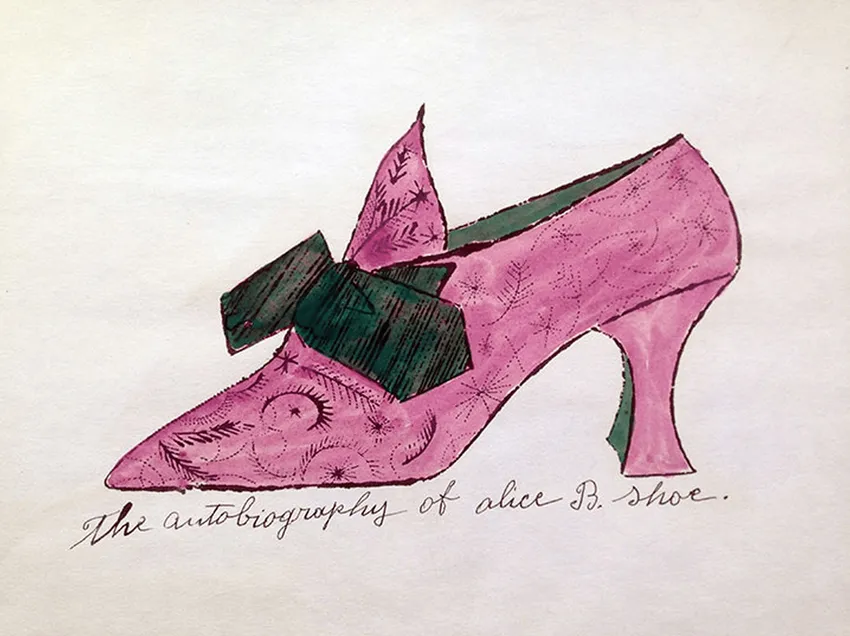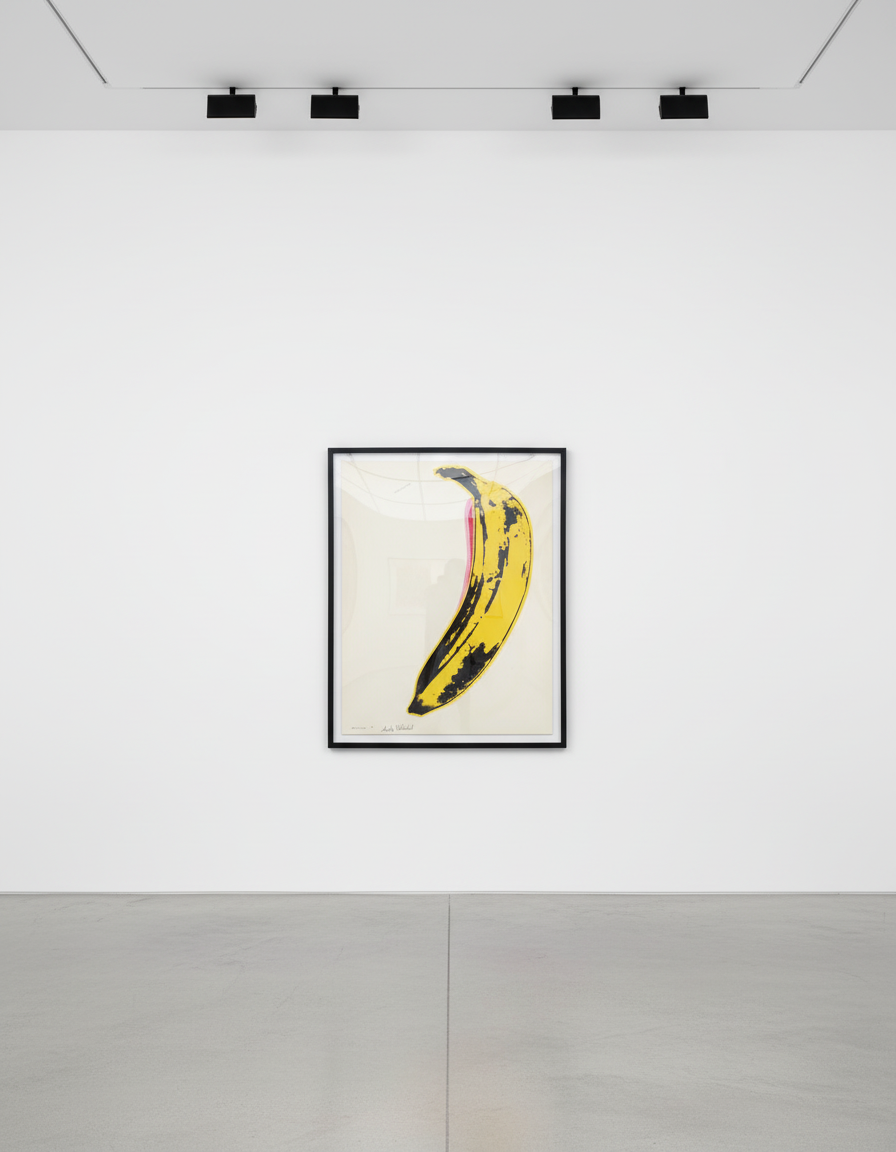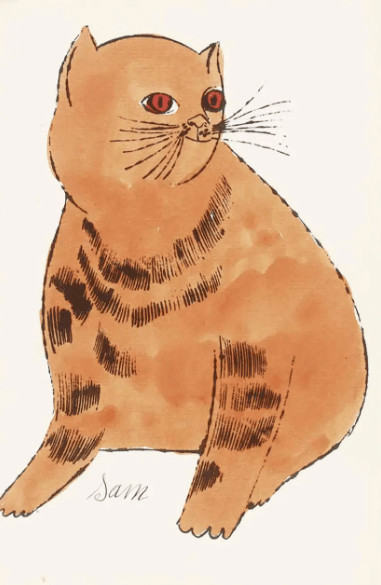
25 Cats Named Sam

Andy Warhol stands as perhaps the most influential American artist of the twentieth century, a visionary who fundamentally transformed our understanding of art, commerce, and celebrity culture. His legendary studio - known simply as The Factory - became far more than a workspace. It evolved into a creative laboratory where the boundaries between high art and mass production dissolved, giving birth to the Pop Art movement that continues to shape contemporary visual culture today. Understanding The Factory and its revolutionary processes offers collectors and art enthusiasts essential insight into why Warhol's works command such extraordinary attention at auction houses worldwide and remain cornerstones of important private collections.
The Factory first opened its doors in 1962 at 231 East 47th Street in Manhattan, its walls famously covered in silver paint and tin foil by photographer Billy Name. This distinctive aesthetic immediately signaled that something unprecedented was happening within. Andy Warhol deliberately chose the name "Factory" to challenge romantic notions of artistic creation - he wanted to produce art with the efficiency and reproducibility of industrial manufacturing, fundamentally questioning what it meant to be an artist in postwar America.
What emerged from this silver-lined space was nothing short of a cultural revolution. The Factory became a gathering place for an extraordinary cast of characters - musicians, filmmakers, socialites, drag queens, and intellectuals who collectively pushed the boundaries of American counterculture. Figures like Edie Sedgwick, Lou Reed and The Velvet Underground, and countless others found creative sanctuary within its walls. This environment of radical inclusion and experimentation directly influenced the work Warhol produced, infusing his prints and paintings with an energy that reflected the social upheaval of the 1960s.
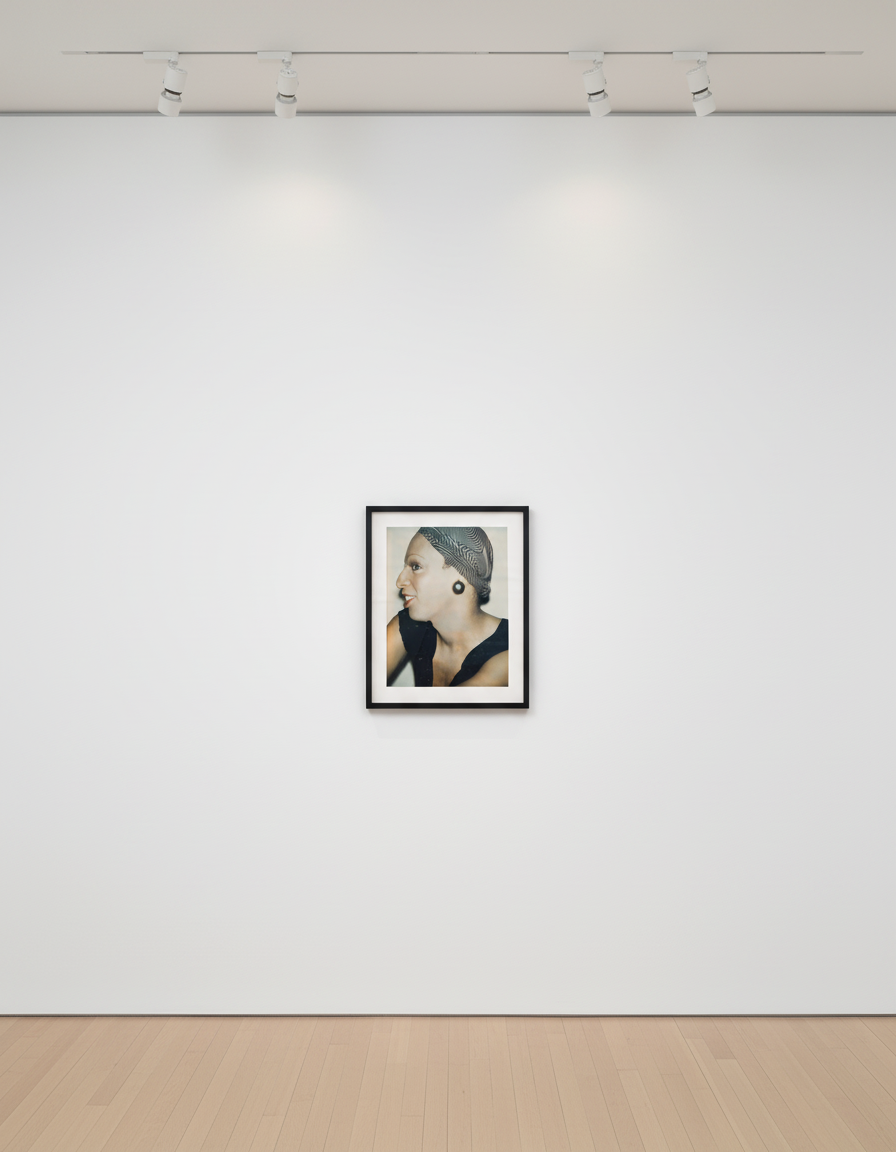
Ladies and Gentlemen (Wilhelmina Ross) — Andy Warhol. Available at Guy Hepner, New York.
The Factory relocated several times throughout its existence - moving to Union Square in 1968 and later to Broadway - but each iteration maintained its essential character as a space where art was produced collaboratively and prolifically. Warhol's genius lay partly in recognizing that surrounding himself with diverse creative minds would enhance rather than diminish his artistic vision.
The silkscreen printing process became Warhol's signature technique, allowing him to merge fine art with mechanical reproduction in ways that perfectly expressed his philosophical approach to image-making. This method involves forcing ink through a mesh screen onto paper or canvas, with stencils blocking certain areas to create the desired image. Warhol embraced the slight variations and imperfections inherent in this process - the registration shifts, color bleeds, and inconsistencies that made each print unique despite originating from the same source image.
Warhol's prints were never solitary endeavors. The Factory operated as a true production studio, staffed by skilled assistants and master printers who helped execute his ambitious vision. Gerard Malanga served as Warhol's primary silkscreen assistant during the crucial early years, physically pulling many of the prints that would become icons of twentieth-century art. Later, master printers like Rupert Jasen Smith and Alexander Heinrici brought technical expertise that elevated the quality and consistency of Warhol's editions while maintaining the distinctive aesthetic he had established.
This collaborative approach - sometimes controversial among critics who questioned traditional notions of authorship - actually anticipated contemporary art production methods by decades. Today's leading artists routinely work with fabricators and specialized technicians, a practice that Warhol essentially pioneered at The Factory.
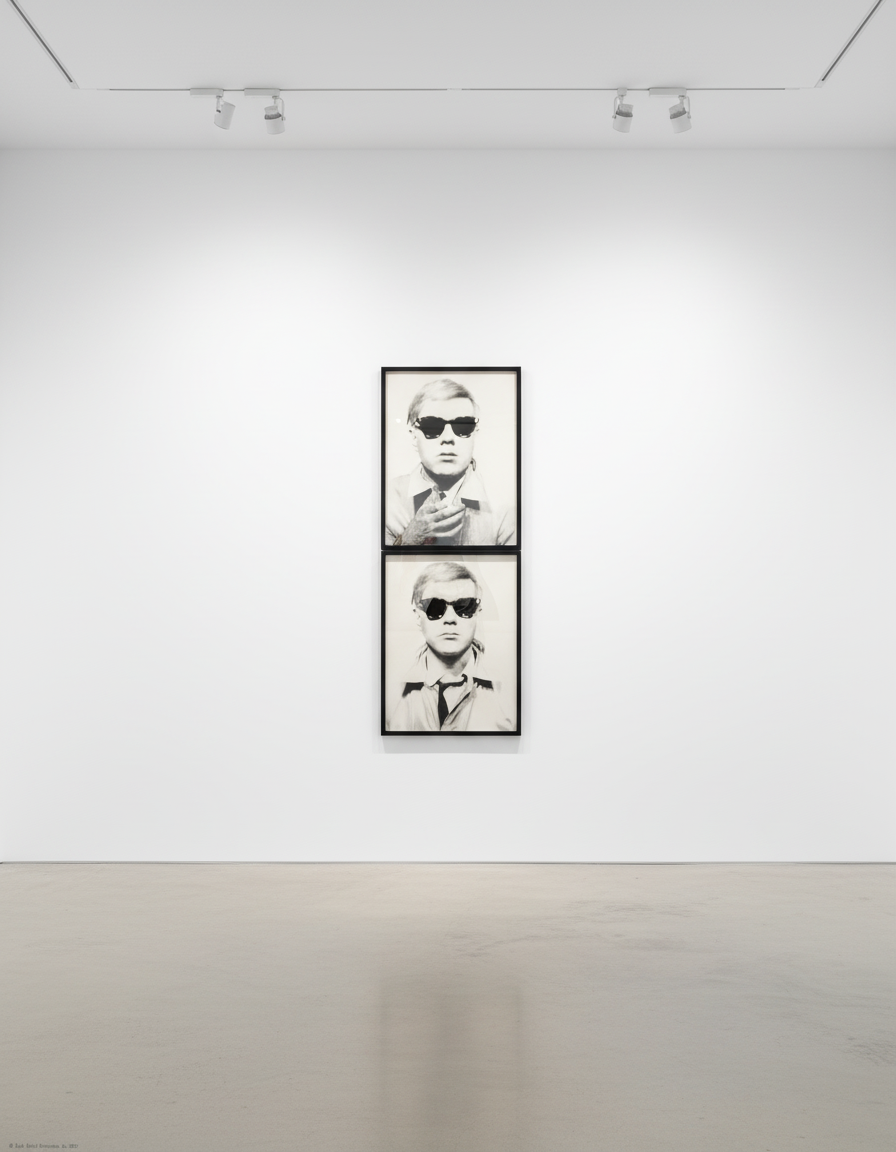
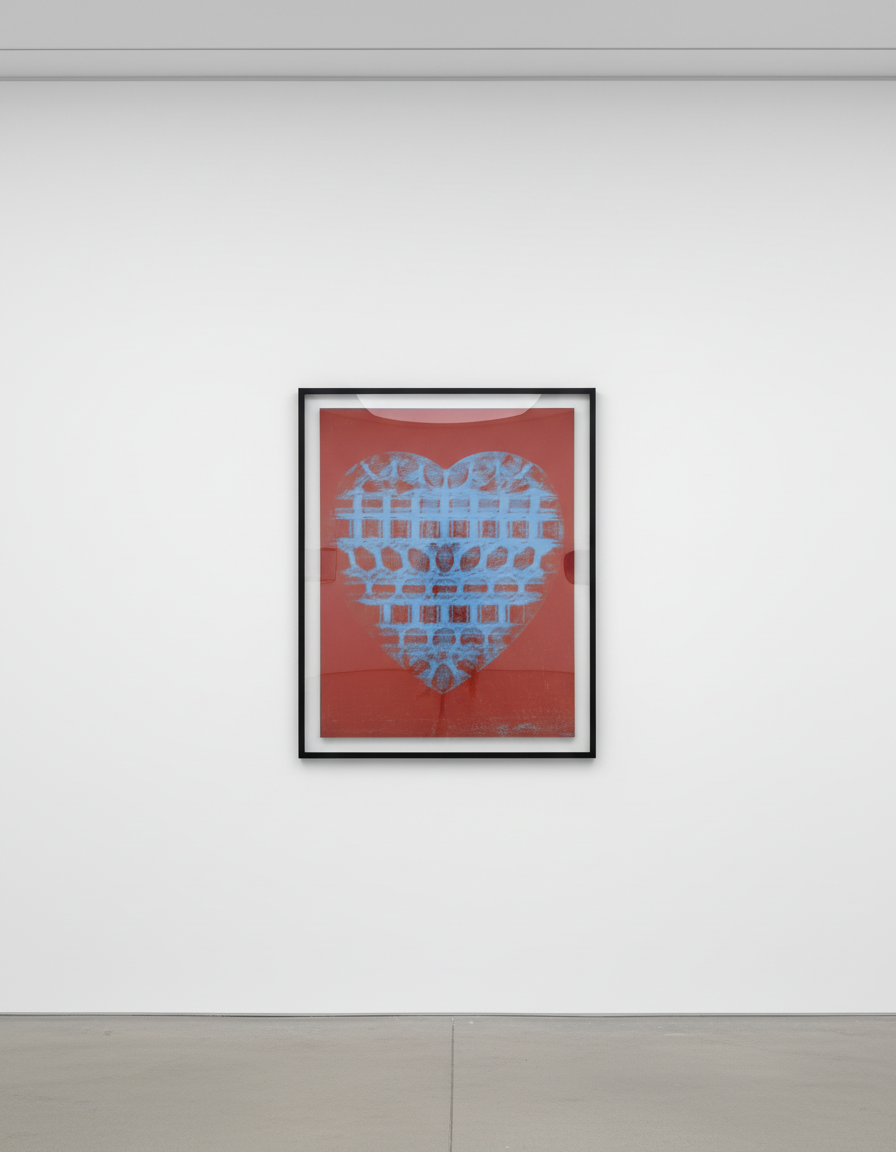
Self - Portrait F.S. IIIA 10 — Andy Warhol. Available at Guy Hepner, New York.
The subjects Warhol chose for his silkscreens reflected his fascination with fame, power, death, and consumer culture. His portraits of Mao Zedong transformed the image of the Communist leader into vibrant Pop Art icons, simultaneously commenting on political propaganda and celebrity worship. His Camouflage series abstracted military patterns into pure aesthetic experience. His Ladies and Gentlemen portfolio celebrated the drag queens and transgender performers of 1970s New York, giving visibility and artistic legitimacy to marginalized communities. Each body of work demonstrated Warhol's remarkable ability to find profound meaning in seemingly superficial subject matter.
The auction market for Andy Warhol's work has demonstrated remarkable strength and resilience over decades. According to data tracked by Christie's and Sotheby's, Warhol consistently ranks among the top-selling artists globally, with his works achieving hundreds of millions in annual sales. The Art Basel and UBS Global Art Market Report regularly identifies Warhol as a market leader, noting sustained international demand from collectors across North America, Europe, and Asia.
Several factors contribute to the enduring collector interest in Warhol's Factory-era production. The historical significance of these works - created at the epicenter of 1960s counterculture - provides important provenance narratives that enhance their cultural value. The collaborative production process, once questioned, is now understood as innovative and conceptually sophisticated. Most importantly, the visual power of these prints remains undiminished, their bold colors and iconic imagery speaking as directly to contemporary audiences as they did to viewers sixty years ago.
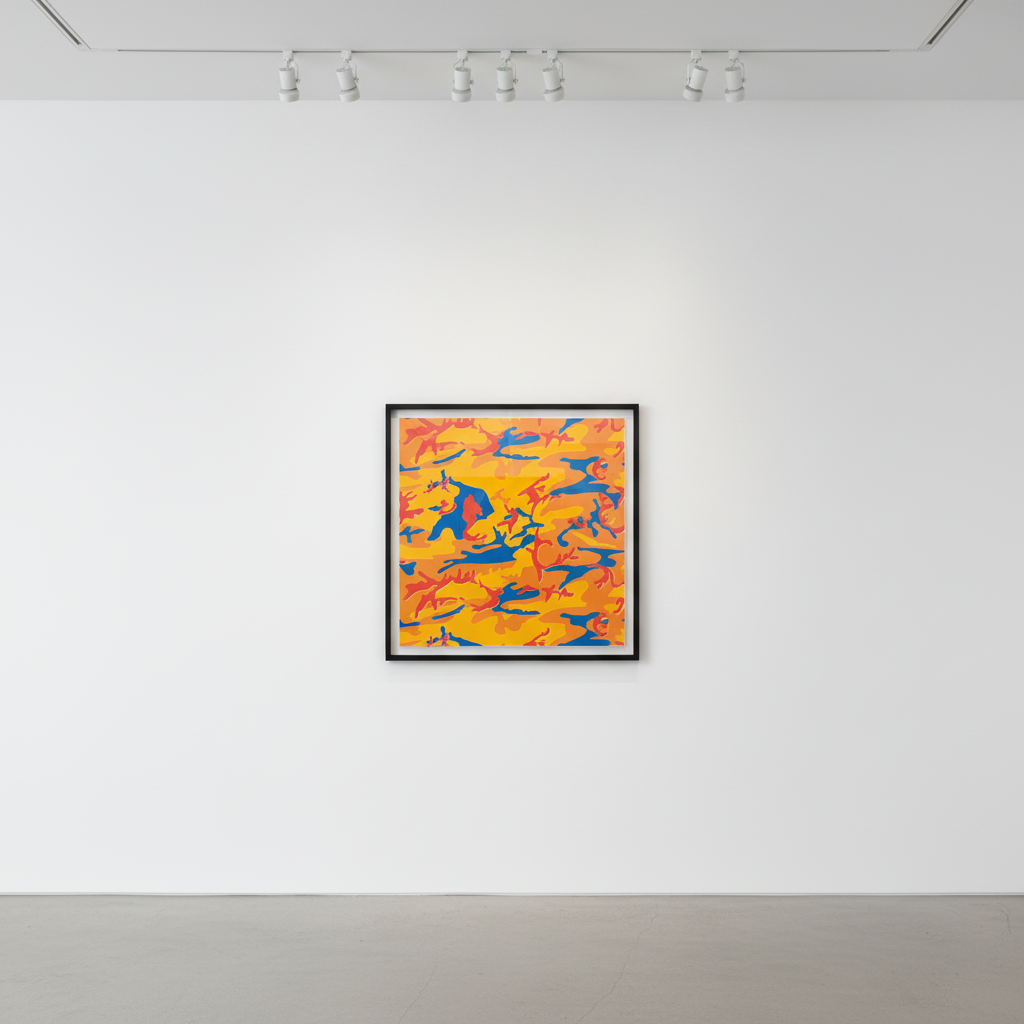
Camouflage Trial Proof TP 4/84 — Andy Warhol. Available at Guy Hepner, New York.
For collectors, acquiring Factory-era Warhol prints represents an opportunity to own pieces of art history that simultaneously function as sophisticated investments. The finite nature of these editions - produced under Warhol's direct supervision before his death in 1987 - ensures their scarcity, while ongoing institutional interest from major museums worldwide continues to validate their cultural importance.
Guy Hepner is proud to offer collectors access to exceptional works by Andy Warhol, including significant prints produced at The Factory during the artist's most celebrated creative periods. Our curated selection encompasses iconic portrait series, distinctive camouflage works, and rare editions that represent the full scope of Warhol's revolutionary vision. We invite collectors to explore our available Warhol inventory and contact our advisory team to discuss acquisition opportunities for these historically important works that continue to define contemporary art collecting.
--- **Browse Andy Warhol prints** at Guy Hepner: [Andy Warhol art for sale](/andy-warhol) | [Sell your Warhol](/sell/andy-warhol)Explore Andy Warhol prints for sale at Guy Hepner: 25 Cats Named Sam, A Gold Book, A La Recherche Du Shoe Perdu, Alexander the Great, Banana.
Related Series