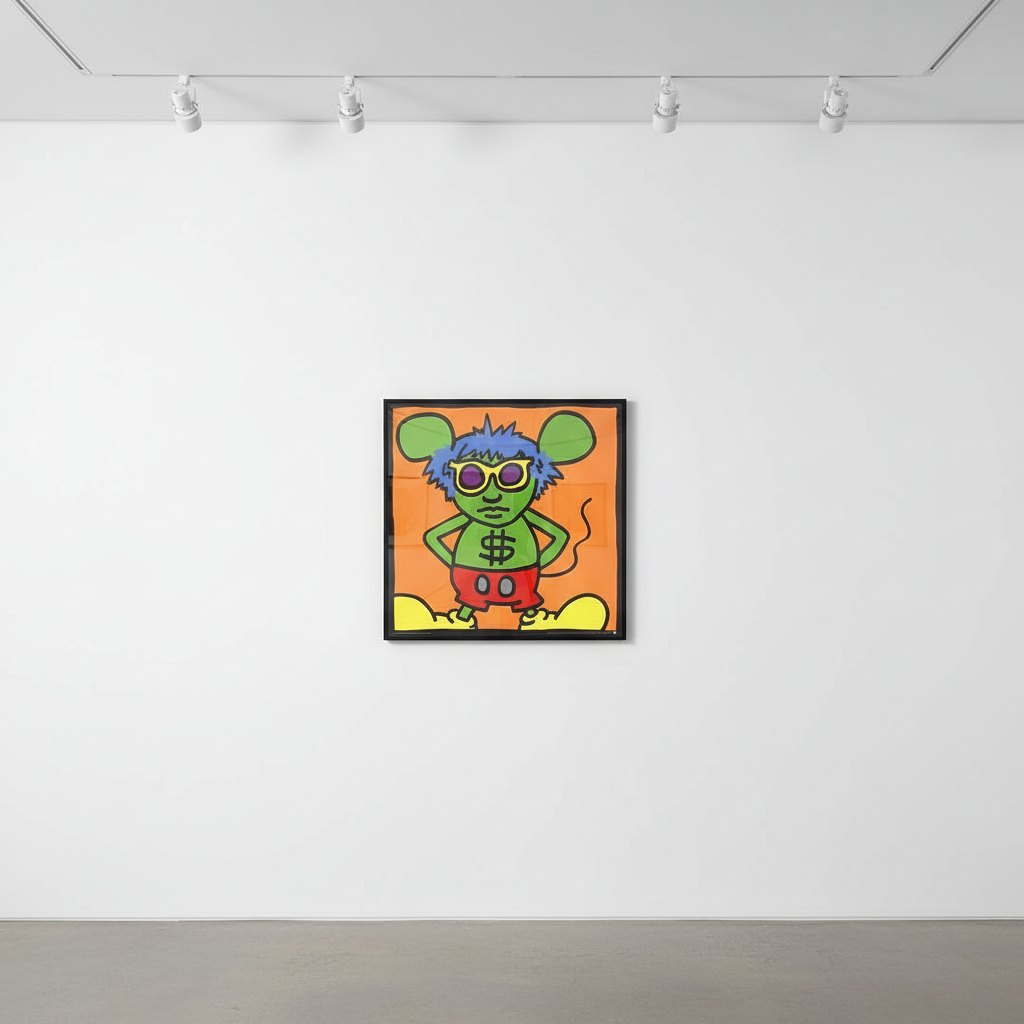
Andy Mouse
5 works

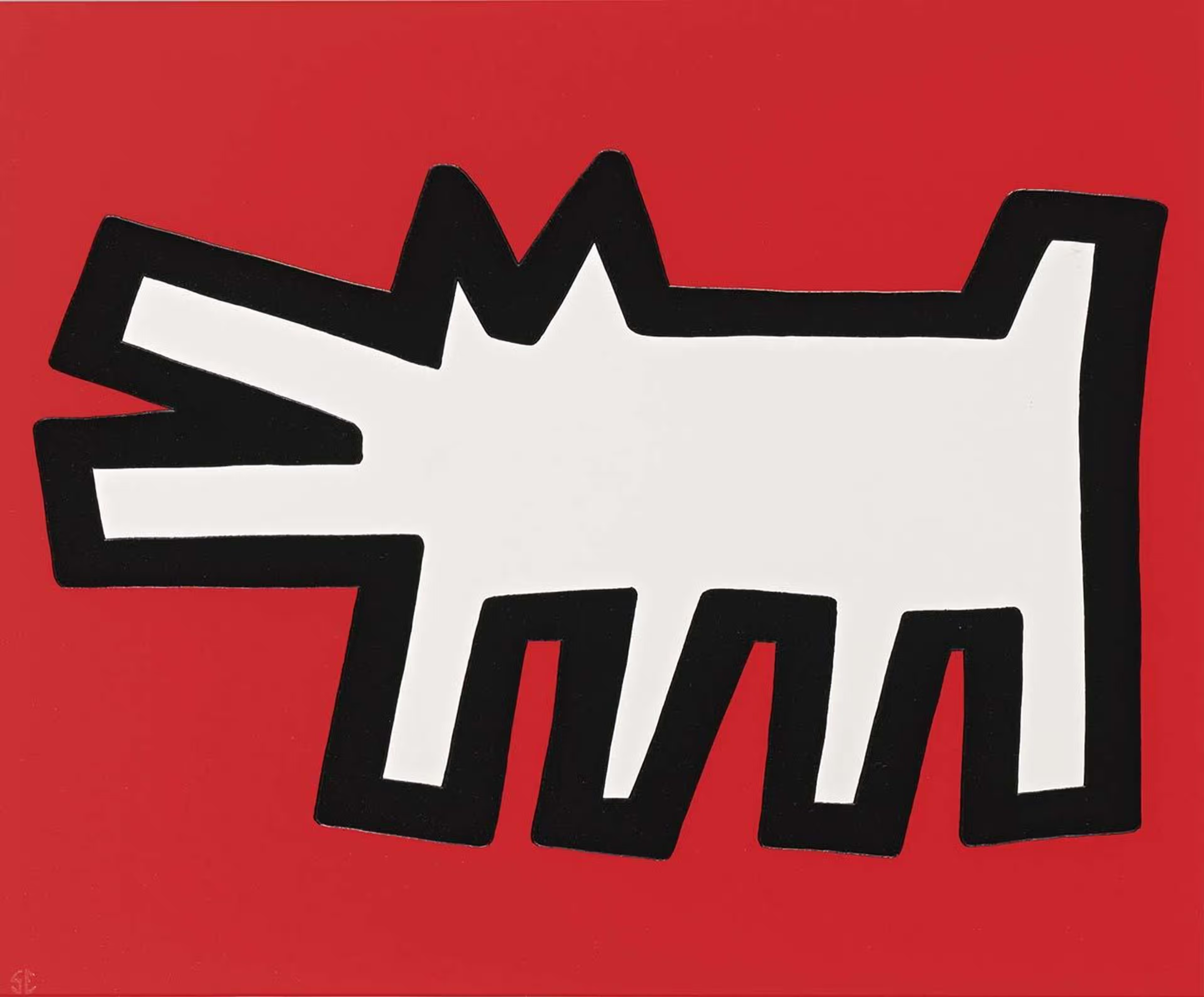
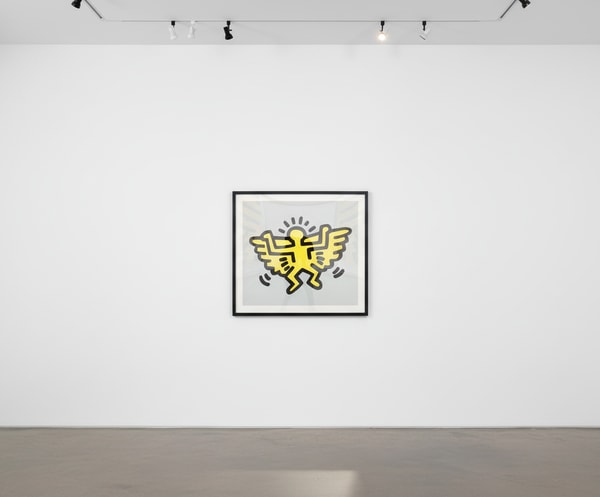
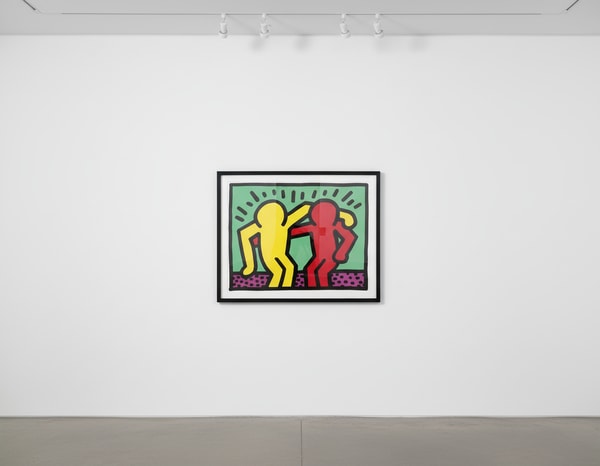
Keith Haring prints for sale at Guy Hepner include works from the most sought-after series in his catalogue: the Blueprint Drawings, Retrospect, Lucky Strike, Andy Mouse, and the Pop Shop editions. Keith Haring paintings for sale and Keith Haring original art for sale through our New York gallery are sourced from authenticated secondary market collections with full provenance.
Keith Haring (1958–1990) transformed the walls of the New York City subway into a gallery before taking his visual lang
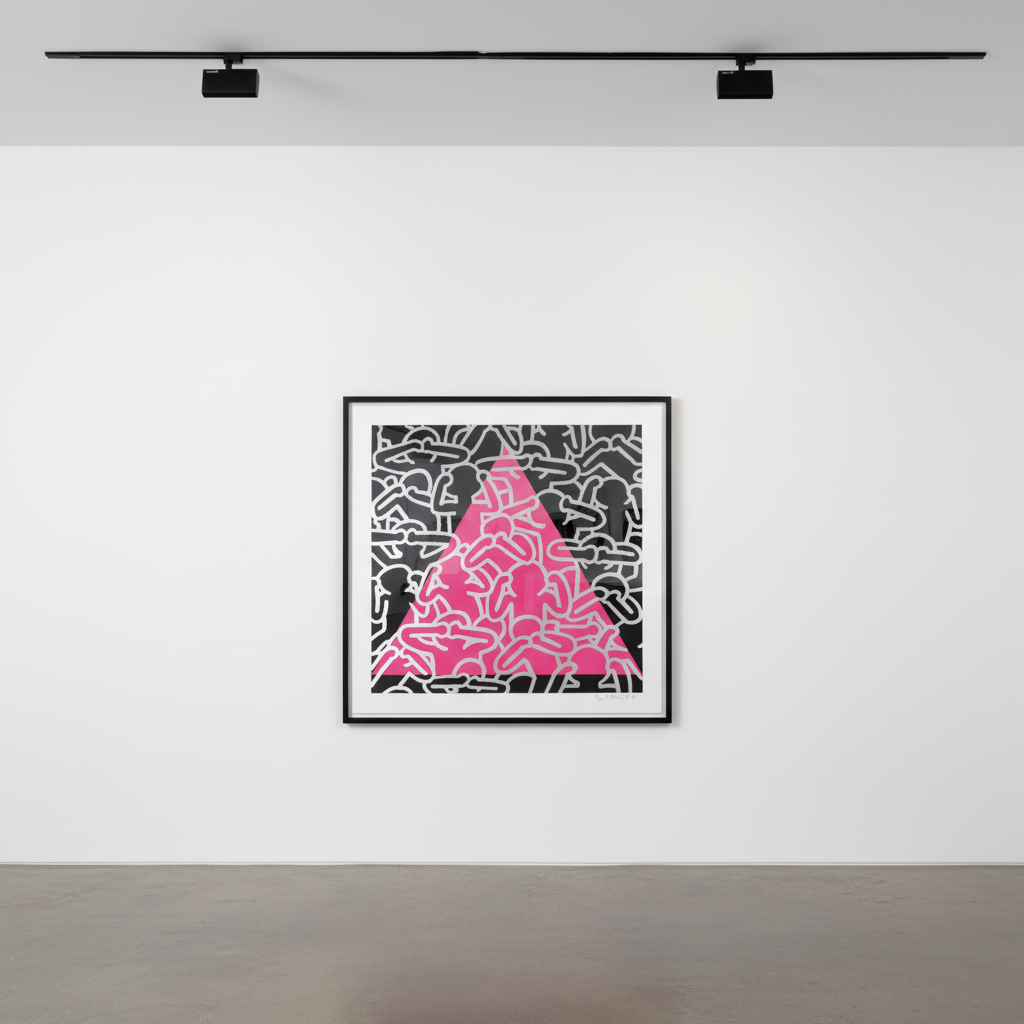
Andy Mouse
5 works
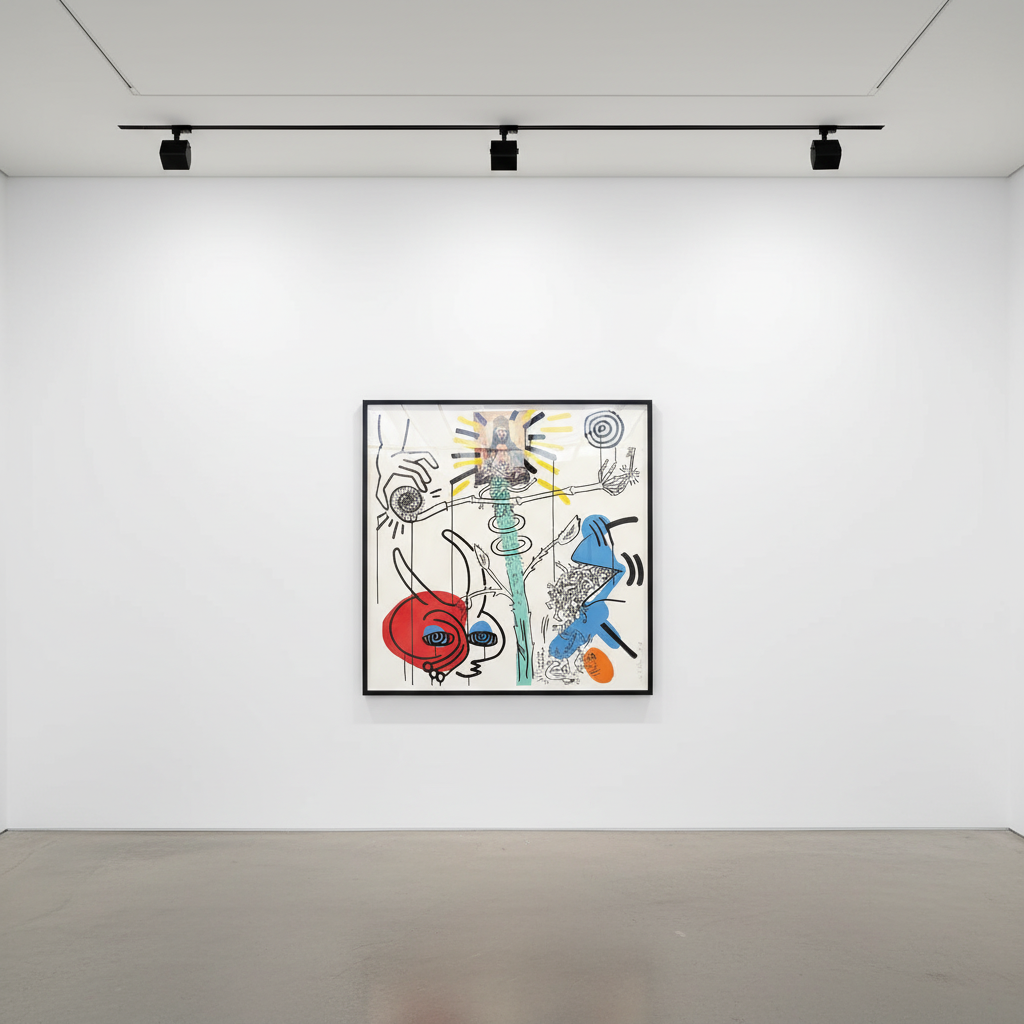
Apocalypse
11 works
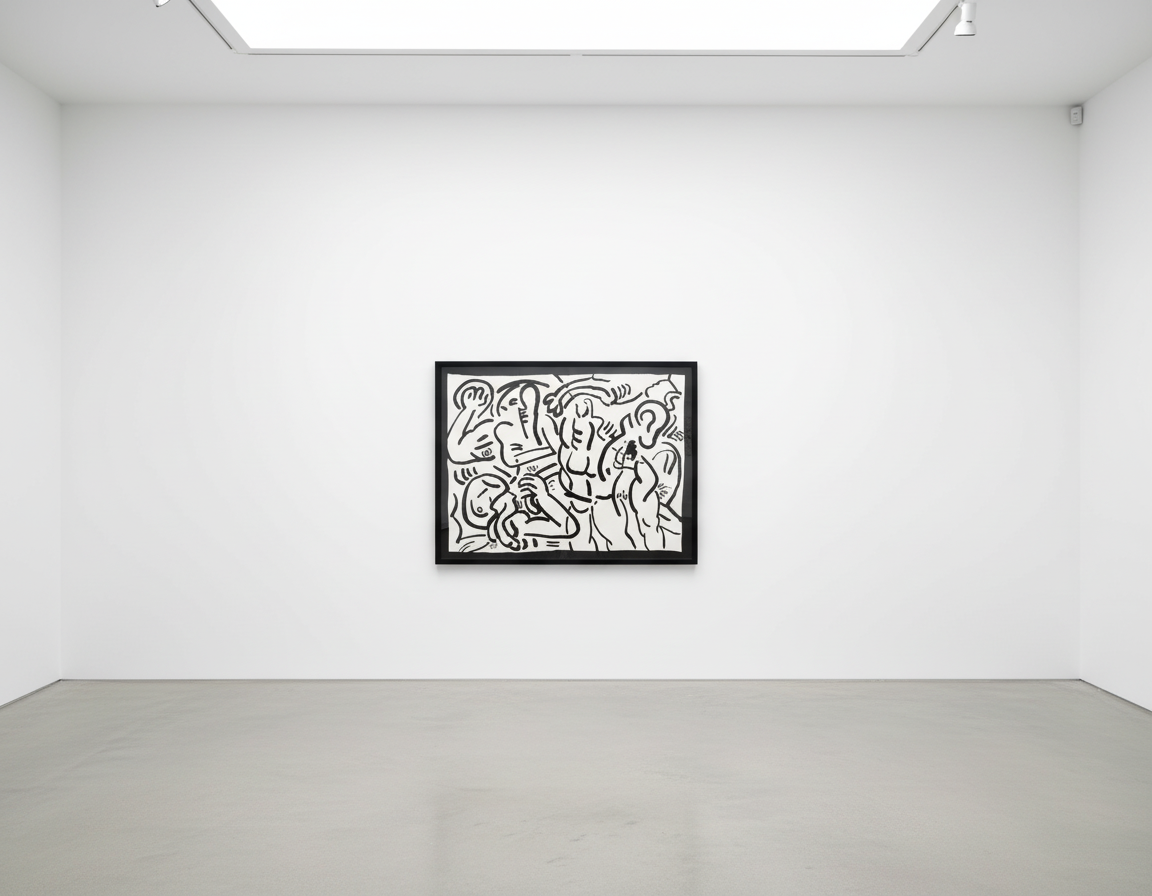
Bad Boys
7 works
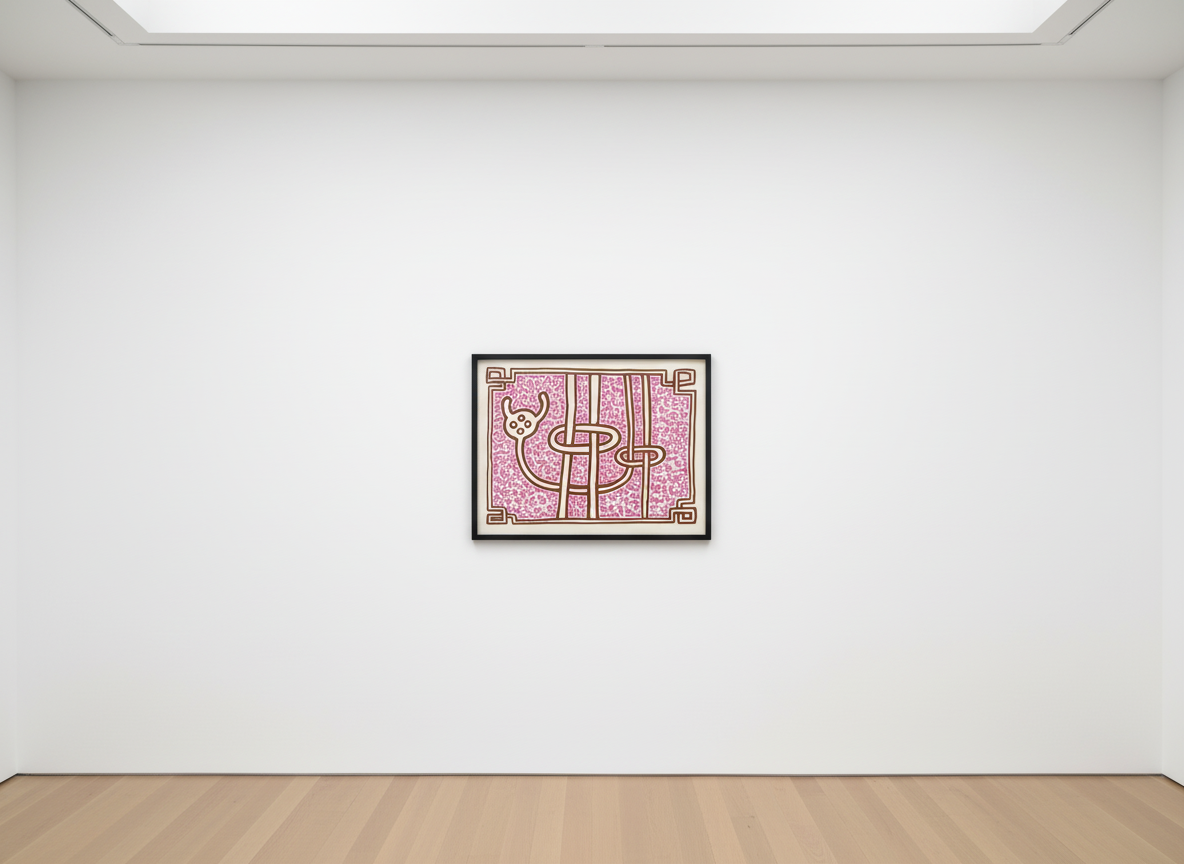
Chocolate Buddha
6 works
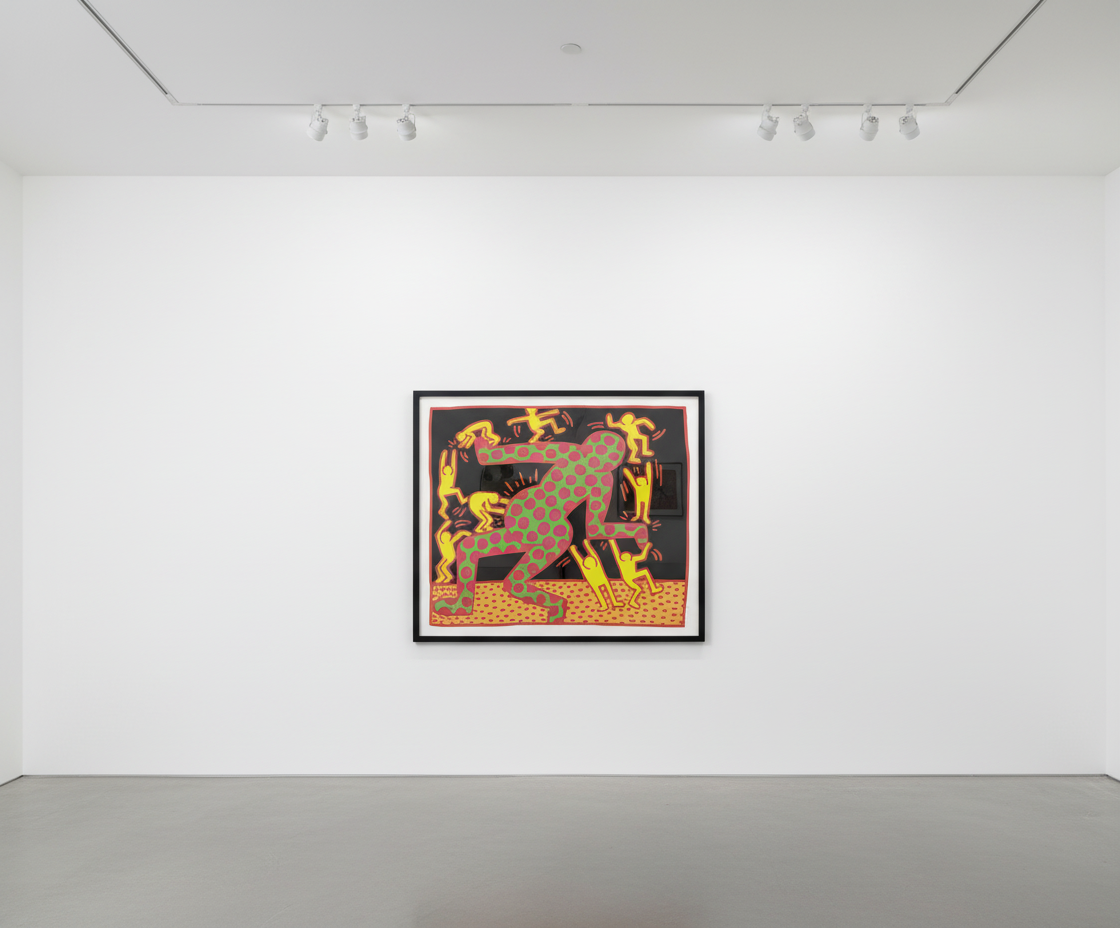
Fertility
6 works
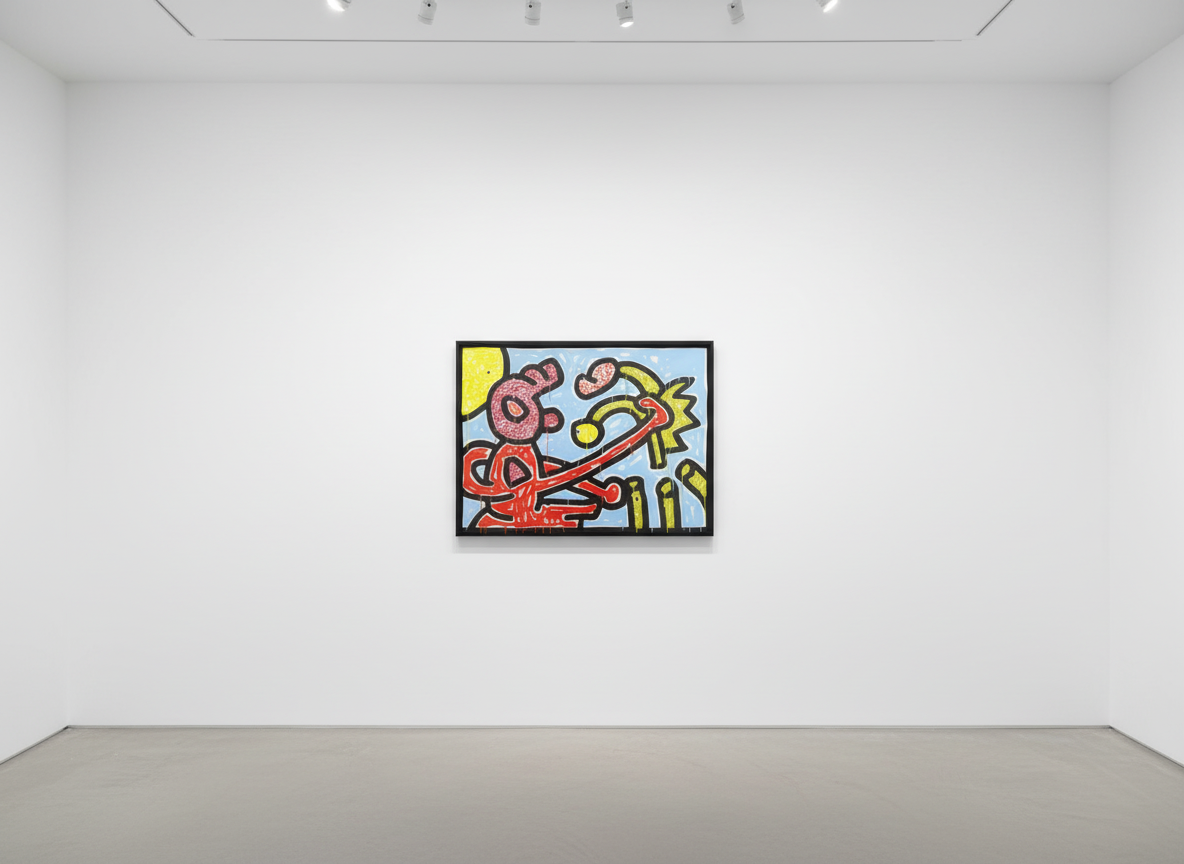
Flowers
6 works
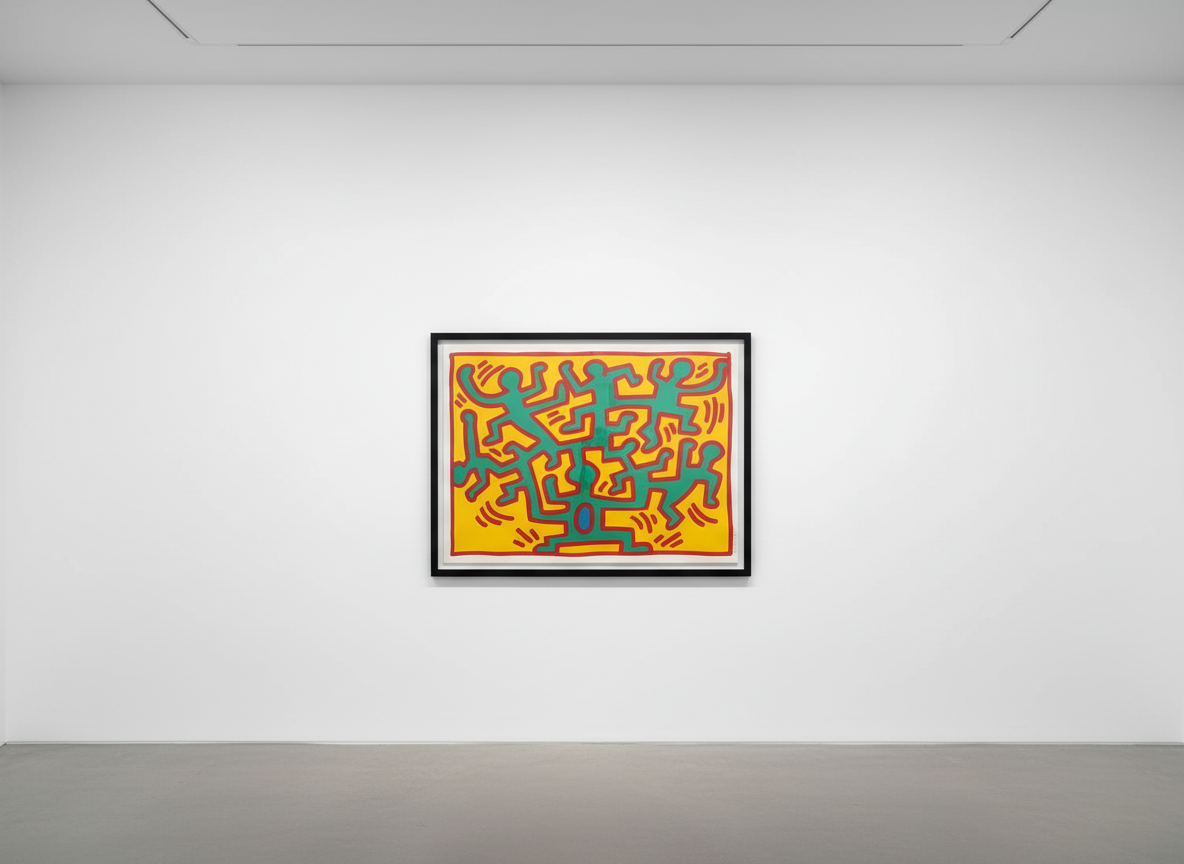
Growing
6 works
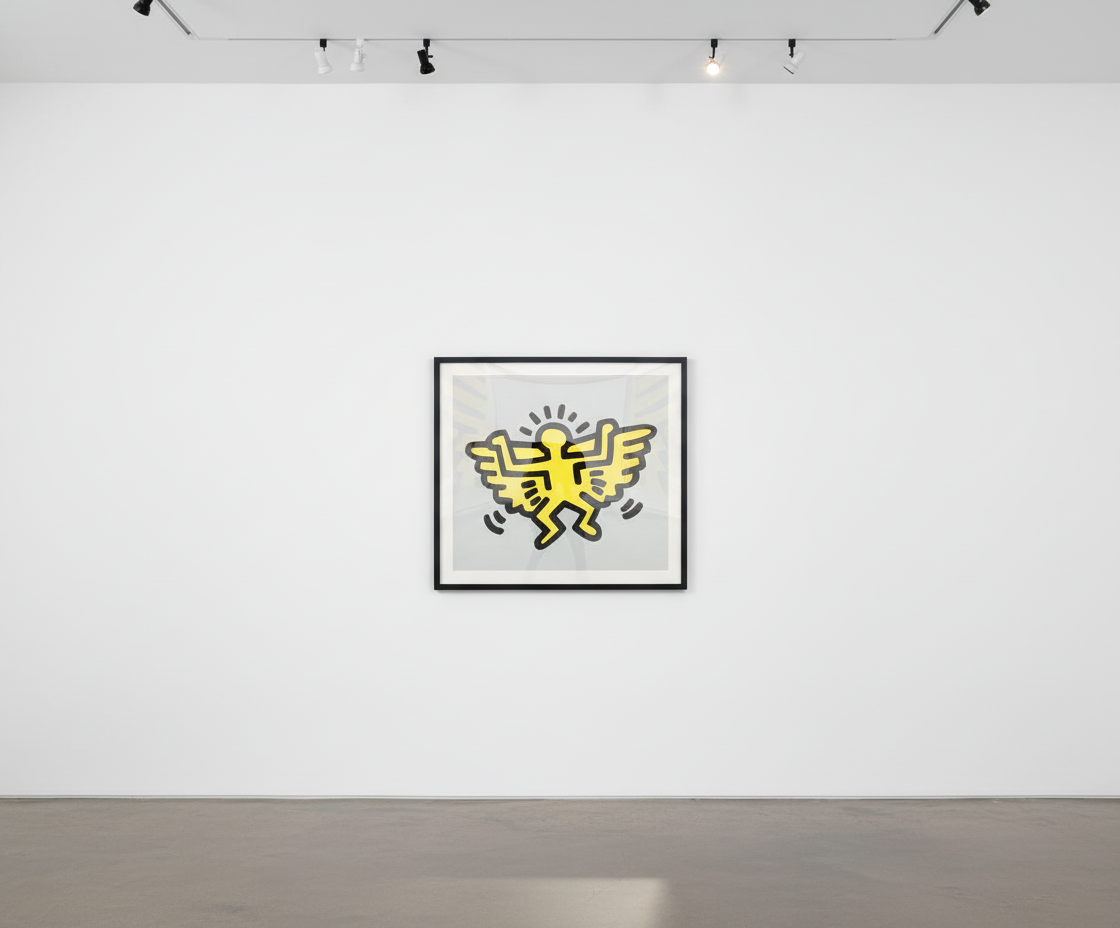
Icons
6 works
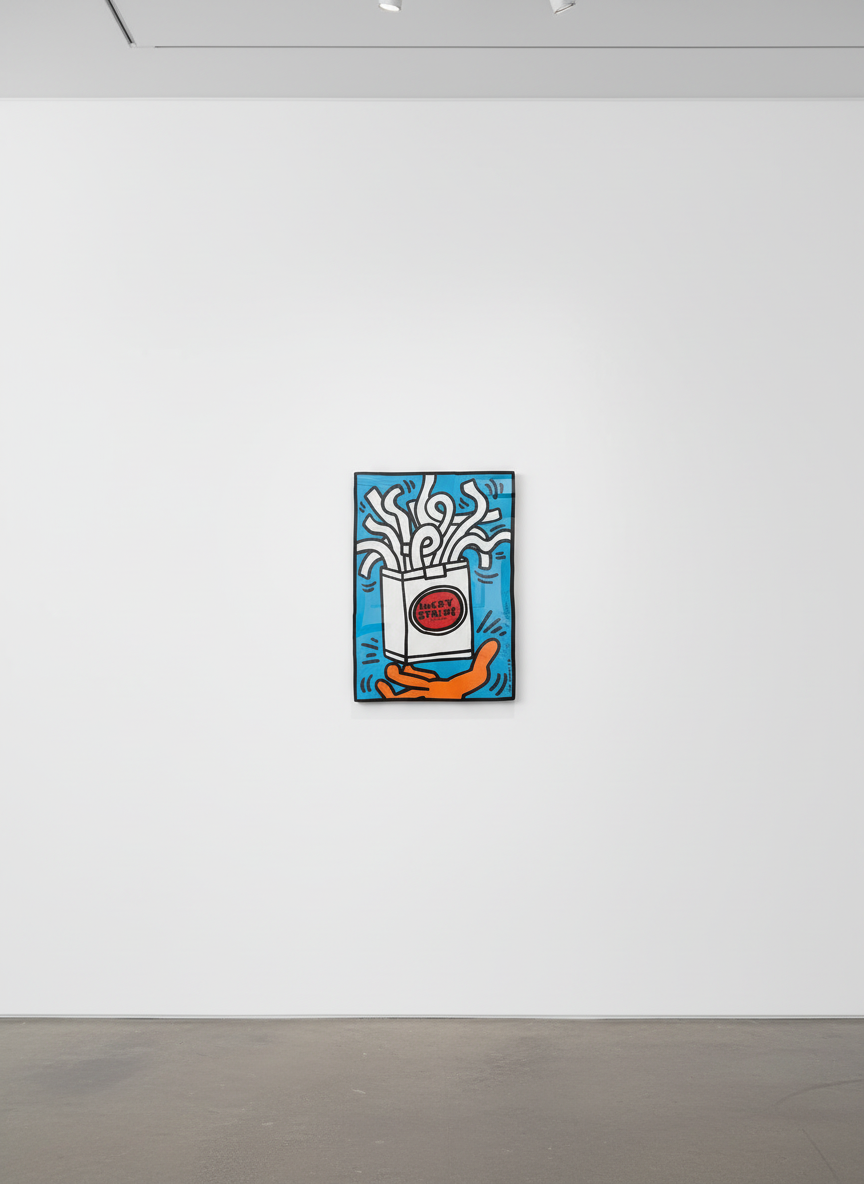
Lucky Strike
6 works
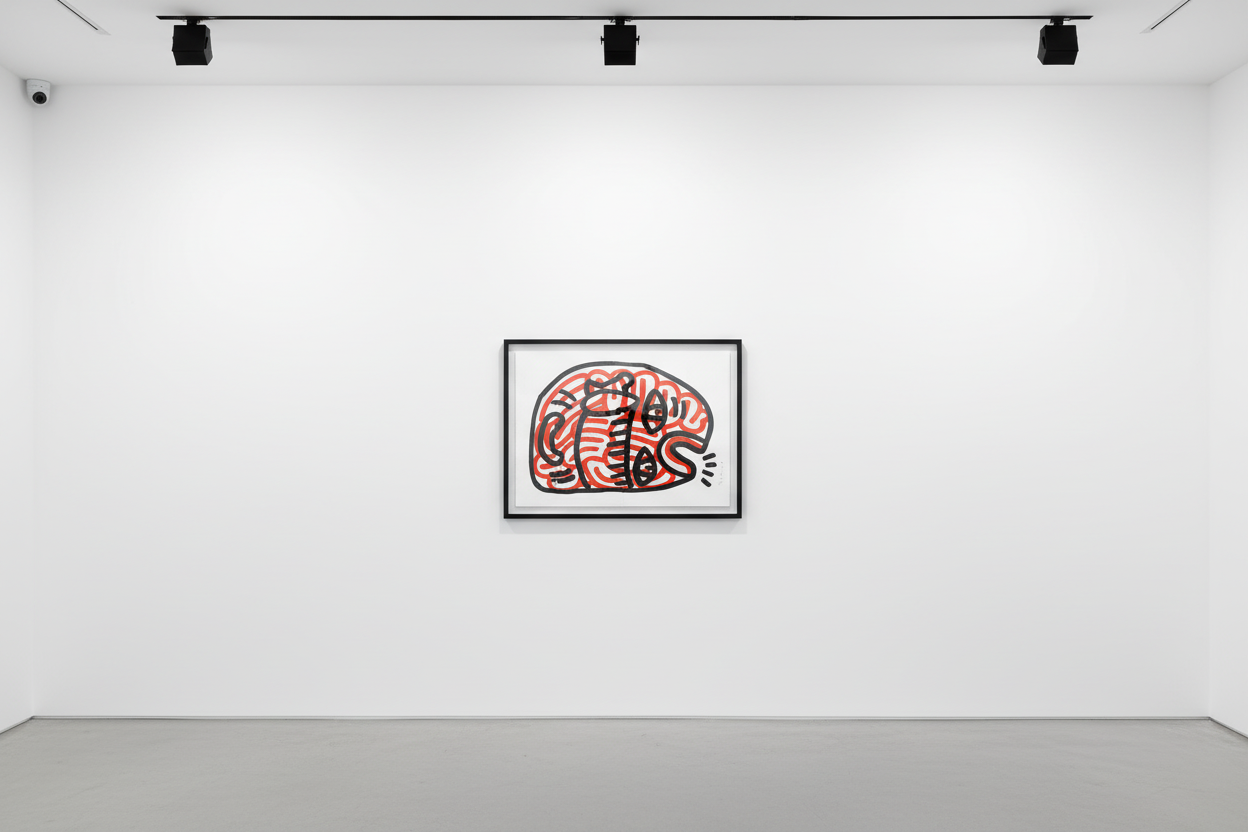
Ludo
6 works
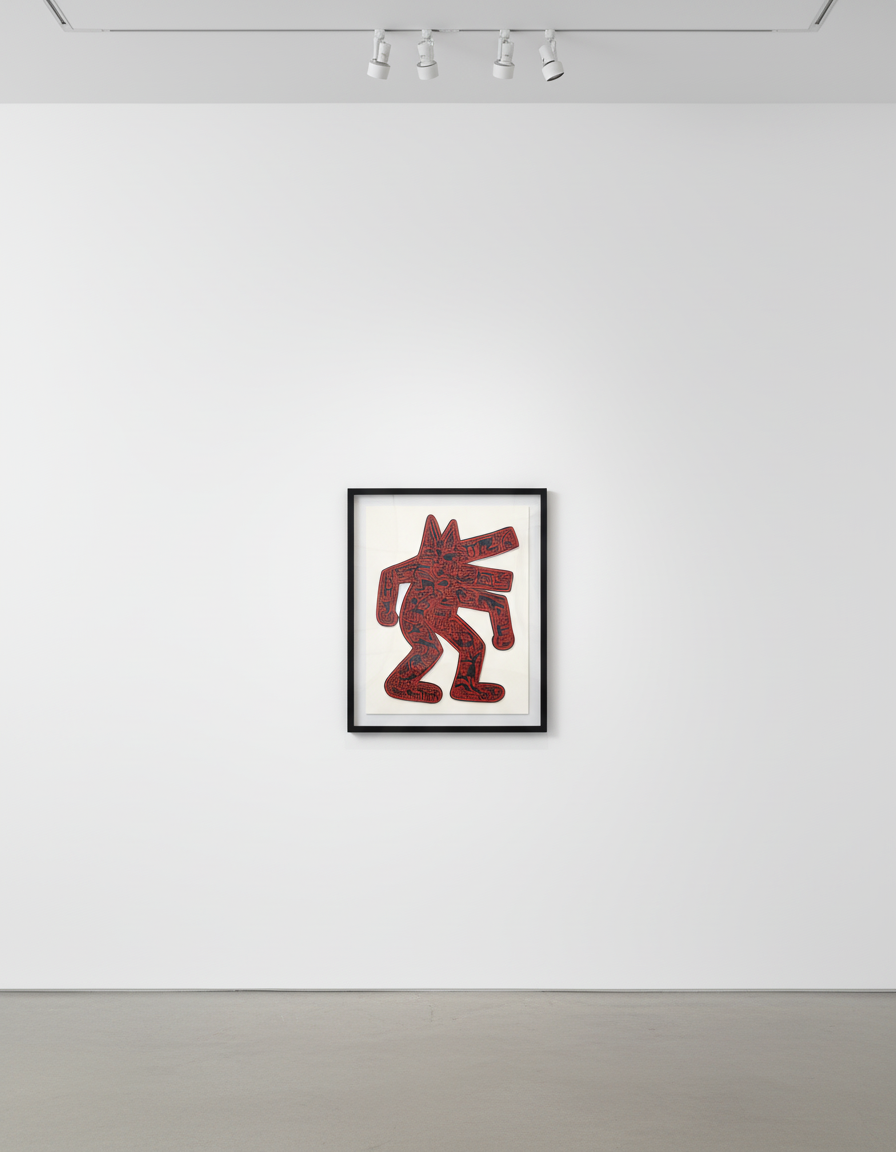
Other Prints
5 works
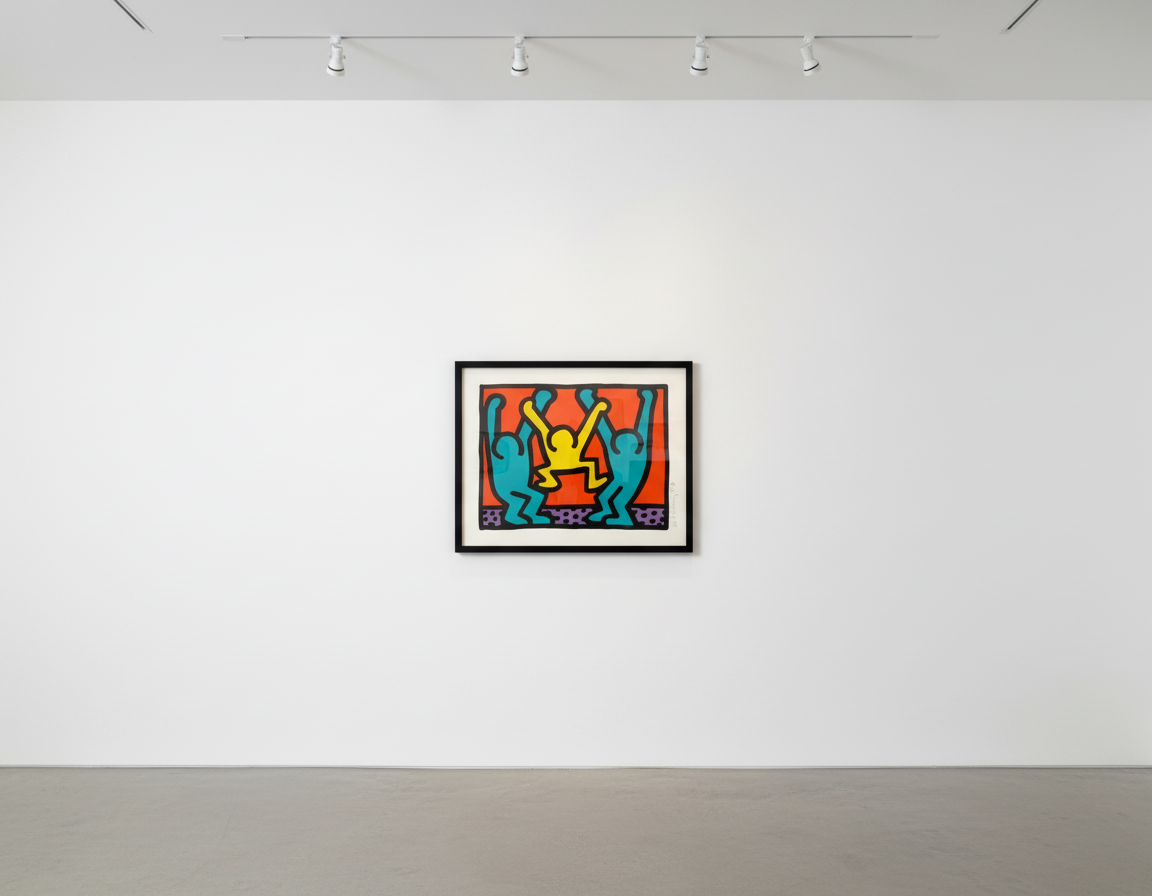
Pop Shop I
6 works
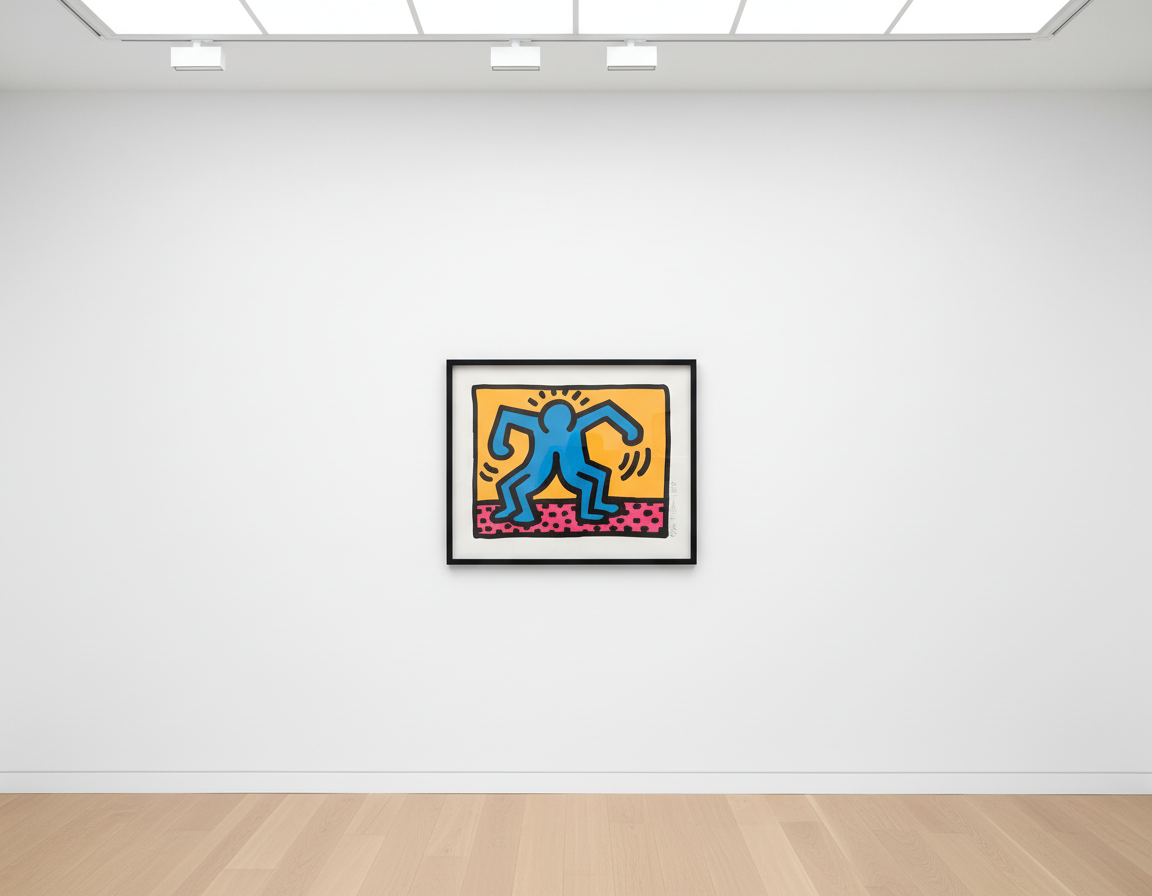
Pop Shop Ii
6 works
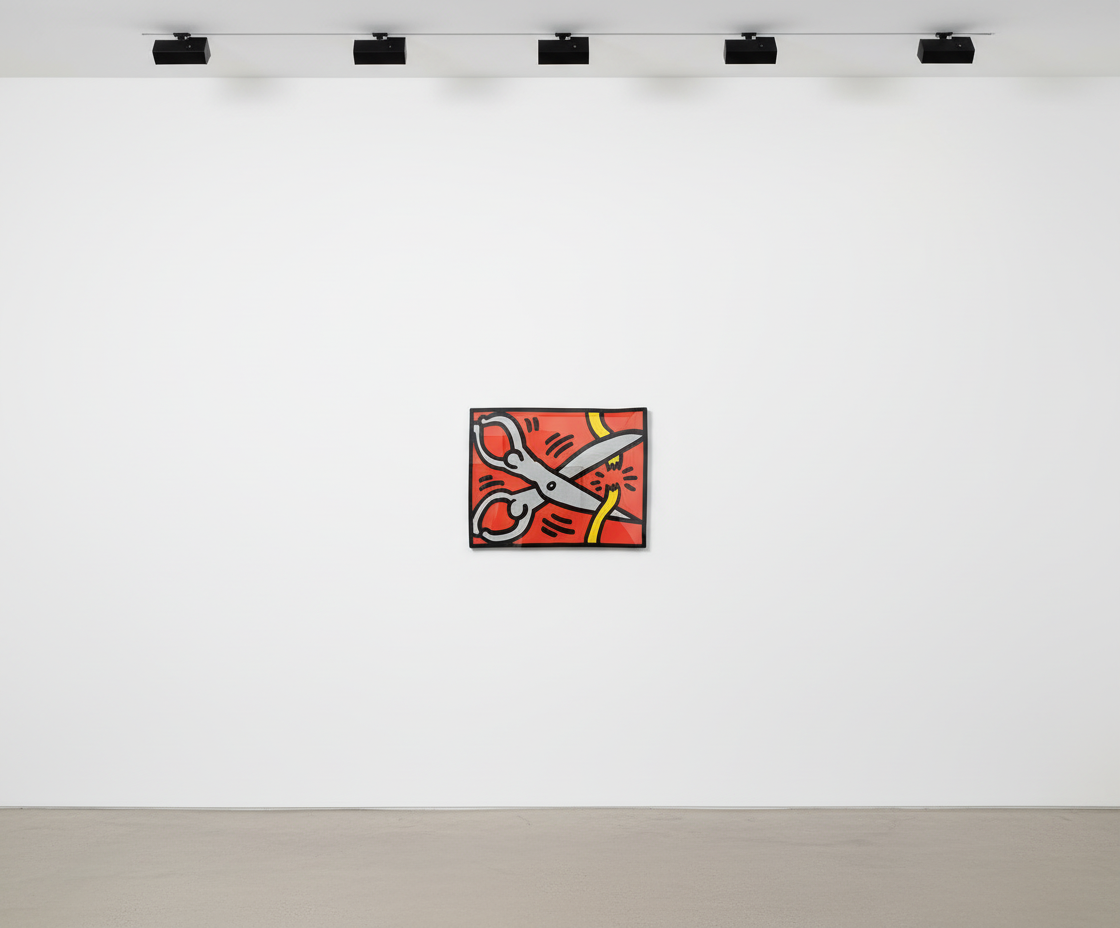
Pop Shop Iii
6 works
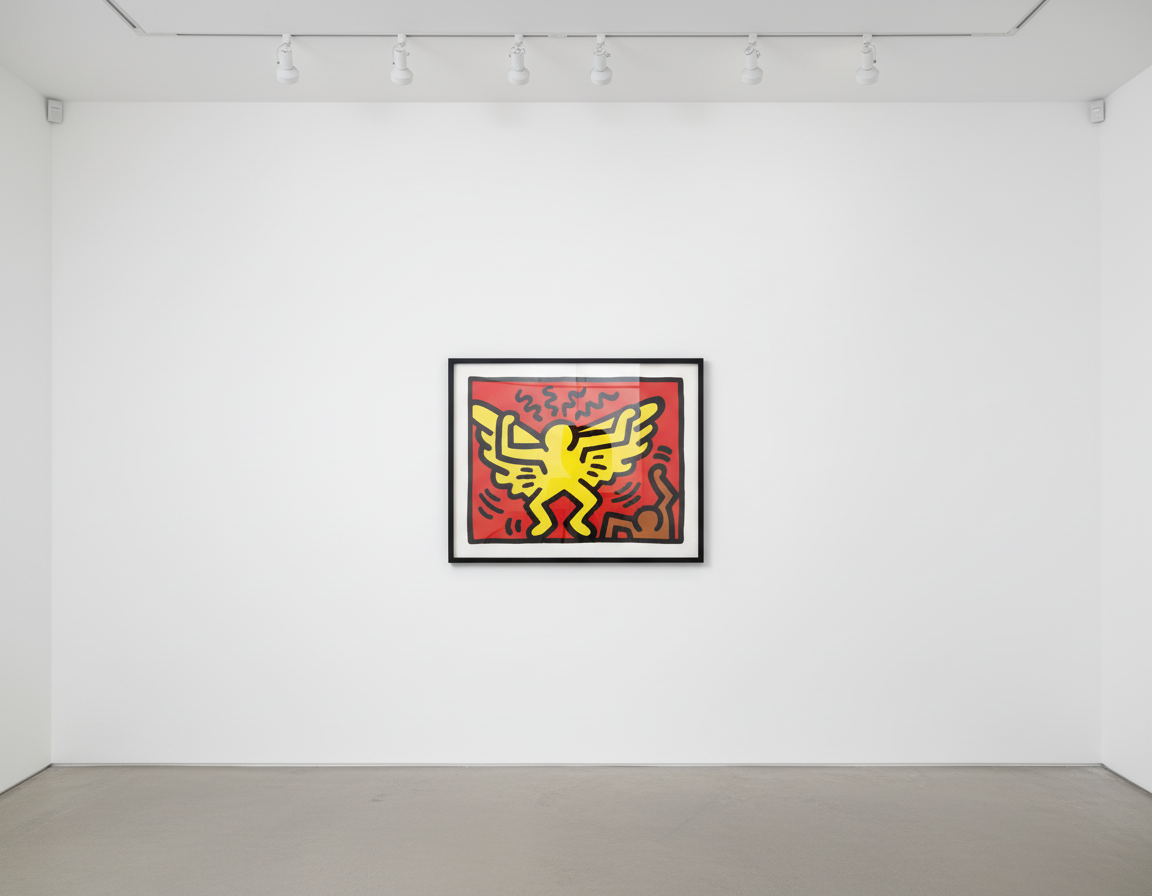
Pop Shop Iv
6 works
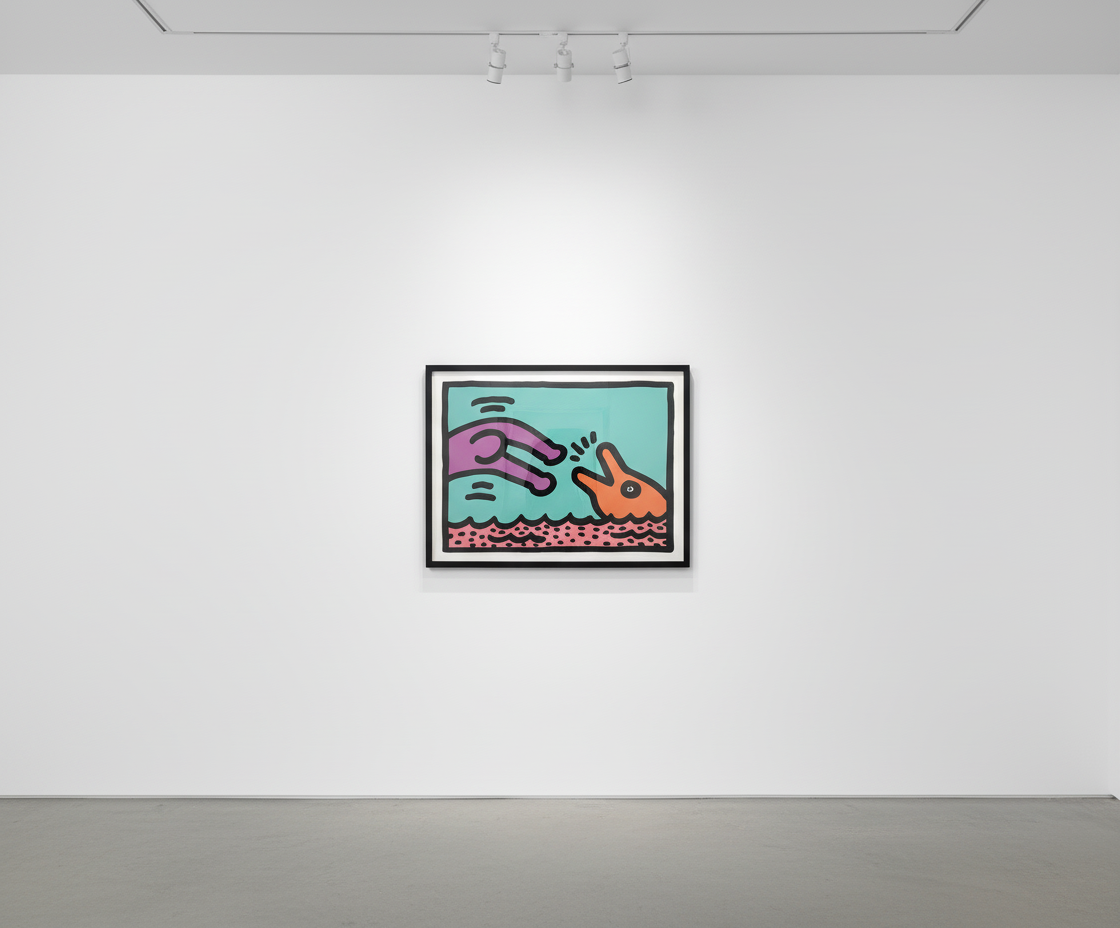
Pop Shop V
6 works
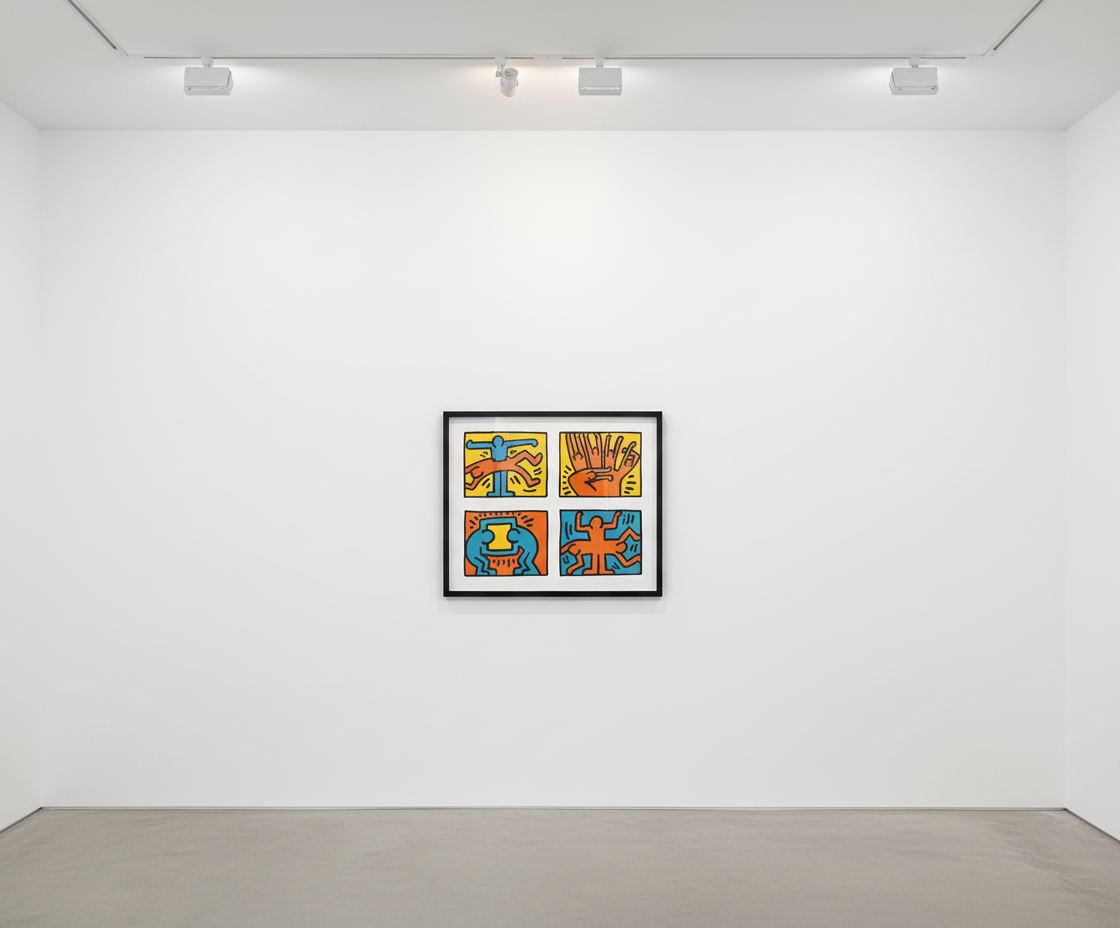
Pop Shop Vi
6 works
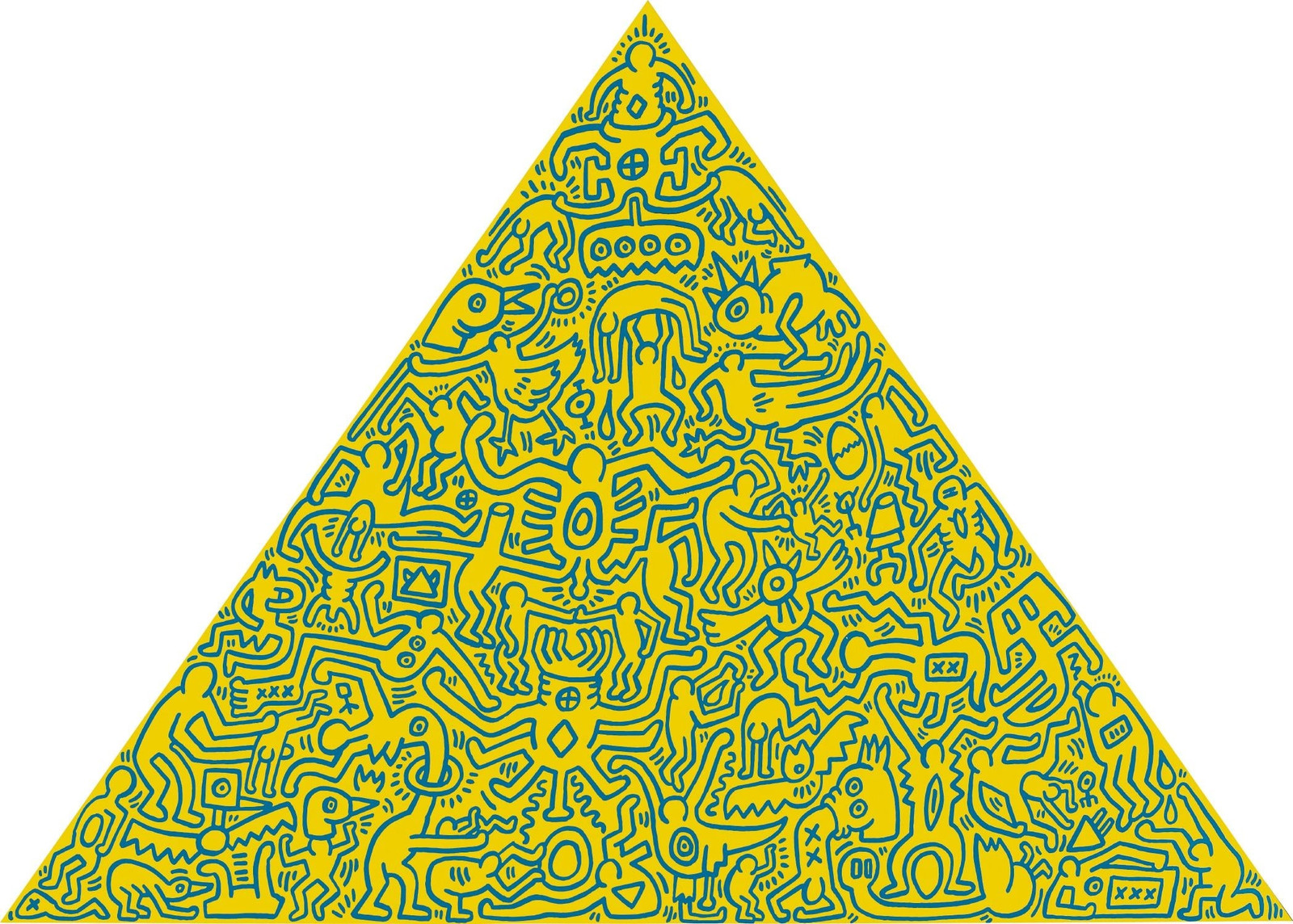
Pyramid
5 works
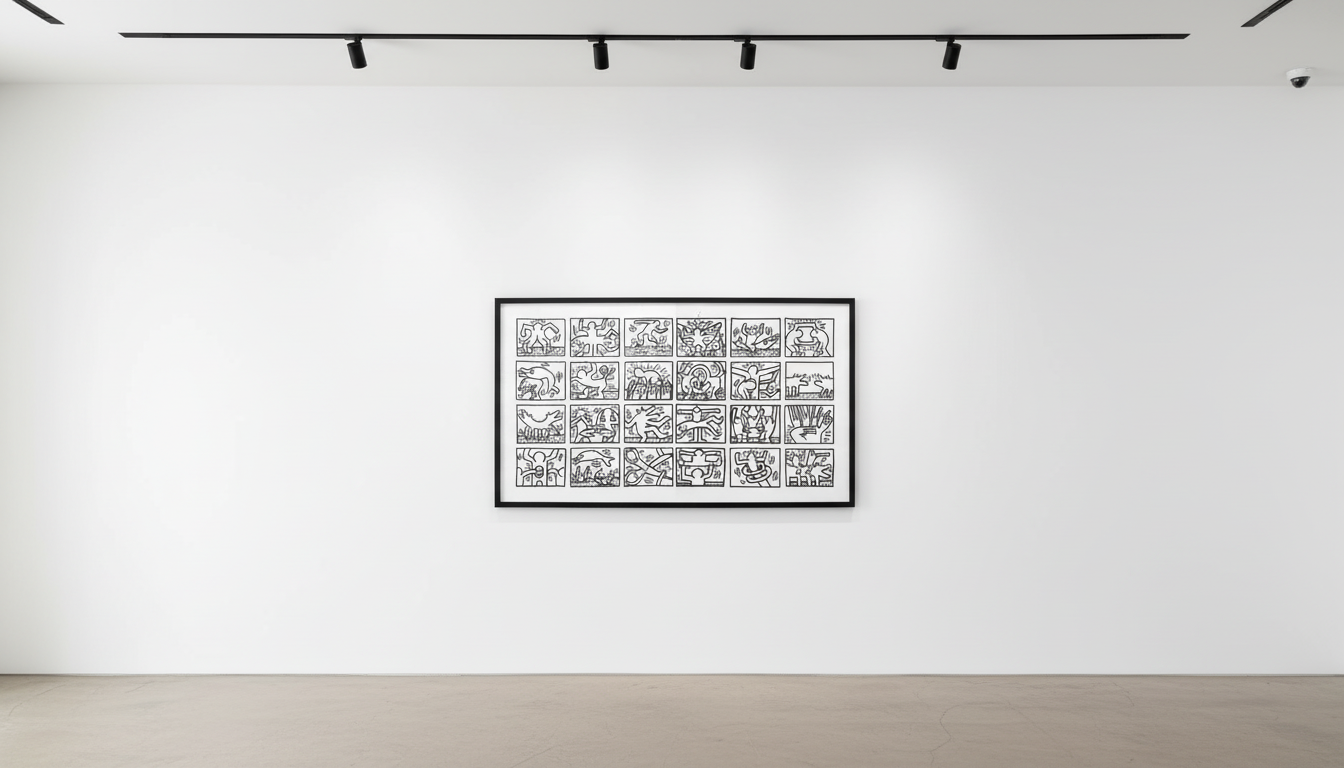
Retrospect
2 works
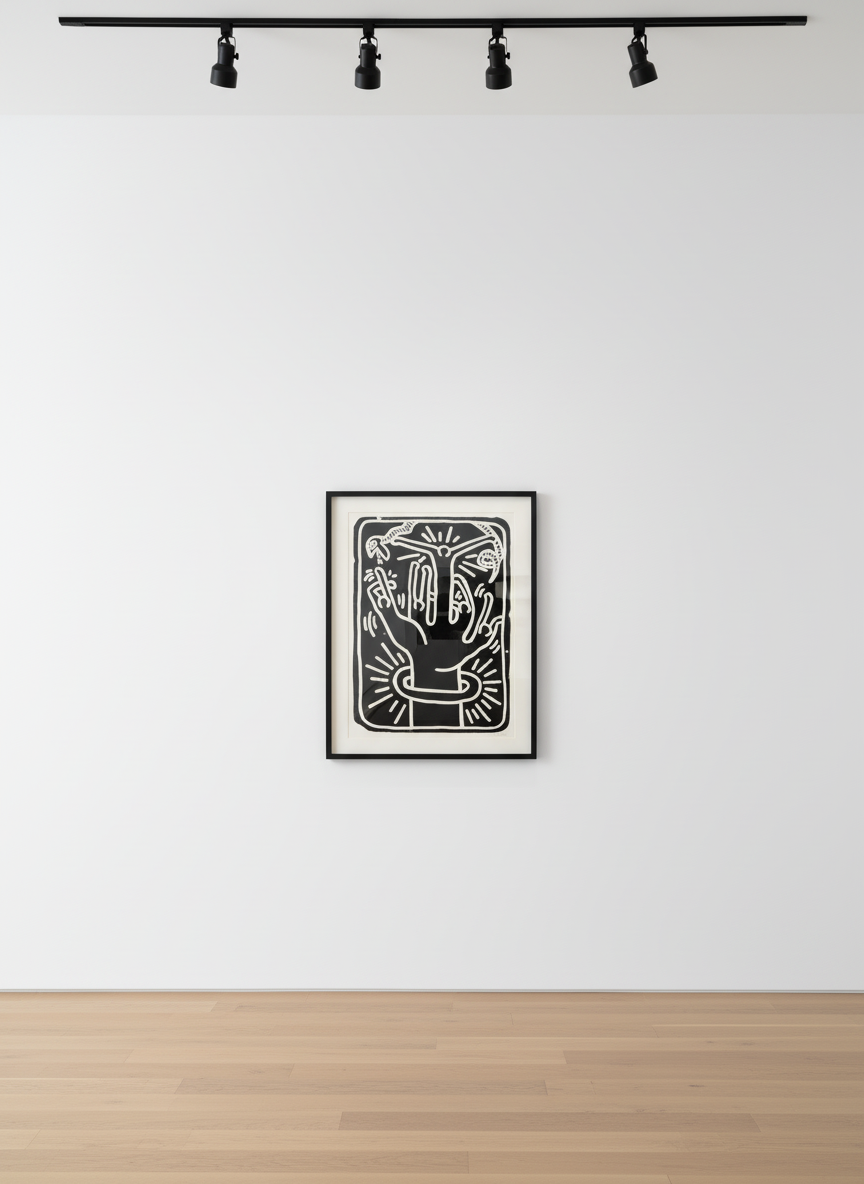
Stones
6 works
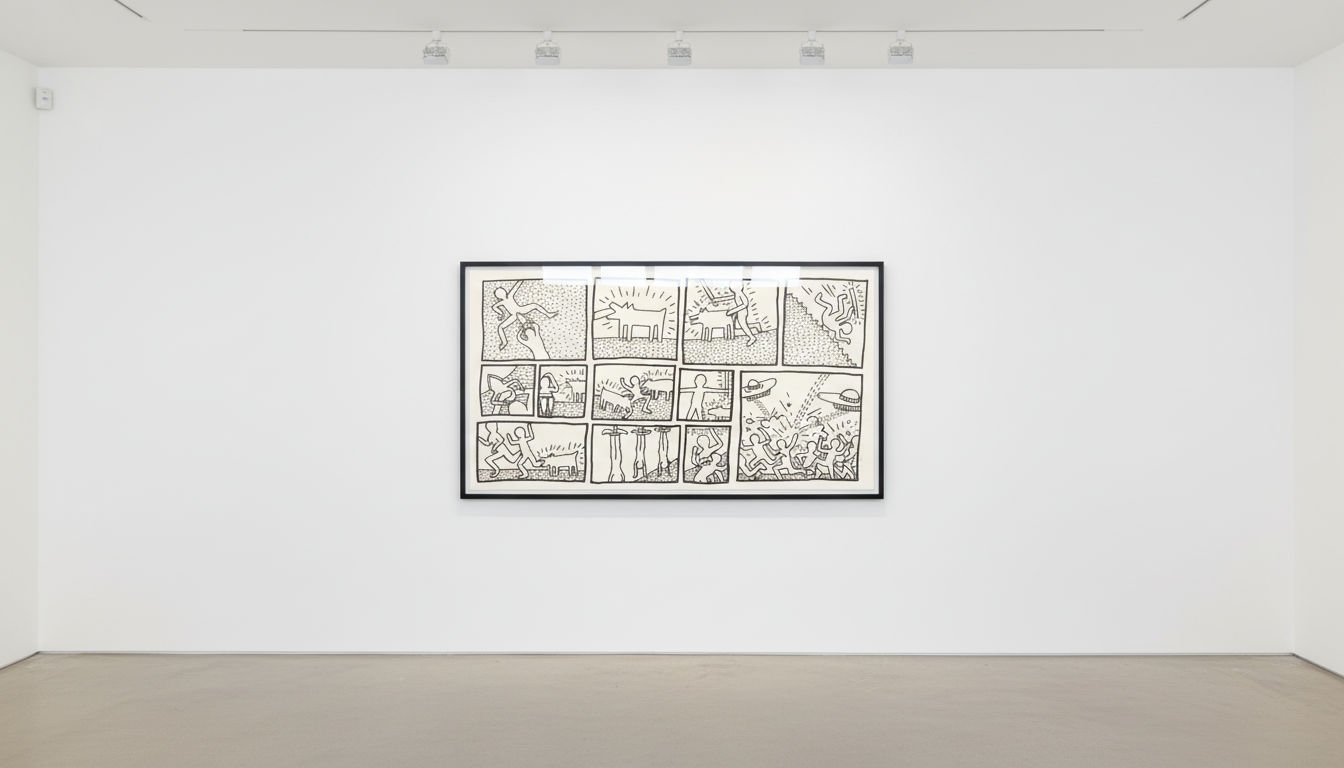
The Blueprint Drawings
18 works
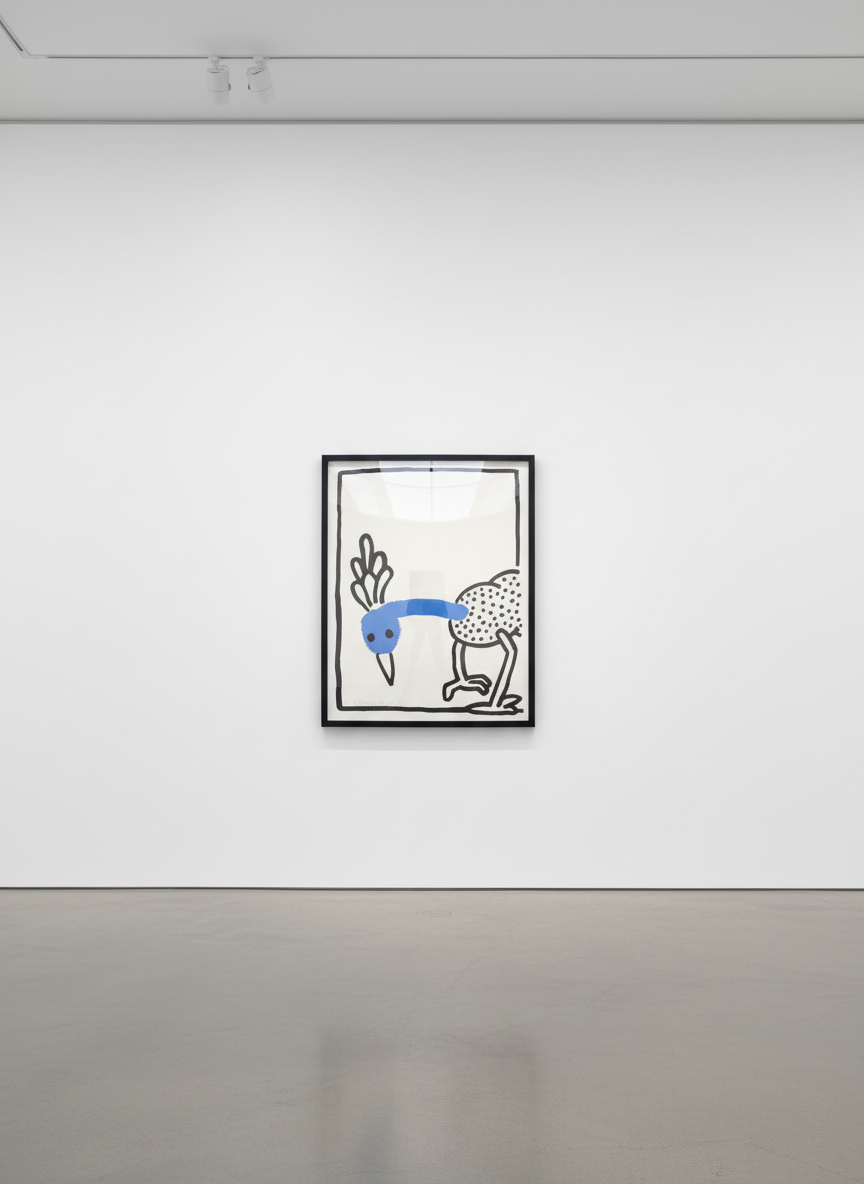
The Story of Red and Blue
22 works
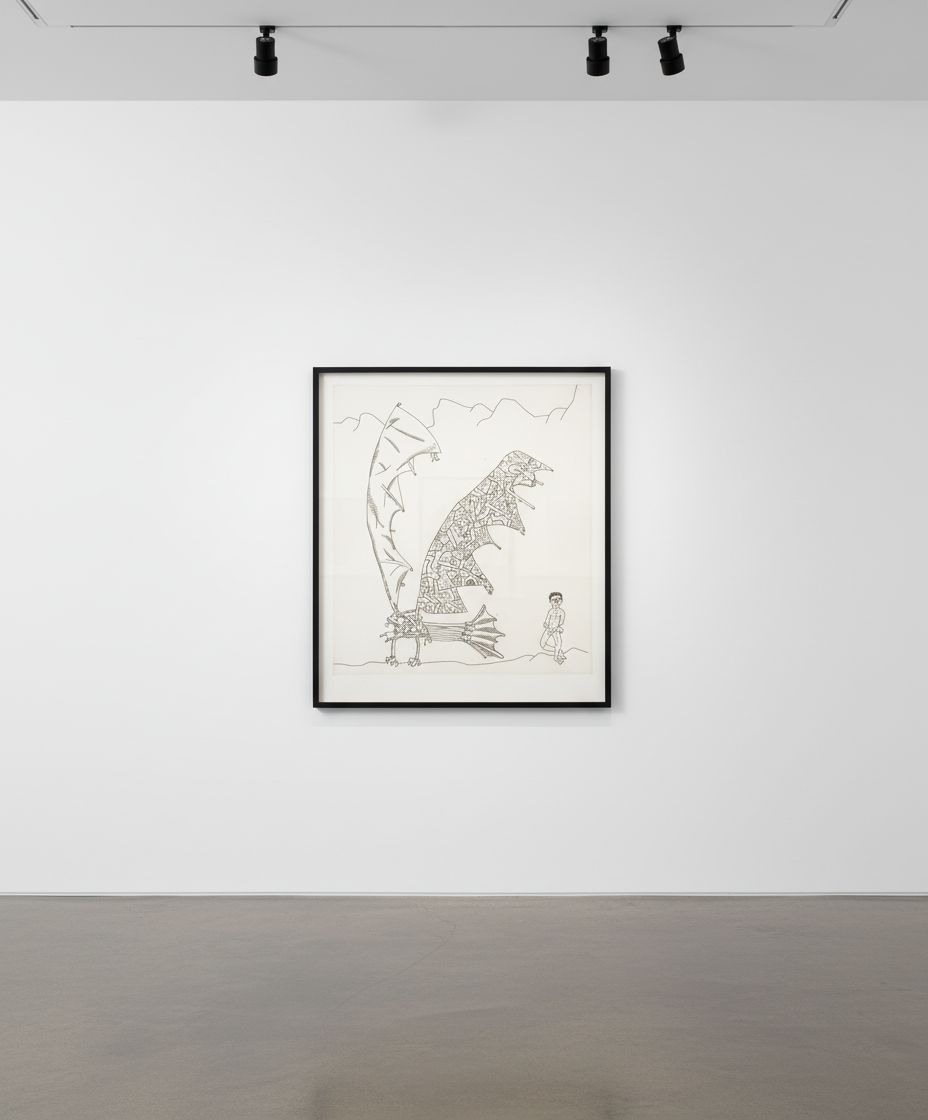
The Valley
16 works
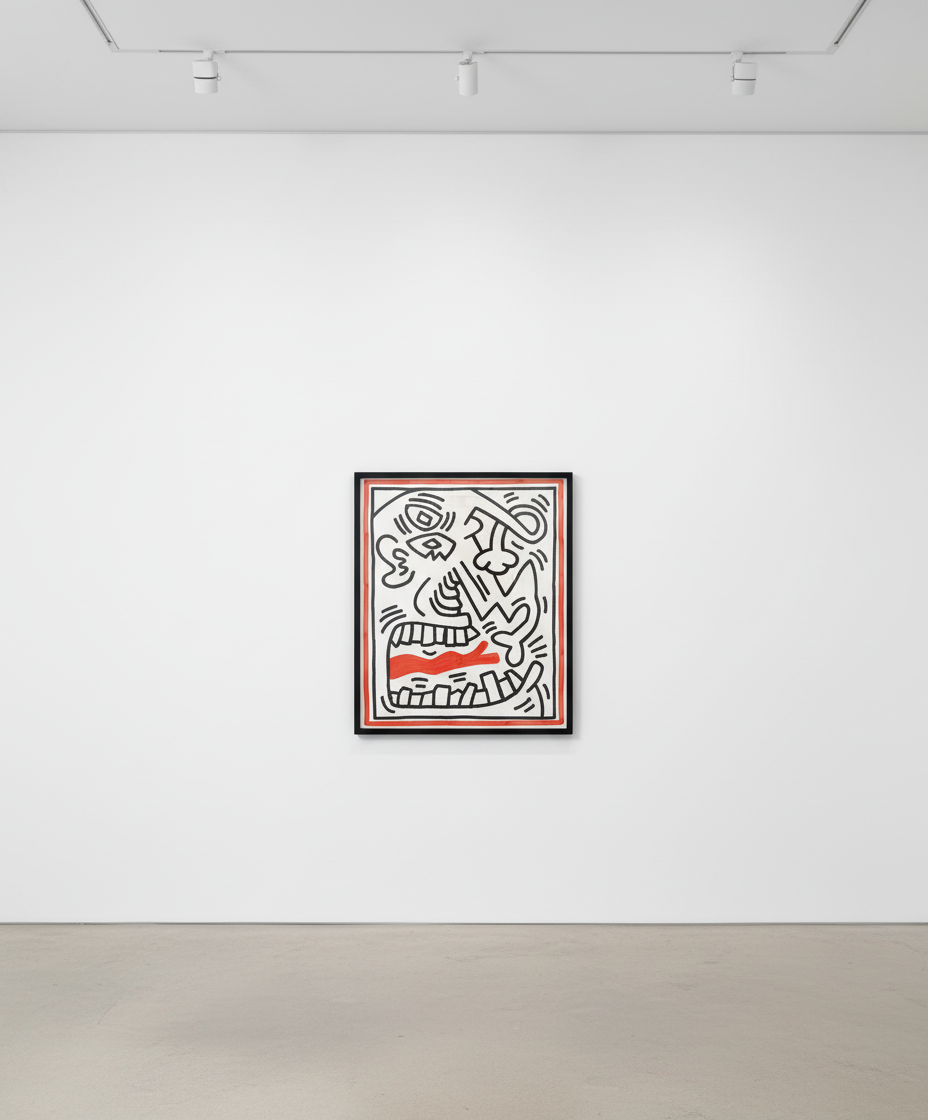
Three Lithographs
4 works
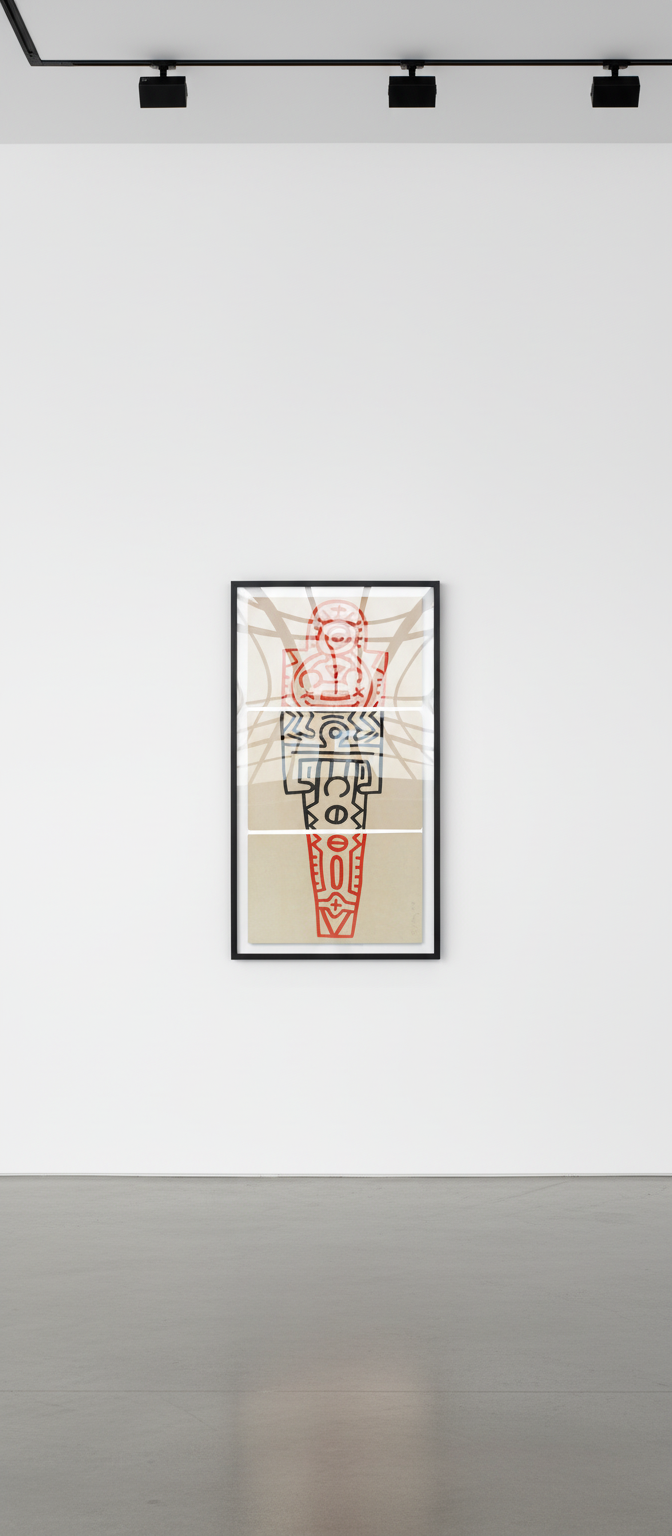
Totem
4 works
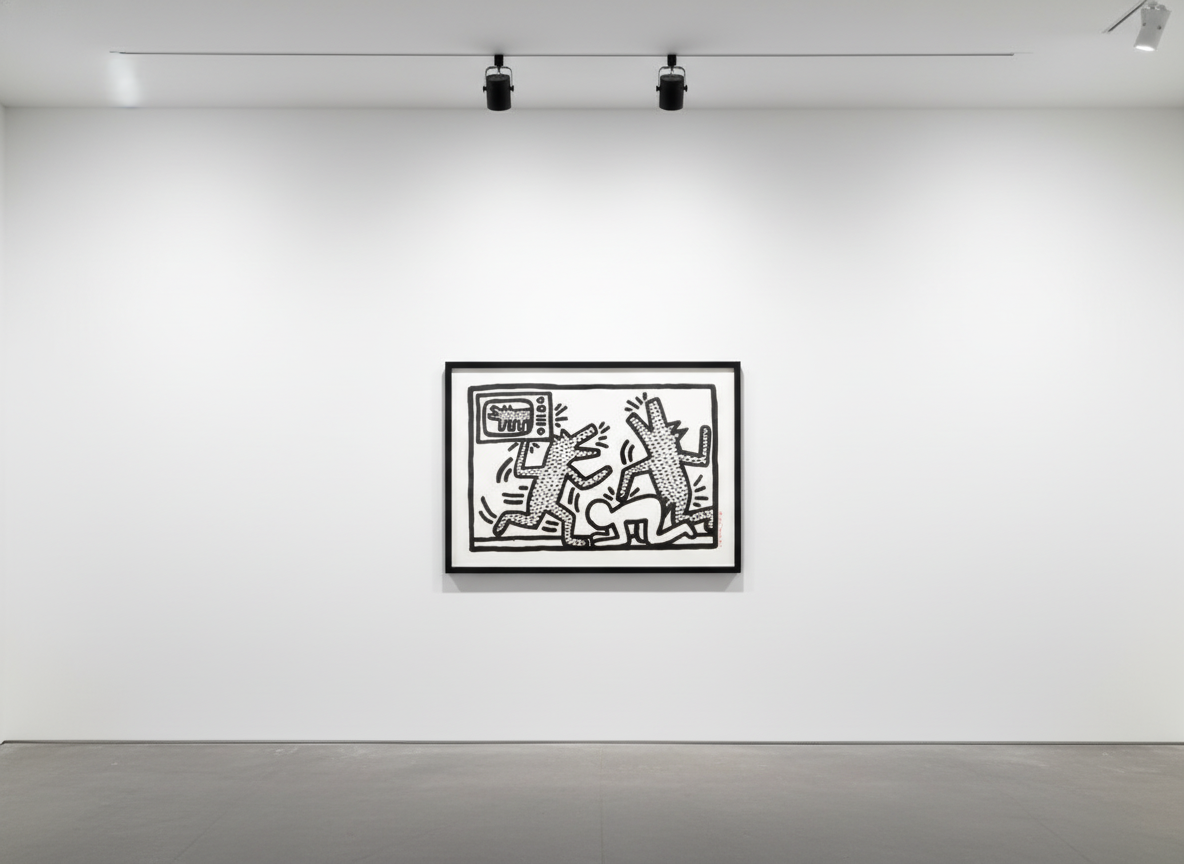
Untitled
29 works
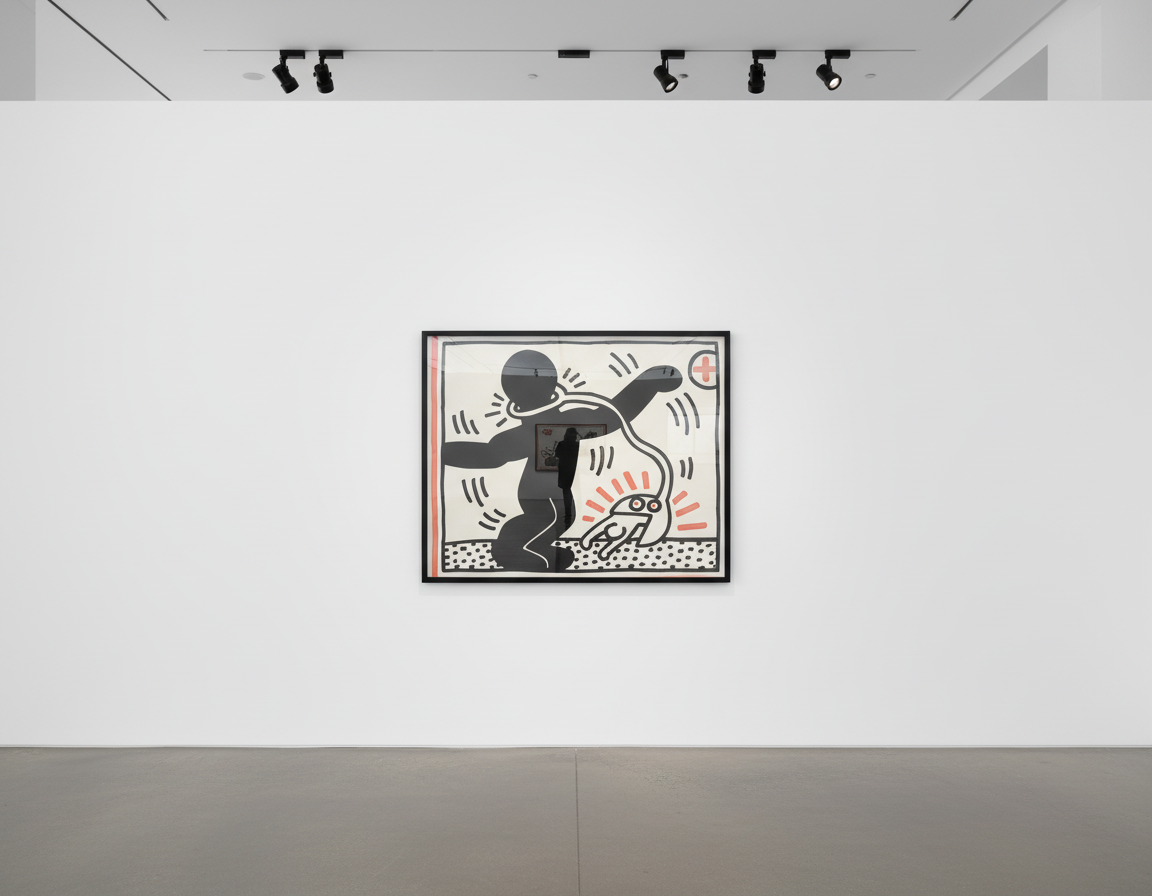
Untitled Free South Africa
4 works
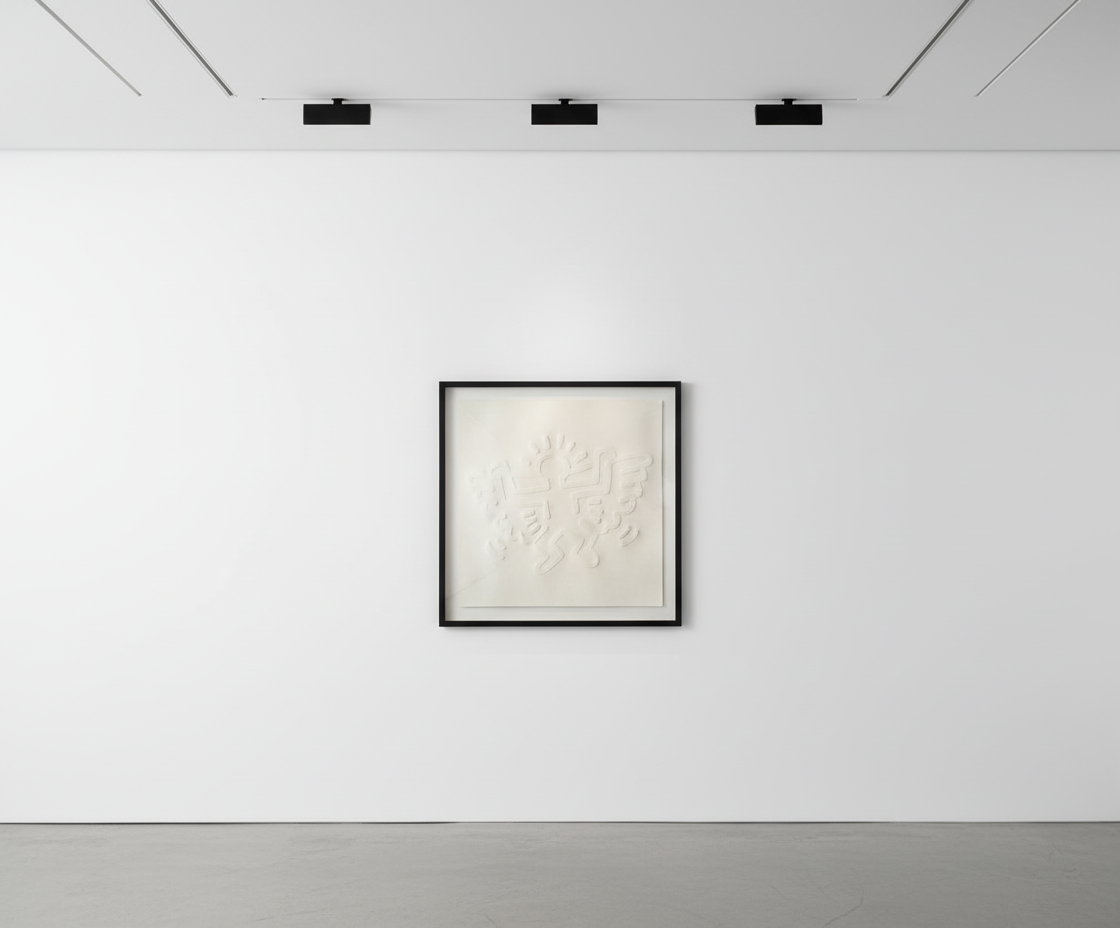
White Icons
6 works
Keith Haring art for sale at Guy Hepner spans the full range of his published editions and secondary market works. Our New York gallery at 177 Tenth Avenue specialises in authenticated Keith Haring prints for sale, Keith Haring paintings for sale, and unique works on paper — all sourced with documented provenance and catalogue raisonné references.
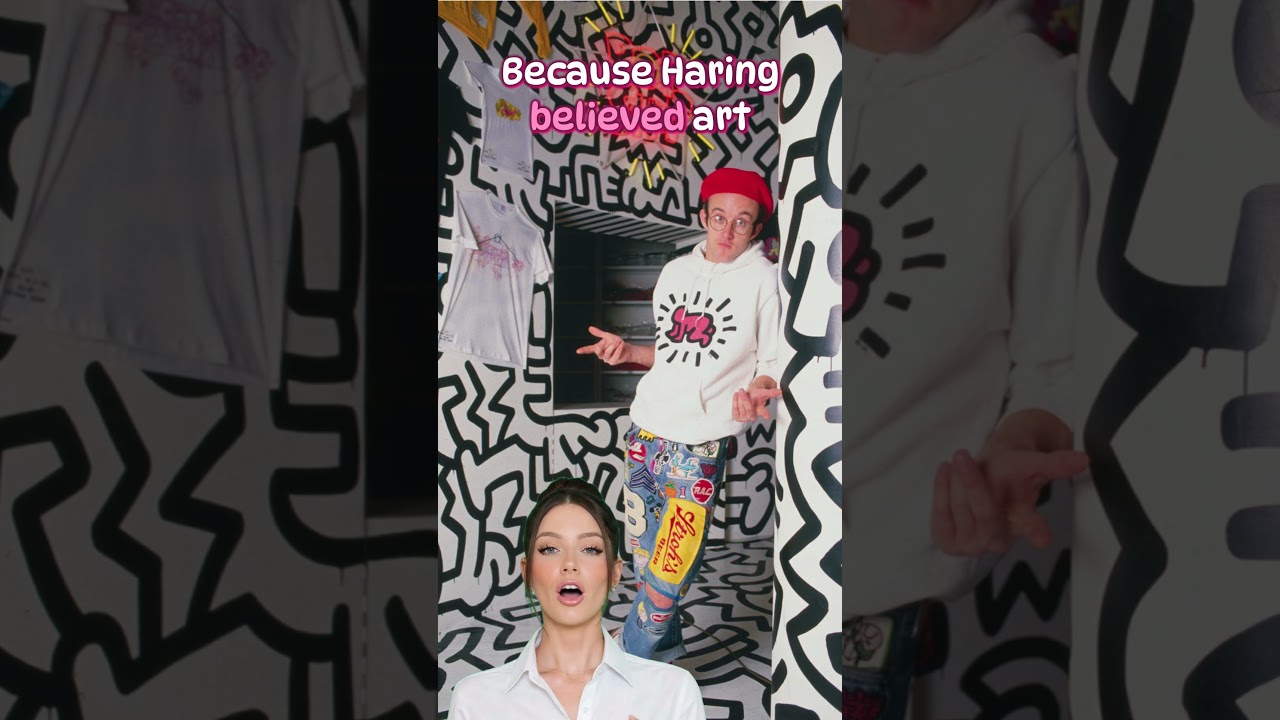
Born in Reading, Pennsylvania in 1958, Haring moved to New York to study at the School of Visual Arts and immediately immersed himself in the East Village's underground art and music scene. His practice began in the New York City subway: between 1980 and 1985 he filled hundreds of blank advertising panels with chalk drawings, creating a vast unauthorised public artwork that reached millions of commuters and brought him international attention. By 1982 he was exhibiting internationally alongside Basquiat and Warhol as a defining figure of the New York art world.
His 1986 Pop Shop in SoHo — selling affordable prints, T-shirts, and multiples — was a deliberate challenge to the exclusivity of the gallery system. Diagnosed with HIV/AIDS in 1988, he established the Keith Haring Foundation in 1989 and worked with extraordinary intensity until weeks before his death on 16 February 1990, aged thirty-one.
Keith Haring artwork prices span a wide range depending on medium, date, and rarity. Signed screenprints from identified editions — Lucky Strike, Andy Mouse, Pop Shop, Retrospect — are the most accessible entry points, typically ranging from the low five figures to the mid-six figures. Unique paintings and works from the early 1980s subway period achieve significantly higher prices, with major canvases regularly exceeding seven figures at Christie's, Sotheby's, and Phillips.
The Blue-chip Haring market is supported by strong institutional representation: MoMA, the Whitney, the Stedelijk, the Tate, and the Broad all hold significant Haring holdings — a foundation that sustains long-term collector confidence.
For collectors building a Haring position, signed and numbered prints from clearly documented series offer the best combination of authenticity confidence and market liquidity. The Keith Haring Foundation maintains comprehensive authentication records and is the authoritative resource for provenance inquiries.
Guy Hepner works with collectors at all levels — from first acquisitions to major collection builds. Contact our team to discuss current availability, edition specifics, and acquisition strategy.
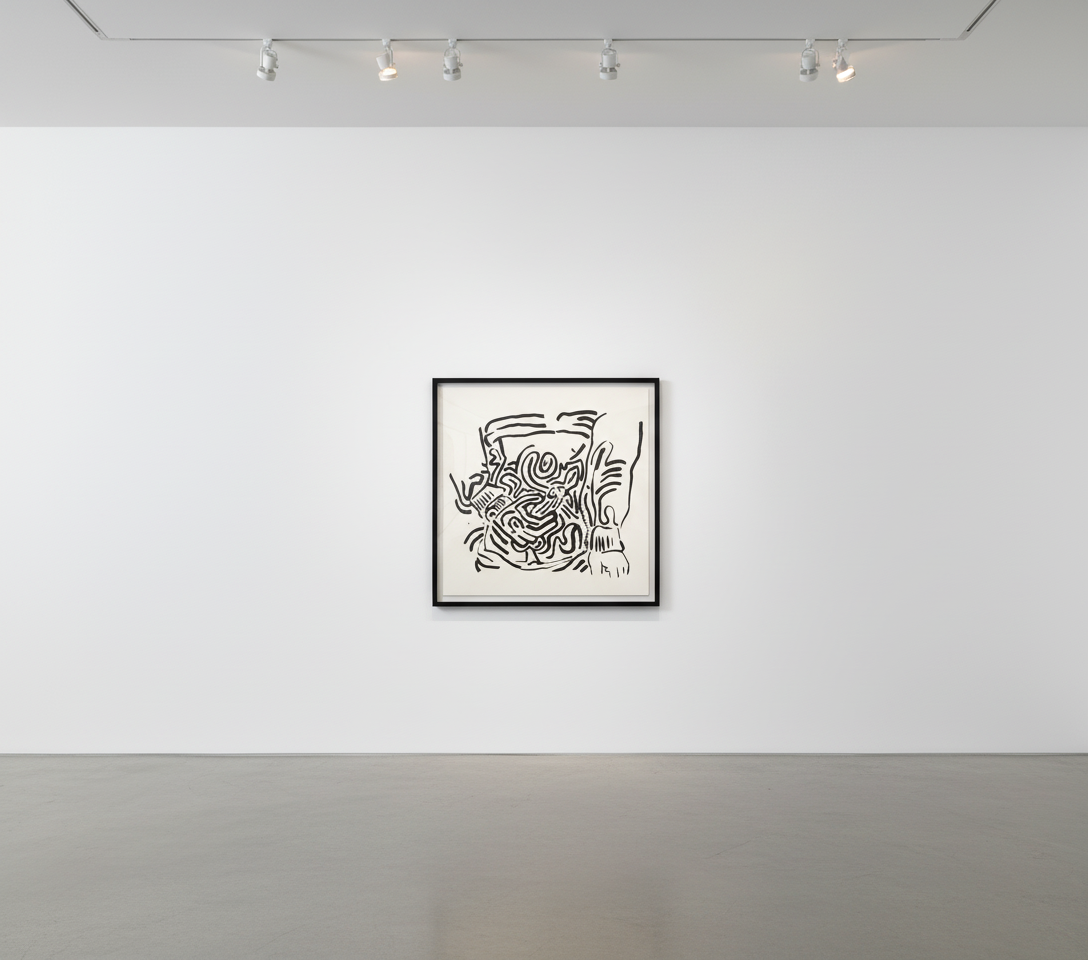
Keith Haring's prints are among the most important and most actively collected multiples in the history of American art. His engagement with printmaking — beginning with his subway chalk drawings and evolving through the Pop Shop editions, the major portfolio publications, and the foundation-authorised posthumous works — produced a body of graphic work that carries both extraordinary cultural weight and genuine formal complexity. For collectors, the print market offers access to the full range of his practice across a wide spectrum of price points and edition types.
Haring's major print portfolios — including the Icons series, the Pop Shop silkscreen editions, the political graphics, and the large-format works produced in collaboration with specialist publishers — are the most significant collecting opportunities within his print output. Each of these series has a well-documented edition history, with works individually signed and numbered by the artist during his lifetime, and accompanied by original certificates of authenticity. The Keith Haring Foundation serves as the primary resource for provenance research and authentication enquiries for works produced after his death in 1990.
The secondary market for Haring prints is deep and global, with established auction records across all major houses. For collectors building a position in his work, condition is a critical consideration: works on paper are vulnerable to light damage and should be stored or framed accordingly. Provenance documentation — particularly for works claimed to originate from the Pop Shop — should be verifiable against published edition records. Guy Hepner Gallery provides full provenance for every Haring edition we offer.