Blossoms
5 works

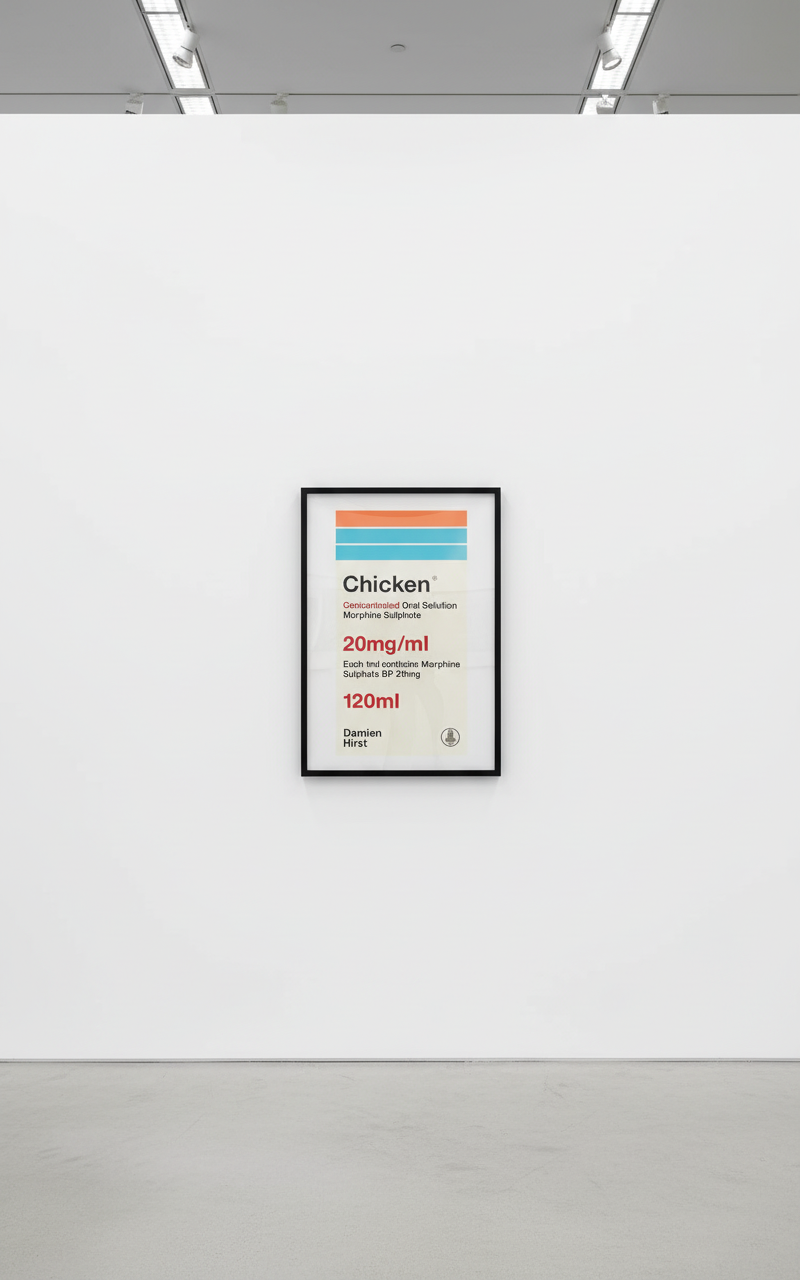
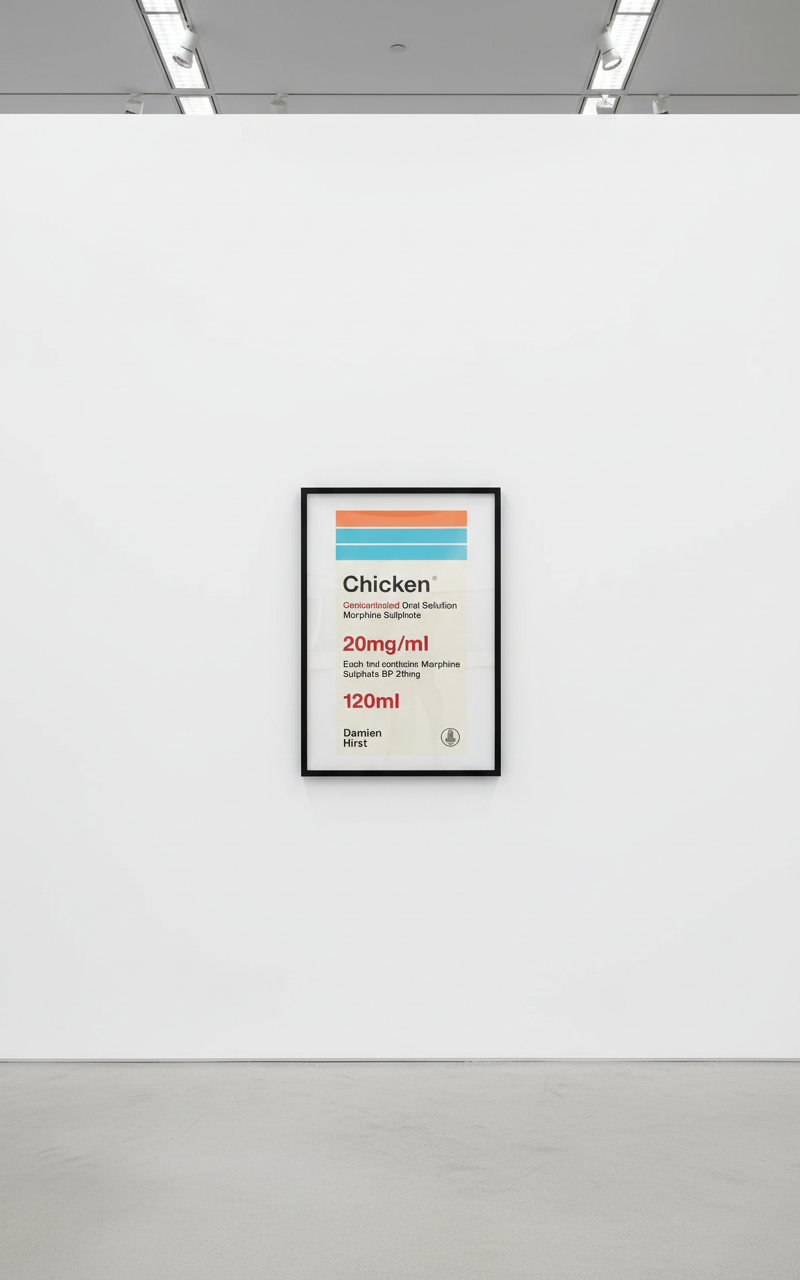
Chicken (From The Last Supper), 1999
Screen print Signed
60 x 40 in 152.4 x 101.6 cm
Edition of 150
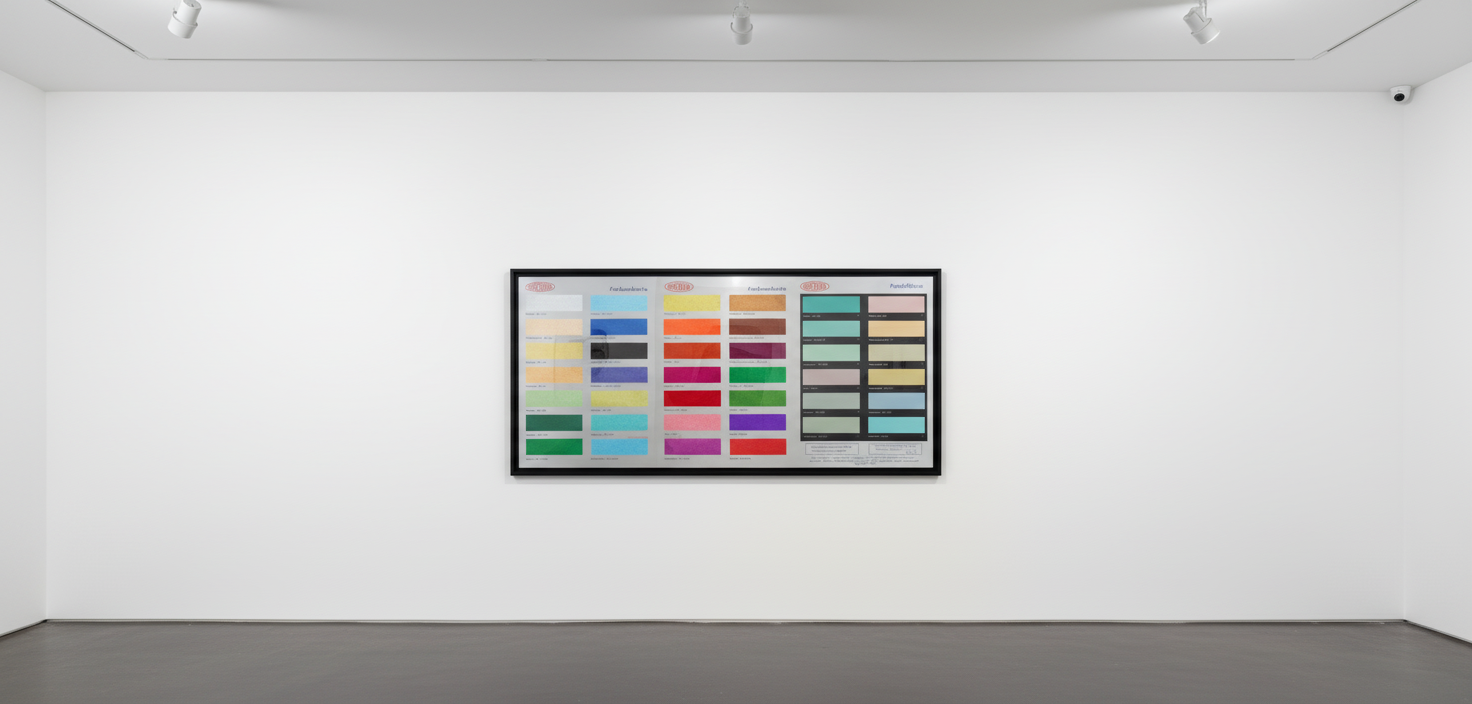
Damien Hirst's Chicken is a striking screen print from his renowned Last Supper series, created in 1999. This large-scale work measures 60 by 40 inches and showcases Hirst's characteristic appropriation of pharmaceutical packaging aesthetics. The print reimagines the visual language of commercial medicine, transforming everyday drug branding into bold contemporary art. The vibrant colors and clinical typography create a powerful commentary on consumer culture and society's relationship with pharmaceuticals. This signed edition demonstrates Hirst's masterful command of printmaking techniques and his ability to elevate mass-produced imagery into thought-provoking fine art. As one of the most influential British artists of his generation, Hirst's works from The Last Supper series remain highly collectible and continue to appreciate in value. This piece represents a significant moment in his career when he was exploring themes of mortality, faith, and modern medicine. The screen print format makes this an accessible entry point for collectors interested in acquiring work by this YBA icon whose pieces are held in major international museum collections. Available for purchase — enquire for price and availability.
Price on Application
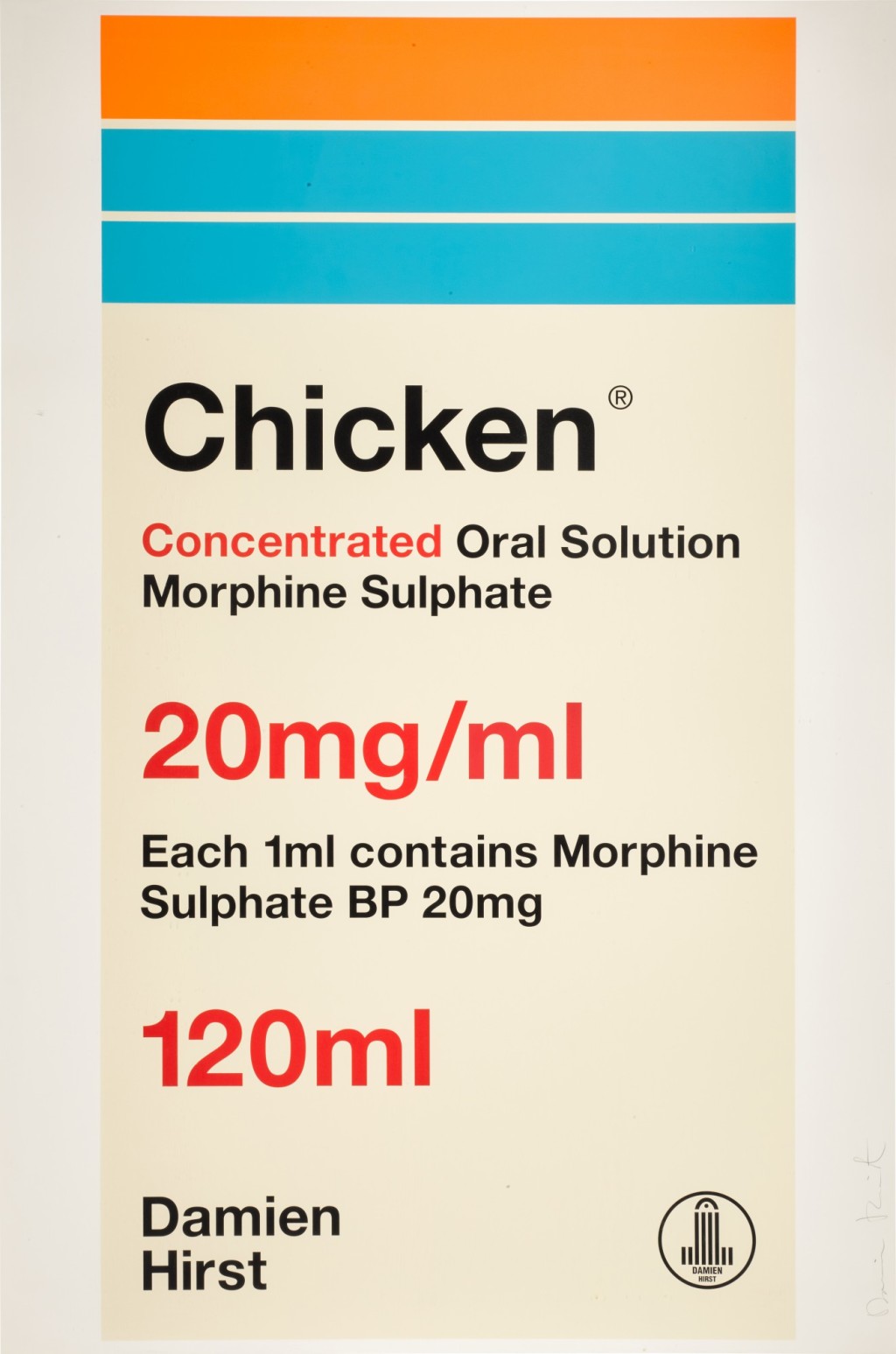
Chicken · Damien Hirst · Sotheby's · 2021-09 · $10,454
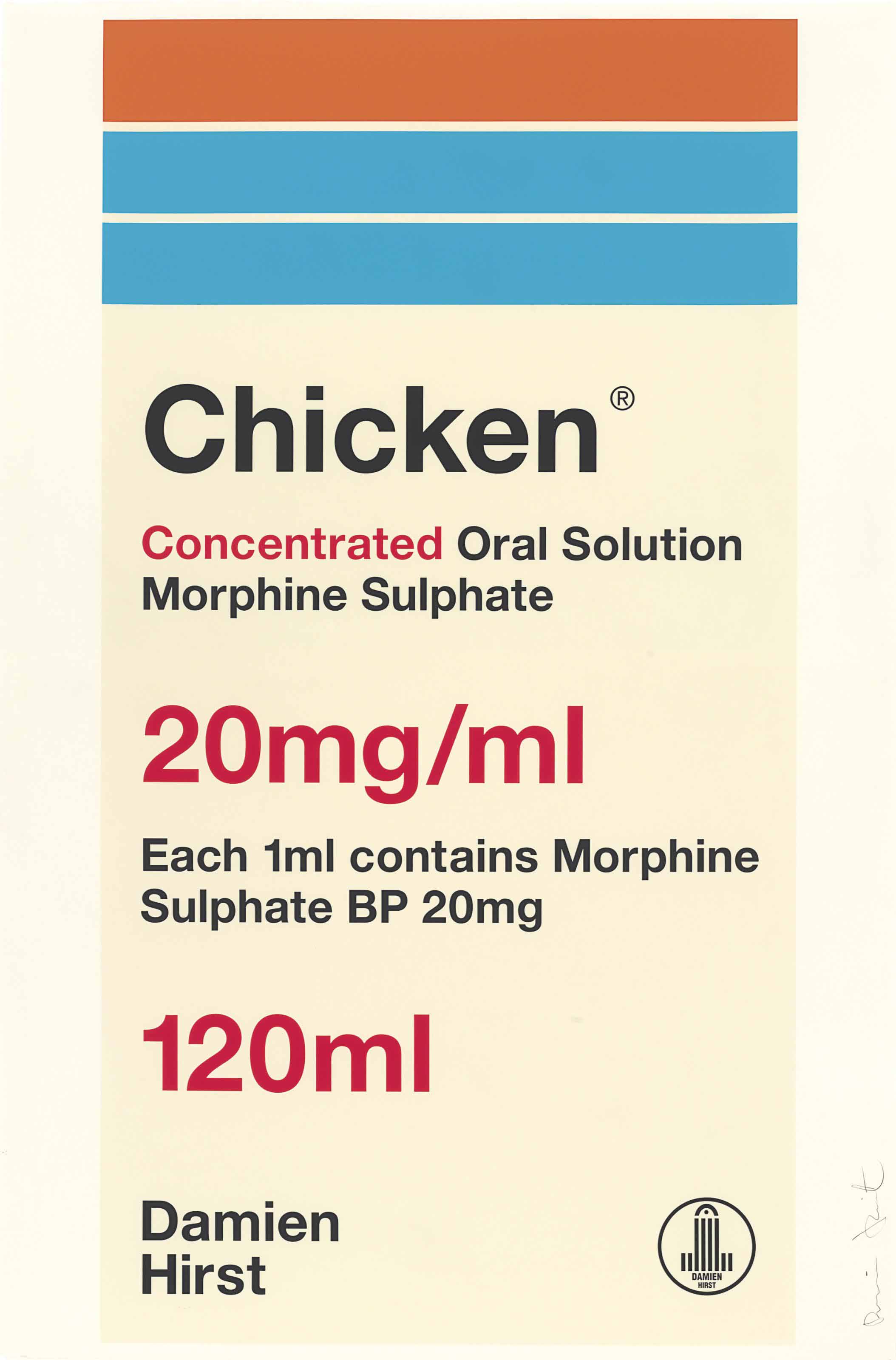
Chicken, from The Last Supper · Damien Hirst · Christie's · 2016-03 · $3,500
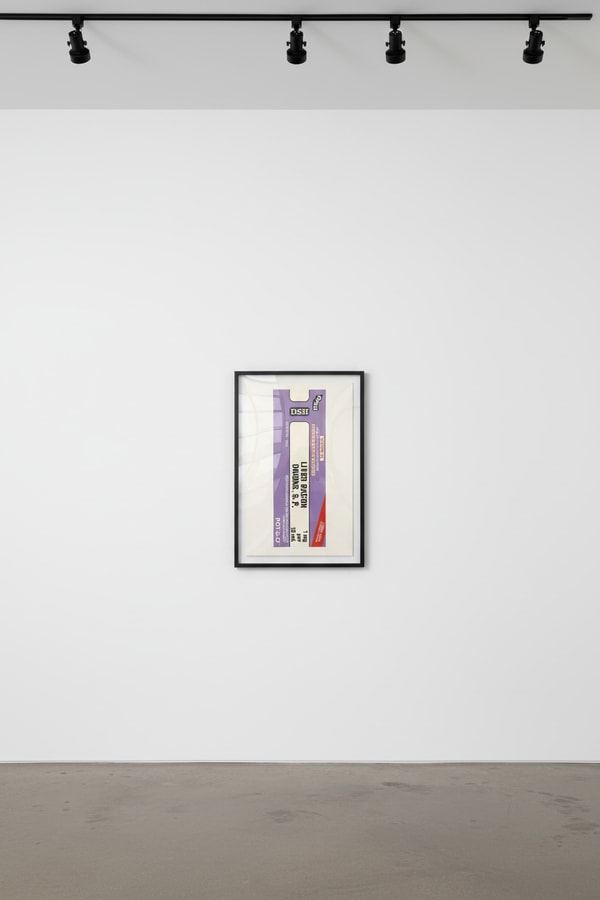
Damien Hirst
Bacon, Liver and Onions, from The Last Supper
1999
Damien Hirst
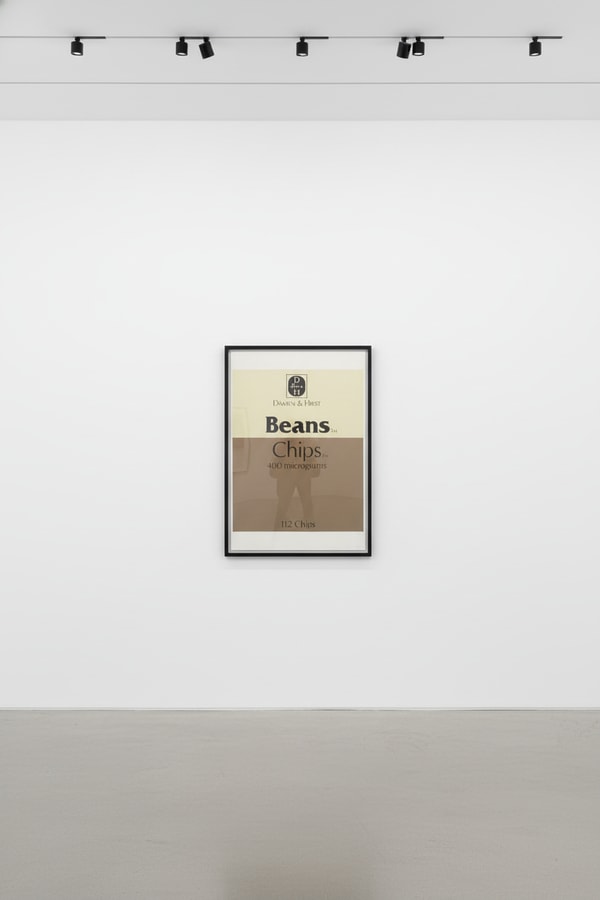
Beans and Chips, from The Last Supper
1999
Damien Hirst
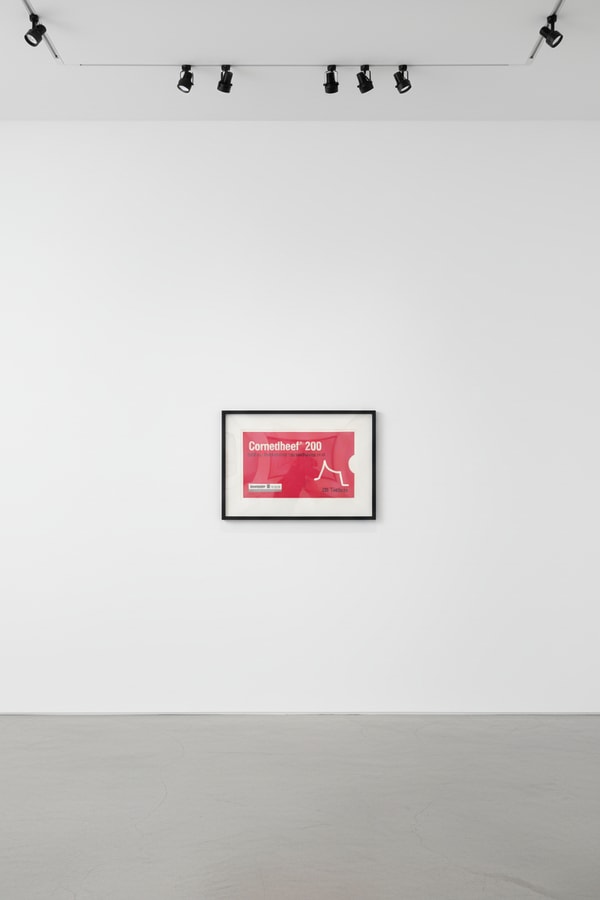
Corned Beef (from The Last Supper)
1999
Damien Hirst
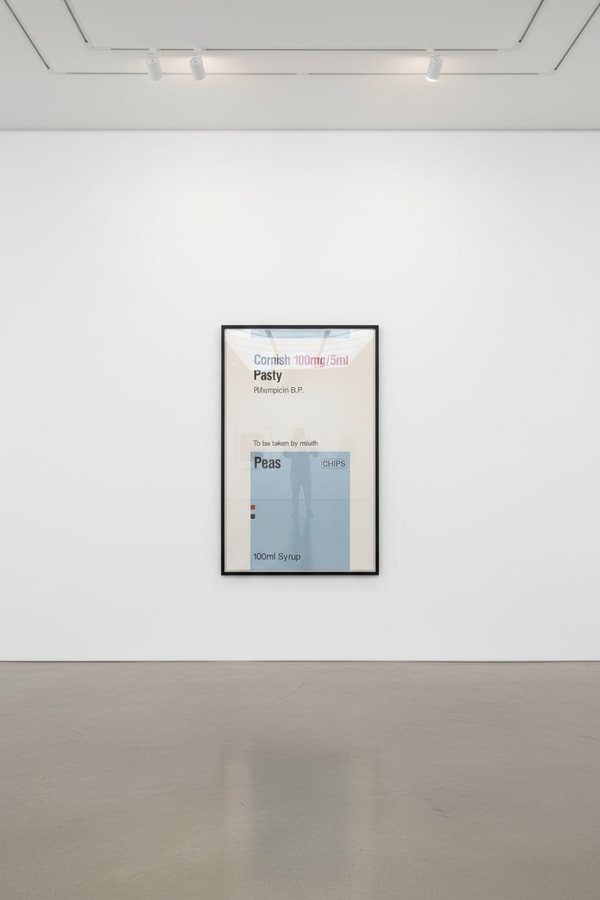
Cornish Pasty (from The Last Supper)
1999
Damien Hirst
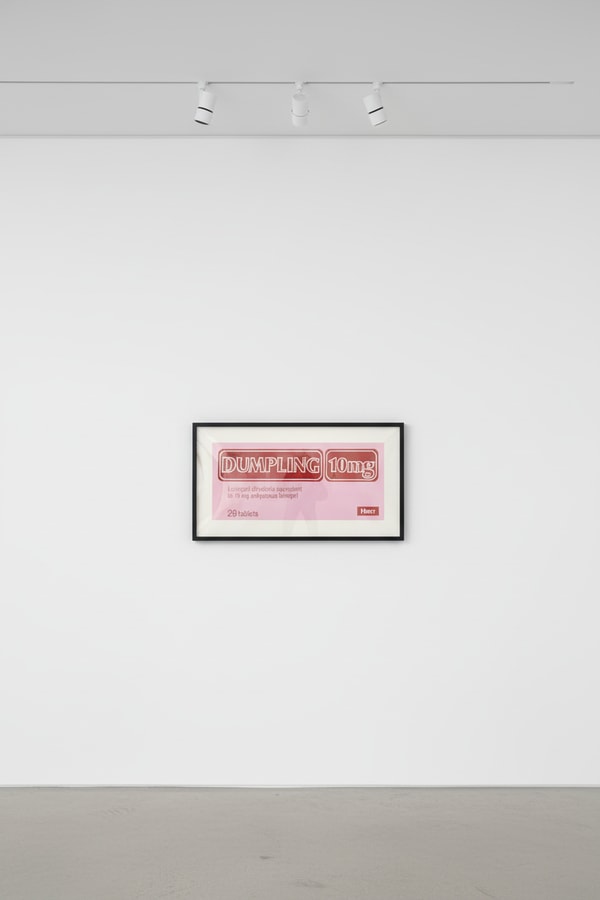
Dumpling (from The Last Supper)
1999
Damien Hirst
Meatballs (from The Last Supper)
1999
Damien Hirst
Mushroom, from The Last Supper
1999
Damien Hirst
Omelette (from The Last Supper)
1999
Damien Hirst
Salad (from The Last Supper)
1999
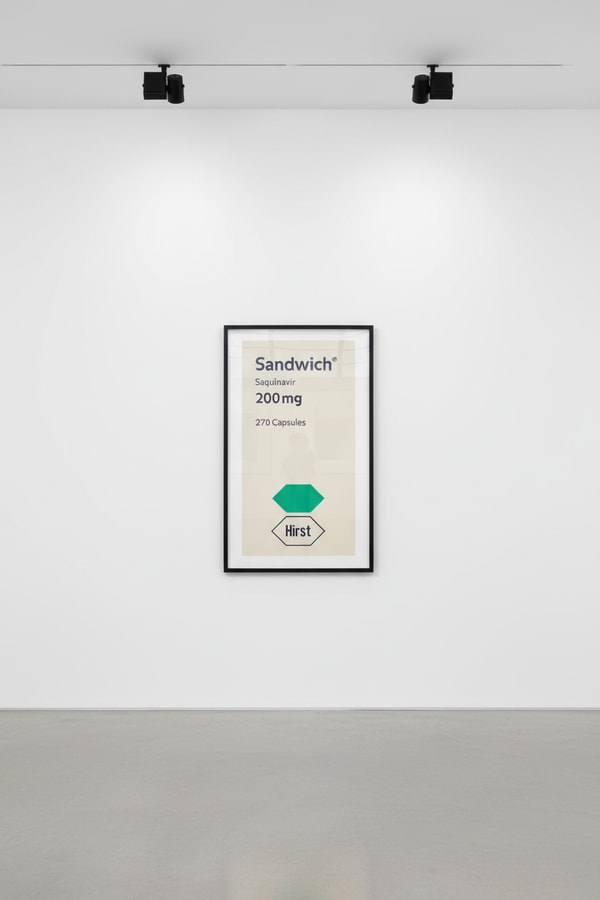
Damien Hirst
Sandwich (from The Last Supper)
1999
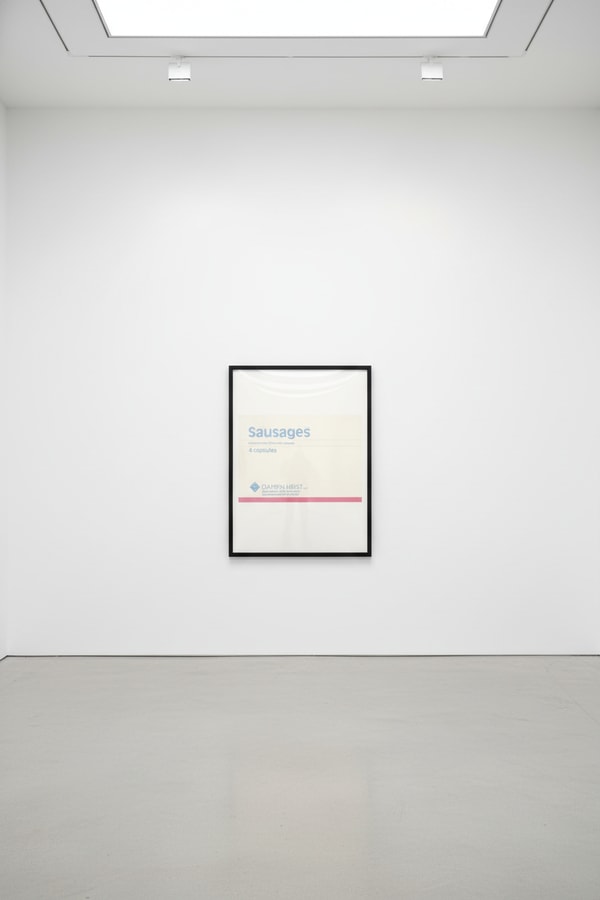
Damien Hirst
Sausages, from The Last Supper
1999
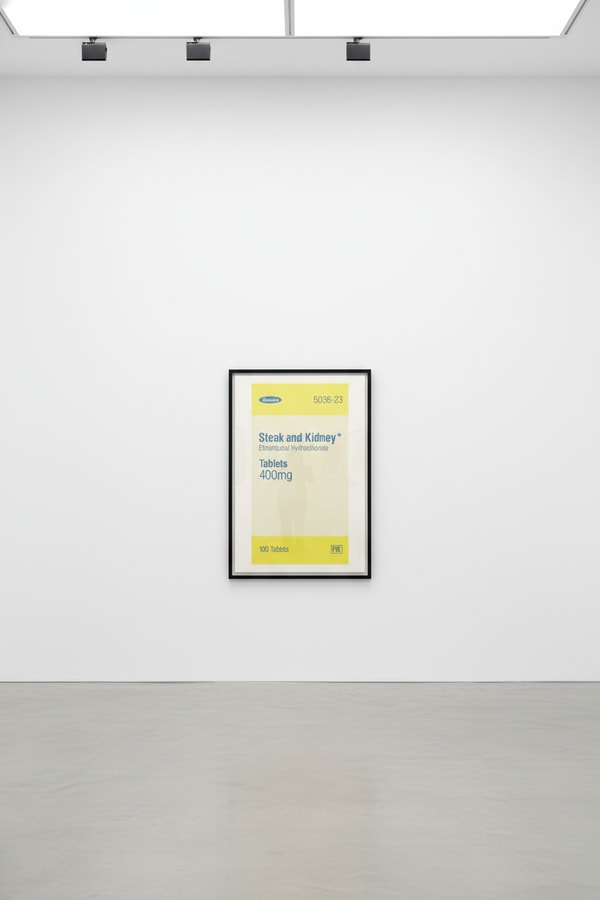
Damien Hirst
Steak and Kidney (from The Last Supper)
1999
Damien Hirst
The Last Supper Portfolio
1999
Damien Hirst Editions: A Complete Collector's Guide
Damien Hirst
Damien Hirst
Damien Hirst Kaleidoscopes
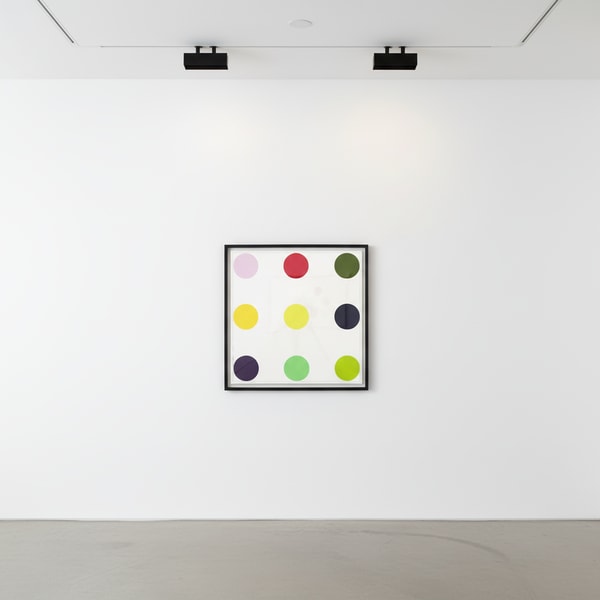
Damien Hirst Master of Form
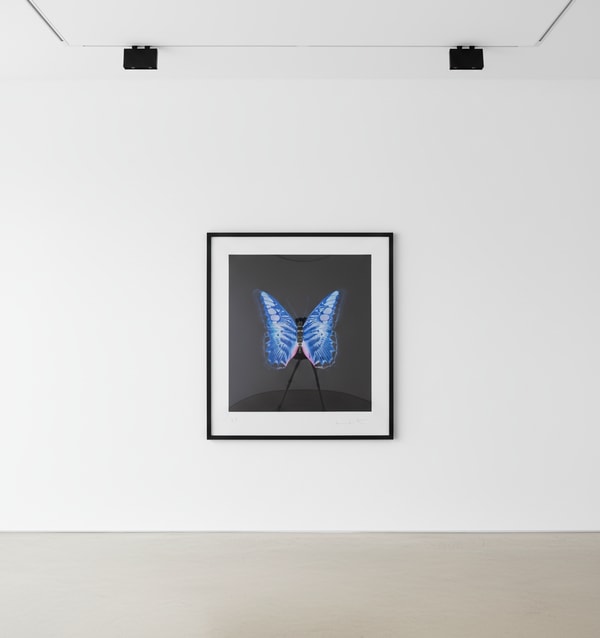
Guy Hepner New York Gallery
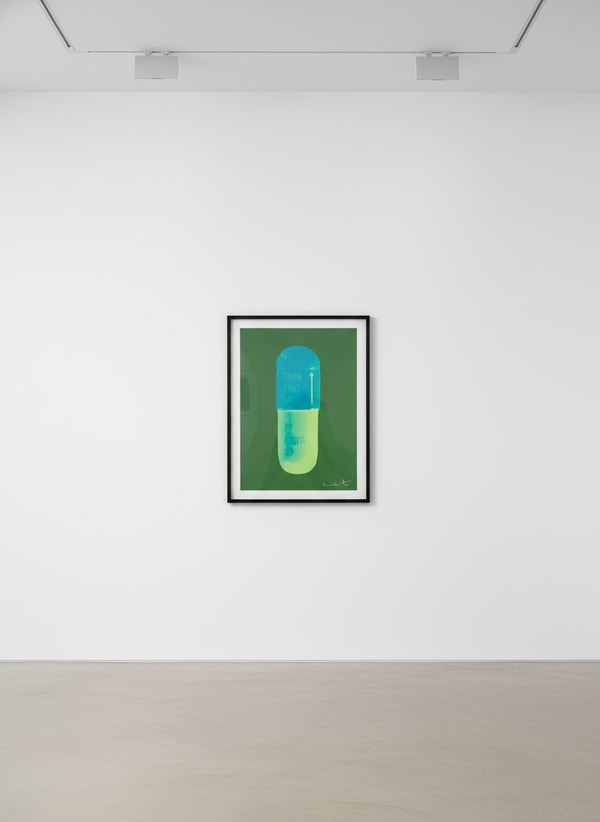
Damien Hirst: Spots
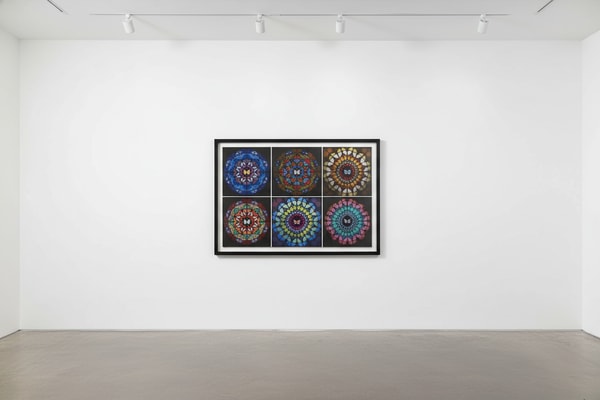
The 5 Most Popular Damien Hirst Works
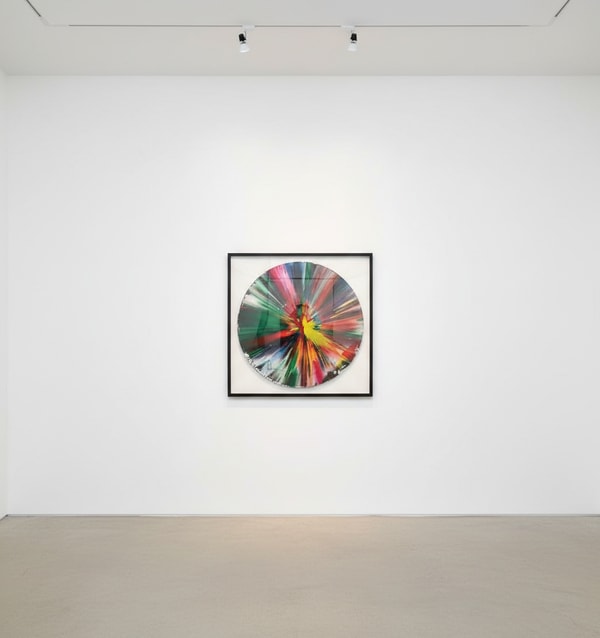
The Origins and Meaning of Damien Hirst’s Spin Paintings
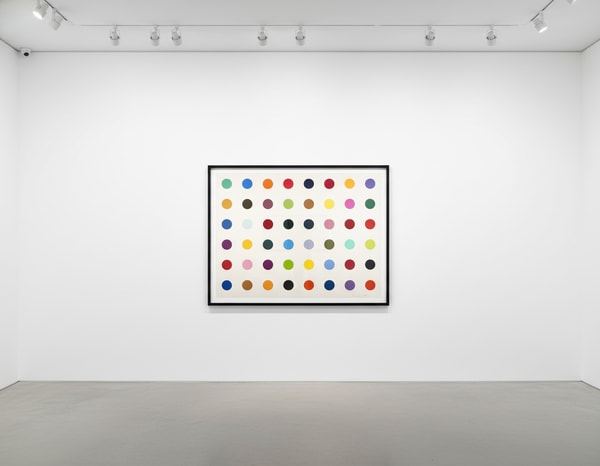
Damien Hirst Collecting Guide
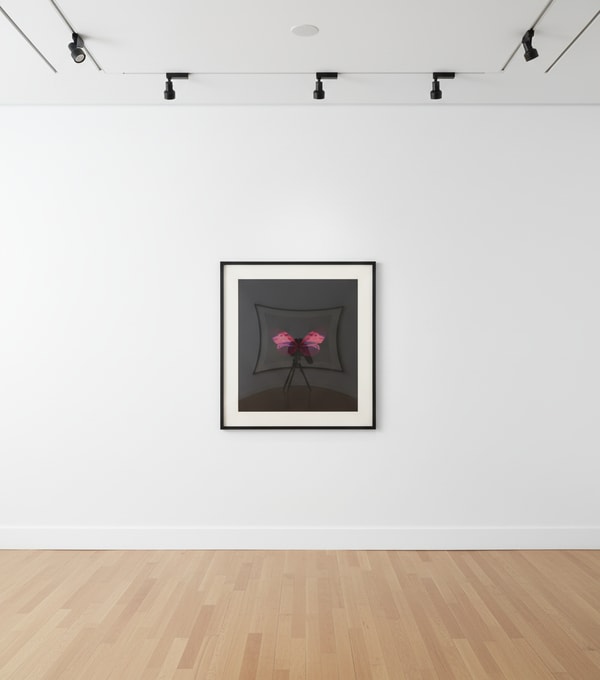
Hirst and Lichtenstein

Spring’s Awakening
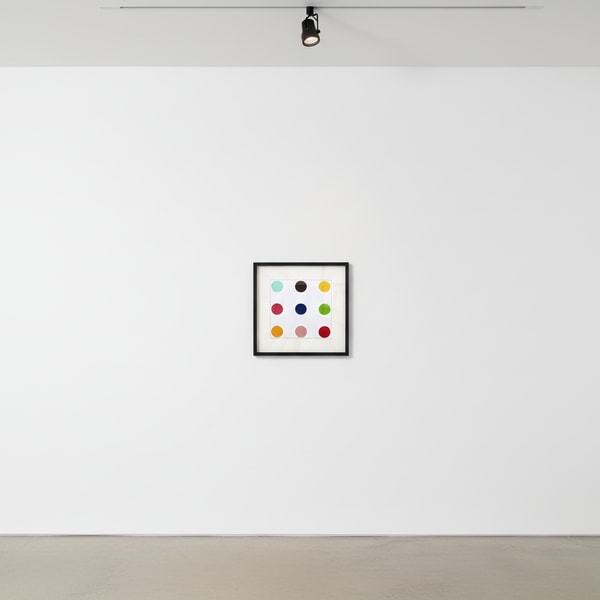
Damien Hirst Market Report 2025
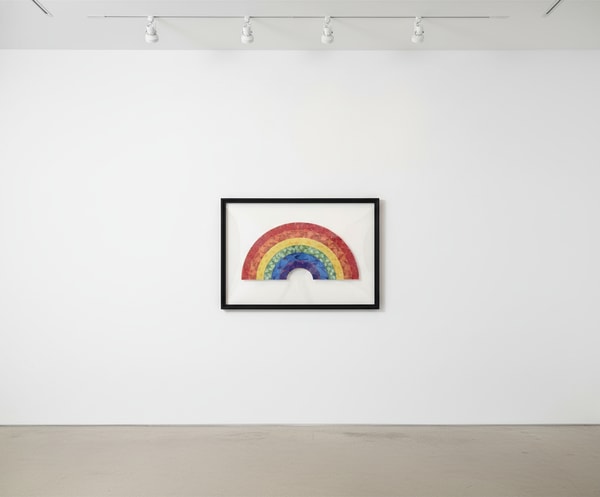
Damien Hirst
Guy Hepner, New York, presents The Last Supper (1999), one of Damien Hirst's most intellectually rigorous print series and a foundational work within the artist's broader pharmaceutical iconography. As a leading authority in Hirst's secondary market ---
Damien Hirst remains the defining figure of the Young British Artists movement and among the most consequential artists of the contemporary era. His market-making "Beautiful Inside My Head Forever" single-artist auction at Sotheby's in September 2008 achieved a staggering $198 million total, executed at the precise moment of global financial crisis—a testament to collector confidence in Hirst's enduring significance.
The Last Supper series, with its fusion of accessible pricing and conceptual depth, represents a compelling entry point for collectors seeking museum-quality engagement with Hirst's pharmaceutical investigations at scale-appropriate valuations. The series has demonstrated sustained institutional interest and collector demand, with authenticated works commanding consistent attention at major auction houses including Christie's, Sotheby's, Phillips, and Bonhams.
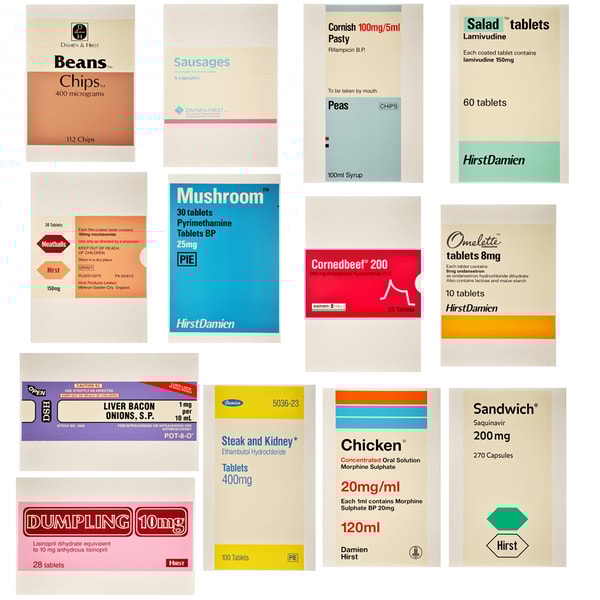
The Last Supper series comprises thirteen large-scale screen prints, each appropriating the clinical visual language of pharmaceutical packaging while substituting prescription drug names with common British comfort foods. This linguistic displacement—replacing medications with nourishment—generates profound meditation on Western society's complex relationship with healing, consumption, and mortality.
Created in 1999, the series emerged during a pivotal period in Hirst's practice, following his iconic medicine cabinet sculptures and spot paintings but preceding the more elaborate pharmaceutical installations of the 2000s. The title's biblical reference introduces additional layers of meaning: the communal meal as sacred ritual, food as spiritual sustenance, and the implicit suggestion that modern pharmaceuticals have assumed quasi-religious significance in contemporary life.
Hirst's appropriation of pharmaceutical aesthetics carries deliberate provocation. The clinical typography, standardized layouts, and institutional color palettes borrowed from actual drug packaging create immediate recognition while subverting expectations. When viewers encounter "Dumpling" or "Corned Beef" rendered with the visual authority of prescription medication, the familiar becomes strange, and fundamental questions emerge regarding society's faith in chemical intervention versus natural remedy.
Each work in The Last Supper series was executed as a screen print in 1999, demonstrating Hirst's commitment to precision reproduction and his understanding of print media's capacity for conceptual rigor. The screen print medium—with its associations to commercial printing, pharmaceutical packaging, and Pop Art precedent—reinforces the series' engagement with mass production and consumer culture.
The technical execution reflects Hirst's exacting standards. Color registration, typographic clarity, and material quality meet the institutional standards expected of works entering major collections. All works are authenticated through Science Ltd, the artist's studio and authentication body established specifically to maintain scholarly documentation of Hirst's extensive output. White Cube provides primary market representation, while secondary market transactions through established dealers like Guy Hepner ensure provenance continuity and professional handling.
Dumpling (from The Last Supper) (1999) This screen print exemplifies the series' conceptual methodology, transforming humble comfort food into pharmaceutical product with clinical precision.
Corned Beef (from The Last Supper) (1999) Among the most visually arresting works in the series, presenting traditional British provisions through medical packaging conventions.
Beans and Chips (from The Last Supper) (1999) A particularly resonant pairing that evokes working-class British cuisine while maintaining the sterile presentation of prescription medication.
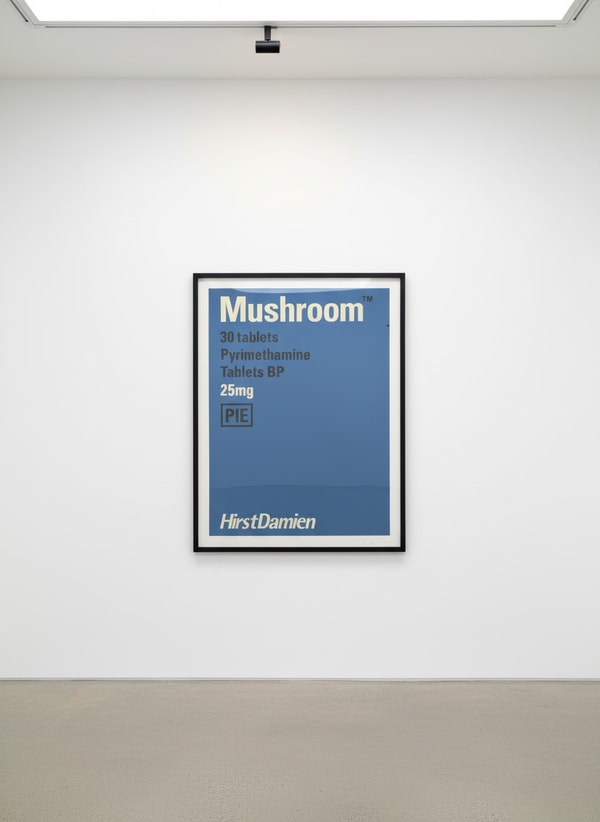
Mushroom, from The Last Supper (1999) This work introduces subtle complexity through the mushroom's dual associations with nourishment and toxicity—an apt metaphor for pharmaceutical intervention.
Sausages, from The Last Supper (1999) Demonstrates the series' capacity for dry humor while maintaining serious conceptual inquiry.
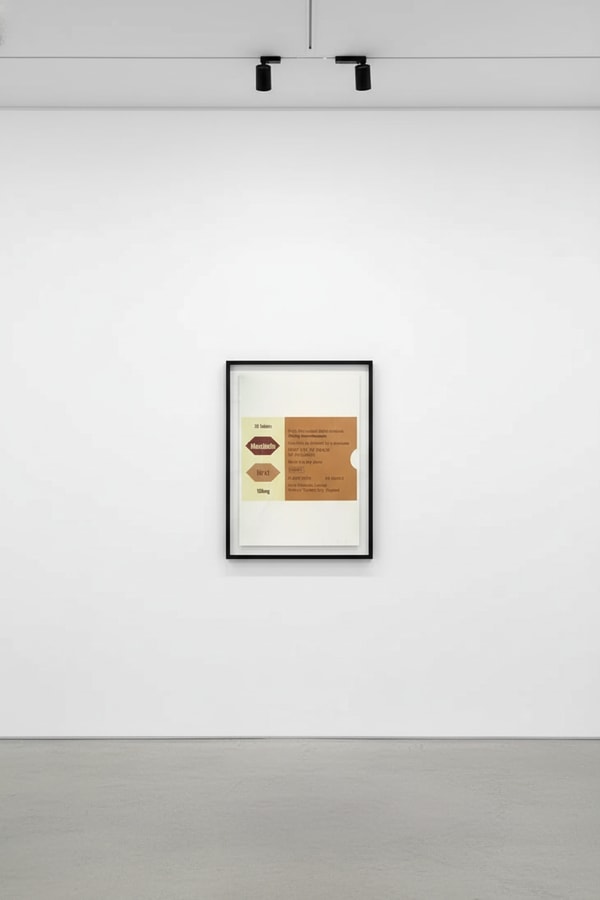
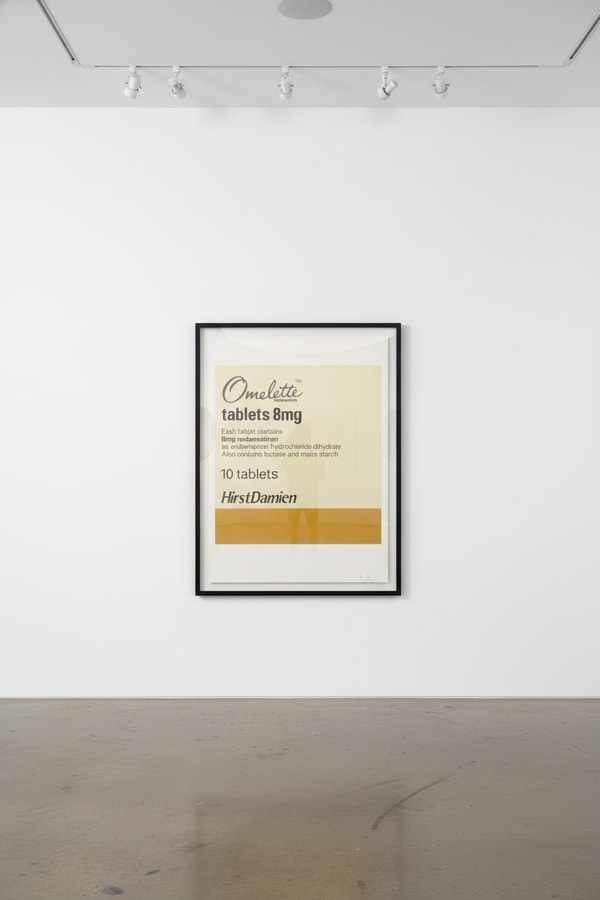
Omelette (from The Last Supper) (1999) Meatballs (from The Last Supper) (1999) Sandwich (from The Last Supper) (1999) Each contributes to the series' comprehensive examination of sustenance, medication, and cultural consumption patterns.
Damien Hirst emerged as a defining figure of the Young British Artists movement in the late 1980s, building a body of work across painting, sculpture, and printmaking united by a sustained conceptual interest in mortality, science, medicine, and belief systems. His prints and editions extend the visual language developed across his sculptural and painted work — repetition, colour systems, and the tension between clinical precision and organic subject matter — into widely accessible reproducible form.
Hirst's work is held in the permanent collections of major museums worldwide, and his 2008 "Beautiful Inside My Head Forever" single-artist auction at Sotheby's, which bypassed the traditional gallery system entirely, remains one of the most widely discussed events in the recent history of the contemporary art market.
Damien Hirst prints for sale at Guy Hepner include works from the Spot Paintings, Butterfly editions, Beautiful prints, and Pharmaceutical series. Damien Hirst art for sale and Damien Hirst original art for sale through our New York gallery are sourced from authenticated secondary market collections. We also advise collectors looking to sell Damien Hirst prints — free valuations available.
Damien Hirst is the defining figure of the Young British Artists movement and one of the most collected living artists in the world. His work spans Natural History sculptures, Spot Paintings, Butterfly Works, Spin Paintings, and pharmaceutical installations ? series that have set auction benchmarks at Sotheby's, Christie's, and Phillips across four decades. Collections at Tate Modern, MoMA, and the Guggenheim confirm his standing as one of the essential artists of his generation.
His single-artist auction "Beautiful Inside My Head Forever" generated $198 million at Sotheby's in 2008, a record that remains one of the most significant events in the contemporary art market. Major works including the Lullaby series of medicine cabinets and the Natural History formaldehyde sculptures have each achieved prices above $10 million, while his Spot Paintings and print editions sustain deep, global secondary market activity across all price points.
Guy Hepner Gallery has deep expertise across Damien Hirst's print editions, Spot Paintings, and Butterfly Works, offering acquisition guidance, market valuations, and direct access to available works. Whether you are building a collection or looking to sell, the gallery provides trusted, confidential support for one of the most actively traded names in contemporary art.