
Andy Warhol: The Icons
Marilyn, Flowers, Campbell's Soup
About This Collection
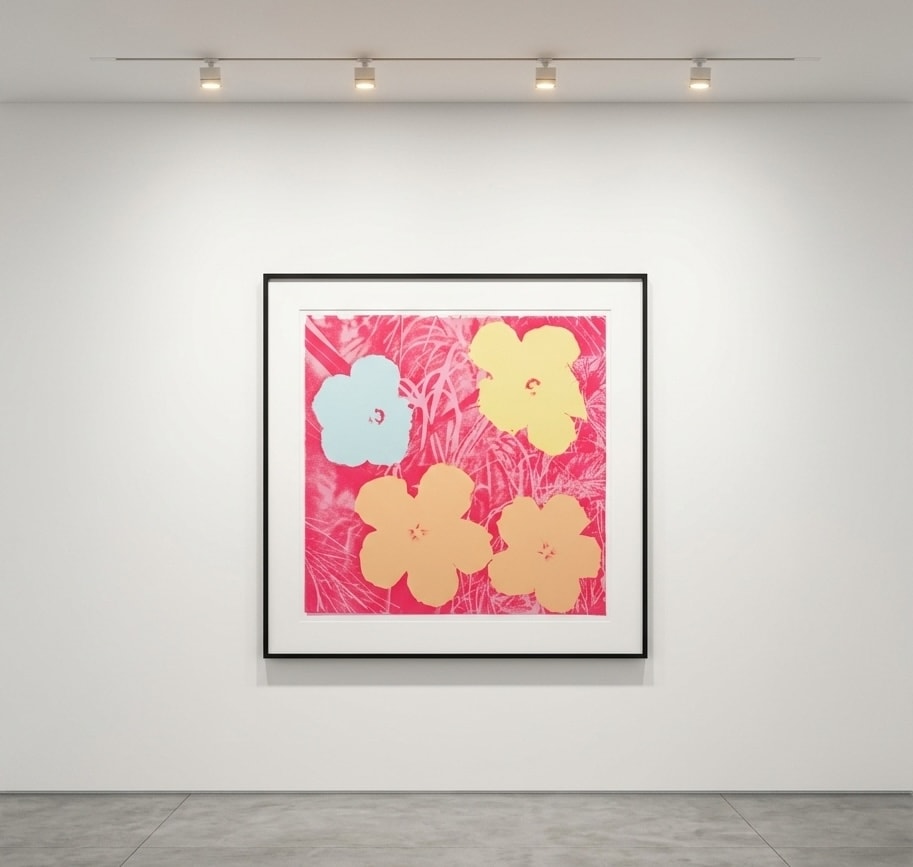
Few artists distilled the language of celebrity and consumer culture as incisively as Andy Warhol, and nowhere is this more evident than in his iconic Flowers and Marilyn works. First created in 1964, Flowers marks a pivotal moment in Warhol’s practice, translating a hibiscus photograph into a flattened, repeating image that oscillates between beauty and artificiality. The compositions are deceptively simple—vivid, almost decorative blooms set against stark, often darkened grounds—yet they carry an undercurrent of fragility and transience. Warhol’s use of silkscreen allows for subtle imperfections and variations, reinforcing the tension between mechanical reproduction and the fleeting nature of life itself. In contrast, Warhol’s Marilyn series, first produced in 1967 following the death of Marilyn Monroe, confronts the construction and consumption of celebrity head-on. Cropped tightly around Monroe’s face and rendered in electrifying, unnatural color palettes, the portraits transform a singular individual into an endlessly reproducible icon. Each iteration shifts in tone—at times luminous and seductive, at others ghostly and dissonant—mirroring the duality of fame as both glorifying and eroding. Together, Flowers and Marilyn encapsulate Warhol’s enduring preoccupation with repetition, surface, and the uneasy boundary between image and identity, solidifying his position at the forefront of post-war art.
Works in This Room
Andy Warhol
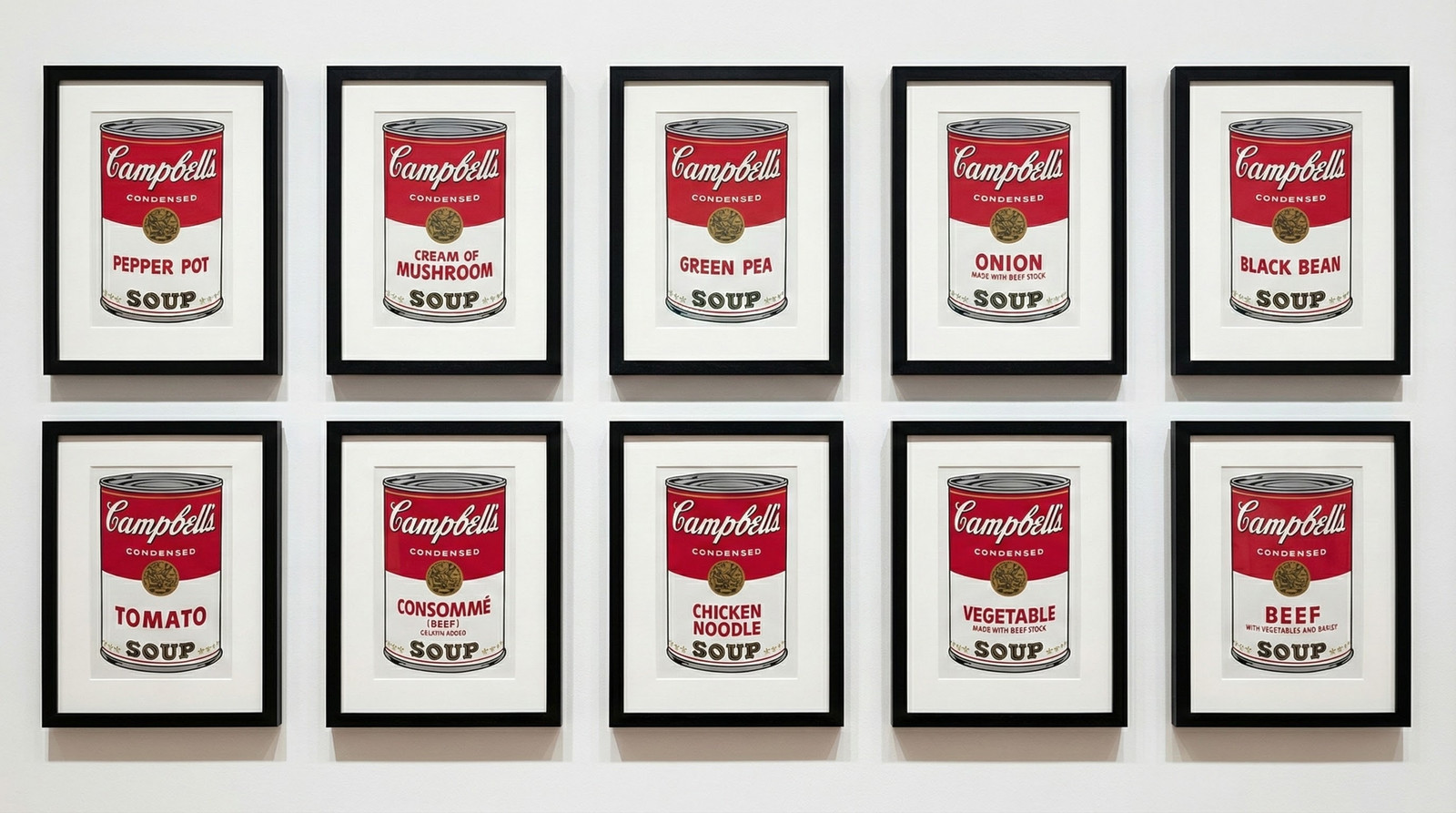
Campbell's Soup I F.S. II 44 - 53 (Complete Portfolio), 1968
The complete portfolio of 10 screen prints on paper
Andy Warhol
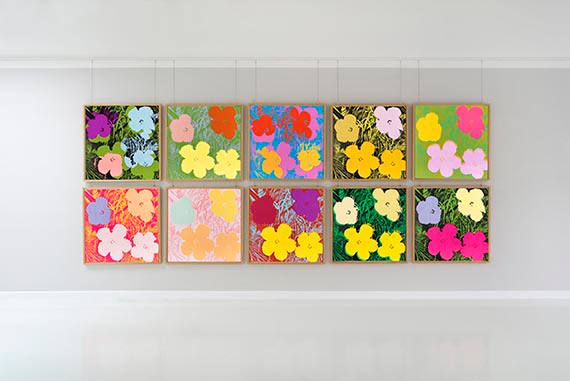
Flowers Complete Portfolio (FS II.64-73), 1970
Portfolio of 10 screen prints
Andy Warhol
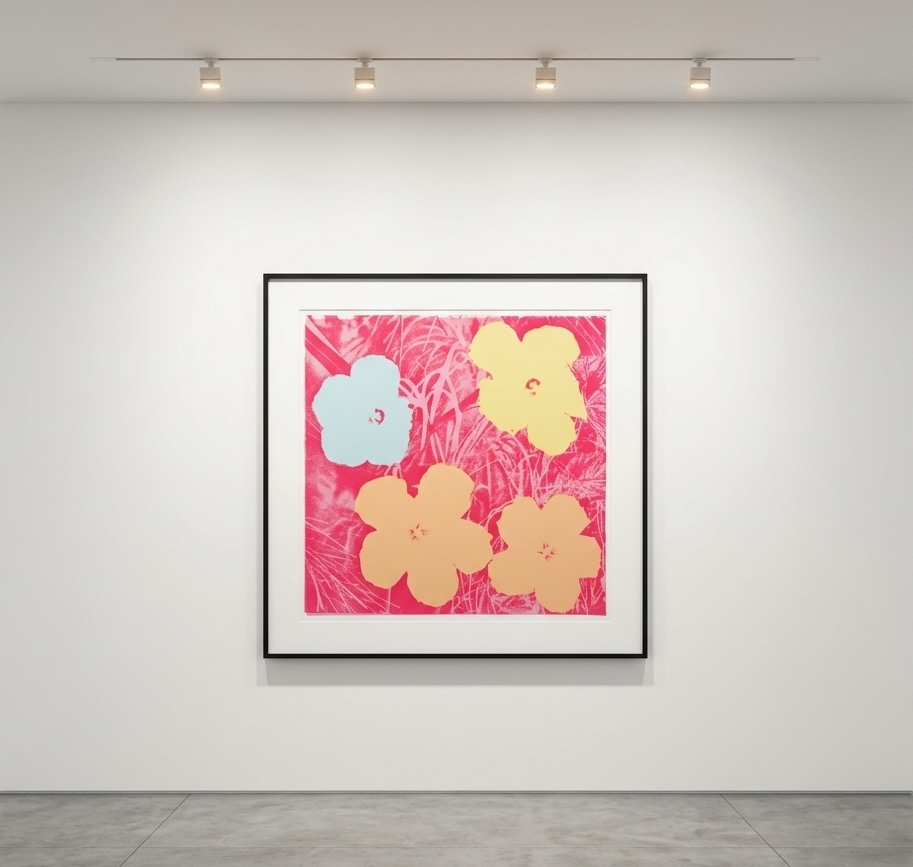
Flower Trial Proof, 1970
Screen print
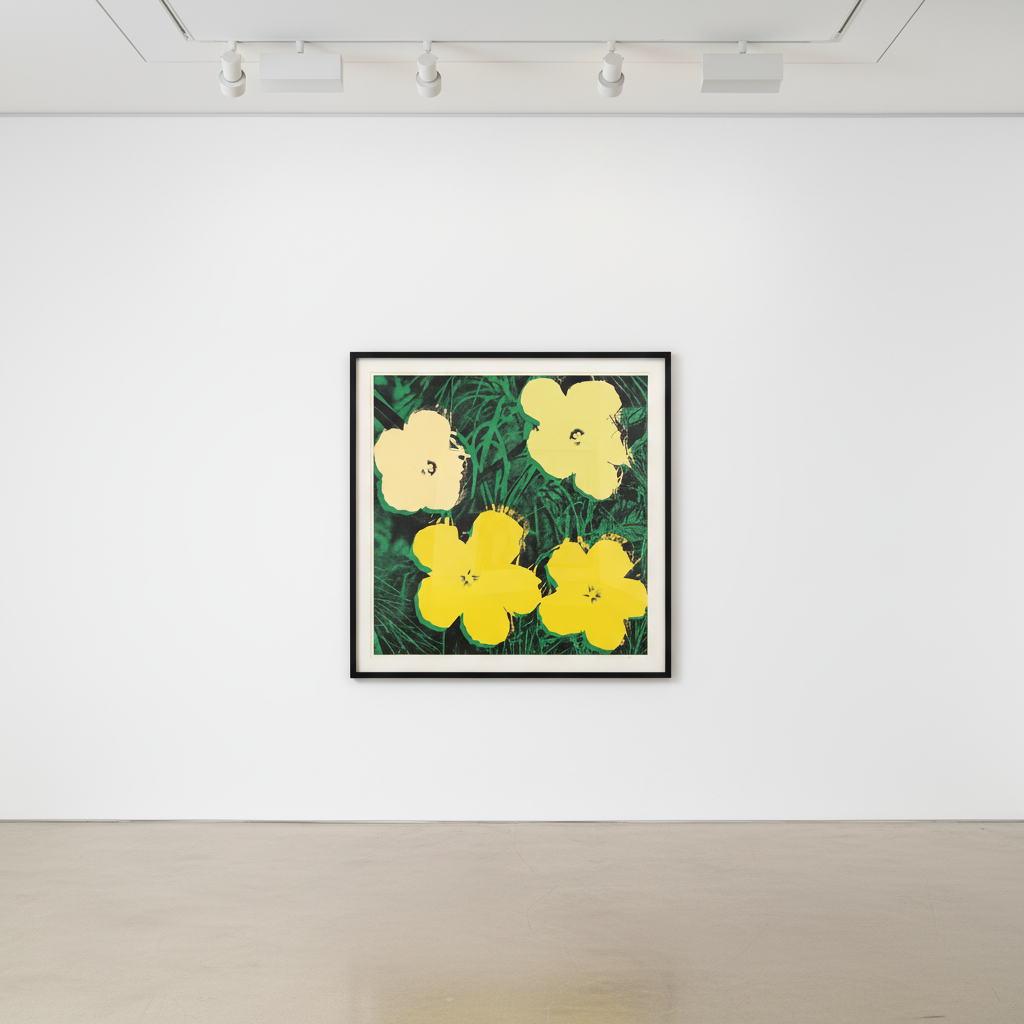
Andy Warhol
Flowers F.S. II 72, 1970
Screen print
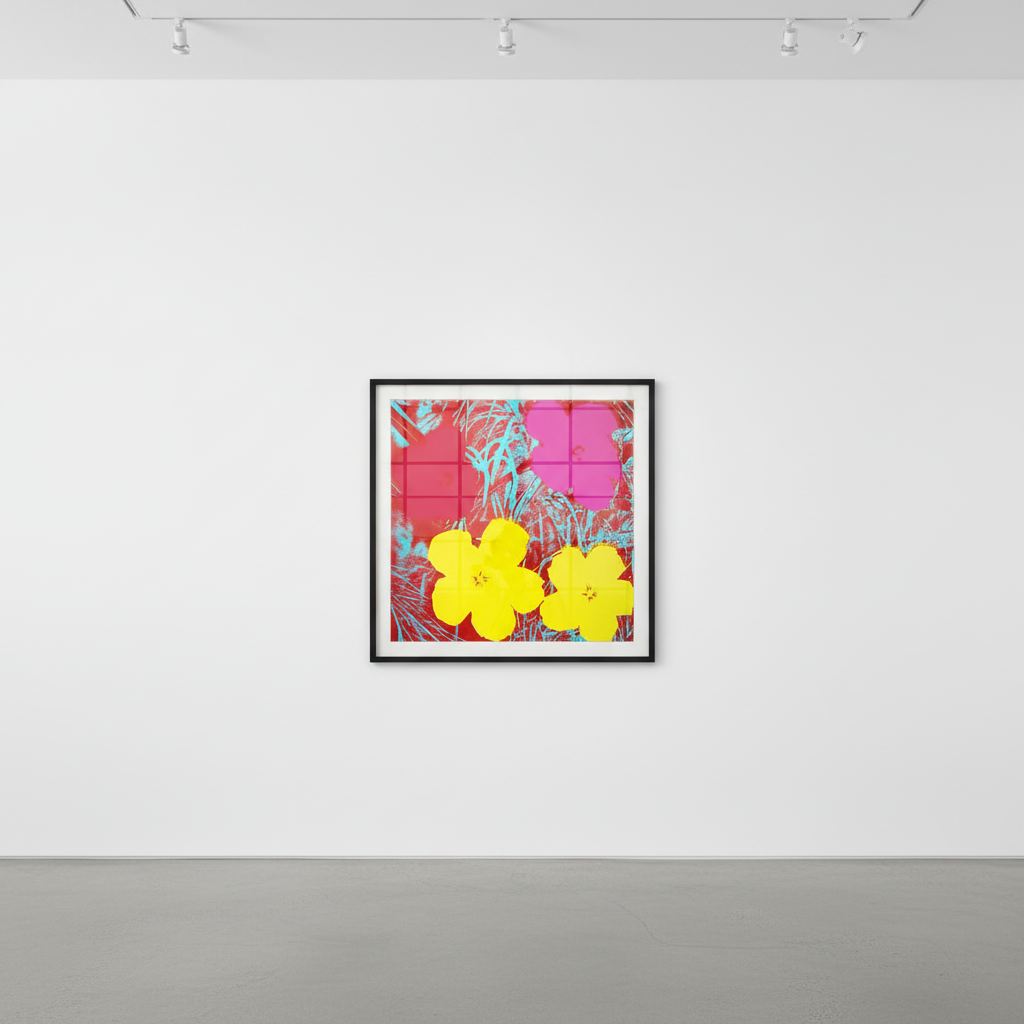
Andy Warhol
Flowers F.S. II 71, 1970
Screen print
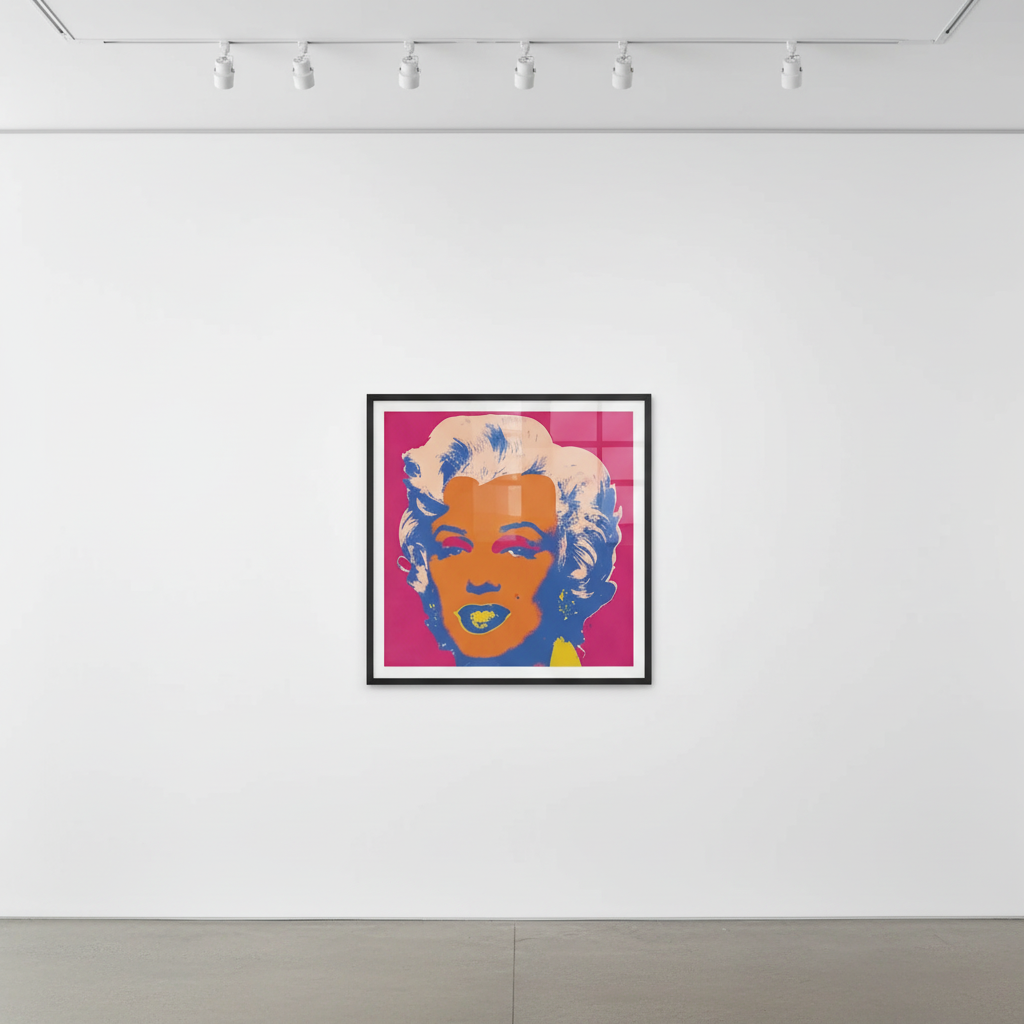
Andy Warhol
Marilyn Monroe F.S. II 22, 1967
Screen print
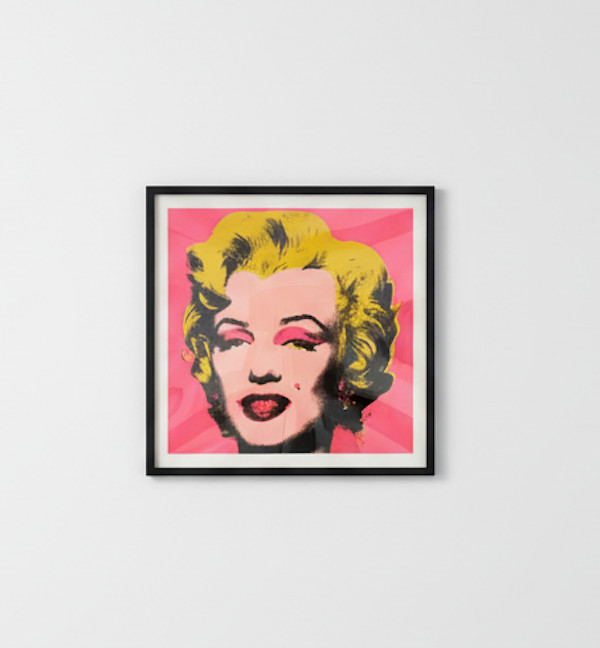
Andy Warhol
Marilyn Monroe F.S. II 31, 1967
Screen print
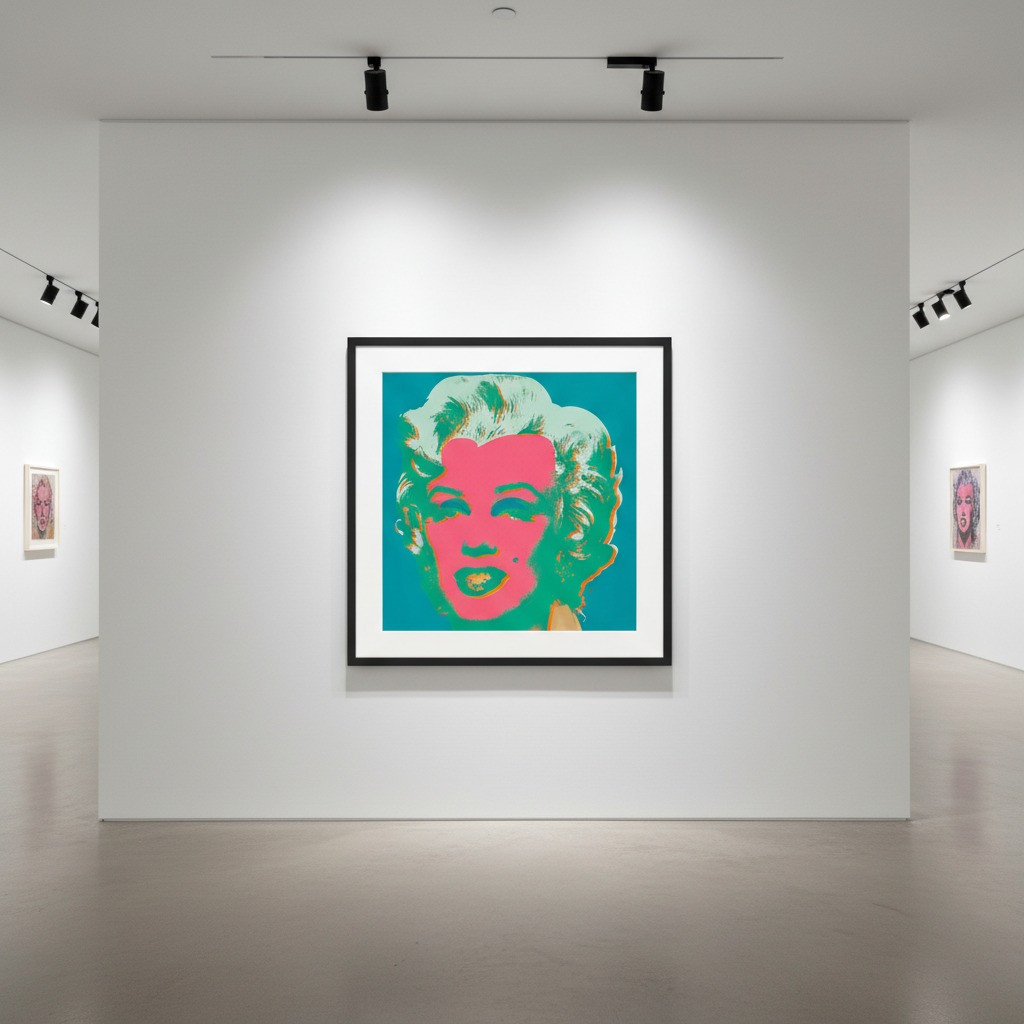
Andy Warhol
Marilyn Monroe F.S. II 30, 1967
Screen print
To enquire about any of these works, contact Guy Hepner