American Indian Theme
6 works

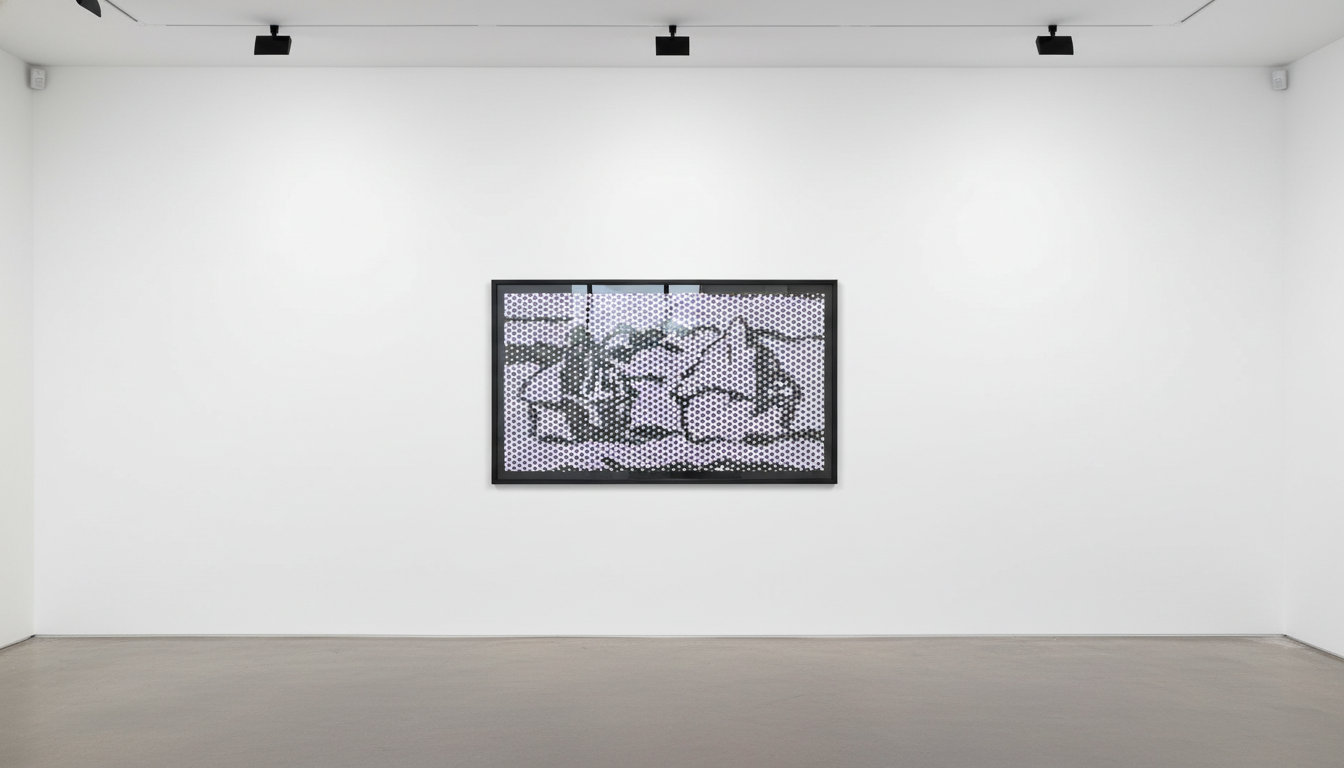
Haystack III (C. 67), 1969
Lithograph and screen print
20 3/4 x 30 3/4 in 52.5 x 78.1 cm
Edition of 100 plus 10 AP
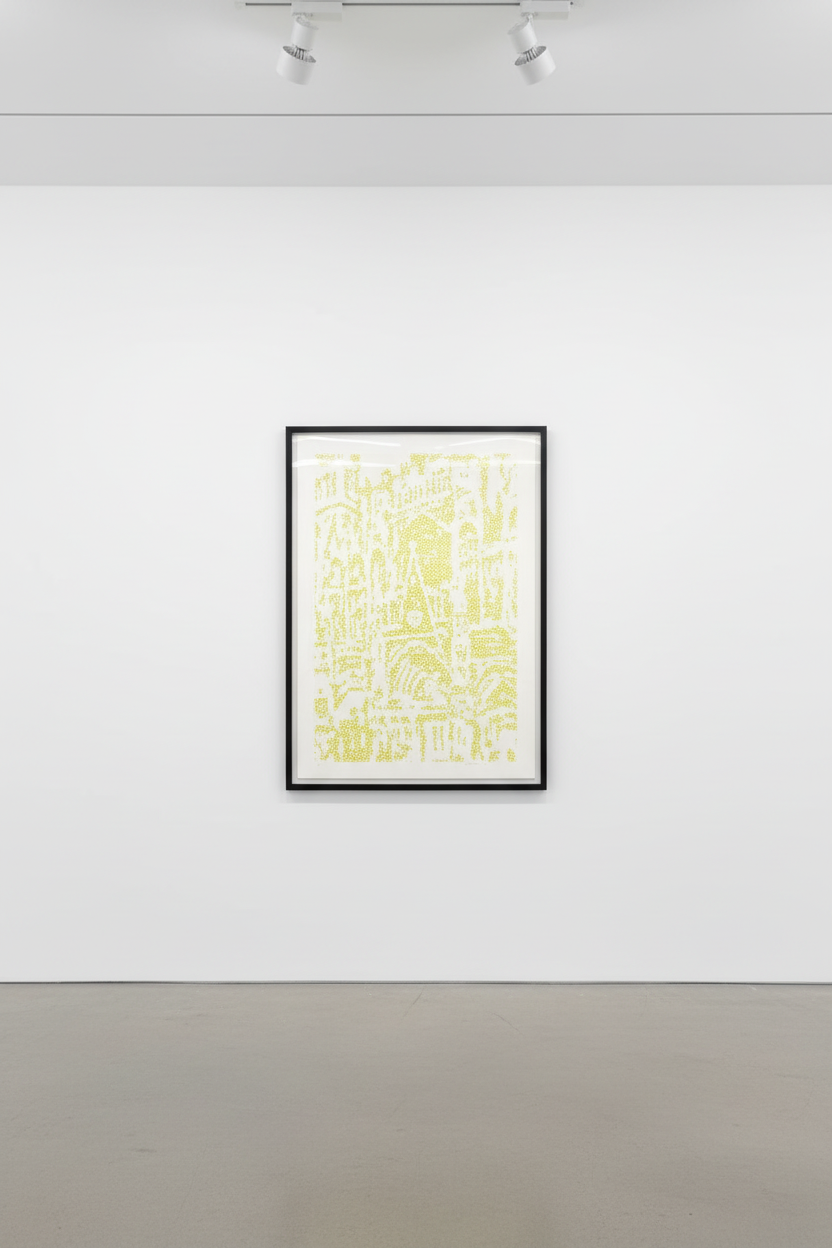
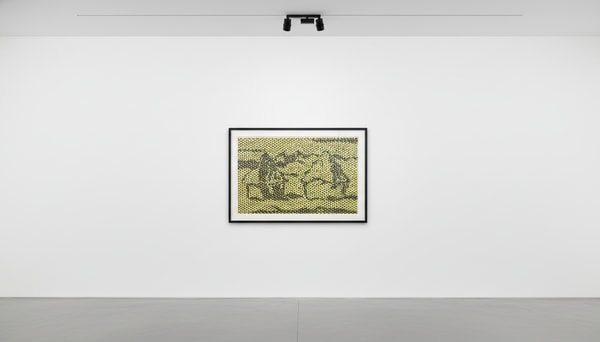
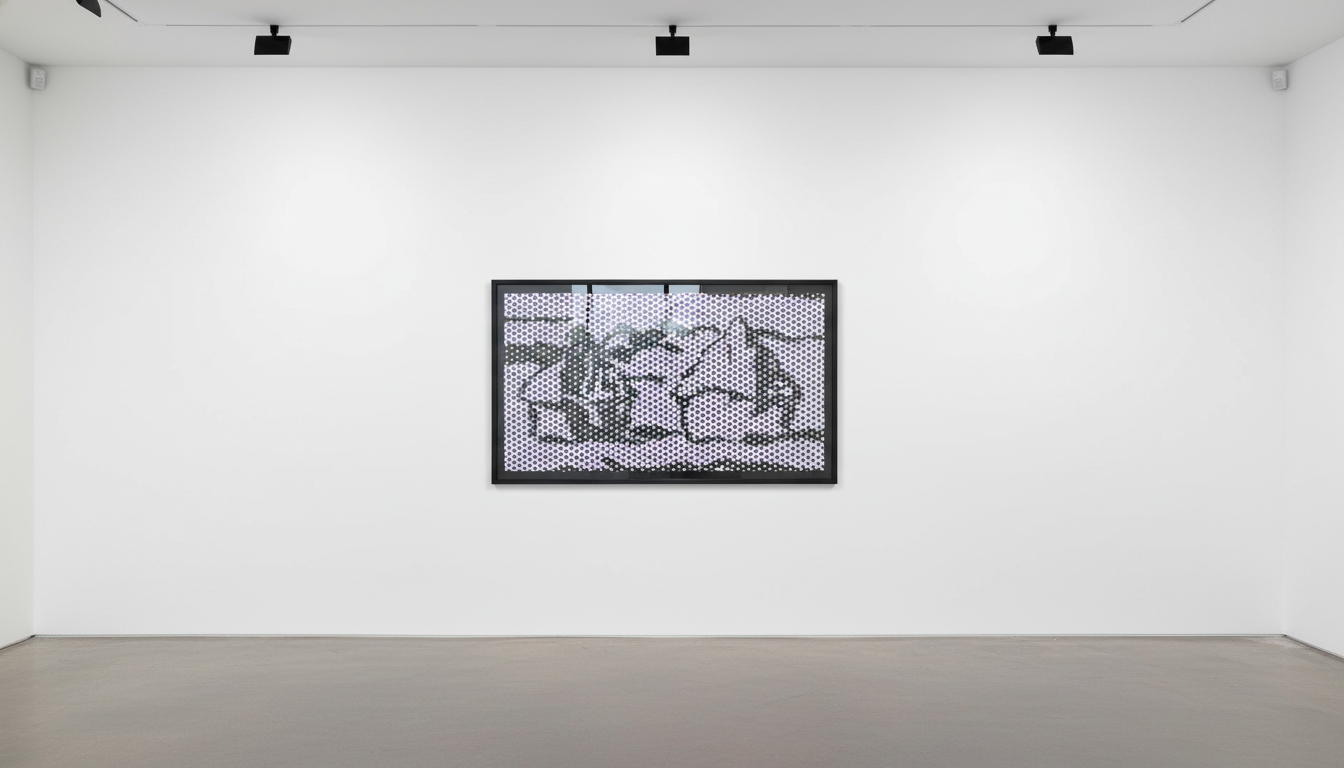
Roy Lichtenstein’s Haystack III (C.67) continues his Pop reinterpretation of Claude Monet’s famed Haystacks, but with an even more dramatic emphasis on the mechanization of vision. Where Monet dissolved form into brushstrokes of shifting light and color, Lichtenstein reduces the pastoral subject to an arrangement of black and purple Ben-Day dots. The effect is striking: the familiar haystack motif emerges only faintly, almost as if seen through a screen, abstracted to the point of near-erasure.In this work, the tension between abstraction and representation becomes especially pronounced. The eye struggles to hold onto the image of the haystacks, which appear submerged beneath a rigid, industrialized grid. What Monet achieved through the play of atmospheric light across time, Lichtenstein replaces with the repetitive hum of the printing process—a commentary on how mechanical reproduction replaces personal vision in the modern era.Haystack III also sharpens the irony in Lichtenstein’s project. By borrowing a canonical Impressionist subject but filtering it through Pop Art’s visual vocabulary, he both pays homage to Monet’s innovation and critiques the way art history itself is consumed, reproduced, and flattened into images. The pastoral calm of the French countryside becomes reimagined as a patterned surface, where nature is subsumed into mass media aesthetics.The choice of a limited palette—purple, black, and white—adds to the sense of detachment. Instead of Monet’s radiant spectrum, Lichtenstein opts for stark contrasts that emphasize the artificiality of reproduction. This move underlines Pop’s central question: when art is mediated through the language of advertising and print, does the image retain its original aura, or does it transform into something entirely new?In Haystack III, the answer leans toward transformation. It is no longer about haystacks or rural life but about perception, process, and the coded structures of vision in the 20th century.For more information or to buy Haystack III (C. 67) by Roy Lichtenstein, contact our galleries using the form below.
Price on Application
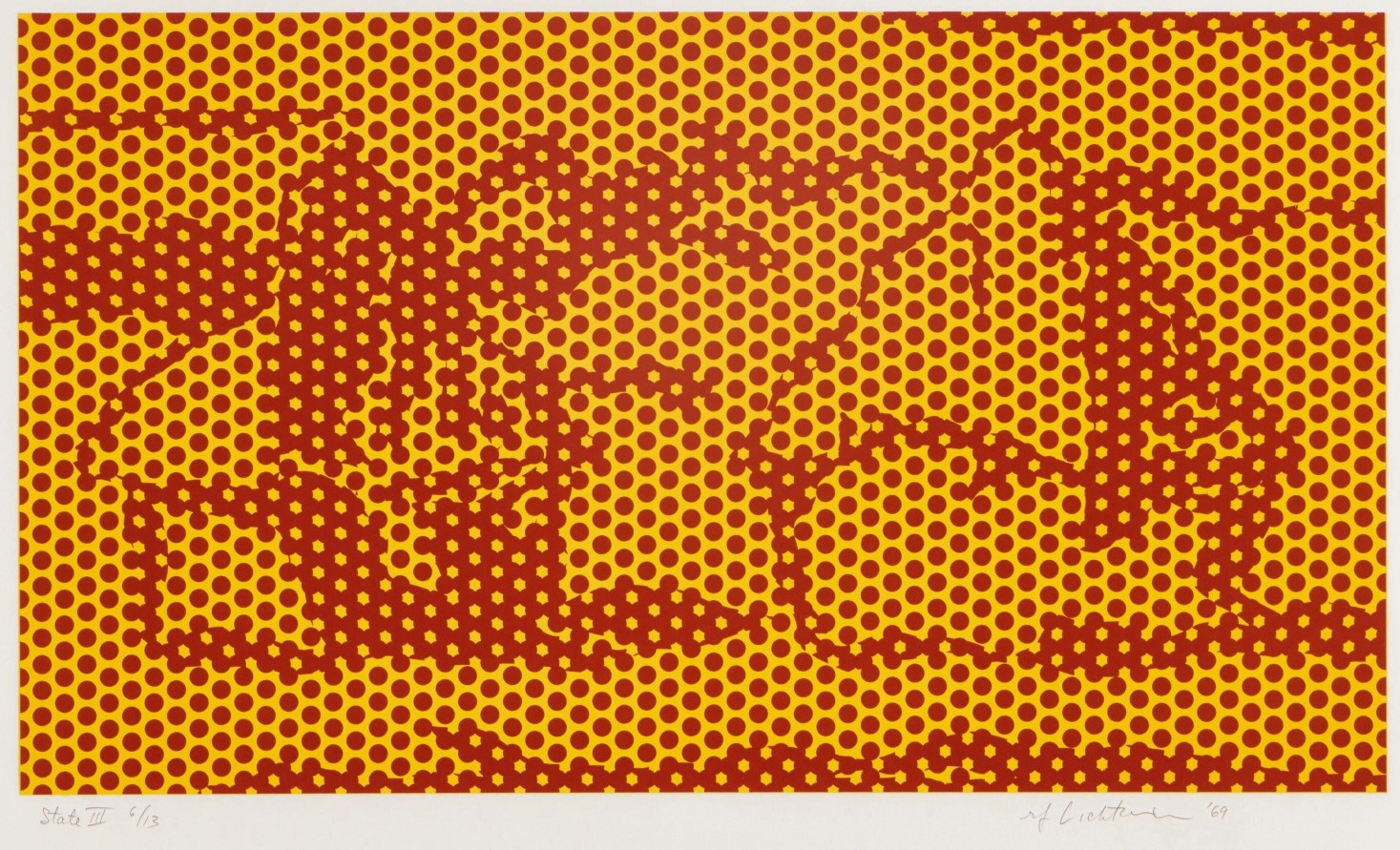
Haystack #6, State III, from the Haystack series (Corlett 73; RLCR 1667) · Roy Lichtenstein · Sotheby's · 2025-10 · $31,750
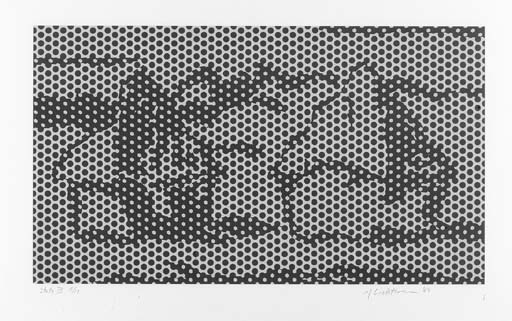
Haystack #6, State III (C. 73; G. 158) · Roy Lichtenstein · Christie's · 2000-11 · $3,290
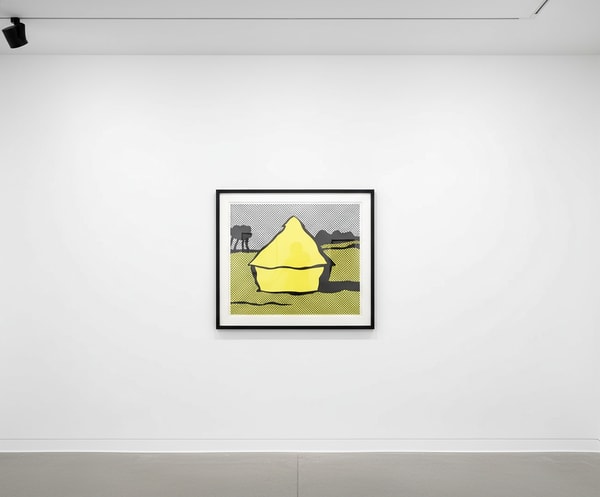
Roy Lichtenstein
Haystack (C. 84)
1969
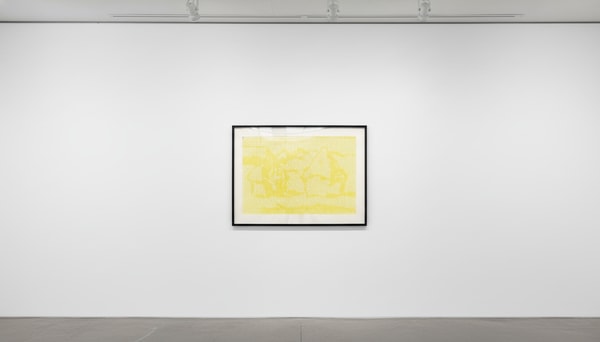
Roy Lichtenstein
Haystack I (C. 65)
1969
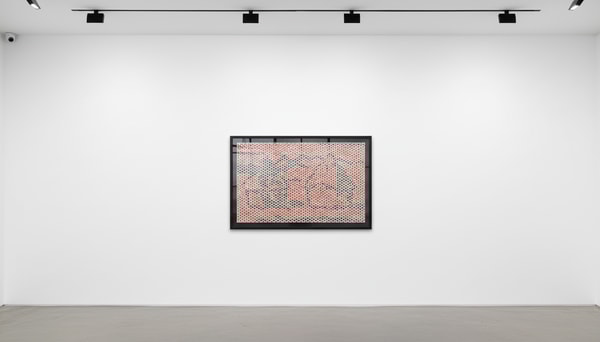
Roy Lichtenstein
Haystack II (C. 66)
1969
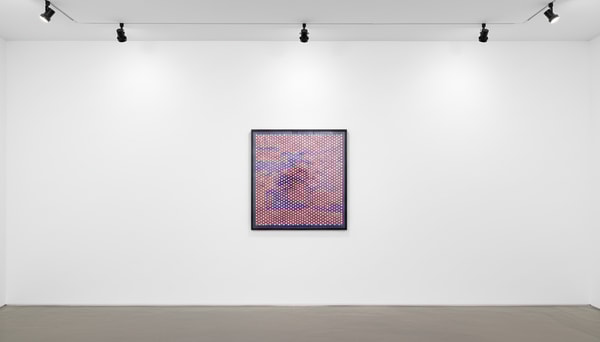
Roy Lichtenstein
Haystack IV (C. 68)
1969
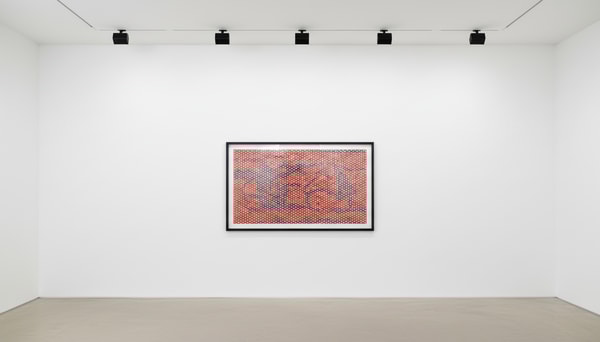
Roy Lichtenstein
Haystack V (C. 69)
1969
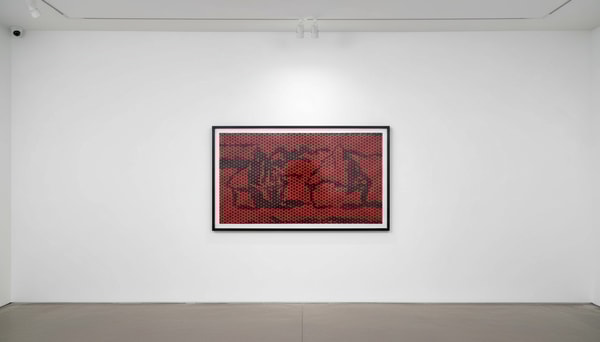
Roy Lichtenstein
Haystack VI (C. 70)
1969
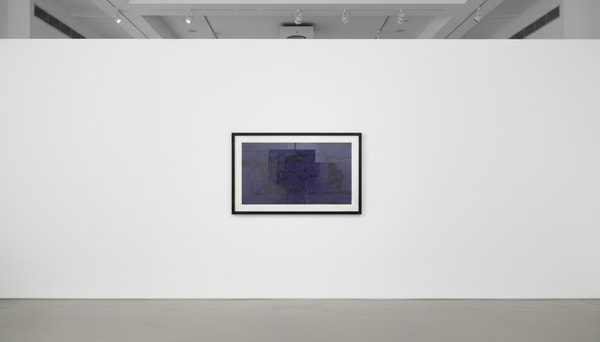
Roy Lichtenstein
Haystack VI State I (C. 71)
1969
Roy Lichtenstein
Haystack VI State II (C. 72)
1969
Roy Lichtenstein
Haystack VI State III (C. 73)
1969
Roy Lichtenstein
Haystack VII (C. 74)
1969

The Roy Lichtenstein Market in 2025
Roy Lichtenstein Suspended Storytelling
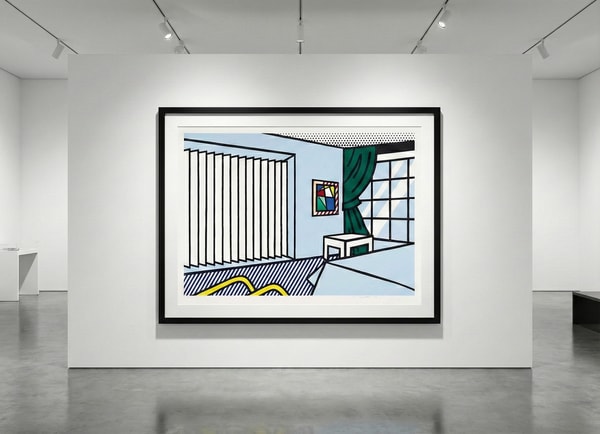
Roy Lichtenstein 2024 Half Time Report

Roy Lichtenstein: Everyday Objects
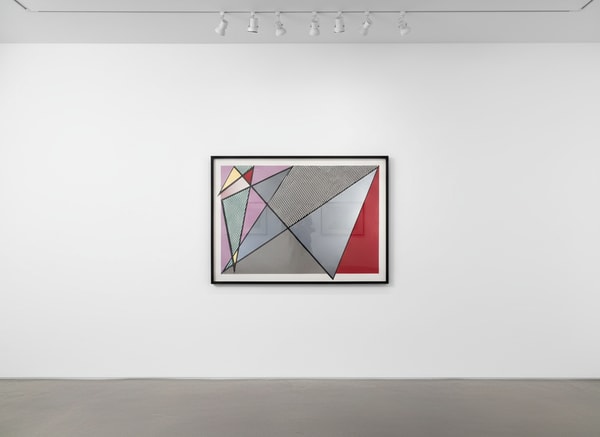
Roy Lichtenstein's Imperfect Series
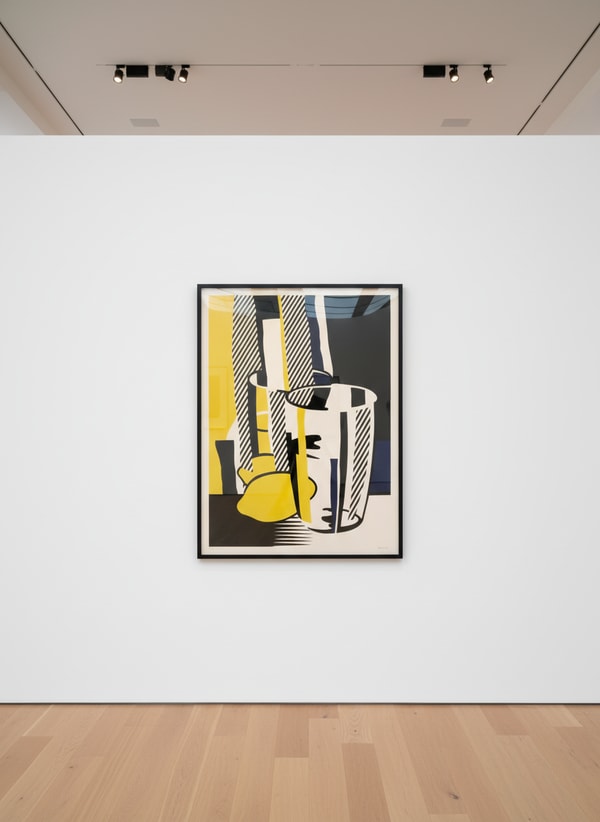
Why Collect Roy Lichtenstein
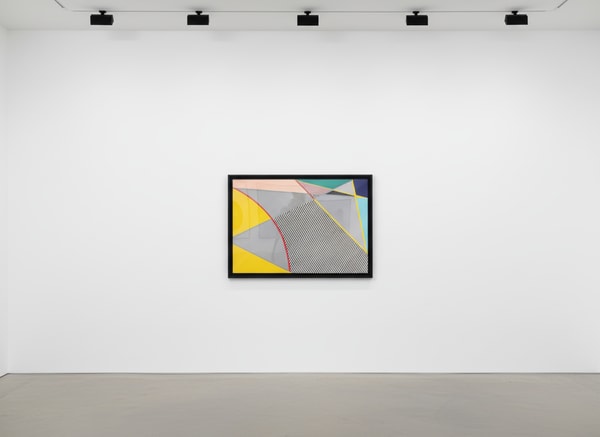
Roy Lichtenstein: Picture Perfect Panoramas
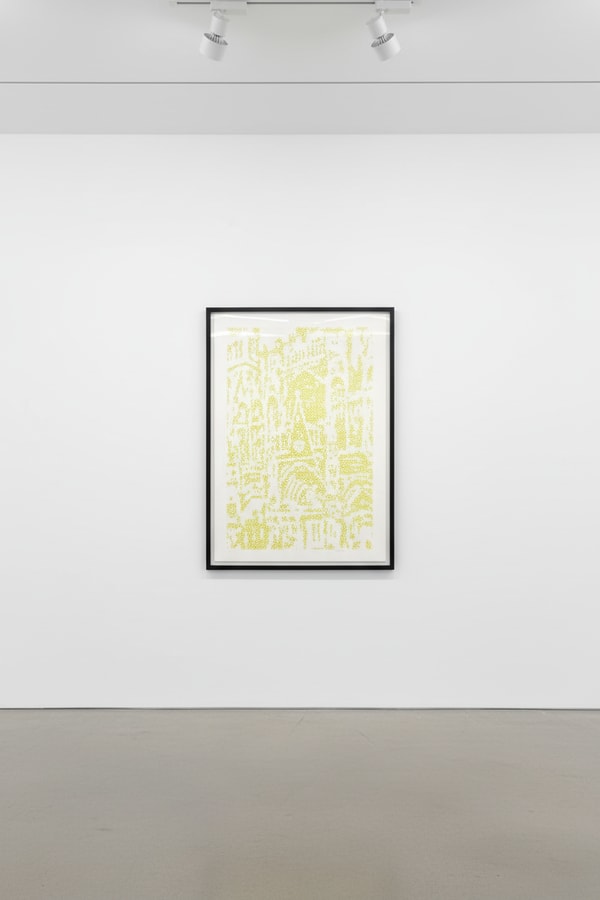
Roy Lichtenstein's Cathedral Series: History, Prints, and Collector Value
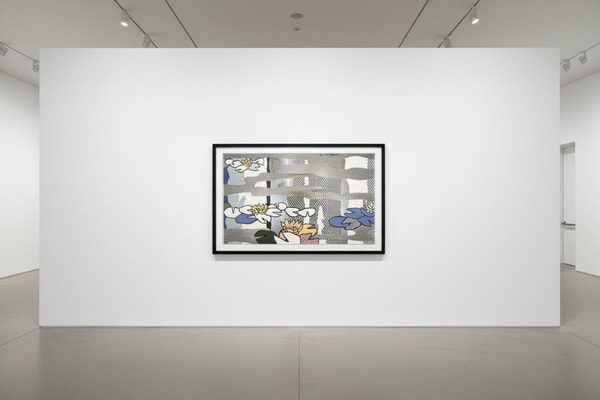
Roy Lichtenstein's Water Lilies Series
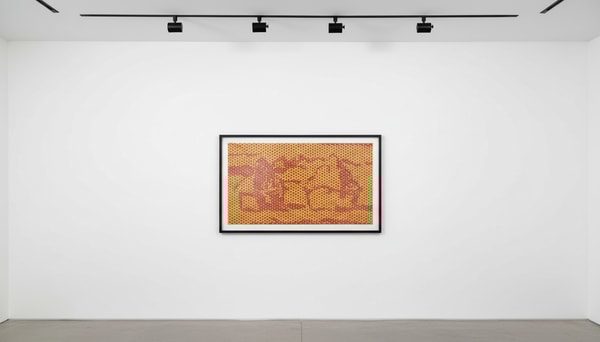
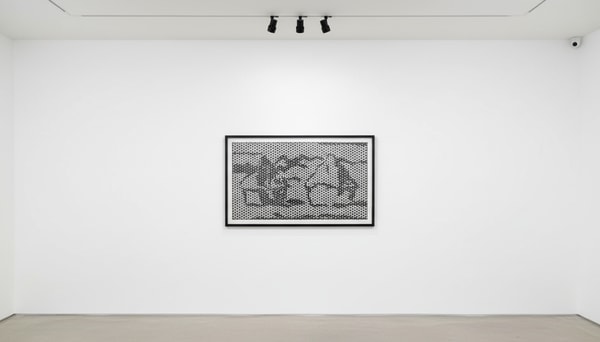
Roy Lichtenstein Haystack prints for sale at Guy Hepner Gallery, New York. The Haystack series (1969) is among Lichtenstein's most celebrated and widely collected bodies of print work — a deliberate dialogue with Claude Monet's series paintings of the 1890s, filtered through his signature Pop Art graphic language of Ben-Day dots, flat colour, and bold black outlines.
Monet's Haystacks (1890–1891) were a defining statement of Impressionist investigation into the effects of light on a single subject at different times of day and in different seasons. Lichtenstein's response transposes that investigation into the commercial printing vocabulary he had made his own: the soft, atmospheric gradations of Monet's brushwork become flat zones of primary and secondary colour; the shimmering Impressionist surface becomes a grid of mechanical Ben-Day dots. The result is a series that simultaneously acknowledges and dismantles Impressionism — affectionate, ironic, and formally brilliant in equal measure.
The Haystack series was produced as a portfolio of six screenprints, each depicting the same subject in radically different colour combinations. The format directly mirrors Monet's serial approach while inverting its method: where Monet's variations were the result of sustained observation, Lichtenstein's are the result of deliberate graphic manipulation.
The six prints of the Haystack portfolio (Corlett references) were published as a complete suite and also offered as individual impressions. All are screenprints on white wove paper, combining Lichtenstein's primary palette with his characteristic graphic structure. Complete portfolios represent the most significant acquisition opportunity and appear with much less frequency on the secondary market than individual prints.
Complete, intact Haystack portfolios are substantially rarer than individual impressions and command corresponding premiums. Collectors building comprehensive Lichtenstein holdings typically prioritise the complete suite.
The six prints vary significantly in colour palette. Certain colour combinations have demonstrated stronger collector preference and secondary market activity; contact Guy Hepner for current guidance on specific impressions.
Large-format flat colour screenprints are highly sensitive to UV exposure and handling. Colour shift in the primary field areas and dot degradation are the key condition concerns. Always request a full condition report.
Hand-signed, numbered examples carry significant premiums over unsigned impressions from the same edition.
Haystack prints are authenticated via the Roy Lichtenstein Foundation catalogue raisonné (Corlett). Guy Hepner provides full provenance documentation for all works from this series.
Guy Hepner Gallery maintains active acquisition interest in complete Haystack portfolios and individual impressions. Contact our New York team to discuss current availability and pricing guidance.
Roy Lichtenstein prints for sale and Roy Lichtenstein paintings for sale at Guy Hepner Gallery, New York. Our inventory spans lithographs, screenprints, and unique works from his most collected series: Brushstrokes, Reflections, Nudes, Interiors, Haystacks, Cathedral, Entablature, and American Indian Theme — all with full provenance and Corlett catalogue raisonné references. We also acquire Lichtenstein. Free valuations available.
Roy Lichtenstein (1923–1997) is the defining figure of American Pop Art and one of the most actively traded artists on the post-war and contemporary market. His bold graphic language — Ben-Day dots, black outlines, primary palettes drawn from comic books and advertising — is among the most instantly recognisable in twentieth-century art. Born in New York City, he was exhibited by Leo Castelli Gallery from 1962 and worked until his death in September 1997, producing one of the most extensively documented print catalogues of any artist of his generation.
Roy Lichtenstein art for sale spans signed prints, paintings, and unique works across his full catalogue. His most collected categories: signed and numbered screenprints and lithographs from the major series, unique works on paper, and large-format canvas paintings. The auction benchmark was set when Masterpiece (1962) sold for $165 million in a private transaction in 2017, and Nurse (1964) achieved $95.4 million at Christie's New York in 2015. Major print series regularly achieve $100,000–$2 million at Sotheby's, Christie's, and Phillips.
The most liquid and accessible segment of his market. Working with Gemini G.E.L., Petersburg Press, and Castelli Graphics, Lichtenstein produced lithographs, screenprints, woodcuts, and relief prints across three decades. Key series at Guy Hepner:
Signed impressions command significant premiums over unsigned editions. Corlett catalogue raisonné reference and publisher's certificate documentation are essential for any acquisition.
Roy Lichtenstein original art for sale — unique paintings on canvas — represents the rarest category of his output. Major early canvases are primarily in institutional collections; secondary market appearances are concentrated at evening sales at Christie's, Sotheby's, and Phillips. Works on paper and preparatory drawings offer compelling opportunities for collectors seeking unique works with strong Lichtenstein provenance at more accessible price points.
Guy Hepner actively acquires Roy Lichtenstein prints, paintings, and works on paper from private collections. If you are looking to sell Roy Lichtenstein prints or seeking a current market valuation, contact our New York gallery for a confidential, no-obligation assessment. We handle all series including Brushstrokes, Reflections, Nudes, Haystacks, Cathedral, American Indian Theme, and Interiors.
Interested in adding Roy Lichtenstein to your collection? Contact Guy Hepner Gallery at 177 Tenth Avenue, New York to discuss current inventory and acquisition strategy.