
Aquatint
13 works

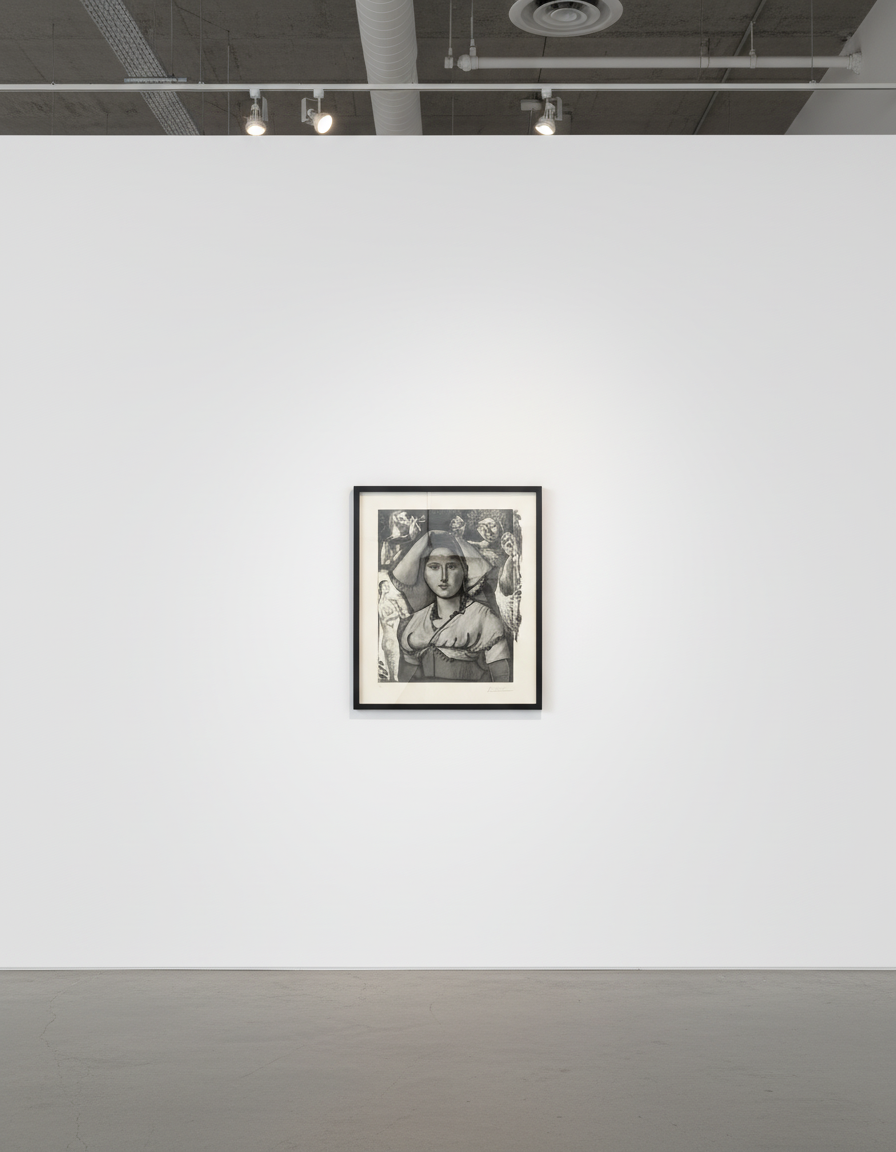
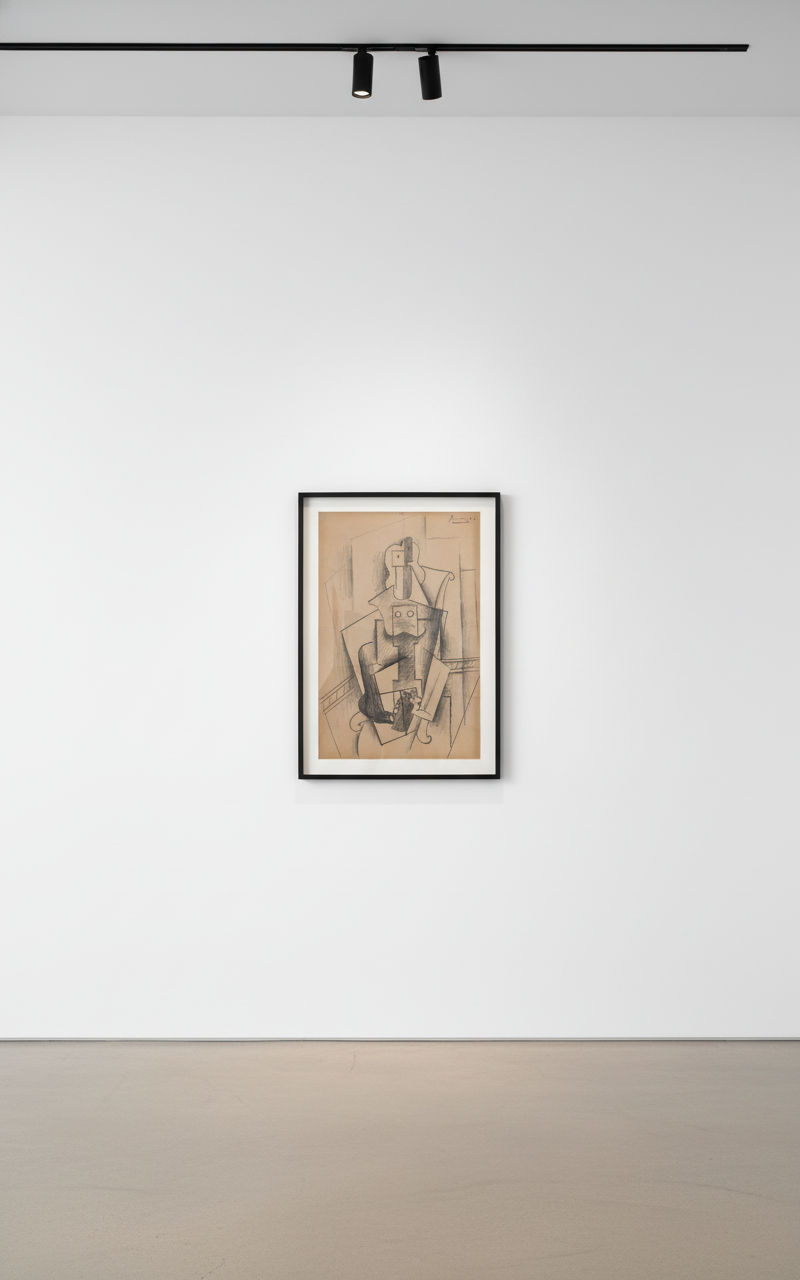
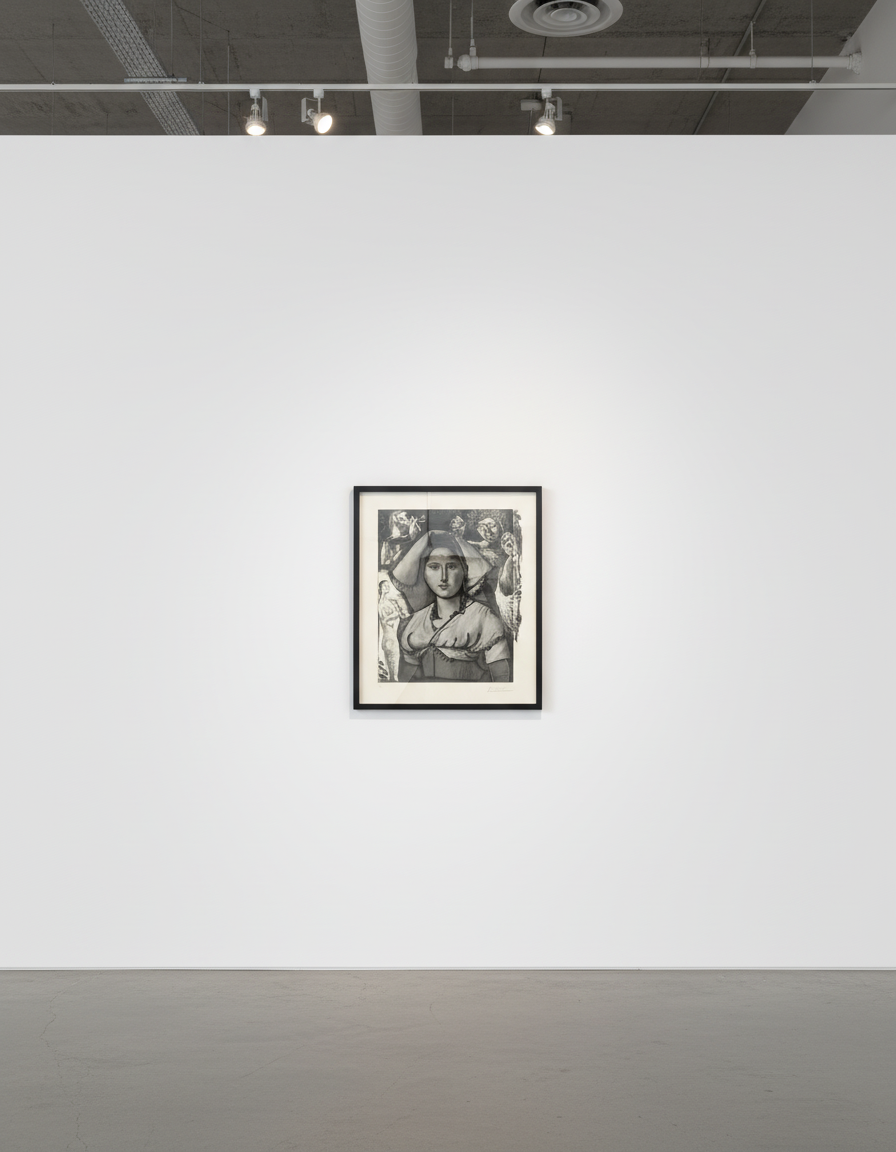
Femme à L'Italienne d'après le tableau de Victor Orsel (Bloch 740), 1953
Lithograph with scraper printed on Arches with Arches watermark Edition of 50 of the second state Signed and numbered by the artist in pencil Printed by Mourlot, 1955 P Published by Galerie Louise Leiris, 1955
25 1/4 x 19 1/2 in 64 x 49.5 cm
Edition of 50
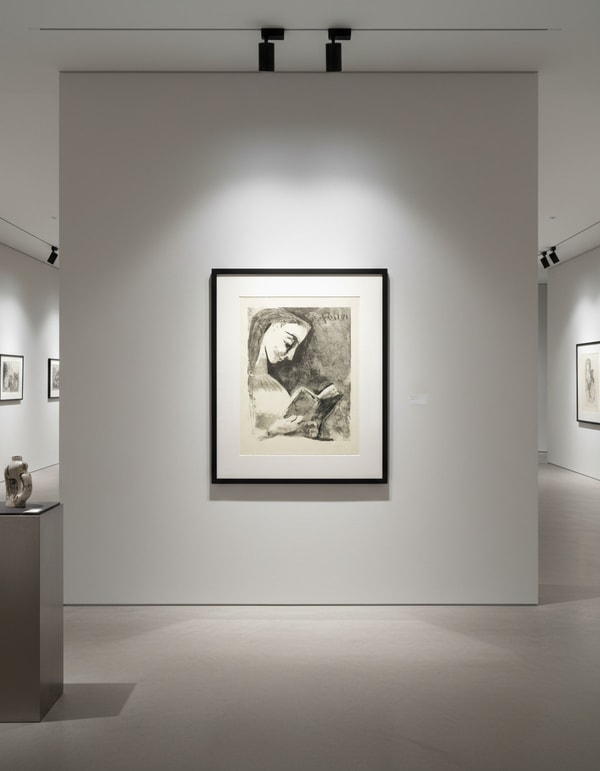
This 1953 lithograph by Pablo Picasso, Femme à L'Italienne d'après le tableau de Victor Orsel (Bloch 740), exemplifies his dialogue with art history and his technical mastery of the lithographic medium. Executed with scraper technique and printed on fine Arches paper with its distinctive watermark, the work reveals how Picasso could reinterpret historical paintings through his own modernist lens, blending reverence for tradition with bold experimentation.Lithography was one of Picasso’s most prolific printmaking techniques, particularly during the 1940s and 1950s, when he collaborated extensively with Fernand Mourlot’s atelier in Paris. Unlike etching or linocut, lithography allows for painterly softness, tonal depth, and a direct transfer of gesture to the stone. In this print, Picasso also employs the scraper technique, a method that involves scratching back into the inked surface to create highlights and textures.The use of Arches paper with its watermark is significant: this fine French paper was highly prized for its durability and ability to capture both delicate tonal gradations and sharp graphic contrasts. Here, it supports the deep blacks and subtle greys that make the figures luminous and sculptural.At the center of the composition stands the Italian woman, rendered with frontal dignity and classical stillness. Her rounded face, direct gaze, and solid presence anchor the image, recalling the solemnity of Orsel’s 19th-century original. Yet around her, Picasso introduces an energetic cast of surrounding figures—mythological, sensual, and expressive.To the left, a nude female figure rises with elongated elegance, echoing both classical statuary and Picasso’s own explorations of the female form. Above, a faun plays a flute, and to the right, a Dionysian figure raises a jug, their wild, expressive gestures contrasting with the calm, monumental central figure. The juxtaposition creates a dynamic tension between order and exuberance, control and abandon, a hallmark of Picasso’s reworkings of classical themes.What distinguishes this lithograph is Picasso’s command of tonal range and textural variation. Using lithographic crayon, ink, and the scraper, he creates a surface that feels simultaneously drawn and sculpted. The shadows of the central figure’s dress, the highlights of her face, and the expressive white scratches of the satyr’s features show how Picasso treated the lithographic stone as a living surface, not simply a means of reproduction.His reimagining of Orsel’s work is less about copying and more about transformation. By inserting mythological figures and by intensifying tonal contrasts, he turns a 19th-century academic subject into a composition alive with modernist vitality and psychological resonance.Throughout his career, Picasso often engaged in dialogues with earlier artists—Velázquez, Delacroix, Cranach, Manet—absorbing and reinterpreting their imagery. These reinterpretations were not mere homages but radical re-imaginings that allowed Picasso to assert both continuity with tradition and his own artistic supremacy. In Femme à L’Italienne, Orsel’s original portrait becomes a springboard for Picasso to explore contrasts between stability and chaos, classicism and modernism, the sacred and the profane.Femme à L'Italienne d'après Victor Orsel (Bloch 740) is a remarkable demonstration of Picasso’s lithographic brilliance and his lifelong dialogue with the art of the past. Using scraper techniques on Arches paper, he achieves a composition of tonal richness and expressive dynamism, where the central Italian woman stands as a serene anchor amid surrounding mythological revelry.This lithograph embodies Picasso’s unique ability to both honor tradition and disrupt it, reaffirming his place as a modern master who constantly redefined what it meant to engage with the history of art.For more information or to buy Femme à L'Italienne d'après Victor Orsel by Pablo Picasso, contact our galleries using the form below.
Price on Application
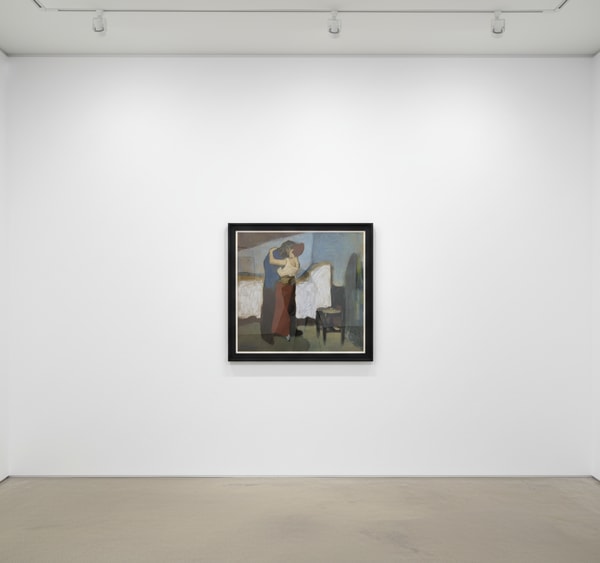
Pablo Picasso
After The Embrace
1901
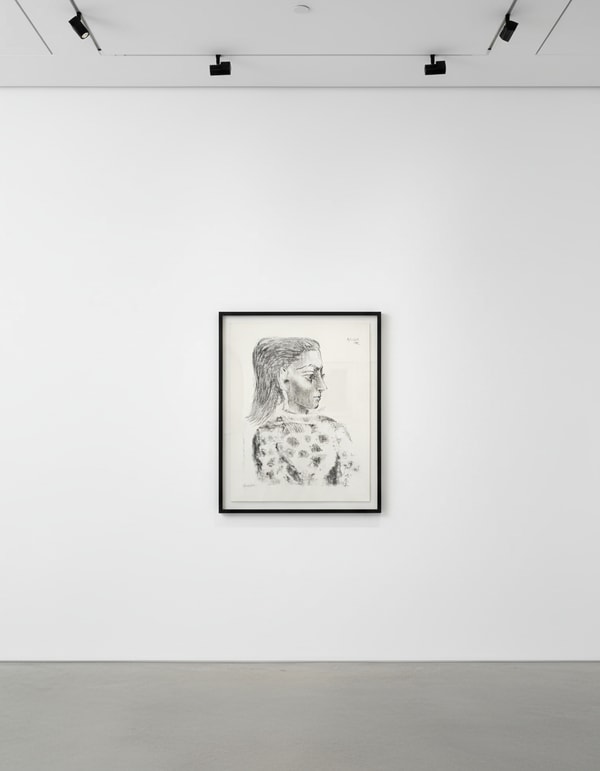
Pablo Picasso
Buste
1957
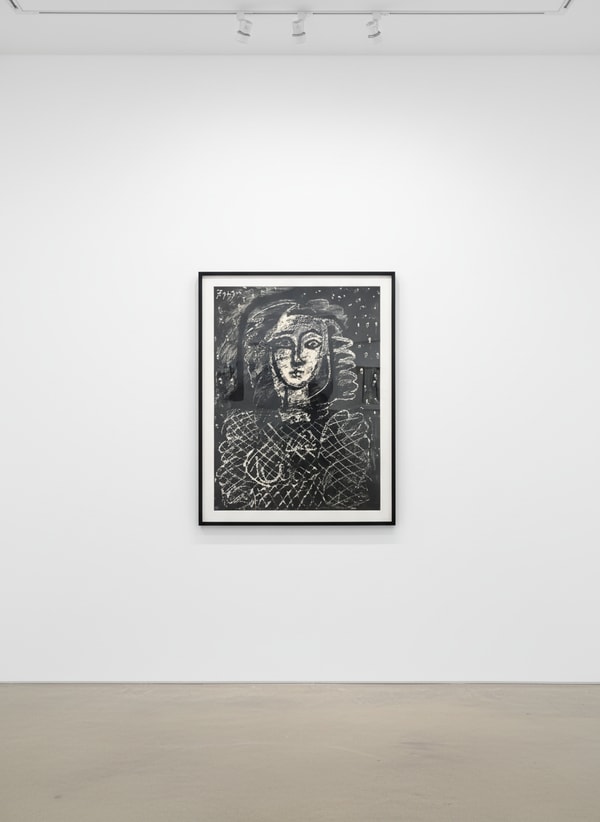
Pablo Picasso
Buste au fond étoilé (Bust with Star Background)
1949
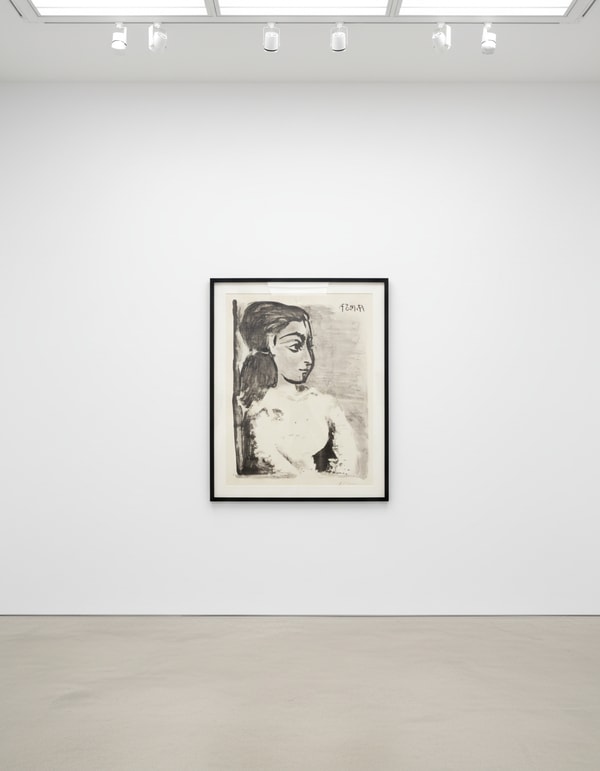
Pablo Picasso
Buste de Femme au Corsage Blanc (Jacqueline de Profil)
1957
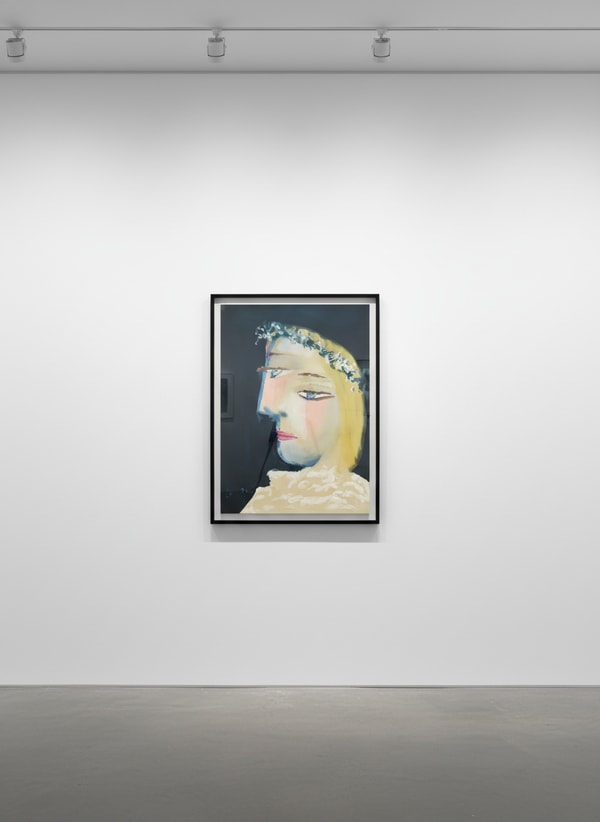
Pablo Picasso
Femme à la Robe
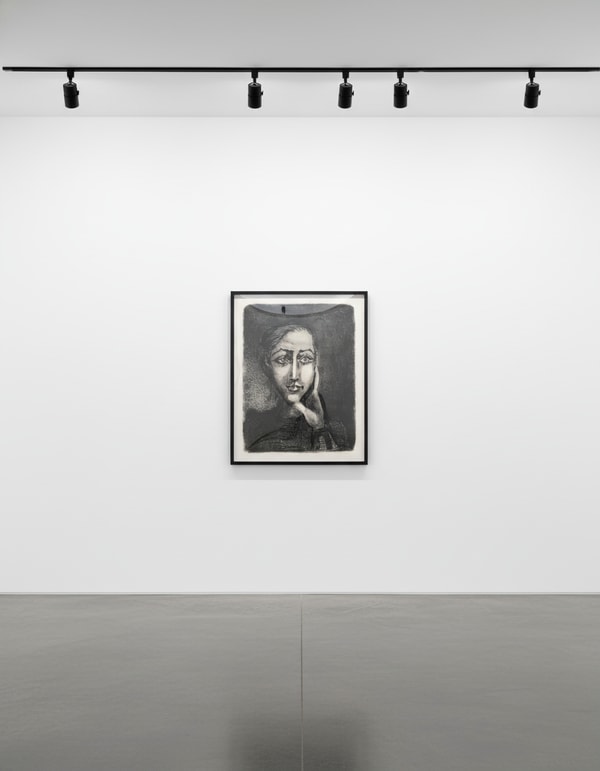
Pablo Picasso
Françoise Sur Fond Gris
1950
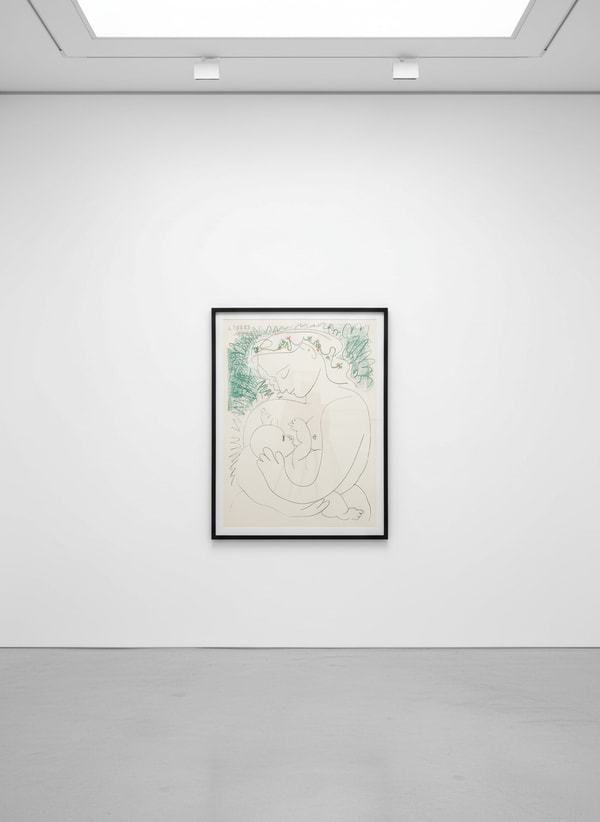
Pablo Picasso
Grand Maternite
1963
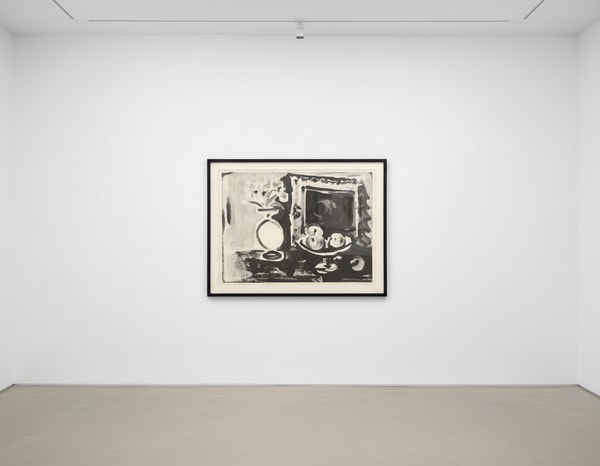
Pablo Picasso
Grand Nature Mort au Compotier
1947
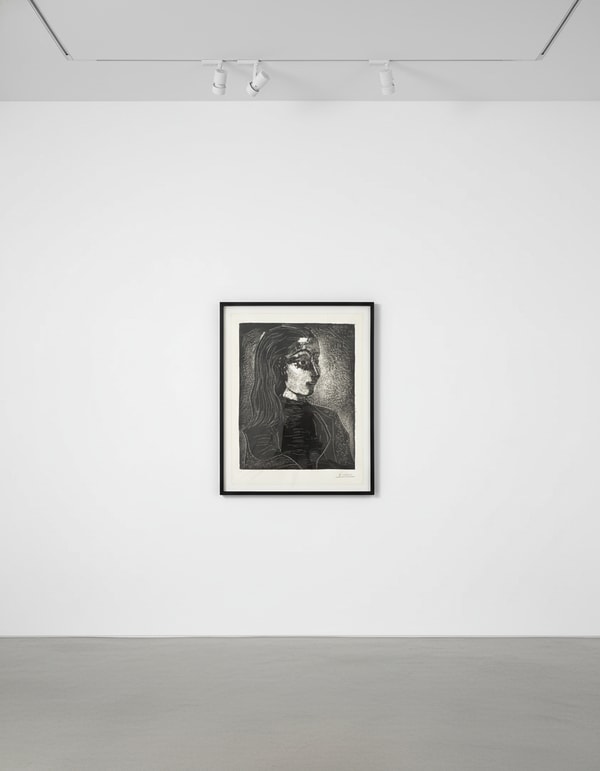
Pablo Picasso
Jacqueline Profile to the Right
1958
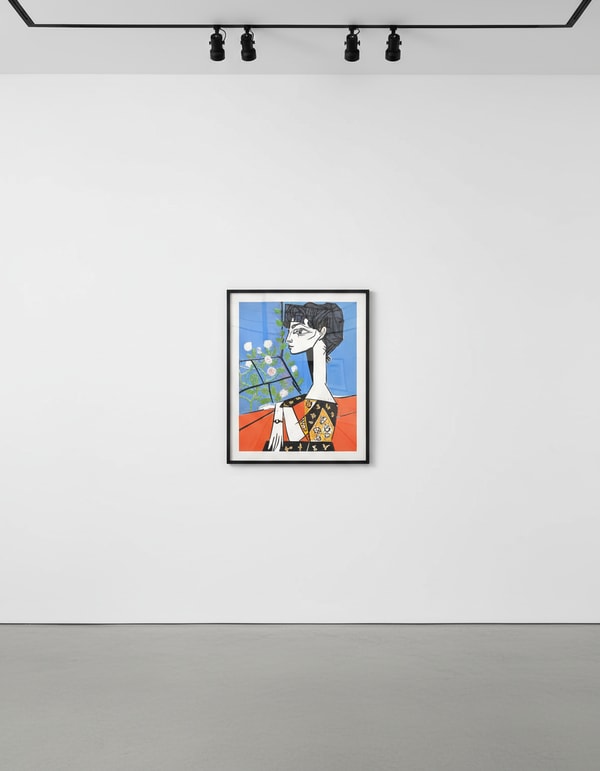
Pablo Picasso
Jacqueline with Roses
1956
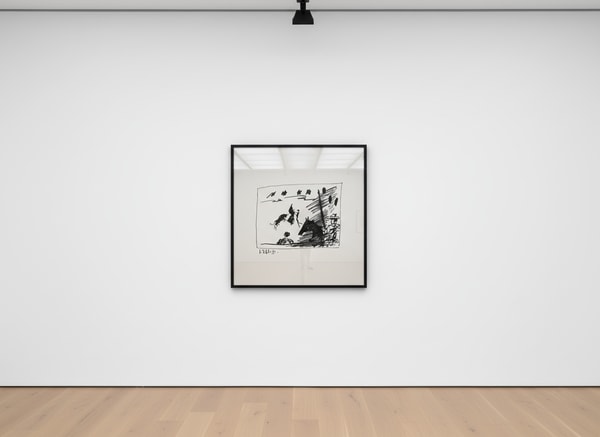
Pablo Picasso
Jeu De La Cape (Bloch 1015)
1961
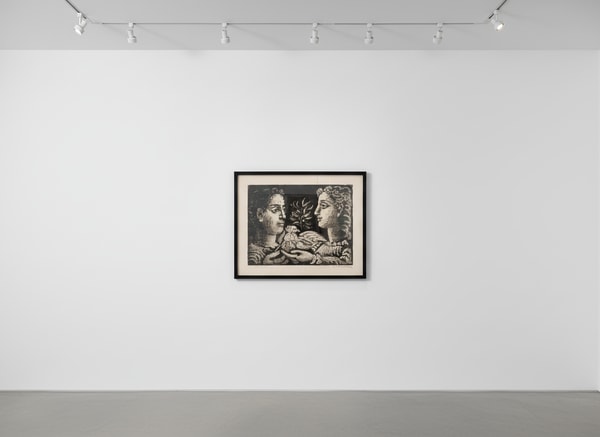
Pablo Picasso
Jeunesse
1950
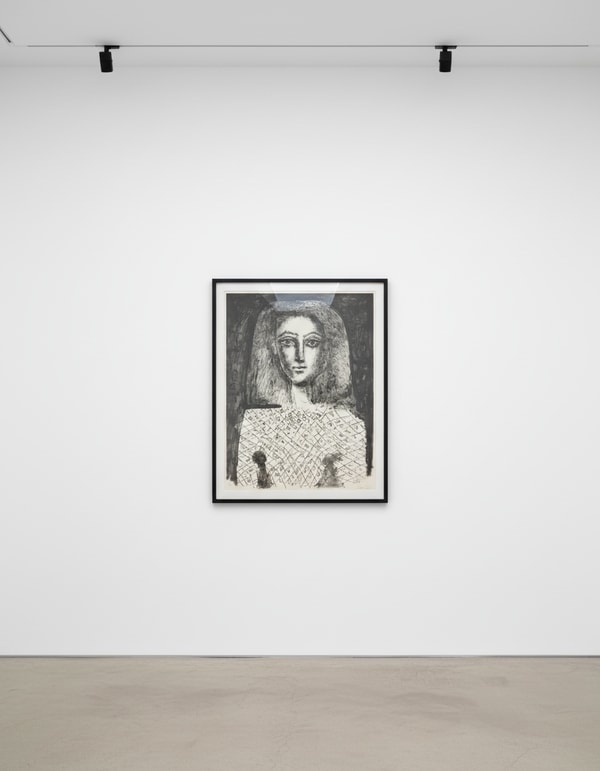
Pablo Picasso
Le Corsage à Carreaux
1949
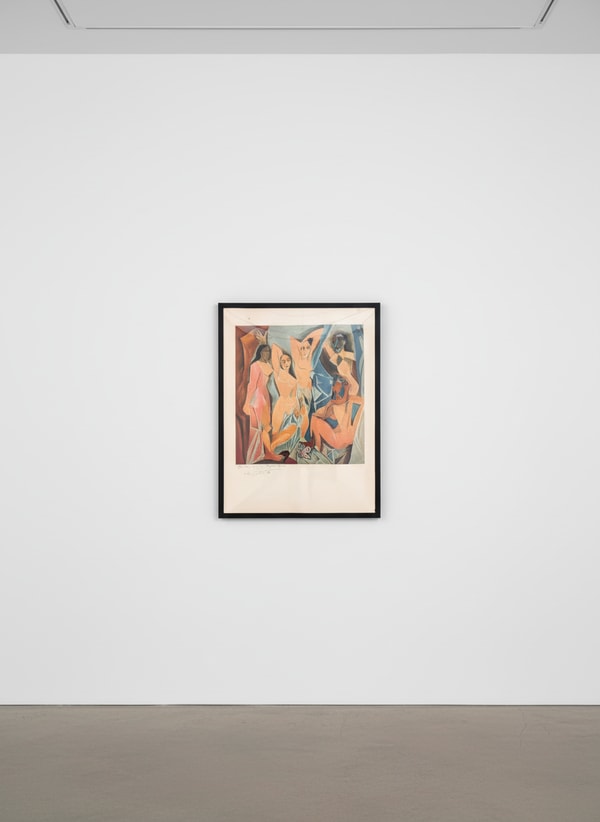
Pablo Picasso
Les Demoiselles d'Avignon
1953
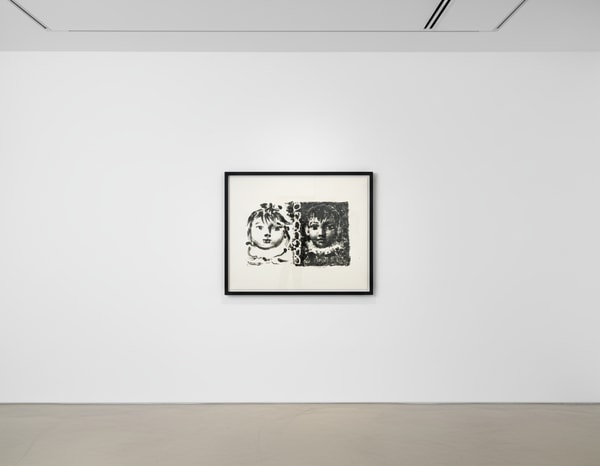
Pablo Picasso
Paloma et Claude
1950
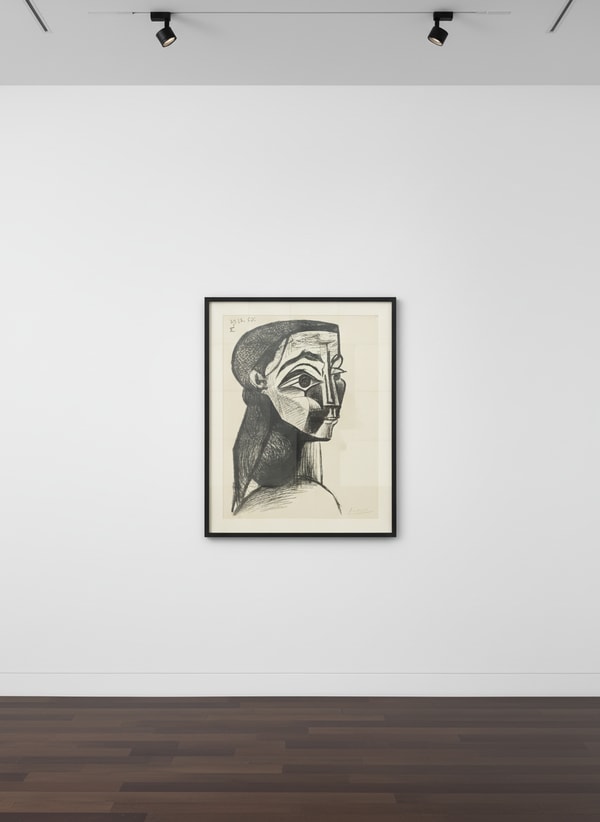
Pablo Picasso
Portrait de Femme II
1955
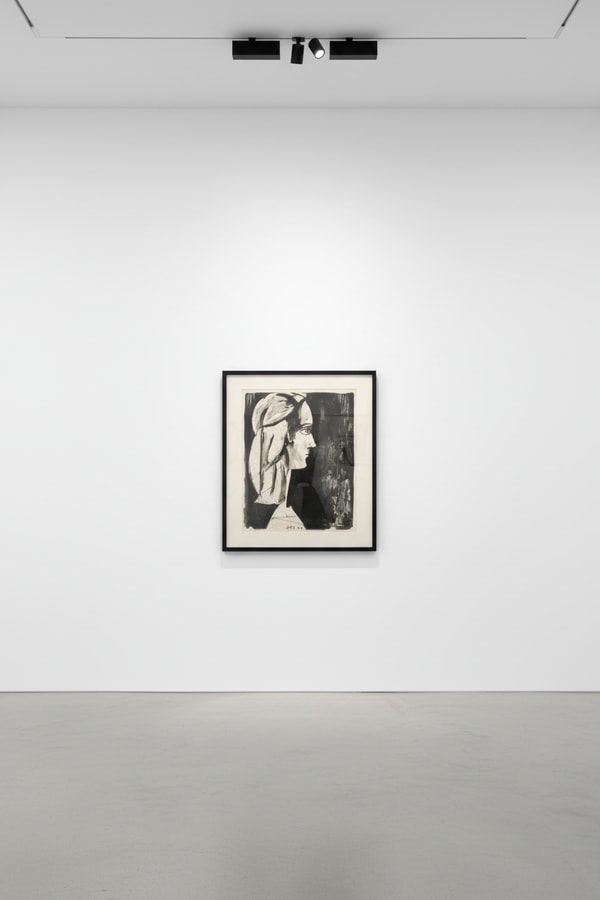
Pablo Picasso
Profil au fond noir
1947
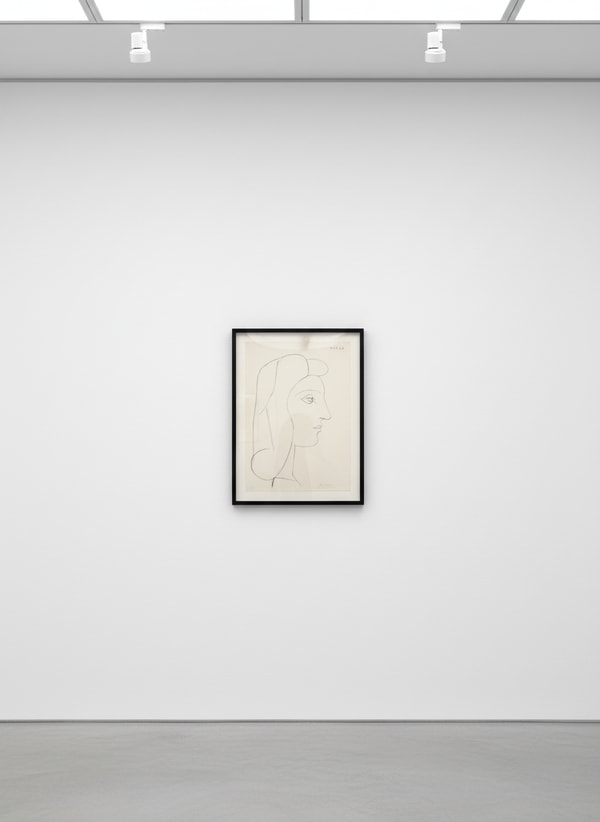
Pablo Picasso
Profil de Femme
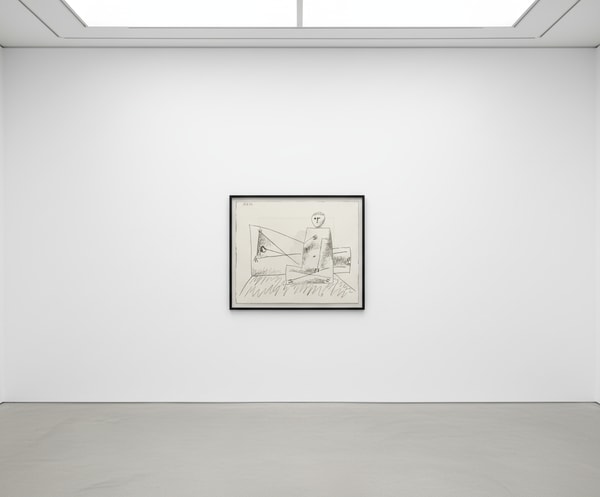
Pablo Picasso
Reclining Man and Crouching Woman | Homme couché et femme accroupie
1956
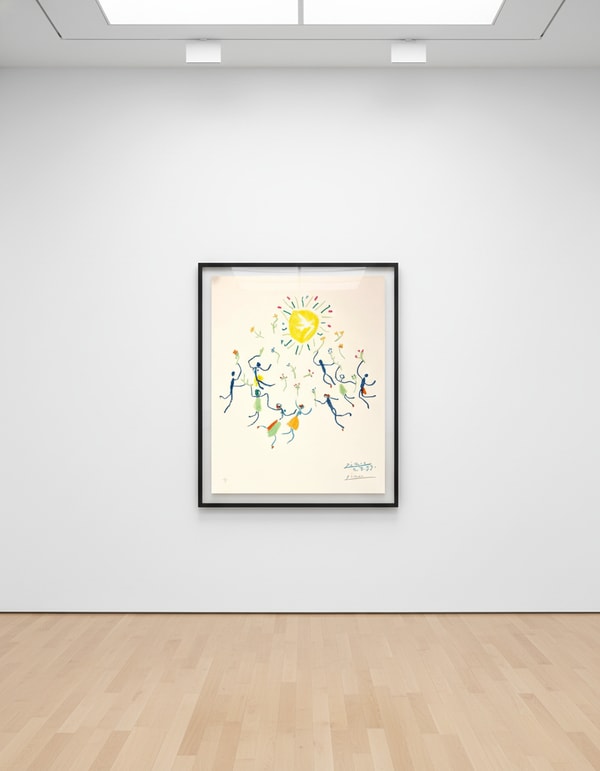
Pablo Picasso
Ronde de la Jeunesse
1961
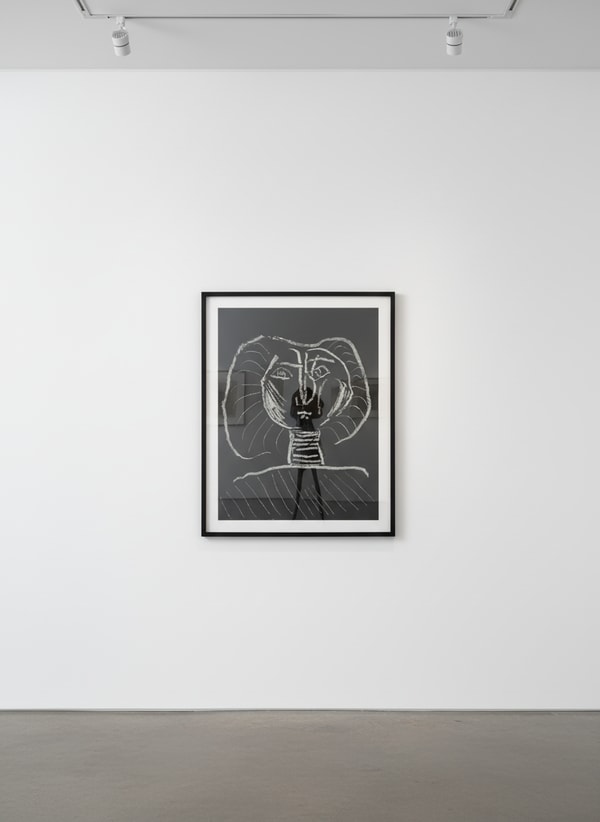
Pablo Picasso
Tete De Femme Fond Noir
1946
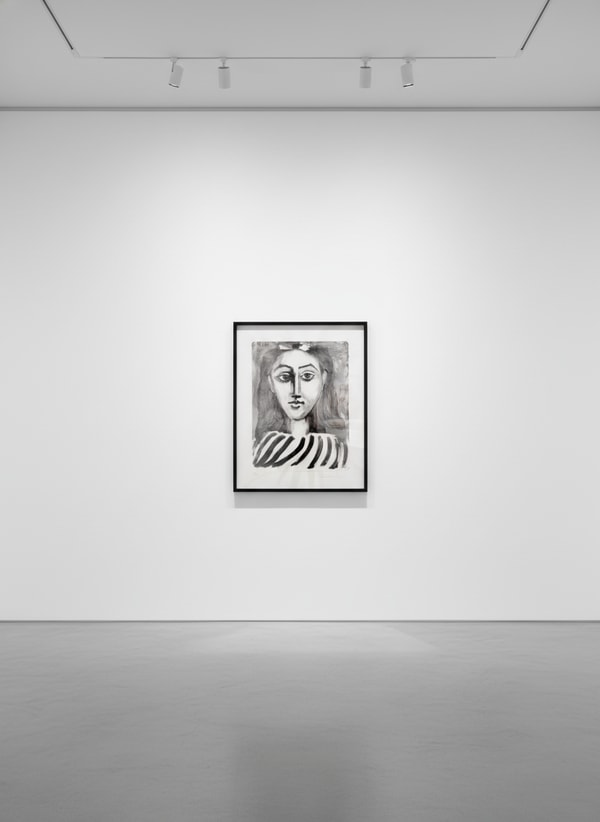
Pablo Picasso
Tête de Jeune Fille – Portrait de Françoise
1949
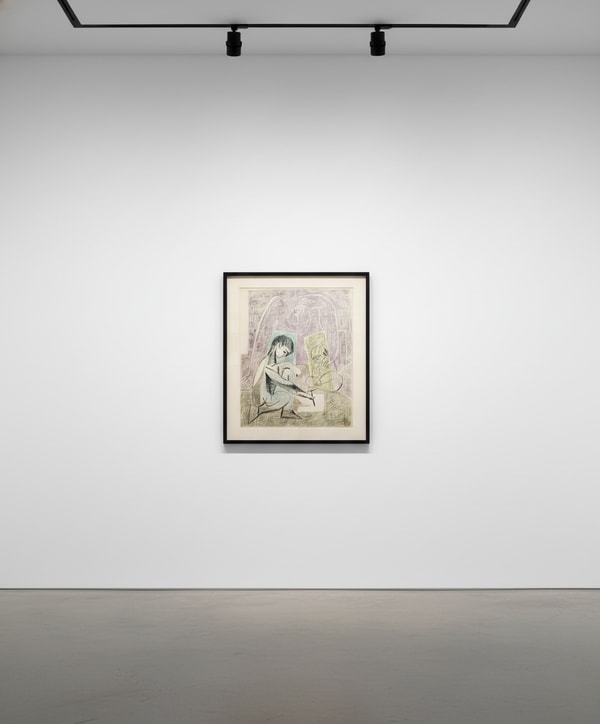
Pablo Picasso
The Little Artist (Draughtsman) | Le petit dessinateur
1954
Pablo Picasso lithographs for sale at Guy Hepner represent the most consistently accessible category within one of the twentieth century's most important print oeuvres. Picasso's engagement with lithography — principally through the legendary Parisian atelier of Fernand Mourlot — produced over 400 individual works across three decades, making his lithographic output one of the most substantial and varied of any major modern artist. Buy a Picasso lithograph from Guy Hepner with full catalogue raisonné documentation, condition reports, and expert provenance verification.
In November 1945, Picasso walked into the workshop of Fernand Mourlot on the Rue de Chabrol in Paris and began a collaboration that would define the history of lithography in the twentieth century. Mourlot's atelier, which had worked with Matisse, Braque, Léger, and Chagall, presented Picasso with technical possibilities he immediately subverted and transformed. Where other artists drew on the stone, Picasso scraped, scratched, washed, and overpainted, returning obsessively to the same lithographic stone to create progressive states of extraordinary complexity.
The resulting documentary record — Mourlot's four-volume catalogue (Picasso Lithographe, 1949–1964) — stands as one of the most important publications in print scholarship. ) catalogue raisonné of Picasso's complete print output. These reference numbers are the foundation of authentication for any Pablo Picasso lithograph.
Toros y Toreros (Bulls and Bullfighters): Picasso's lifelong obsession with the corrida produced some of his most dynamic and symbolically charged lithographs. The bull, transformed into a vessel of raw force and tragedy, appears across dozens of Mourlot prints in varying degrees of abstraction. Toros y Toreros prints are among the most sought-after of his lithographic subjects.
Le Taureau (The Bull): The eleven-state lithographic series of 1945–46 is one of the most famous sequences in the history of printmaking. Beginning with a naturalistically rendered bull, Picasso progressively stripped the image to its essential geometric components, arriving finally at a spare constellation of lines that still reads unmistakably as bull. The series is a masterclass in analytical reduction and a cornerstone of the Mourlot catalogue. Individual states from this series are museum-quality works.
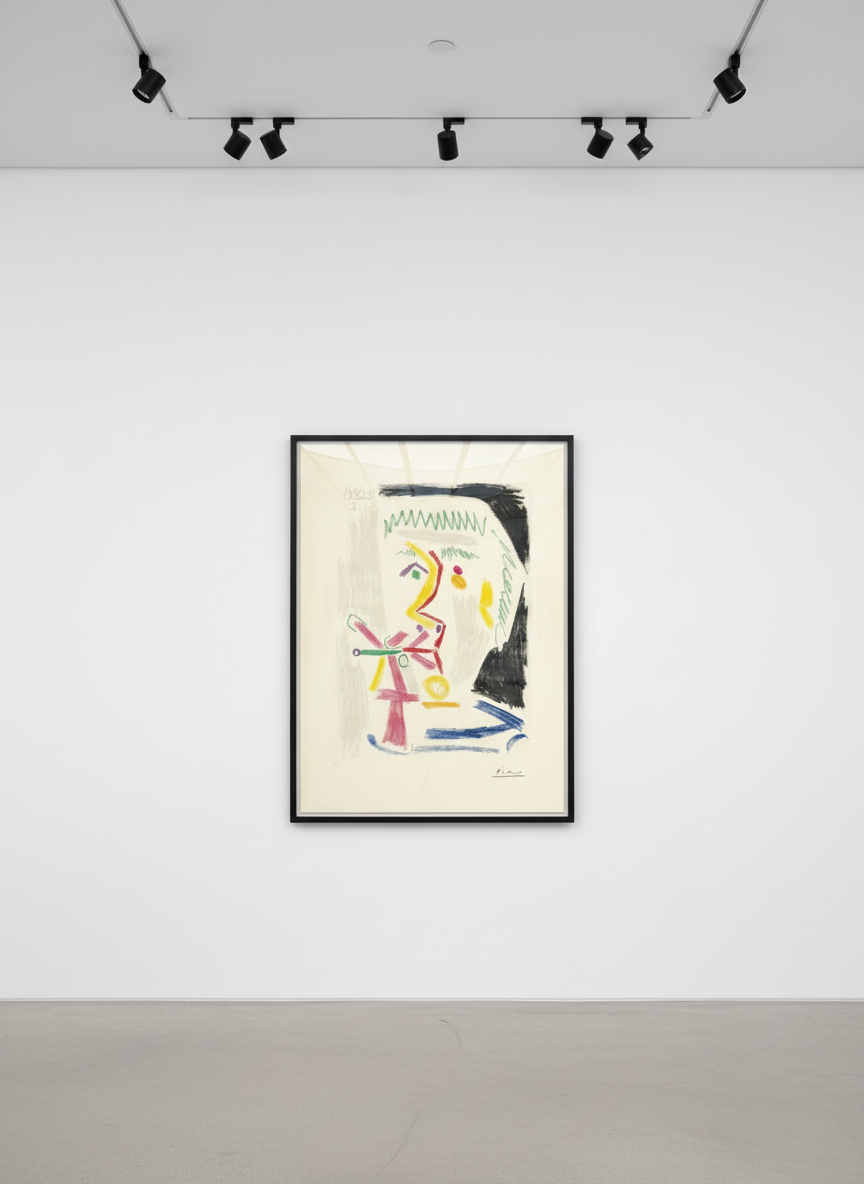
Facial Portraits and Heads: Picasso's lithographic portraits — the Visage series, the heads of women and lovers — represent some of his most personally charged printed work. Visage de Femme compositions, in which faces are simultaneously frontal and profile, in harmony with his Cubist visual language, are among the most recognised of his lithographic images. These portraits command strong prices at auction and are consistently sought by collectors globally.
Mythological and Classical Subjects: Fauns, centaurs, and Minotaur figures appear throughout Picasso's lithographic work, expressing his deep engagement with Mediterranean antiquity and Surrealist imagery. These subjects carry significant art-historical resonance and are closely connected to the thematic concerns of the Vollard Suite etchings.
Mourlot lithographs were produced in editions typically ranging from 50 to 275 impressions, with some subjects also issued in smaller remarque proofs. Edition sizes are documented in the Mourlot catalogue and vary by work and date. Later Mourlot publications sometimes appear in slightly larger editions.
Paper variants command different premiums in the market. Impressions on Japon nacré or Arches paper from the original editions are preferred by collectors; later reprints on standard paper trade at a discount. The Mourlot atelier stamp — a small blind embossed or inked mark — appears on authentic impressions and is one of the primary authentication indicators.
Picasso signed many of his lithographs in pencil in the lower margin, typically alongside the edition number. The presence of a genuine pencil signature significantly increases market value. Picasso's pencil signature on lithographs has been the subject of considerable scholarly analysis and is well-documented in the catalogue literature.
The Picasso lithograph market is broad and well-established, with regular appearances at Christie's, Sotheby's, Phillips, Bonhams, and specialist print auctions.
Authenticating a Pablo Picasso lithograph requires attention to several specific markers.
Mourlot stamp: The atelier's blind stamp or ink stamp confirms production at the Mourlot workshop. Its absence does not automatically disqualify a work, but its presence is strong positive evidence.
xxx). Cross-referencing the image against the illustrated Bloch catalogue is a fundamental authentication step.
Succession Picasso stamps: Some posthumously published or estate-authorised editions carry a Succession Picasso stamp. These marks are documented and verifiable.
Pencil signature examination: Picasso's authentic pencil signature has been extensively documented and can be compared against established reference examples. The pen pressure, letterforms, and typical placement are all known factors. Any purchase at significant value should involve signature examination by a specialist.
Provenance chain: ideally from original purchase at the Mourlot atelier or a primary gallery through documented private hands. A strong provenance chain is the most powerful authentication tool available.
Condition is critical in the lithograph market. Key factors to assess:
Foxing: rust-coloured spots caused by paper acidity. Minor foxing can be treated conservatively; extensive foxing significantly reduces value and aesthetic appeal.
Fading: lithographic inks, particularly certain coloured inks, are susceptible to light exposure. Examine prints under strong light and compare colour values against catalogue illustrations.
Margins: trimmed or cut margins reduce value significantly. Full margins — typically 2–4 cm around the image — are preferred. Pencil signatures should fall within the margin, not encroach on the image.
Tears, holes, and tape repairs: all reduce value materially and complicate restoration options. Examine the verso carefully.
Framing damage: acid-burn from cardboard mats is common in older works. Ask to see the work unframed, or at minimum examine under UV light to assess overall condition.
Guy Hepner provides full condition reports with high-resolution imagery for all Picasso lithographs in our inventory. We assist collectors with insurance valuations, installation, and resale when the time comes. Contact us to discuss available Pablo Picasso lithographs for sale, or to consign a work from your collection.
Pablo Picasso (1881–1973, born Málaga, Spain) is the most productive and formally transformative artist in the history of Western art — a figure whose influence on twentieth-century painting, sculpture, printmaking, and ceramics is so pervasive that it remains, more than fifty years after his death, genuinely difficult to assess. Born in Málaga to an art teacher father who recognised and encouraged his prodigious talent, Picasso studied in Barcelona and Madrid before arriving in Paris in the early years of the twentieth century, where the encounter with Cézanne, African art, and his own restless intelligence produced Cubism — perhaps the most radical rupture in the history of representation since the Renaissance.
Pablo Picasso prints for sale at Guy Hepner represent one of the most significant collecting opportunities in the modern art market. Our gallery offers original Picasso lithographs, linocuts, etchings, and aquatints — each accompanied by full provenance documentation and catalogue raisonné references. Whether you are seeking a signed Mourlot lithograph, a Vollard Suite etching, a Vallauris linocut, or a late aquatint, Guy Hepner has the expertise and inventory to assist collectors at every level.
Picasso's print output is among the richest and most varied in art history, spanning etchings, lithographs, linocuts, and aquatints produced across seven decades. Understanding the categories is essential to collecting intelligently.
Lithographs were produced primarily through Fernand Mourlot's atelier in Paris, where Picasso worked from 1945 onwards. Mourlot documented over 400 lithographs bearing Picasso's hand, ranging from abstract heads and Cubist still lifes to the monumental Toros y Toreros bull-fighting series. Editions typically run from 50 to 275 copies. Unsigned Mourlot lithographs trade between $3,000 and $40,000; signed examples command $15,000 to $150,000 or more depending on subject and condition.
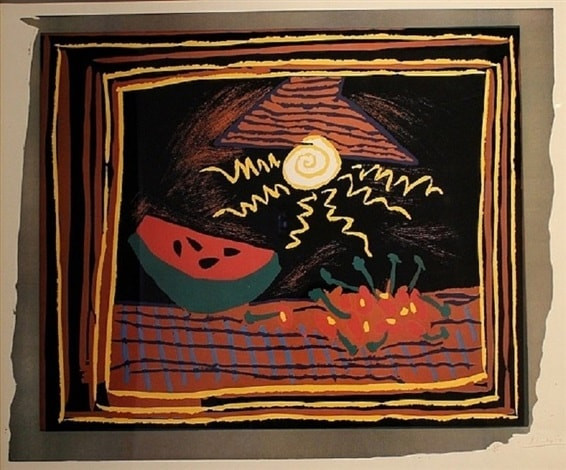
Linocuts, produced primarily at Vallauris between 1958 and 1963 using Picasso's own colour-reduction technique, are among the most technically revolutionary of all his prints. By cutting progressively deeper into a single block, Picasso achieved complex colour sequences impossible by conventional means. Edition sizes are small — typically 50 copies — and signed linocuts frequently exceed $80,000 at auction.
Etchings span Picasso's entire career, from his earliest Parisian years through to the late suites of the 1960s and early 1970s. The medium suited his restless line perfectly, and his etched output includes some of the finest prints of the twentieth century. Edition sizes vary widely, from the 50 impressions of the Vollard Suite to smaller later editions. Prices range from $5,000 for minor early works to well over $500,000 for Vollard Suite masterpieces.
Aquatints combine etching's linear precision with tonal washes of extraordinary subtlety. Picasso's aquatint work, often produced in collaboration with master printer Roger Lacourière, includes some of his most formally sophisticated printed images. These prints are rarer than his lithographs and command significant premiums accordingly.
Authentication for all Picasso prints relies on the Bloch catalogue raisonné — the definitive scholarly record of his print output — supplemented by Mourlot's lithograph catalogue where applicable.
Picasso's paintings represent the summit of the twentieth-century market. Understanding his periods is essential for collectors.
The Blue Period (1901–1904) produced austere, emotionally charged paintings on themes of poverty, isolation, and melancholy — elongated figures rendered in blue-grey tones that echo El Greco and carry an extraordinary psychological weight. Works from this period are among the most sought-after in the history of art.
The Rose Period (1904–1906) brought warmer hues and more tender subjects — circus performers, saltimbanques, and acrobats rendered with a new formal assurance. The transitional works that followed, leading to Les Demoiselles d'Avignon (1907), represent the hinge on which the entire history of modern painting pivots.
The Cubist period (1907–1921), co-developed with Georges Braque, produced the most intellectually radical body of painting in the twentieth century. Analytic Cubism (1909–1912) fragmented forms into near-monochromatic facets; Synthetic Cubism (from 1912) introduced collage, typography, and bolder colour. Major Cubist paintings are virtually never available on the primary market; they appear at auction rarely and achieve extraordinary prices.
Picasso's auction record stands at $179,365,000 — achieved at Christie's New York in May 2015 for Les Femmes d'Alger (Version O), a 1955 work from his series responding to Delacroix. Nude, Green Leaves and Bust (1932) reached $106,482,500 at Christie's in May 2010. These are benchmark figures for a career that produced well over 16,000 works catalogued by Zervos.
The most desirable areas of the Picasso print market for serious collectors are well-defined.
The Vollard Suite (1930–1937): ninety-seven etchings (and three aquatints with Roger Lacourière) commissioned by dealer Ambroise Vollard. The suite is considered Picasso's greatest print achievement — 100 plates encompassing the Sculptor's Studio sequence, the Minotaur series, and intimate portraits of Marie-Thérèse Walter. Published posthumously by Vollard's estate, the complete suite is extraordinarily rare. Individual plates now trade from $80,000 to over $500,000.
Suite 347 (1968): three hundred and forty-seven etchings completed in seven months when Picasso was eighty-six years old — an astonishing demonstration of creative energy in extreme old age. Themes include Degas's brothel scenes, Spanish picadors, Rembrandt, and Ingres. Published by Galerie Louise Leiris. These prints represent exceptional value relative to their historical importance.
Mourlot lithographs: Fernando Mourlot's catalogue documents Picasso's lithographic output with scholarly precision. The Bloch numbers (B.1 through B.2042 for the complete print oeuvre) and Mourlot numbers together form the authentication framework used by every major auction house.
Crommelynck etchings: Piero and Aldo Crommelynck's Paris workshop produced Picasso's late etchings with extraordinary technical refinement. The 347 Suite plates were printed here, as were the 156 Series etchings (1970–1972) — Picasso's final major print campaign.
Condition criteria for print collecting: look for clean, wide margins with no trimming; avoid foxing (rust-coloured spots from paper acidity) or tide lines; fading affects lithographs most severely — examine under strong light. Impressions on Japan paper or with remarques command significant premiums.
Authentication for Picasso works operates through established institutional channels.
For prints: the Bloch catalogue raisonné (Picasso: His Graphic Work, Volumes I–IV) provides reference numbers for all known prints. Mourlot's catalogue covers lithographs specifically. The Succession Picasso estate stamp appears on many posthumously published editions. Any print without clear catalogue raisonné reference and provenance chain should be examined by a specialist before purchase.
For paintings and works on paper: the Comité Picasso (now dissolved) was the primary authentication body; the Succession Picasso now handles estate matters. The Zervos catalogue raisonné (33 volumes) is the authoritative scholarly record for paintings, drawings, and sculpture. Expert authentication by a recognised Picasso specialist is essential for any major purchase.
Guy Hepner Gallery, 177 Tenth Avenue, New York, offers full provenance verification and catalogue raisonné consultation for all Picasso works. We provide free, confidential valuations for collectors looking to sell, and access to a global network of qualified buyers. Our expertise spans ceramics, prints, linocuts, drawings, and paintings across all periods of the artist's work.