
Nick Veasey Easy Listener For Sale
Nick Veasey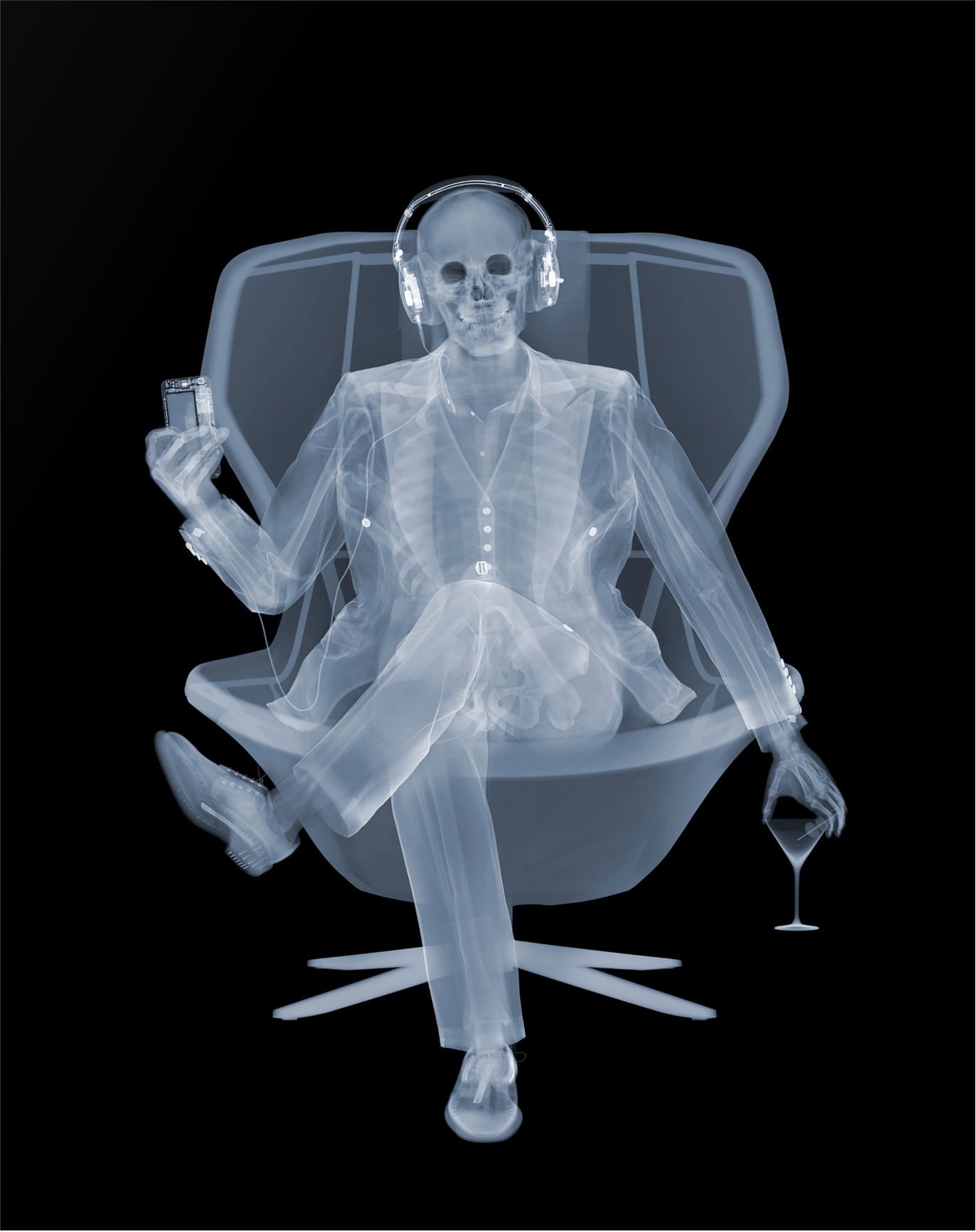
Easy Listener
Framed Chromaluxe
23 x 29.5 In
Edition
Edition on 25
About this work
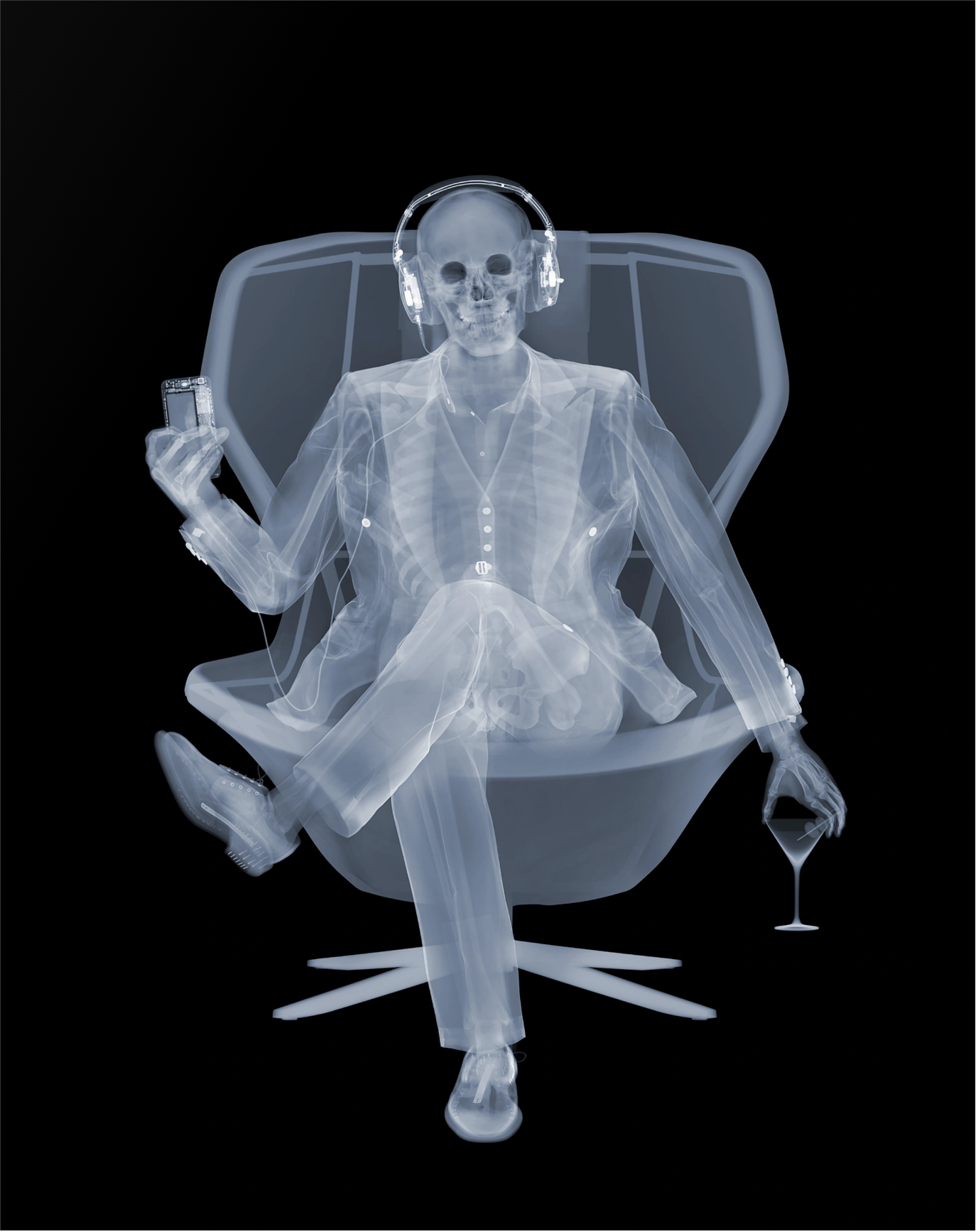
Easy Listener, by British artist Nick Veasey, presents an x-ray image of audio headphones as a Chromaluxe print in an edition of 25. Measuring 23 by 29.5 inches, the work belongs to Veasey's ongoing X-Ray Works series, in which the artist uses industrial x-ray technology to reveal the hidden interior architectures of everyday objects, transforming the familiar and the overlooked into images of unexpected formal beauty and conceptual depth. The title Easy Listener — its connotations of relaxed, accessible music and the pleasure of sound — sits in productive tension with the radical visual transformation that Veasey's x-ray process performs on its subject. Where the listening experience is characterized by ease, immersion, and the dissolution of self into music, Veasey's image exposes the engineering complexity that underlies this pleasure: the coiled wires, structural components, and invisible architecture of a technology we take entirely for granted. Printed on Chromaluxe — a photographic medium that uses dye-sublimation on aluminum panels — the work achieves a luminous, high-contrast clarity that heightens the drama of the revealed interior. Veasey's X-Ray Works represent a sustained artistic investigation of what it means to see through surfaces — to look past the designed exterior of objects and encounter the engineering reality beneath. Easy Listener, with its focus on an object designed specifically for the pleasure of reception and listening, adds a particularly resonant dimension to this inquiry. In an edition of 25, it is a collectible and distinctive work that demonstrates Veasey's ability to find profound visual and conceptual content in the everyday objects that surround us.
Price on Application
Edition & Provenance
- Medium
- Framed Chromaluxe
- Edition
- Edition on 25
More from this series
Nick Veasey
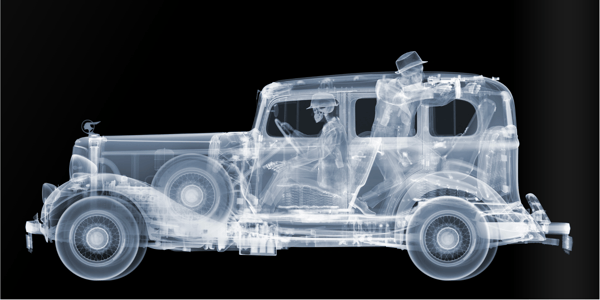
1930’s Pontiac with Gangsters
Nick Veasey
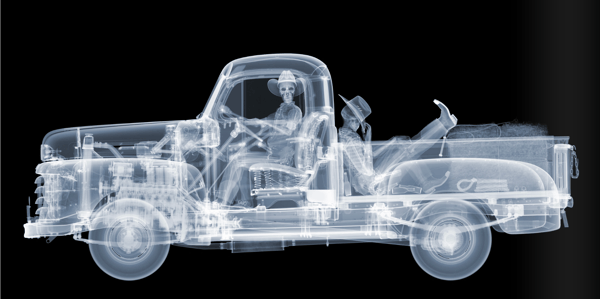
1948 Mercury Cowboy
Nick Veasey
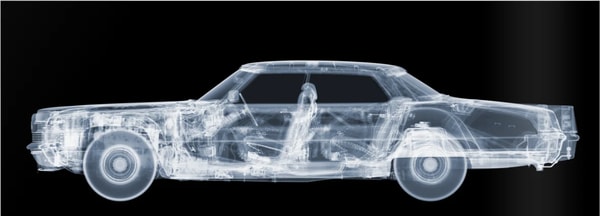
1970 Cadillac De Ville
Nick Veasey
1972 Porsche 911 Targa
Nick Veasey
1988 Ferrari F40 GTE
Nick Veasey
BanXsy After
Nick Veasey
BanXsy Before
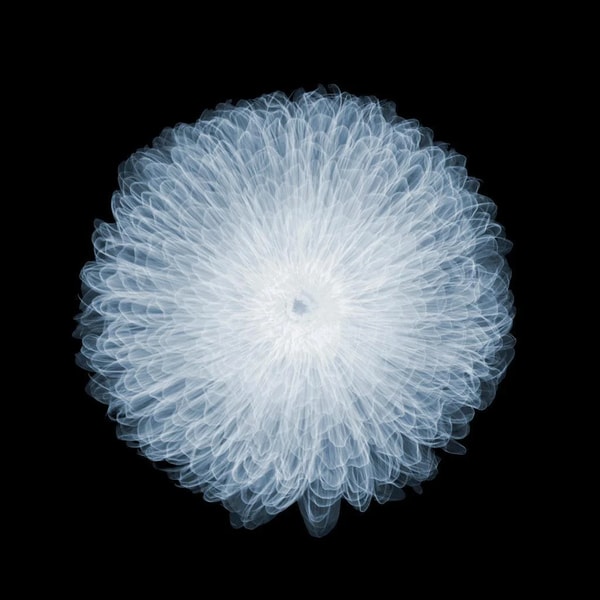
Nick Veasey
Britbloom Chrysanthemum
2019
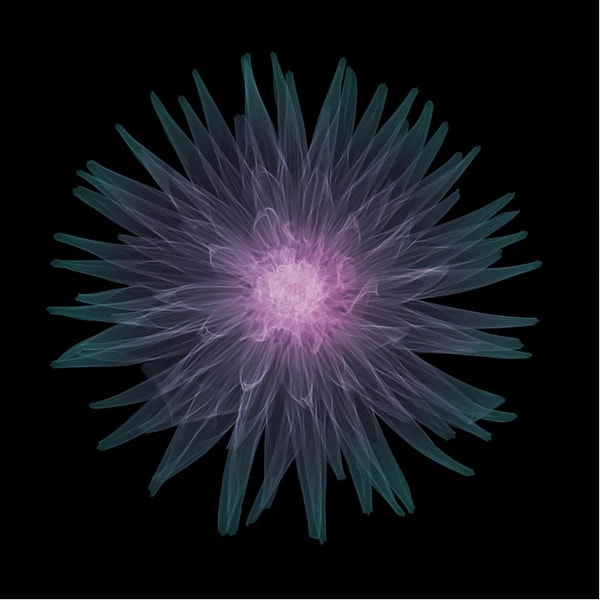
Nick Veasey
Cactus Dahlia
2019
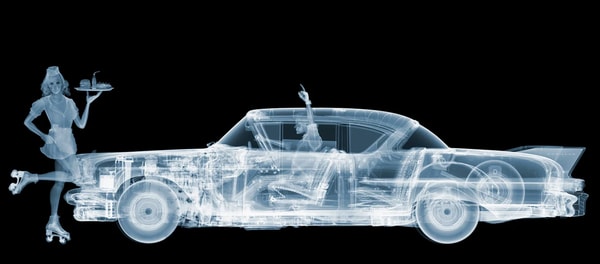
Nick Veasey
Cadillac Car Hop
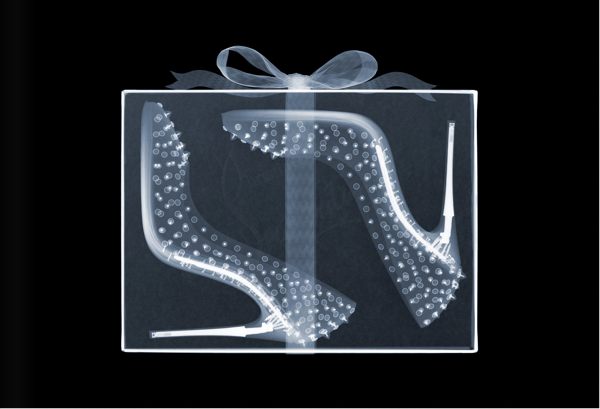
Nick Veasey
Christian Louboutin, Pigalle Follies 1c1s

Nick Veasey
Cocktail?
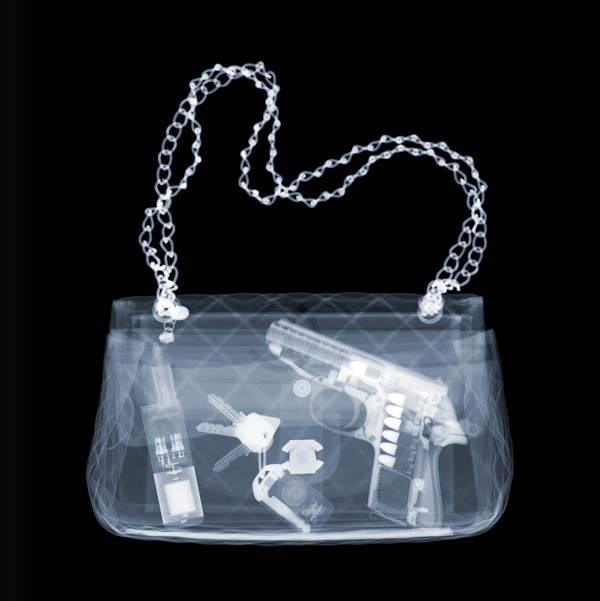
Nick Veasey
Don't Mess With The Ms
2025
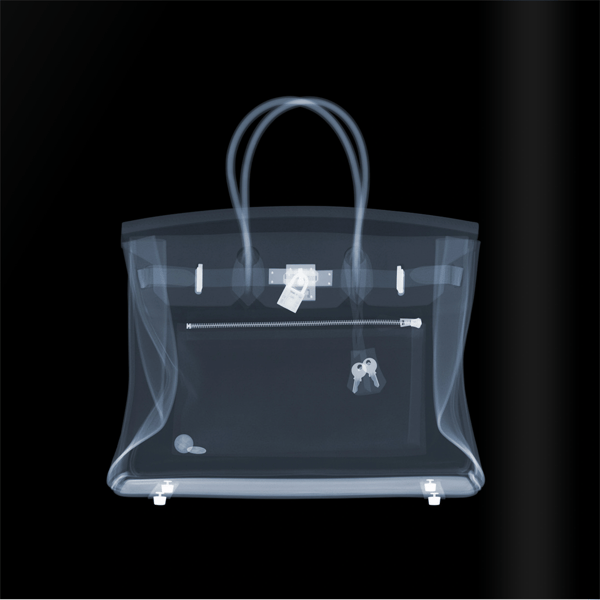
Nick Veasey
Hermes Birkin Bag

Nick Veasey
Hi-Fi Man

Nick Veasey
Magnum and Rose
2019

Nick Veasey
Peony
2019
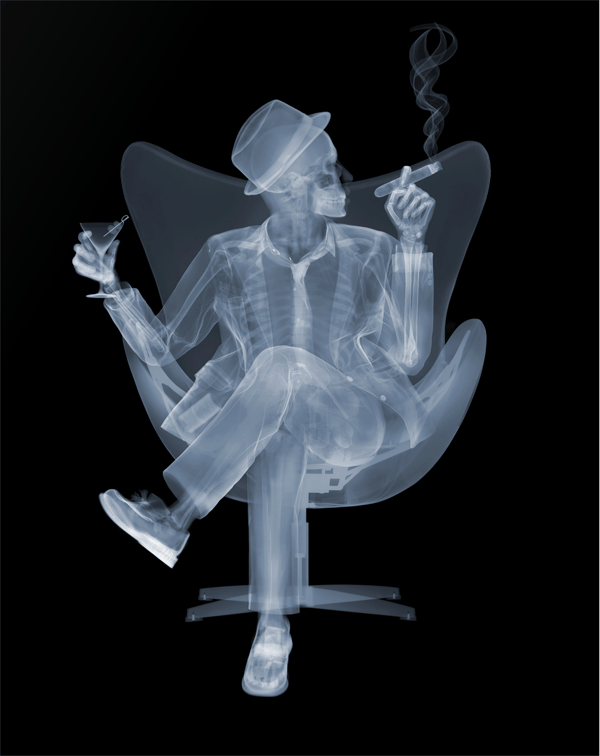
Nick Veasey
Rat Pack II
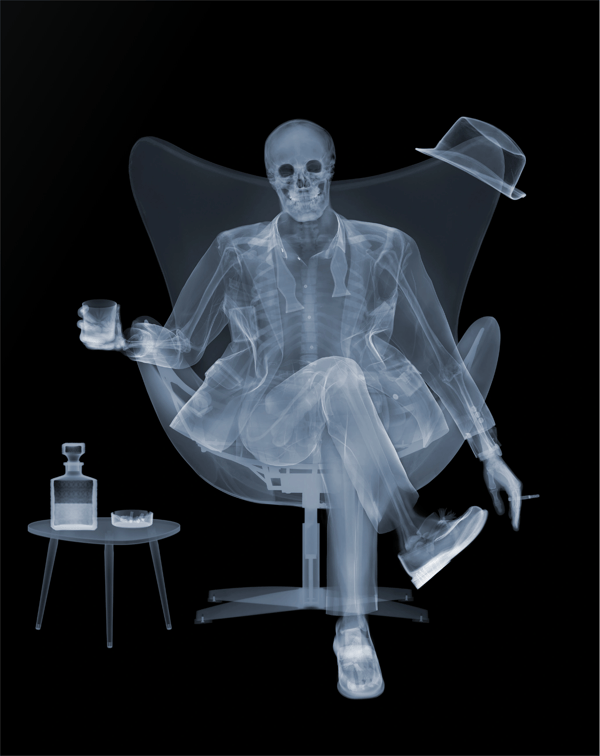
Nick Veasey
Rat Pack III
Nick Veasey
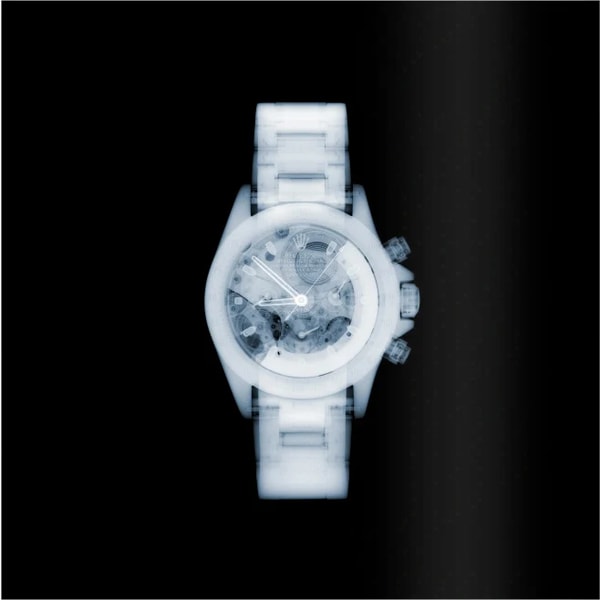
Rolex
2019

Nick Veasey
Sequin Bag
2025
Nick Veasey
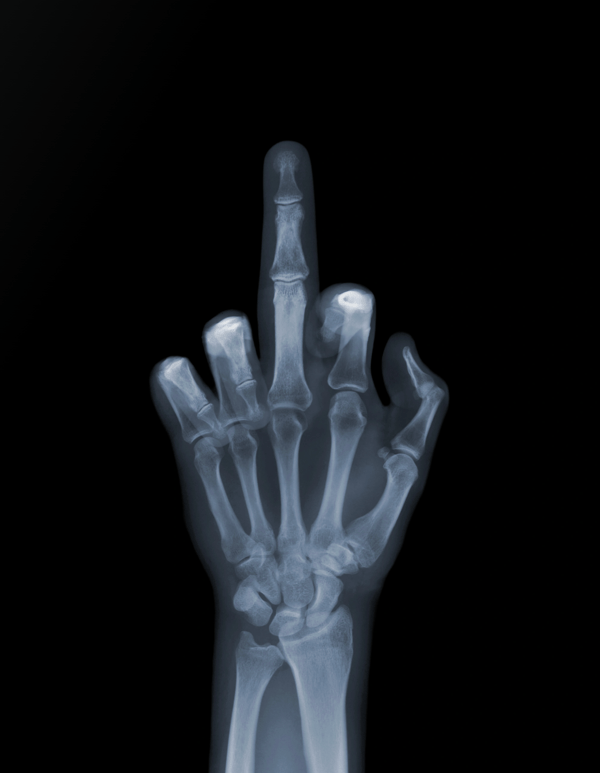
The Finger
2001
Nick Veasey
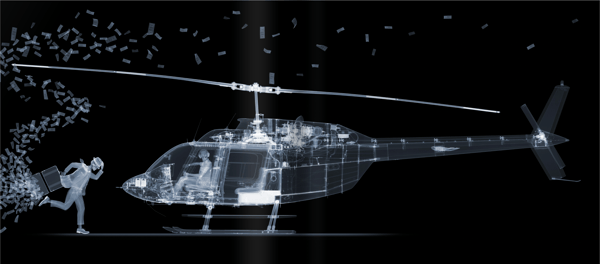
The Fly Away
Related Reading
About the X-Ray Works Series
Nick Veasey works across several distinct series, each applying his signature X-ray process to a different corner of the world we inhabit but rarely truly see.
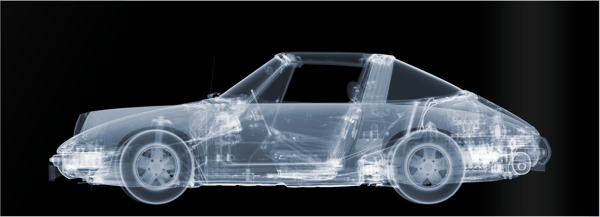
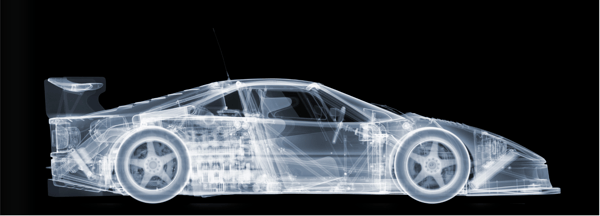
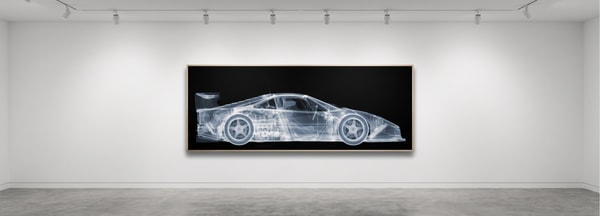
His automotive works are among his most celebrated. Ferraris, Porsches, Land Rovers, and Volkswagen Campers are rendered in full radiographic detail, their engines, frames, and mechanical anatomy laid bare without a body panel in sight. These are not photographs of cars. They are portraits of what a car actually is underneath everything we are sold about it.
His collaboration with the Victoria and Albert Museum to X-ray Balenciaga couture produced some of the most forensically beautiful fashion images ever made. Garments that took hundreds of hours to construct are revealed stitch by stitch, their internal architecture as compelling as their exterior. His human figures carry the same quality — skeletal forms dressed, posed, and placed in scenes that are simultaneously clinical and deeply human.
A separate but equally significant strand of his practice uses lenticular printing — a ribbed lens technology that shifts the image depending on the viewing angle — to create works that move and transform as you walk past them. Clark Kent becomes Superman. A bartender shakes a cocktail. Batman and Superman collide. These pieces introduce humor, narrative, and kinetic energy into a practice that is otherwise defined by stillness.
His most recent series marks a departure into color. Silver silkscreen printed directly onto colored acrylic, the SilXscreens retain the X-ray aesthetic while introducing a vibrancy and warmth that opens the work to a new register entirely.
Flora, fauna, musical instruments, shoes, typewriters, and household objects appear throughout his catalog, each one transformed by the X-ray process from the familiar into something worth looking at properly for the first time. A flower becomes a diagram of itself. A pair of headphones becomes a study in engineering. The ordinary, made extraordinary simply by being seen from the inside out.
About Nick Veasey
Nick Veasey is a British artist born in London in 1962 whose practice occupies a space that no other artist has claimed quite so completely. Working from a custom-built, radiation-proof studio in Kent, England, he uses industrial X-ray equipment to expose the hidden interior of the world around us — cars, fashion, animals, instruments, the human body — producing images of extraordinary detail and haunting beauty that sit equally at home in science institutions and major fine art galleries.
His entry into the medium came by chance in 1996, when he was asked to X-ray a cola can for a television production. On the same day, he X-rayed the shoes he was wearing and showed the results to an art director. The response was immediate and galvanizing, and Veasey has never looked back. What followed was decades of relentless experimentation, collaboration with scientists, and the construction of a working practice that is as technically complex as it is visually compelling.
The work carries real conceptual weight. In a culture consumed by surface — by image, by appearance, by the carefully managed exterior — Veasey does the opposite. He strips it away entirely, revealing the inner architecture of things we think we know and exposing a beauty that exists only when the surface is removed. His X-rays do not create or transform. They reveal what was always there. The range of his subjects is broad and deliberate. Iconic automobiles including Ferrari and Porsche, Balenciaga couture from the Victoria and Albert Museum's permanent fashion collection, military hardware, musical instruments, flowers, and the human skeleton have all passed through his lead-lined studio. Each subject is treated with equal precision and equal curiosity. The result, across all of it, is work that manages to be simultaneously scientific and lyrical, factual and deeply strange.
His prints are produced on Chromaluxe, Diasec, and lenticular formats and issued in strict limited editions. His work has been acquired by the Victoria and Albert Museum as part of the British National Collection of Photography and has been exhibited across Europe, North America, and Asia. He is the recipient of awards from the IPA Lucie Awards, AOP, D&AD, Graphis, and Communication Arts, and was nominated for IPA Lucie International Photographer of the Year in 2008. Commercial collaborations have included Nike, Levi's, Adobe, Adidas, the BBC, and Porsche. His most recent work includes the SilXscreens series — silver silkscreen on colour acrylic — marking a significant new direction into colour after a practice long defined by monochromatic imagery.